A creative Cricut hobby can bring extra income with the right Cricut projects to make and sell, practical product ideas and smart selling tips.
People often think of Cricut businesses as a way to make personalised shirts, mugs and gifts. But there are other products worth considering.
A reader who enjoys crocheting may want a better way to organise yarn and stitch markers, and a boutique may need clothing size dividers that match its shop. These are everyday needs that can be turned into useful products with a Cricut machine.
The opportunity lies in paying attention to what people already do and the small things that would make those activities easier.
Also the important part is choosing a product that has a clear purpose, can be made consistently and costs less to produce than the price customers are willing to pay.
This collection shows 31 Cricut projects to make and sell for extra money, with ideas for small businesses, hobbyists, readers, travellers and other potential customers.
You’ll also find details about materials, production and selling considerations to help you assess each idea before investing in supplies.
Inexpensive blanks can be turned into thoughtful presents with a little personalisation, making them useful for more than everyday crafting. Find more inspiration in 31 Easy Cricut Projects for Gifts.
What Makes a Cricut Project Worth Selling?
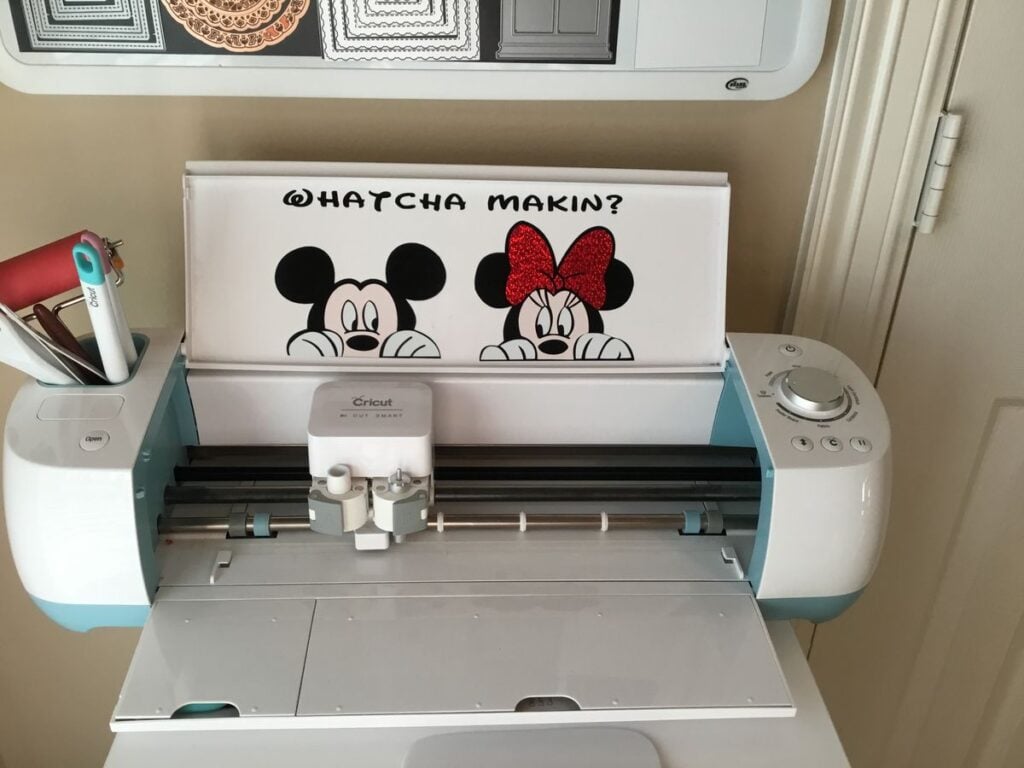
Not every item you can cut or personalise with a Cricut is a good product to sell. Some designs take too long to assemble, require expensive materials or appeal to people who have little reason to buy them.
Before purchasing supplies or creating several versions, examine the product from the customer’s point of view and consider what it will take to produce repeatedly.
Start with a specific buyer, not just a product idea. Think about who would use the item and where they would buy it. A crochet organiser card, for example, has a defined audience among people who work with yarn.
Branded packaging sleeves are more relevant to soap makers and other small product businesses. Identifying the buyer makes it easier to decide what size, material, design and price will suit the product.
Give the product a clear purpose. Personalisation can make an item attractive, but adding a name or decorative design does not automatically make it useful.
A clothing size divider should make it easier to sort garments, while a QR reorder card should take customers to the correct shop or product page. The finished item should do something the buyer can understand immediately.
Consider how easily you can make it again. One successful sample does not necessarily mean a product is suitable for regular orders. Check how long cutting, weeding, printing, pressing and assembly take.
Designs with many tiny pieces may look impressive but become time-consuming when producing several units. A simpler design that gives consistent results may be a better business choice.
Calculate the full production cost. Include the blank item, vinyl or cardstock, transfer materials, ink, adhesive, packaging and any other consumables. Account for mistakes and wasted materials, too.
Most importantly, include the time spent designing, cutting, assembling and personalising each order. A product that costs little in materials can still be expensive to make when it requires considerable handwork.
Find a reason customers would choose your version. Competing only on price can be difficult when mass-produced alternatives are available. You could serve a specific hobby, offer useful size variations, provide a coordinated set or allow customers to add details that suit their needs.
For example, a set of fabric sample cards designed for independent textile sellers has a clearer purpose than a generic collection of decorative paper cards.
Before investing in bulk supplies, make one finished sample and test it in the situation it is intended for. Check its fit, durability, readability and ease of use.
You can also show it to potential buyers and ask what they would change or what they would expect to pay. These small checks help you spend money on products with a clearer market and a production process you can manage.
Plain accessories and affordable room items can be customised to suit different tastes and styles. Teen makers may enjoy the ideas in 30 Cute Cricut Projects for Teen Girls.
Cricut Projects to Make and Sell
1. Custom Soap Packaging Sleeves
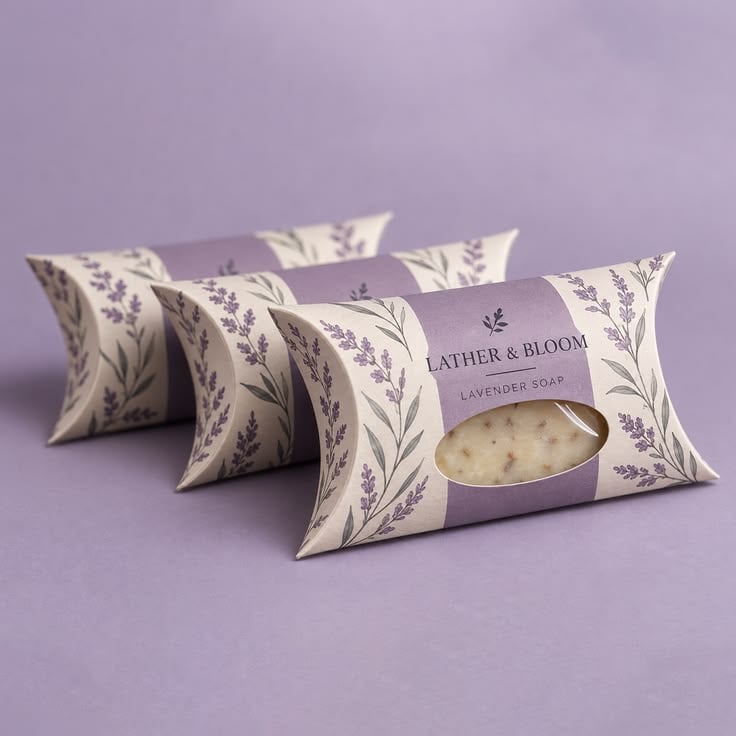
Independent soap makers often produce several varieties of handmade soap, each with its own scent, colour or ingredient combination.
Custom packaging helps customers tell the products apart, but ordering printed boxes in large quantities may not suit a small business. This creates an opportunity to make custom soap packaging sleeves with your Cricut machine.
Start by measuring the actual soap bar, including any protective wrapping. Handmade bars can vary in size, so avoid relying on one standard measurement. Create a cardstock band that fits securely without squeezing the soap or slipping off.
Make and test a sample before cutting a full batch, and choose paper sturdy enough to hold its shape under the product’s storage conditions.
You can offer these sleeves to soap makers in different sizes, with custom branding, scent names and designs for seasonal collections.
Leave space for product information supplied by the business owner. The sleeve must not replace required labelling, such as ingredient declarations and net quantity.
These details should be checked against the regulations that apply where the soap is sold.
2. Candle Dust Covers
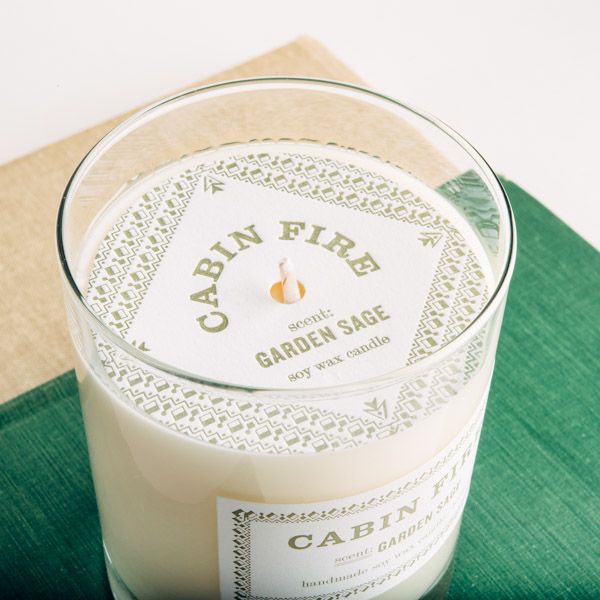
Candle makers can use decorative dust covers to protect the wax surface while jars are displayed, stored or prepared for sale.
These covers sit over the top of the jar and can be customised with the candle scent, business name, logo or a short gift message. They also give different scents in the same product range a consistent appearance.
Use cardstock to cut covers that fit the jar opening, allowing enough room for easy placement and removal.
Measure the inside or outside rim, depending on how the cover will sit, and test the fit before producing several pieces.
A small notch or tab can make the cover easier to lift without damaging it. These covers must be removed before lighting the candle and should never be marketed as fire or burn-safety accessories.
Discount-store frames, containers and decorative pieces can be given a personal touch with suitable Cricut designs. See 29 Easy Cricut Projects for Home Decor for more ideas.
3. Reusable Packaging Stencils for Small Makers
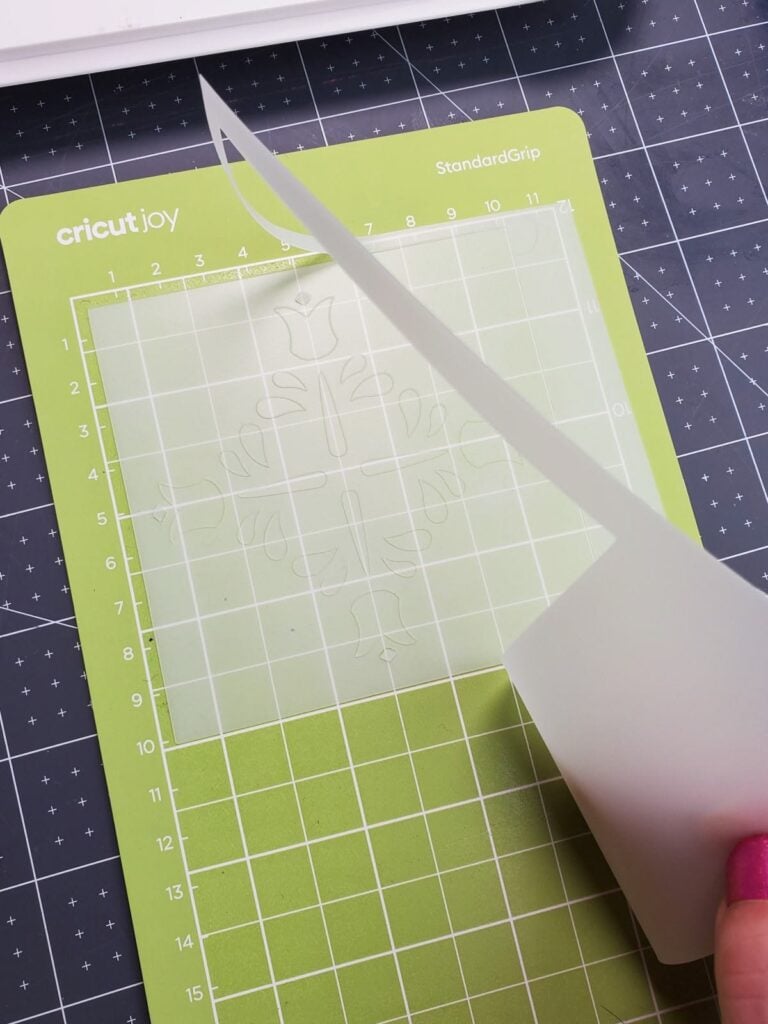
Small businesses often want their packaging to carry a consistent brand design without ordering custom-printed bags and boxes in large quantities.
Reusable stencils offer another option. With your Cricut, you can cut a business name, simple logo or original pattern that makers can use to decorate suitable packaging in small batches.
Choose a stencil material compatible with your Cricut machine and the intended surface.
The design should have clear openings and enough connecting sections to keep small letters or details in place. Test it on the actual packaging with the chosen paint or ink.
Check that the design produces clean edges, stays in position during application and can be removed without tearing.
You can offer different stencil sizes for paper bags, boxes and fabric packaging, depending on the maker’s needs.
4. Fabric and Yarn Sample Cards
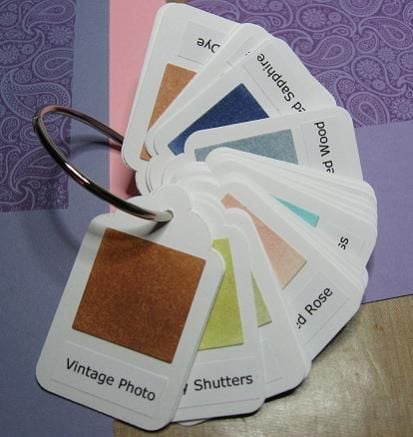
Fabric shops, yarn sellers and independent craft businesses often receive questions about colours, textures and material options.
Sample cards give customers something tangible to compare instead of relying entirely on product photographs. You can make these cards with your Cricut by cutting cardstock into consistent shapes with a space for attaching a small fabric or yarn sample.
Include details such as the colour name, material type, product code or shop contact information. Add punched holes where sellers want to keep samples together on a ring or display them in a binder.
The card should be sturdy enough to hold the sample without bending, and the information should remain readable after the material is attached.
This product can be offered in sets to fabric shops, yarn sellers and other businesses that provide physical material samples.
Cardstock is an affordable option for making gift tags, paper decorations and other small projects. More ways to use it appear in 27 Easy Cricut Projects Using Cardstock.
5. Handmade Garment Care Tags
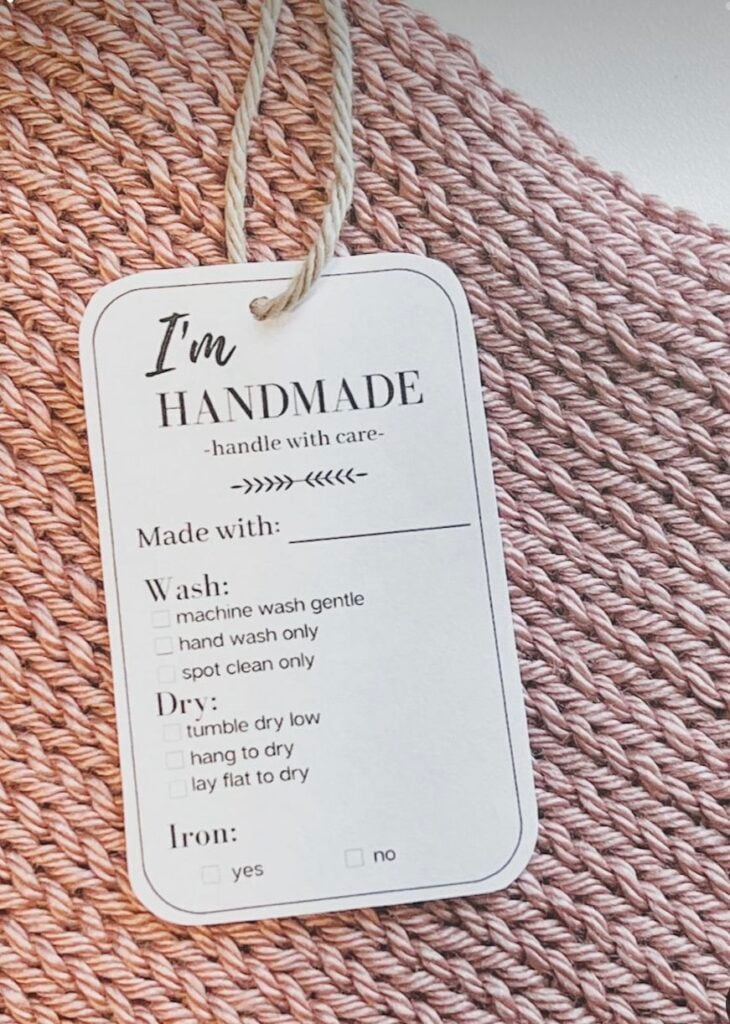
Independent clothing makers need a way to communicate how customers should care for their garments after purchase.
Custom care tags can give small clothing brands a more consistent presentation while keeping important washing and handling instructions with each item.
Cut the tags from suitable cardstock or another material appropriate for the garment and its intended use. Include the brand name, garment type and care instructions provided by the maker.
Do not guess washing temperatures, ironing settings or drying methods, as these depend on the fabric and garment construction.
Keep the text large enough to read at the finished size, and leave room for a hole or attachment point.
You can offer coordinated designs for different clothing collections, with the maker supplying and approving all care information.
6. Custom Clothing Size Dividers for Boutiques
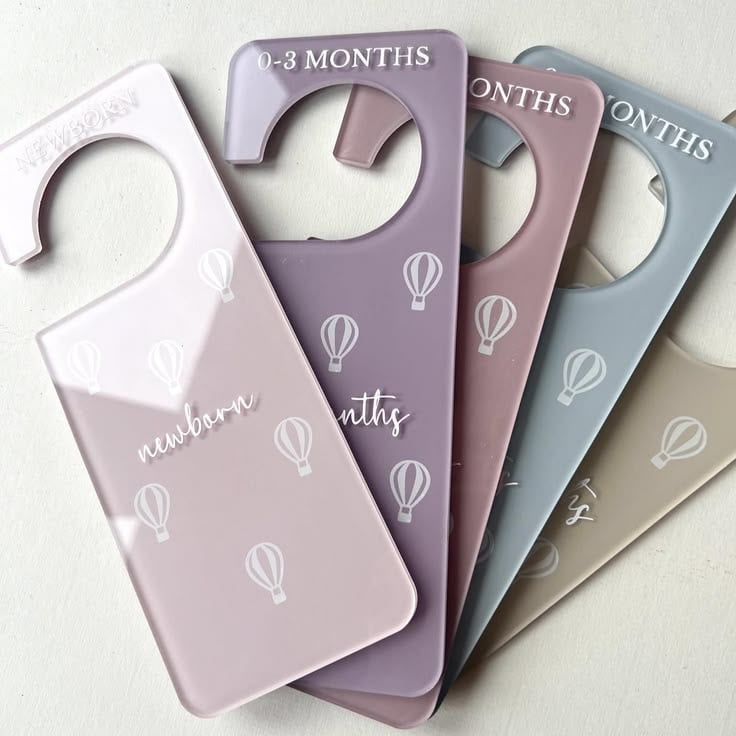
Clothing boutiques often arrange garments by size, collection or style to make their rails easier for customers to browse. Custom size dividers can help maintain that organisation while giving the shop a display detail that matches its branding.
Create the dividers with cardstock for temporary displays or a compatible durable plastic material for repeated use.
Cut a central opening or hanging section that fits the shop’s clothing rail, then add clear size labels such as XS, S, M, L and XL. You can also make sets for children’s clothing, occasion wear or different product collections
. Before producing an order, confirm the rail dimensions and test how the divider hangs when garments are moved along it.
Some low-cost fabric blanks can be personalised with Infusible Ink, provided they meet the material compatibility requirements. Readers can find more examples in 25 Easy Cricut Projects Using Cricut Infusible Ink.
7. QR Reorder Cards for Handmade Products
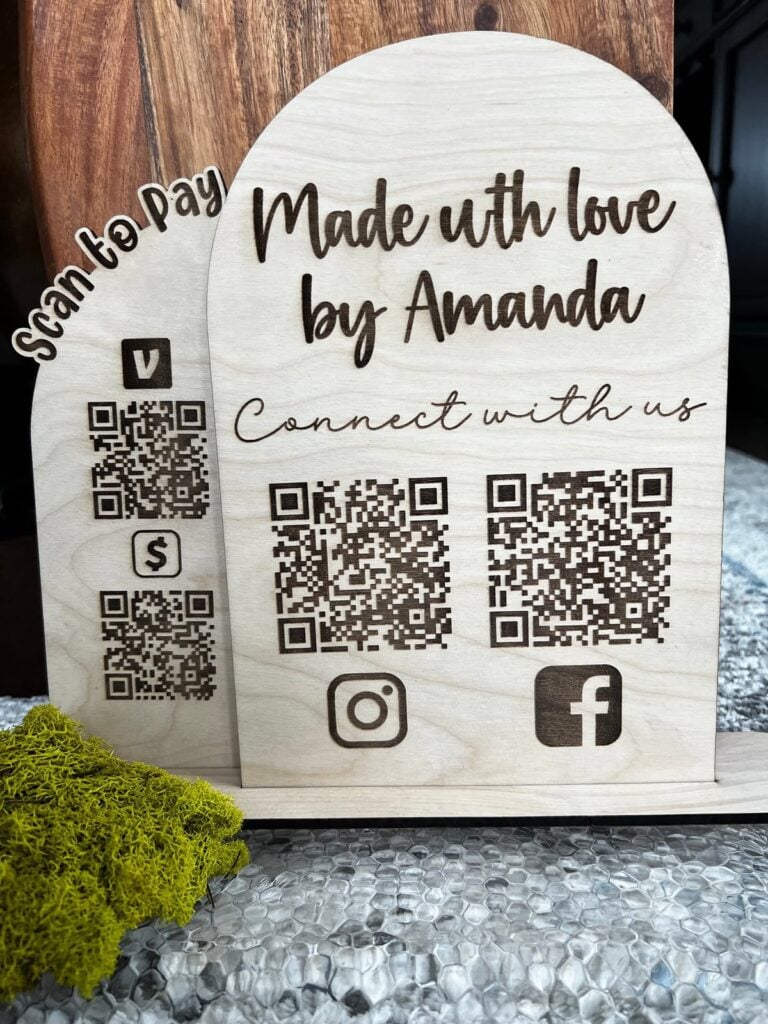
Customers who enjoy a handmade product may want to purchase it again but forget the seller’s website or social media page.
A QR reorder card gives them a direct route back to the business. You can create small branded cards for soap makers, candle businesses, accessory sellers and other independent product makers.
The card can include a QR code linking to the correct reorder page, online shop or product catalogue, alongside the business name and a short instruction such as “Scan to reorder.”
The seller should provide the destination link and confirm that it leads to the right page.
Test the printed code with different phones before producing a batch. Keep enough clear space around the code, use strong contrast and include a short web address as an alternative for customers who cannot scan it.
8. Product Assembly Instruction Cards
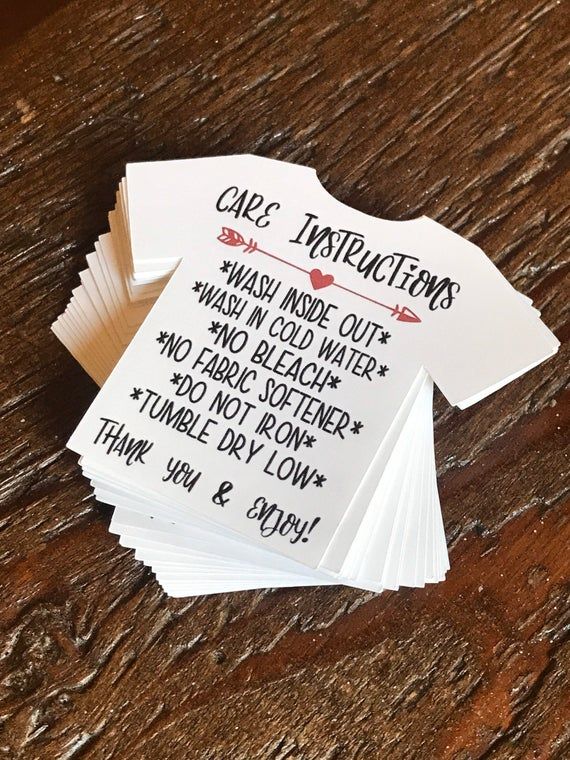
Some handmade products arrive in separate pieces that customers must put together before use. Craft kits, handmade accessories and flat-pack gift items are examples.
When the assembly process is not immediately clear, customers may contact the seller for guidance. A small instruction card can explain the steps at the point of use.
Use your Cricut to cut cards with numbered instructions, simple diagrams and clearly labelled parts.
Keep each step brief and arrange them in the order the customer should follow. For products with several components, a small illustration can be more useful than a long paragraph.
Ask the maker to check every instruction against the actual product before printing or cutting a batch. These cards can be customised with the business logo and included with individual orders or product kits.
Adhesive vinyl is useful for customising suitable surfaces such as notebooks, storage containers and decorative accessories. 23 Cricut Projects for Beginners Using Vinyl has more beginner-friendly ideas.
9. Craft Market Price and Product Cards
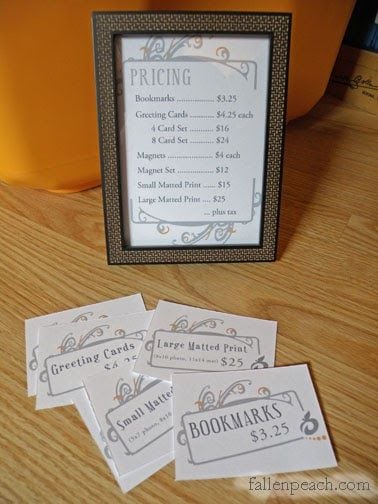
At craft fairs and pop-up markets, customers often want to know the price, product name and available options without having to ask the seller.
Coordinated display cards make this information easier to find and help sellers present their products neatly.
Create cards in different sizes for tabletop displays, baskets, shelves and individual product stands. Include the product name, price and relevant details such as available colours, sizes or scents.
For items with several variations, a small options card can prevent sellers from writing the same information repeatedly. Use cardstock that can stand upright or fit into an existing display holder, and keep the lettering large enough to read from a short distance.
You can offer matching sets that allow a business to update prices or product details without replacing its entire display.
10. Crochet Project Progress Trackers
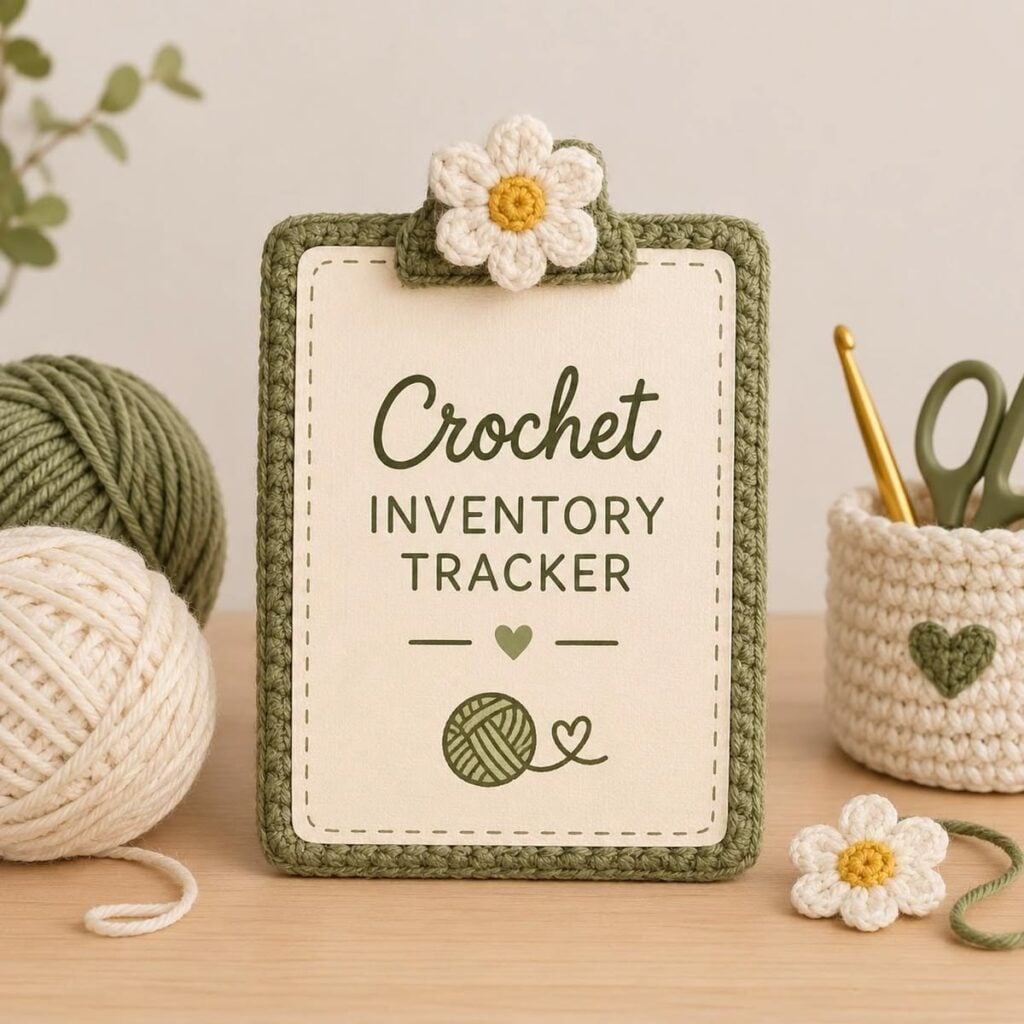
Crocheters often work on several projects at once and may lose track of the hook size, yarn details or row they last completed.
A reusable progress tracker gives them one place to record this information instead of relying on loose notes or memory. It is one of the more specialised Cricut projects to make and sell to people who enjoy crochet.
Create a tracker with spaces for the project name, yarn type, colour, hook size and completed rows or rounds.
You can make it from cardstock and add a dry-erase surface, or design it with a replaceable paper insert. Include enough writing space for longer project names and progress notes.
Test the writing surface with the recommended markers to make sure the writing can be erased cleanly without leaving stains. Offer individual trackers or sets for crocheters who work on multiple projects.
Affordable blanks can help keep initial production costs manageable when making items to sell, although quality and labour should also be included in pricing. Explore 25 Easy Cricut Projects to Make and Sell for Extra Money for product inspiration.
11. Yarn Band Customisation Sets
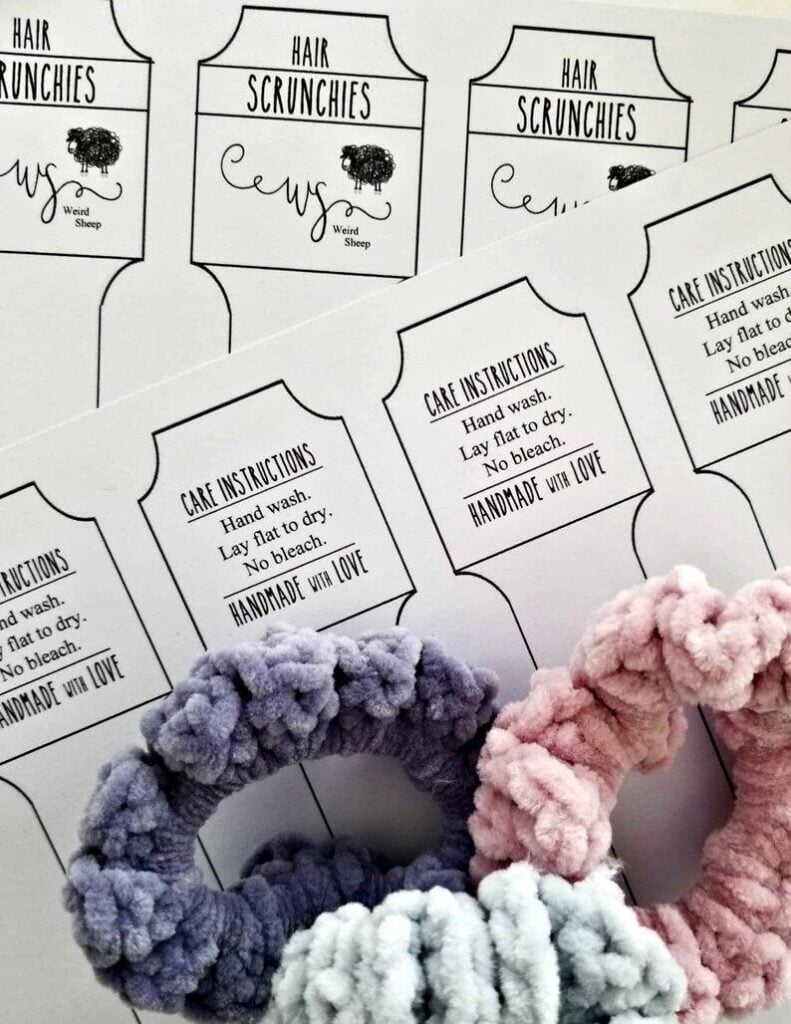
Independent yarn dyers and small yarn shops may want branded bands around their skeins without ordering large quantities of professionally printed packaging.
Custom yarn bands give these sellers a way to present their products consistently while displaying important information about each yarn.
Use your Cricut to cut paper bands with space for the business name, yarn colourway and product details. Depending on the seller’s requirements, the layout can include fibre content, yarn weight, length and dye-lot information.
These details must come directly from the yarn maker; do not estimate them or copy specifications from another product. Measure the skein before setting the band dimensions so it fits securely without compressing the yarn.
You can offer a reusable design template with editable information areas or produce customised batches for different colour collections.
12. Crochet Stitch Marker Storage Cards
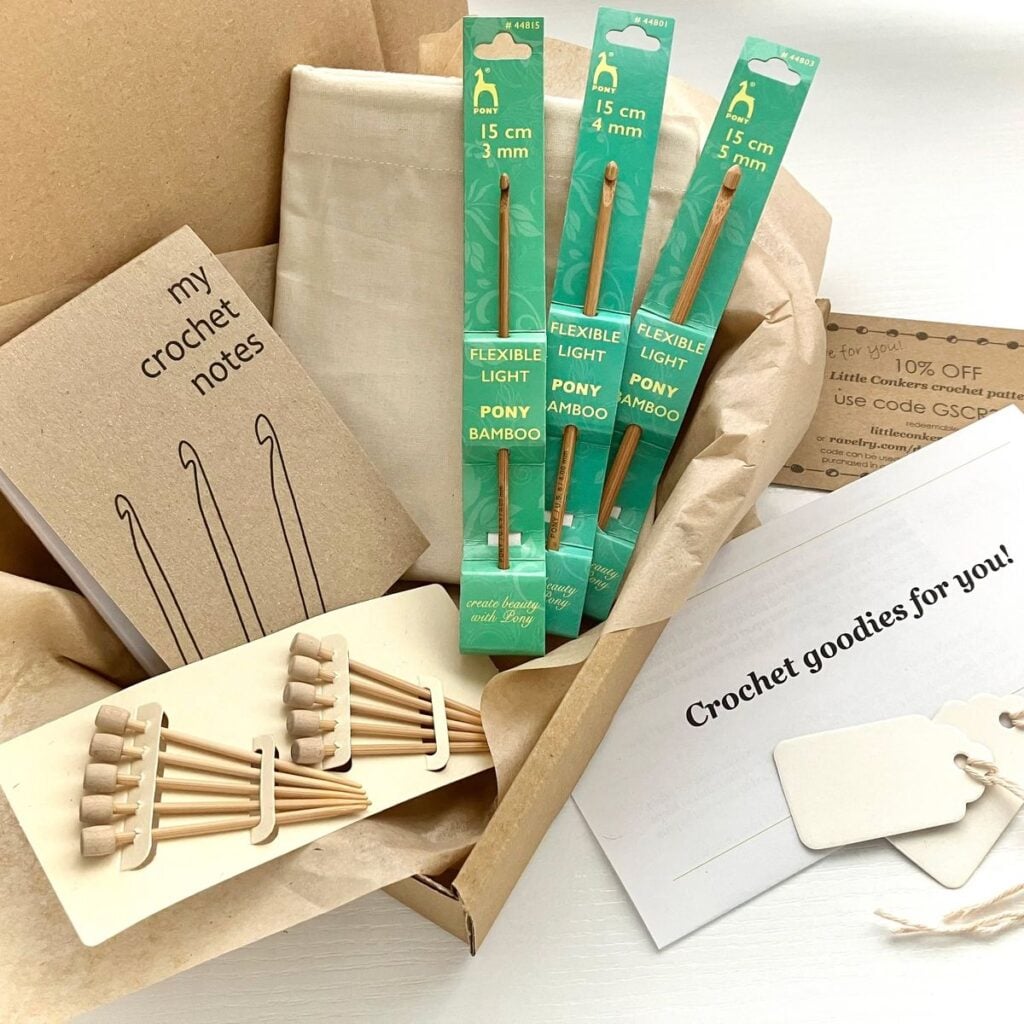
Loose stitch markers can easily get misplaced in a crochet bag or mixed up with other small supplies. Storage cards provide a simple way to keep them together, particularly when crocheters carry several types or sizes.
This makes them a useful product to consider among Cricut projects to make and sell to a specific hobby audience.
Cut compact cards from sturdy cardstock with evenly spaced holes for attaching stitch markers. Add a small label area for the marker type, size or set name. You could sell the cards on their own or package them with compatible stitch markers to create a complete storage set.
Check that the holes are large enough for the markers to attach and detach easily without tearing the card. A hanging hole can also make the set easier to store on a craft organiser.
Testing a few inexpensive products can help beginners learn what customers may be interested in before buying supplies in bulk. 21 Simple Cricut Projects for Beginners That Actually Sell offers more ideas to consider.
13. Quilting Fabric Placement Cards
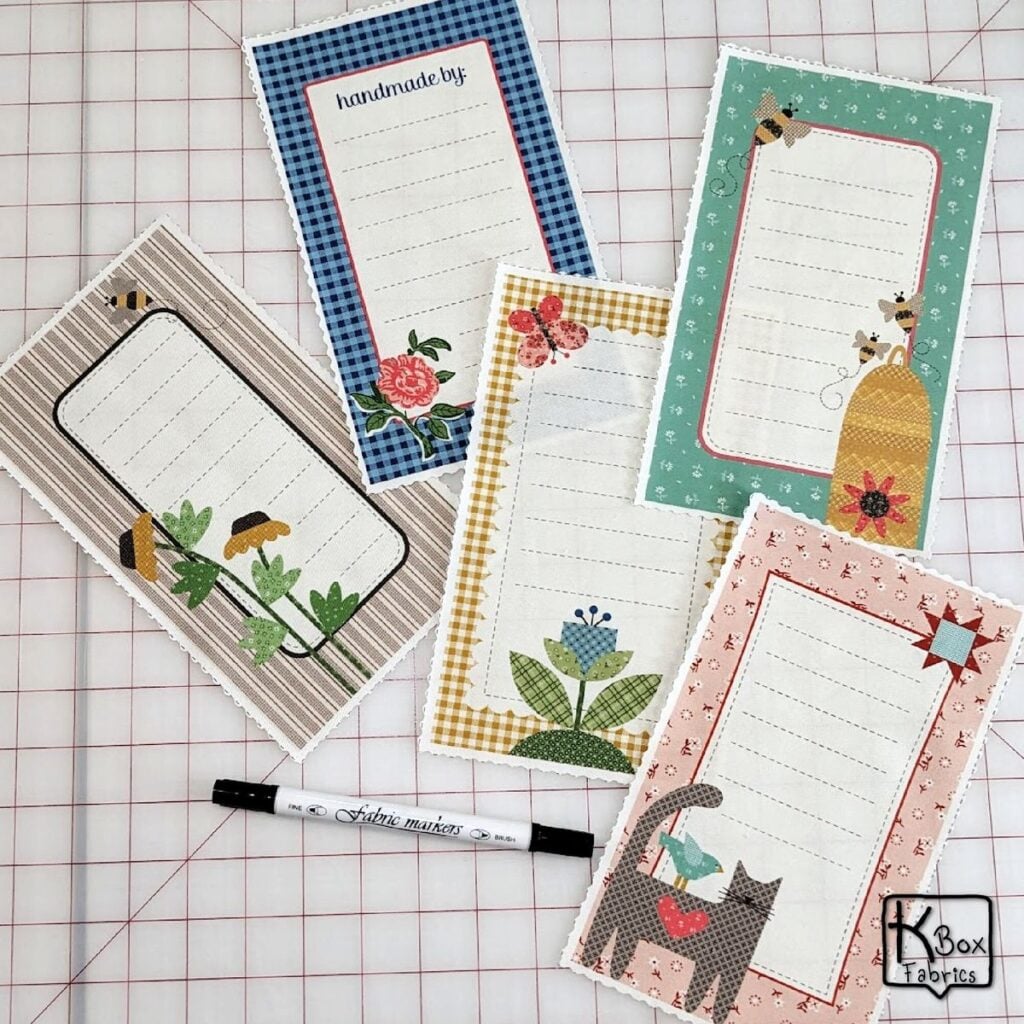
Quilters often cut several fabric pieces for one project, and keeping track of where each piece belongs can become difficult, especially when working with multiple colours or repeated shapes.
Numbered fabric placement cards can help organise the pieces before sewing begins.
Create a matching set of cards with numbers, letters or colour references that correspond to the positions in a quilt block. The quilter can place each card beside its matching fabric piece and follow the sequence when assembling the block.
Make the labels large enough to remain visible among the fabric pieces, and use a consistent numbering system. For customised orders, the buyer should provide the quilt pattern or placement sequence so the cards match the actual design.
You could also sell blank reusable cards for quilters who prefer to create their own labels.
14. Embroidery Thread Organiser Cards
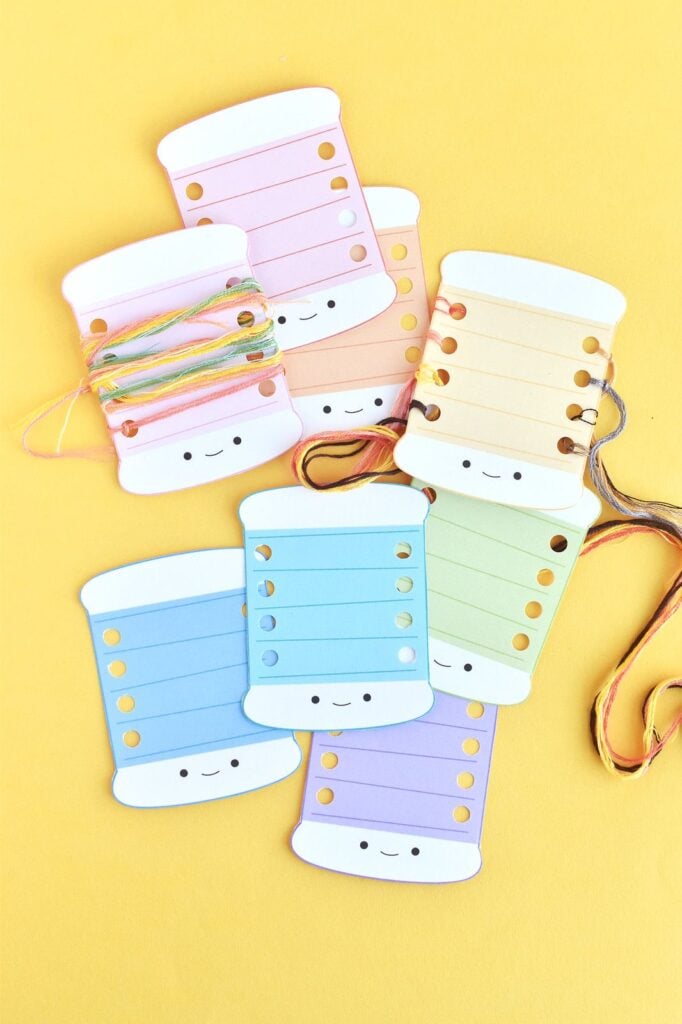
Embroidery floss is often sold in skeins that need to be separated and organised before use.
Once removed from their original packaging, loose strands can become tangled, while colour numbers may be difficult to identify.
Thread organiser cards help keep individual colours together and make them easier to find during a project.
Use your Cricut to cut cards with slots or holes for winding the floss. Include spaces for thread brand, colour code and short project notes.
Make sure the openings have smooth edges and enough room for the thread to pass through without snagging or fraying.
Sturdy cardstock works for simple storage cards, while a compatible plastic material may suit customers who want something more durable. You can sell these in numbered sets or create custom cards for particular embroidery thread collections.
New Cricut users can practise on affordable materials and simple blanks while learning basic cutting and application techniques. Find more projects in 22 Easy Cricut Projects for Beginners You Can Make at Home.
15. Reusable Fabric Painting Stencils
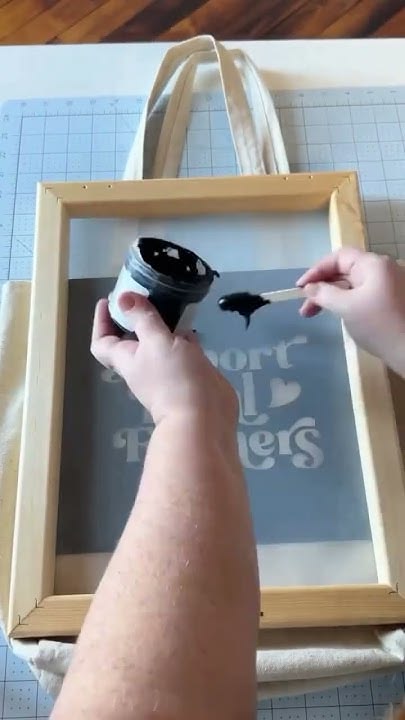
People who enjoy decorating plain tote bags, T-shirts and other fabric items may want original designs they can apply themselves.
Reusable fabric painting stencils allow them to repeat a motif without drawing it by hand each time. This gives you an opportunity to offer themed stencil sets through your Cricut projects to make and sell collection.
Create designs such as simple botanical shapes, geometric patterns, lettering or small illustrations. Choose a stencil material that can withstand the intended fabric paint and cleaning process.
Pay attention to enclosed letters and shapes: designs such as O, A and D need connecting bridges to keep their centres in place after cutting.
Test the stencil on a scrap of similar fabric to check for paint bleeding, clean edges and easy removal.
Offer different motif sizes for customers decorating small accessories and larger fabric surfaces.
16. Sewing Project Identification Tags
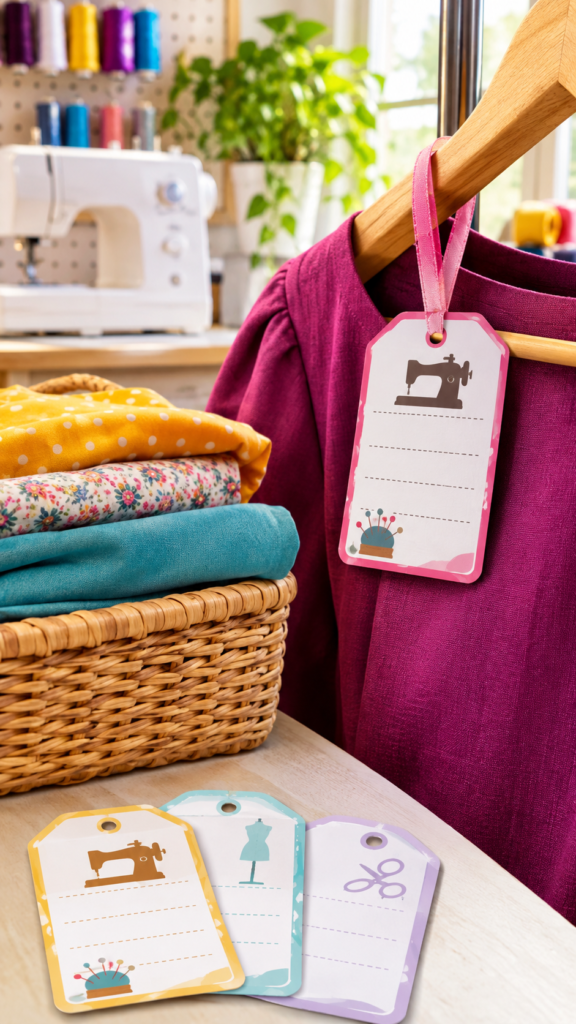
Sewing studios and independent dressmakers may have several unfinished garments at different stages of production.
Without clear labels, customer details, fitting dates and construction instructions can become mixed up. Project identification tags provide a simple way to keep this information with the correct garment.
Cut tags with sections for the customer’s name, garment type, fitting date and next construction step.
Include a hole or attachment point so the tag can be secured to a garment hanger or project bag without damaging the fabric. Leave enough room for handwritten notes, and make the layout easy to update.
You can offer reusable versions with a compatible dry-erase surface or disposable cardstock tags for businesses that prefer to write new details for each order. Avoid placing pins or sharp attachments directly into finished garments.
Straightforward designs are a good way to become familiar with the machine without using expensive materials on every attempt. 19 Easy Cricut Projects for Beginners provides more starting points.
17. DIY Craft Kit Instruction Inserts
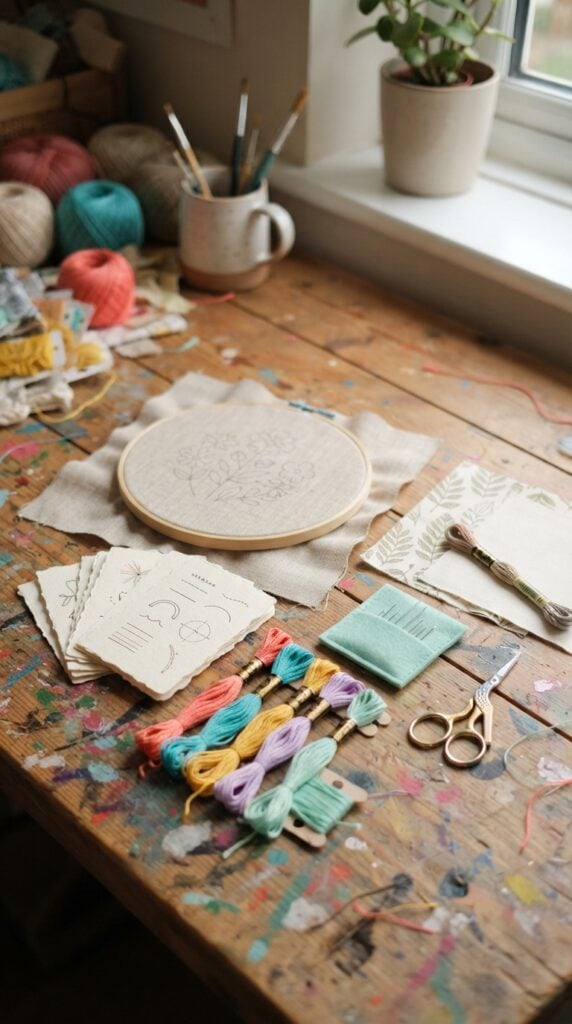
Someone buying a beginner embroidery, paper craft or simple sewing kit may not know how to organise the materials or complete the first step.
Clear instructions can make the kit easier to use and reduce the number of questions the seller receives after purchase. Small businesses that assemble craft kits can use customised instruction inserts to improve how their products are presented.
Design inserts with a materials checklist, numbered steps, simple diagrams and relevant safety information. Your Cricut can cut the cards to a consistent size and add decorative details, while printed text can carry the longer instructions.
Keep the wording straightforward and make sure the diagrams match the actual materials supplied.
Before producing a batch, ask someone unfamiliar with the kit to follow the instructions without assistance.
Their feedback can reveal missing steps or unclear explanations that the seller may have overlooked.
18. Book Club Discussion Card Decks
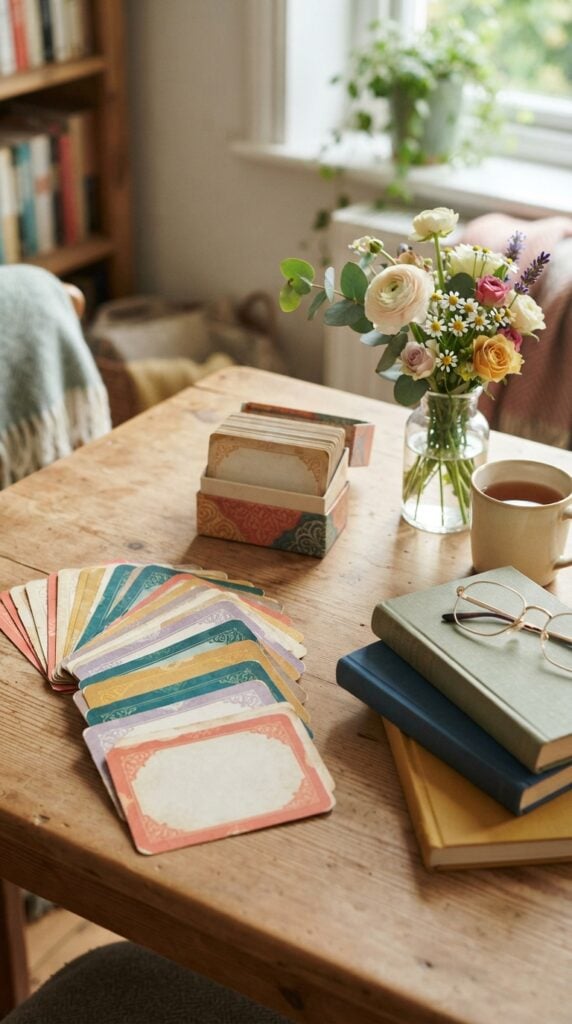
Book club organisers sometimes spend time preparing questions before each meeting, especially when members have different opinions about a book.
A ready-made discussion deck gives the group a starting point and helps keep the conversation moving beyond a simple summary of the story.
Use your Cricut to cut and assemble a deck of original question cards. Include prompts about character decisions, unexpected developments, themes, writing style and how the story relates to everyday experiences.
You can create separate decks for fiction, non-fiction, young adult reading groups or general book discussions. Keep the questions broad enough to work with different titles, rather than basing the deck on one copyrighted book.
A small storage box or matching card holder can make the set easier to carry and keep together.
A simple notebook, tote bag or other suitable blank can become a personal gift with a customised design. More present ideas are featured in 33 Cricut Projects for Beginners That Make Great Personalized Gifts.
19. Reading Challenge Passports
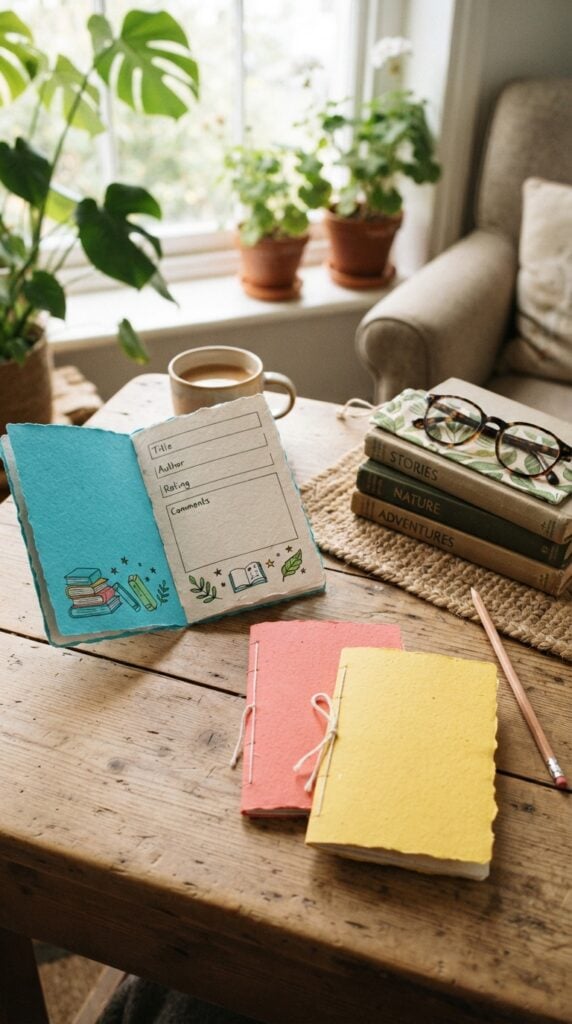
Some readers enjoy setting reading goals but lose track of the books they have completed, particularly during school holidays, library programmes or group challenges.
A reading passport gives them a simple record they can carry between reading sessions.
Create a small booklet with spaces for book titles, authors, genres, completion dates and short reading notes. You can also include blank challenge pages where readers set their own goals, such as reading a book by a new author or choosing a different genre.
Offer versions for adult book clubs, school libraries and family reading activities.
Keep the pages flexible so organisers can add their own themes without needing an entirely new booklet for every programme.
20. Mahjong Score and Session Trackers
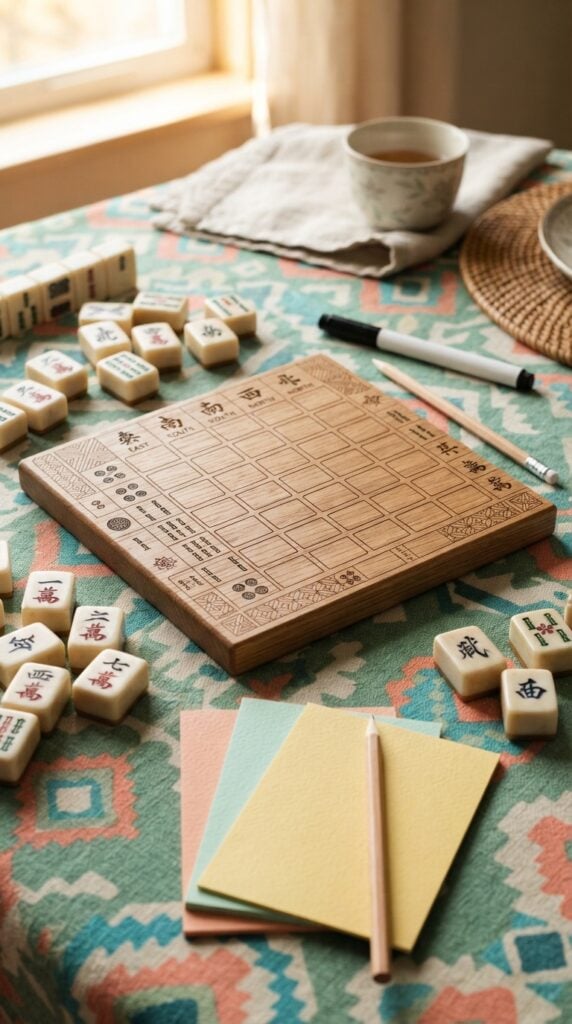
Mahjong players may need to keep track of scores across several rounds, particularly during social games where one person is responsible for recording the results.
A well-organised score tracker can make this task easier and reduce confusion when totals are being calculated.
Create a reusable board or printed score sheets with clearly marked spaces for player names, round scores and running totals.
The important detail is the scoring system: Mahjong has different regional variations, and scoring rules are not interchangeable.
Before making a specialised version, identify the ruleset it is designed for and have an experienced player check the layout. You could also offer a general score sheet that players can adapt to their preferred rules.
Children can join in with decorating selected craft supplies, using age-appropriate materials and adult supervision. 35 Easy Cricut Projects for Kids has more activities to try.
21. Board Game Scorekeeping Pads
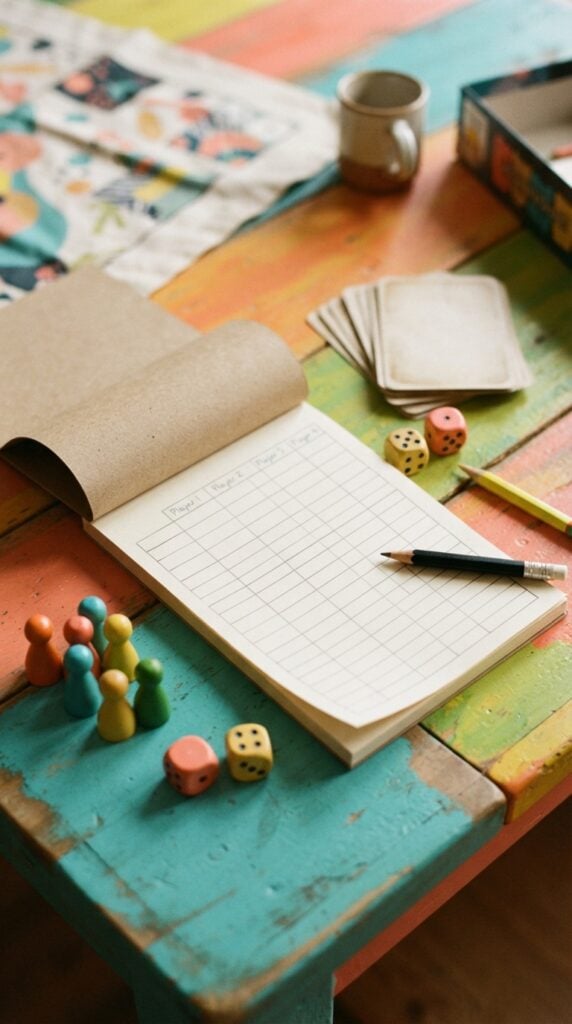
Many board games require players to record points over several rounds, but using loose paper can make scores difficult to follow.
A dedicated score pad gives players a convenient place to record each round and calculate the final result.
Design tear-off sheets with columns for player names, round numbers and scores. For games with team play, include space for team totals.
You can make general-purpose pads for different playing groups or develop customised versions for a specific game after checking its scoring method.
A reusable dry-erase board is another option for families who play frequently. Keep the layout uncluttered so players can enter scores quickly while the game is in progress.
22. Classroom Visual Routine Cards
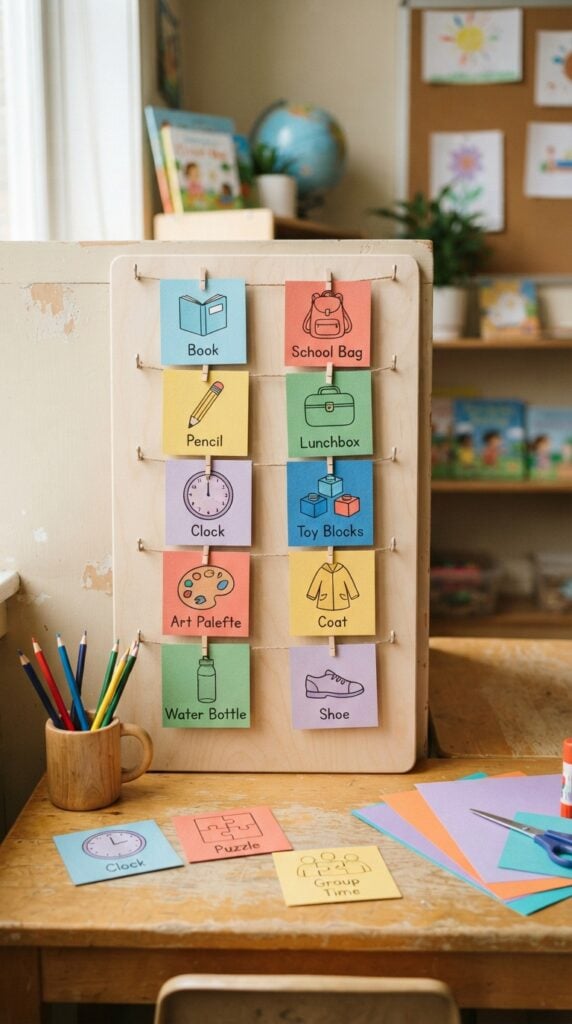
Teachers often move between several classroom activities in one day, and younger pupils may benefit from seeing what comes next rather than relying only on verbal reminders.
Visual routine cards provide a simple way to display the day’s sequence on a classroom board or near a learning area.
Create individual cards for activities such as morning registration, reading, group work, break time, packing away and dismissal. Use original illustrations or simple symbols paired with short labels.
Cut the cards from sturdy cardstock and consider laminating them for repeated handling.
You can add hook-and-loop dots or another suitable attachment method so teachers can rearrange the sequence as the timetable changes. Offer blank cards as part of the set for activities specific to each classroom.
Affordable seasonal supplies can be customised into festive decorations, gift tags and holiday accessories. See 31 Easy Cricut Projects for Christmas for more Christmas inspiration.
23. Homeschool Lesson Progress Trackers
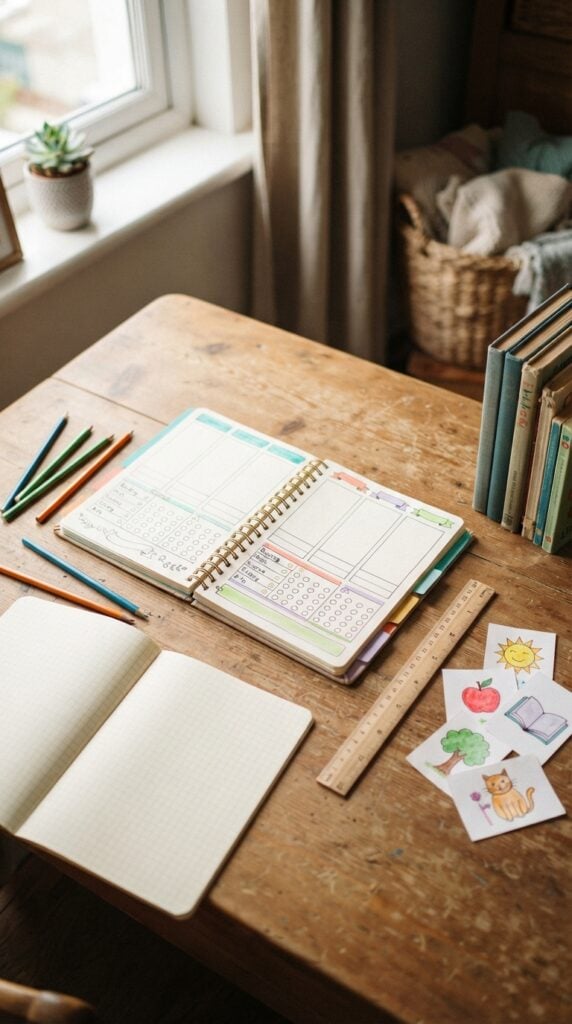
Homeschooling parents often manage several subjects, assignments and learning activities across the week.
A lesson tracker can bring those details together and make it easier to see which tasks have been completed and which still require attention.
Create weekly sheets with spaces for subjects, lesson titles, planned activities and completion dates. A booklet can provide a record across a term, while a dry-erase board works for families who prefer to update the same schedule each week.
You could also include separate sections for reading time, practical activities and revision. Keep the layout adaptable rather than assigning specific lessons or grade-level outcomes.
This makes the tracker useful to families following different curricula and learning schedules.
24. Instrument Case Identification Plates
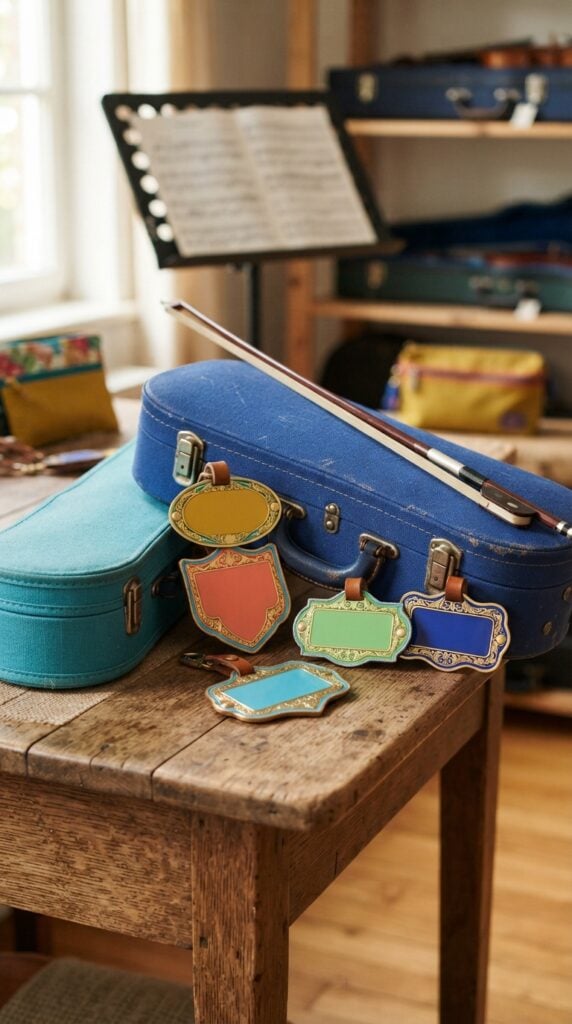
Music students in schools, bands and orchestras may keep similar-looking instrument cases in shared storage areas.
Personalised identification plates can help distinguish one case from another without permanently altering its appearance.
Cut name plates from suitable adhesive vinyl or make removable tags that attach to the case handle. Include a name, initials, instrument type or school music group.
Before choosing the material, check whether the case has a fabric, textured or coated surface, as not all adhesives hold equally well.
Keep the identification away from hinges, locks, ventilation openings and manufacturer labels. Offering different shapes and sizes can make the product suitable for instrument cases of various designs.
Plain treat bags, containers and accessories can also be adapted for Halloween with suitable vinyl and cardstock. 33 Easy Cricut Projects for Halloween shares more seasonal ideas.
25. Dance Costume Rack Tags
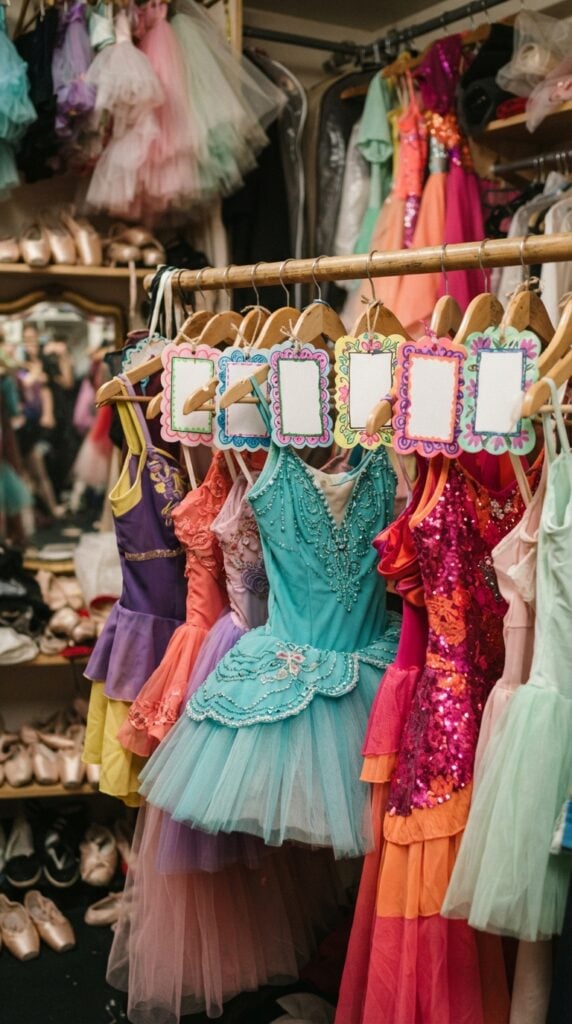
During rehearsals and performances, dance schools may have several costumes hanging together, sometimes with quick changes between scenes
. Sorting these outfits by dancer or performance number can become difficult backstage. Custom rack tags provide a simple way to identify the correct costume without searching through every garment.
Create tags with the dancer’s name, costume number, group or performance role. They can be designed to hang from clothing rails or individual garment hangers.
Use sturdy cardstock with a protective finish or a compatible plastic material for repeated use.
For larger orders, offer matching sets with consistent numbering so costume coordinators can organise an entire production.
26. Sports Equipment Identification Wraps
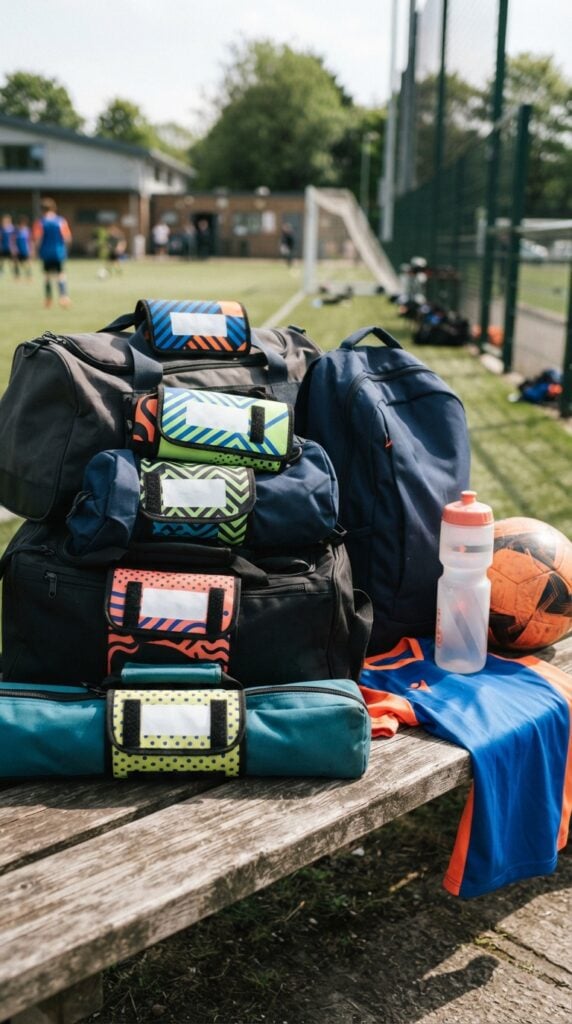
Sports teams often store several similar bags, bottles and pieces of equipment together. Personalised identification wraps can help players recognise their belongings, particularly during training sessions and group travel.
Use compatible heat-transfer vinyl to add player names, initials or team numbers to suitable fabric equipment bags and storage sleeves.
You can also make removable labels for items where permanent decoration is not appropriate. Check the fabric composition and manufacturer’s care instructions before applying heat, as some synthetic materials cannot withstand standard pressing temperatures.
Test the design on a sample and follow the vinyl manufacturer’s application and washing guidance before accepting a larger team order.
Many Dollar Store blanks can be personalised with adhesive vinyl or paper designs, so a heat press is not always needed. More alternatives are covered in 21 Cricut Projects for Beginners Without a Heat Press.
27. Packing Cube Identification Bands
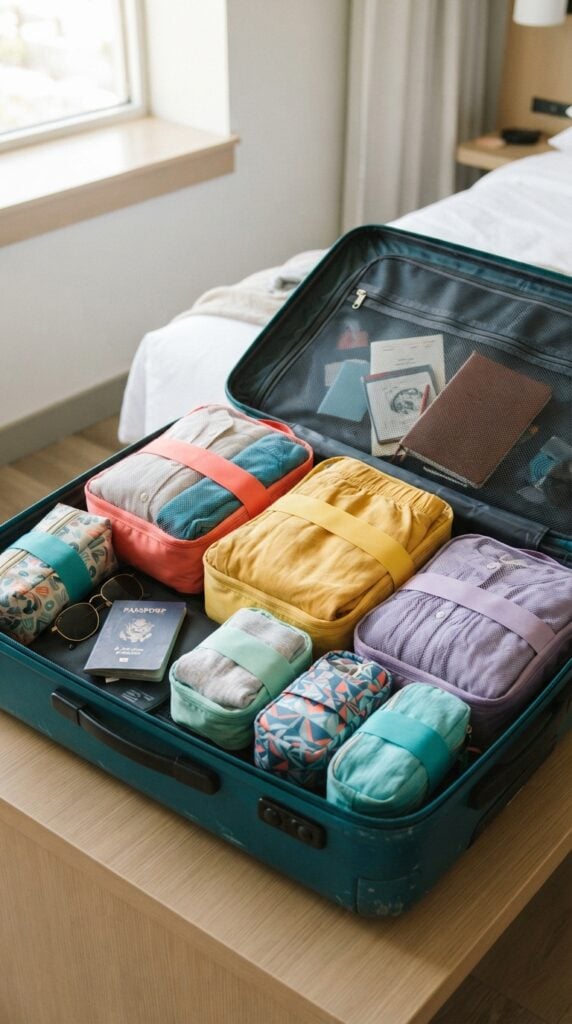
Families and frequent travellers sometimes pack several packing cubes in similar colours, making it difficult to tell which bag contains particular clothing.
Identification bands offer a simple alternative to opening each cube to check its contents.
Create adjustable bands with labels such as children’s clothes, accessories, toiletries or laundry.
You can also personalise them with family members’ initials or names. Measure around the packing cube when it is filled, not just when empty, and allow enough room for the band to fit without compressing the contents.
Consider using a suitable elastic or adjustable fastening rather than a fixed paper band. Sell them individually or as coordinated travel sets.
28. Luggage Handle Identification Wraps
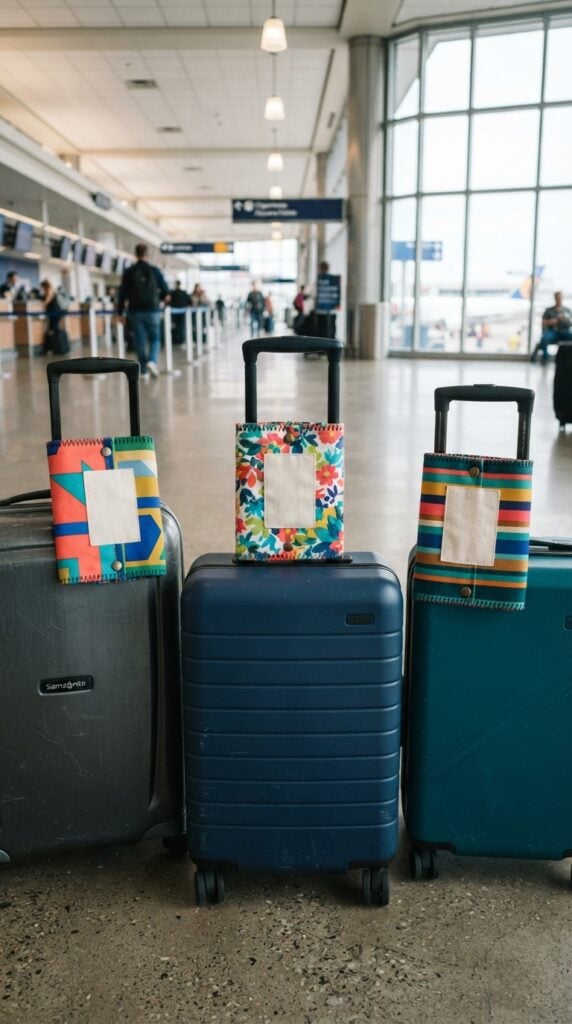
At busy airports and coach terminals, suitcases with similar colours and designs can be difficult to recognise. A personalised handle wrap gives travellers another visual detail to look for when collecting their luggage.
Make wraps from compatible fabric or another flexible material, adding initials, a name or a distinctive pattern.
A fastening such as a snap or hook-and-loop closure can make the wrap removable for different suitcases. Measure the handle before cutting and leave enough room for a comfortable grip.
Avoid bulky embellishments that could catch on luggage belts or make the handle difficult to hold. You can offer different colour combinations and personalised designs for individual travellers or families.
Affordable cups, favour bags and decorations can be customised for birthdays and other celebrations. Readers planning an event can also visit 20 Easy Cricut Projects for Birthdays and Parties.
29. Pet Carrier Identification Sleeves
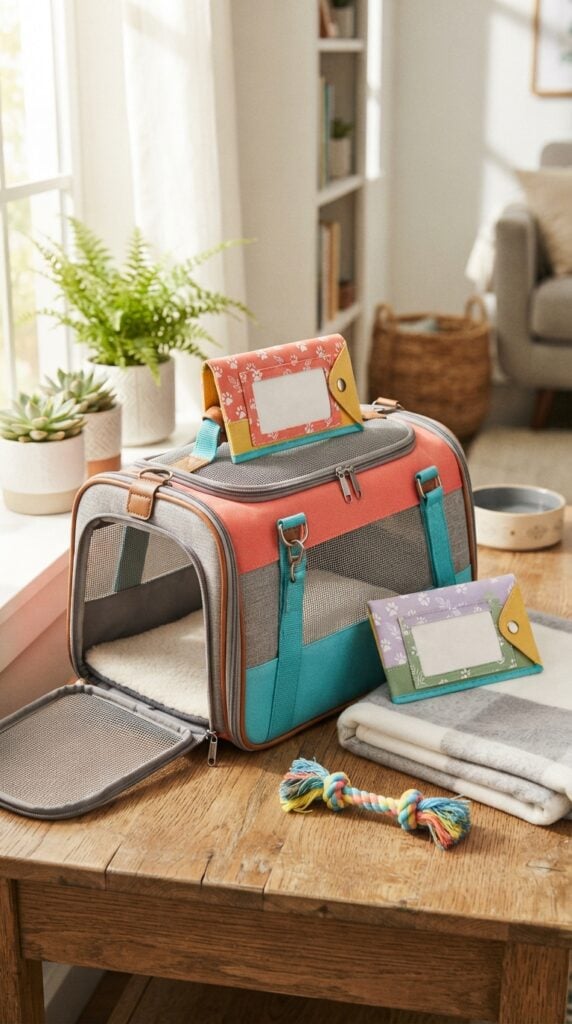
Pet owners who take their animals to grooming appointments, veterinary clinics or boarding facilities may want a clear way to identify a carrier.
A removable identification sleeve can display the pet’s name and selected contact details without requiring permanent decoration on the carrier.
Measure the carrier’s handle or another suitable external section before designing the sleeve. Keep the information panel visible, but position it away from ventilation openings, zips and access points.
Use a fastening that holds securely without making the carrier difficult to open.
Allow the owner to choose which details appear, and avoid suggesting that the sleeve replaces proper identification or required travel documentation.
30. Garden Seed-Starting Record Markers
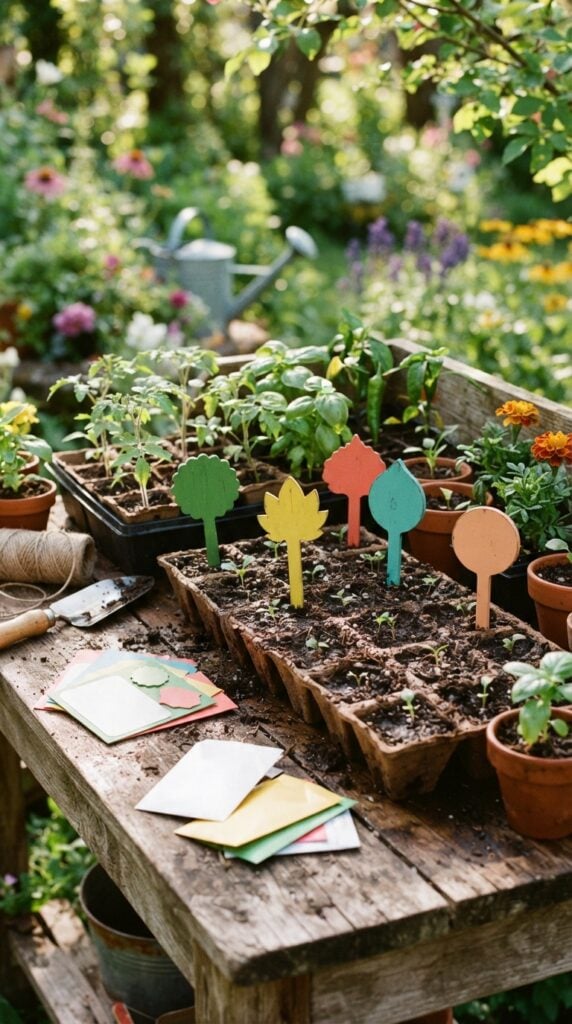
Gardeners who start several varieties of seeds at the same time can easily mix up trays, particularly when the plants have not yet produced recognisable leaves.
Record markers help identify each planting and keep important dates close to the seedlings.
Cut markers with spaces for the plant name, variety and sowing date. You can also include a blank area for transplanting dates or other notes.
Choose a material suitable for repeated outdoor or greenhouse use, and test how it handles moisture, sunlight and soil contact before describing it as weather-resistant.
Offer different marker shapes and sizes for seed trays, pots and larger growing containers. Sets with matching record cards can give gardeners a way to keep additional notes indoors.
Leftover vinyl and cardstock can be used to decorate inexpensive blanks without opening a fresh sheet for every small design. 23 Cricut Projects You Can Make with Scrap Materials has more ways to use offcuts.
31. Plant Propagation Jar Labels
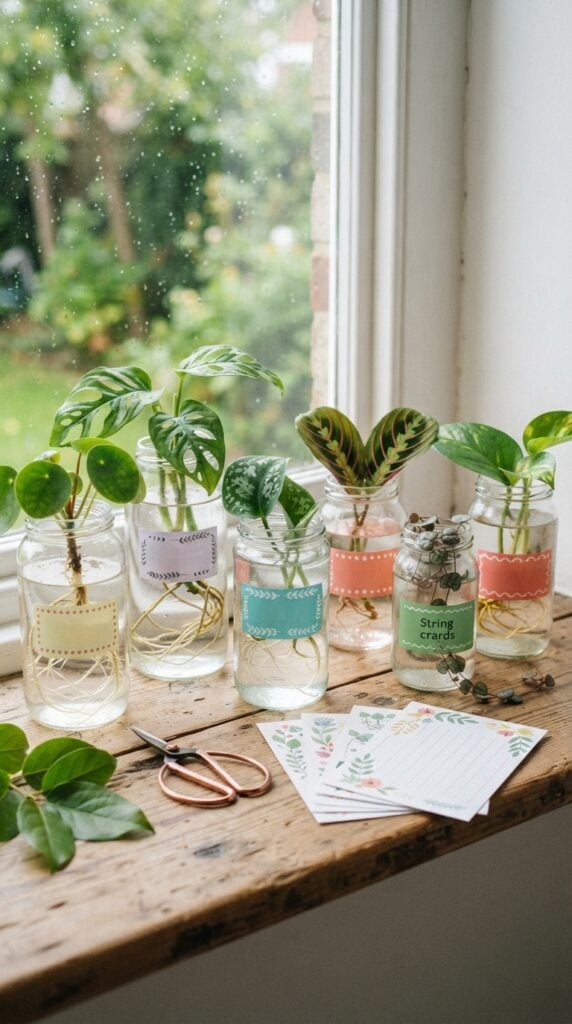
People who propagate plants in water often keep several cuttings in jars at the same time. Without labels, it can become difficult to remember the plant variety or the date each cutting was started.
Custom jar labels make it easier to identify individual cuttings as they develop roots.
Use removable adhesive vinyl to cut labels with spaces for plant names, cutting dates or short codes. Choose a finish that remains legible when the jar is handled and exposed to water splashes.
Test the adhesive on the type of glass being used, since some labels may leave residue when removed.
For a more complete product, pair the labels with matching propagation record cards where customers can note root development and transplanting dates.
Plain jars and containers can become useful pantry organisers with suitable labels applied to their exterior surfaces. Find more kitchen-focused projects in 25 Easy Cricut Projects for Your Kitchen.
Important Things to Know Before Selling Cricut-Made Products
Turning your Cricut hobby into a small business involves more than choosing attractive designs.
Production costs, machine capabilities, material choices and customer expectations all affect how well you can manage orders. Keep these points in mind before listing your products for sale.
- Check Cricut’s Angel Policy. Cricut allows the sale of certain finished products made with its machines, but its Angel Policy sets conditions on the use of Cricut designs and licensed content. Read the current policy before selling items that use images, fonts or projects from Cricut Design Space.
- Understand Commercial Use Rights. Not every design, font or image available online can be used on products for sale. Check the licence for each asset, especially designs downloaded from marketplaces. Avoid copyrighted characters, brand logos and other protected artwork unless you have permission.
- Calculate Your Full Production Cost. Include materials, blanks, packaging, machine supplies, failed cuts and your working time. Set prices that cover these expenses while leaving room for profit, rather than pricing products based only on the cost of vinyl or cardstock.
- Test Products Before Accepting Bulk Orders. Make a sample and check its measurements, finish, durability and ease of use. This is particularly important for products involving adhesive, heat transfer, repeated handling or outdoor exposure.
- Know Your Machine’s Capabilities. Cricut machines differ in cutting width, material compatibility and available functions. Check that your model supports the material and technique required for each product before promising a customer something you cannot produce.
- Set Clear Customer Expectations. Provide accurate product dimensions, material descriptions, personalisation options and processing times. For customised orders, confirm spelling, colours and design details with the buyer before production.
- Check Relevant Selling and Labelling Rules. Some products require specific safety warnings, ingredient details or other information depending on their use and where they are sold. Check the applicable requirements rather than assuming a handmade label or decorative insert meets them.
Storage baskets, bins and containers from discount shops can be customised to organise everyday belongings. 27 Easy Cricut Projects for Organizing Your Home offers more practical ideas.
How to Choose Cricut Products Customers Will Actually Buy
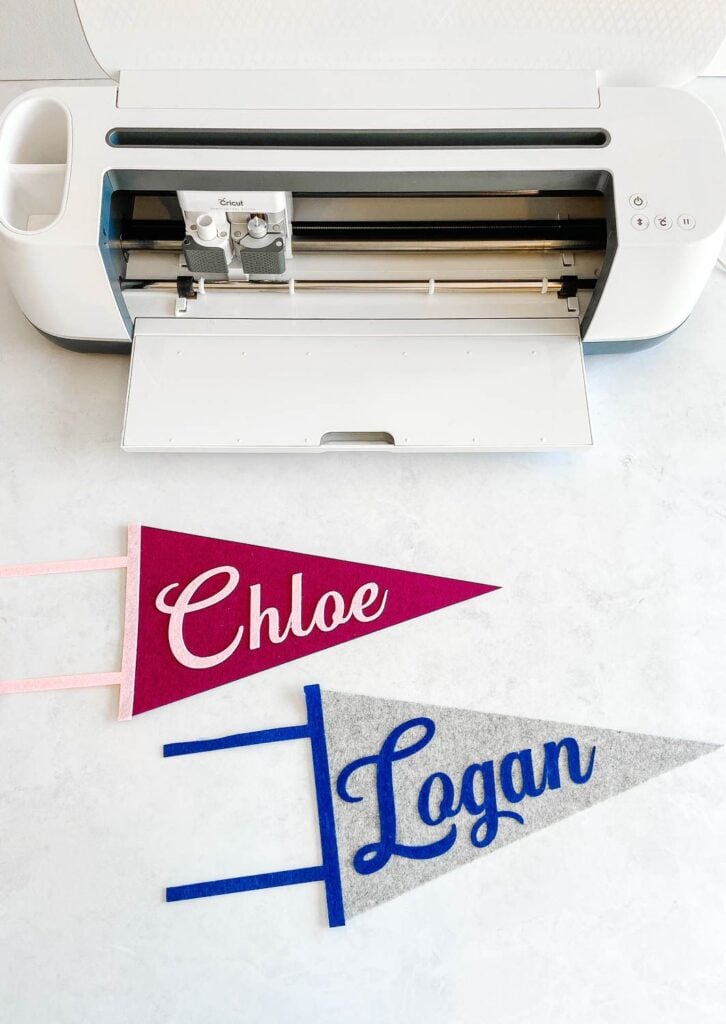
Not every attractive craft makes a good product for a small business.
The best Cricut projects to make and sell start with a clear customer need and a product you can produce consistently. Use these steps to assess an idea before spending money on materials.
- Identify a Specific Customer Problem. Think about who would use the product and what it would help them do. A clothing boutique may need size dividers for its display rails, while a yarn seller may want branded bands for different yarn varieties. A defined customer makes it easier to develop a product with a clear purpose.
- Research the Product’s Search Demand. Search for the exact product name on marketplaces such as Etsy and examine related search terms. Etsy’s Marketplace Insights tool can provide information about customer searches and competition, helping you assess interest in a product rather than relying only on general craft trends.
- Study Competing Products. Look at existing listings to understand their sizes, materials, personalisation options and prices. Read customer reviews and questions to identify complaints or missing features. These details can help you improve your own product instead of simply reproducing another seller’s design.
- Make and Test a Sample. Produce one finished item before purchasing materials in bulk. Check its appearance, fit, durability and ease of use. You can also show the sample to potential buyers and ask what they would change or expect to pay.
- Start with a Small Product Range. Choose a few related products or variations that use similar materials and production methods. This makes it easier to manage supplies, maintain quality and understand which items attract genuine orders before expanding your Cricut projects to make and sell collection.
Sometimes the hardest part of crafting is deciding what to make with the supplies already available. 30 Cricut Projects to Make When You Don’t Know What to Make can provide fresh inspiration.
Conclusion
A Cricut machine gives you the tools to create personalised products, but a successful small business depends on choosing items people have a reason to purchase.
Start with one or two ideas, make samples and pay attention to the time and materials each order requires. Customer feedback and actual sales will tell you more than producing a large collection at once.
The Cricut projects to make and sell in this guide offer different starting points, from packaging for small businesses to accessories for hobbyists and practical identification products.
Choose an idea that matches your skills, find the people who would use it and develop a product they will be happy to pay for.