If you want to make reusable fabric products to sew and sell, it helps to start with the things people throw away every day.
Many everyday items are made to be used once and thrown away. Paper towels, dryer sheets and tea bags are good examples.
More people now want simple alternatives they can wash and use again.
That is where sewists can help. With fabric, thread and a bit of planning, you can make washable items for the kitchen, the laundry room, the car and the travel bag.
Many of these ideas can also become reusable fabric products to sew and sell, whether you run a small shop or just like making useful gifts.
Some projects are small and easy. Others need special materials, careful sewing or clear washing instructions.
This guide explains what each item is for and what to think about before you make a batch.
If you like kitchen projects, start with these 25 kitchen items to sew and sell.
Reusable Fabric Products to Sew and Sell
1. Reusable dryer sheets
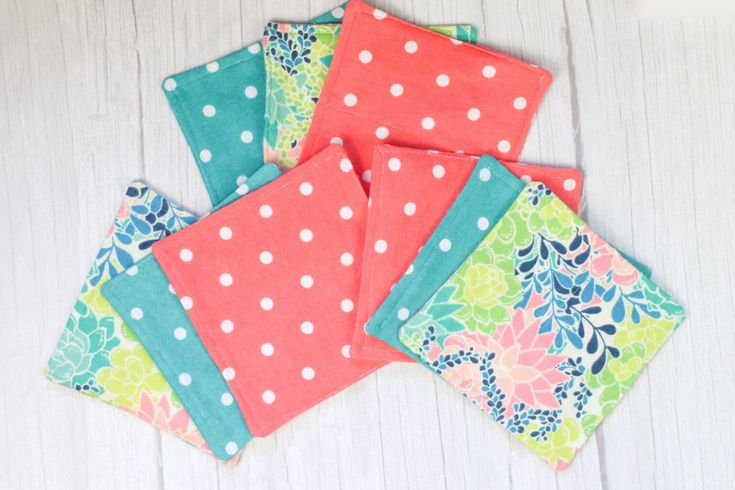
Reusable dryer sheets are small pieces of fabric you toss into the dryer with a load of laundry.
Some people use them with a laundry product they already like.
Others use them as part of their own laundry method. Be honest in your listing.
A plain piece of fabric will not always soften clothes or stop static, so explain how the sheet is meant to be used instead of promising results.
Cotton flannel and other cotton fabrics are good choices because they handle many washes.
Use two layers and stitch the edges neatly so the sheet keeps its shape.
Scraps work well here, and these fabric scrap projects give you more ideas.
Sell them in sets of a few matching sheets with a small pouch for storage.
Add a short note on washing and drying so buyers know how to care for them.
They are a simple place to start among reusable fabric products to sew and sell.
2. Dish scrubbies
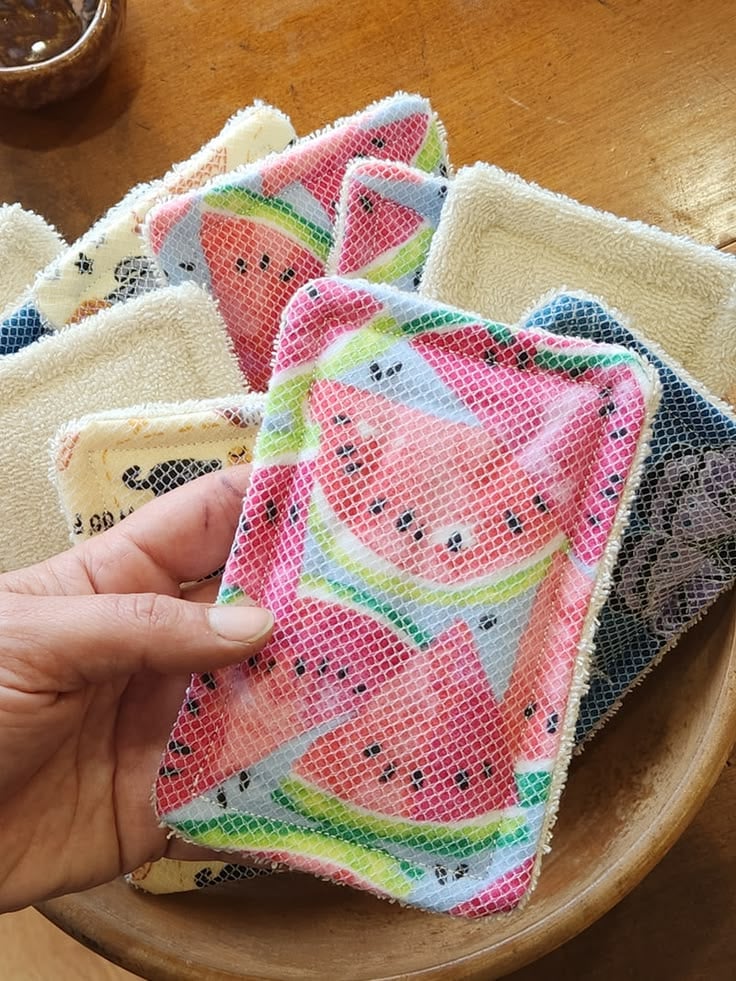
Dish scrubbies are small cleaning tools for washing plates, pans and sticky messes.
They can replace some sponges, but they still need regular washing and will wear out in time.
Most scrubbies use layers of fabric or a textured scrubbing material.
A soft layer is good for light jobs, and a rougher texture helps with stuck-on food.
Delicate pans may need a gentler surface, so offer a few textures and label each one clearly.
Sew the edges tightly, because loose seams wear out fast. Add a small loop so the scrubby can hang and dry fully between uses.
Tell buyers to wash scrubbies often, dry them well and replace any that look worn or smell bad.
Mixed packs in matching colors are easy to sell, and scrubbies are quick to sew in batches.
Remember to include your fabric and your time when you set a price.
3. Nut milk bags
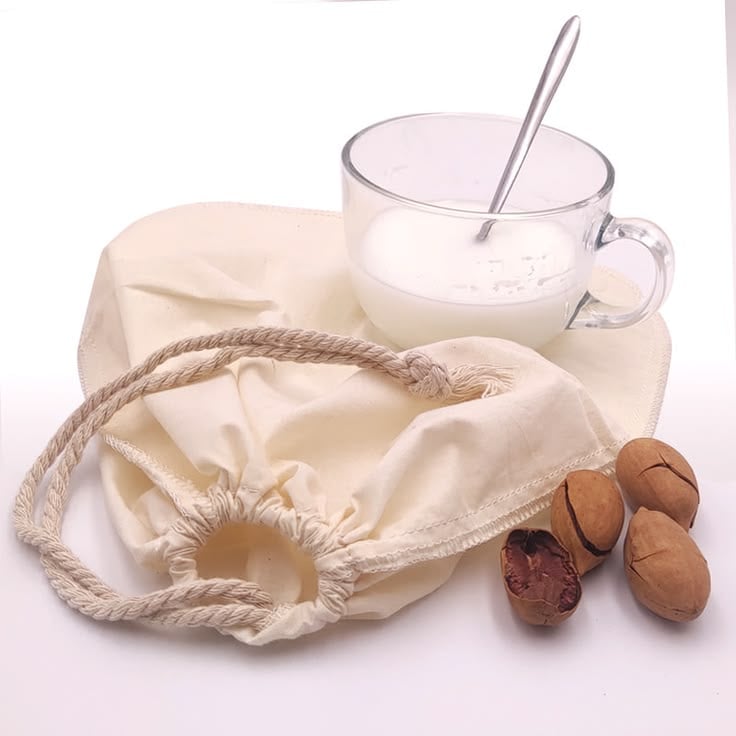
Nut milk bags are reusable straining bags used to make plant milks at home.
You blend nuts or oats with water, pour the mixture into the bag and squeeze out the liquid.
The bag keeps the pulp inside. Some people also use them to strain cold brew coffee or soft juices.
The fabric must let liquid through but hold back small bits, so use a fine mesh or a fabric made for contact with food.
Ordinary craft fabric is not always safe for food, so check with your supplier. Double-stitched seams matter because the bag gets squeezed hard.
A wide opening, a drawstring or an elastic top makes filling and emptying easier.
It suits sewists who are comfortable with simple sewing projects that need no advanced skills.
Tell buyers to rinse the bag right away, wash it well and let it dry completely so smells do not build up.
When you plan reusable fabric products to sew and sell, describe food items clearly, including the size and the care steps.
4. Washable bed pads
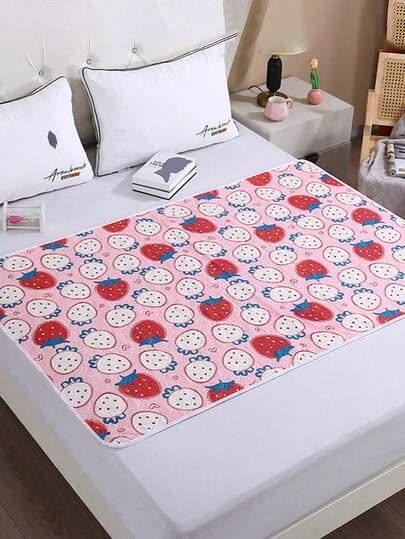
Washable bed pads are layered, absorbent pads that protect a mattress, bedding or furniture from moisture.
They can replace some disposable pads, and people may use them for children, pets or adult care.
A pad usually has a soft top, an absorbent middle layer and a suitable backing.
Quilting stitches hold the layers together through many washes, and neat edges stop fraying.
Offer several sizes, such as small pads for a crib or chair and larger ones for a full bed.
Only call a pad waterproof if your materials and sewing really support it.
If a pad is for incontinence or medical care, use respectful words and avoid medical promises.
Give clear washing and drying steps, because high heat or the wrong detergent can damage the backing.
If you enjoy useful home makes, these handmade home items people love to buy may inspire you.
5. Reusable mailers
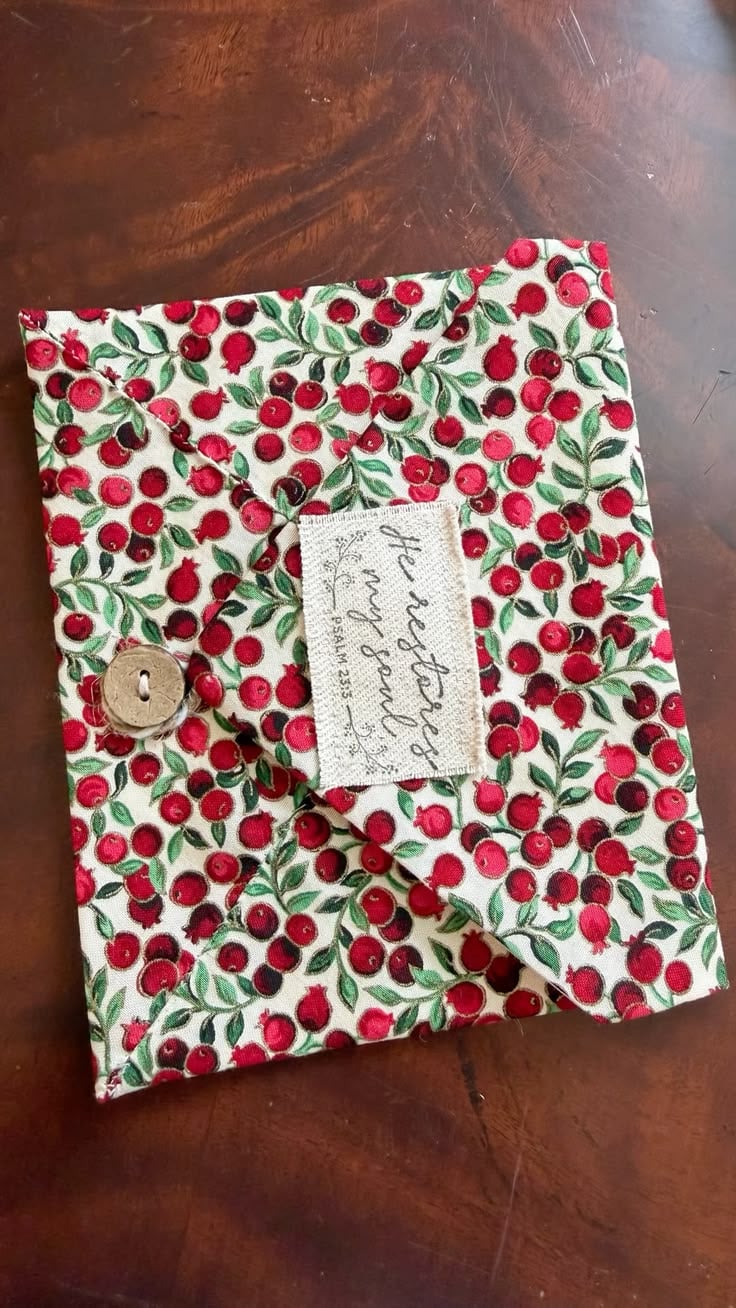
Reusable mailers are fabric envelopes for sending items that are not fragile, such as documents, clothing or small orders.
Some small shops like them as a branded alternative to plastic or paper mailers.
Use a strong outer fabric, such as canvas or a sturdy cotton blend, and add a lining if the contents need extra protection.
Reinforce the seams, because mailers get handled and stacked a lot.
Snaps, hook-and-loop tape or another reusable fastener can hold the flap closed.
Make the mailer a little bigger than the product it holds.
Be careful with your words. Do not call a fabric mailer waterproof, tamper-proof or safe for fragile goods unless you have confirmed it.
Of all reusable fabric products to sew and sell, mailers are one of the best for branding, since you can add logos, custom sizes and matching thank-you pouches.
If you sew in batches, these products you can make in bulk and sell can help you plan.
6. Yoga mat towels
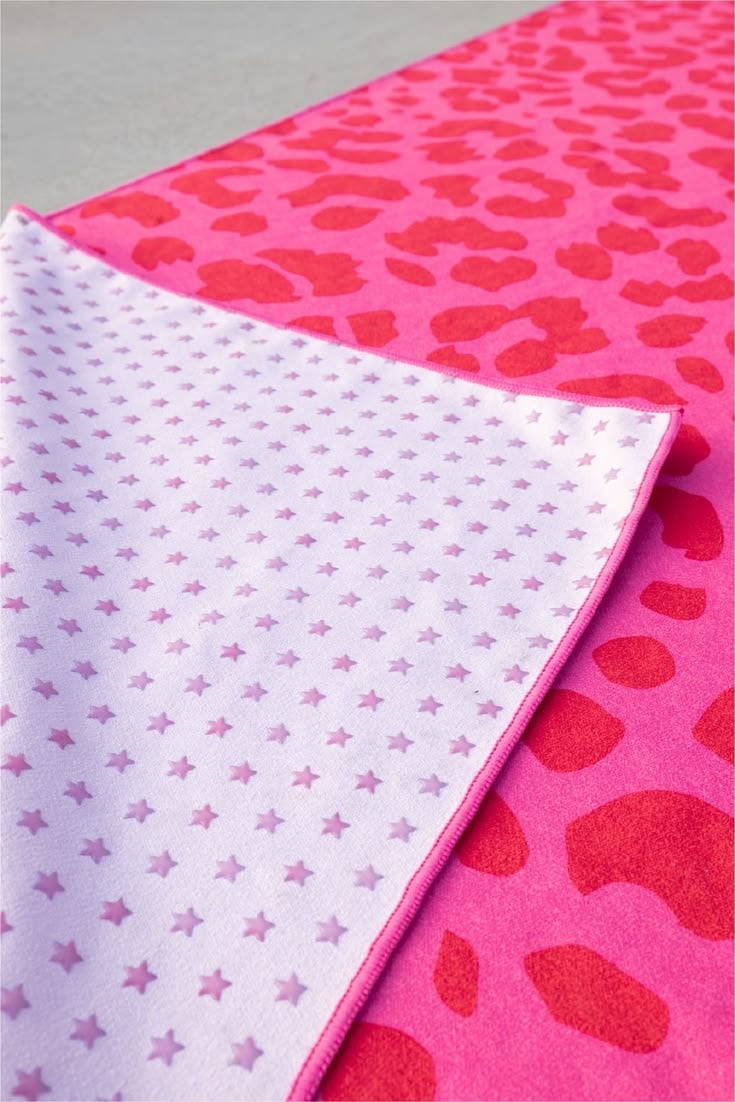
Yoga mat towels are absorbent towels that lie on top of a yoga mat to soak up sweat.
They can feel softer than a bare mat, and some people like them for warm classes.
Choose an absorbent fabric such as terry or microfiber, and think about grip.
A towel that slides is a problem during exercise, so do not sell a plain towel as non-slip.
Some makers add a grippy backing, but it must be chosen and tested for the job.
Finish the edges neatly and cut the towel to fit common mat sizes.
Corner pockets or a strap can help keep it in place.
Tell buyers to wash the towel often to remove sweat and to dry it fully before storing it.
A set with a hand towel and a mat bag makes a nice gift, and color choices help you appeal to different buyers.
7. Reusable shoe covers
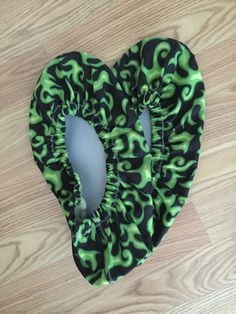
Reusable shoe covers are washable covers you wear over your shoes.
They help keep light dirt off your shoes or keep indoor floors cleaner in the right settings, such as a home visit or an open house.
Use a strong, tightly woven fabric, add a comfortable elastic opening and sew tough seams where the foot bends.
Some designs add extra layers under the foot, and these should be tested for wear. Offer small, medium and large sizes so the covers stay on.
Make the purpose clear. These are light indoor covers, not safety footwear for work or dangerous places.
Do not claim they are waterproof, protect from chemicals or stop slipping unless your materials truly do that.
Tell buyers to wash them as directed and dry them fully.
Pairs with a drawstring bag may suit home service workers and tidy households.
More ideas are in these things to sew and sell from home.
8. Adult bibs
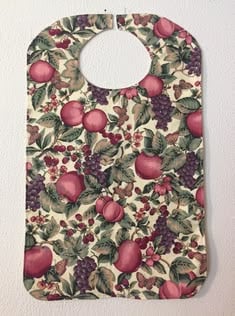
Adult bibs are washable clothing protectors for anyone who wants help keeping clothes clean during meals or messy activities.
People choose them for many reasons, so write about them with respect and do not make guesses about age, ability or health.
Soft, absorbent cotton on the front works well, with a backing that is easy to clean. Snaps or hook-and-loop tape let the bib fit different neck sizes.
Comfort matters as much as looks. The closure should hold firmly but be easy for the wearer or a helper to open.
Give clear washing directions that suit the backing fabric.
Calm prints and solid colors often feel more suitable than childish designs.
Sets of two or three keep a clean bib ready while another is in the wash.
You can also offer a few lengths and widths so customers can choose a comfortable fit.
9. Fabric drink carriers
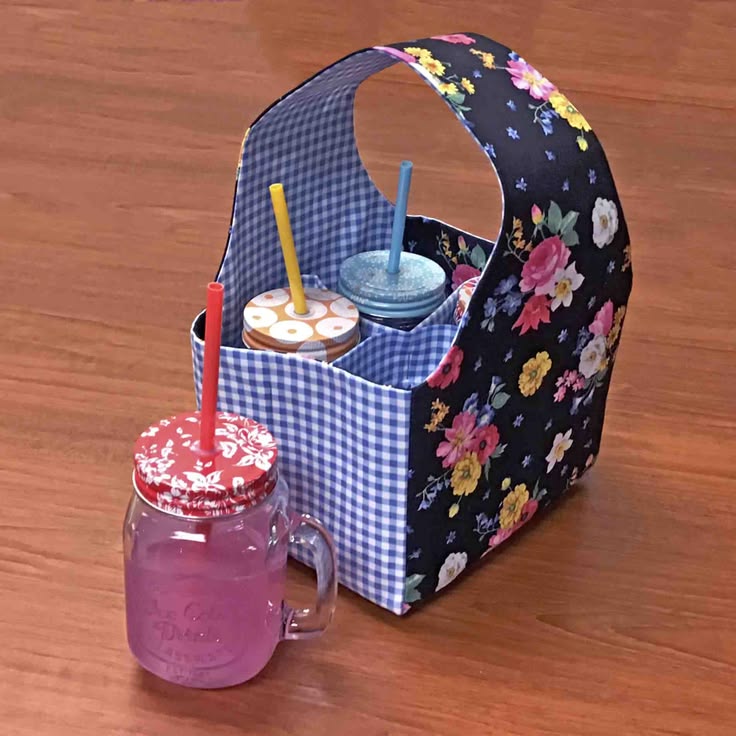
Fabric drink carriers are reusable holders for cups, bottles or takeaway drinks.
They make it easier to carry one or two drinks and can replace some cardboard carriers.
Start with strong handles, secure stitching and the right cup size.
A boxy base helps the carrier stand up, and washable fabric keeps cleaning simple.
You can add insulation, but be clear about what you made.
A simple fabric carrier is not the same as a tested thermal sleeve, so any claim about keeping drinks hot or cold must be backed up by your materials and design.
Spills will happen, so tell buyers how to wash and dry the carrier.
Offer sizes for tall cups, short cups and bottles, since one size will not fit every drink.
These sell well in matching sets with a lunch bag or shopping bag.
For more ideas that shoppers enjoy, see these handmade sewing projects people actually buy.
10. Cheese storage bags
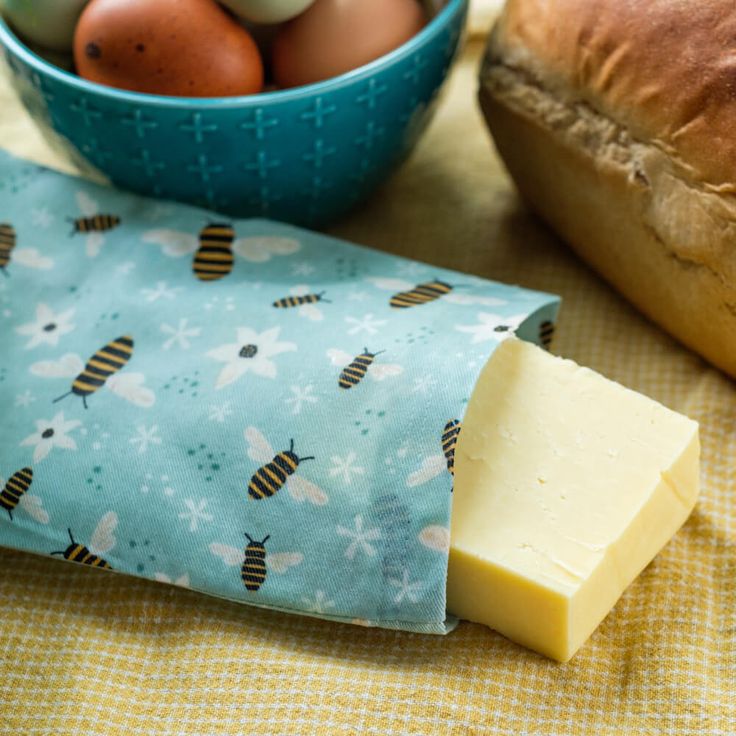
Cheese storage bags are reusable fabric bags made for storing certain kinds of cheese.
They can replace some plastic wrap or single-use bags.
Food safety comes first, so choose materials that are meant for contact with food.
Many designs use a breathable fabric that helps manage moisture.
But cheeses differ, so do not say one bag suits every type.
Hard, soft and fresh cheeses all have different storage needs.
Do not promise longer freshness or a set shelf life.
Cleaning takes care, because cheese can leave oils and smells behind.
Give clear washing and drying steps, and remind buyers to keep cheese in the fridge and follow good food storage advice.
Small, medium and large sizes help customers match the bag to their usual cheese.
Among reusable fabric products to sew and sell, food items need extra research, so check what is needed in your area before you sell them.
A care card in each pack is a useful touch.
11. Lewis ice bags
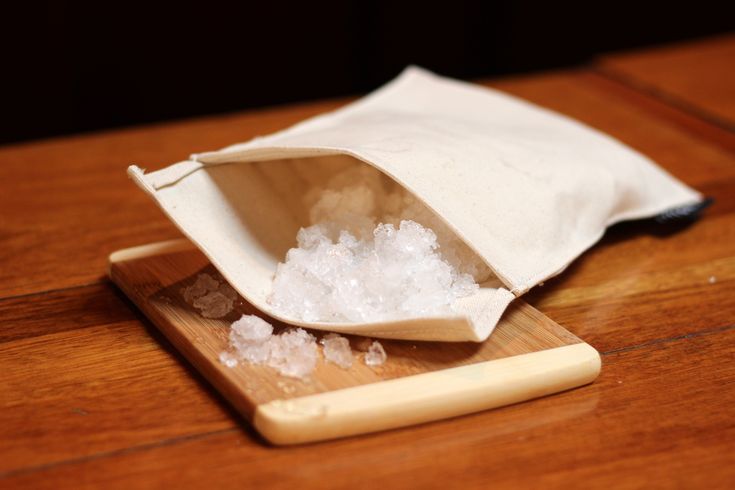
A Lewis ice bag is a strong fabric bag for crushing ice with a mallet or a similar tool.
The crushed ice is often used in drinks or chilled dishes.
Choose a tightly woven, sturdy fabric such as canvas or duck cloth.
Strong seams are very important because the bag takes hard hits again and again.
A practical size and a simple closure make it easy to use.
Pick a fabric that can be washed and dried well after use.
Be clear about the purpose. The bag is made to hold ice while you crush it, not to store ice for long.
It is also not a medical ice pack, and it is not a bag for storing food.
Personalized names or monograms make nice gifts, and a set with a wooden mallet feels complete.
For more ideas for entertaining, see these home decor items to sew and sell.
12. Sandwich wraps
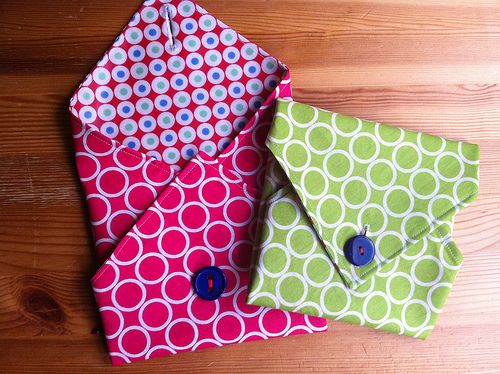
Sandwich wraps are reusable wraps for carrying sandwiches and snacks.
They can replace some plastic bags and foil.
The inside layer must be safe for direct contact with food and easy to clean.
Do not call ordinary cotton or decorative coated fabric food-safe unless you have checked with the supplier.
Many wraps fold over and close with hook-and-loop tape or another secure fastener.
Different sizes fit sandwiches, wedges or smaller snacks.
Strong seams and neat edges help the wrap last through many washes.
Clean and dry the wrap well after every use, and include clear instructions, because a damp wrap can start to smell.
Buyers might include school families, office workers and picnic lovers.
A wrap and a matching snack bag make a good set.
When you price reusable fabric products to sew and sell like these, remember to include the cost of the special lining.
13. Bowl covers
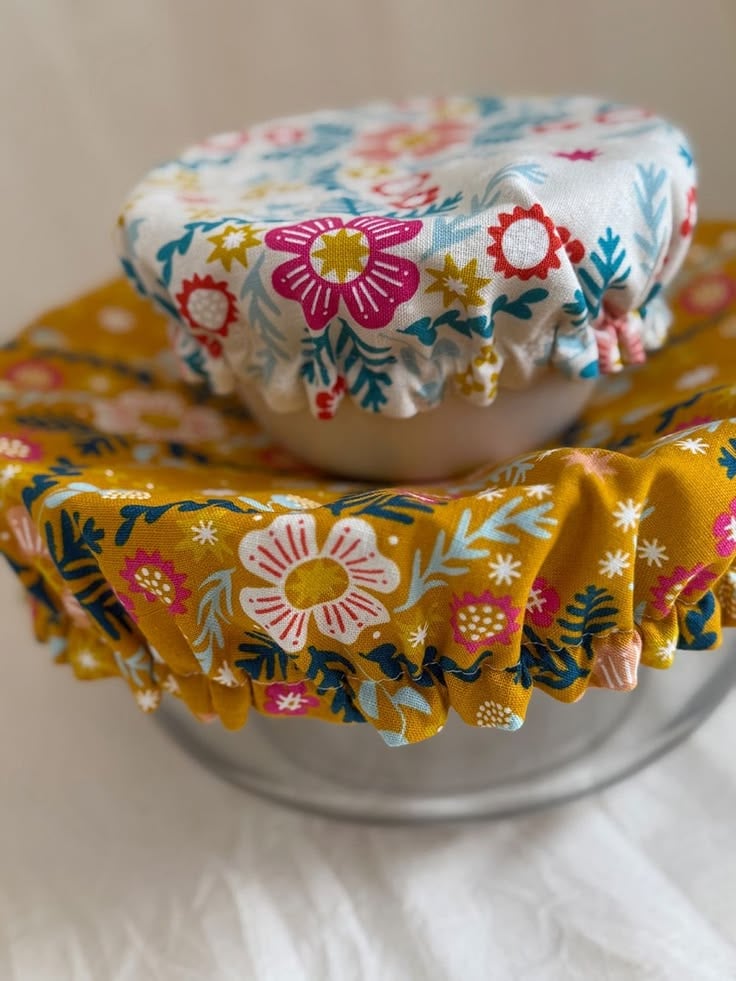
Bowl covers are reusable fabric covers that fit over bowls to protect food while it is stored or served.
They are handy for picnics, potlucks and keeping dust or insects off a table.
Elastic edges are the usual choice, and the right size is what makes them work.
Measure real bowls and plates before you cut, then offer small, medium and large covers.
Washable fabric keeps care simple.
The fabric and any lining must be suitable for contact with food, so check with your supplier. Be clear about limits too.
Fabric covers are not airtight, do not replace the fridge and cannot guarantee food safety.
Tell buyers to wash the covers after use and dry them fully before storing them.
A set in graduated sizes is easy to cut in batches.
If you sew on a simple machine, these projects you can make with a basic sewing machine may give you more ideas.
14. Reusable paper towels
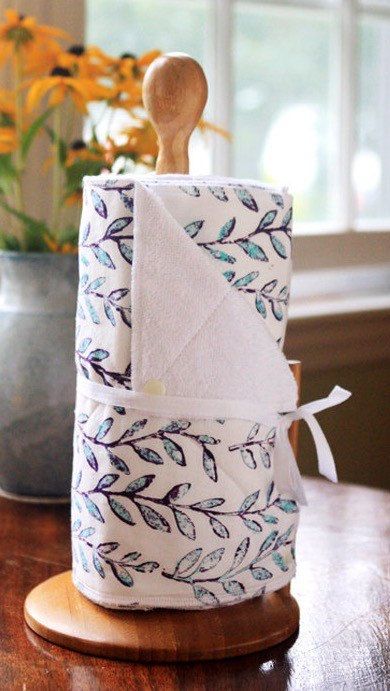
Reusable paper towels are washable fabric squares for wiping and cleaning around the house.
They can replace some paper towels, although they do add to your laundry.
Absorbent fabrics such as cotton flannel or terry work well.
Layers add absorbency, and neat edges stop fraying.
Snaps or a roll-style setup can help buyers keep the squares organized.
Separate sets for different jobs make sense, such as one for kitchen surfaces and another for general cleaning.
Buyers should not use the same cloth for raw meat, bodily fluids and everyday cleaning without good hygiene.
Explain how to wash and dry the cloths, and mention that stained or worn ones will need replacing in time.
This is one of the easier items to make in volume, and low-cost materials can help keep your budget under control.
Color-coded sets are an easy way to turn one design into several products.
15. Fabric gift wraps
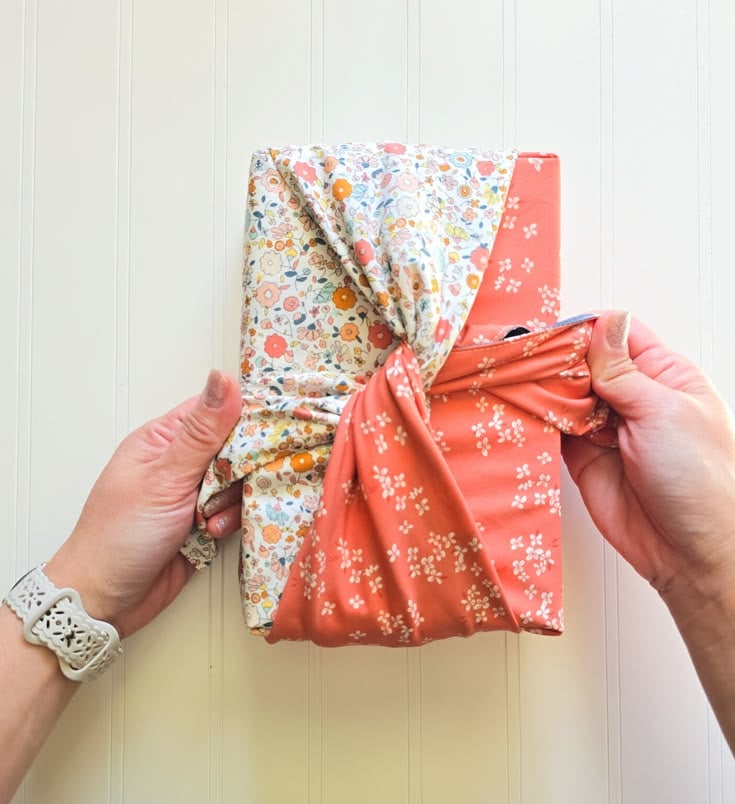
Fabric gift wraps are squares of cloth used to wrap presents instead of paper.
The wrap is tied or tucked around the gift, and the person who receives it can keep it or use it again.
They are often called furoshiki, after a traditional Japanese wrapping cloth.
Light cotton and other smooth fabrics fold and tie well.
Very stiff fabrics are harder to knot.
A narrow hem on all four sides stops fraying and gives a neat finish.
Offer a few sizes, such as small squares for books and larger ones for boxes or bottles.
Care is simple, because the wrap does not touch food or skin.
Tell buyers to wash it gently and press it lightly before the next use.
Wraps sell nicely as sets with a simple tying guide, and holiday prints suit seasonal batches.
Fabric costs more than paper, so price each wrap as a gift in itself and include your time.
16. Cloth diapers
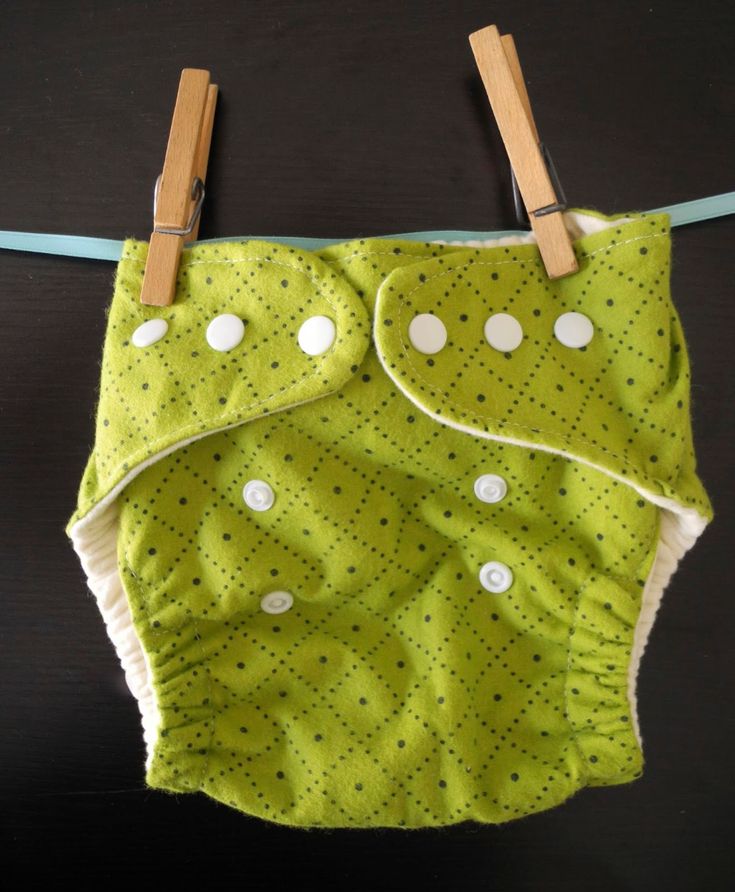
Cloth diapers are a specialized reusable product, and they take more planning than most items on this list.
A diaper has to handle absorbency, fit and leaks all at once.
Most designs use absorbent layers, soft fabric near the skin, elastic at the legs and waist, adjustable closures and sometimes a waterproof outer layer.
Fit is very important, and no single design suits every baby.
Do not promise that a diaper will stop leaks, and avoid unproven claims about skin health or the environment.
Washing and drying steps matter just as much.
Thick layers can take a long time to dry, and some materials do not like high heat or certain detergents.
Test your samples through many washes before you sell them.
Of all reusable fabric products to sew and sell, diapers ask for the most patience, so they may suit sewists with some experience.
This guide to things to sew and sell for a small business may help you plan.
17. Cloth pads
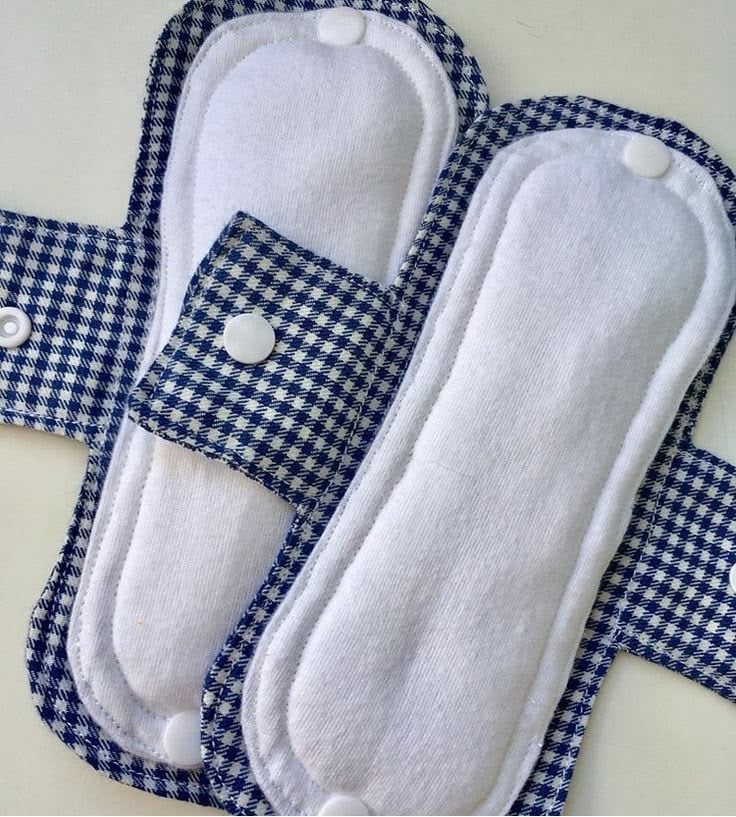
Cloth pads are reusable menstrual pads. They are a personal-care product, so talk about them in a respectful, matter-of-fact way.
The main parts are a soft top fabric for the skin, absorbent layers and a secure backing.
Snap closures hold the pad around underwear, and smooth edges help seams feel comfortable.
Offer different lengths and levels of absorbency so customers can choose what suits them.
Because the pad is washed again and again and worn close to the body, every material should be suitable for that use.
Buyers need clear steps for washing, drying and storing the pads, so add a printed care card.
Do not make medical claims or say that cloth pads prevent or treat any health condition.
A small wet bag makes a useful bundle. The layers take time to sew, so this is slower than simple projects.
For other ideas, see these profitable sewing projects to make and sell.
18. Wet bags
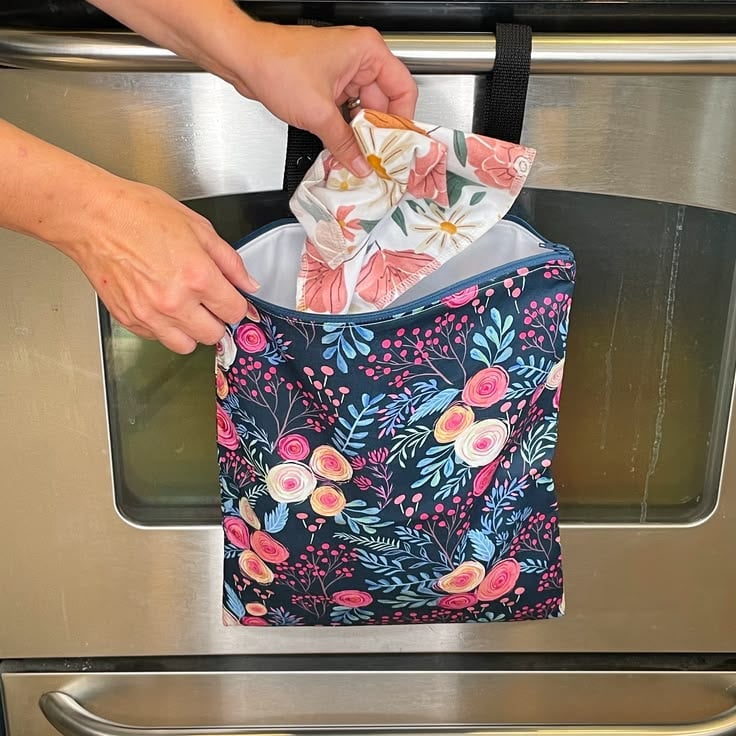
Wet bags are reusable bags for carrying damp clothes, swimwear, cloth diapers or other wet things.
They keep moisture away from the rest of a bag.
The key feature is a waterproof lining fabric.
Seams need extra care, since stitching holes can let water through.
Zippers and drawstrings are common closures, and the whole bag should be washable.
Explain the difference between water-resistant and truly waterproof, and describe your product honestly.
Reusable fabric products to sew and sell like wet bags may need special fabrics, so test a sample before you make a batch.
A wet bag should not hold damp items for days.
Tell buyers to empty it, wash it and let it dry often.
Different sizes suit different jobs, from a small bag for one swimsuit to a bigger bag with pockets for a day out.
If you like designing carry-alls, these organization products to sew and sell are another fun area.
19. Reusable tea bags
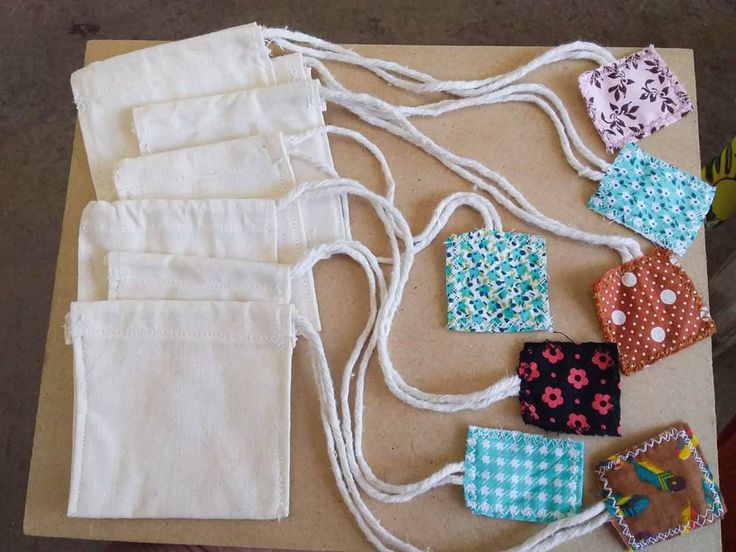
Reusable tea bags are filter bags for steeping loose-leaf tea or suitable herbal blends.
They can replace single-use tea bags and make it easy to brew your own mix.
Use a fine mesh or fabric that is safe for contact with food.
The material should let water move through while keeping the leaves inside.
Strong seams, an easy opening for filling and emptying, and a simple drawstring or closure all help.
Do not suggest that every decorative fabric is safe for hot drinks, because it is not.
Rinse the bag well after each use and let it dry completely.
Tea can stain and leave flavors behind, so rinse it soon after brewing.
These small pieces sew quickly, and a set in three sizes for mugs, pots and travel flasks looks tidy in a gift box.
For quicker projects, see these easy sewing projects to make and sell fast.
20. Mop pad covers
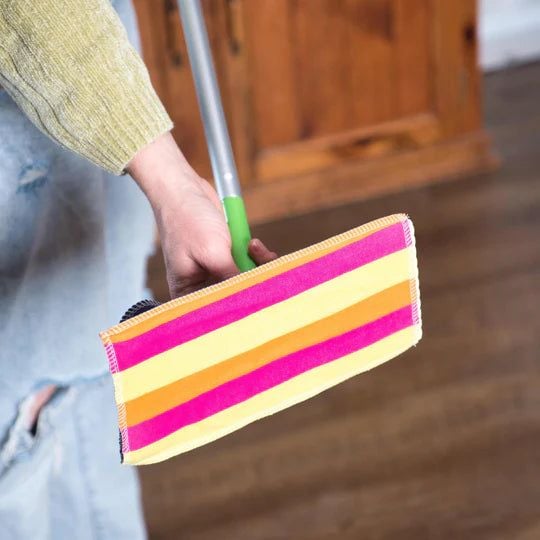
Mop pad covers are washable cloth covers that fit onto a flat mop head.
They can replace some disposable mop pads.
You use the cover to clean the floor, then take it off and wash it.
Choose an absorbent, textured fabric such as terry or microfiber, and add a layer for strength.
Sew strong seams, because the cover is pulled and rubbed across the floor.
Pockets, elastic corners or hook-and-loop tape help the cover stay on the mop.
Measure the exact mop head before you cut, since sizes and shapes vary.
Do not claim that one cover fits every mop.
Buyers should shake off loose dirt, wash the covers after use and dry them fully.
Separate covers for wet and dry cleaning are a useful idea.
Mop covers are one of the reusable fabric products to sew and sell that depend on exact sizing, so add a size guide.
Sets of three or four keep a clean cover ready.
21. Car seat protectors
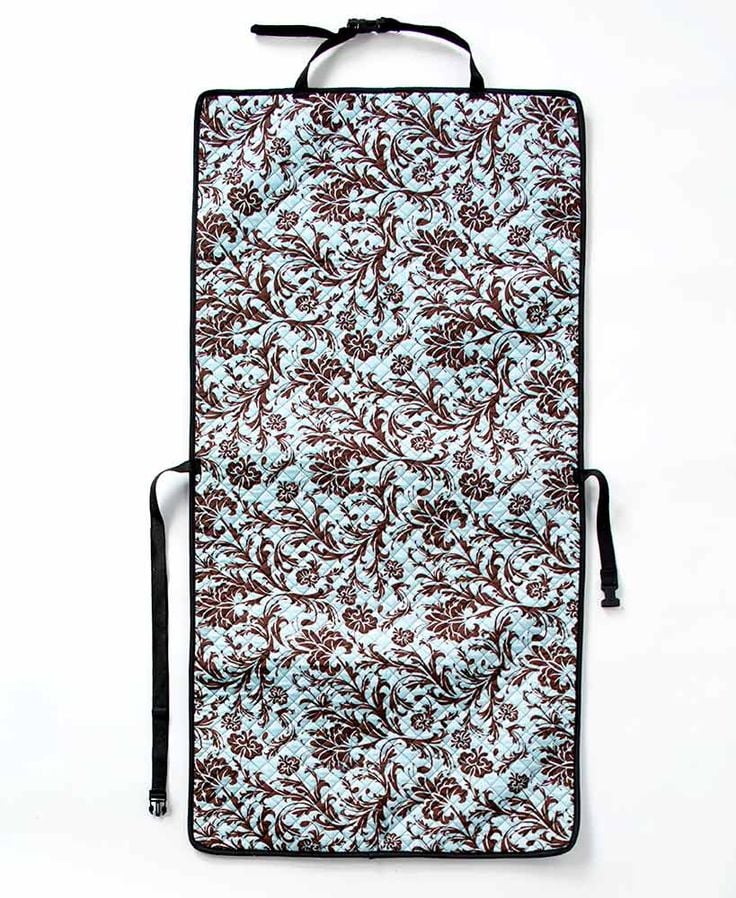
Car seat protectors are reusable fabric covers for suitable vehicle seats.
They help guard seats against everyday dirt, crumbs and spills, and they can be washed when needed.
Use durable, washable fabric, cut it to fit and make sure it stays in place. Safety comes first.
A seat protector must never get in the way of seat belts, side airbags, child-seat installation or any other vehicle safety system.
For child car seats, only recommend a product approved by the car seat maker for that exact model.
Do not suggest that a homemade protector is crash-tested or safe to use under a child’s car seat.
This project is harder than many on the list, so go slowly and test the fit in a real vehicle.
Clear care instructions and honest descriptions are very important.
For other ideas to make and sell, see these other sewing projects to make and sell.
22. Nursing pads
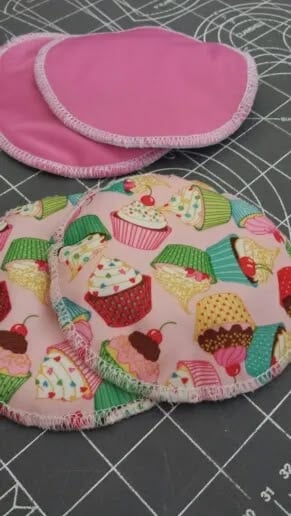
Nursing pads are reusable absorbent pads worn inside a bra to soak up breast milk leaks.
Many people use them for comfort and to protect their clothes.
Soft fabric for the skin, absorbent layers and breathable construction are the main parts.
Rounded, shaped pads sit more comfortably, and a few sizes help them fit different bras.
Keep the edges smooth, since rough seams can feel uncomfortable.
Make a few levels of absorbency, such as a lighter pair for the day and a thicker pair for the night.
Hygiene matters, so remind customers to change damp pads and to wash and dry them well.
Do not make medical claims, and do not say the pads prevent infection or treat breastfeeding problems.
Keep your tone kind and supportive. The pads are small and quick to cut, and they pair well with a wet bag for travel.
See these personal care items to sew and sell for more ideas.
23. Reusable hand warmers
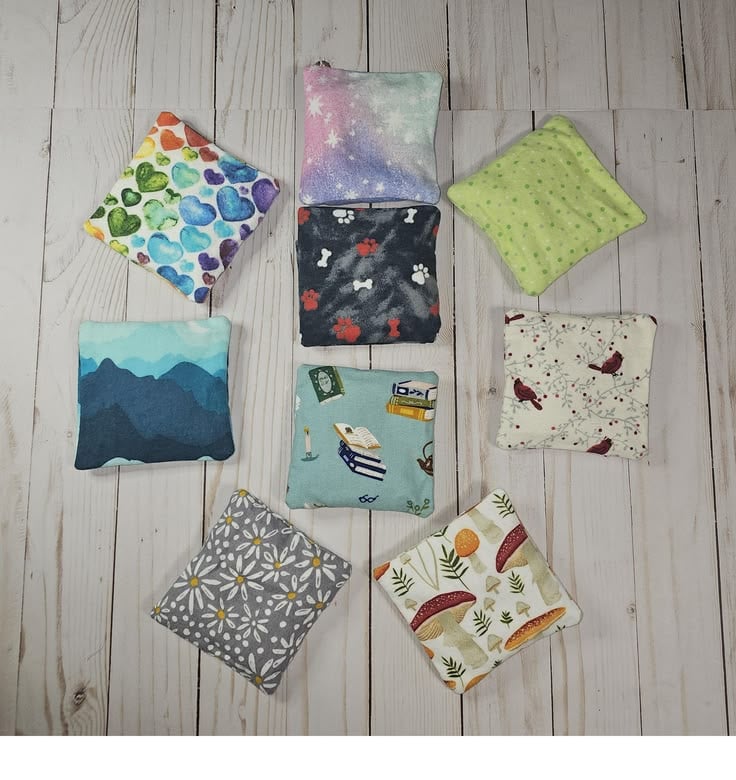
Reusable hand warmers are small fabric pouches that can be warmed or used as hand-warming accessories, depending on the filling and design.
People may use them on cold walks, at markets or at outdoor events.
Microwaveable versions need fabric, thread and filling that are specifically made for microwave heating.
Do not call ordinary fabric, decorations or fillings microwave-safe without checking.
Test them carefully and write clear heating and checking steps.
Warn buyers not to overheat the warmer or use it if it is damaged. Do not make therapeutic or medical claims.
Cotton pouches in simple shapes like hearts or rectangles are easy to cut in batches, and double stitching helps hold the filling in.
A set with a drawstring bag makes a tidy gift. For other small, cozy projects, look at these small felt sewing projects.
24. Ice pack covers
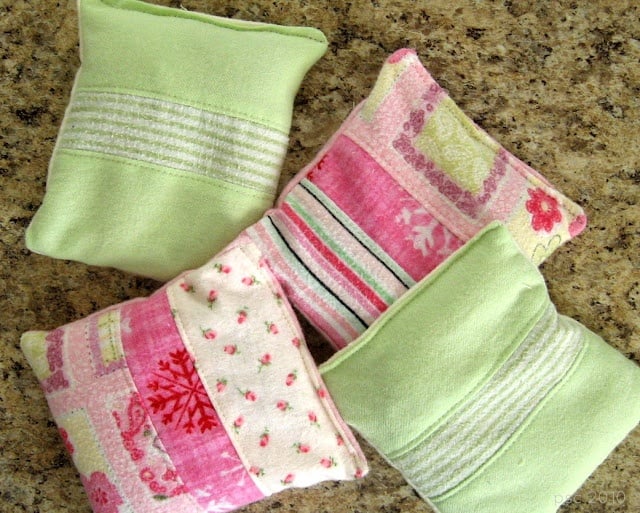
Ice pack covers are reusable fabric sleeves that go over cold packs so they are more comfortable to hold.
They are handy for lunch boxes, sports bags and the home first-aid shelf.
A soft outer fabric, a suitable lining and a secure closure help the cover do its job.
Pack sizes vary, so offer covers for small, medium and large packs, and measure common packs before you cut.
Hook-and-loop tape or an envelope-style back makes it easy to slide a pack in and out.
The cover does not replace the safe-use steps that come with a cold pack, and you should not use it to claim medical benefits.
Do not suggest putting an ice pack straight on bare skin or leaving it on for a long time.
Give washing steps, and tell buyers to dry the cover fully.
Covers with names or fun prints can be matched with a lunch bag or small pouch for a comfort set.
25. Press cloths
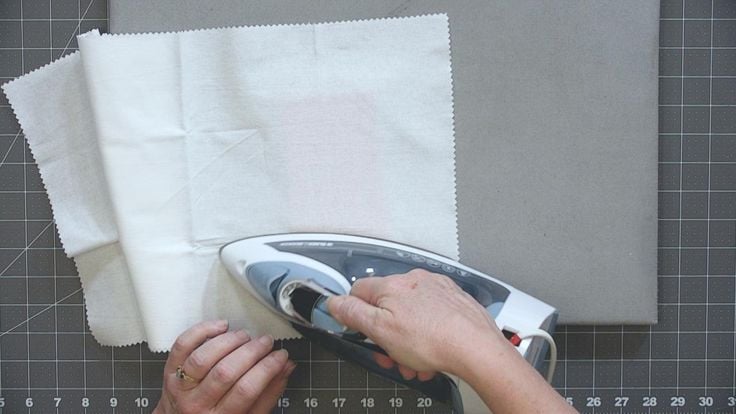
Press cloths are reusable cloths used while ironing and pressing.
They help protect suitable fabrics from touching the iron directly, which is useful for sewists, quilters and anyone pressing delicate or shiny fabric.
Fabric weight matters. A smooth, clean cotton often works well, and some people like a light cloth they can see through to check the fabric below.
Sew neat edges, avoid bulky seams that can leave marks and make a few sizes for small seams and larger pieces.
Even if a cloth is suitable depends on the iron’s heat and the fabric being pressed, and no press cloth protects against all heat damage.
Encourage customers to test on a hidden spot first and to follow the fabric-care label.
Press cloths are easy to make in batches, which is handy for reusable fabric products to sew and sell to fellow crafters.
If you are new to sewing, this beginner’s guide to sewing your own clothes explains why pressing matters.
Conclusion
From laundry helpers to press cloths, this list shows how many daily routines can be supported with washable fabric.
Some projects are quick and good for beginners, while others, such as cloth diapers, cloth pads and car seat protectors, need special materials and careful testing.
Whatever you choose, durable fabric, the right materials, hygiene and clear care instructions make the difference between a pretty item and a useful one.
Be honest about what each product can and cannot do, because a reusable item only makes sense when it can be cleaned and used many times.
The best reusable fabric products to sew and sell match your skills, your supplies and your customers.
Choose one product, make a sample, test it through several washes and start your own reusable collection.