Home decor items to sew and sell can quietly transform a home.
Walk into a room with bare windows and plain shelves, then add a few well-chosen textiles, and the whole space feels different.
Fabric softens hard edges, introduces color, and makes a room feel finished.
That is why handmade home decor gives sewists a useful opportunity: you can make pieces that look good and do a job, from window treatments and furniture accessories to wall decorations and table accents.
Many customers want accessories that match what they already own, fit an awkward corner or an odd-sized window, or feel more personal than something off a store shelf.
Some of these ideas work well in standard sizes, while others invite custom measurements, fabric choices, and coordinated sets.
If you are still deciding how to turn your sewing into income, these ideas pair well with 29 Things to Sew and Sell From Home, which covers a wider range of products.
Home Decor Items to Sew and Sell
1. Mantel Scarves
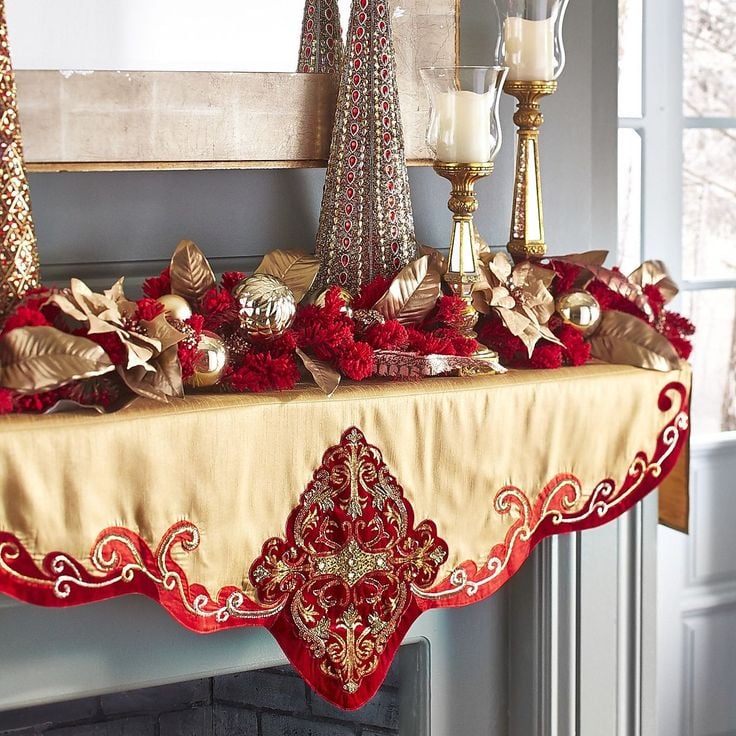
A mantel scarf is one of the quickest ways to change the mood of a fireplace without touching the paint.
Cut as a long strip that drapes over the front edge, it adds color and texture to a mantel or a deep decorative shelf.
Straight, scalloped, and pointed ends each suit a different look, and borders, embroidered details, or a reversible design let a single piece change with the seasons.
Medium-weight cotton, linen blends, and velvet drape neatly, while stiff or thick fabrics can bunch and look bulky.
Measure the mantel’s length and depth carefully, then decide how far the fabric should hang.
Matching a scarf to a customer’s living room colors or holiday displays opens the door to small seasonal collections, which makes mantel scarves one of the easier home decor items to sew and sell as a coordinated range.
2. Bookcase Curtains
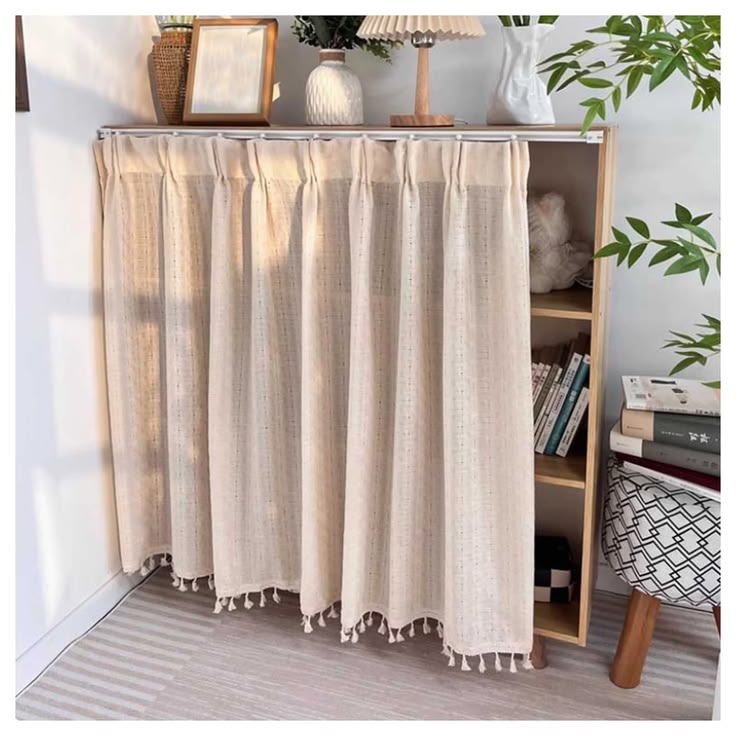
Open shelving is handy, but it can look cluttered fast, especially in a home office or bedroom.
Bookcase curtains hide the mess and add a soft layer of color.
Lightweight and medium-weight fabrics such as cotton, linen, and poly-cotton work best, and they can hang from rod pockets, ties, or small tension rods.
Take careful measurements of the opening, and make sure the curtain slides or lifts aside easily so people can still reach their books.
Customers may ask for fabric that matches existing curtains, a favorite print, or trim along the hem.
The mounting method must suit the shelf structure, so avoid anything heavy that could pull on the unit or make it unstable.
Because every bookcase is a different size, this is a natural made-to-order product, and it fits well alongside other ideas in 33 sewing business ideas you can start from home.
3. Balloon Shades
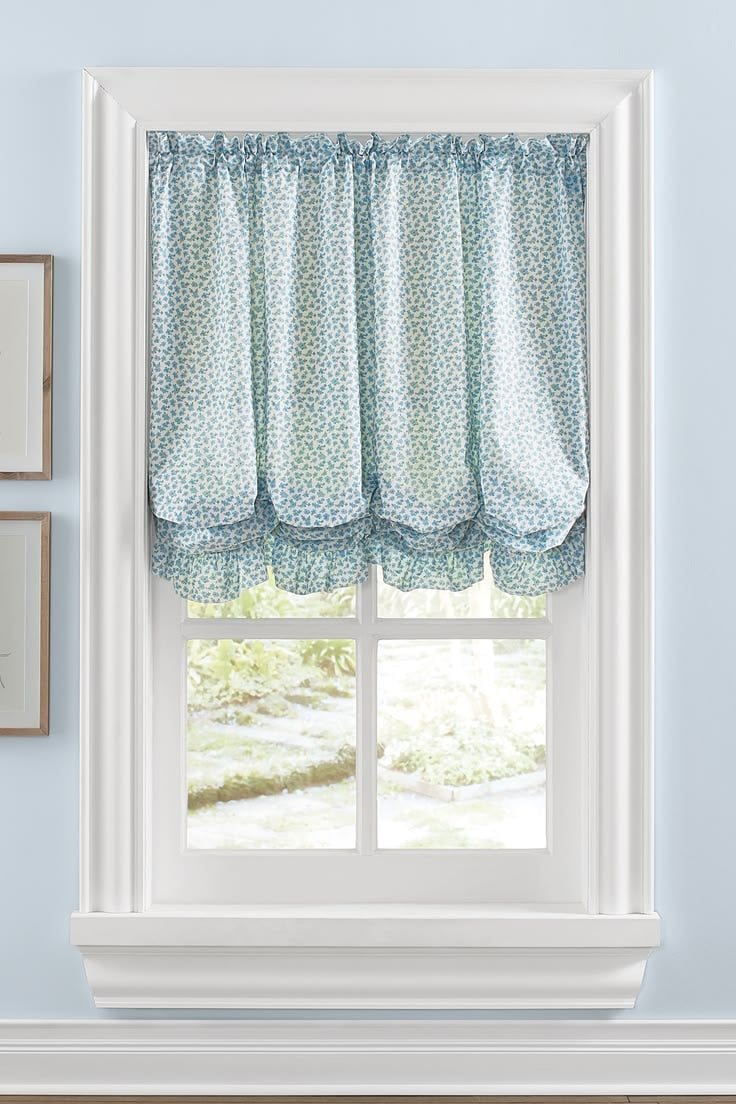
Balloon shades give a window a soft, gathered look that feels a little traditional and very cozy.
The effect depends on how much extra fabric you gather in, since more gathering makes deeper, rounder folds.
Lining adds body and helps the shade hold its shape, while the placement of gathering points and the mounting board decide how the finished shade hangs.
Lightweight cotton, satin, and linen blends suit bedrooms, sitting rooms, and classic interiors.
Precise window measurements matter here, because small errors show quickly in a gathered design.
Made-to-measure orders are the obvious route, and matching pillow covers or a valance can turn one shade into a set.
Safety note: window coverings must meet applicable child-safety requirements for cords and operating mechanisms, and accessible looped cords should never be left within children’s reach.
4. Fabric Cornices
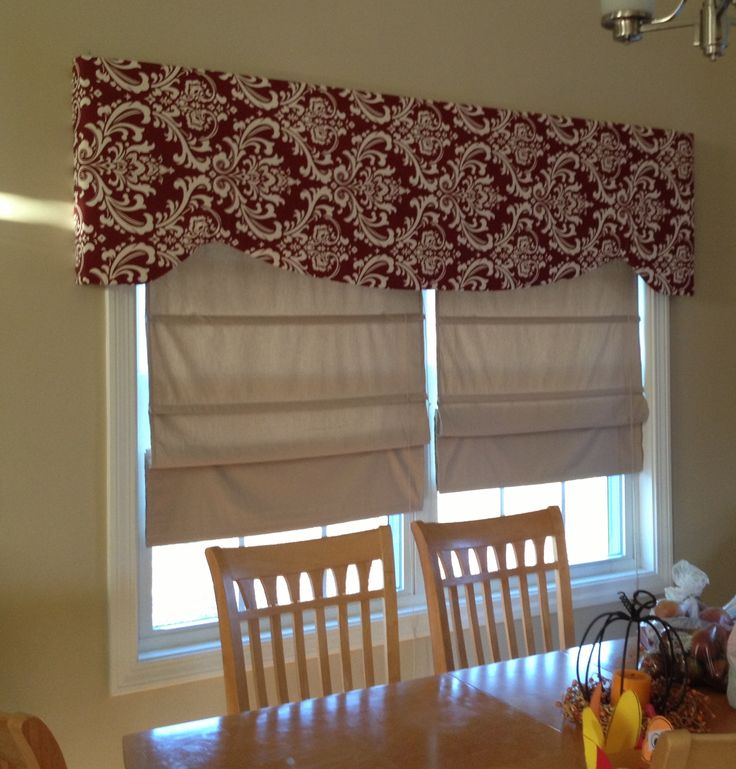
Where curtains stop short of the ceiling or blinds look plain, a fabric cornice adds a tidy, tailored finish.
It is a structured box-style topper, built from a wood or foam-board frame wrapped in padding, interfacing, and fabric.
Straight designs suit contemporary rooms, curved or shaped edges lean traditional, and patterns or trims can echo the curtains below.
Mounting needs thought: the cornice must be fixed securely to the wall or window frame, and your measurements should account for projection so it clears the curtains underneath.
Cornices take more effort than most home decor items to sew and sell, so price for the extra time and materials, especially for custom widths or unusual shapes.
Offering a small range of standard sizes plus made-to-order options keeps the workload manageable, and it fits in with other profitable sewing projects to make and sell.
5. Fabric Lanterns
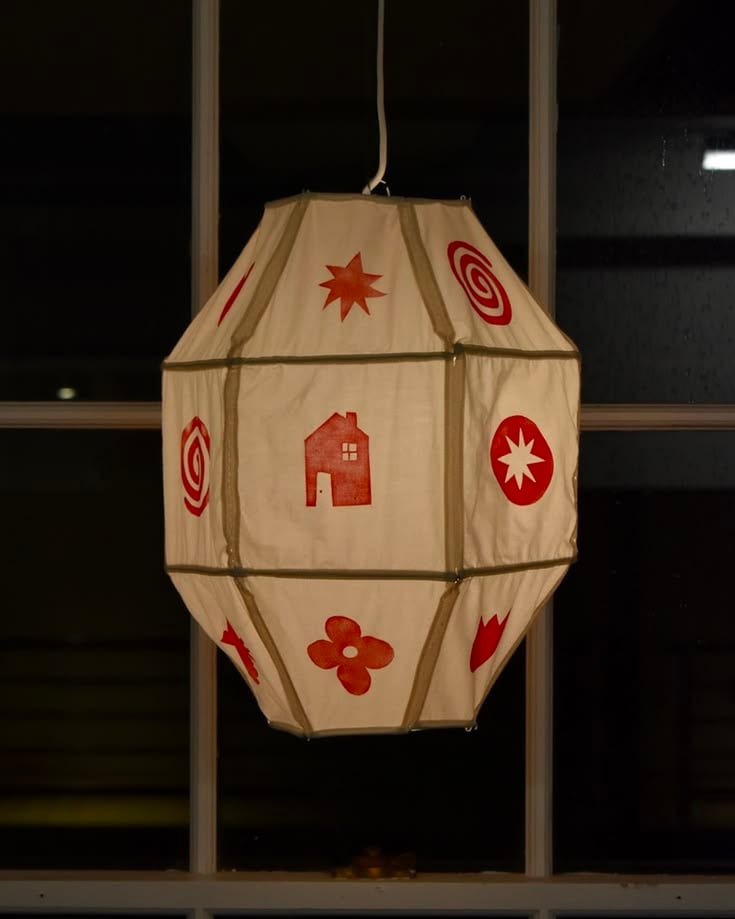
Fabric lanterns are decorative pieces, not lighting products, and it helps to be clear about that from the start.
Panels of lightweight fabric are stitched or glued around a wire, cardboard, or other rigid frame to make hanging or tabletop shapes.
Soft solids, sheer fabrics, and printed cottons each give a different mood for parties, covered patios, and seasonal displays.
They work best as display pieces for parties, events, and shelves, rather than as everyday lamps.
Fabric must never touch bulbs, flames, hot surfaces, or electrical components, so never place candles or ordinary light bulbs inside.
If a lantern is designed for LED lighting, use only a suitable cool-running, enclosed LED arrangement according to the manufacturer’s instructions, with proper clearance and no exposed wiring.
Otherwise, sell it clearly as an unlit decoration only.
6. Fabric Succulents
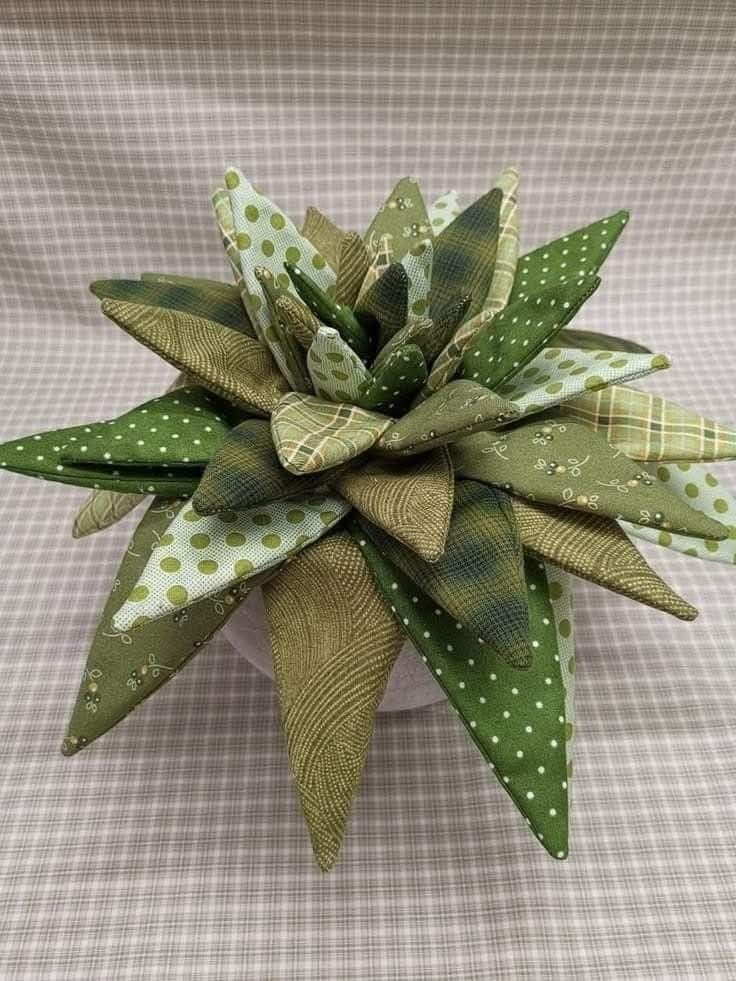
Not everyone has the light, time, or patience for live plants, and fabric succulents fill that gap nicely.
Scraps in several shades of green, plus a touch of dusty pink or blue-gray, can be cut into pointed leaves, then layered, folded, or gathered into rosettes.
Felt, cotton, and lightly interfaced fabrics keep their shape best, and accurate cutting makes the petals look neat and even.
Mount each plant in a small terracotta pot, a miniature planter, or a decorative container, and the finished piece suits desks, shelves, and windowsills.
Single plants work as simple accents, while mixed arrangements and matching miniature collections give customers more to choose from.
Small, light pieces are also easier to ship, which helps when you are building a shop of unique sewing products to sell on Etsy.
7. Rainbow Wall Hangings
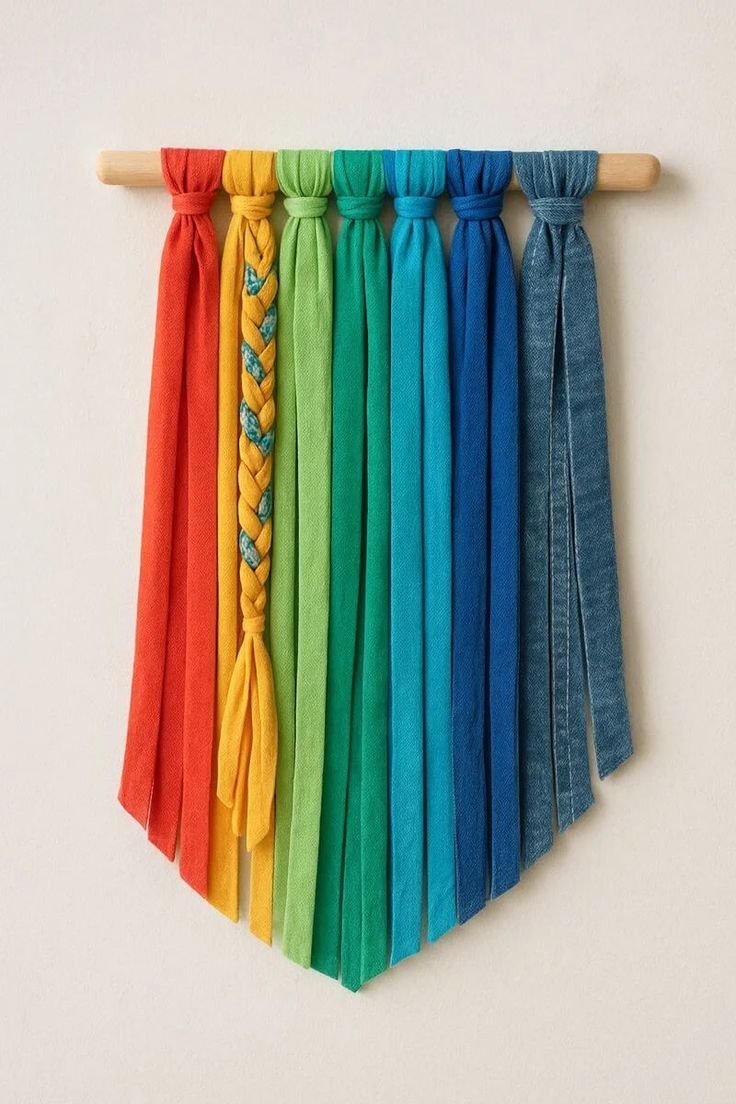
Rainbow wall hangings suit nurseries, playrooms, bedrooms, and any living space that could use a cheerful focal point.
They can be built from fabric strips, stacked arches, or layered textile shapes, usually sewn to a backing with light padding for dimension.
Color is the main decision. Bold primaries feel playful, pastels feel calm, and muted earthy tones sit comfortably in modern rooms, so offering custom palettes that match a customer’s walls or bedding is a strong selling angle.
Texture matters too: mixing cotton, felt, linen, and fleece adds depth.
Plan the hanging system before you sew, using a sturdy loop or a dowel across the top.
Keep cords and attachments appropriate for the display location, and make sure hangings meant for children’s rooms are mounted out of reach, with no long loose cords that could be pulled down.
8. Fabric Wall Pockets
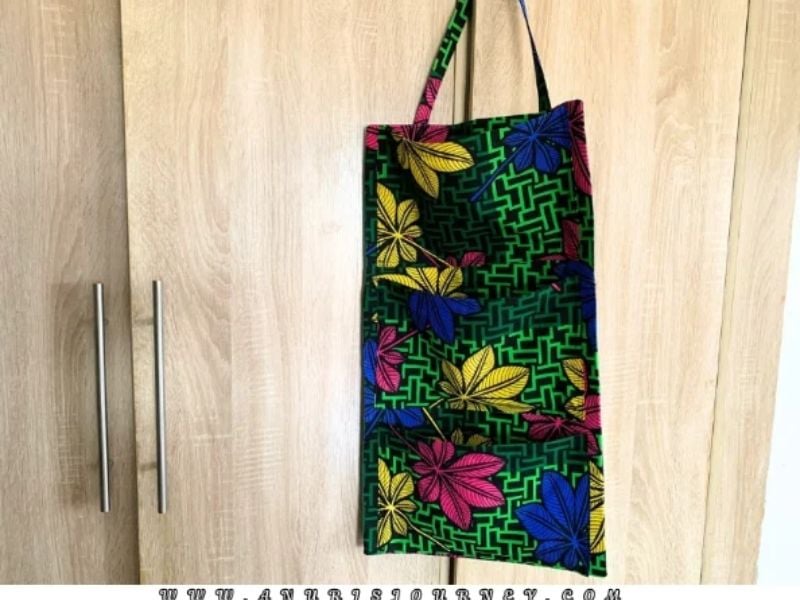
Wall pockets turn blank wall space into storage.
Rows or columns of pockets, in matching or varied sizes, are sewn onto a stable fabric backing and hung in entryways, craft rooms, bedrooms, home offices, or children’s spaces to hold mail, scissors, small toys, or hair accessories.
Canvas, denim, and heavier cotton work well, and interfacing helps the pocket openings stay upright.
Reinforce the openings and the hanging loops, since these take the most strain.
A pocket’s depth and strength should match what it will hold, so a lightweight pocket is a poor choice for heavy tools.
Labels, embroidered names, and color choices make each organizer personal.
Because they are useful as well as decorative, wall pockets are practical home decor items to sew and sell for people who want order without bulky furniture.
Remind buyers that the hanging system must be mounted securely.
9. Fabric Topiaries
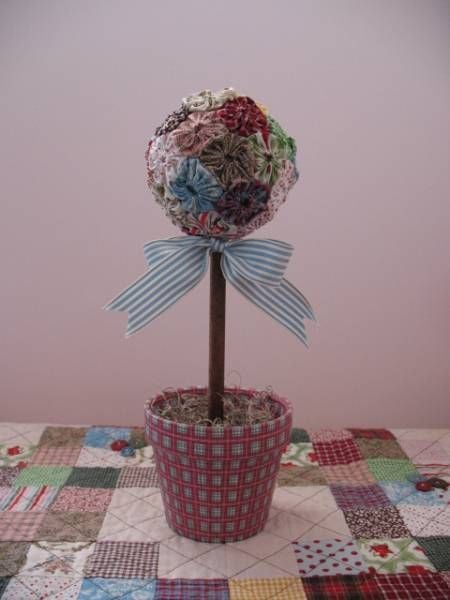
A fabric topiary gives you the tidy shape of a clipped garden tree without any trimming or watering.
The crown can be built from fabric leaves, folded shapes, rosettes, or gathered circles attached to a foam ball, with a stem set into a weighted container.
Burlap and linen give a rustic look, while satin and velvet feel more formal.
Neat, symmetrical crowns suit entryway tables and dining areas, and fuller, looser ones fit relaxed or seasonal displays.
A heavy, stable base matters, because a tall topiary on a narrow pot tips easily.
Pots, ribbons, and moss-style finishes shape the overall style, so think of the container as part of the design.
Present these clearly in your product listing as decorative pieces rather than functional plants, and offer pairs for mantels or console tables.
10. Fabric Dream Catchers
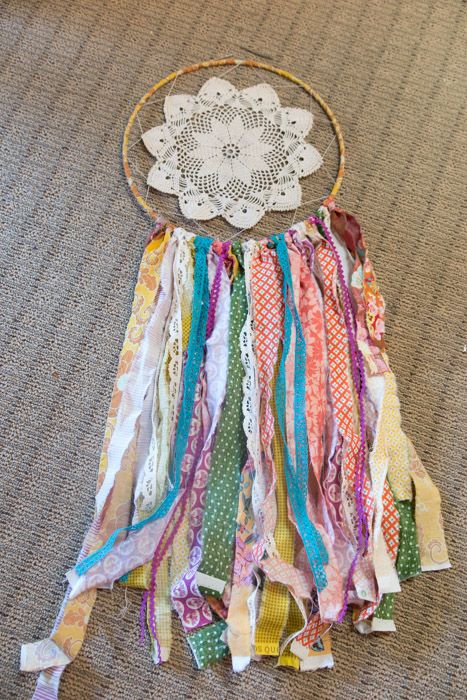
Fabric dream catchers are decorative wall hangings that pair a circular frame with textile details.
A wooden or metal hoop is wrapped in fabric strips, then filled with a woven or gathered fabric center and finished with dangling pieces such as fabric tails, tassels, or small shapes.
Cotton, muslin, and jersey strips all wrap smoothly.
Soft neutrals and washed linen suit bohemian rooms, while brighter prints lighten a nursery or teen bedroom.
Initials, favorite colors, and themed charms make good personalized sewing products to sell online.
Secure wrapping and firmly attached hangings keep the piece durable, and a sturdy frame stops the circle from warping under the weight of the fabric.
Describe these as decorative craft items only; avoid any claims about sleep, health, or protection. Mention that long hanging tails should stay out of children’s reach.
11. Fabric Memo Boards
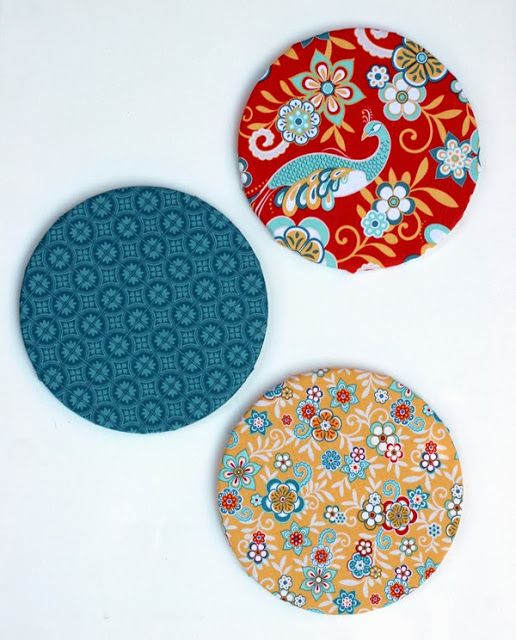
A fabric memo board is a decorative way to keep notes, photographs, reminders, and cards in sight.
Start with a firm backing such as foam core or thin plywood, add a layer of batting, and stretch the fabric over the front.
Ribbon crisscrossed over the surface holds items in place, and buttons or upholstery tacks can finish each crossing.
Linen, cotton prints, and velvet can coordinate with home offices, kitchens, bedrooms, or study spaces.
Memo boards are simple home decor items to sew and sell in custom sizes and colors, and a matching desk organizer can turn one board into a set.
Keep the backing rigid so the board does not bow under use.
If it will hold many cards or photos, attach it to the wall securely with hardware that suits the weight.
12. Fabric Flower Wall Art
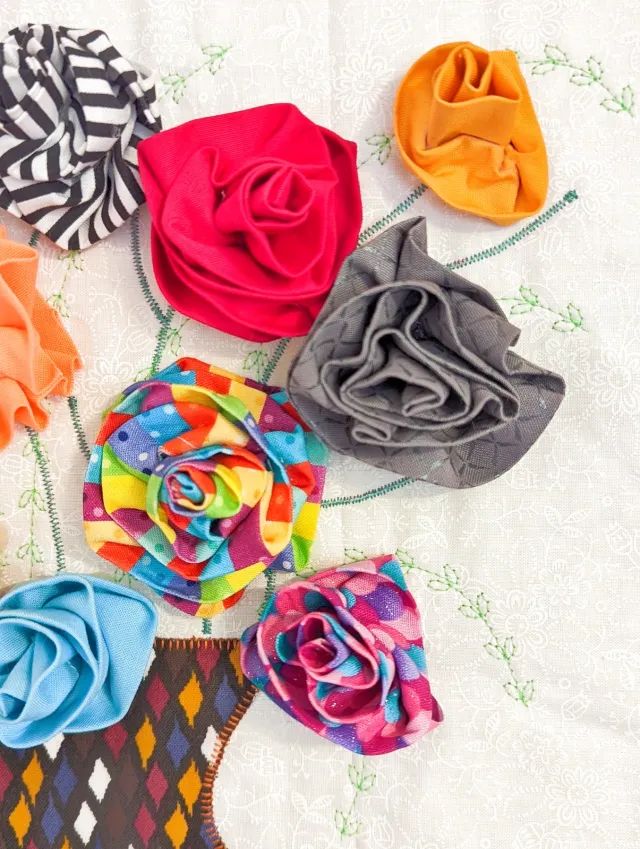
Fabric flowers can be arranged into wall art that feels more like a textile sculpture than a picture.
Petal shapes, flower sizes, and layering methods change the look: flat felt blooms read as modern, while layered organza or silk-style roses look softer and more romantic.
Many makers mount the flowers on a fabric-covered board, inside a shadow-box frame, or in a raised cluster directly on a backing.
Color palettes can be chosen to match existing room décor, which suits bedrooms, nursery walls, event styling, and personalized gifts.
Leftover material is a natural fit here, and 26 sewing projects you can make from fabric scraps offers more decorative fabric projects that use it.
Keep the finished piece light enough for its hanging system, and attach every flower firmly so nothing loosens as the piece is moved or hung.
13. Centerpiece Mats
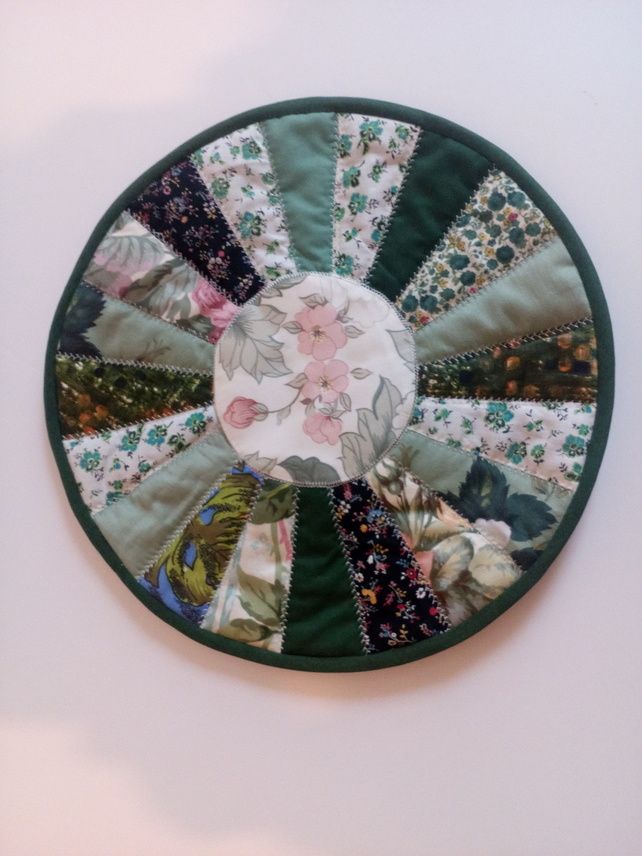
Centerpiece mats give a vase, tray, or candle grouping a defined place to sit.
They work on dining tables, coffee tables, and console tables, and come in round, rectangular, oval, and seasonal shapes.
Quilted layers add body, while edge finishes such as bias binding, piping, or a simple turned hem change the style.
Cotton, linen, and tapestry fabrics all work, so match the choice to how the mat will be used.
Ordinary fabric mats should not be described as heatproof or suitable for hot cookware; a mat made for that purpose needs heat-resistant materials that have been specifically tested.
Coordinating mats with table runners and placemats lets you sell a full dining set, which makes them sensible home decor items to sew and sell in seasonal rotations such as autumn leaves or holiday colors.
14. Hanging Fabric Hot Air Balloons
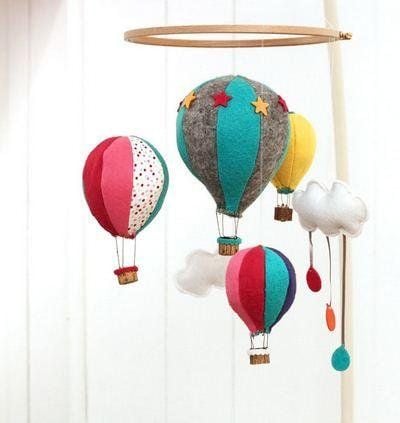
Hanging fabric hot air balloons are playful, three-dimensional pieces built from shaped panels sewn together and stuffed lightly.
Consistent panel shapes are what make the balloon look balanced, so cut with a good template.
A lightweight support, such as a thin hoop or lightly stiffened lining, helps the balloon keep its round shape, and a small fabric or woven basket hangs below.
Nurseries, children’s rooms, themed parties, and playful home displays are natural settings.
Offer different sizes, coordinated stripes or color blocks, and a name stitched on the basket for a customized finish.
Hanging hardware must be secure, and the balloons should hang well above where children can reach.
Keep cords short and out of reach, and avoid buttons or beads unless they are stitched on so firmly that they cannot come loose.
15. Window Seat Cushions
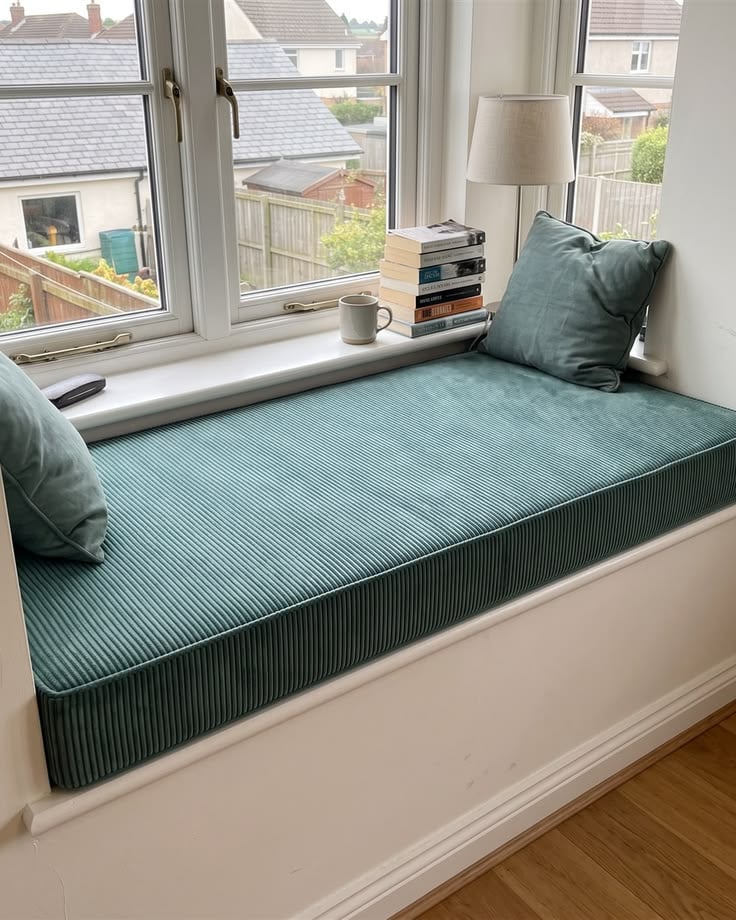
Custom window seat cushions are useful home decor items to sew and sell because window seats often come in unusual sizes.
Start by measuring the length, depth, and any corners or curves, and choose foam thickness to suit how often the seat will be used.
Upholstery-weight cotton, canvas, and tough woven fabrics stand up to sitting better than light decorator fabric.
Details such as piping, boxed corners, ties, and non-slip backing improve both appearance and function.
Removable covers make washing easier, so include care instructions with every order.
A basic home machine can handle a zipper and boxed corners with some practice, and29 sewing projects you can make with a basic sewing machine shows how much is possible without specialized equipment.
Match filling and fabric durability to the expected use, since a reading nook and a busy kitchen bench need different cushions.
16. Fabric Mushrooms
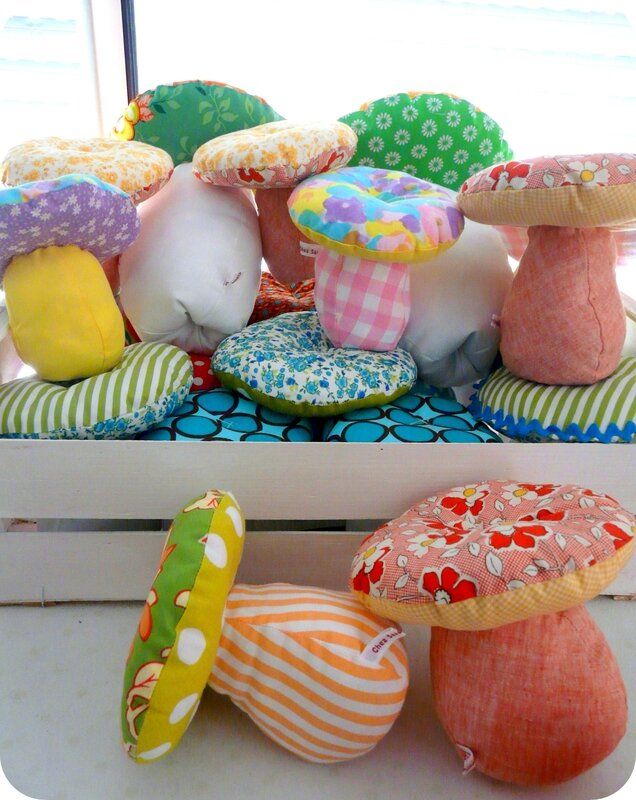
Fabric mushrooms bring a touch of woodland charm to cottage-style rooms, shelves, and seasonal displays.
A cap is cut from one fabric and a stem from another, and the contrast does a lot of the work: red with white dots looks like a storybook toadstool, while muted linen and cream feel calm and natural.
Stuffing, gathered sections, and small embroidered details such as gills or spots give each mushroom its own character.
Make several sizes in one color story and you have a matching set that can be sold as a small group or as a shelf display.
A flat, weighted base helps the mushrooms sit upright, and a firm stem keeps the cap from drooping.
If a mushroom is meant as a children’s toy, avoid detachable small parts and make sure the construction suits the age group.
17. Fabric Room Dividers
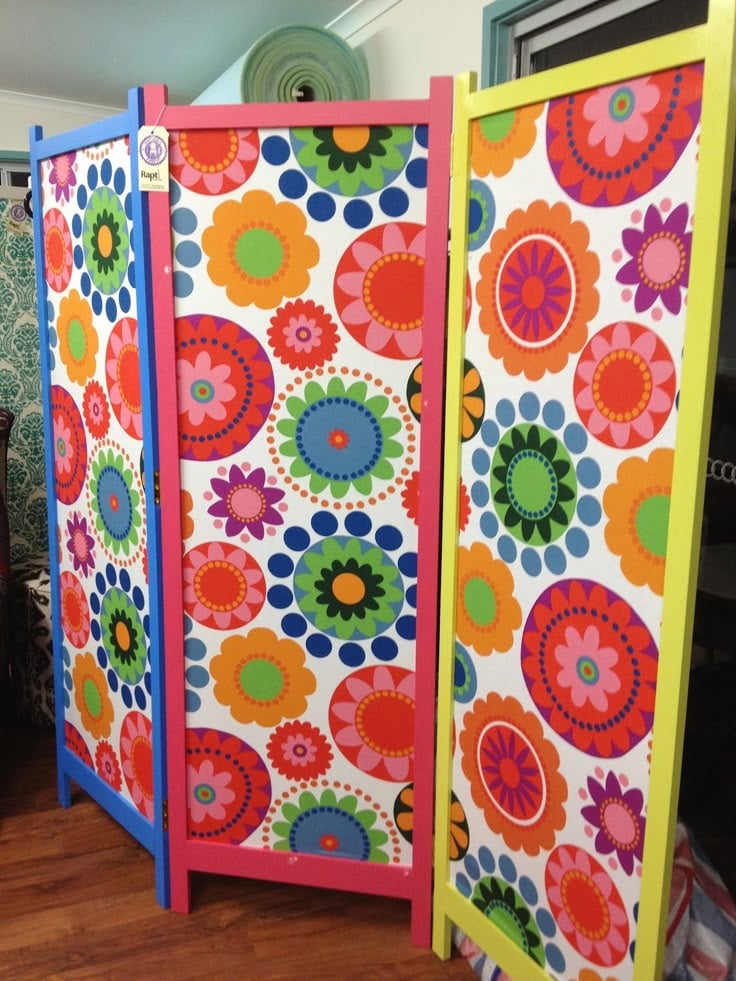
Fabric room dividers are home decor items to sew and sell for studio apartments and shared bedrooms, where they can mark out zones without building walls.
Options include hanging panels from a ceiling track, folding screens with fabric-covered frames, and tension-rod curtains.
The weight, length, and see-through quality of the fabric change the look: thin sheer fabric lets light through, while dense, lined cotton blocks more of the view.
Patterns can define a reading corner, a home office, or a creative workspace.
Be honest about performance, because a fabric panel does not provide soundproofing or complete privacy unless it is specifically designed for that.
Folding screens need a stable footprint so they do not tip, and hanging dividers need mounting hardware rated for the load.
Where relevant, choose fabrics suited to the room’s fire-safety needs and keep dividers well away from heaters and open flames.
Made-to-measure sizing is the main selling angle.
18. Fabric Bookends
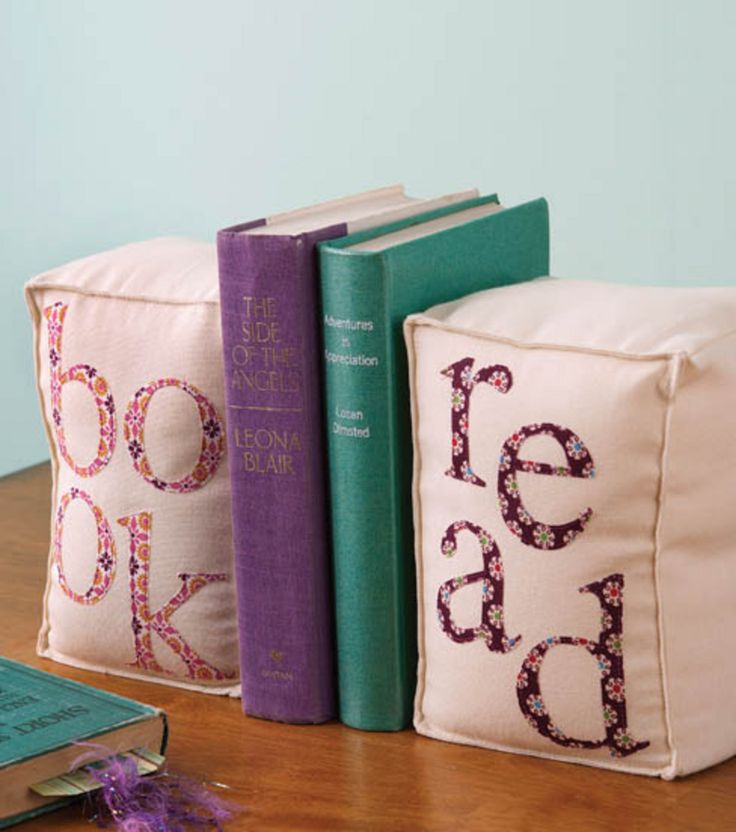
Books lean and slide without something to hold them, and fabric bookends solve that with a softer look than metal or wood.
Each one is a sewn shape, such as a house, an animal, or a simple block, with a sealed inner pouch filled with weight so it can hold a short row of books upright.
Canvas, duck cloth, denim, and heavy linen are good choices because they stay firm and hide wear.
Pairs are the natural product, and matching a pair to a child’s room, a home office, or a shelf of cookbooks gives you an easy way to offer sets.
Double-stitch the inner pouch so the filling can never leak, and add a non-slip patch under the base. Keep any buttons or eyes stitched on firmly, especially in children’s rooms.
Heavy pieces cost more to ship, so weigh them before you set a price.
Spot cleaning works best, since the weight does not suit washing.
19. Dining Chair Back Covers
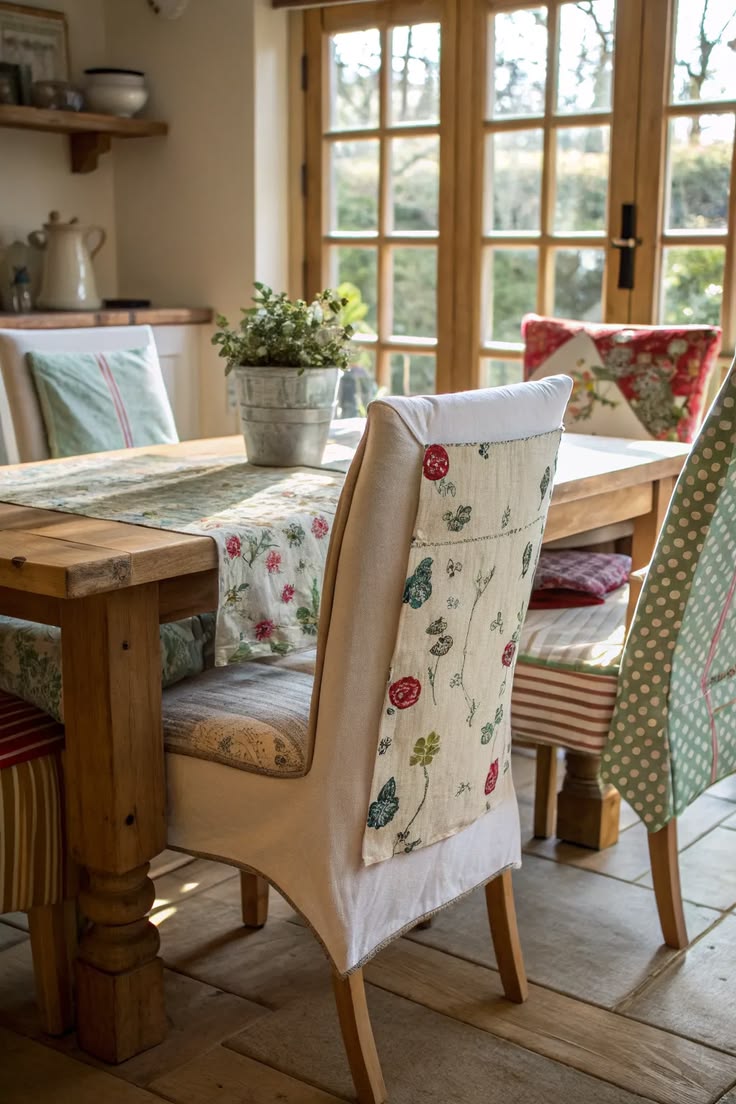
Chair back covers are fabric home accessories that refresh tired dining chairs and tie them to the rest of the table setting.
Styles range from simple slip-on sleeves to tied covers, fitted designs, and decorative panels with bows or sashes.
Chair shape matters most: measure the width, height, and depth of the back, and note even if it is straight, curved, or ladder-style.
Fabric weight affects both fit and drape, so stretch fabrics suit curved backs while stiffer fabrics suit straight ones.
Everyday linen and cotton work for home use, and satin or organza suit weddings, holiday dining, and special occasions.
Covers should stay in place without slipping or getting in the way when someone sits.
Custom sizing and matching sets of four, six, or eight chairs make these practical home decor items to sew and sell for households and event hosts.
20. Chair Skirts
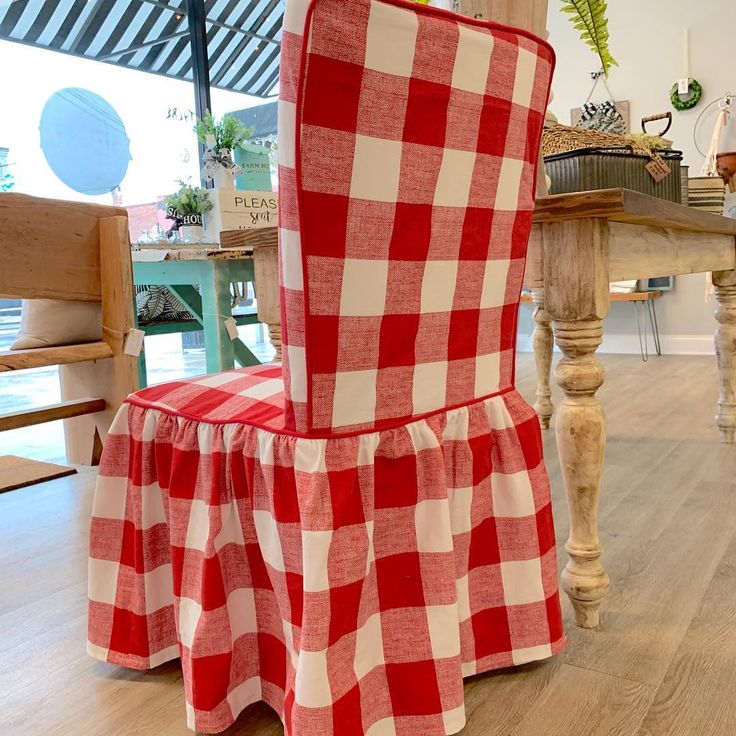
A chair skirt adds a softer, more traditional look to a chair and can hide the open space under some designs, such as a vanity stool or a seat with exposed legs.
Skirts can be pleated, gathered, or cut as straight panels, and lengths range from a short ruffle to a drop that reaches the floor.
Cotton, linen, and lightweight upholstery fabrics hold their shape, while thin fabrics can look limp.
They suit formal dining rooms, bedrooms, dressing areas, and traditionally styled interiors.
Measure the seat and the drop carefully, because uneven hems show.
Make sure the skirt never interferes with the chair’s stability, its movement, or the user’s feet.
Made-to-measure skirts for specific chairs and coordinated room collections, with matching cushions or table skirts, give customers a reason to order a set rather than a single piece.
21. Fabric Wall Panels
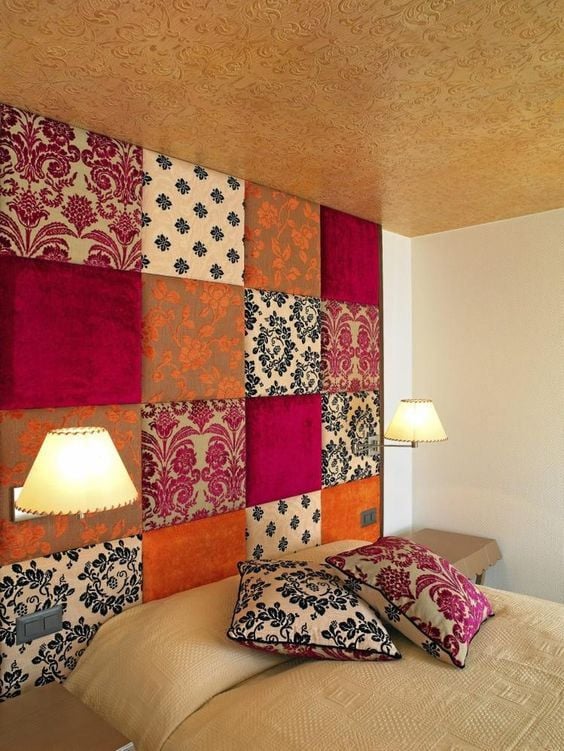
Fabric wall panels are handmade interior accessories that add color, texture, and pattern to a room without paint or wallpaper.
Options include stretched fabric over a frame, padded sections with a quilted surface, and decorative groupings of several panels.
They suit bedrooms, home offices, living rooms, and creative spaces, and the fabric can be chosen to complement the existing interior: linen for a calm look, a bold print for a statement wall, or velvet for depth.
Size, backing material, weight, and mounting method all affect installation, so decide on these before cutting.
Lightweight frames can use picture-hanging hardware, while heavier panels need proper wall fixings.
Do not claim any soundproofing or acoustic performance unless the panels are specifically designed and tested for it.
Coordinated sets in matching or mixed sizes create a more cohesive display than a single panel.
22. Fabric Photo Albums
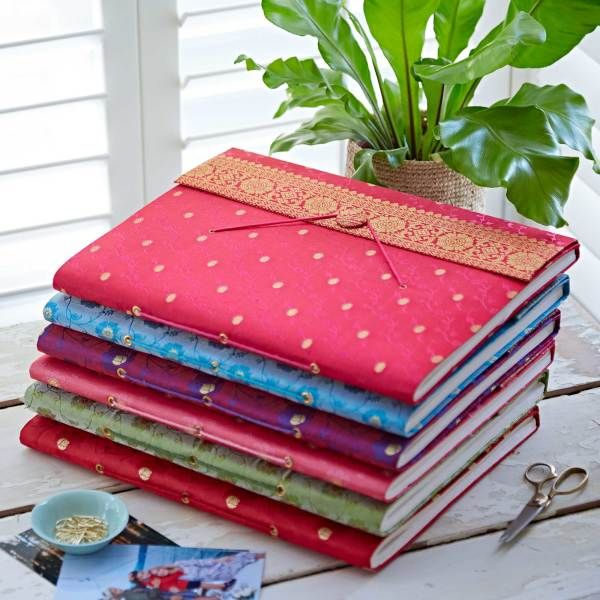
A fabric-covered photo album combines practical storage with a personal textile finish.
The cover can be a simple wrapped fabric, a padded front, or one decorated with pockets and embellishments.
Sturdy backing board, good binding, and durable finishes keep the album working through repeated use.
Cotton, linen, and satin fabrics are common choices, and the covering should never stop pages from turning or the album from closing.
Weddings, anniversaries, baby milestones, family memories, and travel collections all give you a theme, and names, dates, embroidery, and coordinated colors make each album feel individual.
Albums sit between décor and keepsake, which makes them flexible home decor items to sew and sell, and shoppers browsing best sewing products to sell on Etsy may look for something to display on a shelf.
Offer matching sets, such as an album with a keepsake box.
23. Nightstand Covers
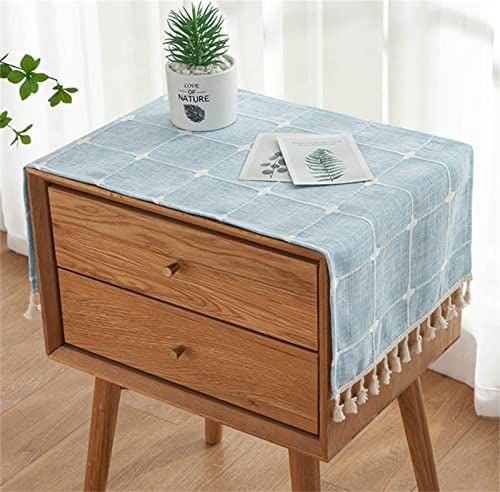
Bedside tables take a lot of daily wear, and a fabric cover can protect the top while adding a layer of color.
Choices include a simple fitted cover, a small runner, a top panel, or a design that drapes over the edges.
Washable cotton and cotton blends are practical here, and coordinating with the bedding or bedroom curtains pulls the room together.
Measure the top and the drop accurately so the cover sits neatly without slipping.
Covers should not obstruct drawers, handles, or ventilation openings, nor block access to electrical outlets.
They must also stay well clear of lamps, heaters, and other hot electrical equipment, so choose a size that cannot drift onto a warm lamp base.
Because bedrooms usually have a table on each side, selling matching pairs is a sensible way to offer them.
24. Patio Umbrella Covers
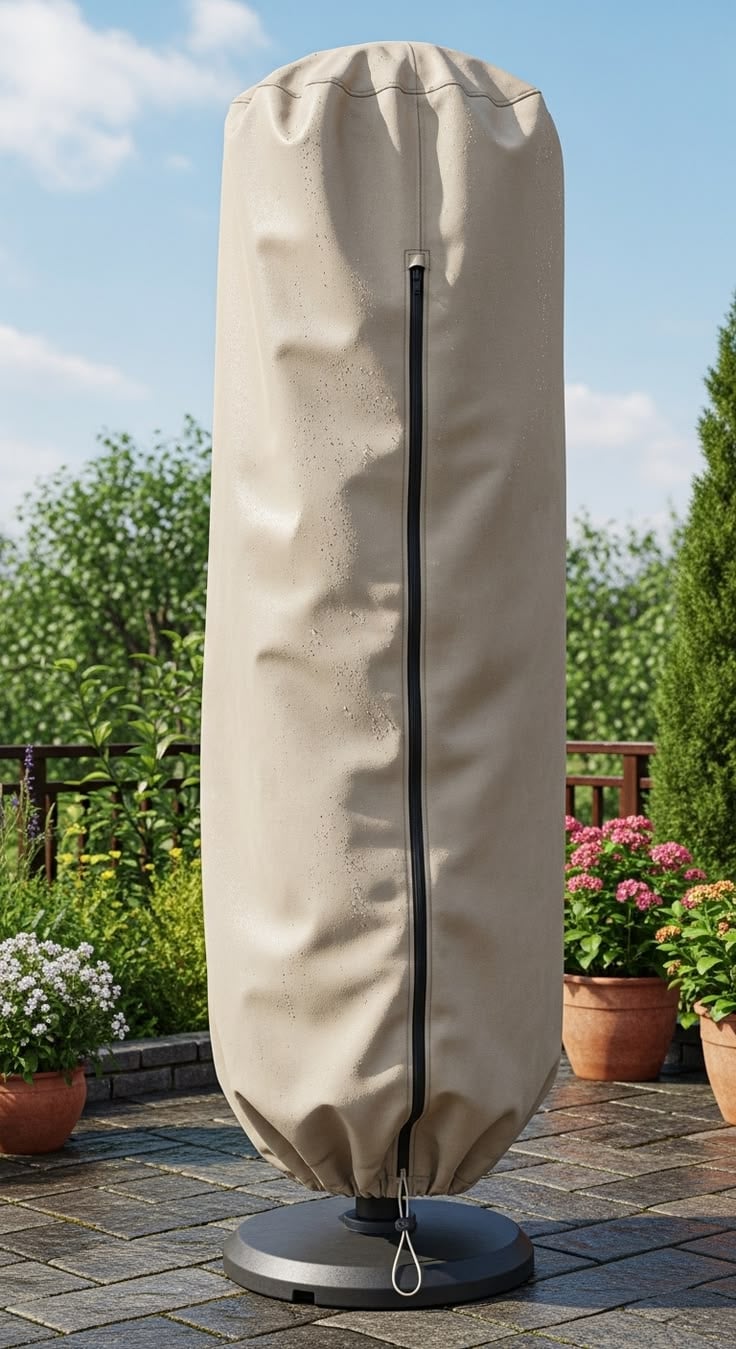
An umbrella cover protects a folded patio umbrella between uses, so the fabric must be built for the outdoors.
Choose outdoor fabrics such as acrylic canvas or coated polyester, sew with weather-resistant thread, and reinforce the seams that take the most strain.
Do not imply that ordinary cotton or indoor decorative fabric gives reliable protection against sun and moisture.
Measure the umbrella’s length and its folded circumference, then leave a little extra room so the cover slides on easily.
A zipper or drawstring closure keeps it secure, a handle makes it easy to carry, and a protective flap helps at the top.
Customers should follow care instructions, let the umbrella dry before covering it, and avoid trapping moisture that leads to mildew.
Because umbrella sizes vary, a clear size guide helps buyers pick the right cover.
25. Tablecloth Weights
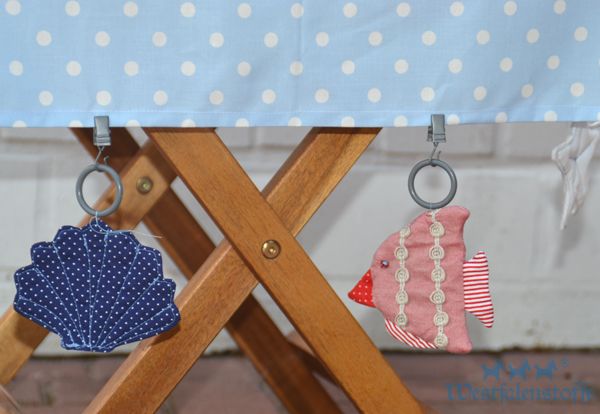
Tablecloth weights keep corners from flapping, which matters on patios, at picnics, and during garden parties.
Small shapes such as pouches, circles, or hexagons are covered in fabric, with a weight sealed inside and a clip or loop to attach to the cloth.
Outdoor-friendly fabrics resist fading and wipe clean, and prints can echo the tablecloth or other outdoor accessories.
The weight and attachment need to suit the tablecloth and the table edge, because a heavy clip can drag a thin cloth.
Weights must be fully enclosed and securely attached, with no small loose components that could become hazards.
They are quick to cut and stitch, and sets of four are easy to repeat, so tablecloth weights fit the batch approach described in 25 sewing products you can make in bulk and sell.
Seasonal fabrics, such as citrus prints for summer, can refresh the range.
26. Fabric Ball Garlands
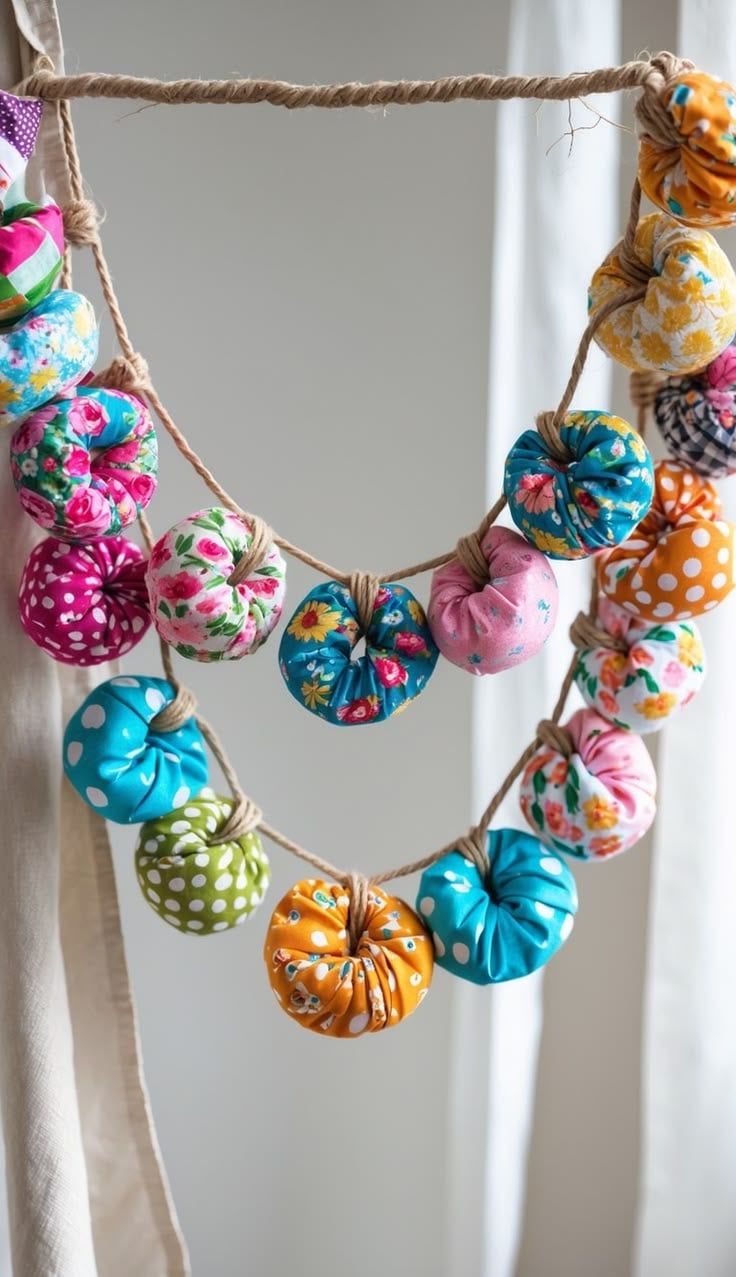
Fabric ball garlands are sewn home decorations made from small stuffed or fabric-covered balls threaded along a cord or ribbon.
Scraps can be turned into different colors, patterns, and sizes, so they use up leftovers well.
A coordinated palette sets the mood: pastels and neutrals look soft and modern, bright mixes feel playful, and reds and greens suit festive displays.
They can hang across a shelf, a bedroom wall, a party backdrop, or a nursery.
Balls should be consistently shaped and securely attached to the cord, so cut with a template and stuff to the same firmness.
Remember that hanging cords can pose strangulation risks, so display garlands out of children’s reach and never within or over a baby’s sleeping area.
Sellers should include this safety note in the listing or packaging, and it is worth offering short lengths with a clear hanging suggestion.
27. Fabric Keepsake Boxes
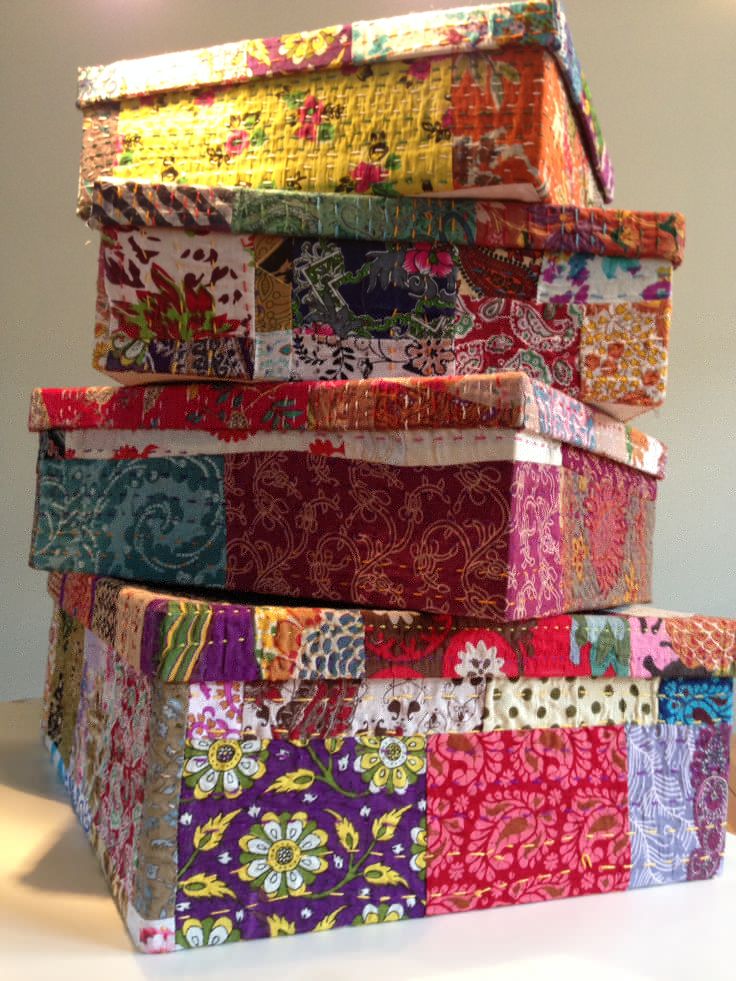
Fabric-covered keepsake boxes hold photographs, letters, jewelry, sewing supplies, or sentimental items in a more attractive way than a plain carton.
A sturdy box base, usually cardboard, chipboard, or wood, is covered with fabric over interfacing, then lined inside and finished with neat corners.
Matching lids, decorative trims, labels, and embroidered initials add personality.
Small, medium, and large sizes serve different storage needs, so a range gives buyers a choice.
The underlying box has to be strong enough for what it will carry, and the fabric must be attached smoothly so it never catches on the lid or opening.
Coordinated storage collections in a shared print or color story make a clear product range.
Because each box takes careful gluing and finishing, pricing should reflect the time involved, especially for custom sizes and fabrics.
28. Hanging Flower Baskets
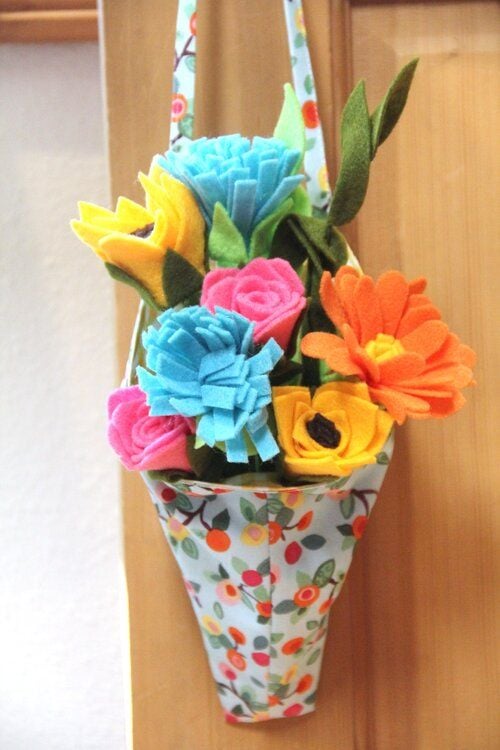
Fabric hanging flower baskets are decorative textile containers or covers for lightweight artificial flower arrangements, not live plants that need soil and regular watering.
Interfacing, lining, and a supporting structure such as a wire frame or rigid liner help the basket keep its shape.
Cotton duck, burlap, and quilted prints suit indoor seasonal décor, wall displays, and covered porches.
Choose secure handles, rings, or chains, and make sure the mounting point can carry the finished weight, including the flowers.
For outdoor display, use weather-appropriate materials and inspect the basket regularly for fading, loose stitching, and moisture damage.
Be clear in the listing about what is included, since buyers may assume flowers come with the basket.
Spring, autumn, and holiday versions let you rotate the range, and a matched pair works well beside a door or on either end of a porch.
29. Fabric Globe Light Covers
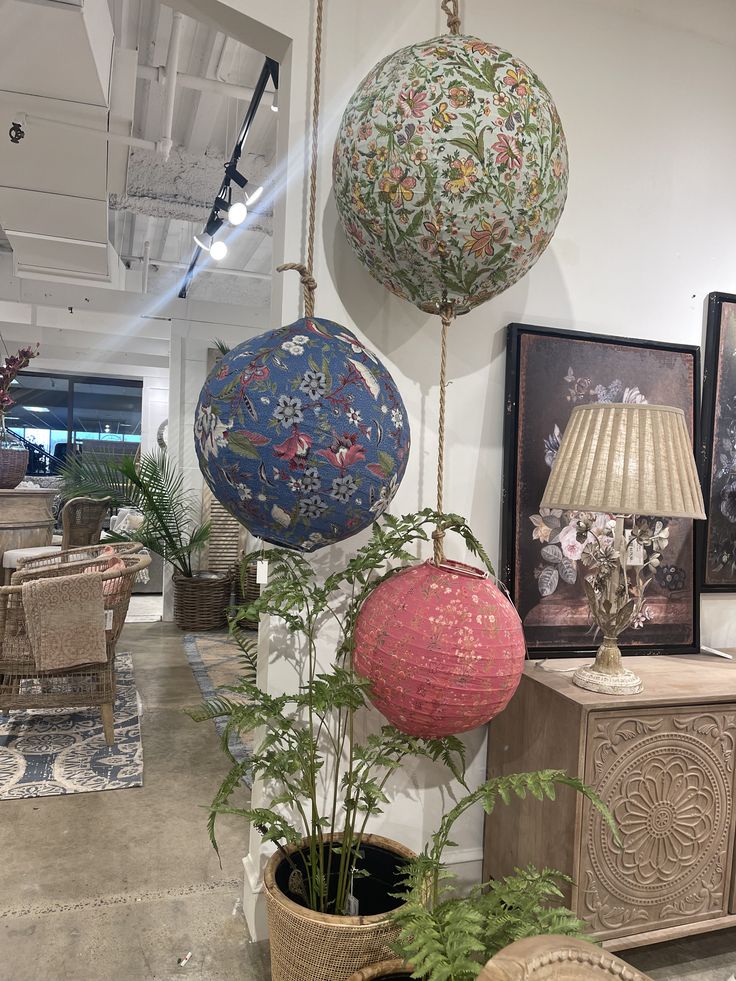
Fabric globe covers can work as decorative shades, but lighting is where decorative sewing meets safety rules, so this idea needs extra care.
Cover design starts with a compatible lighting system, and the fabric choice, shade structure, and neat seams follow from that.
Decorative fabric covers are not certified electrical lighting components.
Ordinary fabric must not touch bulbs or hot electrical parts, block ventilation, or create a fire hazard, so do not simply drape fabric over an existing lamp.
Any product used with electricity must be designed and tested for the specific fixture and comply with relevant electrical and fire-safety requirements.
A safer starting point is decorative covers for non-electrical display globes, such as unlit hanging orbs or shelf spheres, where light fabrics, lace, and printed cottons can add a soft, textured look.
Unless you can meet the standards for electrical products, sell the non-electrical version.
30. Fabric Seashells
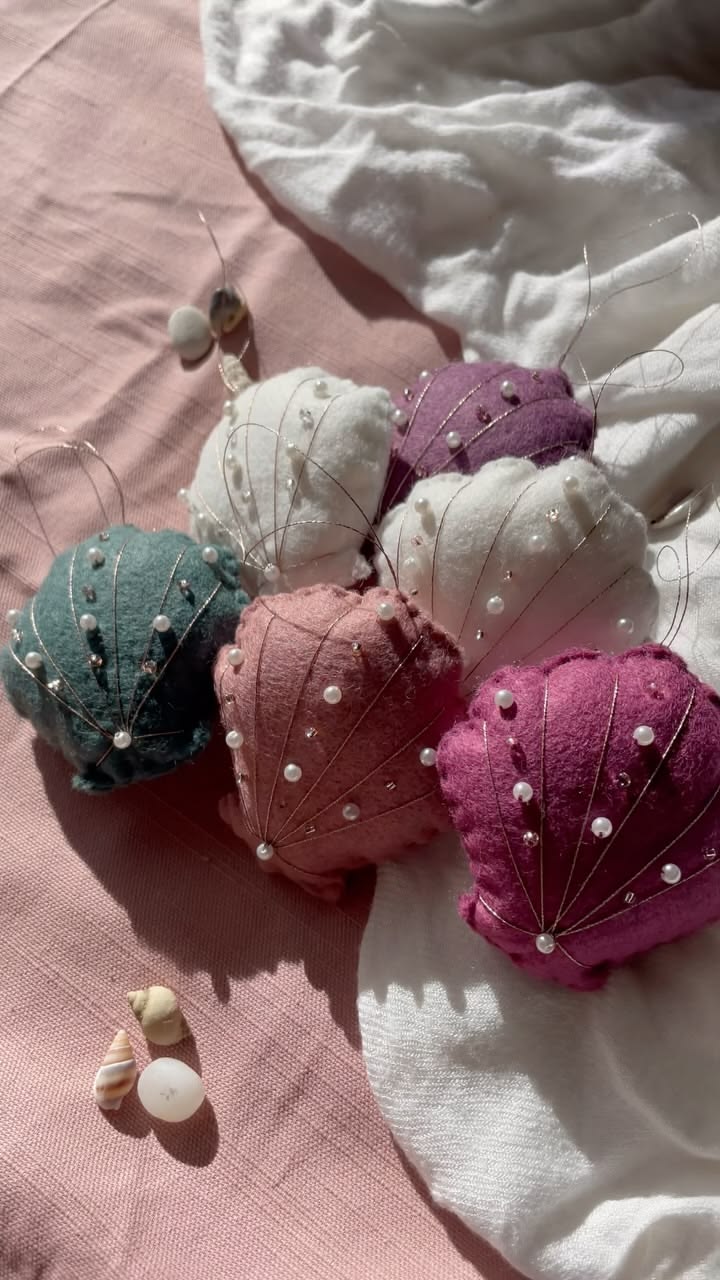
Fabric seashells bring coastal charm to a room without a trip to the beach.
Scraps can be shaped, layered, gathered, or stuffed into scallops, spirals, and fan forms, and stitched lines, pleats, and quilted ridges create the folds that make a shell recognizable.
Cotton, linen, felt, and lightly textured fabrics work well, and neutral sand, white, soft blue, and seafoam tones suit coastal bedrooms, bathrooms, shelves, and table displays.
Careful shaping and consistent finishing help each piece read as a shell rather than a lumpy ball.
Different sizes arranged in a bowl or along a shelf make an appealing collection, and since they take so little fabric, they sit well beside sewing projects that don’t require much fabric.
Sell them singly or as a coordinated coastal set, and you have a flexible product among the home decor items to sew and sell.
Conclusion
Handmade home décor works best when creativity meets everyday usefulness.
As you decide which home decor items to sew and sell, think about your sewing skills, the fabrics you already have, the decorating styles you enjoy, and the customers you hope to reach.
Some projects, like bookcase curtains, window seat cushions, and chair skirts, suit custom orders, while others, such as seashells, mantel scarves, or ball garlands, can become coordinated collections or seasonal designs.
Whatever you choose, accurate measurements, suitable fabrics, neat finishing, and thoughtful presentation make a real difference to how your work looks and lasts.
Start with one or two ideas for your home sewing business, make a sample of each, and let the results guide your next batch.