Some of the best kitchen items to sew and sell are things people already use every day.
Walk into any kitchen and count the fabric. There are tea towels, oven mitts, aprons, bread cloths, storage bags, and covers for the mixer, and that is before you think about what bakers carry to parties.
Handmade kitchen accessories can be useful and pretty at the same time, with colors, prints, and small details that match a buyer’s kitchen.
Many people also want reusable alternatives to disposable products, or something personalized they cannot pick up in a store.
This guide covers 25 kitchen items to sew and sell, from baking accessories and food-storage pieces to protective covers and organizers.
For each one, you will find notes on fabric, construction, care, and the safety questions that come up around food, heat, blades, and appliances.
If you want even more variety, take a look at these 29 things to sew and sell from home, which cover many other household projects.
Kitchen Items to Sew and Sell
1. Pie Carriers
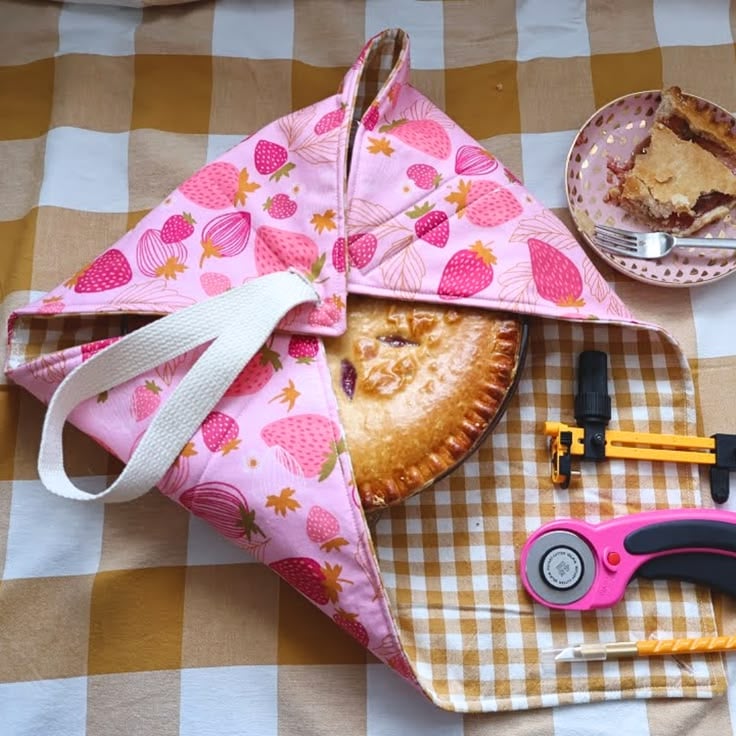
A pie carrier lets a baker bring a homemade pie to a family dinner, potluck, or holiday party without worrying about it sliding around.
Most have a sturdy fabric outside, a washable lining, two handles, and a firm base that holds the dish from underneath.
Design the carrier around real pie plate sizes, and offer a few options so buyers can pick the one that fits their dish.
Load it with a full dish when you test it, because the handles and base have to carry the weight without sagging.
Seasonal prints, monogrammed names, and a matching pot holder can turn one carrier into a small set, which is a handy angle if you are building a range of kitchen items to sew and sell.
Say clearly that the carrier is for transporting a suitable pie dish.
It is not meant to touch hot pies or go in the oven.
2. Cookbook Covers
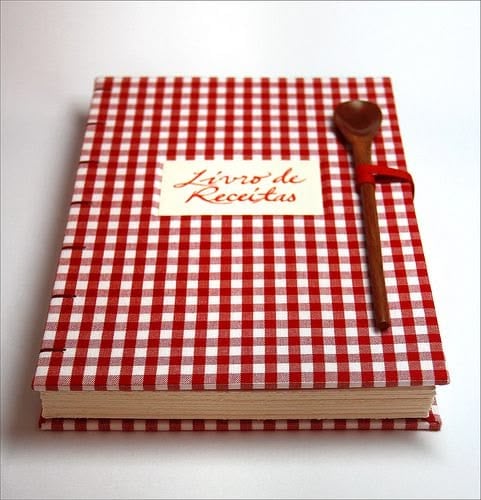
Cookbooks get splashed with sauce and dusted with flour, so a fabric cover keeps them cleaner and makes the shelf look nicer.
Make the cover from an outer fabric, a lining, and light interfacing for shape.
Add adjustable inner flaps so one pattern can fit different cookbook sizes.
Pick sturdy, tightly woven fabric that wipes or washes easily, such as cotton canvas or laminated cotton made for home sewing.
A pen pocket, a recipe-themed print, or an embroidered name gives buyers a reason to choose handmade, and a matching recipe organizer can sit beside the cover as a set.
Shoppers who enjoy personalized sewing products to sell online will probably like monogrammed versions best.
Keep the finish soft enough that the book still opens flat and the pages turn easily, and test your cover with a thick hardback before you list it.
3. Oven Mitts
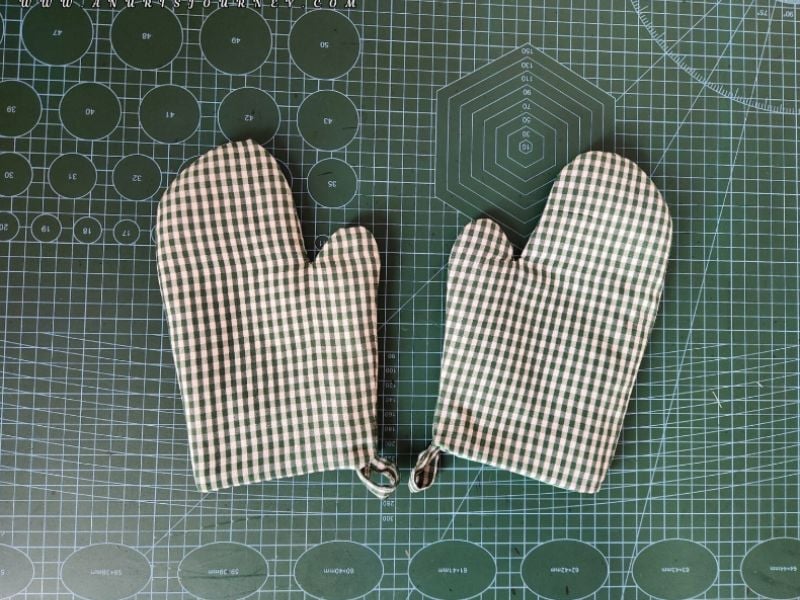
Oven mitts protect hands from heat, so they need more care than most sewing projects for the kitchen.
Plain cotton fabric does not make a safe mitt, and a pretty print cannot replace proper insulation.
Use insulating batting made for mitts and pot holders, an outer fabric that suits the job, a soft lining, and seams and quilting that hold up to daily use.
Fit and coverage matter too, so think about a long cuff, a roomy thumb, and firmly stitched binding.
A matching pot holder lets you sell a pair, which is a natural step when you are expanding your kitchen items to sew and sell.
Before you sell mitts as protective gear, test them yourself and look up the product standards where you live.
Skip claims about maximum temperatures or burn protection unless your materials and testing can support them.
4. Tea Cozies
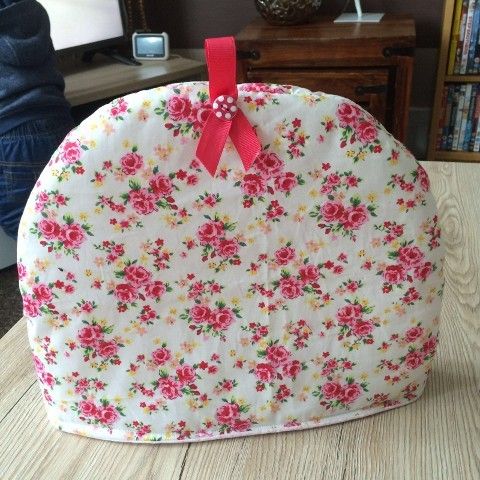
A tea cozy keeps a teapot warm a little longer, so the second cup is not cold by the time someone pours it.
It is an old-fashioned item, which is exactly why a nicely made one stands out among unique sewing products to sell on Etsy.
Most cozies have an outer fabric, a layer of insulating batting, and a lining, shaped to slip over the pot with room for the spout and handle.
Measure the teapots your buyers actually own and offer small, medium, and large sizes.
Cotton, linen, and wool blends all work well on the outside.
A cozy is meant to sit around a warm pot, so tell buyers to keep it away from open flames, stove burners, and hot surfaces, and do not call it heat-resistant unless you have tested your materials.
Floral prints, quilted tops, and a matching mug rug make a pretty set. Add washing instructions, since tea drips will stain.
5. Banneton Liners
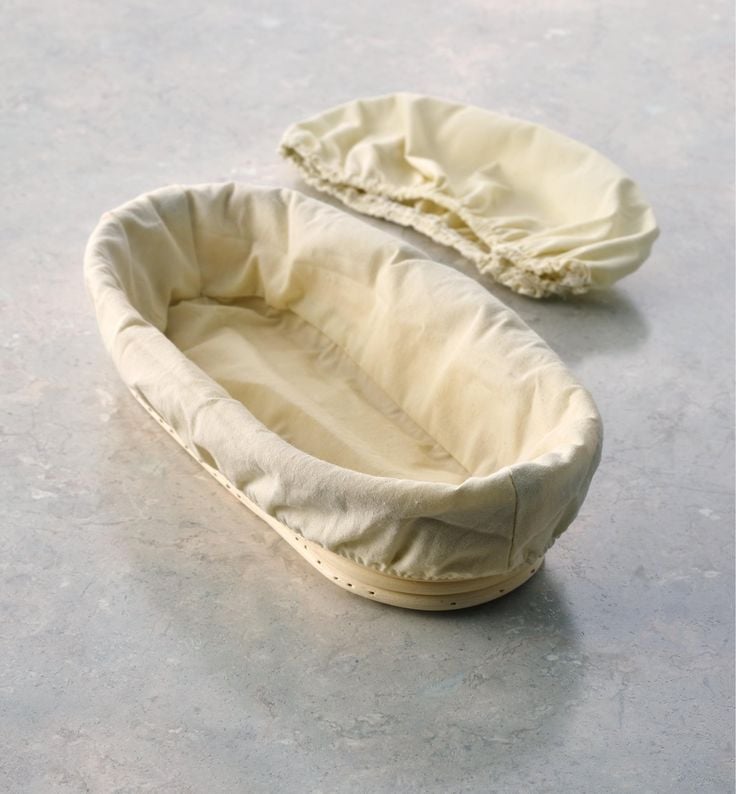
Bakers who proof sourdough in round or oval baskets often use a cloth liner so the dough does not stick.
A banneton liner is a shaped piece of fabric that fits inside the basket, usually with an elastic or gathered edge that holds it in place.
Choose plain, tightly woven natural fabric such as cotton or linen, and wash it before you sell it, since new fabric can shed lint onto dough.
Because the liner touches food, avoid heavy dyes, coatings, and glued trims.
List the basket diameter and depth clearly so buyers can pick the right size.
Bakers dust liners with flour and shake them out, so suggest letting them dry fully between uses.
A liner and a small cotton cloth make a neat starter set for new bakers, and it is one of the more focused kitchen items to sew and sell for a baking crowd.
6. Potato Storage Sacks
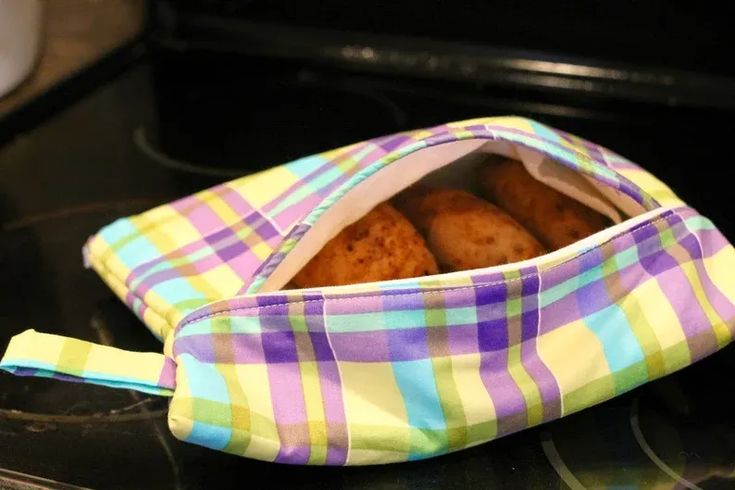
Potatoes last best in a cool, dark, airy spot, and a breathable sack keeps them tidy in a pantry or cupboard.
Sew a drawstring bag from loosely woven fabric such as burlap-style cotton or linen, with sturdy seams and a size that holds a few pounds.
A washable liner makes cleaning easier, and a roomy, ventilated shape lets air move around the potatoes.
Drawstring bags are simple to stitch, which makes them a friendly pick among easy things to sew and sell for beginners.
Embroider a potato, onion, or garlic on the front, or sew on a label, so a matching set of vegetable bags is easy to tell apart.
Remind buyers that damp fabric is a problem and that a sack alone will not stop spoilage or make potatoes last longer.
Checking them often and removing any that soften helps most.
7. Knife Guards
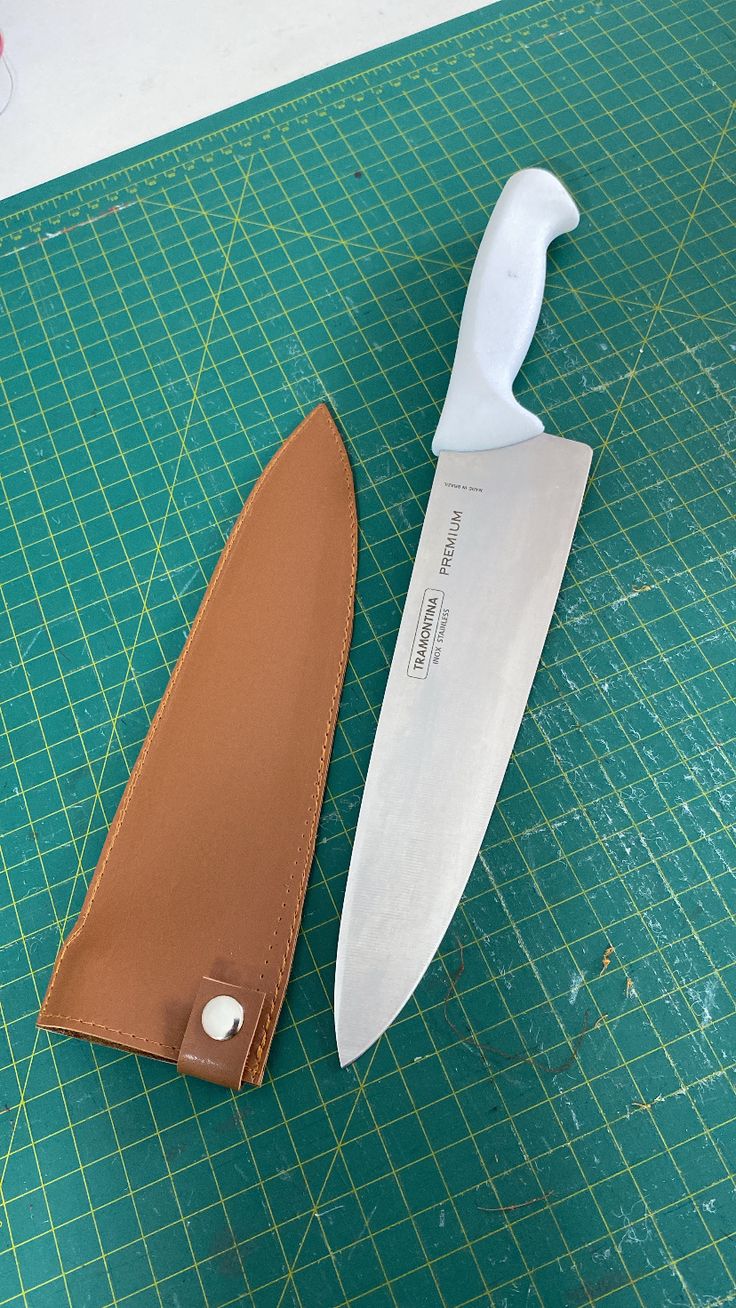
A knife guard covers one blade so the knife can sit in a drawer or travel in a bag without cutting fingers or dulling the edge.
It is also a project where the details matter.
The guard must cover the whole blade, close securely, and keep the knife from slipping out.
Use a durable outer fabric, a protective inner layer, and a firm closure like a snap or hook-and-loop strip.
Fabric alone may not stop a sharp blade, so cut-resistant or rigid materials may be needed.
Never call a padded sleeve cut-proof, and do not say it fits every knife.
Make versions for paring, chef’s, and bread knives, then bundle them as a storage set to widen your range of kitchen items to sew and sell.
Tell buyers to slide knives in and out slowly, with the sharp edge facing away from their hands.
8. Drawer Liners
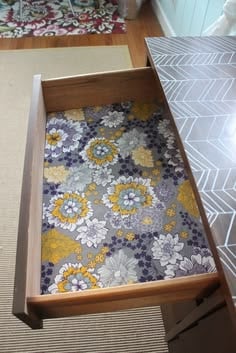
Fabric drawer liners add a bit of color to a utensil drawer and give tea towels and cutlery something soft to sit on.
Cut each liner from washable cotton or a similar fabric, measure the drawer carefully, and hem the edges neatly.
A non-slip backing helps in drawers where the liner tends to slide.
Buyers with odd-sized drawers may happily pay for custom measurements, which gives you a clear selling point.
Liners should lift out easily for washing, and they must not catch the drawer as it slides or hold moisture underneath.
Do not suggest them for food preparation or wet storage.
Liners also work nicely alongside matching towels and mitts, and you can find more ideas for pieces that coordinate with a home’s look in 30 home decor items to sew and sell.
Suggest shaking out crumbs now and then, and washing the liner when it gets dusty.
9. Bowl Cozies
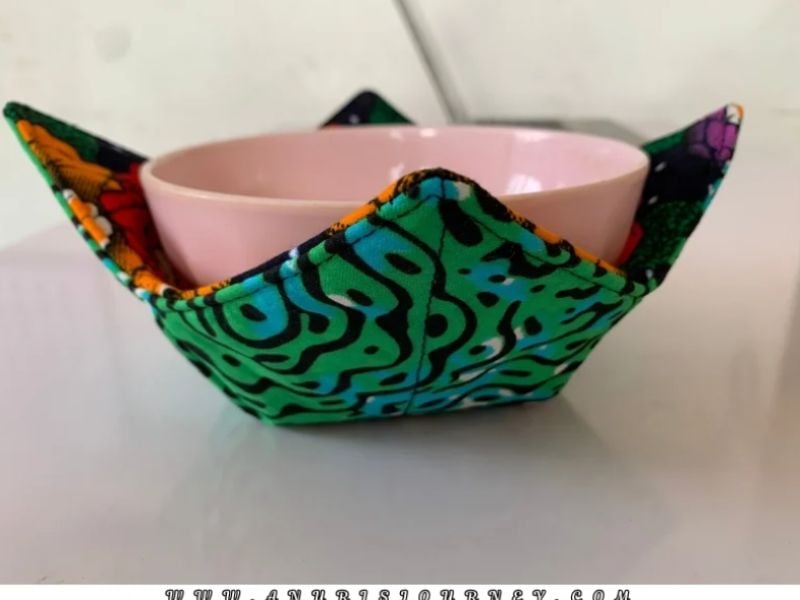
A bowl cozy is a fabric holder that makes a bowl easier to carry, and many buyers expect to use it in the microwave.
That is where materials matter most.
The outer fabric, thread, batting, and any decoration must all be suitable for microwave use.
Ordinary cotton is not automatically microwave-safe, and metal parts, including metallic thread and snaps, must never be used.
If you cannot confirm the materials, sell the cozy as a decorative holder only.
The fit matters as well, since the cozy should hold the bowl steadily and never make it harder to grip.
Make several bowl sizes, add seasonal prints, and offer matching pieces to build out your kitchen items to sew and sell.
A cozy cannot prevent burns or safely hold every hot bowl, so word your listing carefully and add a short care label.
10. Toaster or Stand Mixer Covers
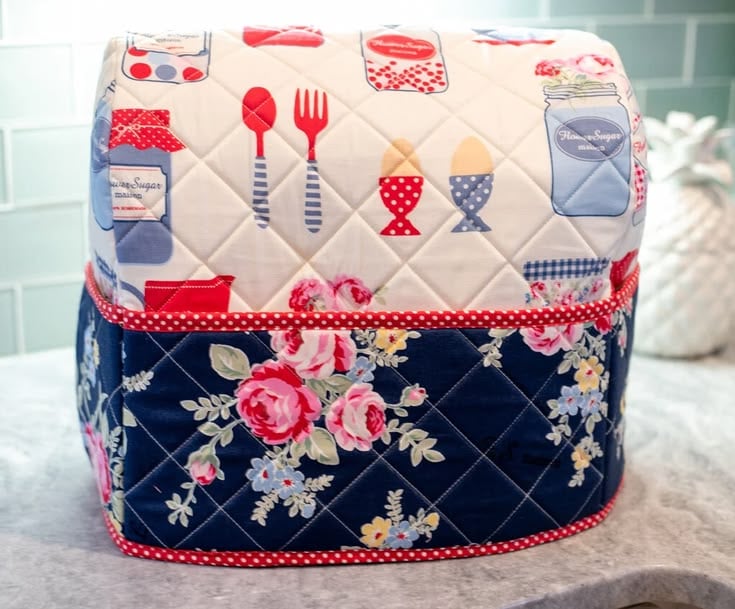
Small appliances live on the counter, where they collect dust, crumbs, and the odd splash of grease.
A fabric cover for a toaster or stand mixer keeps them clean between uses and adds a bit of color to the kitchen.
Measure the appliance at its widest, tallest, and deepest points, then add a little ease so the cover slips on and off without a struggle.
Quilted cotton, canvas, or wipe-clean laminated cotton works well, and a side pocket can hold a spatula or the cord.
Safety comes first with toasters. The cover goes on only after the appliance is switched off, unplugged, and completely cool, and it must never touch a hot surface or heating element.
Do not call the fabric heat-resistant or flame-retardant.
Fitted covers in popular mixer sizes are among the sewing projects that sell well on Etsy, especially in matching prints.
11. Unpaper Towels
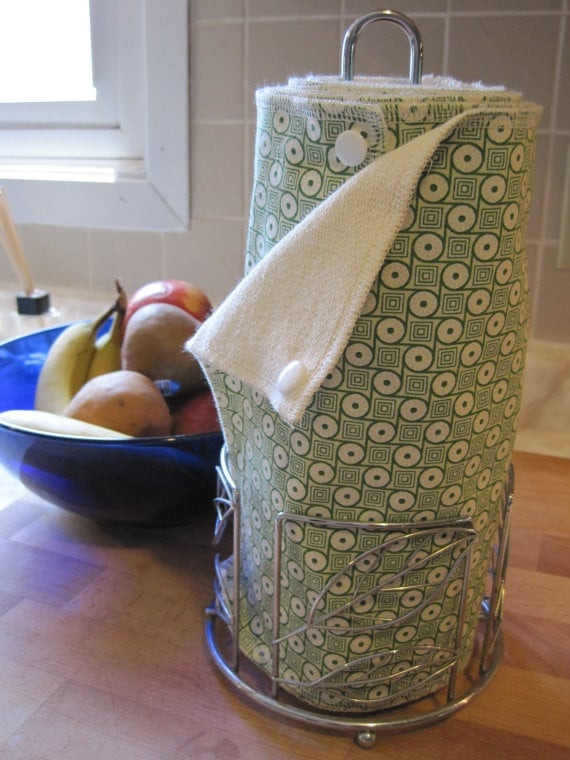
Unpaper towels are washable cloth rectangles that replace paper towels for wiping counters, drying hands, and catching small spills.
Soft cotton flannel, terry cloth, or a double layer of plain cotton work best because they soak up liquid and handle the washing machine well.
Cut them close to the size of a paper towel sheet, around 11 inches square, and finish the edges with a zigzag or serged stitch so they do not fray.
Snaps along one edge let buyers roll them up like a real paper roll, which some people find handy.
Sets of six or twelve, tied together or placed in a basket, make an easy bundle, and they are friendly kitchen items to sew and sell for beginners.
Suggest washing them apart from heavily greasy items.
Cloths used for raw meat juices should be washed hot, and no towel should be called sanitizing or antibacterial without proof.
12. Cloth Coffee Filters
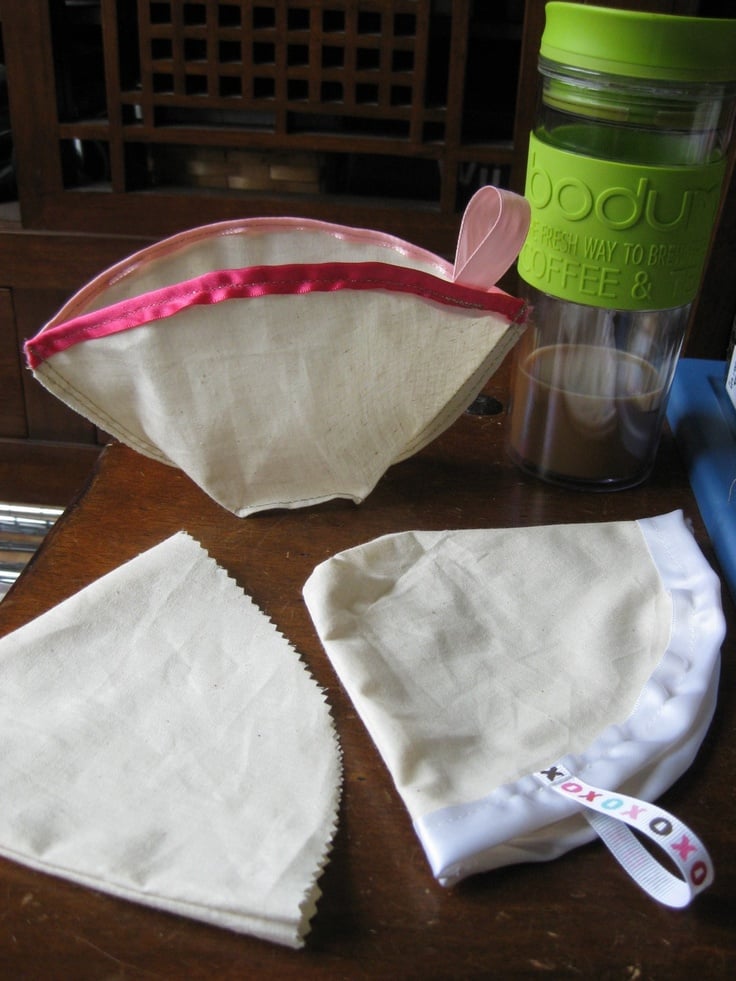
Reusable cloth filters replace disposable paper ones in compatible coffee makers and pour-over cones.
Pick a food-safe fabric with a weave made for filtering, because thickness and weave change how fast water flows and how the coffee tastes.
Filters come in different shapes, so sew patterns for the equipment you know well and label each one clearly.
Ask buyers to check that a filter fits their coffee maker before ordering.
Ordinary cotton will not always brew like a purpose-made filter, so do not promise identical results.
Rinse, wash, and dry filters thoroughly, and replace them when they look stained or worn.
Simple designs sewn in small batches fit well with sewing products you can make in bulk and sell, and a care card adds a professional touch.
A pouch holding two or three filters makes a tidy starter set.
13. Bread Bags
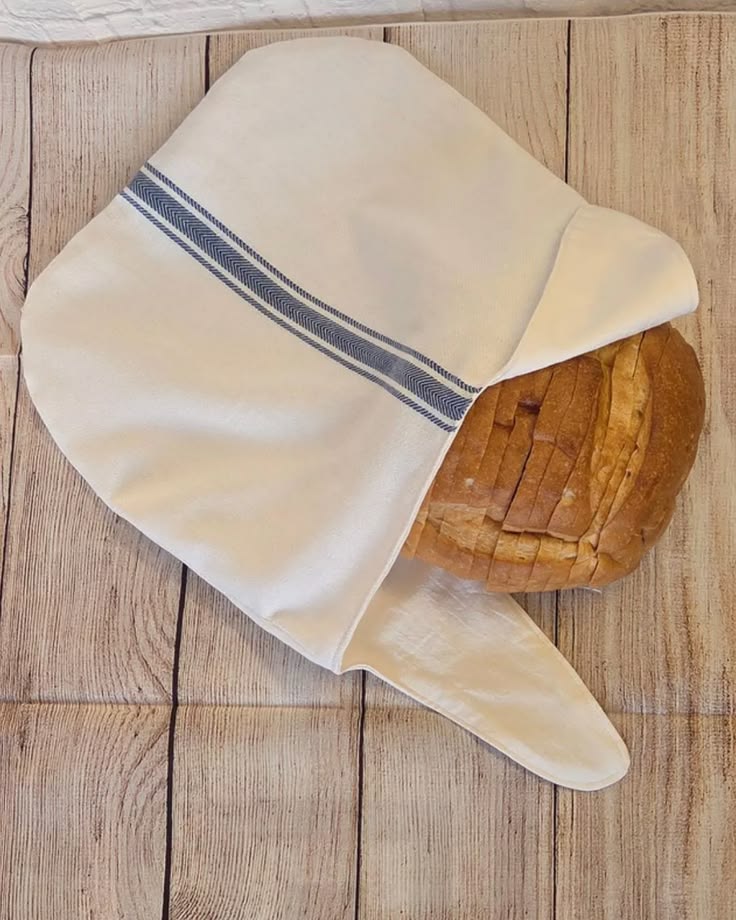
A reusable bread bag holds a loaf after baking or shopping, and it is a handy way for a baker to hand over a fresh loaf at a market.
Sew a drawstring or fold-over bag from natural linen or tightly woven cotton, sized for a baguette, a round boule, or a sandwich loaf.
Choose plain fabric that is suitable for food contact, and skip coatings unless the supplier says they are food-safe.
Breathable fabric lets moisture escape instead of trapping it, but it cannot promise how long bread stays fresh, so avoid claiming extra days.
Warm or damp loaves leave moisture behind, so tell customers to cool bread fully first.
Wash the bag and dry it completely before reuse to prevent mold.
An embroidered label such as “sourdough” looks lovely, and a bread bag pairs well with a banneton liner as baking accessories.
14. Utensil Rolls
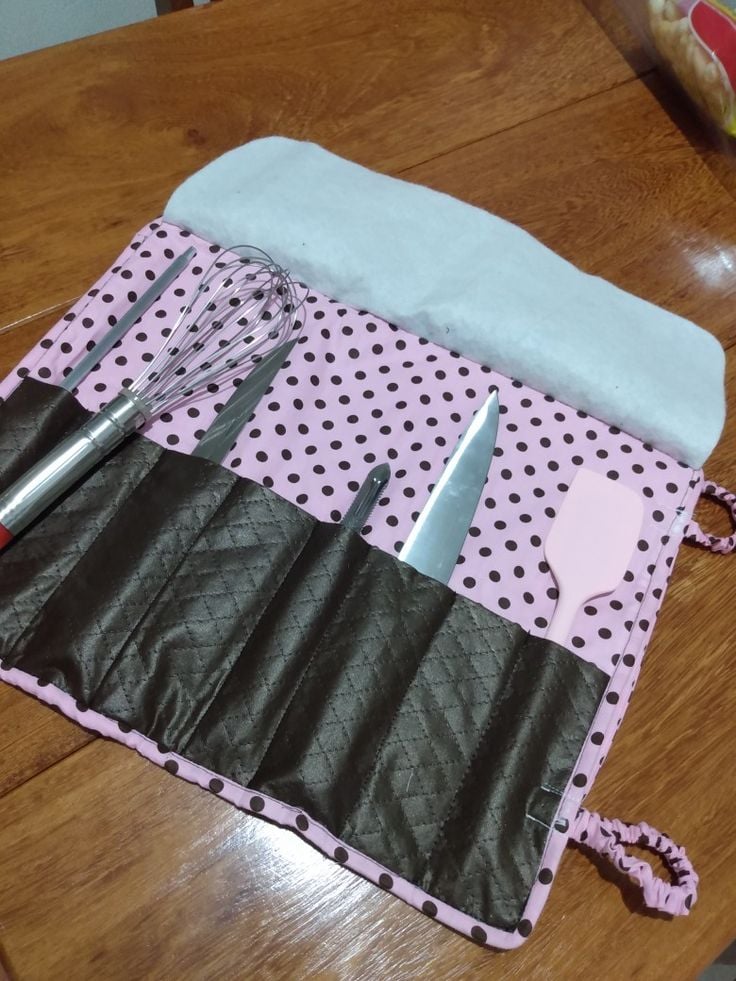
A utensil roll holds spatulas, whisks, and wooden spoons in separate pockets, then rolls up and ties shut.
Cooks keep them in a drawer, but they also travel well to picnics, campsites, and cooking classes.
Cut a long rectangle of sturdy cotton canvas or duck cloth, add a lining, and stitch pockets in widths that match common tools.
The shapes are simple, which makes it a good match for no-pattern sewing projects to make and sell.
Use wide ties or a strap closure so the roll stays put, and add a top flap so handles do not poke out.
It is one of the more useful fabric kitchen organizers for people who cook away from home.
Tools must be clean and fully dry before they are rolled up.
Sharp knives need proper guards of their own, and hot tools should never go inside the roll.
15. Grocery Bag Dispensers
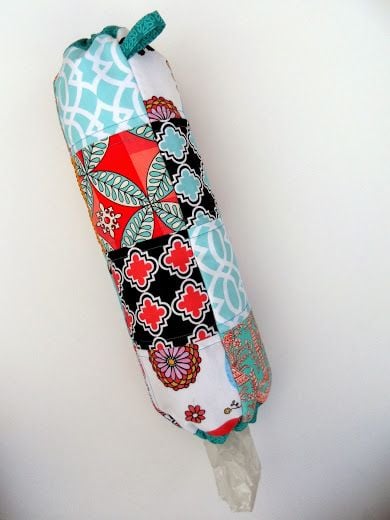
A grocery bag dispenser is a fabric tube that holds reusable shopping bags or clean plastic bags and lets you pull them out one at a time.
It usually has a wide opening at the top, an elastic opening at the bottom, and a loop for hanging on a hook or door handle.
Choose a sturdy fabric that is still smooth enough for bags to slide through, and size the tube for the bags it will hold so they go in and come out without tangling.
Matching prints, labels, and different lengths give you ways to vary the design.
Plastic bags can cause suffocation, so tell buyers to keep them away from young children and put that note with the product.
Fabric shopping bags fold small, which makes the dispenser a handy fit for households trying to use fewer disposable bags.
16. Spice Jar Covers
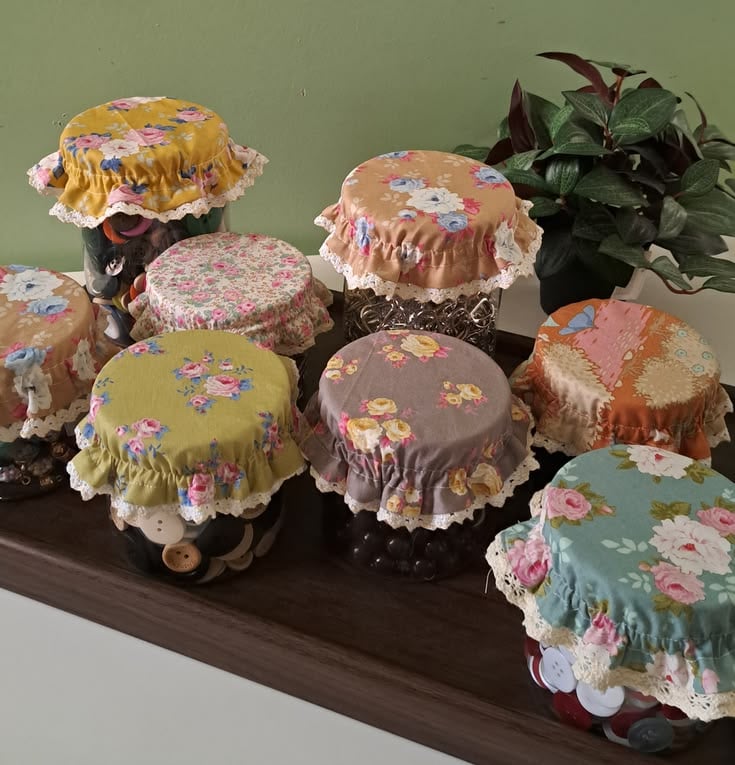
Spice jar covers are small fabric sleeves or lid toppers that dress up a row of jars and keep dust and light off the contents.
A simple version is a gathered circle with an elastic edge that sits over the lid, while a sleeve wraps around the glass and closes with a snap.
Because they use so little fabric, they suit small sewing projects that are easy to sell, and scraps in matching prints turn into a full set of six or twelve.
Choose tightly woven cotton, and keep the cover on the outside of a closed lid so the fabric never touches food.
It should not replace an airtight lid, and covers must stay away from a hot stove or steam.
Sewn-in labels help cooks tell paprika from cumin.
Make sure covers lift off easily, and tell buyers to wash them regularly, since spice dust builds up.
Seasonal rolls, such as one for Christmas shapes, can also round out your baking accessories.
17. Aprons
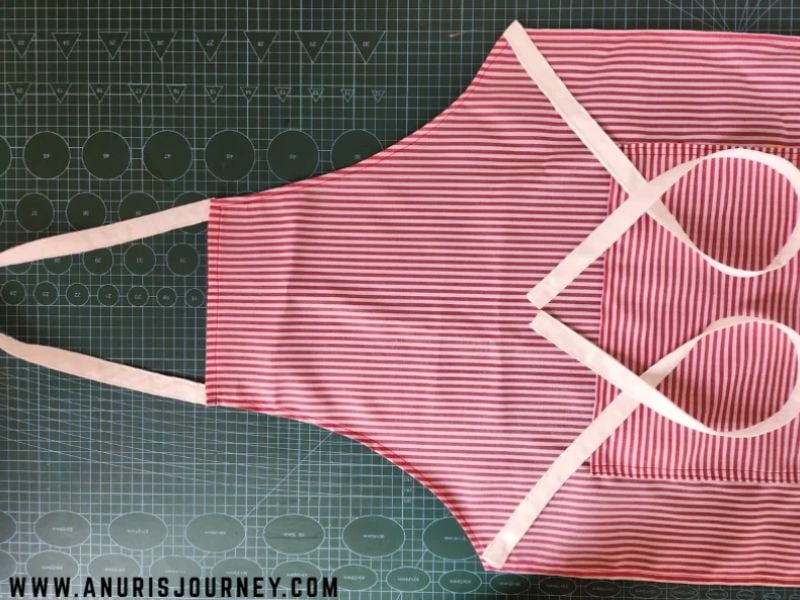
An apron is the first thing many cooks and bakers reach for, and it is one of the easiest ways to start selling kitchen pieces.
Choose cotton twill, canvas, or denim for a sturdy apron, and lighter cotton for a bakery look.
Popular styles include full bib aprons, half aprons, and cross-back designs that take the weight off the neck.
Adjustable neck straps, long ties, and a deep front pocket help it suit different body shapes.
Offering a few lengths and strap options means fewer fit problems for buyers.
Embroidered names, shop logos, and matching oven mitts or tea towels turn one apron into a collection among your kitchen items to sew and sell.
Wash the fabric before sewing so the finished apron does not shrink.
An apron protects clothes from spills, but it is not protective equipment, so do not claim flame resistance or heat protection.
18. Chef Coats
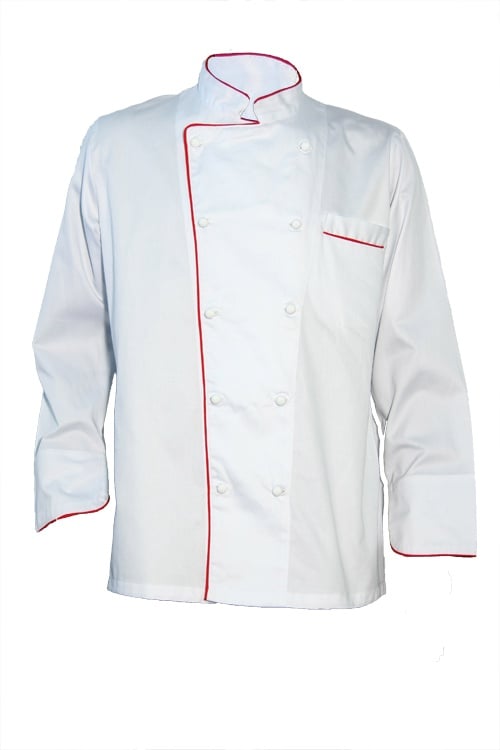
Handmade chef coats suit professional cooks, culinary students, home chefs, and small food businesses that want a distinctive uniform.
Choose breathable, hard-wearing fabric that can take frequent washing, such as cotton twill or a cotton blend, and think about closures, collar styles, and sleeves.
Fit matters in a busy kitchen, so leave enough room across the shoulders and arms to move freely.
Custom sizing, embroidered names, restaurant logos, and matching baker caps or aprons help you serve repeat customers.
Team orders can work well as made-to-order jobs, which is why many sewists look at them among sewing business ideas you can start from home.
Do not claim flame resistance or protective performance unless the garment uses certified materials and meets the relevant standards.
Talk about fabric weight, construction, and care instead, and include clear washing instructions so the coats stay neat.
19. Mesh Food Covers
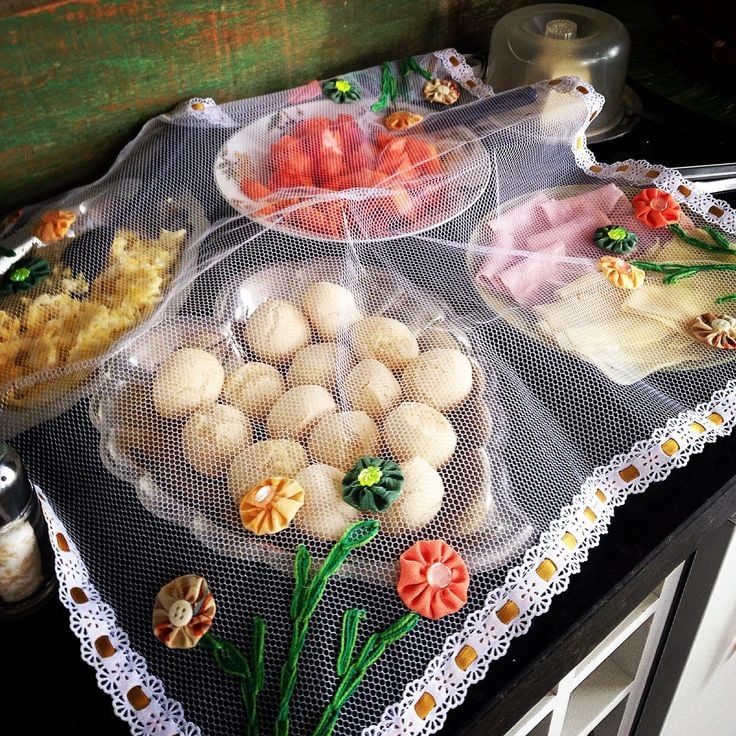
Mesh food covers keep flies and other insects off plates and serving bowls at picnics, barbecues, and outdoor meals.
Some pop up on a light frame, while others use elastic edges and handles.
Choose breathable mesh that is suitable for food contact, easy to wash, and fine enough to keep small insects out.
Match the sizes to common plates and bowls, and make sure each cover fits snugly without pressing on the food.
Sets in several sizes, plus matching placemats or napkins, appeal to people who like to dress an outdoor table.
Wash and dry covers well after each use to avoid odors and mildew.
A mesh cover does not keep food fresh or replace proper storage and temperature control, and perishable dishes should not sit outside for long.
A simple storage pouch makes the covers easy to pack for summer trips.
20. Egg Carriers
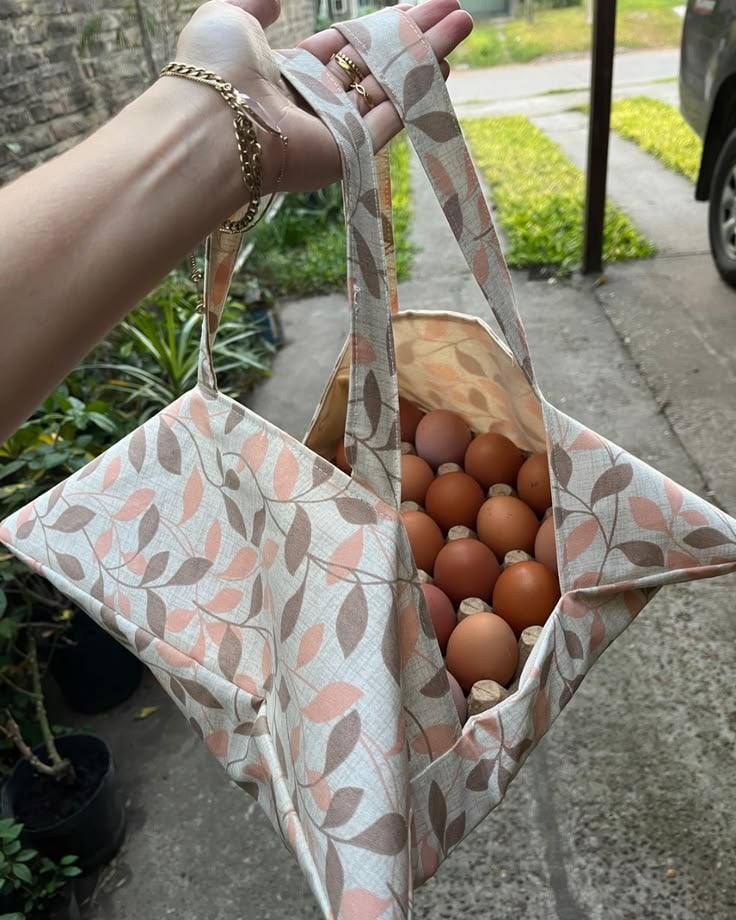
A fabric egg carrier helps people bring eggs home from a backyard coop, farmers’ market, or shop without cracking them.
Useful features include padded compartments, dividers, a secure closure, and sturdy handles.
Choose washable fabric and padding that dries quickly, since egg residue can be hard to clean from padding that stays damp.
Size the carrier for a set number of eggs, such as six or twelve, and note the egg dimensions it fits, because egg sizes vary.
People with backyard hens may like a wipe-clean lining, while market shoppers may prefer a compact carrier that folds into a tote.
It has a clear audience, which makes it a good candidate among Etsy sewing ideas that actually sell.
A carrier does not replace refrigeration or safe egg handling where refrigeration is needed, so add a short reminder to your product notes.
21. Appliance Sliders
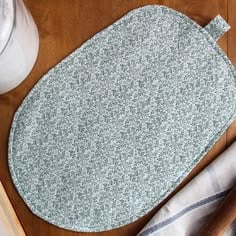
Appliance sliders sit under a stand mixer, coffee maker, or similar machine so you can glide it across the counter instead of lifting it.
Use padding, a smooth backing, reinforced edges, and exact measurements for the appliance’s footprint.
They suit equipment meant to be moved from time to time, and the slider must carry the weight and stay steady while the appliance runs. Safety matters a lot here.
A slider must not cover ventilation openings, get in the way of the appliance feet, or stay under a machine when the maker advises against it, so ask buyers to check the manual first.
Removable washable covers make cleaning easier, and custom sizes help you serve specific models.
Few kitchen items to sew and sell depend so much on accurate measuring, so test with the real appliance.
Avoid promising that a slider will protect counters.
22. Drink Covers
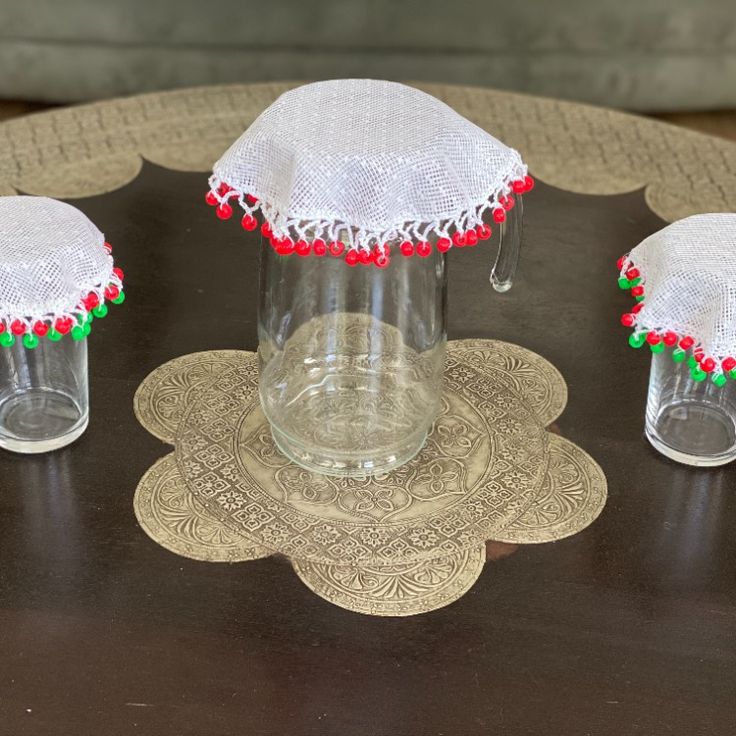
Reusable drink covers sit over a cup or glass to keep bugs and debris out at picnics, garden parties, and outdoor dinners.
Common styles include elastic-edged covers, fitted fabric lids, and covers with a small opening for a straw.
Choose washable fabric that is suitable for food contact, and size each cover so it stays put without slipping.
They may help keep insects and dust out of a drink, but they do not make it sterile or safe from contamination.
A cover should never get in the way of drinking, and it should not seal tightly over a hot drink.
Sets of four or six in matching prints suit summer entertaining, and a small pouch keeps them together.
They use very little fabric, so they fit neatly into a range of reusable kitchen textiles.
Ask buyers to wash them after every use.
23. Microwave Covers
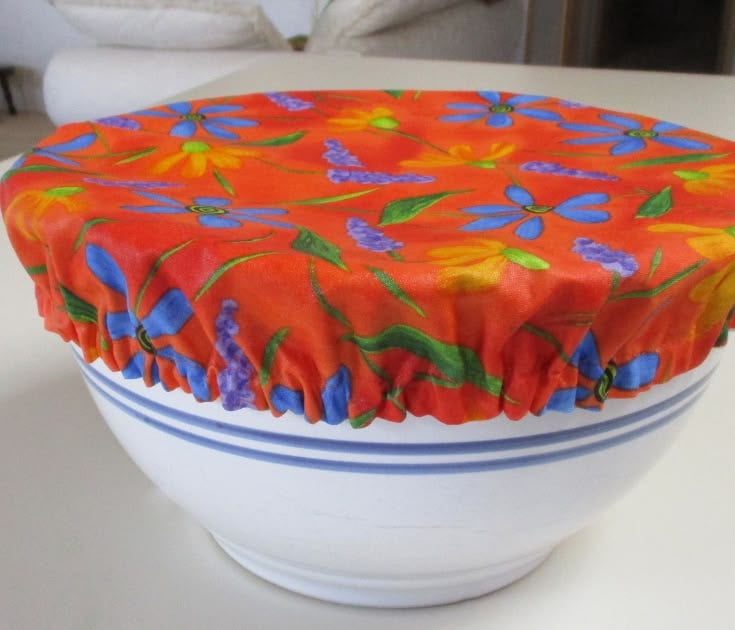
A microwave cover sits over food while it heats and cuts down on splatter, so every part of it must be made for microwave use.
That includes the fabric, thread, batting, elastic, and any decoration.
Ordinary cotton is not automatically microwave-safe, and metal parts or trims must never be added.
Buyers should follow their microwave maker’s instructions and the cover’s verified directions.
Never promise that a handmade cover is safe just because it is cotton.
If you cannot get suitable materials and test them, sell the product as a decorative or storage cover only, not something to use while heating.
Think about sizes for common plates and bowls, easy washing, and a clean place to store the cover.
It takes extra responsibility, so among kitchen items to sew and sell this is one that calls for careful wording, a written care sheet, and honesty about what the product can and cannot do.
24. Salad Greens Keepers
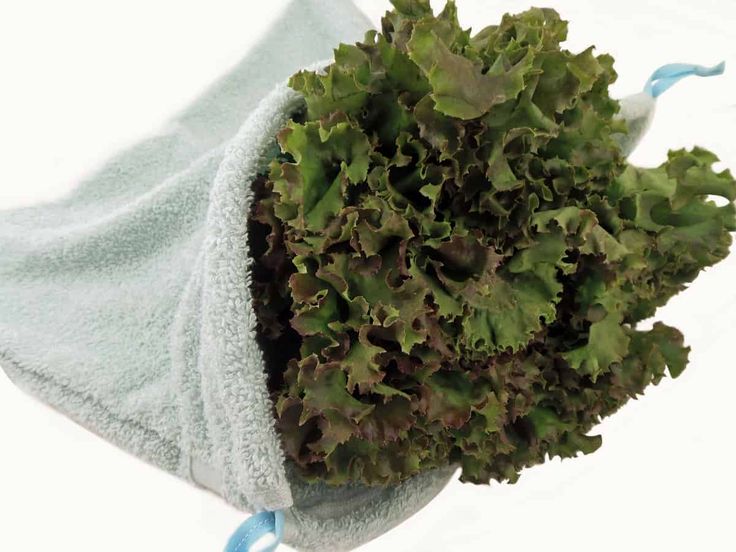
A salad greens keeper is a reusable fabric bag that helps organize washed greens in the fridge.
Choose fabric that is safe for food contact and handles moisture well, and consider a lining that washes easily.
Tell buyers to wash, drain, and dry greens before storing them, and to make sure the keeper is clean and completely dry before reuse.
Sizes can vary, with large bags for lettuce, medium ones for herbs, and small ones for leafy vegetables like spinach or arugula.
A simple closure, such as a drawstring or fold-over flap, and a label make each bag easy to identify.
How well it works depends on the fabric and how the greens are stored, so avoid promising a set number of extra days of freshness.
It pairs naturally with potato sacks as part of a matching produce-storage set, and a short hygiene note on each product card is helpful.
25. Baker Caps
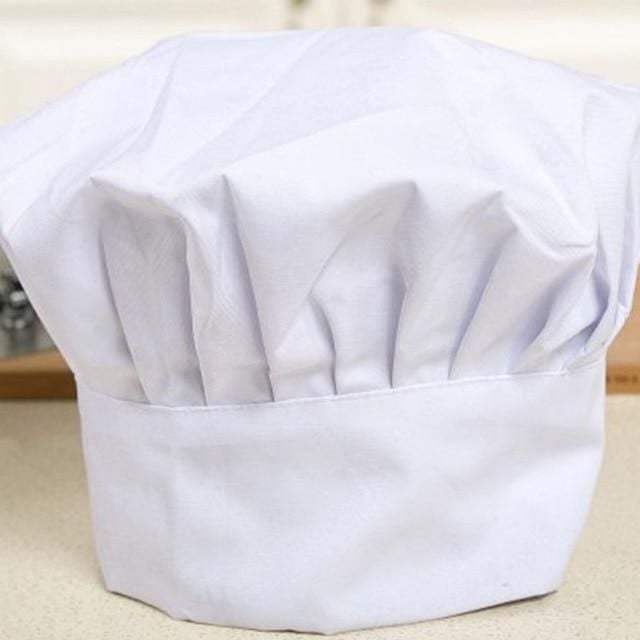
Baker caps are sewn for home bakers, pastry chefs, culinary students, and kitchen staff who want a comfortable way to keep hair back.
Choose breathable fabric such as cotton, and think about headband construction, gathered or fitted crowns, and adjustable closures like ties or elastic.
A good cap stays in place, fits comfortably, and washes easily. Embroidered names, bakery logos, and matching chef coats or aprons give you options for custom orders.
Hair coverings in professional food settings may need to follow workplace hygiene policies and local food-safety rules, so do not suggest that a handmade cap automatically meets professional regulations.
Encourage customers to check with their employer before ordering for work.
For home bakers, a cheerful print adds personality.
A few head sizes or an adjustable back keeps your stock simple and the fit flexible.
Make one sample first and wash it a few times to see how it holds up.
Conclusion
Handmade kitchen accessories work best when usefulness, good looks, and careful construction come together.
As you look through these kitchen items to sew and sell, think about which projects suit your sewing skills, the materials you can find, and the customers you want to reach.
Some pieces, like cookbook covers, chef coats, and baker caps, are natural for personalized orders.
Others, like drawer liners, bowl cozies, and cookie cutter rolls, work well in matching kitchen collections or everyday sets.
Choose materials with extra care whenever a product touches food, heat, sharp tools, or appliances, and never assume a fabric is safe without checking.
Neat finishing and clear care instructions also help buyers trust and enjoy what you make. Start small and grow from there.