Sewing products with low material costs and high profit potential are often small ones that start with a pile of leftover fabric.
A finger puppet, a bookmark or a key fob can come out of pieces that would otherwise sit in a drawer.
They are quick to cut, simple to sew and easy to make in batches.
You do not always need pricey fabric or big projects to build a small product range.
This list looks at sewing products with low material costs and high profit potential.
It also compares how long each one takes, how much skill it needs and what buyers might pay.
Low material costs help, but thread, fasteners, stuffing, packaging, fees and your own time all count too.
If you want more ideas after this, take a look at these profitable sewing projects to make and sell.
Sewing Products With Low Material Costs and High Profit to Consider
1. Finger Puppets
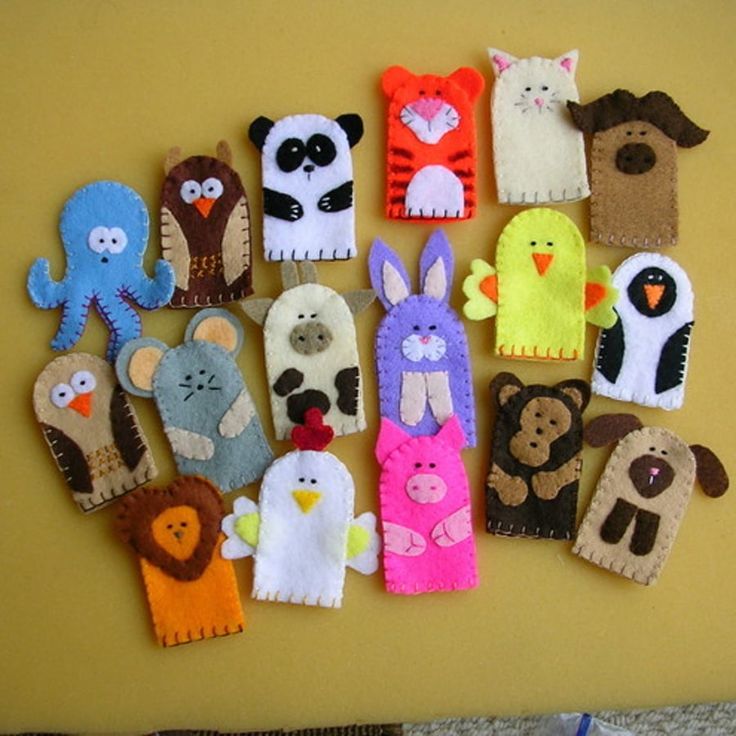
Finger puppets are tiny, so a handful of scraps can make a whole cast.
A fox, a frog and a sleepy bear may use less fabric than a single pillowcase, and felt is easy to cut and does not fray.
The real value often comes from selling them as a set.
Parents may like a small story group for car rides, and teachers may want one for story time.
Farm animals or woodland friends make a set feel planned, not random.
Costs still add up. Embroidery thread for faces, a little stuffing and neat packaging all need to be counted.
Stitch the faces instead of using loose buttons or beads, because small parts can come off, and think about the child’s age before you pick a design.
Strong seams matter more than fancy details. For more small builds, browse these quick sewing projects to make and sell.
2. Soft Rattles
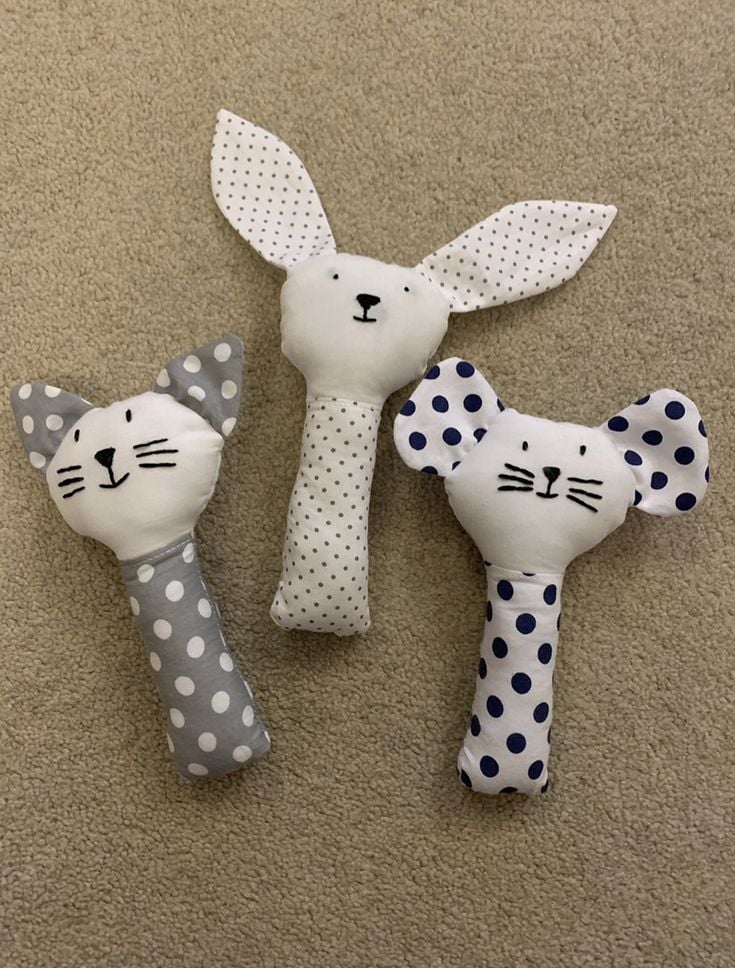
Baby items need more care than most things on this list, and soft rattles are a good example.
The outside is simple, usually a small shape in soft cotton or flannel.
The sound part inside is the challenge. It must be sealed so well that it can never come loose, so many sewists use a ready-made sealed insert and stitch around it tightly.
Check every seam before you sell it. Skip ribbons, buttons or anything a baby could pull off.
Themes can raise the price. A star, a cloud and a moon rattle make a sweet baby shower set, and a matching bib could join them.
For more gift-friendly ideas, see these handmade sewing projects people buy.
Remember that inserts, stuffing and gift packaging add to your cost, and safety checks take time too.
3. Fabric Hair Clips
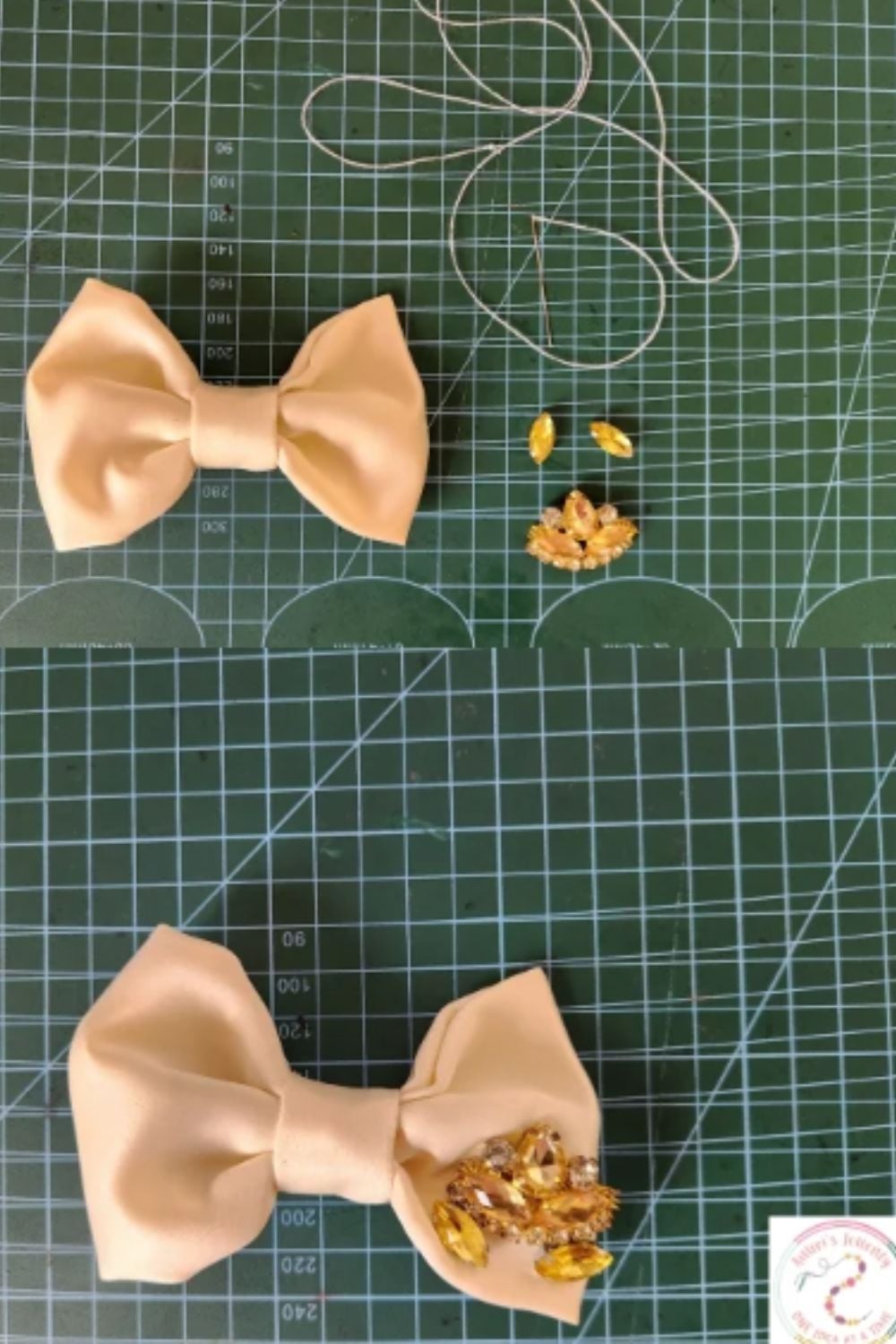
A plain metal clip turns into a new product once you cover it in fabric.
Snap clips, alligator clips and barrettes can all be wrapped in a strip of cotton, then topped with a small bow, flower or patch of print.
Each piece is so small that tiny leftovers can be used, which makes it easy to try many prints without buying much.
Think about who will wear them.
Small snap clips with simple bows suit little kids, while neat floral clips in soft colours may suit teens and adults.
A card with a matching pair or three clips gives shoppers a reason to buy more than one.
A small batch can come together fast.
The clip bases, glue and cards can cost more than the fabric, so count them when you set a price.
Test how well each clip holds hair before you sell it.
4. Crinkle Toys
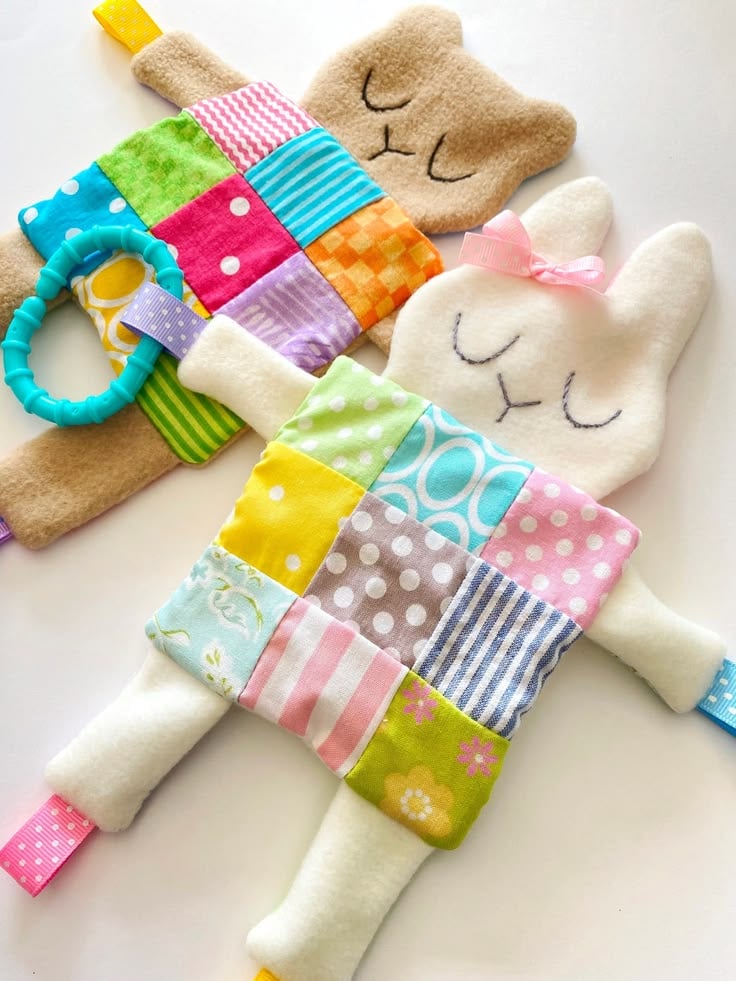
Sound is what sets a crinkle toy apart.
A small square or a simple animal shape holds crinkle material that rustles when a baby squeezes it, and that one detail makes plain fabric more interesting.
A finger puppet is made for a grown-up’s hand. This toy is made for little hands and mouths, so the construction needs more attention.
Use tightly woven fabric, sew small stitches and make sure the crinkle layer is fully closed inside.
Choose materials meant for toys and wash a test piece before you sell.
Stitch any ribbon tag in very firmly.
Two fabrics in one toy, like a soft plush side and a cotton print side, make it more fun to hold.
Pair it with a soft book or blanket for a baby gift set.
For baby gift ideas, see these handmade sewing projects to sell online.
Count the crinkle sheet, stuffing and packaging in your costs.
5. Mini Pillows
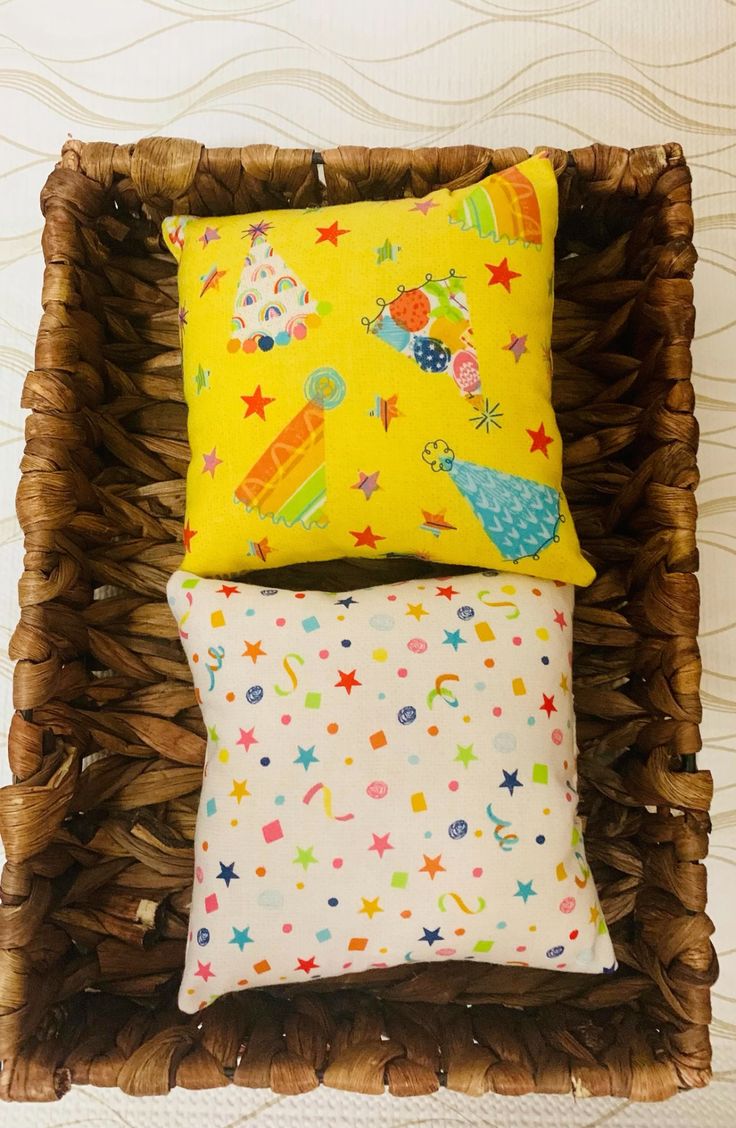
If you want sewing products with low material costs and high profit potential, mini pillows are worth testing, because a small cover may need only a fat quarter or less.
Hearts, circles, rectangles and clouds are easy to cut, and holiday prints let you change your range through the year.
Buyers may use them on a shelf, in a reading corner or as a small cushion on a chair.
Stuffing is where costs creep in. Filling, zippers or envelope backs, piping and trim all add up, and neat corners take practice.
A set of three in matching fabrics can look better than three separate pillows.
If you are building a small range at home, these things to sew and sell from home have more ideas that go well with this one.
6. Fabric Bookmarks
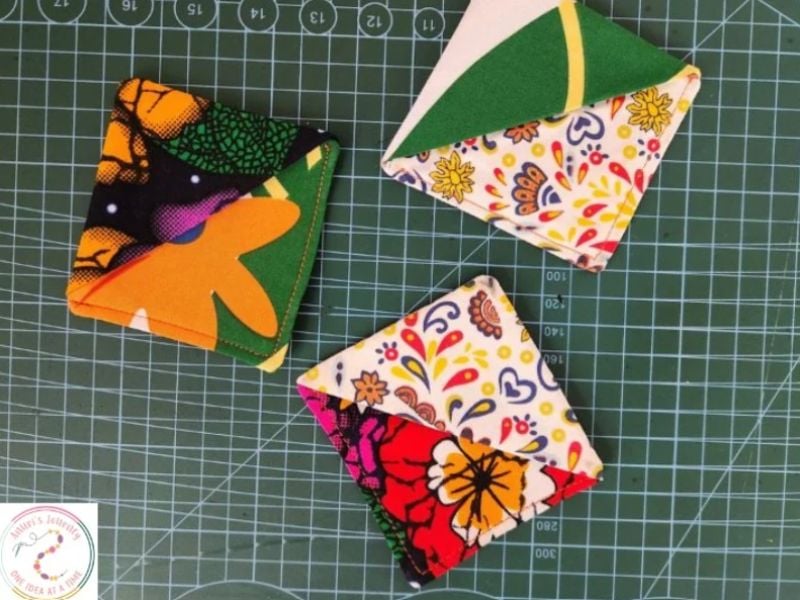
A bookmark is one of the smallest things you can sew.
A strip of fabric about the length of your hand can come from the narrowest leftovers.
Because it costs so little to make, the selling price will usually be low, so the trick is to add value through design.
Quilted strips, corner bookmarks that slip over a page and padded ones with a tiny ribbon end all feel different in the hand.
Prints with books, stars or cats speak straight to readers.
Sell a bookmark with a matching pencil pouch or small tote and it becomes a reading gift.
Presentation counts here, so a simple card backing or small bag helps a lot.
Even tiny items need careful topstitching, which is a line of stitches close to the edge, so count your time too.
7. Lip Balm Keychains
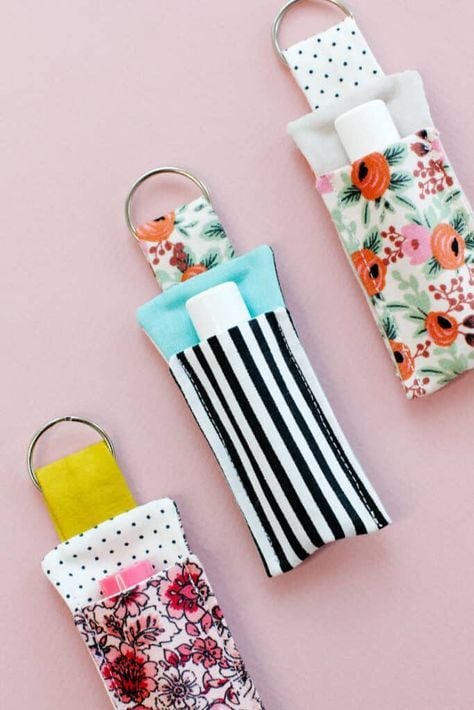
This one starts with a question: what size is the lip balm?
A holder that fits a standard tube snugly will keep it safe, and one that is too loose will drop it in a bag.
Measure a few popular tubes, make a sample and test it before you cut a whole batch.
The sewing is compact. A fabric tube or pocket, a snap or hook-and-loop closure and a key ring or clip are usually all you need.
Hardware can cost more than the fabric here, so count it.
Small prints, patchwork scraps and initials keep each holder different without much extra work.
Likely buyers like practical little accessories, such as students, commuters and teachers.
They also make handy stocking gifts with a tube of balm tucked inside. Looking for more small builds?
Try these sewing projects you can finish in an hour.
8. Fabric Bag Charms
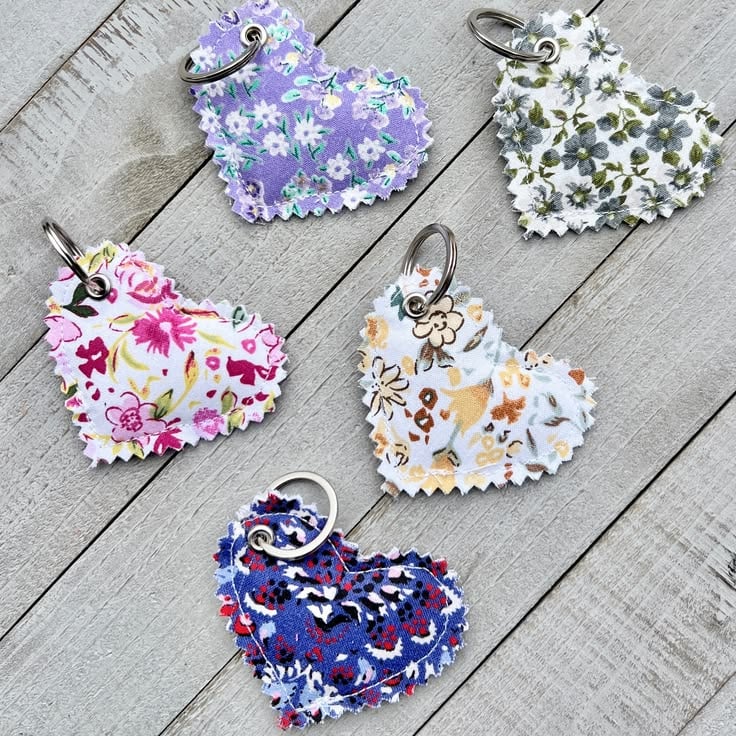
A lip balm holder does a job. A bag charm is just for style.
It hangs from a zipper pull or strap and shows off the owner’s taste.
Think mini fabric hearts, padded stars, tiny bows, flower clusters or little fruit shapes in bright cotton.
They are light, so they do not weigh down a bag, and they only need a little stuffing.
The real selling power is in collections.
A set of six charms in one color story, or a seasonal group like autumn leaves and pumpkins, lets shoppers pick a favorite.
You can add names or initials for gifts. For help with themes and listing ideas, see these sewing products to sell on Etsy.
Check the clasp and loop, since a charm that falls off is a poor buy. Hardware, stuffing and packaging all belong in your cost count.
9. Handmade Scrunchies
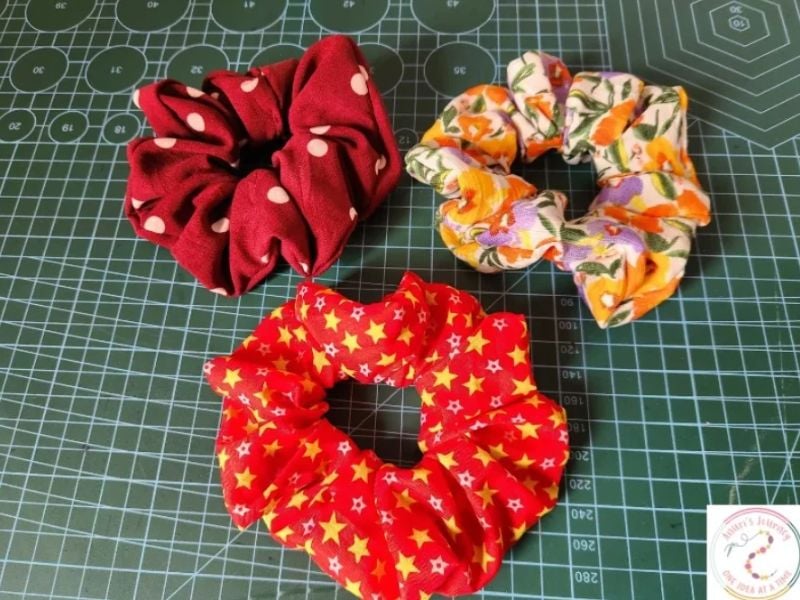
Scrunchies are a good example of easy products to make in batches.
Cut ten fabric tubes at once, sew them in a row, thread the elastic and close them one after another.
That steady rhythm keeps the time per item low, which makes them a fair fit for sewing products with low material costs and high profit, as long as you price your time.
Fabric changes the whole feel. Cotton prints look casual, satin and velvet look dressier and knits feel soft.
Size matters too. Skinny, regular and oversized scrunchies need different strip widths and elastic lengths.
Color-matched collections, such as a pastel trio or a winter set, give buyers a reason to take more than one.
Pay for good elastic, because weak elastic loses its stretch quickly and makes the scrunchie feel cheap.
10. Fabric Bracelets
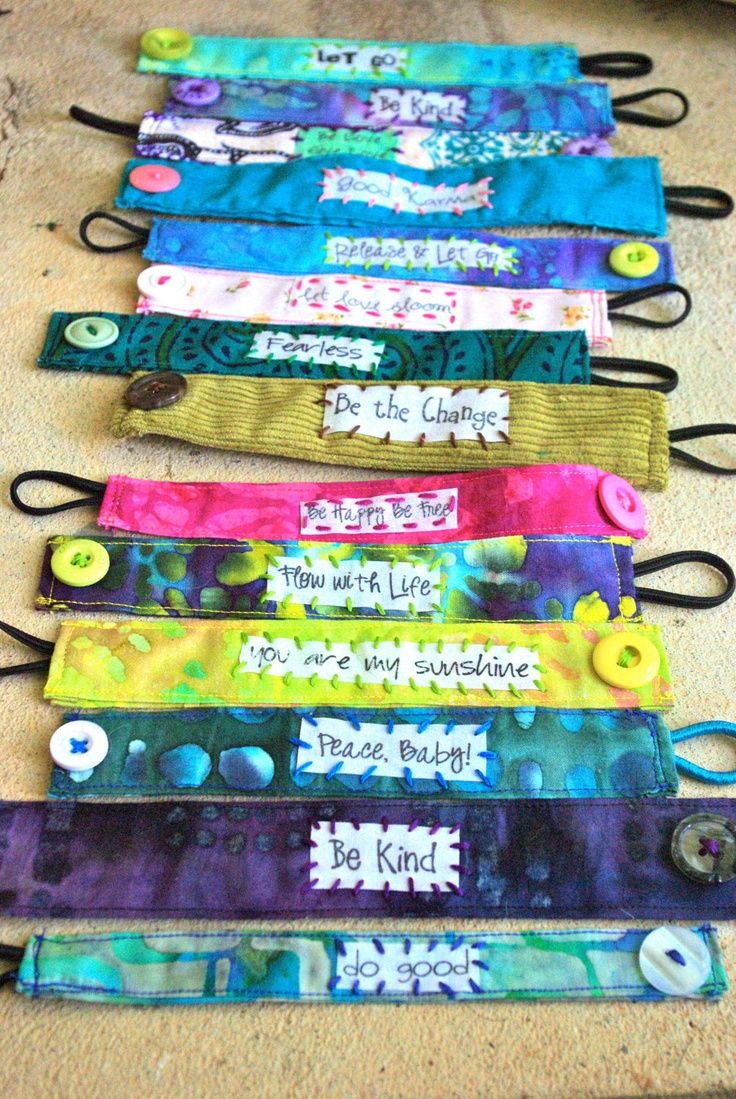
Fabric bracelets sit closer to accessories than to home sewing, so shoppers may judge them by comfort first.
Three styles stand out. Braided strips use long, narrow bits of cotton or jersey, padded cuffs use a thin layer of batting, and fabric-covered bangles wrap strips around a base.
Each uses very little material, and leftover prints work well.
Closures need thought. A snap, a hook-and-loop strip, a button loop or a tie can be adjusted, which helps when you cannot know every wrist size.
Offer two sizes or a clearly marked adjustable range, and wear a sample for an hour to see how it feels.
Unlike a bookmark, a bracelet is worn, so presentation can lean toward style. Small cards, a matching hair tie or a set of three make it feel like a gift.
Hardware, batting and cards still add to the total.
See these other things to sew and sell for extra money for more ideas.
11. Key Fobs
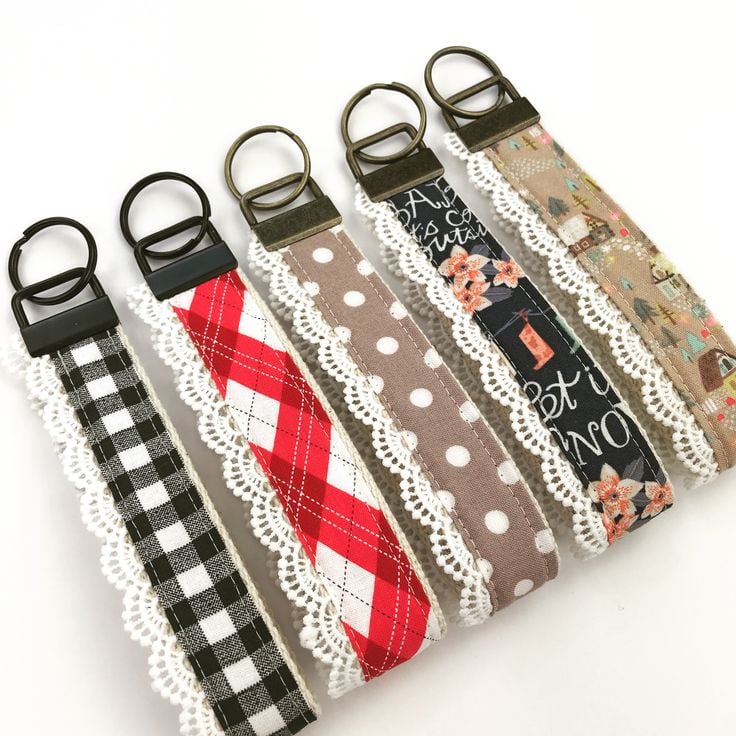
A key fob is a strip of fabric, a layer of interfacing (a stiff layer that adds firmness) and a piece of hardware.
That makes it a good reminder that sewing products with low material costs and high profit still have costs hiding in the hardware.
Key rings, swivel clasps and D-rings can cost more than the fabric, so work out the real cost per fob before you set a price.
The fabric is where you can play. Matching prints, striped webbing and stitched initials can turn a plain strip into a personal gift.
Unlike a bag charm, which is just for looks, a fob is made to be used, so it must handle daily tugging. Use strong stitching and reinforce the ends.
A fob with a wristlet, a coin pouch or a luggage tag makes a nice set.
New to selling? Start with these easy things to sew and sell for beginners.
12. Pin Cushions
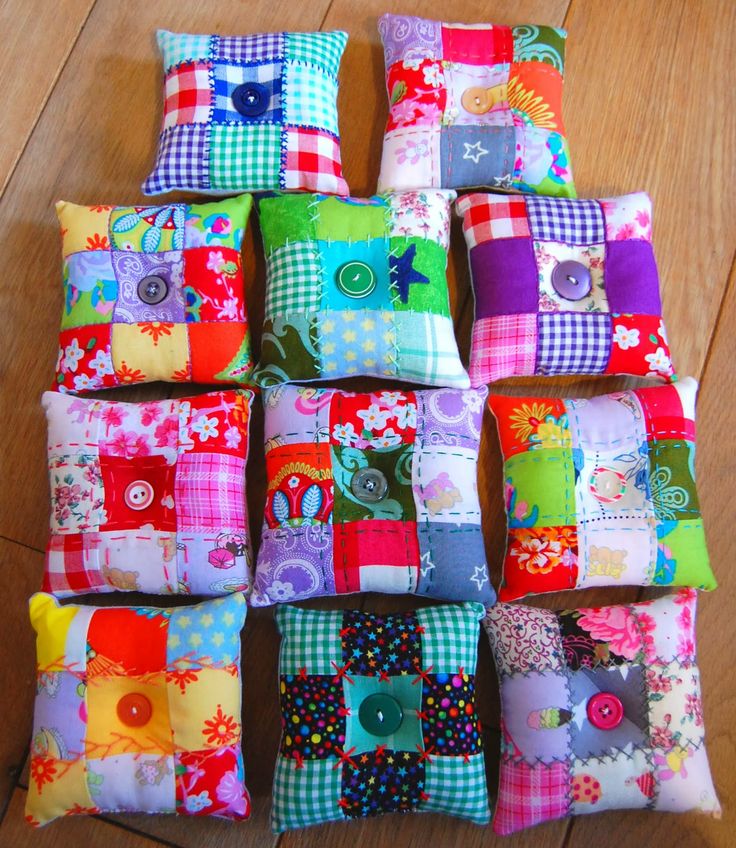
Pin cushions have a ready audience: people who sew.
Classic tomato shapes, round felt cushions, teacups with a filled top and wrist cushions that strap on all have fans.
Buyers include quilters, crafters and anyone shopping for a sewing friend.
A wrist style is handy because the pins stay close while you work.
Scraps help here, but the filling matters.
Polyester stuffing is soft, while crushed walnut shells add weight and are often used to keep pins smooth.
Seal the seams well so nothing leaks out, and add a snug inner lining so pin tips do not poke through.
Small sewing gift sets sell the idea better than a single cushion.
Try a cushion, a needle case and a thread catcher together.
A cheerful print helps a plain cushion stand out.
Keep the price realistic, because hand finishing takes time.
13. Lavender Sachets
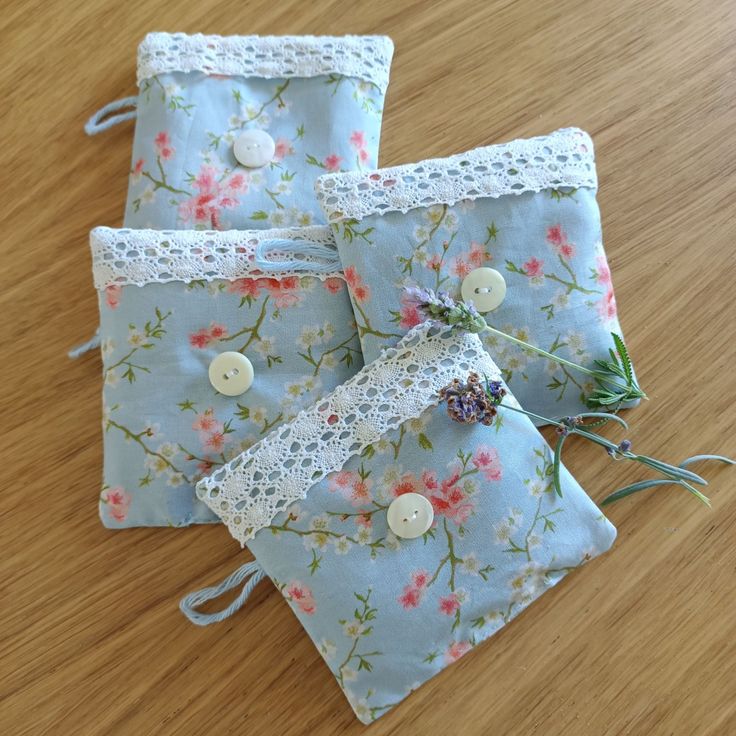
A lavender sachet is just a small pouch with a pleasant job.
Cotton, linen or muslin, a neat hem or ribbon and a spoonful of dried lavender are about all it takes.
Buyers tuck them into wardrobes, drawers and linen cupboards, and seasonal fabrics make them easy to give as gifts.
Quality matters more than size.
Use lavender that is clean and dry, and sew the seams close together so bits do not escape. A lining or tightly woven fabric helps too.
Tell buyers plainly what is inside and how to use it, because not everyone likes strong scents and some people are sensitive to them.
Sell sets of three in matching prints, or a seasonal pack with spring and winter fabrics.
Dried lavender, ribbon and packaging add real cost, so price with those in mind.
For themed ideas, browse these sewing projects that sell well on Etsy.
14. Eye Masks
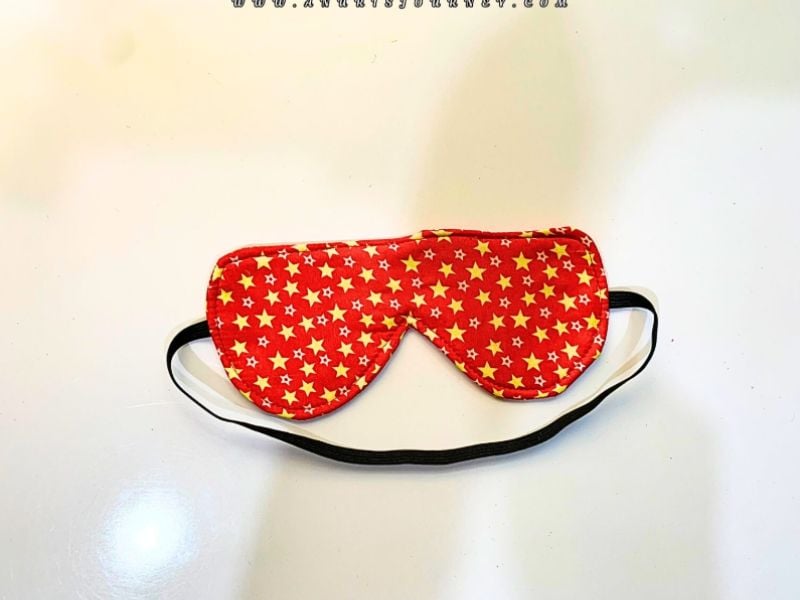
An eye mask has a different job from a pillow.
A pillow gives support. A mask blocks light and has to feel gentle on the face, so the small details decide whether someone buys it.
Smooth cotton, satin or flannel outside and a soft lining against the skin are a good start, with a thin layer of batting for shape.
Fit and finish count most.
Shape the nose area so light does not leak in, and make the strap elastic or adjustable and not too tight.
Neat edges and flat seams show care, and buyers will notice a scratchy edge.
Travel sets can raise the appeal. Try a mask, a small drawstring pouch and maybe a matching lavender sachet.
This one rewards good finishing, so shaping time belongs in your cost count.
For more options, see these sewing projects with higher profit potential.
15. Hair Bows
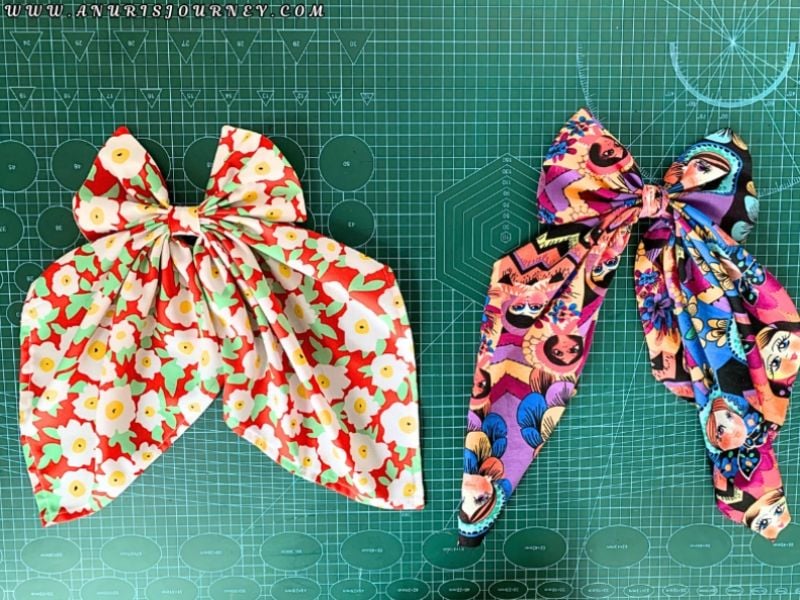
Bow-making is where batch work gets creative.
Cut the same pieces for twelve bows, then change the fabric, size or centre wrap so each stack looks different.
Hair clips are about covering a base and adding a small decoration.
Bows are the decoration itself, and the shape does the talking.
Loop bows, pinwheel bows, bows with tails and layered styles in ribbon or cotton all look distinct.
Occasions give bows their selling points.
Back-to-school colours, holiday velvets, birthday sets and matching sibling pairs are all easy to photograph and easy to explain to a buyer.
Attachments matter. Alligator clips, elastics, headbands and soft nylon bands for babies suit different ages, and baby headbands must stay gentle on small heads.
Ribbon, clips and packaging can cost more than the fabric, and finishing neat tails takes time.
16. Pet Bandanas
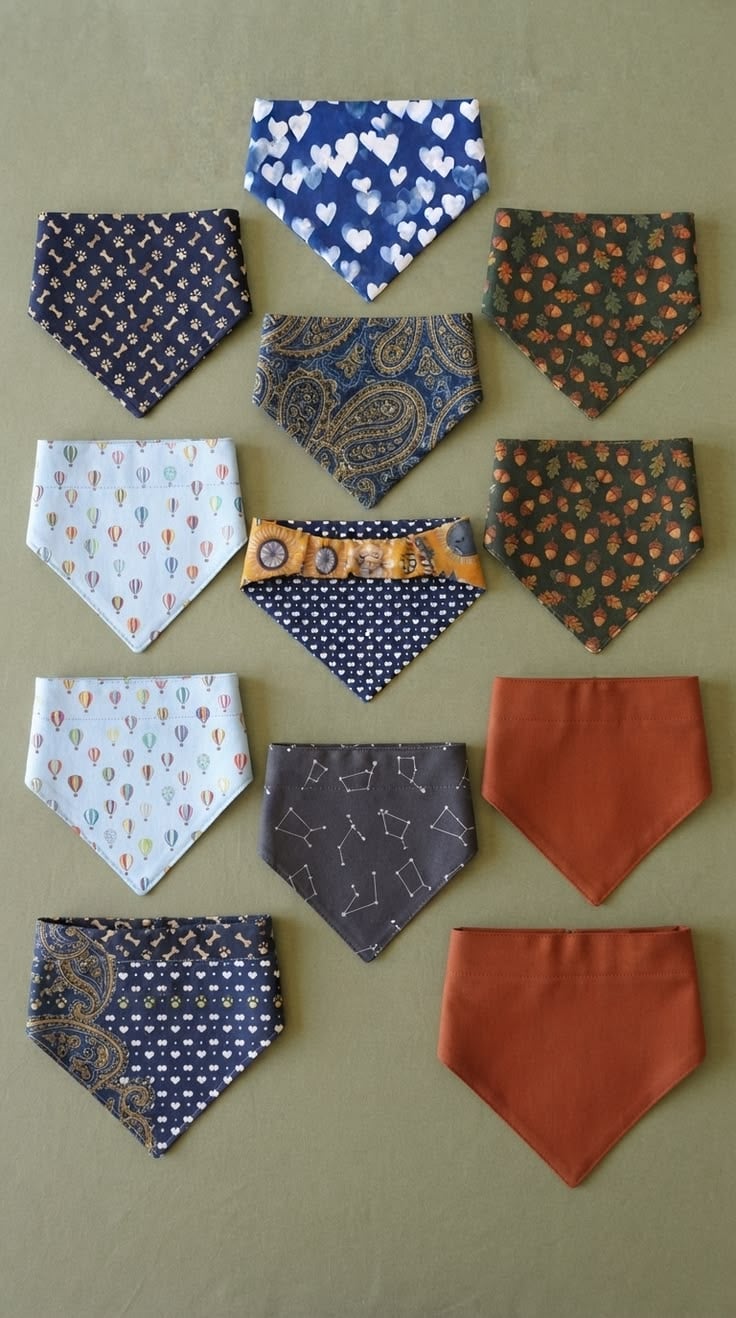
Some pet owners love dressing up their dogs, so a simple triangle of fabric can carry a lot of personality.
Two styles cover most needs: the over-the-collar bandana, which slips onto a collar, and the tie-on, which fastens around the neck.
Both need very little fabric, but dogs come in many sizes, so a size chart helps.
Seasonal prints and matching owner-and-pet sets give shoppers extra reasons to buy.
A bandana for the dog and one for the person in the same print makes a fun gift.
Names can be added, although that takes time and costs more.
To see more ideas, browse these Etsy sewing ideas to try.
Keep it safe. Use comfortable, washable fabric, finish the edges well, skip buttons, bells or beads that could be chewed and make sure it never feels tight.
Cats and other small pets need extra care, so only make them for pets that accept wearing clothes.
17. Burp Cloths
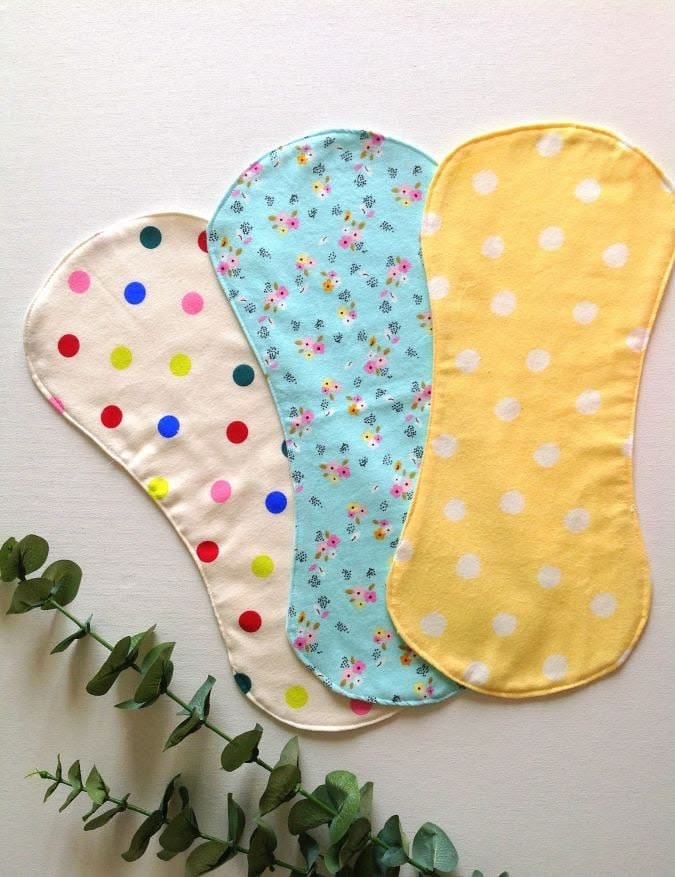
A burp cloth only works if it soaks up mess, so the cheapest fabric is not always the best choice.
Cotton flannel, terry, muslin and chenille each absorb differently, and many sewists put a soft top fabric over an absorbent back.
A pretty print on one side and plain terry on the other looks good and works well.
Size is practical too. A rectangle that fits over a shoulder and folds easily is more useful than a tiny square.
Wash all fabrics before sewing so they do not shrink later, and use flat, secure seams with no trims, buttons or loose ribbons.
A rattle is about play. A burp cloth is about daily use, so parents will care how it washes.
Sets of three in matching prints make a handy shower gift.
If you want to build a range of baby items, these things to sew and sell for a small business may help.
18. Cloth Napkins
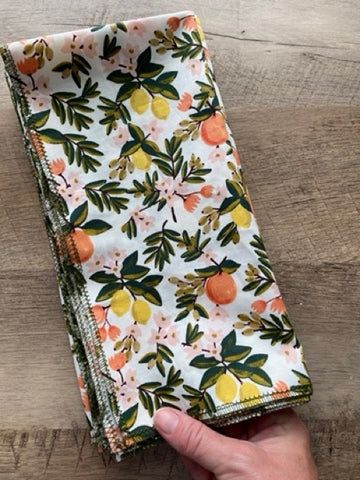
One napkin is a small sale. A set of four, six or eight is a real product.
That is why napkins can work as one of the sewing products with low material costs and high profit, as long as you count the time spent on hems.
Square corners that fold neatly look sharp but take longer, while simple turned hems are faster.
Fabric choice matters because napkins get washed often.
Cotton, linen and linen blends are common, and washing the fabric first avoids shrinking surprises.
Think about everyday sets in plain colours, holiday sets and custom colour collections for dinner parties, which could be priced differently.
Soft, absorbent fabric is nicer to use than stiff fabric.
Tie a set with twine and a small tag and it is ready to give as a gift.
19. Fabric Coasters
Coasters are a good sewing project using fabric scraps: a square of print, a bit of batting and a backing piece from the scrap basket.
Mixing a few fabrics in one set looks planned and uses up awkward pieces.
Their job is to sit under mugs and glasses, so the build has to cope with damp and warmth.
Use tightly woven cotton on top and a sturdier fabric underneath, add batting for absorbency and check how the coaster looks after washing.
Do not promise heat protection the materials cannot give.
Napkins stay with the meal, but coasters sit by the sofa, desk and coffee table.
Sets of four with a matching holder make a tidy product line.
Thinking about a wider range? Browse these easy sewing projects to sell on Etsy.
20. Tea Towels
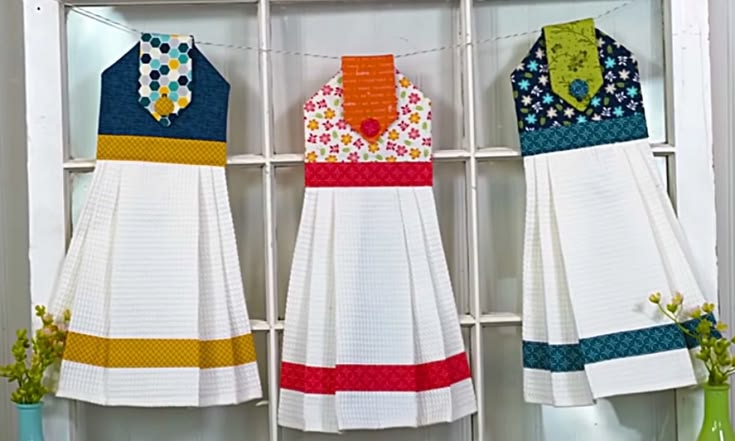
Tea towels are the biggest item on this list, so they use more fabric than most.
That makes them a good reminder that sewing products with low material costs and high profit depend on cutting well and wasting little.
A single towel may need a long piece, so cut the fabric in a way that leaves few scraps.
Fabric makes the product. Linen, cotton or a linen-cotton blend dries well and does not leave lint.
Add a hanging loop, a printed or striped design and a cleanly turned hem.
Neat corners and even stitching help a plain towel look finished.
Napkins and coasters stay on the table, but towels live by the sink and oven, so they must be practical first.
Seasonal prints, names and matching oven gloves turn a basic item into a kitchen set.
Planning a bigger range? These sewing business ideas to start from home show where to go next.
Final Thoughts
Choosing sewing products with low material costs and high profit potential is one way to start a small sewing business, but the fabric bill is only part of the story.
Time, quality, pricing and customer interest matter just as much.
A low-cost sewing project that takes too long will not help you much.
Pick one product that suits your skills and the fabric you already have.
Work out the true cost of a single piece, including thread, hardware, packaging, fees and your time.
Make a small batch, see how it feels to produce and how people respond, then adjust. Once one product works, add a few matching pieces and build a small collection.
Let your range grow slowly from there.