Bathroom items to sew and sell can turn small daily annoyances into handmade products people are glad to own.
Walk into almost any bathroom and you’ll spot the same small problems: bottles crowding the tub, a hair dryer with nowhere to go, a damp towel on the floor.
Fabric can fix a surprising number of them. A good bathroom accessory might add style, keep things tidy, or just make a daily routine a little easier.
This list of bathroom items to sew and sell covers 21 handmade products for storage, bathing, hair care, the vanity, and the finishing touches that make a room feel put together.
Some are simple enough for beginners.
Others need more careful stitching and smarter fabric choices, especially where water is involved.
If you’ve been thinking about other rooms too, 25 Kitchen Items to Sew and Sell is a good place to go next.
For now, let’s see which of these 21 ideas suits your skills and the people you’d love to sew for.
21 Bathroom Items to Sew and Sell
1. Toilet paper roll covers
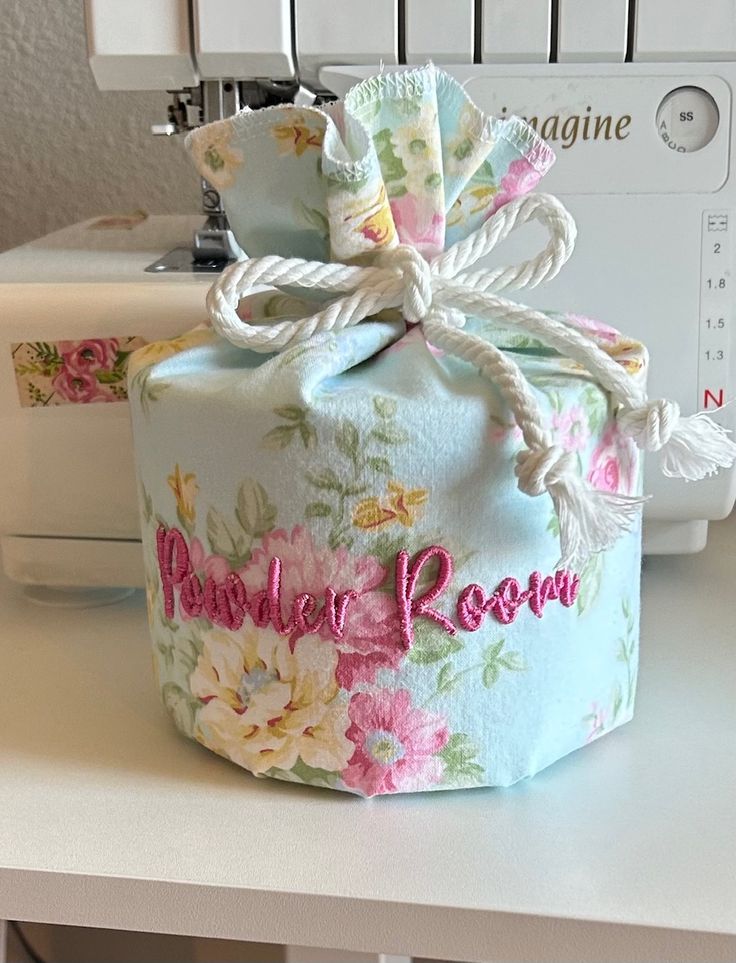
A spare roll sitting on the tank is hard to make look pretty. A fabric cover changes that.
It slips over the roll and turns a plain white cylinder into part of your bathroom styling.
The cover is purely decorative, so it should be kept clean and dry and washed from time to time.
Light cotton, linen blends, or any washable fabric works well.
Add an elastic opening so the cover holds its shape, and finish it with a ruffle, a ribbon, or a contrast band.
Rolls come in different sizes, so test your pattern on a standard roll and a jumbo one, then list the sizes clearly.
These are quick to make and use very little fabric, which makes them a nice way to use up leftovers.
They also look great next to matching pieces, so think of them as a small first item in a coordinated set.
2. Shower caddies
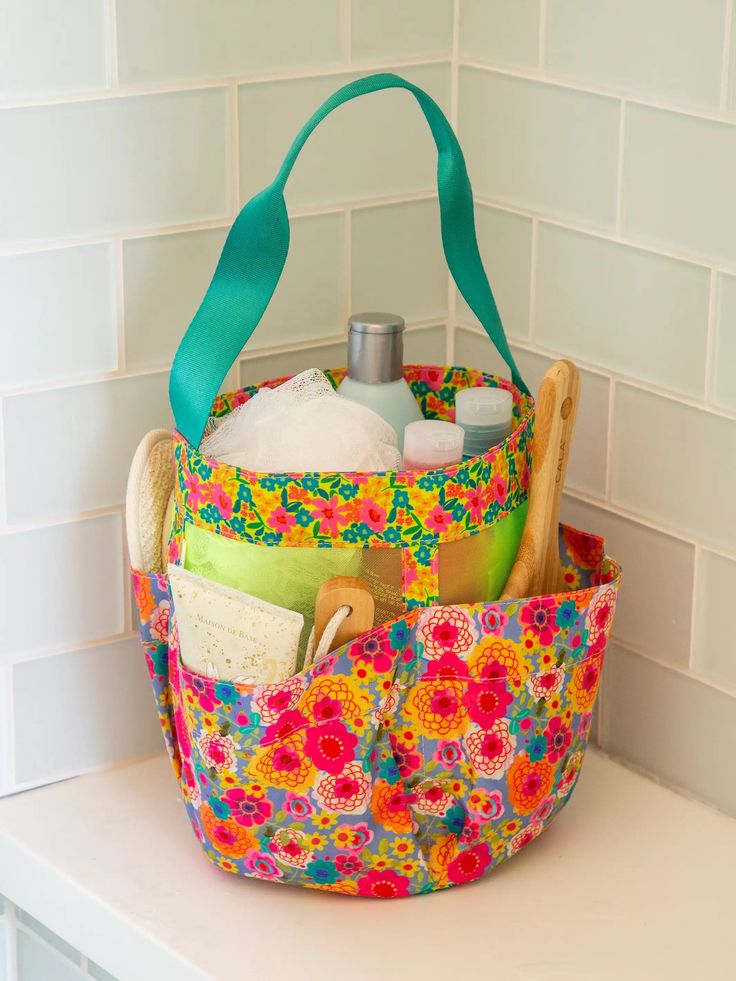
Anyone who has knocked a shampoo bottle off the edge of the tub understands why shower caddies exist.
A fabric one hangs from a showerhead or rod and keeps shampoo, soap, razors, and sponges within easy reach, each in its own pocket.
This is one of the more demanding projects on the list.
Pick quick-drying, washable fabric and use mesh or drainage gaps so water can’t sit in the pockets.
Stitch the hanging loops extra securely and use strong webbing, since wet bottles get heavy fast.
Skip deep, solid pockets that trap water or sag under the weight.
Pocket sizes are where you can customize.
Narrow ones suit razors, wide ones suit bottles, and a small hook can hold a loofah.
Since this takes more fabric and sewing time than most bathroom accessories, price it with your labor in mind.
You’ll find more proven sellers in 27 Handmade Sewing Projects People Actually Buy.
3. Mesh bath poufs
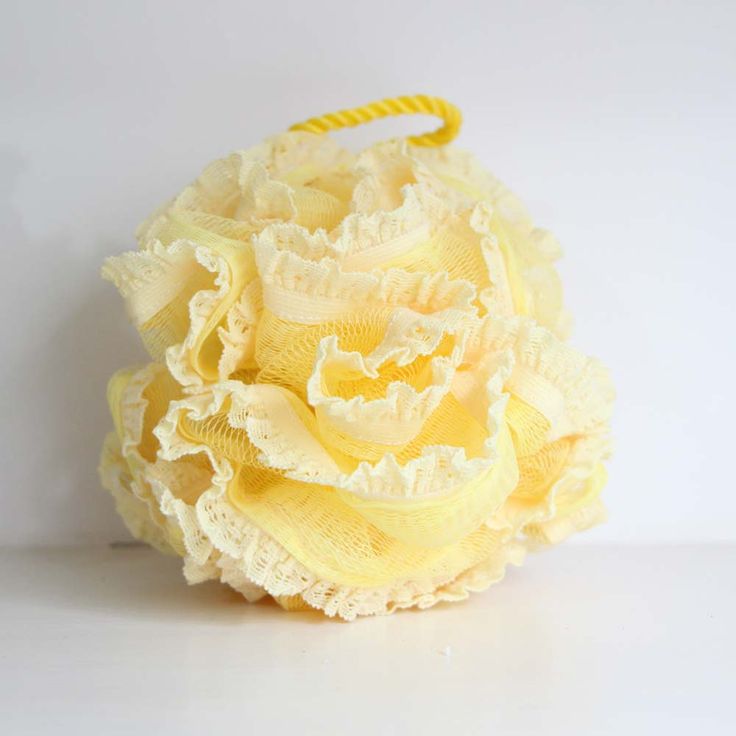
A bath pouf is that big, soft sponge that turns body wash into a rich lather, and it’s easy to love because it’s gentle and quick to dry.
To make one, you gather long strips of mesh into a bundle, tie it off tightly in the middle, and add a hanging loop.
Choose soft, washable mesh. Scratchy mesh feels unpleasant on skin.
Stitch the center firmly so the layers don’t come apart, and make the loop strong so buyers can hang the pouf where air reaches it.
A pouf that stays wet is hard to keep clean.
Let customers know to wash it regularly and replace it once it looks worn or can’t be cleaned well.
Colors, sizes, and multi-packs give you easy variety.
Mesh is sold by the yard, so buying in bulk can help your costs.
For packaging, a simple card tag works better than a sealed bag, since the pouf needs air.
4. Body towel wraps
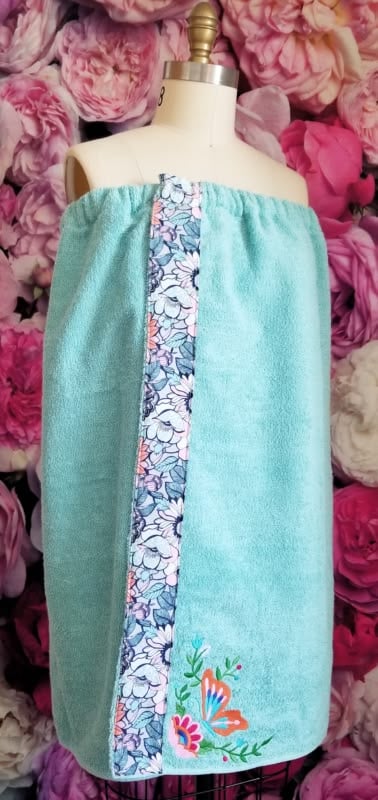
After a shower, most of us just want something warm to wrap up in.
A body towel wrap does that job, and it stays put while you move around.
It fastens at the chest with elastic, snaps, or hook-and-loop tape, so there’s no need to hold it closed.
Absorbent fabric matters most, so look at cotton terry or soft toweling.
A secure closure beats a simple tuck, and a few sizes help, because a wrap that fits one person can be too short or too snug for another.
Personalization is a big part of the appeal.
A monogram or name works well for gifts, bridal parties, or spa sets.
These use a lot of fabric, so work out your material costs before setting a price.
If you want smaller items to sell beside them, easy sewing projects to sell on Etsy has plenty.
They’re among the most giftable bathroom items to sew and sell.
5. Washcloth mitts
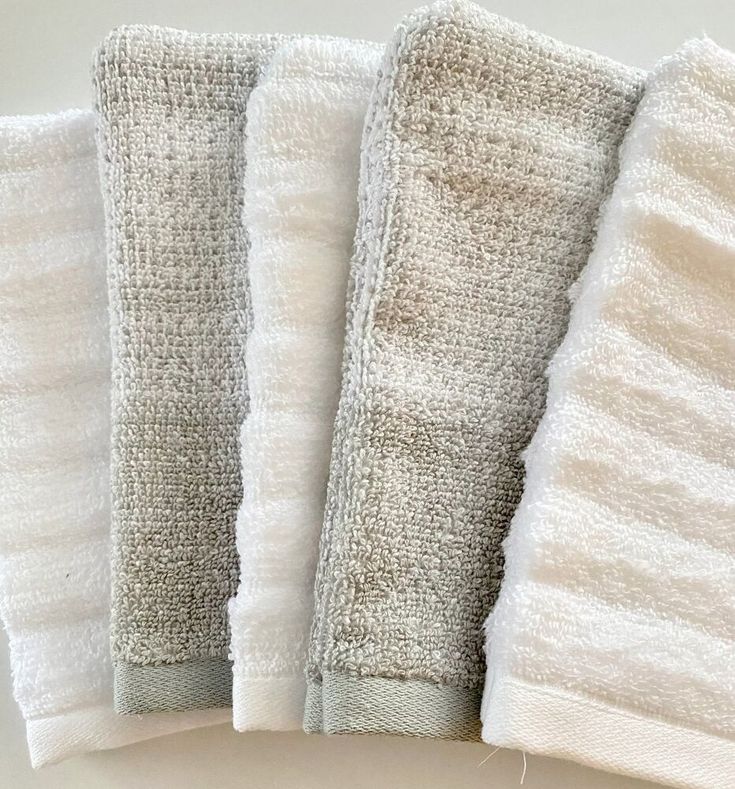
Anyone who has bathed a small child knows how quickly a plain washcloth slips out of wet hands.
A washcloth mitt fixes that. It’s shaped like a mitten, so your hand slides inside and stays put while you wash arms, backs, and knees.
Terry cloth is the classic choice because it’s soft and holds soap and water well.
Two layers keep the mitt thick, and neat stitching along the edges helps it survive lots of laundry.
Make the opening wide enough to slip on with wet hands, and add a small hanging loop so it can dry in the open air.
Sizes matter here. A small mitt fits a child’s hand, while a larger one suits an adult.
Sets in two or three colors help families tell them apart.
Because they use so little fabric, they’re a friendly way to use leftover terry.
Remind buyers to wash them often and let them dry completely between uses.
6. Bath tea bags
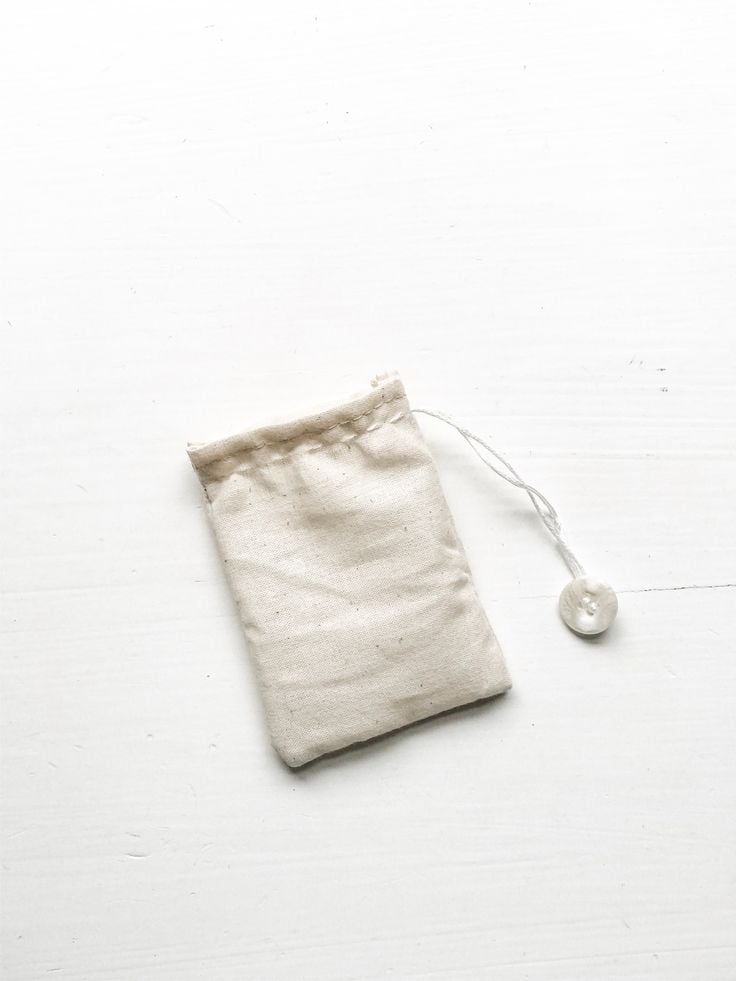
Bath tea bags are small fabric pouches that hold dried bath ingredients, so the contents steep in the water without floating all over the tub.
After the bath, you empty the bag, wash it, and use it again.
Light, breathable fabric such as muslin or cotton gauze works best.
For the closure, a drawstring, a flap with a snap, or a small zipper keeps everything inside and still makes emptying easy.
Because damp herbs and bits of residue can linger, the bag has to be easy to wash thoroughly.
Be clear that the contents should be suitable for bathing.
The bag is not a substitute for checking ingredient safety or whether something is fine for your plumbing.
Many makers sell the pouches empty and let customers choose their own blend.
They use hardly any fabric, so they’re a lovely way to use up scraps, much like the projects in 26 Sewing Projects You Can Make From Fabric Scraps.
7. Hair dryer holders
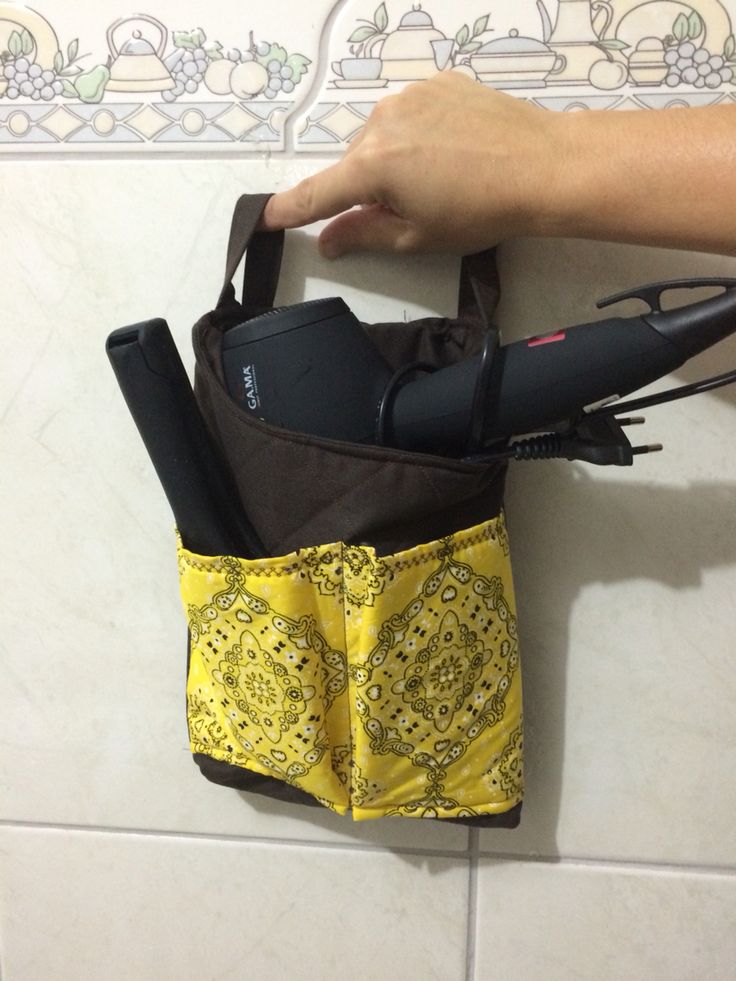
Hair dryers have a way of taking over bathroom drawers.
A fabric holder gives the dryer, or a curling iron, a home on a cabinet door, hook, or towel bar instead.
One rule comes before everything else. A fabric holder is only for storing a completely cool, unplugged appliance.
Never put a hot hair dryer into it, and never hang it anywhere an electrical appliance could touch water. Say this clearly in your listing and on a tag attached to the product.
Sturdy cotton canvas or duck cloth gives the holder enough shape to stay open, so it’s easy to slide the dryer in and out with one hand.
Add a strong loop for hanging, and choose a size that fits common dryer shapes.
Because it solves a real storage problem, this is one of the more practical bathroom items to sew and sell, especially for shoppers who want a tidier vanity.
8. Bath pillows
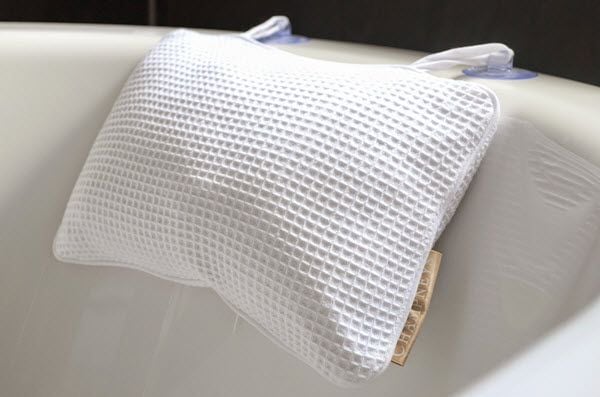
A long soak feels better when your neck has something soft to rest on.
That’s all a bath pillow is for, so keep your description simple and comfort-focused.
Please don’t promise any therapeutic or medical benefits.
Breathable, quick-drying fabric is a good starting point, and many makers choose mesh covers that dry fast.
The filling should hold its shape without staying soggy.
A removable cover makes washing easy.
To keep the pillow in place, suction cups or ties can help, but make sure they’re attached firmly.
Seams need extra care too, since the pillow will be squashed and splashed often.
Shape, size, and color can all change to suit different tubs and tastes.
Since filling and special materials add cost, test a few combinations before you decide on a price.
It’s a bigger project than most, but it sits nicely beside quick sellers like 30 Sewing Projects You Can Make in One Hour and Sell.
9. Hooded baby bath towels
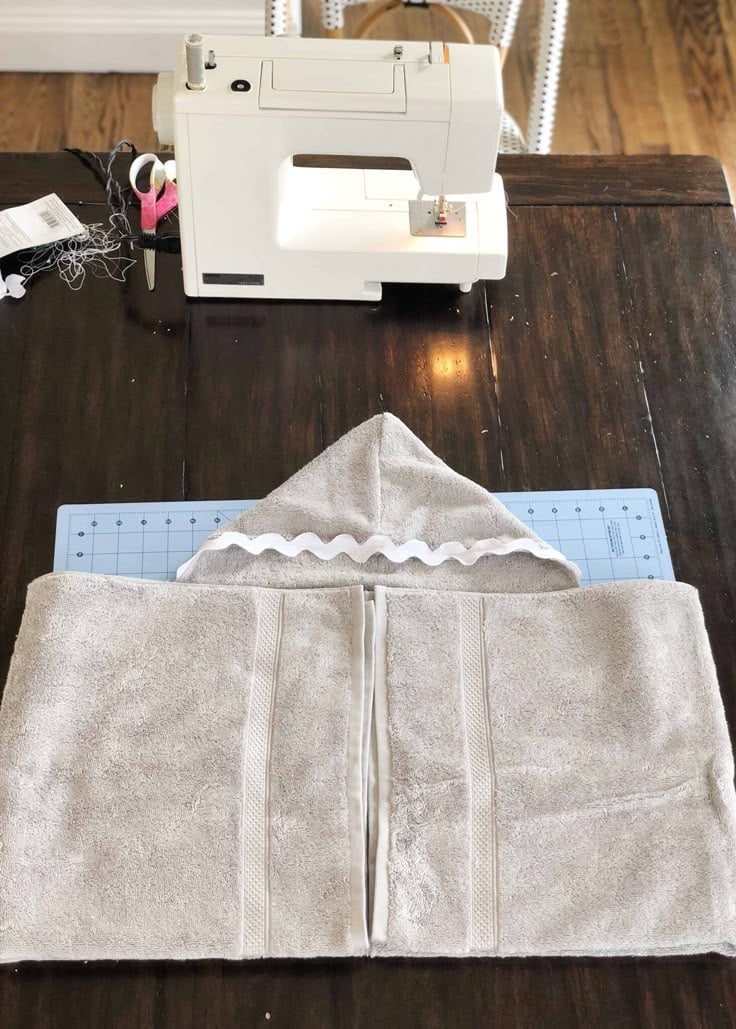
After a bath, babies need to be wrapped up fast. A hooded towel does it in one go: the hood covers the head and the rest wraps around the body.
Soft, absorbent fabric is the key. Cotton terry or bamboo-blend toweling feels gentle and soaks up water well, and a soft cotton lining on the hood adds comfort.
A newborn towel and a toddler towel are quite different in size, so label each one clearly.
Keep the finish simple, with smooth seams and no loose cords, ties, or small decorations near a baby’s face.
Embroidered names, sewn-on ears, and contrast trim are easy ways to make each towel feel personal.
Terry is bulky and takes more fabric than most items here, so work out your costs first.
Suggest that buyers wash the towel before first use, and remind them it’s for drying only, so a baby should never be left alone at bath time.
10. Vanity skirts
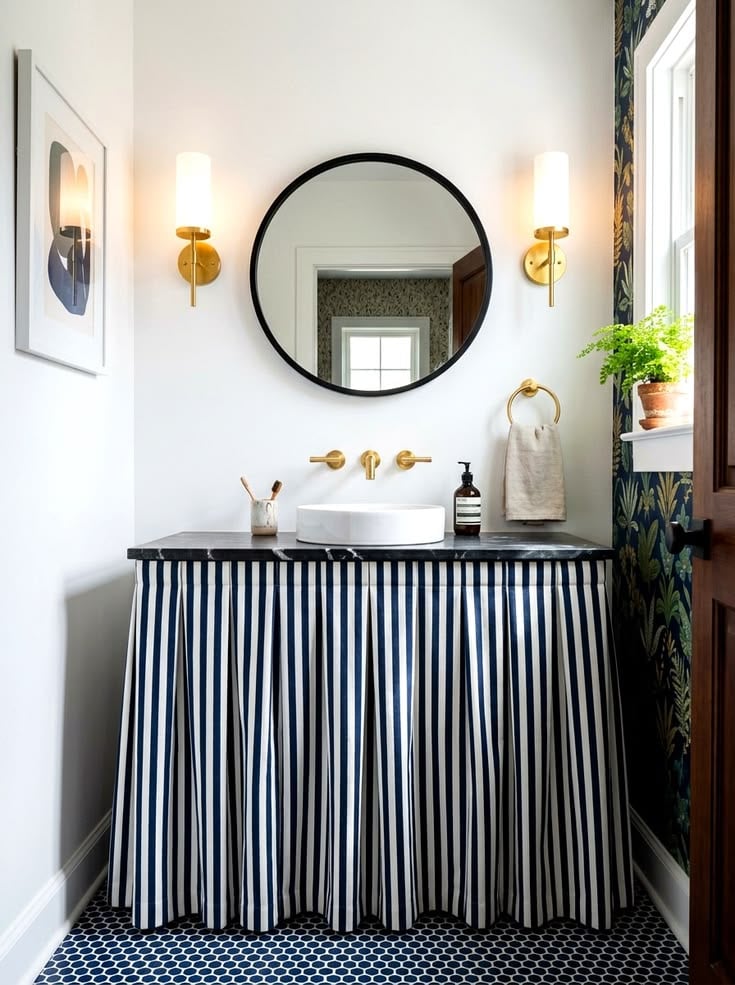
A vanity skirt is a curtain that wraps around the base of a sink or open vanity and hides the clutter underneath, like spare towels and cleaning supplies.
It changes how the whole room looks, which is why it’s a decor piece first and a storage helper second.
Every vanity is different, so these are usually made to measure.
Ask buyers for the height, width, and depth, and choose washable fabrics such as cotton prints, linen, or textured weaves that match their bathroom.
Hook-and-loop tape or a tension rod keeps the skirt in place.
Keep the fabric away from plumbing leaks and constant moisture, and mention that in your listing.
Measuring and fitting takes time, so build it into your price.
If you enjoy room styling, 30 Home Decor Items to Sew and Sell has related ideas.
A custom skirt is one of the more design-led bathroom items to sew and sell.
11. Animal puppet washcloths for kids
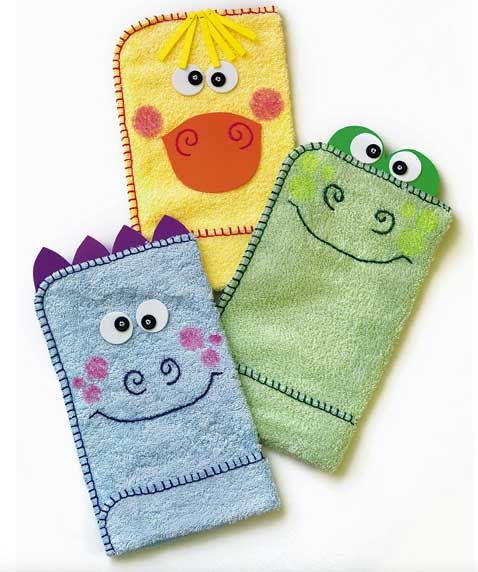
Some kids won’t stand still for a wash, but they’ll happily chat with a hippo.
An animal puppet washcloth is a mitt-style washcloth with a face on the front, so a parent’s hand turns into a playful character at bath time.
Soft terry works well for the body, and felt or cotton scraps can make ears, snouts, and tails.
Skip buttons and beads for eyes, since they can come loose.
Embroidered or tightly stitched details are safer, and every piece should be sewn on firmly. Keep the whole thing washable and quick to dry.
Frogs, ducks, bears, and sharks are all simple shapes to try, and a set of two or three makes a cute gift.
Each one involves cutting and appliqué work, so it takes longer than a plain mitt, and your price should reflect that.
Suggest that buyers check the puppet often for loose threads or pieces, and stay close while children bathe.
12. Face-wash wristbands
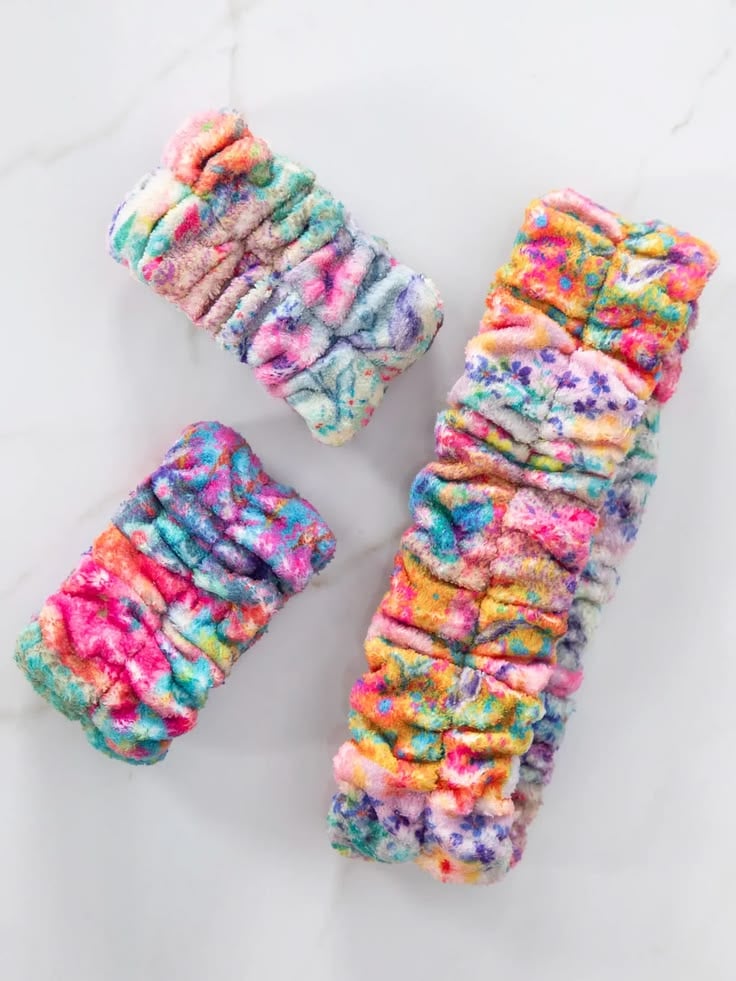
Anyone who has washed their face and felt water trickle down to their elbows will get this one straight away.
A face-wash wristband is a small absorbent band worn on each wrist that catches those drips.
Terry cloth is the natural choice because it soaks up water well.
Pair it with comfortable elastic, or sew elastic inside the fabric, so the band stays snug without squeezing.
Offer two sizes, since a band that fits a small wrist may slip off a larger one.
A matching headband turns them into an easy spa set.
Each pair uses very little fabric, so they suit leftover terry, like the ideas in 20 Sewing Projects That Don’t Require Much Fabric.
Presentation matters for something this small, so a neat card with a short description helps it look special in photos and at markets.
13. Spa headbands
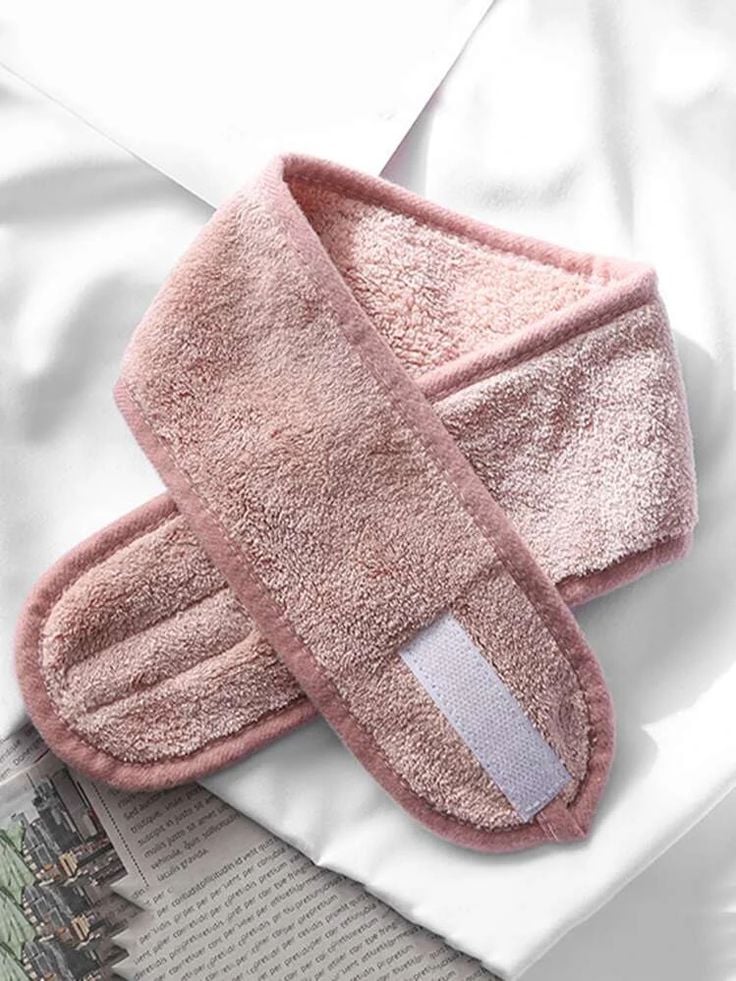
Wet hair has a way of falling into your face right when you’re washing it.
A spa headband holds it back while you wash up, brush your teeth, or do a skincare routine.
It’s a wide, soft band that sits across the forehead, usually with elastic at the back so it slips on easily.
Terry cloth is the usual choice because it’s soft and catches drips running down the forehead.
Cotton jersey or velour works too if you’d like something less bulky.
Use elastic that’s comfortable without squeezing, and keep the band wide enough to feel gentle.
A hook-and-loop closure lets one size fit more people.
This is one of the quicker bathroom items to sew and sell, and it uses very little fabric.
Pairing it with the wristbands from the last idea makes a ready-made spa set, and a simple ribbon-tied card helps it look gift-ready in photos.
14. Bath-time aprons
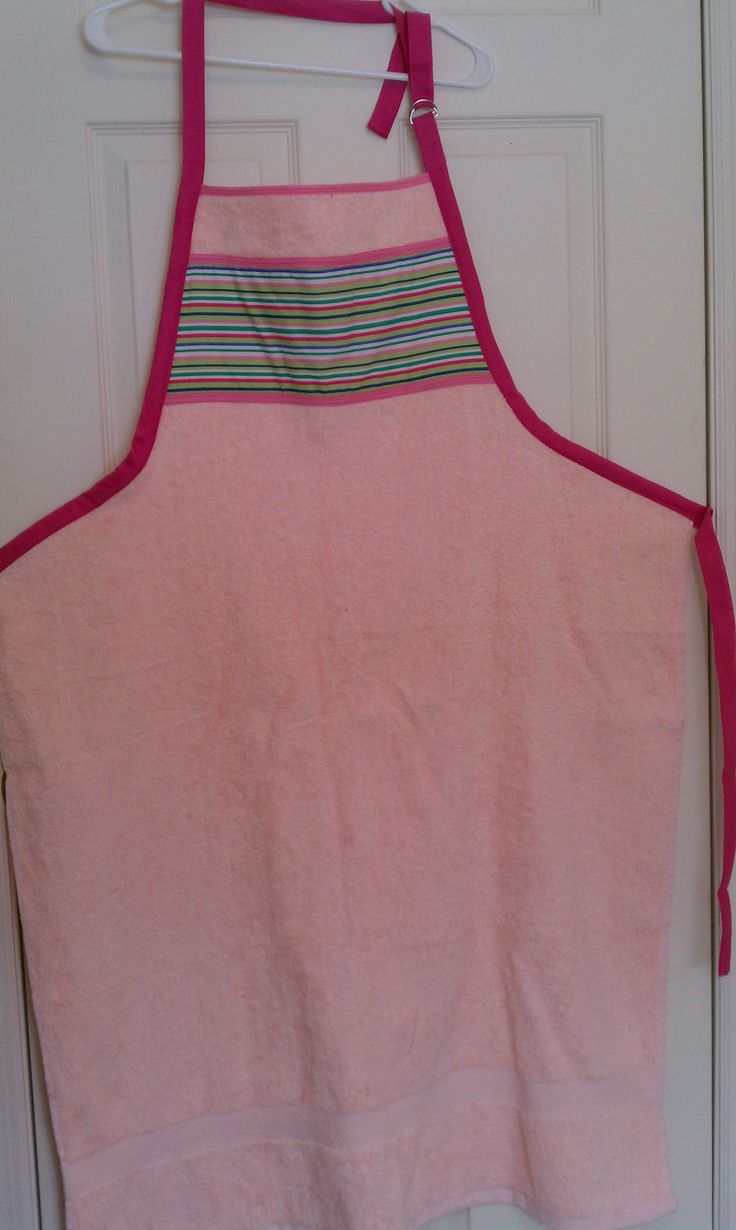
If you’ve ever helped a child in the bath, you know your sleeves end up soaked.
A bath-time apron lets an adult take the splashes instead of their clothes.
It’s a convenience for the grown-up, not a child-safety product, so say that clearly in your listing.
The big decision is fabric. Water-resistant options include coated cotton or laminated fabrics made for this kind of use, but check that your choice can handle repeated washing.
Comfortable neck and waist ties matter because the wearer will be leaning and reaching.
A pocket or two can hold a washcloth or a small toy.
Specialty fabric usually costs more than plain cotton, and coated material takes a little practice to sew.
These make good gifts for new parents.
15. Hanging toilet paper holders
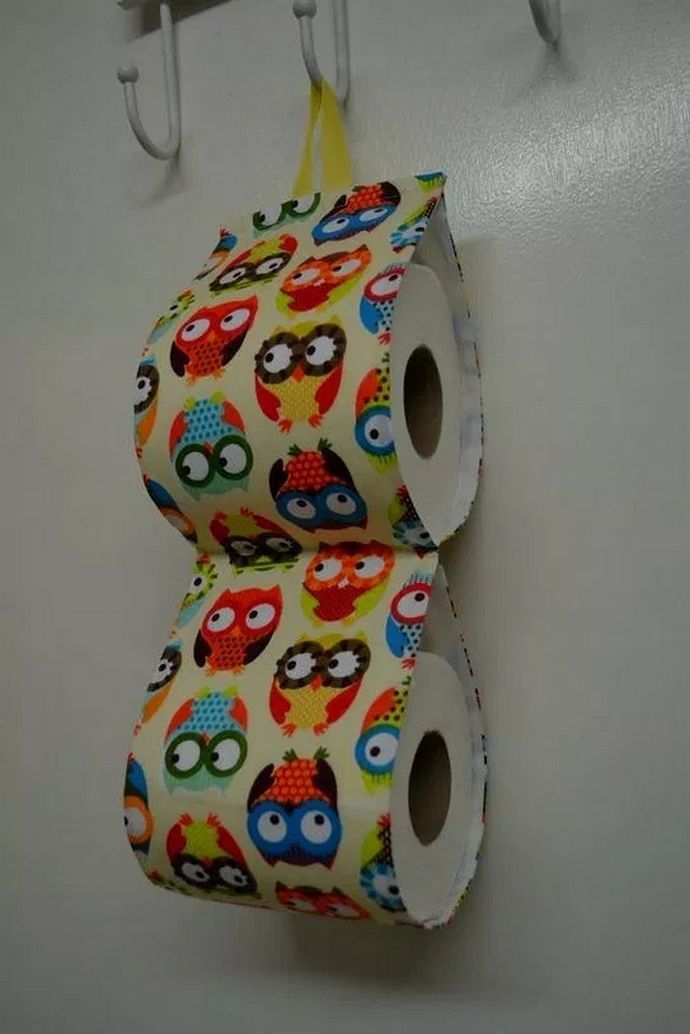
Spare rolls are bulky, and many bathrooms have nowhere tidy to keep them.
A hanging toilet paper holder is a long strip of fabric folded into cradles, with a loop at the top that hangs from a hook, door, or towel bar.
Each cradle holds one roll, and the whole thing stays flat against the wall or door.
Sturdy fabrics such as cotton canvas, duck cloth, or heavy home-decor cotton hold their shape well.
Reinforce the folds with extra stitching and use a strong loop or ribbon, because a few rolls add up in weight.
Measure standard and jumbo rolls so each cradle fits snugly without squeezing the paper.
Two, three, and four-roll versions are easy variations, and prints can match a bathroom theme.
Among bathroom items to sew and sell, this one is about storage rather than decoration, which sets it apart from the roll covers at the start of the list.
16. Reusable shower caps
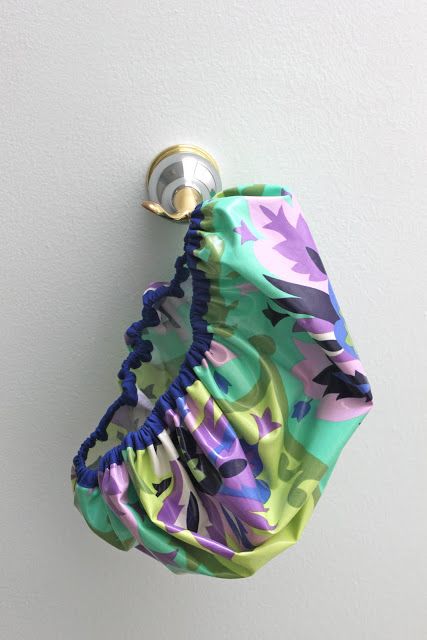
A shower cap keeps hair from getting wet, and a cloth version can be washed and reused instead of tossed out like a plastic one.
The fabric choice matters most.
The outer layer can be any pretty cotton print, but the lining needs to be water-resistant, such as PUL, a laminated fabric made for this kind of use.
Add a wide elastic casing around the edge so the cap fits snugly.
Don’t promise that hair will stay perfectly dry, since fit and shower spray vary from person to person.
Sizes for long hair, short hair, and kids give you plenty to offer.
Water-resistant fabric costs more and takes some care to sew, so work that into your price.
Suggest that buyers rinse the cap and hang it open to dry after each use.
For more shop ideas, see 31 Best Sewing Products to Sell on Etsy.
17. Over-the-door pocket organizers
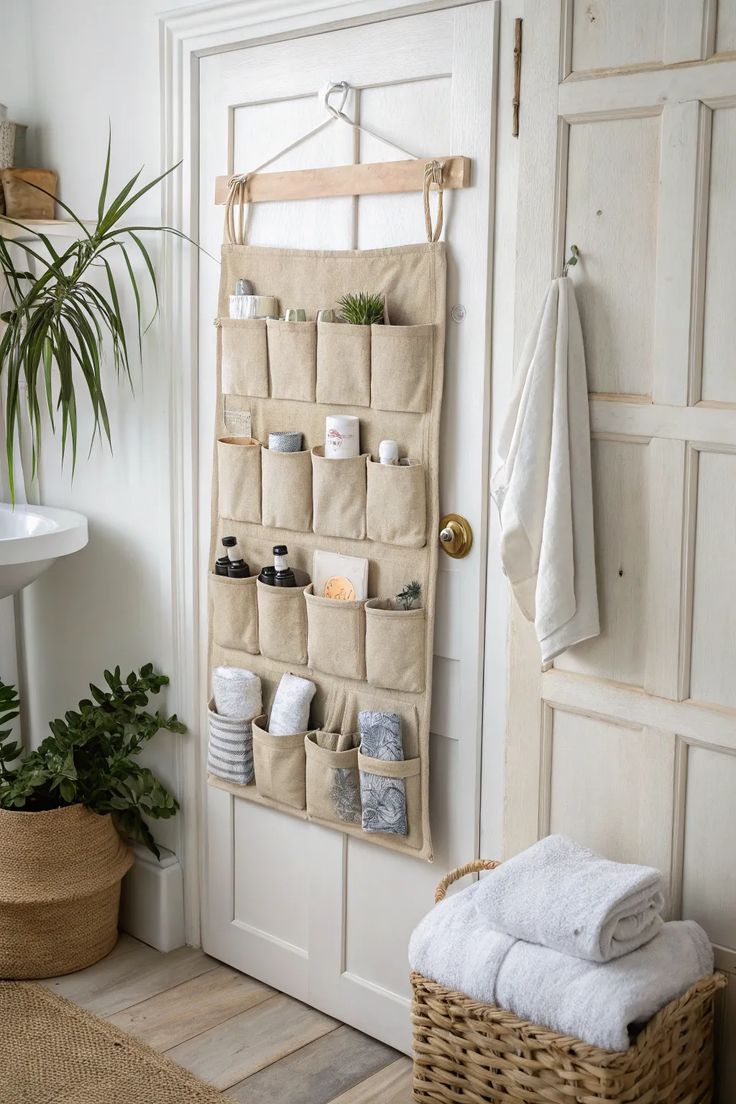
When counter space runs out, the back of the door is free.
An over-the-door pocket organizer is a panel of fabric pockets that hangs from the top of a door and holds rolled washcloths, hair ties, lotion bottles, and cleaning supplies.
The hanging loops are the most important part.
Use strong webbing or fabric loops, stitch them firmly, and size them to fit a normal door’s thickness.
Heavy canvas or duck cloth keeps the panel from sagging, and pockets in a few depths make it more useful.
Mesh pockets let air in, which helps in a damp room.
Tell buyers not to overload it and not to hang it where the door could rub or pinch.
Sizes vary a lot, so list the dimensions clearly.
It uses plenty of fabric and takes real sewing time, so price it with that in mind.
Of all the bathroom items to sew and sell, it’s an especially handy one for small rooms.
18. Toothbrush holders
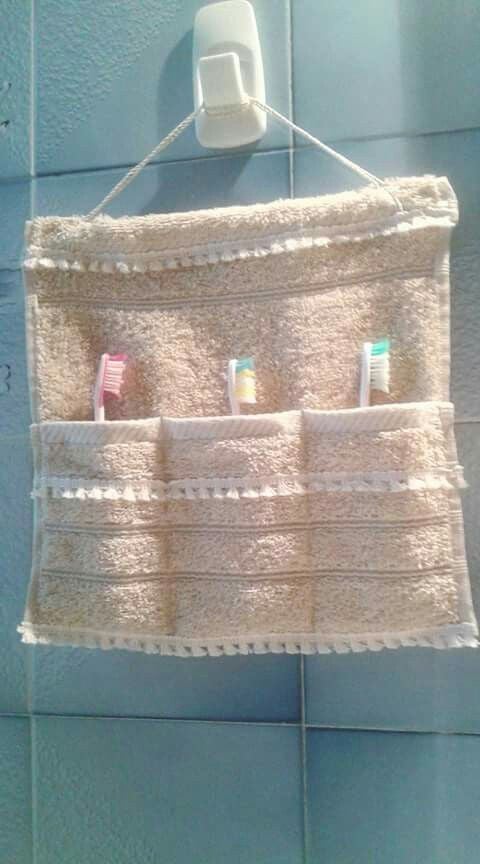
A crowded cup of toothbrushes isn’t much fun for a family of five.
A fabric toothbrush holder gives each brush its own pocket, so they stay separated.
It can hang on a wall or sit on the counter.
Washable pockets are a must, and so is drainage.
Use mesh or open sections so water doesn’t collect, and design the holder so brushes can dry between uses.
Don’t describe fabric holders as sterile or airtight, since toothbrushes need air to dry properly.
Shallow pockets keep bristles from being squashed, and a hanging loop or flat back with hooks gives buyers choices for placement.
Names or colors on each pocket make a thoughtful gift for a family.
Small pieces like these suit a home-based shop, and 29 Things to Sew and Sell From Home has more of that kind of idea.
19. Reusable makeup remover pads
Cotton rounds go in the trash after one use.
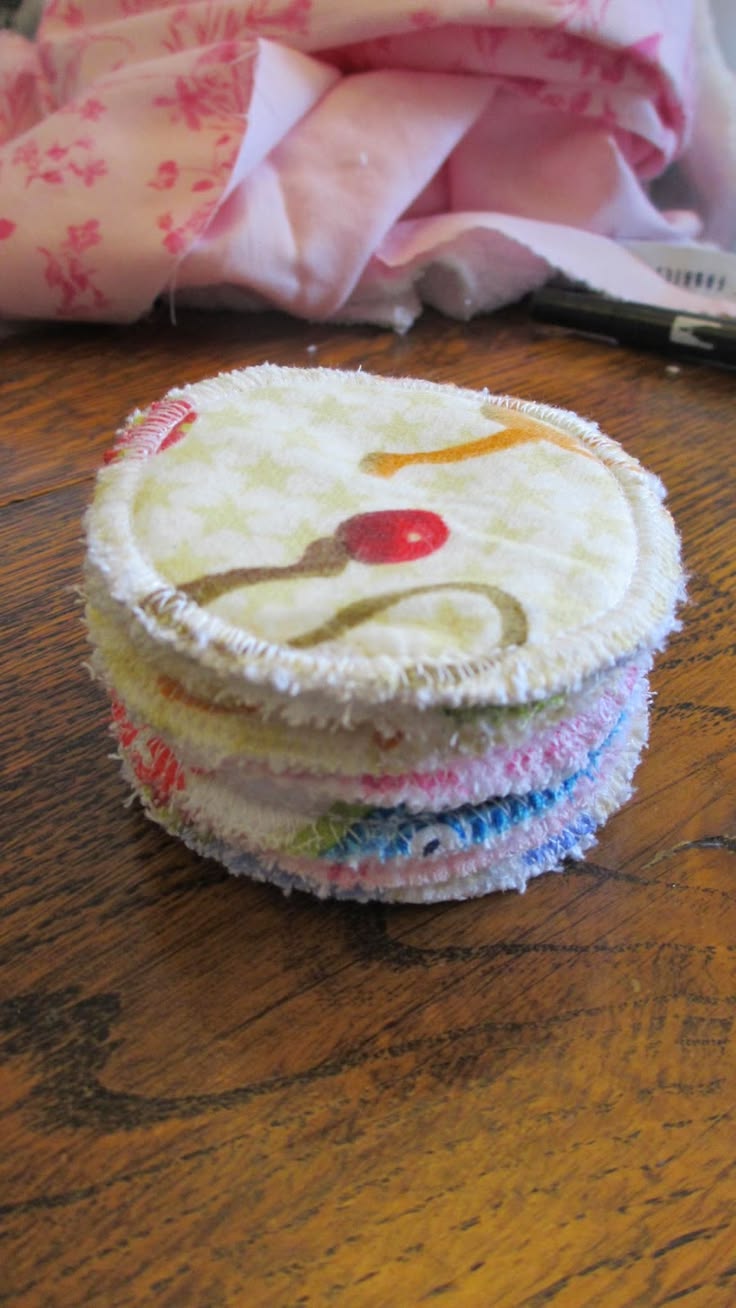
A reusable makeup remover pad is a small, soft cloth that gets washed and used again, which appeals to people who want less waste in their routine.
Soft fabrics such as bamboo velour, cotton flannel, or microfiber work well.
Many makers sew two layers into a round or square pad with a clean, finished edge.
The fabric shouldn’t shed much lint, so wash and test it first.
Avoid promising skin benefits or saying a pad removes every kind of makeup.
Reusable pads need regular washing, and a small mesh bag keeps them from getting lost in the machine.
Selling a set with a drawstring laundry bag is a thoughtful touch.
They use very little fabric and sew up quickly, but cutting and finishing many small pieces adds up, so count your time.
Pretty colors and prints help them stand out in photos.
20. Soap saver pouches
Bars of soap end up as slippery little slivers.
A soap saver pouch gives those leftovers a second life.
You slip the small pieces inside, wet the pouch, and rub it between your hands to make a lather with nothing wasted.
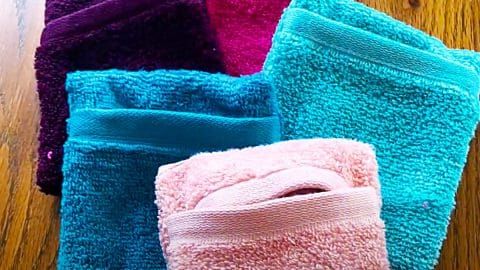
Terry cloth, mesh, or a layer of each work well, since the soap needs to lather through the fabric.
Add a drawstring or loop at the top so the pouch can hang and dry between uses, and sew the seams twice because soap and water are hard on stitches.
Tell buyers to rinse it and let it dry fully.
These tiny pouches suit gift baskets next to a bar of handmade soap.
They use almost no fabric, so your time is the bigger cost to price in.
If you’re building a wider range of bathroom items to sew and sell, 30 Best Things to Sew and Sell for Extra Money.
21. Toilet seat covers
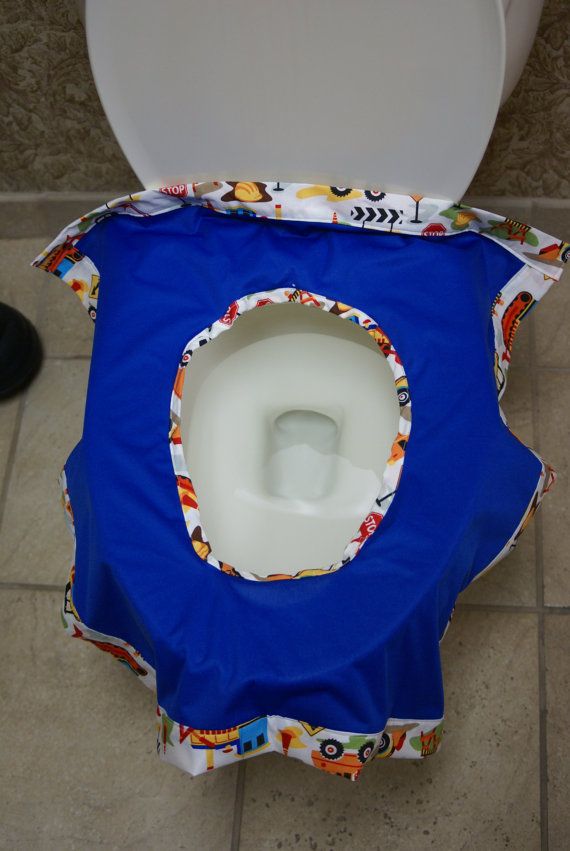
A toilet seat cover is a removable fabric piece that fits over the seat or lid for decoration.
It’s mostly about looks, and it can complete a matching bathroom set.
Fit is the tricky part. Measure common seat shapes and give clear sizing information.
Elastic edges help the cover stay in place, and washable fabric is a must.
These covers need frequent washing, so say that in your listing.
A cover should never get in the way of how the toilet works, how easy it is to clean, or how safely people can use it.
Avoid suggesting that it makes things more hygienic or protects users from germs, because a fabric cover can’t promise that.
Keep your description focused on style and easy laundering.
Colors and prints that match rugs and curtains help buyers picture a finished room.
Fitting takes extra thought, so consider that when setting a price.
Conclusion
From toilet paper roll covers to mirror polishing cloths, these ideas show how much a bathroom asks of its fabrics: storage, comfort, personal care, and style.
The best bathroom items to sew and sell are the ones that match your skills, your fabric stash, and the people you want to sew for.
Practical design, washable construction, and small thoughtful details matter more than fancy patterns, and a matching set can make a shop feel complete.
Before listing anything, work out what your materials, time, and packaging cost so your prices make sense.
Start with one or two projects, try them in a real bathroom, and improve as you go.
Pick an idea from the list and start planning your next sewing project today.