Sewing does not have to be hard, and simple sewing projects you can make without advanced skills prove it.
Have you ever saved a sewing idea and then walked away because it looked too hard?
You are not alone. Many people want to sew but feel nervous about tricky patterns, zippers, and fitted clothes.
The good news is that lots of useful, pretty things can be made with basic sewing skills.
This list shares 20 simple sewing projects you can make without advanced skills, from soft toys and hair clips to home items and everyday helpers.
Most of them use straight seams, turning fabric right side out, simple stuffing, and neat edges.
A few need extra care with measuring or safety, and I will tell you which ones.
Pick one project, practice one skill at a time, and your confidence will grow with every piece you finish.
If you are thinking about selling your work, 25 Easy Things to Sew and Sell for Beginners has more ideas.
Simple Sewing Projects You Can Make Without Advanced Skills: Your 20-Project List
1. Sweater Pillows
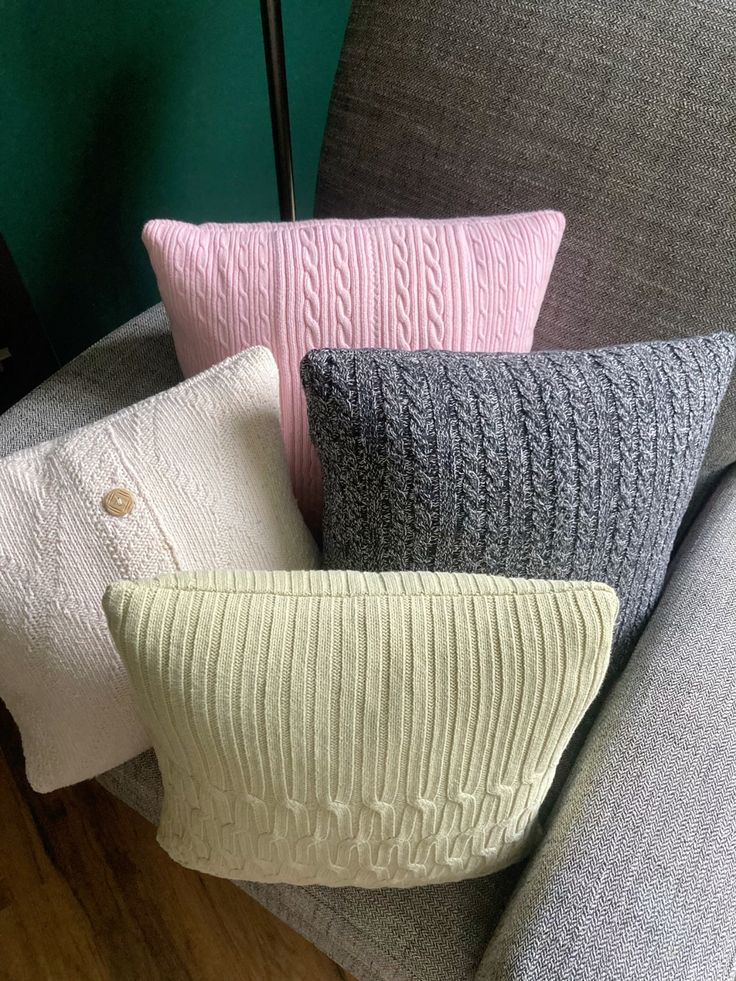
An old sweater can turn into a cozy pillow cover, and the sweater does most of the decorating for you.
Cable knits, chunky stripes, and snowflake patterns already look finished, so your work is mostly straight seams and a neat closure.
Choose a sweater a little bigger than your pillow insert, and make sure it is clean and in good shape.
Knit fabric stretches, so pin it well and sew slowly. If the edges curl or stretch out, iron a thin sheet of fusible interfacing, a light iron-on backing, onto the inside first.
An envelope back or a few buttons lets you remove the cover for washing.
Check every seam twice before the insert goes in.
These pillows suit cozy home décor, seasonal decorating, and anyone who loves upcycling.
For more handmade ideas, try 30 Best Things to Sew and Sell for Extra Money.
2. Soft Play Balls
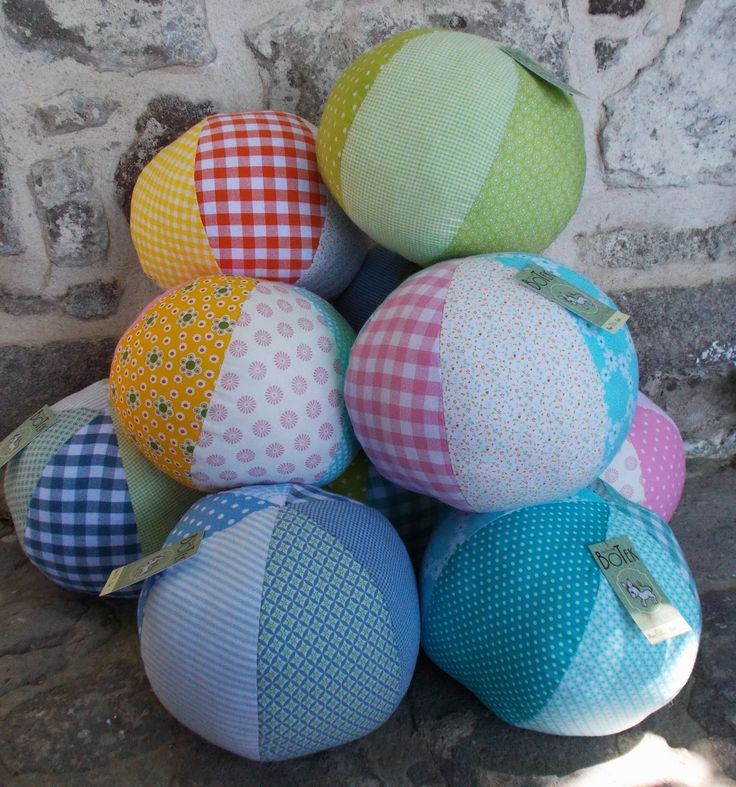
Soft play balls are a friendly way to practice sewing curves.
You join a few rounded pieces, turn the ball right side out, and fill it with stuffing.
If you want simple sewing projects you can make without advanced skills, this is a good place to start, though the curves do take patience.
Pin the pieces often so they line up, and leave a small seam allowance, which is the space between the fabric edge and your stitches.
Bright prints, mixed colors, and different sizes make a set look fun.
Use washable fabric and strong seams, and close the opening with small, tight stitches.
Safety matters. Choose safe filling, and skip buttons, ribbons, or other small parts that could come off on anything for young children.
Do not assume every ball is right for babies.
Parents and gift buyers may like these, but check each ball carefully before handing it over.
3. Fabric Knot Headbands
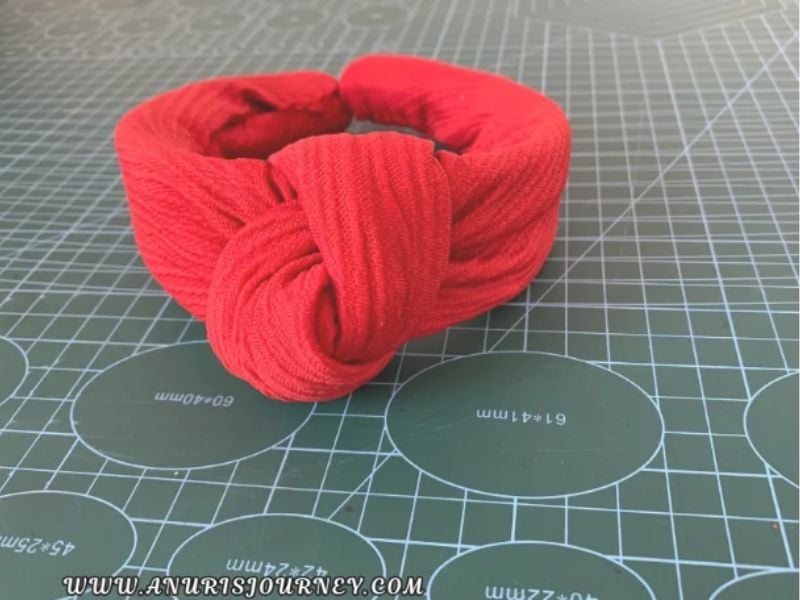
A knot headband teaches three skills in one small project: sewing a narrow tube, turning it right side out, and tying a decorative knot.
Turning a thin tube can be fiddly, so a safety pin or a loop turner, a small tool for pulling fabric through, helps a lot.
After that, you can change the look with different widths, bold prints, or stretchy fabric like jersey.
The fabric changes the fit. Stretchy knits feel snug and soft, while thick cotton can feel tight, so make one test headband before you cut several.
Measure the head size you want and close the ends with a neat seam.
Knot headbands go well with everyday outfits and make small gifts.
If you like quick accessories, 30 Sewing Projects You Can Make in One Hour and Sell has other fast ideas, though your first headband may take longer.
4. Juggling Balls
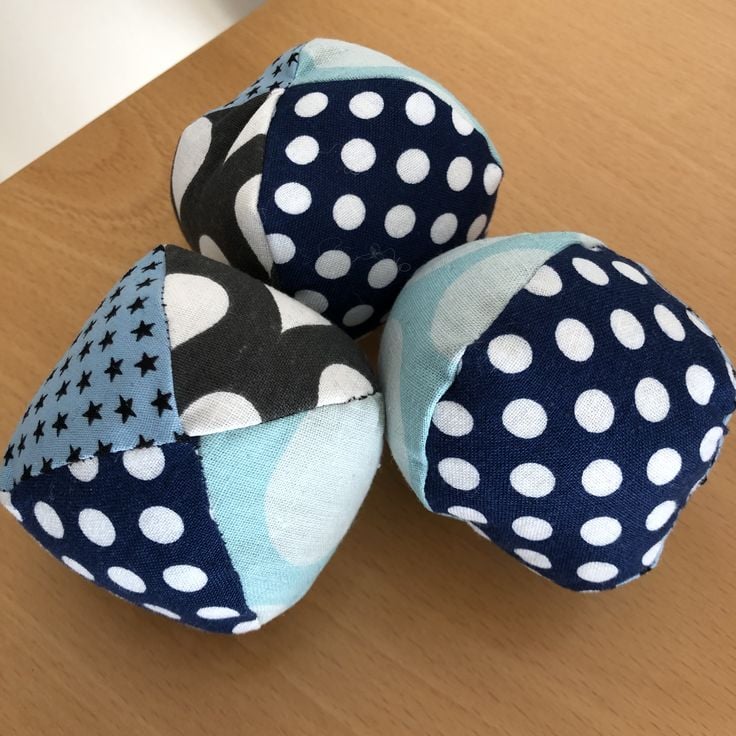
Juggling balls give sewing a playful purpose.
You sew a few small pieces of fabric into a round shape, fill it, and stitch the opening shut.
The skills are the same as other stuffed shapes, but consistency matters more.
Cut every piece the same size, keep your seams even, and fill each ball to the same firmness so the set feels matched when you toss it.
Sturdy cotton or canvas lasts longer than thin fabric, and a smooth fabric feels nicer in the hand.
Sew the seams twice and make sure the filling cannot leak out.
Pick a filling that suits the person who will use the balls.
A set in matching or contrasting colors looks fun for hobbyists, beginners learning to juggle, and anyone who likes a quirky gift.
Keep your claims modest, because these are practice balls, not pro equipment.
5. Stuffed Fabric Letters
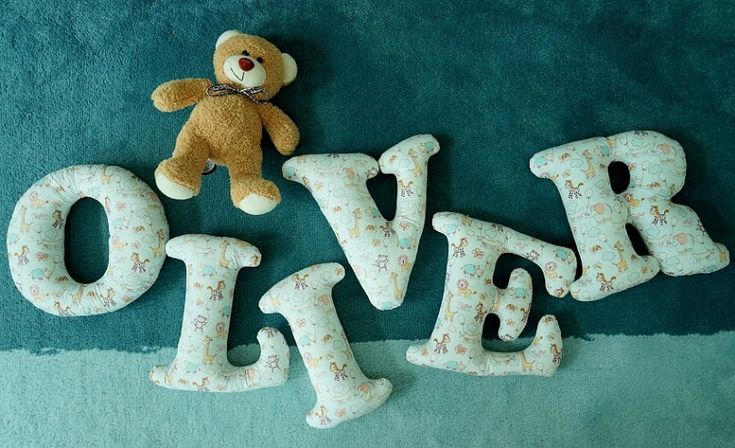
Fabric letters turn scraps into personal décor.
You trace a letter onto paper, cut two matching fabric pieces, sew around the edge, then turn and stuff it.
The steps are simple, but the letter you pick changes how hard it is.
An L, T, or I is much easier than an S, R, or B, which have tight curves and inner corners.
If you are new to this, start with a blocky letter or a single initial before trying a whole name.
Snip small cuts into the seam allowance around curves and corners so the fabric lies flat when you turn it.
Sew slowly around the bends. Letters work well on nursery shelves, at birthday parties, and as personal gifts.
If one will go in a child’s room or be used for play, use strong seams, safe filling, and no small attached pieces.
For more handmade ideas, see 27 Handmade Sewing Projects People Actually Buy.
6. Soft Dice
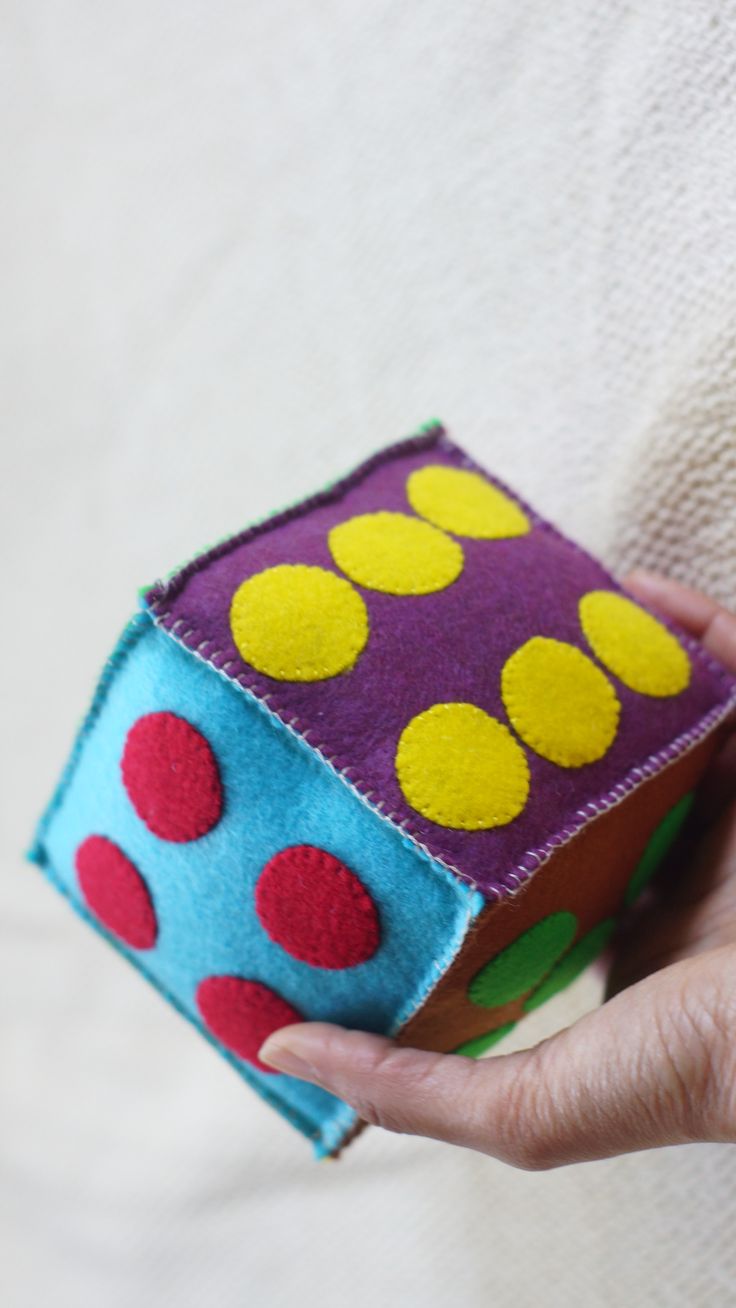
Soft dice help you practice straight seams and careful cutting.
Six fabric squares make a cube, so this is one of the simple sewing projects you can make without advanced skills, as long as you measure neatly.
Cut every square the same size and sew every seam the same distance from the edge, so the cube sits square and does not lean.
The last few corners can feel tricky, so go slowly and turn the fabric with the needle down.
Contrasting fabrics or bold prints make each side easy to tell apart, and stitched dots can mark the numbers.
Stuff the cube firmly and close it with strong stitches.
Dice like these work for games, classroom activities, and fun gifts.
If you plan to offer them as toys for children, use safe filling and stitch the dots instead of gluing on small pieces.
7. Fabric Sunglass Cases
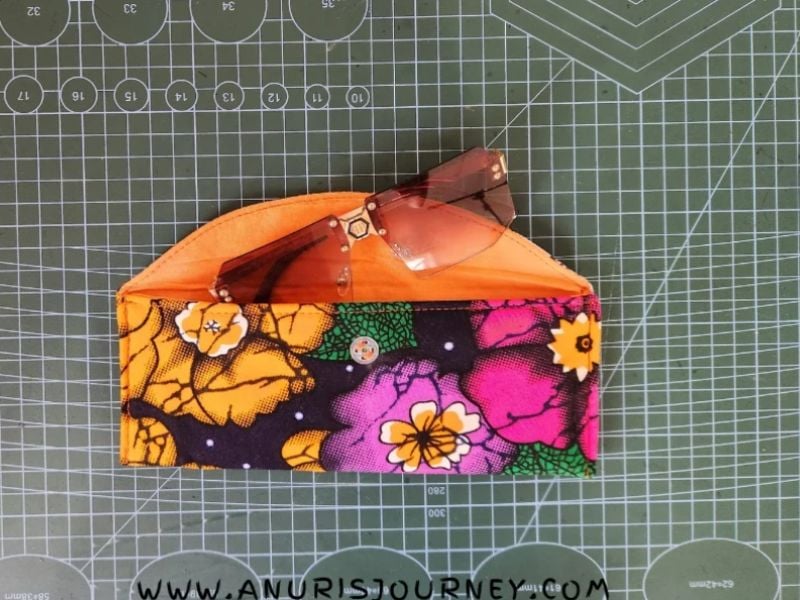
A sunglass case is a small, useful project made from basic rectangles.
You cut an outer fabric and a lining, add light padding, sew them together, and finish with a flap, a snap, or simple topstitching, which is a line of stitches near the edge that keeps things flat.
The case has to fit real glasses, so measure yours first and add room for seams and padding.
If it is too tight, it is annoying to use. If it is too loose, the glasses rattle around.
Choose a soft lining like flannel or fleece so the lenses are less likely to get scratched.
A case like this is handy in a bag or glove box, and a matching set with a pouch makes a nice gift.
If you are thinking about selling accessories online, 31 Best Sewing Products to Sell on Etsy is worth a look.
8. Denim Pocket Organizers
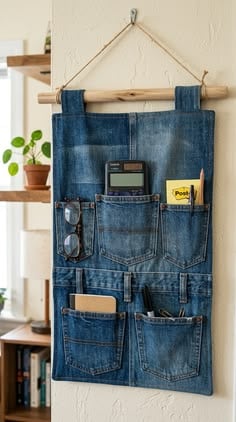
Old jeans come with ready-made pockets, and this project lets them do the work.
Cut the pockets out with a border of fabric around them, then sew them onto a bigger backing piece, such as sturdy cotton or more denim.
You mostly practice straight stitching and careful placement, and you add a loop at the top for hanging.
Plan the layout before you sew. Pocket size and spacing should match what the organizer will hold, such as scissors and rulers in a craft room, keys and mail by the door, or chargers on a bedroom wall.
Denim has lots of character, so leave the original stitching showing or add bright thread or contrasting fabric.
Denim is thick, so use a denim needle and sew slowly over layered seams.
People who love upcycling or want simple storage may enjoy these.
9. Paddle Covers
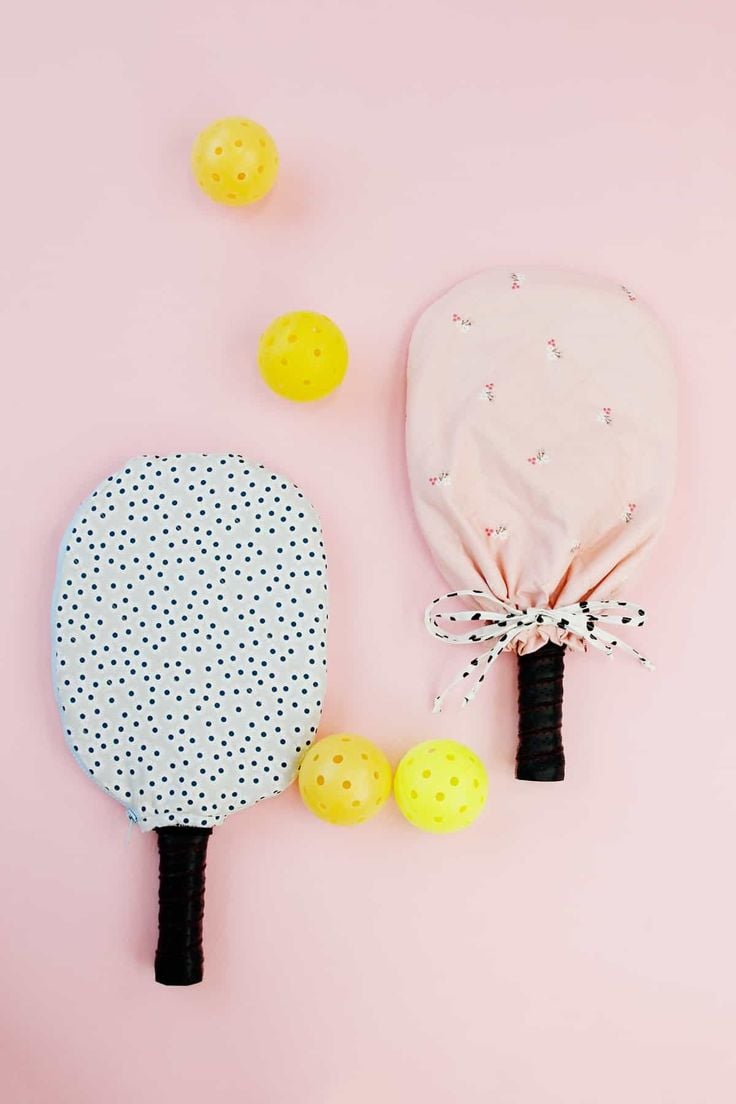
A paddle cover needs a little more precision than some projects here, but the sewing is still basic.
Trace the paddle onto paper, add a seam allowance around the outline, and cut two shaped pieces plus a lining.
Sew them together, leave the handle end open, and add a simple closure like a drawstring, elastic, or a small flap.
Sizing is the main challenge. Test your paper pattern on the paddle before you cut fabric, so the cover slides on easily without being baggy.
Light padding and a soft lining can help against scuffs, but do not call the cover impact protection unless it was designed and tested for that.
Pickleball and table-tennis players may like team colors or fun prints, and the covers can be personalized as gifts.
If you are deciding where to share your work, 21 Handmade Sewing Products to Sell Online can help.
10. Lens Pouches
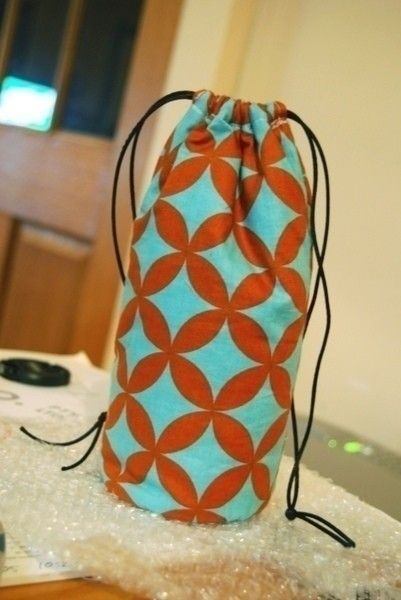
Lens pouches show that simple sewing projects you can make without advanced skills can still need careful thinking.
The sewing is basic: a flat rectangle folded into a pouch or a small tube, with a soft lining, some padding, and a drawstring or flap.
The care goes into measuring. Wrap a tape measure around the lens, then add room for seams and padding so the pouch fits without squeezing.
Pick soft materials like microfiber, flannel, or smooth cotton, and keep raw edges tucked inside.
Padding, such as batting, adds a soft feel, but ordinary fabric padding should never be called guaranteed impact protection.
Photographers and other hobbyists, like people with binoculars, may find these handy.
Because the pouch will hold costly gear, test it with the actual lens before giving or selling it to anyone.
11. Fabric Hair Clips
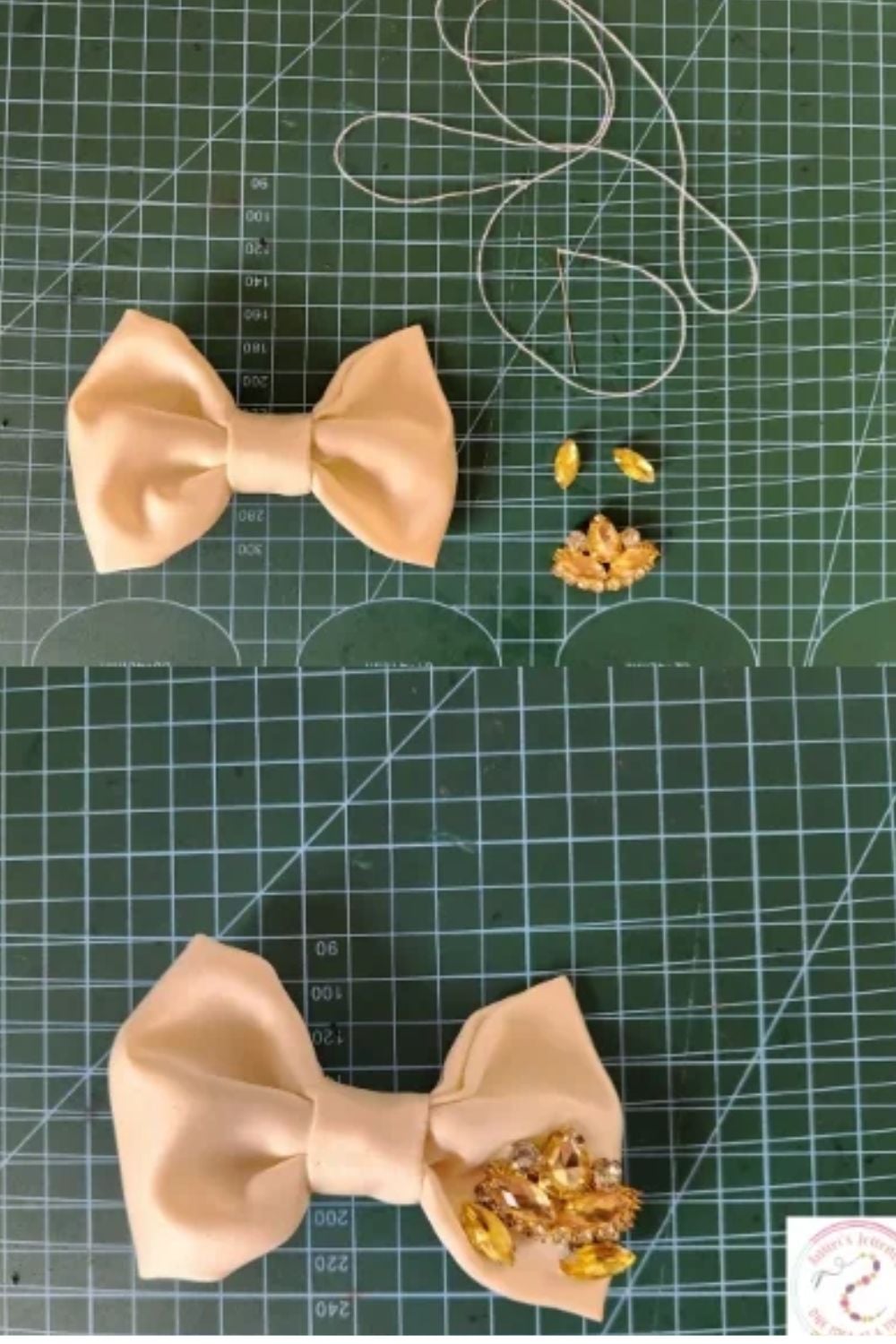
Hair clips are a great way to use tiny fabric scraps.
Cut small circles or strips, then fold, gather, or layer them into flowers and bows.
Sew or glue the finished piece onto a plain clip.
You only need hand stitching and a few straight seams on small pieces, so it is forgiving if you make a mistake.
Try felt, cotton, or satin to see how each one holds its shape, and mix colors freely.
Attachment needs attention, so make sure the decoration is fastened firmly and cannot pop off.
For young children, keep details flat and tightly attached, and do not offer small clips as safe for babies without supervision.
These make cute extras for everyday styling or gift sets, and 25 Easy Sewing Projects to Make and Sell Fast has more small ideas.
12. Checkers Boards
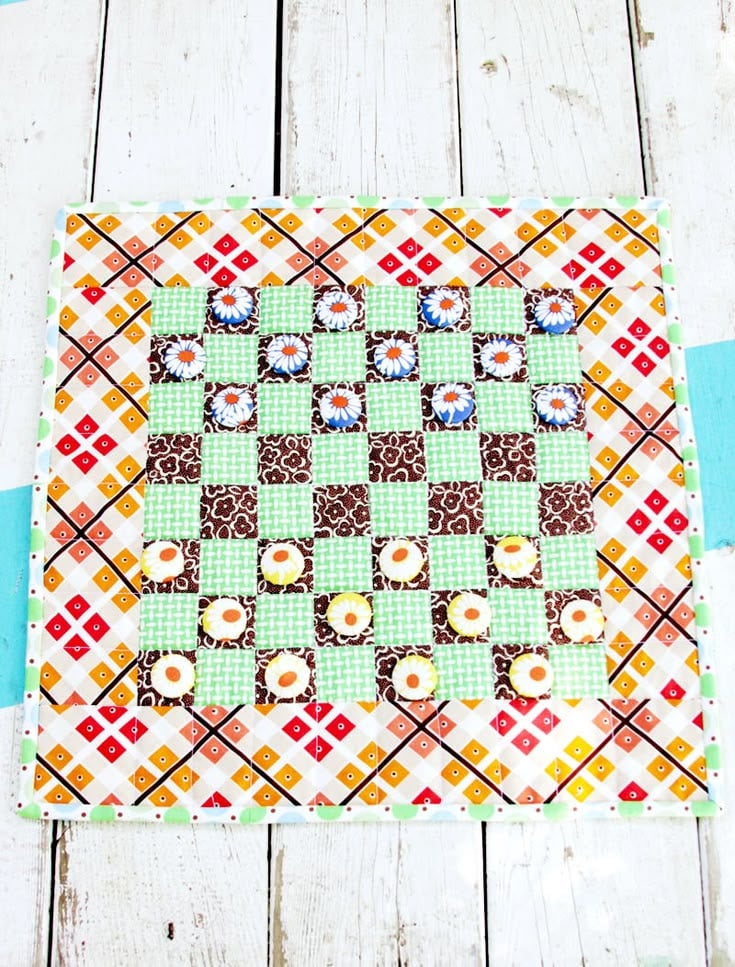
A fabric checkers board can be folded or rolled up, so it fits in a bag.
Make the grid from fabric squares sewn together, from strips, or from stitched lines on one big piece.
Squares teach careful cutting and joining, while a stitched grid is quicker and uses only straight lines.
Either way, keep the spacing even, because a crooked board is hard to play on.
Choose two colors that stand out from each other, finish the edges with a simple hem or binding, which is a strip of fabric folded over the raw edge, and iron the board flat.
A drawstring bag can hold the playing pieces. Families, teachers, and travelers may all use one.
Checker pieces are small, so store them safely, keep them away from young children, and say so clearly if you give or sell the set.
13. Hacky Sacks
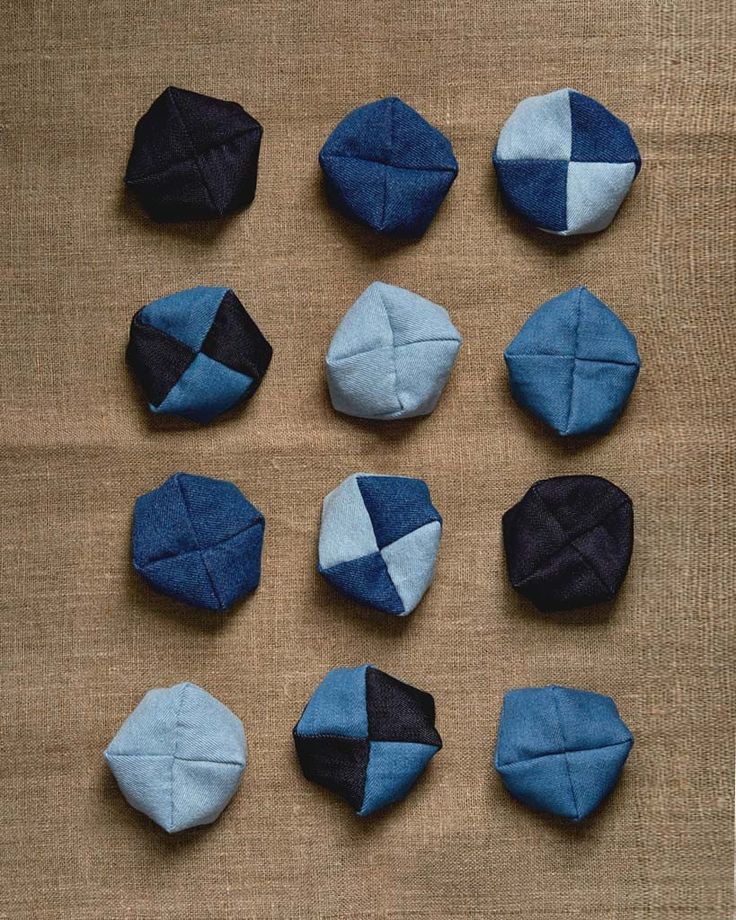
Hacky sacks, also called footbags, are small fabric balls for casual kicking games.
They use the same idea as other stuffed shapes: join a few pieces, fill, and close.
The tricky part is the finish. A footbag should feel solid and even, so cut every piece the same, sew every seam the same, and fill every bag to the same firmness.
Sturdy fabric like canvas or denim holds up to kicks better than light cotton, and a small, compact size is easier to handle.
Sew the seams twice and close the last gap carefully so the filling stays inside.
A set in different color combinations makes a fun gift for casual players and anyone who likes backyard games. Avoid saying they perform like pro gear.
14. Stuffed Fabric Numbers
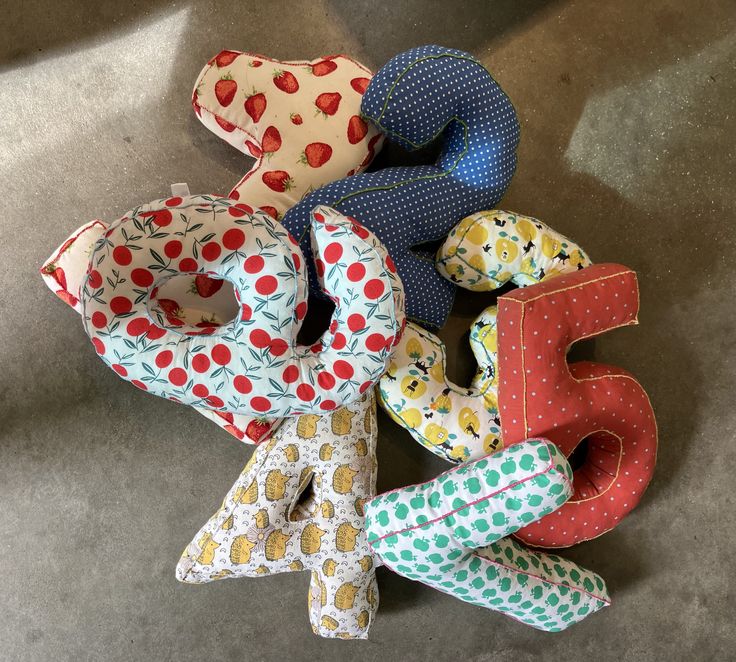
Fabric numbers work like letters, but they have their own quirks.
You trace a number onto paper, cut two matching pieces, sew around the edge, and stuff it.
These are simple sewing projects you can make without advanced skills once you pick the right shapes.
A 1, 7, or 4 is much easier than an 8, 6, or 9, which have loops and narrow parts.
Start with the easy numbers before trying the curvy ones.
At tight corners, sew slowly, turn the fabric with the needle down, and snip into the seam allowance so the number turns out cleanly.
Numbers make cheerful birthday decorations, nursery displays, and classroom counting tools, and a single number can mark a milestone age as a gift.
For young children, use strong seams, safe filling, and nothing small that could come loose.
15. Ice Pop Sleeves
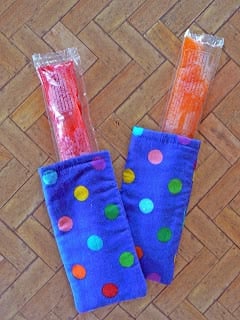
Ice pop sleeves are small reusable holders that make frozen treats more comfortable to hold.
The sewing is mostly straight seams on a small rectangle.
You sew a sleeve, add a closed bottom so the pop does not slide through, and line it with soft, absorbent fabric like terry cloth or flannel.
The sleeve will meet water drops and sticky fingers, so choose fabric that can be washed and dried again and again, and wash it once before sewing so it does not shrink later.
Measure a few common ice pop sizes and leave a little extra room so the sleeve slips on easily.
Bright prints and sets for the whole family make them fun.
Keep your claims realistic. The sleeve is only an outer holder, not a food container, and it will not stop every drip or keep a treat frozen.
They suit summer parties and families with kids.
16. Air Fryer Covers
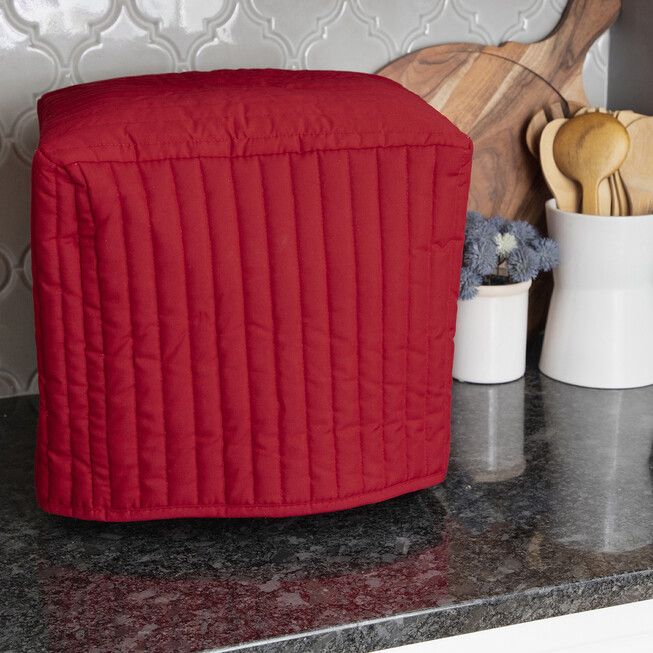
An air fryer cover is a plain, useful project: a fabric box that keeps dust off the appliance between uses.
Measure the height, width, and depth of your air fryer, add seam allowances and a little extra room, then cut a top, two sides, a front, and a back, or one long wraparound piece.
Straight seams and neat corners are the main skills. Washable cotton or canvas works well, and a pocket on one side can hold a spatula or recipe card.
Safety comes first. Only put the cover on when the air fryer is unplugged and completely cool, and always take it off before you turn the appliance on.
Never use fabric around a hot or running appliance.
Home cooks who like a tidy kitchen may want one, and 31 Profitable Sewing Projects to Make and Sell has more home and kitchen ideas.
17. Scooter Bags
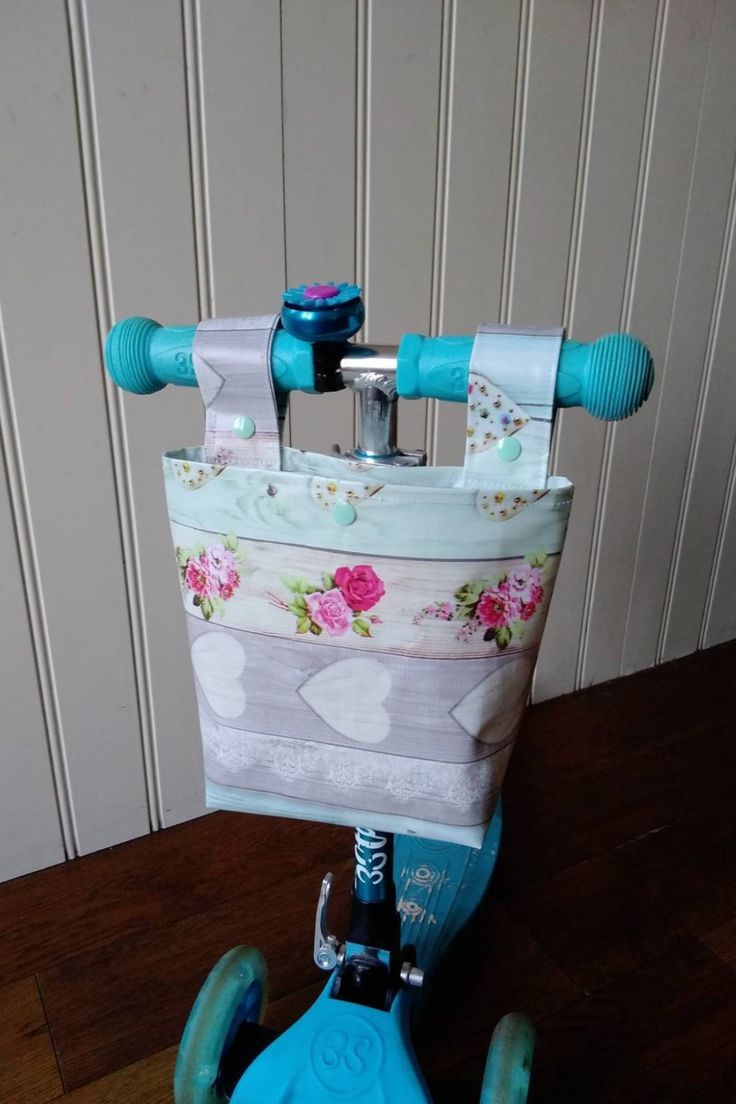
A scooter bag is a small pouch that hangs from the handlebar or frame for a phone, snacks, or keys.
It has more parts than most projects here, so think of it as a step up.
You sew simple panels, add a lining, and finish with a flap or zipper.
A zipper takes practice, so a flap with Velcro-style tape is easier.
Straps or loops hold the bag in place, and that is the part to plan carefully.
Keep the bag small and light so it does not swing around or rub against the rider’s legs, and never let it block steering, brakes, lights, or other controls.
Sew the strap area twice, test the bag on the actual scooter, and check it again after some use.
Kids and commuters may like one in tough, bright fabric, but each bag should suit the scooter it is made for.
18. Chair Leg Socks
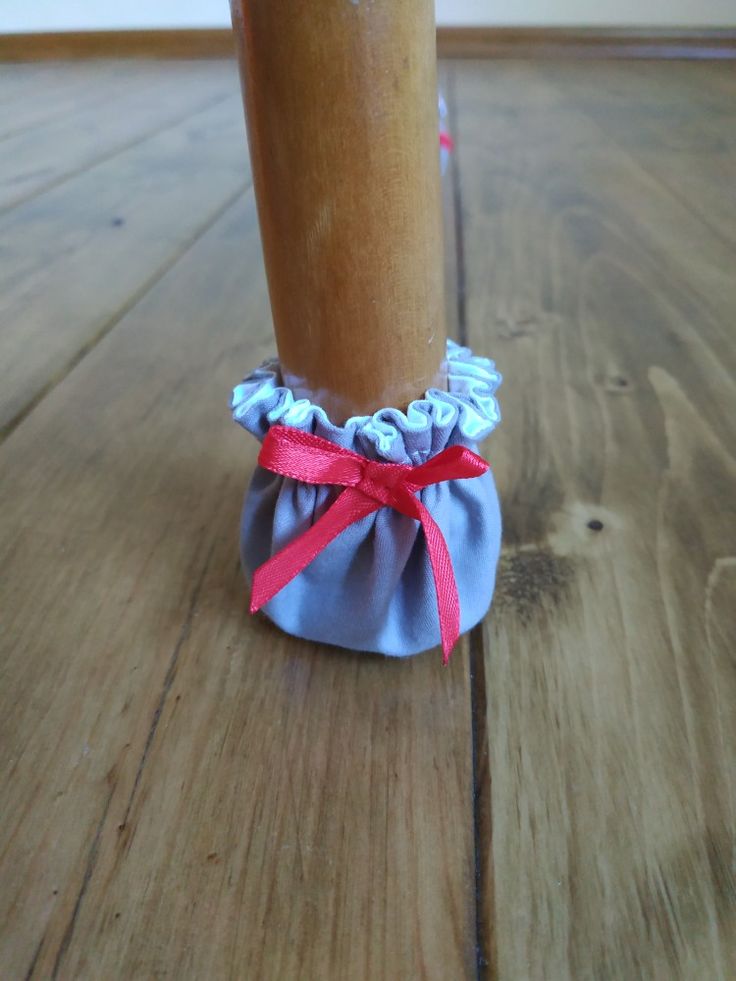
Chair leg socks are small covers that slip over chair feet to soften scrapes and quiet noisy dragging.
They are good proof that simple sewing projects you can make without advanced skills can solve everyday problems.
Measure the bottom of a chair leg, whether it is round, square, or flat, then sew a small tube or fitted cover with a closed end.
Thick fleece, felt, or flannel adds cushioning, and elastic or a drawstring keeps each sock from sliding off.
Chairs vary, so make one test sock, adjust the size, and then cut the rest.
Sizing matters most for sets of four, because loose or uneven socks can slip off or make a chair wobble.
Homeowners, renters, and anyone with wood or tile floors may find them useful.
Scraps work well here, and 20 Sewing Products With Low Material Costs and High Profit has other small sewn ideas.
19. Pot Handle Covers
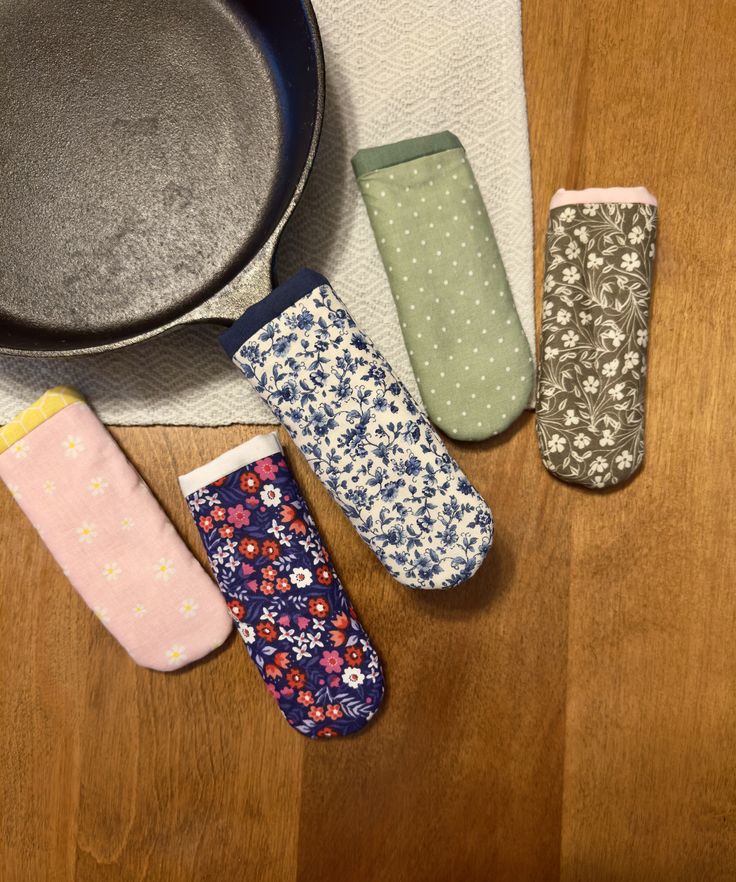
Pot handle covers sound simple, but the materials matter more than the sewing here.
The sewing is basic: measure the handle, cut a shaped cover, and sew it so it fits snugly.
The hard part is choosing materials that can handle heat.
Ordinary cotton alone may not protect your hand well enough, so look for insulating, heat-resistant materials made for this use, and follow the maker’s instructions.
A cover has to be designed and tested for how it will be used, because no homemade cover is automatically heat-safe.
Never use one that is damp, scorched, or damaged, or that does not suit the pot, and keep fabric away from open flames.
Check that the cover fits the handle firmly and does not slip.
If you cannot confirm your materials are suitable, treat this as practice, not something to sell.
20. Oven Rack Guards
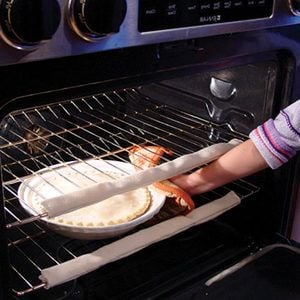
Oven rack guards are the trickiest idea on this list, not because of the sewing but because of safety.
A fabric sleeve is only suitable while the rack is cool and out of the oven, such as in storage, where it can prevent scratches and keep leftover grease off other things.
You measure the rack bars, cut a simple sleeve, and sew it to fit snugly.
Ordinary fabric is not safe in a hot or running oven.
Take every guard off before heating, and never let fabric touch hot oven surfaces.
Write the intended use clearly in any instructions.
Sizing and storage matter too, so check that the sleeve fits the rack and can be tucked away easily.
If you cannot make the product safely for one clear use, rethink the design before you sell it or give it away.
Final Thoughts
Useful sewing projects do not need complicated patterns or advanced techniques.
As this list shows, simple sewing projects you can make without advanced skills can range from cozy pillows and playful toys to handy storage and home items.
Pick the idea that matches your skills, your materials, and what you would enjoy making.
Careful measuring, neat seams, and thoughtful finishing can make even a basic item look polished, and the projects with safety notes deserve extra care before anyone uses them.
Choose just one project this week, take your time, and let it teach you something new.
Each finished piece builds confidence, and that confidence makes the next idea feel less scary.