Sewing is fun, but it feels even better when it pays you back. The trick is choosing profitable sewing projects to make and sell, the kind people really want to buy, instead of ones that just sit on a shelf.
I get it. Nobody wants to spend hours on a project and end up with no buyer.
That is why every idea in this list was picked for steady demand, easy-to-find materials, and buyers who come back for more.
If you want even more options after this, you can also read our list of 30 best things to sew and sell for extra cash.
Inside, you will find 31 ideas, from bags and hats to bedding and kids’ items.
Each one comes with a simple tip to help you sell it better.
Pick two or three that suit your skill level and start there. First, let’s look at what makes a sewing project worth selling.
How to Choose Sewing Projects That Actually Sell (and Why These 31 Made the List)
Let’s be honest: a project can look lovely and still never sell.
Profit depends on a few quiet things, and they matter more than how pretty the finished piece is.
Here is what I looked for when picking these profitable sewing projects to make and sell:
- Steady demand. People need it, use it often, or give it as a gift.
- Reasonable cost. The fabric and supplies should not eat your earnings.
- Repeat buyers. A happy customer should want a second one or tell a friend.
- Room to personalize. Names, colors, and sizes let you charge a little more.
Every idea below checks most of these boxes, so you can pick what suits your skills and your free time without guessing.
A bag might fit your busy week, while a quilt might suit a slower one.
Choose what you would enjoy making, because that is the project you will keep making.
Repeat sales are where profitable sewing projects to make and sell really pay off, so pick the ones you will not get tired of making.
Profitable Sewing Projects to Make and Sell
1. Crossbody Bags
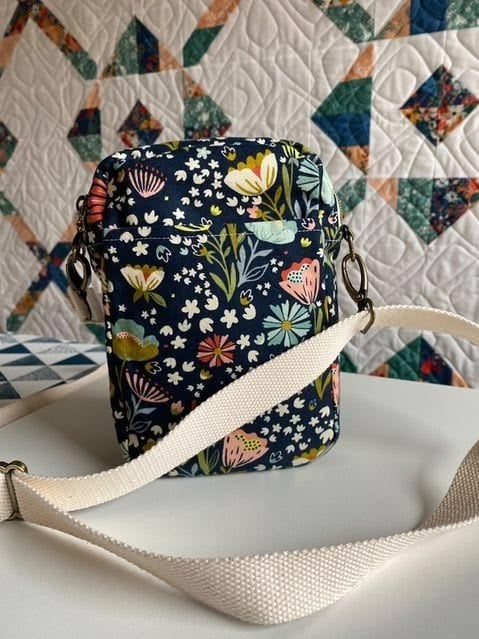
Some items sell because they are useful. Crossbody bags sell because they are useful and people love wearing them.
People want to carry their phone, keys, and small things without holding a big bag all day.
A crossbody bag keeps their hands free, and it goes with almost any outfit, so buyers often come back for a second or third one in a different color.
You can make one with small pieces of fabric, so leftover cuts get put to good use.
Once you learn one pattern, you can change the size, strap, or fabric and have a new style in no time.
Sell it smarter: Sell them in matching color sets, or let buyers pick the fabric and strap color. A small personal choice makes a bag feel special, and that is what lets you charge more.
2. Bucket Hats
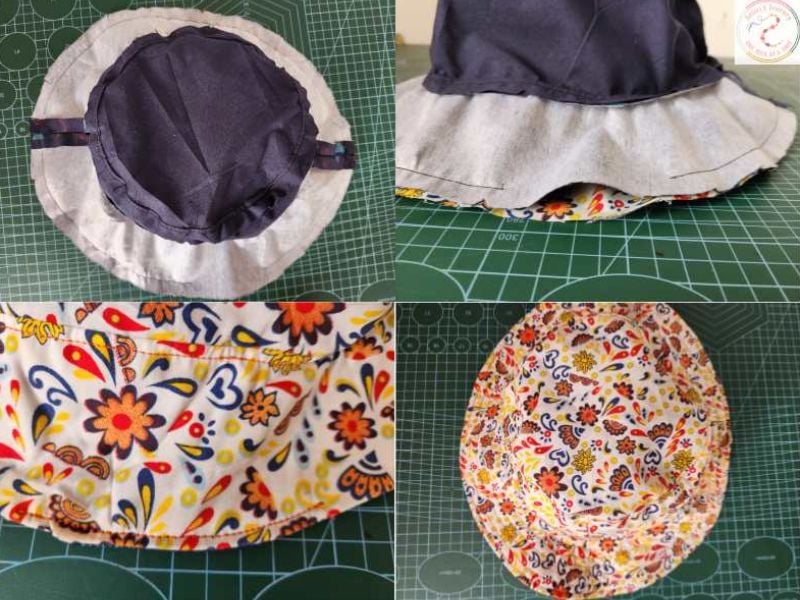
Ever notice how many people reach for a bucket hat the moment the sun gets strong?
It is the kind of accessory people buy on impulse, because it is easy to try on and easy to love.
Parents buy them for kids, friends buy them as gifts, and many buyers keep two or three around for different moods.
It is a small project, so it uses very little fabric, and the sewing goes fast once you have cut a few.
That makes it one of the more relaxed profitable sewing projects to make and sell when your time is short.
Sell it smarter: Make them reversible, so one hat gives the buyer two looks. People happily pay a little more when they feel they are getting two for one. Offer a kids’ size next to the adult one and you have doubled your buyers without much extra work.
3. Belt Bags
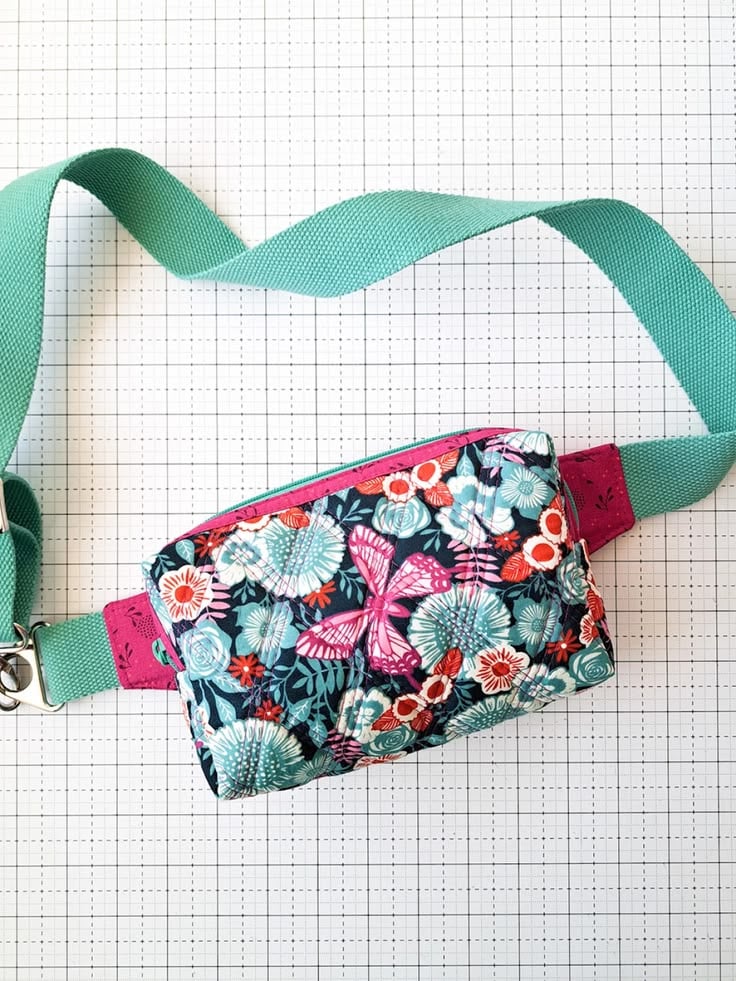
Hands free is a selling point all on its own, and belt bags give people exactly that.
Walkers, travelers, parents at the playground, and people who just dislike carrying a bag all pick them up.
A belt bag holds the small stuff close and stays out of the way, which is why buyers love wearing one for errands and trips.
Think of it as the bag people forget they are wearing until someone asks where they got it.
It also takes only a little fabric, so you can sew a few from one cut and have stock ready for a weekend.
Once the pattern feels easy, each bag takes less time than the last.
Sell it smarter: Offer a choice of strap colors, or add a slim matching keychain. Small add-ons are cheap for you to make, and buyers feel they got a full set.
4. Diaper Bags
Ask any new parent what they wish they had more of, and sleep comes first. Pockets come a close second.
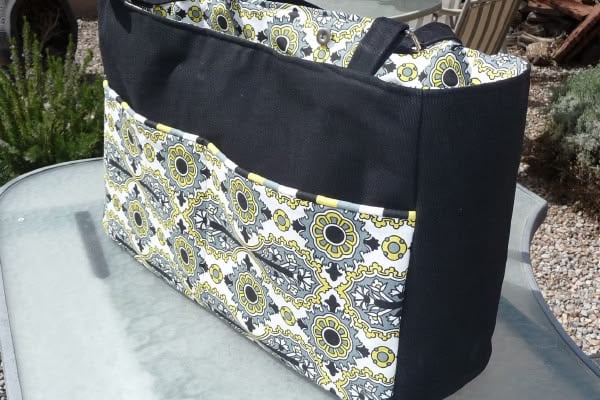
A diaper bag has to carry bottles, wipes, spare clothes, and a toy or two, and parents are picky about it because they use it every single day.
When they find one that works, they tell other parents, and that word of mouth is worth a lot to a small seller.
It is a bigger sew than a small pouch, so give yourself an afternoon.
Roomy pockets and sturdy straps matter more than fancy details.
The price you can ask is higher, so the time pays you back.
Sell it smarter: Pair it with a changing mat or a small pouch and call it a gift set. Baby shower shoppers love buying one thing that feels complete. Post it in parenting groups around baby shower season.
5. Weekender Bags
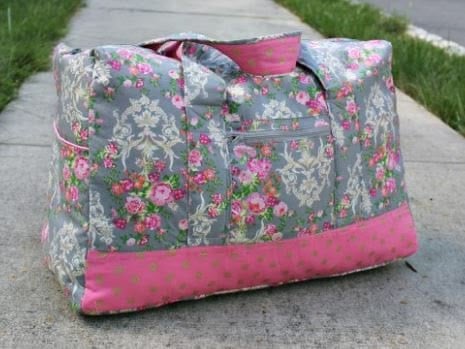
Picture a Friday evening, a packed bag by the door, and a short trip waiting.
That bag is the one thing they want to look good and hold up well.
Weekender bags sell well because buyers use them again and again, for trips, gym days, and nights at a friend’s house.
They are bigger, so they bring in more money per sale than most small items, which makes them a smart pick among profitable sewing projects to make and sell.
You will use more fabric and some sturdy thread, but you will only need to make a few to see a good return.
Take your time with the handles, since buyers always test them first.
Sell it smarter: Add a name or initials, either stitched or on a small tag. Personal bags make easy gifts for graduations, weddings, and birthdays.
6. Kids’ Backpacks
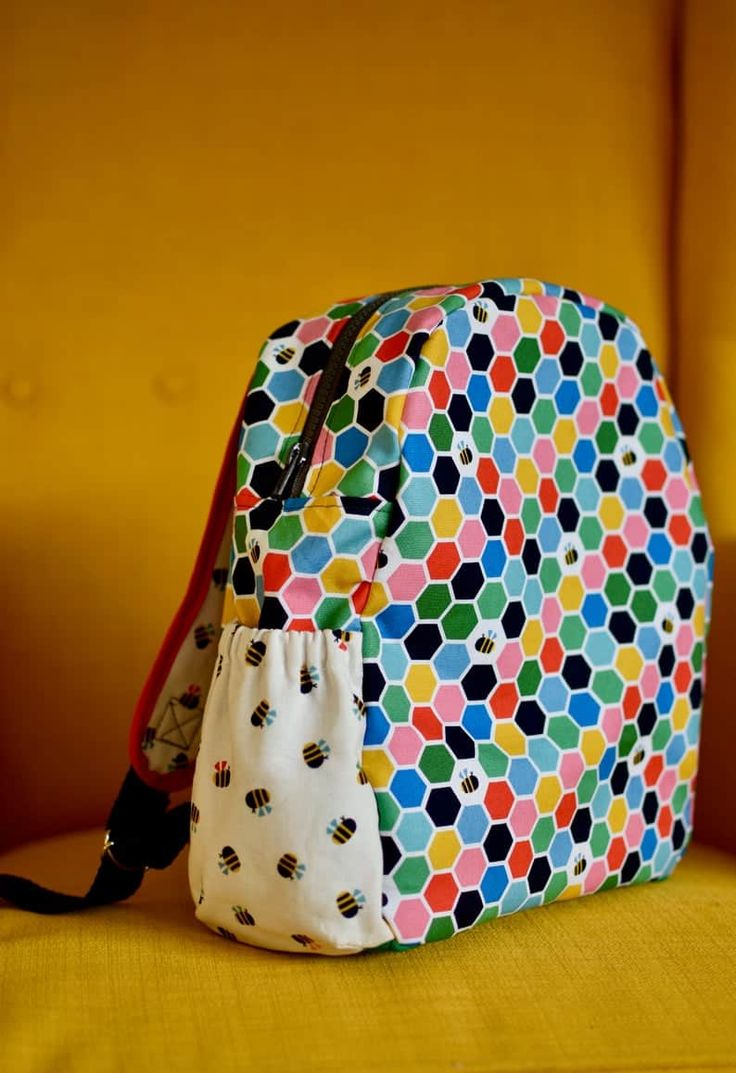
You know that first-day-of-school photo every parent takes? The backpack is the star of it.
Kids care a lot about what they carry, and parents care that it lasts the whole year.
A backpack that satisfies both is a hard find in stores, which leaves room for your own.
Little ones also use them for sleepovers and trips to grandma’s, so the bag stays busy all year.
The size is small, so it uses less fabric than adult bags, and a sturdy zipper and strong straps do most of the work. Make a few in cheerful fabrics before the school season and you will have stock ready when parents start shopping.
Sell it smarter: Offer a matching lunch bag or pencil pouch to go with it. Parents like grabbing everything in one go, and your sales add up faster.
7. Insulated Lunch Bags
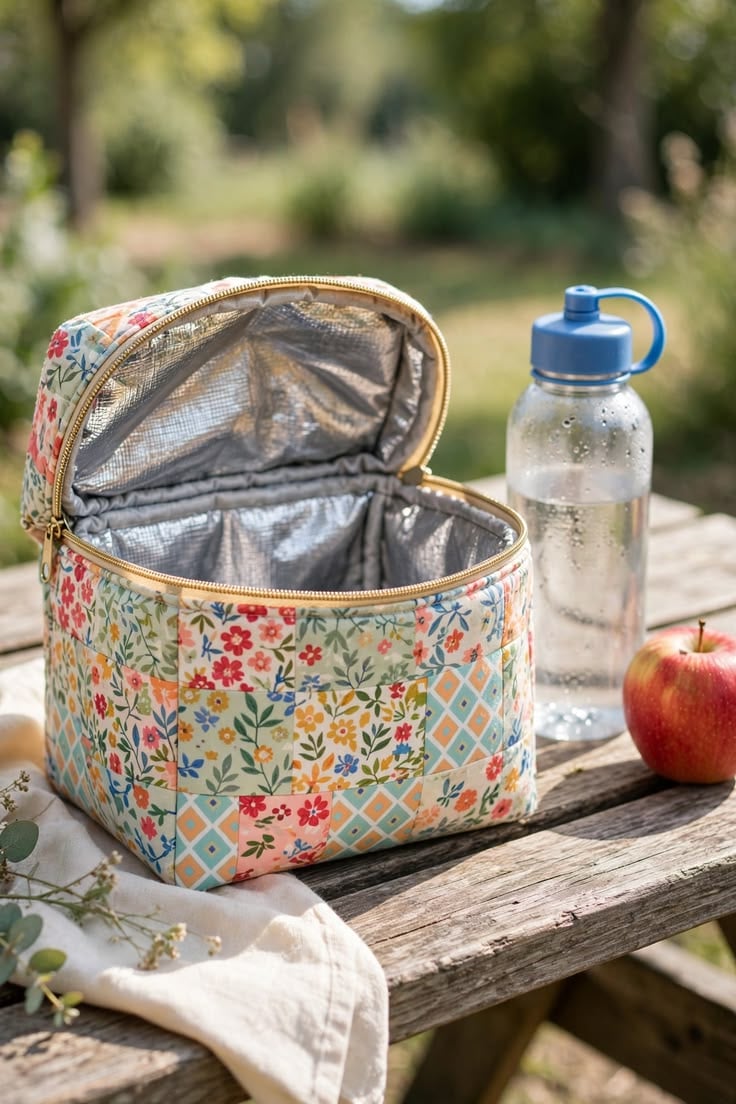
Few things get used as often as a lunch bag, five days a week, week after week.
It goes to school, work, picnics, and long drives, so buyers notice quickly when one is good.
Insulated fabric keeps food cool and lunch fresh, and people happily pay for a bag that does its job.
Parents especially love a bag that survives a full term of squashed sandwiches and swinging straps.
Reliable bags also get reordered when the first one wears out.
It is a quick sew with a simple shape, so you can finish several in one sitting.
Small food stains happen, so choose fabric that wipes clean easily.
Sell it smarter: Make them in pairs, one for an adult and one for a child. Families like buying for everyone at once, and your order size grows. Add a name tag loop for school days.
8. Lap Quilts
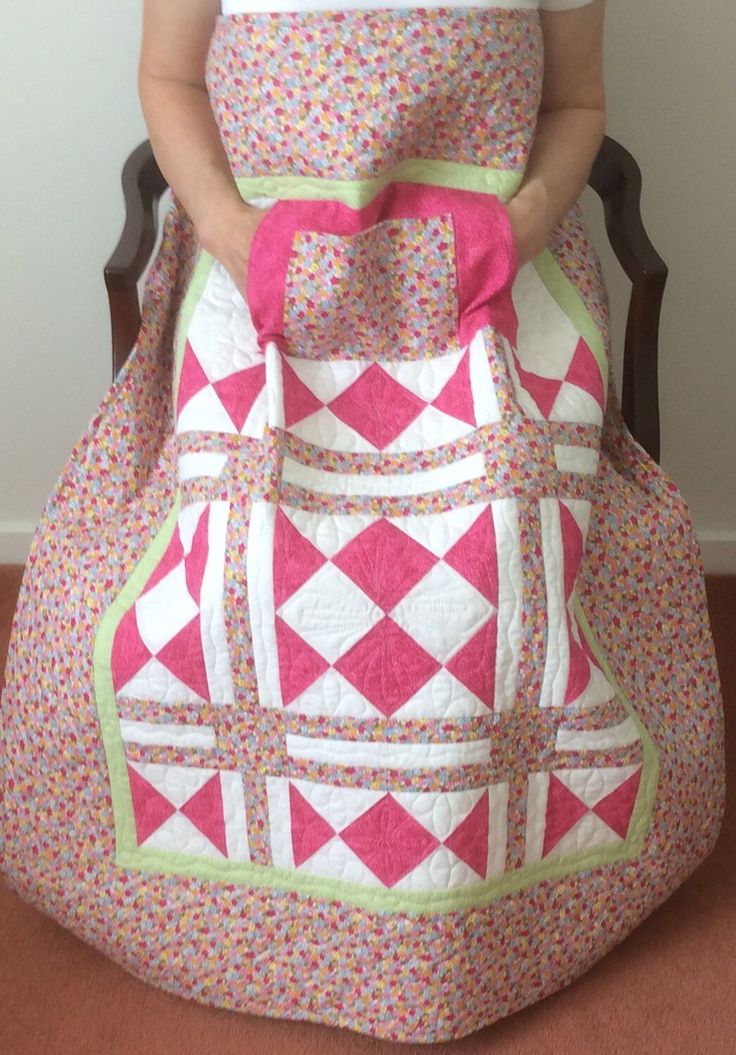
Nothing says slow evening quite like a quilt across your knees.
Lap quilts sell because they feel personal, and buyers know a handmade one is not something they can pick up at a big store.
People buy them for themselves, for new babies, for older relatives, and as thank-you gifts.
A quilt also gets better with use, which makes buyers feel good about keeping it for years.
They are smaller than bed quilts, so they take far less time and fabric.
If you like calm, steady sewing, they are one of the more rewarding profitable sewing projects to make and sell.
Scraps from other projects find a happy home here too.
Sell it smarter: Tell the story of the fabric in a short note on the tag. Buyers love knowing where something came from, and that story is what sets your quilt apart.
9. Curtains
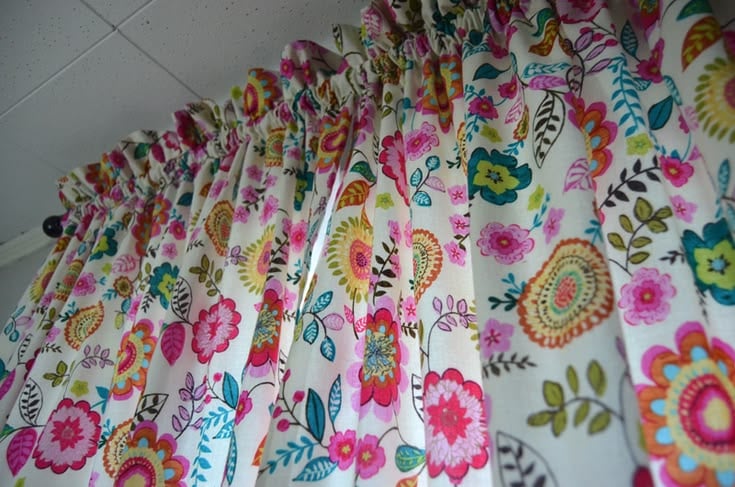
Walk into any home and the windows tell you quickly if they were an afterthought.
Standard curtains rarely fit odd windows, and that is where you come in.
Buyers hunt for custom lengths and fabrics that match a room, and they will pay for a fit that looks right.
Small curtains for kitchens and kids’ rooms also sell well, and they are quick to finish.
Curtains are mostly long straight seams, so they suit sewers who like steady, relaxed work more than tricky shaping.
One bolt of fabric can turn into several pairs. Lined ones feel richer and cost only a little more to make.
Sell it smarter: Work with local people who rent or stage homes, like landlords and small shops. One happy customer there can bring repeat orders for every window they own. Hang one in your photos so buyers can picture it at home.
10. Satin Pillowcases
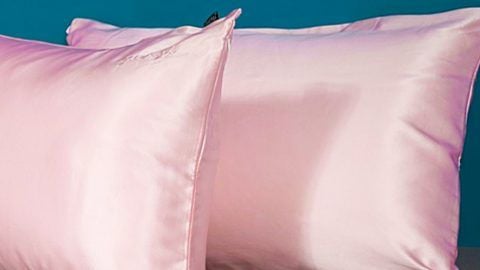
People who try a satin pillowcase rarely go back to cotton.
It feels smooth, and many people like how it treats their hair in the morning.
It also makes an ordinary night feel a little nicer.
That is a lot of value for something that is only a flat rectangle with a simple envelope closing.
You can sew a pair in a short time, and the cost of satin is low enough to leave you a healthy profit.
Buyers also tend to order again, because one case is never enough when the other is in the wash.
Pick a satin that feels smooth on your own hand first, since buyers will do the same test.
Sell it smarter: Fold each pair neatly and tie it with a ribbon. They are gift ready, and gift buyers do not mind paying for something that already looks wrapped. Keep a few neutral shades and a few bold ones on hand.
11. Hair Bonnets
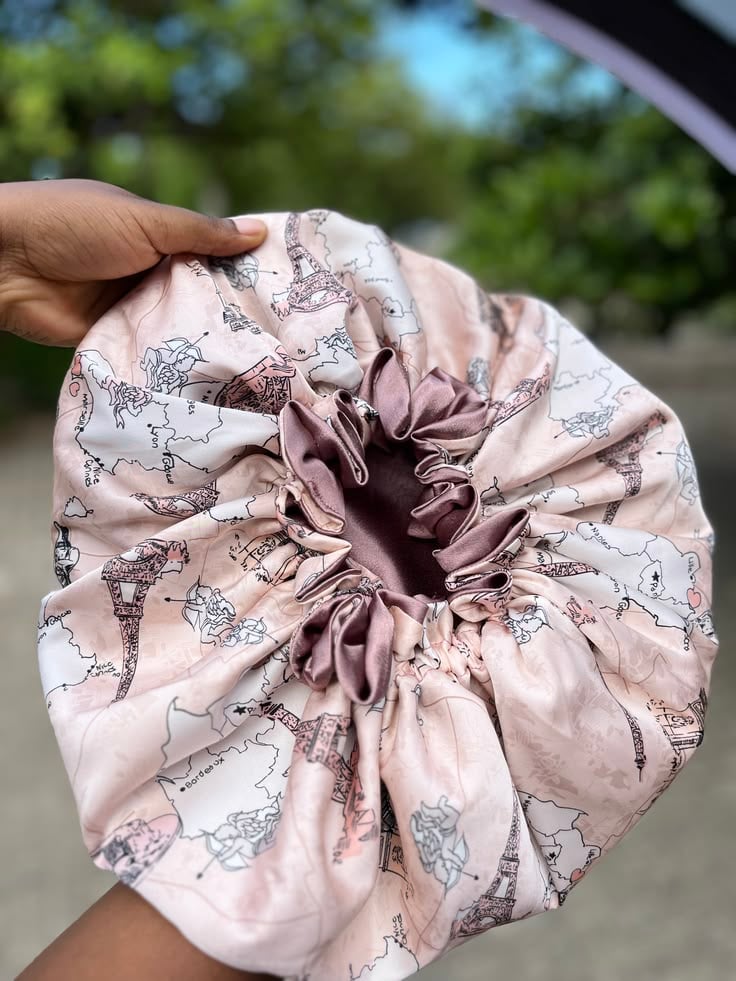
Friends who wear a bonnet to bed will tell you it is not optional.
For many people it is part of a nightly routine, so they care about fit, softness, and how it looks.
That care is your chance, because a bonnet that stays on all night is something buyers never forget.
People often buy several at once, since one in the wash can mean a rough night.
Bonnets are small, quick to sew, and made from fabric that costs very little, so your profit margin stays happy.
Elastic and a roomy shape do most of the work.
Sell it smarter: Offer a few sizes and a choice of band styles, and say so clearly in your listing. Buyers who find a good fit become your most loyal customers. Fun prints sell nicely next to plain colors.
12. Children’s Dresses
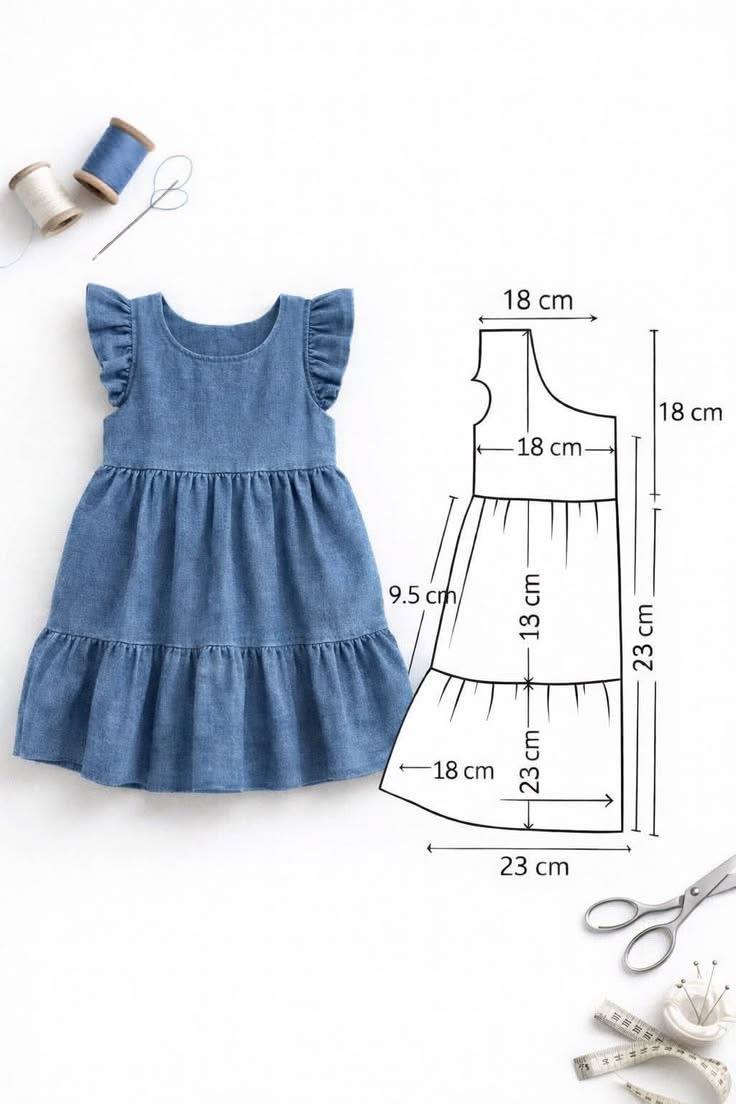
Little kids outgrow clothes faster than their parents can keep up.
That means there is always another size to buy and another season to dress them for.
Handmade children’s dresses stand out because the fabrics feel soft and the fit feels thought through.
Parents also love a dress that works for a party, a photo day, and a regular Tuesday.
Dresses make easy gifts for birthdays too.
It is one of the steadier profitable sewing projects to make and sell, because the demand never really stops.
Small patterns use little fabric, so you can make several from one cut.
Check that buttons and trims are sewn on firmly, and keep tiny parts off dresses for babies.
Sell it smarter: Pair a dress with a matching hair bow or small bag. Parents love a coordinated look, and add-ons cost you very little.
13. Pajama Pants
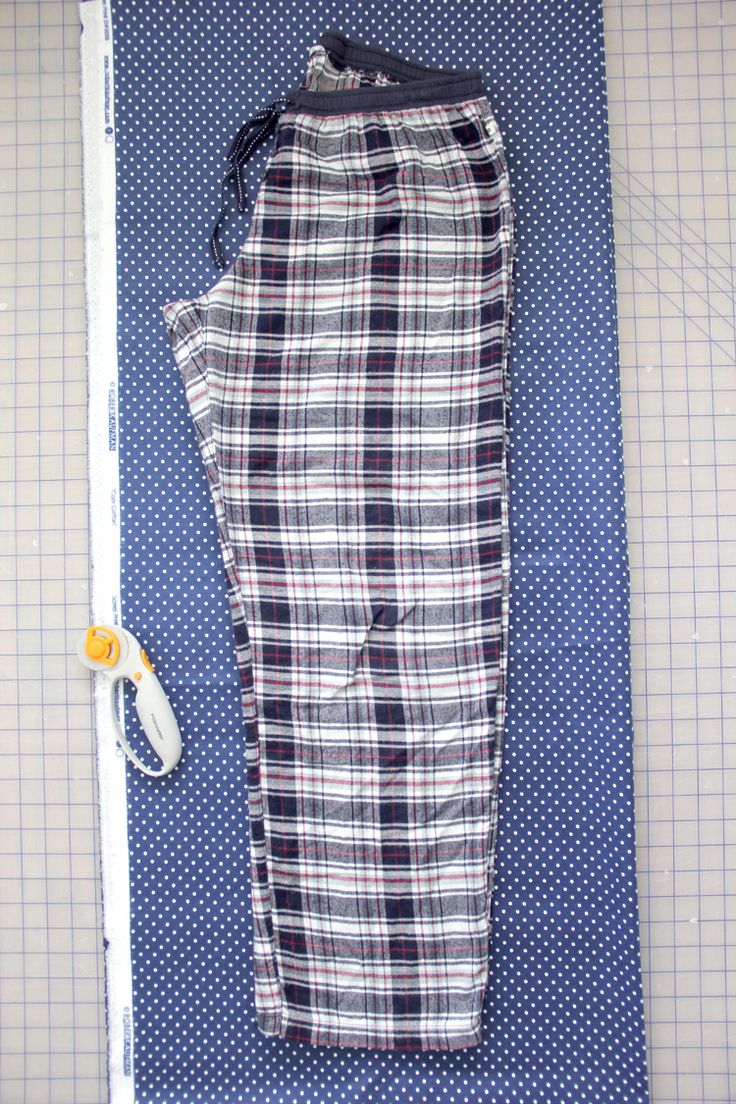
Comfort sells, and pajama pants are comfort in its simplest form.
Buyers like soft fabric and fun patterns they would never see on a store rack.
They make easy gifts for friends, teens, and anyone who loves staying in.
Flannel and soft cotton are friendly to cut and warm to wear.
The pattern is straightforward, with few pieces and a simple waist, so even newer sewers finish a pair without stress.
Once you have the steps down, you can sew a few pairs in one session.
If you plan to sell for kids, check the rules on children’s sleepwear where you live, since some places ask for specific labels or fabrics.
Sell it smarter: Make matching pairs for families or couples around holiday time. People love matching sets, and they will buy more than one pair at once. Add a drawstring in a fun color for a small detail buyers remember.
14. Scrub Caps
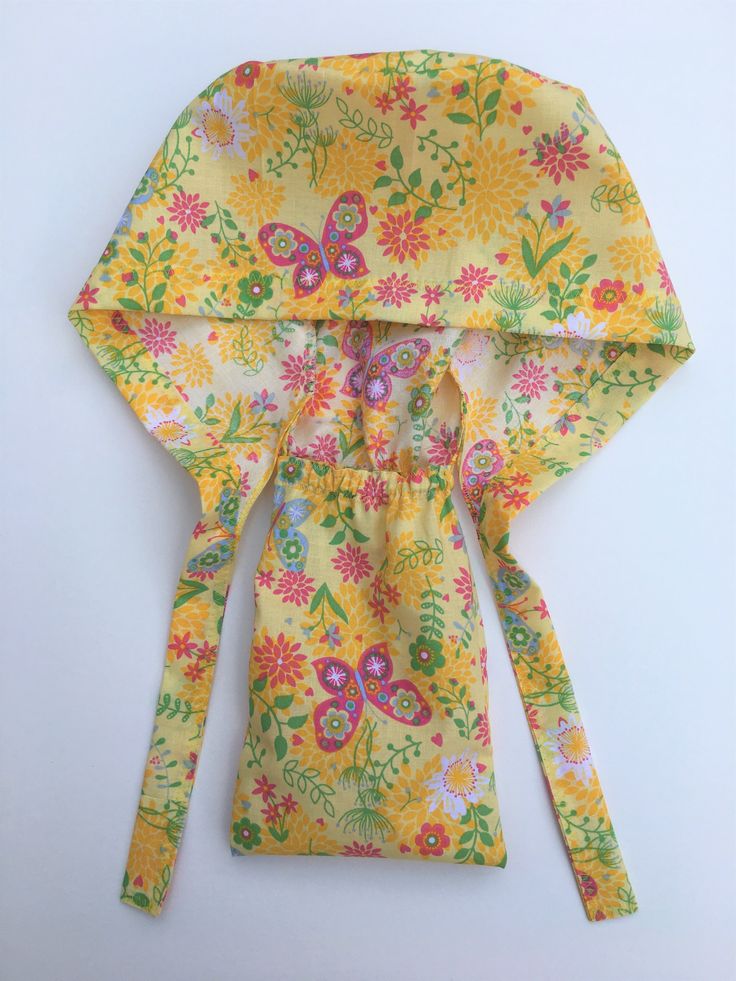
A long shift leaves no time to fix a cap that keeps slipping.
Nurses, vets, and other busy workers want a cap that stays in place and still feels like them.
That is why handmade caps do so well, since people love wearing something with a little personality at work.
Cotton is breathable and easy to wash, which matters when a cap gets used all week.
The pieces are small, so you can use fabric ends from other projects and keep costs low.
Ties or elastic in the back help with fit, and a few size options help even more.
Make a few themed ones for holidays and watch them sell fast.
Sell it smarter: Go where the wearers are, like nursing students and small clinics. A friendly message to a group can bring in several orders at once.
15. Garment Bags
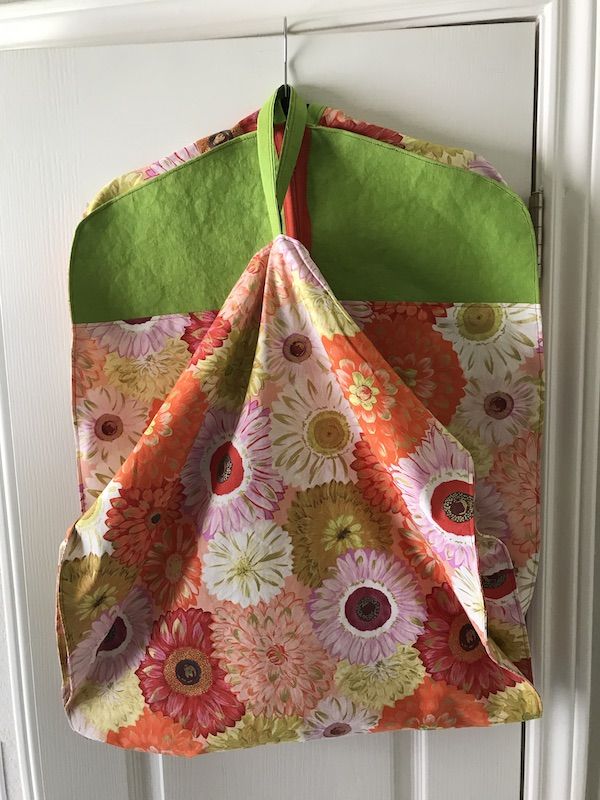
Hanging a nice outfit in the closet for months is easy. Getting it to a wedding without a wrinkle is the hard part.
A good garment bag solves that, and people notice the difference right away.
Buyers include brides, travelers, and anyone with a suit or dress that matters to them.
They also use them for storing special pieces, which means your bag keeps working after the trip is over.
It is a long, simple shape, so the sewing is calm and the pattern repeats easily.
Sturdy zippers and a strong hanger opening matter most, so spend your care there.
Heavier fabric also keeps dust out of what is inside.
Sell it smarter: Give it a small outside pocket and a clear name window, then pitch it as a gift for wedding parties. Several people in one group can order at once.
16. Nursing Covers
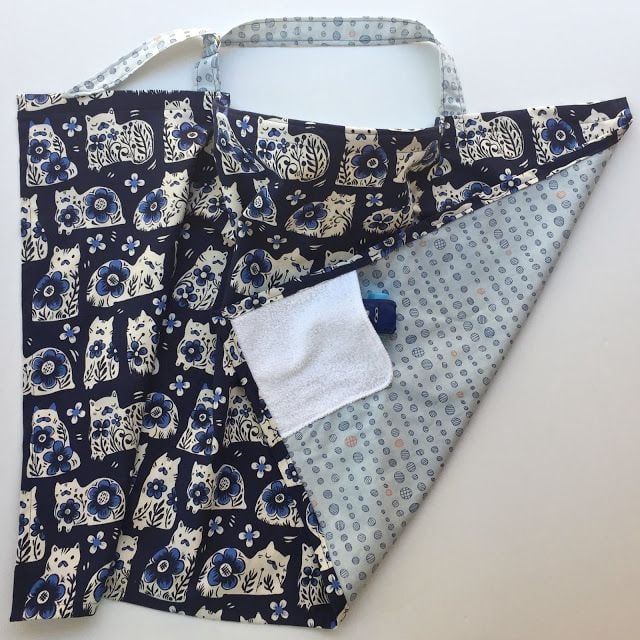
New moms learn fast that feeling comfortable in public comes down to small things.
A nursing cover is one of them, and moms want it soft, light, and easy to put on with one hand.
That is a clear need, and a clear need is easier to sell than a nice-to-have.
Moms also pass on good finds to other moms, so your name travels.
Because the shape is simple, you can make one with a modest amount of breathable fabric and a sturdy strap.
Pick fabric that feels gentle on skin and holds its shape after many washes.
Fun prints make it feel like a gift, and many people buy them for baby showers.
Sell it smarter: Bundle it with a burp cloth or a small pouch. Baby shower shoppers like giving one neat set instead of picking separate items.
17. Reusable Cloth Pads
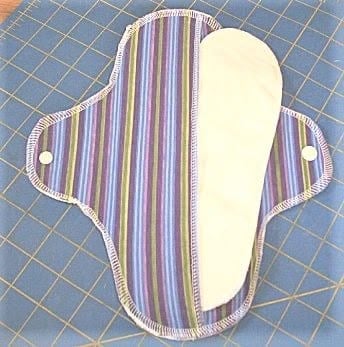
Many people are tired of buying the same box every month.
Reusable cloth pads give them a softer option that saves money over time, and they like supporting a maker who understands that.
Buyers tend to be loyal and talkative, so a pad that works well spreads through friend groups quickly.
Absorbent layers and a snug closure matter most, so take your time testing a few before you sell.
Use soft, breathable fabrics that feel good on skin and hold up in the wash, and test every sample yourself first.
It is one of the quieter profitable sewing projects to make and sell, and it rewards makers who care about quality.
Sell it smarter: Put together trial sets in a few sizes with clear care notes. Buyers feel safer trying something new when the instructions are simple and the sizes are covered.
18. Yoga Mat Bags
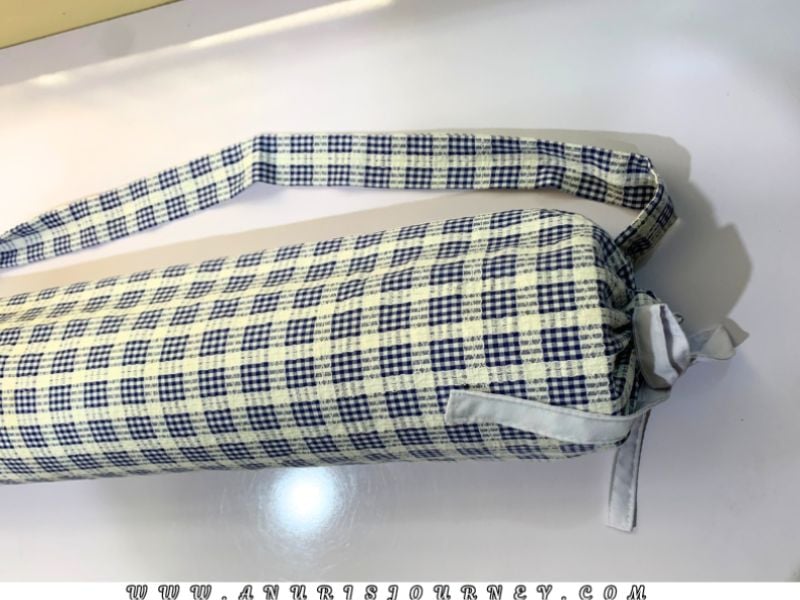
Mat under one arm, gym bag on the shoulder, coffee in hand: that walk across the parking lot is rough.
Yoga mat bags make that walk easier, and people who practice often like gear that matches their style.
Because mats are common, buyers are easy to find, from classes to home practice.
It is a tube shape with a strap, so it is one of the easier bags to sew and a good one to batch.
A few simple pockets for keys and a towel make it feel thought through.
Strong stitching on the strap matters most, since that is the part that works hardest.
Sell it smarter: Visit local studios and ask to leave a few on display. Teachers and students see them in person, and a bag people can touch sells faster than a photo.
19. Pet Beds
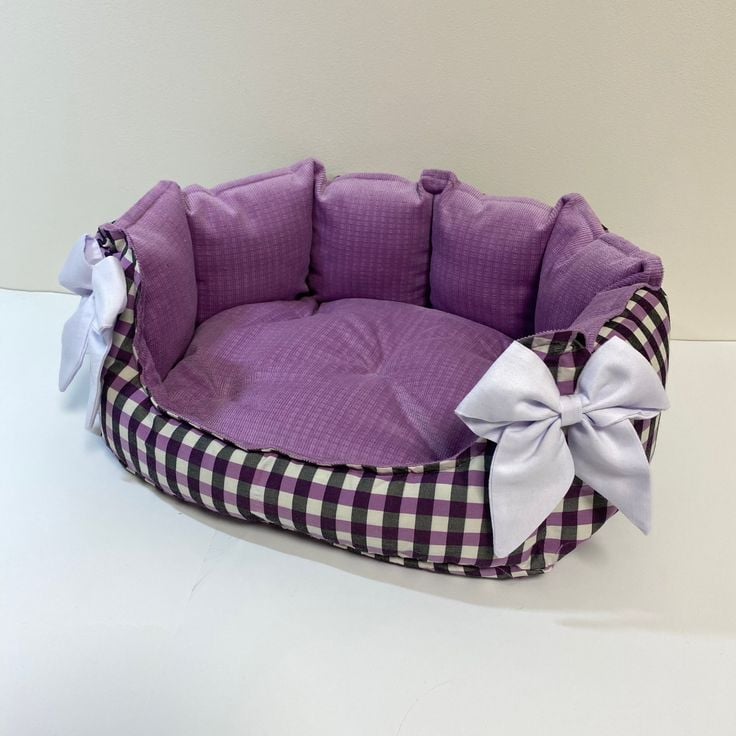
Pets are family to a lot of people, and family deserves a good place to nap.
Owners spend happily on their pets, often more easily than on themselves.
A handmade pet bed lets them pick a size and style that suits their animal and their living room.
Fabric that is tough and easy to wash earns repeat buyers, because the first bed usually gets plenty of use.
The sewing is simple, mostly squares and soft filling, and scrap fabric can find a second life here.
Washable covers help a lot, since pets are not always tidy.
A cat bed and a dog bed in the same style looks great as a pair in photos.
Sell it smarter: Name your sizes small, medium, and large, and say clearly who each one fits. Buyers are often unsure what fits their pet, so clear sizes take away the guesswork.
20. Knitting Project Bags
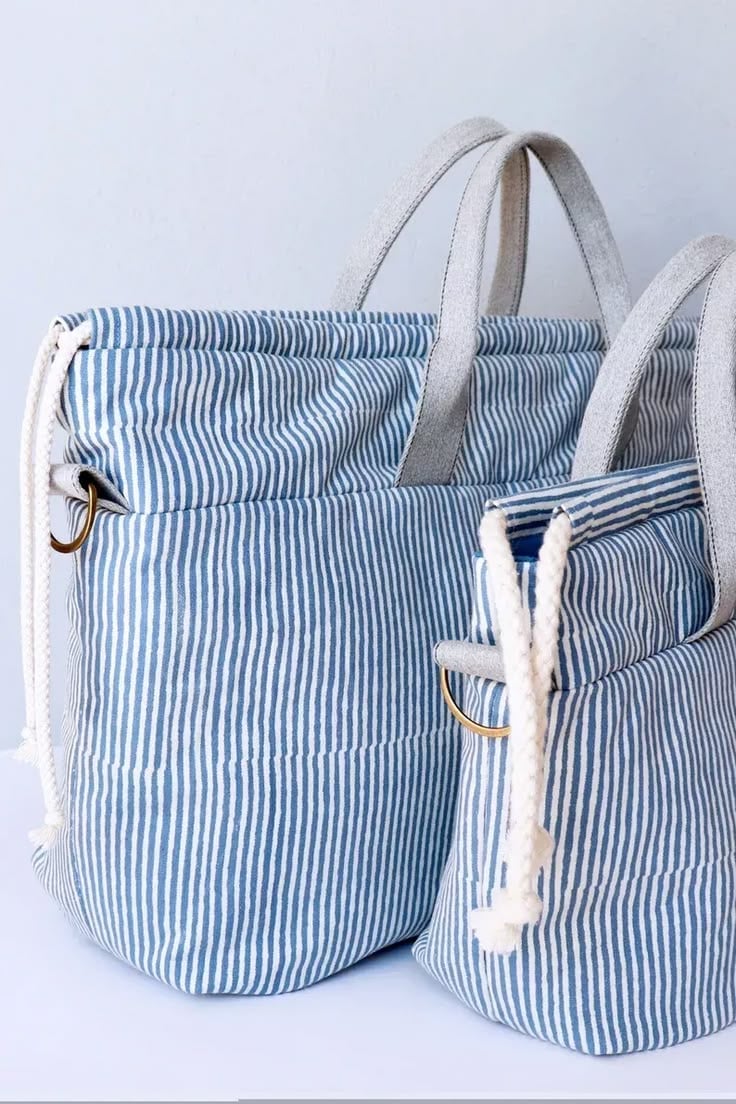
Anyone who knits has at least one unfinished project tucked in a bag somewhere.
Project bags keep yarn clean, tangle free, and ready to grab, and knitters love them as much as the yarn itself.
The knitting world is friendly and chatty, so a good bag gets noticed at groups and gatherings.
Crocheters and cross-stitchers need them too, so your audience is bigger than it looks.
They are drawstring or zip pouches in a few sizes, so you can sew them quickly with leftover fabric.
A fun print makes a bag feel like a treat, and a small loop inside for scissors makes buyers smile.
Sell it smarter: Take them to yarn shops and craft groups, where your buyers already gather. A small stack by the counter can turn into a regular order. Tuck a skein of yarn inside one for a ready present.
21. Packing Cubes
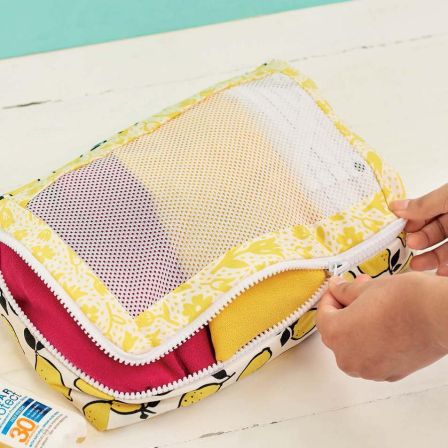
Packing goes smoother when every sock has a home.
Packing cubes keep clothes tidy and easy to find, and frequent travelers buy them again and again. Students heading off to school and families packing for holidays love them too.
They are zip pouches in a few sizes, which means you can sew sets with very little fabric.
Light, breathable fabric keeps them easy to carry, and a sturdy zipper keeps them dependable.
Add a small label or clear window so buyers can find what they need fast.
Sew a few extra before travel seasons.
Sell it smarter: Put three sizes together with matching trim. Buyers like the look of a neat set, and it lets you charge more than for a single cube.
22. Jewelry Rolls
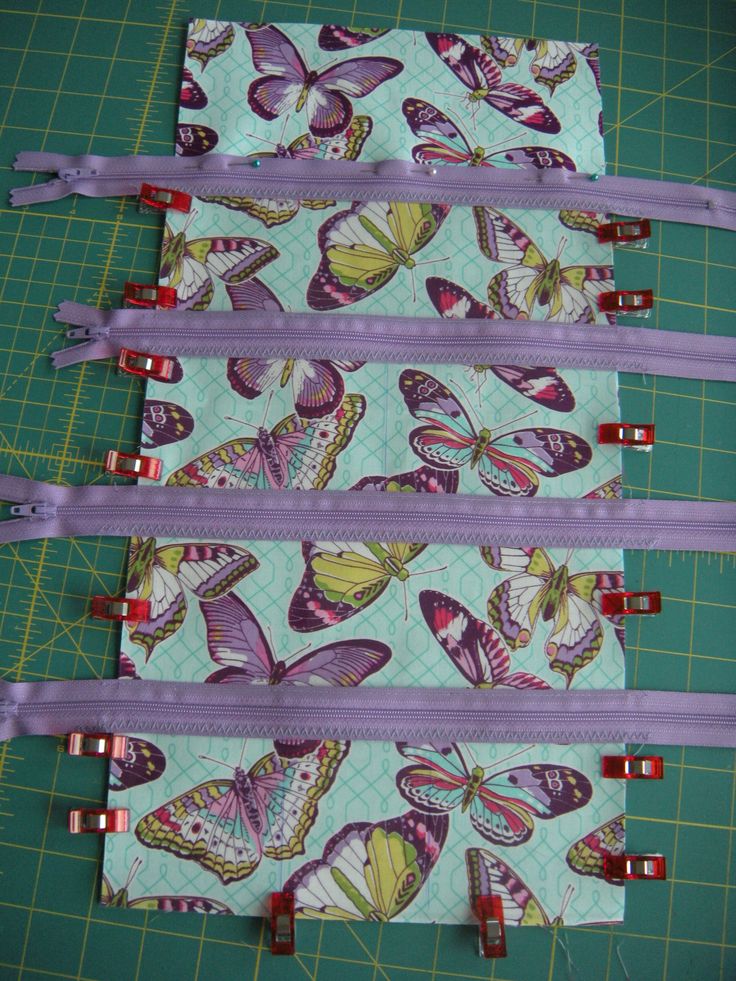
Tangled necklaces teach people to love a jewelry roll very quickly.
It rolls up small, keeps pieces apart, and fits in a bag for trips.
Buyers love it because it feels like a tiny luxury and costs less than a full jewelry box.
Soft lining protects delicate pieces, so pick something gentle on metal and stone.
A little fabric, a few pockets, and a snug tie are all you need, which is why it shows up among the quicker profitable sewing projects to make and sell.
The small size makes it easy to ship too. Photograph one open with a few pieces so buyers can picture it.
Sell it smarter: Stitch monogram initials on request. People gift jewelry rolls for weddings and graduations, and a personal touch lets you ask a better price.
23. Shoe Bags
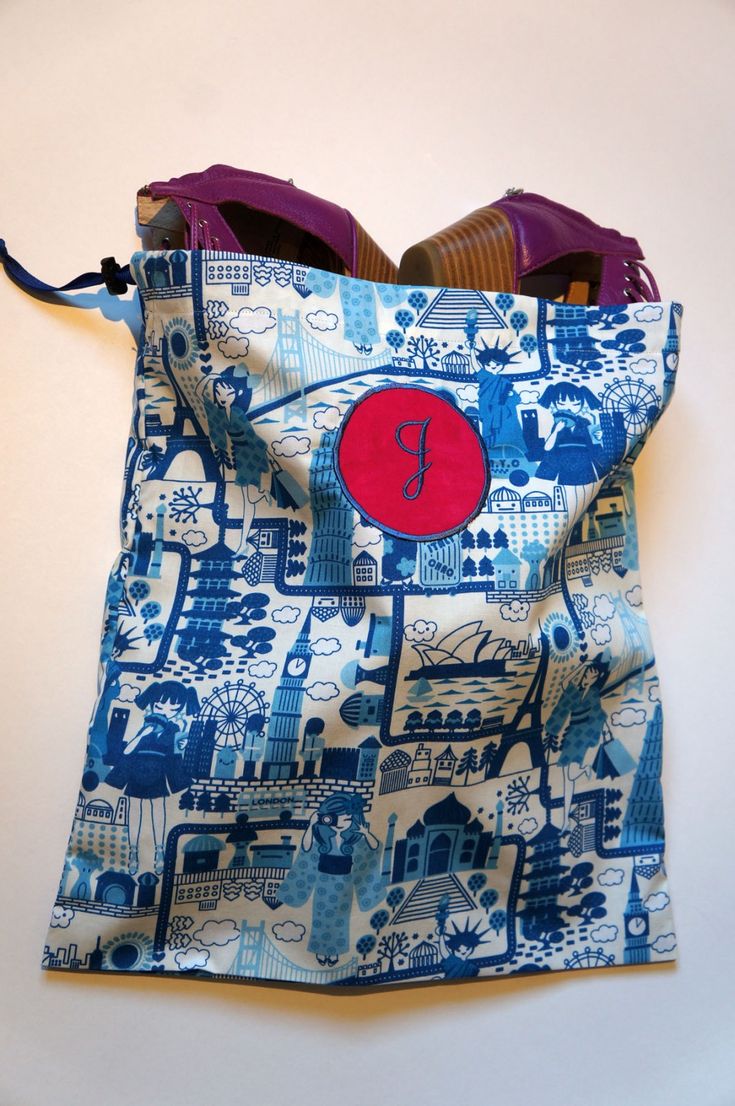
Dirty soles do not belong next to clean clothes, and travelers know it.
A shoe bag keeps the mess in one place, so the rest of the suitcase stays fresh.
Gym goers, golfers, and anyone heading to a wedding all need one. Buyers rarely stop at one.
The shape is a simple drawstring bag, so you can sew a handful in less time than a lunch break.
They also use up small pieces of fabric, which keeps your costs very low.
Strong fabric matters here, since shoes can be rough on thin cloth, and a bit of waterproof lining keeps damp soles from soaking through.
Sell it smarter: Bundle pairs or sets of three, and add a name tag. Groups love matching bags for trips, and a set looks more like a gift than a single bag. Keep a few in neutral colors for easy gifting.
24. Baby Play Mats
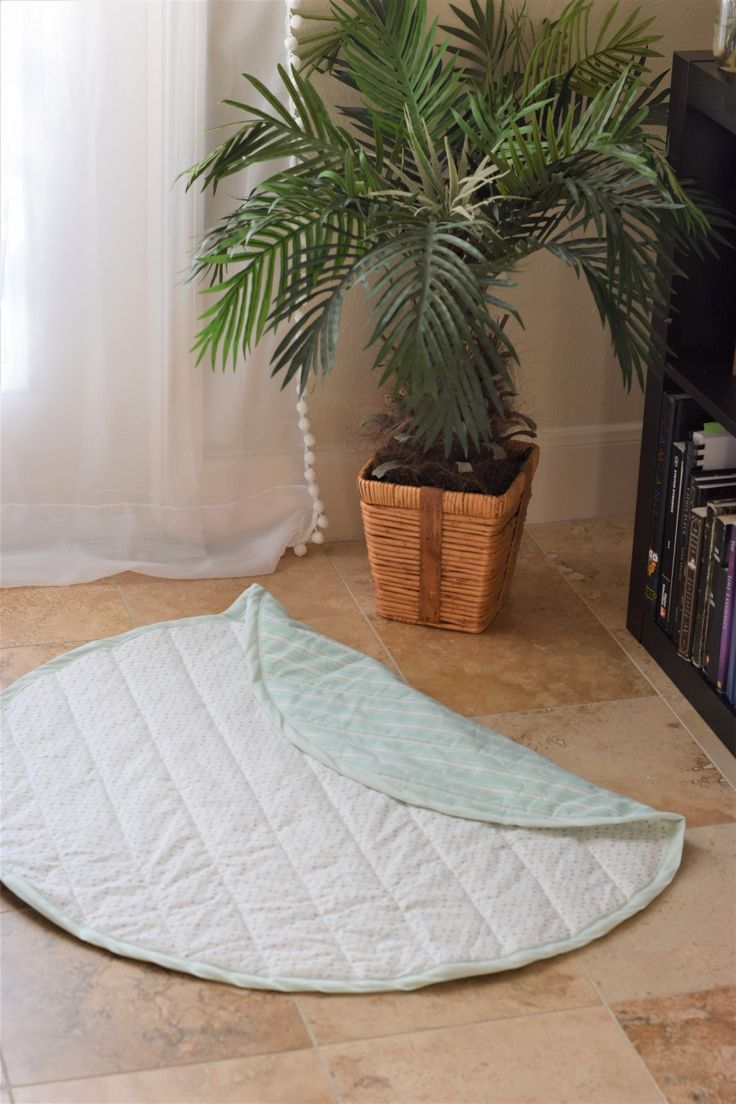
Babies spend a lot of time on the floor, and parents want that spot to feel soft and safe.
A play mat gives them a place for tummy time, naps, and first giggles.
Parents love handmade ones because they can pick colors that fit their home instead of loud plastic ones.
The sewing is mostly squares and lines, with soft padding in between, so it suits steady sewers.
Keep the surface smooth and avoid anything small that can come loose.
Pick fabrics that wash well, since messes are part of baby life, and check safety labeling rules for baby items where you sell.
Sell it smarter: Pair it with a matching blanket or small toy bag as a baby shower gift. Gift shoppers like picking something that already looks complete.
25. Hooded Towels
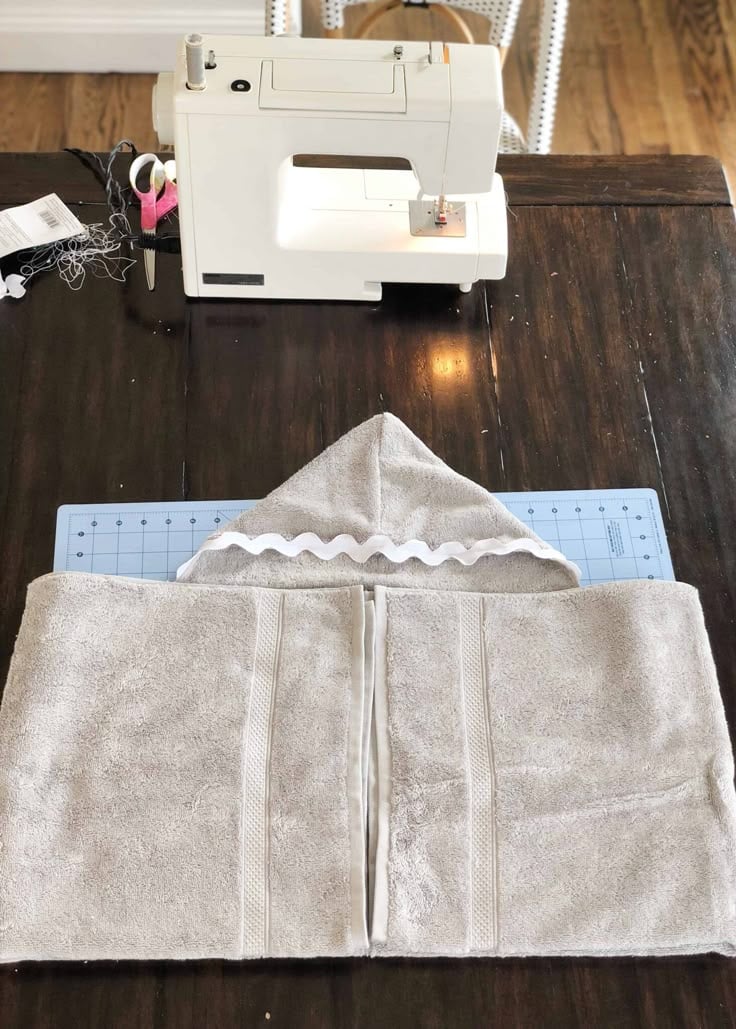
Bath time ends when the towel comes out, and most kids do not give up without a fuss.
A hooded towel makes that moment softer, since it wraps them up and keeps their head warm.
Parents love the look, and grandparents love giving them.
Kids outgrow them, which means younger siblings and new babies create fresh orders.
You only need a big square of absorbent fabric and a small hood piece, so the sewing is easy.
Soft terry or similar fabric is easy to find and gentle on little skin.
Animal ears or a simple trim make it feel playful without much extra work.
Wash your sample a few times to check that the fabric stays soft.
Sell it smarter: Put the child’s name on the hood. A name makes it a keepsake, and parents will pay more for something that is clearly made for their child.
26. Tablecloths
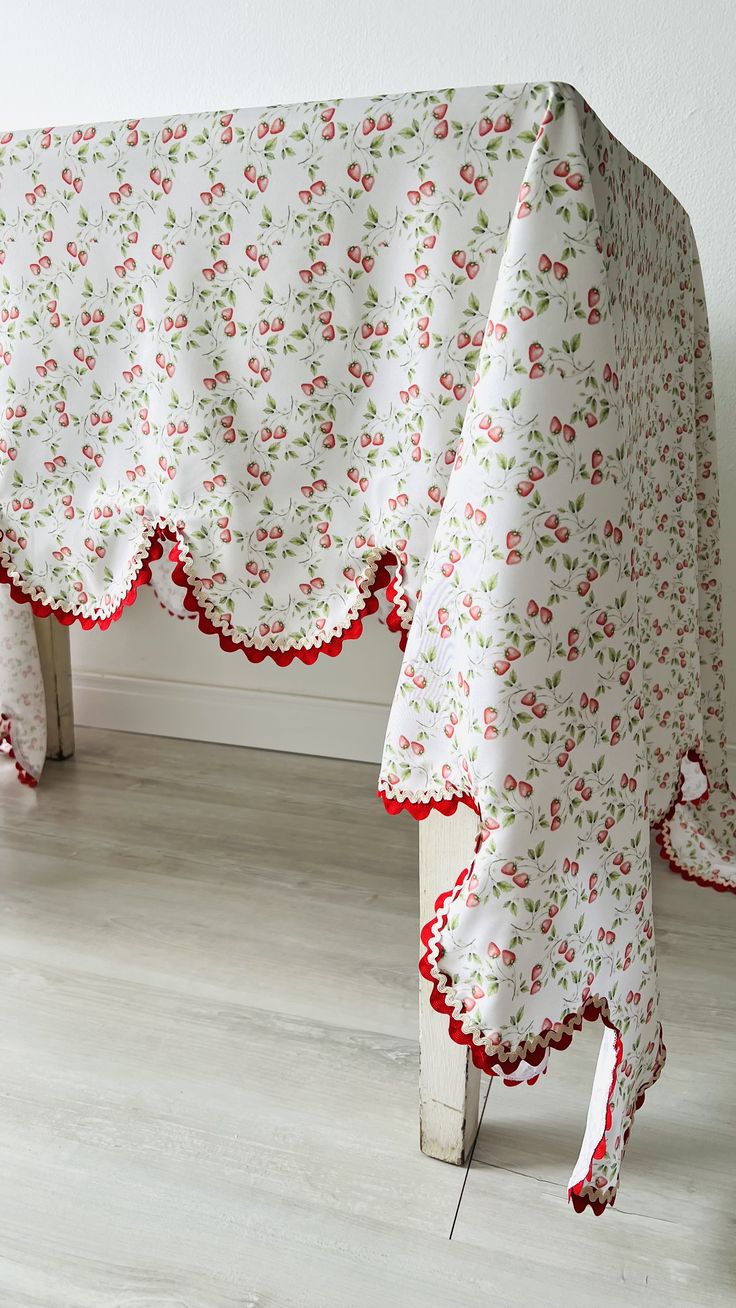
A tablecloth can turn an ordinary dinner into an occasion.
People reach for one when guests are coming, and they want it to look nice and wash easily.
Handmade ones fit odd sizes and round tables that store versions skip.
Wrinkle resistant fabric helps buyers who do not enjoy ironing, and most do not.
The sewing is mostly long straight seams and tidy hems, so it is a good fit for makers who like steady work. One length of fabric can go a long way.
Pick colors that go with many dishes so they work all year, and offer sizes for small kitchen tables and long family ones.
Sell it smarter: Make seasonal designs in the weeks before holidays. Buyers shop early for gatherings, and a small set with matching napkins lifts the price nicely. Photograph with plates and glasses so buyers can picture the table.
27. Floor Cushions
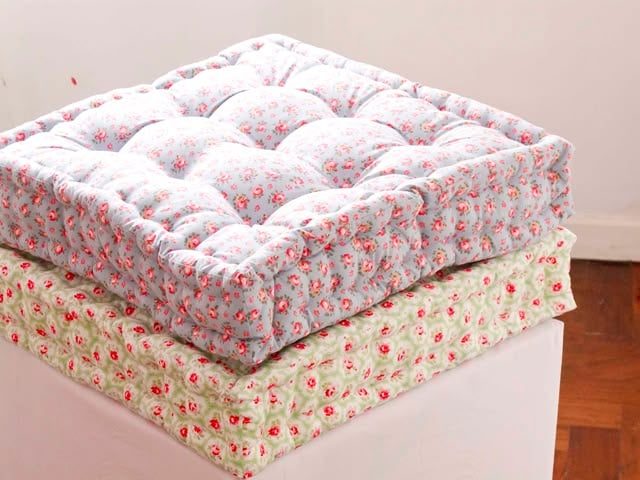
Big cushions have a way of becoming everyone’s favorite seat.
They sit in kids’ rooms, living rooms, and reading corners, and guests always claim them first.
Buyers like how relaxed they feel and how easily they move around.
Pairs sell better than singles because families like sets.
Floor cushions are among the friendlier profitable sewing projects to make and sell, because the shape is simple and the fabric choices are endless.
Strong seams and a sturdy cover matter most, since people sit, slide, and jump on them.
it well so it stays plump, and photograph it in a room so buyers see the size.
Sell it smarter: Make the covers removable and offer a few colors so buyers can switch looks. A cover is cheaper for you to sew than a whole cushion, and it keeps customers coming back.
28. Chair Seat Cushions
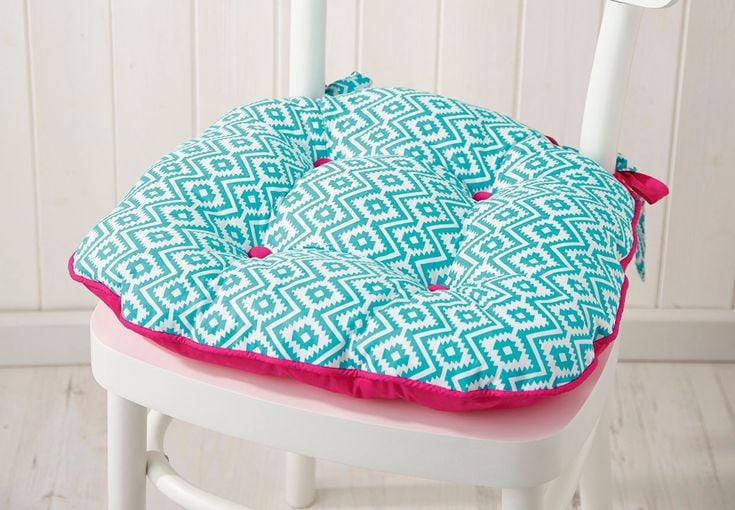
Hard chairs make long dinners feel even longer.
A seat cushion is a small fix that people notice every day.
They are bought in sets for dining tables, and a set of four or six makes each order bigger.
Small cafes may want a full set.
Ties or a snug fit keep them in place, and a fabric that wipes clean makes them easy to live with.
Since they are flat and simple, you can cut and sew many at once.
Squares and rounds are the easiest shapes, so start there, and thin foam keeps them comfortable without getting bulky.
Ask buyers for the chair width before you sew so the fit is right.
Sell it smarter: Match a buyer’s kitchen colors on request. Customers often cannot find a cushion that suits their table, and a custom set solves it.
29. Robes
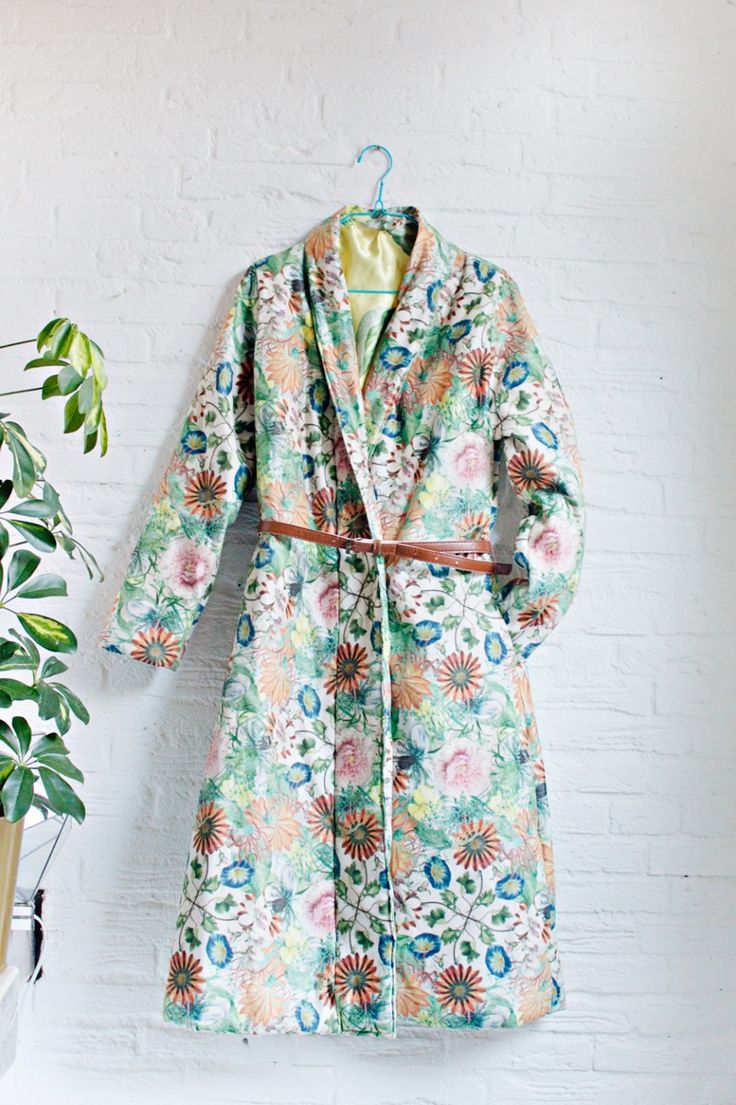
Mornings with nowhere to be call for a robe and a hot drink.
It is the first thing people reach for after a shower and the last they take off at night.
That daily use makes it something buyers care about, and handmade ones feel more special than stock ones.
Pockets are a small touch buyers always mention.
Soft fabric, roomy sleeves, and a tie belt are all you need, though the size makes it a longer sew.
The higher price pays for that extra time. Waffle weave and soft cotton are friendly to sew.
Make one in a men’s size too so you do not miss half the buyers, and if you sell children’s robes, check the rules on children’s sleepwear where you live.
Sell it smarter: Aim them at brides and bridesmaids, with names or titles on the back. Wedding groups buy several at once and plan early.
30. Duvet Covers
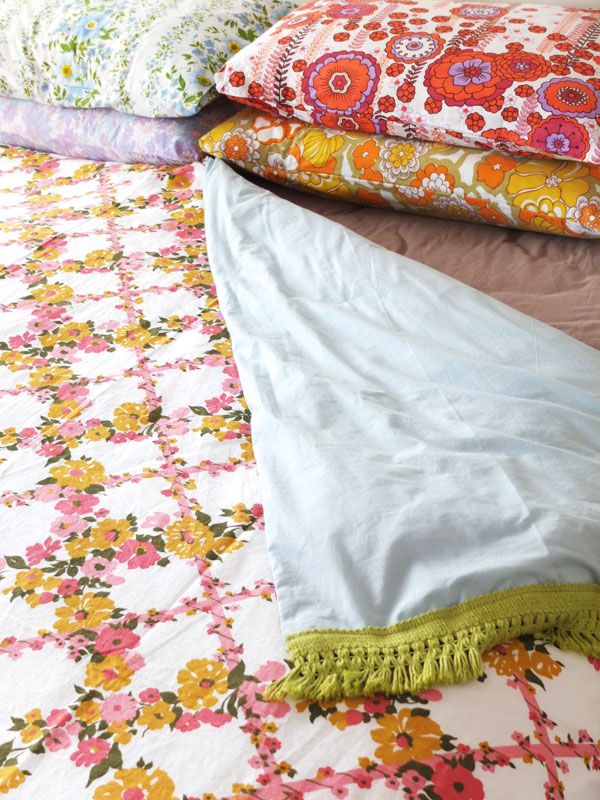
Changing a duvet cover feels like changing the whole room.
People love a fresh look without buying a new bed, and covers let them switch with the seasons.
Size and fabric are where handmade wins, since store options are limited.
Gift buyers like these for new homes.
It is a big, flat sew with long seams, so it takes patience, but the price reflects it.
Once you have the process, a cover takes much less time than it first did.
Cotton and linen blends feel good and wash easily, and a button or snap closure keeps the duvet from slipping inside.
Offer a pillow sham or two as add-ons, since they use your leftover fabric.
Sell it smarter: List each cover by bed size and photograph it on a made bed. Buyers need to see how it looks in a room, and clear sizes cut down on questions.
31. Kids’ Dress-Up Capes
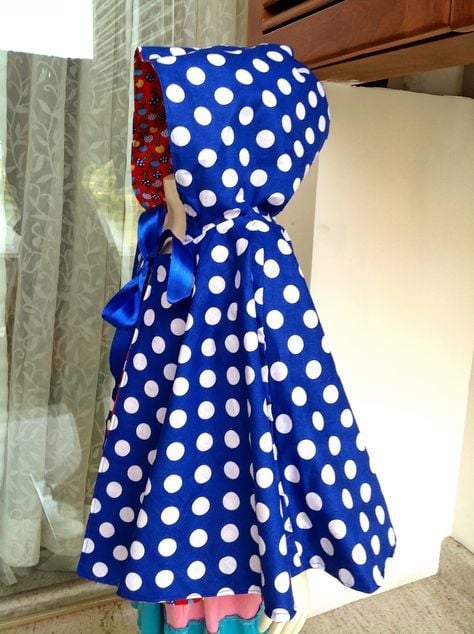
Ten minutes after it is finished, someone small will be saving the world in it.
Dress-up capes are pure play, and kids wear them until the seams give out.
Parents buy them for birthdays, costume days, and rainy afternoons.
Plain and shiny fabrics both photograph well, which helps your listing.
The shape is simple, and the fabric is mostly smooth and light, so sewing goes fast.
A cape needs very little fabric, so you can make a pile in one afternoon.
Keep the neck tie soft and short enough that it is safe for play, add a name or a simple shape on the back for a personal touch, and check any safety labeling needed where you sell children’s items.
Sell it smarter: Put together sets for siblings or party favors. Birthday parents like buying in bulk, and a set of capes makes a great party activity.
How to Price, Photograph, and Sell Your Sewing Projects for Profit
Making the item is half the job. The other half is getting it in front of buyers at a price that pays you fairly.
Price it fairly. Add up your fabric, thread, and other supplies, then add the time you spent, and then add a little extra for yourself. Many new sellers forget the time part, and that is how a good-selling item ends up earning nothing. If your price feels scary, look at similar handmade items and see where yours fits.
Photograph it well. Use natural light near a window, a plain background, and one shot of the item in use. People buy what they can picture in their own life.
Pick a place to sell. Craft fairs, local shops, online marketplaces, and social media pages all work. Start with one so you do not feel pulled in four directions. Friends and neighbors are often your first buyers, and they will tell others.
Check the rules. Items for babies and kids, and items worn on the body, can have safety or labeling rules depending on where you sell. A quick check before your first sale saves worry later.
Start small. You do not need to try all 31 listed profitable sewing projects to make and sell. Choose one or two of these profitable sewing projects to make and sell, make a small batch, and see what people respond to.
Keep going and keep notes. The more you sell, the faster you will see what your buyers love, and the easier each new order feels. You already have the machine and the fabric, so your first sale could be closer than you think. Pick one idea from this list and start sewing this week.