These Sewing Products You Can Make in Bulk and Sell fit batch sewing well.
Sewing one item from start to finish is a nice way to spend an afternoon, but it can feel slow when you want to fill a small shop. Batch sewing changes the routine.
You cut several pieces together, sew the same seam on every item, and press and finish them in one sitting.
This saves repeated setup work, like changing thread or adjusting your machine, and it keeps your workspace tidy.
Small accessories, home essentials, and simple fabric goods often suit this approach, and the best Sewing Products
You Can Make in Bulk and Sell share steps that repeat from one piece to the next. Still, making a large quantity is not the goal.
Choosing the right products and planning each step matters much more.
If you want more ideas first, browse these profitable sewing projects to make and sell before you pick where to start.
Sewing Products You Can Make in Bulk and Sell: The Full List
1. Cotton Dishcloths
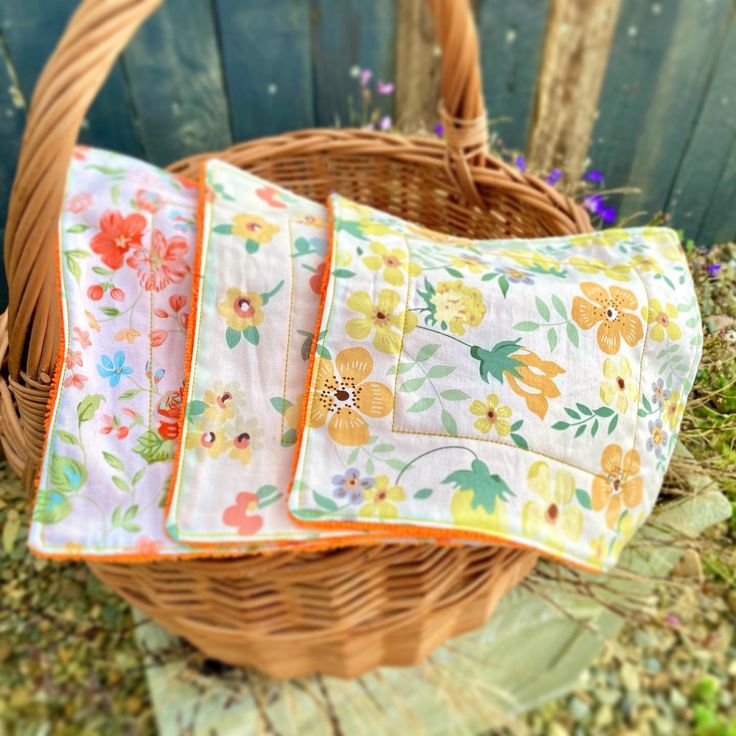
Dishcloths show batch sewing at its simplest. Every cloth is the same rectangle with hemmed edges.
Stack several layers of fabric and cut them with one rotary cutter and ruler so every piece matches.
Then hem them in one long run, feeding the cloths through the machine one after another.
Even sizes and sharp corners make a pack look neat, so measure before you cut the whole pile.
Cotton is a good choice, but weaves differ in how well they absorb water and how long they last, so wash a test cloth first.
If you want Sewing Products You Can Make in Bulk and Sell, dishcloths in coordinated colors and multipacks are a good place to begin.
Buyers may include people restocking their kitchens and housewarming gift givers.
Add care instructions to every pack.
For more ideas you can make at home, see these things to sew and sell from home.
2. Pillow Inserts
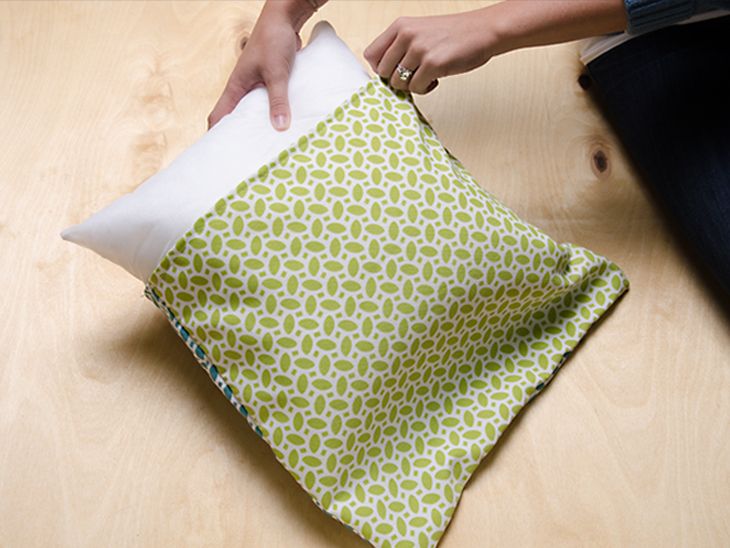
Inserts are mostly about planning.
Cut a stack of matching panels for each standard size, and sew every seam of one size before moving to the next.
Leave the same opening width on every insert so stuffing and closing stay the same each time.
Pick a filling that suits the use, weigh it so each insert feels equally firm, and push it into the corners before you close the seam.
Use tight, strong stitches on the closing, since a weak seam is the first thing to fail.
Cushion cover makers and home décor sellers may be natural buyers, so label each insert with its exact size.
Be honest about storage: inserts are bulky and take far more room than small accessories, which limits how many you can make at once.
Browse these handmade sewing projects people actually buy for items that pair well with them.
3. Handmade Scrunchies
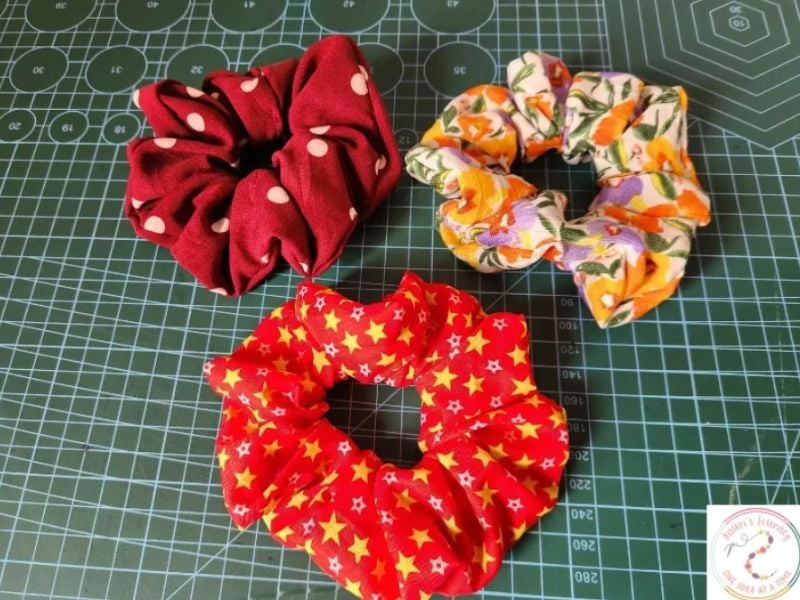
Few products repeat as cleanly as scrunchies.
Cut fabric strips in groups with a ruler and rotary cutter so every length is the same.
Measure all your elastic pieces at once against a marked guide, so each scrunchie fits comfortably and none feels too tight.
Then sew the tubes one after another in a chain, turn them right side out, thread the elastic, and close the ends.
Fabric changes the look and feel, so test how satin, cotton, velvet, and knits behave before cutting a full batch.
Scrunchies are a good fit for Sewing Products You Can Make in Bulk and Sell because a new print or color gives you a wider range without changing the method.
Seasonal prints and multipacks make attractive listings, and a coordinated color collection photographs well.
Wear-test one finished scrunchie before sewing the rest.
4. Fleece Tie Blankets
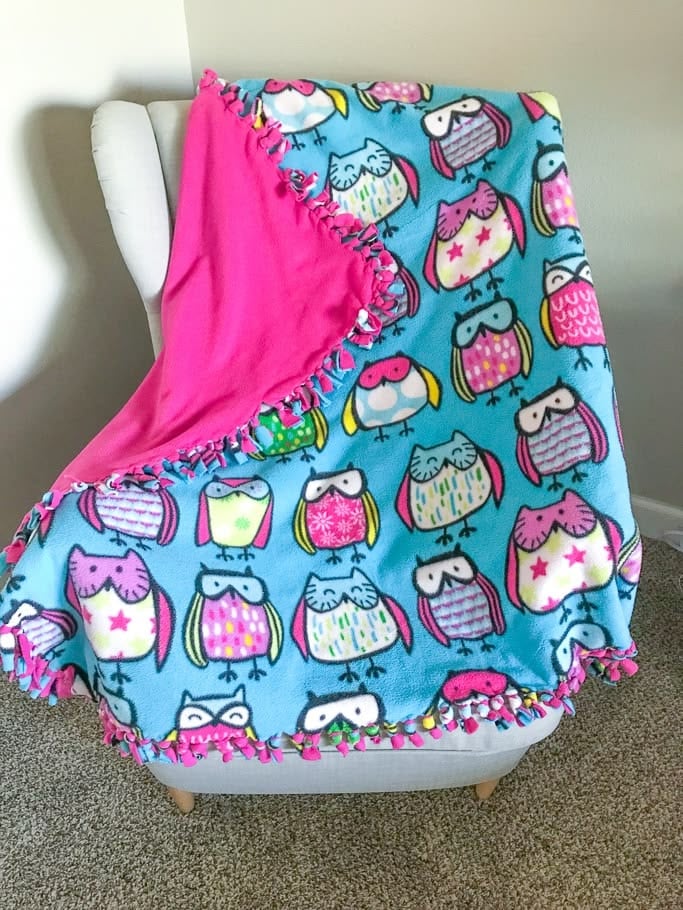
This one is more about preparation than machine sewing.
Measure and cut the fleece panels in batches, using a cutting mat and a clear ruler so each pair matches.
Cut the fringe along the edges with a small template, so every strip has the same length and width, then tie the knots.
Even fringe is what makes a blanket look finished instead of rushed.
Pair two fleece prints, or a print with a solid, for variety.
Offer a few sizes, from baby to throw size, and matching color pairs for gifts such as birthdays, graduations, or holidays.
Be realistic about space. You need a large surface to cut and somewhere to store folded blankets, which can limit your batch size.
If you also sell online, these sewing projects that sell well on Etsy include other gift ideas.
5. Muslin Squares
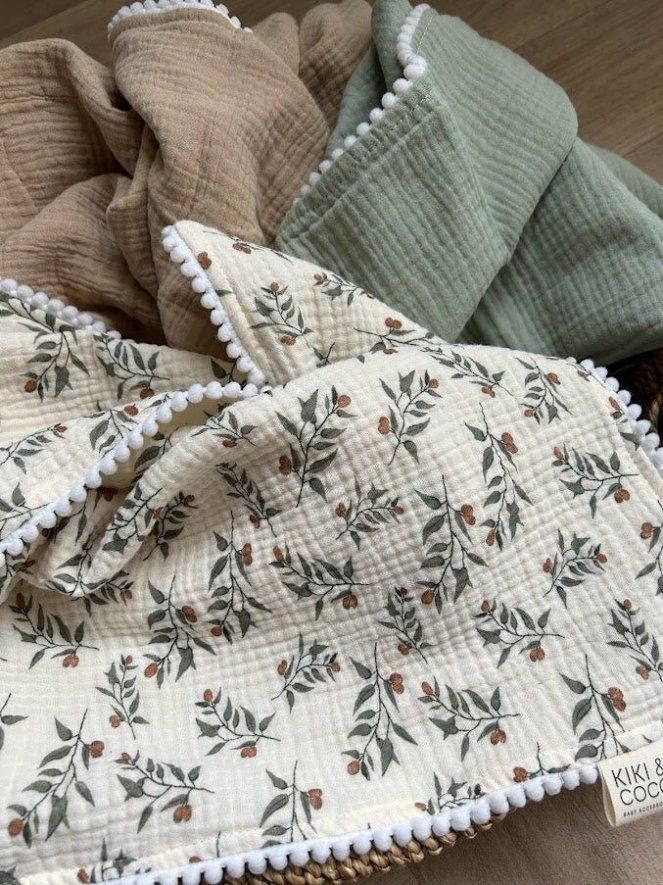
Muslin squares can be baby cloths, cleaning cloths, or general household cloths, so decide the use before you design them.
Cut many squares at once, then finish every edge the same way, with a narrow hem or a serged edge.
Sell them as single sizes or as multipacks in two or three sizes.
Choose soft, washable fabric and include clear care instructions.
If you market them for babies, use suitable fabric, finish the edges so no threads come loose, and describe them for age-appropriate use only.
Do not present them as a replacement for products made for a specific safety purpose.
Among Sewing Products You Can Make in Bulk and Sell, squares are forgiving because they have no curves or fittings.
New makers may like these easy things to sew and sell for beginners alongside them.
6. Fabric Gift Boxes
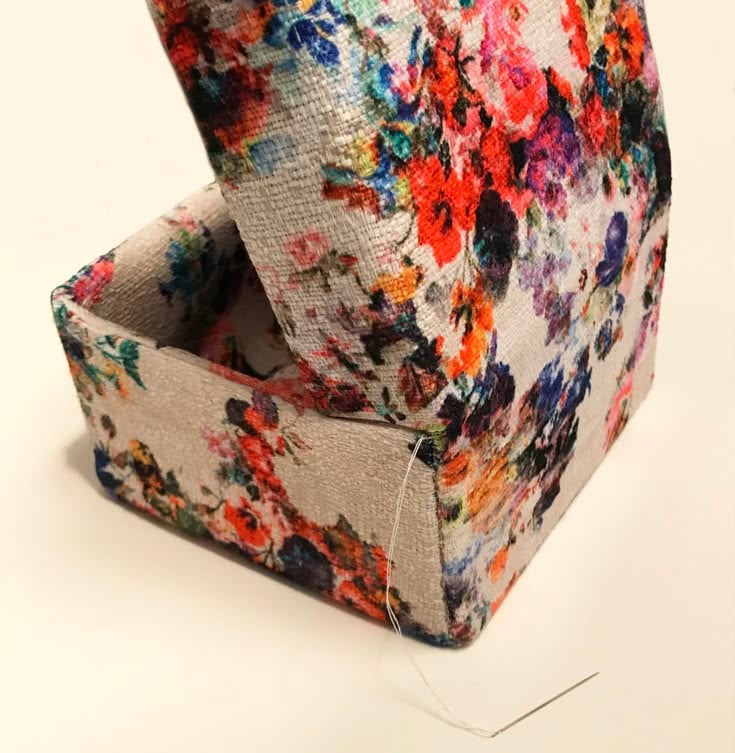
Fabric boxes need more shaping and pressing than flat items, so preparing everything in batches really helps.
Make one cardboard or paper template, then use it to cut the outer fabric, lining, and interfacing for the whole group.
Fuse all the interfacing in one pressing session before you start sewing.
Crisp corners come from trimming seam allowances the same way each time and pressing as you go.
Keep the sizes identical across a set so the boxes stack or nest neatly.
Different fabrics can create holiday, wedding, birthday, or everyday gift collections.
A flat-folding or nesting design is worth considering, because finished boxes take up shelf space and add to shipping size.
Buyers are often gift givers who like packaging that also works as storage, so photograph a box open, closed, and filled.
Test one box with a real gift before making many.
7. Jar Covers
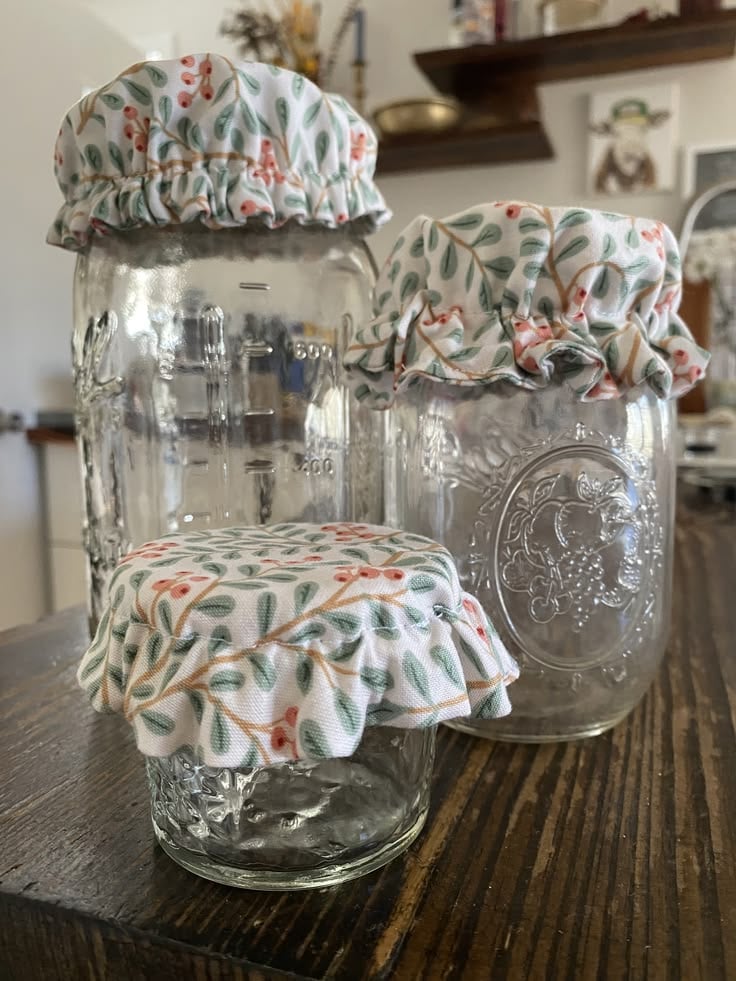
Jar covers are decorative toppers for jars used in gifts, kitchen displays, or homemade preserves.
Cut circles in groups with a template, then finish the edges with pinking shears, a narrow hem, or fusible tape, depending on the fabric.
You can prepare the elastic or ties ahead of time and attach them in one pass.
Matching prints let you offer sets for party favors, country-style kitchens, or gift presentation.
Make the diameter fit common jar sizes and state the sizes in your listing.
Be clear that a fabric cover is only decoration. It does not replace a proper lid or a food-preservation seal. Because they are light and flat, jar covers are easy to pack and ship in bundles.
For more distinctive concepts, see these unique sewing products to sell on Etsy.
8. Fabric Hair Bows
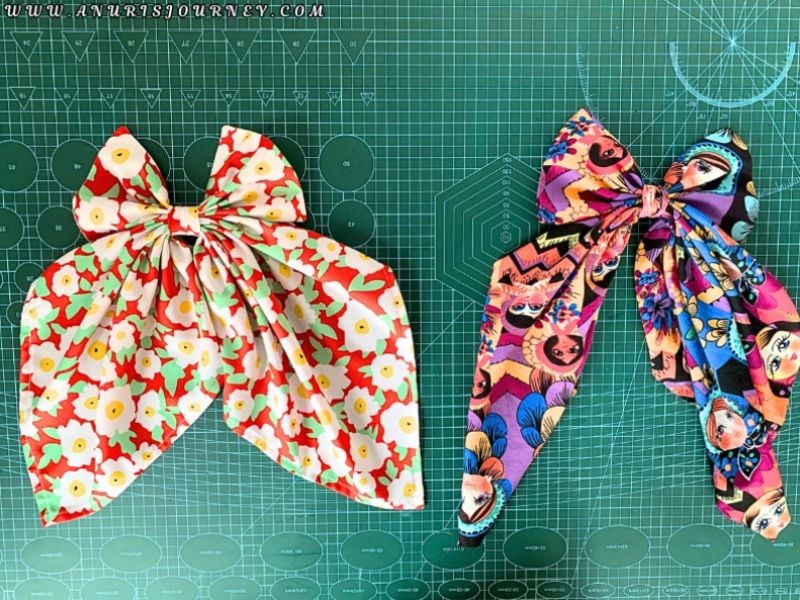
Hair bows work best as collections.
Cut repeated bow shapes from stacked fabric, prepare the center bands separately, and put the bows together in stages: sew, turn, press, pinch, and wrap.
If you want Sewing Products You Can Make in Bulk and Sell, small bows are a good choice because sorting pieces into trays by size keeps small, medium, and large bows from getting mixed up.
Even proportions and neat finishing make a collection look planned instead of random.
Take care with attachments.
Clips should be fixed firmly, and designs for young children should not have small parts that could come loose.
Color themes such as school colors, holiday sets, or matching gift sets help shoppers choose.
Test one bow on a real head before you commit.
Browse more handmade sewing products to sell online for ideas that suit the same buyers.
9. Straw Pouches
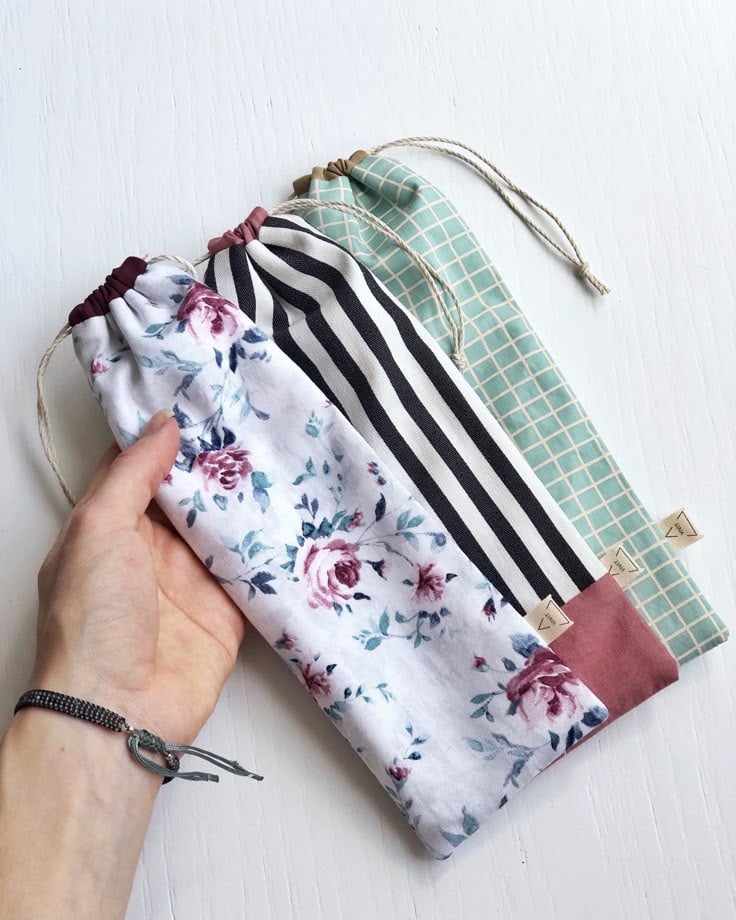
Straw pouches are slim rectangles, so the same steps repeat from one pouch to the next.
Cut the outer fabric and lining together, then sew the whole group with the same seam allowance.
The narrow shape means measuring matters. Leave enough room for the reusable straws, and for a cleaning brush if you plan to include one.
Install snaps or drawstrings in batches, which saves you from resetting your tools.
Washable materials make sense, since pouches get damp and need cleaning.
A lining takes a little more work but gives a cleaner inside and a longer-lasting pouch.
Shoppers who carry reusable straws and want to keep them clean in a bag are the obvious buyers.
Sell the pouches on their own or with straws, but check that any included items are suitable.
Photograph a pouch next to a straw to show its size.
10. Tumbler Sleeves
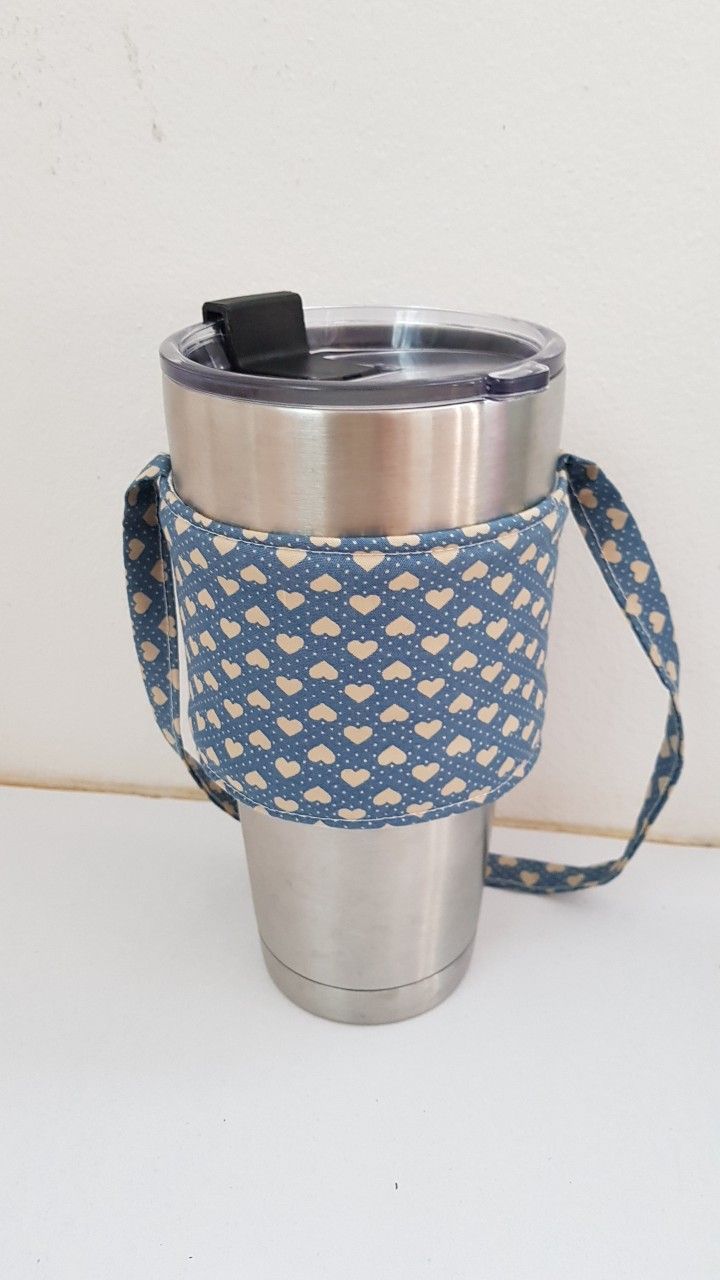
Fit comes first with tumbler sleeves.
Measure the exact cup styles you plan to cover, including height, width around, and any handle, then write the sizes on your pattern.
Cut repeated panels for each size, add padding or insulating layers where suitable, and finish the openings in one session.
Handle openings and bottoms need careful sewing so the sleeve does not slip or bunch.
Matching prints and sets make good listings, and tumbler sleeves are one of the Sewing Products You Can Make in Bulk and Sell when you plan each size group.
Buyers choose by tumbler style, so name the cups your sleeves fit and avoid promising how long a drink stays hot or cold.
Padding changes how the sleeve feels and performs, so test a sample first.
If you offer custom names, these personalized sewing products to sell online have useful ideas.
11. Heatless Curlers
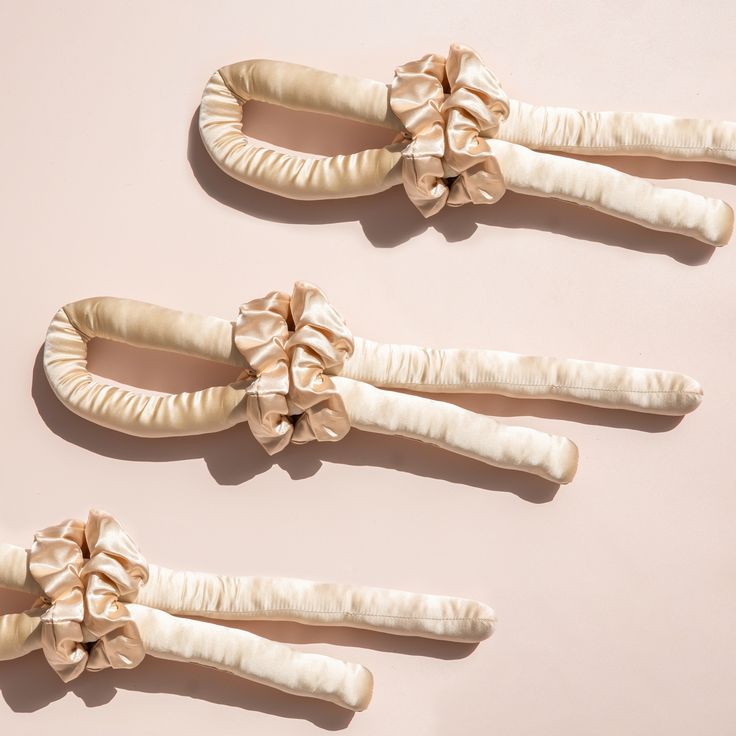
Soft fabric curlers are long tubes, which makes them well suited to sewing in a line.
Cut long strips, fold and sew the tubes, turn them, fill or pad them evenly, and close the ends neatly.
A turning tool helps with narrow tubes.
Group matching curlers into sets of six or eight, using the same fabric so the package looks coordinated.
Soft, comfortable materials matter because the curlers sit against the head and hair for a while.
Tuck the fabric ends in so nothing frays after repeated washing.
Include clear instructions for use, and do not promise specific hair results, since different hair types respond differently.
Buyers interested in heat-free styling are the likely audience.
Even filling keeps every curler the same firmness. Looking for similar projects?
Try these easy sewing projects to make and sell fast.
12. Fabric Bookmarks
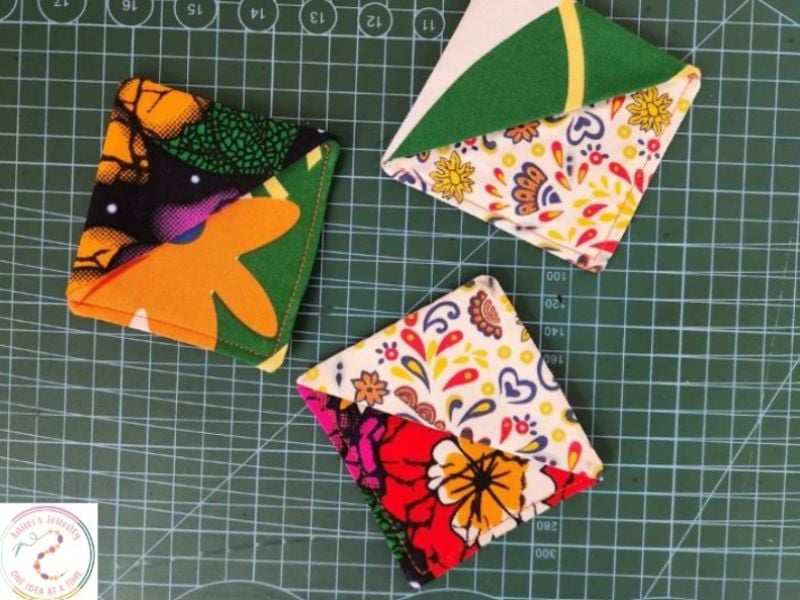
Bookmarks are tiny, which makes them a good way to use up fabric scraps while still working in an organized way.
Cut narrow strips for the whole batch, fuse interfacing or light padding to each one, then fold and topstitch them one after another.
Neat edges and a slim shape matter, because a bulky bookmark can strain a book’s spine.
Build a collection from one fabric line, such as florals, vintage prints, or seasonal themes, and you get coordinated sets without changing the pattern.
For Sewing Products You Can Make in Bulk and Sell, bookmarks also have a practical bonus, since they fit in a flat envelope for mailing.
Offer them one at a time, in themed sets of three or four, or inside a small gift for a book lover.
Check that the dyes are stable and the stitching lies flat before you package them.
13. Eyeglass Cases
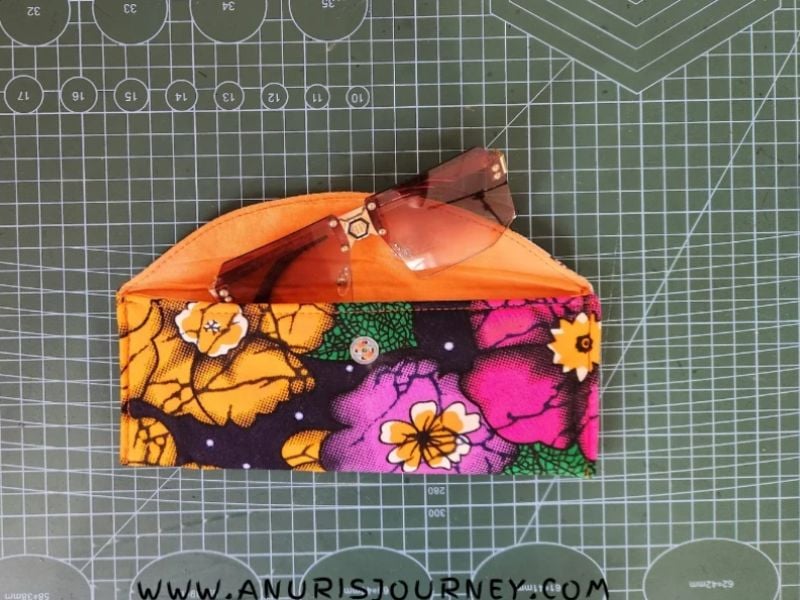
Eyeglass cases are padded pouches, so the same few steps repeat from one case to the next.
Cut the outer fabric, lining, and padding for the whole batch, then attach the padding to the outer pieces together.
Sew the side and bottom seams in a chain, then make the linings the same way.
A standard glasses case needs a different length than a slim reading-glasses case, so test one with a real pair of glasses.
Soft padding adds comfort, but do not promise that a fabric case will prevent scratches or breakage.
Closures such as a flap, snap, or zipper can also be added in batches.
Matching prints let you sell sets, such as a case with a matching pouch.
Buyers may include gift shoppers and glasses wearers.
If you like shorter projects, take a look at these sewing projects you can make in one hour and sell, though your own timing will vary.
14. Can Koozies
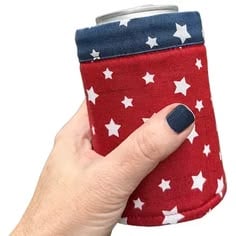
Koozies are drink sleeves, and the same panels repeat across parties, events, and gifts.
Cut a batch of outer and lining pieces, add suitable padding, and sew the side seams with the same allowance every time.
Size should match the cans or bottles you name, so test one sleeve on the real item.
Material choices change how a koozie performs, so describe it honestly and avoid unproven insulation claims.
Themed fabrics, personalized designs, and event favors let one pattern serve many occasions.
That is why koozies are among the Sewing Products You Can Make in Bulk and Sell for weddings and parties.
Bundle matching sets in clear bags or with a paper band.
For small-business thinking beyond one product, see these things to sew and sell for a successful small business.
Keep a stack of pre-cut panels ready for custom orders.
15. Car Air Fresheners
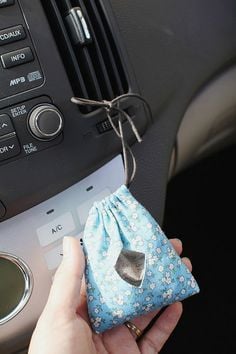
These are fabric covers or sewn holders made to go with suitable fragrance inserts, so be clear about what you are selling.
The sewn piece is not a fragrance unless you include a proper scent part.
Small shapes work well with templates.
Cut many identical pieces, add decorative stitching in the same pattern, and put them together in stages.
Seasonal shapes or personalized styles can widen your range without changing how you build them.
Think about safety too. Anything hung from a mirror should not block the driver’s view, and any fragrance material should be used as its own instructions say.
Choose fabrics that cope with sun and warm car interiors, and avoid trims that might shed.
Explain how to hang the piece and how to refresh or replace the insert.
Sealed packaging keeps the fabric clean during shipping.
16. Wrist Corsage Bands
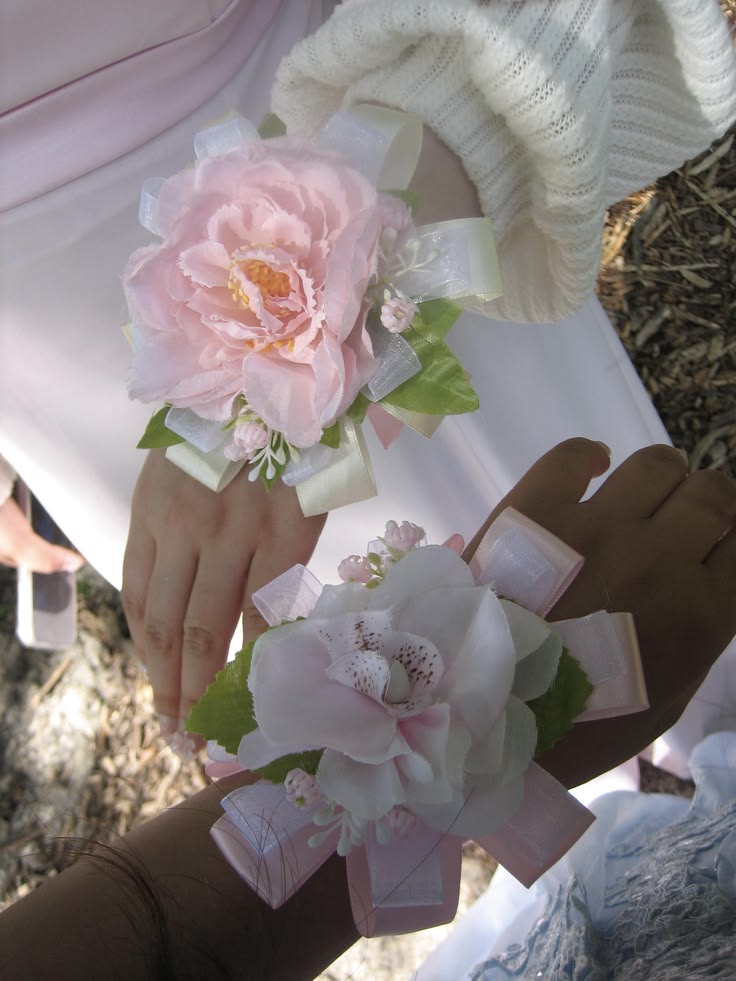
Wrist corsage bands are worth batching when an event needs several matching pieces, such as a wedding party or a dance group.
Cut band lengths from a template, sew soft linings, and add adjustable closures like elastic, ribbon ties, or hook-and-loop tape.
Mark the finished length on each band so sizes stay the same.
Comfort matters because bands sit on the skin for hours, so choose soft lining fabric and finish seams smoothly.
Decorations can be added at the end, and florists often attach the flowers themselves.
Possible customers include florists, event planners, and people shopping for prom or other special occasions.
These bands suit order-based work, which fits well with Sewing Products You Can Make in Bulk and Sell for planned events.
For ideas to build a home-based range, read these sewing business ideas you can start from home.
17. Catchall Trays
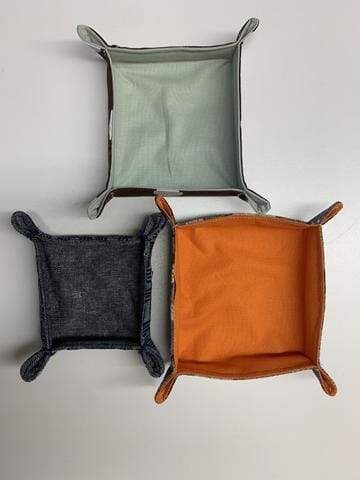
Fabric trays work best when you stay consistent.
Cut square or rectangular pieces from templates, fuse interfacing to every piece at once, and mark the corner points the same way on each tray.
Corners take the longest, so sew all of them in one stretch while the technique is fresh in your mind.
Press carefully, because uneven pressing is easy to spot on the finished shape.
Snaps or buttons can hold the corners up, but add them only where the fabric can support them.
Matching sets in different sizes appeal to gift buyers and to people who like tidy entryways, bedside tables, or desks.
Photograph a tray holding keys or jewelry to show its size.
Compare other ideas in these high-profit sewing projects to make and sell, and remember that results depend on your own time and costs.
18. Luggage Tags
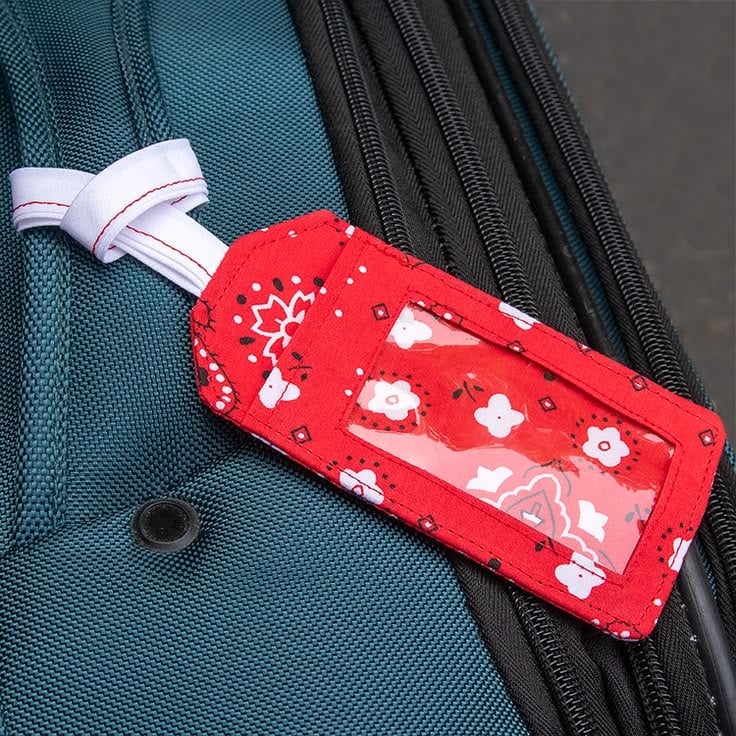
Luggage tags are compact, so a small amount of fabric goes a long way.
Cut the fabric layers, interfacing, and clear window material for the whole batch before you sew anything.
Tags are built in layers, so keep the order the same every time.
Topstitch neatly around the identification window so the edge looks clean.
Straps must be strong, with secure stitching or hardware, because tags are handled roughly.
The identification area should let buyers keep personal details out of sight, perhaps behind a flap.
Test the window with a printed card to confirm the fit, and check that the window material stays clear after bending.
Different prints or monograms make each tag distinct while the pattern stays the same.
You could also offer matching travel sets, such as a tag with a pouch or passport cover.
Flat tags pack easily.
19. Reusable Produce Bags
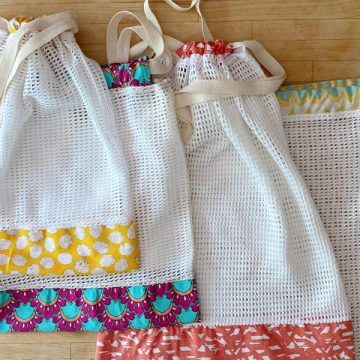
Produce bags give you a chance to practice smart fabric layout.
Plan your cuts so several sizes come from the same width of fabric, which reduces waste.
The seams are simple, so you can sew all the side seams, then all the drawstring channels, then thread the cords in one run.
Making small, medium, and large bags together helps a set look consistent.
Sets in different sizes are useful, and they make attractive listings.
They are also a practical choice if you want Sewing Products You Can Make in Bulk and Sell without complicated shaping.
Use lightweight, washable fabric and sew secure seams, since bags get filled and rinsed often.
Give accurate care instructions. Shoppers who want reusable bags for produce or bulk buying are your likely audience, but avoid exaggerated environmental claims.
For more inspiration, browse these Etsy sewing ideas that actually sell.
20. Cloth Napkins
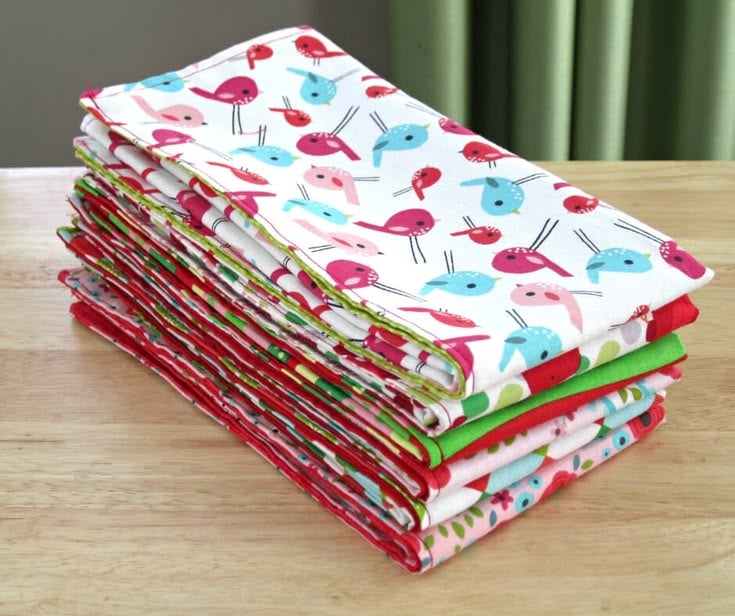
Napkins are repeated squares, so neat finishing is what sets one maker apart from another.
Cut several pieces at once from a folded stack, using a ruler and rotary cutter.
Press the hems on all the napkins before you start stitching, which keeps the sewing smooth and the results even.
Mitered corners, where the fold makes a neat diagonal, look polished on larger napkins.
Fabric collections and seasonal colors let the same basic product take on different styles.
Buyers might be shopping for everyday table linens, dinner parties, weddings, or housewarming gifts. Sets of four or six are one option, and a ribbon around the fold helps presentation.
Check that the sizes match and that the hems are strong enough for repeated washing.
See more table-ready ideas in these easy sewing projects to sell on Etsy.
21. Fabric Coasters
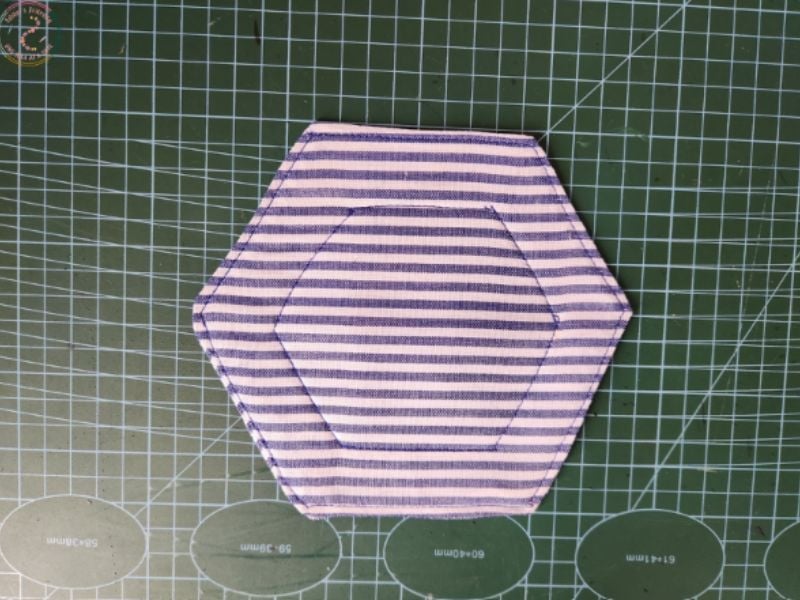
Coasters are small layered pieces, so they suit matching batches.
Cut repeated shapes from a template, layer fabric with suitable padding, and quilt or topstitch each one the same way.
Finish the edges with binding or turn them cleanly, and check that all the corners match.
Sets of four or six can be coordinated with mug rugs, placemats, or kitchen linens. Describe coasters by their real heat and moisture resistance.
Ordinary fabric coasters may not protect every surface from hot cookware, so do not claim they do.
Test one coaster with a warm mug and a damp glass so you know what to say in the listing.
Include a care note for washing. A stack tied with twine photographs well.
Coasters also take up little room, so they are one of the Sewing Products You Can Make in Bulk and Sell that is easy to store.
22. Pet Bandanas
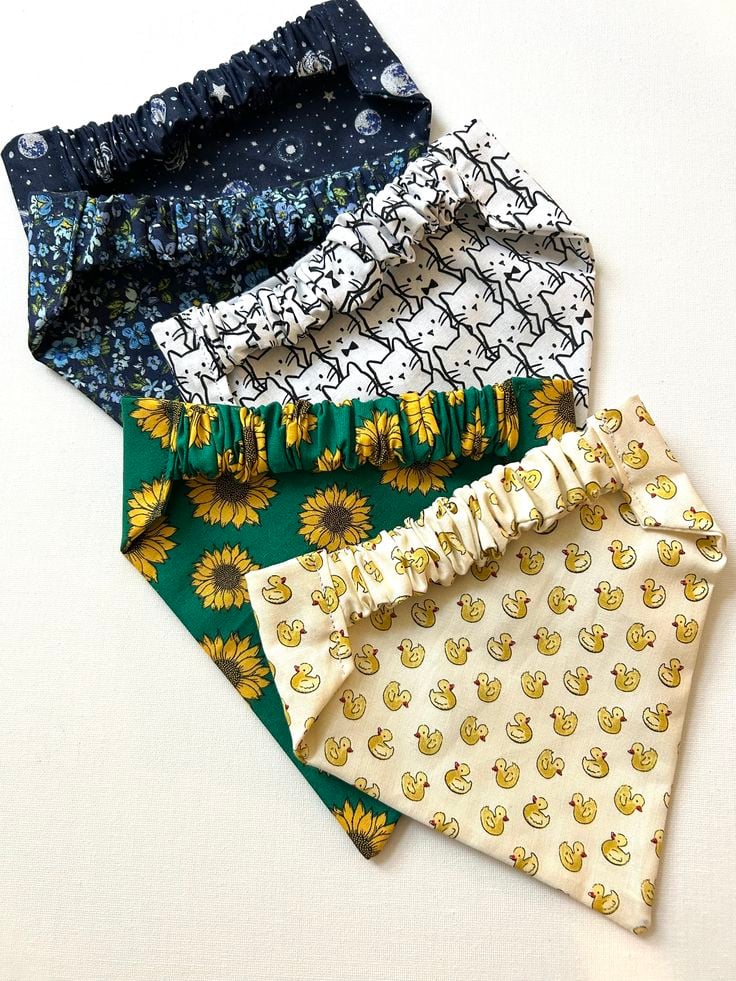
Pet bandanas come in several sizes, so organizing by size keeps a batch tidy.
Cut repeated shapes for each size group, then hem the edges or sew a collar sleeve so the bandana slides over a collar.
Other closures can work, but keep them simple and secure.
Seasonal prints, personalized options, and matching pet-owner accessories help broaden a collection.
Comfort and safety matter, so avoid tight designs, keep the fit relaxed, and choose finishing that will not snag.
Clear sizing information helps buyers choose, so list neck measurements and a simple size guide.
Label each size group in a bag during sewing so nothing gets mixed up before packing.
Photograph the bandanas on real pets to show scale.
For more marketplace ideas, see these best sewing products to sell on Etsy. Washable cotton is a practical choice.
23. Lavender Sachets
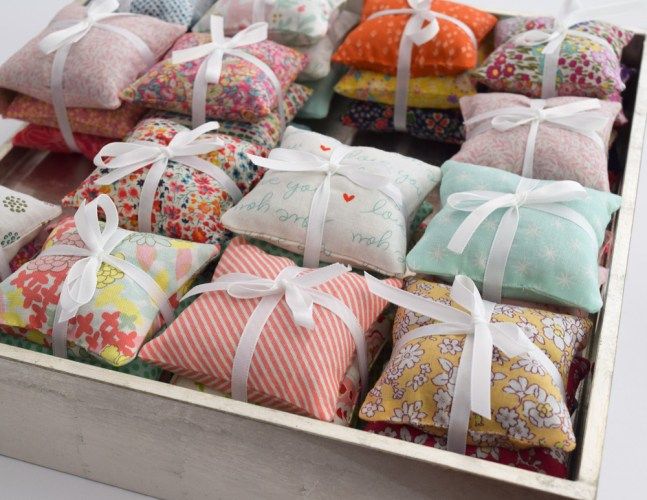
Sachets are small filled pouches, so the filling step shapes your workflow.
Cut repeated shapes, sew the edges leaving a gap, then fill and close all of them in one step.
Measure the filling with a scoop so each sachet is the same.
Drawers, wardrobes, and gifts are typical uses, and seasonal fabric collections help the line feel fresh. Name the contents clearly, and make sure the filling suits the intended use.
Avoid medical, sleep, or therapeutic claims about lavender.
Seams must be tight enough to hold small pieces, and an inner liner can help with fine filling.
Keep dried filling in a dry place before sewing.
Sachets are small enough to bundle in threes, which suits makers looking for Sewing Products You Can Make in Bulk and Sell.
For another route to extra income, see these best things to sew and sell for extra money.
24. Key Fobs
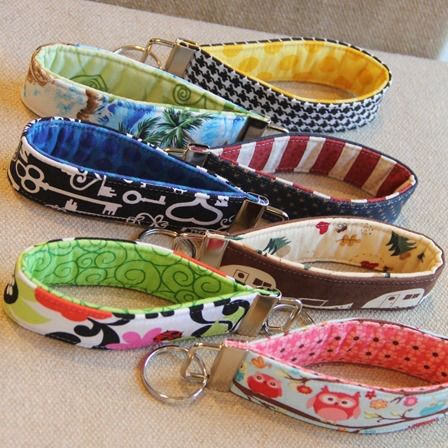
Key fobs are made from narrow strips, so you can cut many at once and keep the pieces organized.
Cut the strips along the straight grain so they do not stretch, apply interfacing to all of them together, then fold, press, and topstitch them in order.
Attach the hardware the same way each time, and test the pull strength of the first few.
Secure hardware and neat stitching matter because fobs are tugged every day.
Personalized fabrics, color collections, and gift sets give buyers choices, and a matching tag could be a small add-on.
Wrist-style fobs and keychain styles can share the same strip.
Their small size makes them easy to store and package on cards or in small bags.
Keep hardware in sorted containers to prevent mix-ups.
Take close photos so buyers can see the stitching and the hardware finish.
25. Pin Cushions
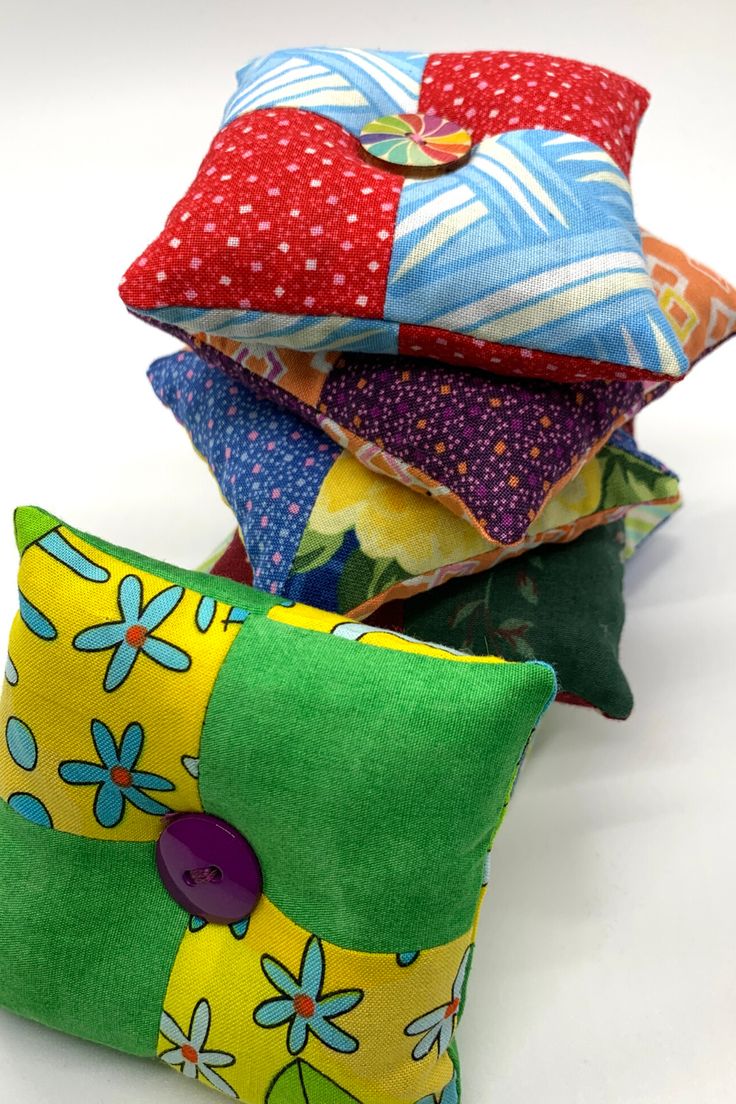
We end with a product other sewists understand right away.
Pin cushions are made from repeated shapes, such as circles, tomatoes, or simple squares, so cut all the fabric pieces first.
Measure the filling into equal portions, then fill each cushion evenly and close it securely with tight stitches.
Stable construction matters, and the filling should be dense enough to hold pins firmly instead of letting them wobble.
Traditional shapes, decorative designs, and matching sewing-room accessories give you plenty of variety from one basic method.
Sell them one at a time or include them in sewing gift sets with scissor fobs or needle cases.
Fellow makers tend to notice finishing details, so keep the seams neat.
If you want to compare products by cost, check these sewing products with low material costs and high profit, and keep in mind that your results will vary.
Start Small and Build Your Range
Batch sewing can make your work more organized when you choose suitable products and plan your workflow from cutting through packaging.
Start with one or two items from this list, make a small test batch, and check the quality before you increase quantities.
Notice which steps repeat smoothly, which need extra space, and where fabric gets wasted.
Consistent sizing, neat finishing, sensible material choices, and nice presentation all shape how handmade products are received.
The Sewing Products You Can Make in Bulk and Sell are the ones that suit your skills, your space, and your schedule, not just the fastest ones.
Grow slowly, keep notes, and let each batch teach you something. A small range you can finish well is a good place to build from.