You can make far more than you might expect, because there are plenty of sewing projects you can make with a basic sewing machine.
Do you really need an expensive, computerized machine to make good-looking, useful things?
Usually, no. Many home sewists get lovely results from an ordinary machine, as long as they pick suitable fabric, use sensible settings, and understand how each item is made.
If you want to build your skills before selling anything, this guide to easy things to sew and sell for beginners makes a good companion read.
For every idea here, the question is simple: can a basic machine handle it, and what should you know first?
These ideas range from umbrella sleeves and organizers to skirts, cushions, and larger home items.
Some are quick. Others need patience, careful measuring, or a little experience.
Whenever you try something new, check your machine manual for fabric and thickness limits, and test your stitches on a scrap first.
Sewing Projects You Can Make With a Basic Sewing Machine: Accessories, Organizers and Small Goods
1. Umbrella Sleeves
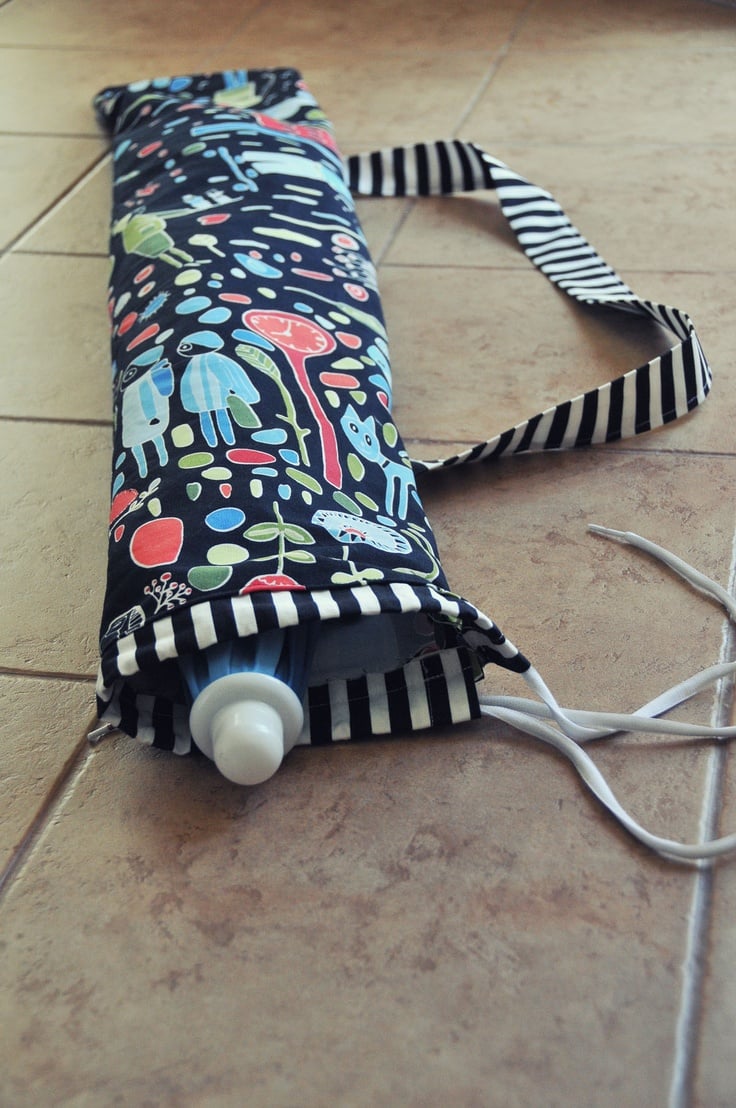
A wet umbrella can drip all over a bag or a car seat. An umbrella sleeve fixes that.
It is a long, simple pouch with one open end, so you practice straight seams, turning the fabric right side out, and finishing an opening neatly.
If you are still building your skills, it fits well with other simple sewing projects that need no advanced skills.
Measure your umbrella’s length and its widest point when folded, then add a little extra room so it slides in easily.
Tightly woven, water-resistant fabric works well, with a simple lining if you like.
Coated fabric can be hard to sew, so try a suitable needle and slow stitching on a scrap first.
Leave a small gap at the base so water can drain, and let the sleeve dry fully before you put an umbrella back inside.
2. Arrow Quivers
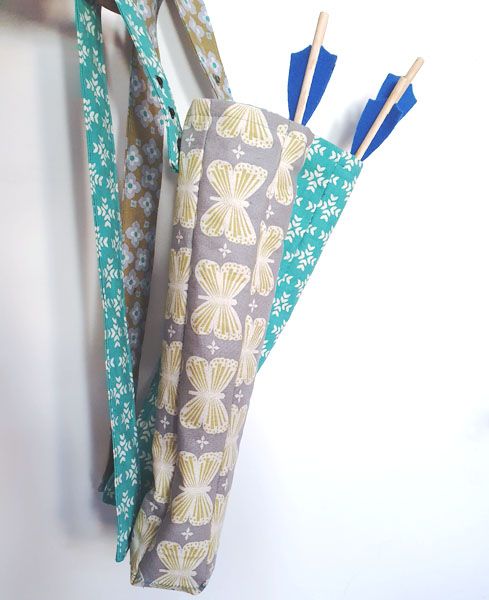
This project needs more care than most on this list.
A fabric quiver gives archery fans a light way to carry suitable arrows.
A basic machine can sew the main parts: a strong tube, a reinforced base, and a strap.
Choose firm fabric such as canvas, and make the tube to fit the arrows it will hold.
Stress points matter most, so sew the strap ends and base seams more than once.
Use a needle made for heavy fabric, and go slowly through thick areas.
If your machine struggles, do not force it. Use fewer layers instead. Safety comes first.
The quiver must suit its arrows, be made securely, and keep sharp points covered and stored safely.
It is a carrying accessory, not protective equipment, so describe it that way if you share it with others.
3. Curtain Liners
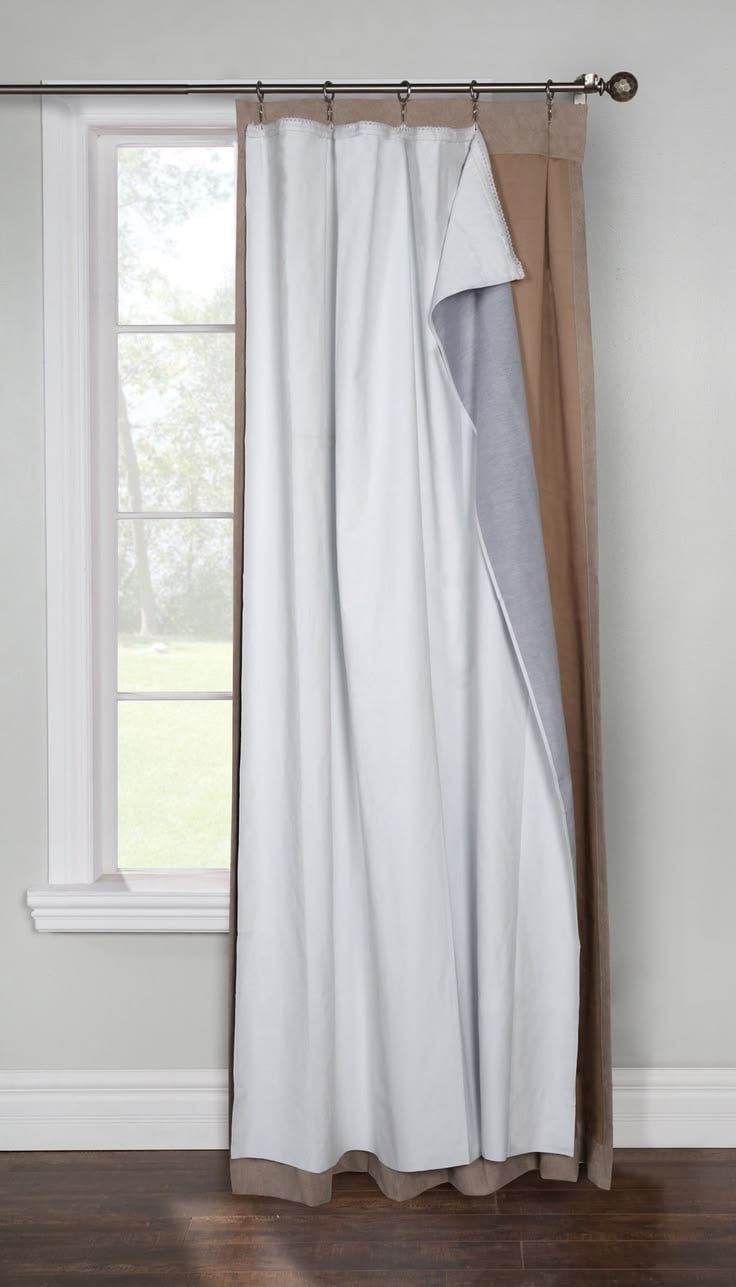
A liner can change how a curtain hangs and feels, and it is one of the sewing projects you can make with a basic sewing machine if you pick the right fabric.
Most of the work is long, straight seams and hems, so the real challenge is handling big pieces of fabric.
Measure your curtains carefully and add extra for hems.
Decide how the liner will attach, such as hooks, tabs, or stitched-on sections.
Stay with light or medium-weight fabric, and never force very thick layers through the machine.
Check your manual for its limits. Hang the liner before you sew the final hem so you can see how it falls.
Also make sure the extra weight is not too much for the rod or track.
For more home-based ideas, see these things to sew and sell from home.
4. Knot Pillows
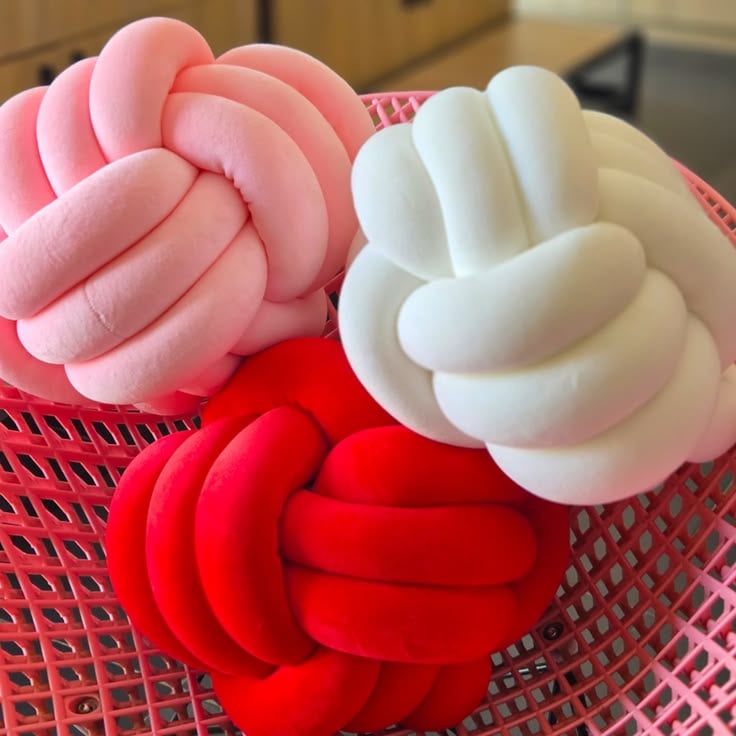
Knot pillows look clever, but the sewing is plain.
You sew a fabric tube, turn it right side out, fill it, and tie it into a knot.
A basic machine handles the long seams well.
The slow part is turning a wide tube and shaping it afterwards.
Get the size right before you start. A tube that is too short will not knot well, and one that is too thin looks weak.
Soft cotton, velvet, or firm knit fabric all work nicely.
Slippery or stretchy fabric needs a gentler hand and a stitch that can stretch.
Fill the tube evenly so there are no lumps.
Close the ends neatly, because people will see them.
Make a test pillow from cheap fabric first, so you can check your sizes before you cut your best fabric.
5. Fabric Bowls
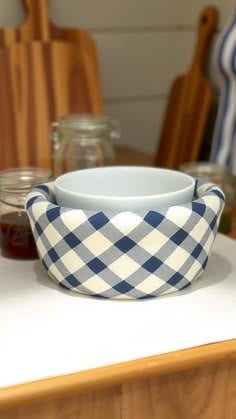
Fabric bowls turn pretty prints into small storage for keys, hair ties, sewing tools, or gifts.
A soft bowl uses simple layers and a floppy shape.
A firmer bowl adds interfacing for more structure.
Before you sew several layers together, test the stack on a scrap and stitch slowly.
If you want to use very stiff interfacing, check your manual to see even if your machine can sew it, and use a suitable needle.
Clip the curves and trim the seams to reduce bulk.
Press each layer well before sewing, because flat fabric is easier to shape.
A matching set of bowls in different sizes looks lovely in photos, which helps if you plan to list them among the best sewing products to sell on Etsy.
Always say clearly what size each bowl is and what it can hold.
6. Camping Stuff Sacks
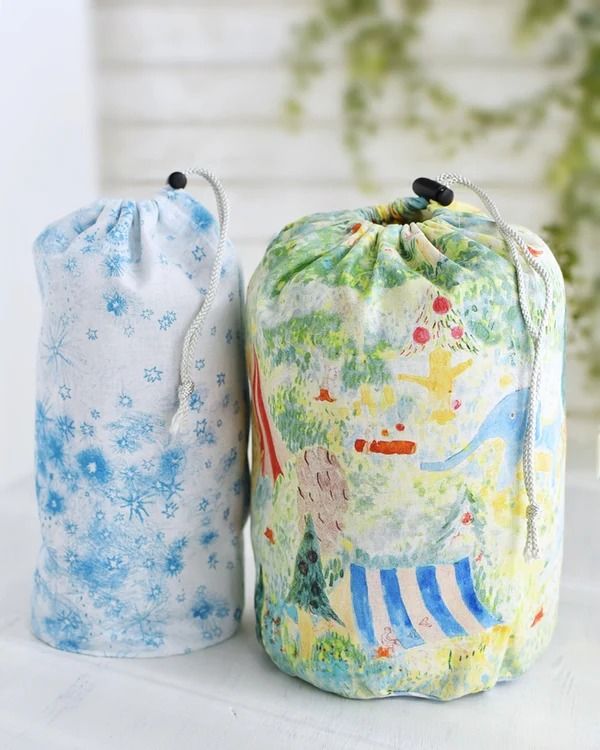
If you have ever dug through a backpack for a pair of socks, you will like a stuff sack.
It is a simple bag with a drawstring casing at the top, so you use straight seams, a hem, and a little reinforcement.
Choose strong fabric that still works on a home machine, such as tightly woven nylon that is not heavily coated.
Slippery or coated outdoor fabric can shift and skip stitches.
Use a suitable needle, a slightly longer stitch, and clips rather than pins, which leave holes.
Measure the gear you want to carry before you cut, and add extra for the casing.
Sew back and forth at the start and end of each seam, and add a second row of stitching along the base.
Be clear about what the finished bag is. It is an organizer, not waterproof protection, unless it was designed and tested for that.
7. Wine Chiller Sleeves
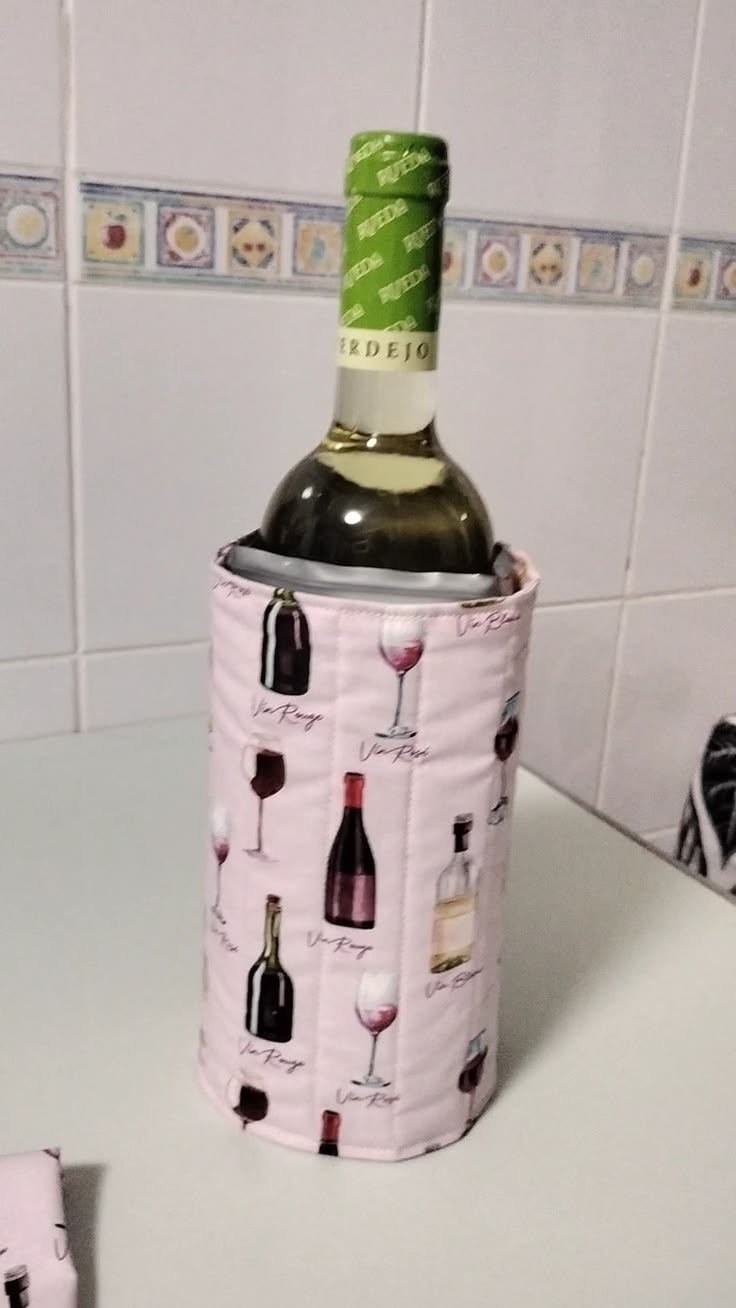
Bottle sleeves are lovely for picnics, dinner parties, and gifts.
The shape is a simple sleeve with a shaped base, so you practice straight seams and a boxed or gently curved bottom.
If you want some insulation, use a thin layer rather than a thick one.
A basic machine works best with layers it can feed easily, and too much padding causes bunching and skipped stitches.
Test your layers on a scrap and check your manual for thickness limits.
Pick sturdy, easy-care fabric, and make sure the bottle slides in and out without a fight.
If you want gift ideas like this, look at handmade sewing projects people actually buy.
Describe the finished sleeve honestly. It can help with carrying and looks, but do not promise that it will keep a drink cold.
8. Fabric Knot Headbands
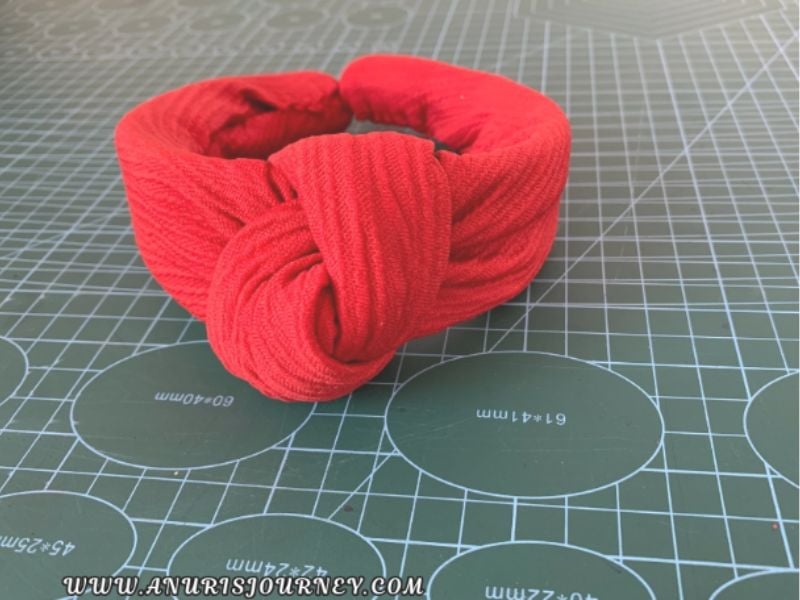
Knot headbands start with strips of fabric that you sew into narrow tubes and turn right side out.
They show that sewing projects you can make with a basic sewing machine do not have to be big.
Woven cotton is the easiest choice because it holds its shape and presses well, but it has no stretch.
Stretch fabric such as jersey is more comfortable but needs more care.
Use a ballpoint or stretch needle, and a stretch stitch or narrow zigzag if your machine has one.
Do not pull the fabric as it feeds, or the seams may snap later.
A loop turner or a safety pin makes turning the thin tubes much easier.
Check the fit on a real head, because a tight band is uncomfortable.
Seasonal prints and matching sets are easy to sell as collections.
Finish the join neatly, either by hand or with careful topstitching.
9. Car Wash Mitts
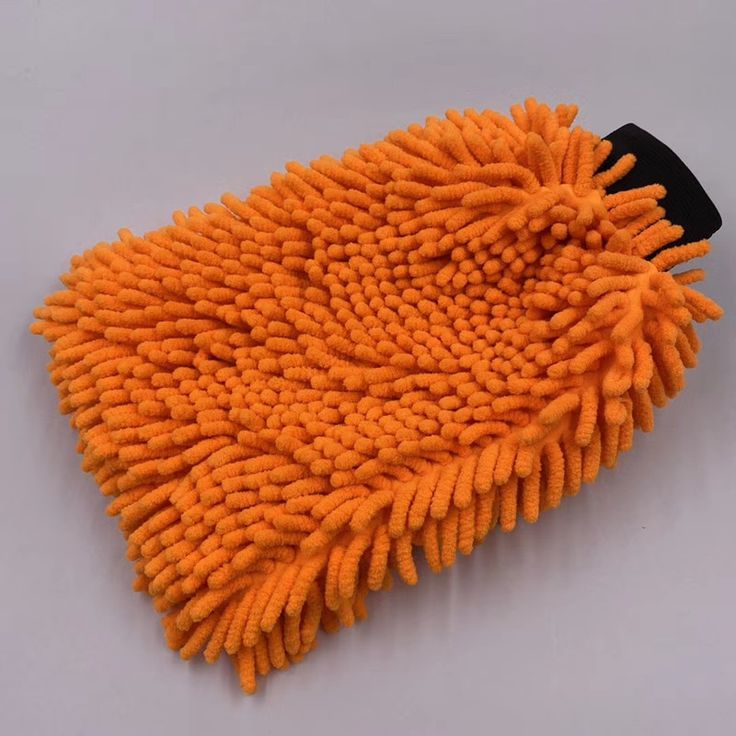
Start with the material, because it decides almost everything.
A car wash mitt is a pouch shaped for the hand, usually made of soft, absorbent fabric with a simple cuff.
The sewing is mostly two layers and a curved edge.
Fluffy or towel-style fabrics are thick, so use a suitable needle, a slightly longer stitch, and slow stitching, then trim the seam edges.
Choose fabric that is gentle on car paint, and test the mitt before you sell it, since rough or gritty fabric can scratch.
Make the seams strong because the mitt will get wet and tugged.
Size the opening so it feels comfortable, with a snug cuff or elastic if you like.
It will be washed often, so choose fabric that washes and dries easily.
For more ideas, see the best things to sew and sell for extra money.
10. Memory Matching Games
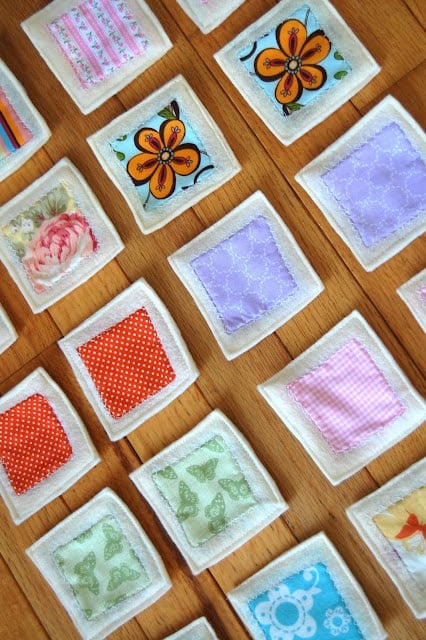
Matching games turn scraps and printed fabric into something a child can play with again and again.
Each card is a small padded square. You sew straight seams, leave a gap for turning, and close it with a neat stitch.
The pieces are small, so cutting accurately matters.
Use a template so that every pair is exactly the same size.
Pick prints that are easy to tell apart and easy to match.
Thin batting or felt gives the cards some body without much bulk, so a basic machine copes well.
Trim the corners before turning. Safety needs real thought here.
Seams must be strong, the filling must stay fully inside, and the design must suit the player’s age.
Skip buttons, beads, and other loose decorations, especially for young children.
A small drawstring bag makes a tidy way to store the set.
11. Car Kick Mats
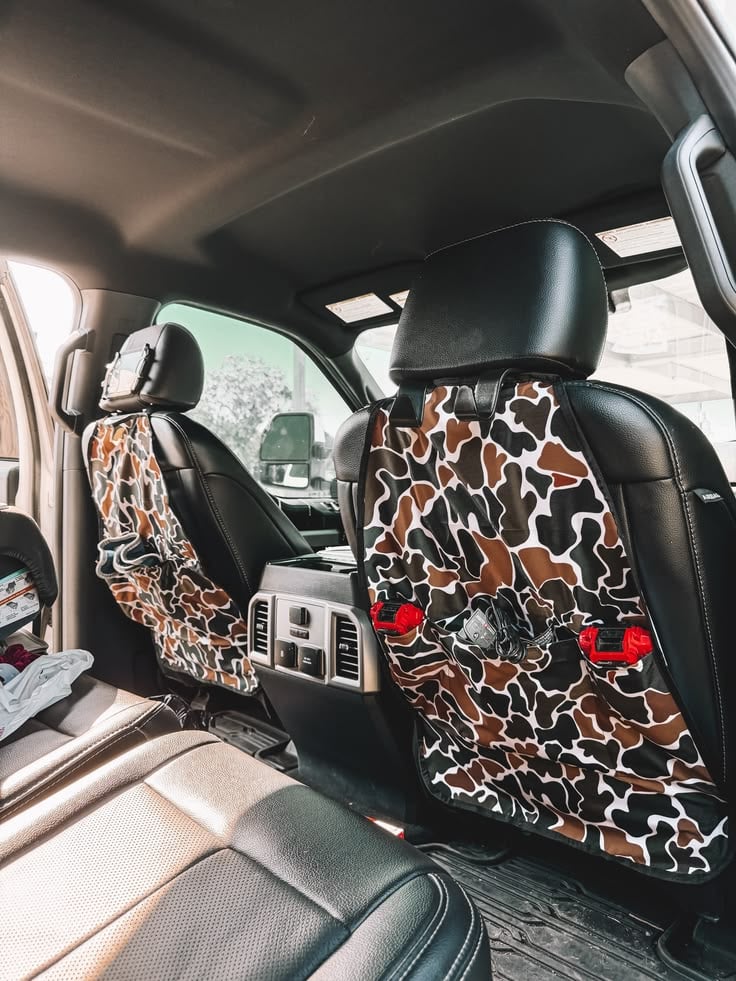
Kick mats hang on the back of a front seat to protect it from muddy shoes.
The sewing is mostly straight lines, which makes this one of the sewing projects you can make with a basic sewing machine, but good measuring and strong straps are what make it work.
Measure the seat back, cut simple panels, and sew on straps or fasteners with extra stitching.
Use strong fabric that you can wash.
Where straps overlap, the fabric gets thick, so sew slowly there and use a suitable needle.
Seats come in many shapes, so make the mat to fit the seat you have in mind.
Safety matters. The mat must not get in the way of seat belts, airbags, child-seat fitting, or vehicle controls.
If you plan to make several, these sewing products you can make in bulk can help you plan.
12. Bucket Tool Organizers
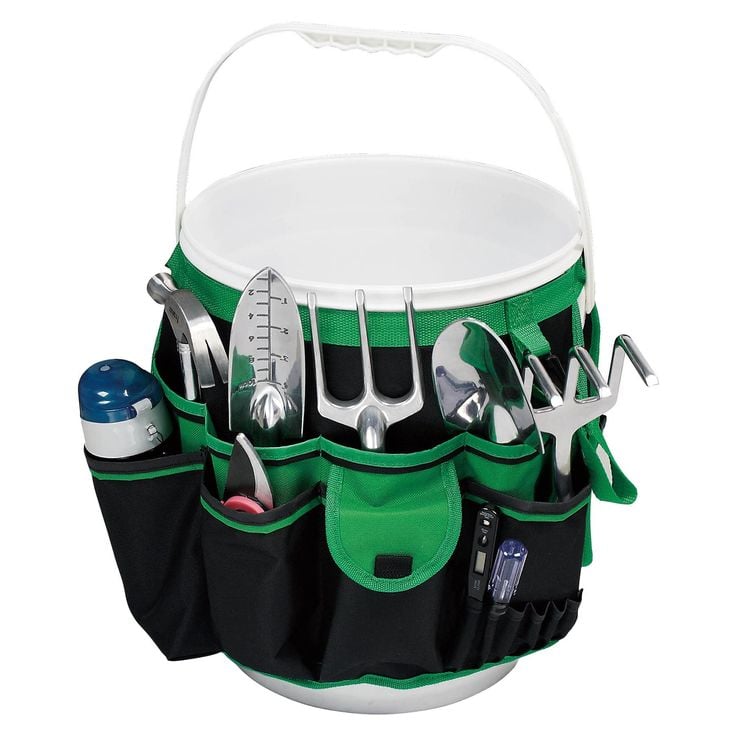
Picture a bucket wrapped in pockets, with every tool close at hand.
Plan before you cut. Measure the bucket’s height and the distance around it, then sketch the pockets around the tools they will hold.
The organizer is a main panel with pockets sewn on and a way to attach it, such as ties, elastic, or a drawstring.
Pockets, hems, and extra reinforcement add layers, and the fabric gets thick where they overlap.
Go slowly and never force the fabric under the needle.
Heavy canvas or duck cloth with a denim or heavy-duty needle is a common choice, but check your manual for what your machine can take.
Sew back and forth several times at stress points, and test one pocket with a real tool before you make the rest.
If you sell these, say which bucket size they fit and how much weight they should carry.
13. Sun Visor Organizers
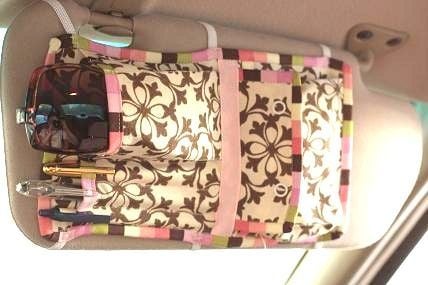
A visor organizer keeps sunglasses, a parking card, or pens within easy reach.
It gives you practice with straight stitching, pocket placement, and topstitching.
Measure the visor before you cut.
Choose light but firm fabric, and add interfacing if you want more shape, though check that it is not too stiff to sew.
Elastic or a fastening strap holds the organizer in place.
Try it on the real visor before you sew the final seams.
Keep the layers few so your topstitching stays neat.
Press the fabric before cutting so your measurements stay true.
For more quick makes like this, see easy sewing projects to make and sell fast.
Safety matters most here. The organizer must not block the driver’s view, stop the visor from moving, or cover airbags, mirrors, or vehicle controls.
Do not overload the pockets either.
14. Guitar Pick Pouches
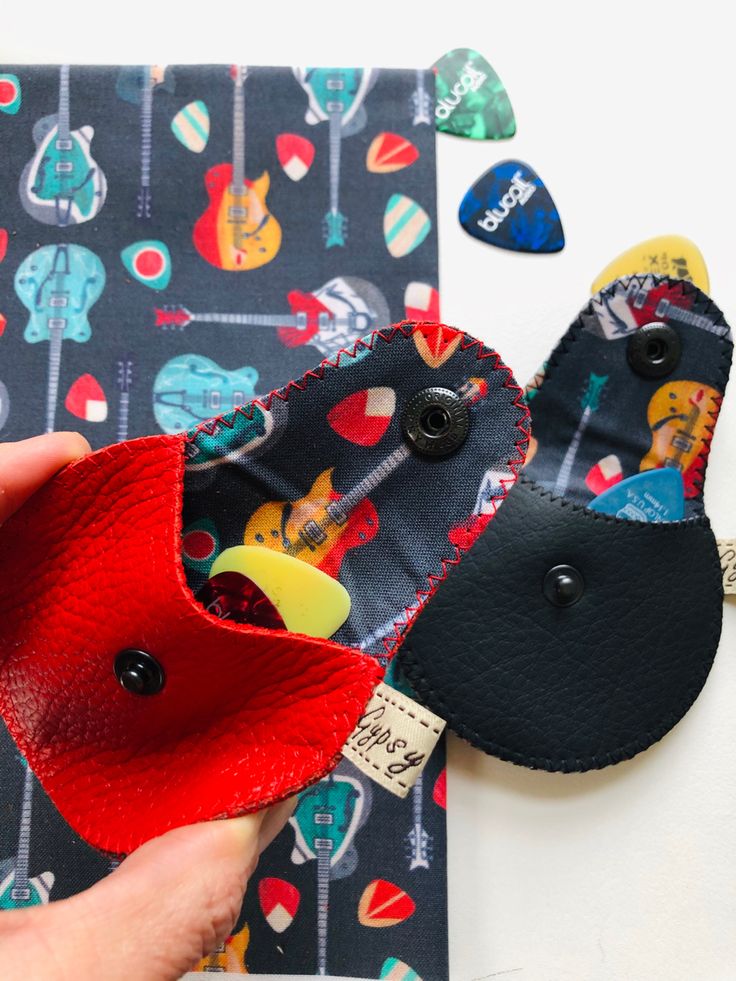
This project uses very little fabric, so it is a good home for favorite scraps.
A pick pouch is a small flat pouch with a closure, such as a zipper, a snap, or a fold-over flap.
The seams are short and straight. Among the sewing projects you can make with a basic sewing machine, it is one of the smaller ones, but small does not always mean easy.
Tiny pieces slip and shift, so cut carefully and hold them with clips or a few pins.
Interfacing can help thin fabric keep its shape. Music prints, initials, or matching small cases appeal to players.
Choose a closure that keeps picks from falling out, and test it by giving the pouch a shake.
Sew back and forth at the opening and corners, where picks will pull on the seams.
Sewing Projects You Can Make With a Basic Sewing Machine: Clothing, Pillows and Comfort Items
15. Elastic Waist Skirts
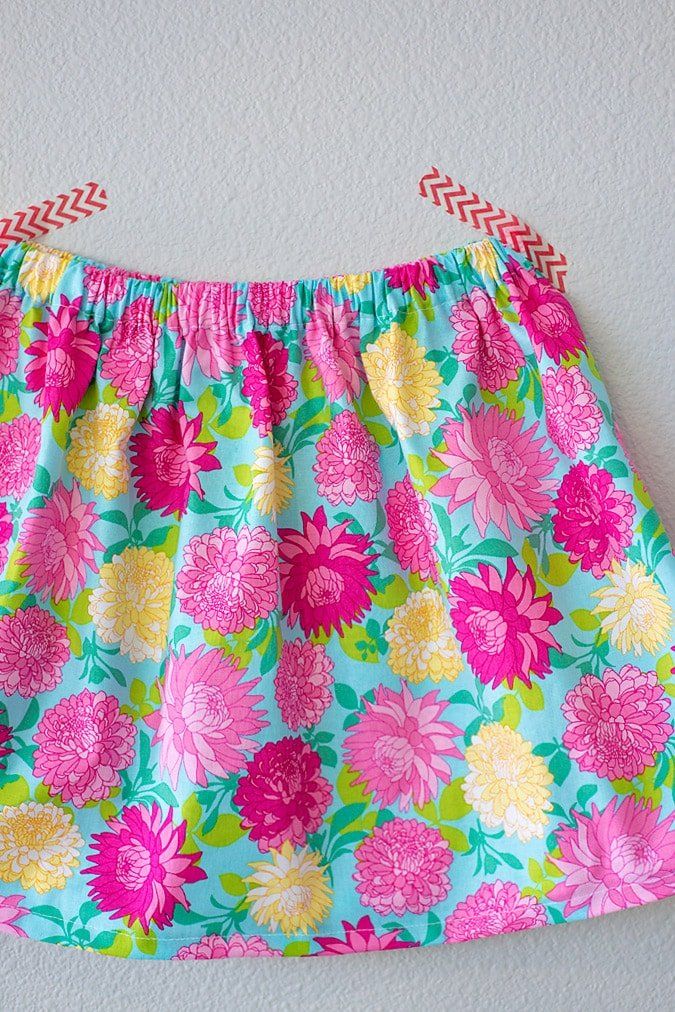
Elastic waist skirts are a friendly way into sewing clothes, since there is no zipper or fitted waistband to deal with.
You measure, cut the panels, sew the side seams, make a casing for the elastic, and hem.
A basic machine can do all of this. Woven cotton, lawn, and light linen blends are good fabrics to start with.
Fit matters more than people expect, so try the elastic around your body to choose its length, and spread the gathers evenly so the skirt hangs well.
Leave a small gap in the casing to thread the elastic through, and take care not to twist it.
Sew slowly where the seams make the fabric thick.
If you plan to sell, profitable sewing projects to make and sell can help you compare ideas.
Clear waist and length measurements help buyers pick the right size.
16. Pajama Shorts
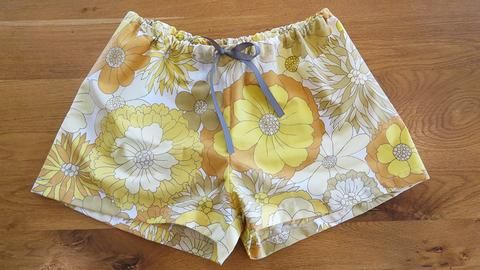
Pajama shorts are many sewists’ first real garment, and they show that clothes belong among the sewing projects you can make with a basic sewing machine.
A commercial pattern gives you simple pieces: front and back legs, inseams, side seams, an elastic waistband, and hems.
Light woven fabric such as cotton or flannel is easy to sew and comfortable to wear.
Match the seams and notches so everything lines up.
Finish raw edges with a zigzag stitch or another tidy method so the shorts last longer, and sew the curved seam between the legs twice for strength.
Be honest about the difficulty. Fit takes more attention here than with a pouch or a cushion, so check the size chart against real measurements.
A trial pair from cheap fabric is a smart idea.
Press as you go for a crisp, comfortable result.
17. Heart Pillows
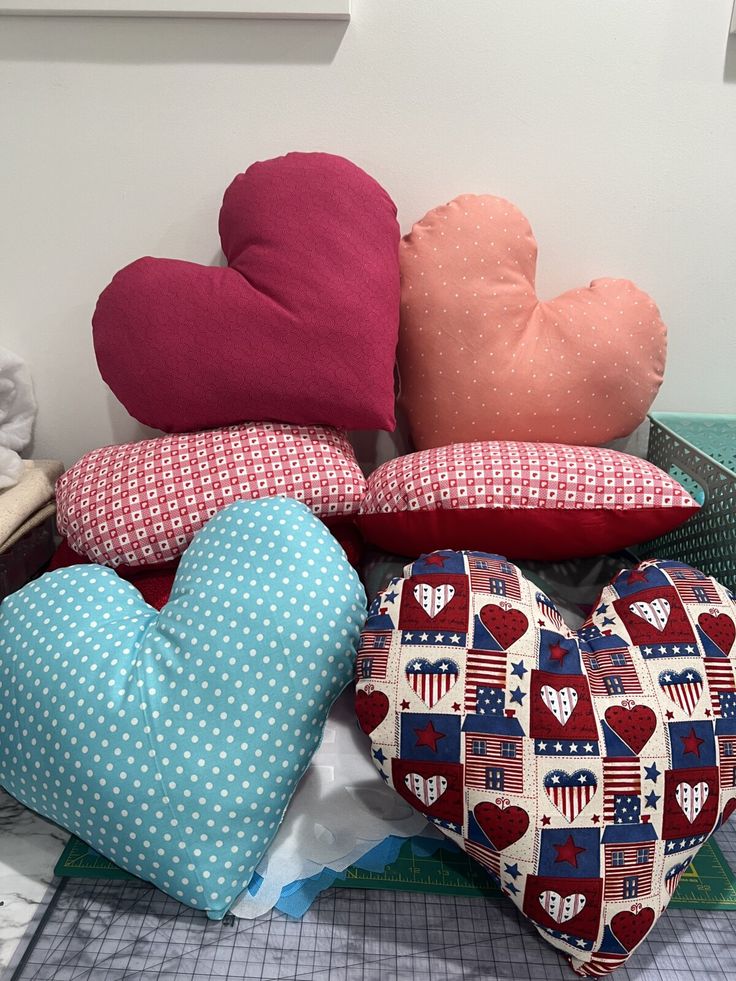
Heart pillows make sweet gifts for bedrooms, celebrations, and seasonal displays.
You need a template, two pieces of fabric, a line of stitching around the edge, and some filling.
Curves are the main skill. Sew them slowly, keep the needle down when you turn at the dip and the point, and use a medium stitch length.
Cut small notches in the curves before turning, taking care not to snip the stitching.
Then push the point out gently with a blunt tool.
Fill the heart evenly and close the gap neatly.
A basic machine can do all this, but smooth curves take patience.
Small hearts can be a quick make, which fits with sewing projects you can make in one hour and sell.
If you make them for babies or young children, follow product safety rules and skip small attachments.
18. Doll Sleeping Bags
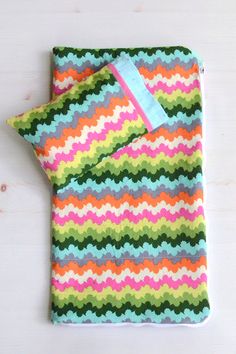
Pretend play needs the right gear, and a small sleeping bag suits many dolls.
It is made of layers: an outer fabric, a soft lining or thin batting, and a rounded or square shape, sometimes with a flap or fastener.
Measure the doll first, because sizes vary a lot, and leave enough room for it to slip in.
Light fabrics such as cotton and flannel feed well through a basic machine, and thin batting keeps the bag from getting bulky.
Small pieces are fiddly, so use clips and sew slowly around the corners.
Choose a simple fastener, such as a sewn-on tie or hook-and-loop tape.
For children’s items, skip buttons, loose decorations, and anything small enough to be a hazard.
Make sure every seam is strong, and wash the finished bag before first use if the fabric might shrink.
19. Fabric Coasters
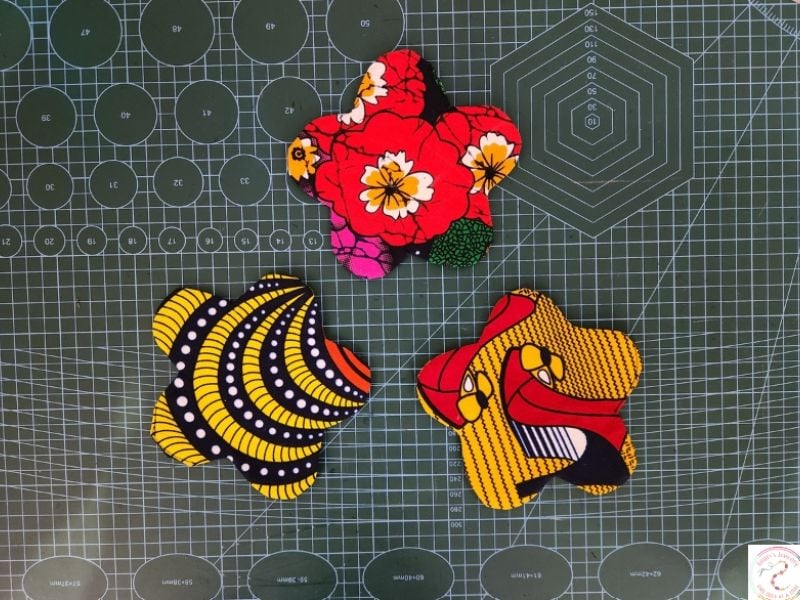
Fabric coasters are small, quick, and perfect for using up scraps.
Each one is two small squares or circles sewn together with a thin layer of batting inside, then turned and topstitched.
Because the pieces are so small, a basic machine handles them easily, and they are a good way to practise neat corners and gentle curves.
Cut accurately, trim the corners before turning, and press well so the edges look crisp.
Keep the layers thin, since thick batting makes small shapes hard to turn and stitch.
Tightly woven cotton works well, and a second layer of thicker fabric underneath helps soak up drips. Test a coaster with a real mug before you make a set.
Sets of four or six in matching prints look lovely in photos, which suits handmade sewing products to sell online.
Describe them as coasters for everyday drinks, not for very hot pans or dishes.
20. Wrist Rest Pillows
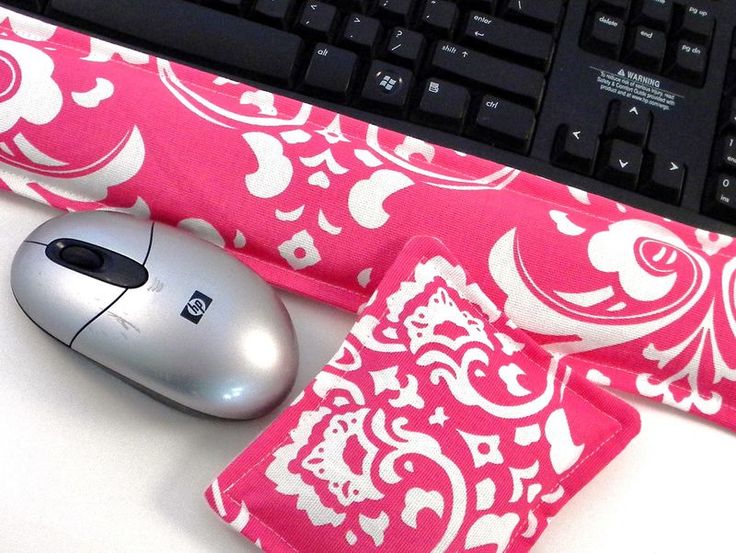
A wrist rest pillow is a small comfort item for keyboards, mice, and sewing desks.
It is one of the more straightforward sewing projects you can make with a basic sewing machine.
The shape is usually a rectangle or a short sausage, filled and closed, with an optional cover you can take off.
Choose smooth, strong fabric and secure seams, since it will take pressure every day.
Filling needs attention. Too little looks flat and too much feels hard, so test a sample first.
Choose a size that suits the desk and keyboard, and share the exact measurements.
A zipper or an envelope back lets you wash the cover. Sew the corners twice so they stay firm.
Present the pillow simply as a comfort accessory.
Do not make medical claims or promise pain relief, because a sewn cushion cannot guarantee either.
21. Hot Water Bottle Covers
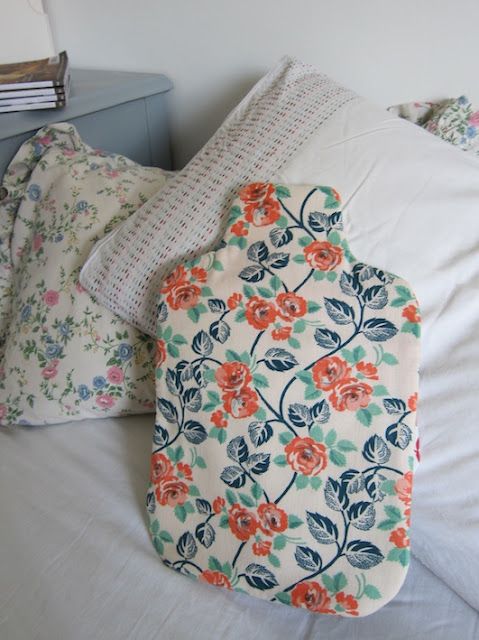
A hot water bottle cover adds a soft layer that makes the bottle more comfortable to hold, and it is a popular gift in cold months.
The cover is a simple pouch with an overlapping envelope back or a short opening at the neck.
You sew straight seams, hems, and an overlap that keeps the bottle in.
A basic machine can handle this when you choose soft, medium-weight fabric such as flannel, fleece, or knit.
Fleece can stretch and bunch, so use a suitable needle, a longer stitch, and clips.
Measure your bottle first and leave a little extra room, then test the fit before sewing the final seams. Heat safety matters.
Never fill a bottle beyond its maker’s guidance, and never cover a damaged bottle.
Do not claim the cover treats pain or aches.
If you are comparing gift ideas in high-profit sewing projects to make and sell, remember that honest product descriptions build trust.
22. Tablet Stand Pillows
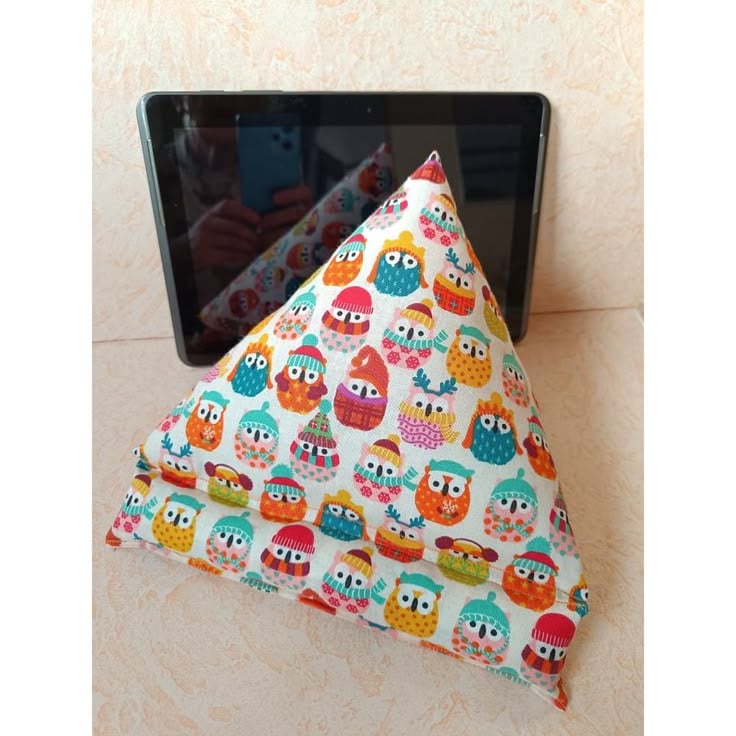
Tablet stand pillows hold a device at a comfortable angle for watching or reading hands-free, in bed or on the sofa.
The wedge shape or multi-pocket design is made from fabric panels joined with straight seams, which a basic machine handles well.
What makes it work is the angle. Measure and cut carefully, and use firm, dense filling so the stand does not collapse.
Dense filling pulls on the seams, so sew corners twice and use a suitable needle for thicker fabric.
Test the stand with the tablet size you have in mind, and check that it does not tip when touched.
A small lip or pocket at the front stops the tablet from sliding.
Do not promise that it will hold every device securely, because sizes and weights vary.
State which tablet sizes it suits, and keep cords and vents clear.
23. Desk Mats
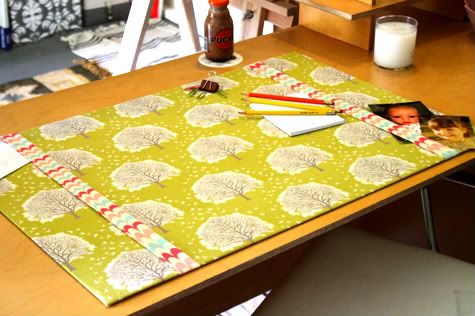
Fabric desk mats brighten home offices, study corners, and sewing rooms.
The shape is a simple rectangle, which makes this a good fit among the sewing projects you can make with a basic sewing machine.
You sew the panels, add batting or interfacing, and finish the edges with a hem or binding.
Keep the layers few, since thick batting plus stiff interfacing makes binding hard.
Test a small sample first. Even stitching and sharp, tidy corners give a professional look.
If your machine takes a walking foot, it can help the layers feed evenly.
If not, sew slowly and guide the fabric gently without pulling.
Quilting lines can hold the layers together.
Matching mouse pads, pen holders, and organizers turn one mat into a set, which suits easy sewing projects to sell on Etsy if you want to sell.
Sewing Projects You Can Make With a Basic Sewing Machine: Larger Home Projects
24. Padded Hangers
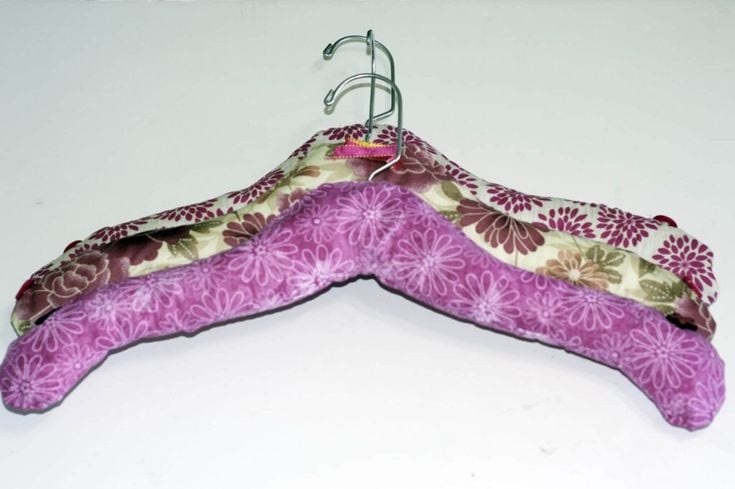
Padded hangers feel a little luxurious and are kind to delicate clothes.
You cover hangers you already own, so the sewing is a simple fitted cover with a seam, a small opening for the hook, and ribbon or ties if you like.
Start by tracing a plain hanger to make your pattern.
Soft batting works well, but thick padding makes the cover bulky, so keep it thin and trim the seams.
Smooth, strong fabrics such as cotton or satin are good choices.
Satin slips, so use clips. Leave the hook area free so the hanger still works.
A basic machine can handle the cover, but test the fit on your hanger before you make a set, because wooden, plastic, and wire hangers have different shapes.
Sew slowly around the curved shoulders. Matching sets also make attractive gifts.
25. Ironing Board Covers
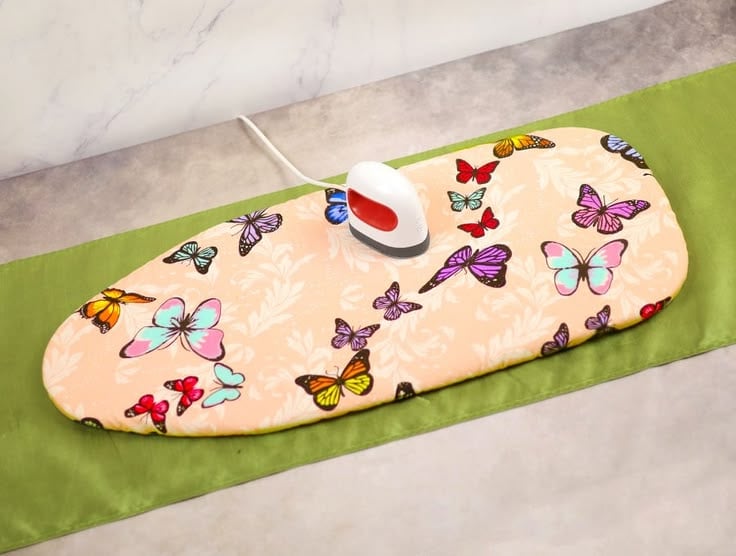
An ironing board cover is a practical project for the home.
You measure a large shape, then make a casing and add a drawstring, elastic, or another way to hold it in place.
Heat is the main issue. Ordinary decorative cotton is not automatically safe at ironing temperatures.
Choose fabric and padding made for ironing board covers, and follow the maker’s guidance.
A basic machine can sew the casing and seams, but check how thick the padding is before you start, and sew slowly.
A snug fit matters, because a cover that bunches or slips is annoying and unsafe near a hot iron.
Test the finished cover with your own iron on a suitable setting before you rely on it.
If you are thinking about things to sew and sell for a small business ,never sell an untested cover as heat-safe.
26. Bed Runners
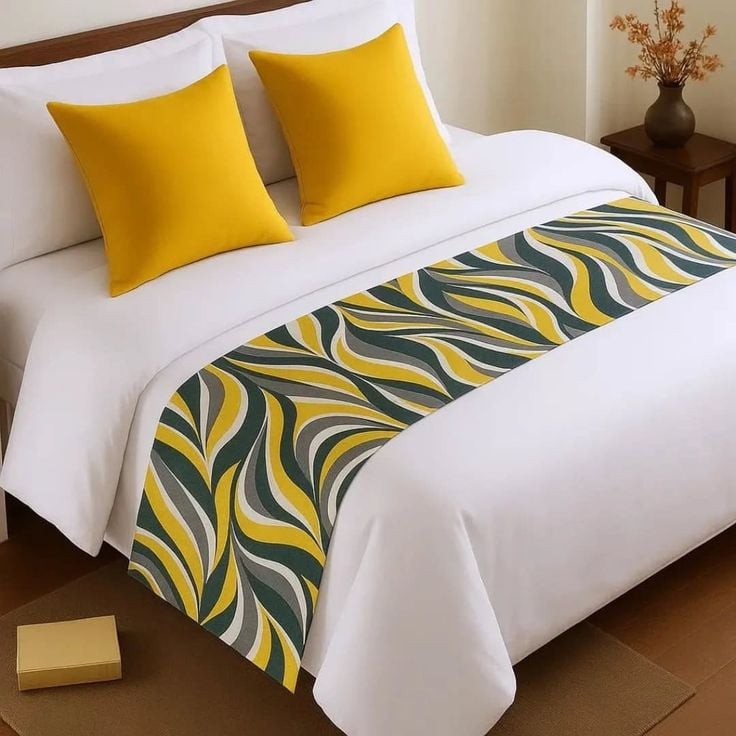
A bed runner is a decorative strip laid across the foot of a bed.
The shape could not be simpler. Among the sewing projects you can make with a basic sewing machine, it depends mostly on careful measuring and tidy long seams.
Cut long rectangles, sew them together with right sides facing, turn them out, and topstitch.
You can also finish the edges with binding.
Choose the fabric weight carefully. Lining or batting adds body but also bulk, so test your layers first.
The real challenge is handling the length.
Clear a large table, support the fabric so it does not drag, and keep your seams straight.
Press well before topstitching for crisp edges.
Make different lengths for different bed sizes, and think about matching sets with cushion covers for a coordinated look.
27. Bunk Bed Curtains
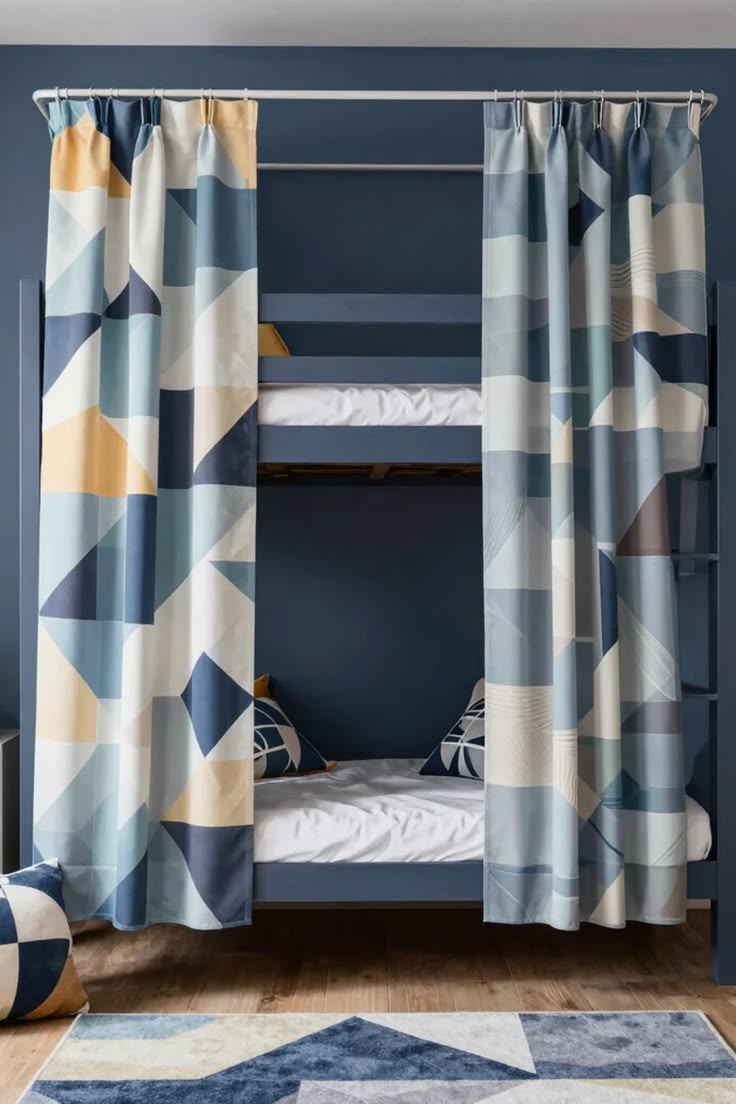
Bunk bed curtains can make a cozy, more private space around a bunk.
The basics are panels, hems, and loops or tabs to hang them.
Measure the bunk frame carefully, then choose light, washable fabric that is easy to handle.
A basic machine can sew the panels, but careful planning and safe installation matter just as much as the stitching.
If you enjoy home projects, these sewing business ideas you can start from home may give you more ideas.
Keep your hems even and the fabric light so it does not pull on the fixings.
Safety note: curtains must not block access, airflow, exits, ladders, or safe movement.
They must never create a trapping or strangling risk.
Keep ties and loops short and secure, and follow any advice from the bed’s maker.
28. Stadium Blankets
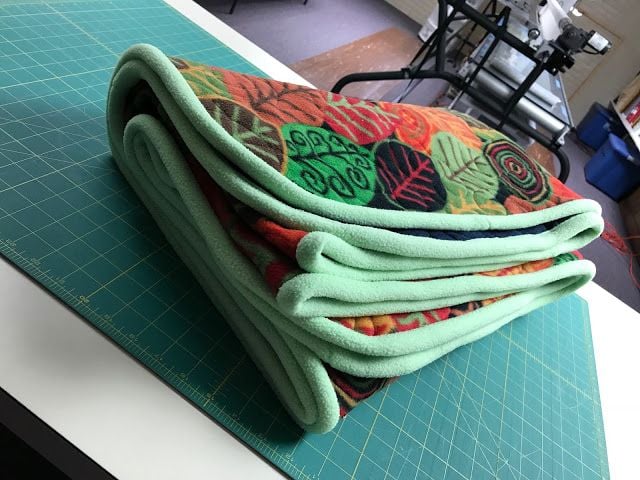
Stadium blankets suit people who go to outdoor sports, school events, and other gatherings.
The shape is a simple rectangle with an optional backing and a finished edge, so the sewing is easy to follow, but the layers can be tricky.
A basic machine can sew light or medium-weight layers.
Thick fleece combinations may need slower stitching and a suitable needle, so check your manual and test a sample edge first.
Clips often work better than pins on fleece. Pick an edge finish to match the fabric, such as a turned hem, binding, or a simple topstitched edge.
Team colors, personalized designs, and practical sizes all appeal to buyers.
The finished blanket should be easy to fold, carry, and wash, so avoid making it heavier than it needs to be.
29. Floor Cushions
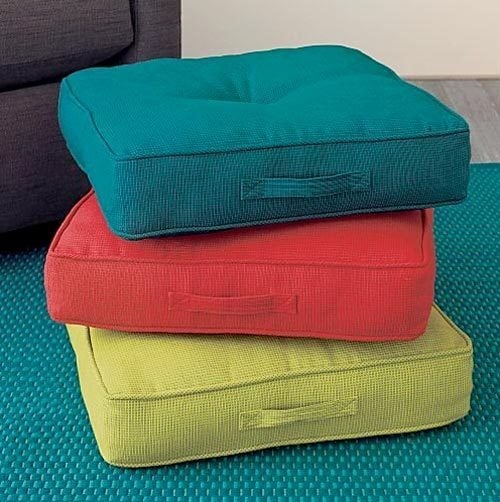
Floor cushions make useful seating for reading corners, playrooms, meditation spaces, and relaxed gatherings.
You sew large fabric panels, make boxed corners or a simple shape, and add a closure if you want one.
Strong, upholstery-style fabric suits this project best, along with suitable filling and reinforced seams.
A basic machine can handle it when the fabric and layers are right, but thick areas such as boxed corners and zipper sections need care, so slow down and use a suitable needle.
Accurate sizes matter, because a cover cut too small is very hard to fill.
A stable shape and a cover you can take off and wash are worth the extra effort.
For more ideas, see sewing projects that sell well on Etsy.
Check your manual before sewing very thick sections.
Final Thoughts
You do not need an expensive machine to make a wide range of useful, good-looking things.
Knowing your machine, choosing the right fabric, and building good sewing habits matter more than owning dozens of fancy features.
The sewing projects you can make with a basic sewing machine are broader than most people expect, as long as you match each project to your skill level and stay honest about what it needs.
Start with something you feel ready for, then move on to thicker layers, curves, or clothing as your confidence grows.
Pick one project from this list, gather suitable materials, test your stitches on a scrap of fabric, and start sewing.