The best handmade home items people love to buy are usually the ones that solve a small everyday problem.
Look around any home and you’ll spot small problems that fabric can solve.
A bed that could be warmer, a closet that’s overflowing, a backyard table that needs a cover.
That’s what makes handmade home items people love to buy so appealing to sew.
These fabric items for the home do real jobs, from keeping a room comfortable to keeping clutter under control to making family time more fun.
And if you’re thinking about selling, a useful product is often easier to explain to a customer than a purely decorative one.
This list mixes simple projects with a few that need special materials, extra care, or proper testing, and I’ll point out which is which as we go.
If you want more ideas first, 30 home decor items to sew and sell is a good place to start.
Read on and see which ones fit your skills, your fabric stash, and the people you’d like to sew for.
Handmade Home Items People Love to Buy
1. Comforters
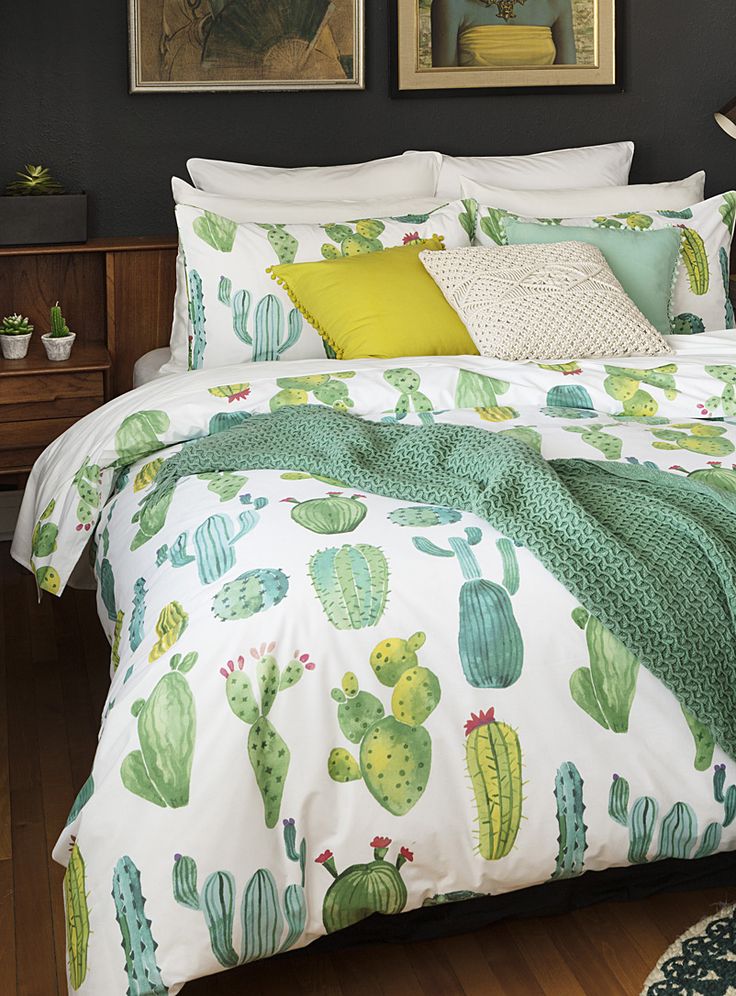
A comforter is the main piece on a bed, so people judge it on both warmth and looks.
Cotton or a cotton blend makes a soft, easy-care top, and the batting should match the season: thin for summer, thicker for cold rooms.
Quilting does more than look pretty. Stitch lines keep the filling from sliding into lumps, so plan them before you start and finish the edges with sturdy binding.
A twin and a king are very different amounts of fabric, so these are a big job in both time and money.
Add up fabric, batting, thread, and your hours before setting a price.
Reversible designs and matching pillow shams turn one sale into a bedding set, which is a good example of handmade home items people love to buy.
Most makers take comforters as custom orders.
If you’re weighing bigger projects against smaller ones, these handmade sewing projects people actually buy can help.
2. Under-bed Storage Bags
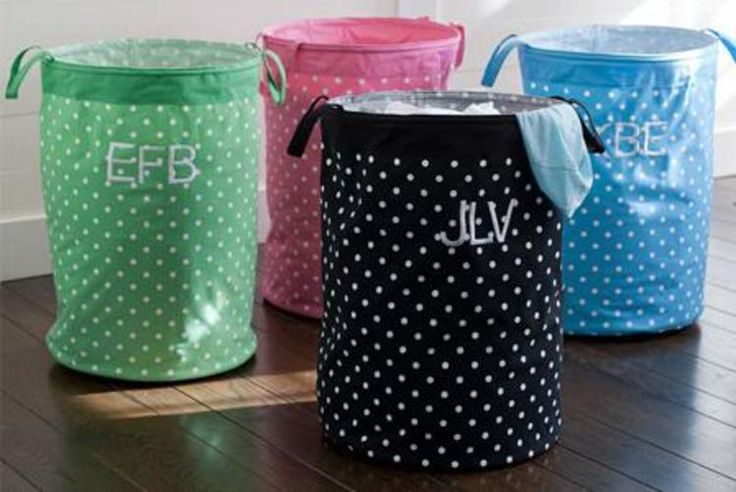
The space under a bed is usually wasted, and these bags put it to work.
They hold off-season clothes, spare blankets, shoes, or linens.
Measure the gap under the bed first, because bed heights vary a lot, and keep the bag low and flat so it slides out easily.
Sturdy cotton canvas keeps its shape, and a zipper helps keep dust out.
Add strong handles at the ends so the bag is simple to pull, and think about a clear or mesh panel so people can see what’s inside.
Breathable fabric is a kind choice for things that sit for months.
Because most people need more than one, selling two or three sizes in matching colors works well.
For storage ideas that go beyond the bedroom, take a look at these organization products to sew and sell.
3. Armchair Caddies
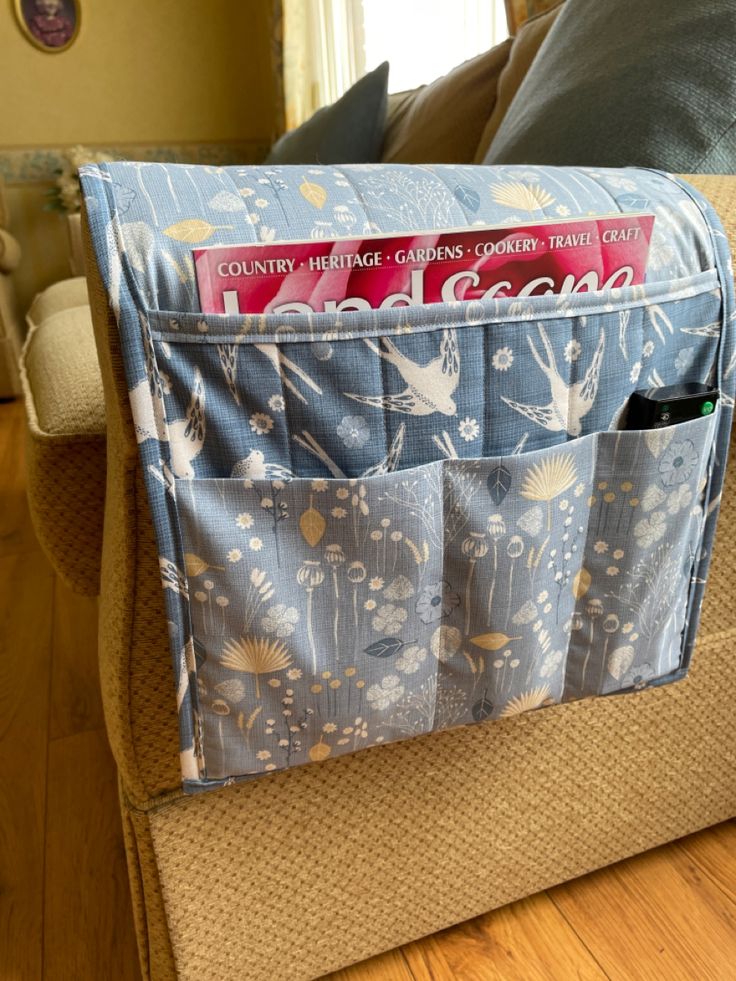
An armchair caddy is a long panel of fabric that drapes over the arm of a sofa or chair, with pockets on each side for the remote, a phone, glasses, or a book.
The tricky part is keeping it in place. Many designs have a wide flap that tucks under the seat cushion, so the sitter’s own weight holds it down.
Choose a strong fabric like canvas, twill, or home decor cotton, because the pockets carry real weight.
Fuse stabilizer inside them so they stay open, and stitch the pocket corners twice.
Measure the width and drop of the arm before you cut, since sofa arms vary a lot.
Leave drinks out of the design, as spills and hot cups don’t belong in fabric pockets.
Evening TV watchers, readers, and older relatives who like things within reach are good buyers.
Photograph it on a real armchair so people can judge the size.
4. Fabric Wall Pockets
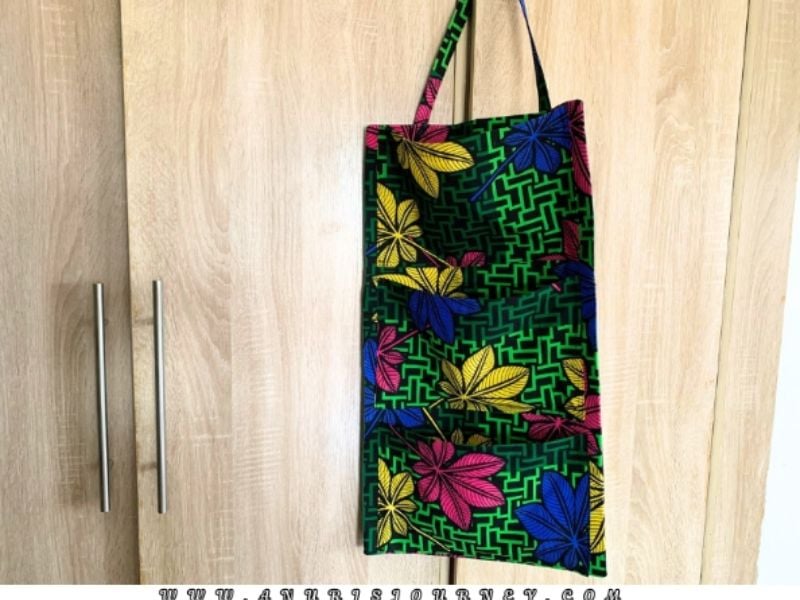
Wall pockets give you storage without taking up any floor space.
People use them for mail by the front door, pens and notebooks in an office, or yarn and scissors in a craft room.
Decide what the pockets will hold, then size them to match.
Shallow ones suit letters, and deeper ones suit scissors or remotes.
A stiff fabric, or a layer of stabilizer, helps the pockets stand open, and a reinforced top edge keeps the whole piece from sagging.
Add a rod pocket or sturdy loops for hanging. It’s worth telling buyers to use hooks that suit their wall type and to avoid overloading the pockets.
Making the same design in a few sizes gives you a matching wall set.
If you like selling practical pieces, things to sew and sell from home has more ideas that go well with these.
5. Laundry Sorters
Laundry day is easier when clothes are sorted before they reach the machine.
A laundry sorter does that with two to four sections, often with lift-out bags you can carry straight to the washer.
Choose washable fabric, and add mesh panels if you want air to move through.
Strong handles and stiffened sides keep the whole thing standing upright.
Think about who you’re making it for.
A big family needs a roomy, multi-bag version, while someone in a small apartment may want a slim one that folds flat.
You could add a matching hamper or drawstring bags to build a full laundry room set, which suits a shop of handmade home items people love to buy.
Be realistic about the work, though. Several sections and reinforced seams mean more steps and more fabric, so your price should show it.
6. Table Pads
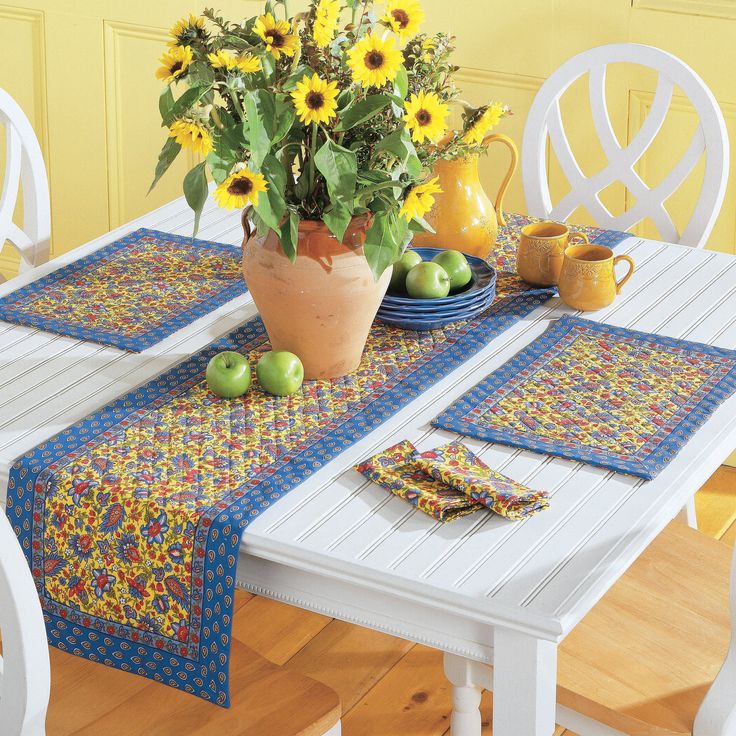
A table pad goes under the tablecloth to soften the surface.
It quiets clinking dishes, stops the cloth from sliding around, and gives the table a more finished look.
Cotton batting or flannel works well, and a washable top layer makes spills less stressful.
One thing to be careful about: a plain fabric pad isn’t heatproof or waterproof, so don’t describe it that way.
Heat protection needs materials that have been made and tested for it, and that’s a different product from a decorative pad.
Measure the table carefully, including any extra leaves, and plan for round, oval, and rectangular shapes.
Because tables vary so much, custom sizes are a natural fit.
Adding matching placemats or a runner, like the pieces in these kitchen items to sew and sell, lets you offer a complete dining set.
7. Folding Chair Covers
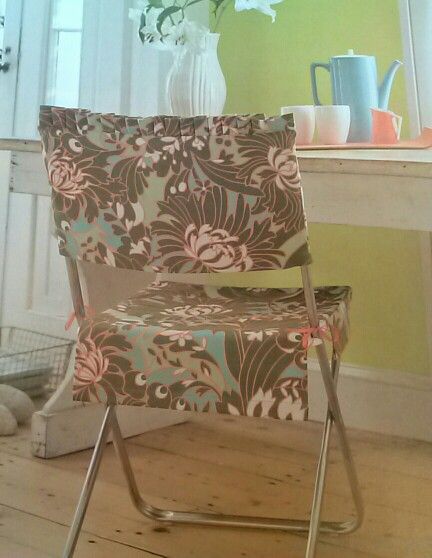
Folding chairs are practical, but they’re rarely pretty.
A fitted cover fixes that for weddings, parties, church events, or a crowded holiday table.
Because chair models differ, measure the seat, the back, and the width before you cut.
Stretch fabric hugs the chair neatly, while elastic or ties keep a looser cover from slipping.
Choose fabric that washes well and doesn’t wrinkle easily, since these covers get laundered a lot.
They’re only for looks, so never suggest they make a chair sturdier.
The real chance here is in sets. A host might want forty covers in one color, which is a big order that needs lots of fabric and time.
Agree on the quantity and delivery date before you start.
If you also keep a few seasonal colors on hand, you’ll have handmade home items people love to buy in both big and small orders.
8. Puzzle Mats
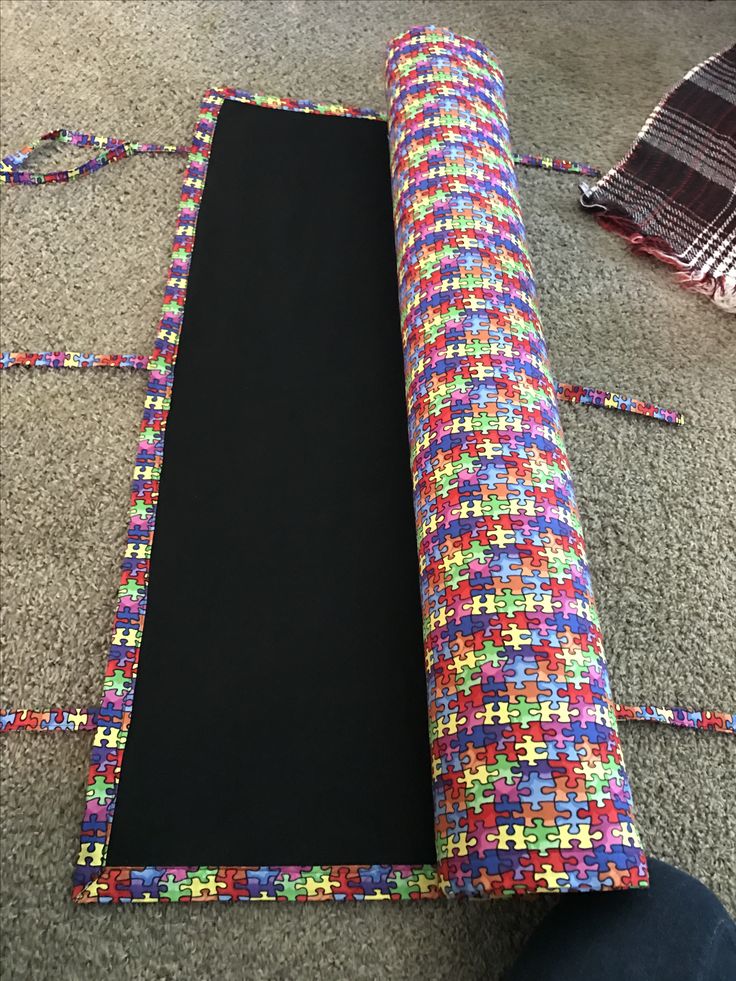
If you’ve ever had to clear the dining table in the middle of a puzzle, you’ll see why people like these mats.
A puzzle mat is a padded surface that holds the pieces while you work, and many roll up so a half-finished puzzle can be stored safely.
Felt or another fabric-backed material makes a good base, and a thin layer of batting adds cushion.
Finish the edges neatly so the layers don’t fray. The mat has to lie flat and stay put, so test it on a smooth table before you sell it.
A tie closure on a roll-up version is a nice touch, and it makes packaging easy too.
Since it takes mostly measuring and cutting, it works well among the no-pattern sewing projects you can make without a printed pattern.
Offer sizes that match common puzzle dimensions.
9. Hanging Sweater Organizers
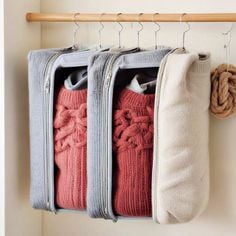
Hanging sweaters on hangers stretches them out, and this organizer solves that.
It hangs from the closet rod and has shelves where folded knitwear can rest. The tricky part is weight.
Reinforce the hanging straps, stiffen the shelves with interfacing or a flat insert, and sew the stress points more than once.
Cotton canvas lets air move around the clothes, which is kinder to your knits.
It’s different from a general closet organizer, because every detail here is about keeping folded clothes supported and tidy.
Closets come in many sizes, so offer a few widths or take custom measurements.
It’s a sturdier build than most items here, so it counts among the more demanding handmade home items people love to buy, and the price should show that effort.
For help planning a small range, these things to sew and sell for a small business are worth a read.
10. Door Draft Stoppers
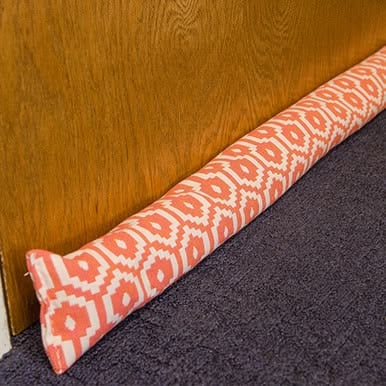
A door draft stopper is a long, snug fabric tube that lies along the bottom of a door to fill the gap, which many people like on cold or breezy days.
Cut it a little wider than the door and sew it from sturdy cotton or canvas that can be wiped or washed.
The filling does most of the work.
Keep it firm and sealed inside an inner liner, so the outer cover can come off for washing, and avoid loose small beads or seeds that could spill.
Don’t promise energy savings, because results depend on the door and the size of the gap.
Never place one across a fire door or an exit route that needs to stay clear.
Animal shapes and seasonal prints make these handmade home items people love to buy for families and gift shoppers.
A heavy tube costs more to post, so check shipping before you set a price.
11. Sewing Baskets
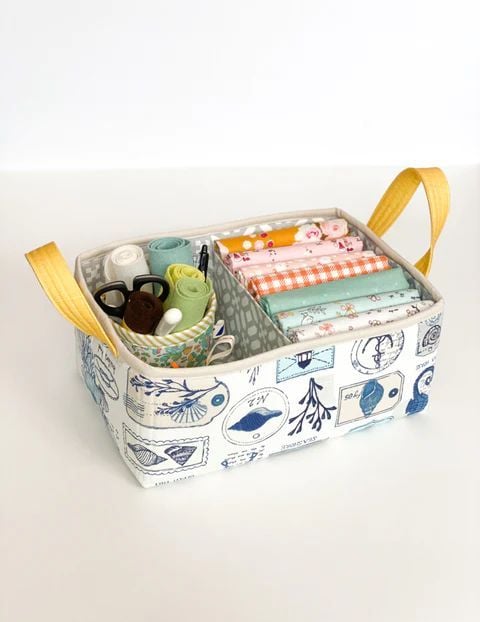
A good sewing basket keeps thread, needles, scissors, and fabric scraps in one place.
A firm base keeps it from tipping, and interfacing or fusible foam gives the sides their shape.
Dividers, a lift-out tray, and a pincushion on top make it more useful, and a handle lets you carry it from room to room.
A zipper or flap stops small tools from spilling.
You can sew it in sizes: small for beginners, medium for hobbyists, and large for people who sew every week.
Other sewists are an easy audience because you already know what they need.
Try making a matching pincushion and scissor case to sell as a set.
For more ideas along these lines, see the best sewing products to sell on Etsy, and think about making baskets in small batches.
12. Drawstring Play-Mat Bags
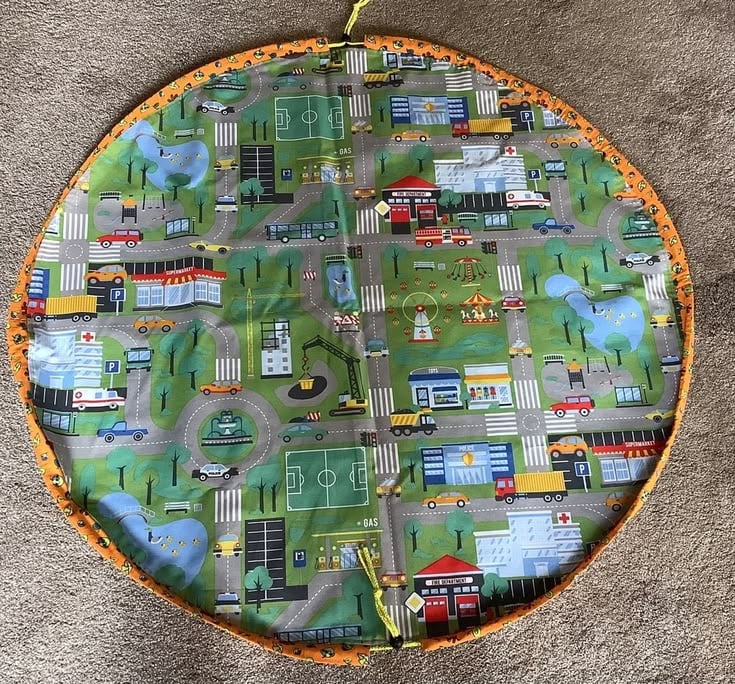
A drawstring play-mat bag is a big round of sturdy fabric with a cord channel sewn near the edge, so a pull of the cord turns it into a bag.
Open it flat and it becomes a mat for building blocks, toy cars, or bricks.
Pull the cord, and everything is stored in one move.
Choose a tightly woven fabric like cotton canvas or duck, and stitch the cord channel twice for strength.
Mats often measure 36 to 50 inches across, with smaller ones for travel.
One real caution: cords can be a hazard around young children, so keep the cord short, let adults do the closing, and don’t leave the bag where toddlers can reach it.
Add a note that small building pieces are a choking risk for young children.
Parents and gift buyers are your market, and a name on the mat makes a nice personal touch.
A large circle takes plenty of fabric, so price it accordingly.
13. Window Quilts
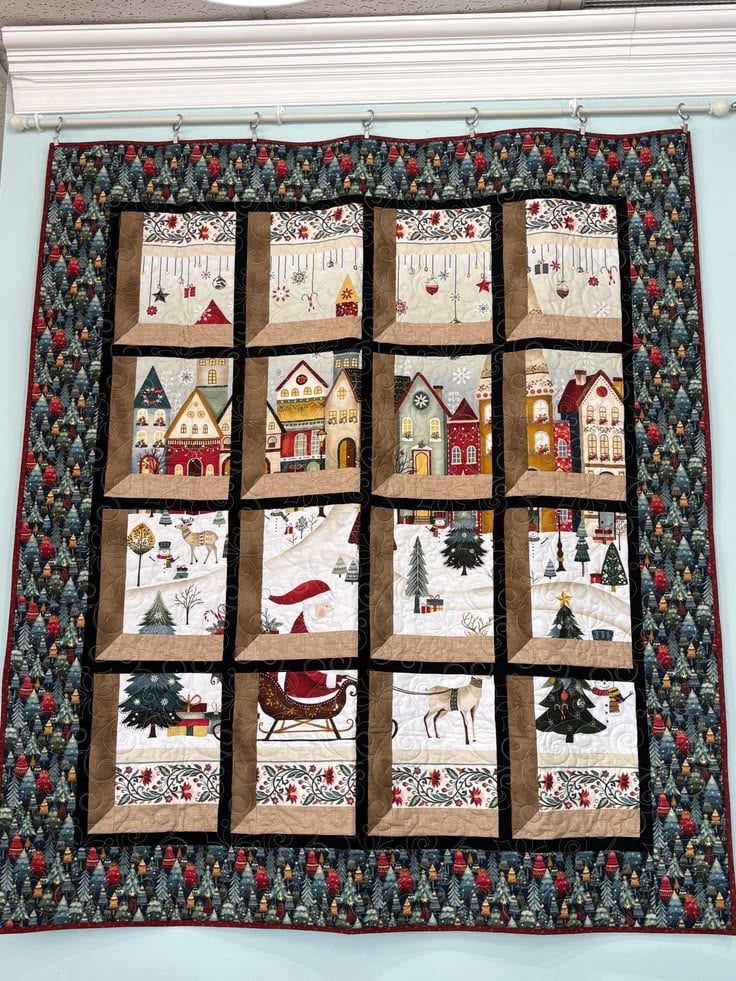
A window quilt is a padded fabric panel that hangs over a window to soften the room and add an extra layer.
It’s usually a pretty outer fabric, a layer of batting, and a lining, all quilted together.
Fit matters, so measure the window and decide how the quilt will hang, whether from a rod, a track, or another system.
How well it blocks drafts depends on the materials, the build, and the fit, so don’t promise energy savings, and never call plain fabric fire-resistant.
Window quilts use a lot of fabric, which makes them best as custom orders.
For more projects that suit homeowners, browse these sewing projects that sell well on Etsy.
Clear size details in your listing help buyers order with confidence, which matters for handmade home items people love to buy.
14. Stair Tread Covers
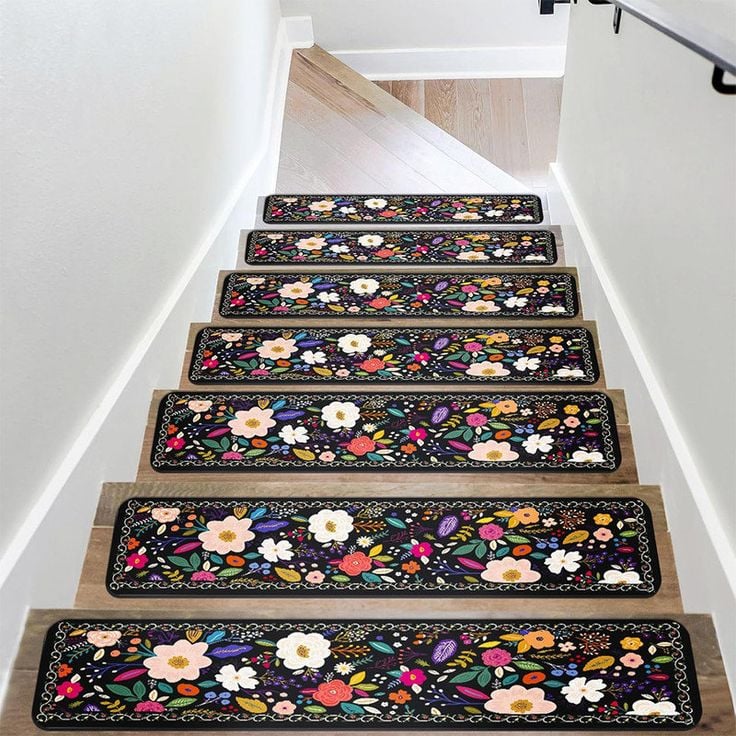
Fabric covers for stair treads can make a staircase feel softer and look nicer, but this is a product that needs real caution.
Loose or shifting fabric on stairs can cause a bad fall, so never sell a cover that isn’t firmly secured.
Plain fabric also isn’t reliably slip-resistant.
Anything made for stairs needs a proper nonslip system that has been tested, plus a snug fit on each tread.
Start by measuring the treads exactly, choose durable fabric that’s easy to clean, and think hard about how the cover will stay in place.
If you can’t test the grip and the attachment properly, it may be best to skip this one.
Homeowners deserve something safe and honestly described, so show how the cover is fixed in place and explain how to check it regularly.
When appearance and safety pull in different directions, safety wins.
15. Prayer Mats
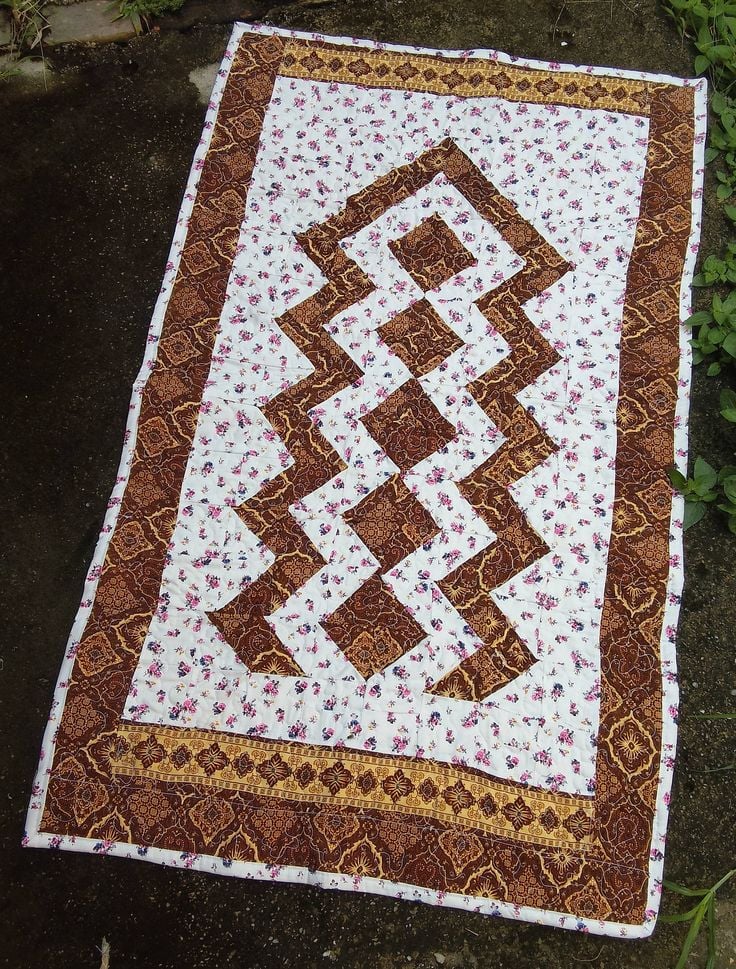
A prayer mat gives people a comfortable, portable place to pray, and for many households it’s part of the daily routine at home.
The padding should be soft but supportive, so it’s gentle on the knees without being thick and awkward to carry.
Pick durable fabric that wipes or washes easily, and finish the edges neatly.
Approach this product with respect, and don’t assume anything about how your customers practice.
If you’re unsure about a design detail, ask them.
Personal touches are popular, like a name or a chosen color, and these personalized sewing products can give you ideas for custom orders.
A travel-size mat with a matching pouch makes a thoughtful gift, and the pouch keeps a folded mat clean inside a bag.
Since many of these will be made to order, be clear about how long they take, and say what size, thickness, and care the mat needs.
16. Pew Cushions
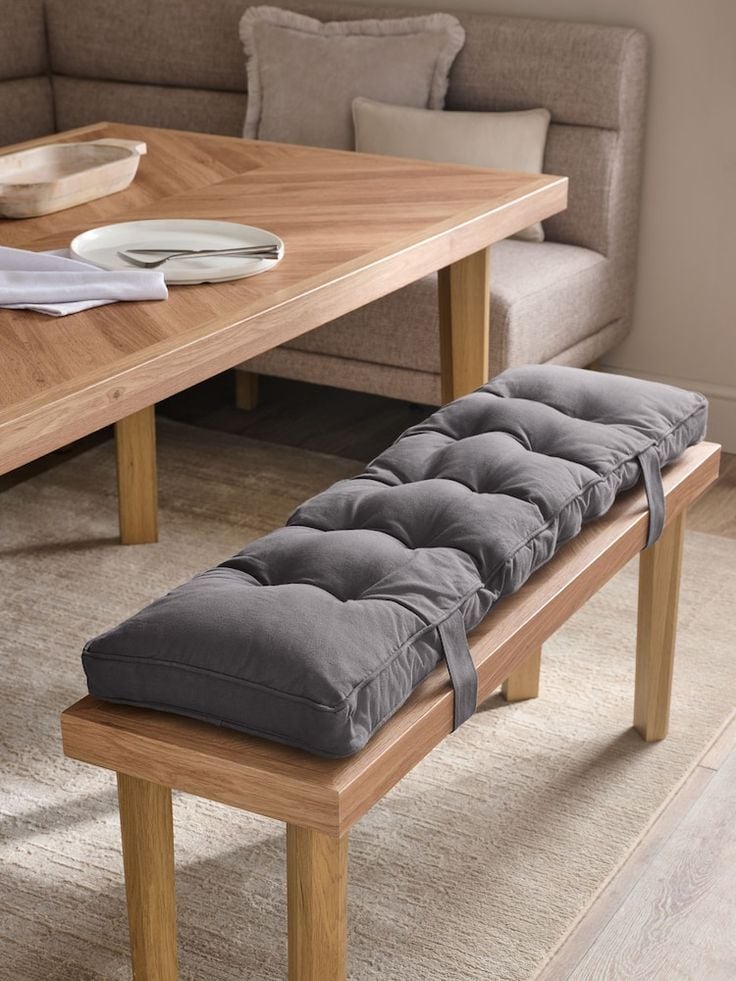
Hard seating gets uncomfortable fast, and that’s true of dining benches, window seats, hallway benches, and church pews alike.
A pew cushion is really a long, firm seat pad, so it works well for all of them. Start with exact measurements, because benches differ in length and depth.
Firm foam or dense padding holds up better than soft filling, and sturdy upholstery fabric wears well.
Ties or another secure method keep the cushion from sliding, and a removable cover makes washing simple.
It adds comfort only, so don’t suggest it makes seating safer.
Some customers want one cushion for a kitchen bench, while a congregation may want thirty in the same color, which is a much bigger project.
Put quantities, fabric, and delivery dates in writing first.
Group orders are one corner of handmade home items people love to buy, and these sewing products you can make in bulk and sell can help you plan the work.
17. Stuffed Animal Storage Chairs
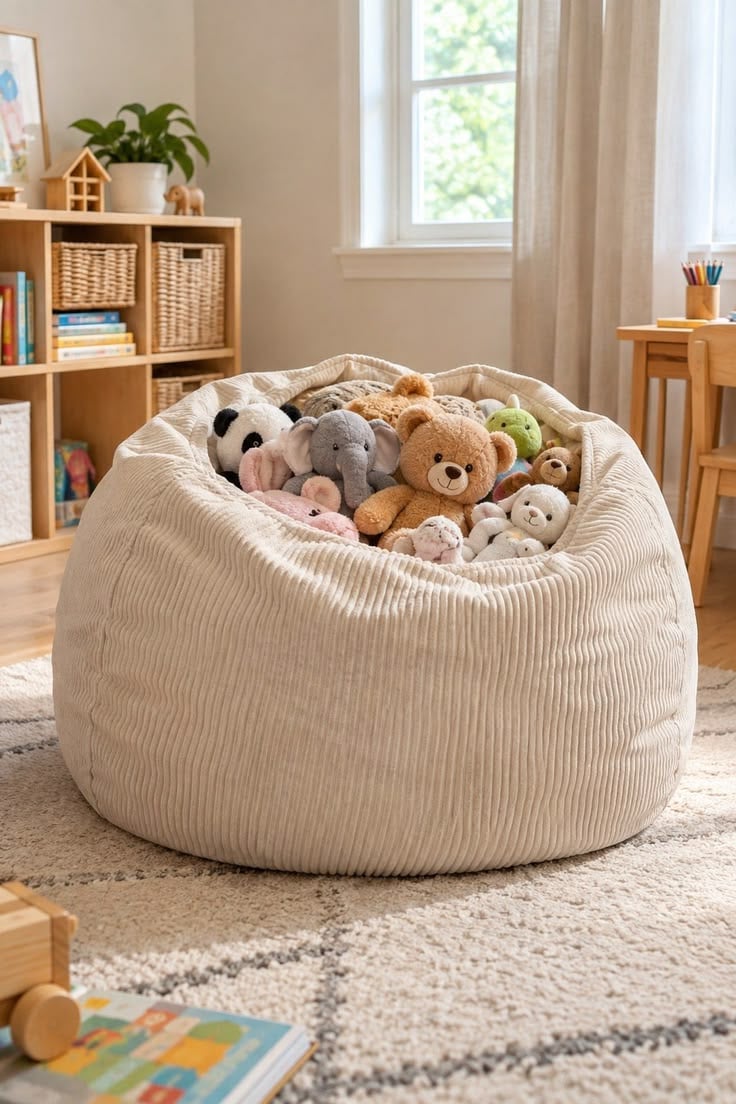
A stuffed animal storage chair looks like a soft little chair, but its real job is hiding a pile of plush toys.
The toys go inside the cover through a zipper or other opening, and a child can pull them out again.
Strong seams matter, because it will be squished, hugged, and sat near constantly.
A washable fabric helps, and some designs add a light inner support to hold the shape.
Be clear about what it is. Label it as toy storage, and don’t describe it as a child seat or real furniture unless it’s been properly tested for that.
Parents tired of toy clutter are the likely buyers, and fun colors or themes suit a playroom.
It uses a lot of fabric, so price it with that in mind, and show it filled with toys so buyers understand the size.
18. Sensory Swings
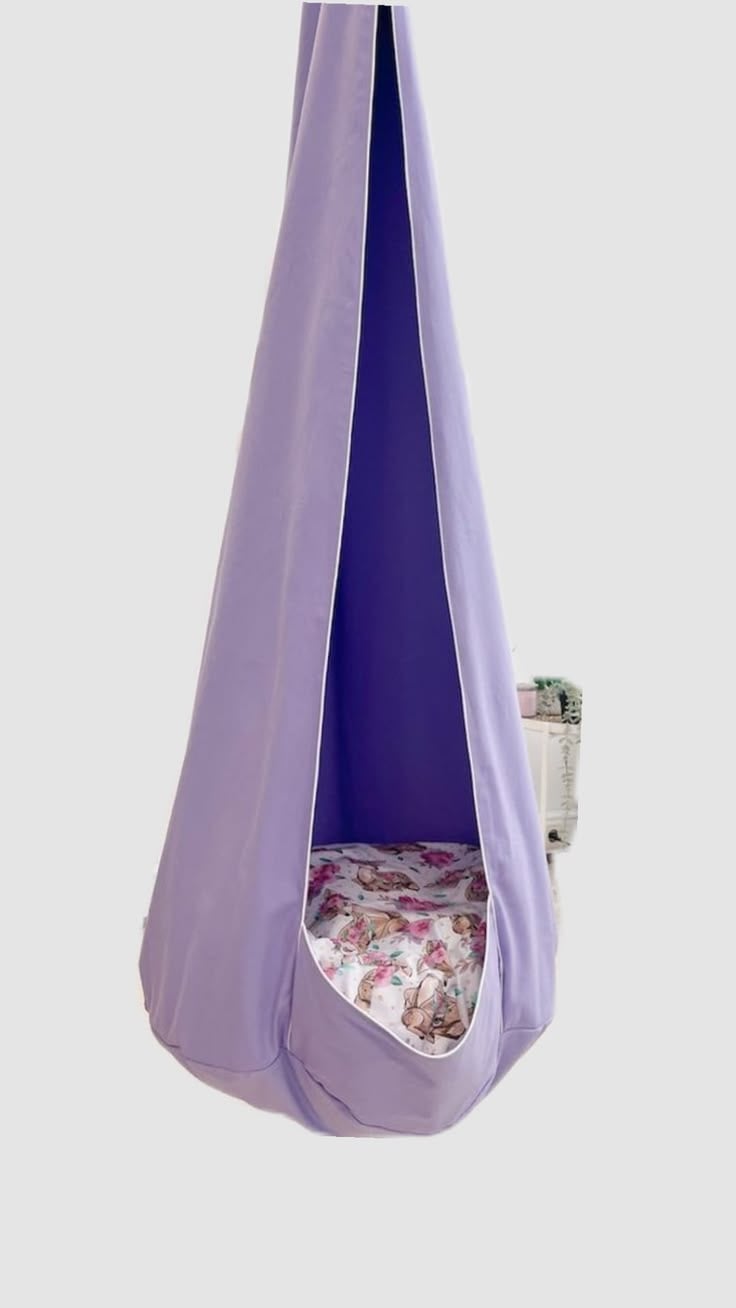
Sensory swings need special care, and the honest advice is to be cautious.
A sensory swing hangs a fabric pouch in the air, so the fabric strength, seams, hardware, installation, and weight limit all matter.
A sewing project on its own can’t prove a swing is safe, set a weight rating, or deliver therapeutic benefits, and a homemade swing should never be treated as safe for unsupervised use.
That’s why there are no step-by-step instructions here.
If you’d like to sell them, work with qualified people who can design the swing, test it, and explain how to install it before anyone hangs from it.
Leave out any medical or treatment claims.
For many makers, the better choice is to pick other items from this list.
If you do go ahead, safety and testing matter far more than pretty fabric.
19. Play Tunnels
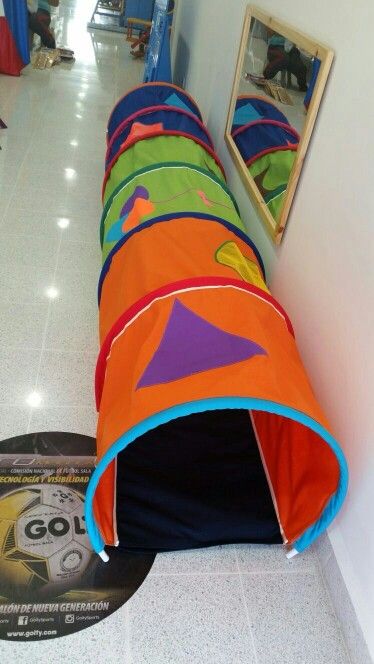
Kids love crawling through a tunnel, and a fabric one is light enough to move from the living room to the garden.
Most have bendy wire or rods tucked into fabric channels to hold the shape, covered in tough fabric.
Reinforce the seams where the frame pushes against them, add mesh panels for air, and make sure nothing sharp can poke through.
A tunnel that folds flat with a storage bag is easier to put away.
Think about the age group when you choose the length and opening size.
Bright colors or themes like jungles or space suit families, and these unique sewing products to sell on Etsy show how a clear theme helps a design stand out.
Children should always be supervised, and you shouldn’t claim the tunnel prevents injuries.
It can sit proudly among handmade home items people love to buy for kids, once you trust the materials.
20. Fabric Book Sleeves
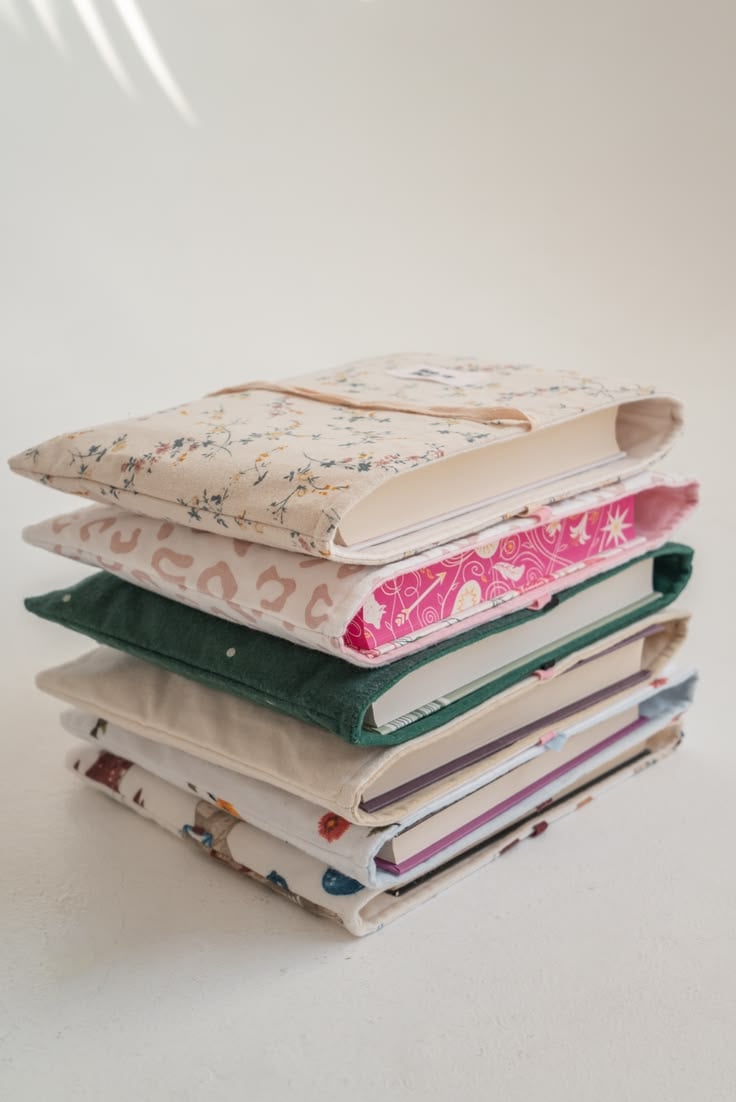
A book sleeve is a padded pouch that protects a paperback or notebook inside a bag, so corners stay straight and covers don’t scuff.
Quilted cotton over a thin layer of batting gives cushion without bulk, and a smooth cotton lining lets the book slide in and out easily.
Closures matter. A flap with a button or snap is simple, a zipper is more secure, and a strip of elastic is the quickest to sew.
Size is the main thing to plan around, because paperbacks, hardbacks, and journals all differ, so make two or three standard sizes with a little extra room.
Readers, students, and gift shoppers are your likely buyers, and a name or favorite print makes a sleeve feel personal.
Sleeves use very little fabric, so they sit well among sewing projects that don’t require much fabric and can be cut in batches for craft fairs and online shops.
Say clearly which book sizes each style fits.
21. House Slippers
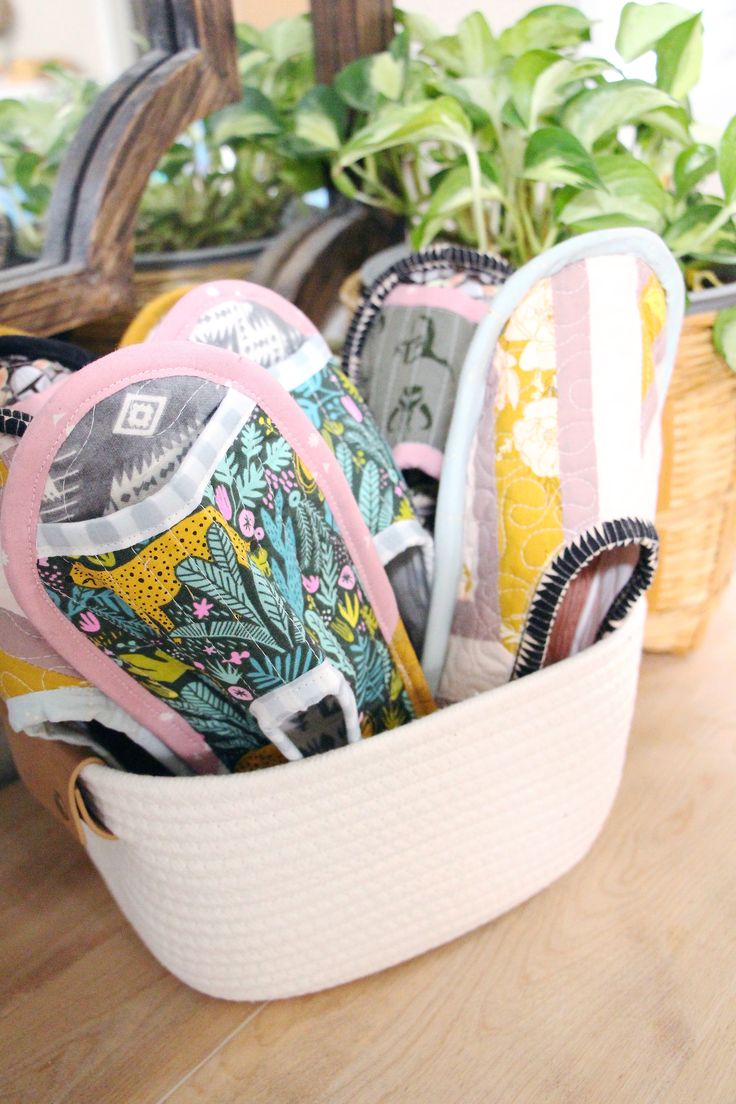
Slippers are all about fit and comfort. Soft linings like fleece, flannel, or cotton terry feel good, and a few layers of cushioning make walking around the house nicer.
The sole needs the most thought. Choose a material that suits your customer’s floors, and don’t say fabric soles are slip-proof unless they’ve been tested.
Reinforce the heel and toe so the slippers last, and offer a range of sizes for adults and children.
Seasonal fabrics, matching family pairs, and personalized gifts make good extras.
Slippers can be fiddly, and getting the fit right takes practice, so they suit sewists with a bit of experience.
Test your pattern on a few pairs before you start selling, and keep a record of how long each pair takes so your pricing covers your time.
A clear size chart in each listing helps buyers choose the right pair.
22. Play Parachutes
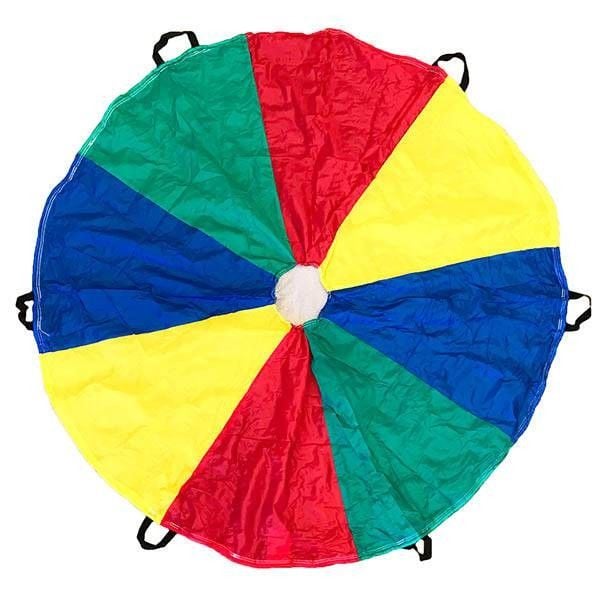
A play parachute is a big, light circle of fabric that a group holds by the edges to shake, wave, and float things on.
Teachers, play groups, and party hosts use them for cooperative games.
Pick a smooth, lightweight fabric that catches the air, and reinforce the edge well.
Handles around the rim make it easy for lots of little hands to grip, and the whole circle needs to be cut evenly so it lifts in balance.
Sizes can run from small ones for a family to large ones for a classroom.
Adults should supervise and choose games that suit the children’s ages.
It isn’t for climbing, lifting, or carrying weight, and shouldn’t be sold that way.
Cutting a true circle takes patience and plenty of fabric, so newer sewists may want to practice on easy things to sew and sell for beginners first.
It’s a cheerful addition among handmade home items people love to buy.
23. Chair Leg Covers
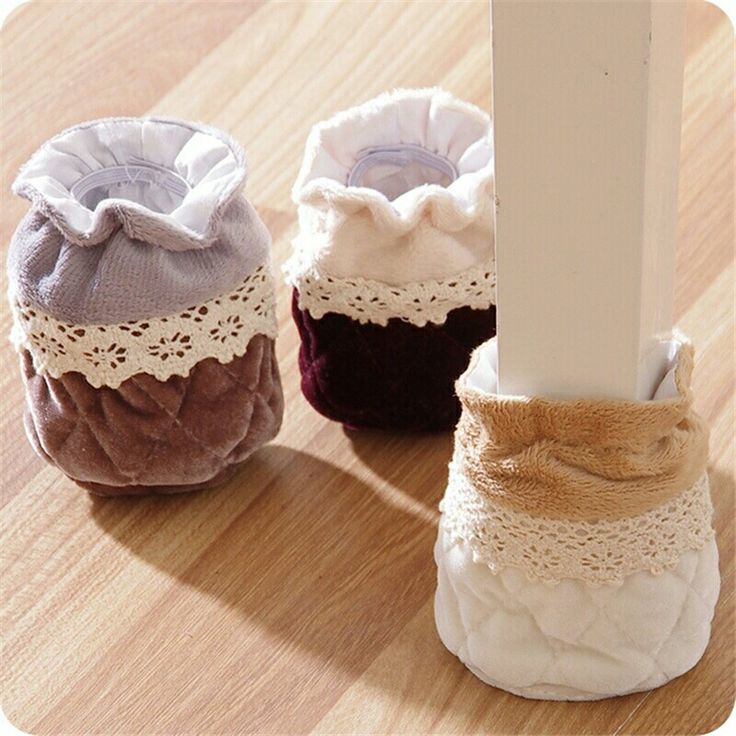
Chair leg covers are small fabric sleeves that slip over the feet of chairs and stools to reduce scratches and scraping noise on hard floors.
Felt, fleece, and thick cotton are common choices, and a stretchy knit hugs the leg neatly.
Sizing is the key part. Leg ends come in round, square, and flat shapes, so measure the width and height before you cut, and add elastic or a snug fit at the top so each cover stays put.
Remember that these protect floors and add a little cushioning.
Don’t sell them as slip-proof or as a way to steady a chair, because fabric can sometimes slide on smooth floors.
Renters, people with wooden floors, and anyone tired of noisy chairs are natural buyers.
They sew up as fast as the sewing projects you can make in one hour and sell, but one chair needs four, so sets of four or six make the most sense.
24. Grill Covers
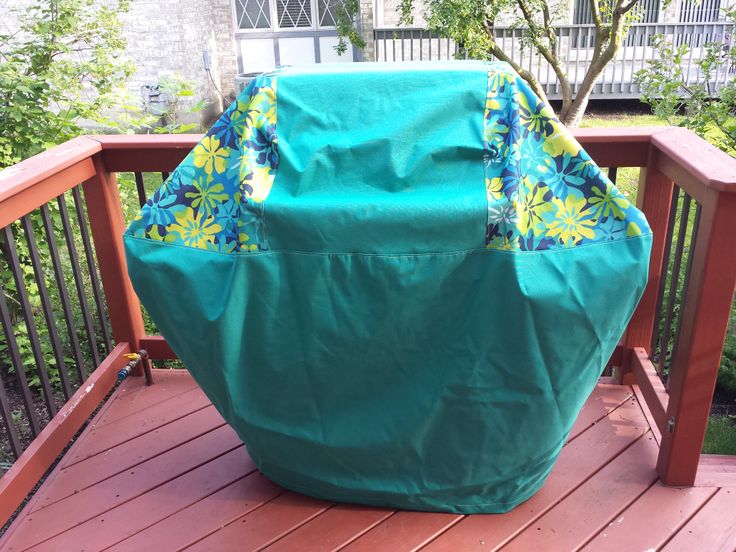
A grill cover keeps dust, rain, and sun off a grill between cookouts.
Choose weather-resistant outdoor fabric, such as coated polyester, and sew the seams strongly.
Straps or a drawcord at the bottom stop wind from pulling it off, and a small vent helps moisture escape.
Measure the grill’s height, width, and depth, including side shelves and handles.
Put a clear warning in your listing: the cover goes on only when the grill is completely cool and must come off before cooking.
Don’t call ordinary fabric fireproof or heatproof.
Homeowners with patios are the natural buyers, and since grills come in so many shapes, custom sizing makes sense.
Heavy outdoor fabric can be hard on a home sewing machine, so use a strong needle and go slowly.
Be honest about what the cover does: it protects the grill from the weather, and nothing more.
25. Grow Bags
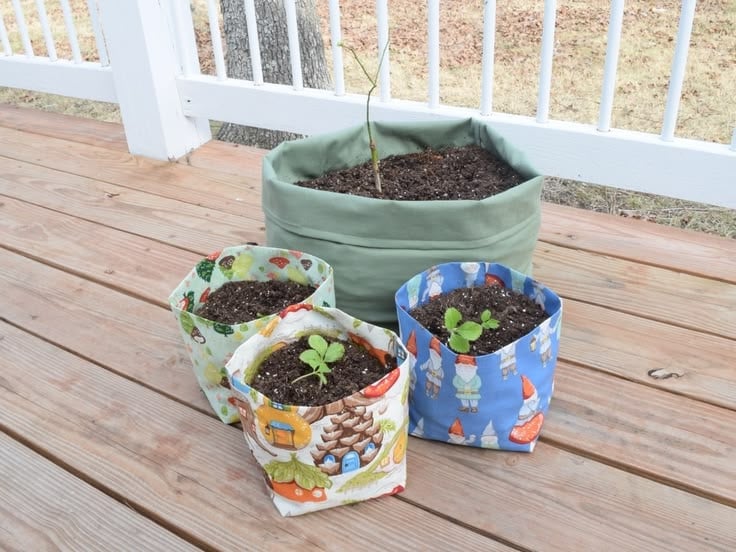
Grow bags are fabric pots for growing herbs, vegetables, or flowers on a patio, balcony, or in the garden.
The fabric lets water drain and air reach the roots, so the material you pick matters.
Handles help gardeners move filled bags, which can get heavy, and strong stitching has to cope with wet soil.
Make small ones for herbs and big ones for vegetables.
Don’t say any fabric is automatically safe for growing food.
If the bags are meant for edible plants, choose the material with care and describe it honestly.
Avoid promising how well plants will grow or how big a harvest will be.
Gardeners, apartment dwellers, and people buying gifts may all like them.
Once you’ve found a reliable fabric, they’re easy to make in batches.
For more ideas like this, try these easy sewing projects to make and sell fast.
26. Sandbox Covers
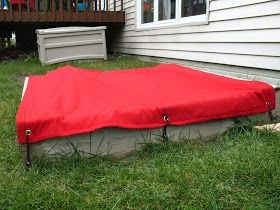
A sandbox left open collects leaves, dirt, and sometimes visiting animals.
A cover helps keep that out between play sessions.
Choose fabric that can handle sun and rain, and include mesh or another way for water to drain so the cover doesn’t sag with puddles.
Straps, elastic, or ties hold it in place in the wind.
Sandboxes are square, round, or even shell-shaped, so measure carefully and offer custom sizes.
Be honest in your listing: a fabric cover can’t guarantee that pests or germs stay out.
Remind parents to check the sandbox before children play, whatever cover is used.
Families with yards, daycares, and schools may be interested.
Covers use a lot of fabric, so work out the cost before you quote a price, and include washing instructions with every order.
27. Picnic Table Covers
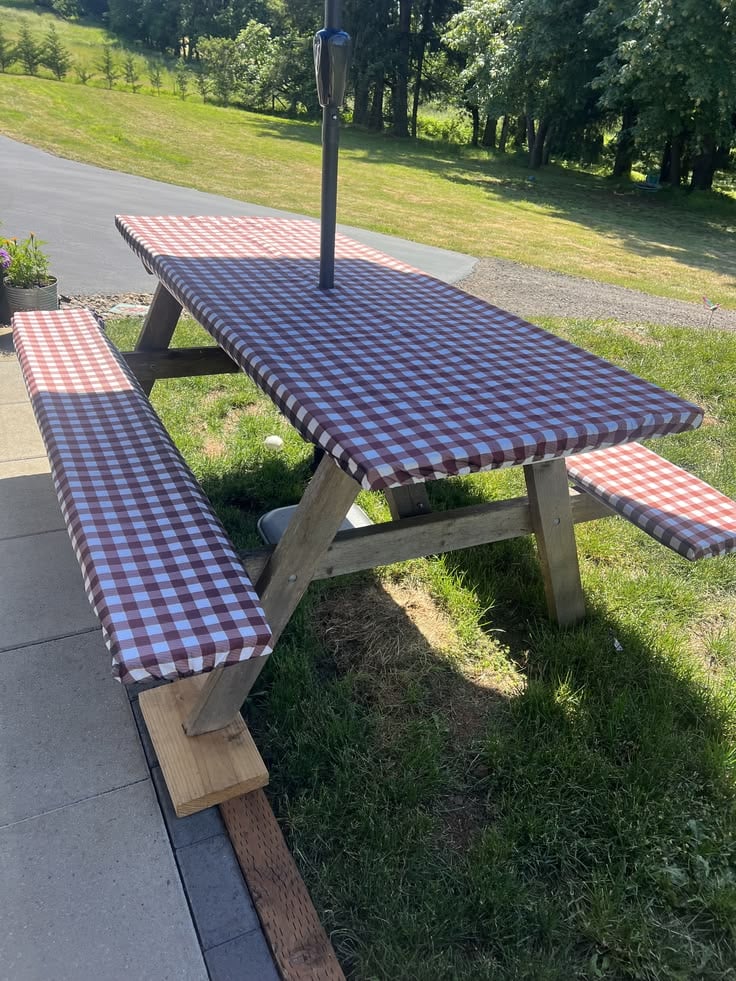
A bare picnic table isn’t very inviting, and a fitted cover makes it ready for a meal.
Pick fabric that suits outdoor use, such as an outdoor cotton blend, and measure the table, including the benches if they’re attached.
Fitted corners, tidy hems, or ties keep the cover from blowing away.
Washable fabric is a plus for sticky, messy meals.
Ordinary fabric isn’t waterproof or stainproof, so describe what yours is made of.
Seasonal prints and matching napkins make a nice picnic set, and custom sizes help people with odd-shaped tables.
These are fairly simple to sew, so they fit well alongside the easy sewing projects for beginners to sell if you’re still building skills.
They use a lot of yardage, so include that in your price.
They’re a cheerful example of handmade home items people love to buy for summer gatherings.
28. Water Bottle Slings and Carriers
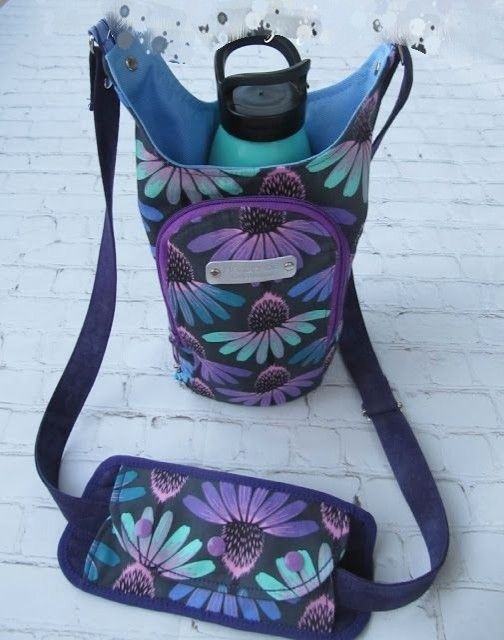
A water bottle sling is a simple fabric holder with a long strap, so a bottle can hang from the shoulder while the hands stay free.
It suits walks, school runs, and picnics. Start by measuring the bottles you want to fit, both width and height, because a tall flask and a small kids’ bottle need very different pockets.
A layer of batting inside helps the bottle sit quietly, and a base stiffened with interfacing keeps the shape.
Sturdy cotton canvas or washable outdoor fabric works well, and the strap needs strong stitching where it joins the body.
Add a small outer pocket for keys or a phone.
Don’t say a sling keeps drinks cold or hot unless the materials have been tested for that.
Walkers, parents, and students are natural buyers, and slings make a handy addition to handmade home items people love to buy.
List the bottle sizes each style fits.
29. Bed Jackets
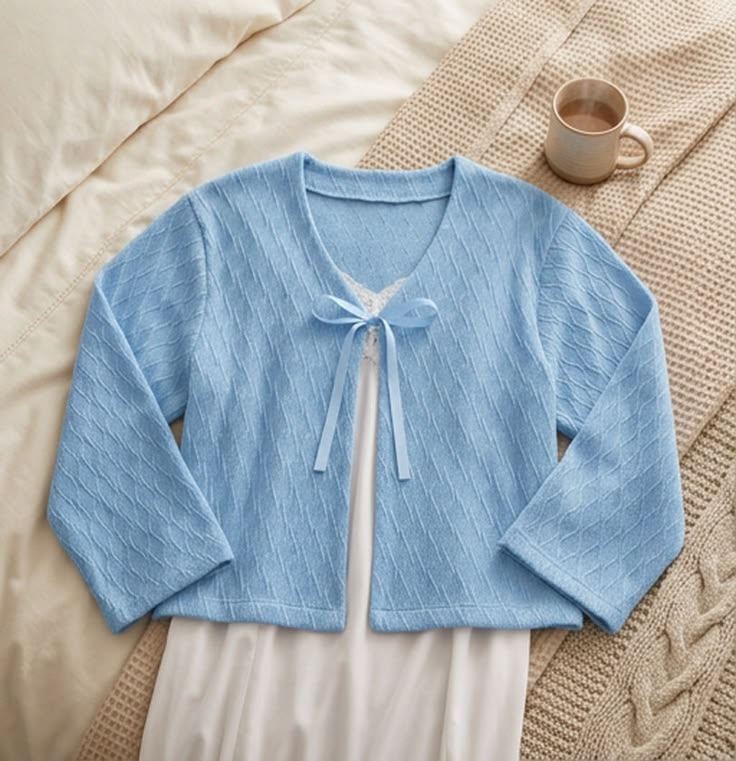
A bed jacket is a light layer you pull on over pajamas for sitting up in bed or getting up in the morning.
Soft fabrics like flannel, fleece, or brushed cotton feel cozy, and a lining adds warmth.
Sleeves should be roomy enough to move in, and closures like ties or wide buttons should be easy to manage.
Offer a couple of lengths, such as short or hip-length. It’s a comfort garment, not medical clothing, so leave out any health claims.
People buy them for themselves or as gifts, and seasonal fabrics make nice collections.
Clothing takes more fitting than a cushion or a cover, so include a clear size chart and consider making to measure.
If you’re deciding where garments fit in your shop, these sewing business ideas you can start from home are useful for planning products and prices.
Conclusion
From storage bags to outdoor covers, these handmade home items people love to buy cover a lot of ground: comfort, organization, play, and life outside.
You don’t need to make them all.
Choose what suits your sewing skills, the fabric you can get, the time you have, and the people you want to sew for.
Matching sets, like bedding or laundry room pieces, or a range built around one household need can make your shop easy to recognize.
Price for your materials, your time, and your packaging, and be honest about safety.
Pick one idea that excites you, make a sample, and see how it feels. Your next handmade pr