These sewing business ideas you can start from home show that one skill can lead to many different kinds of work.
Ask ten people who sew what they would do with their skills, and you will hear ten different answers.
One enjoys fitting clothes for neighbors. Another would rather make a small line of bags.
A third likes teaching beginners, and a fourth wants steady work from local businesses. All of these are real paths, and none is the only right one.
This guide walks through 33 sewing business ideas you can start from home, including services, products, classes, rentals and work for other businesses.
Some need only a sewing machine and a spare table. Others need more space, more money or more practice.
If you lean toward selling finished items, you can also browse this list of things to sew and sell for a small business alongside this guide.
As you read, notice which ideas match the way you like to work.
Sewing Business Ideas You Can Start From Home
1. Clothing Alterations
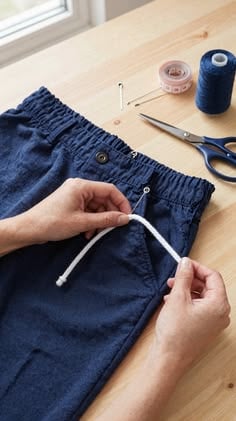
Look in almost any closet and you will find pants that are too long or a jacket with sleeves that are slightly off. That is where an alterations business starts.
Most requests are simple: hemming trousers, taking in a waist, shortening sleeves or letting out a seam.
Your customers will mostly be people nearby, like office workers, parents and students, so word of mouth does a lot of the marketing.
Good measuring is the real skill. Pin carefully, ask the customer to try the item on, and mark every change before you cut or stitch.
A mirror, an iron and a tape measure in a quiet corner are enough to begin, and that small start is one reason alterations are so popular among sewing business ideas you can start from home.
Some tailors also keep a few finished items on display, and these things to sew and sell from home offer ideas.
2. Garment Mending and Repair
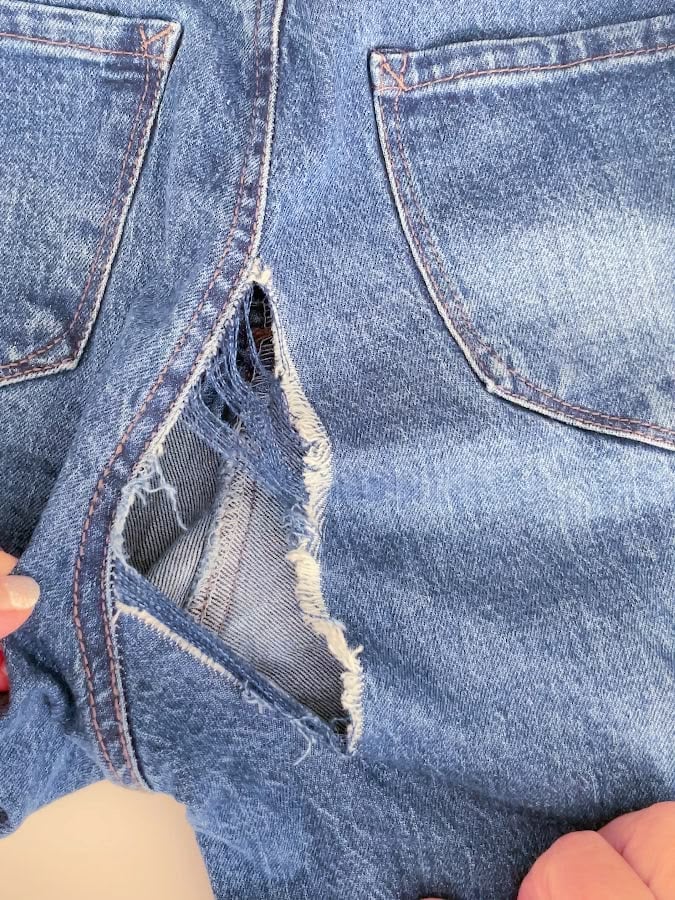
A favorite sweater with a hole in the elbow is hard to replace, and people who feel that way are your customers. Mending is about saving clothes, not changing them.
Common jobs include fixing torn seams, sewing loose hems, patching worn knees and closing small holes.
Each job is small, so each price is small too. What builds the business is trust.
Once someone sees that you fix things neatly and on time, they start bringing in more, often every few weeks.
Neatness matters more than speed here. Learn a few hidden stitching methods and keep a wide range of thread colors so repairs blend in.
Tell customers the price and the pickup date before you start.
A set drop-off day each week keeps things organized, and a tag on each item with the repair and due date stops anything from getting mixed up.
3. Zipper Replacement Service
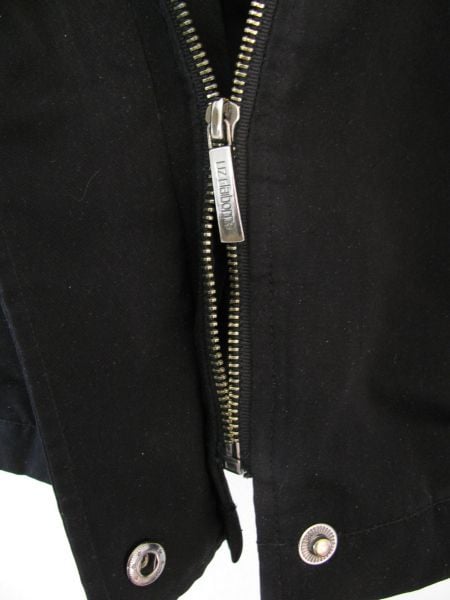
A broken zipper can make a good jacket useless overnight.
Zipper work is a specialty, and specialists tend to be remembered.
Customers may bring jackets, backpacks, suitcases, boots and cushion covers.
The hard part is choosing the right zipper.
You need the correct length, weight and style, and you need to know if it opens at one end or both.
Mistakes show right away, because a zipper that sticks can be more annoying than the broken one it replaced.
Keep a small stock of common sizes and learn how to take out the old zipper without damaging the fabric.
A zipper foot for your machine is the key tool. Because the service is so narrow, it is easy to explain in a short post in a local group.
It also stands out among sewing business ideas you can start from home, since most people only think of general alterations.
4. Wedding Dress Alterations
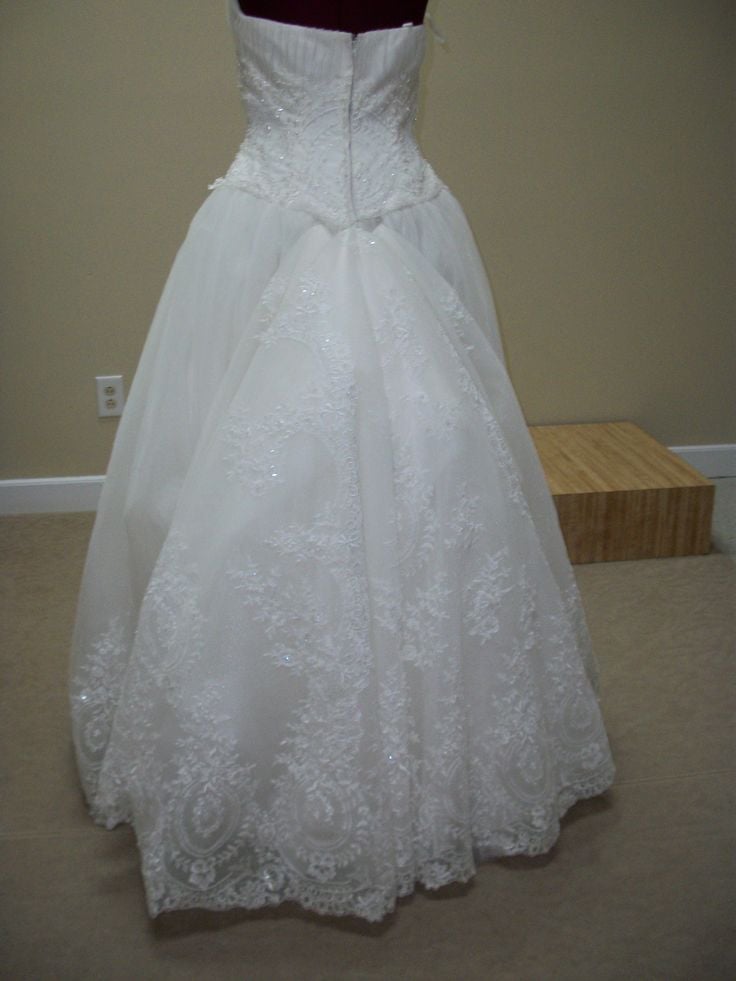
Fitting a wedding dress is nothing like hemming jeans.
The fabrics are often delicate, such as lace, satin and tulle, and one wrong stitch can be expensive to fix. Most brides need several fittings.
You may adjust the bust and waist, shorten the hem, change the straps or add small loops so the long back of the dress can be lifted for dancing.
Careful measuring, steady hands and patience with nervous customers are all part of the job.
Brides do not usually pick a tailor at random, so many alteration businesses grow through bridal shops and wedding planners who pass on names they trust.
This is not a beginner-level business.
You need strong fitting skills, and plenty of time spent working on test garments, before you take on someone’s most important dress.
Always plan your schedule around the wedding date.
5. Reversible Tote Bag Shop
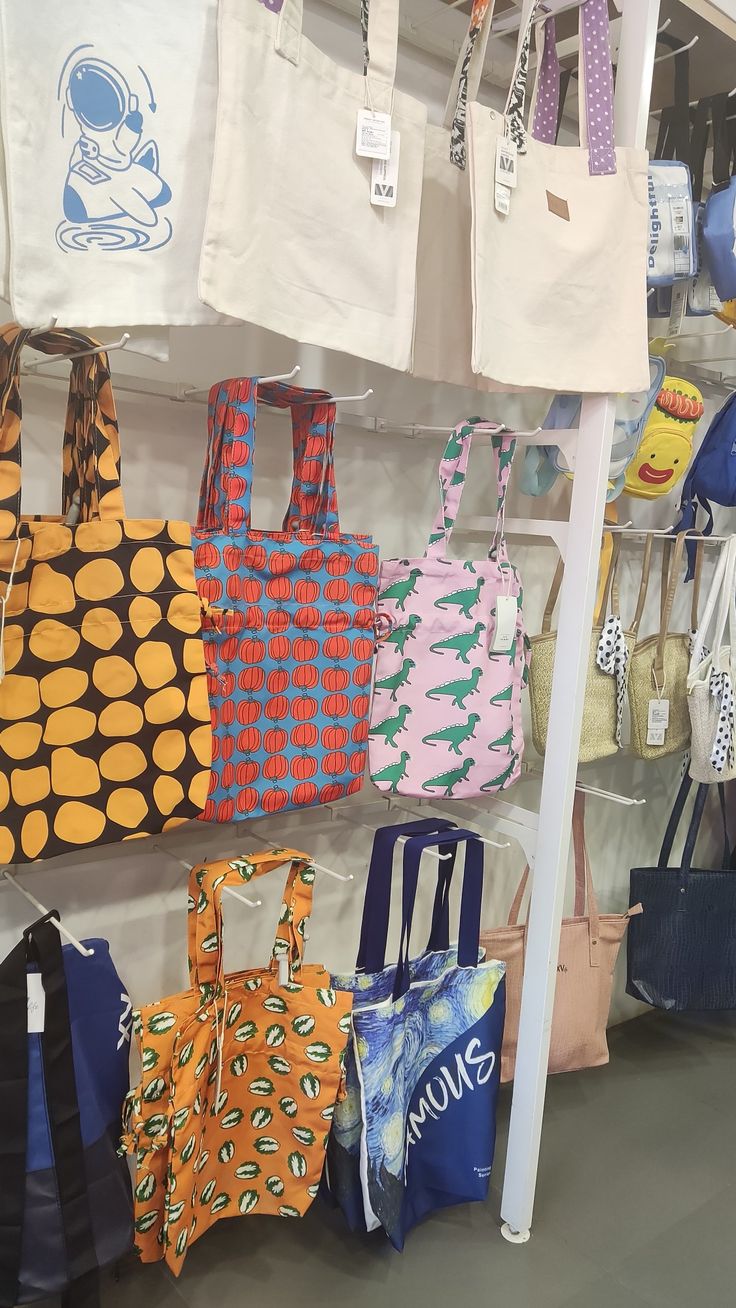
Picture one bag that looks like two.
That is the charm of a reversible tote, and it can anchor a whole small shop.
The work is mostly about pairing fabrics well. A bold print on one side and a calm solid on the other gives customers a choice every time they carry it.
You can offer a few sizes, such as a small market bag and a large carry-all, then add new prints each season.
Over time, buyers start to recognize your style, and that is what makes a collection feel like a brand.
Keep the construction the same on every bag so you can sew faster and keep quality steady.
Totes are also a gentle first project, and these easy things to sew and sell for beginners can give you more practice ideas first.
6. Custom Curtain Making
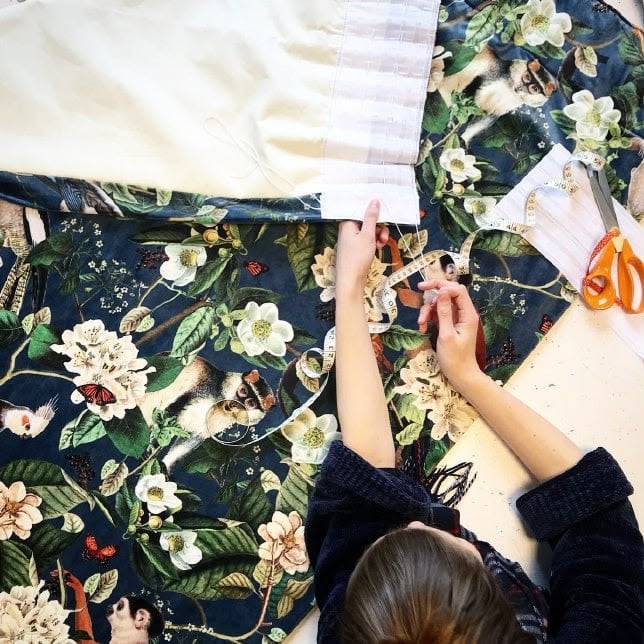
Standard curtains rarely fit every window.
Homeowners and renters with odd-sized or extra-wide windows often struggle to find ready-made ones, and that gap is your opening.
The job starts with measuring: width, length and how the curtain will hang.
Then comes the fabric. Some customers want light and airy, others want thick and dark for sleeping.
You will also explain lining, pleats and rod pockets (a sewn tube the rod slides through) in simple terms so people can choose with confidence.
Interior decorators and home stagers are good people to meet, since they often need someone reliable to make what they design.
Plenty of sewing business ideas you can start from home fit in a small corner.
This one needs a big, clean table and space to spread out long lengths of fabric, so check your room first.
7. Cushion Re-Covering
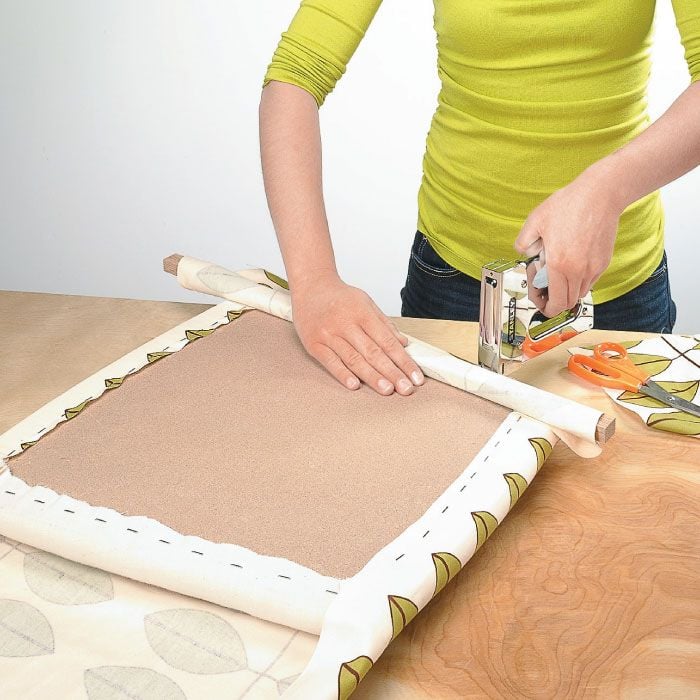
Sometimes the sofa is fine and only the cushions look tired.
Re-covering gives people a way to refresh their furniture without buying all new pieces.
Customers might bring dining chair pads, bench cushions or outdoor seating.
You measure each one, help choose a sturdy fabric and sew a fitted cover, often with a zipper so it can be washed.
Thicker fabrics need a strong needle and patience.
It helps to ask whether the cushion is for daily use or just for looks, since that changes the fabric you suggest.
Outdoor seating needs something that can handle sun and rain.
Local customers are the main audience, and a few finished covers on display show what you can do.
If you later want to sell ready-made covers too, here are some handmade sewing products people actually buy to consider.
8. Sewing Classes for Kids
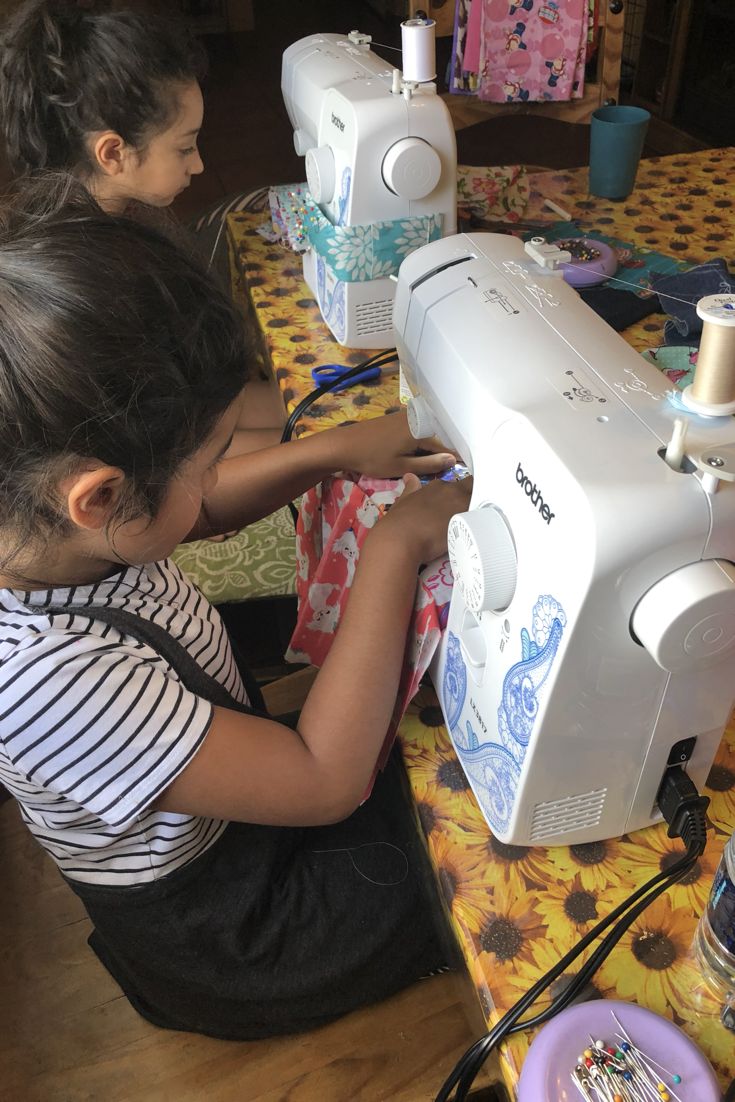
Teaching a child to thread a needle is part sewing lesson and part patience test.
Kids’ classes work best in small groups, usually four to eight children of similar ages, so everyone gets help.
Start with simple projects like a pillow, a drawstring bag or a felt toy.
Hand sewing is a safe first step before you bring in a machine, and you will want clear rules about needles and scissors.
Keep the room tidy and the sharp tools in one place, out of little hands until you need them.
Parents are your main customers, but community centers, libraries and after-school programs may also hire you.
Plan each class ahead, and prepare supplies in separate bags so no time is lost.
A kind and calm manner matters more than being fancy.
Many teachers start with a short course of four weeks, then offer another if families enjoyed it.
9. Online Sewing Courses
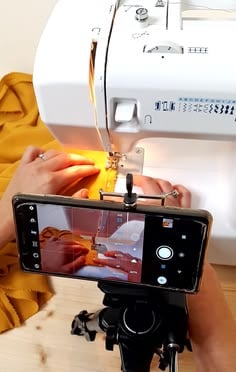
A course lets you teach people who live far from your front door.
The first decision is what to teach. A narrow topic, such as sewing your first zipper pouch or fitting a basic skirt, is easier to explain than “all of sewing.”
Record your lessons in clear, short videos, with good light over your hands and your table.
Put the lessons in order, so each one builds on the last, and add a simple supply list at the start.
Many teachers also write a short handout for each lesson.
You will need a decent camera or phone, a tripod and a place to host the videos.
Of all the sewing business ideas you can start from home, this one asks for the most patience at the start, because you build the lessons before anyone buys.
10. Makeup Bag Sets Shop
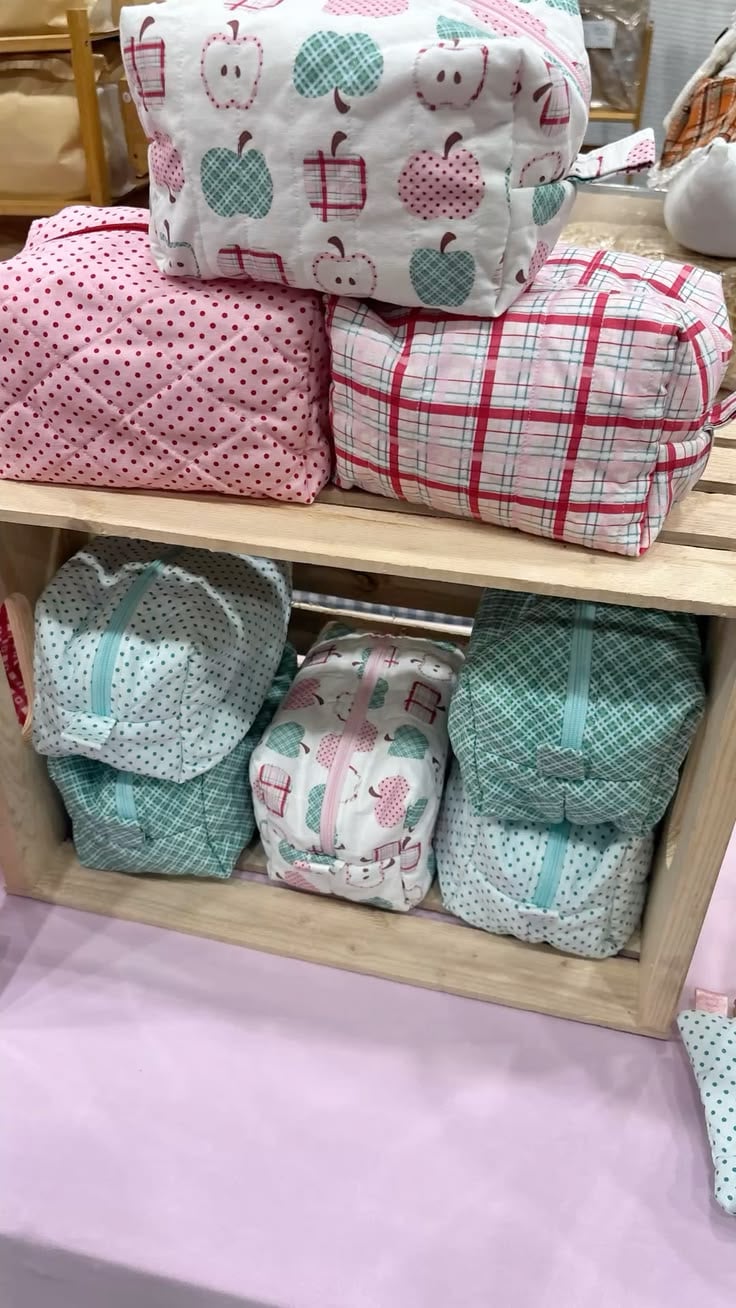
Makeup bags look best when they come together.
A shop built on sets might offer three nesting pouches in matching fabric, or a travel set with a big bag, a small bag and a pencil case.
Customers who buy sets often want gifts, so the way you package them matters.
Wipeable lining and strong zippers are what people notice after a few weeks of use, so keep both in mind when choosing materials.
Test every size with real makeup before you decide what to offer.
A simple color story, like soft neutrals or bold florals, helps all your bags look like they belong together.
Good pictures of the open bags show buyers how much fits inside.
Etsy is a natural place to start, and it helps to study which sewing projects sell well on Etsy before you pick your first designs.
11. Sewing Pattern Design
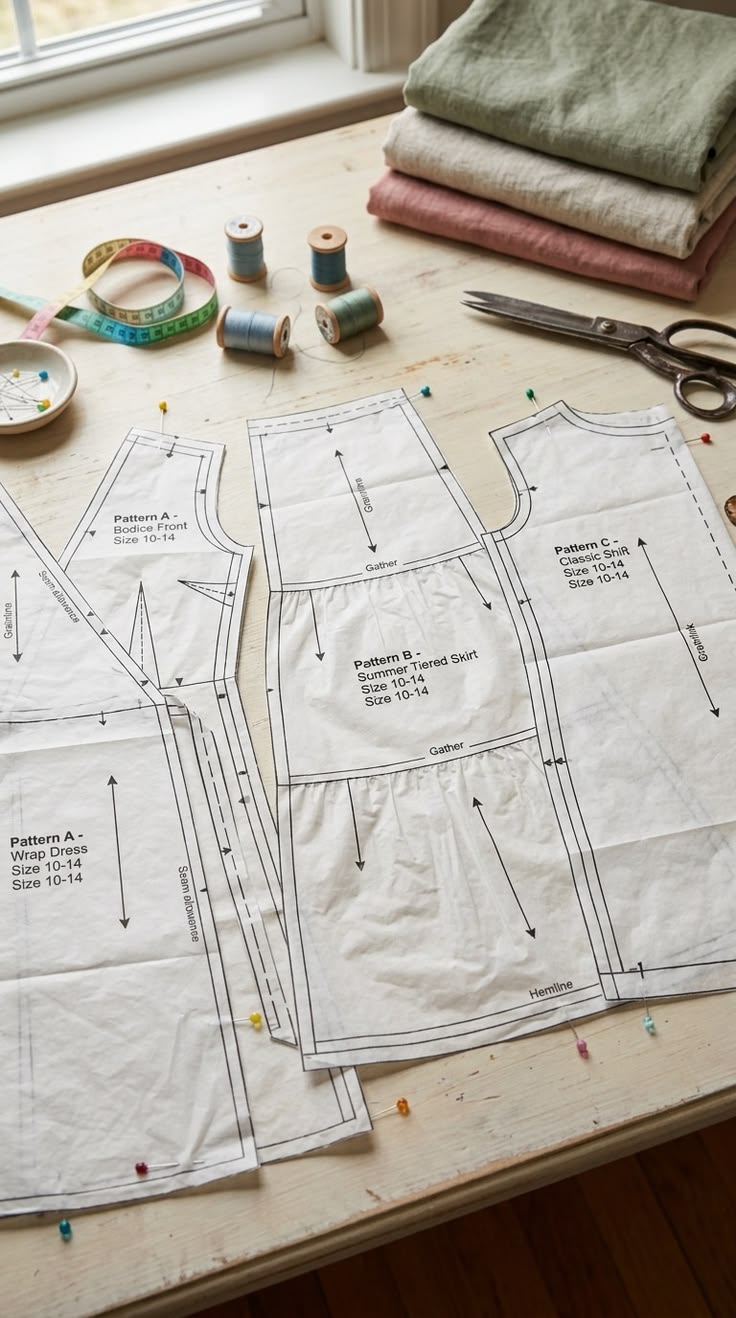
Patterns are different from most sewing businesses because you sell the instructions, not the finished item.
You design a project, make it several times, then turn your steps into a pattern others can follow.
Testing is the most important part. Ask a few friends to sew from your pattern and tell you where they got stuck.
Clear photos, simple wording and a good size chart save you from many emails later.
Most designers sell digital files that buyers print at home, so you need to learn how to set up the pages so the pieces print at the right size.
This suits people who enjoy planning and explaining more than sewing the same item again and again.
Among sewing business ideas you can start from home, it is also one where a single design can be sold many times.
12. DIY Sewing Kits
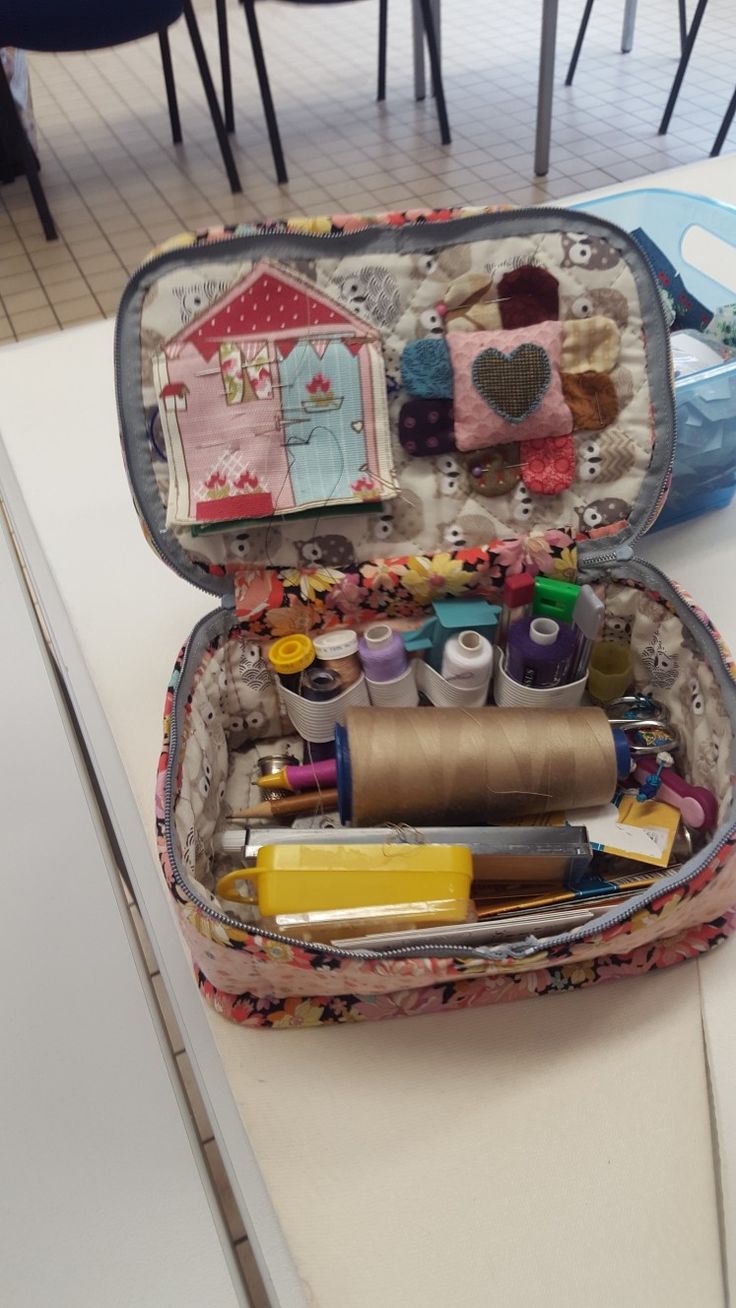
Some people want to sew but do not want to hunt for the right fabric, thread and zipper.
A kit solves that. You choose one project, cut the pieces, gather everything needed and add clear instructions.
Pick projects that are simple, like a small pouch or a tote, so buyers finish them and feel proud.
The box or bag matters too, because first impressions count.
Keep a close eye on costs, since you pay for materials, packaging and printing instructions before you earn anything.
Ask a friend to follow your instructions from start to finish, so you can fix any step that confuses them.
Count every piece you pack, because one missing zipper means an unhappy customer.
Kits work well at craft fairs and online.
If you want ideas for small, quick projects that suit this format, try these sewing projects you can make in one hour.
13. Custom Quilting
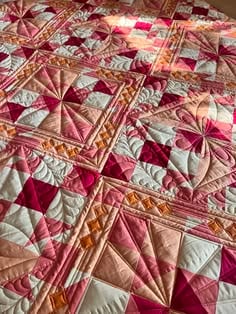
People usually order a quilt for a special day: a wedding, a new baby, a graduation or a big birthday.
That makes this a business where customers know what they want and are ready to wait for it.
You will talk about size, colors and style, and often sketch the design before cutting any fabric.
A quilt can take many hours, so ask for a deposit and give a realistic finish date.
Pricing is tricky because the time involved is long, so write down your hours and costs for every quilt.
Neat stitching and careful cutting, so that small fabric pieces join up exactly, matter more than speed.
Many quilters start by making a few sample quilts to show their style.
A simple order form that asks about size, colors and the date needed keeps the details in one place.
14. Keepsake Clothing Conversion
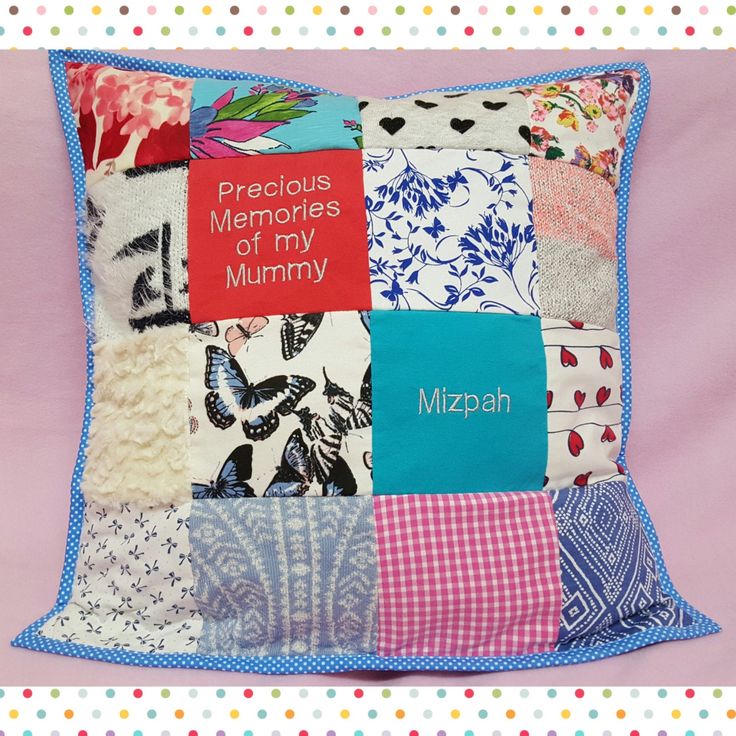
Where custom quilts are made for celebrations, keepsake projects are made for memories.
A customer might bring a bag of baby clothes, a father’s work shirts or a late grandmother’s dresses and ask for a pillow or small quilt.
Handle every piece gently. Ask the customer about the clothing, because the story often tells you which parts to keep, like a pocket or a pattern.
Many people also worry about losing their items, so keep a written list and store everything safely.
Explain before you start that cutting cannot be undone.
Few sewing business ideas you can start from home are as personal as this one, so clear talking and kindness count as much as sewing skill.
If you also want to sell finished items, these best things to sew and sell for extra money offer plenty of ideas.
15. Machine Embroidery
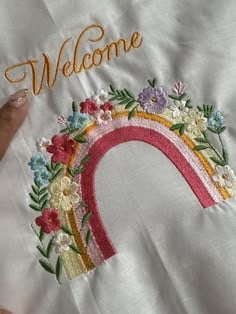
Embroidery turns plain fabric into something with a name, a logo or a design on it.
The big difference here is the machine.
A home embroidery machine is a real investment, so many people practice on a borrowed or used one before buying.
Customers can include small businesses wanting logos on shirts and aprons, sports teams, schools and families who want a design stitched on a blanket.
The skill is in getting clean, even stitches every time. You will learn how to stretch fabric in a small hoop, choose a stabilizer (a backing that keeps the fabric from puckering) and test a design on scrap fabric first.
Many beginners buy ready-made designs at first, then learn to prepare their own later.
Keeping a notebook of settings for each fabric type saves a lot of wasted material.
Thread and stabilizer add up, so count them in your prices.
16. Monogramming
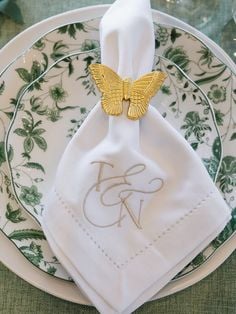
Monogramming is about letters, not pictures.
A set of initials on a towel, robe or bag turns an ordinary item into a gift.
Most work involves choosing a lettering style, like block, script or a three-letter stack, then deciding where it sits.
Placement matters. A monogram that is too low on a towel will fold out of sight.
Customers often have exact ideas about thread color, so keep samples.
Spelling is the biggest risk, so always confirm the letters in writing before you stitch.
Monogramming works well as an add-on for other handmade items and for shops selling blank products like towels and totes.
Some people stitch by hand, while others use a machine.
If you plan to sell monogrammed goods online, these easy sewing projects to sell on Etsy can help you choose items to personalize.
17. Theater Costume Sewing
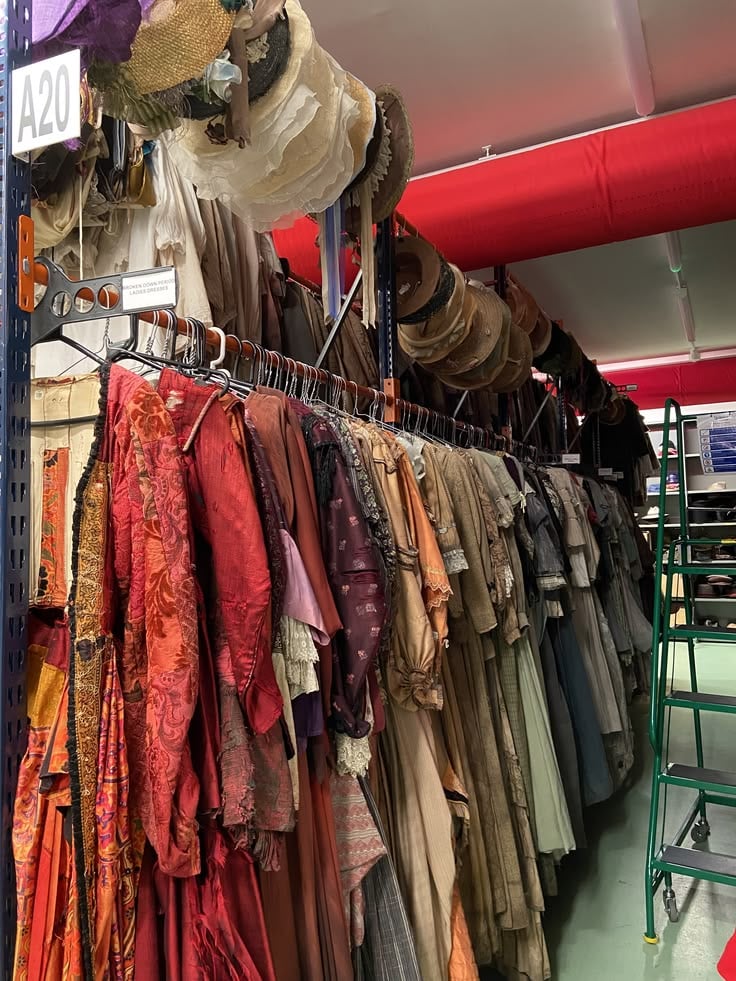
Costumes are made for the stage, so they need to look good from far away and survive many shows.
Your clients might be school drama clubs, community theaters, small production companies or solo performers.
Often you work from a sketch or reference photo and must figure out how to build it on a budget.
Deadlines matter a lot, because opening night will not wait.
Fast changes between scenes mean some costumes need snaps or hidden openings.
Actors also change size or need last-minute fixes, so expect alterations during rehearsals.
Costumes need to wash well too, since actors sweat under bright lights.
It helps to learn what each production needs before you quote a price.
Not every home-based sewing business is quiet, and this one puts you in the middle of a busy team, which suits creative people who enjoy solving problems.
18. Dance Costume Making
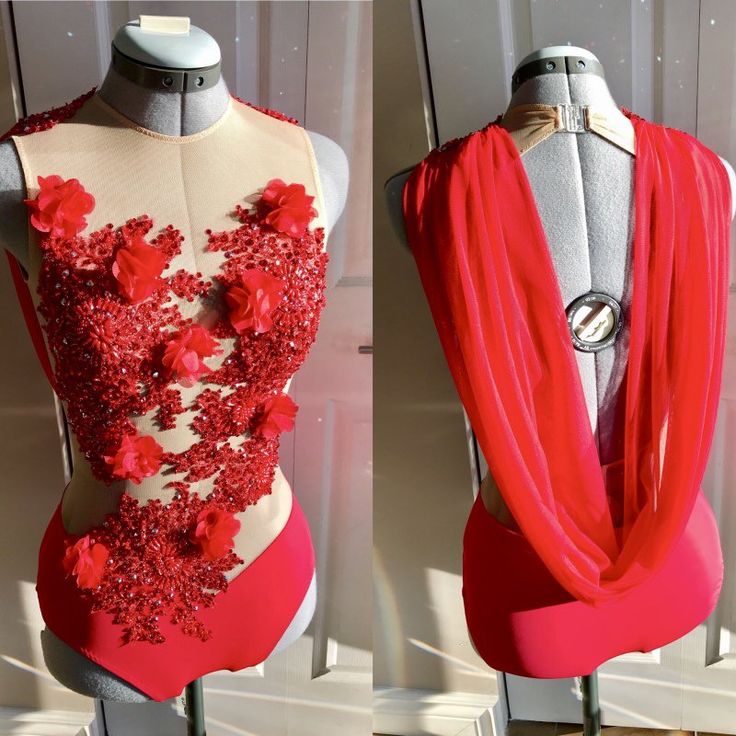
Dancers need clothes that move with them.
That is the biggest difference between dance costumes and most other sewing.
Stretch fabrics, like spandex and mesh, need special needles and stitches, and every costume must be tested for kicks, spins and splits.
Your clients are often dance schools preparing for recitals, though individual dancers and competition teams also need custom pieces.
Group orders can mean twenty costumes in many sizes, so careful measuring and labeling are essential.
Ask each dancer to try a rough version and move around in it before you sew the final costume.
Sequins, stones and trim add shine, but they must be sewn well so nothing falls off mid-dance.
Busy seasons come before shows and competitions, so plan your calendar early.
A good relationship with a dance teacher can bring in steady work year after year.
19. Upcycled Fashion
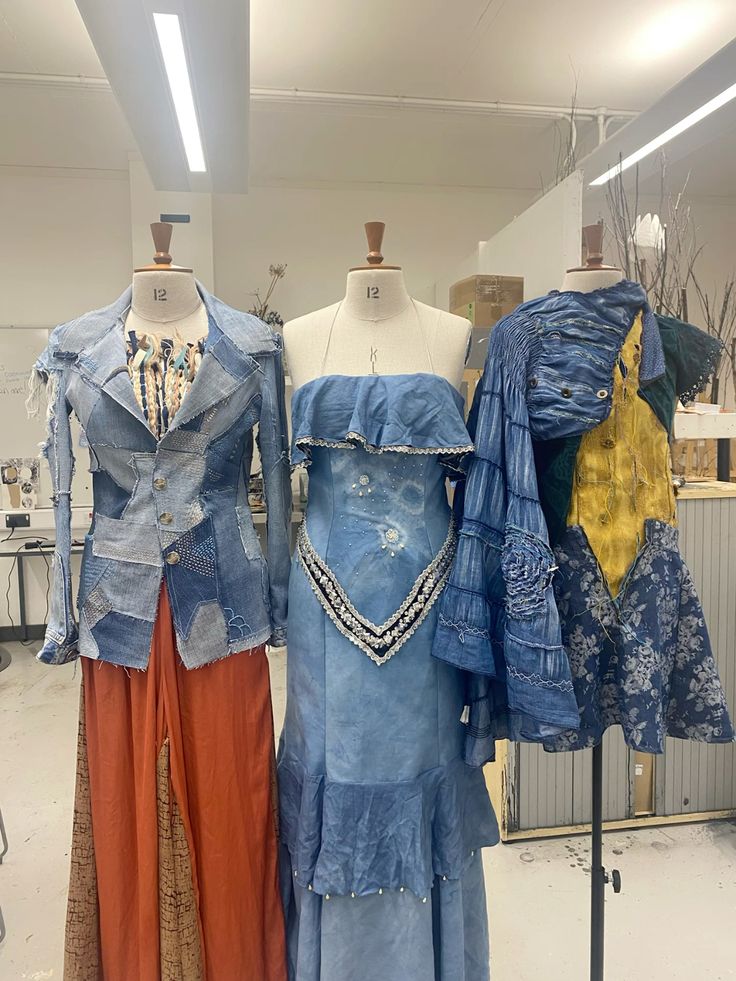
An old denim jacket can become a patchwork bag, and two worn shirts can become one new dress.
That is upcycling: turning something used into something new.
Because each piece starts from a different item, no two are the same, and that is the selling point.
Hunting for materials is part of the fun. Thrift stores, yard sales and friends’ closets are common sources.
Wash and check every garment before cutting, so you do not sew around stains or weak spots.
The challenge is pricing, since taking apart clothing takes time.
Customers are usually people who like unusual style and want something nobody else owns.
Clear photos of each item help, since every piece is unique.
Many sellers share this work on Etsy, and these Etsy sewing ideas that actually sell may spark more ideas.
20. Adaptive Clothing
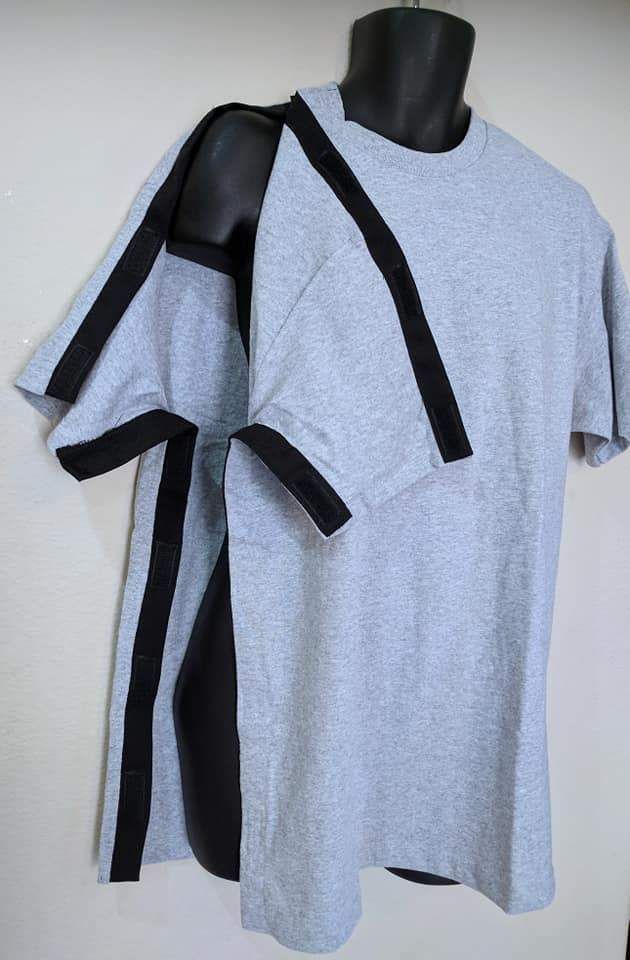
Getting dressed can be harder for some people than others, for reasons like limited movement, joint pain, a cast or needing help from someone else.
Adaptive clothing changes small design details to make dressing easier.
Examples are magnetic closures instead of buttons, side openings on pants, wider sleeves and hook-and-loop tape.
The most important step is to ask. Every person has different needs, so avoid guessing what someone wants.
Talk with the customer, and with a family member or caregiver if they help with dressing, then test the design for comfort.
Soft seams and tags that do not scratch matter a lot.
Compared with other sewing business ideas you can start from home, this one depends more on listening than on speed.
Many makers begin with custom orders, then build a small range of simple, useful designs later.
21. Maternity Clothing Line
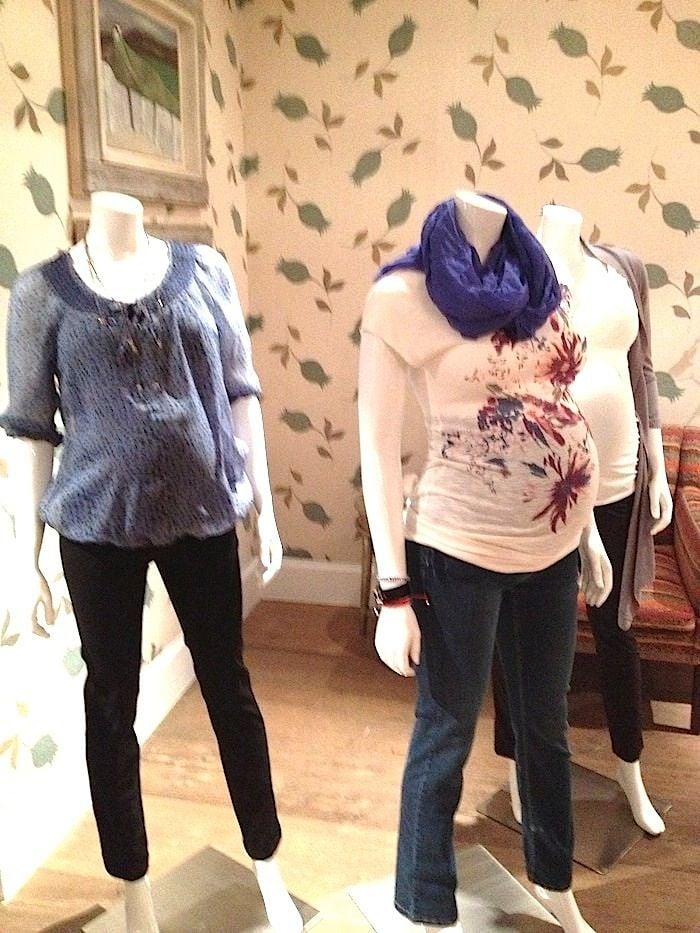
Pregnancy changes a body week by week, so maternity clothes must stretch and adapt.
A good line offers stretch panels, gathered sides, wrap styles or adjustable ties that grow with the customer.
Some customers also want options for nursing after the baby arrives.
Comfort is the main thing, so soft, breathable fabrics matter.
Look at the stages: early pregnancy when little changes, the middle months, and the final weeks.
Clothing that works across all three feels like better value to buyers.
Sizing can be tricky, so a clear size guide and good fit notes help.
Because you are building a collection, decide which pieces to start with and what to add next.
A dress, leggings and a soft top that mix and match are a sensible first set.
These profitable sewing projects to make and sell can help you think about which items to focus on.
22. Pet Clothing Line
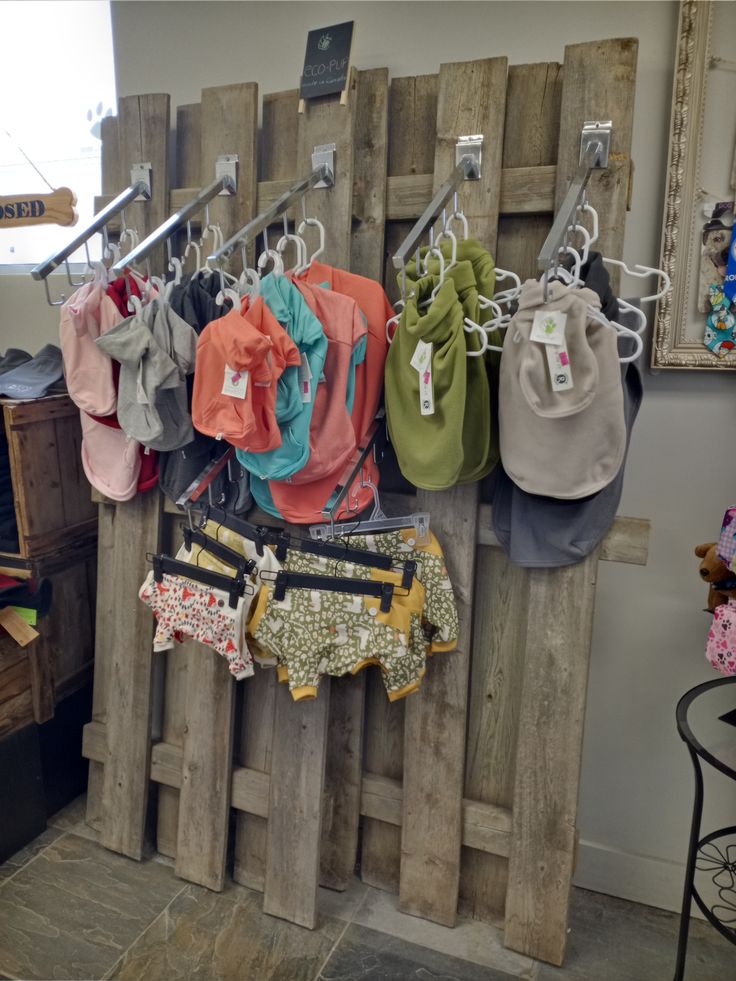
Dogs and cats cannot tell you if something pinches, so careful fitting matters.
Start with measurements: neck, chest and back length.
Small dogs may need a different cut from large ones, and a short-haired breed may need more warmth than a fluffy one.
Common items include coats, sweaters, shirts and bandanas, and seasonal pieces like raincoats or holiday outfits sell well.
Safety comes first. Avoid small buttons or loose trims that a pet could chew and swallow, and make sure straps never press on the throat.
Leave room around the legs so the pet can walk, sit and curl up without the outfit pulling.
Soft, washable fabric is best. Testing each design on a friendly pet helps you catch problems early.
Pet owners often buy several outfits, so a small range with matching colors can encourage repeat orders.
23. Baby Clothing Boutique
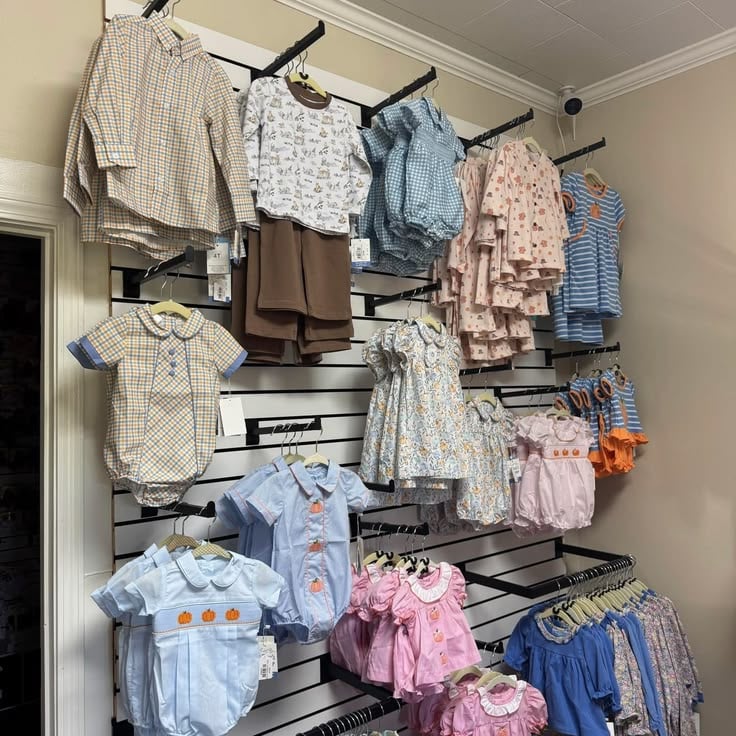
A boutique is more than a pile of baby clothes. It has a style.
Maybe yours is soft neutrals, vintage prints or bright, playful patterns.
That style tells shoppers what to expect and helps them find you again.
Instead of single items, build small collections, such as a romper, a hat and a blanket in matching fabric.
Baby sizes run by months, so plan which sizes you will offer and how many of each you can sew.
Safety matters more here than anywhere.
Choose soft, washable fabrics, use snaps that stay shut and avoid small decorations that could come loose.
Parents also like easy dressing, so wide neck openings and snaps along the legs are popular details.
If you want more product ideas, these high-profit sewing projects to make and sell are worth a look.
24. Event Linen Rental
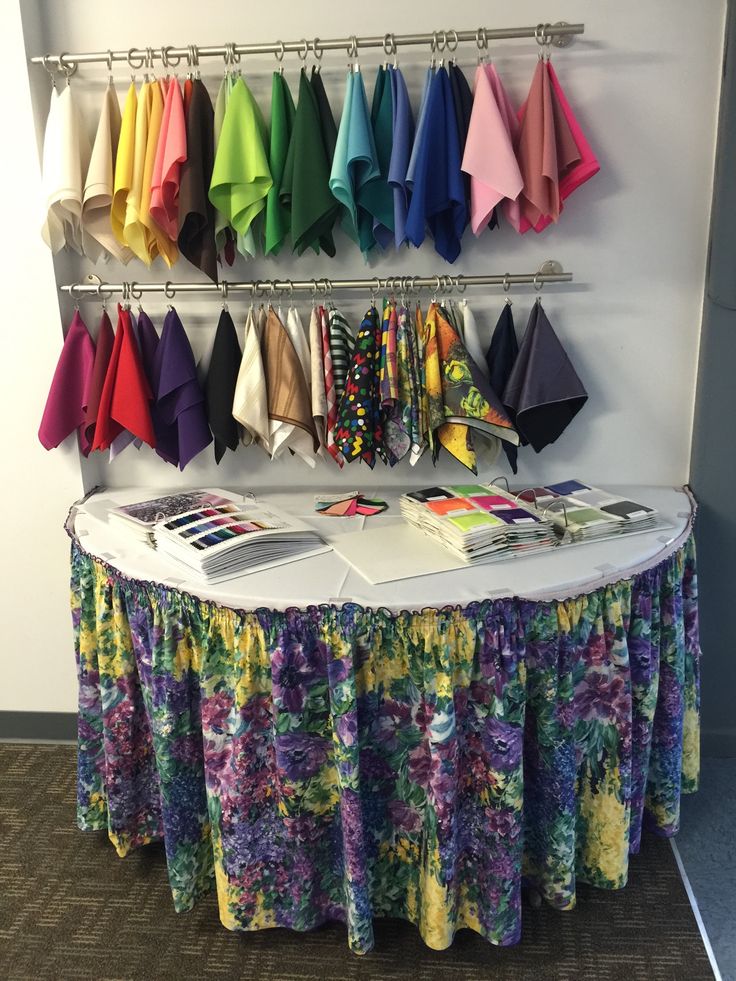
Not every sewing business sells things. This one rents them.
You make tablecloths, chair covers, table runners and napkins, then rent them out for weddings, parties and celebrations.
Event planners are often your best customers, since they need dependable help for many events.
Storage becomes the big question. Fabric takes up space, so you need a clean, dry area and a way to track what is where.
Cleaning and ironing after each event is part of the work, and stains or tears will happen, so plan for repairs.
Many owners ask for a deposit and set rules about damage.
Decide whether customers pick items up or you deliver.
It takes more money and space than most sewing business ideas you can start from home, but the same linens can be rented again and again.
25. Personalized Gift Shop
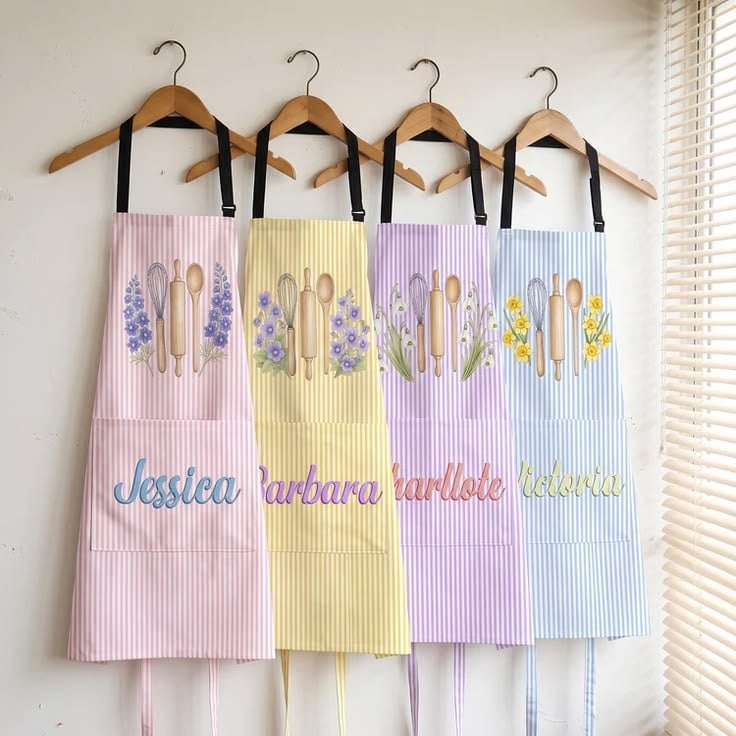
A good personalized gift shop makes shoppers feel they have found something just right.
Start with the occasions people buy for: new babies, weddings, graduations, birthdays and holidays.
Then pick fabric items that suit each, like a name-stitched baby blanket, an apron for a new homeowner or a set of cloth napkins with initials.
Make ordering easy with a simple form asking for the name, colors and any special request.
Clear deadlines are important, since gifts are often bought close to the date.
Group items into small collections so buyers can easily add a second gift to their basket.
Gift-ready packaging, like tissue paper and a small tag, makes each order feel special.
Offer a few ready-to-buy items too, for shoppers who do not have time to customize.
For more thoughts on products that sell well on the web, see these handmade sewing products to sell online.
26. Contract Sewing for Boutiques
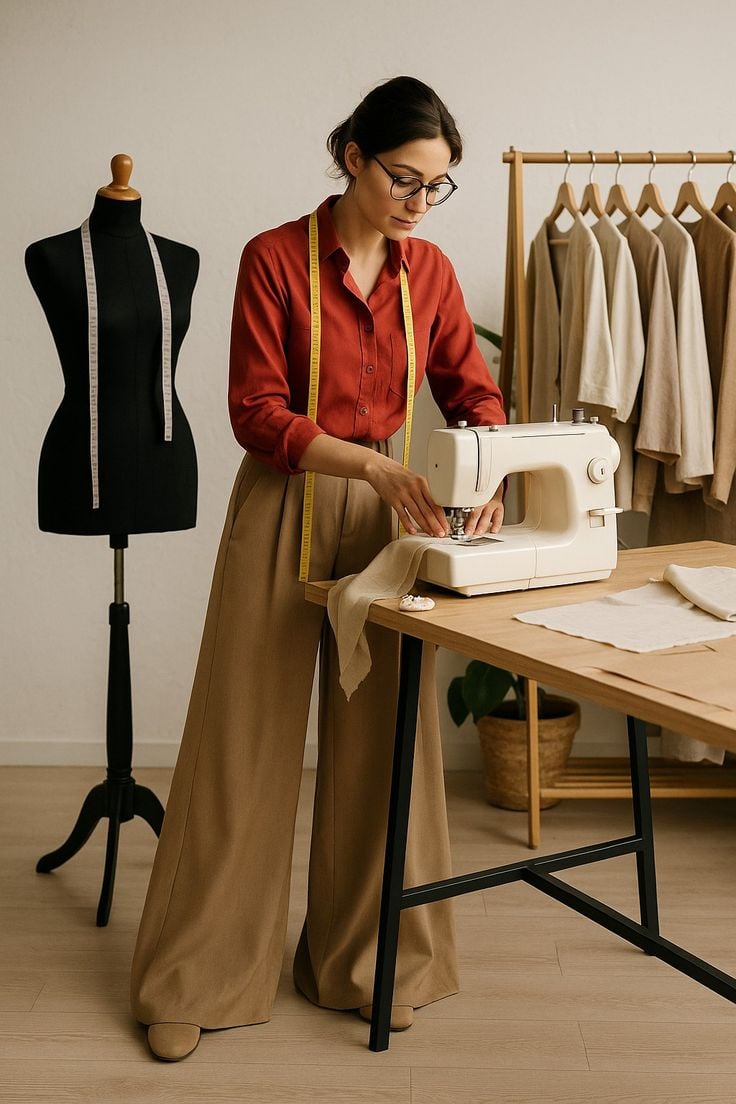
Behind many small boutiques is someone at a sewing machine whose name never appears on the label.
In contract sewing, a shop or fashion label hands you a pattern, fabric and a number of pieces to make, and you deliver them on time.
The work is less about creativity and more about being reliable.
You will follow a spec sheet, which is a page of details like measurements, stitch types and finishing steps, and keep every piece the same as the last.
Deadlines are serious, since the boutique has customers waiting.
Be honest about how many pieces you can finish each week.
Pricing is often per piece, so track your time carefully.
Many boutiques start with a small trial order to check your quality.
If you like steady production and repeat clients, this is a home-based sewing business built around exactly that.
27. Sample Sewing for Designers
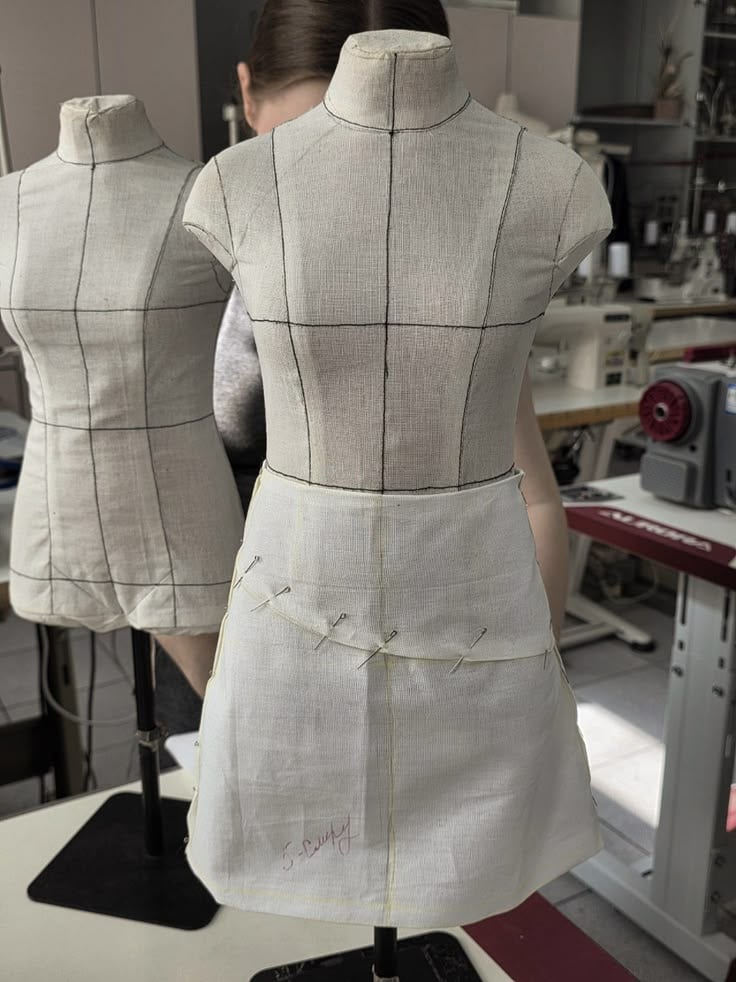
Before a designer makes a whole collection, they need to see the idea in fabric.
That first version is called a sample. In this work, you turn sketches or notes into a real garment, often making just one.
The goal is to find problems early, such as a sleeve that pulls or a neckline that gapes, so the designer can fix the pattern before making more.
This needs strong sewing skill and clear communication.
Ask questions when instructions are unclear and write down any changes.
Designers also share unreleased ideas, so you must keep their work private.
Unlike production sewing, where you repeat the same item, sample work changes each time and rewards problem-solving.
Many designers like working with the same person again and again, because that person learns how they think.
28. Mobile Tailoring
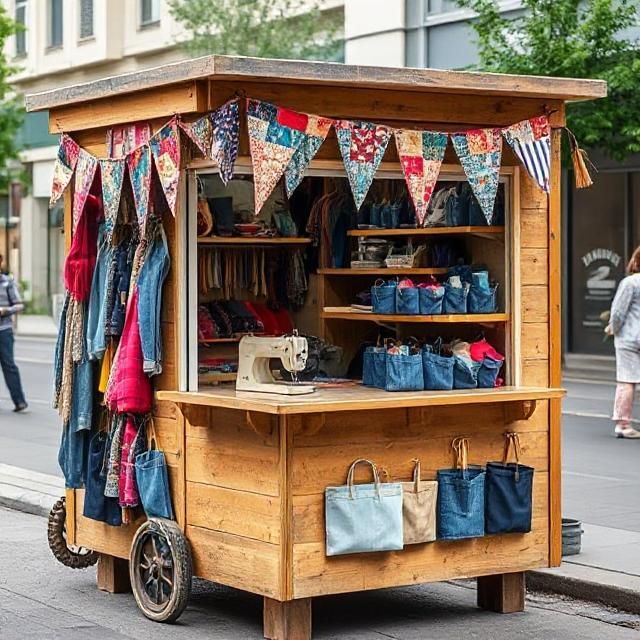
Some customers cannot or would rather not travel to a home studio.
A mobile tailor goes to them. Busy professionals, older adults, wedding parties and small offices are all possible clients.
You need a travel kit with a tape measure, pins, chalk, a portable iron, scissors and basic supplies.
Fittings happen at the customer’s home or workplace, and bigger jobs return to your machine at home.
Appointments need clear times, and you will want to charge a fair travel fee for distance.
Marketing stays close to home: leave cards at offices, senior living communities and wedding shops, and ask happy customers to share your name.
Safety matters too. Tell someone where you are going and consider bringing a helper for visits to new addresses.
A neat, professional look helps customers trust you right away.
29. Kids’ Sewing Parties
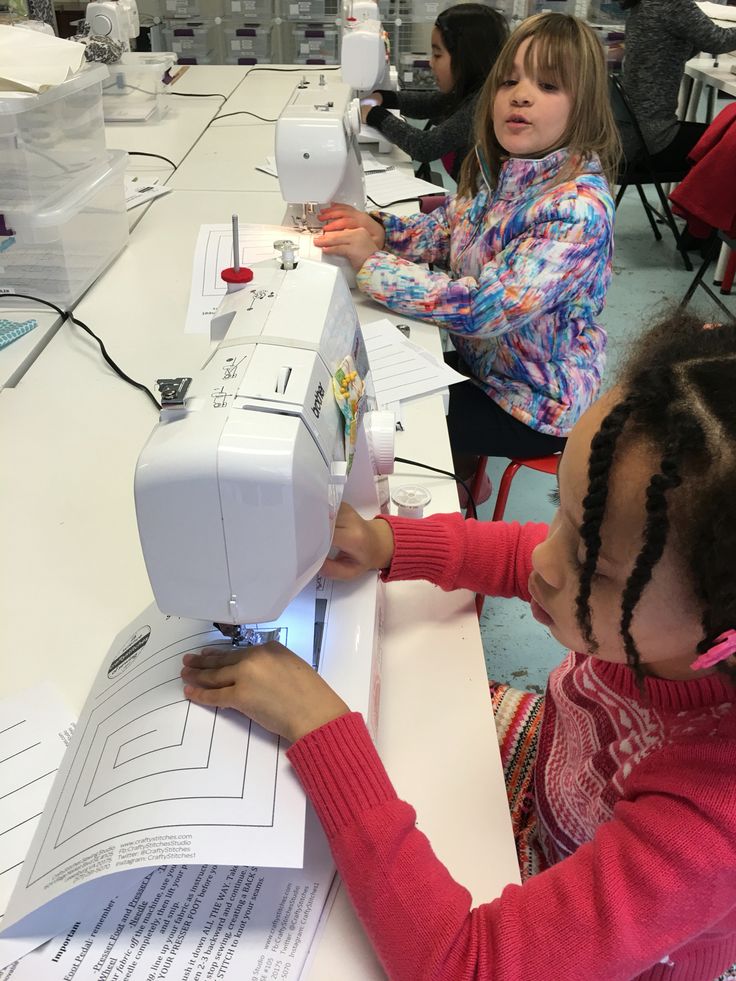
A sewing party is a one-time event, not a course.
Parents book you for a birthday, and you lead a group of children through a fun project.
That is different from a class, which meets over several weeks.
Plan around ninety minutes with six to ten kids. Choose a project nearly everyone can finish, like a felt pouch, a small pillow or a stuffed shape.
Prepare supply bags ahead, with pre-cut pieces and large needles, and bring a helper if the group is big.
Parents usually want a stress-free party, so explain what you bring and what they need to provide.
Finish with a few minutes for the kids to show off what they made.
It is one of the more social sewing business ideas you can start from home, and it suits people who enjoy energy and a bit of noise.
30. Sewing Subscription Boxes
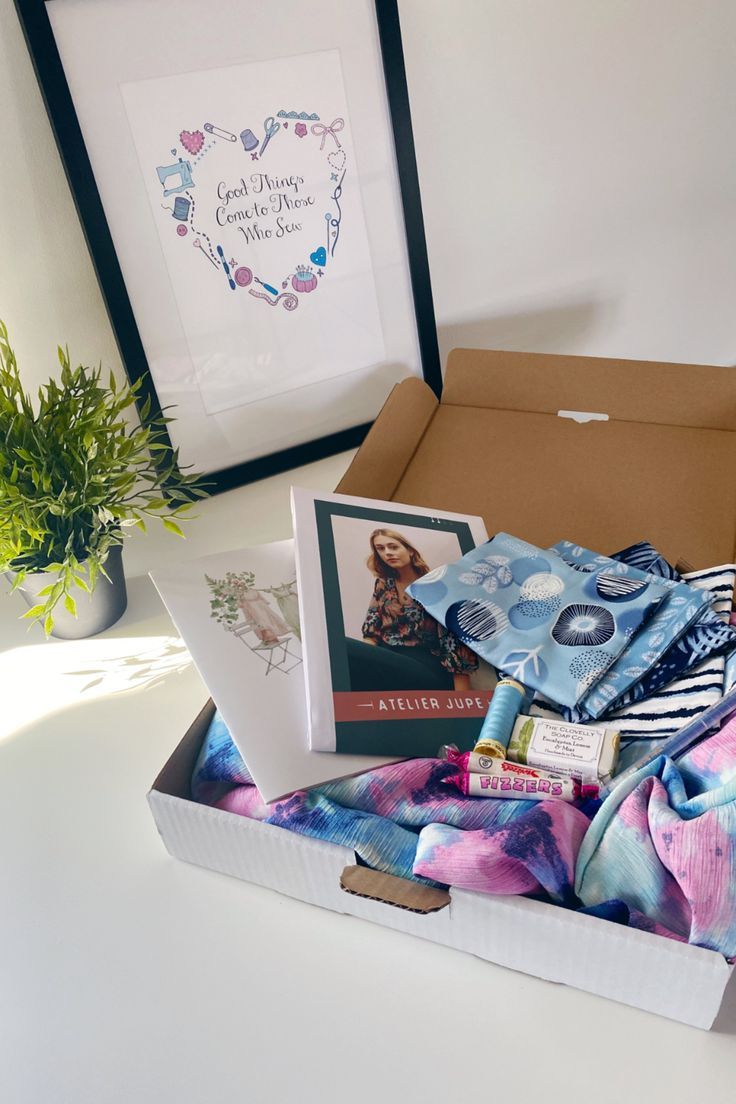
Every month, a box lands on the customer’s doorstep with fabric, thread, a pattern and simple instructions for one project.
Unlike an online course, which teaches through video, this one arrives with real materials.
Pick themes, like “cozy winter” or “kitchen basics,” so every month feels fresh. Mix easy and slightly harder projects to keep different customers happy.
Planning is the big challenge. You must order materials ahead of time and pack every box carefully.
Shipping costs eat into profit, so check postage before setting a price.
Decide how long each subscription runs and when customers can cancel or pause, so everyone knows what to expect.
Keeping subscribers interested means listening to feedback, and a short note about the month’s project makes the box feel personal.
A small surprise, like a button or ribbon, makes opening it more fun.
31. Handmade Bag Line
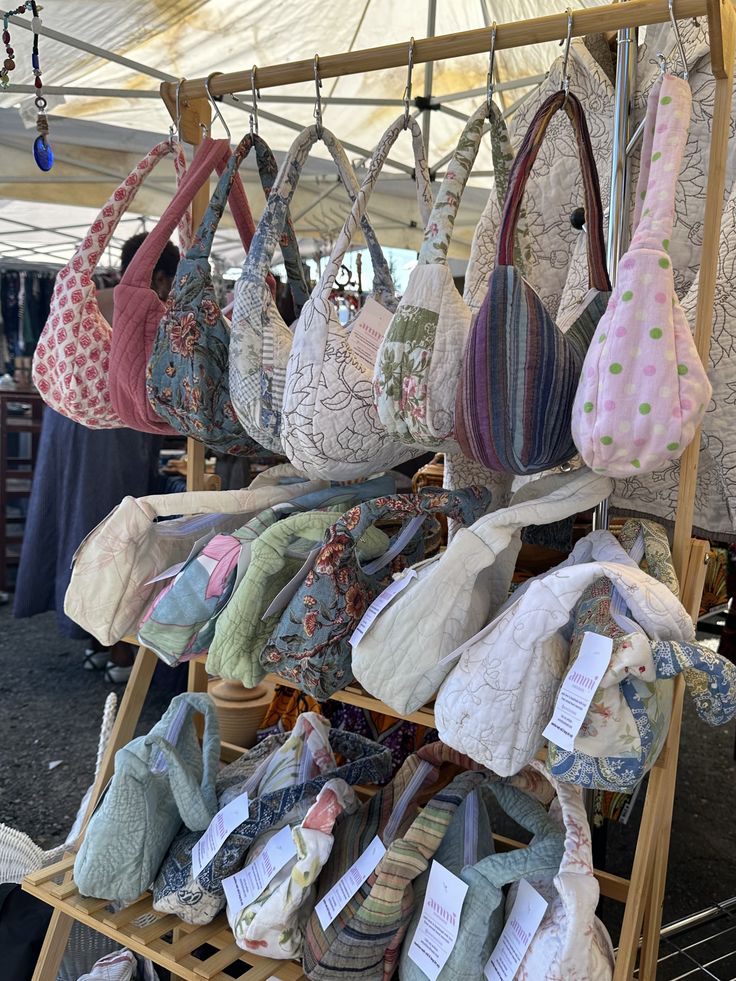
A bag line starts with deciding who the bags are for.
Maybe it is commuters who need a sturdy laptop tote, or parents who need a bag with plenty of pockets.
Knowing the customer shapes every choice, from fabric to straps.
Next, develop a signature design, one shape or detail people recognize at a glance, such as a unique pocket, a special lining or a shoulder strap shape.
Offer a few sizes of that design so customers can choose.
Quality has to stay the same on every bag, so use the same hardware and stitching each time.
Before you decide what to launch, look at which sewing products sell best on Etsy to see what shoppers already like.
It is a slower path than some other sewing business ideas you can start from home, but a clear customer and a signature design can grow into a brand people remember.
32. Zero-Waste Product Shop
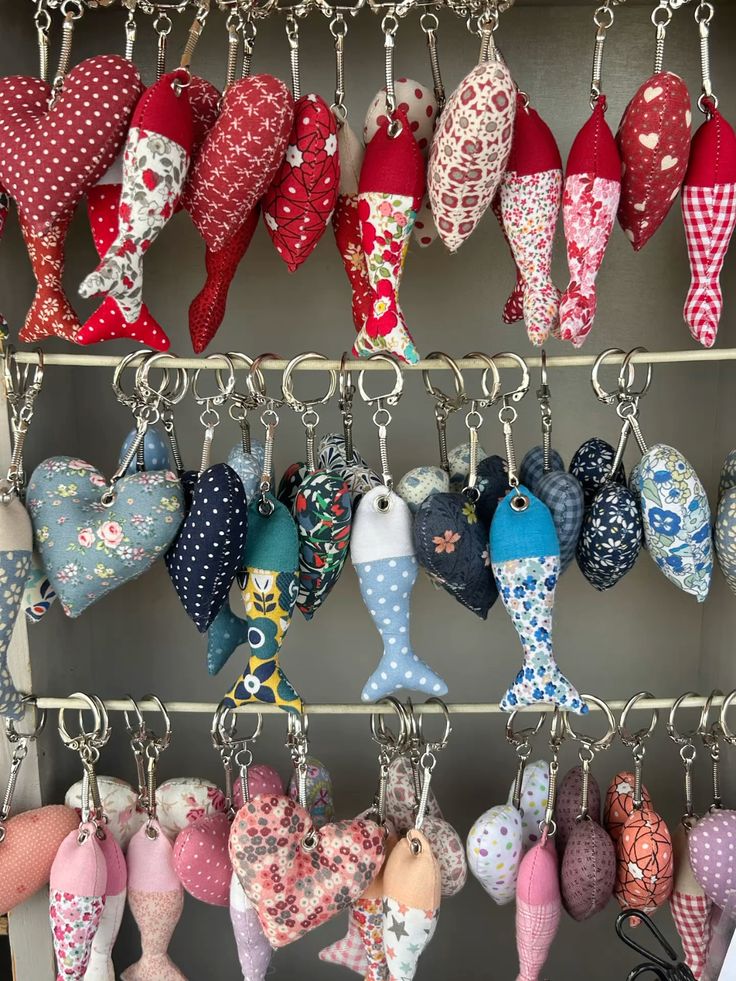
Anyone who sews ends up with a pile of leftover fabric.
This business turns those scraps into products.
Scrunchies, produce bags, small pouches, coasters, bookmarks and hair ties are common choices.
Sort your scraps by size and fabric type so you can quickly see what each pile can make.
You can also ask friends and other people who sew for their leftovers.
One thing to keep honest: using scraps does not make a business waste-free or good for the planet in every way.
You still use thread, packaging and energy, so avoid big claims.
Say something simple, like “made from leftover fabric.”
Material costs stay low, but your time still counts, so price small items with that in mind.
Small items also sell well in bundles, like three coasters or a set of hair ties.
People who already have a big stash can start with very little spending.
33. Home Decor Sewing
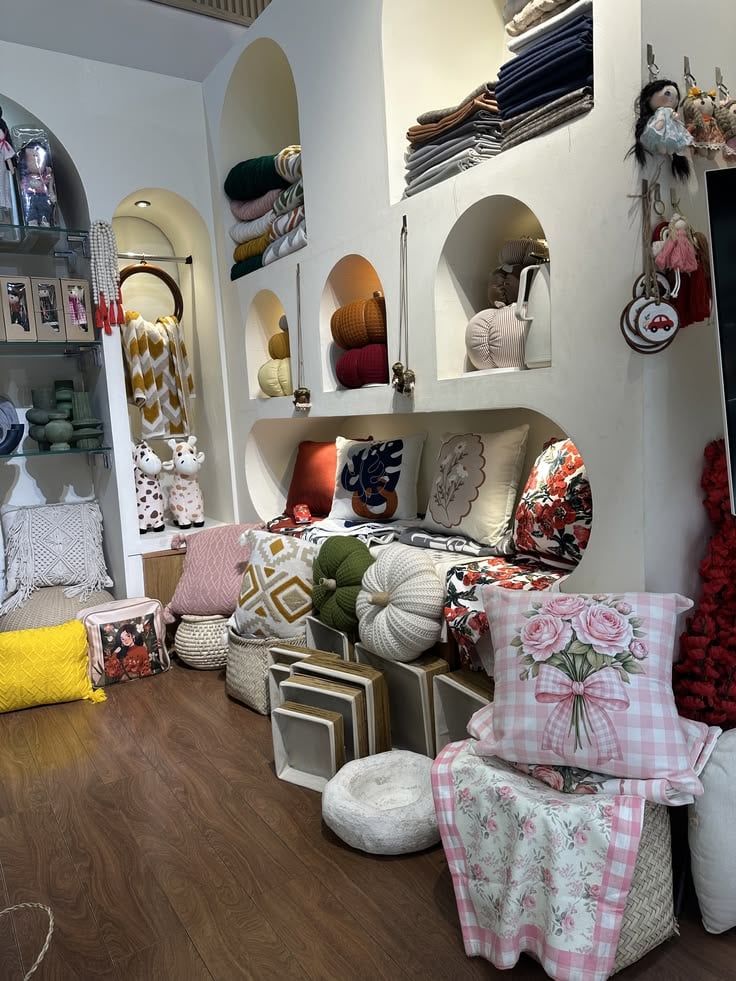
Cushion covers, table runners, napkins and curtains can all live in one shop when your business is home decor sewing.
The key is to choose a design style and stick to it.
Maybe it is cozy farmhouse, bright modern or calm and natural.
Matching fabrics across products lets customers buy a full set instead of one item.
Start with a small collection, then add pieces as you learn what people like.
Seasonal items, like holiday table linens, can bring in extra orders.
Craft fairs and local markets work well because shoppers can touch the fabric.
A small sample set on display, such as a cushion, a runner and two napkins, shows buyers how the pieces look together.
If you want quick pieces to add to your collection, these easy sewing projects to make and sell fast are worth a look.
Choosing the Sewing Business That Fits You
Sewing skills can support many kinds of businesses.
Some are quiet and detail-focused, like mending. Some are creative, like designing patterns.
Others are social, like running a kids’ sewing party.
The right choice depends on what you are good at, what you enjoy, how much space and money you have and if you prefer working with people or on your own.
You do not need to try everything. Pick one of these sewing business ideas you can start from home, learn who would actually pay for it, and start small.
Take a few early orders, listen to what customers say and improve step by step. A steady beginning teaches you far more than a perfect plan.