If you have a basket of leftover fabric, sewing projects that don’t require much fabric are a smart way to put it to use.
Every sewing project leaves a little something behind.
It might be a thin strip from a hem, a crooked corner from a pattern piece, or a few offcuts too small to bother with.
Most of us toss them into a bag and forget about them. But those small fabric pieces can become useful, pretty things with very little effort.
Sewing projects that don’t require much fabric give your remnants a job to do, and they nudge you to get creative with shape, size, and finishing.
They also cut down on waste and save you money.
Some of the ideas below are for your own use, while others make nice gifts or small items to sell.
If selling is on your mind, it helps to look at sewing products with low material costs and high profit before you decide what to make. So grab your scrap basket and see what’s hiding in it.
Sewing Projects That Don’t Require Much Fabric
1. Fabric-Covered Buttons
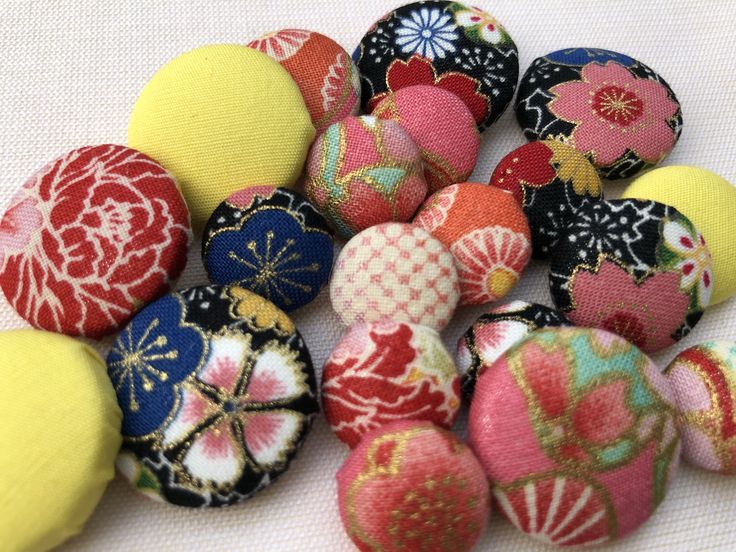
Covered buttons are among the sewing projects that don’t require much fabric: a scrap no bigger than a playing card is enough.
Most button kits ask for a fabric circle only a little wider than the button, so one remnant can cover several.
Light cottons, quilting prints, linen blends, and thin velvets work well, while thick or stretchy fabric tends to bunch up around the metal shell.
Try centering a flower or a stripe on each button so the print looks planned.
Finished buttons can dress up cushions, jackets, bags, and handmade hair accessories, and a matching set is easy to pack on a card for sale.
Check the kit size before you cut, since buttons range from tiny shirt sizes to big coat sizes.
Pull the fabric snug and press the back in firmly so it stays put in the wash.
They also pair well with other quick sewing projects to make and sell in a small shop.
2. Applique Patches
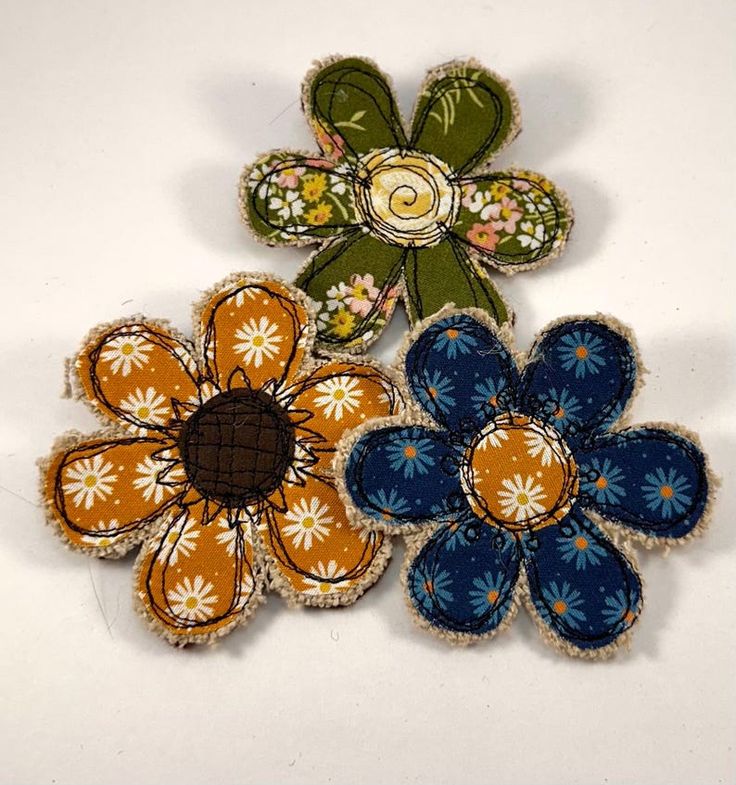
Applique patches are a handy way to use odd-shaped scraps, because even a piece the size of a coaster can give you several motifs.
Cut hearts, stars, leaves, letters, or little animals from tightly woven cotton, denim, felt, or twill.
A bit of fusible web keeps the edges flat while you stitch, and a zigzag or blanket stitch seals them.
Patches can brighten up jackets, tote bags, children’s clothes, and quilts, or you can group them into themed sets like garden, ocean, or birthday.
Pick a backing and attachment method that suits the garment, since sewn-on patches handle washing better than iron-on ones alone.
They sit nicely beside other handmade sewing products to sell online.
Adding a name or initial turns a patch into a gift, and it’s a simple way into personalized sewing products. Detailed designs take time, so price them fairly.
3. Fabric Tassels
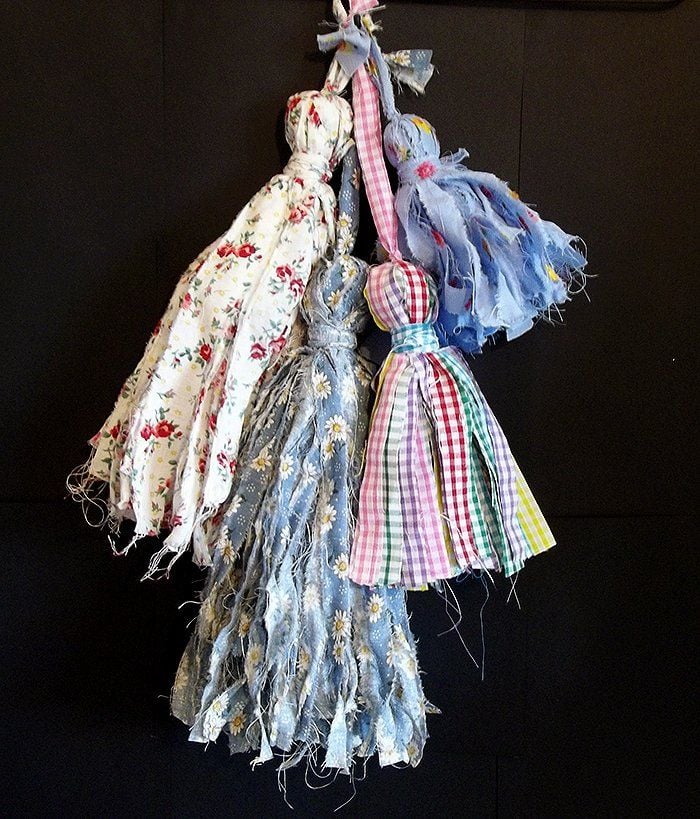
Tassels are a great home for the thin, uneven strips that never seem to fit anywhere else.
A strip just a few inches wide can be wrapped, folded, and tied into a full tassel.
The fabric changes the look: cotton jersey gives a soft, slouchy tassel, while a lightweight woven strip looks crisp and textured.
Longer strips make fuller tassels, so sort your offcuts by length first.
Use them on keychains, bag zippers, bookmarks, gift wrap, curtain tiebacks, and cushion corners.
A set in matching colors, like warm autumn shades or soft pastels, looks far more planned than a random mix, and a wooden bead or wrapped cord cap adds a nice finish.
Like most sewing projects that don’t require much fabric, tassels work well as small extras alongside other small sewing projects that are easy to sell.
4. Fabric Dominoes
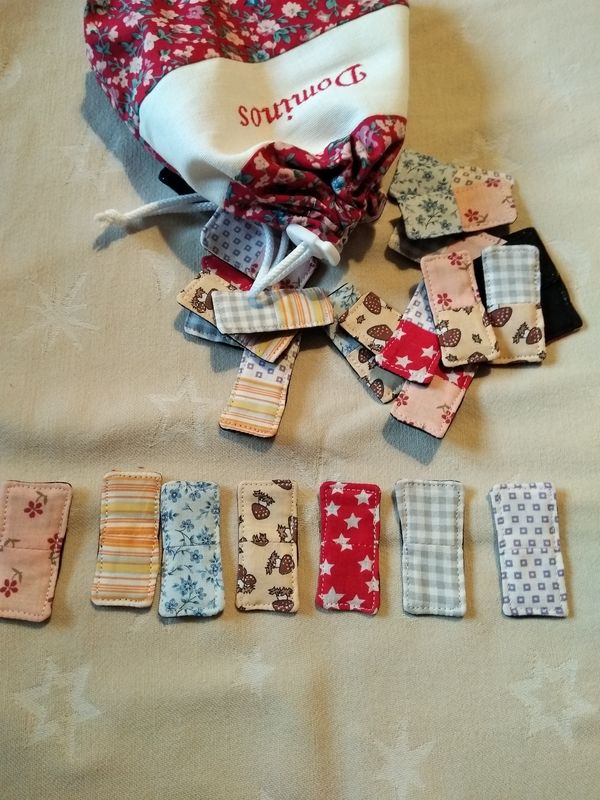
A soft domino set makes a charming handmade game, and each tile needs only a small rectangle of fabric.
Cut two matching pieces per tile from sturdy cotton or canvas, and use a contrasting scrap for the dots and the center line.
A layer of stiff interfacing or thin batting inside gives each tile its shape.
Keep every tile the same size so the set stacks neatly, and topstitch the edges for a tidy finish.
Sew the dots on rather than gluing on buttons, because small loose parts aren’t safe for young children.
Sell or gift the set as a handmade game for older kids and adults, and don’t call it a certified toy unless it meets the safety rules where you live.
A little drawstring bag from another remnant keeps the tiles together.
If you’re newer to sewing, these simple sewing projects you can make without advanced skills are a good place to start.
5. Dog Hair Bows
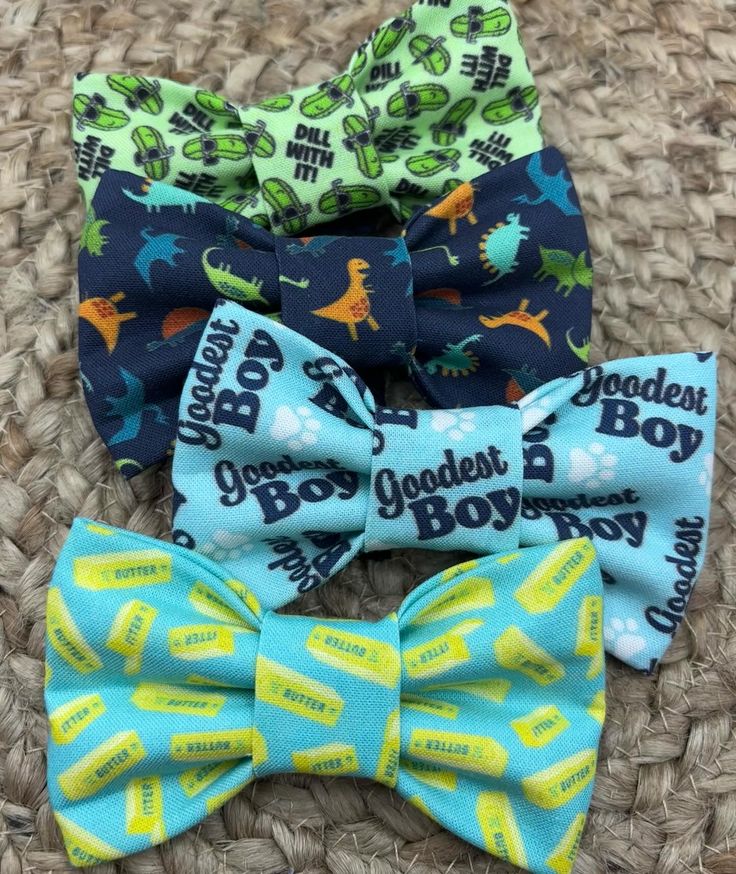
Dog hair bows need only a few inches of lightweight fabric, so patterned cotton and satin remnants are ideal.
Pinch a small rectangle in the middle and wrap it with a thin strip to form a classic bow, or layer a few loops for a fuller one.
Match the colors to a dog’s coat, a holiday, or a favorite print, and think about making matching sets in two sizes.
Attach each bow to a clip or grooming band made for pets, and make sure the size suits the dog.
A bow should never pull on fur, limit movement, rub the skin, or be easy to chew off and swallow.
Because it could come loose, it shouldn’t be left on a dog that’s unsupervised.
Pet owners love personal touches, and a well-photographed set fits right in with other unique sewing products to sell on Etsy, as long as the listing includes sensible care notes.
6. Mirror Charms
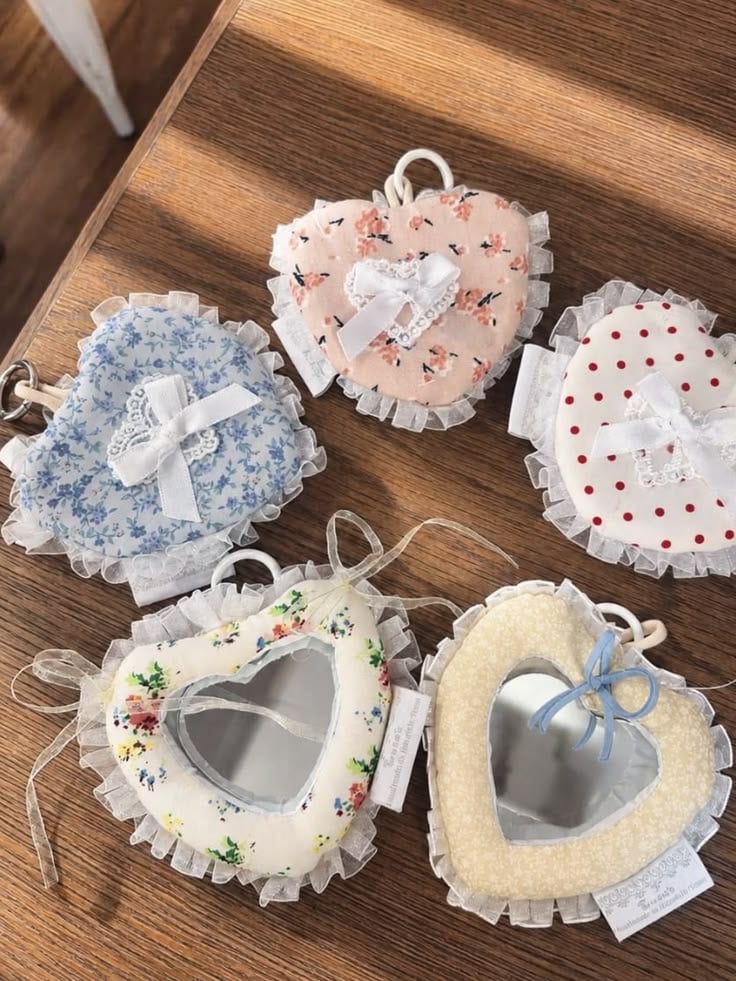
Two small fabric shapes, a little stuffing, and a loop of ribbon or cord are all a mirror charm needs.
Hearts, stars, tiny houses, and leaves are easy to cut from quilting cotton or felt, and an embroidered initial or a small contrasting pocket gives each one its own look.
Stitch around the edge, turn it, stuff it lightly, and close the gap securely.
Charms work for room décor, bedposts, bag handles, and gift tags, and a themed set for a holiday or birthday adds appeal.
If one will hang from a car mirror, keep it small and short so it never blocks the driver’s view or touches any vehicle controls.
Small, thoughtful items like these often show up among the handmade sewing projects people actually buy.
A strong hanging loop matters far more than extra decoration.
7. Zipper Pull Tabs
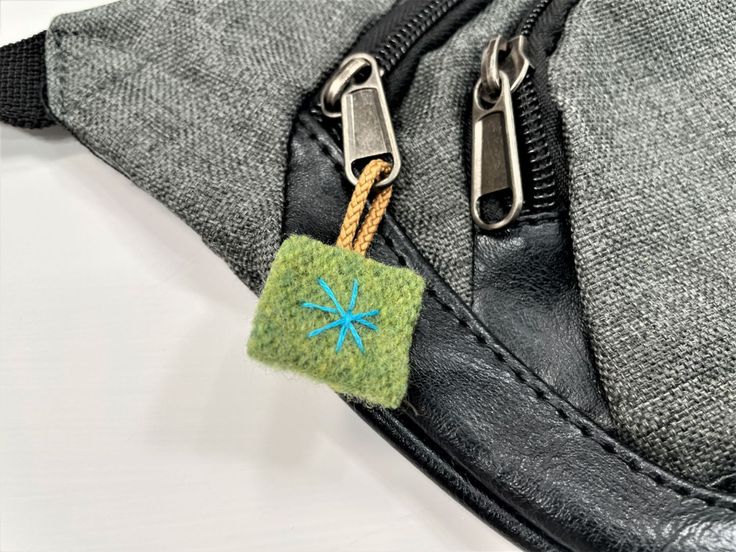
Among sewing projects that don’t require much fabric, a zipper pull tab is one of the most useful, and a strip about two inches wide can give you several.
Medium-weight cotton, canvas, and faux leather offcuts work best, with interfacing added if the fabric feels soft.
Fold the strip in thirds, stitch down the edges, and loop it through the zipper slider with a small metal ring or clasp.
The result is easier to grip on pouches, backpacks, jackets, and organizers, especially when the zipper is tiny.
Sets in matching colors suit pouches you’ve already made, and a stitched initial adds a personal touch.
Since a tab gets tugged all day, use short stitches, backstitch at the ends, and pick hardware that won’t loosen.
These tabs are quick enough to fit among easy sewing projects to make and sell fast.
They also belong with the sewing projects you can make in one hour and sell.
8. Fabric Key Fobs
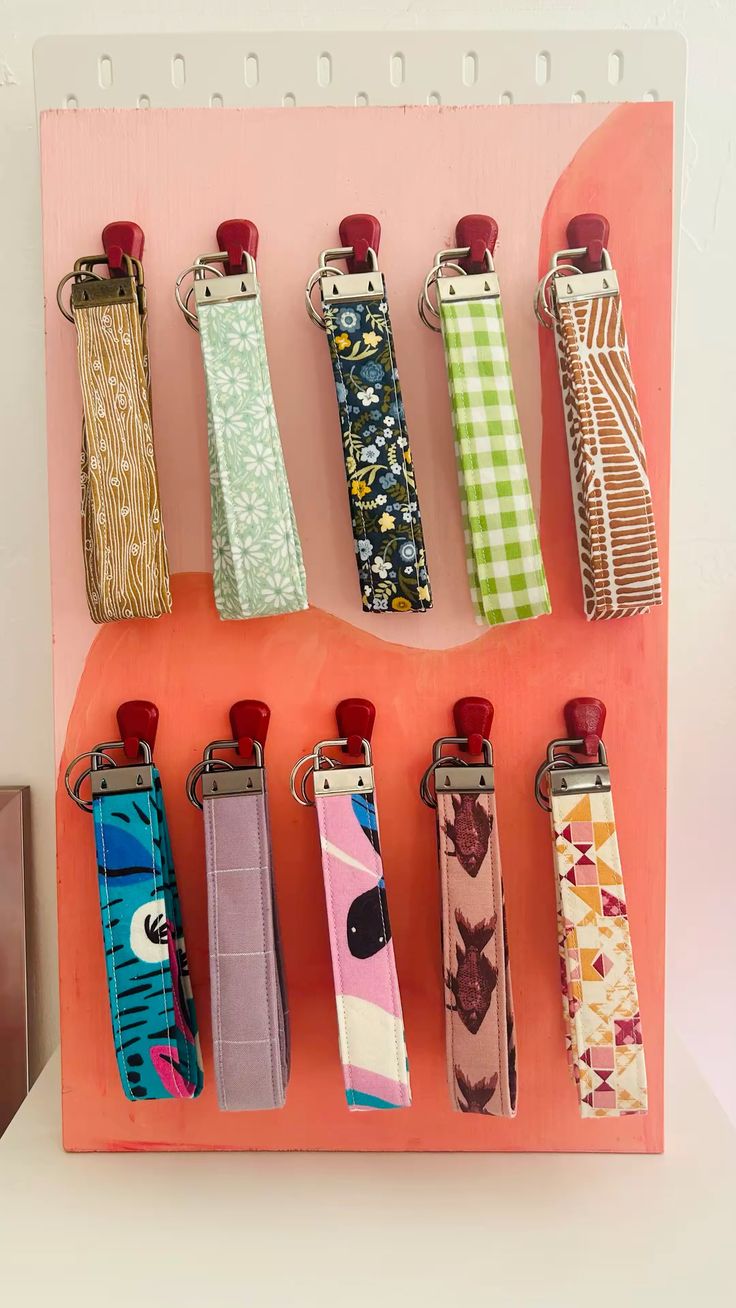
A key fob is a good use for a strip of sturdy fabric about two inches wide and six or seven inches long, which makes it one of the sewing projects that don’t require much fabric.
Canvas, denim, cotton twill, and upholstery offcuts hold up best, because a fob gets tugged, dropped, and shoved into pockets all day.
Fold the strip in half lengthwise, stitch along the edges, then loop it through a key ring and secure it with a few rows of stitching or a snap.
A little interfacing keeps lighter cotton from going floppy.
Add an initial, a small appliqué, or a contrasting stripe to make each one different, and match a few to a pouch or tote you’ve already sewn.
Test the stitching by tugging it hard before you sell any.
Most people can finish one in minutes, so it sits well beside other easy things to sew and sell for beginners.
9. Pencil Toppers
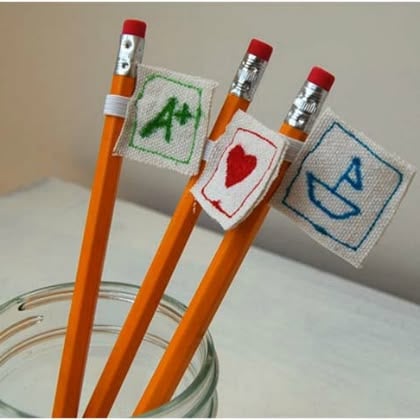
Pencil toppers give tiny scraps a playful second life.
Two small shapes of felt or cotton, a pinch of stuffing, and a short sleeve for the pencil are enough for a flower, a fox, a mushroom, or a simple character.
Embroidered details hold up better than glued-on pieces.
Choose sturdy fabric that won’t fray with handling, and stitch the opening shut so the pencil can’t slip out.
They make cute small gifts, classroom treats, or stationery sets paired with a notebook.
Keep small parts in mind, though: avoid buttons, beads, and loose eyes if the topper is meant for young children.
A matched set in one color theme also makes choosing easy for buyers.
If you’re new to selling, there are plenty of easy sewing projects for beginners to sell to try alongside this one.
10. Doll Shoes
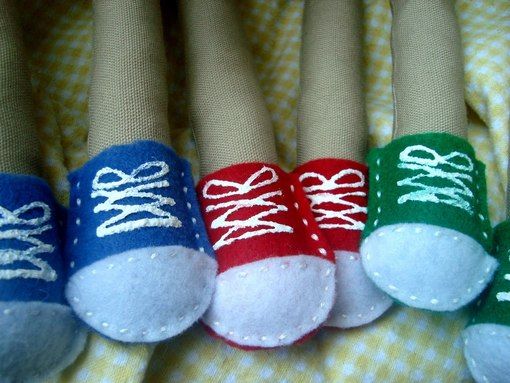
Doll shoes use some of the tiniest pieces in your scrap bag.
The doll’s size and foot shape decide the design, so measure the foot length and width before you cut.
Felt, cotton, and thin faux leather are easy to handle, and a small lining keeps the inside neat.
Slippers, soft shoes, and short boots each need just a few scraps.
For closures, a small strap with hook-and-loop tape is easier than tiny buttons and holds better.
Matching shoes can finish a handmade doll outfit or be sold as part of a clothing set.
Good measurements matter: shoes that are too tight won’t go on, and loose ones fall off.
Since children tend to handle dolls roughly, attach every closure and decoration firmly.
Beginners can manage these, and they fit among the beginner sewing projects that make great products to sell.
11. Knee Patches
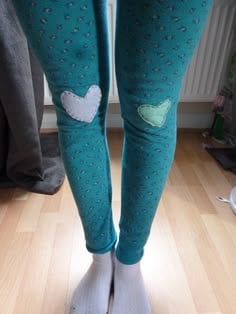
Knee patches put a small piece of strong fabric to hard work.
Denim, corduroy, canvas, and heavy twill last longest because they handle rubbing and repeated washing.
Cut rounded squares or ovals that reach past the worn spot, then finish the edges with a tight zigzag or topstitch so they don’t fray.
A patch can hide a worn area, strengthen a knee before it wears through, or simply add some fun with a bold print or a star shape.
Matching pairs look neater, and themed designs appeal to parents of active kids.
Pick fabric that suits the garment and how it will be worn, and stitch the corners twice.
You only need a basic machine, so these belong with other sewing projects you can make with a basic sewing machine.
Mending takes time, though, so price repair work realistically.
12. Napkin Rings
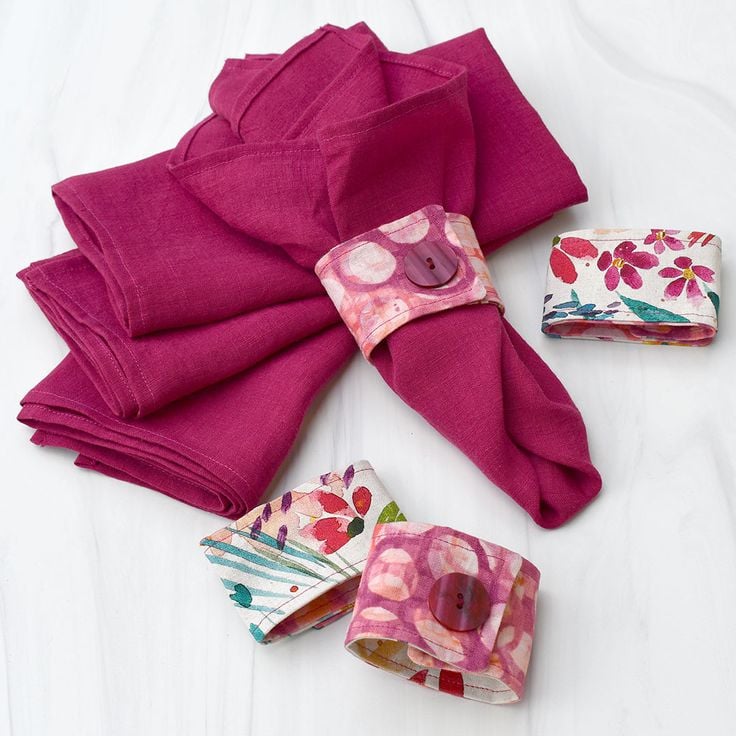
Napkin rings need only a short band of fabric, so they belong with the sewing projects that don’t require much fabric.
A strip about two inches wide and seven inches long wraps neatly around a rolled napkin.
Medium-weight cotton, linen, and canvas hold their shape well, and a layer of interfacing gives the band a little body.
Stitch the strip into a tube or fold and topstitch the edges, then close it with a snap, a button, or a small piece of hook-and-loop tape.
Pick washable fabrics, since spills happen.
Sets of four or six in matching prints suit dinner tables, holiday meals, and housewarming gifts, and a bow or tiny appliqué adds a finishing touch.
Count the cost of fasteners and packaging before you set a price, then compare it with these high-profit sewing projects to make and sell.
You can also browse profitable sewing projects to make and sell for more ideas.
13. Twilly Scarves
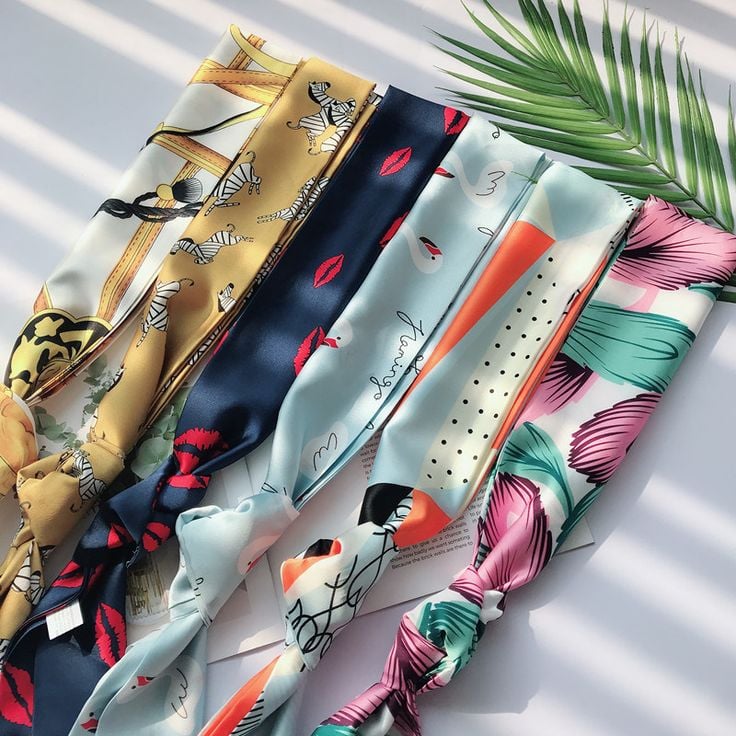
Twilly scarves look small, but they still need a long piece of fabric, so be honest when you sort your remnants.
A strip about two to three inches wide and 30 to 36 inches long is typical, which suits narrow offcuts from a larger cut.
Silky polyester, rayon, and light cotton drape well and fold into a slim shape.
Cut a long strip, shape the ends into points or gentle curves, and press the hems for a clean edge.
Wear them on bag handles, wrists, ponytails, or around the neck.
Bold prints or contrasting color pairs help a twilly stand out, and a matching pair for two bag handles is an easy extra sale.
Check that the fabric won’t slip or fray when tied.
Small accessories like this are common among the best sewing products to sell on Etsy.
14. Fabric Fridge Magnets
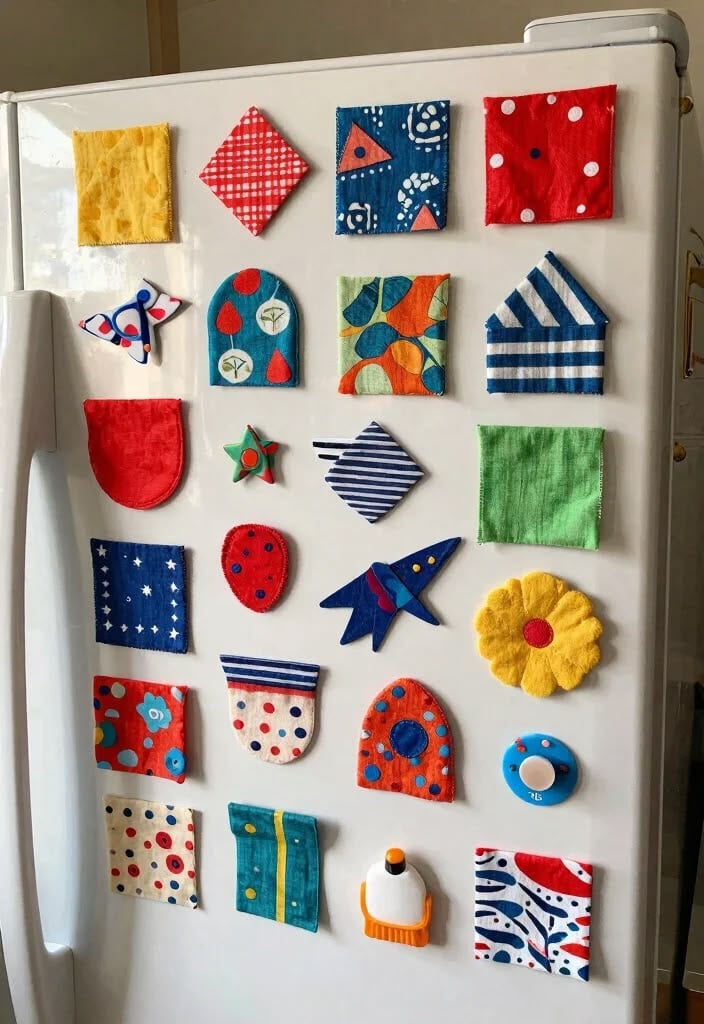
Fridge magnets turn scraps just a few inches across into cheerful décor.
Cut simple shapes like cherries, flowers, mugs, hearts, or seasonal motifs from felt or cotton, and add a thin layer of batting for a soft, rounded look.
Stitch the layers together, then attach a flat magnet to the back and cover it fully with a felt or fabric backing. Safety matters here.
Magnets must be completely enclosed, because small or loose magnets are dangerous if swallowed.
Don’t present these as children’s toys, and keep them away from young kids.
Sets of four or six in a related theme make appealing gifts, and an initial or a personal motif suits a housewarming present.
Holiday collections are another easy way to bundle them.
Small items like these can sit alongside the sewing projects that sell well on Etsy, as long as the listing is clear about how they should be used.
15. Wine Glass Charms
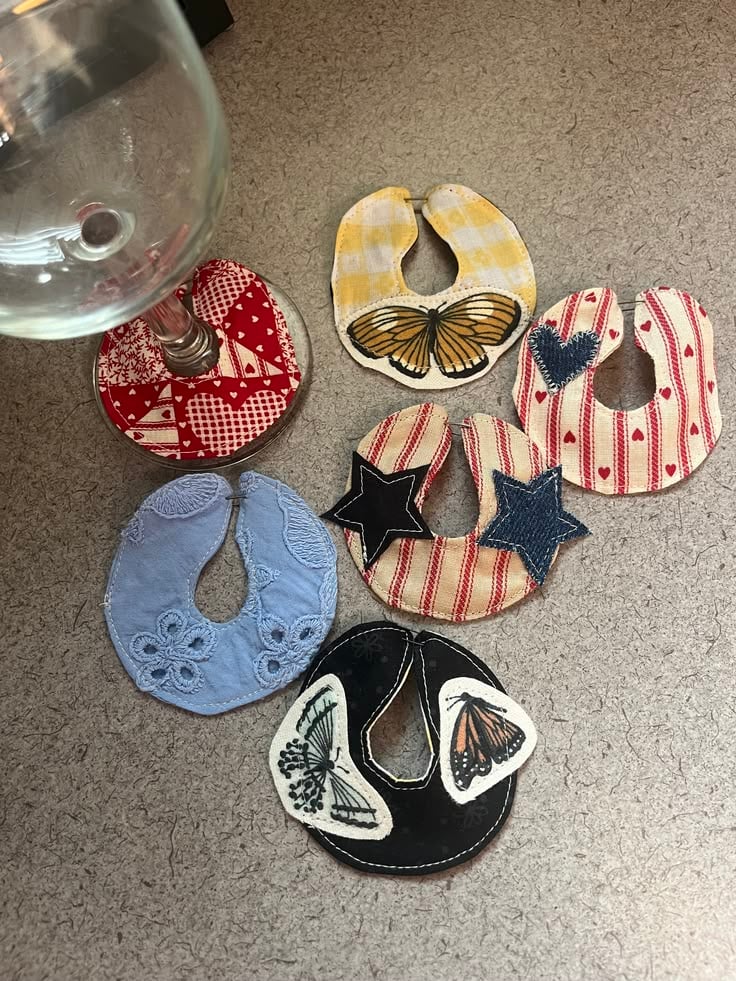
Wine glass charms need only the smallest scraps, like a tiny bow, a felt heart, or a miniature flower.
Stitch the fabric shape to a small loop or ring that slips around the stem, and keep it light so the glass stays balanced.
The charm should sit on the stem and never touch the rim or the part you drink from.
Washable cotton or felt works best, and the fabric shouldn’t shed fibers into a drink.
Skip loose beads or other tiny parts that could come off and become a choking hazard.
Weddings, birthdays, holiday parties, and other gatherings all give you a reason to make sets in matching colors, and a different print for each guest helps everyone find their glass.
Custom colors for a bridal party are an easy way to personalize.
For listing inspiration, see these Etsy sewing ideas that actually sell.
16. Cat Ear Clips
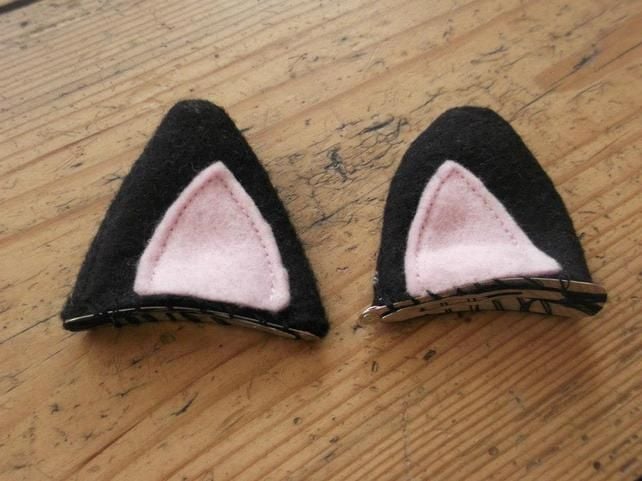
Cat ear clips are meant for people, not cats, and they’re easy sewing projects that don’t require much fabric, since each ear needs only a few inches.
Cut triangle ears from two layers of fabric, add a thin layer of interfacing or felt so they keep their shape, and stitch them to a metal hair clip or a plain headband.
A pink inner ear cut from a contrasting scrap gives them a cute finish, and neat topstitching keeps the edges clean.
Themed colors suit costumes, dress-up, or everyday wear, and a pair in matching shades makes a sweet gift.
Make sure the clip is comfortable and has no sharp edges.
If you adapt the design for a pet, use an attachment made for pets, check that it’s comfortable, and watch the animal closely while it’s worn.
When you’re ready to list them, take a look at these easy sewing projects to sell on Etsy.
17. Fabric Ornaments
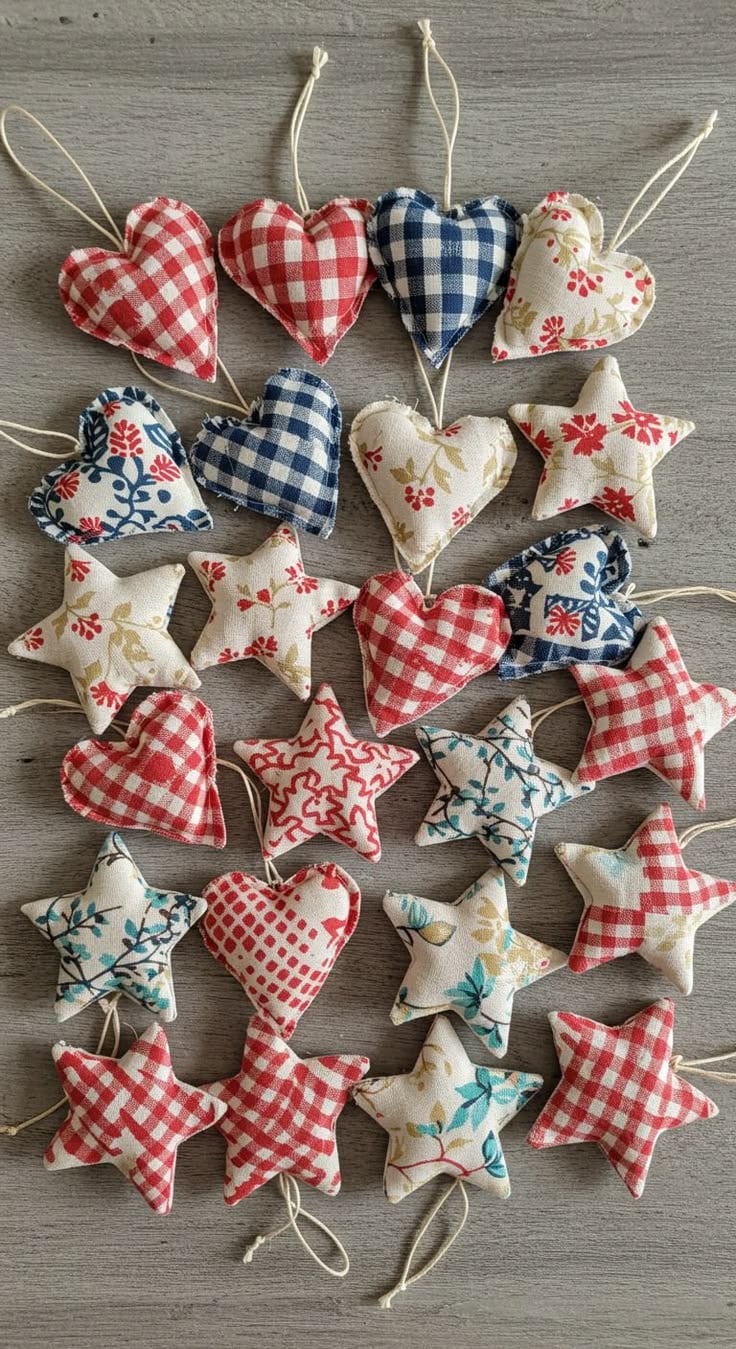
Fabric ornaments turn small scraps into holiday decorations that can hang on a tree, a door handle, or a gift.
Hearts, stars, mittens, and little trees are easy shapes to cut from felt, cotton, or wool offcuts, and each one needs only two pieces about four inches across.
Stitch the pieces together with the right sides facing, turn them out, add a pinch of polyester stuffing, and close the gap with small hand stitches.
Push a loop of ribbon or twine into the top seam before you close it so the hanger stays secure.
Plain fabric looks lovely with a firmly sewn button, a bit of embroidery, or a contrasting blanket stitch around the edge.
Because ornaments are simple shapes you can sketch freehand, they suit the no-pattern sewing projects to make and sell too.
Keep decorations like these away from babies and small children, since stuffing and trims can come loose.
18. Bias Tape
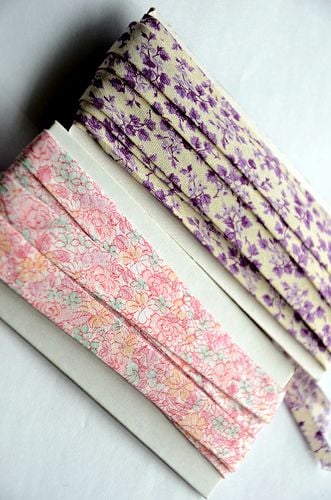
Bias tape turns remnants into a supply you’ll actually use.
Cutting at a 45-degree angle to the grain gives the strip some stretch, which helps it wrap smoothly around curves like armholes, necklines, and bibs.
Cut your strips, join the ends with diagonal seams, then press the edges into folds, either with a bias tape maker or by careful pressing.
Light cotton remnants work best. The shape of your fabric limits how much continuous tape you get, so a square piece yields more than a long, narrow one.
Handmade tape in a favorite print can finish quilts, baby items, and fabric accessories beautifully.
Rolls in matching colors also appeal to other sewists, and they fit well with sewing products you can make in bulk and sell.
Since many sewists work from a spare room, you may also like these things to sew and sell from home.
19. Fabric Yo-Yos
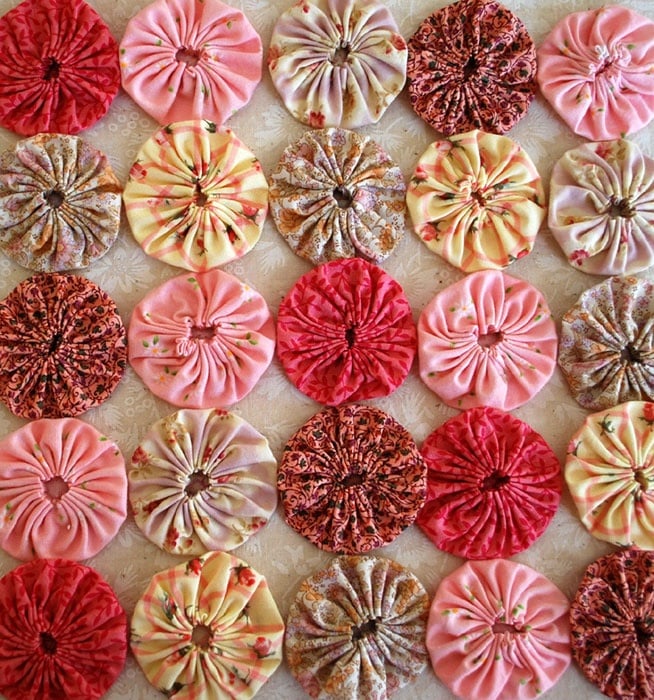
Yo-yos are classic sewing projects that don’t require much fabric, since each one starts as a small circle.
Cut a circle about twice the width you want the finished yo-yo, turn the edge under, sew a running stitch around it, and pull the thread to gather the fabric into a puffy flower.
Light and medium-weight cottons gather best, while bulky fabric makes the gathers stiff.
Add them to quilts, cushions, bags, clothing, garlands, and other accessories.
Yo-yos in coordinated colors work well as sets, and a mix of sizes can form a larger design.
Even gathering and equal circle sizes give a polished result, and a cardboard template makes cutting faster.
Make a few samples first to see how much fabric each one uses.
If you’re thinking of selling, they pair well with other things to sew and sell for a successful small business.
20. Fabric Rosettes
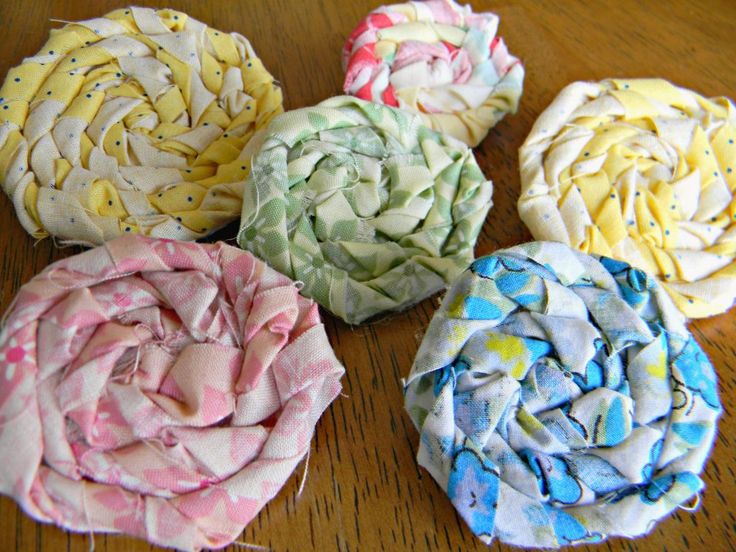
Rosettes turn narrow strips and small scraps into flowers with real dimension.
Fold or gather a strip, coil it around itself, and stitch it so the layers stay put.
Fabric type, strip length, and folding style all shape the final flower: crisp cotton makes sharper petals, while soft jersey gives a relaxed bloom.
Use them on hair accessories, brooches, gift toppers, bags, clothing, and home décor.
Mix colors, layer petals in different sizes, or add a button or bead center, sewn on firmly.
You can sell rosettes one at a time or as matching sets, but they need secure attachment and a proper backing, like a felt circle with a pin or clip.
Conclusion
Useful sewing doesn’t always need big cuts of fabric.
Once you look at your leftovers differently, those small pieces turn into buttons, charms, patches, trims, and gifts.
Sewing projects that don’t require much fabric let you choose what suits your scraps, your skills, and your interests.
Pick ideas that have a clear purpose, use the material well, and can be finished neatly.
If you hope to sell, stay realistic. A small amount of fabric keeps waste down, but your time, hardware, finishing, and packaging still count.
Start with one project, make a few samples, and see how far your scrap basket can go.