Hair accessories to sew and sell can do far more than hold a ponytail in place.
A hair accessory can be a finishing touch, a daily helper, or both at once.
Some people want something that keeps hair off their face on a busy morning, while others need a gentle cover for bedtime, a wrap for after the shower, or a polished piece for a wedding.
That range is what makes hair accessories to sew and sell such a rich category, well beyond a basket of bows and headbands.
This guide covers sleep accessories, shower products, hair organizers, bridal pieces, and practical designs made for different hairstyles and routines.
Fabric choice, fit, and construction matter in every one of them.
Many of these items also pair well with storage, so a hair tie holder or clip set can sit beside a small zippered case in a coordinated gift set.
If that idea appeals, the 21 cute pouches to sew and sell are a natural companion for hair ties, clips, bows, and travel essentials.
Hair Accessories to Sew and Sell
1. Satin Sleep Bonnet
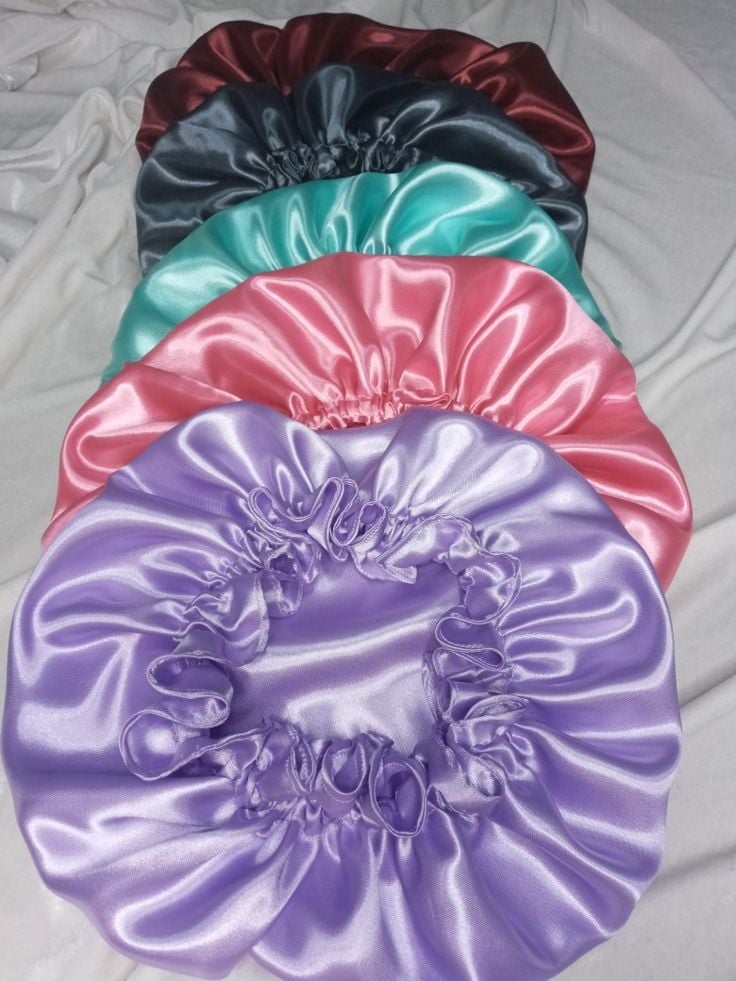
A satin sleep bonnet is worn overnight to cover hair, and the details of its construction decide whether anyone keeps wearing it.
Cut the crown deep enough for long, thick, curly, or textured hair, because a shallow bonnet slides off or squashes the style it is meant to cover.
Line it with smooth satin, and choose a soft, wide elastic or an adjustable band so the edge never digs into the forehead.
Offer small, medium, and large sizes, and let buyers choose prints or solid colors that suit their bedrooms and personalities.
Be precise in your listing: satin describes a weave, not genuine silk, so only use the word silk when it is true.
Skip hair-growth or medical promises and describe comfort and fit instead.
This bonnet also earns a place among the handmade sewing projects people actually buy, and it is a sensible first item for a collection of hair accessories to sew and sell.
2. Microfiber Hair Towel Turban
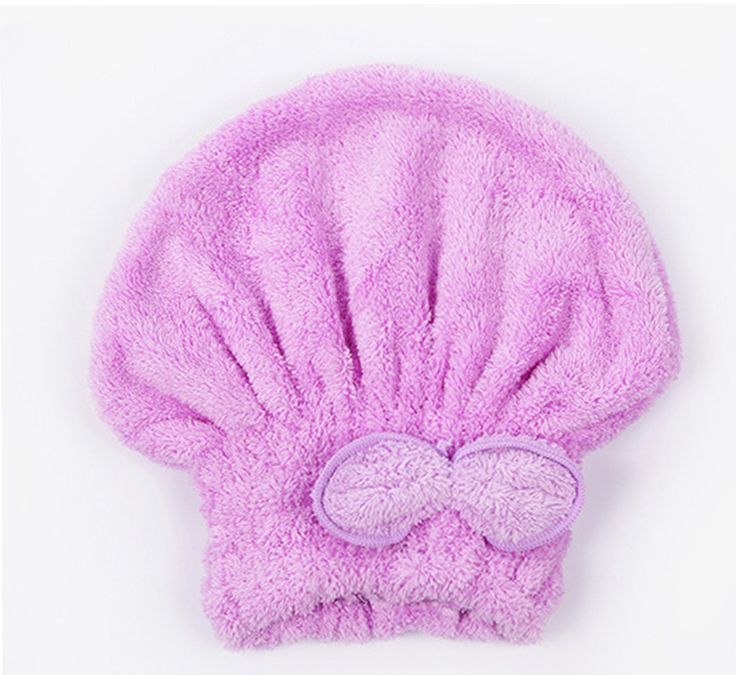
After washing, a wet towel on the head can feel heavy and slip within minutes, which is exactly the problem a microfiber hair towel turban solves.
The shape twists around damp hair and fastens with a button and loop, so wearers can move around the bathroom with both hands free.
Choose a soft microfiber, keep the construction lightweight, and test the twist length on different hair lengths before deciding on sizes.
Not all microfiber performs equally, so wash and test your fabric before describing how absorbent it is, and avoid promising a specific drying time.
Unlike an ordinary bath towel, this one is shaped for hair alone, which is a clear selling point.
Photograph it beside a robe or a bath mat in a matching color.
Add care instructions to the listing, since repeated washing can change the feel of microfiber, and mention any wash temperature you have tested.
3. Fabric Knot Headband
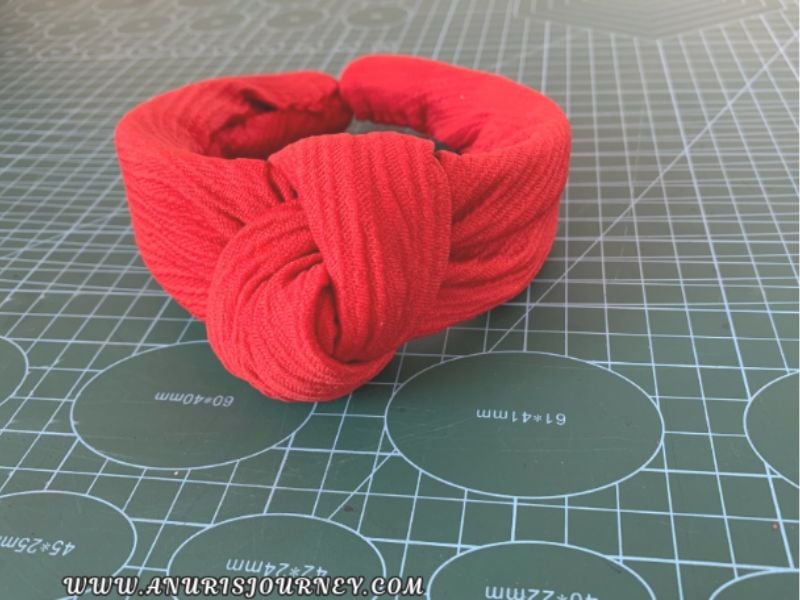
Fabric knot headbands keep hair away from the face while adding a small decorative detail at the top.
The knot is formed from a wide strip folded and twisted, then attached to a band made from stretch fabric or a woven fabric with an elastic insert at the back.
Width matters: a wider band feels more substantial but can press more on the head, so test each size on real wearers.
Finish the inside seams flat so nothing rubs behind the ears.
A plain neutral print suits workdays, while bolder prints, velvet, or satin suit evenings out.
The band should hold its shape without squeezing.
Because they use so little fabric, knot headbands sit comfortably alongside other easy accessories to sew and sell, and offering two or three widths is a practical first step when building a range of hair accessories to sew and sell.
4. Fabric Hair Bow
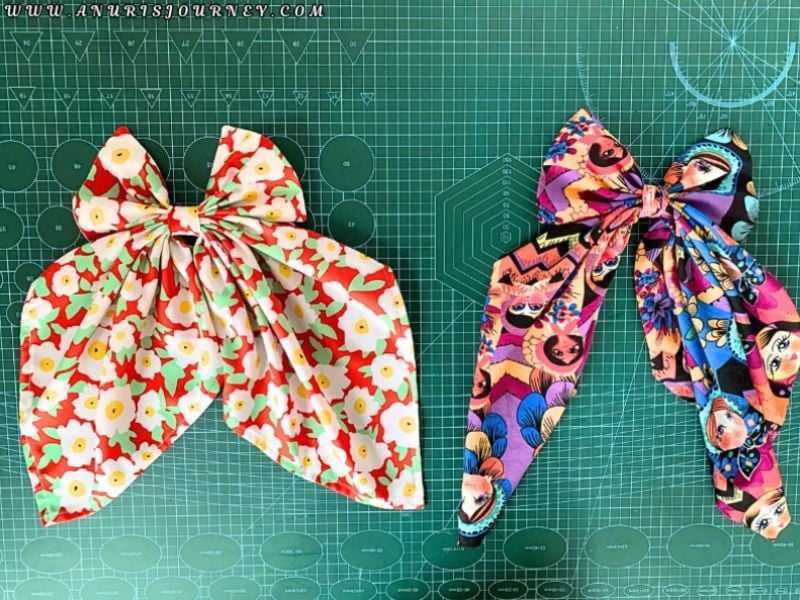
Hair bows are the classic of the category, and size and fabric change their whole character.
A small cotton bow suits a school ponytail, a larger velvet one works for autumn parties, and a satin bow gives a dressier finish.
Interfacing inside the loops helps them keep their shape, while the centre knot or wrapped band hides the stitching.
Think about proportion: an oversized bow looks charming on a child but may overwhelm a small ponytail.
Attach bows to alligator clips, headbands, or elastics, and sell the same bow in several formats.
Coordinated color collections let buyers match outfits, and a name or initial on the tail turns a bow into something personal.
If you add buttons or other decorations, stitch them on very securely, or leave them off, especially for babies and toddlers, who often put things in their mouths.
5. Fabric Hair Clip
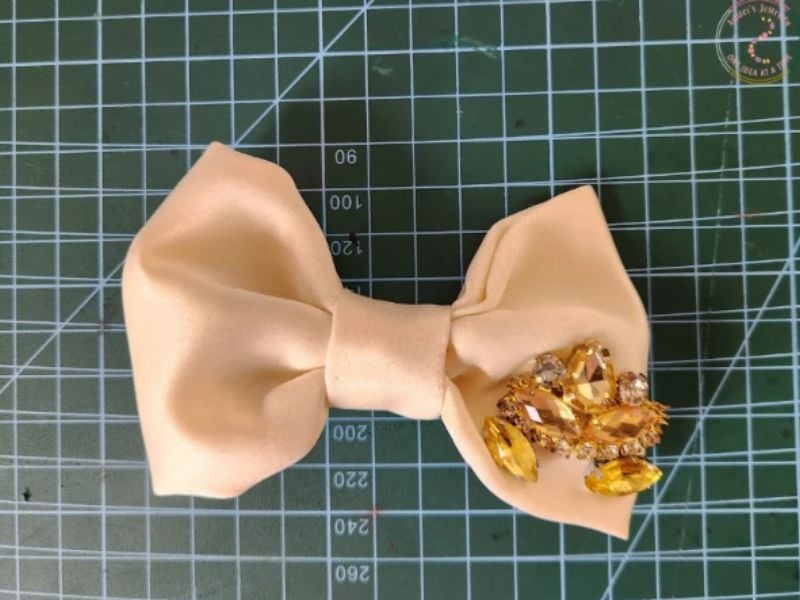
A fabric hair clip does two jobs at once: it holds hair in place and adds color.
Start with a sturdy clip base, then cover or decorate it with folded flowers, small bows, or minimalist strips of printed cotton.
A felt or fabric backing hides raw edges and glue, and neat hand stitching helps decorations stay put.
Match the mechanism to the hair. A snap clip suits fine hair, an alligator clip works for medium-thickness hair, and a larger claw clip suits thick, long hair.
Sell single clips or coordinated sets of three, and photograph them clipped onto a swatch of fabric so buyers can see the scale.
Check every edge for sharp metal or rough spots, and tug each decoration to make sure nothing comes loose. As small sewing projects that are easy to sell, clips are quick to produce, which makes them a low-cost starting point among hair accessories to sew and sell.
6. Tie-Back Bandana Hair Kerchief
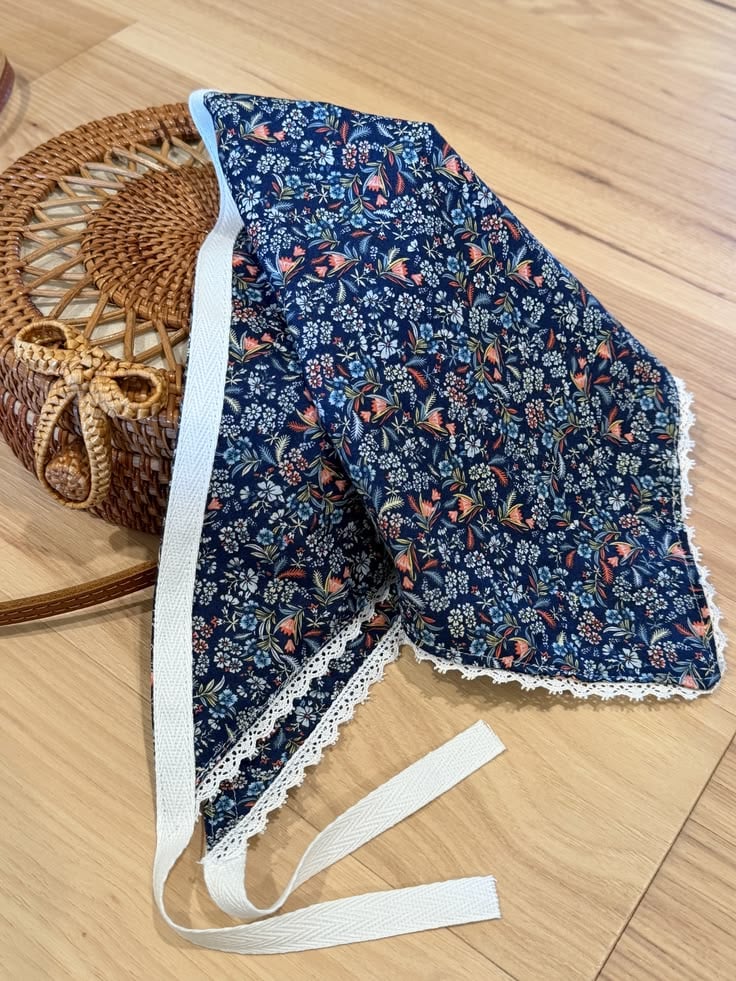
A bandana kerchief ties around the head or hair, so it works as practical hair control and as part of an outfit.
Lightweight, breathable cotton is the usual choice, and a square or triangle shape with narrow hemmed edges keeps things tidy.
Tie length decides how many styling options a buyer has: long ties can wrap and knot at the nape or top, while shorter ties are quicker for working outdoors.
Printed fabrics let you build collections around florals, gingham, or bold geometric patterns.
Offer a couple of sizes, because a kerchief meant for a child needs less fabric than one for an adult with a lot of hair.
For children’s versions, keep the loose ends short so they cannot catch on playground equipment or anything else nearby.
Show the tied look in your photos, since many shoppers are unsure how to wear one.
7. Padded Headband
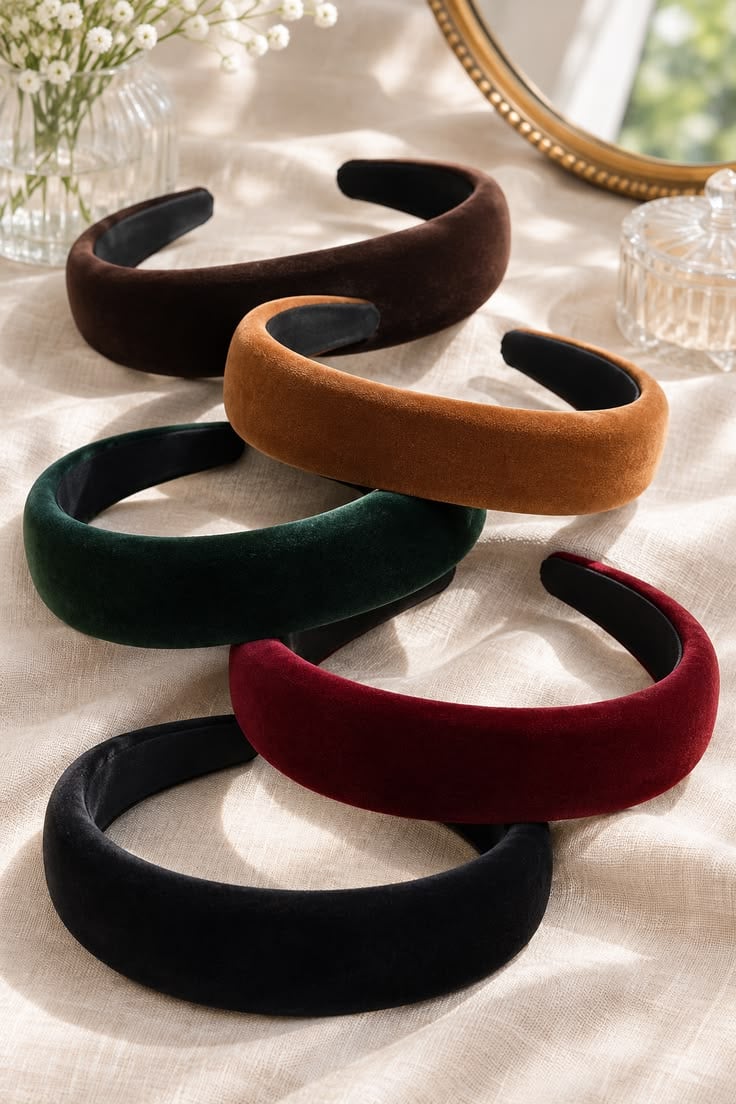
A padded headband, often called an Alice band, adds a little height at the crown while keeping hair back, so it suits formal outfits as much as everyday wear.
Cover a flexible plastic or metal band with a thin layer of batting or foam, then wrap it in cotton, velvet, or satin.
The padding is what makes it distinctive, and it needs care: keep the thickness even so the band sits smoothly, cover the cut ends of the base so nothing sharp touches the head, and close the fabric neatly along the inner curve.
Comfort depends on width and tension, since a tight band presses behind the ears.
Offer a narrow style for fine hair and a wider one for thick hair.
Cutting, turning, and topstitching the fabric is simple enough that even a basic sewing machine can handle small projects like this can manage it.
Photograph each band on a stand so the shape is clear.
8. Skinny Silk Hair Scarf
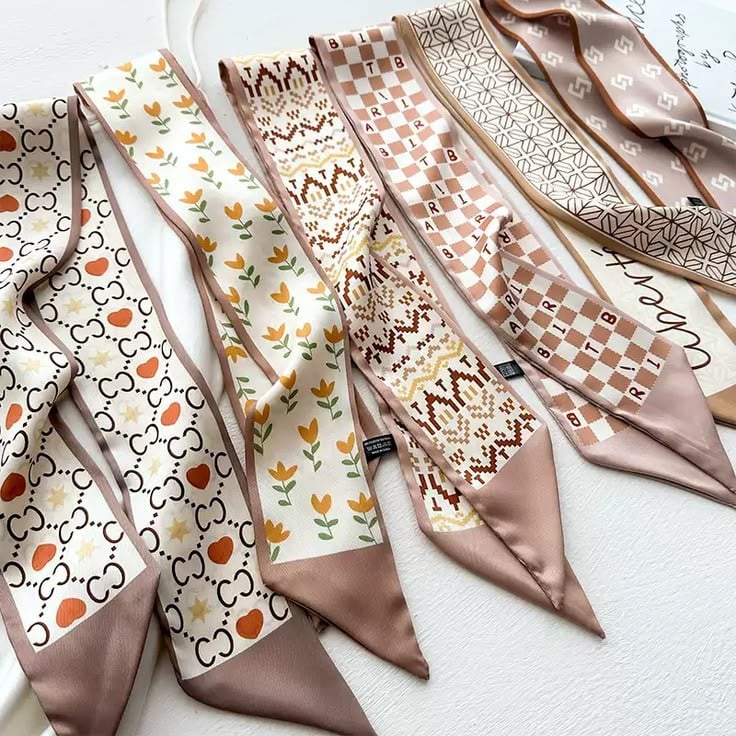
A skinny hair scarf is a narrow strip of fabric tied around a ponytail, braid, bun, or headband, adding color to a plain hairstyle.
Lightweight fabrics drape well, and narrow rolled hems keep the edges neat.
Length is important: a shorter strip makes a small bow, while a longer one can also loop around a bag handle or neck.
Print placement matters too, because a repeating pattern looks consistent while a large print can look different on every scarf.
Only call the product silk if you used genuine silk; otherwise, describe the fabric as it truly is, such as satin or polyester.
Matching sets of two or three scarves in coordinated prints look lovely in photographs, especially laid across a hairbrush or tied around a ponytail on a model.
Gift boxes with tissue paper add a polished touch, and a trio of coordinated scarves is an easy way to widen your range of hair accessories to sew and sell.
9. Reusable Lined Shower Cap
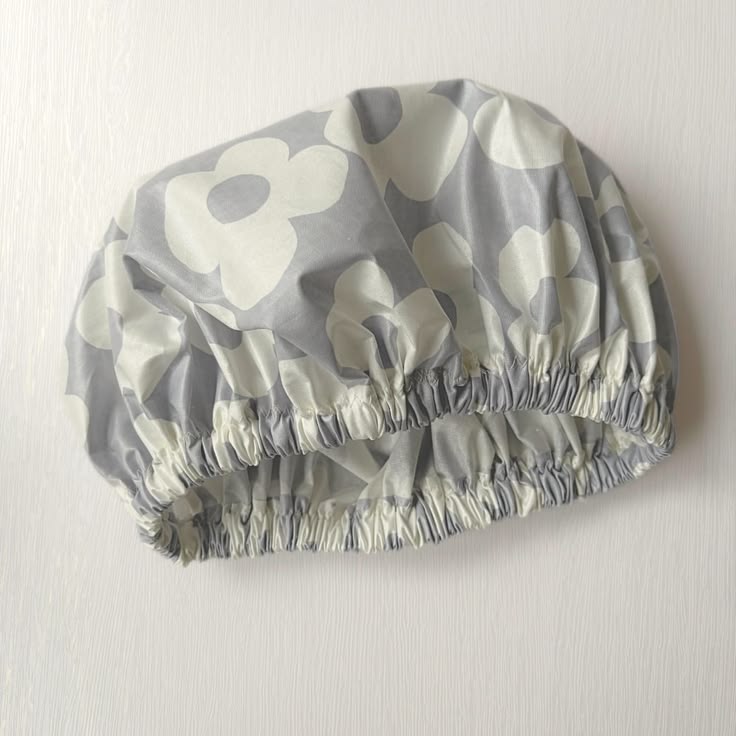
A reusable shower cap covers hair during bathing, and the materials need more thought than most accessories.
Use a water-resistant outer fabric with a soft lining, and add a casing for elastic around the opening.
Crown depth and circumference decide who the cap fits, so offer sizes for short hair and for long, voluminous, or braided styles.
Be honest about performance: water resistance depends on the fabric and the construction, and without proper testing you shouldn’t call a handmade cap completely waterproof.
Seams that go through the outer layer can let water in, so consider how you finish them.
Include washing and drying guidance, and recommend hanging the cap open so the lining dries fully.
Colorful prints look good photographed beside a towel and soap.
Because the pattern is simple, it is one of those sewing products you can make in bulk and sell.
10. Heatless Satin Curling Rod
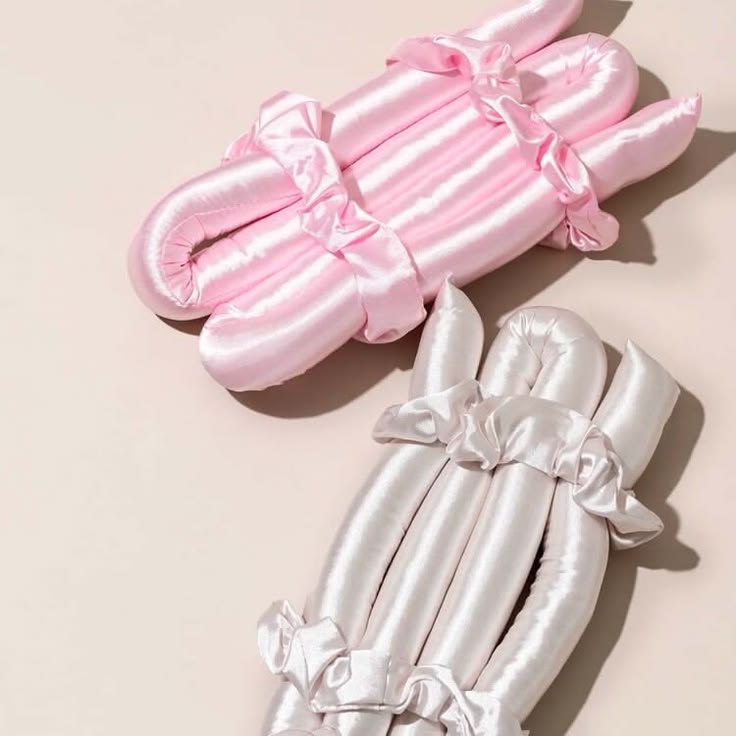
A heatless curling rod is a long, soft, fabric-covered tube that hair wraps around, usually overnight, to create waves or curls without a hot tool.
Cover it in satin or another smooth fabric, fill it with soft padding, and add fabric ties or a scrunchie at the ends to hold the wrap in place.
Length and flexibility matter: too stiff and it is uncomfortable to sleep on, too floppy and it will not hold the hair.
Test it on short, medium, and long hair so you can describe it accurately.
Results depend on hair type, technique, and how long the hair is wrapped, so never guarantee a curl pattern.
Make sets that include matching scrunchies, and photograph the rod beside a clip and a satin bonnet to suggest a complete overnight routine.
Few other hair accessories to sew and sell work quite like this one, which gives your range something different.
11. Hanging Headband and Bow Organizer
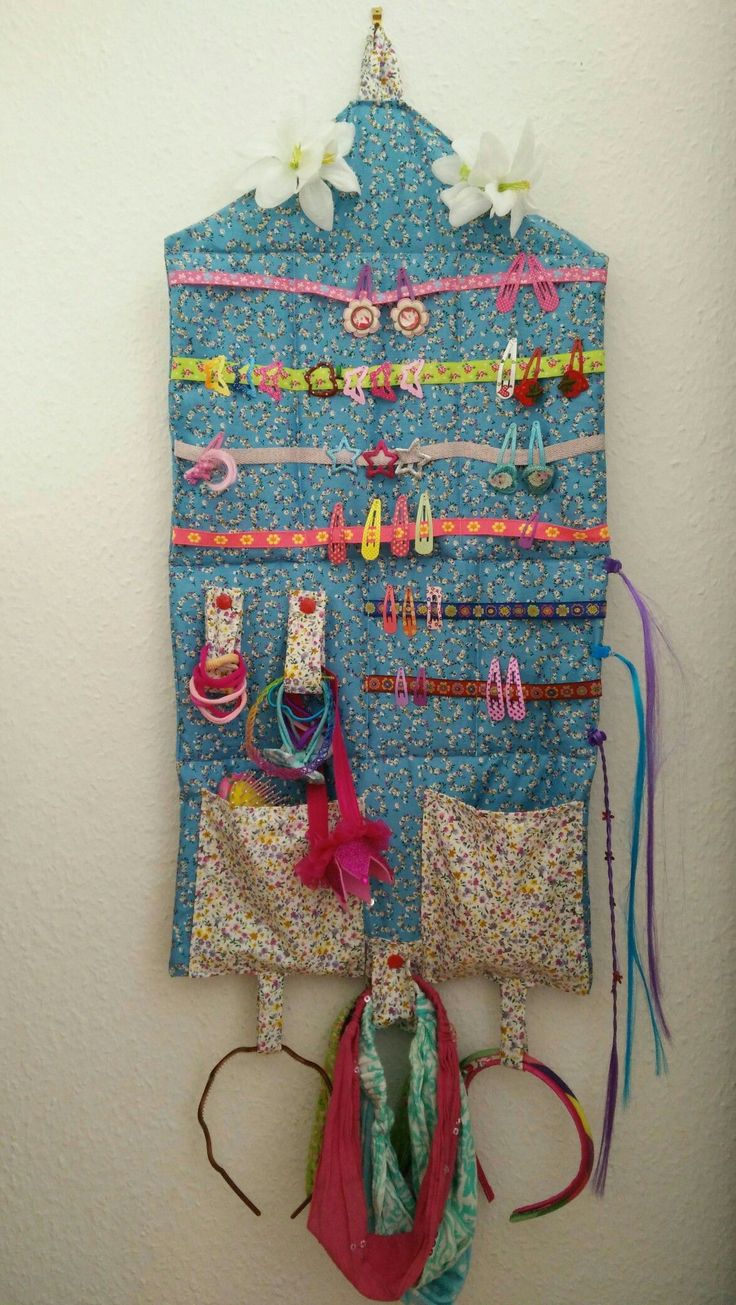
This product doesn’t go on anyone’s head; its job is keeping headbands, bows, and clips visible and untangled.
A hanging organizer can use a fabric panel with rows of pockets, loops, or elastic bands, plus a sturdy hanging tab or hook that can carry the weight of a full collection.
Space the sections far enough apart that bows aren’t crushed and headbands don’t bend.
Heavier fabrics such as canvas or duck cloth hold their shape, while a lining can hide the reverse side.
Parents with several children, dancers, and people who collect accessories might each want a different size.
Personalize it with embroidered or fabric labels, and choose colors that match bedrooms.
Show it hanging on a door or wall in your photos, filled with items.
It belongs with other organization products to sew and sell, because what you are really selling is tidiness at home.
12. Ribbon Ponytail Streamer
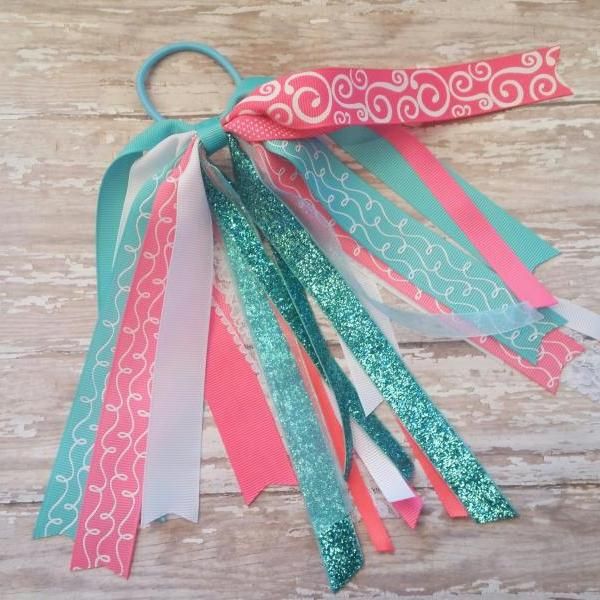
Ribbon ponytail streamers are short lengths of ribbon or fabric attached to a hair elastic or clip, adding a pop of color to a simple ponytail.
Think about ribbon width, because narrow ribbon looks delicate while wide grosgrain makes a bolder statement.
Heat-seal synthetic ribbon or fold the cut ends, then stitch the ribbon firmly to the elastic.
Seasonal sets, such as red and green for winter or school colors for sports days, make a clear selling point.
Sell them in sets of three or four so buyers can match different outfits.
Keep the tails short for children who run, climb, or play sports, so they don’t whip around or catch on equipment.
Photograph them against a plain background with the color combinations fanned out.
If you are planning a wider Etsy range, 33 sewing projects that sell well on Etsy shows where small items fit alongside larger ones.
13. Fabric Flower Crown
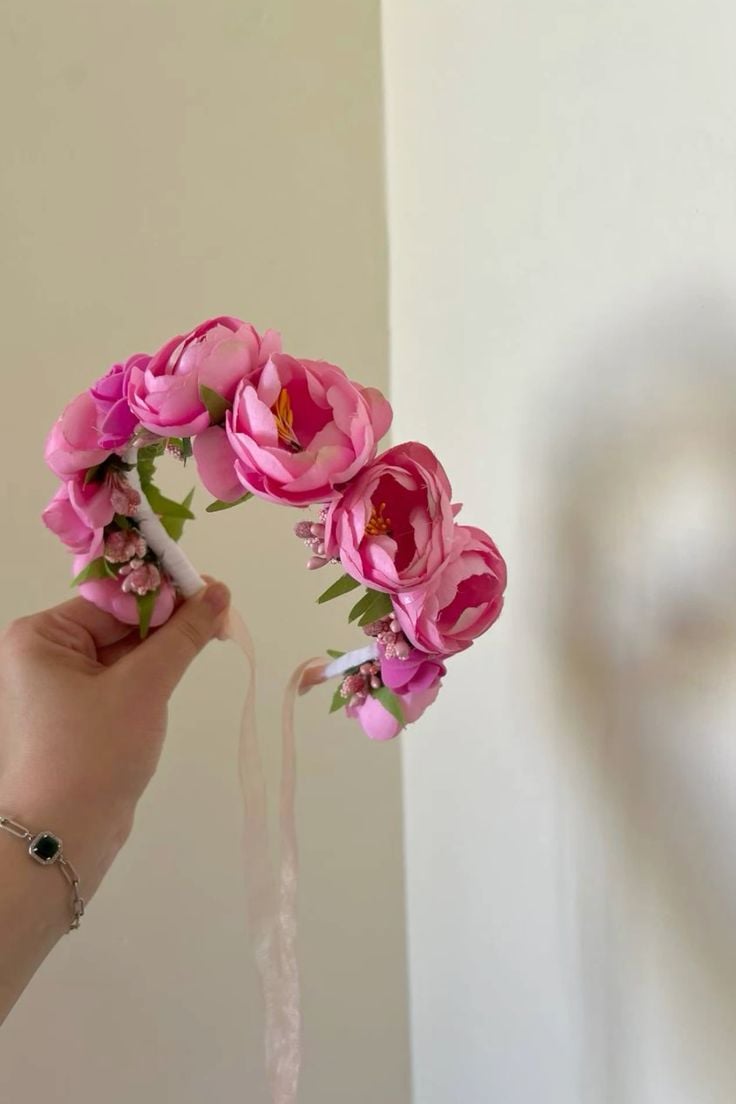
Fabric flower crowns appear at weddings, festivals, photo shoots, birthdays, and dress-up days, so the style changes with the event.
Build flowers from layered petals of cotton, satin, or felt, then attach them to a flexible band made from covered wire, elastic, or ribbon ties.
Wire gives shape but must be fully wrapped so no ends press against the wearer.
An elastic back adds adjustability for different head sizes.
Offer small, medium, and large flowers, and custom color palettes for bridal parties who want to match bouquets.
Fabric remnants work well here, and the sewing projects you can make from fabric scraps show how small offcuts turn into petals and leaves.
Photograph crowns on a stand outdoors in natural light so the layers are visible.
Make comfort the priority, because a crown that looks lovely but feels sharp will not be worn again.
That lesson applies to all hair accessories to sew and sell.
14. Bridal Fabric Hair Comb
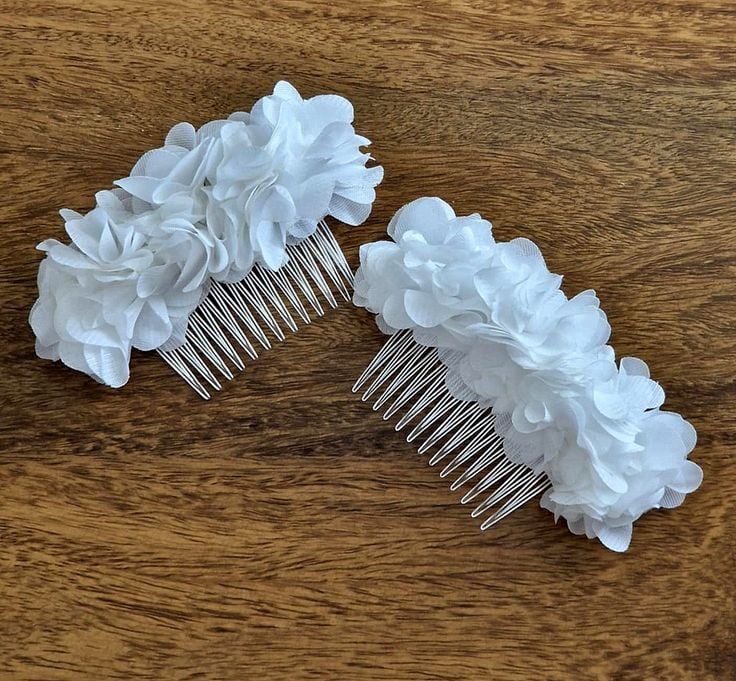
A bridal hair comb is a small decorative piece pushed into an updo or tucked beside a veil, so every detail has to look intentional close up.
Use fabric flowers, folded petals, lace motifs, or a few beads, and stitch them to a metal or plastic comb base, covering the join on the back with a layer of felt or fabric.
Brides often want colors that match a gown, bridesmaid dresses, or a theme, so made-to-order options give you room to work.
Consider offering a matching set for the bride and attendants.
Finish edges neatly, because wedding photographs are detailed.
Check that the comb teeth are smooth and that the decoration cannot come loose.
Create your own designs and avoid copying protected designer patterns or using unlicensed branded motifs.
Present each comb in a small box with tissue paper so it arrives ready for a keepsake photo.
15. Hair Snood
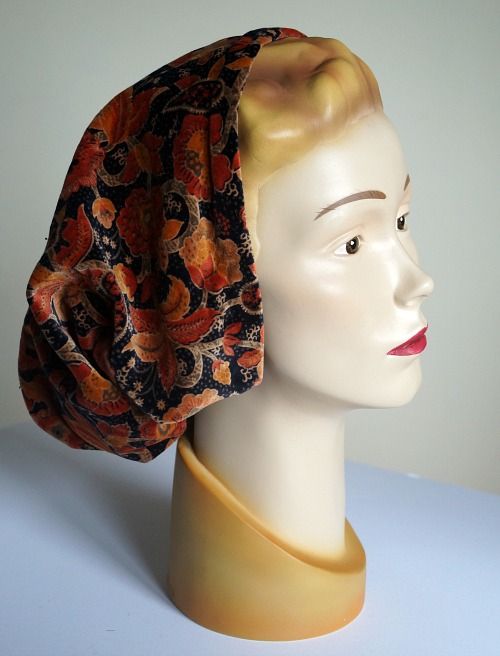
A hair snood is a gathered or netted bag that holds hair, sometimes at the nape and sometimes high on the head.
It differs from a sleep bonnet, which is meant for bed, and from a shower cap, which is for water.
Everyday versions might use soft knit or cotton, while crochet-style or mesh versions lean towards fashion or vintage looks.
The elastic opening should hold hair comfortably without pulling at the roots, and a few size options are needed for different amounts of hair.
A decorative bow or fabric flower can dress one up.
Professional settings, such as kitchens or care facilities, may have specific uniform or hygiene rules, so encourage buyers to check before using one at work.
Snoods suit a coordinated look alongside the clothing items you can sew and sell especially vintage-inspired outfits.
16. Satin Scrunchie Set
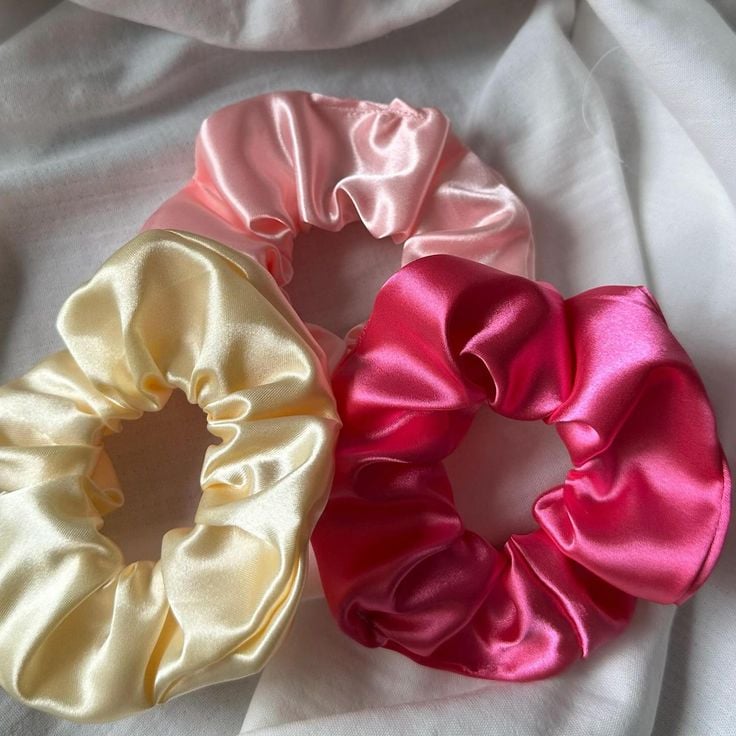
Scrunchies are small, familiar accessories that many buyers like to collect in sets, so a satin scrunchie set is a simple way to sell several colours at once.
Cut a wide fabric tube, sew it into a loop around a length of elastic, and close the final seam by hand.
The width of the tube changes the look: a narrow strip gives a neat, flat scrunchie, while a wider strip creates the full, ruffled style.
Elastic strength matters too.
A band that is too loose slips out of the hair, while one that is too tight can tug at the roots, so test each one on fine, thick, and textured hair.
Satin describes a weave, not genuine silk, so label it accurately.
Sell sets of three in coordinated shades and tie them with ribbon for packaging.
A scrunchie set also makes a low-priced companion to bonnets and headbands in your range of hair accessories to sew and sell.
17. Travel Hair Accessory Pouch
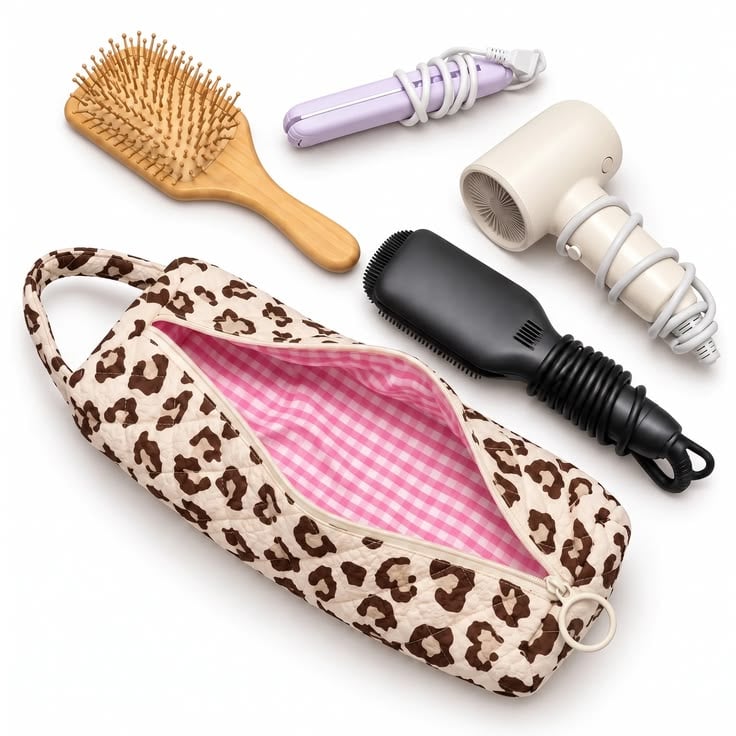
When hair ties, clips, combs, and pins travel loose in a bag, they tangle and disappear.
A dedicated pouch gives each item a place.
Keep dimensions compact, add internal pockets and elastic loops for combs and clips, and use a wipeable lining that cleans easily after a spill.
A zipper closure keeps everything secure, though a snap or fold-over flap can work too.
A transparent panel lets travellers see what is inside at a glance.
Divide the compartments so delicate fabric items are kept apart from metal pins.
Store sharp hairpins in a reinforced pocket, so they cannot poke through the fabric and hurt someone reaching in.
Sell the pouch with a satin bonnet for a travel collection.
In a shop, it sits well beside bags to sew and sell.
A matching tote, such as those in tote bag ideas to sew and sell, gives travellers somewhere to carry it.
18. Pre-Tied Jersey Headwrap
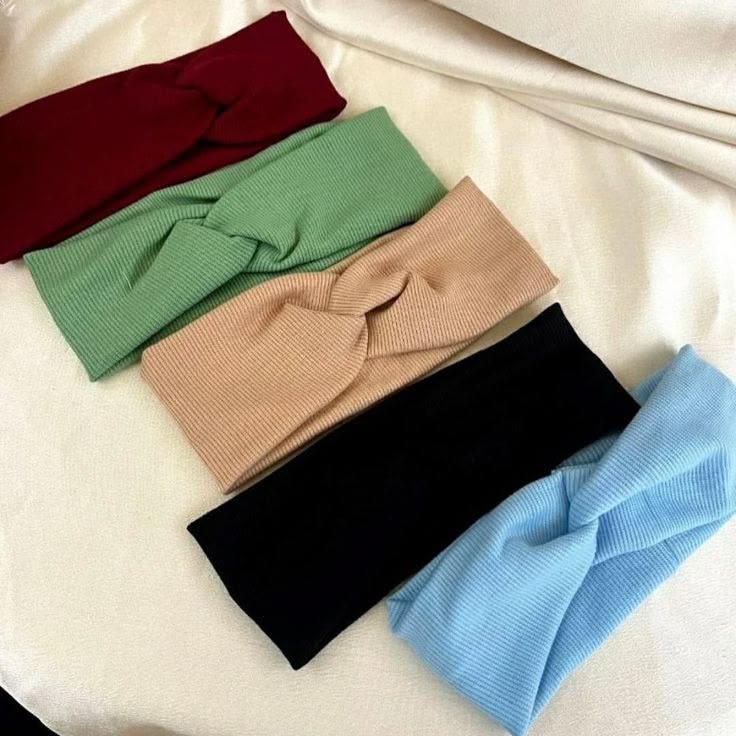
A pre-tied jersey headwrap has the knot and twist already stitched in, so the wearer simply pulls it on.
Stretch jersey with good recovery is the key fabric, because it needs to stay snug without stretching out after a few wears.
Seam placement affects comfort, so keep seams away from the forehead and the back of the head, where they might rub.
Measure several different head circumferences and offer clearly labelled sizes, because one size will not suit everyone.
Different wrap styles, such as a tall twist or a flat knot, suit different outfits and hairstyles.
Solid colors are versatile, while prints add variety. Say in the listing that the stretch should feel secure but never tight.
Photograph the wrap from the front and the side, since the twist is the main feature.
Adding a headwrap broadens your range, much like the variety in the best things to sew and sell for extra money.
19. Surgical Scrub Cap
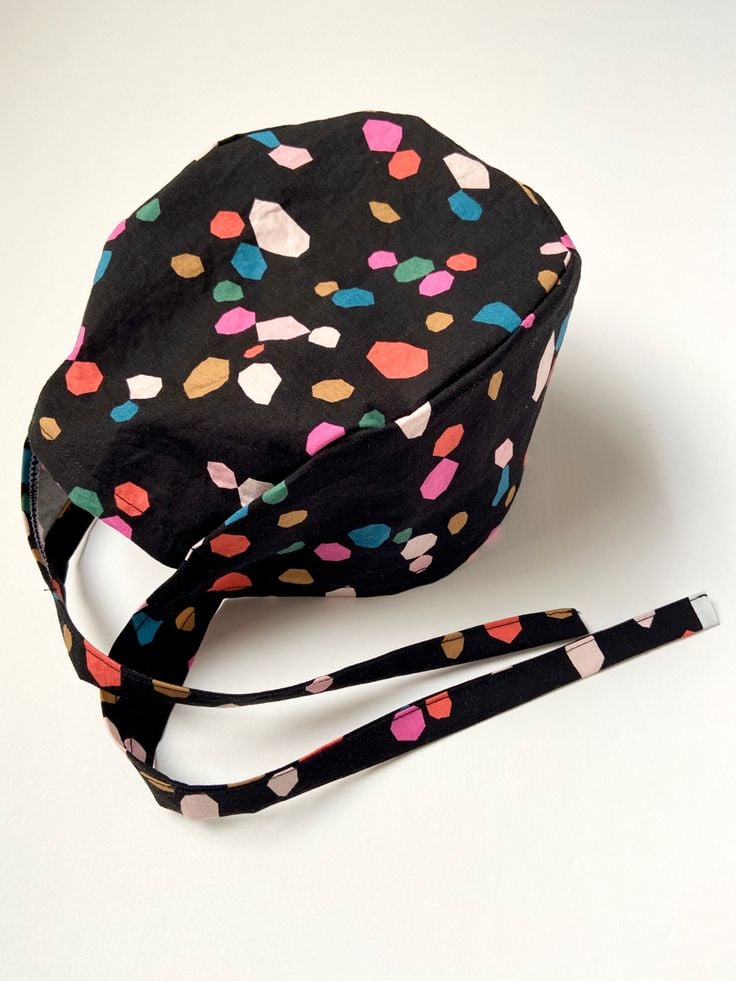
Scrub caps keep hair covered at work, and some nurses, vets, and technicians like a pattern that reflects their personality.
Choose breathable, washable cotton or a cotton blend, add adjustable ties or elastic at the back, and vary crown depth for short hair, long hair, and buns.
Offering a bouffant shape alongside a fitted style gives more choice.
A handmade scrub cap is not certified medical protective equipment, so never market it as preventing infection.
Encourage buyers to check their employer’s rules and any hygiene standards before wearing it.
Wash fabric before cutting so it will not shrink later.
Custom prints for specialties or holidays work well, and personalized sewing products such as these let customers choose names or colors.
Photograph the cap on a mannequin head from the side and back to show how the ties work.
20. Fabric Fascinator
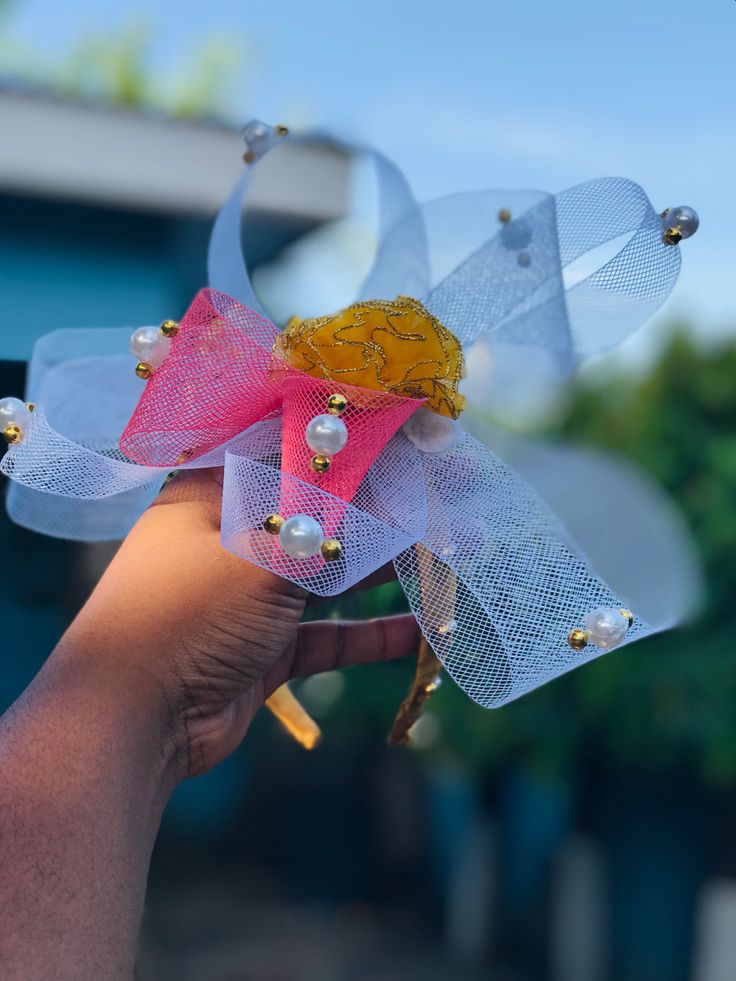
A fabric fascinator is a small decorative headpiece worn at weddings, race days, parties, and formal events.
It is usually built from fabric loops, folded shapes, flowers, and sometimes feathers, mounted on a headband, comb, or clip.
The base choice matters: a thin headband feels light but may slip, while a clip can be more secure on thick hair.
Keep the weight low so it sits comfortably for hours, and cover any metal base so nothing sharp touches the scalp.
Because customers often match an outfit, offer made-to-order colors and take swatch details before you start.
Photograph the fascinator on a stand and then on a model in profile so buyers can see the angle.
Pair it with a bag or a hair comb for a coordinated occasion set.
Fascinators are among the more event-driven hair accessories to sew and sell, so allow plenty of time for orders ahead of wedding season.
21. Birdcage Veil
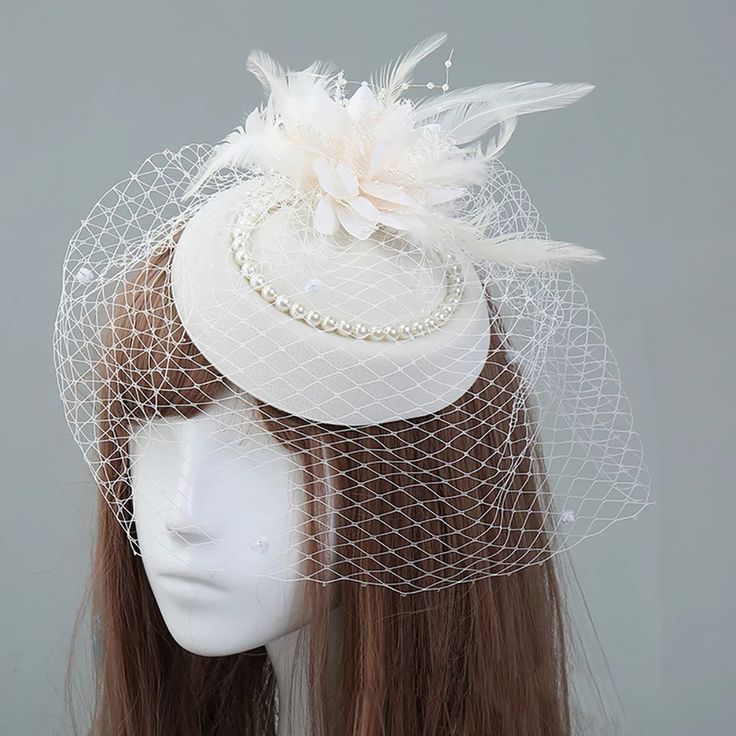
A birdcage veil is a short piece of netting that falls around the face or just above the chin, often with a vintage or bridal look.
Choose structured netting for a crisp shape or softer tulle for a gentler fall, and gather one edge onto a comb or clip.
The length determines the style, so test where it sits on different face shapes.
Add a fabric flower, a small bow, or a few pearls to create different looks for brides and themed photography.
Because the veil sits near the eyes, make sure it does not block vision or brush against the eyes, and check that the attachment cannot slip during movement.
Handle netting carefully, since it snags easily.
Offer white, ivory, and a few colored shades.
Among the unique sewing products to sell on Etsy, a birdcage veil stands out from everyday accessories.
22. Fabric Tassel Hair Stick
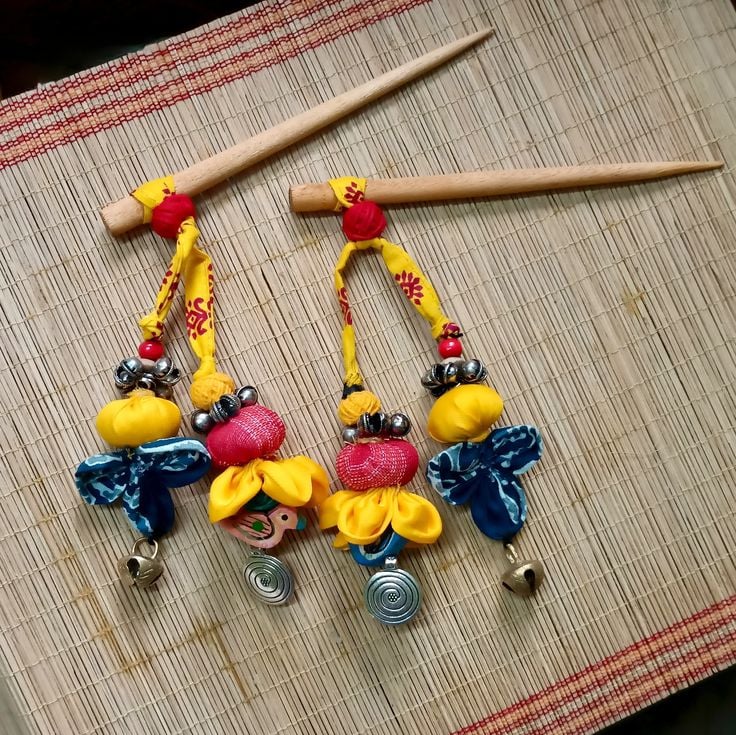
Fabric tassel hair sticks add movement and color to buns and twists.
Make the tassel by winding fabric strips or thread around a card, tying off the top, and trimming the ends evenly.
Attach it firmly to a smooth hair stick by wrapping thread tightly around the top and knotting it securely.
The stick matters as much as the tassel: sand wooden sticks, check for splinters, and make sure the tip is smooth, not sharp.
Choose a length suited to the hairstyle, since a long stick suits a heavy bun and a shorter one a small twist.
Color gradients and mixed fabrics give each piece a distinct look.
Packaging sets of two with a short card showing how to place them in a bun helps first-time buyers.
For makers building a range of hair accessories to sew and sell, tassel sticks are a low-cost way to add something decorative.
23. Hijab Under Cap
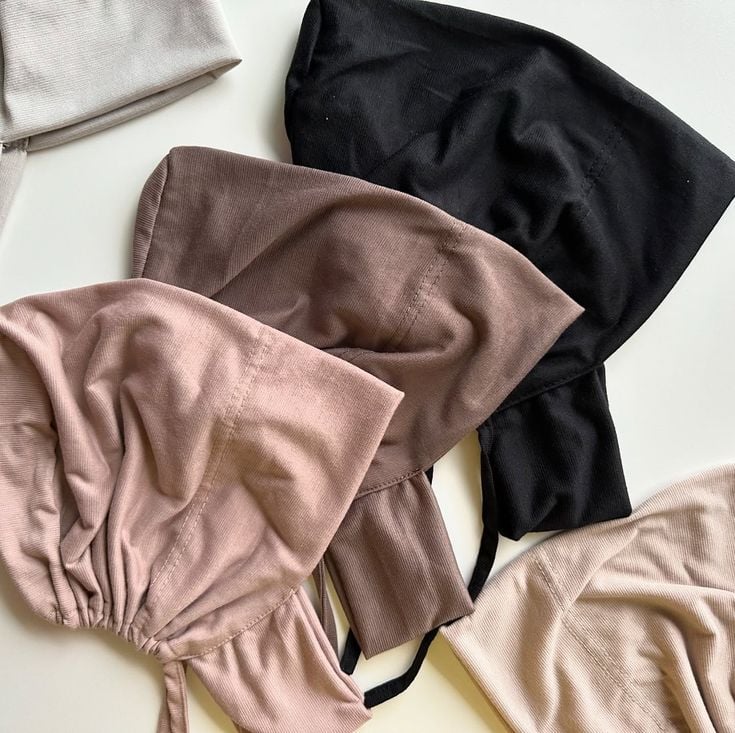
A hijab under cap is a base layer worn beneath a scarf to hold hair and keep the covering in place.
Breathable stretch fabrics such as jersey are common, and seams should sit where they will not press through the outer layer.
Styles vary: some are full-coverage tube caps, others have an open face.
Fabric recovery is important, since a cap that loses its stretch will slide.
Different head shapes and hair volumes need different sizes, so offer clear measuring instructions and let customers choose.
Neutral colors match more scarves, and coordinated sets let customers match shades with their wardrobes.
Wash fabric before cutting to avoid shrinkage surprises.
Avoid assuming what every wearer wants, because preferences for weight, coverage, and length differ, so ask customers what they prefer.
Photograph it flat and on a head form. Clear sizes and fabrics also help it hold its own among Etsy sewing ideas that actually sell.
24. Satin Hair-Friendly Pillowcase
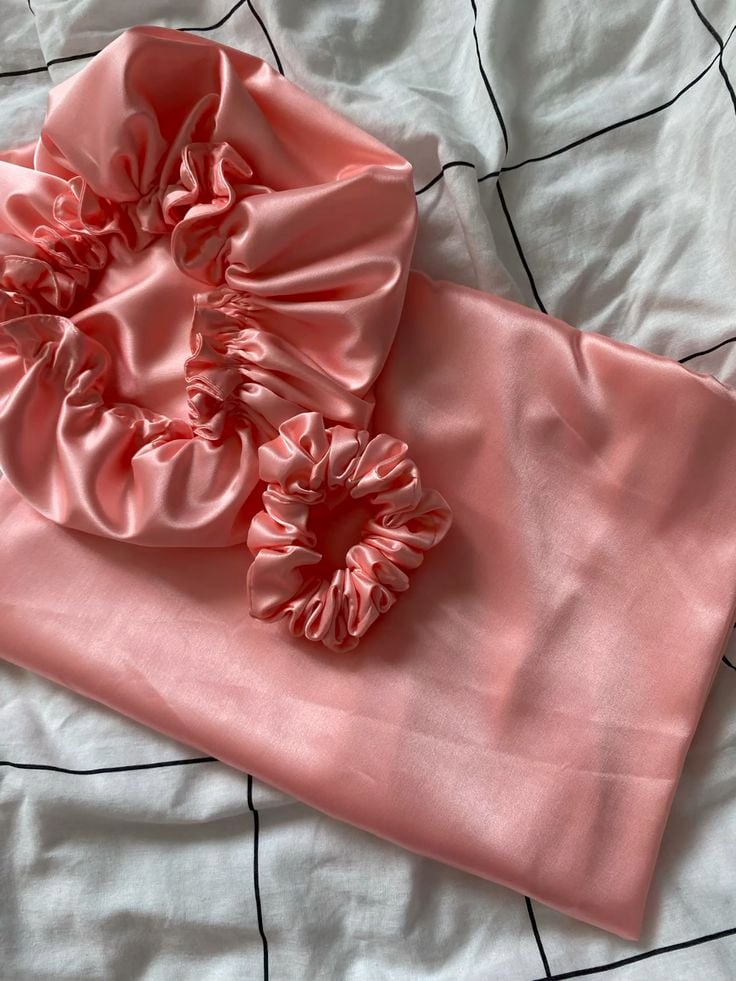
Some customers choose a satin pillowcase for its smooth surface, and it fits naturally beside bonnets in a bedtime collection.
Choose a satin with a soft, smooth feel, cut it to standard pillow dimensions, and use an envelope closure or a zipper.
French seams or other neat finishes keep the edges from fraying, and an envelope closure keeps the surface smooth.
Satin refers to a weave or finish, not necessarily silk, so describe the material accurately and avoid promising that it prevents breakage or delivers particular hair results.
Focus instead on comfort, fabric quality, and easy care, and say clearly if it needs a gentle wash.
Color choices, such as soft neutral shades or deep jewel tones, let you match bedroom palettes.
A pillowcase sold with a sleep bonnet creates a bundle with more value. Among handmade sewing products to sell online, a pillowcase is easy to photograph flat or on a made bed.
25. Spa Facial Headband
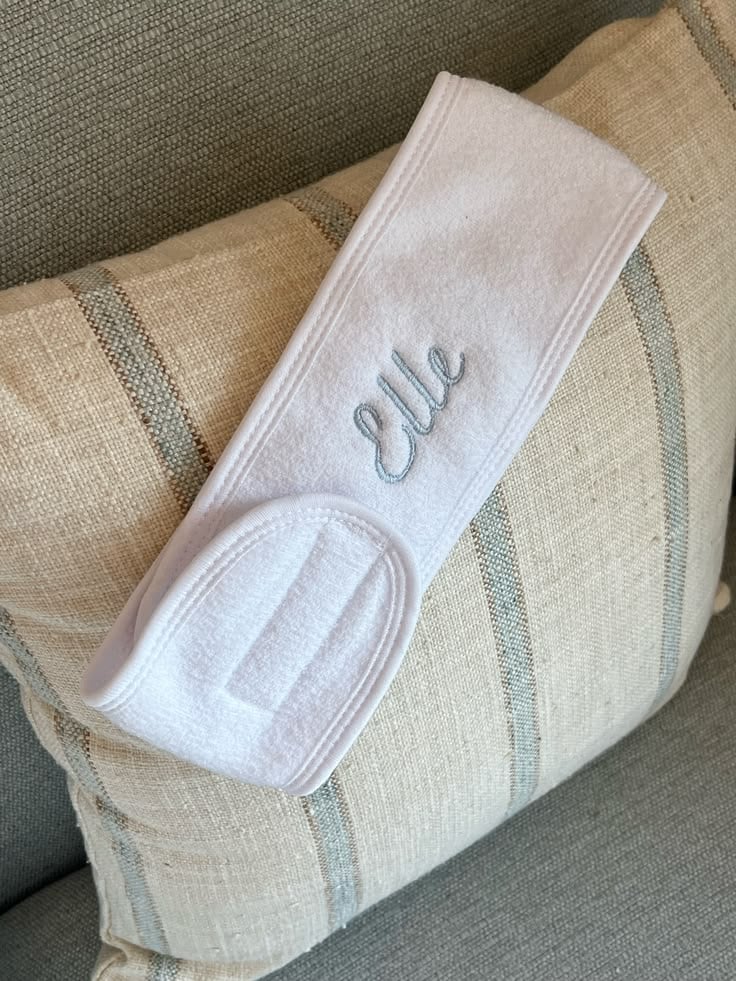
A spa facial headband holds hair back during face washing, skincare routines, and makeup application, so it belongs in the bathroom rather than the wardrobe.
Terry cloth or soft microfiber works well because it is absorbent and gentle against the forehead.
Cut a wide strip, sew it into a loop with an elastic section or a hook-and-loop closure at the back, and keep the seam flat so it does not press against the skin.
A wide band with a slightly raised front keeps hair and fringe away from the face.
Offer adjustable sizes, since a band that slips loses its purpose.
Because it meets water, cleansers, and creams, choose a fabric that survives frequent washing and include care instructions in the listing.
It pairs well with a hair towel turban for a bathing set, wrapped in tissue and tied with ribbon.
Photograph it beside a mirror, a cleanser bottle, and a folded towel.
26. Sleep Cap for Braids
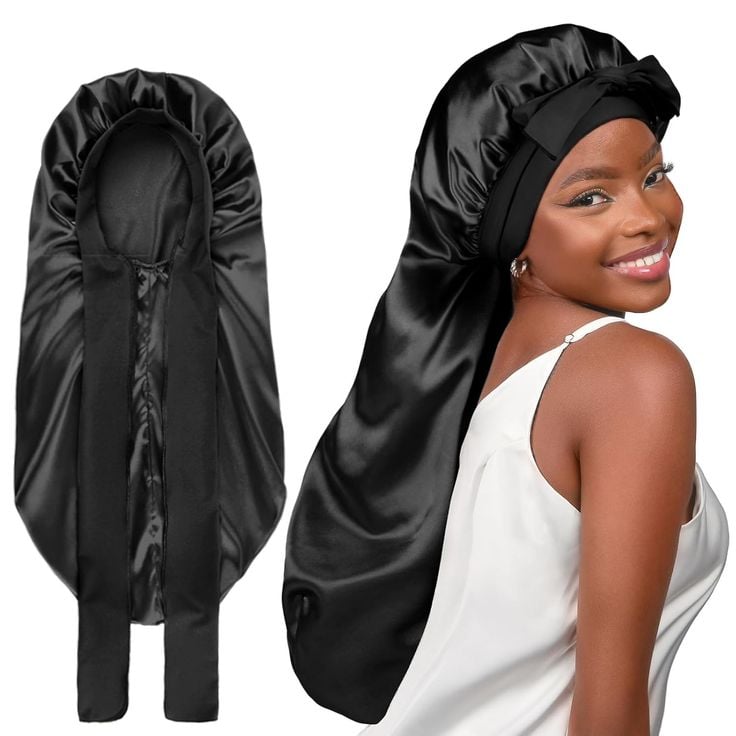
A sleep cap for braids gives long braids more room than a regular sleep bonnet allows.
The crown is deeper and often longer at the back, so braids can rest inside without being squashed or bent sharply.
Use a smooth lining, a soft adjustable opening such as a drawstring or elastic channel, and a closure that is comfortable to lie on.
Sizing should reflect braid length and hair volume, so ask customers for measurements or offer extra-long options.
Custom measurements can become a selling point, along with colors and prints for different tastes.
Recommend gentle washing, and keep seams as smooth as the surface.
Don’t guarantee hair-protection results, since comfort and performance depend on fit, material, and individual routines.
Photograph it with a labelled size chart.
Clear sizing and honest descriptions are habits worth building into any of the things to sew and sell for a successful small business.
Conclusion
Sewn hair accessories can do far more than decorate.
Some protect hairstyles overnight, some make daily routines easier, and others complete an outfit or prepare someone for a special occasion.
When you choose which hair accessories to sew and sell, think about your own skills, the materials you can source reliably, and the customers you most want to serve.
Comfort, suitable fabrics, accurate sizing, secure construction, and clear, honest product descriptions matter in every item, from a simple clip to a bridal comb.
Start with a few designs, test their fit and construction on real people, and note what you learn.
Over time, you can build a collection that serves different hairstyles and hair-care routines, one carefully made piece at a time.