Bags to Sew and Sell can be as simple as a market tote or as detailed as a weekender, so there is a style for almost every customer.
Handmade bags are popular because they are useful and personal at the same time.
People need a bag for shopping, work, travel, everyday errands, a special occasion, or just a few beauty essentials.
A bag made by hand can do all of that with more character than one from a store.
Choosing the right Bags to Sew and Sell means looking beyond the outside fabric.
Size, comfort, strong seams, suitable materials, secure closures, and useful details all decide if a customer uses the bag every day or leaves it in a closet.
If you have already read 28 Clothing Items to Sew and Sell, bags are a natural next step for building a wider handmade range.
Below are 20 bag styles, with notes on materials, construction, and the people who might love each one.
20 Bags to Sew and Sell
1. Tote Bags
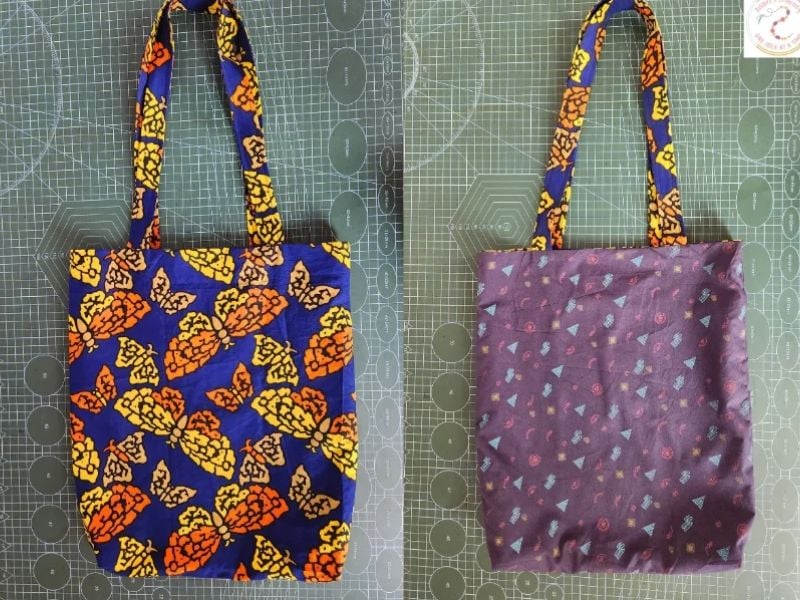
Of all the Bags to Sew and Sell, the tote is the most flexible, so it is a good place to start.
Canvas, denim, cotton, and linen blends all work well.
Canvas is strong but a little stiff, while linen blends look soft and may need interfacing, a fusible layer that adds body, to hold their shape.
Handle length matters.
Short handles are for hand carrying, and longer ones sit well on the shoulder.
A gusset, which is a fold or panel that gives the bag depth, adds room for books and groceries.
A lining and an inside pocket keep small things easy to find.
Sew a box of stitching where each handle joins the bag so it can take the strain.
Offer open-top, zippered, and reversible versions, plus embroidery or custom prints. 30 Best Things to Sew and Sell for Extra Money has more ideas for pricing simple items next to bigger ones.
2. Mini Crossbody Bags
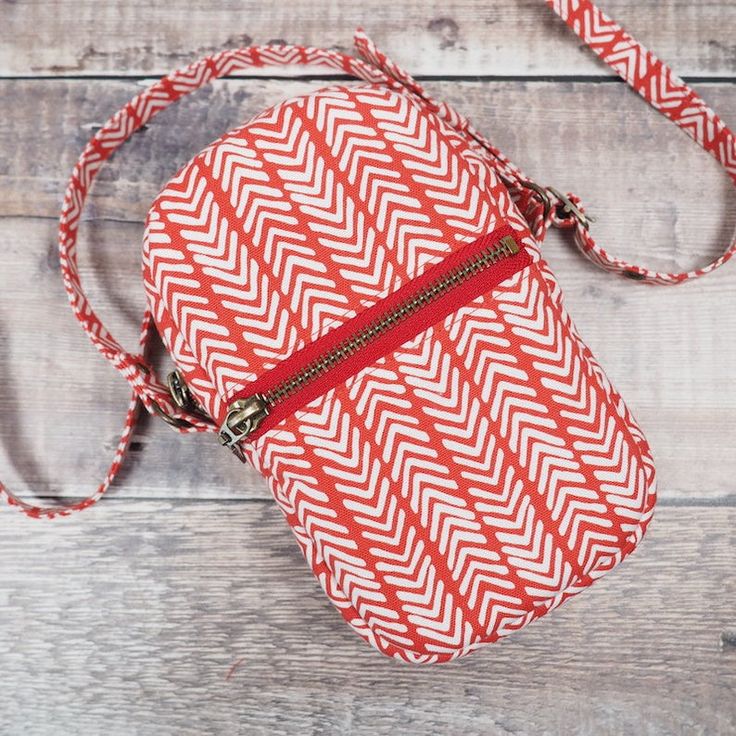
A mini crossbody holds a phone, keys, a card, and a lip balm, and it keeps both hands free.
That makes it popular for travel days, concerts, and quick trips out.
Because the bag is small, every detail shows.
Lightweight canvas, cotton twill, or quilted cotton keeps it from feeling bulky, and a lining makes the inside look neat.
You can try rounded, rectangular, and flap-front shapes.
Card slots or a small zippered pocket add value.
An adjustable strap lets one bag fit many people, and a strap that comes off lets it work as a clutch too.
The strap ends take the most strain, so stitch them through several layers and add interfacing behind them.
Give exact measurements in the listing, and show a phone next to the bag in photos.
Shoppers want to know what really fits before they buy.
3. Shoulder Bags
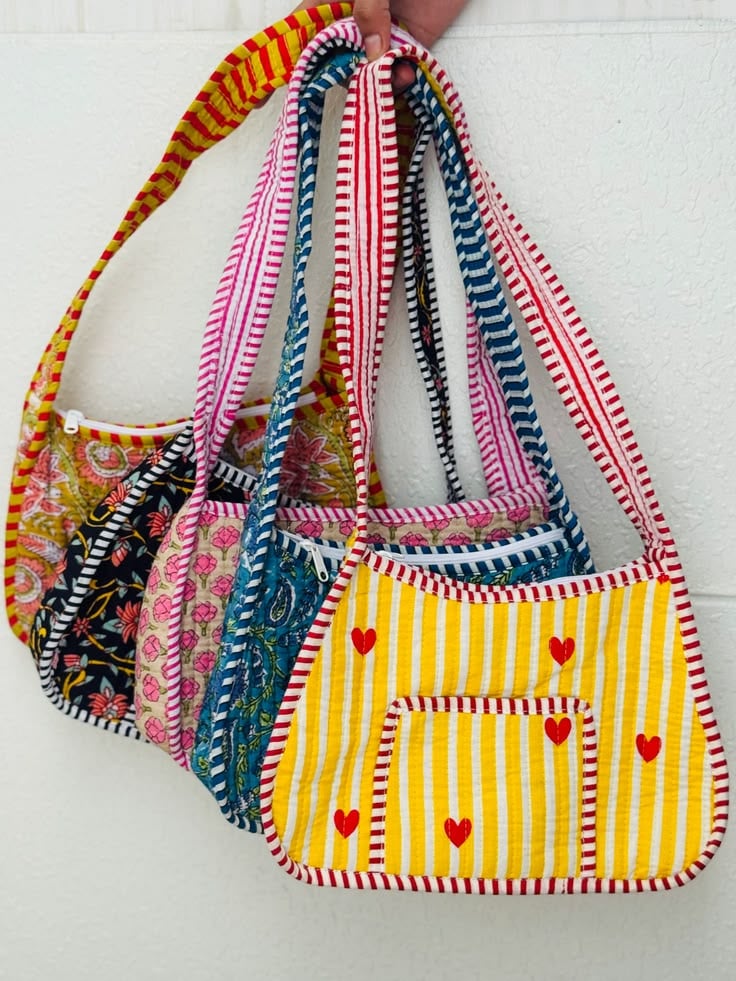
A shoulder bag sits between a casual tote and a dressy handbag, so style choices matter.
A structured rectangle with a zip top looks ready for the office.
A soft, slouchy shape feels relaxed and good for weekends.
Canvas, denim, and upholstery-weight fabric hold their shape well.
Faux leather gives a smarter look, but it needs the right needle and some patience.
Strap width and handle drop, which is how far the strap sits from the top of the bag, affect how the bag feels on the shoulder.
Magnetic snaps are quick to use, and zippers are safer in crowds.
Interior pockets and a lining keep things organized.
Reinforce the strap ends and keep the weight balanced so the bag does not pull to one side.
31 Profitable Sewing Projects to Make and Sell can help you decide how much time a structured bag is worth.
4. Drawstring Bags
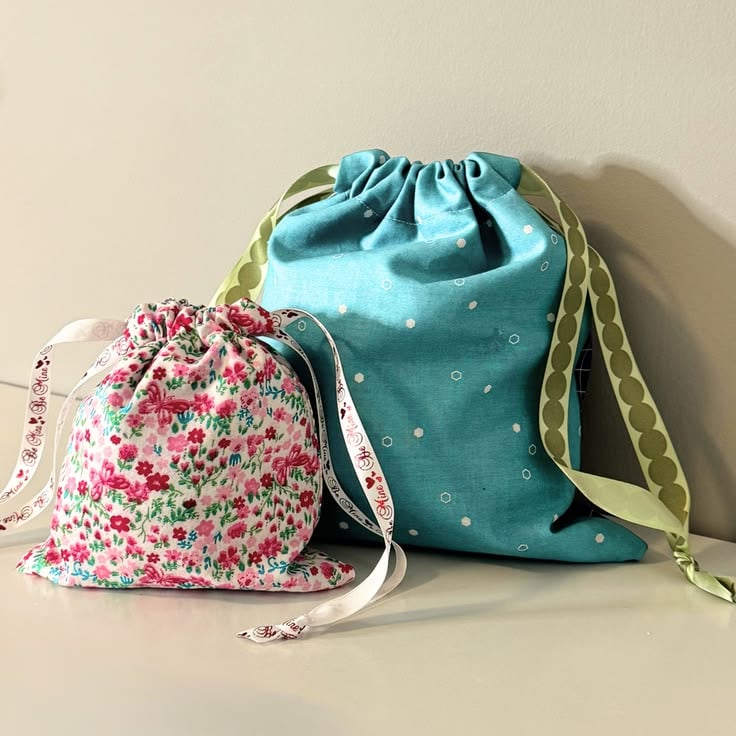
Drawstring bags are simple and very flexible.
A large one holds gym clothes or shoes, a medium one suits toys or travel items, and a small one works for gifts or jewelry.
Cotton, canvas, light denim, and linen are all good, depending on the load.
The casing is the folded channel the cord runs through, and it should be wide enough for the cord to slide easily.
Reinforce the bottom corners so the seams last.
A lining or small inside pocket makes the bag feel more thoughtful.
Cotton rope looks natural, flat cord looks sporty, and ribbon suits gift bags. Safety matters for children.
Long cords can be dangerous, so avoid them on bags made for young kids and use short cords or another closure.
Themed sets and personalized names make nice gifts.
Since these bags need little fabric, 20 Sewing Projects That Don’t Require Much Fabric has more ideas like this.
5. Bucket Bags
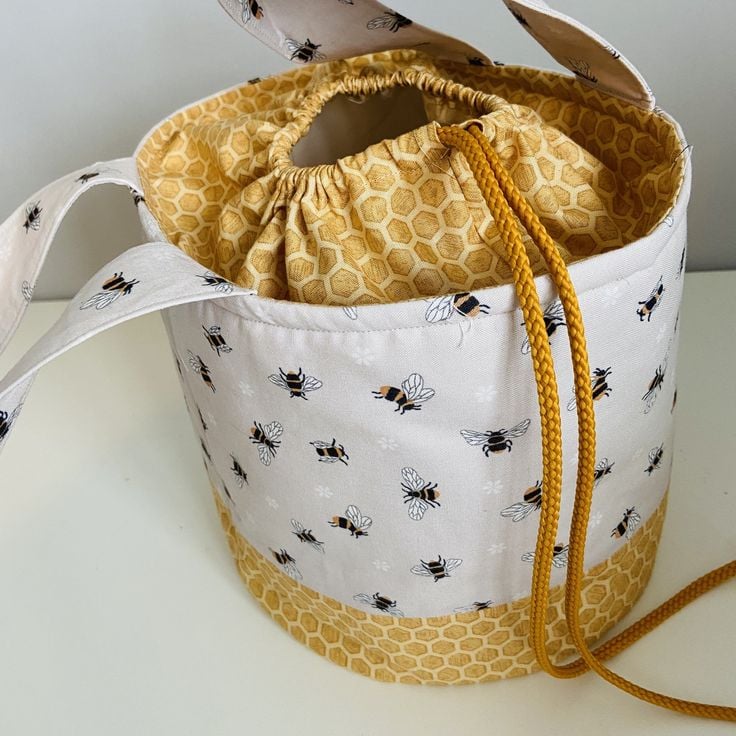
Bucket bags stand out because of their shape: a firm round or oval base, a tall body, and a top that gathers or snaps shut.
The base is the hardest part. Use heavy interfacing or a stiff insert so the bag stands up, and sew the curved side seam evenly where it meets the base.
Canvas, denim, corduroy, and upholstery fabric all work, and each gives a different look.
A drawstring top feels casual, a magnetic snap looks clean, and a tab with a buckle looks more polished.
Adjustable straps let the bag go on the shoulder or across the body, but the weight hangs from the strap ends, so reinforce them well.
Inside pockets help in a deep bag, where small items sink to the bottom.
Photograph the bag open so buyers can see how deep it is.
The shaped base takes time, so remember that when you set a price.
6. Hobo Bags
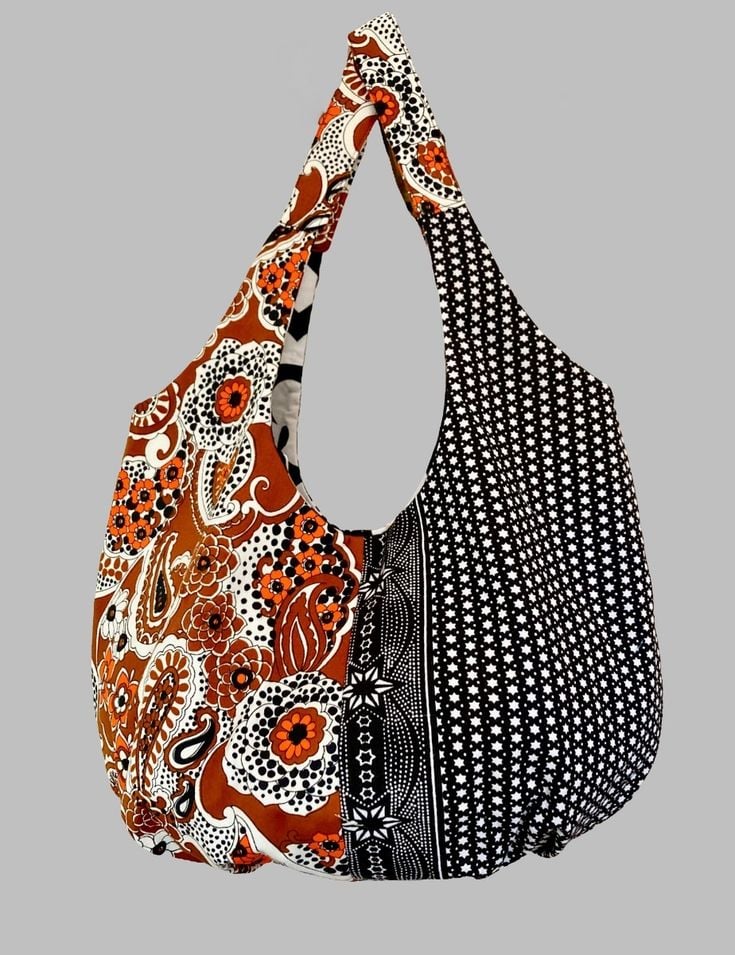
Hobo bags have a curved, relaxed shape and a soft body that slumps a little when set down.
The fabric decides the look. Washed linen, light corduroy, soft canvas, and medium cotton blends all drape nicely, but they still need enough body so the bag does not look floppy.
Fusible interfacing or a heavier lining can help, so test a few combinations before cutting your final fabric.
Wide straps spread the weight across the shoulder.
A zipper keeps things safe, which is useful because the top of a slouchy bag can gape open.
An inside zip pocket and a slip pocket make a medium or large size much more practical.
Place the strap ends so the bag balances well, and stitch them firmly.
Some customers like a loose, casual style and others prefer a firmer one, so you can offer both.
29 Things to Sew and Sell From Home has more ideas for a home-based product line.
7. Clutch Bags
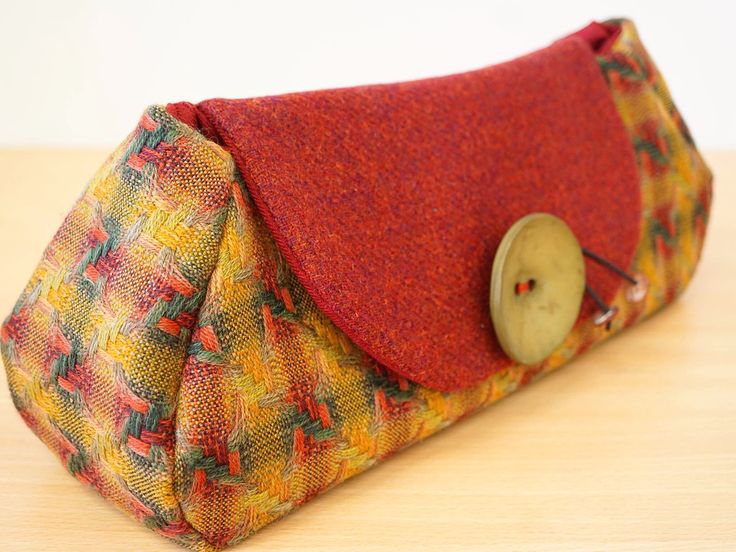
A clutch is for times when you only need a few things, like a phone, a card, and lipstick.
That means the look matters most. Velvet, satin, jacquard, and decorative cotton give you plenty of choice.
Slippery fabrics need patience and good interfacing to stay crisp.
Envelope folds, flap closures, and zipper openings are all common, and a removable wrist strap is handy.
Weddings and evening events call for richer fabrics and small details, while everyday clutches can use printed cotton or linen.
Keep any decoration fairly flat so the bag does not get bulky or catch on things.
A neat lining and clean edges matter because the inside shows each time the clutch opens.
A secure snap or zipper keeps things safe.
A clutch and a matching wristlet in the same fabric can appeal to someone shopping for one outfit.
On a small bag, careful placement of stripes or prints makes a big difference.
8. Wristlet Bags
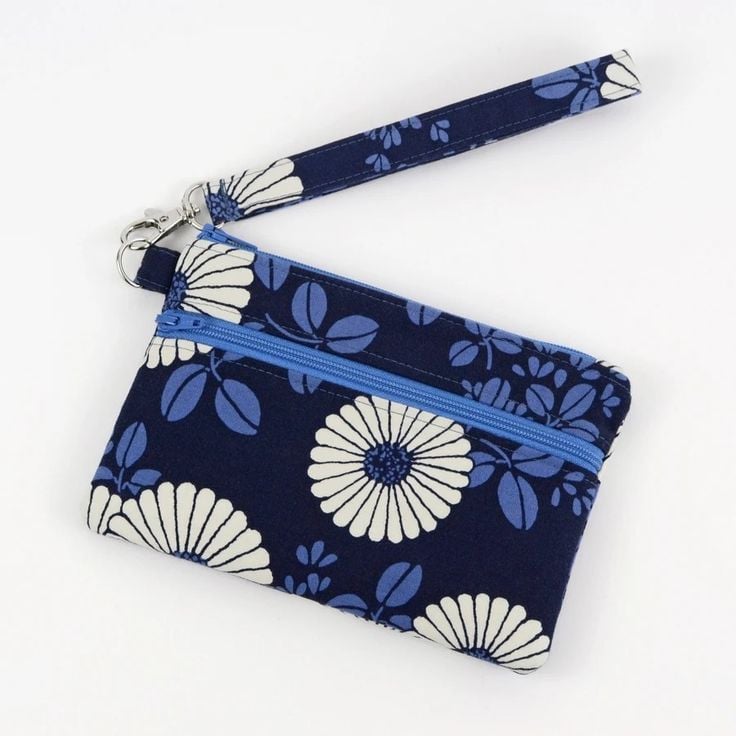
A wristlet is a small zippered pouch with a loop you slip over your wrist.
It is handy for a phone, cards, keys, and cash on a short outing.
Because people open it all day, the zipper matters a lot.
Pick a size for the contents you have in mind, and say clearly whether a large phone fits.
Cotton, canvas, and quilted fabrics all work, and a lining keeps the seams tidy.
Card slots, a flat pocket, or a clip-on strap add extra use.
The loop gets pulled often, so anchor it with a small reinforced tab and several rows of stitching.
Wristlets make nice gifts, especially with initials, simple embroidery, or a print that matches a larger bag.
They are also a good way to use a favorite fabric without a big pattern.
21 Personalized Sewing Products to Sell Online shows how small personal details can make handmade items stand out.
9. Duffle Bags
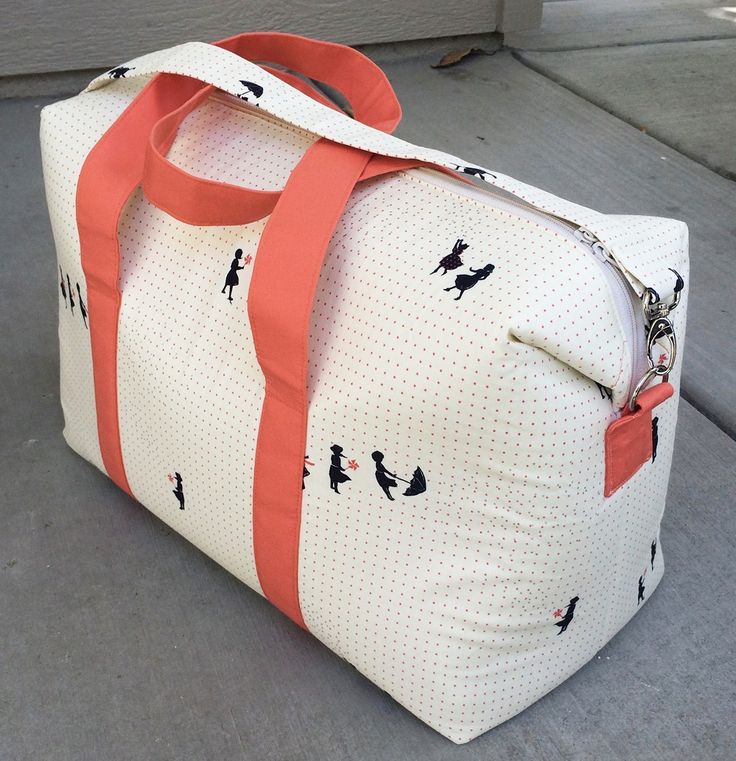
Duffle bags need space, strength, and planning.
They carry gym clothes, sports gear, and overnight items, so the fabric must be tough.
Heavy canvas, denim, or twill suit most designs.
The base takes the most wear, so reinforce it and consider a stiff insert to keep the shape.
Handles need strong reinforcement, and long zippers need careful sewing.
Side panels give the bag its shape, and a lining adds order.
A shoe compartment, outside pockets, and an adjustable shoulder strap are useful for sporty customers.
Big bags use more fabric, hardware, and time, so your price should reflect that.
23 Things to Sew and Sell for a Successful Small Business can help you think about pricing.
List the length, height, and width so buyers know if their gear will fit.
Of all the Bags to Sew and Sell here, this is one of the bigger projects, so make a sample first.
10. Weekender Bags
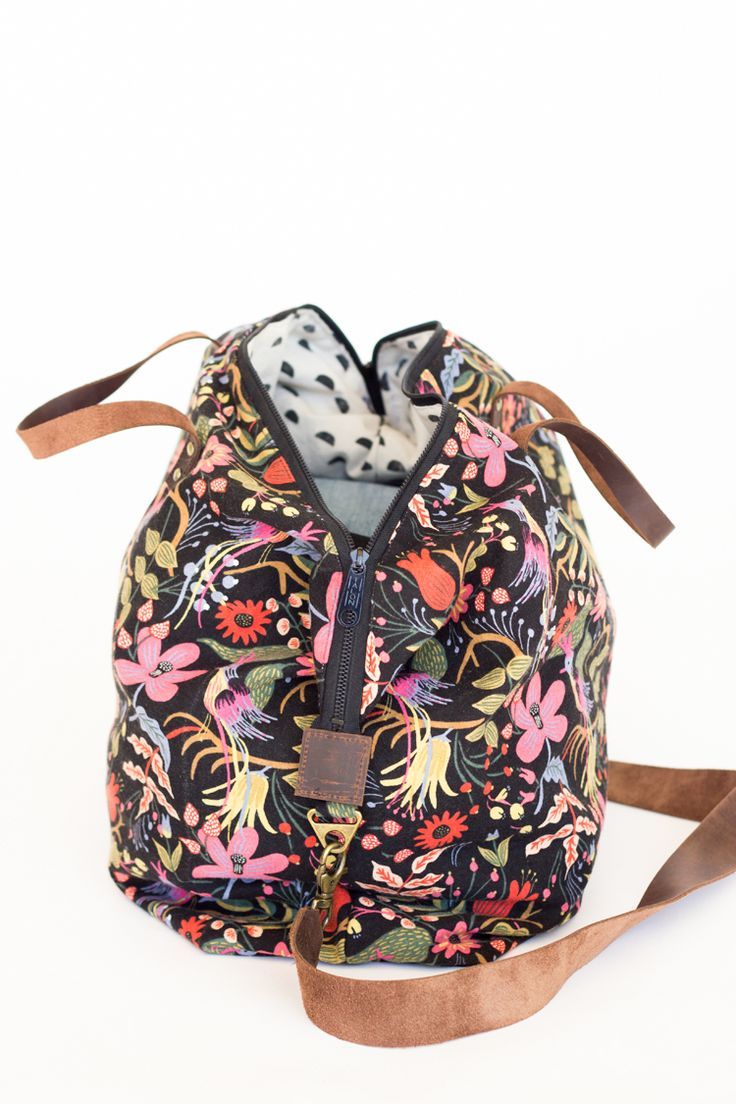
A weekender is a more polished cousin of the duffle, made for a couple of nights away.
It holds clothes, toiletries, and a pair of shoes, so think honestly about capacity.
Use a durable outer fabric, such as heavy canvas or upholstery cotton, with a smooth lining.
A reinforced base, strong handles, and a wide zipper opening make packing easier.
Popular extras include a sleeve that slides over a suitcase handle, a zipped inside pocket, an outside pocket for tickets, and a shoulder strap that comes off.
Stress points need extra care, so stitch handle bases through several layers and test a loaded sample before you sell.
Give accurate measurements, and do not say the bag meets airline cabin rules, because those limits change from airline to airline.
Offering overnight, weekend, and short-trip sizes helps customers choose.
Bags like this take real sewing time, so count the hours when you set the price.
11. Quilted Handbags
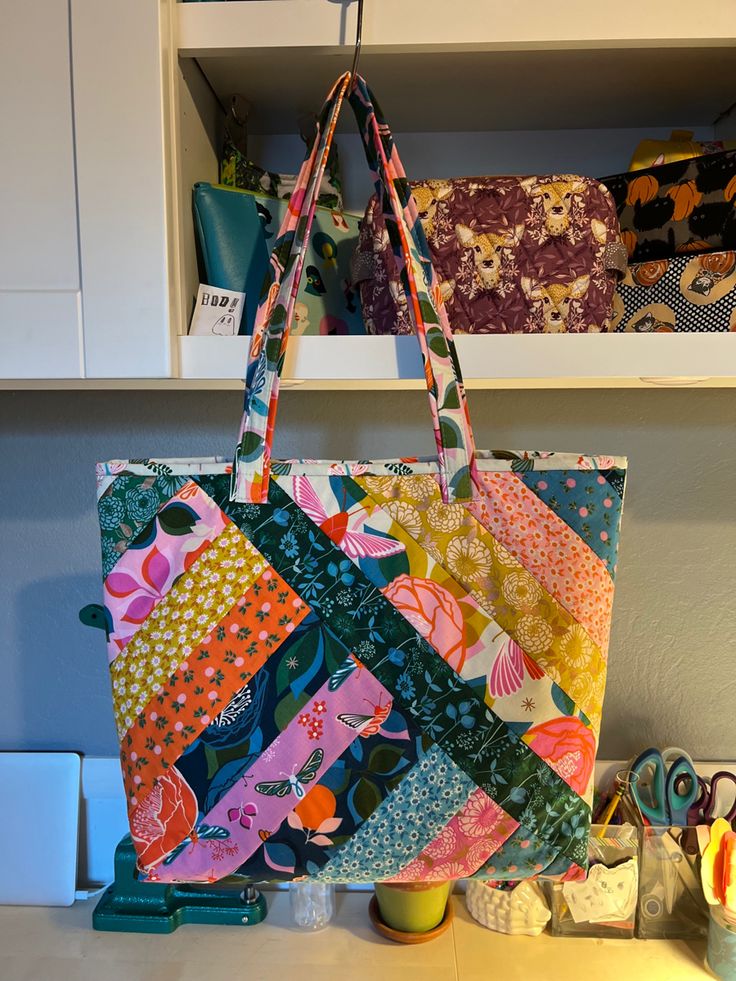
Quilted handbags use stitched layers of fabric, batting, and backing to create texture and pattern.
Batting is the soft padding in the middle.
Geometric lines, flowers, and patchwork-style surfaces all work, and a matching set of small and medium bags looks lovely together.
Use good quilting cotton outside, a suitable lining, and thin batting so the seams do not get bulky.
Quilting pulls the fabric in as you stitch, so cut pieces a little large, quilt first, then trim to the pattern.
Keep the lines evenly spaced and line up quilted pieces carefully at the seams.
Reinforce the handles, because the bag can feel heavier than a plain one.
These extra steps add time, and your price should reflect that.
If you already sew quilted items for the home, 24 Cozy Home Sewing Projects to Make and Sell shows how the same fabrics can carry over to bags.
12. Diaper Bags
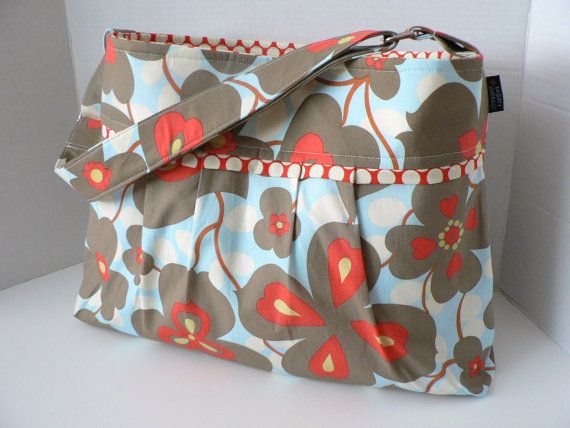
Diaper bags are built around daily routines.
Parents carry bottles, wipes, spare clothes, snacks, and a changing pad, so storage matters as much as style.
Cotton canvas, twill, or laminated cotton works well, with a lining that wipes clean or goes in the wash.
Pockets are the main feature: open ones for quick grabs, a zippered one for valuables, and one sized for bottles.
Wide shoulder straps, or a strap that clips onto a stroller, make carrying easier.
Keep the opening wide so a hand can reach in, and reinforce the strap ends, since a full bag gets heavy.
Do not call the lining waterproof unless you have tested the material for that.
Avoid loose cords and small decorations that could come off near a baby.
Photograph the bag open with its pockets showing, and list the size and pocket count.
A matching changing pad makes a handy gift set.
13. Market Shopping Bags
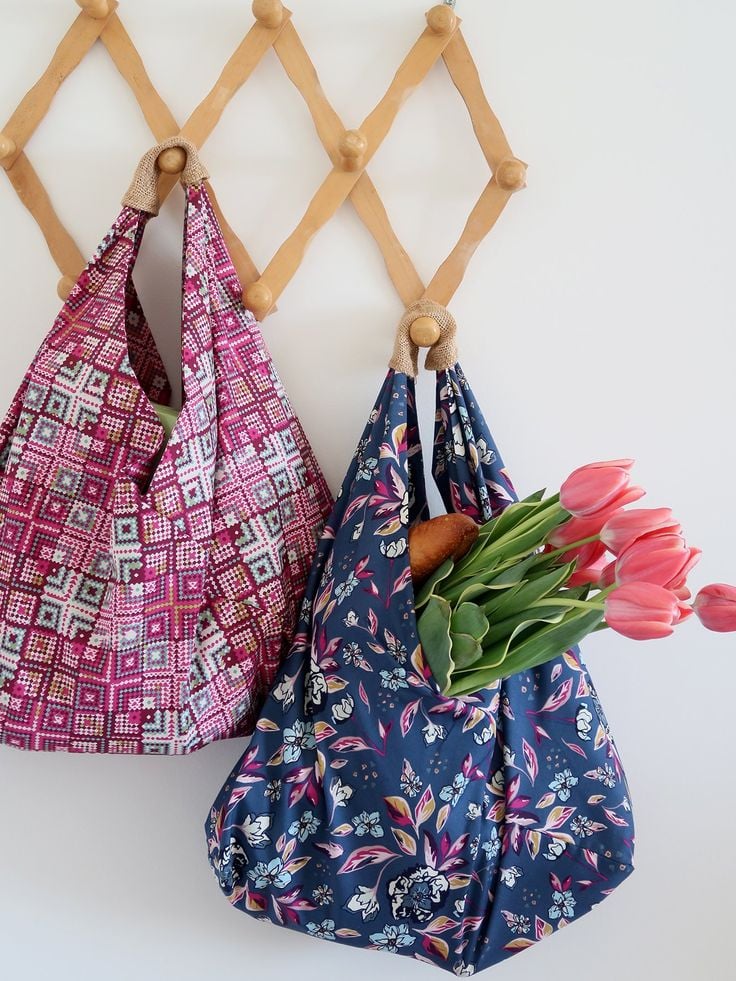
Market bags are all about being practical. They are reusable, washable, and ready for produce, bread, and bottles.
Cotton, canvas, and linen blends handle many washes, and washing the fabric before cutting helps avoid shrinking later.
A gusset or boxed bottom gives vegetables room, wide handles are kinder to the hands, and a foldable design that tucks into its own pocket suits people who keep a spare in their purse.
Weight is the main concern. Use double-stitched or French seams, add box stitching where handles join, and match the fabric to the load you expect.
Do not promise that a bag can carry any weight, since that depends on the fabric and the sewing, so test your samples first.
Colorful sets with matching produce bags look cheerful.
The simple shape also makes this one of the easier Bags to Sew and Sell in batches.
Include washing instructions in the listing.
14. Laptop Bags
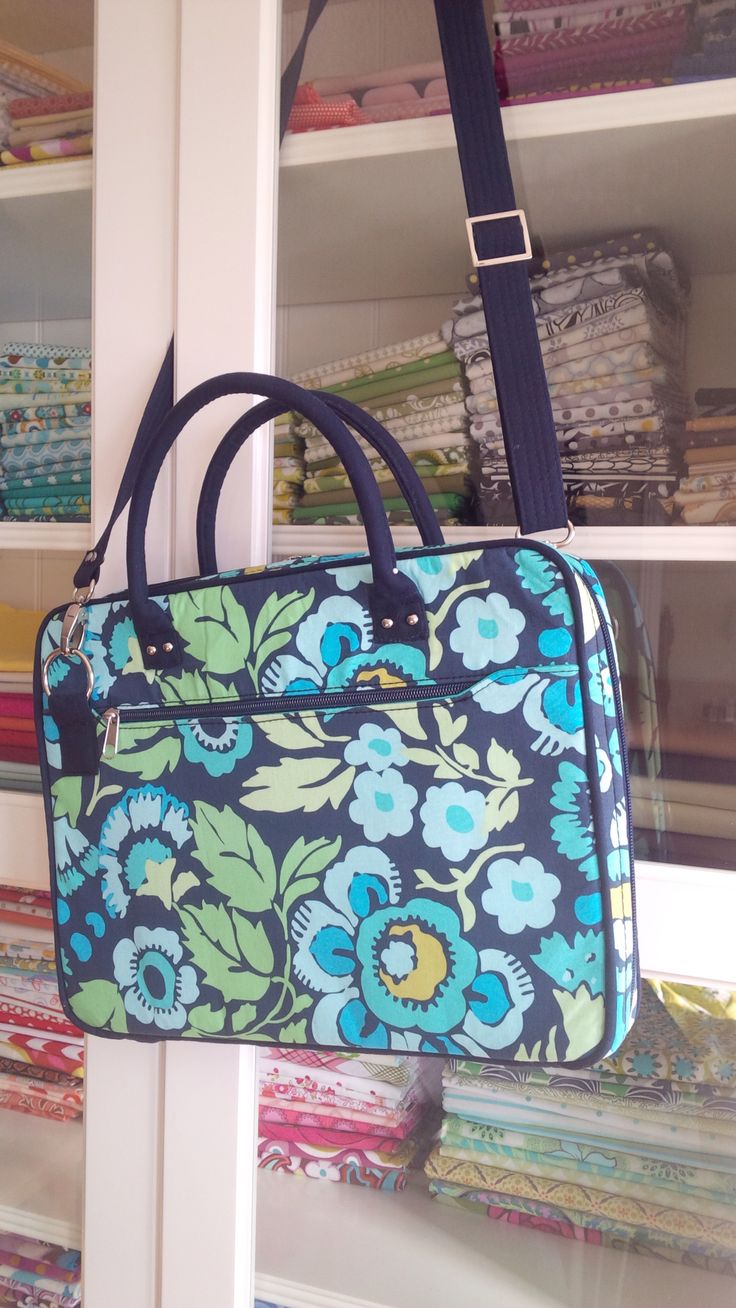
A laptop bag should look organized and feel dependable.
Start by measuring the devices you want to fit, then add room for padding and lining.
Sturdy outer fabrics like canvas or twill work well with a smooth lining, foam or batting padding, and interfacing for shape.
Zipper closures, a front pocket for chargers, and a slip pocket for notebooks make the bag useful for work or school.
Reinforce the handles or strap so the weight does not pull on the seams. Be honest in the listing.
A handmade fabric bag is not automatically waterproof, shockproof, or drop-proof, and those claims need proper design and testing.
Describe the padding you used and list the laptop sizes that fit.
Making several sizes takes more patterns and testing, but it gives customers a clear choice. 33 Sewing Projects That Sell Well on Etsy is a good read when you write your own listings.
15. Makeup Bags
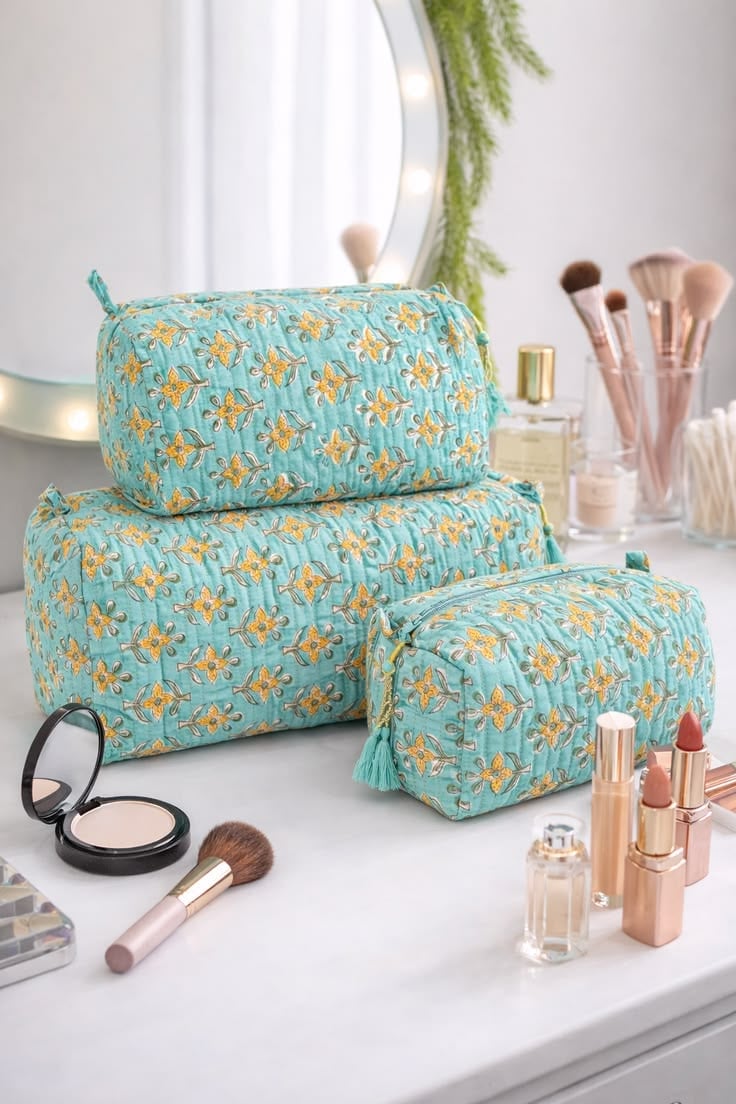
Makeup bags are small, but details make a big difference.
Cotton, canvas, quilted fabric, and laminated cotton are easy to wipe or wash, and a smooth lining helps when powder or cream spills.
Flat pouches suit lip products and pens. Boxy shapes stand up on a bathroom counter.
A bag with brush loops helps people who travel.
Sew the zipper carefully and leave the opening wide enough for a hand.
Sets are a natural idea: one large pouch for skincare, one medium for makeup, and one slim for brushes, each with its own job instead of the same design in three sizes.
Add initials or a name tag for gifts. These pieces use little fabric and are easy to cut in batches, so 25 Sewing Products You Can Make in Bulk and Sell is a handy companion.
Tell customers how to clean the lining.
16. Lunch Bags
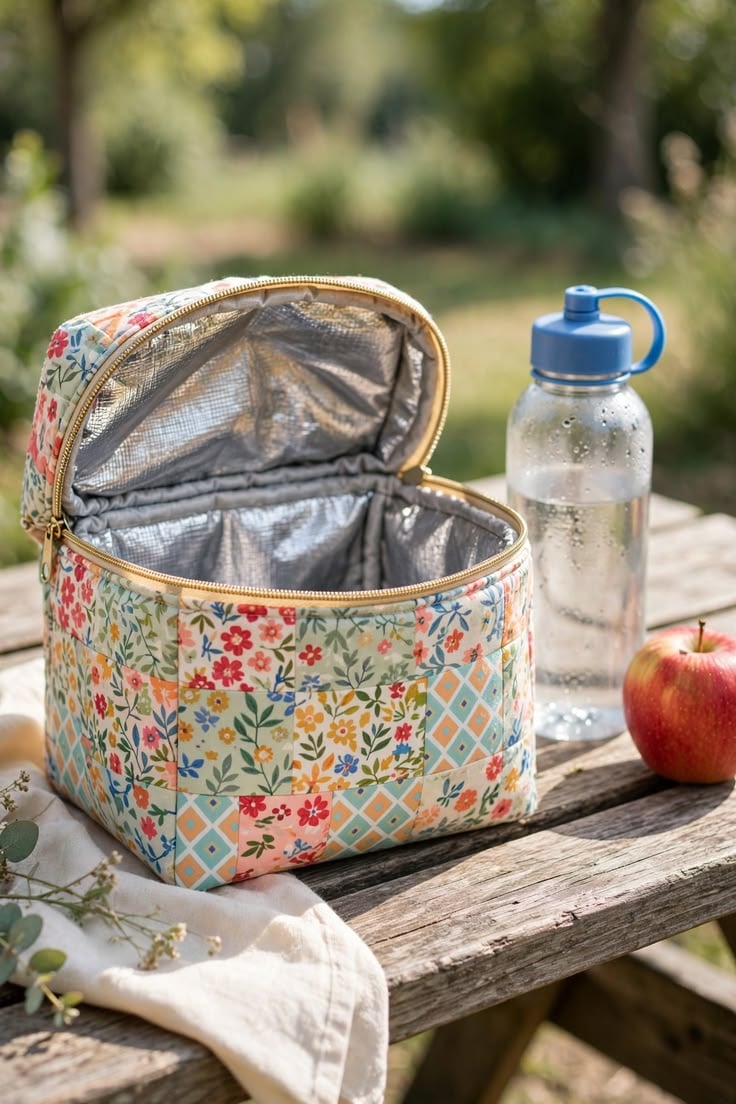
Lunch bags look simple, but they carry food, so a little extra care counts.
Use a sturdy outer fabric, a washable lining, and handles or a strap that can hold a packed container.
Roll-top, zip-top, and tote styles suit work, school, and picnics. Be careful with claims.
An ordinary fabric bag does not keep food at a safe temperature.
If you add an insulating layer, choose one made for that use, and remember that food still needs to be packed and stored by food-safety guidance.
A lining that wipes clean or goes in the wash makes the bag easier to keep fresh.
Secure seams help hold in crumbs, and a leaking container can stain the lining, so think about how spills will be handled.
Describe the size by what actually fits, such as a food container and a drink bottle.
Matching sets for adults and kids can be a friendly option.
17. Messenger Bags
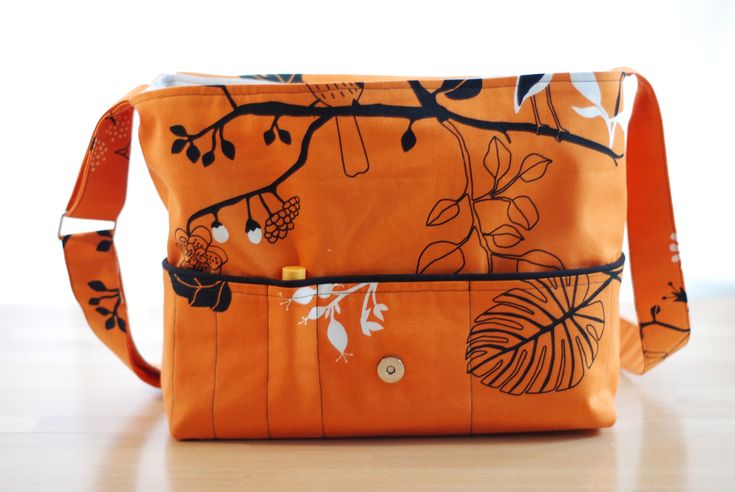
Messenger bags are crossbody bags for people who carry more, such as books, notes, lunch, or a tablet.
Canvas, denim, and twill handle daily wear, and interfacing in the flap keeps the shape neat.
Adjustable straps, buckles, magnetic snaps, a zipped inside pocket, and front pockets all add use, but each one adds sewing time and cost.
A wide strap is more comfortable under a heavy load, and the strap ends need strong reinforcement.
Think about weight too, because a bag that swings or slips will annoy customers.
Sizes can suit errands, work, books, or commuting. If you market it for carrying electronics, do not promise protection unless you have designed and tested for it.
Many pieces mean more steps, so it counts as one of the more detailed Bags to Sew and Sell.
31 Best Sewing Products to Sell on Etsy can help you plan a wider range around it.
18. Crescent Bags
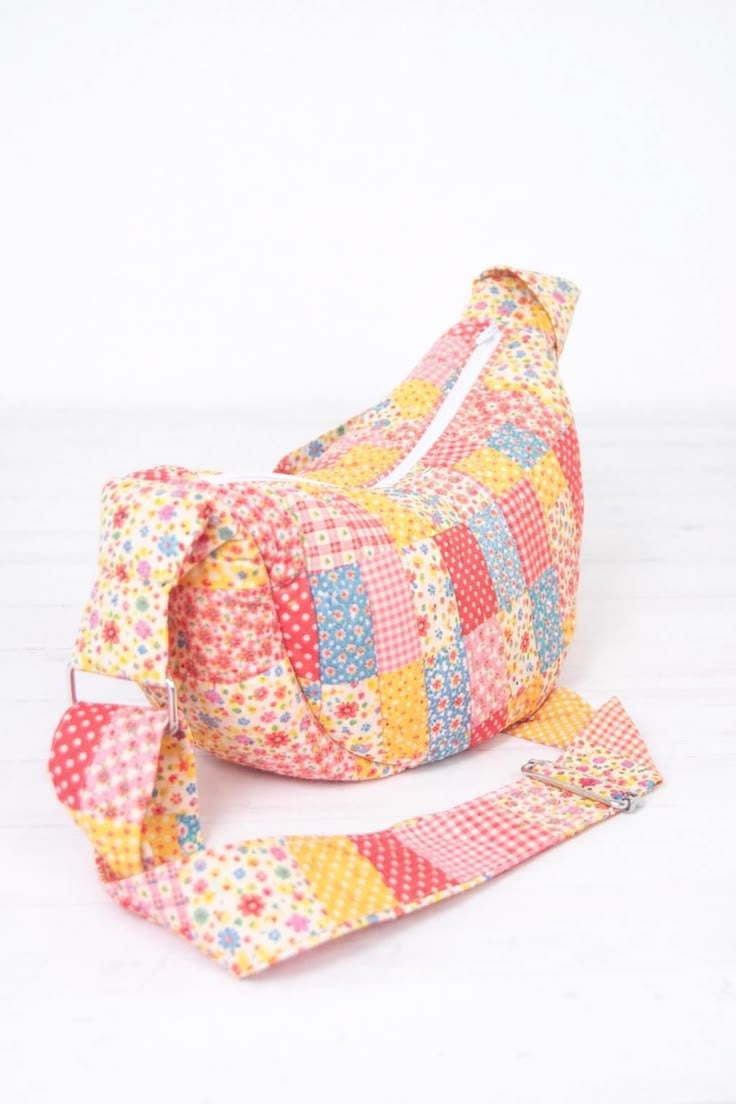
Crescent bags curve like a half moon and add a fashion touch to a simple outfit.
Cut the curved panels carefully and sew them with smooth, even seams, or the bag will look lumpy.
Canvas, denim, and corduroy hold the curve well, soft cotton blends give a relaxed look, and interfacing changes how firmly the bag stands.
A zipper along the top keeps things secure, but it takes patience on a curve, so mark the spots and baste it in place before the final seam.
Basting means using long, temporary stitches.
A lining and a slim inside pocket add a neat finish.
An adjustable strap lets customers wear the bag on the shoulder or across the body, and the strap ends should sit where the bag hangs comfortably.
The same pattern can look sporty in canvas, rich in corduroy, or soft in plain linen.
State the height, width, and depth clearly.
19. Mini Backpack Bags
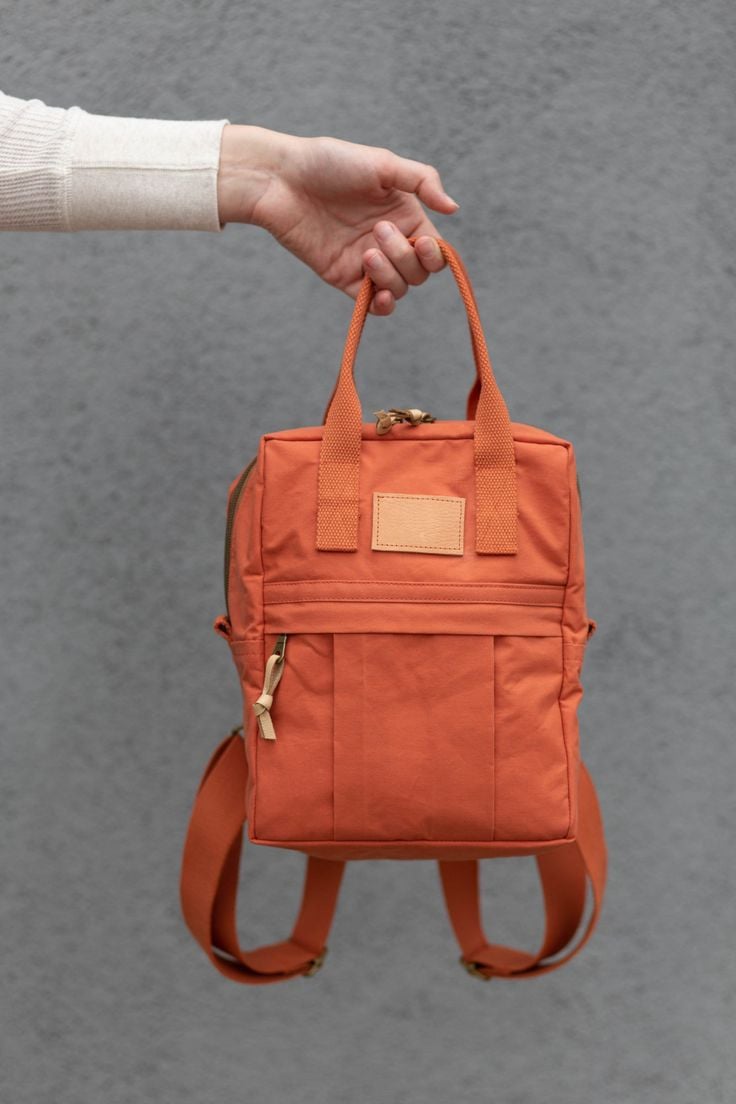
Mini backpacks feel young and practical, and they carry a phone, wallet, snack, and a few small items.
Canvas, denim, and corduroy are good choices, with a lining for a tidy inside.
Common features are adjustable shoulder straps, a top handle, a zipper closure, and a front pocket.
Comfortable strap placement and strong reinforcement at the strap ends matter most, because the bag moves with the wearer.
Playful prints, plain solids, and personalized patches each give a different mood.
Be realistic about the time needed for zippers, straps, and pockets.
For children, choose an age-appropriate size, make straps that will not snag easily, and avoid long loose cords or small decorations that can come off.
Photograph the bag on a person to show its true size. 27 Handmade Sewing Projects People Actually Buy is worth a look when you choose which styles to make.
20. Envelope Bags
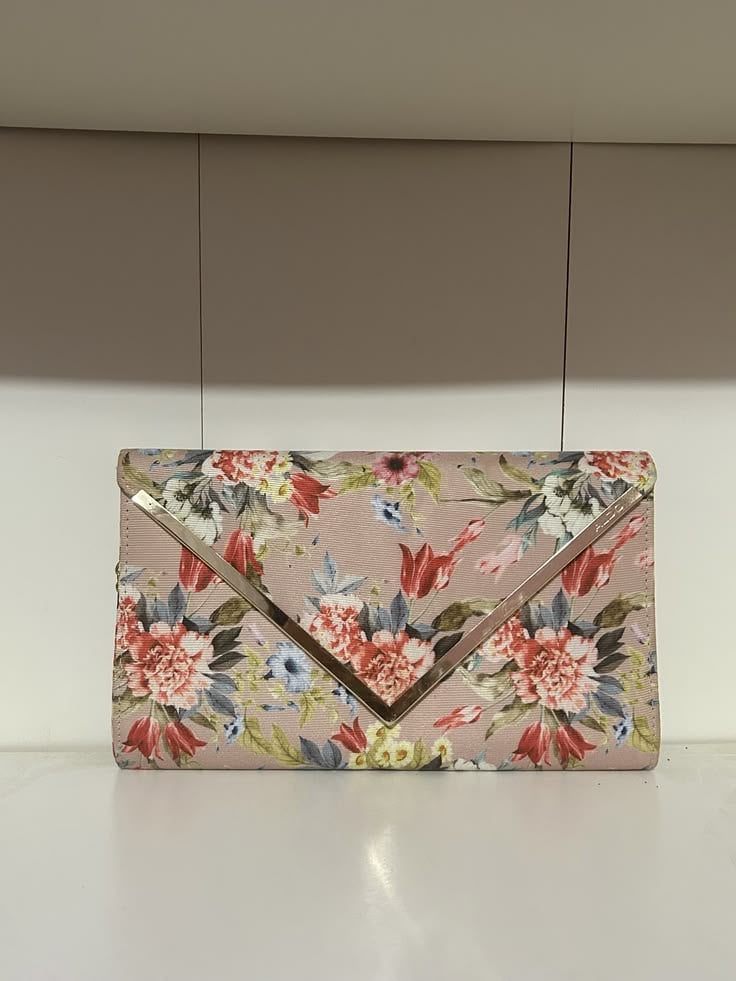
Envelope bags get their name from the folded flap that looks like an envelope.
They suit evening events, everyday essentials, and gift packaging.
Structured fabrics, decorative cotton, linen blends, and faux leather all work, and interfacing keeps the edges crisp.
The shape is simple, so it is one of the easier Bags to Sew and Sell, but neat work still counts.
Measure the flap carefully: too short and the bag looks wrong, too long and it gapes.
A magnetic snap, button, or zipper keeps it closed, and card pockets inside add use.
Prints, embroidery, or contrasting trim can give your range a clear style. Line the bag neatly, press the edges well, and place the closure on interfaced fabric so it does not tear.
Small and large versions can serve different needs.
22 Unique Sewing Products to Sell on Etsy has more ideas for distinctive products.
Final Thoughts
Handmade bags come in many shapes, from simple totes and small wristlets to roomy weekenders and more structured fashion pieces.
The best Bags to Sew and Sell are the ones that match your sewing skills, your equipment, your fabric budget, and the people you hope to sell to.
Start with something manageable, use it yourself for a while, and improve it before you make more.
Practical design, suitable materials, strong construction, useful features, and careful finishing are what turn a nice-looking bag into one people use for years.
Clear sizes, honest descriptions, and good photos help buyers know what they are getting.
Pick one idea from this list, make a sample, and let your own handmade bag range grow from there.