Good tote bag ideas to sew and sell begin with the person carrying the bag.
Picture four people leaving the house with a tote bag.
One is off to the market, one to the library, one to the office, and one to the beach.
None of them needs the same bag.
The shopper wants strong handles and a wide base, the reader wants room for heavy books, and the commuter wants a safe spot for a laptop and charger.
Size, fabric, handle length, pockets, closures, and decoration can make two totes feel like completely different products, which is why this simple shape works so well for a small business.
Below are 25 tote bag ideas to sew and sell, each built around the way people really carry and store their things.
Totes are also just one part of the wider world of handmade bags, and our guide to bags to sew and sell shows how they fit alongside other styles.
Tote Bag Ideas to Sew and Sell
1. Canvas Tote Bags
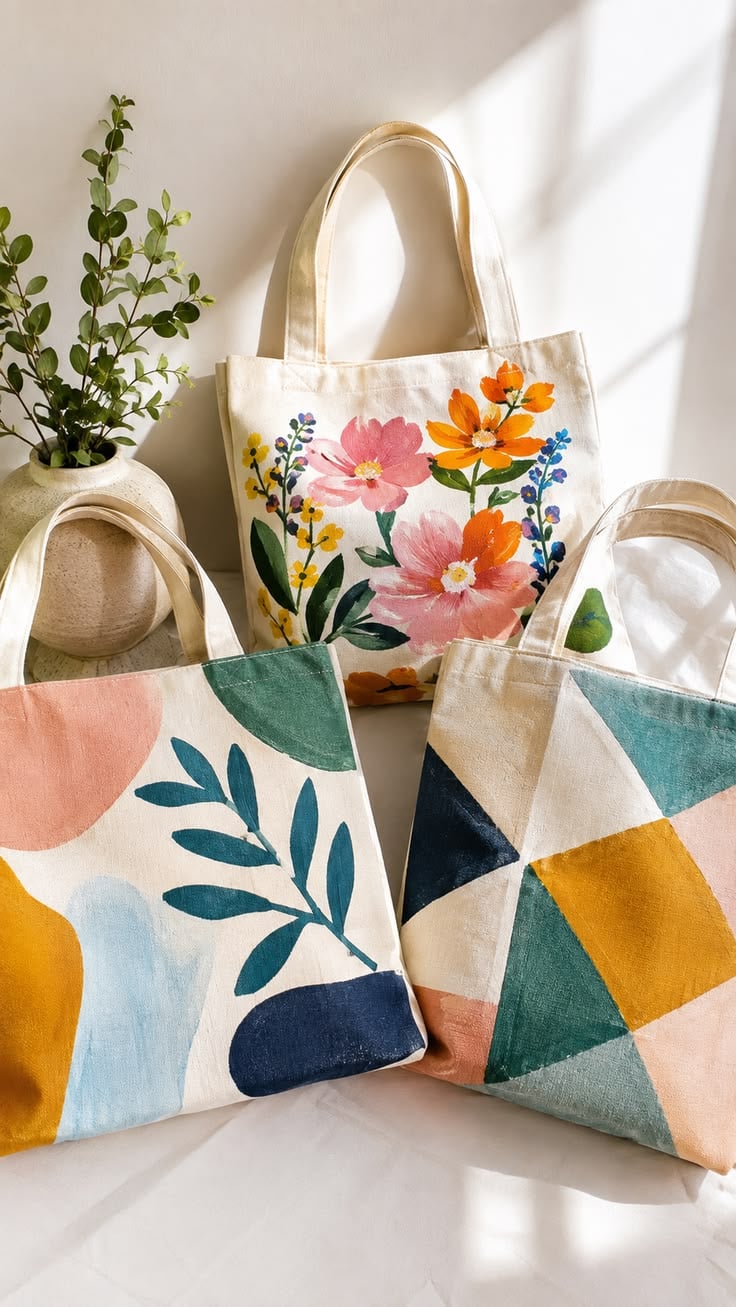
Among the tote bag ideas to sew and sell, canvas is the easiest place to start.
It is firm, it holds its shape, and it forgives small mistakes.
Canvas is sold by weight, so check it before you buy.
Lighter canvas suits a small errand bag, while heavier cloth copes with textbooks or tools.
Match the weight to the load you have in mind.
Use a sturdy needle (size 90/14 or 100/16) and stitch a small box with an X inside it where each handle meets the bag, which spreads the strain.
Zigzag the raw edges so they don’t fray, and add a cotton lining if you want a neater inside and a pocket.
Leave the front plain, print it, or add custom artwork.
Two sizes, one for errands and one for work or study, give shoppers a choice.
None of this needs fancy equipment, as a guide to sewing projects you can make with a basic sewing machine shows.
2. Reversible Tote Bags
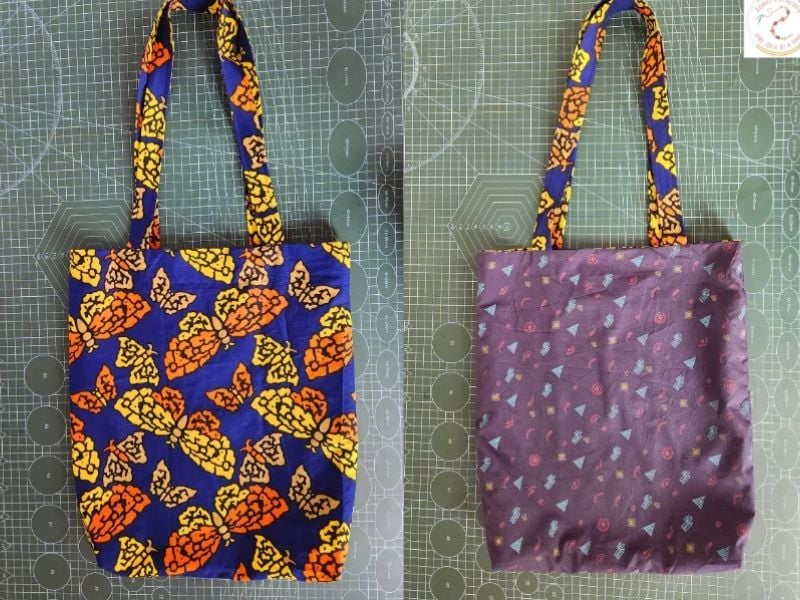
One bag, two looks.
That is the whole pitch of a reversible tote, and it only works if both sides look finished.
The bag is really two bags, one slipped inside the other and joined at the top, so there is no hidden lining to cover mistakes.
Pick two cottons of the same weight so the bag hangs evenly.
A plain color on one side and a bold print on the other lets a customer go from a calm work look to something brighter in seconds.
Press every seam flat and topstitch the top edge neatly.
Close the turning gap, the small opening you leave to pull the bag right side out, with a tidy edge stitch.
Handles show on both sides, so sew them through all the layers and check they look good from either angle.
A matching pouch turns it into a gift set.
Pockets work too, but each one shows on one side only, so plan where it goes.
3. Quilted Tote Bags
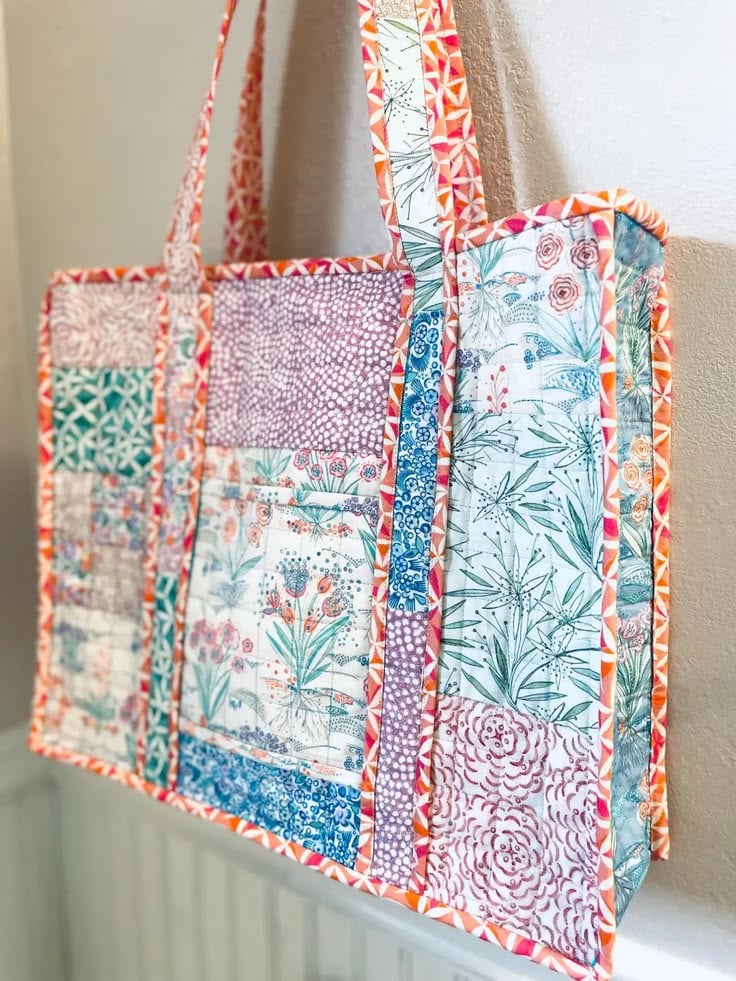
Quilting gives a plain bag some body. You sandwich a layer of batting (also called wadding) between the outer fabric and a backing, then stitch through all of it in lines, diamonds, or soft curves.
Light cotton batting keeps the bag soft, while a firmer, needle-punched type gives it more shape.
Quilt the fabric first and cut your pieces afterwards, because stitching pulls the fabric in a little.
Add a lining so the batting stays hidden.
Floral, geometric, modern, and patchwork-style layouts all look good quilted.
People who like visible handwork tend to notice it straight away, and a guide to handmade sewing projects people actually buy is useful if you want to see what handmade buyers look for.
Put an extra layer of interfacing inside the handles so the padding doesn’t bunch up.
Finally, be honest in your listing: the batting adds softness and shape, but it is not protection for fragile electronics.
4. Patchwork Tote Bags
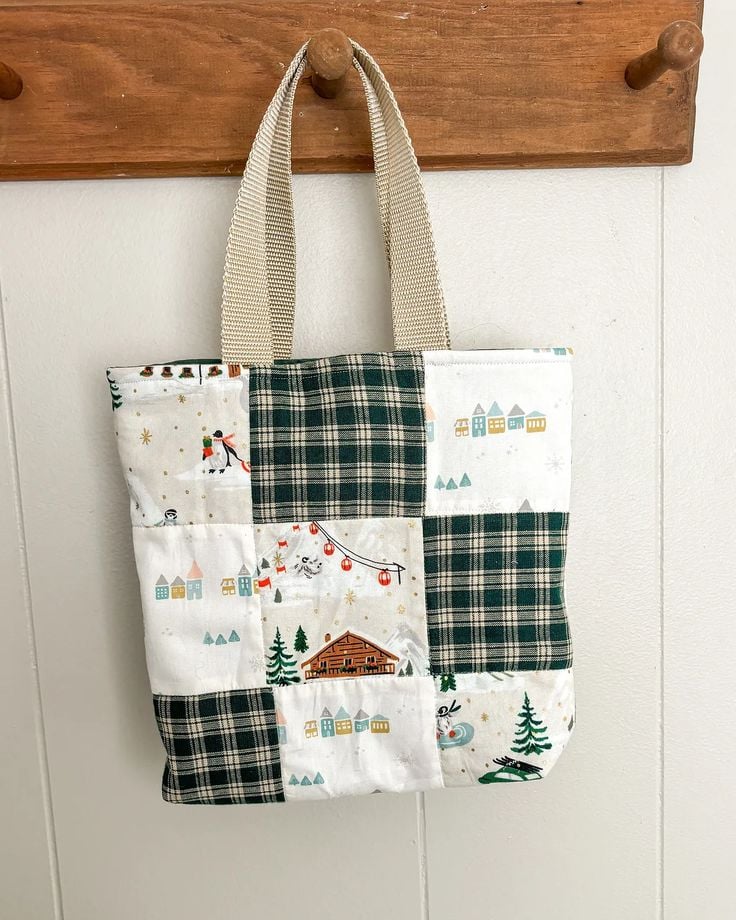
If you want tote bag ideas to sew and sell that nobody else has, patchwork gives you a new design every time.
The surface is made from squares, rectangles, or strips, so the fabric itself is the star.
The trick is control. Stick to a small color palette, cut every piece accurately, and sew with the same seam allowance (a quarter inch is common), pressing each seam before you add the next.
Messy piecing shows quickly on a bag that gets used daily.
Sew the finished patchwork onto interfacing or thin batting so the seams don’t stretch, and add a plain lining.
Offcuts are perfect here, as long as they are the same fibre and weight, and a guide to sewing projects you can make from fabric scraps has more ways to use them.
Group the bags into small collections, such as three totes in autumn colors.
A planned layout with repeated blocks looks intentional, not like a pile of leftovers.
5. Denim Tote Bags
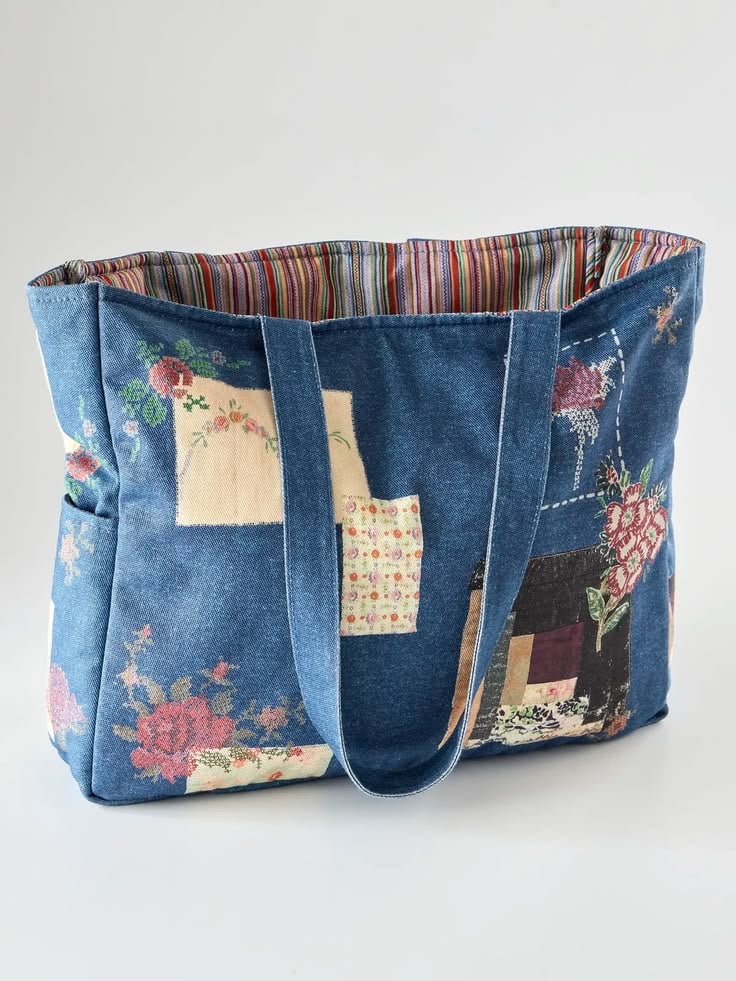
Old jeans make surprisingly good bags.
Denim has a sturdy, worn-in look, the back pockets can become outside pockets, and the contrast topstitching adds detail for free.
Medium-weight denim is easiest to sew, and any denim needs a denim needle and a slightly longer stitch.
Panels in different blues give each bag its own character.
Before you cut, check the fabric carefully.
Worn knees, thin seat areas, and stretched seams will give way under a load, so only use solid sections.
Line the bag with cotton to hide raw edges, and stitch a small rectangle of extra fabric behind each handle.
It is fine to say a bag is made from reused jeans, but skip big claims about helping the planet unless you can back them up.
The story of where the fabric came from is often enough of a selling point.
6. Floral Fabric Tote Bags
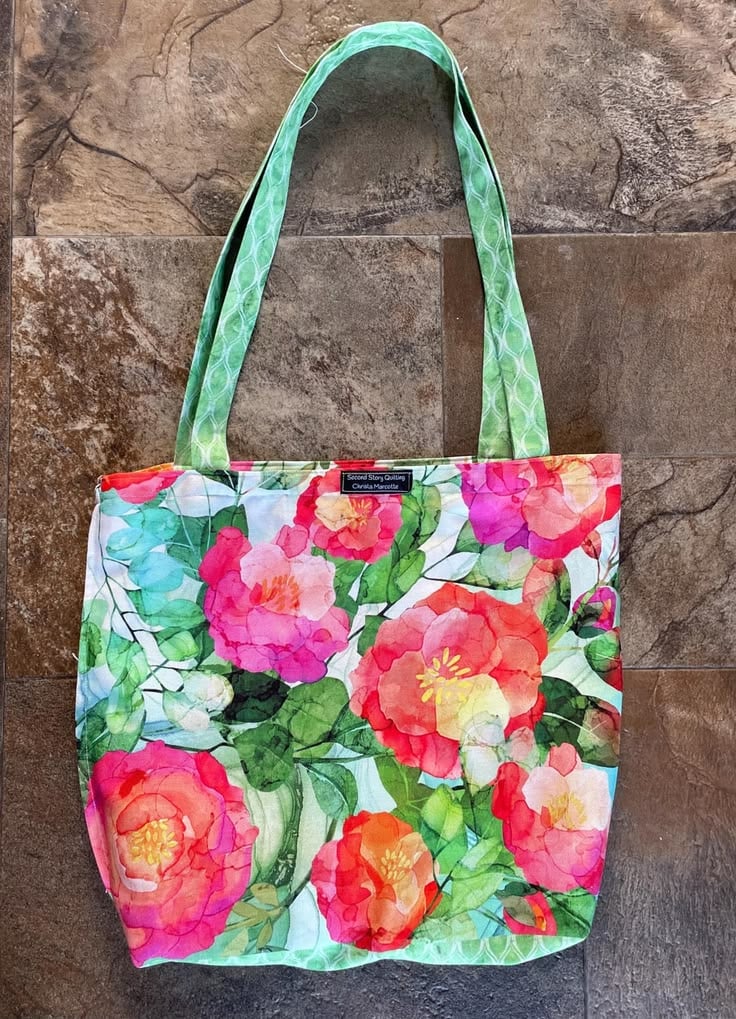
Flowers sell a mood: spring gardens, vintage kitchens, a cozy cottage.
A floral tote is for the customer who wants something pretty, not just practical.
Print size matters. Small, ditsy flowers suit compact bags, where a big bloom would get chopped up, while large bold prints make a roomy tote a real statement.
The background color changes the mood too: cream feels soft and navy feels dramatic.
Before cutting, lay your pattern pieces over the fabric and see where seams, pockets, and handles will land.
A beautiful bloom hidden under a pocket flap is a waste.
Choose medium-weight cotton, and add interfacing to give lighter prints some structure.
Swap colors with the seasons to keep your shop fresh.
A matching pouch or coin purse turns one print into a set, and a guide to sewing projects that sell well on Etsy is a good place to see which items pair well in a shop.
7. Grocery Shopping Tote Bags
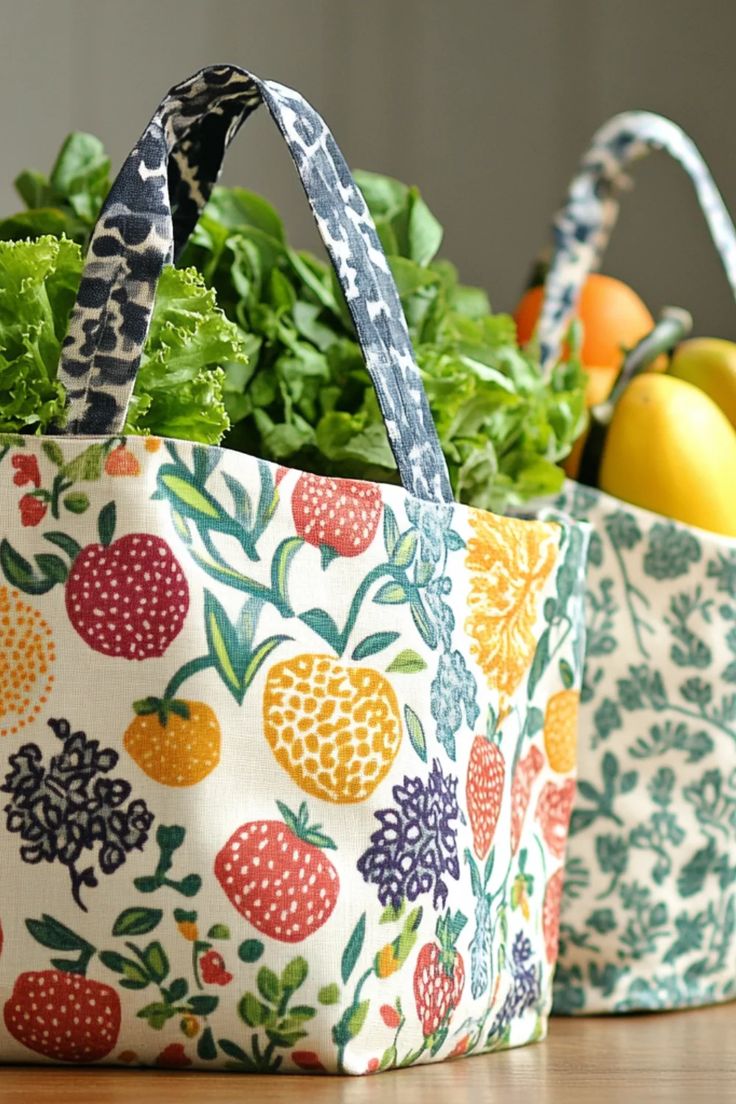
A grocery tote carries tins, bottles, and fruit, so construction matters more than the print.
Give it a wide, flat base so it stands open while you fill it, and handles long enough to sit on the shoulder.
Heavy canvas or twill works well, a reinforced base panel stops the bottom seam taking all the strain, and washing the fabric before you sew means it won’t shrink later.
Some shoppers like a plain open interior, while others want dividers to keep eggs and bread apart.
Because the shape rarely changes, grocery totes are among the tote bag ideas to sew and sell that you can make in batches.
A guide to sewing products you can make in bulk and sell covers that kind of planning.
A set of three in matching fabric works as a family pack.
Tell customers what load the bag is built for, and suggest washing it regularly, especially if it touches food.
8. Foldable Shopping Tote Bags
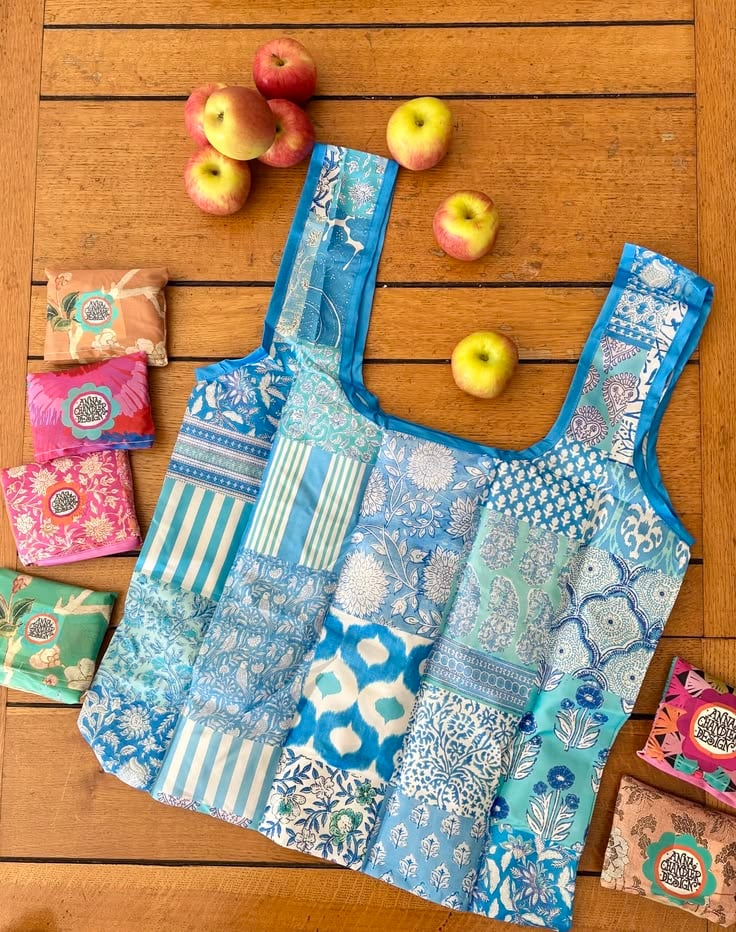
Most of us have been caught at the till with no bag.
The foldable tote fixes that by folding into a small pouch that lives in a handbag, glove box, or backpack.
Use lightweight, tightly woven fabric such as ripstop or thin cotton poplin, and avoid anything so flimsy that it stretches under a full load.
A little pouch sewn from the same fabric keeps the bag from getting lost, and a loop of elastic or a snap keeps it closed.
Light fabric needs strong stitching.
French seams, which tuck the raw edges inside the seam, give a clean finish, and the handles need several rows of stitching.
Load the bag with real shopping before you sell it.
Bright prints make the pouch easy to find at the bottom of a purse and look good in photos.
A pair, one for groceries and one for odds and ends, makes a handy bundle.
9. Teacher Tote Bags
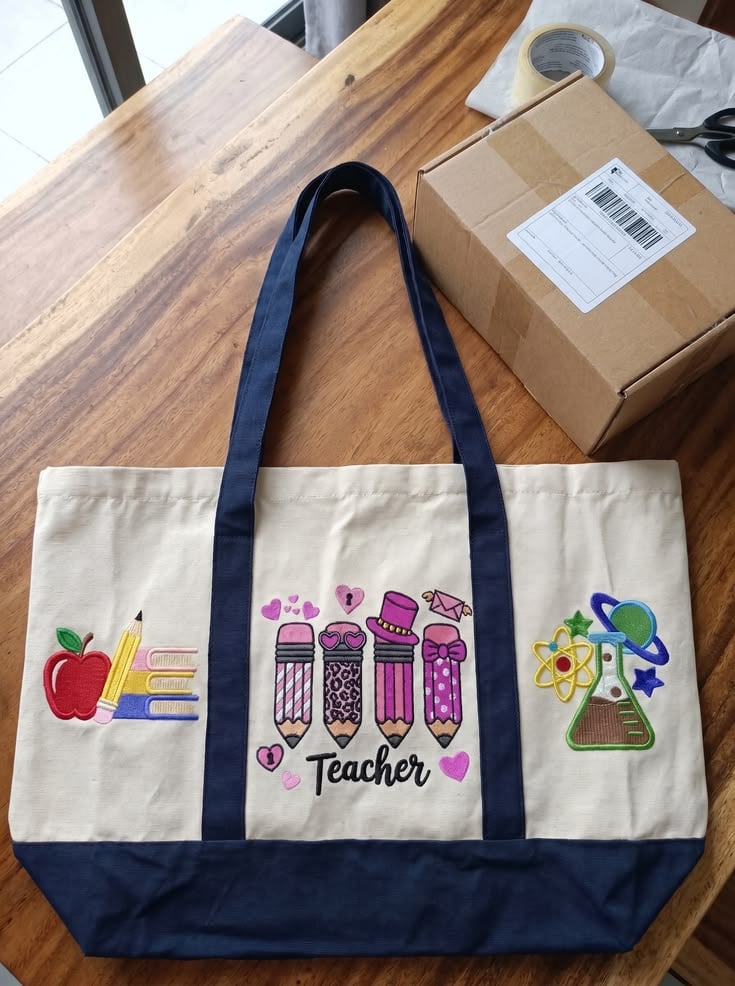
Teachers carry more than most people realize: stacks of marking, a lunch box, a water bottle, spare pens, and the odd craft supply.
A teacher tote is built for that daily pile.
Make it tall and wide enough for A4 folders and exercise books, with a firm base so it stays upright on a desk.
Medium-weight canvas or cotton duck works well, and a lining with two or three deep pockets keeps pens, markers, and a phone from sinking to the bottom.
Gift buyers are your main customers here, so think about presentation.
Parents and classes often shop at the end of term, and a name, a short thank-you line, or a simple apple or pencil design makes the bag feel personal.
Local schools and parent groups are an easy audience to reach, and a guide to things to sew and sell from home has more ideas for selling close to home. Paper is heavy, so stitch the handles strongly.
10. Beach Tote Bags
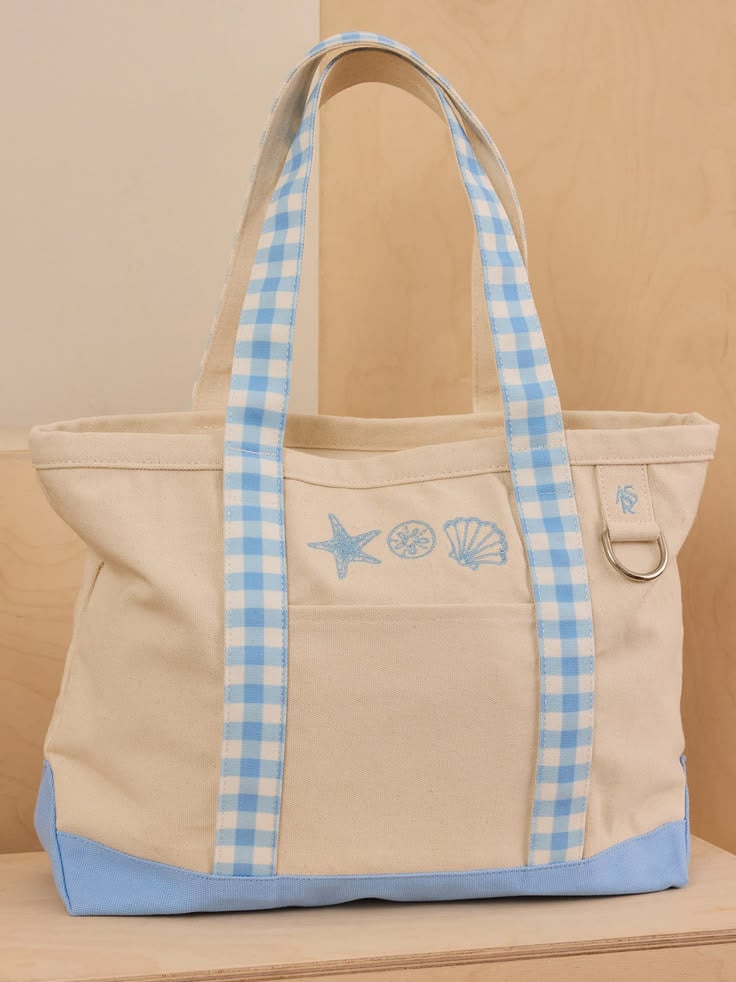
Think of a beach day: towels, swimwear, sunscreen, a book, a bottle of water.
The bag needs room and a bit of flexibility.
Go wide and deep, with handles that stay comfortable when loaded.
Heavy cotton canvas, outdoor fabric, or sturdy polyester are easy to clean when sand and spills happen.
An inside pocket keeps keys and sunglasses from sinking to the bottom, and a separate pouch or washable insert keeps damp swimwear away from dry things.
Be careful with your wording. An ordinary fabric tote is not waterproof, and water resistance depends on the materials and how the bag is made.
Coastal colors, bold stripes, and tropical prints suit the season, and a beach tote is one of the tote bag ideas to sew and sell that you can plan your listings around each summer.
A small zipped pouch makes a matching set. Tell buyers to shake out the sand and air-dry the bag.
11. Mini Tote Bags
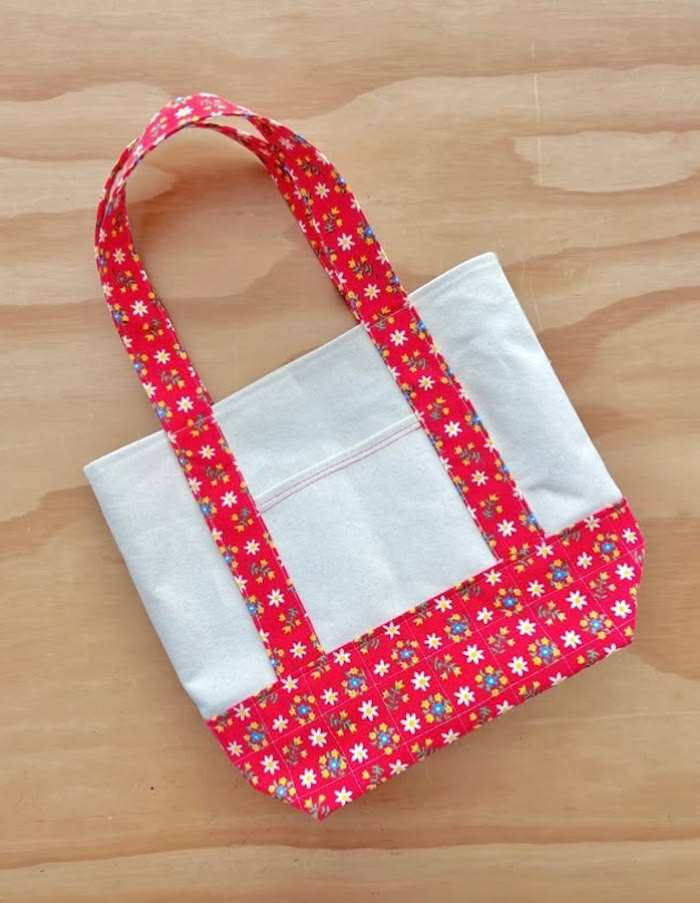
A mini tote is for the person who wants the tote look without carrying a full-size bag.
Think of a bag that holds a phone, wallet, and keys, and not much else.
Short handles tuck under the arm, and a lightweight lining keeps it from feeling bulky.
A detachable crossbody strap makes it handy for evenings out, and one slip pocket inside stops keys from getting lost.
Because they use so little fabric, minis are a good home for special prints and leftover cuts, and a guide to sewing projects that don’t require much fabric has more small-scale ideas.
They also make charming gift sets, from bridesmaid bags to matching adult-and-child pairs.
For children’s versions, keep straps short and attachments secure, and size the bag to the child’s age.
Whoever it is for, fill a sample with the things you expect customers to carry.
If they don’t fit comfortably, the bag is too small to be useful.
12. Oversized Tote Bags
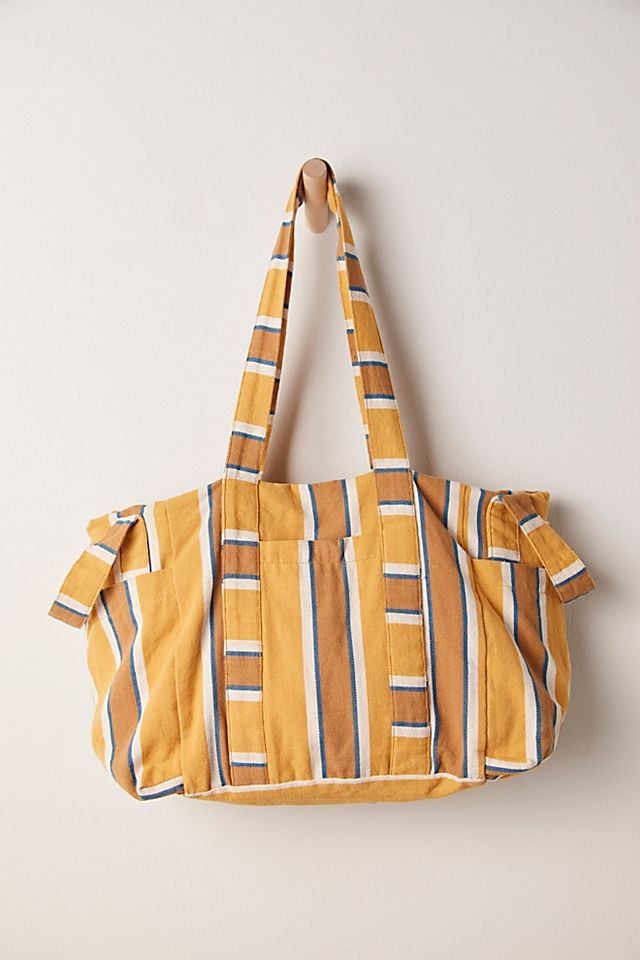
Some people carry everything at once: a change of shoes, a water bottle, a jacket, a laptop, and a snack.
Oversized totes are made for them. The design challenge is balancing space with comfort.
A wide base helps the bag stand upright, but the handles must be long enough for the shoulder and wide enough not to dig in.
Heavy canvas or twill gives structure, and a lining with a few pockets stops everything sinking into one pile.
Stress points need the most attention, so add extra layers of fabric behind the handle attachments and consider a firm base panel.
A bigger bag does not automatically carry more weight safely, so build and test each design for its intended use before you sell it.
Oversized totes suit travel days, beach trips, and busy workdays.
In your photos, show the bag next to a person so buyers can see how big it really is.
13. Book Lover Tote Bags
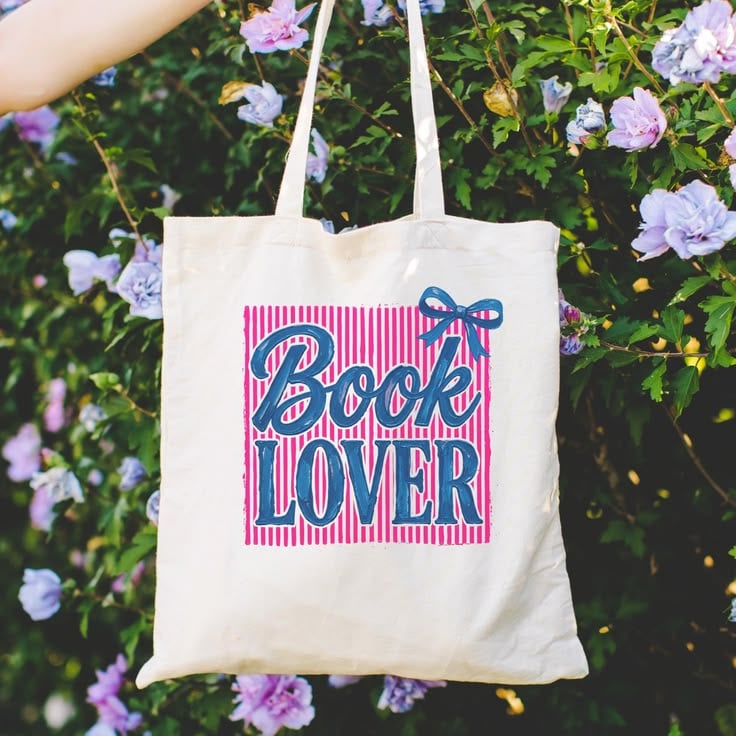
Readers need a bag that respects books.
That means a base wide enough for paperbacks and hardbacks, handles that spread the weight, and a reinforced bottom so heavy volumes don’t pull the shape out.
An inner pocket holds reading glasses or a bookmark, and a slim side pocket can hold a pen.
Size the bag around the books your customers carry, even if that is pocket-sized novels or thick textbooks.
The design is where this tote shows personality.
Literary prints, bookshelf illustrations, teacups, and reading cats appeal to book clubs and gift buyers.
Quotes can be charming, but check that any wording you use is in the public domain or your own.
A name or initials make it easy to give at reading events.
Readers are an easy audience to picture, so this is one of the tote bag ideas to sew and sell with a clear customer.
For related ideas, see handmade sewing products to sell online.
14. Library Tote Bags
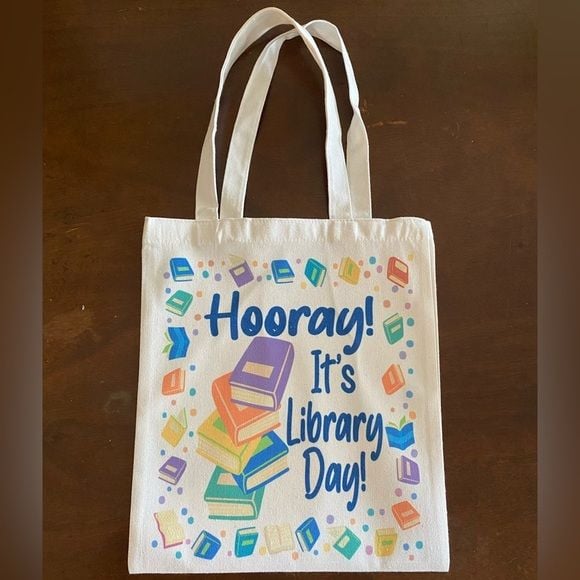
A library tote is about carrying, not showing off.
Picture someone leaving with a stack of borrowed books, a picture book or two, and a notebook.
The bag needs to be tough, easy to wipe or wash, and wide enough for different book sizes, including big children’s titles.
Medium-weight cotton duck or canvas works well, with handles stitched into reinforced panels.
Small touches make it more useful.
A clear label window or fabric tag helps children keep track of their own bag, and an inside pocket holds the library card.
Keep the design simple, perhaps one colour with a contrasting handle, or use school and reading themes for teachers and class groups.
Offer a children’s size with shorter handles and a standard size for adults, and include care instructions in your listing.
Since buyers of this bag care about function first, photograph it full of books.
15. Laptop Tote Bags
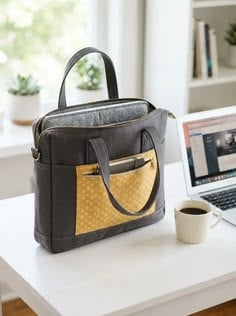
A laptop tote is for someone who wants a professional look without a stiff briefcase.
Everything starts with measurements. Ask buyers for their device size, or offer clearly labelled options with a little extra room.
Build the inner compartment from lining fabric padded with batting or foam, and stitch it in place so the laptop can’t slide around.
Add a reinforced base, a zipper or magnetic snap, and slim pockets for a charger and notebook.
The pockets and compartments follow the same thinking as other organization products to sew and sell. Be careful about promises.
Fabric padding does not guarantee protection from drops, bumps, or water, and your listing should say so plainly.
Try the finished bag with a real laptop, check that the closure doesn’t rub the screen, and give the compartment size exactly.
Neutral colors and clean lines suit office settings.
16. Lunch Tote Bags
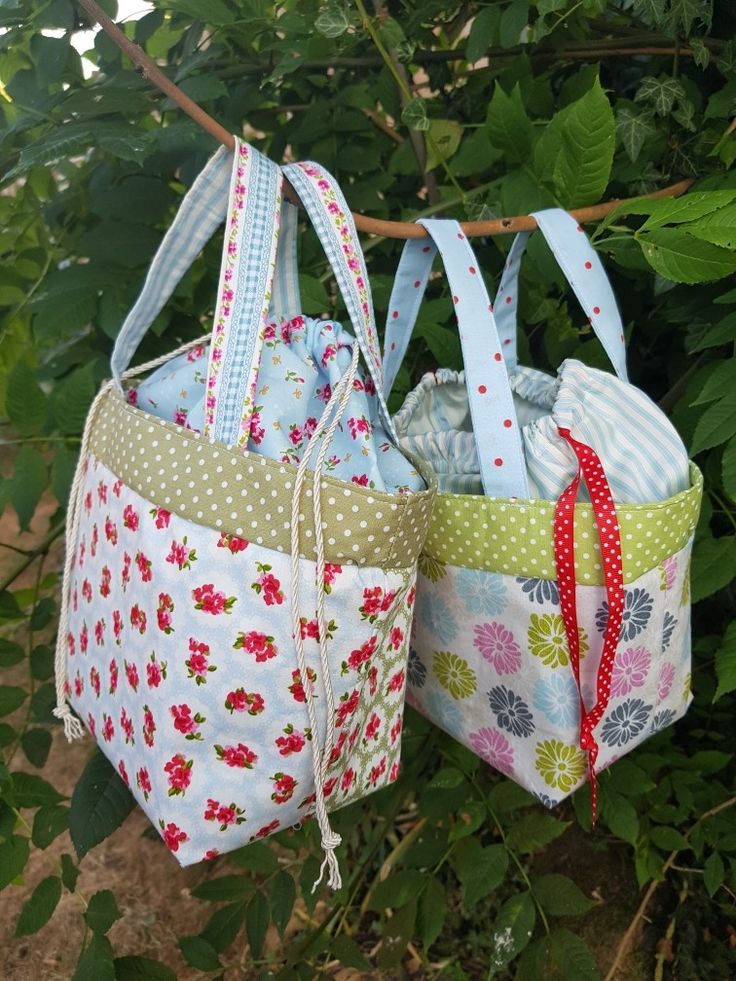
Lunch totes carry food, so washability comes first. Line the bag with a wipe-clean, food-safe fabric, and shape it so the inside can open wide for cleaning.
A zipper, hook-and-loop tape, or drawstring keeps containers secure, and a base wide enough to hold a sandwich box upright helps stop spills.
An outside pocket can hold cutlery or a napkin.
Insulation depends on what you use and how you build it.
If you want a bag that helps keep food cool, use insulating batting made for the purpose, and tell customers to add a cold pack.
An ordinary fabric bag will not keep food at a safe temperature on its own.
If you are looking at tote bag ideas to sew and sell for office workers and students, this one is a practical pick.
Offer a few sizes, and let buyers choose a fun outer fabric to make it their own.
17. Wine Bottle Tote Bags
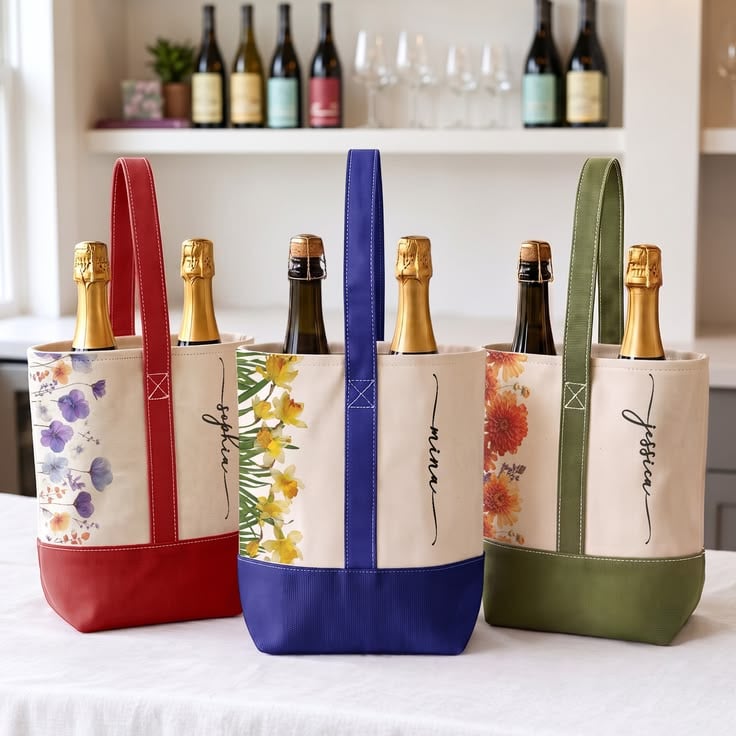
Gift shoppers like a bag built around one particular shape, and a bottle tote is exactly that.
Start by measuring the bottles you want to carry, noting both height and width, and add a little room so the bottle slides in without strain.
A reinforced base stops the weight stressing the bottom seam, and the handles should sit where the bag hangs straight.
For two-bottle versions, add a fabric divider so the bottles don’t clink together.
Cotton canvas, linen blends, and heavier quilting cotton all work well.
Festive prints, wedding colours, or plain neutrals suit gifting, and a tag or ribbon makes the bag part of the present.
A name or short message sets it apart. For more gift-friendly inspiration, try unique sewing products to sell on Etsy.
Carry a full bottle around in your sample before you list the bag, and describe it as a carrier and gift bag.
18. Drawstring Tote Bags
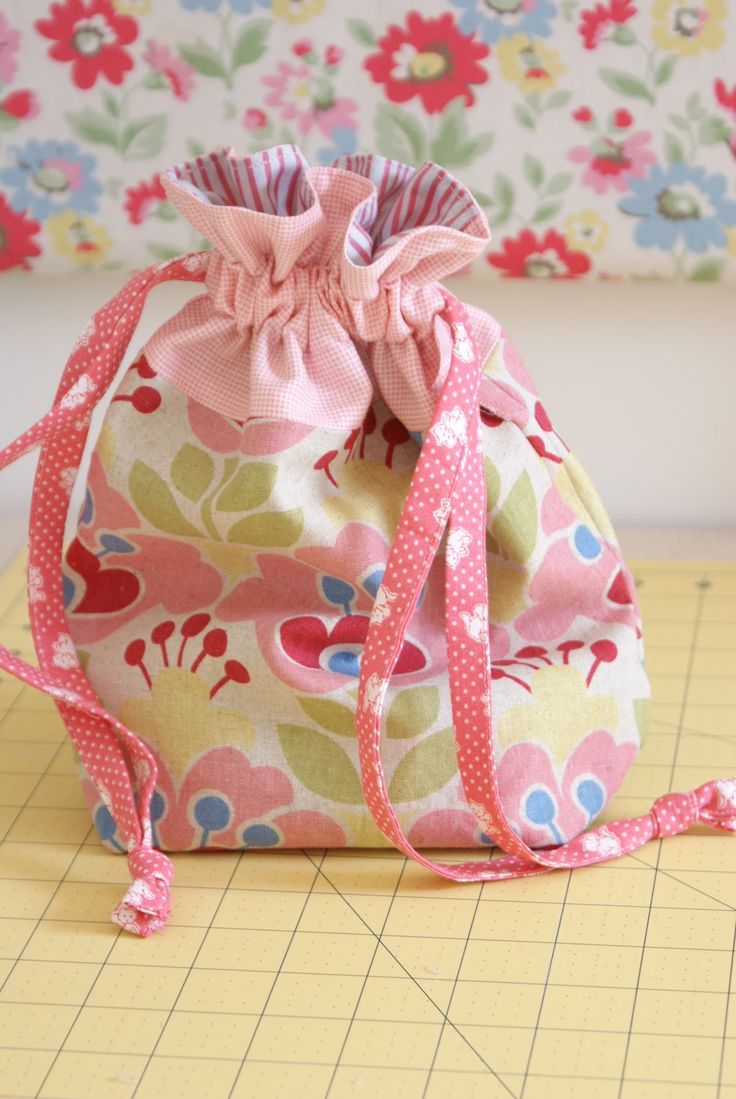
A drawstring tote swaps zippers and snaps for a cord, which makes it quick to open and close.
The cord runs through a casing, a folded channel of fabric near the top, and the opening should be reinforced where the cord goes in and out.
Lightweight canvas, nylon, or twill all work, and a lined version feels tidier.
Soft cotton rope is kinder on the shoulders than thin cord.
People use drawstring totes for gym clothes, shoes, travel items, and general storage.
Prints, color combinations, and names turn one pattern into collections for teams, classes, or families.
They sew up quickly, which makes them handy for filling out a range alongside the products in the best things to sew and sell for extra money.
If the bag is for children, avoid long or loose drawstrings, which can be a strangulation hazard.
Use short, fixed cords or a flat closure instead, and check the safety rules for children’s products where you sell.
19. Zippered Tote Bags
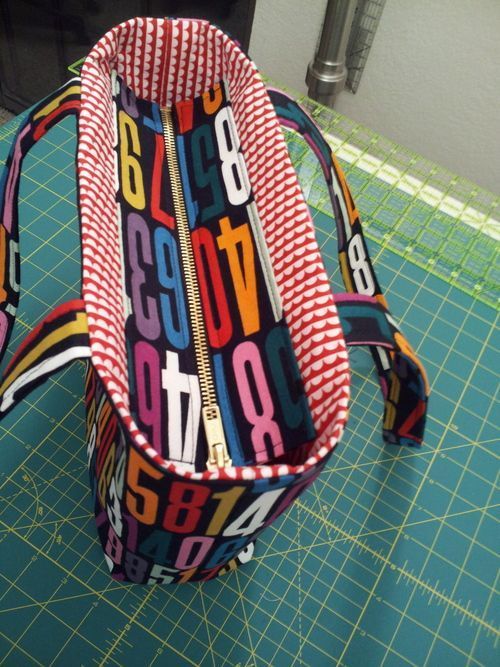
Add a zipper and a tote becomes a bag that keeps things in.
Commuters, travellers, and anyone nervous about a spilled handbag will see the point right away.
Pick a zipper long enough to open the bag wide, since a short opening makes loading awkward, and match its weight to the fabric.
Sew it between the outer fabric and the lining, and finish the top edge neatly so the teeth don’t scratch what’s inside.
A zipped pocket inside protects valuables, and strong handles matter even more because a zipper adds a point where the bag can be tugged.
Zippered totes belong on any list of tote bag ideas to sew and sell for work and travel.
They take longer to make, so think about your time when you set a price.
A guide to profitable sewing projects to make and sell can help with that. A tidy zipper finish is one of the first things customers notice.
20. Leather-Trimmed Fabric Tote Bags
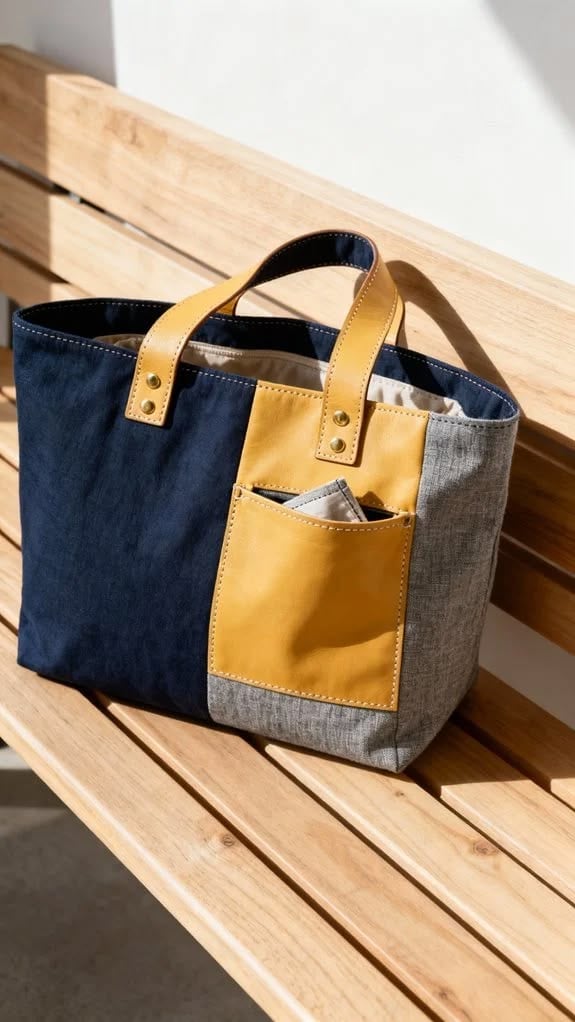
Leather, or a good leather alternative, adds contrast to a fabric tote.
Common places for it are handles, a base panel, corner patches, and a small tab at the top.
Plan the trim carefully, because leather keeps every needle hole and mistakes can’t be unpicked cleanly.
Use a leather needle, a longer stitch, and clips instead of pins.
Thick edges can be thinned down (this is called skiving) so they sew more easily.
The mix of textures suits customers who want a more polished bag, such as a work tote or a gift.
Add interfacing behind the trim where it takes strain, because decorative leather does not make a bag stronger by itself.
Check that the materials suit how the bag will be used, and give care instructions, since fabric and leather may need different cleaning.
Cheaper leather alternatives can crack with repeated bending, so test them first.
21. Rope Handle Tote Bags
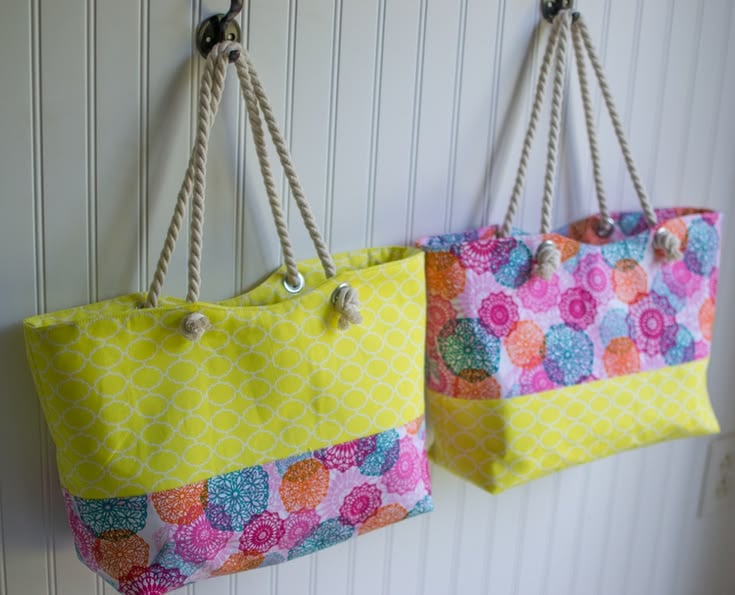
Rope handles change a bag’s personality straight away.
They suggest sailing boats, picnics, and summer markets, and they pair well with canvas, striped cotton, and linen.
Thickness matters: thin rope digs into the hand, while thicker cotton or braided rope feels softer.
Short handles suit a compact tote, and longer ones suit a shoulder bag.
Attachment is the key. Thread the rope through metal eyelets (grommets), or stitch it between layers with a patch of extra fabric behind it, then bind or knot the ends so they can’t fray.
Rough fibres, sharp edges, and weak fastenings all spoil a bag, so try several rope types before you choose.
Rope handles are an easy way to give your tote bag ideas to sew and sell a different look without changing the pattern.
For photos, style the bag with picnic props.
To plan how to present a range, see the best sewing products to sell on Etsy.
22. Burlap Tote Bags
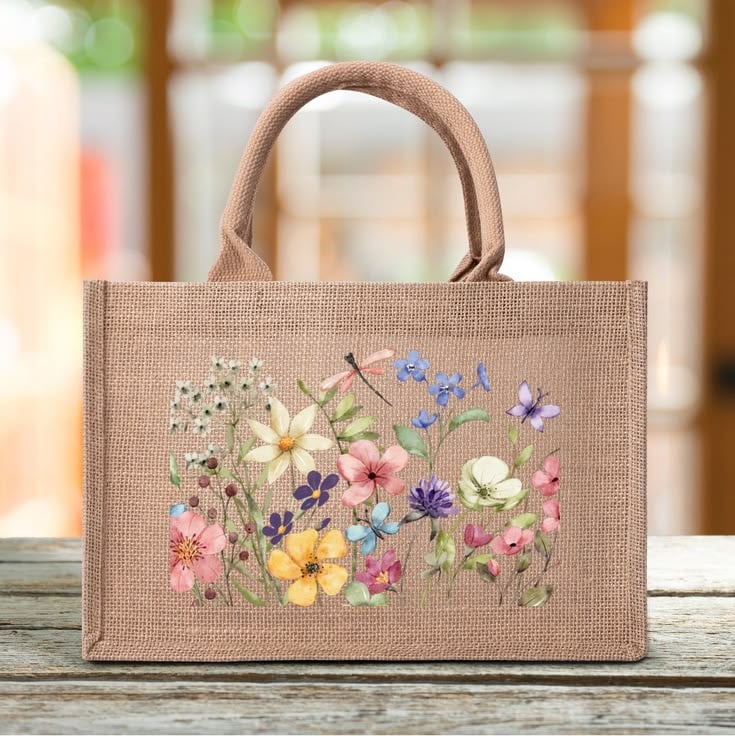
Burlap has a natural, rough look that suits rustic weddings, farm stalls, craft events, and gift baskets.
It frays easily, so finish raw edges with a zigzag, bias binding, or a fully enclosed seam.
A cotton lining helps with strength and comfort, because burlap can feel scratchy and may shed fibres.
Quality varies a lot, so test your fabric before committing to a design.
The rough texture pairs nicely with printed cotton trims, fabric labels, or simple embroidery.
A pocket in contrasting cotton adds color, and a band of printed fabric across the top gives the bag a cleaner edge.
Be careful with claims, since not all burlap is washable and not every type suits heavy loads.
Describe the material honestly and give care advice that fits it.
Event orders in bulk may suit small organizers, and a guide to things to sew and sell for a successful small business covers how to plan them.
23. Personalized Tote Bags
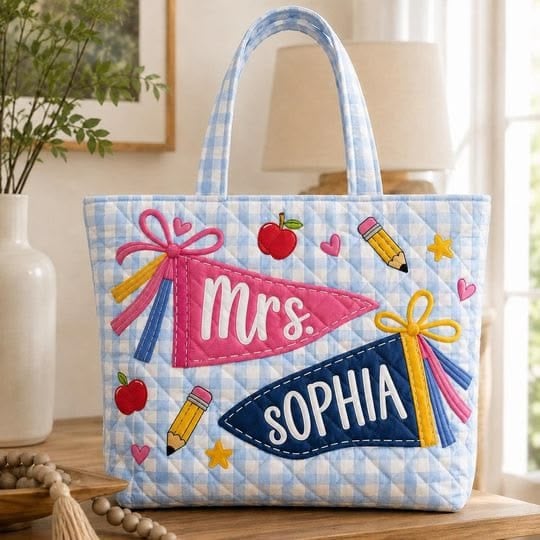
A personalized tote is bought as a gift or keepsake, so the name, initials, date, or message matters as much as the bag.
You can use embroidery, appliqué letters, printed fabric panels, or sewn-on labels.
Each method has a different cost and turnaround, so choose the ones you can make reliably.
Keep the bag simple, such as medium-weight canvas with a clear space for the design.
Clear ordering protects both of you.
Ask buyers to confirm the spelling before you begin, state how long an order takes, and explain if changes are possible once it’s approved.
A short menu of fonts, colors, and placements keeps every order easy to repeat.
Birthdays, weddings, teacher gifts, student groups, and work teams all give people a reason to buy.
Offering personalized options is a simple way to widen your range of tote bag ideas to sew and sell without learning a new pattern.
For more ideas, read personalized sewing products to sell online.
24. Embroidered Tote Bags
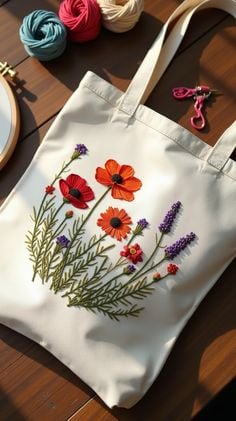
Embroidery turns a simple tote into something you’d want to show off.
Choose a firm, smooth fabric such as cotton canvas or twill, and use a stabilizer (a backing sheet that supports the stitches) so the design doesn’t pucker.
Think about scale: a small motif near a corner feels subtle, while a large floral spray across the panel becomes the feature.
Pick thread that contrasts clearly with the fabric, and test the design on a scrap first.
Embroider the panels before you sew the bag together, which is much easier than working on a finished bag.
Popular choices include wildflowers, initials, borders, and seasonal themes.
Collections work well, such as herb designs or birth-month flowers, and they suit gifts and special occasions.
Keep the stitching light enough that it doesn’t stiffen or weaken the fabric, and cover the back of the design with a soft lining so it doesn’t scratch.
25. Appliqué Tote Bags
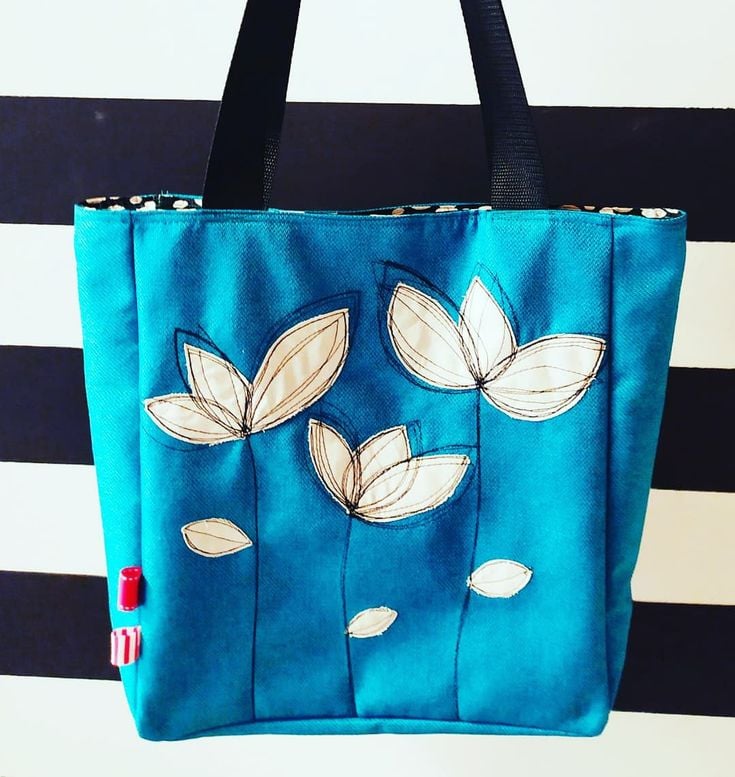
Appliqué means building pictures from fabric shapes sewn onto a base, and a tote’s large flat panels give you plenty of room for it.
Flowers, animals, geometric patterns, and initials all work. Choose a sturdy base fabric, cut your shapes from cotton, and back them with fusible web (a heat-activated adhesive) so they stay put while you sew. For the edges, use a close zigzag, a satin stitch, or a raw-edge look with a straight stitch.
Layering adds depth: a flower might have petals, a centre, and a stem in three prints.
Plan the placement before stitching, and keep details away from seams and pockets.
Appliqué lets you turn one plain pattern into a whole line of tote bag ideas to sew and sell.
Check that every piece is firmly attached, especially on bags used daily or sold for children.
For more quick makes, see small sewing projects that are easy to sell.
Conclusion
Every customer carries a bag differently, so the right tote depends on its size, materials, construction, and what it will be used for.
If you are just getting started, begin with designs that suit your current skills and the machine you already own.
Pay attention to the small things first: handle strength, fabric choice, lining, closures, and a neat finish.
Once those feel easy, you can move on to more specialized styles.
The best tote bag ideas to sew and sell are the ones you have tested yourself.
So pick a few designs, make samples, carry them around, and ask friends what they think.
From there, you can build a collection that fits the people you hope to sell to.