One simple gathered loop can become many different products, which makes these Scrunchie Ideas to Sew and Sell worth exploring.
Scrunchies are fabric hair ties that hold a ponytail or bun in place while adding a little personality to an outfit.
A smooth satin loop, a chunky velvet one, and a tiny gingham one can look like completely different products, even though the basic construction is the same.
Fabric, size, shape, color, and small decorative details all change who might want to wear one, and with which hairstyle.
That is what makes these Scrunchie Ideas to Sew and Sell so interesting to explore.
Some customers want something subtle for work, others want a bold statement piece for a night out, and parents often look for soft options for children.
You can make single designs, build seasonal collections, or create coordinated accessories that go together.
If you enjoy making small, giftable fabric accessories, our guide to cute pouches to sew and sell is a good companion read.
20 Scrunchie Ideas to Sew and Sell
Each of these scrunchie ideas to sew and sell has its own character, from fabric and shape to extra details.
Read through them as product ideas, thinking about who might wear each one and how you could present it in your shop.
1. Classic Satin Scrunchies
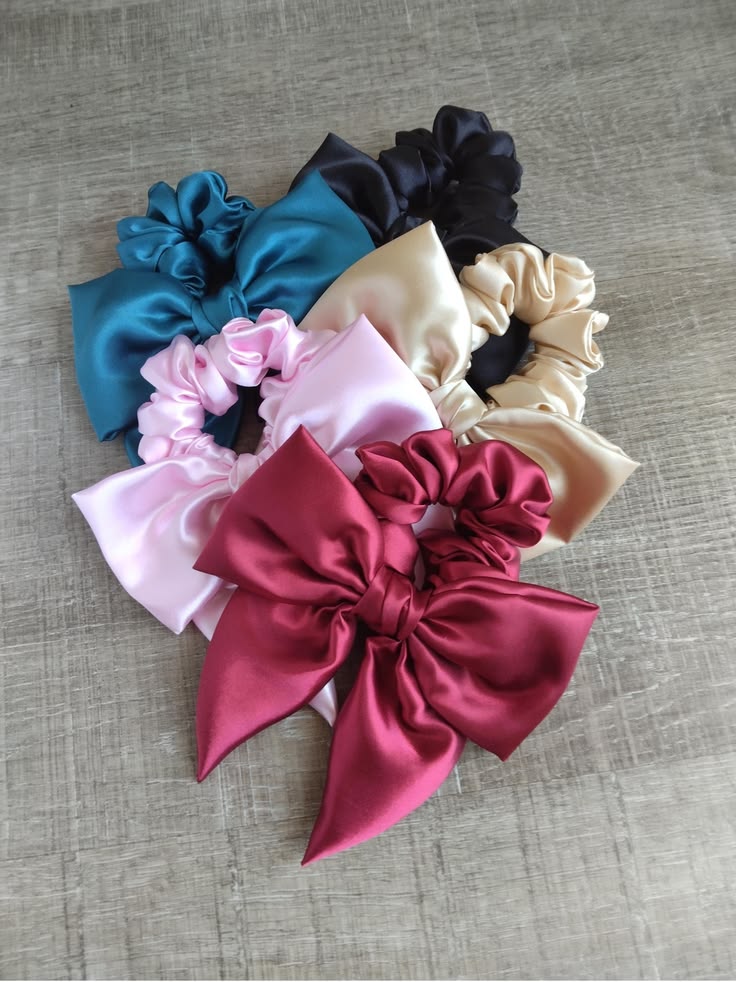
The classic satin scrunchie is the shape most people picture first: a full, softly gathered loop with a smooth, slightly shiny finish.
Its everyday appeal makes it a sensible starting point for a collection.
Offer a tidy range of colors, such as black, ivory, dusty rose, sage, and navy, and your shop looks organized and easy to browse.
If you like efficient projects, these quick sewing projects to make and sell include other items that work up fast.
Satin describes how a fabric is woven, not what it is made from, so polyester satin is common and much cheaper than silk.
Be honest in your listings and avoid suggesting that satin brings special hair-care benefits.
Cut a long strip, sew it into a tube, turn it right side out, and thread the elastic through.
Use a fine needle and press gently on low heat.
2. Velvet Scrunchies
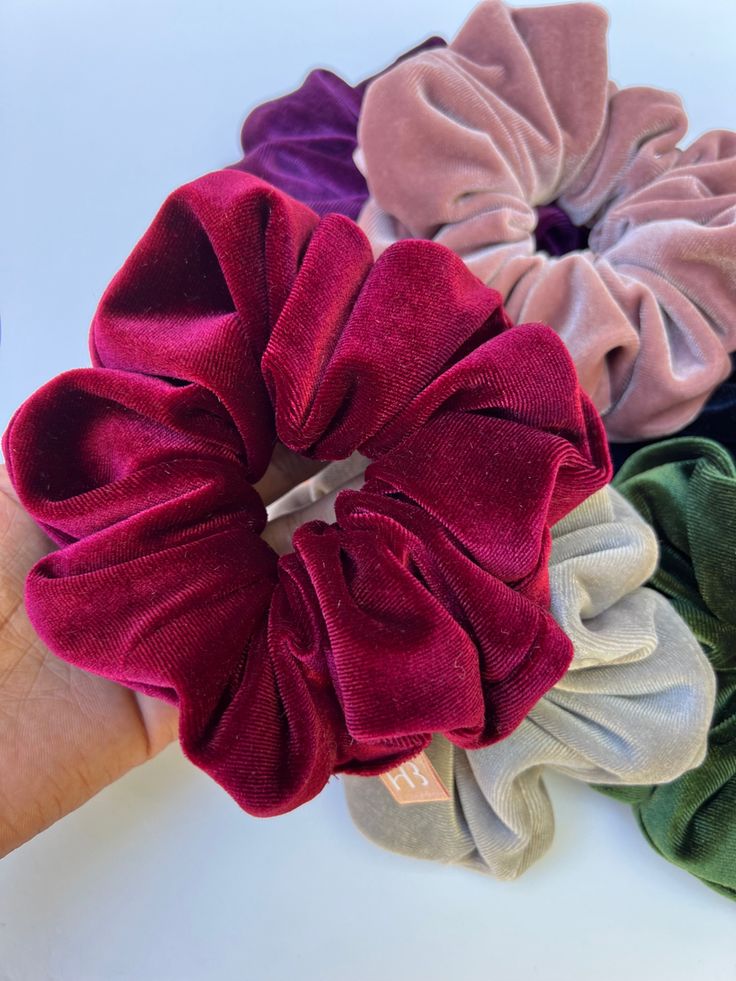
Velvet scrunchies feel soft and look richer than most cotton or satin versions.
They suit autumn and winter, holiday gatherings, and dressier evening outfits, so jewel tones like emerald, burgundy, and deep navy are natural choices.
Velvet has a pile, which means the fibers lean in one direction.
Cut every strip with the pile running the same way so the finished scrunchies look consistent.
The fabric is bulkier than satin, so choose a stretch or lightweight velvet and keep the tube slightly narrower than you would for a thin fabric.
Pin sparingly, since pins can leave marks, and use a walking foot or plenty of clips to stop the layers from creeping.
Press from the wrong side over a towel, or skip pressing the seams entirely to protect the pile.
A small hang tag that mentions gentle spot cleaning helps buyers care for it.
3. Silk Scrunchies
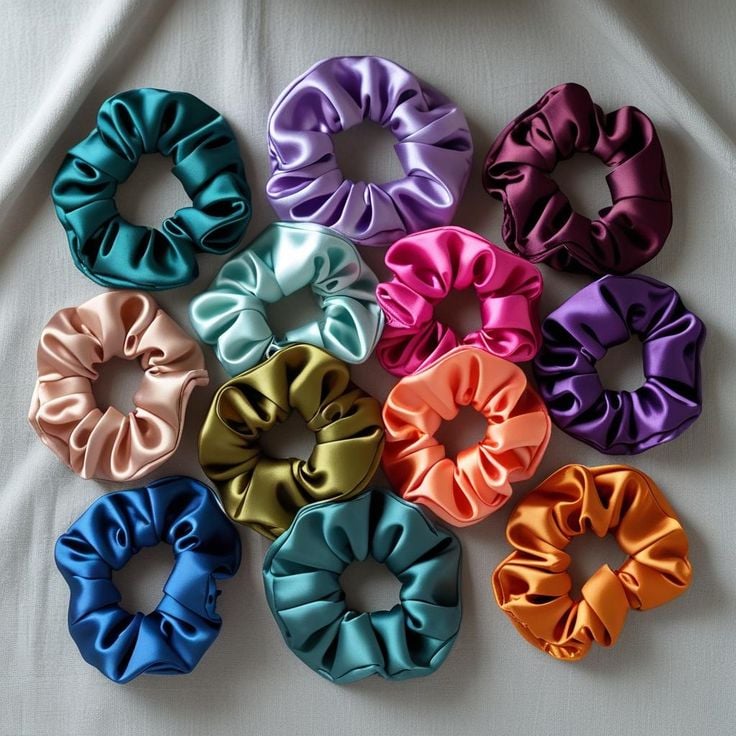
Genuine silk scrunchies sit at the premium end of the range.
The fabric feels smooth and the soft sheen gives a polished look that some shoppers may pay more for.
Because silk costs far more than polyester satin, price carefully and cut only the amount you need.
Slippery silk is easy to cut inaccurately, so use a rotary cutter, pattern weights, and a sharp new needle.
Tissue paper under the fabric can keep it from shifting while you sew, and French seams or neatly turned edges keep the inside tidy.
Be very clear in your listings. Say whether the product is real silk, such as mulberry silk, or a silk-like polyester, and never use the words interchangeably.
If you want to build a distinctive premium line, these unique sewing products to sell on Etsy can spark more ideas.
Check the care requirements before listing, because silk often needs gentle washing.
4. Oversized Scrunchies
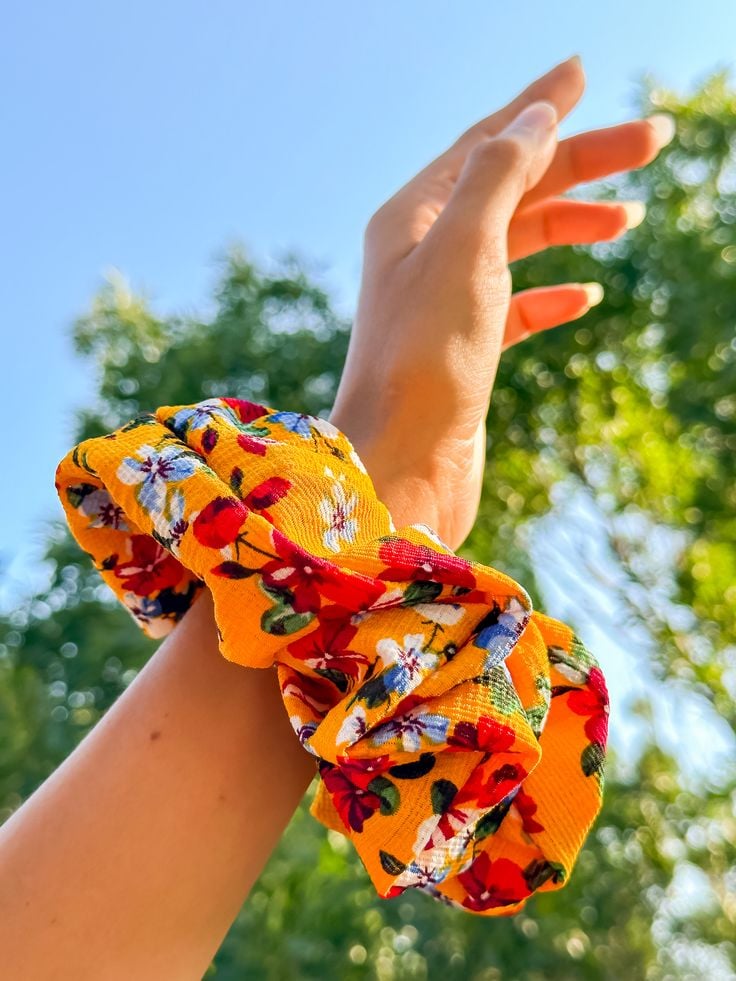
Oversized scrunchies are all about volume.
The wide, puffy gathers can turn a simple ponytail into a statement piece, which appeals to customers who like bold styling.
Fullness comes from fabric width and elastic length.
A wider, longer strip creates more gathers, but too much fabric on short elastic feels heavy and may slip.
Lightweight fabrics such as cotton lawn, satin, or crepe hold volume without weighing down the hair.
Make a sample, wear it for an hour, and adjust the proportions until it feels comfortable.
For styling photos, show it on a high bun and a low ponytail.
Oversized designs also work well in gift collections, packaged beside a mini scrunchie so the size difference is easy to see.
Pair it with a slightly sturdier elastic so the extra fabric stays supported, and photograph it next to a standard size so buyers can judge the scale.
5. Mini Scrunchies
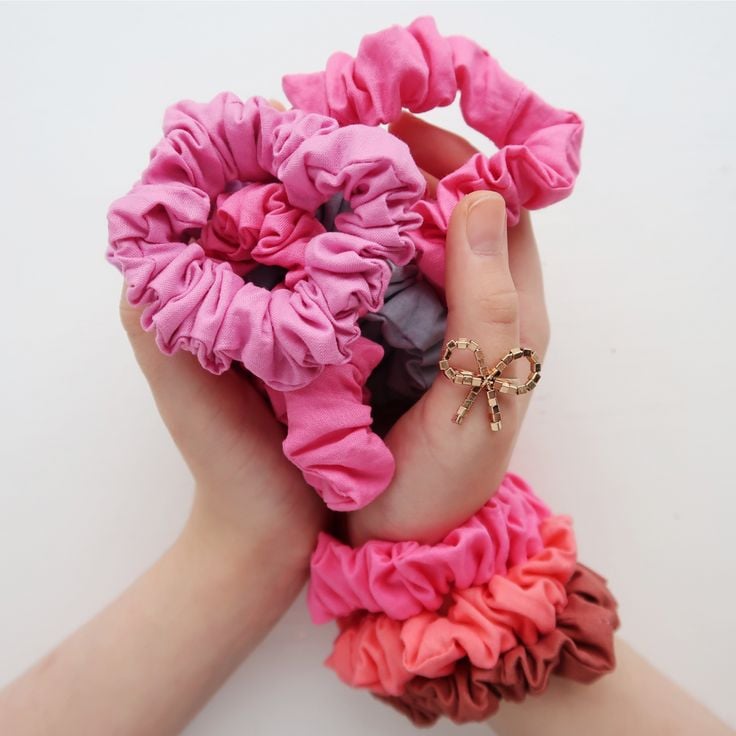
Mini scrunchies are small, light, and subtle.
They suit customers who want a neat accessory for braids, half-up styles, short ponytails, or fine hair.
Lightweight cotton, rayon, and thin satin keep the gathers delicate rather than bulky.
Use narrow elastic, such as an eighth-inch width, and shorten the strip so the loop doesn’t look cramped.
Small pieces are fiddly, so take your time threading the elastic and closing the opening with a tidy hand stitch.
Trim threads close and check that the finished loop isn’t too tight.
Multipacks work especially well here. Sell three or five minis in complementary colors, such as cream, tan, and soft brown, and buyers can pick a shade to match each outfit.
Since minis use small scraps, they fit nicely with other small sewing projects that are easy to sell.
A simple card or small pouch keeps the pack tidy.
6. Skinny Scrunchies
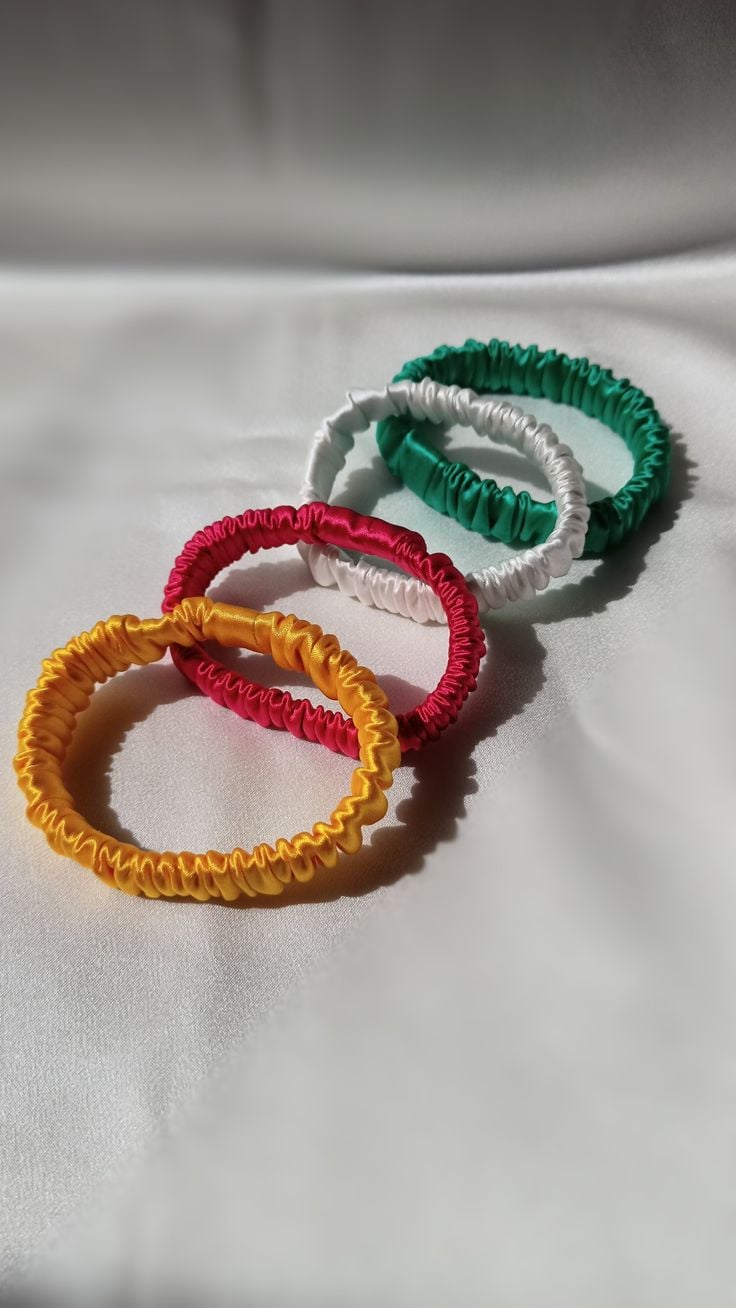
Skinny scrunchies have a slim, understated profile.
They look more like a stylish hair tie than a statement accessory, so they suit everyday wear, offices, and customers who dislike extra volume.
Narrow fabric tubes are harder to work with than wide ones.
Turning them right side out takes patience, so use a loop turner or a safety pin attached to one end.
Keep the seam allowance small, about a quarter inch, so the tube doesn’t become too thick inside.
Thread slim elastic carefully so it does not twist.
Because there is less fabric, choose solid colors or prints with small details that read well at a narrow width.
Large patterns can look cut off. Sell skinny scrunchies in neutral sets for daily use, or mix one with a thicker style in a duo.
Close the opening securely, since slim pieces get tugged often.
7. Ruffled Scrunchies
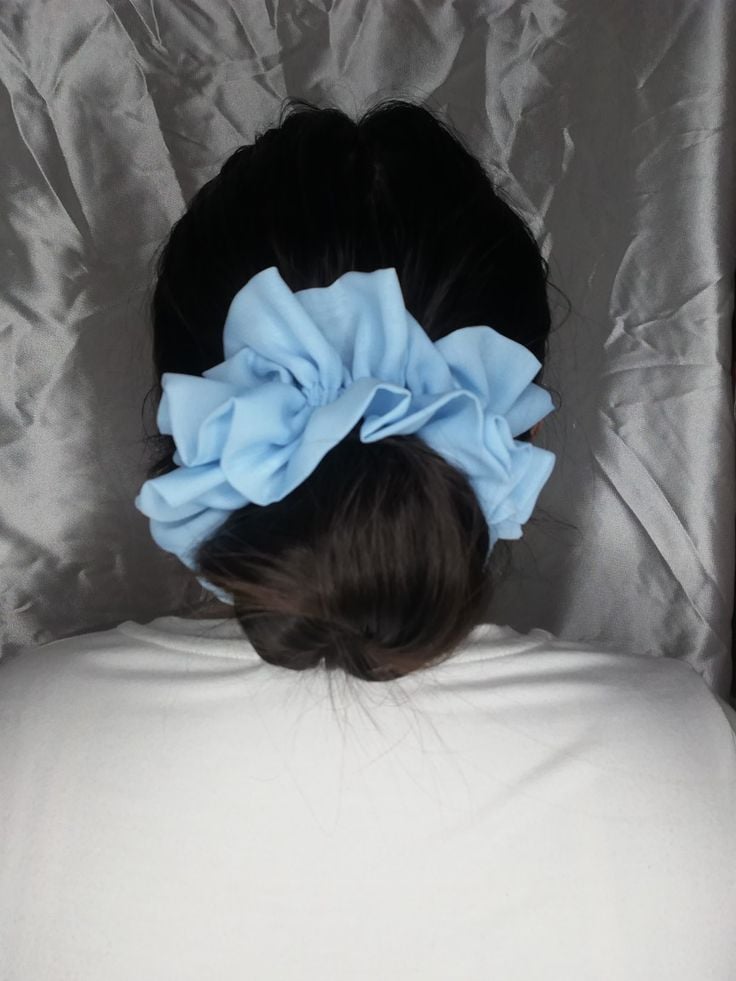
Ruffled scrunchies have extra gathered or layered fabric that creates a decorative edge.
One method is to attach a narrow ruffle strip along the side of a standard tube; another is to fold a wide strip so a frill forms naturally.
Balance matters. A ruffle that is too deep or too full makes the scrunchie bulky and awkward to wear, so test a few widths before cutting a full batch.
Soft cotton voile, chiffon, and lightweight satin gather smoothly, while stiff fabrics tend to stick out.
Romantic designs in pastel florals suit weddings and brunches, while bright, playful ruffles appeal to younger customers.
Finish ruffle edges with a narrow hem or a serged edge so they don’t fray after wear.
Gentle gathers are easier to control if you use a longer stitch and pull the bobbin thread evenly.
Sew the join neatly so the ruffle sits flat.
8. Bow Scrunchies
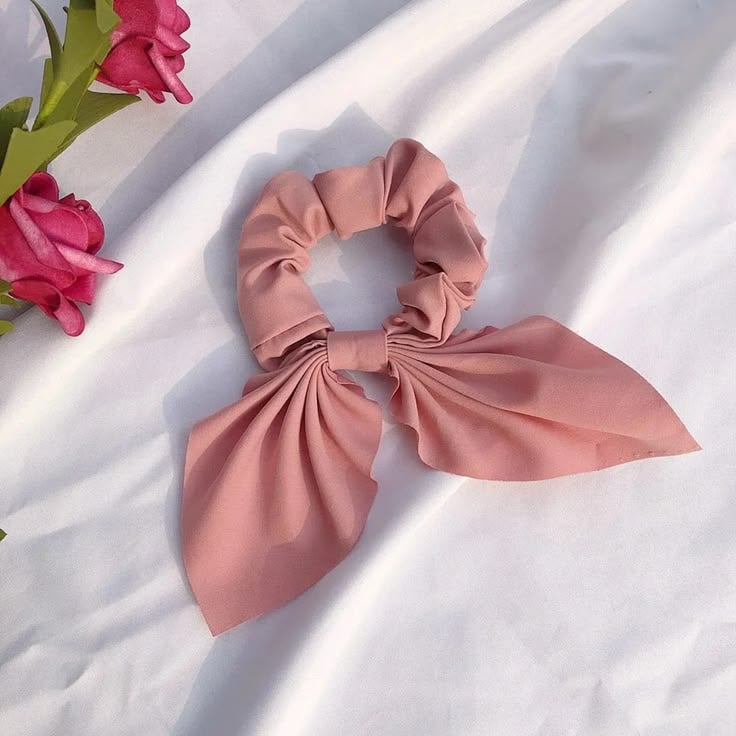
Bow scrunchies add a fabric bow to the gathered band, giving a more decorative look.
Attached bows keep everything in one piece, while detachable ones let buyers swap or remove the bow.
If you make detachable bows, attach them with a sturdy clip or a hook-and-loop tab, and avoid tiny parts in anything meant for young children.
Stitch bows firmly onto the scrunchie, going over the center several times, since this area takes the most pulling. Proportion makes a big difference.
A small bow looks neat and sweet, while a larger bow becomes the focus of the design.
Solid satin gives a classic look, polka dots feel playful, and velvet feels dressier.
Use interfacing or a lightly stiffened fabric if the bow flops, and wrap the center tightly so it holds its shape.
Keep a few sample bows in different sizes to see what feels balanced.
9. Scrunchies with Long Tails
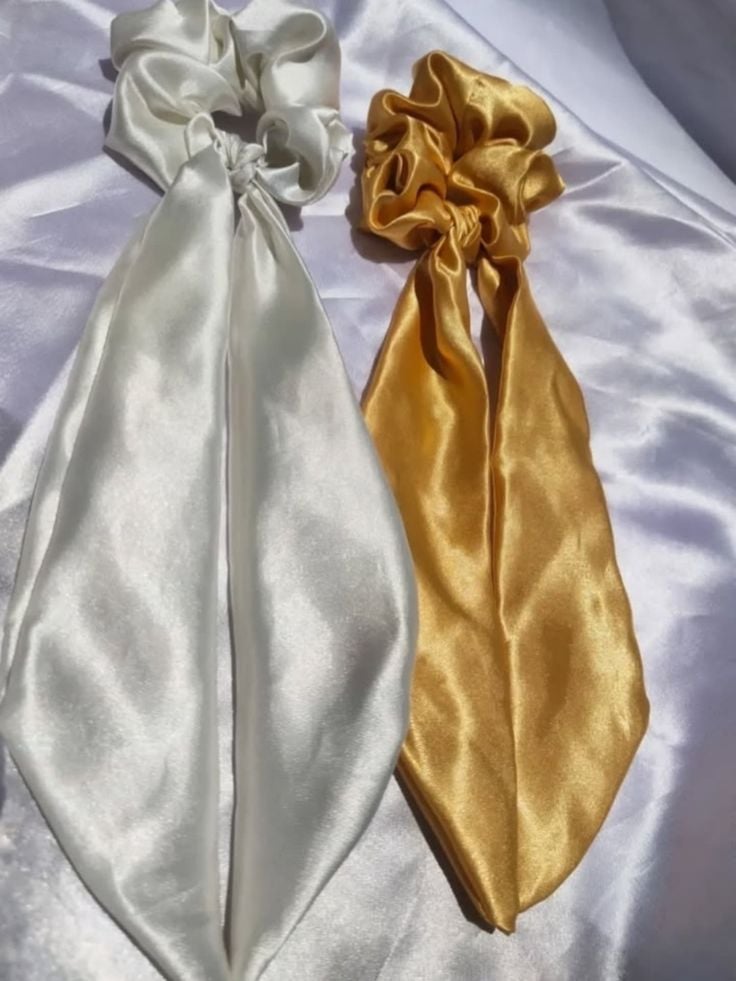
Scrunchies with long tails have two flowing fabric ends hanging from the gathered band.
Unlike a bow scrunchie, the tails are not tied or shaped into a loop; they swing freely and can be knotted by the wearer.
Tail length changes the style: shorter tails feel casual, while longer ones look dramatic on a ponytail.
Straight, angled, or pointed ends all give different looks.
Lightweight fabrics like chiffon, rayon, and thin cotton drape well, while heavier fabrics may drag the scrunchie down.
Sew the tails into the seam of the band, then reinforce the join with backstitching so they won’t pull out.
Finish the ends with a narrow hem or a rolled edge to prevent fraying.
Scarf-style prints, soft solids, and polka dots suit this design, which appeals to customers who like a relaxed, flowing look.
Photograph it from the back so buyers can see the tails.
10. Pleated Scrunchies
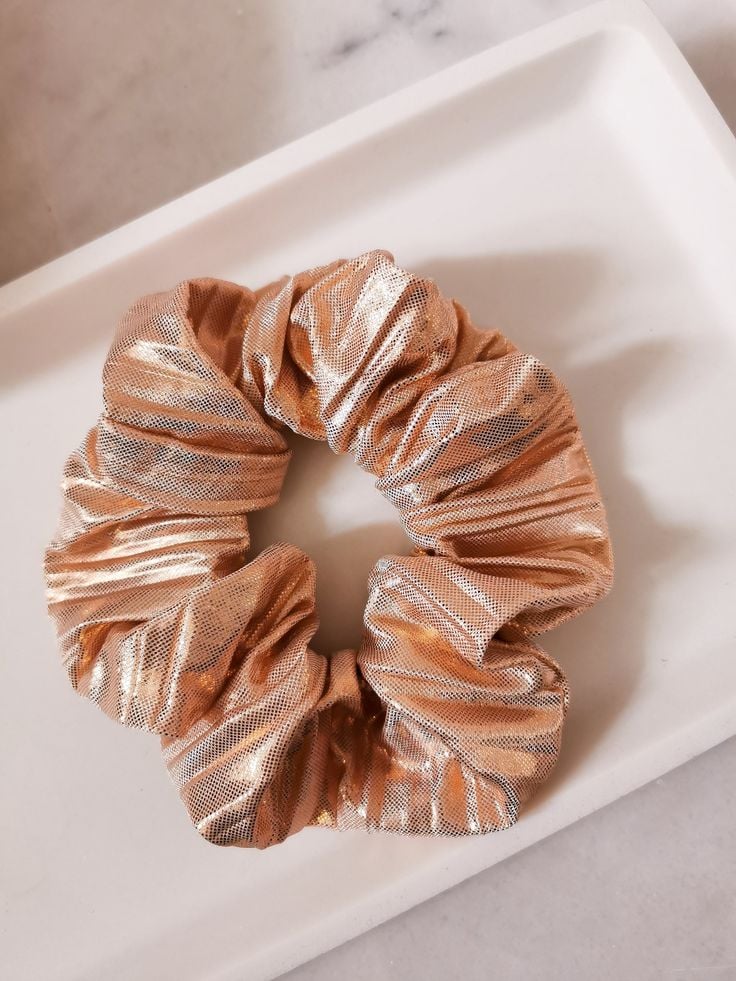
Pleated scrunchies use controlled folds to create a structured, textured look.
Instead of random gathers, the fabric forms neat, repeating ridges. Consistency is the main challenge.
Mark pleat widths with a ruler and chalk, then press each fold before stitching so they stay even.
Medium-weight cotton, satin, and crepe hold pleats better than thick fabrics, which build up bulk.
Always test a pleat width on scrap fabric first.
A repeated pleat pattern can become a recognizable part of your shop’s style, helping buyers spot your work in photos.
That consistency matters if you decide to produce larger runs, and these ideas for making sewing products in bulk offer useful batch-production habits.
Use the same pleat depth, fabric cut size, and elastic length for each batch.
Solid colors show pleats best, while subtle prints can hide small irregularities.
11. Floral Print Scrunchies
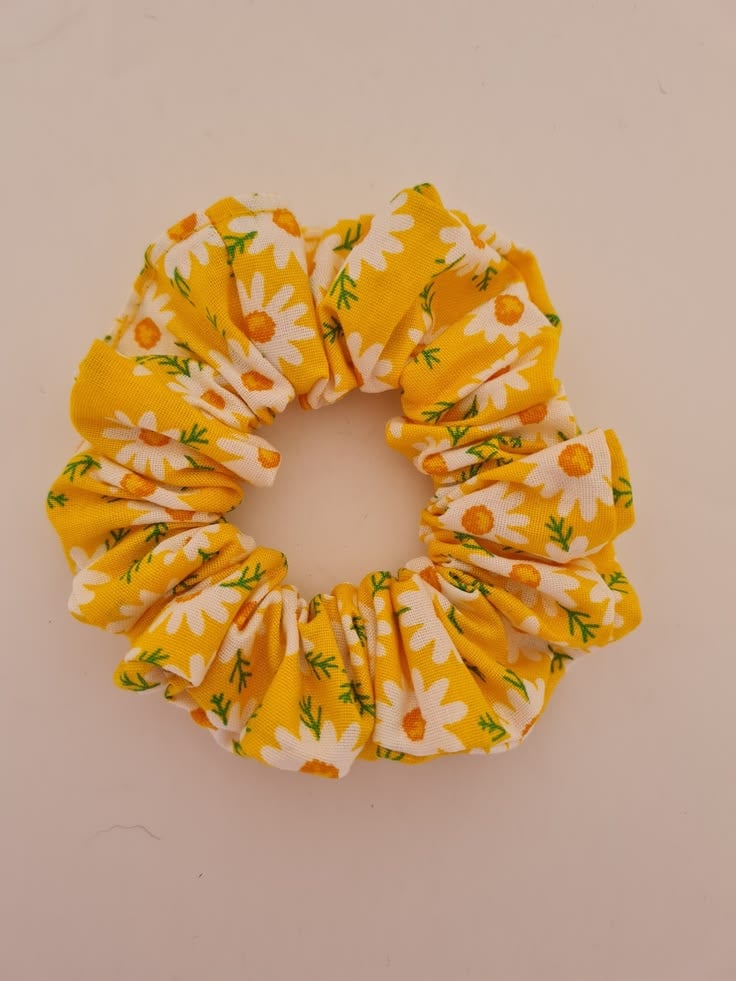
Floral print scrunchies cover a wide range of moods.
Small ditsy florals feel soft and vintage, bold botanical prints feel modern, and seasonal color mixes can suit spring or autumn.
Print scale matters. A large flower may be cut awkwardly across a narrow strip, so check how the pattern will look once it’s gathered.
Smaller prints usually gather into a more even, blended look.
Cotton, rayon, and satin are common choices, and fabric with a clean background keeps the design neat.
Florals are also a good base for a collection, and a themed set is one of the Scrunchie Ideas to Sew and Sell that can give a small shop a clear look.
Pair one print with a matching solid and a mini version to create a small garden-themed set.
Place the pattern so the most attractive flowers stay visible after gathering.
12. Gingham Scrunchies
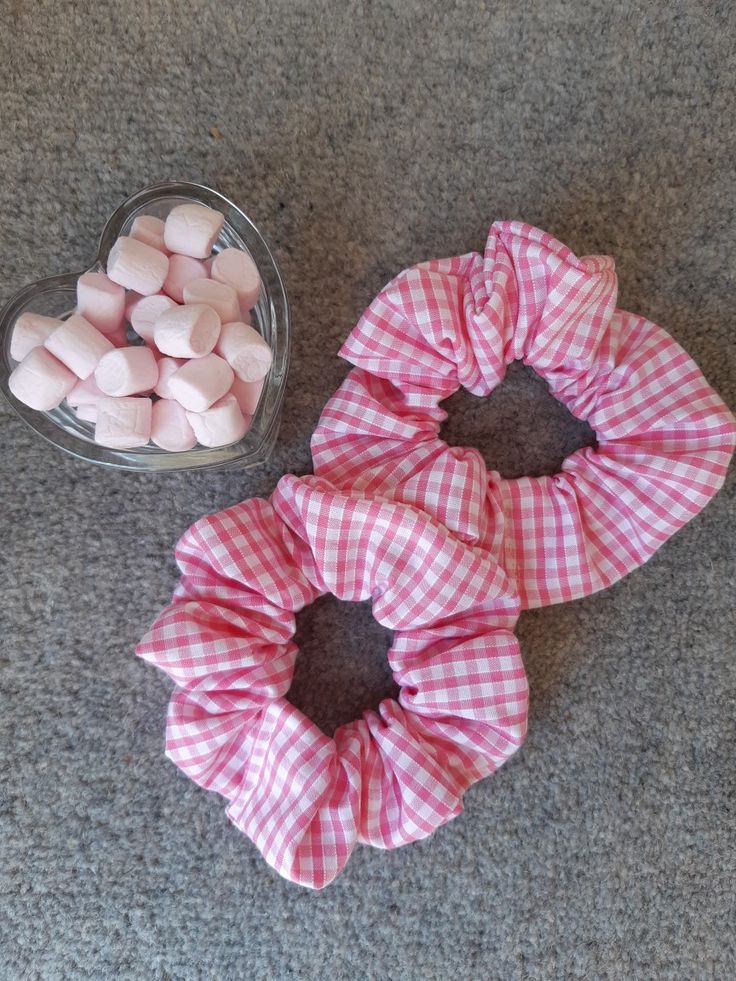
Gingham scrunchies have a casual, classic look thanks to their familiar checked pattern.
They suit picnic outfits, summer styling, and customers who like a clean, cheerful pattern.
Check size changes the personality. Small checks look neat and traditional, while large checks feel bold and playful.
Where practical, match the checks at the seam so the pattern looks continuous rather than interrupted.
Cutting the strip along the grain helps the lines run straight, which is easier to do with woven gingham than with printed lookalikes.
Printed checks may sit slightly off grain, so look closely before cutting.
Color-themed sets help gingham stand out.
Offer a pink, blue, and green trio, or a red-and-white set for festive picnics.
Pair gingham with solid scrunchies for a simple mix-and-match bundle.
Pre-wash if you plan to mix it with other fabrics, since cotton can shrink.
13. Corduroy Scrunchies
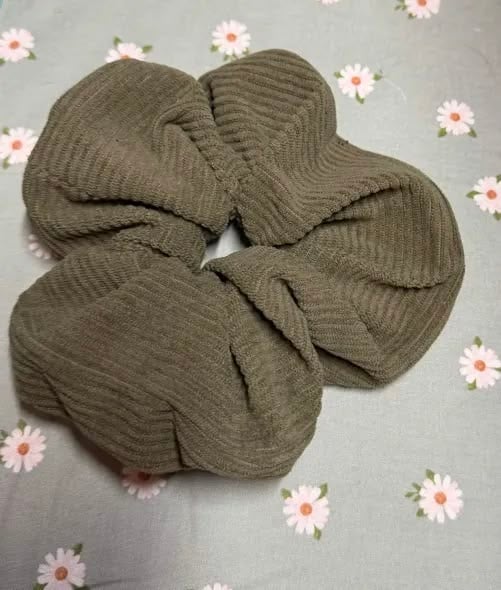
Corduroy scrunchies stand out for their ribbed texture, which gives them a cozy, slightly retro look.
Choose lightweight or fine-wale corduroy, since thick versions create too much bulk once gathered.
Like velvet, corduroy has a pile direction, so cut all strips the same way and check the nap before sewing.
Seam bulk can be a problem, so trim the seam allowance carefully and press it open before turning the tube.
If you’re working on a home machine, this list of projects you can make with a basic sewing machine shows how much simple equipment can handle.
Rust, mustard, forest green, and cream suit the texture.
Wide-wale cords look dramatic but can feel heavy, so test one before committing to a batch.
Add a washing note that suggests turning the scrunchie inside out.
Corduroy may flatten with heavy pressing, so use a press cloth.
14. Linen Scrunchies
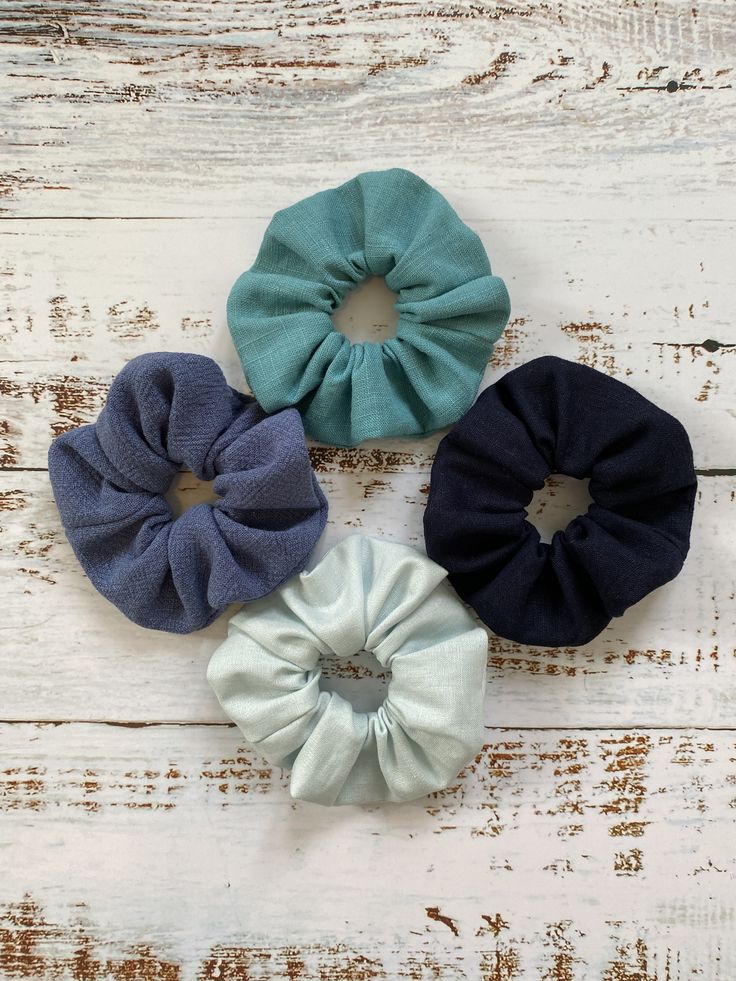
Linen scrunchies have a natural, slightly textured look that suits relaxed outfits and warm weather.
Their muted feel appeals to customers who like earthy, understated accessories.
Choose lightweight linen or a linen blend, because heavy linen can feel stiff when gathered.
Linen creases easily, so some wrinkling is part of the charm; say so in your listing so buyers know what to expect.
Pre-wash the fabric before cutting, since linen can shrink and soften after washing.
Neutral collections work well here: oatmeal, sand, olive, terracotta, and soft blue.
Linen frays quickly, so finish raw edges or sew the tube with enclosed seams to avoid loose threads.
Include simple care instructions, such as washing gently and drying flat or on low heat.
A kraft paper tag or a natural cotton ribbon suits the look.
A linen-cotton blend is worth trying if you want fewer creases.
15. Eyelet Lace Scrunchies
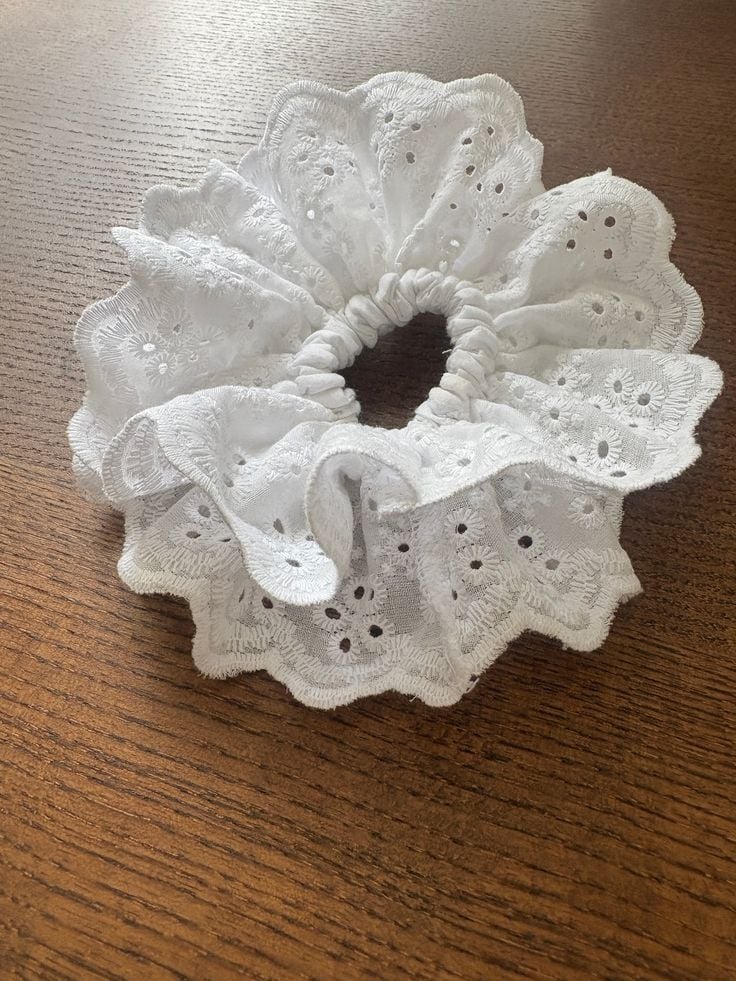
Eyelet lace scrunchies feature small cutwork holes, embroidery, and a light, feminine finish.
They suit spring and summer outfits and customers who like a vintage or cottage style.
The fabric needs careful handling, because the open areas can stretch, snag, or fray.
Use a sharp, fine needle, stitch slowly, and avoid pulling the fabric as it passes under the presser foot.
If the fabric is too open or see-through, line it with plain cotton or lightweight satin so the elastic and seams don’t show.
Layering white eyelet over a colored lining creates a different look for each color.
Finish edges neatly with a narrow hem or enclosed seam.
Check the inside for loose threads or rough embroidery that could catch hair or irritate skin.
Offer a soft white, ivory, and pale blue range.
Mention gentle washing in your care notes.
16. Sherpa Scrunchies
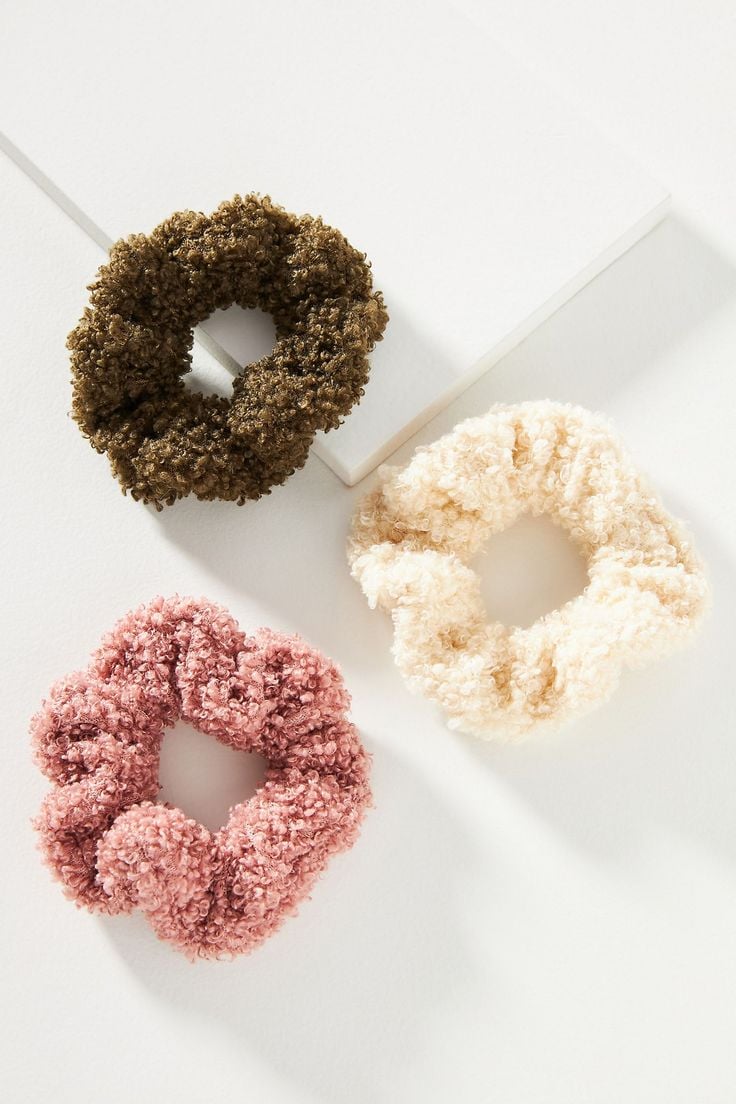
Sherpa scrunchies have a fluffy, cozy look that is very different from smooth satin or crisp cotton.
They suit cold-weather outfits, winter collections, and customers who like soft textures.
The thickness of sherpa affects everything.
Gathering is harder, seams get bulky, and too much fabric can make the scrunchie heavy.
Use a shorter, narrower strip than you would for cotton, and consider a wider, stretchy elastic to support the weight.
Trim the fluff away from the seam allowance before sewing to reduce bulk.
Clips work better than pins, and a walking foot helps the layers feed evenly.
Cream, camel, and soft gray look calm and cozy, while a bright color adds fun.
Sherpa sheds a few fibers, so shake out loose fluff before packaging.
If you’re expanding into winter styling, these easy accessories to sew and sell offer more small accessory ideas.
17. Hidden Zipper Pocket Scrunchies
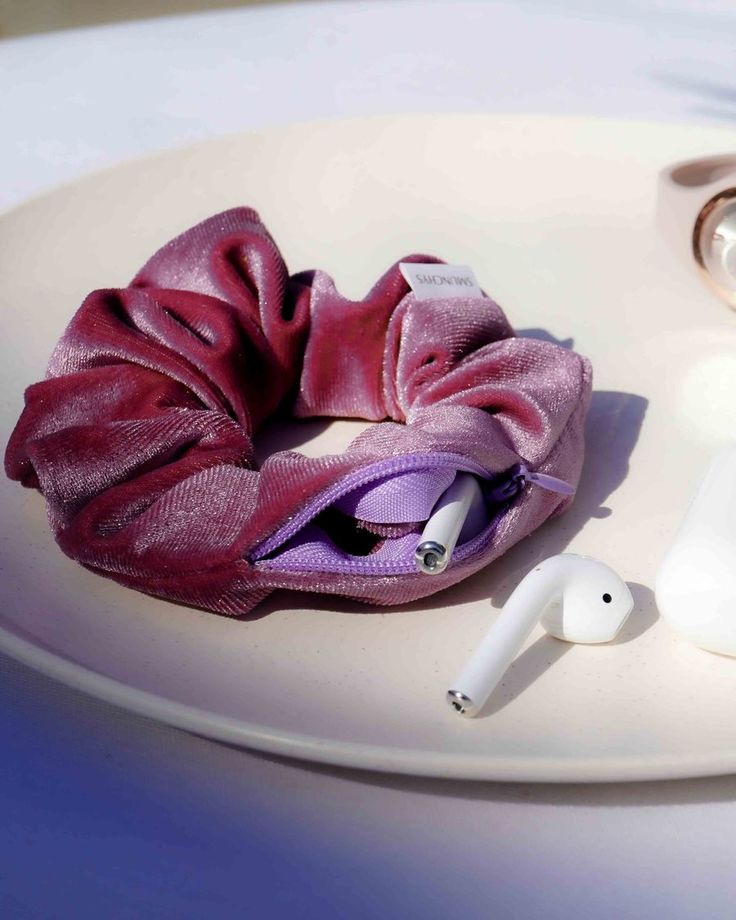
Hidden zipper pocket scrunchies include a small concealed pocket along the band, which makes them different from an ordinary scrunchie.
Be realistic about storage: the pocket is only suitable for very small, lightweight items, such as a folded note or a spare hairpin.
Do not present it as secure storage for valuables.
Choose a short, lightweight zipper, and place it where it won’t press against the head when worn.
The pocket should sit along a flat section of the scrunchie, with extra seam reinforcement at both ends of the zipper.
Stitch the pocket lining securely, and finish edges so the zipper tape doesn’t scratch.
Because the zipper adds stiffness, test it on a ponytail before selling.
Slightly firmer fabrics such as cotton or satin hold the shape better than slippery ones.
Describe the size of the pocket clearly in your listing and show it on a hand for scale.
18. Holiday-Themed Scrunchies
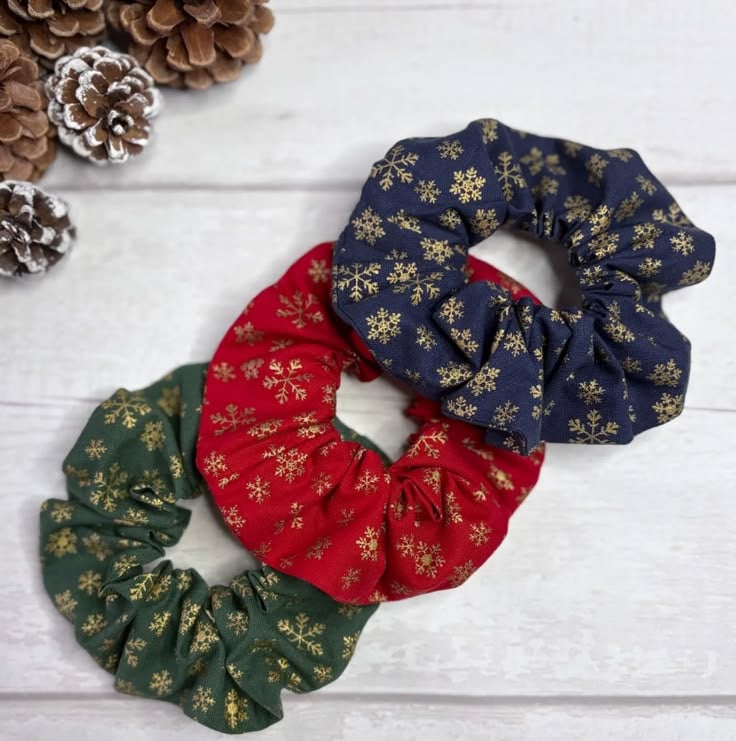
Holiday-themed scrunchies use festive prints and seasonal colors to match occasions like Christmas, Valentine’s Day, Halloween, and Easter.
Red and green plaid, pink hearts, orange and black stripes, and pastel florals each suit a different time of year.
Limited seasonal collections can create a sense of occasion, but they need advance preparation.
Plan and sew pieces weeks ahead of the holiday so you can photograph, list, and package them calmly.
Multipacks work well for gifting; a set of three in coordinated colors is ready to wrap.
Seasonal designs are among the more flexible Scrunchie Ideas to Sew and Sell, since you can refresh them with new colors each year.
Custom color combinations or a handwritten gift tag add a personal touch, and you can find more ideas in these personalized sewing products to sell online.
Avoid glitter fabrics that shed, and check that metallic prints feel soft against the hair.
19. Kids’ Scrunchies
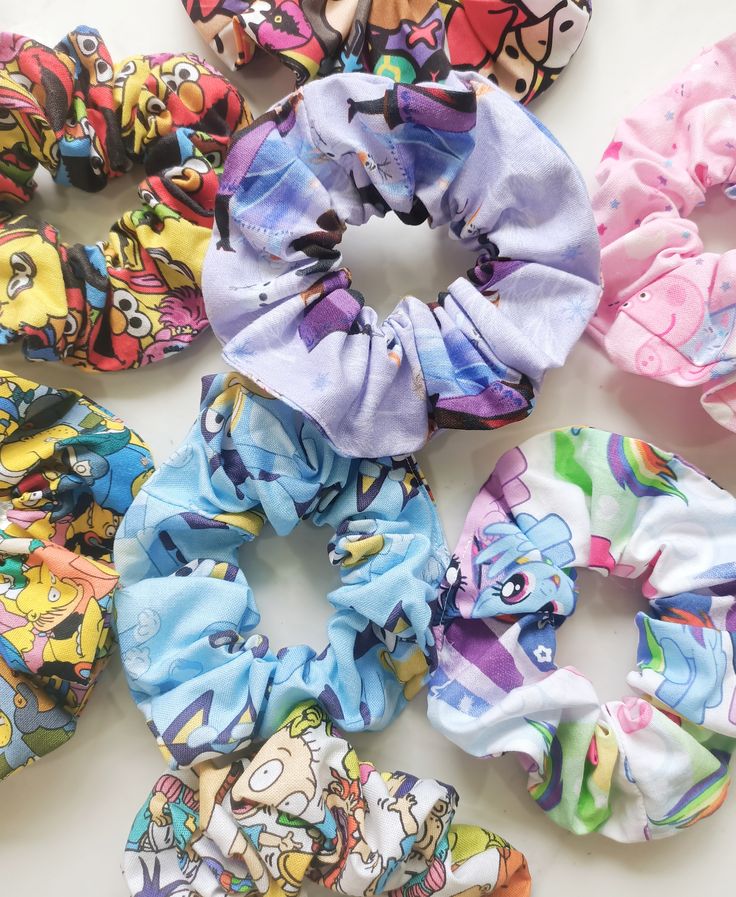
Kids’ scrunchies focus on cheerful colors, playful prints, and comfortable sizing.
Rainbows, animals, stars, and bright solids all work, and smaller proportions suit smaller ponytails.
Choose soft cotton, jersey, or satin, and use gentle elastic that is not too tight.
Test the elastic for comfort, and err on the side of a looser fit.
Safety comes first. Avoid detachable decorations, beads, buttons, and other small parts that could become choking hazards.
Sew bows and trims on very securely, or leave them off entirely for young children.
Check seams carefully and make sure the opening is stitched closed neatly.
Avoid claims about preventing hair damage or breakage unless you can back them up.
Matching a child’s scrunchie with a parent’s version in the same fabric can be a sweet gift idea.
Add a note in your listing about the intended age range.
20. Matching Scrunchie and Headband Sets
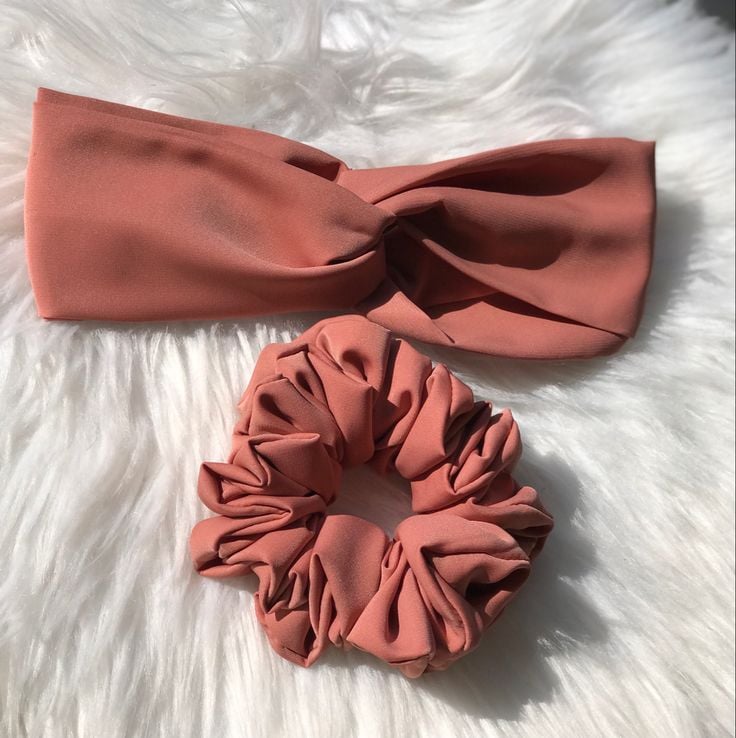
Matching scrunchie and headband sets turn a single accessory into a coordinated offering.
Using the same fabric, or complementary prints, makes the pieces feel like they belong together.
Consistent finishing matters: seam width, elastic choice, and gathering should look the same across both pieces.
A knotted or twisted satin headband pairs nicely with a classic scrunchie, while a floral set can combine a wide band with a mini scrunchie.
Sets give customers a ready-made coordinated look and let you widen your range of Scrunchie Ideas to Sew and Sell without designing something entirely new.
If you want more matching pieces, this collection of hair accessories to sew and sell 26 Hair Accessories to Sew and Sell has ideas that can join a set.
Think about presentation, too: a simple band, a folded card, or a small box with tissue makes the set gift-ready.
Keep headband stretch comfortable and offer a few colorways.
Practical Sewing and Selling Considerations
Before you start sewing for customers, take a little time to plan.
These points apply to nearly all the Scrunchie Ideas to Sew and Sell above.
Match the fabric to the design and the buyer.
A dressy velvet needs different handling from a kids’ cotton, and thick sherpa needs a different strip size than light linen.
Choose elastic that is soft, comfortable, and the right width for the size of the scrunchie.
Test the elastic length and the gathering on a sample before producing a full batch, because small changes make a big difference in how full or tight the finished piece feels.
Keep seams secure and finishes neat. Backstitch at the start and end, close the opening carefully, and check that there are no rough or exposed edges.
Wear a sample for a while to confirm it is comfortable.
Add washing and care instructions that suit each fabric, such as gentle hand washing or spot cleaning.
Calculate the cost of fabric, elastic, thread, packaging, and your time before setting prices.
This guide to sewing products with low material costs is a helpful reference as you plan your materials.
Photograph each piece in natural light so customers can see the texture, size, colors, and details.
A close-up and a shot on a ponytail or wrist both help.
For ideas on presenting handmade products in an online shop, see these Etsy sewing ideas.
Offer useful color combinations, multipacks, seasonal designs, and matching accessories, but start small.
Whichever Scrunchie Ideas to Sew and Sell you choose, make one sample first, then several.
For broader inspiration, these handmade sewing products to sell online are also worth a look.
Conclusion
From glossy satin to cozy sherpa, scrunchies show how much variety can come from one simple shape.
Fabric, size, texture, and decorative details can give you a collection that suits different customers, outfits, and seasons.
Start with a few designs that match your skills, make careful samples, and test the construction before sewing more.
As you expand, keep quality consistent, use comfortable elastic, and present each piece attractively, even if you sell them singly or in thoughtful sets.
The best Scrunchie Ideas to Sew and Sell are the ones you can make well and describe honestly.
Take your time, learn from each batch, and let your shop grow at a pace that suits you.