If your sewing time comes in short bursts, quick sewing projects to make and sell are a smart way to use it.
Not everyone has hours to spare at the sewing machine.
Between work, family, and everything else, sewing time often comes in small pockets.
That’s where short, useful projects help.
You can finish something real in one sitting and still feel you’re getting somewhere.
This list of quick sewing projects to make and sell covers accessories, home items, handy organizers, clothing details, and pet products.
Each one is quick for a different reason. Some use tiny scraps, some have simple shapes, and some only get faster once you’ve made a few.
If you want even faster ideas, try these 30 sewing projects you can make in one hour and sell. Quick doesn’t mean rushed, though.
A well-planned project with simple construction can still look neat and professional.
Along the way, I’ll be honest about which projects are truly easy and which need a little extra care.
The 31 Quick Sewing Projects to Make and Sell
1. Car Coasters
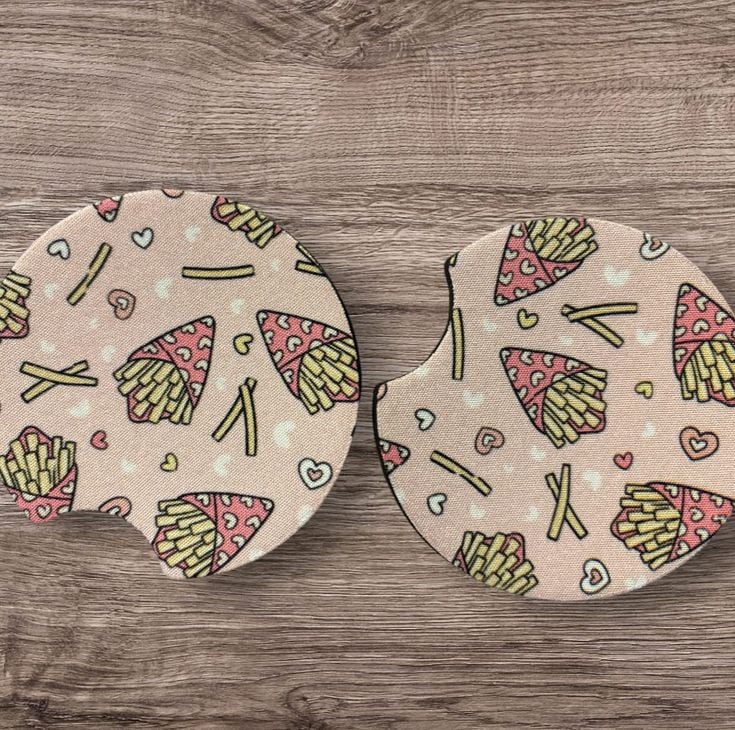
Cup holders collect crumbs, drips, and sticky rings, and fabric coasters keep them cleaner while adding a bit of personality to the car.
They’re a good pick when you want quick sewing projects to make and sell using what’s already in your scrap bin.
Each coaster is small and the shape is simple: cut two circles or squares, put a layer of felt or batting between them, then stitch around the edge.
Cotton on top with a thicker backing works well, and both can go in the wash.
Measure first, because cup holders vary a lot between cars, and put the size in your listing.
Cutting several layers at once with a rotary cutter saves time, and it keeps every coaster the same size.
Sell them as matching pairs, or try sets themed around seasons or hobbies.
2. Headphone Ear Pad Covers
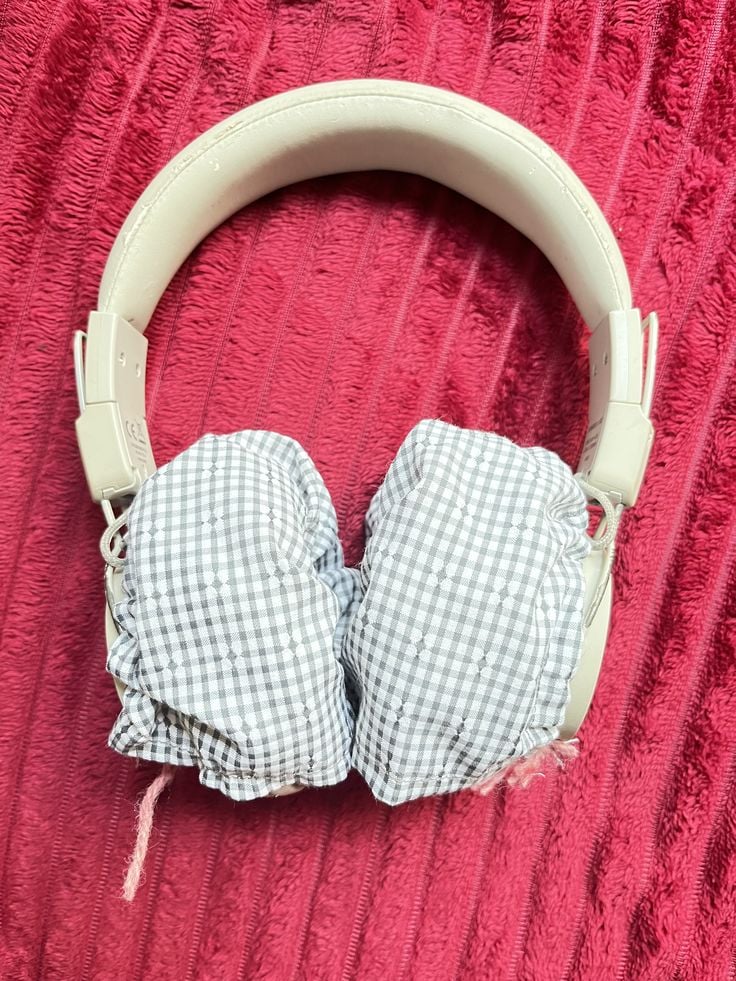
People like to protect or refresh their headphone ear pads, and a fabric cover does both.
You need very little fabric, but the fit has to be right, so measure carefully before you cut.
Stretch fabrics like jersey or soft knits usually work best, with a gathered or elasticated opening that hugs the pad.
Sew neat seams, since they’ll sit against the skin.
The cover has to suit the exact headphone model, and it shouldn’t change the comfort or the sound, or get in the way of any controls.
Make one test cover and try it on the real headphones, then write down the measurements so later covers are quicker.
Clear compatibility details matter more than fancy fabric, because they save buyers from ordering the wrong size.
Planning an online shop? Here are more handmade sewing products to sell online.
3. Pen Sleeves
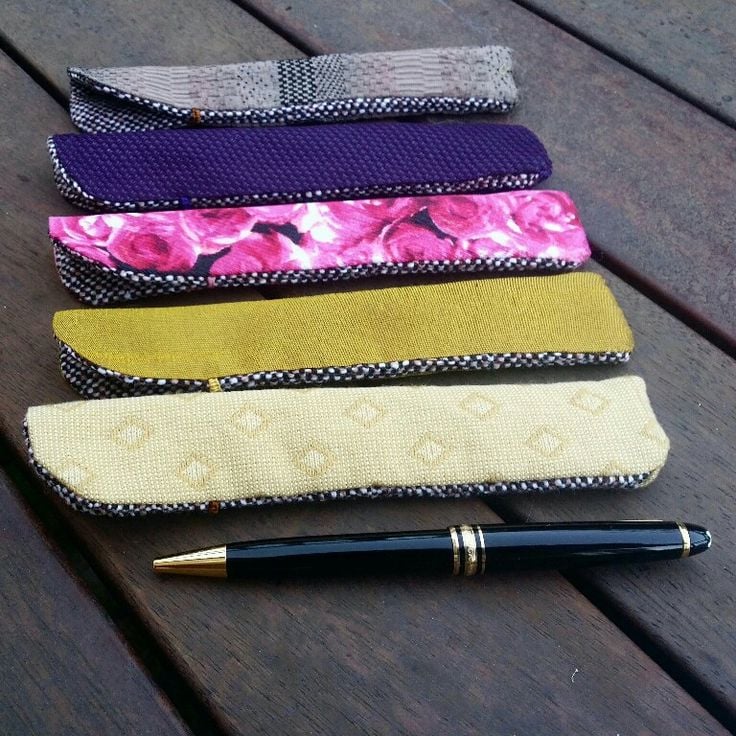
Students, office workers, and artists who like tidy desks are the natural buyers for pen sleeves.
The shape couldn’t be plainer: a rectangle folded in half, with a straight seam down the side and across the bottom.
Add a lining if you like. It looks cleaner, and it stops a sharp pen clip poking through thin fabric.
Since each sleeve needs so little fabric, you can cut them from scraps and chain-sew several in a row without snipping the thread.
Measure the pens you want to fit, from slim gel pens to chunky markers, and make two or three sizes.
Leave the opening wide enough for a pen to slide in easily.
That simplicity is why they sit so well on a list of quick sewing projects to make and sell, and matching sets in one print make nice little gifts.
4. Mug Cozies
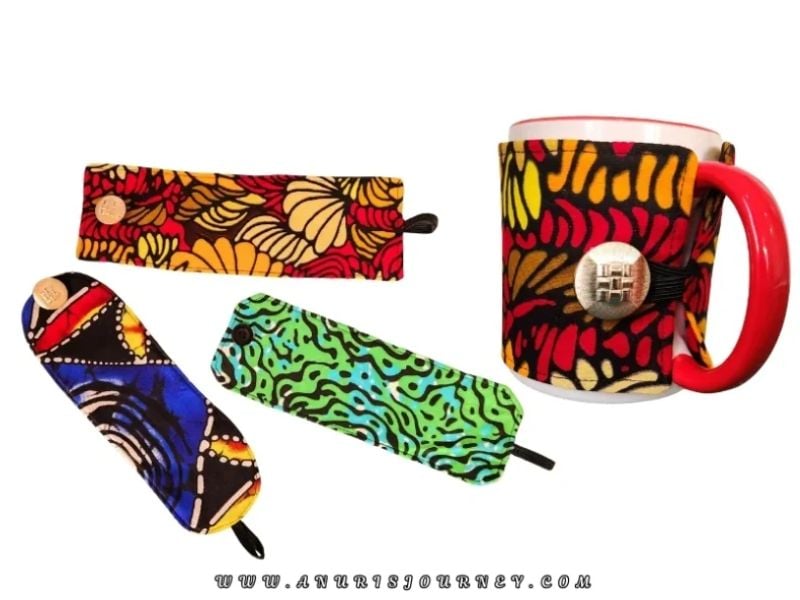
A mug cozy is a small kitchen extra that also works as a gift.
It’s made from two layers of fabric with a thin layer of batting between them, a few straight seams, and a simple closure like a button, hook-and-loop tape, or an elastic loop.
Tightly woven cotton is a sensible fabric choice.
One thing to be careful about: a fabric cozy isn’t automatically heatproof, so don’t sell it as protection from burns.
Call it a decorative sleeve instead. It should fit snugly without blocking the handle.
Cut the batting strips before you start sewing so you aren’t stopping to measure halfway through.
A paper template for your standard mug lets you trace and cut several cozies in one go.
If you’re new to sewing, these easy things to sew and sell for beginners are a good next step.
5. Phone Wrist Straps
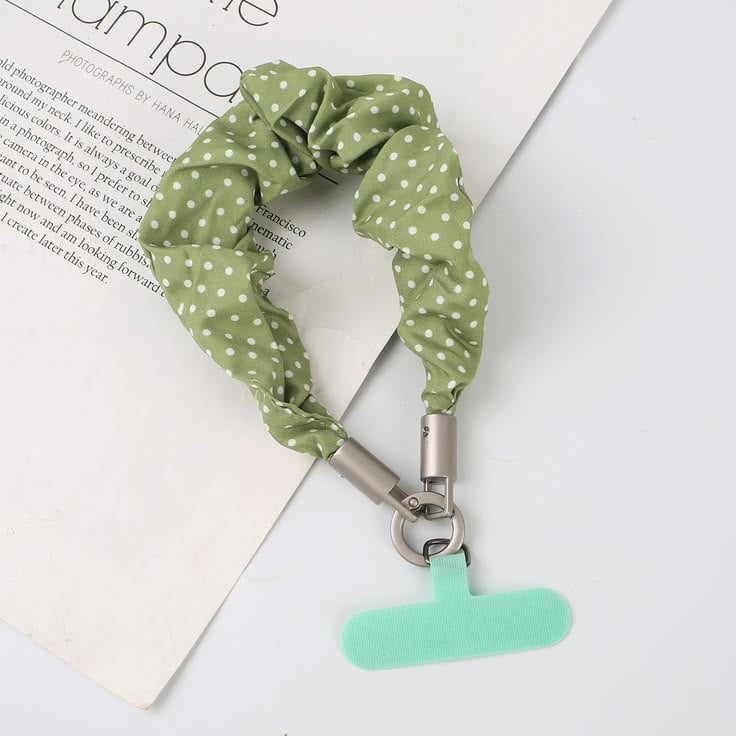
A wrist strap gives people a handy way to carry their phone while they juggle bags, keys, or a pushchair.
The sewing is just a long, narrow strip: fold the edges in, press, and topstitch down both sides.
It’s a nice way to practice sewing narrow pieces neatly.
The attachment needs more thought than the strap.
Most straps loop through a small tab or connector made for that job, so check which kind your buyers’ phones use and pick matching hardware.
Stitch the ends firmly, going over them a few times, because that’s where the pull happens.
Sturdy cotton or doubled canvas holds up well.
Be honest in your listing: a handmade strap is a carrying accessory, not drop protection.
To save time, cut and sew all your strips first, then add the hardware at the end.
Tug each finished strap hard before it goes in the shop.
6. Doorknob Pouches
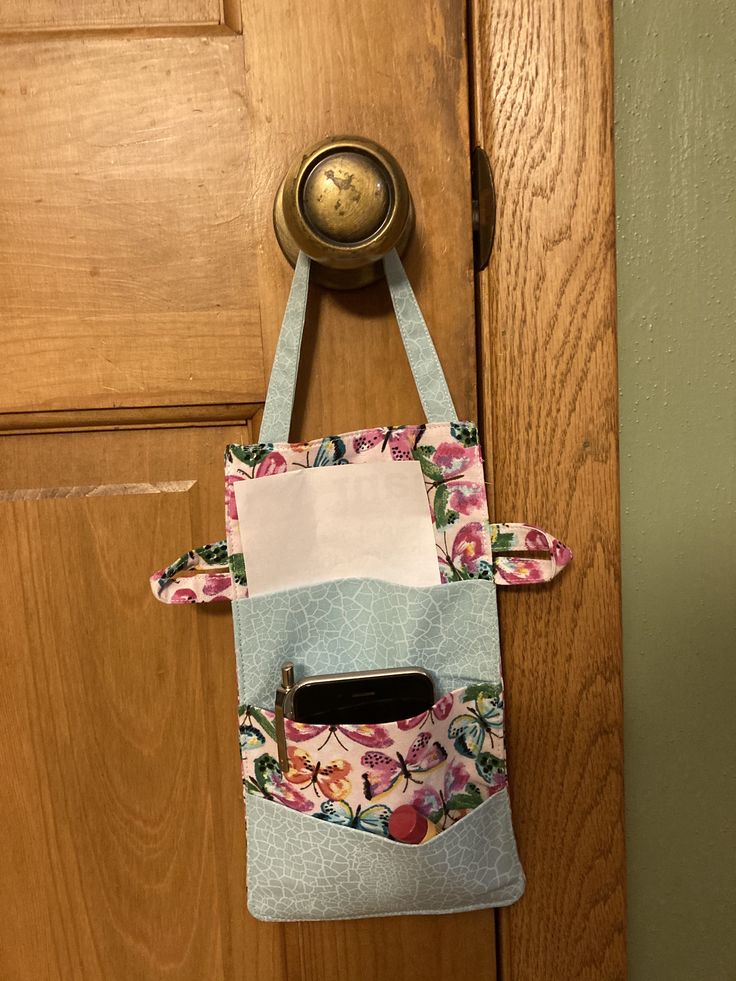
A hanging pouch gives notes, hair ties, keys, or craft bits a home right where you need them.
Bedrooms, craft rooms, and home offices all have a door that could use one.
The pouch is just a small pocket with a loop on top, so it’s one of the simpler quick sewing projects to make and sell for the home.
Cut a front, a back, and a loop strip, sew around, turn, and topstitch.
Medium-weight cotton or canvas works well, and a bit of interfacing helps it hold its shape.
Stitch the loop on firmly, because the contents pull on it every day.
Keep the pouch small enough that it doesn’t bang the wall or catch the door or handle, and suggest a weight limit in your listing.
For more small items you can sew at home, see these things to sew and sell from home
7. Scissor Fobs
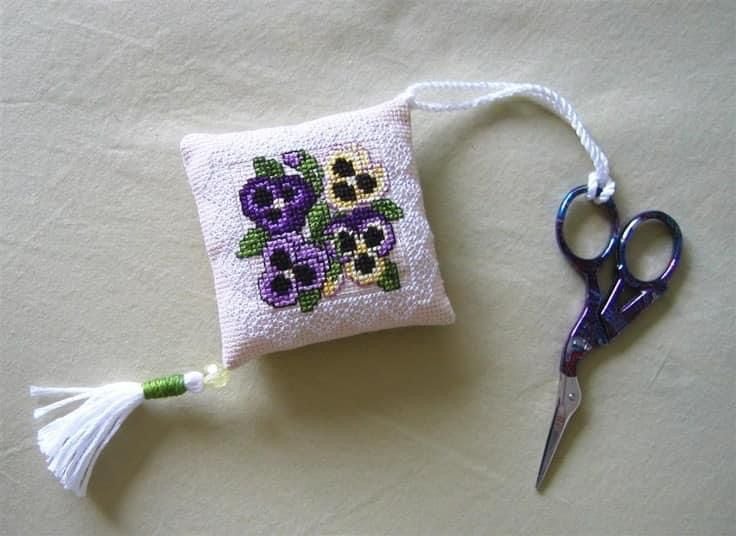
Anyone who sews knows the hunt for missing scissors, which is why a scissor fob makes such a fitting little gift for a sewing friend.
It’s a small decorated tag that loops onto the handle so the scissors are easy to spot.
Cut two shapes from scraps, press a little interfacing onto them so they hold their shape, sew around leaving a gap, turn, and add a loop of ribbon or cord.
That loop is the part to get right, so backstitch it well.
Keep the fob light and bright but not bulky, or it’ll get in the way when someone’s cutting.
Because it uses such a tiny piece of fabric, you can cut a whole row of shapes from a single fat quarter and press the interfacing on in one go.
8. Pool Noodle Covers
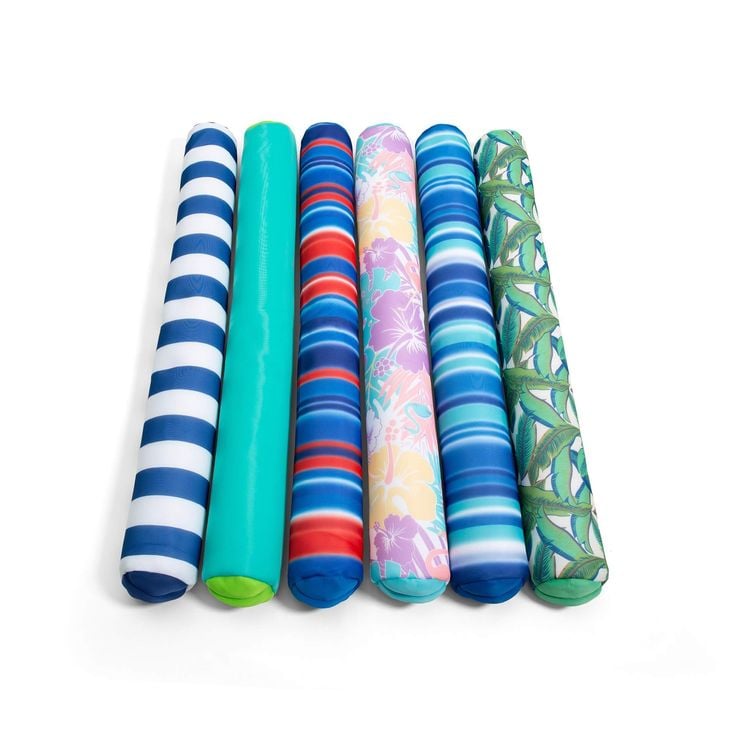
A plain foam noodle looks a bit dull, and a fabric cover turns it into something fun for pool days or parties.
The sewing is easy to follow: one long rectangle, one long seam, and a neat finish at each end.
It isn’t tiny, so it takes a little longer than a pen sleeve, but there are very few steps.
Stretch fabric forgives small measuring slips, though you still need the right width and length for the noodle.
Doing the long seams for several covers in one sitting speeds things up. The cover is only decoration.
It shouldn’t change how the noodle is meant to be used, and you should never describe it as a flotation or safety device.
Try one on a wet noodle first, since damp fabric can stretch.
If long straight seams suit you, these easy sewing projects to make and sell fast might too.
9. Fabric Knot Headbands
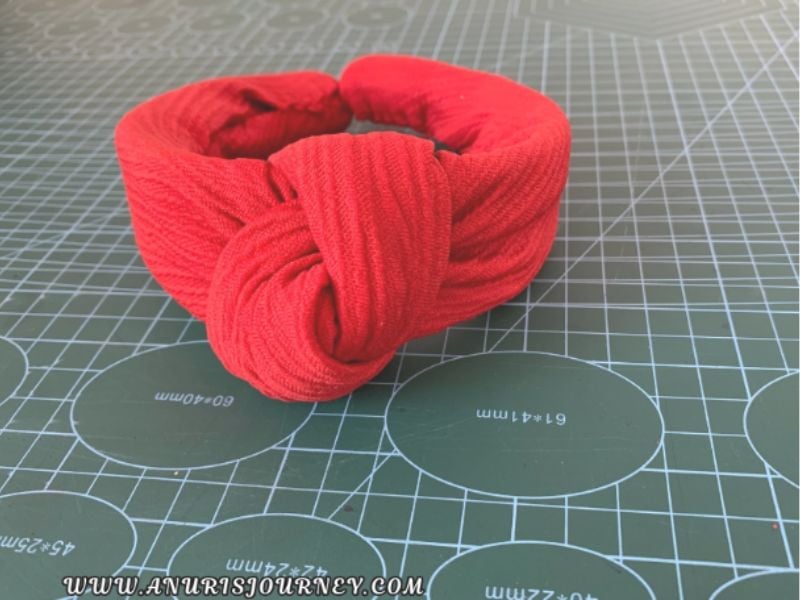
A knot headband looks trickier than it is.
You sew a long fabric tube, turn it right side out, and tie or stitch the knot at the front.
Turning narrow tubes takes a little practice, so be patient with your first few.
A loop turner or a safety pin helps a lot, and the job gets much faster with repeats.
Stretch fabrics like jersey feel comfortable on the head, and a short piece of elastic at the back helps the fit.
Once you’ve had some practice, headbands make good quick sewing projects to make and sell, because one yard of fabric gives you several.
Keep the widths and lengths the same so a batch looks consistent, and press every seam.
Rough seams are easy to feel on something that sits against the head all day.
Three or four prints in one color family make a neat little collection.
10. Remote Control Caddies
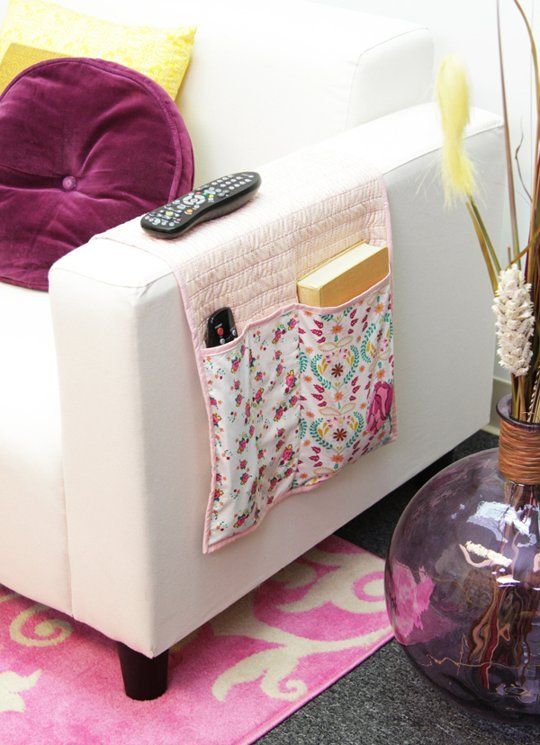
Every living room has a remote control that goes missing between the sofa cushions.
A caddy gives it a permanent home, and it makes a handy gift for anyone who is forever searching.
The sewing is a simple pocket stitched onto a backing panel.
Cut one back and one front, hem the top edge of the front, then sew it down the sides and across the bottom.
Add a second pocket and it can also hold a phone or a pair of glasses.
Sturdy cotton or canvas works well, and a little interfacing stops the pocket from flopping.
Decide how it will sit: a loop to hook over a sofa arm, or a long flap that tucks under a cushion.
Measure a few common remotes first, and make the pocket deep enough that nothing tips out.
Cutting several backs and pockets together keeps a batch even.
For more everyday makes, see these handmade sewing projects.
11. Chopstick Sleeves
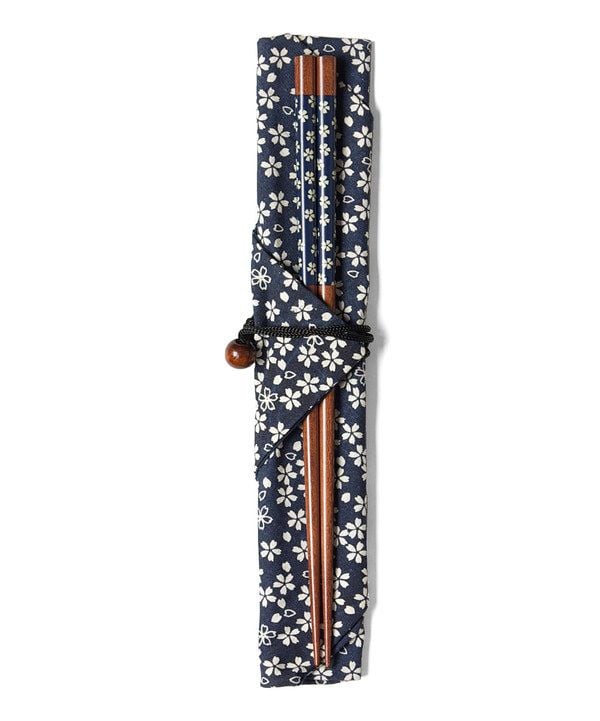
Reusable chopsticks need somewhere clean to live, and a fabric sleeve suits lunch bags, desk drawers, and travel kits.
There’s almost nothing to it: hem the top edge of a rectangle, fold it up, and stitch the side and bottom.
A small flap or tie keeps the chopsticks from slipping out.
Washable cotton or linen blends are good choices.
Wash the fabric before cutting, so the sleeve doesn’t shrink later.
Food or travel prints suit the purpose, and a matching pair of sleeves for two makes a sweet gift.
For customers, one tip matters most: the sleeve should be easy to wash and fully dry before the chopsticks go back in, or it can get musty.
These are handy to sew from offcuts at the end of a bigger project.
12. Blender Covers
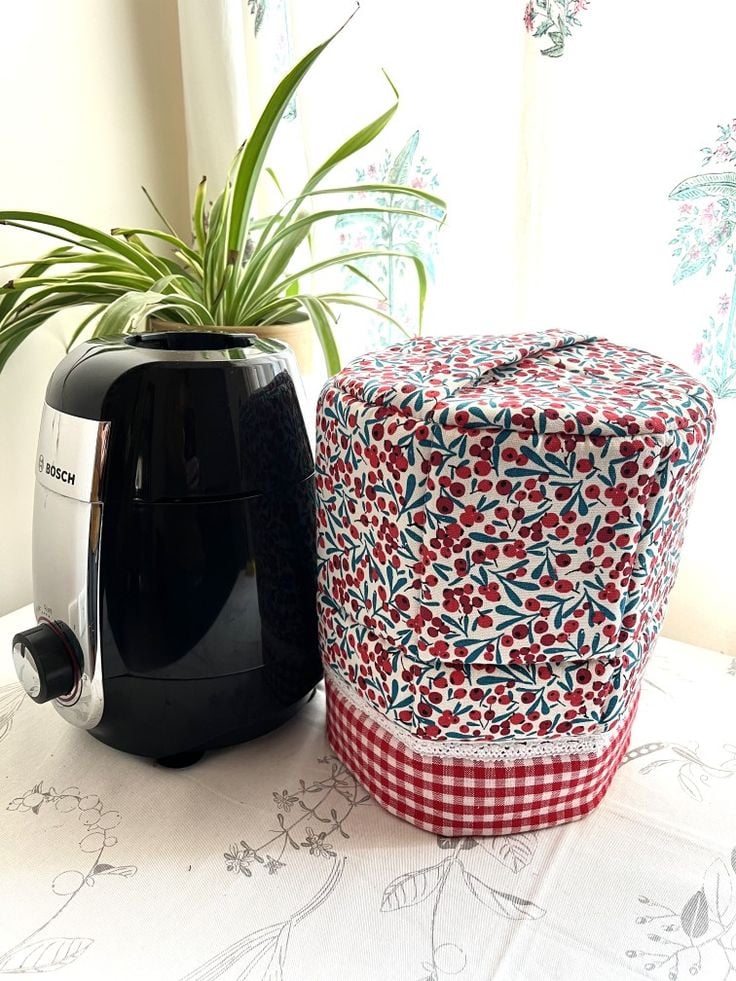
Some people like a tidy counter, and a fitted cover keeps a blender looking neat between uses.
Appliance covers take longer than the tiny items on this list, but they’re still quick sewing projects to make and sell once the pattern is done.
Measure the height, width, and depth, then sew a basic box shape from a few panels.
If you’re a beginner, keep it plain and skip fitted details around the handle.
Washable cotton or light canvas suits kitchens.
Safety matters here. Use the cover only when the blender is switched off, unplugged if needed, and fully cool.
Take it off before the blender runs, and never cover vents or controls.
Put those instructions on a small label or in your listing.
Thinking of selling more than one cover? These sewing ideas for a small business may help you plan a range.
13. Doll Hats
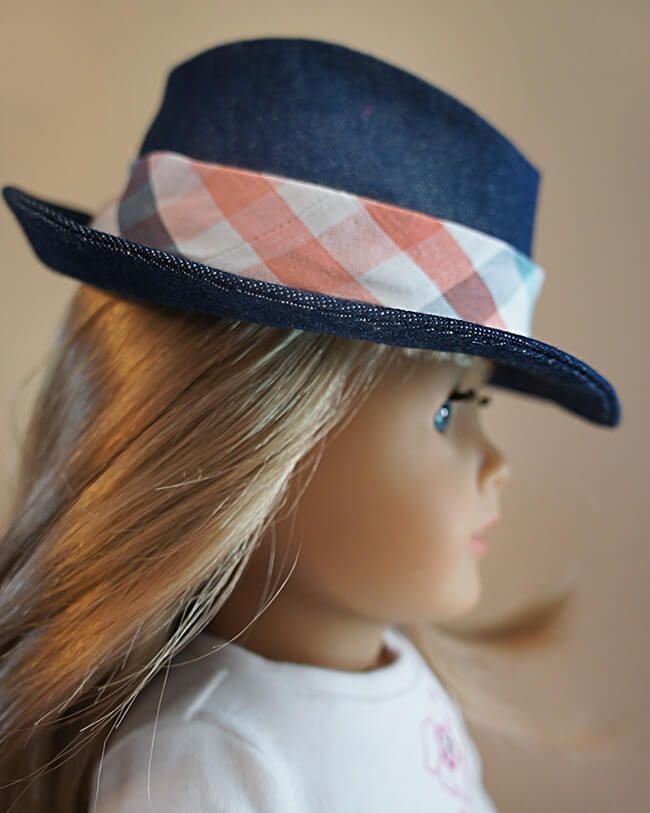
Doll hats are tiny, which is half the fun.
A few scraps are enough for one, and you get practice sewing small curves, turning little pieces, and pressing edges only an inch or two long.
Small curves can be fiddly for beginners, so expect your first few to take longer.
Measure the specific doll, whether it’s a fashion doll, a cuddly toy, or a bigger play doll, and shape the hat to suit its head.
Cotton, felt, and soft knits are good choices.
A beanie, a sun hat, and a bonnet need different shapes, so a small collection adds variety without much extra effort.
You could also add matching outfits or accessories.
If the hats are for children’s toys, skip buttons, beads, and anything that could come loose, and use embroidery or firm stitching instead.
Note the doll’s head size in your listing.
14. Instant Pot Covers
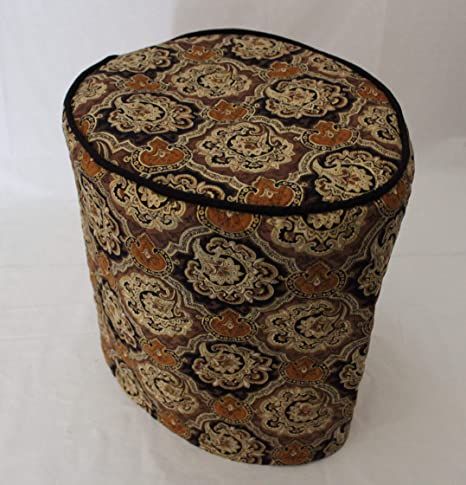
Electric pressure cookers take up counter space, and a cover keeps dust and splashes off when the cooker is put away.
The pattern works much like other appliance covers: measure height, width, and depth, then sew simple panels together.
Skip fiddly details and add an optional side pocket for a spoon or other accessories, keeping it flat so it stays easy to sew.
Washable cotton or lightly quilted fabric works nicely.
Accuracy matters more than decoration, because a cover that’s too small will pull and one that’s too big looks sloppy.
The key safety message for buyers is simple: take the cover completely off before plugging the cooker in or using it, and never let it block the vents, controls, or heat-release areas.
Print that on a tag. Cooker sizes vary, so note which model each cover fits.
15. Fabric Wall Pockets
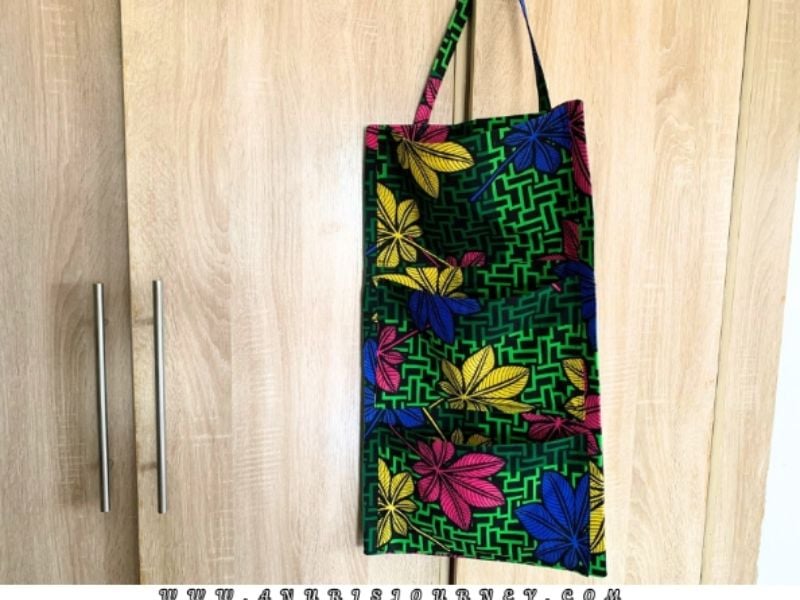
Wall pockets are storage, so they come in plenty of shapes: mail slots by the door, pens in an office, or craft supplies in a hobby room.
The basic build is one back panel with one or more pocket panels hemmed along the top and stitched on.
Adding another pocket is only a few extra seams, so you can go from one pocket to three without redesigning anything.
Choose a sturdy fabric, add interfacing for body, and reinforce the corners where the pocket takes weight.
Decide on the hanging method early, whether that’s loops, a dowel, or grommets, and test it with a realistic load.
Make the pocket depth suit what it will hold. Small, medium, and large versions let buyers choose for different rooms.
Want more ideas like this? Browse these things to sew and sell for extra money.
16. Coffee Maker Covers
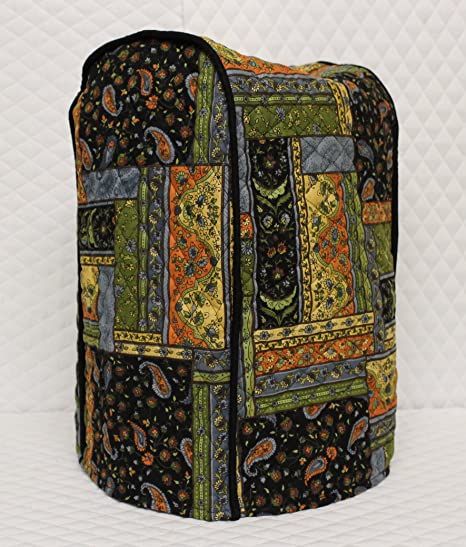
A cover keeps dust off a coffee maker that lives on the counter, and the right fabric can match the rest of the kitchen.
The shape is simple, usually a front, a back, and a top panel, so you’re only sewing a few big pieces.
Measure at the tallest and widest points and add a little ease, so the cover slips on without a fight.
Washable cotton, linen blends, or light canvas in kitchen prints all work.
Once you’ve made one pattern, you can trace and reuse it, which is quicker than measuring every time.
Covers like this fit neatly beside other quick sewing projects to make and sell for a kitchen range.
The safety reminder is important: take the cover off before the coffee maker is plugged in or used, and never leave it over vents, controls, or hot parts.
Share that advice with every sale.
17. Printer Dust Covers
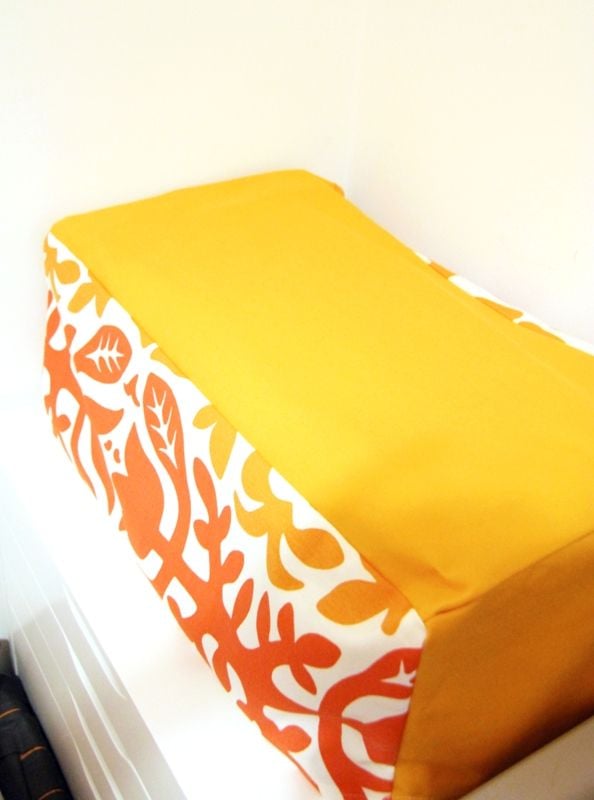
Home offices gather dust, and a printer cover is a practical fix that doesn’t need fancy sewing.
A good fit matters most, so measure the printer’s width, depth, and height with the paper tray closed.
Then sew a simple cover from basic panels and straight seams.
Printers come in many shapes, so offer a few common sizes or take custom measurements.
Washable cotton or canvas works well, and a small side pocket can hold a cleaning cloth.
A plain, neutral fabric blends into an office, while a bold print makes the cover a feature.
Leave a gap for cables, and remind customers to take the cover off before printing.
Getting the measurements right is worth more than any decoration, and it saves you from unpicking seams later.
For ideas beyond the home office, try these sewing projects to make and sell.
18. Rice-Filled Hand Warmers
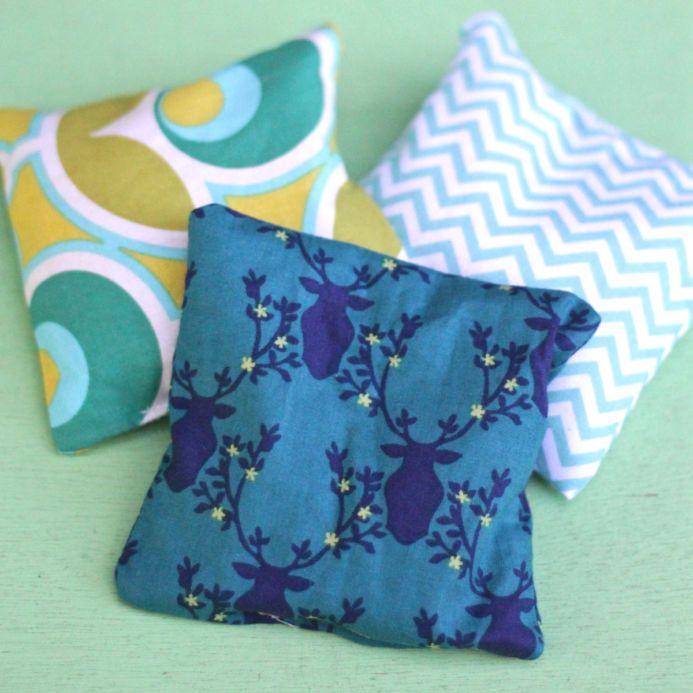
Rice-filled hand warmers are small cloth pouches that people heat up for a cozy grip on a cold day.
They suit anyone who walks to work, sits at a chilly desk, or watches outdoor sport.
Each one is just two small rectangles, so the sewing is quick: stitch around three sides, fill, then close the last side.
A funnel keeps the rice from going everywhere.
Safety is the main thing to get right. Use 100% cotton fabric and cotton thread only, because synthetic fabrics can melt when heated, and skip metal, plastic, and trims.
Sew the seams twice so no rice can escape.
Give buyers clear care notes: heat in short bursts, check the temperature before use, and let it cool fully. Stop using it if it smells burnt or the seams open.
Keep it dry, and never claim it treats any condition.
It isn’t a toy for young children. Flannel and plain cotton prints make cosy matching pairs.
19. Fabric Wreaths
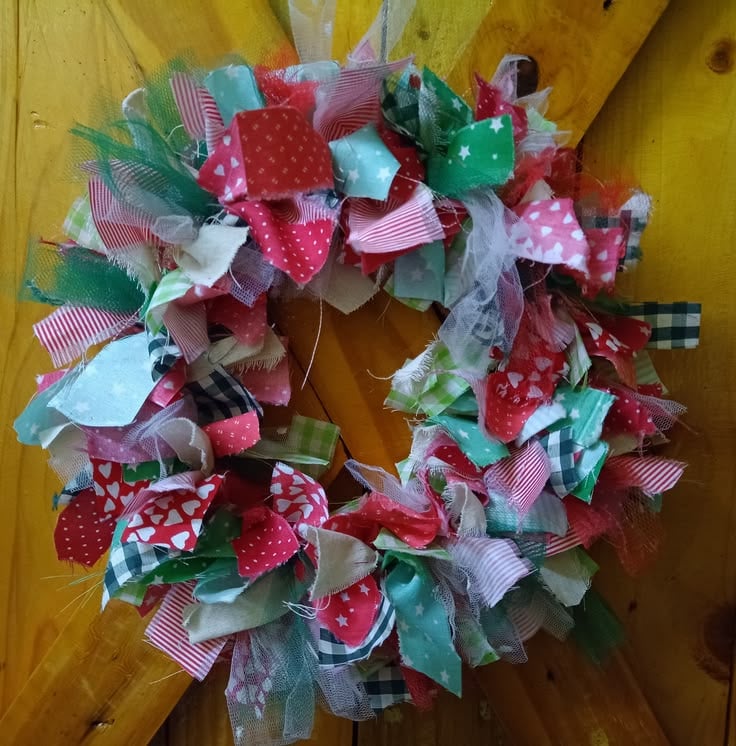
Fabric wreaths suit seasonal displays, celebrations, and everyday decor, and they’re a lovely way to use leftover strips.
Wrap or tie fabric strips around a foam or wire base, or gather them into small rosettes, and the wreath looks full and textured with very little sewing.
The time-saver is the prep: cut a stack of strips together with a rotary cutter and ruler, and choose a small color palette so the finished piece looks put together.
Different styles, like knotted strips or gathered rosettes, give you different looks from the same pile of fabric.
Seasonal sets and personal touches such as initials are easy to add.
Secure every strip firmly, and avoid small decorations that could come loose.
Selling on Etsy? These easy sewing projects to sell on Etsy offer more ideas.
20. Fabric Necklaces
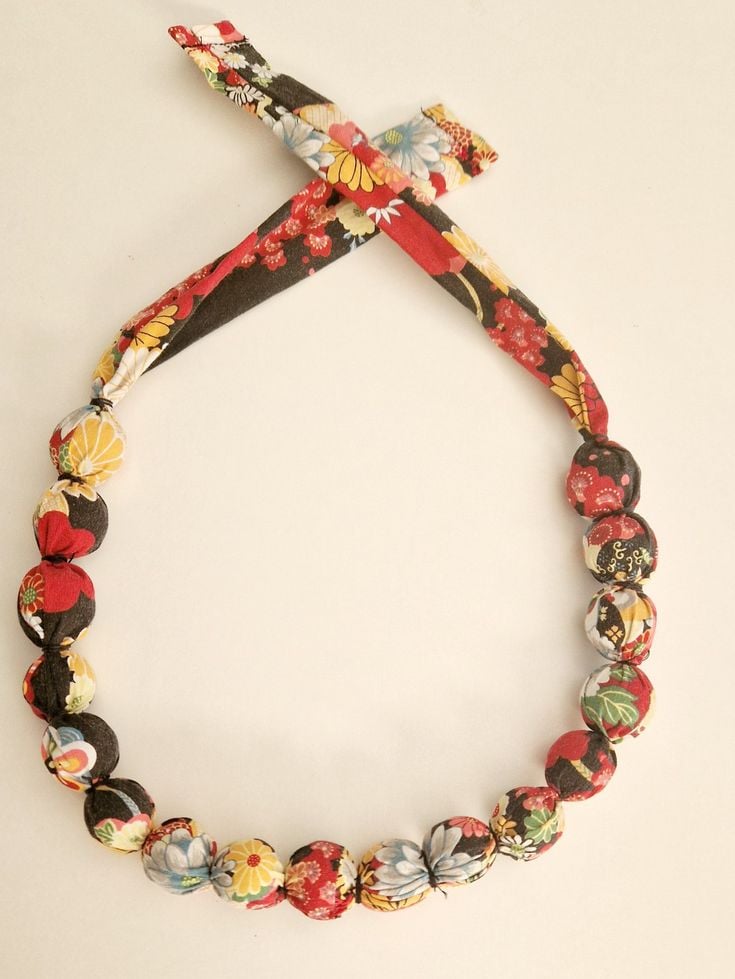
Fabric necklaces are light, colorful, and easy to wear, so they suit people who love handmade accessories.
You can make them from sewn tubes, braided strips, knotted fabric, or fabric-covered beads.
Turning narrow tubes is the main skill to practice, and a loop turner makes it easier.
Pick fabrics with enough body to hold their shape, and try textures like velvet, cotton, or linen.
A few necklaces in matching colors give buyers an easy way to mix and match.
Get the length comfortable, and finish the ends and fastening neatly.
If you plan to sell to children, think about age suitability and avoid small detachable parts.
Also skip long cords, since they can be a strangulation risk.
Press all your tubes in one session before you start finishing, and the rest goes faster.
21. Sun Sleeves
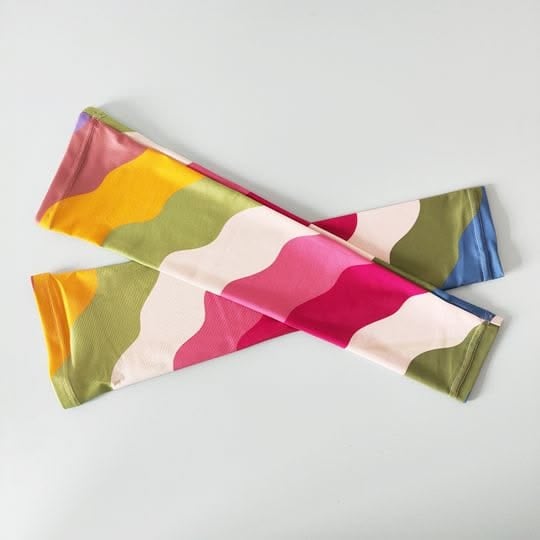
Sun sleeves are stretchy tubes worn over the arms for walking, gardening, cycling, and other time outdoors.
If you’re comfortable with stretch fabric, they make practical quick sewing projects to make and sell, because each one is just a tube with a hem at each end.
Use a ballpoint needle and a stretch stitch so seams don’t pop, and measure the upper arm and wrist for a comfortable fit.
Light, breathable fabric is nicer in warm weather, and a couple of lengths gives buyers choices.
Be careful with claims. Ordinary fabric doesn’t come with a known UV rating, so don’t say it protects from the sun.
Only make that claim if the fabric has verified protection details.
Otherwise, describe the fit and fabric clearly.
To keep costs down, these sewing products with low material costs are worth a look.
22. Fabric Earrings
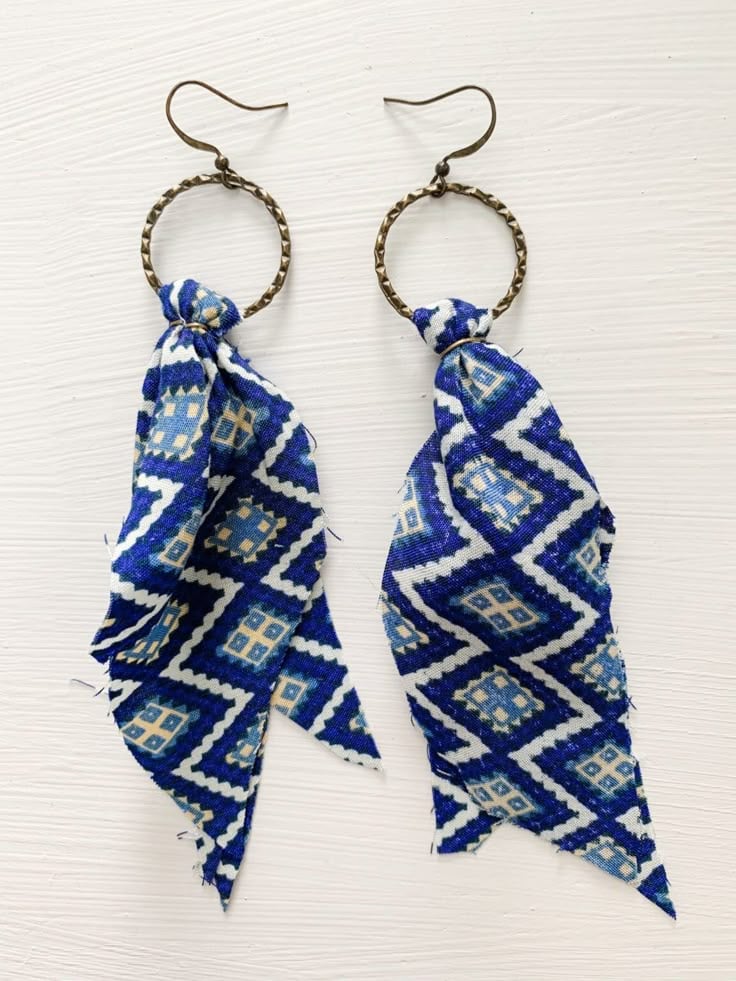
Fabric earrings are tiny and light, so you can play with color and shape without using much fabric.
Cut small shapes, add interfacing so they hold their form, sew or glue the layers together, and attach earring findings.
Each pair uses so little fabric that you can cut lots of shapes from a single scrap, like circles, teardrops, and hexagons, and build a varied collection.
The hardware deserves the most care. Attach it firmly, and choose skin-friendly findings, such as nickel-free hooks, for people with sensitive ears.
Say clearly what the earrings are made of.
Small parts can be a concern, so think about age before marketing them to younger buyers.
Sorting scraps by color before you start makes it quick to put matching pairs together, and a paper template keeps both sides the same.
23. Eyeglass Cleaning Cloths
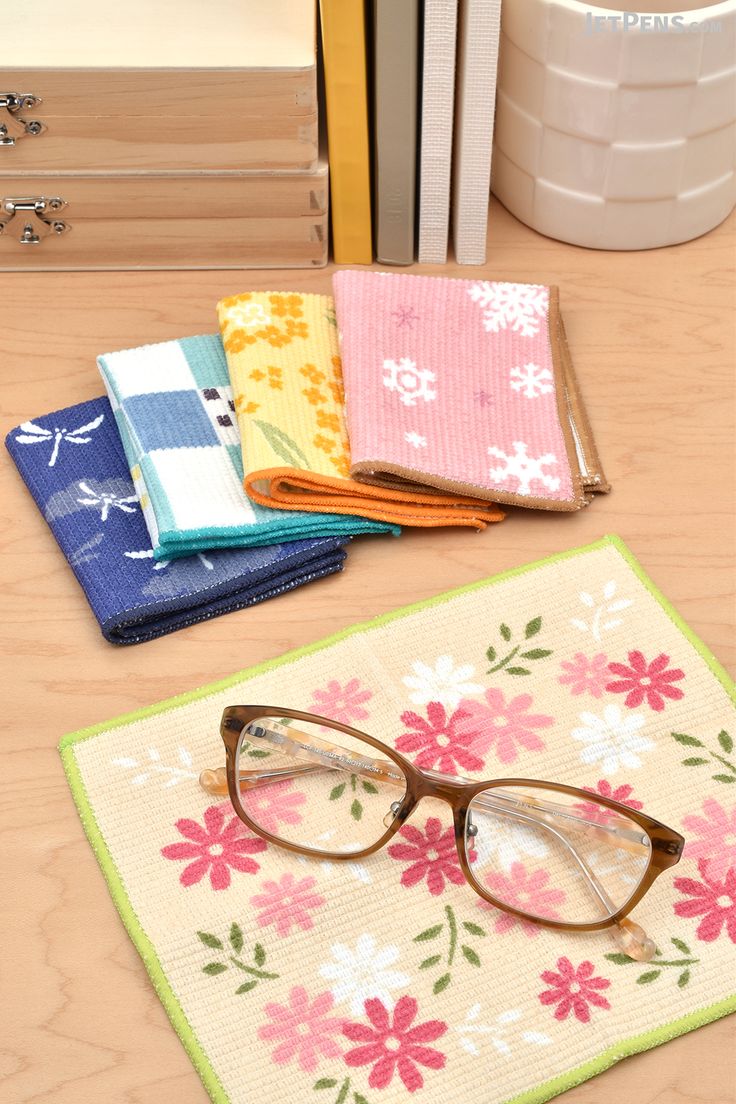
A cleaning cloth is among the simplest things a sewist can make: cut small rectangles and finish the edges. The tricky bit is the fabric.
Not every soft fabric is safe for lenses, so look for lint-free, lens-safe material, such as microfibre made for cleaning.
Then test the finished cloth on a spare lens, to be sure it doesn’t scratch or leave streaks.
A neat zigzag or narrow hem stops fraying without adding bulk.
Wash and dry a sample once to check it still works afterwards.
Personalized prints and sets make the cloths more fun, and a matching pouch turns one into a small gift.
To work faster, cut a stack of rectangles together and sew the edges in one long chain.
More small-item ideas are in these Etsy sewing ideas.
24. Cat Bow Ties
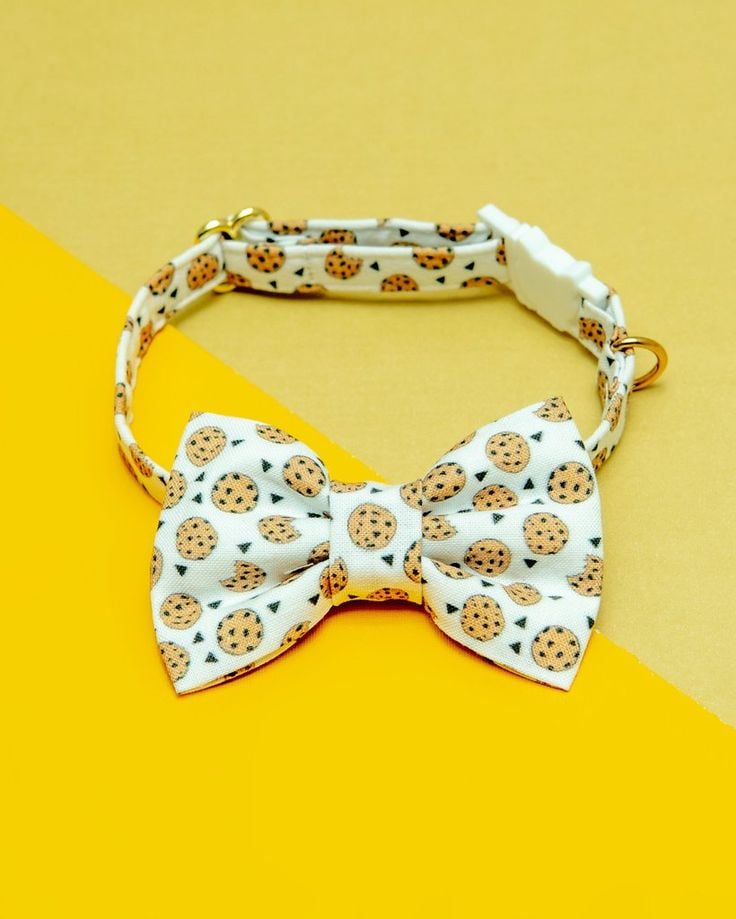
Cat owners who love photos and special occasions may enjoy a tiny bow tie for their pet.
Bow ties are quick sewing projects to make and sell that barely touch your fabric stash.
The sewing is simple: fold a rectangle into a tube, gather it in the middle, wrap a small strip around the centre, and attach it to a band.
A few sizes and an adjustable closure help fit different cats.
Comfort and safety come first. The bow tie shouldn’t limit movement, and it must not become a choking or snagging risk.
A breakaway fastening is a sensible option.
Tell buyers never to leave it on an unattended pet, especially if it could catch on something.
Soft colours and small prints look good in photos.
Cutting several strips at once and assembling them in a batch keeps things quick.
25. Fabric Party Hats
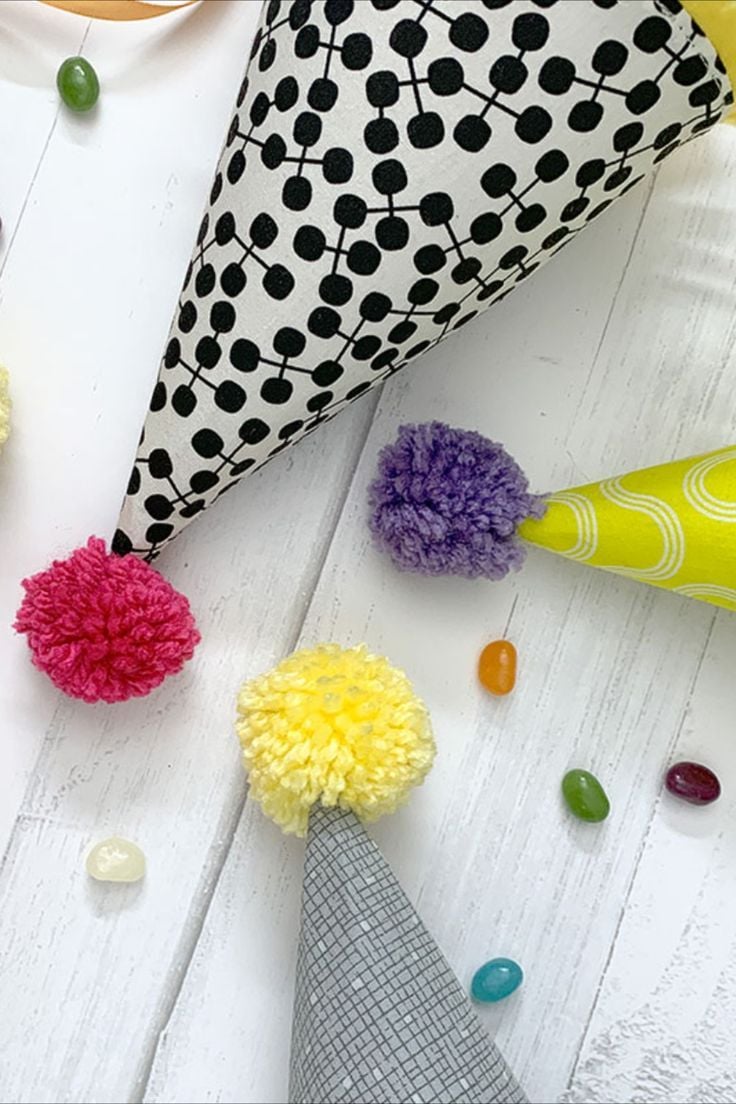
Fabric party hats can be used again and again, which appeals to people who want less throwaway party decor.
A cone is the basic shape, so one template and a few straight seams are all you need.
Trace around the template each time rather than measuring again, and cut a few layers together.
Stiff interfacing or lightweight felt helps the cone stand up.
Then add simple details like a pompom, trim, or a printed band.
Think about sizing, because children and adults need different dimensions.
For children, skip small detachable decorations and make sure any elastic or ties suit their age.
A set of six matching hats works as a ready-made party bundle, and it gives you a spot to say what age range they suit.
For more ideas, see the best sewing products to sell on Etsy.
26. Detachable Collars
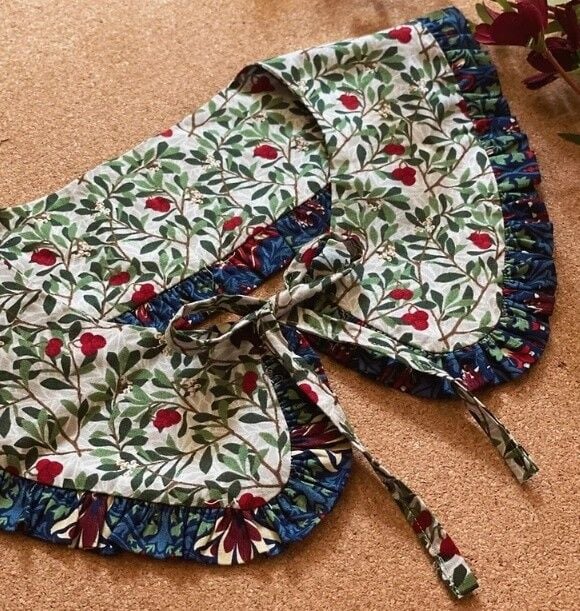
A detachable collar can brighten a plain top or dress without a whole new garment.
Sew two shaped pieces together, trim and clip the curves, turn, press, and finish the neck edge.
It’s small, but it isn’t instant, because the curves and symmetry take care.
A simple design with a button or tie closure is the easiest place to start.
Crisp cotton holds its shape better than drapey fabric.
A good paper pattern pays off, and so does cutting both pieces together so they match.
Describe the sizing clearly, measuring the neckline and saying how the collar sits.
Comfort at the neck matters too, since a stiff or scratchy closure will bother the wearer.
Try a few collars in different fabrics, and you’ve got a small collection.
Check both sides for matching points and even edges before you pack each one.
27. Star Pillows
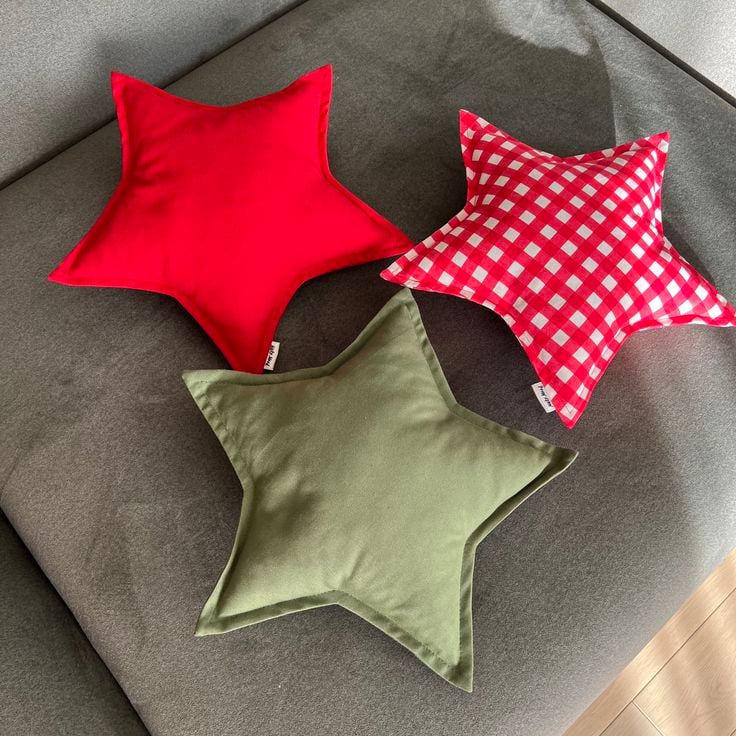
Star pillows suit bedrooms, nurseries, reading corners, and gift collections.
They’re on the slower side of these quick sewing projects to make and sell, but one template keeps them manageable.
Trace the star onto two pieces of fabric, sew around the shape, clip the corners, turn, and fill.
The points and inner corners need the most care, so take small stitches and clip close to the seam without cutting through it.
Press well before stuffing for crisp points.
Soft cotton, minky, or fleece all work, and the filling should be spread evenly.
Make the seams strong so nothing escapes.
If you sell a pillow for babies or young children, think about age-appropriate safety and avoid loose decorations like buttons.
If you like making gifts, you might enjoy these other sewing projects to make and sell.
28. Travel Tissue Holders
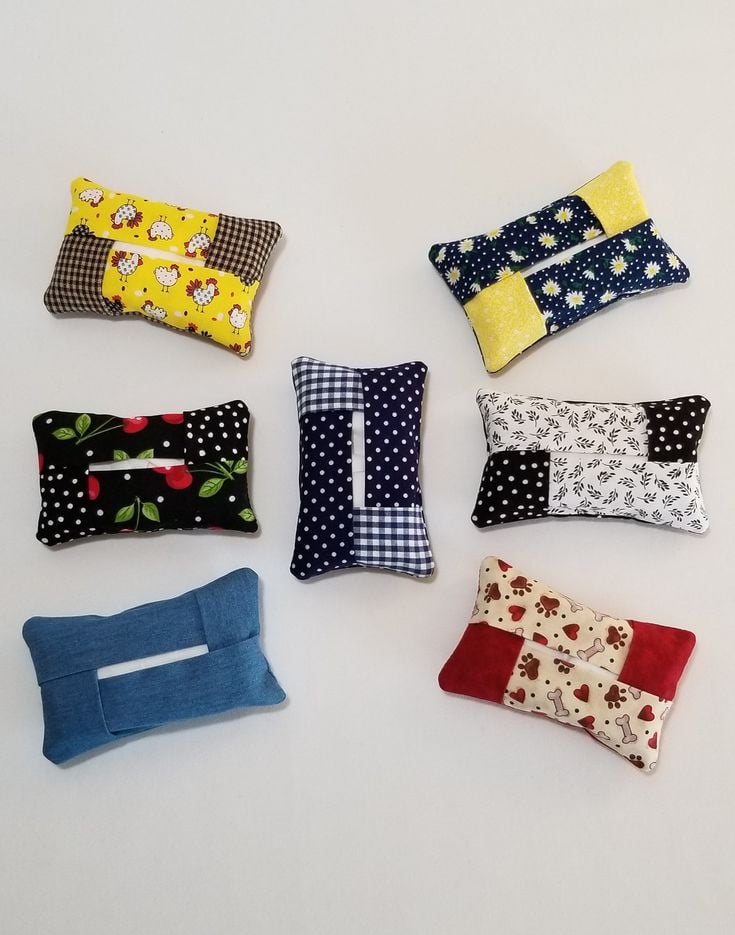
Travel tissue holders slip easily into handbags, backpacks, cars, and travel bags.
The construction is a few folds and straight seams, which makes them ideal for batch sewing.
Fold a rectangle so there’s an opening at the front, stitch the sides, and turn it.
Measure a few common travel tissue packs before settling on a size, and make the opening wide enough to pull tissues out without tearing the holder.
Washable cotton in matching prints works well.
Because the pieces are small and identical, they suit quick sewing projects to make and sell in batches: press all the folds first, then sew them one after another without cutting the thread between pieces.
They also make easy small gifts or add-ons, so a customer can pick one up alongside a larger item.
29. Cutlery Pouches
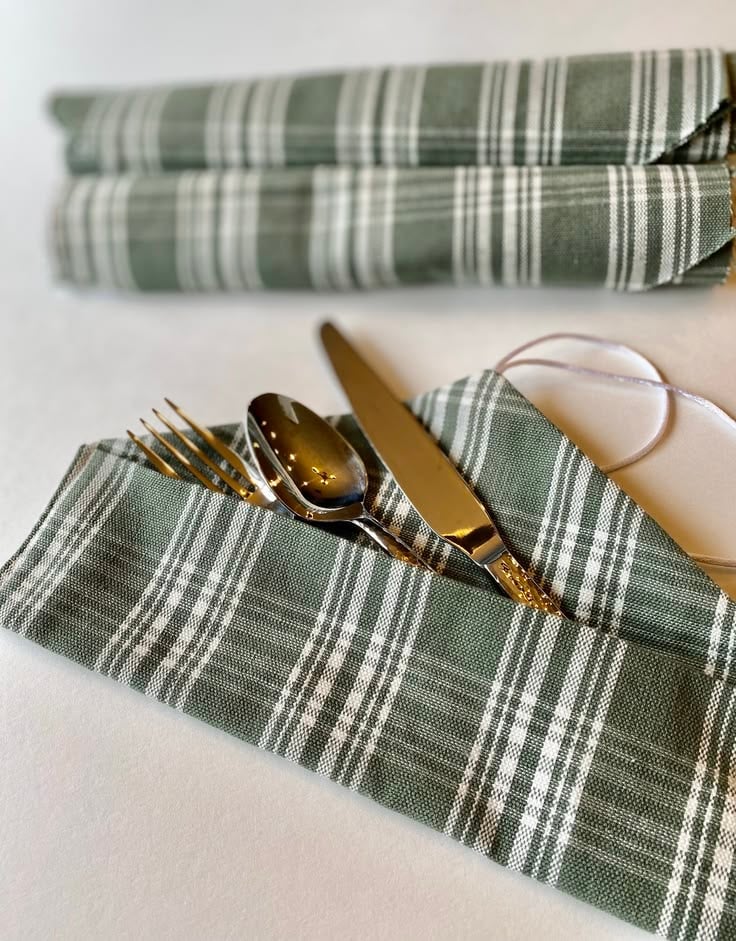
Reusable cutlery needs a clean place to travel, so cutlery pouches suit people who carry utensils to work, school, picnics, or trips.
A rectangle folded into compartments and closed with a tie or flap is all there is to it.
Sew the dividers first, then the sides, and test with real utensils to settle on a comfortable size.
Washable cotton, canvas, or a wipe-clean lining are all practical, but make sure any lining is safe for contact with clean cutlery and can be washed.
Remind customers to let the pouch dry completely before putting clean cutlery inside.
These pair well with other lunch pieces, like a sandwich wrap or a napkin, so you can build a small collection. Because every pouch is the same, they’re good for batch sewing.
These sewing products you can make in bulk are worth reading next.
30. Sweatbands
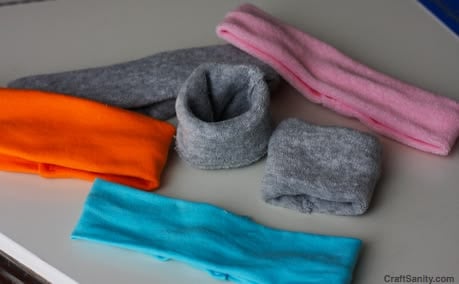
Sweatbands appeal to runners, gym-goers, players, and anyone who wants a practical hair accessory.
They’re quick sewing projects to make and sell for anyone who has tried stretch fabric before: cut a rectangle, sew the short ends into a loop, and fold or hem the edges.
Absorbent, washable fabrics like cotton blends or terry knit suit the job.
Be realistic, though. Stretch fabric can ripple or skip stitches at first, so use a ballpoint needle and a stretch stitch, and test on scraps.
The fit should be secure but comfortable, so try a few widths.
Color sets and matching fitness accessories, like wristbands, make easy collections.
Avoid unsupported claims about sweat or cooling.
Describing the fabric and care instructions honestly is enough, and it’s what buyers actually need.
Sewing the side seams of a whole batch in one go keeps the sizes consistent.
31. Cat Toys
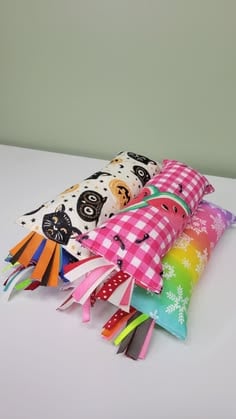
Small fabric cat toys are a simple play item for pet owners, and the shapes are easy: mice, fish, little pouches, or balls.
Use scraps of tightly woven fabric, a short stitch length, and strong seams.
Make one template and trace it for each toy, so scraps get used quickly and every toy turns out the same size.
Safety comes first with pet products. Avoid loose threads, detachable bits like buttons or ribbons, unsafe fillings, and any material a cat could swallow.
If you use catnip, say so clearly and make sure it suits the toy.
Tell customers to check the toy often and replace it once it’s damaged.
Never call a handmade toy indestructible, and don’t suggest it’s safe to leave with every cat unsupervised.
More ideas are in these Etsy sewing projects.
Start Small and Keep Sewing
Sewing doesn’t always need a big chunk of time.
Small projects help you make steady progress, practice useful skills, and build a product collection slowly, one item at a time.
Pick a few quick sewing projects to make and sell that suit your skills, the materials you already have, and the time you really have each week.
Working faster is a fine goal, but it shouldn’t mean skipping careful finishing, testing, or quality checks.
A well-made coaster or pouch will always beat a rushed one.
So choose one project from this list, get your fabric and notions ready, and give it a try.
You might be surprised how good it feels to finish something useful in a single sitting.