The best beginner sewing projects that make great products to sell are simple, useful, and satisfying to make. sewing can be more fun when the things you make get used.
A few straight seams can turn into a pot holder, a small pouch, or a pillow cover, and you don’t need tricky clothing or big projects to make something people might buy.
The 27 beginner sewing projects that make great products to sell in this guide cover kitchen helpers, fabric organizers, wearable pieces, and handy accessories.
As you work through them, you’ll practice sewing straight seams, turning fabric right side out, adding simple closures, and finishing edges neatly. These are the skills that build real confidence.
If you want a wider starting point first, our post on easy things to sew and sell for beginners is a good place to begin.
Each idea below comes with honest notes on difficulty, materials, and safety, so you can pick projects that suit where you are right now.
Beginner Sewing Projects That Make Great Products to Sell in the Kitchen and Beyond
1. Microwave Popcorn Bags
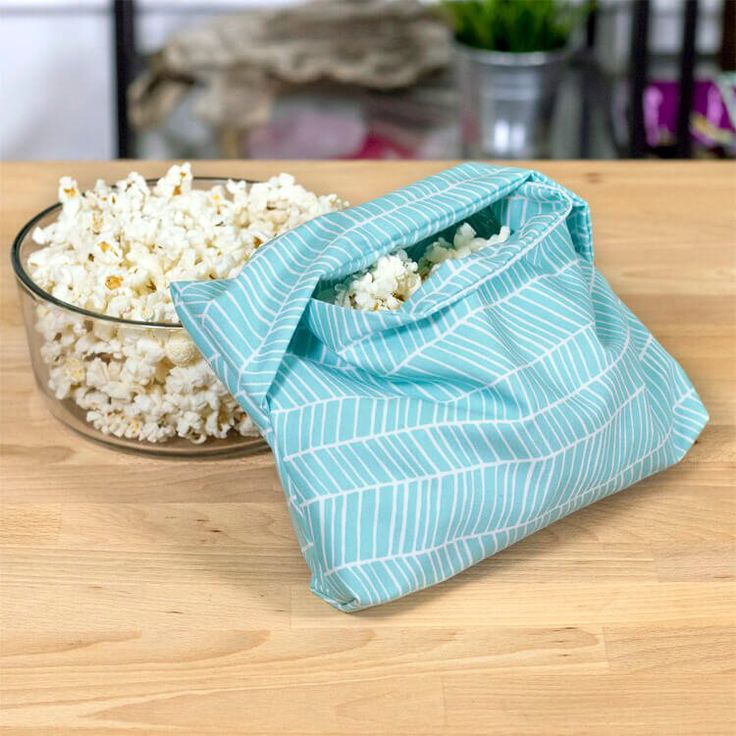
Reusable popcorn bags suit people who love an easy snack but don’t like throwing away packaging.
The sewing is simple: a folded rectangle, two straight side seams, and a neat opening.
It’s a good way to practice keeping your seam allowance even.
The tricky part is the materials, and it matters more than the stitching.
Never assume ordinary cotton fabric or everyday thread is microwave-safe.
Use only fabric, thread, and any other parts that are clearly rated for microwave use, and follow each maker’s instructions.
Because your customers will heat food in the bag, add clear use and care instructions covering heating, washing, and when to retire it.
Matching prints, or a gift set with a jar of kernels, give buyers something to choose from.
If you can’t confirm that every part is suitable, leave this one off your list.
2. Microwave Potato Bags
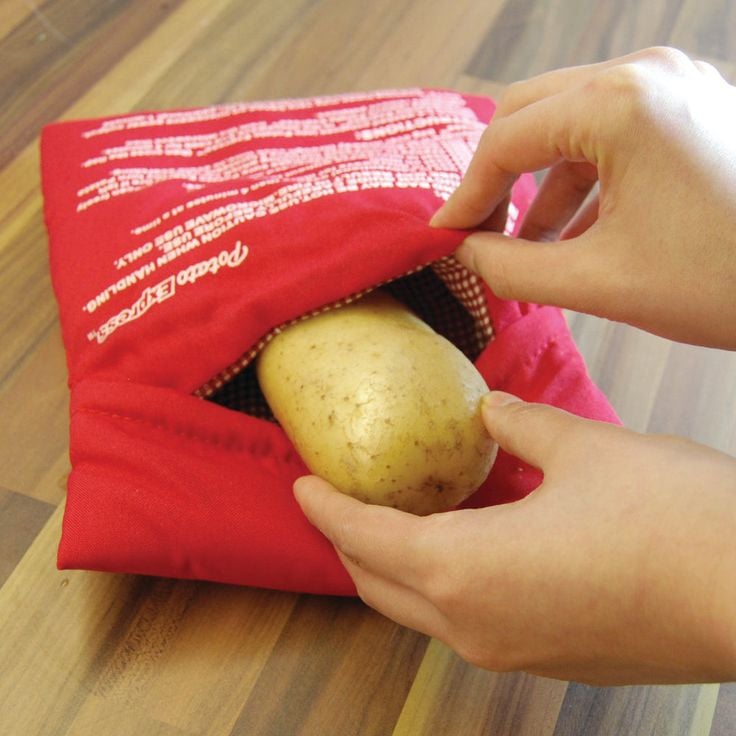
Potato bags are handy for anyone who likes a baked-style potato without turning on the oven.
The shape is a basic pouch, so you’ll get plenty of practice with straight seams and tidy edges.
What sets this project apart is the need for care.
Every fabric, batting, thread, and trim must be suitable for microwave use according to reliable product guidance, and cotton should never be assumed safe.
Test your design yourself, following your suppliers’ instructions, before you list anything for sale.
Then write clear instructions for heating, handling hot items, and washing.
If you’re weighing it against other profitable sewing projects to make and sell, keep in mind that this one needs more homework than most.
Offering a size for one potato and another for two gives buyers a choice.
Treat it as one of the beginner sewing projects that make great products to sell only after your materials check out.
3. Pot Holders
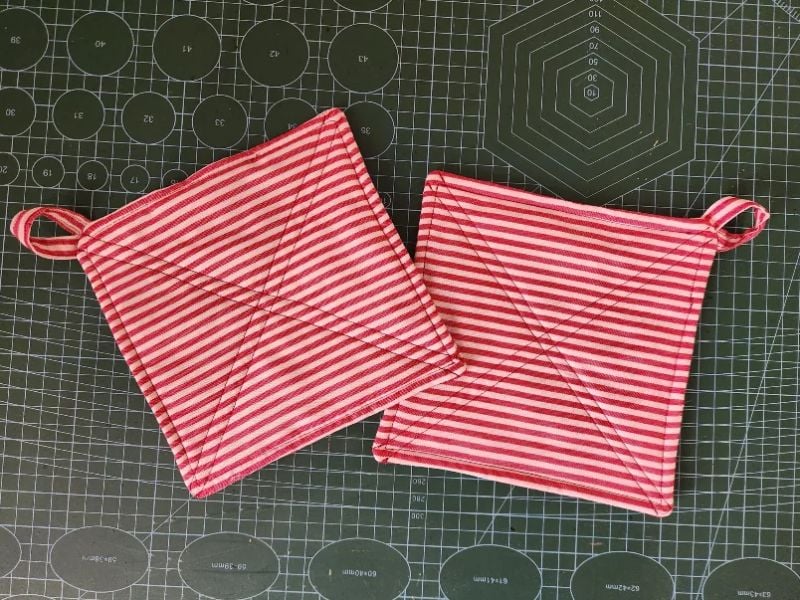
Pot holders are a kitchen classic, and they teach several skills at once: cutting layers accurately, quilting straight lines, and sewing on binding.
Binding takes patience, so don’t worry if your first few look a little wobbly.
The big question is heat. Ordinary cotton fabric on its own does not guarantee heat protection.
Look for batting or lining made for heat resistance, and follow the maker’s guidance on how it should be used.
Sew the layers down firmly, especially around hanging loops and edges, since a shifting layer near a hot pan is a real problem.
Before you sell any, test them carefully and be honest on the label about what they can and can’t do.
Pairs, seasonal prints, and sets with matching tea towels are easy ways to build a small range.
4. French Press Cozies
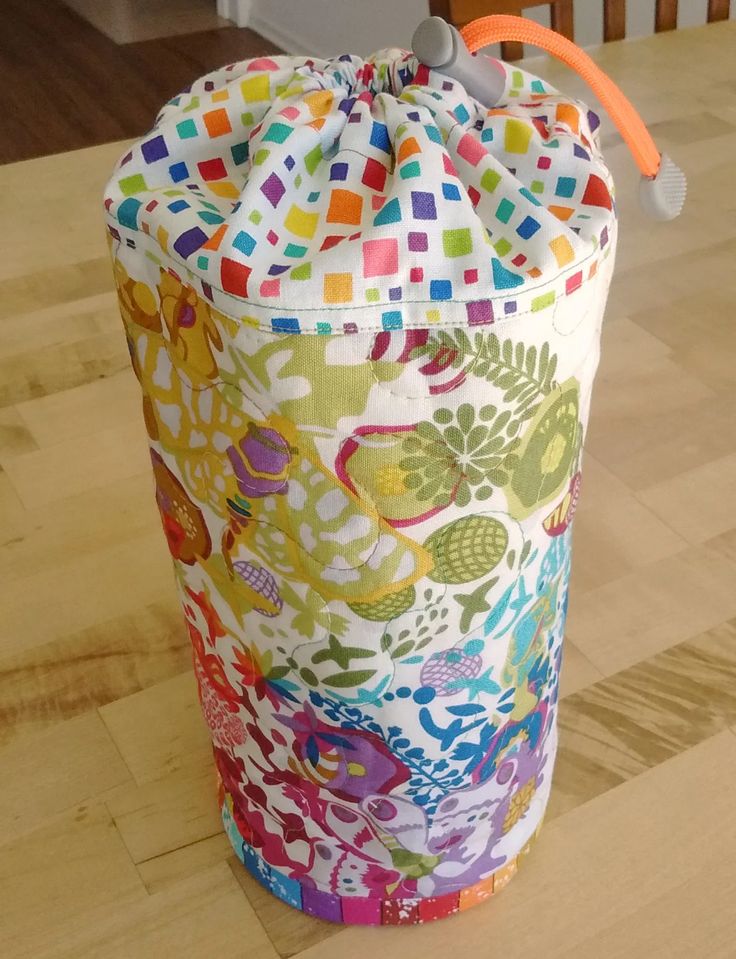
If you know a coffee lover, you already know who might want a French press cozy.
It helps keep the coffee warm and adds a bit of color to the counter.
Start by measuring around and up the press, then sew a fitted wrap with straight seams and a simple strap or tabs to close it.
Leave openings for the handle, spout, and lid, and make sure nothing gets in the way of pouring or lifting the press safely.
Insulating batting helps, but check that it’s suitable for use near hot glass or metal.
Neutral, bright, and farmhouse prints can each suit different kitchens.
Presses come in several sizes, so say which one each cozy fits.
It’s one of those things to sew and sell from home that needs very little equipment, but accurate measuring is where beginners most often slip up.
5. Bento Wraps
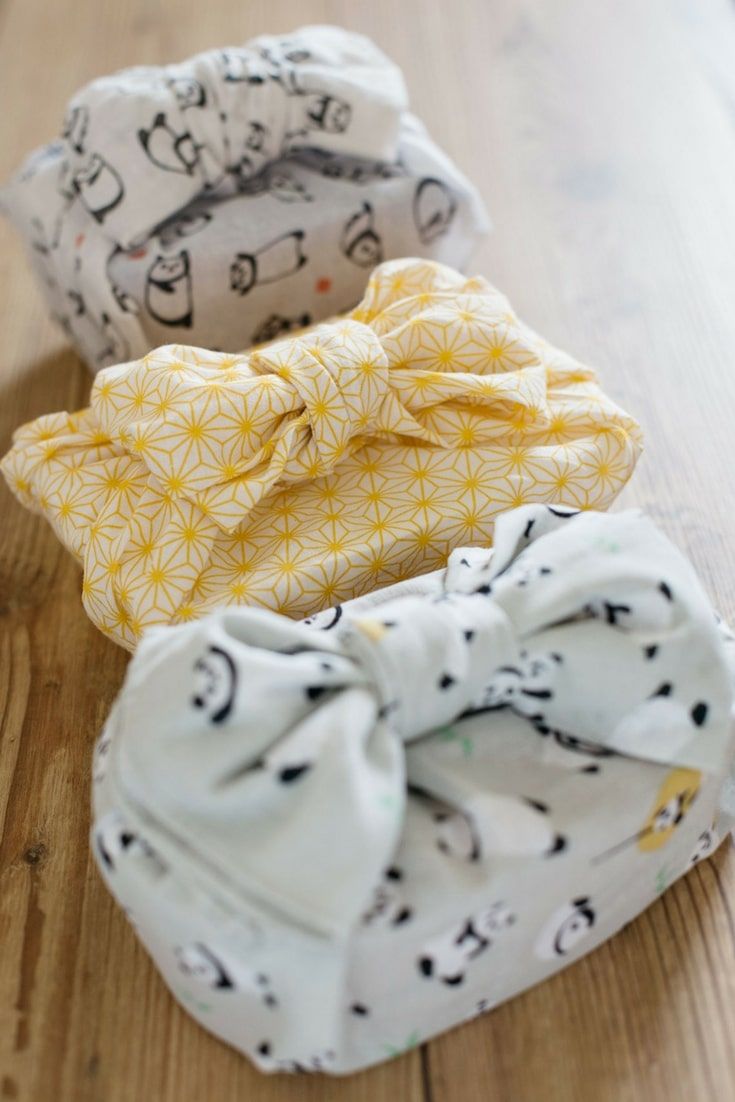
Fabric bento wraps turn a lunch box or sandwich into a tidy little parcel.
They suit people who pack lunches for work, school, or days out.
A wrap is just a hemmed square, which makes it a gentle way to practice neat corners and even hems.
Ties or a small fastener can hold it closed, but keep those simple at first.
Pick fabric that washes well, and think about what will touch the food.
If a sandwich will sit straight on the cloth, find out whether your fabric and any lining are suitable for that, and tell buyers how to wash it.
Two sizes, such as a small snack wrap and a larger lunch wrap, make a nice matching set.
Colors and prints can help you aim a wrap at a child’s lunch box or an adult’s work bag.
6. Whiteboard Erasers
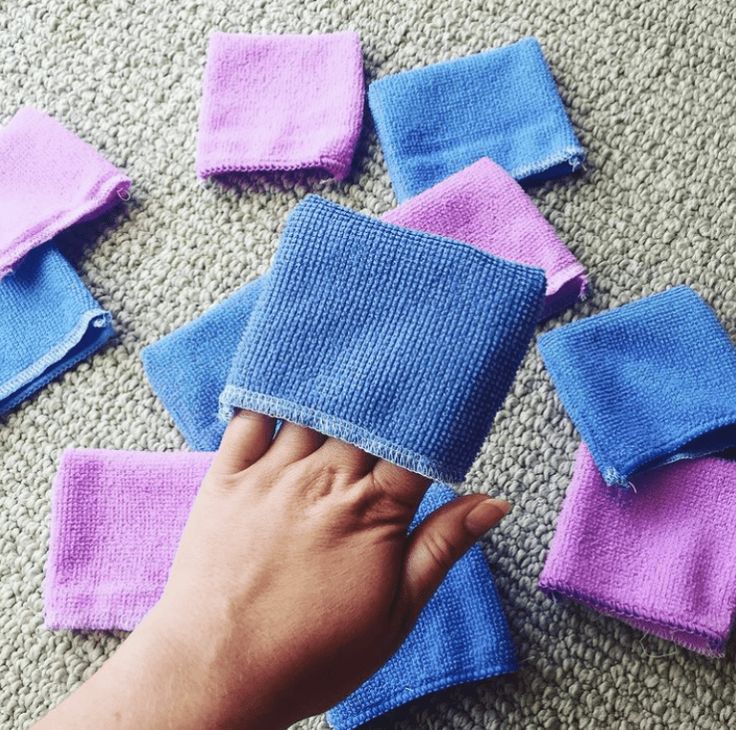
Teachers, students, and home offices all go through whiteboard erasers, so this is a small but useful product.
Cut two small shapes, put soft padding between them, and use a soft, absorbent fabric like felt on the wiping side with a sturdy fabric on the back.
It’s a short project that gives good practice with straight seams and tidy corners.
Test the wiping surface on the type of board it’s meant for, since some fabrics smear or leave lint behind.
Stitch the layers firmly so they don’t slide around.
Sets in bright colors work well for classrooms, and an eraser paired with a pen holder makes a tidy gift.
Quick, low-cost makes like this belong on any list of beginner sewing projects that make great products to sell, and easy sewing projects to make and sell fast has more in the same spirit.
7. Fabric Hair Clips
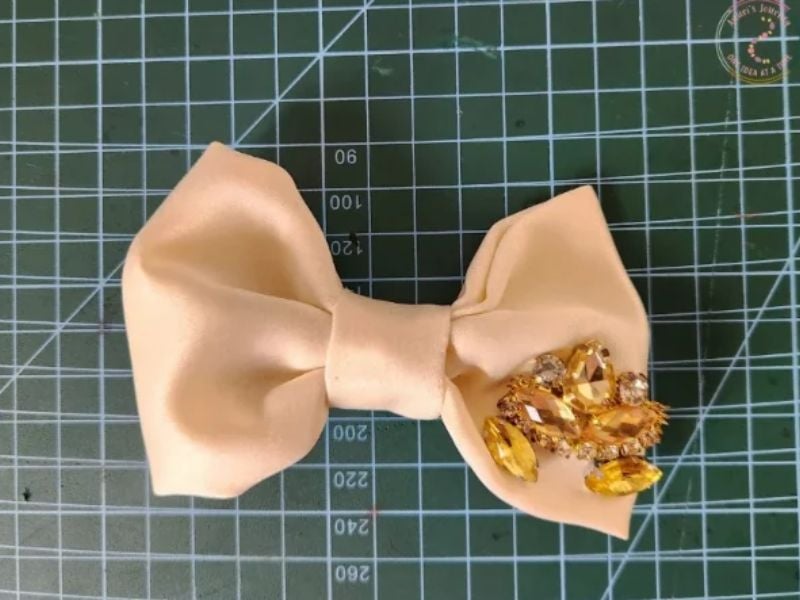
Hair clips are a fun way to use up small scraps and bright prints.
A fabric bow or gathered flower on a clip base lets you practice folding, gathering, hand stitching, and attaching decorations.
The pieces are tiny, so a little patience helps.
Choose sturdy clip bases and stitch every decoration on firmly.
If a clip might end up on a toddler or young child, think about small-part risks: loose pieces can be dangerous, so keep designs simple and give each one a good tug before packing.
Color collections, seasonal designs like autumn leaves or holiday bows, and matching sets for sisters or friends give people a reason to buy more than one.
Mounting the clips on a backing card keeps them tidy, and a few larger designs can suit older girls and adults too.
8. Cash Envelopes
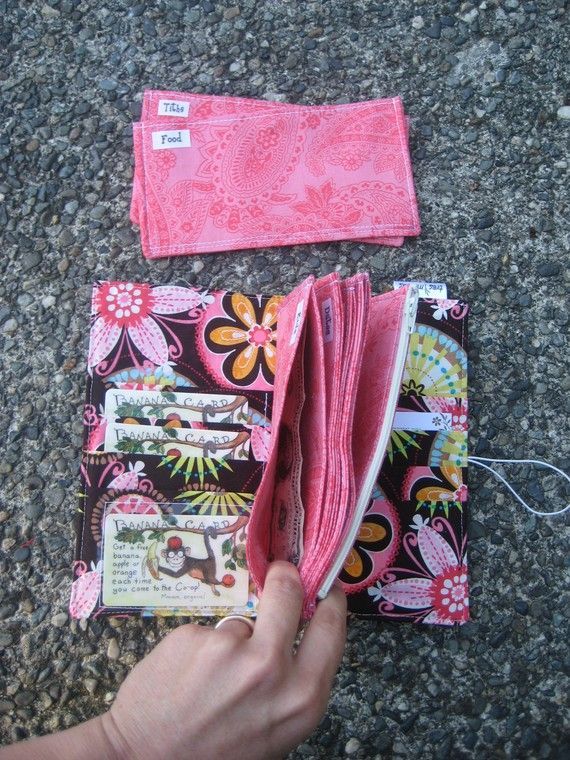
People who budget with cash often like a sturdy, reusable envelope for each spending category.
A fabric cash envelope is a small pouch with a flap or zipper, which gives you practice turning corners, topstitching, and adding a closure such as a snap or hook-and-loop tape.
Size matters because the envelope needs to hold your notes comfortably, so measure the bills you plan to store.
Sew the seams strongly, since cash envelopes are handled every day.
A label or clear window for category names like groceries or fun money makes them more useful, and a set in different colors suits a full budgeting system.
If you’re collecting ideas to sew and sell for extra money, remember that buyers here care more about durability than decoration.
Keep the closure simple, and open and close it dozens of times before you sell it.
9. Pastry Cloths
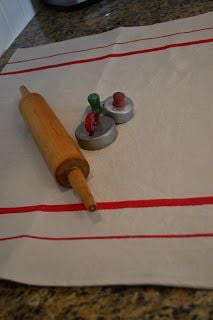
A pastry cloth gives home bakers a smooth surface for rolling dough without it sticking everywhere.
It’s a large hemmed rectangle, so you’ll practice cutting straight edges, folding neat corners, and hemming evenly.
Choose a tightly woven, washable fabric and wash it first so it doesn’t shrink later.
Because it’s used around food, cleanliness matters, so check that your fabric is suitable for the job and give clear washing and drying instructions.
Size is worth thinking about too: a large cloth suits bread bakers, while a smaller one fits a compact counter.
A plain version for serious bakers and a printed one for gift buyers can sit side by side in your range.
Press the hems flat so dough can’t catch in them, and suggest storing the cloth rolled around a tube.
Accessories, Gifts and Gear
10. Neck Gaiters
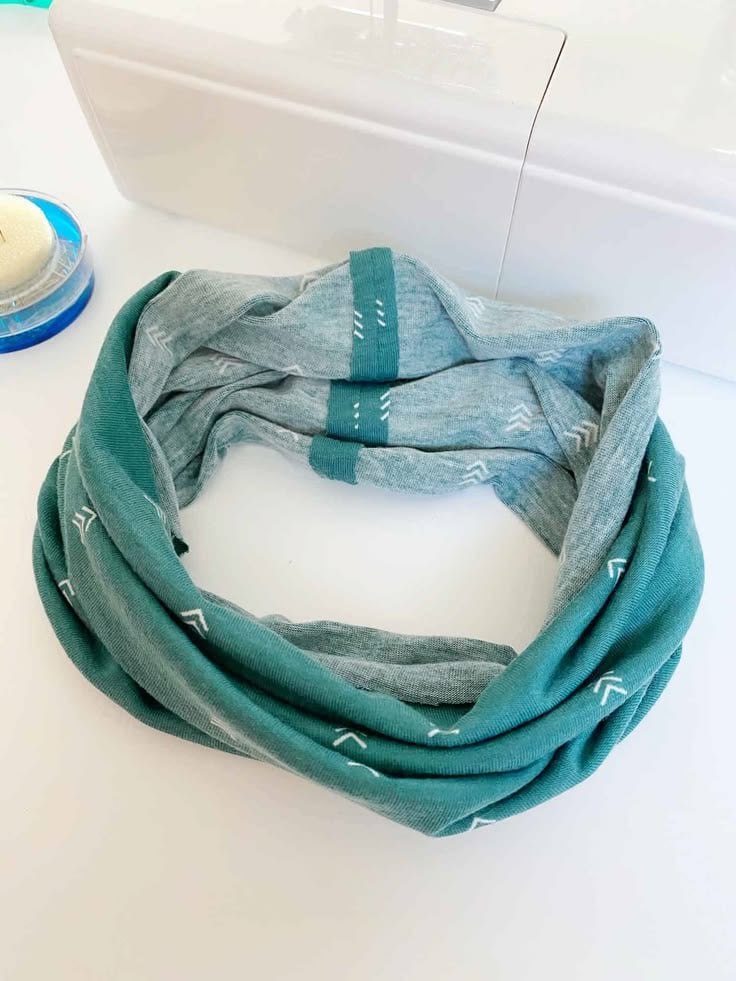
Neck gaiters keep cool air off your neck while walking, cycling, or doing other outdoor activities.
The shape is basically a tube, so the pattern is simple, but knit fabric is the catch.
Sewing stretchy seams takes practice, and you may need a ballpoint needle and a stretch stitch to stop seams from popping.
Your first one might not be your best, and that’s normal. Fit matters most.
A gaiter should stay put and feel comfortable without making it hard to breathe or move, so try it on different people and offer child and adult sizes.
Soft, breathable knits work well for cooler weather.
If you’ve been browsing sewing projects that sell well on Etsy, keep in mind that comfort is what people will judge first.
Of all the beginner sewing projects that make great products to sell, this is one where practicing on scraps pays off most.
11. Fabric Bookmarks
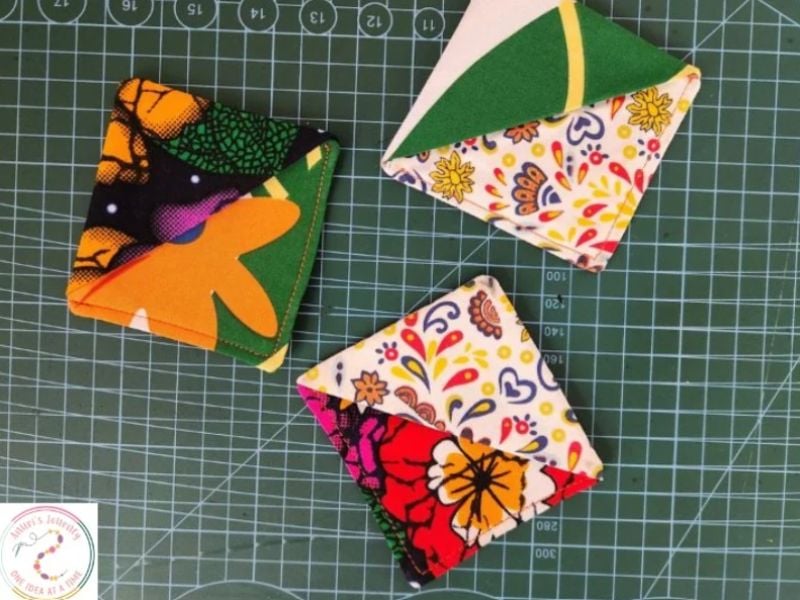
Bookmarks are small and quick, which makes them ideal for trying out fabric combinations.
Cut a rectangle, add light interfacing if you want a little stiffness, sew around the edge with a gap for turning, then turn it right side out and topstitch.
Sharp corners are the main skill here, so trim them before you turn. Keep the bookmark slim.
If it’s too thick, it won’t sit comfortably between pages and may put strain on the book’s spine.
Readers, students, and teachers all use bookmarks, and gift buyers often like themed sets for book clubs, gardeners, or cat lovers.
If you enjoy hand embroidery, initials or a short word can make a bookmark feel personal.
A ribbon tail adds a nice touch. Neat stitching counts, because people look closely at small items before they buy.
12. Pacifier Clips
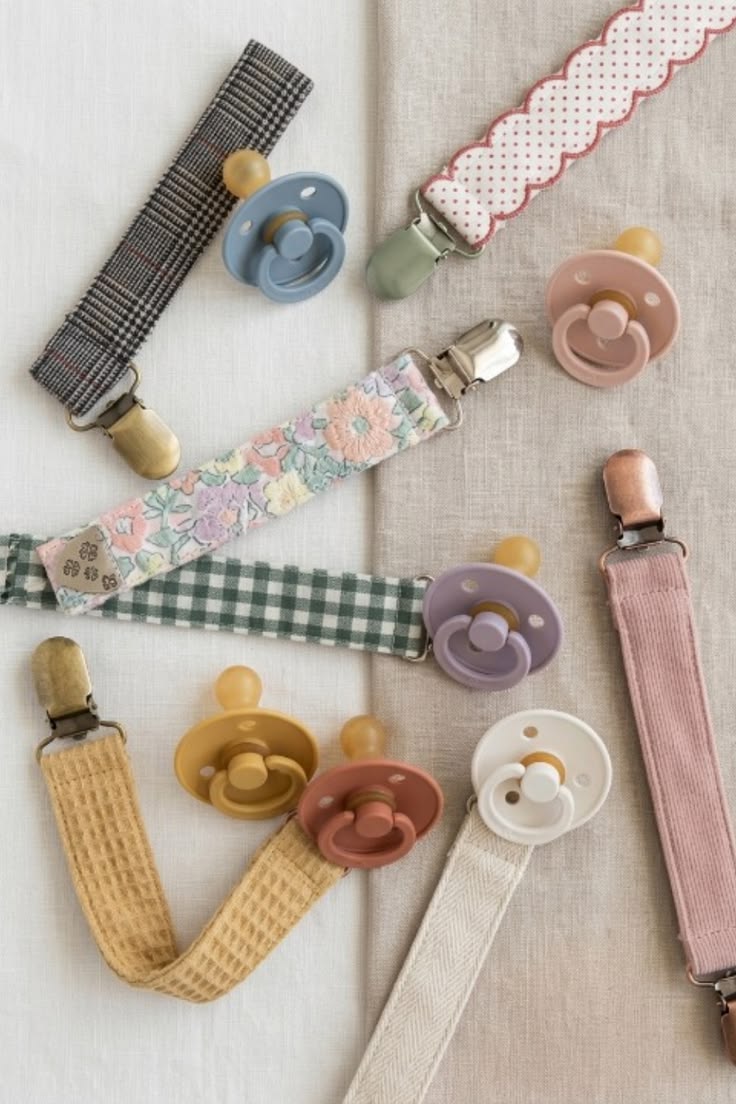
Pacifier clips are small, useful accessories that keep a pacifier off the floor and within a parent’s reach.
A simple version is a short fabric strap, folded and stitched, with a clip at one end and a loop at the other.
That makes it a gentle way to practice folding, topstitching narrow strips, and attaching hardware.
Safety deserves real attention here because the product is used with babies.
Use hardware made for the purpose, stitch every attachment very firmly, and keep the strap short, since long straps can be a risk.
Skip beads, buttons, and loose decorations. Look up the safety rules for baby products where you sell, and follow them.
Soft, washable cotton suits this job, and matching prints let you sell a set with a coordinating bib or burp cloth. I
t’s a good step up from the handmade sewing projects people actually buy once you feel confident with small hardware.
13. Bean Bags for Toddler Games
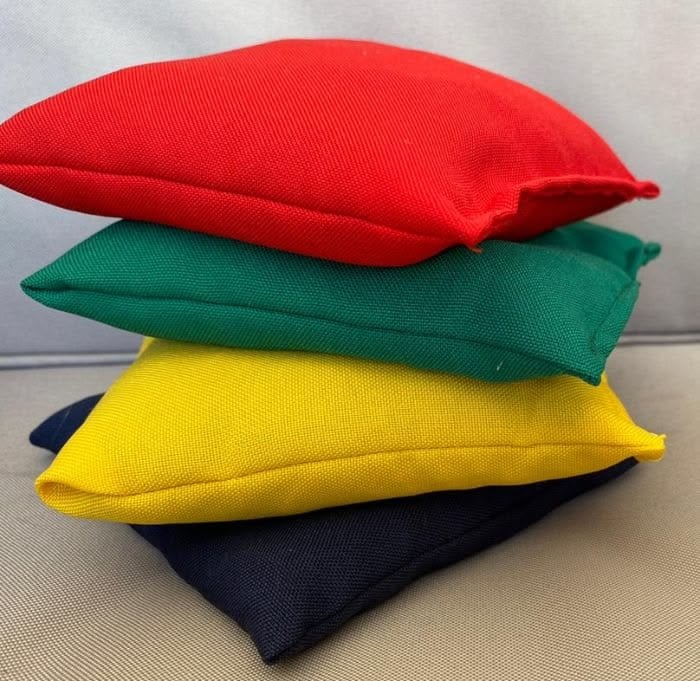
Toddler bean bags are soft squares for tossing games, matching games, and early catching practice.
Each one is two small fabric squares sewn together, filled, and closed, so you’ll practice accurate seams, sharp corners, and closing a gap neatly.
The filling is where care matters. Choose a filling that’s safe for young children and keep the seams very strong, since a burst bag could spill small pieces.
Double stitching around the edges is worth the extra time, and a neatly closed gap should never be left to chance.
Use sturdy, washable fabric, say clearly what the filling is, and remind buyers that adults should supervise play.
Sets of four or six in bright colors, or with simple shapes, make a nice gift and give buyers a reason to choose more than one.
If you want beginner sewing projects that make great products to sell to families, this is a friendly place to start.
14. Stroller Cup Holders
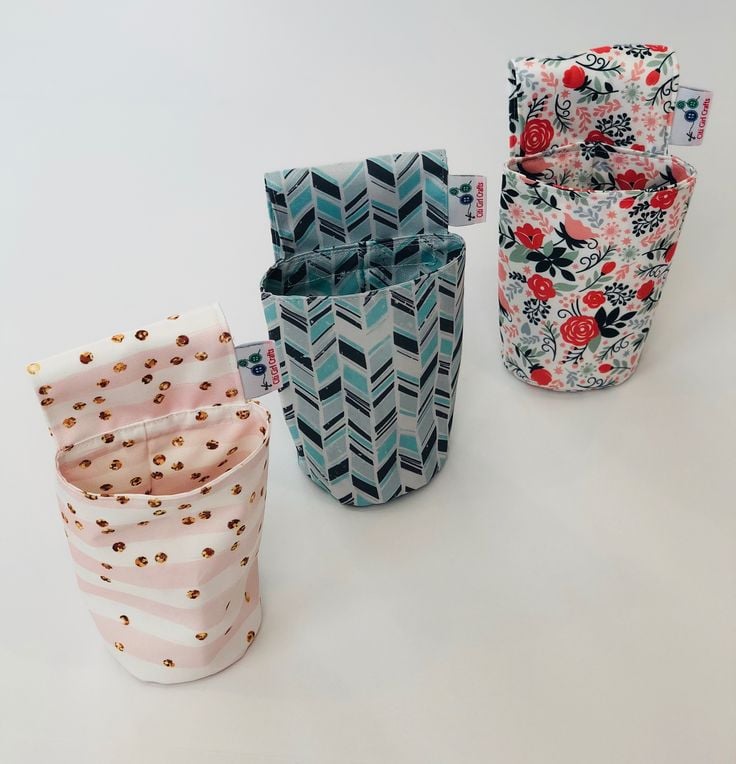
Parents and caregivers often want a drink within reach on a walk, which is why stroller cup holders find buyers.
The pouch is easy enough, but the straps are where you’ll learn: adjustable straps with hook-and-loop tape, snaps, or buckles need careful measuring and strong stitching.
Choose washable fabric that copes with the odd spill, and sew a small box of stitches over each strap end.
Safety comes first. The finished holder must attach securely without getting in the way of folding, steering, brakes, harnesses, or other controls, and no single design fits every stroller.
Say which handlebar sizes yours is made for, and ask buyers to check it suits their stroller.
A zipped side pocket for keys can add variety.
If you’re sorting through things to sew and sell for a successful small business, this is one to test on a real stroller before you list it.
15. Bandana Halter Tops
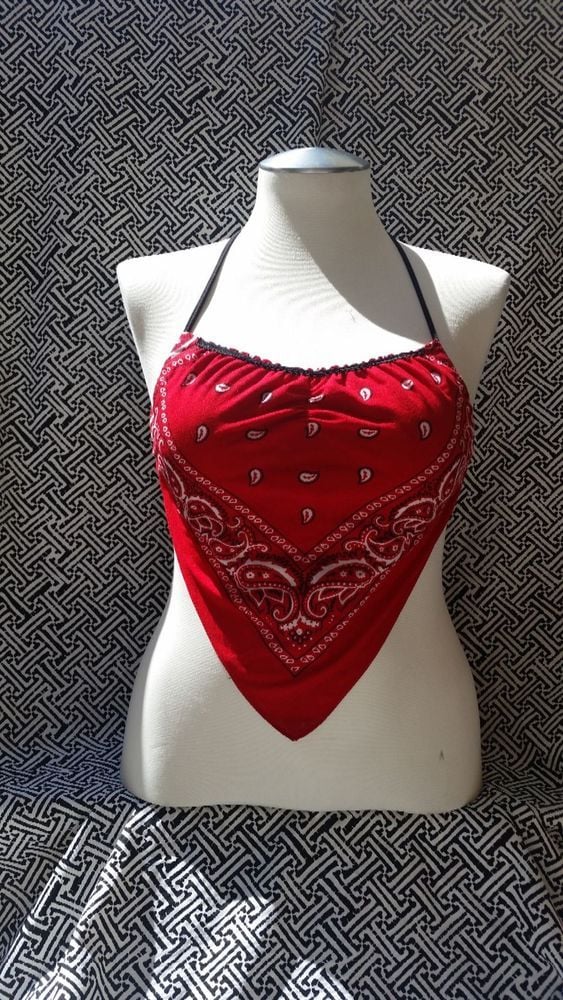
Bandana halters are a relaxed summer style: a triangle of fabric with ties at the neck and back.
The shape is simple, and you’ll practice hems and making fabric ties.
Clothing is different from accessories, though, because fit matters.
Measure carefully, offer a few sizes, and include a size chart with bust and back measurements rather than saying one size fits everyone.
Pick fabric with a soft drape, such as lightweight cotton or rayon, and add extra stitching where the ties meet the body, since that’s where the strain happens.
If you can, try the top on a few different people.
Fit is the extra challenge when you add wearables to your list of beginner sewing projects that make great products to sell.
Clear care instructions help too, because light fabrics can fray or fade if they’re washed roughly.
16. Mason Jar Cozies
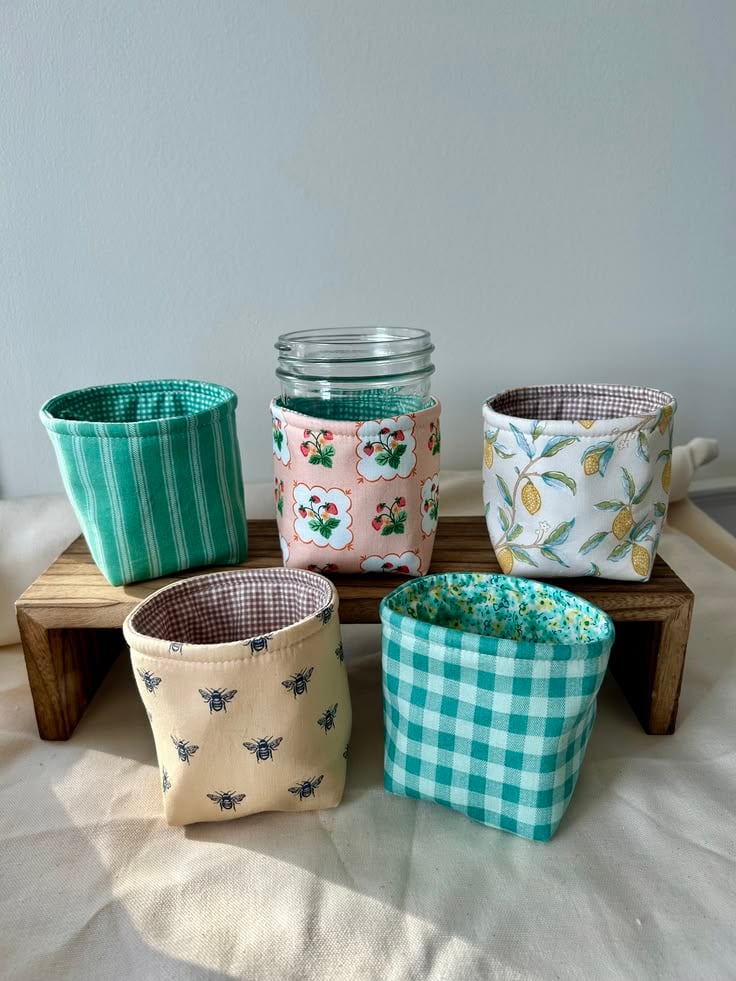
Jar cozies bring color and personality to kitchen shelves, gift jars, and storage displays.
Wrap a rectangle around a jar, sew it into a sleeve, and add a closure such as hook-and-loop tape, a button, or elastic.
A loop or small handle is optional. Measure around and up the jar, since sizes differ.
The cozy should fit snugly without making the jar hard to hold, and it should come off before you heat the jar or use it in any way the fabric isn’t made for.
Seasonal prints and matching kitchen pieces make nice gift sets, perhaps with a filled jar of dry goods inside.
Bright, simple items like these also suit handmade sewing products to sell online, since they’re easy to photograph.
Offer a couple of jar sizes so buyers can match what’s already in their cupboards.
17. Felt Dice Trays
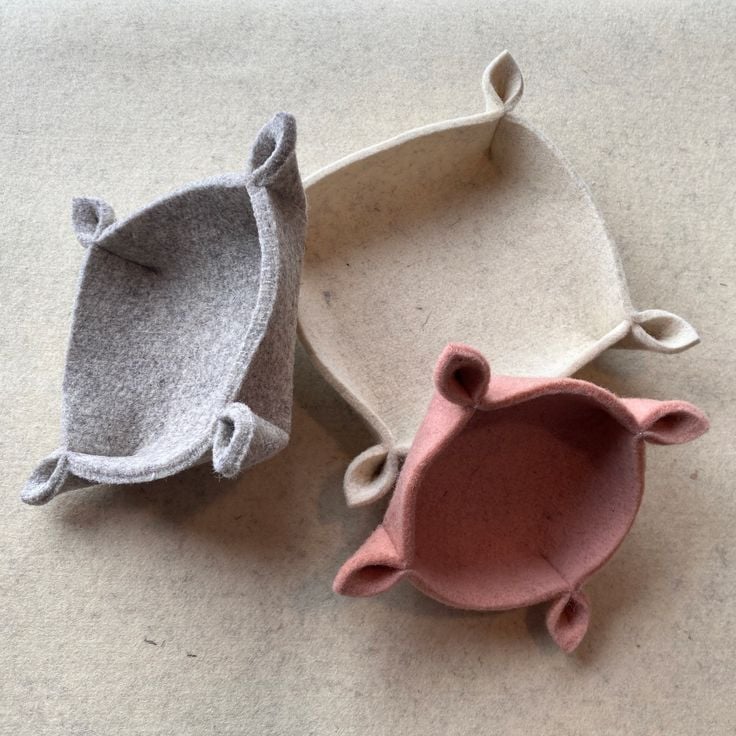
Tabletop gamers like a small tray that stops dice from skidding across the table, and felt gives them a soft, quiet landing.
A simple square or rectangle with shaped corners, held with snaps or a similar fastener, is enough for a beginner.
Choose firm felt, such as a good wool blend or thick craft felt, and think about adding interfacing for a flat base.
Topstitching around the edge gives a clean finish. Snaps and other small hardware must be fixed on securely, especially if the tray might be used around children, since loose pieces are a hazard.
Dark neutrals suit serious gamers, while bright colors appeal to families.
A matching dice bag turns the tray into a set.
Hobby communities can be a good audience for beginner sewing projects that make great products to sell, since buyers often value neat, thoughtful details.
18. First Aid Pouches
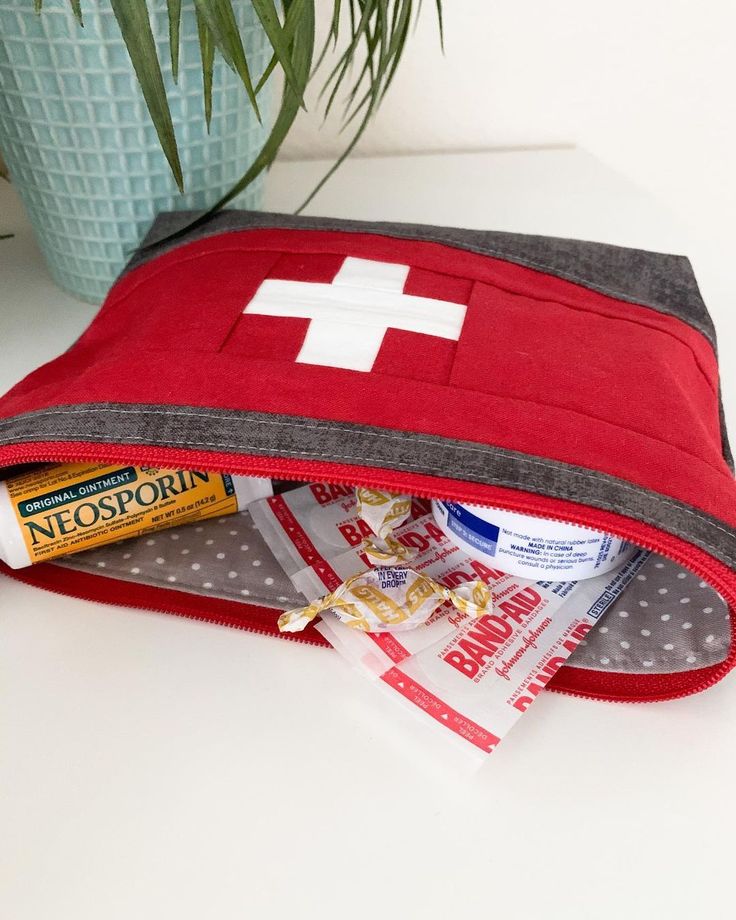
Small first aid pouches help people keep basic supplies together at home, in the car, or in a travel bag.
The construction is a simple pouch, and adding a zipper is excellent practice.
Choose a wipeable or washable outer fabric, a lining, and perhaps a few small compartments.
Be clear that the pouch is an organizer, not a replacement for proper first aid supplies or protective packaging, and never suggest the fabric keeps medical items sterile.
List the pouch’s measurements so buyers know what will fit inside.
A clear label on the front, and a bright color that’s easy to spot in a bag, can make it quicker to find.
It can also be a quick make, in the spirit of sewing projects you can make in one hour and sell, but take your time with the zipper.
Pets, Baking, Sports and Home Pieces
19. Small Pet Hammocks
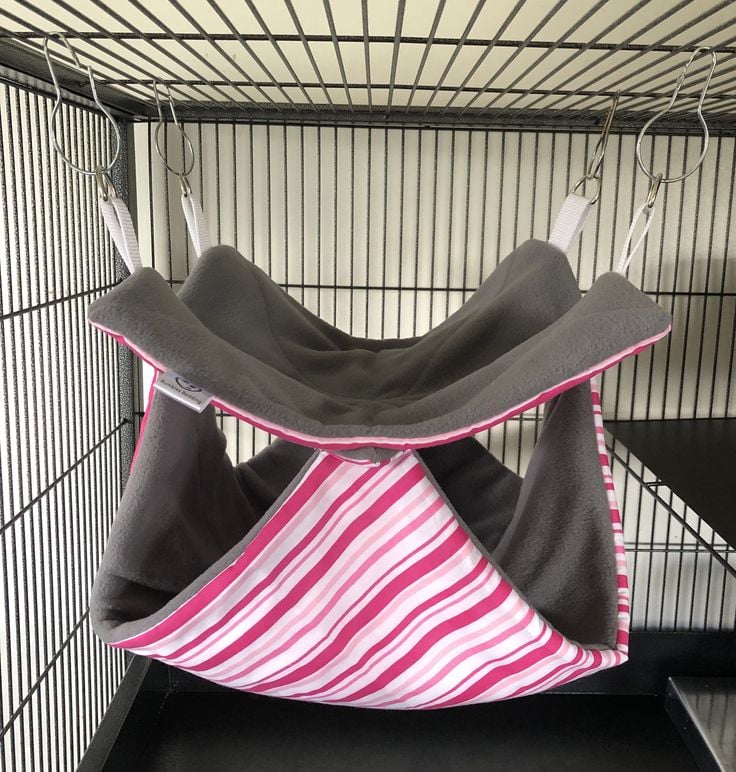
Small pet hammocks may appeal to owners of suitable small animals who want to add a resting spot to the enclosure.
Start by measuring the enclosure, then sew a rectangle with reinforced corners where the hooks or ties will attach.
Choose washable materials, and don’t assume one design works for every species.
Owners should attach the hammock securely and check it regularly for wear.
Everything about it needs to be safe for the animal it’s made for, so keep threads trimmed and avoid hardware that could be chewed or swallowed.
Fabrics that don’t fray easily are a sensible choice.
Offer a few sizes, say plainly which animals each is designed for, and encourage buyers to match the hammock to their pet and cage.
Fleece and tightly woven cotton are common choices, but check what suits the animal.
20. Reusable Sandwich Wraps
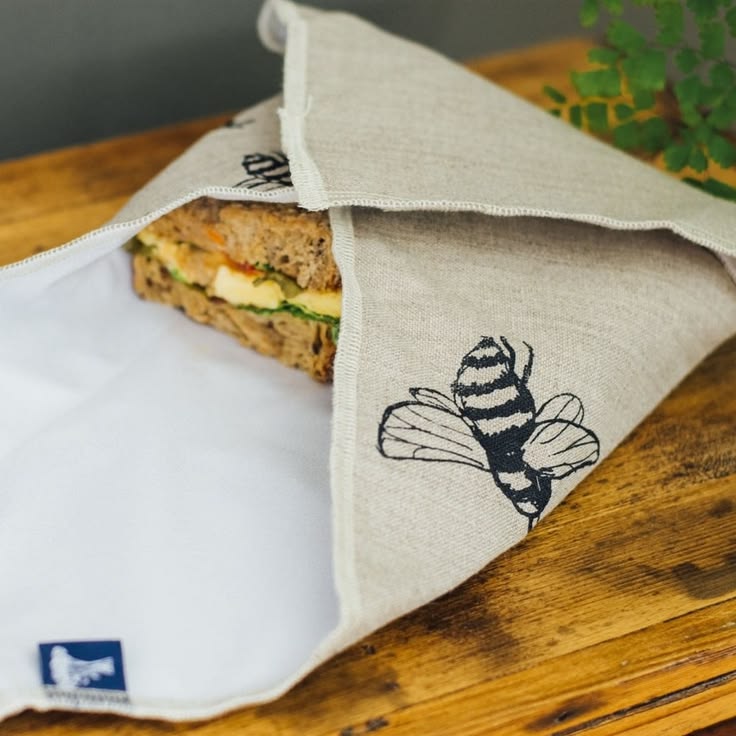
Reusable sandwich wraps are a lunchtime swap for cling film and disposable bags.
The sewing is simple: a hemmed square or rectangle, often with a hook-and-loop strip or snap to hold the fold.
Unlike a bento wrap, it’s sized to hold one sandwich and stay folded flat inside a bag.
You’ll practice cutting accurate shapes, hemming, and attaching a closure neatly.
Food contact is the key point. Choose fabric and any lining that are suitable for food use, and give clear washing instructions.
Don’t claim a wrap is waterproof or leakproof unless you’ve tested it and can back that up.
Washable cotton is a sensible place to start. Offer a regular size and a larger one, and consider pairing them with a snack bag.
If you’re curious about sewing products you can make in bulk and sell, the repeating shape makes this one easy to batch.
21. Chalk Bags
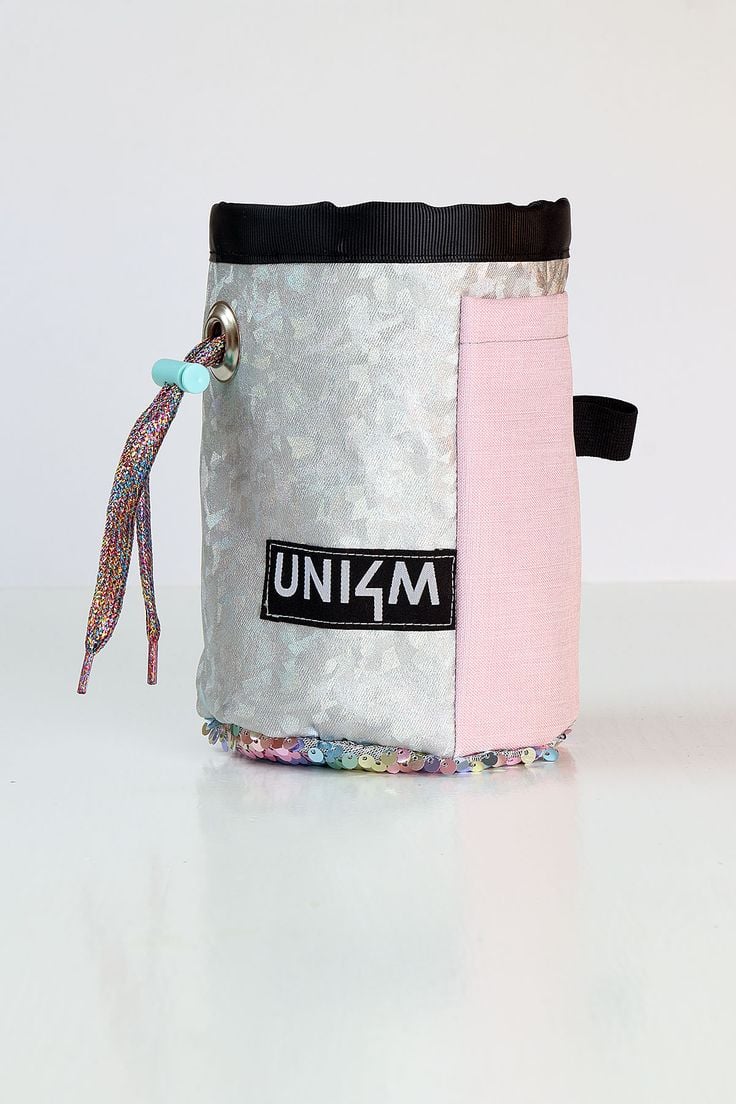
Chalk bags appeal to climbers and other sports fans who use chalk during activities.
The basic pouch has a lining, a drawstring closure, and a belt attachment.
Because it’s used during physical activity, this project needs stronger construction than a decorative pouch.
Use secure seams, suitable fabric, and reliable attachment points, with extra stitching where the belt or loop connects.
Think about the opening, too: chalk should stay inside, and a hand should fit in easily.
Pressing the lining flat before you sew helps the bag keep its shape.
A handmade chalk bag is not safety equipment and doesn’t replace proper climbing gear, so keep your product description honest about that.
Different sizes, bright prints, and matching belts can round out the range.
On a list of beginner sewing projects that make great products to sell, the chalk bag asks for the most careful stitching.
22. Reusable Produce Bags
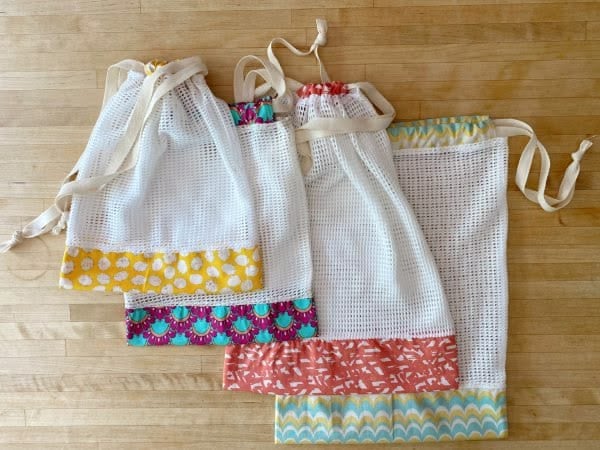
Reusable produce bags appeal to shoppers who want a lightweight alternative to disposable ones.
You’ll practice sewing simple rectangles, making hems, and adding drawstrings.
Choose breathable, light fabric so the bag doesn’t add much weight at the scale, and consider a sheer fabric so shoppers can see what’s inside.
The bags should be easy to wash and quick to dry fully. Different sizes help, such as small ones for mushrooms and larger ones for leafy greens, and color-coded sets make the range more useful.
If you want to explore sewing products with low material costs, these are a natural fit, though your price should still reflect your time.
Finish seams neatly so loose threads don’t end up near food, and tie each set with a simple ribbon so it looks ready to give or sell.
23. Travel Tissue Holders
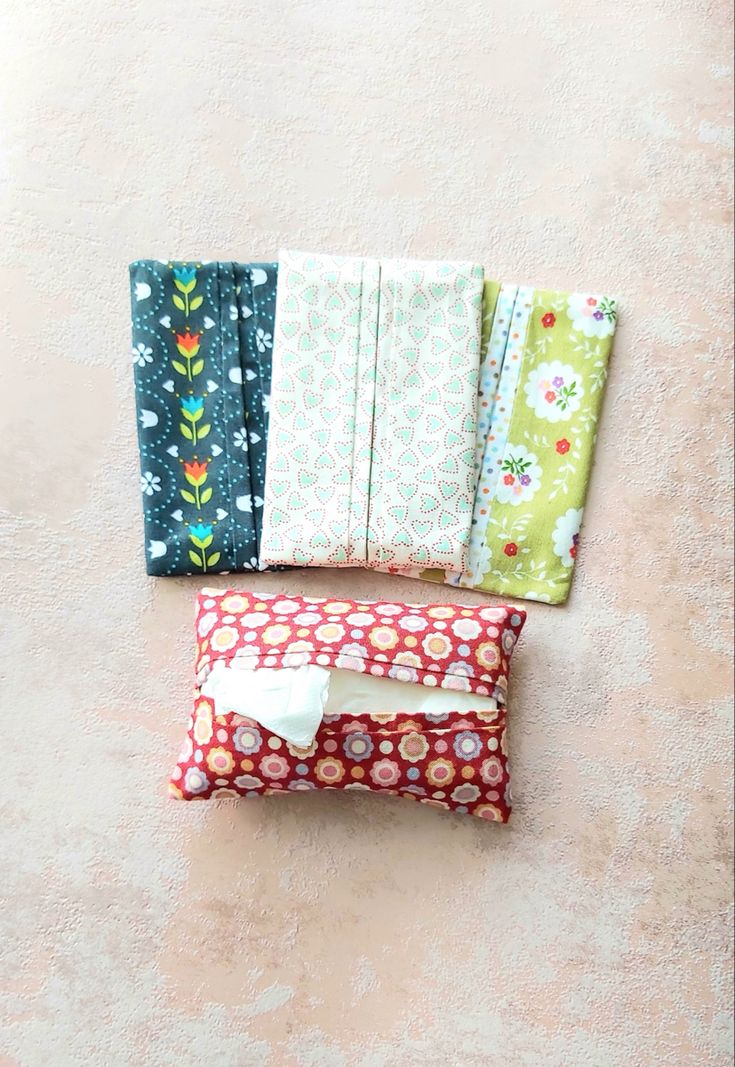
These compact holders slip into handbags, backpacks, glove boxes, and travel bags.
You can make them from small pieces of fabric using simple folds and straight seams, so they come together quickly.
Accurate measuring matters because the holder must fit a standard pocket tissue pack snugly.
Make the opening easy enough to pull a tissue out without dragging the whole holder apart, and add a few extra stitches where fingers tug.
Washable cotton is a good choice since the holder will be handled often.
Matching fabric collections look lovely on a craft fair table, and these little holders work well as inexpensive gifts or small add-ons.
A set of three in coordinating prints suits teachers, travellers, and friends.
A pretty print catches the eye, but neat stitching is what keeps the holder going once it’s been refilled many times.
24. Wine Bottle Bags
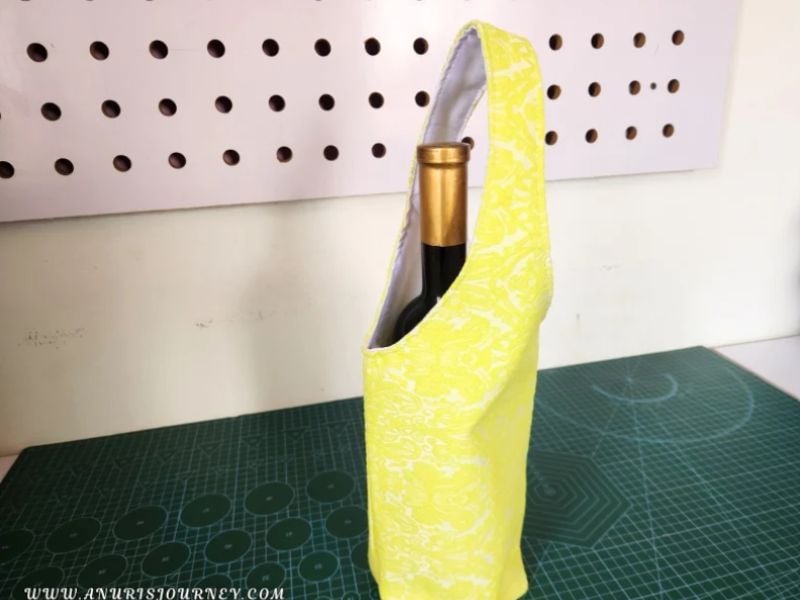
Fabric wine bottle bags suit people who want reusable gift packaging for celebrations, dinners, and holidays.
You’ll measure the bottle, sew a base, finish the top, and add handles or a drawstring.
Wine bottle bags are one of the beginner sewing projects that make great products to sell in gift season.
Seasonal prints, personalized designs, and sets for different occasions give you plenty of variety, and sewing products to sell on Etsy can spark more ideas.
Sturdy seams and comfortable handles are essential because the bag must carry the weight of the bottle, so sew the handle ends on with extra rows of stitching.
A lining adds structure and a more polished look, and a full-size bottle is the best way to check the fit.
Don’t claim the bag will protect a glass bottle from breaking. It’s gift packaging, not protection.
25. Hot Water Bottle Covers
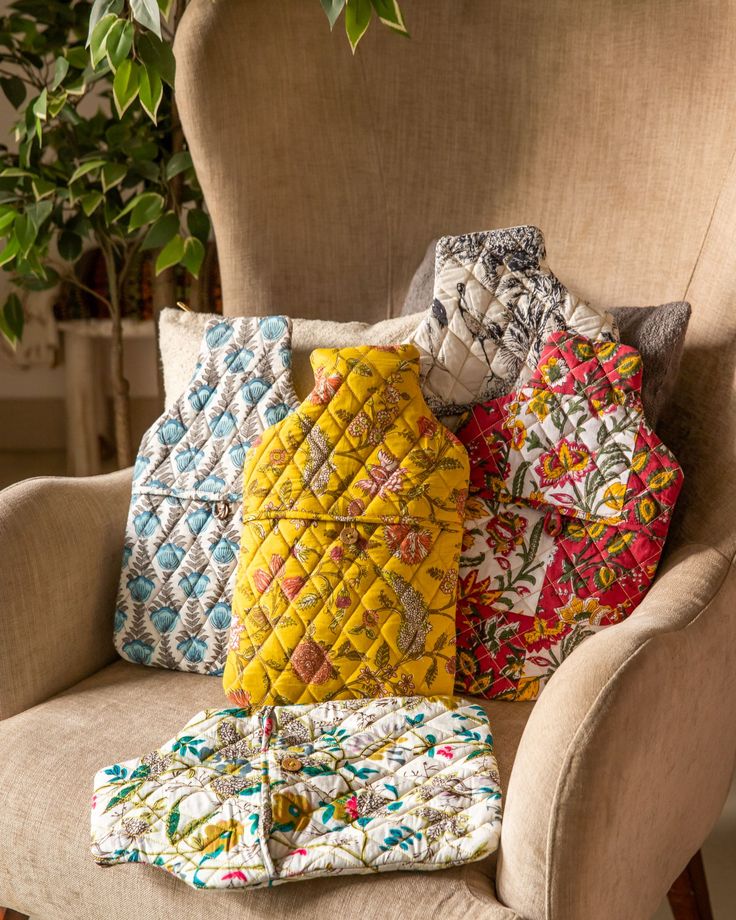
Hot water bottle covers make a bottle cozier to hold and nicer to look at.
You’ll practice measuring, shaping, sewing seams, and finishing an opening, such as an envelope back or a button closure.
Soft, washable fabrics like fleece, flannel, or knit work well, and different colors and patterns suit different buyers.
One safety point matters here. The cover doesn’t replace following the bottle maker’s instructions, checking the bottle for damage, or using water at the recommended temperature.
Never claim that a handmade cover protects against burns or leaks.
A small care card with that reminder is a good idea.
Make the opening wide enough that the bottle can be taken out easily for checking, and measure a few common bottle sizes so you can say clearly what each cover fits.
26. Pillow Covers
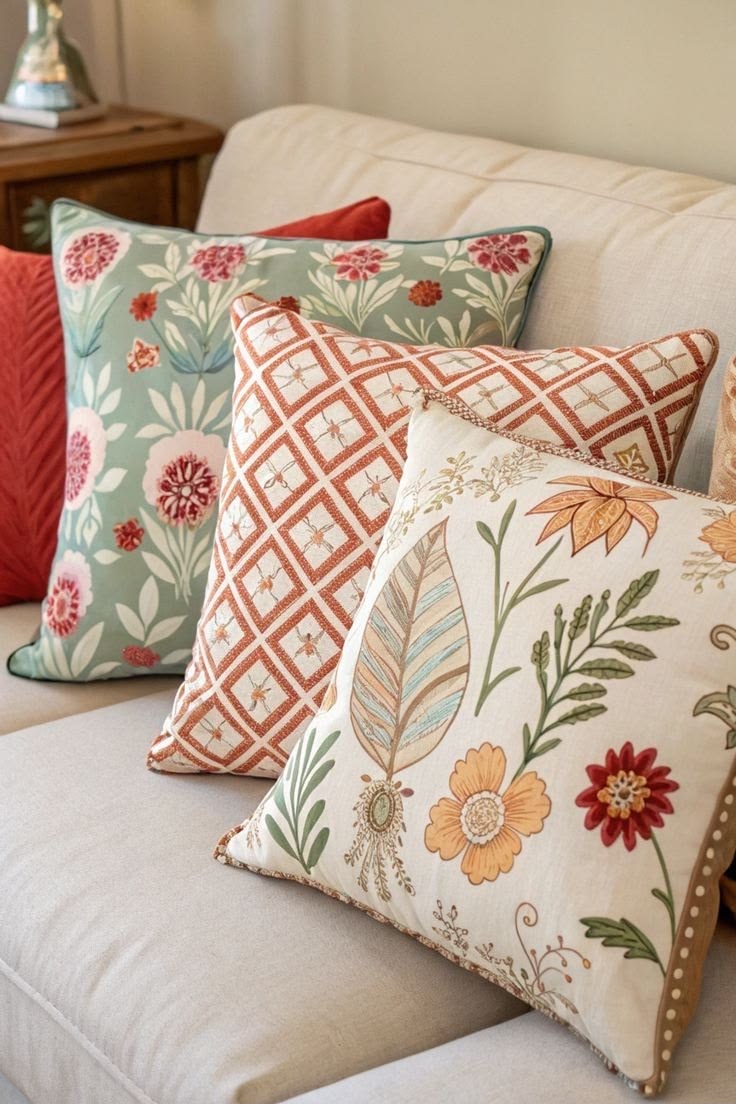
Pillow covers are a friendly first step into home décor sewing.
You’ll work with rectangles, hems, envelope backs, and simple closures, which are all manageable skills. Measure the pillow insert accurately, and cut the cover slightly smaller so the pillow looks full instead of floppy.
Choose fabric to suit the room, such as sturdy cotton for a living room or a soft linen blend for a bedroom.
Replacement covers appeal to people who want to refresh a room without buying new pillows, and seasonal or matching designs give them more to choose from.
Neat seams and accurate sizing make a surprising difference.
A set of two or four covers in coordinating fabrics also looks good in photos.
If you like working without a printed pattern, no-pattern sewing projects to make and sell has more ideas in the same spirit.
27. Fabric Baskets
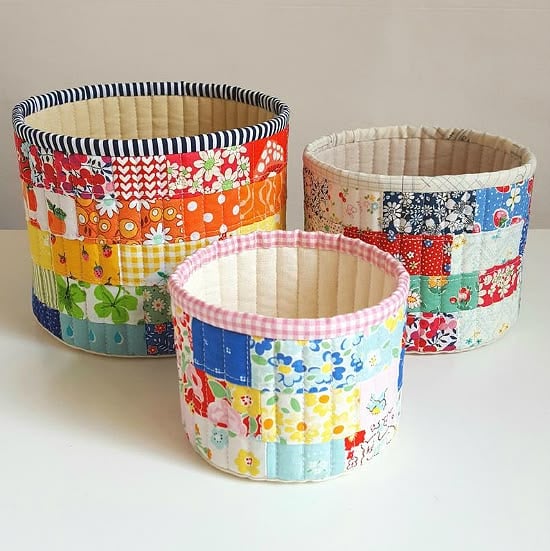
Fabric baskets organize toys, sewing supplies, toiletries, laundry, and household odds and ends.
The basic build uses a couple of fabric pieces, boxed corners, interfacing, and a turn through the opening to bring it right side out.
A firmer basket needs more careful fabric choices, but you can begin with a small, simple shape.
Heavier interfacing gives more structure, while lighter weights give a softer, floppier look.
Different sizes, reversible designs, and matching storage sets give buyers options.
A stable base and strong seams matter most, since the basket has to hold its shape in everyday use.
Fill a sample with real items before you sell it. Handles are handy but need their own reinforcement.
Baskets reward patience more than most beginner sewing projects that make great products to sell, so practice your corners on scrap fabric first.
Choosing Your First Projects
Beginners can build real sewing skills while making products they may one day sell.
Pick one or two projects that match where you are now, practice the construction, and improve the finish before making larger batches.
A small, carefully made range is a sensible place to start, and the best beginner sewing projects that make great products to sell are the ones you can repeat with the same quality every time.
As you plan, keep an eye on material suitability, safe construction, what your customers need, and prices that reflect your time and costs.
Your next step is simple: choose one project, make three samples, and ask a friend to try them out before you make any more.