When my children were younger, I often felt like toys were everywhere. The toy bins overflowed, the shelves looked crowded, and somehow the kids still claimed they had nothing to play with. I found it confusing because they owned plenty of toys. Then I discovered the idea of toy rotation, and everything changed. Instead of displaying every toy at once, I started putting some away and bringing them back later. Suddenly, old toys felt exciting and new again. If your child loves organized play spaces, explore 19 Jungle-Themed Kids Room Ideas Full of Fun Details.
That is why toy rotation ideas have become so popular with parents. Children often feel overwhelmed when they see too many options at the same time. However, when you offer a smaller selection, they tend to focus longer, play more creatively, and appreciate the toys they already have. As a result, parents enjoy less clutter while children enjoy more meaningful play.
If you are looking for toy rotation ideas that actually work, you are in the right place. These simple strategies can help keep toys organized, reduce mess, and make playtime feel fresh without constantly buying new things. Best of all, most of these ideas are easy to start today.
1. Divide Toys into Weekly Bins
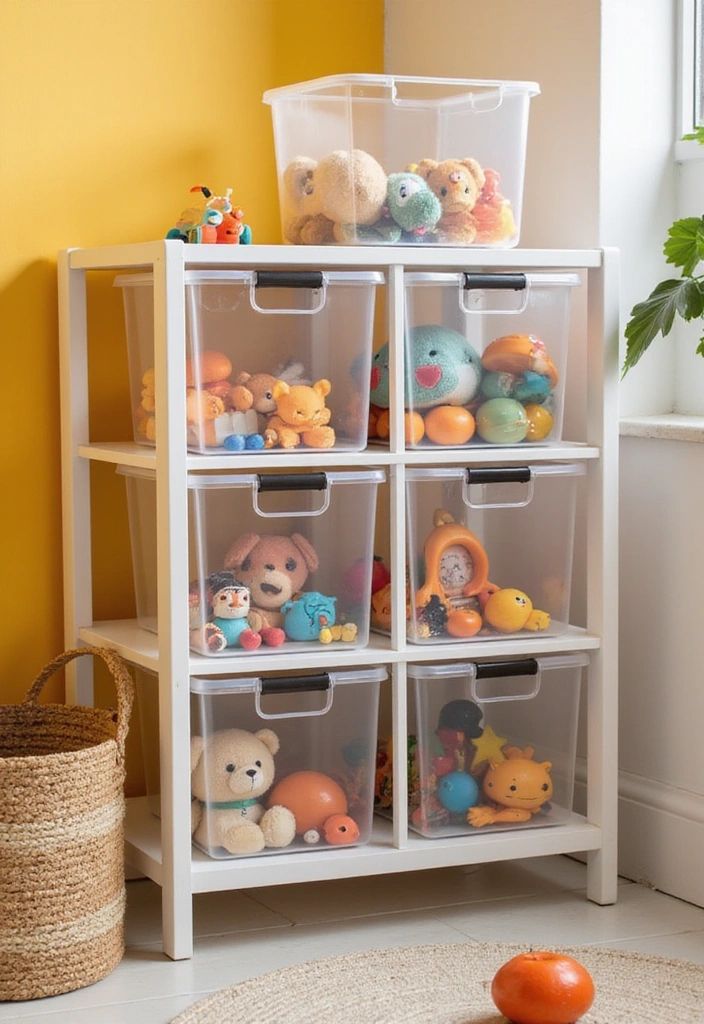
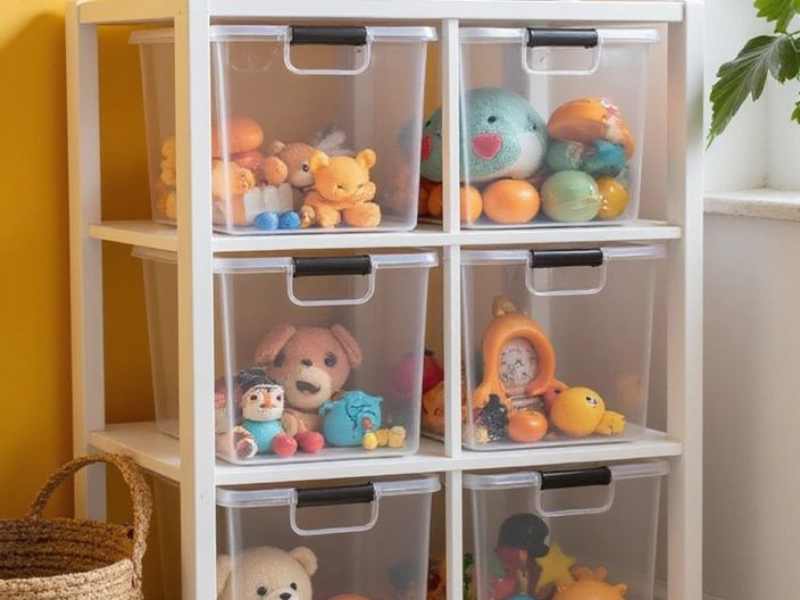
One of the easiest toy rotation ideas involves sorting toys into separate bins and bringing out only one bin each week. For example, you can create a building toy bin, pretend play bin, puzzle bin, and vehicle bin. Each week, simply swap one for another.
This method keeps play areas organized while helping children focus on fewer toys at a time. Additionally, toys feel new and exciting when they return after several weeks. Many parents notice that children spend more time exploring and enjoying toys they previously ignored. The system is simple, affordable, and highly effective for reducing clutter.
2. Rotate Toys by Theme
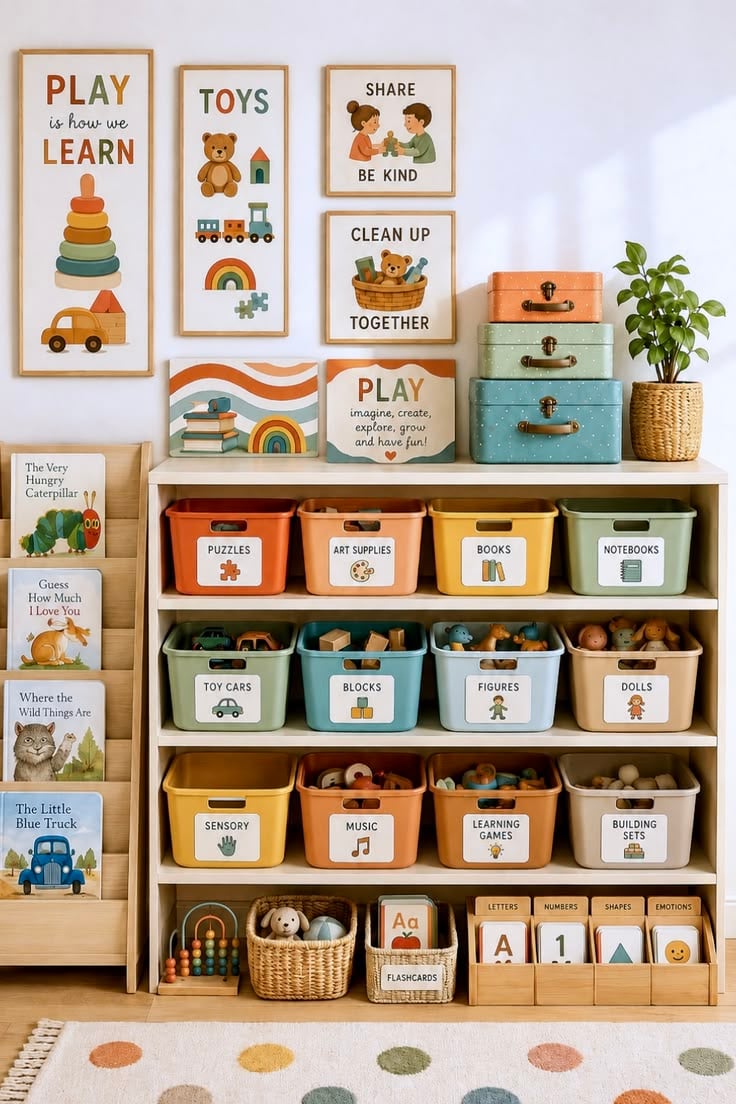
Instead of rotating random toys, organize them around themes. For example, one week may focus on animals, another on construction, another on transportation, and another on pretend cooking. For more creative inspiration, see 37 Whimsical Kids Bedroom Ideas That Spark Imagination.
Children often become deeply engaged when toys connect to a specific theme. Furthermore, themed rotations encourage creative storytelling and imaginative play. The focused collection helps children create stronger connections between toys and activities while preventing the play area from becoming overwhelming.
3. Use a Toy Closet System
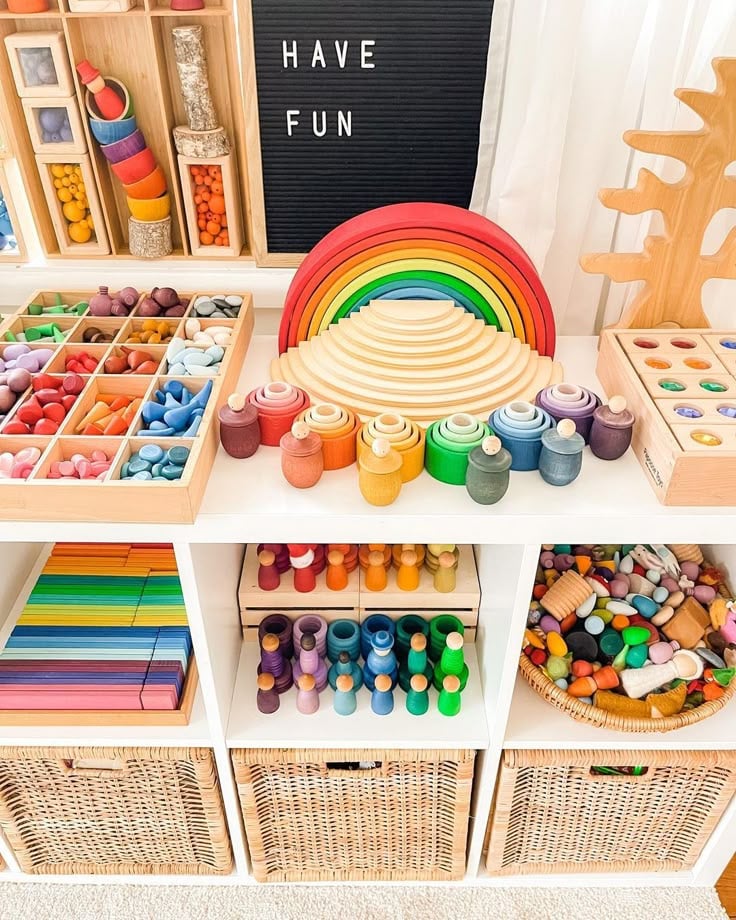
A dedicated toy closet works wonderfully for rotation. Keep most toys stored neatly inside while displaying only a small selection in the play area. Every few weeks, swap some toys from storage with toys currently available. If you want smarter storage solutions, check out 15 Genius Toy Storage Ideas for Kids Rooms You Need to Try.
This approach creates an organized environment that feels less chaotic. Additionally, children often become excited when new toys appear from the closet. The process feels almost like receiving new gifts, even though the toys already belong to them.
4. Keep Only Five to Ten Toys Available
For trendy teen room inspiration, browse 27 Teen Girl Bedroom Ideas That Feel Trendy Yet Timeless.
Sometimes less truly is more. Instead of displaying dozens of toys, choose only five to ten options at a time. This encourages children to engage more deeply with each toy rather than jumping quickly from one activity to another.
Furthermore, a smaller selection makes cleanup easier and helps children develop better focus. Many parents discover that their children actually play longer when fewer choices are available.
5. Create Seasonal Toy Rotations
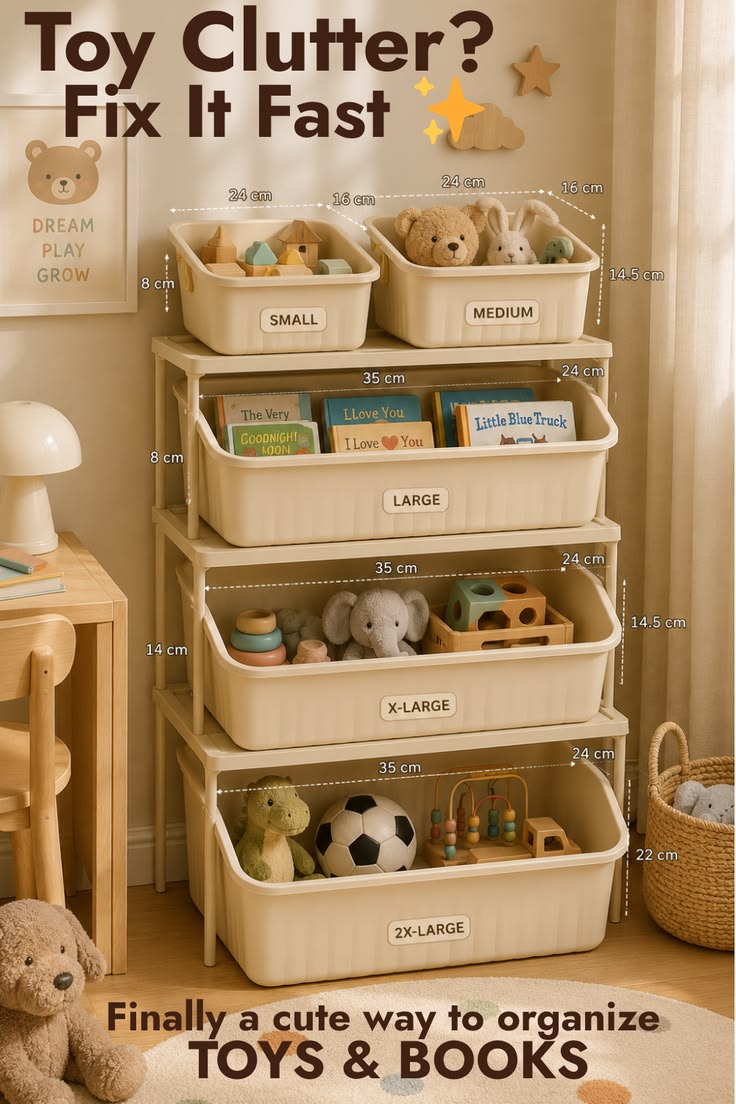
Seasonal toy rotations help match play activities to the time of year. For example, snow-themed toys may appear during winter, outdoor adventure toys during summer, and harvest-themed activities during autumn.
Children often enjoy seeing toys that match current holidays and seasons. Additionally, seasonal rotations help keep playtime feeling fresh and exciting throughout the year without requiring constant purchases.
6. Rotate Books Alongside Toys
Books work beautifully within a toy rotation system. Store some books away and rotate them every few weeks alongside the toys.
Children often rediscover favorite stories with renewed excitement when they return after a break. Furthermore, rotating books helps maintain interest in reading while keeping bookshelves organized and uncluttered.
7. Create Interest-Based Rotations
Pay attention to your child’s current interests and rotate toys accordingly. If they suddenly love dinosaurs, bring out dinosaur toys. If they become interested in space, rotate in rockets, planets, and astronaut figures.
This approach keeps play relevant and engaging. Additionally, it supports natural learning and curiosity while helping children explore topics they genuinely enjoy.
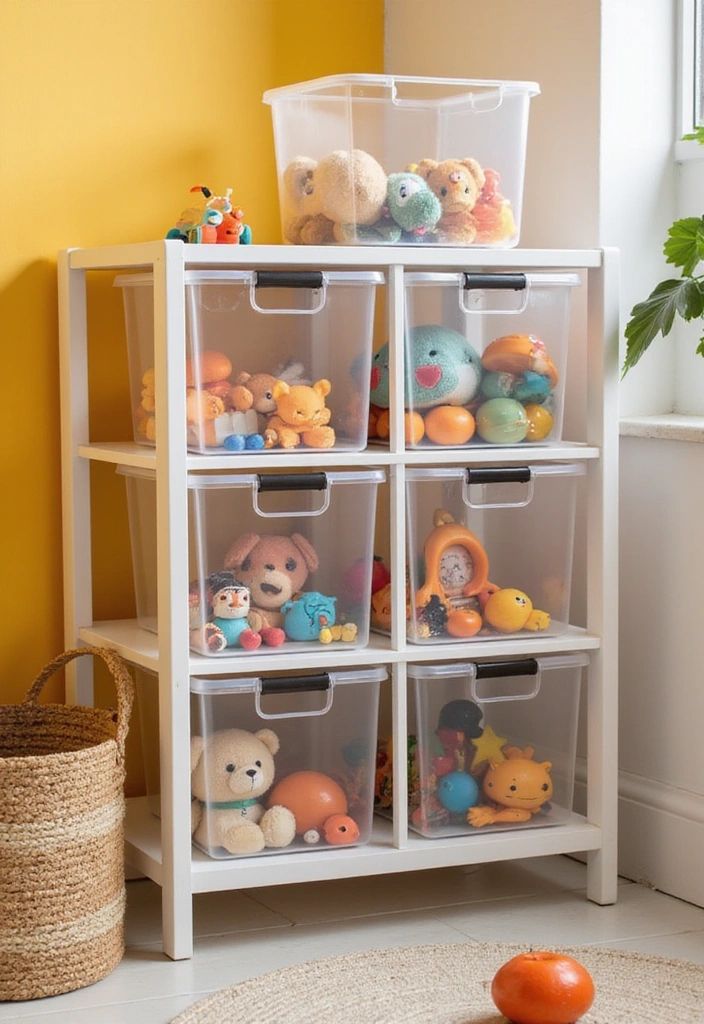
8. Use Clear Storage Containers
Clear containers make toy rotation much easier because you can quickly see what is stored inside. Labels help even more by identifying categories without opening every bin. For complete room transformations, explore 29 Kids Room Makeover Ideas That Deliver a Huge Transformation.
An organized storage system saves time during rotations. Additionally, it prevents forgotten toys from remaining hidden for months. Parents often find that clear containers make the entire process more manageable.
9. Rotate Art Supplies
Art supplies can benefit from rotation just as much as toys. Instead of keeping every marker, stamp, sticker, paint set, and craft supply available, offer only a small selection at one time.
Children often become more creative when fewer materials are available. Furthermore, rotating supplies keeps art activities exciting and reduces clutter around craft spaces.
10. Create Activity Stations
Divide available toys into different stations throughout the room. One area may contain puzzles, another building blocks, and another pretend play items.
Every few weeks, switch the stations completely. This simple change makes familiar toys feel different because children interact with them in a new environment.
11. Store Half the Toys Out of Sight
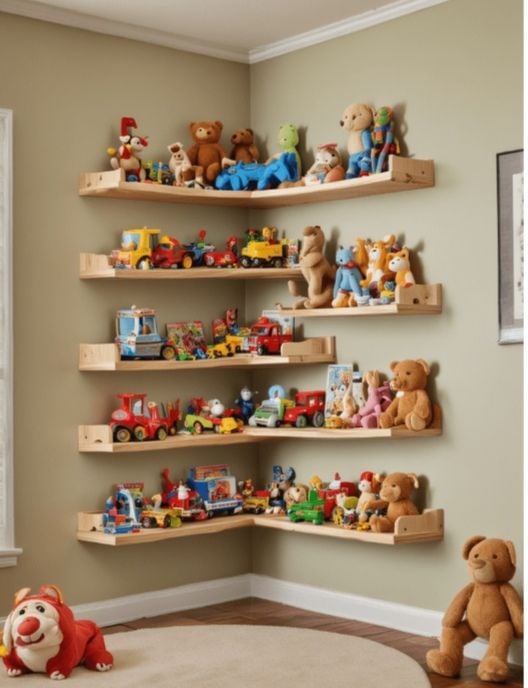
One of the simplest toy rotation ideas is to store at least half of the toys out of sight. You can use boxes, closets, under-bed storage, or labeled bins. When children cannot see every toy at once, they naturally focus more on what is available.
This method also reduces overwhelm. Children often play longer when they do not feel distracted by too many choices. Additionally, stored toys feel “new” again when you bring them back later. This small habit creates a big change in how children use their toys and how tidy the room stays.
12. Rotate Pretend Play Sets
Pretend play sets like kitchen toys, doctor kits, and tool sets work very well with rotation. Instead of leaving everything out at once, switch them every one or two weeks. For calm and minimalist inspiration, visit 31 Scandinavian Kids Room Ideas That Feel Clean and Cozy.
Children often enjoy pretend play more deeply when they focus on one theme at a time. For example, a week with only kitchen toys can lead to longer and more creative cooking games. Then, switching to a doctor set brings fresh excitement without buying anything new.
13. Rotate Outdoor and Indoor Toys
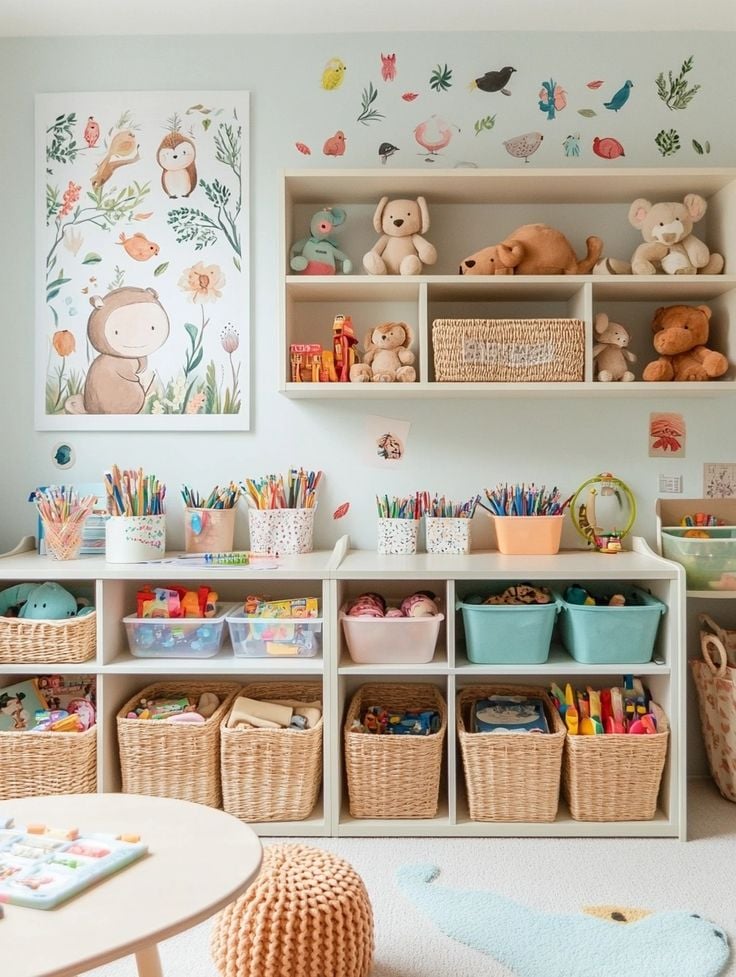
Outdoor toys like balls, scooters, and garden tools can also rotate with indoor toys. Keep outdoor items stored during rainy seasons or colder months, and swap them with indoor activities like puzzles or building blocks.
This keeps the play area organized and prevents clutter from building up inside the house. It also helps children stay excited because toys match the season and environment.
14. Use a Toy Library Box
A toy library box works like a mini library system. Place a few toys in a special box and let children “check out” different toys each week. After playtime, they return them and choose new ones.
This system adds fun and structure to toy rotation. Children often enjoy the idea of borrowing and returning toys. It also teaches responsibility and helps them understand organization in a playful way.
15. Rotate Building Toys
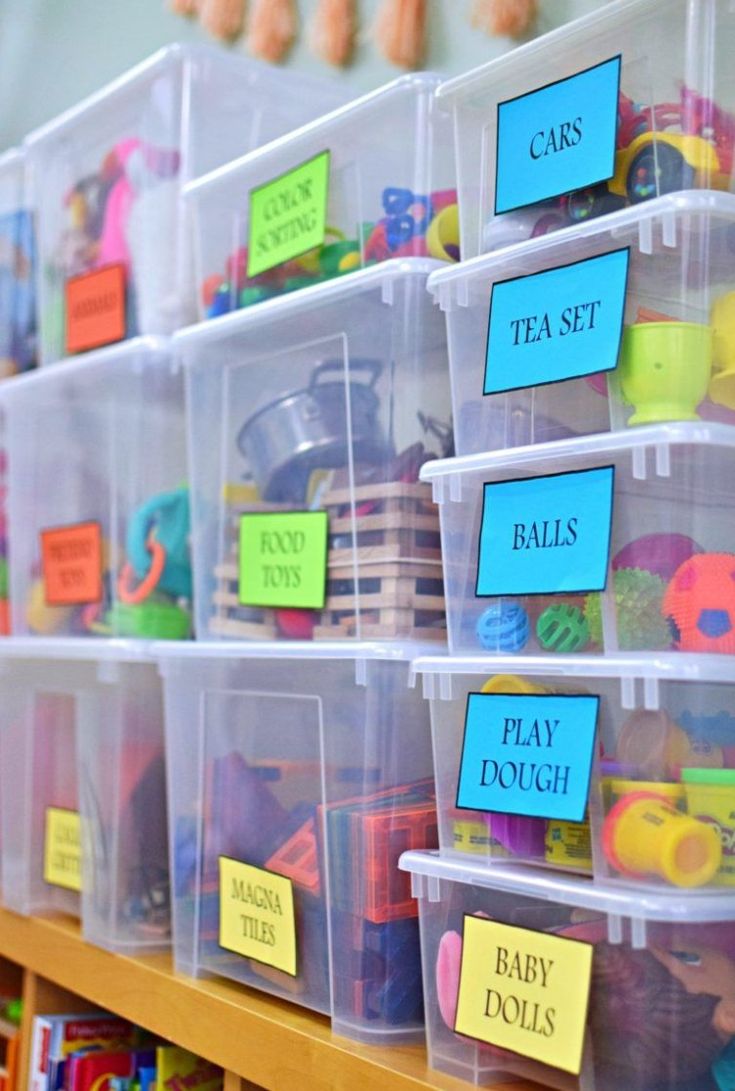
Building toys like blocks, LEGO sets, and magnetic tiles can become more exciting when rotated. Instead of giving access to every set at once, introduce different building toys each week. If you’re looking for cozy bedtime inspiration, explore 15 Cozy Canopy Bed Ideas for Kids Bedrooms.
Children often become more creative when they focus on one building system. Additionally, rotating helps keep pieces from getting lost and reduces clutter on the floor.
16. Keep a “Favorites Only” Basket
Create a small basket where your child keeps their absolute favorite toys. These toys stay available all the time while the rest rotate in and out.
This method gives children comfort and choice without overwhelming them. It also helps you identify which toys they truly love and use most often.
17. Rotate Toys by Skill Level
Some toys help develop different skills like counting, fine motor skills, or problem-solving. You can rotate toys based on skill focus to support learning. If your child loves dreamy night skies, check out 17 Starry Night Kids Room Ideas That Feel Dreamy.
For example, one week may include puzzles and shape sorters, while another week includes building and stacking toys. This keeps learning balanced and engaging.
18. Use Shelf Rotation Display
Instead of storing toys in closed bins, use open shelves and rotate what appears on them. Only display a few toys at a time, and switch them regularly.
This makes the play area look neat and organized. It also helps children see their toys clearly and choose what to play with more easily.
19. Rotate Toys After Cleanup Time
After a set cleanup period, introduce a toy swap. For example, after one week of play, put away some toys and bring out new ones.
This creates a natural rhythm for rotation. Children begin to expect changes, which keeps them excited about playtime.
20. Involve Kids in the Rotation Process
Let your children help decide which toys stay and which go into storage. This makes them feel included and responsible. For more DIY-inspired creativity, see 37 DIY Kids Room Decor Ideas That Look Surprisingly Professional.
When children participate, they often appreciate their toys more and take better care of them. It also turns organization into a fun activity instead of a chore.
21. Rotate Toys Based on Behavior and Interest Changes
Pay attention to what your child enjoys each week. If they lose interest in certain toys, rotate them out and bring back something different later. If you are planning a full room refresh, explore 21 Tiny Playroom Ideas That Make the Most of Every Inch.
Children’s interests change quickly, so this flexible approach keeps playtime fresh. It also helps you avoid buying unnecessary new toys because old ones feel exciting again after a break.
Final Thoughts
These toy rotation ideas show that you do not need to buy new toys all the time to keep children interested. Instead, you can simply organize what you already have in a smarter way. When you rotate toys, you reduce clutter, improve focus, and bring back excitement to everyday play. For even more cozy and stylish inspiration for children’s spaces, explore 37 Whimsical Kids Bedroom Ideas That Spark Imagination.
Another great benefit of toy rotation ideas is that they help children develop deeper creativity. Instead of jumping from one toy to another, they spend more time imagining stories, building ideas, and exploring activities fully. This kind of focused play supports learning and growth in a natural way.
Parents also benefit from toy rotation because the home feels cleaner and less overwhelming. Fewer toys out at once means easier cleanup, more organized spaces, and less stress during busy days. It also helps you notice which toys your child truly enjoys, so you can make better decisions about future purchases.
You can start small. Even rotating just a few toys every week can make a big difference. Over time, you can build a system that works best for your home and your child’s personality. The goal is not perfection but balance—keeping playtime fun while keeping your space calm and organized.
Most importantly, toy rotation helps bring joy back into play. When children see “old” toys again after a break, they often react with excitement as if they are brand new. That simple moment of joy is what makes this system so powerful.