Kids room organization ideas can completely transform a messy bedroom into a functional, stress-free space. Many parents struggle with toys on the floor, overflowing bookshelves, misplaced clothing, and cluttered corners. As children grow, their belongings seem to multiply quickly. Therefore, having smart organization systems becomes essential.
The best kids room organization ideas do more than keep a room tidy. They help children learn responsibility, make daily routines easier, and create a calmer environment. An organized room also makes it easier for children to find their favorite toys, books, and clothes without frustration.
Fortunately, effective kids room organization ideas do not require a huge budget or a complete room makeover. Small changes such as storage bins, labeled baskets, shelving, and multifunctional furniture can make a dramatic difference. Whether you have a toddler, a school-aged child, or siblings sharing a room, these ideas can help make cleanup faster and easier.
If you need inspiration for shared spaces, explore 31 Kids Shared Bedroom Ideas That Look Surprisingly Stylish.
1. Use Clear Storage Bins
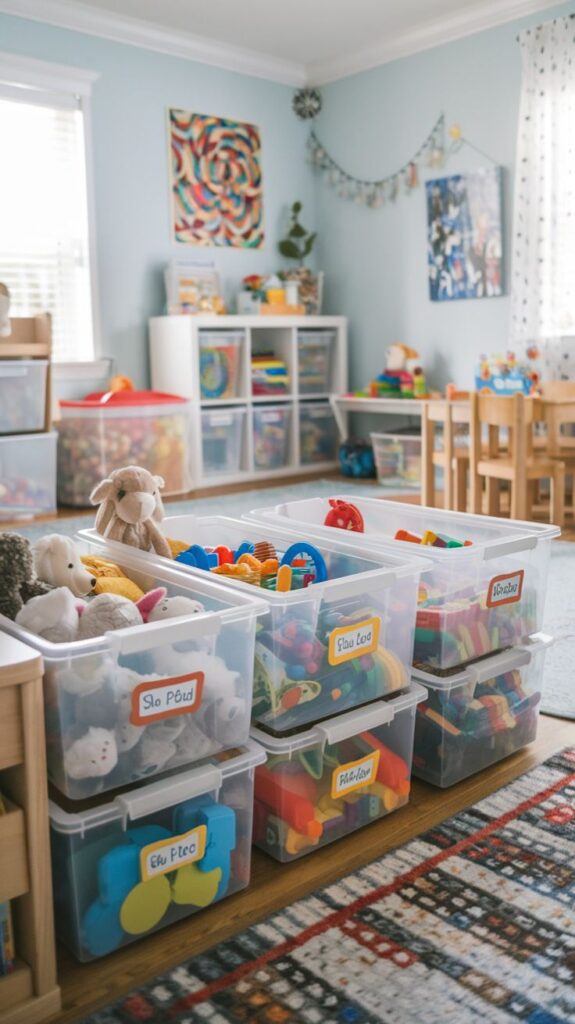
Clear bins make organizing simple.
Children can easily see what belongs inside each container.
This visibility reduces frustration during cleanup.
Clear storage also prevents forgotten toys from collecting dust.
Among the most effective kids room organization ideas, this solution works for nearly every age group.
2. Label Everything
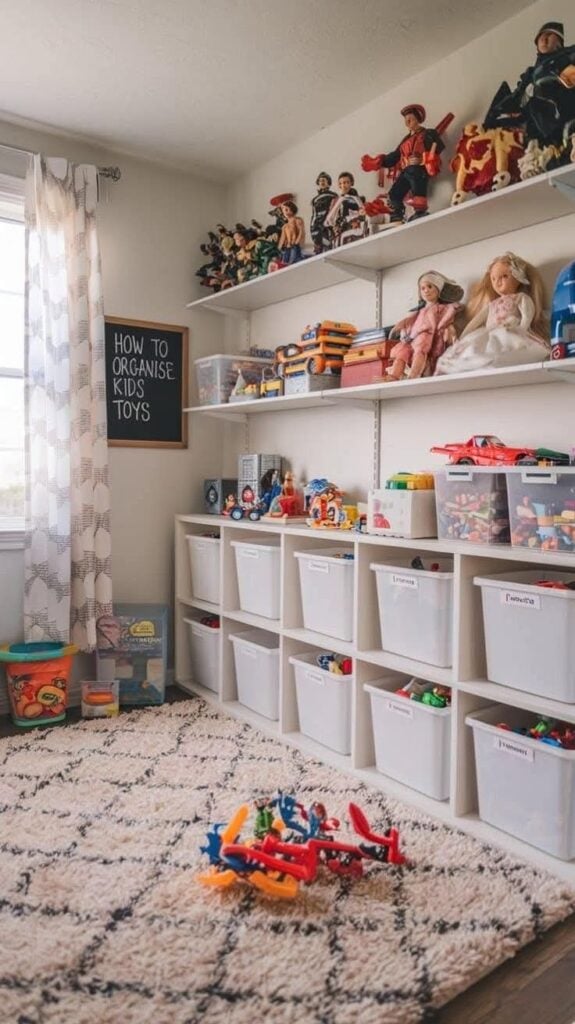
Labels help children identify where items belong.
Picture labels work especially well for younger children.
Older kids can use written labels.
This system encourages independence.
Children quickly learn where to return toys and supplies.
3. Create Toy Categories
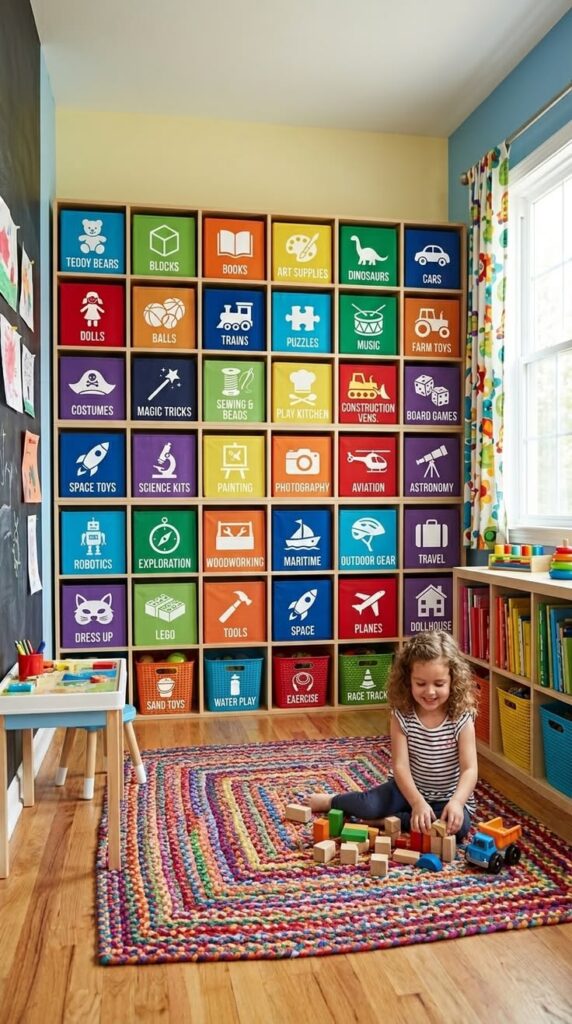
Grouping similar items together improves organization.
Store building toys in one container.
Keep dolls, vehicles, and puzzles in separate bins.
Categories simplify both playtime and cleanup.
The room feels more organized immediately.
4. Add Low Open Shelving
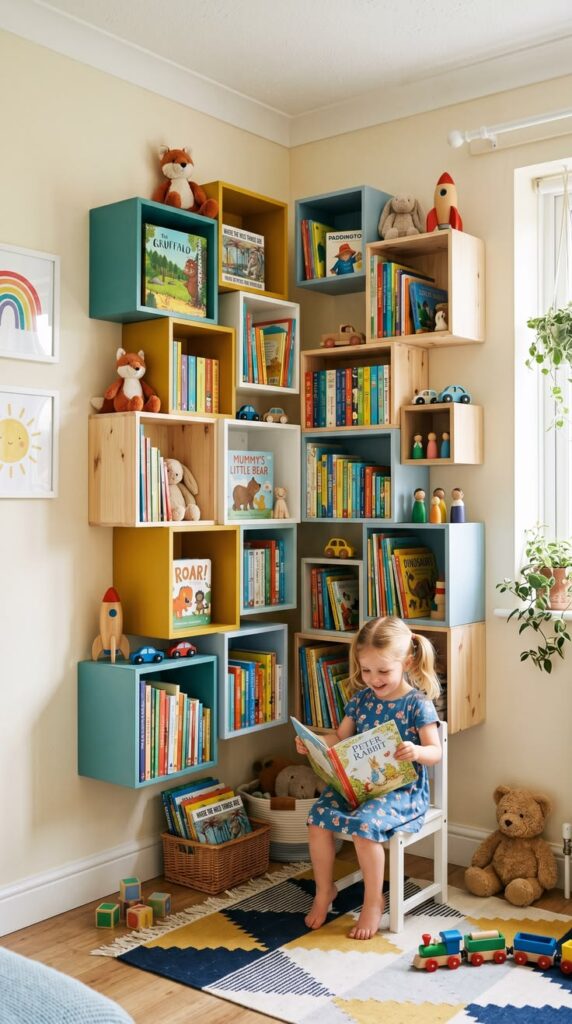
Low shelves keep items accessible.
Children can reach books, toys, and games independently.
Open shelving also improves visibility.
Everything remains easy to find.
This approach encourages responsibility and self-sufficiency.
For additional inspiration, visit 21 Bunk Bed Ideas for Kids That Save Space Beautifully.
5. Use Storage Ottomans
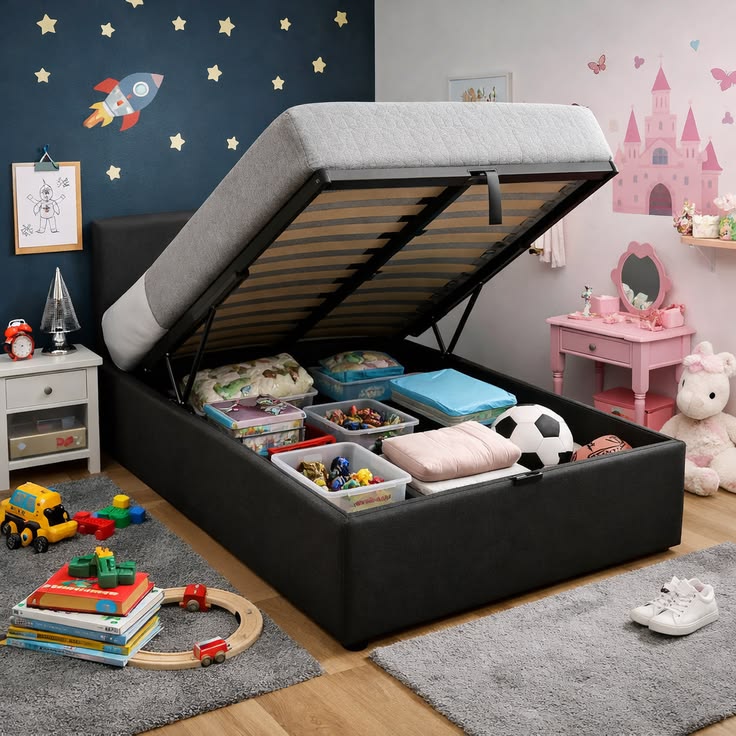
Storage ottomans provide dual functionality.
They offer seating while hiding clutter.
Toys, blankets, and books fit neatly inside.
This furniture helps maximize space efficiently.
Parents appreciate the cleaner appearance.
6. Organize Books by Theme
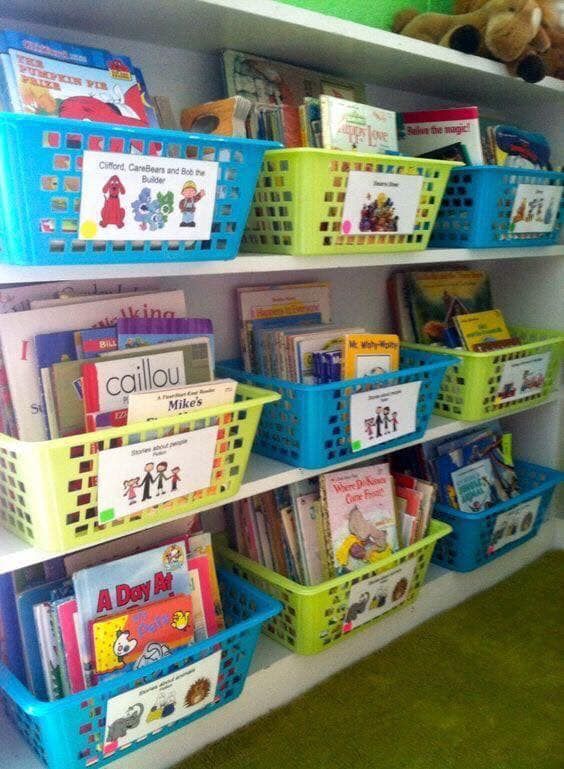
Books often create visual clutter.
Organizing them by theme improves accessibility.
Children can find favorite books more quickly.
This system also encourages reading.
The bookshelf feels more orderly and inviting.
For reading inspiration, explore 17 Kids Reading Nook Ideas That Make Reading More Exciting.
7. Create a Daily Cleanup Routine
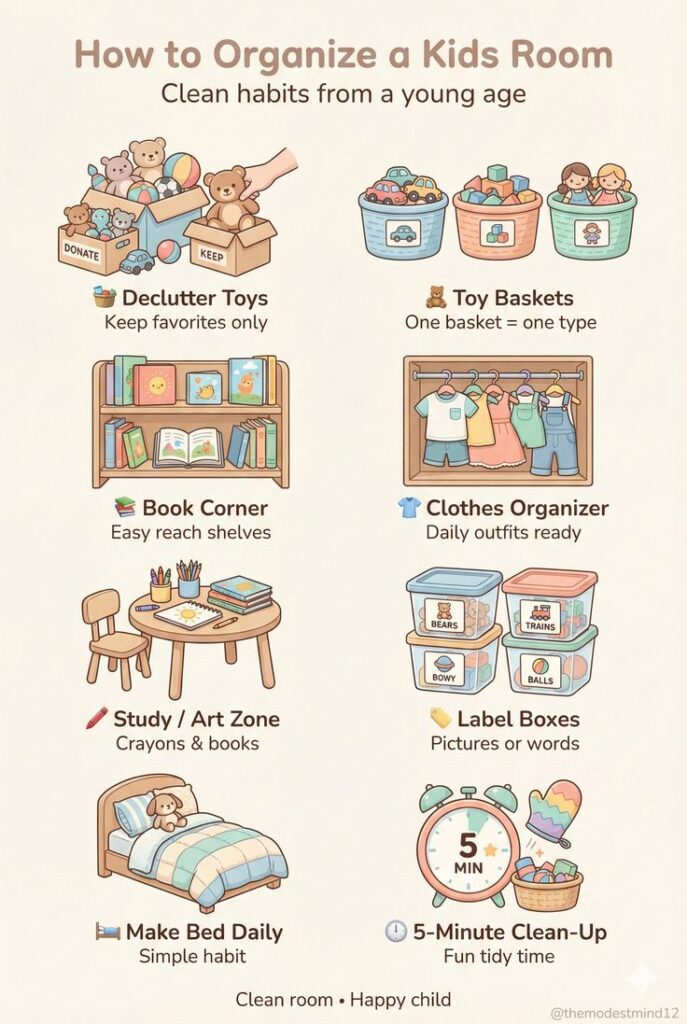
Organization works best when supported by habits.
A short daily cleanup routine prevents major messes.
Children learn responsibility through consistency.
Small efforts each day reduce larger cleanup tasks.
The room stays manageable.
8. Use Under-Bed Storage
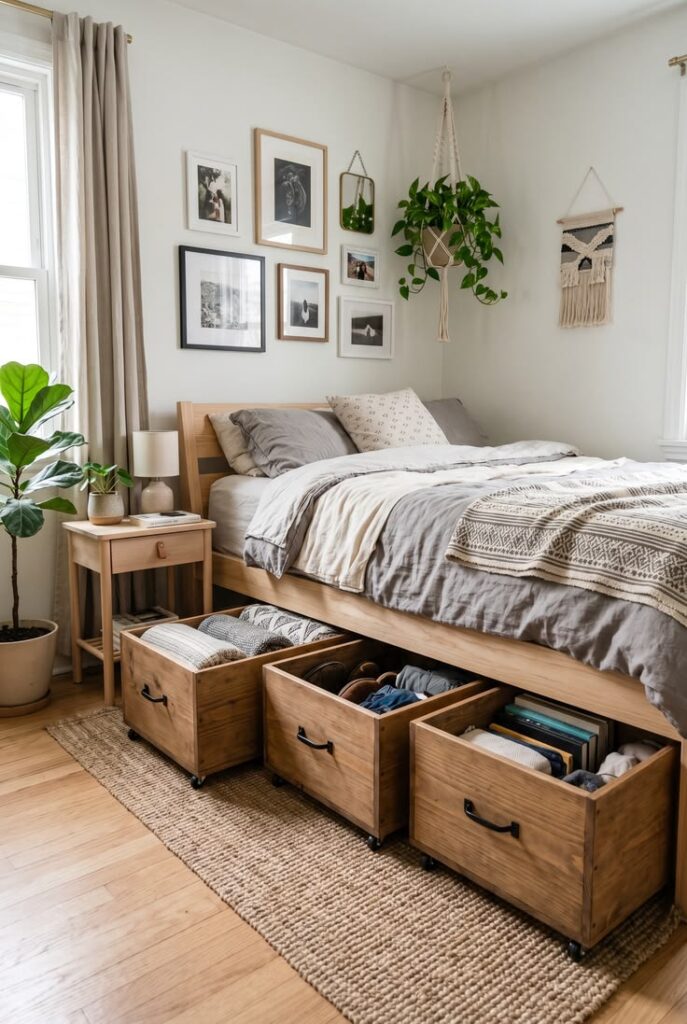
The area beneath beds offers valuable storage space.
Containers can hold seasonal clothing, extra bedding, and toys.
Under-bed storage maximizes unused areas.
The room feels less crowded.
This solution works particularly well in small bedrooms.
For compact-room inspiration, visit 27 Small Kids Bedroom Ideas That Make Tiny Rooms Feel Magical.
9. Rotate Toys Regularly
Too many toys often create clutter.
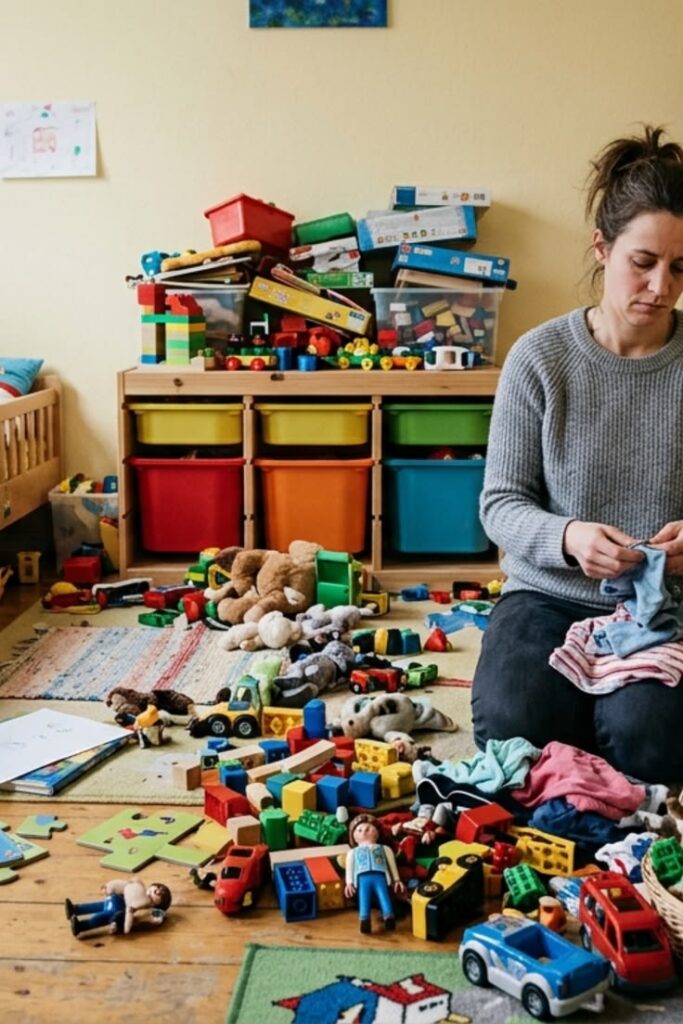
Toy rotation reduces visual overload.
Store some toys out of sight temporarily.
Children often rediscover old favorites with renewed excitement.
This method keeps playtime fresh and organized.
10. Add Wall Hooks
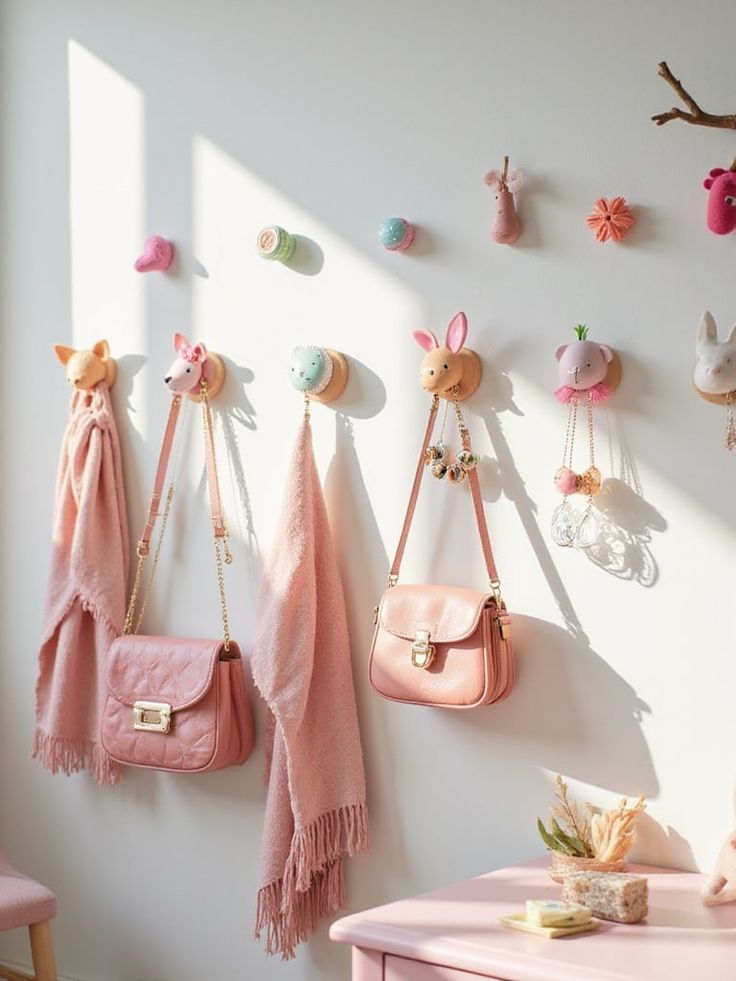
Wall hooks provide simple storage opportunities.
Backpacks, jackets, costumes, and bags stay off the floor.
Hooks also encourage independence.
Children can easily hang up belongings themselves.
This small change creates a big difference.
11. Use Drawer Dividers
Drawer dividers keep clothing organized.
Socks, shirts, and accessories remain separated.
Children can find items more quickly.
Drawers stay neat longer.
Daily routines become easier.
12. Create a Homework Station
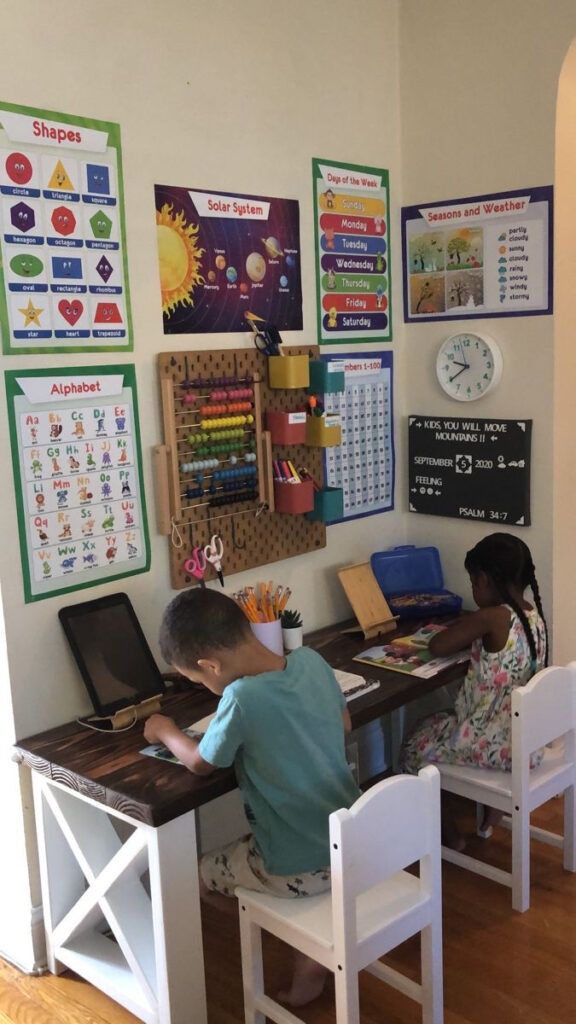
Dedicated study areas reduce clutter elsewhere.
Keep school supplies in one location.
Children can focus more effectively.
The room feels organized and functional.
This setup supports learning and productivity.
13. Add Storage Benches
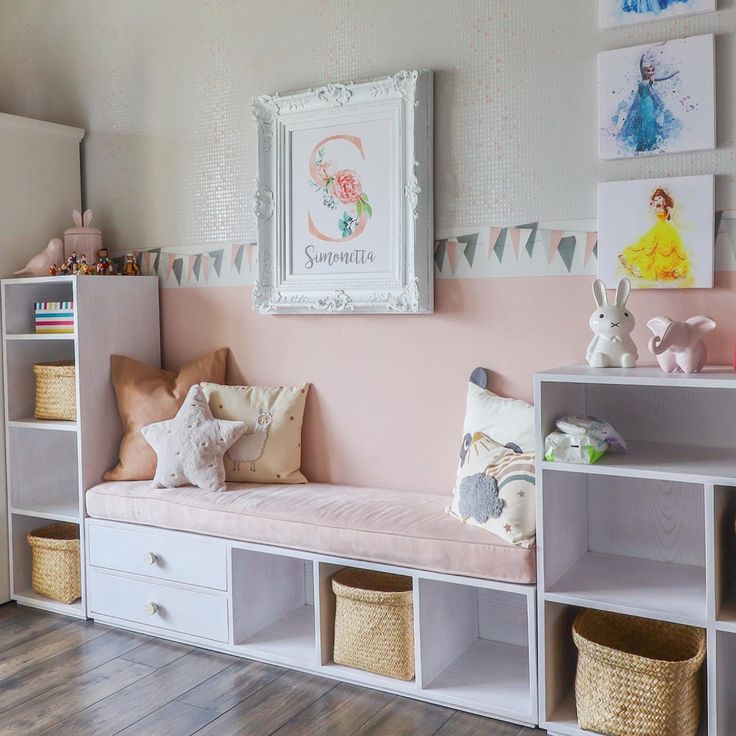
Storage benches combine seating and organization.
They work well near windows and play areas.
Toys and books remain hidden but accessible.
The room feels cleaner and more inviting.
This solution maximizes functionality.
14. Use Color-Coded Storage
Color coding simplifies organization.
Children associate colors with specific categories.
This system works especially well for younger kids.
Cleanup becomes faster and easier.
Organization feels more intuitive.
15. Designate a Craft Storage Area
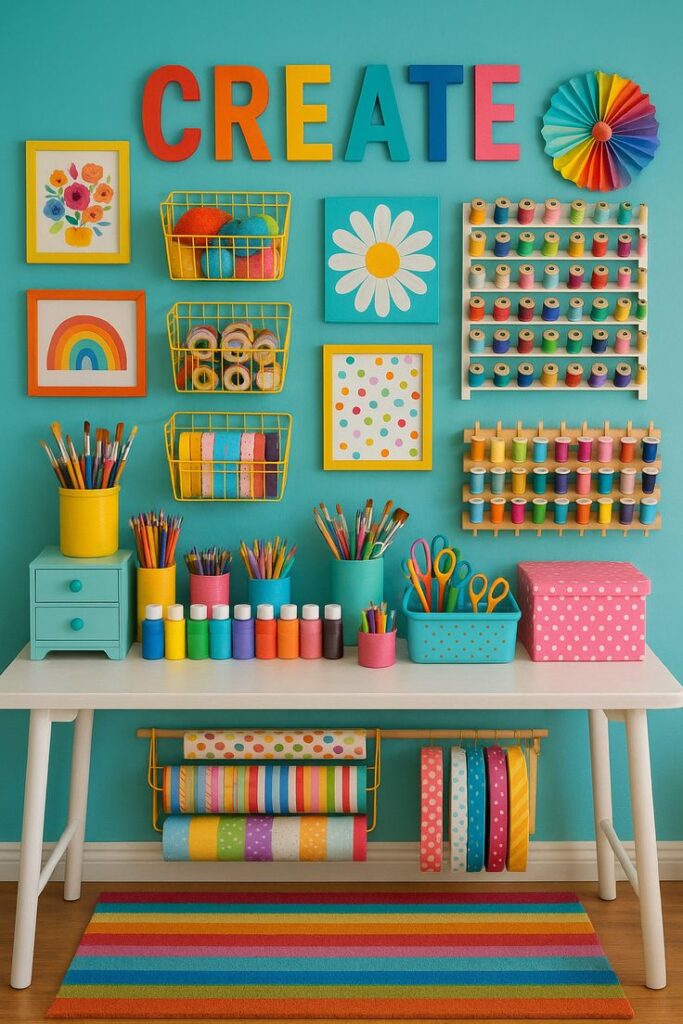
Craft supplies can quickly become messy.
Dedicated storage keeps materials organized.
Use bins, drawers, and containers.
Everything stays easy to find.
Creative projects become more enjoyable.
For activity inspiration, explore 35 Kids Playroom Ideas That Keep Kids Busy for Hours.
16. Add Floating Shelves
Floating shelves maximize vertical space.
Books, trophies, and decorative items stay organized.
Floor space remains available for other activities.
The room feels larger and less cluttered.
Shelves also add visual interest.
17. Create a Donation Bin
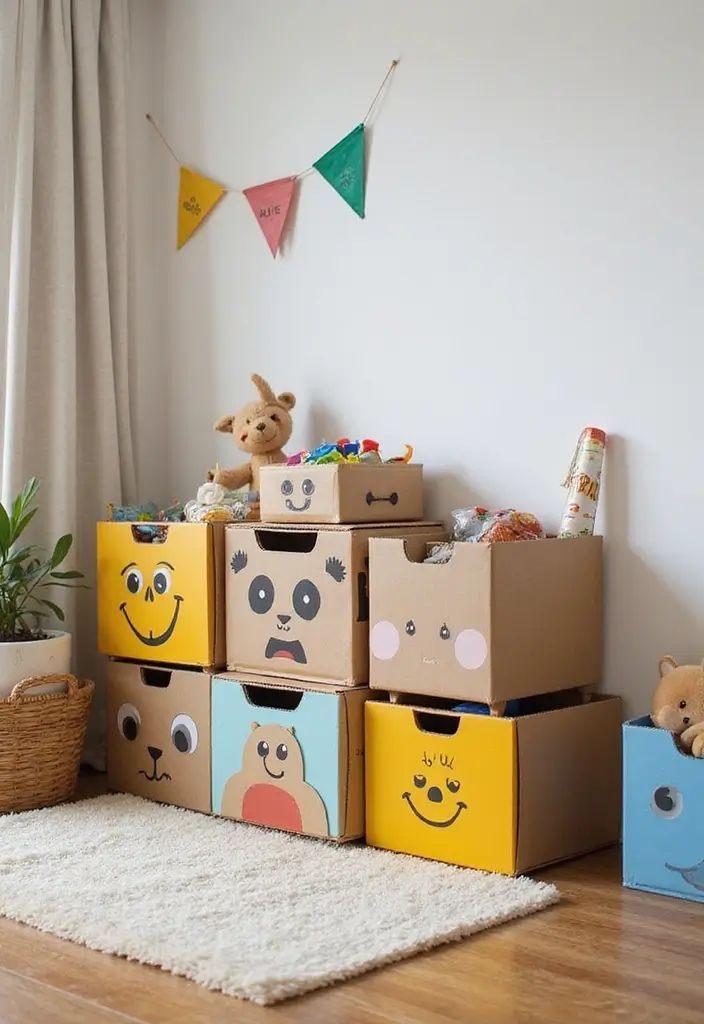
Children outgrow belongings regularly.
A donation bin encourages regular decluttering.
Items can move directly into the bin.
This system prevents unnecessary accumulation.
Organization becomes easier over time.
18. Store Seasonal Items Separately
Seasonal clothing and decorations need dedicated storage.
Separate containers keep these items organized.
The room remains focused on current needs.
This strategy reduces clutter significantly.
Storage areas become easier to manage.
19. Organize Toys by Frequency of Use
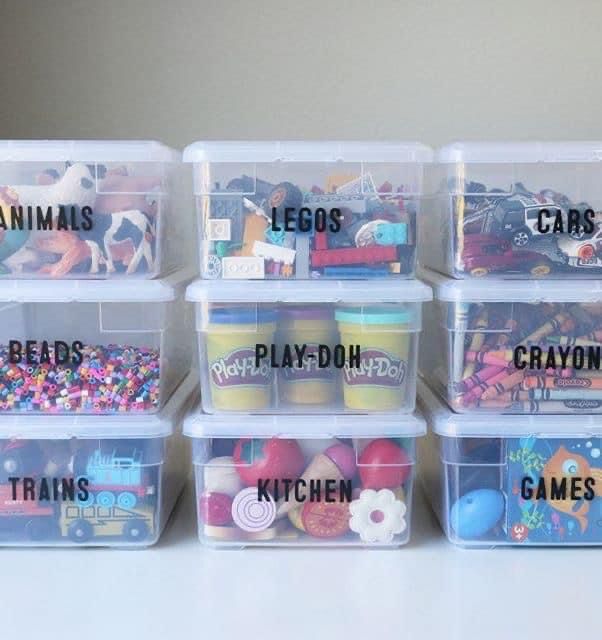
Frequently used toys should remain accessible.
Less popular items can move to higher shelves.
This arrangement improves functionality.
Children can easily access favorite belongings.
The room operates more efficiently.
20. Add Closet Organizers
Closets often contain unused potential.
Hanging organizers maximize available space.
Clothing, shoes, and accessories stay organized.
Everything becomes easier to find.
Closets feel larger and more efficient.
21. Create a Display Area for Favorites
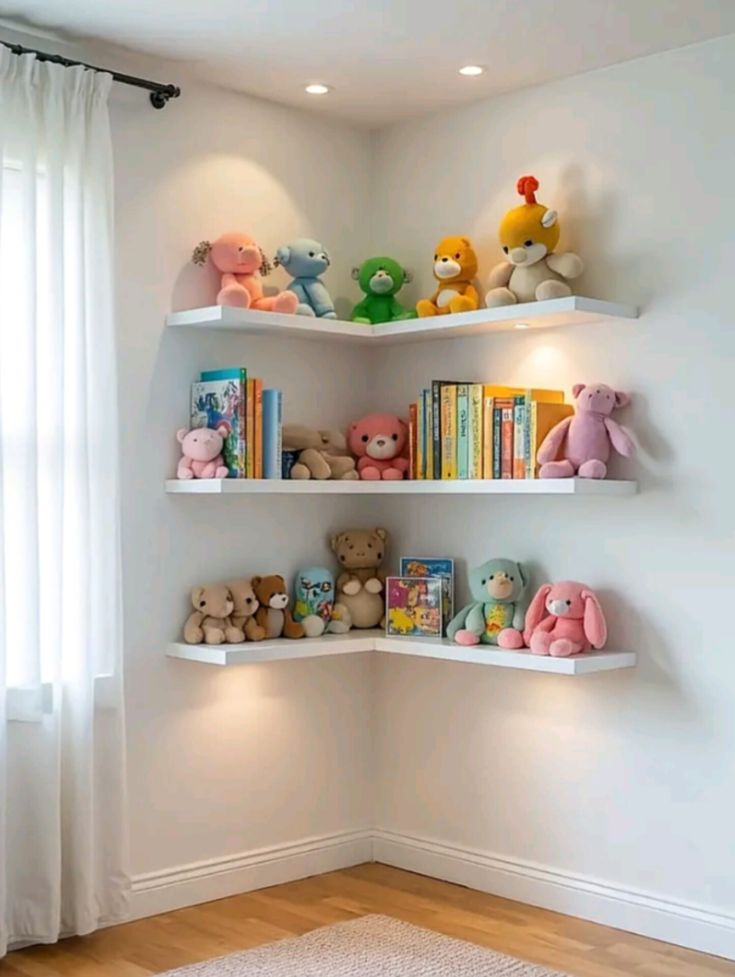
Favorite toys deserve special places.
Display shelves showcase treasured belongings.
Children enjoy seeing favorite items displayed proudly.
Collections remain organized and protected.
The room feels more personalized.
22. Use Rolling Storage Carts
Rolling carts provide flexibility.
They move easily between activities.
Art supplies, books, and toys stay accessible.
The carts help maintain organization throughout the room.
This solution adapts easily to changing needs.
23. Organize Dress-Up Clothes
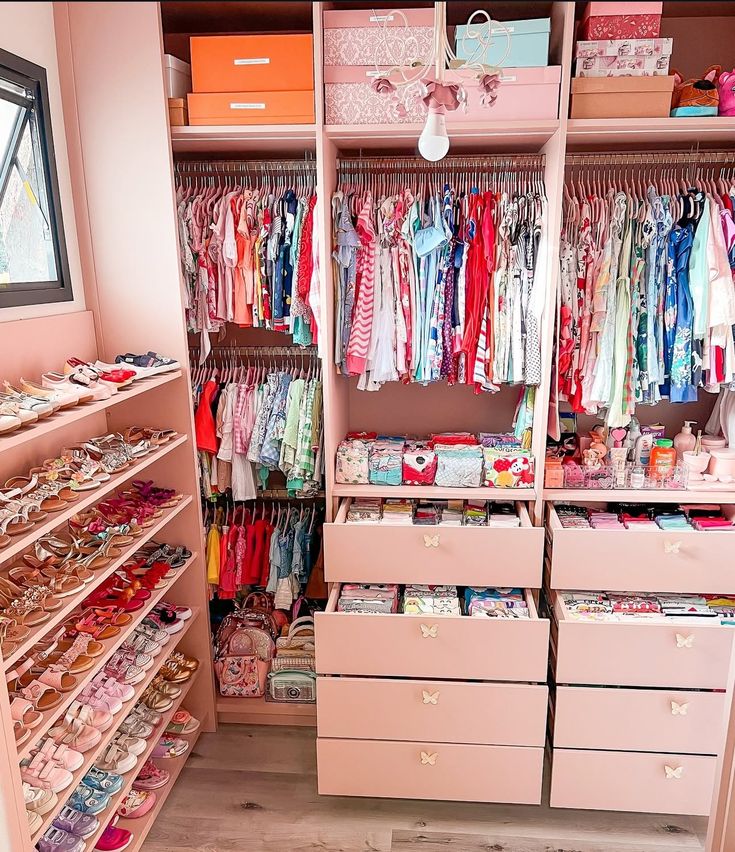
Costumes often create clutter.
Use hooks, bins, or small clothing racks.
Children can access outfits independently.
Dress-up play becomes easier and more enjoyable.
The room stays tidier.
24. Create a Reading Storage Zone
Books deserve dedicated organization systems.
Store books near reading areas.
Children can easily access favorite stories.
The reading space feels more inviting.
Organization encourages literacy habits.
For additional inspiration, visit 31 Big Kids Room Ideas That Feel Stylish and Grown-Up.
25. Use Multifunctional Furniture
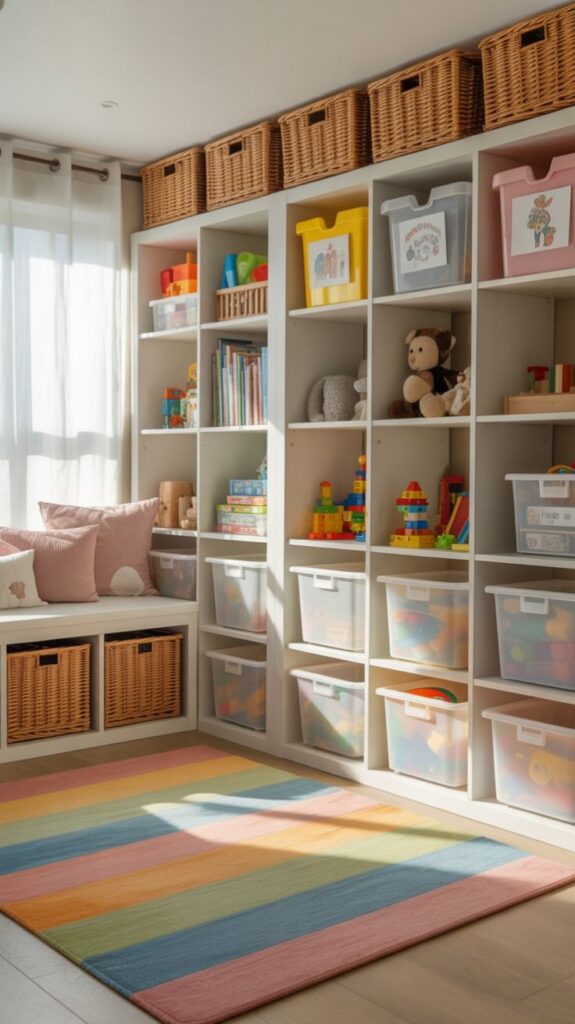
Furniture that serves multiple purposes saves space.
Storage beds, benches, and desks work beautifully.
These pieces reduce clutter while increasing functionality.
The room remains organized and efficient.
Parents appreciate versatile furniture.
26. Add Pegboards
Pegboards provide flexible storage.
Art supplies, tools, and accessories stay organized.
Children can customize arrangements easily.
The display remains functional and attractive.
This solution uses wall space effectively.
27. Create Zones for Activities
Activity zones improve room organization.
Separate spaces for reading, play, and study create structure.
Children understand where activities belong.
The room feels more organized.
Zones also simplify cleanup.
For active-space inspiration, explore 21 Active Kids Room Ideas That Encourage Play and Movement.
28. Use Matching Baskets
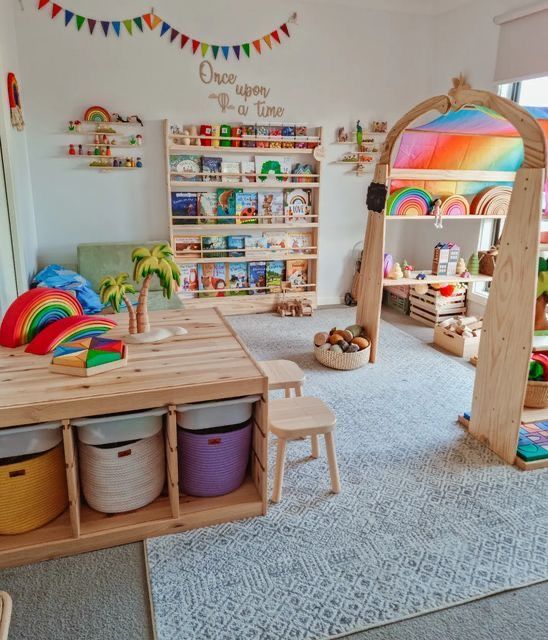
Matching baskets create visual consistency.
The room feels calmer and more organized.
Baskets work for toys, books, and accessories.
Storage blends naturally into the design.
This approach combines beauty and function.
29. Keep a Laundry Basket Nearby
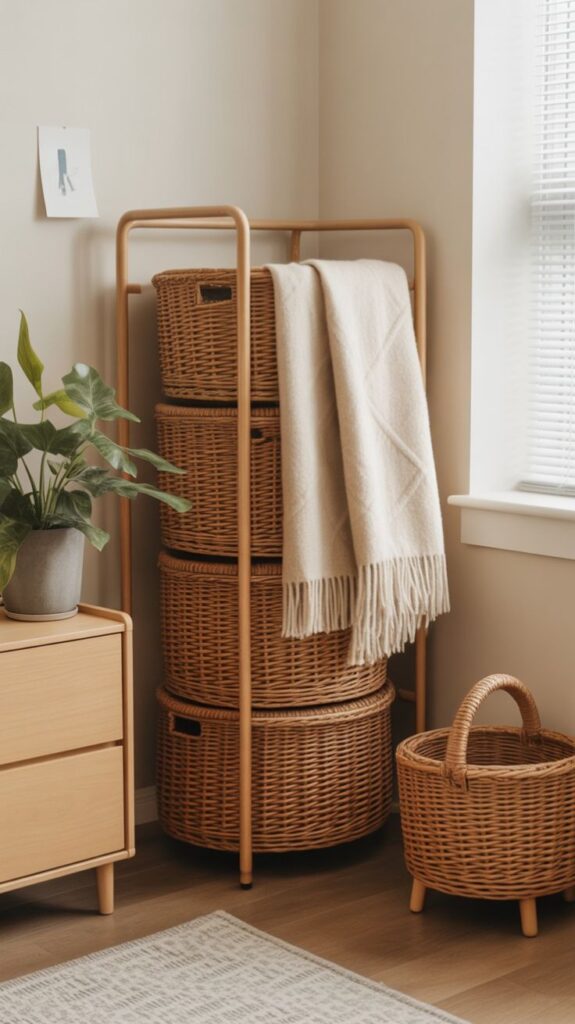
Laundry often contributes to clutter.
Accessible baskets encourage better habits.
Children can place dirty clothing where it belongs.
The floor stays cleaner.
Daily cleanup becomes easier.
30. Maintain a One-In, One-Out Rule
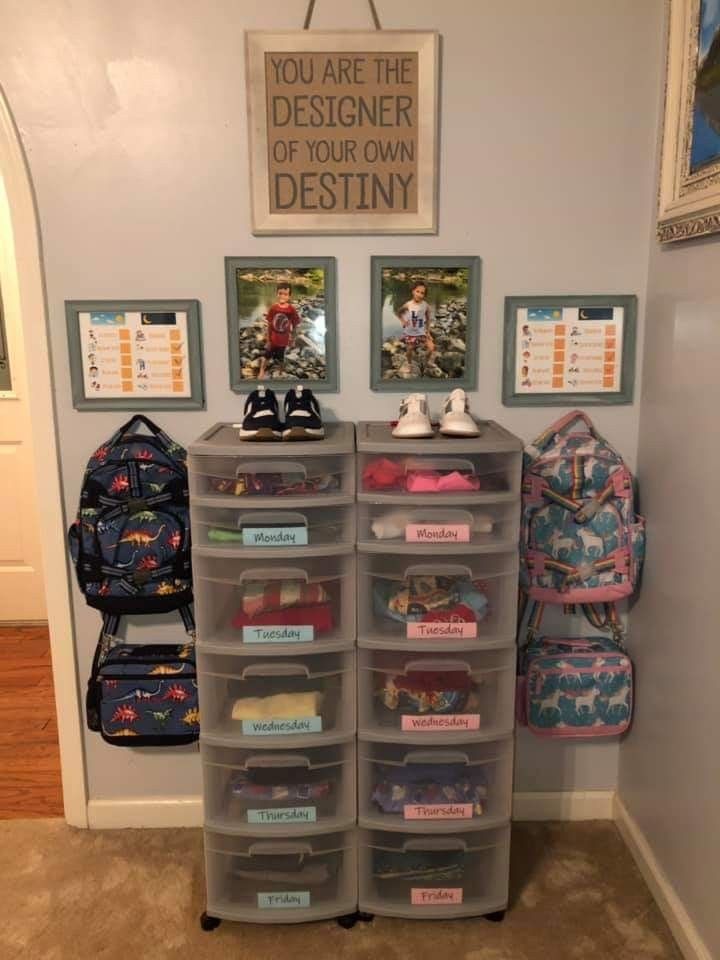
New items enter children’s rooms frequently.
Removing one item for every new addition prevents overcrowding.
This strategy supports long-term organization.
The room remains manageable.
Clutter stays under control.
31. Make Organization Fun
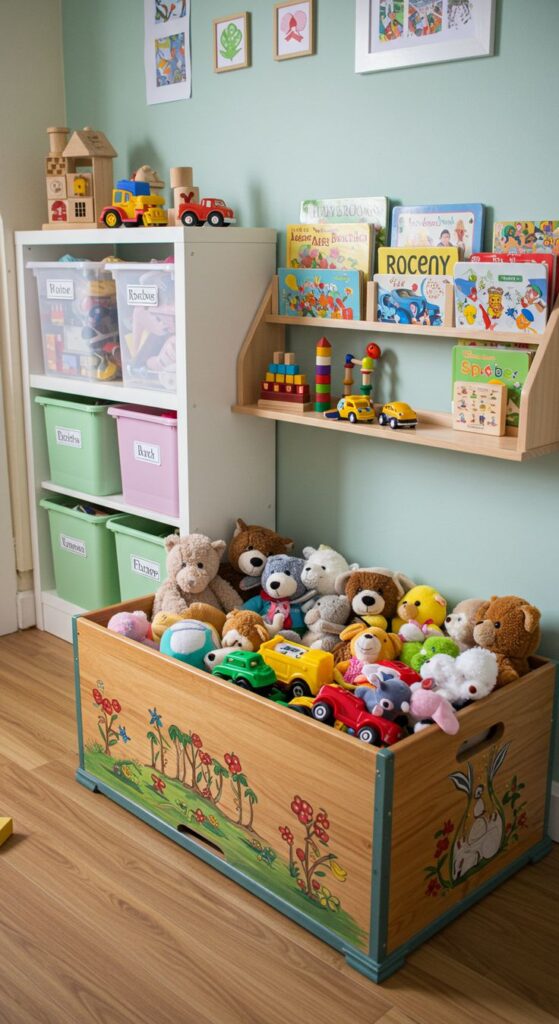
Children respond positively to enjoyable systems.
Colorful bins, labels, and rewards increase participation.
Organization feels less like a chore.
Children become more engaged in maintaining order.
This final step often determines long-term success.
Why Kids Room Organization Ideas Matter
The best kids room organization ideas create more than tidy bedrooms. They help children build responsibility, improve routines, and develop lifelong organizational skills. Organized rooms also reduce stress and create more enjoyable living environments.
Effective organization makes bedrooms more functional. Children can find belongings quickly, complete tasks more easily, and enjoy greater independence. These benefits support both children and parents.
For additional room inspiration, explore 29 Gender Neutral Kids Room Ideas That Never Go Out of Style and 23 Toca Boca Kids Room Ideas That Look Straight Out of the Game.
Final Thought
These kids room organization ideas show that maintaining a tidy bedroom does not have to feel overwhelming. Simple systems such as labeled bins, activity zones, floating shelves, and multifunctional furniture can dramatically reduce clutter while making daily routines easier.
The best kids room organization ideas focus on creating systems children can maintain independently. When storage remains accessible and easy to use, children become more involved in keeping their rooms organized. For additional inspiration, explore 21 Bunk Bed Ideas for Kids That Save Space Beautifully and 35 Kids Playroom Ideas That Keep Kids Busy for Hours.
Most importantly, kids room organization ideas create spaces that feel calmer, more functional, and more enjoyable for the entire family. With thoughtful planning and consistent habits, any child’s bedroom can become easier to manage and more enjoyable to use every day.