Creating a beautiful bedroom for your child does not have to cost a lot of money. In fact, some of the most impressive children’s rooms come from simple projects made with creativity and love. That is why DIY kids room decor ideas have become so popular with parents. They allow you to design a room that feels personal, unique, and full of character without spending a fortune on expensive furniture and decorations. If you are planning a complete room makeover, you may also enjoy these kids room makeover ideas that deliver a huge transformation for even more inspiration.
Children spend a lot of time in their bedrooms. They play there, read books, build forts, imagine adventures, and sometimes even complete schoolwork. Because of that, their room should feel comfortable, inspiring, and fun. Fortunately, a few creative decorating projects can completely transform an ordinary bedroom into a space that feels magical and exciting.
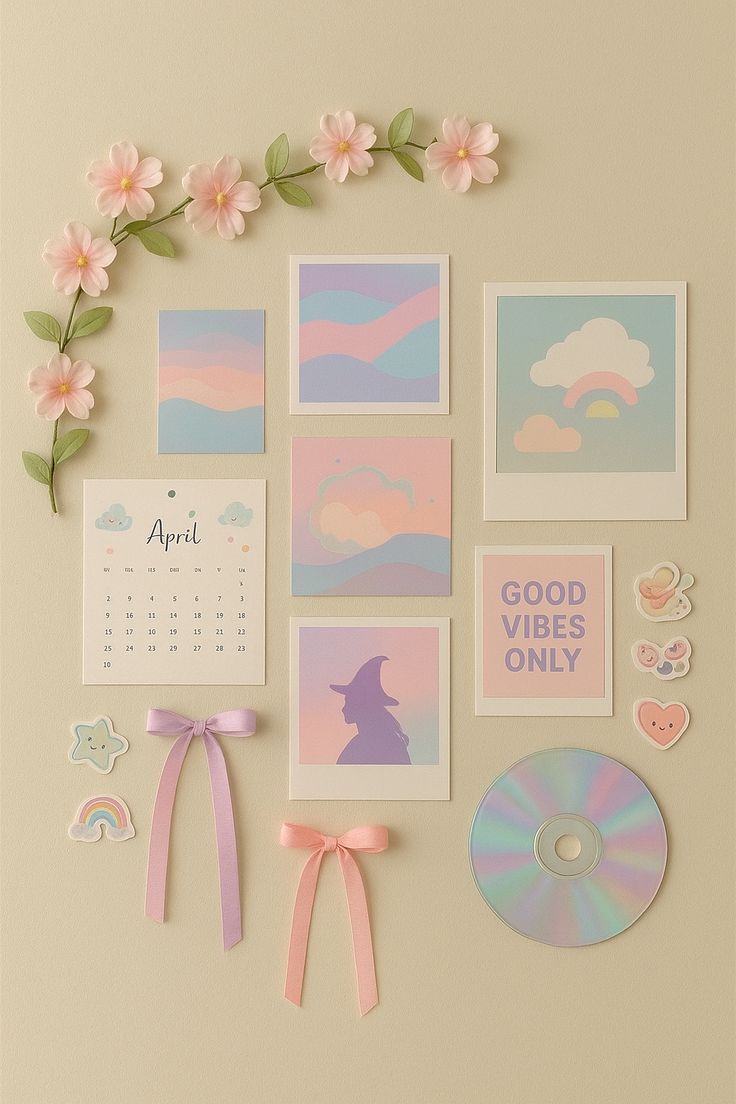
If you are searching for DIY kids room decor ideas that look stylish while staying budget-friendly, you are in the right place. These creative projects will help you add personality, color, and charm to your child’s room. Even better, many of these ideas are easy enough for beginners and can grow with your child over time.
1. Create a Name Wall Display
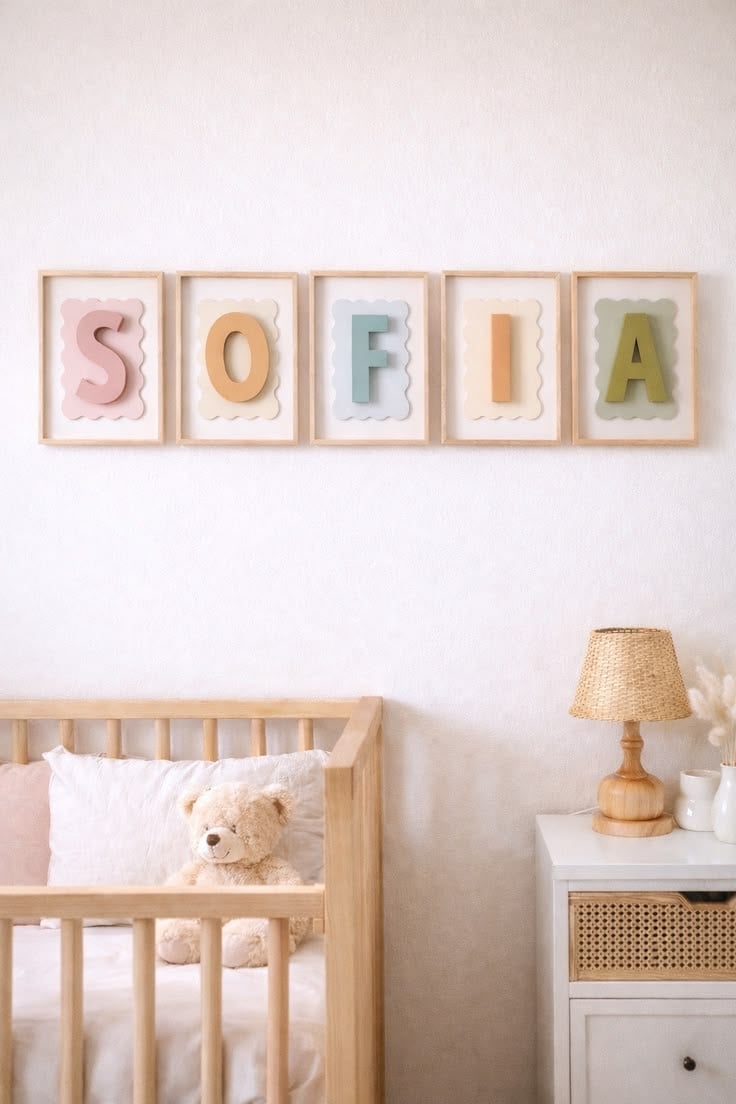
A personalized name display instantly makes a child’s room feel unique and welcoming. Instead of leaving a large wall empty, use wooden letters, cardboard cutouts, or painted craft letters to showcase your child’s name in a creative way. You can decorate each letter with favorite colors, glitter, fabric, stickers, or patterns that match the room’s theme. For example, stars work beautifully in a space-themed room, while flowers look perfect in a princess-inspired space. This simple decoration helps create a focal point and gives the room a custom look that feels professionally designed. Most importantly, children love seeing something in their room that belongs completely to them.
2. Design a Rainbow Wall Mural
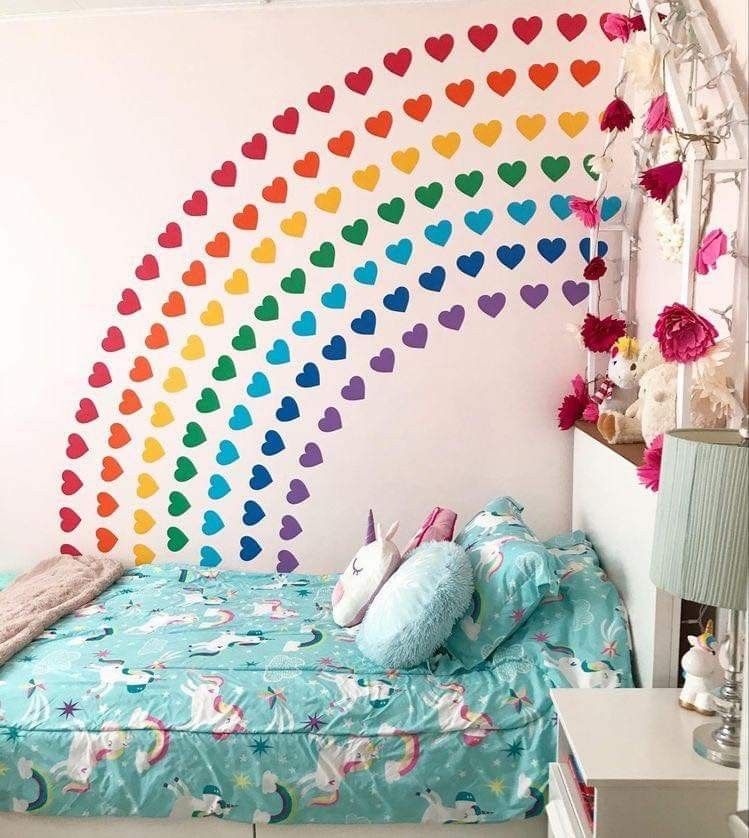
A rainbow mural can instantly brighten any bedroom. The soft curves and cheerful colors bring warmth and happiness into the space while creating a beautiful backdrop for the rest of the decor.
If you love creative wall designs, take a look at these creative wall mural ideas for kids bedrooms for even more inspiration.
You do not need advanced painting skills to create this look. In fact, simple arches painted with soft pastel shades often look even more stylish than complicated designs. A rainbow mural works especially well behind a bed, reading nook, or play area. Because the design feels timeless, it can continue looking beautiful as your child grows older.
3. Make a Gallery Wall
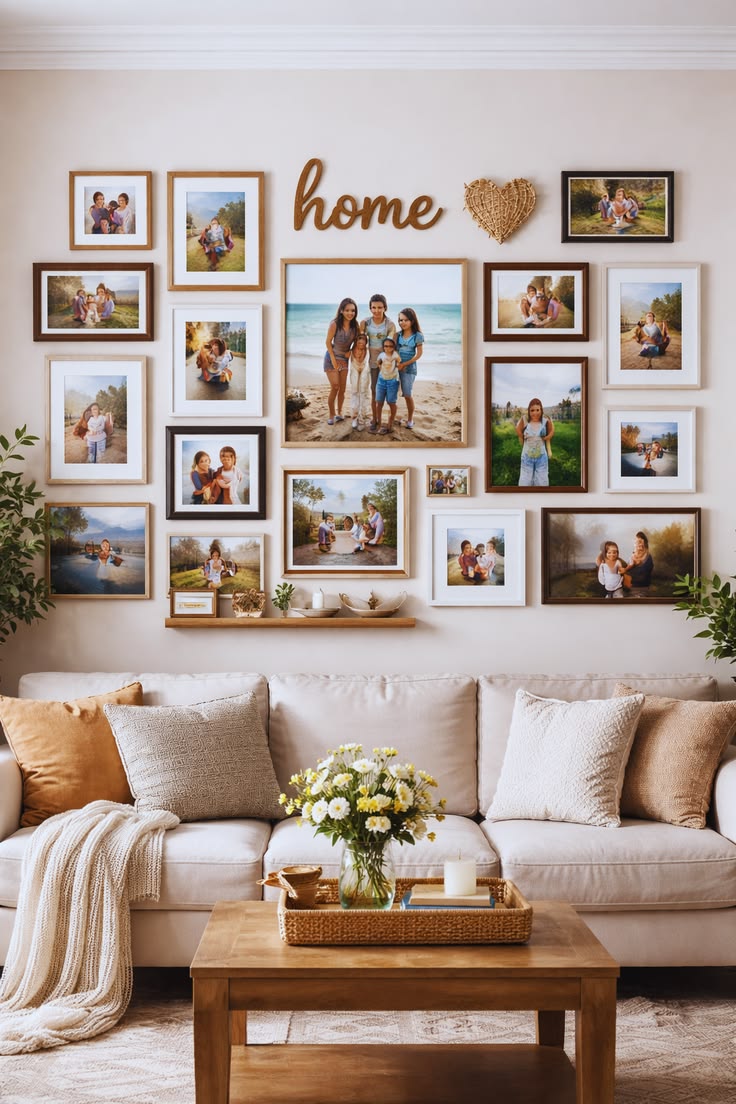
Children create wonderful artwork, and a gallery wall gives you the perfect opportunity to display it. Instead of placing drawings in a drawer, frame them and arrange them neatly on a wall. Matching frames help create a polished look, while colorful artwork adds personality and charm. You can switch out the pictures whenever your child creates something new, making the display feel fresh and exciting. As a result, the room becomes more personal while encouraging creativity and confidence.
4. Hang Floating Bookshelves
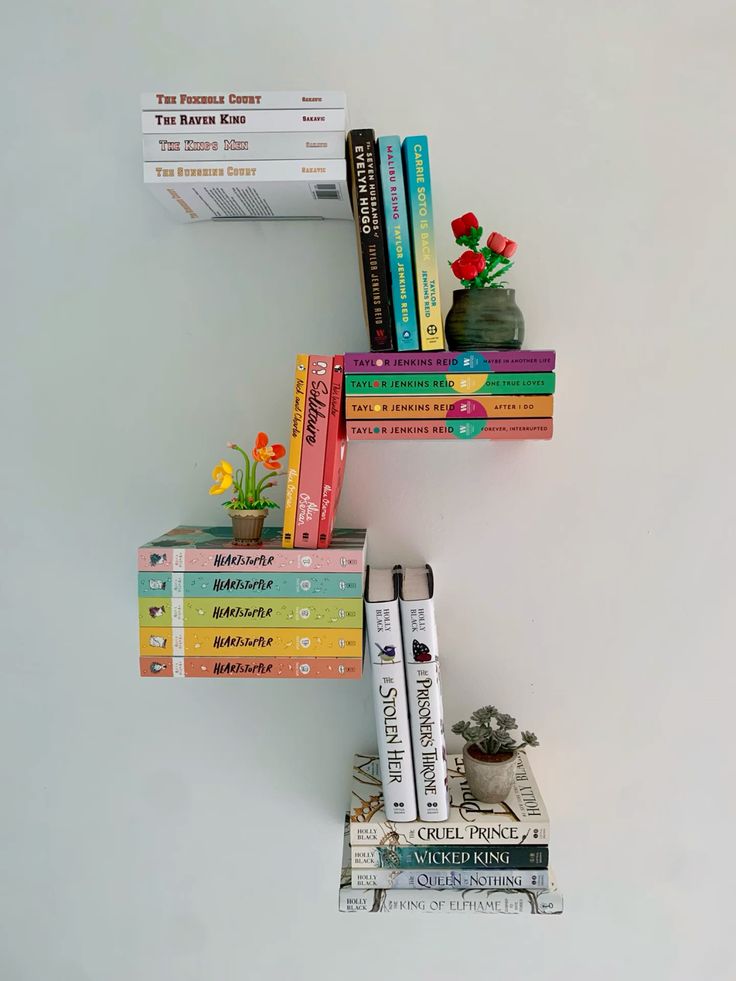
Books can become part of the room’s decoration when displayed properly. Floating bookshelves allow book covers to face outward, turning them into colorful pieces of art. This setup not only looks beautiful but also makes books easier for children to reach. Young readers often feel more excited about books when they can clearly see the covers. At the same time, the shelves help keep the room organized while creating a clean and professional appearance.
5. Build a Reading Corner
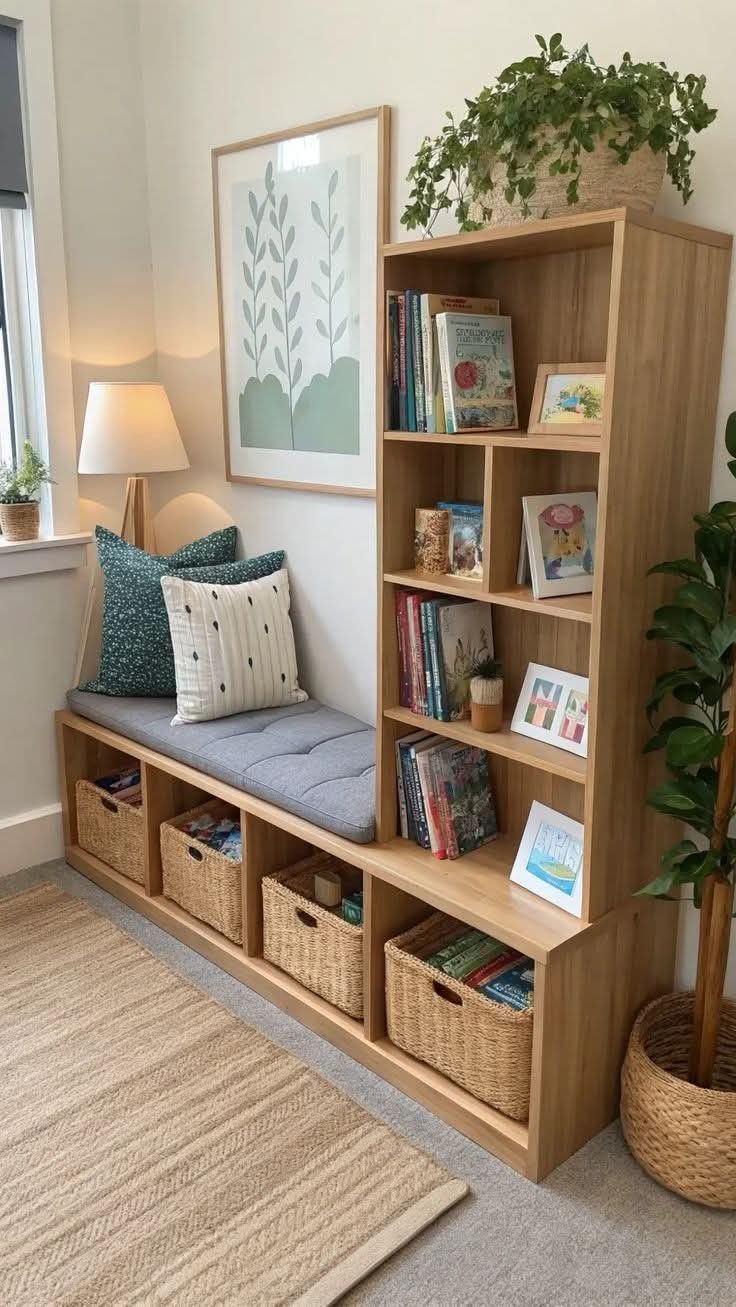
Every child deserves a cozy space where they can enjoy books and quiet time. A reading corner can include a soft rug, fluffy pillows, comfortable blankets, and a small bookshelf.
For even more cozy spaces, you may also love these cozy canopy bed ideas for kids bedrooms that create beautiful reading and relaxation areas.
You can also add string lights or a canopy to make the space feel extra special. Children often enjoy reading more when they have a dedicated place designed just for them. Beyond encouraging reading, a cozy corner creates warmth and comfort that makes the entire bedroom feel more inviting.
6. Create a Cloud Wall Display

Cloud decorations add a soft and dreamy touch to a child’s room. You can cut cloud shapes from wood, foam board, or sturdy cardboard and paint them in soft white or pastel shades.
Arrange them across one wall to create the appearance of floating clouds in the sky. This project works especially well in nurseries, toddler rooms, and nature-themed spaces. Even though the project is simple, the finished result looks elegant and professionally styled.
7. Add String Lights
String lights remain one of the easiest ways to make a room feel magical. Their gentle glow creates a warm atmosphere that children love, especially during bedtime.
You can drape them around a bed frame, along a bookshelf, or across a canopy. Some parents even create shapes with the lights, such as stars or hearts. Because they provide soft lighting, they make the room feel cozy without being overwhelming.
8. Paint a Mountain Accent Wall
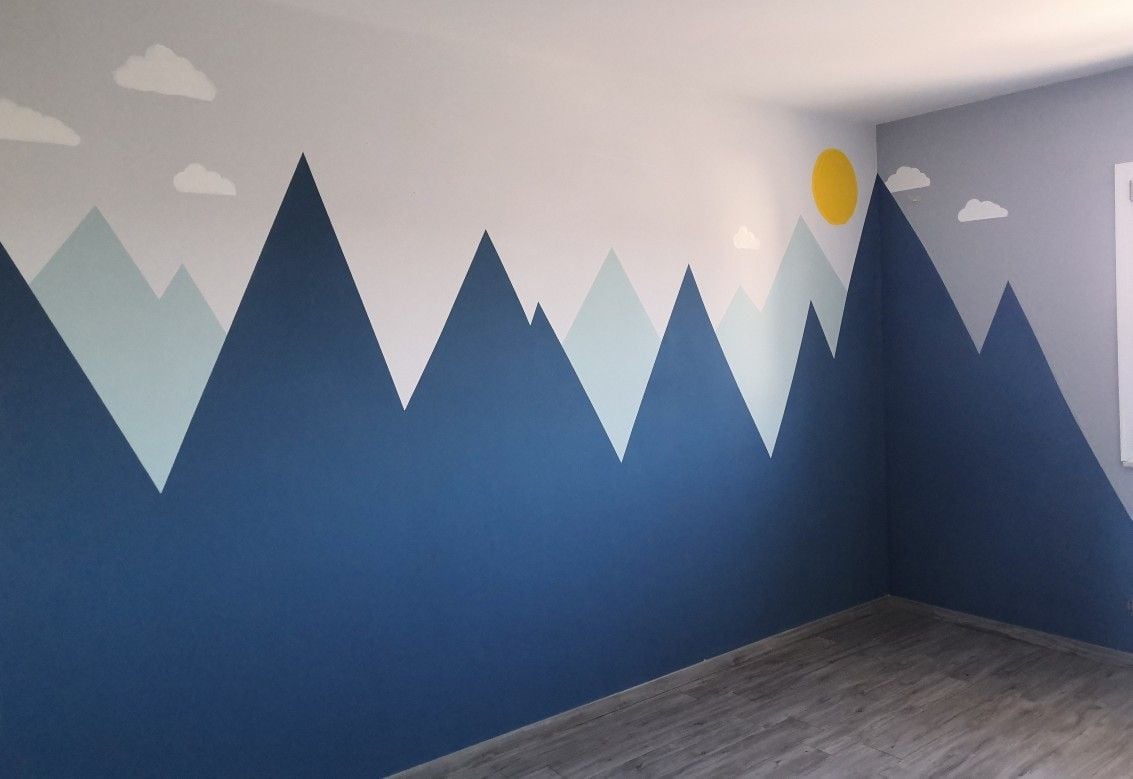
A mountain accent wall adds depth, personality, and modern style to a bedroom. Using painter’s tape and a few colors, you can create simple mountain shapes that instantly transform a plain wall. Soft greens, blues, and gray shades work particularly well for this design. The mountains create visual interest without making the room feel cluttered. Best of all, the design looks sophisticated enough to grow with your child for years.
9. Make Animal Wall Art
Animal-themed artwork remains one of the most popular decorating choices for children’s rooms. Create simple animal prints, painted canvases, or framed illustrations featuring favorite creatures. Whether your child loves elephants, lions, giraffes, or woodland animals, these pieces help bring personality into the room. Matching frames and coordinated colors can make the display feel professionally curated while keeping the playful spirit children love.
10. Build Toy Storage Crates
Toy storage does not have to look boring. Wooden crates can become attractive storage solutions when painted in coordinating colors and stacked creatively.
If organization is a priority, these genius toy storage ideas for kids rooms offer even more clever solutions.
You can label each crate for different types of toys, making cleanup easier for children. The storage helps reduce clutter while adding decorative appeal to the room. Because the crates serve both practical and decorative purposes, they create a more organized and polished environment.
11. Create a Growth Chart
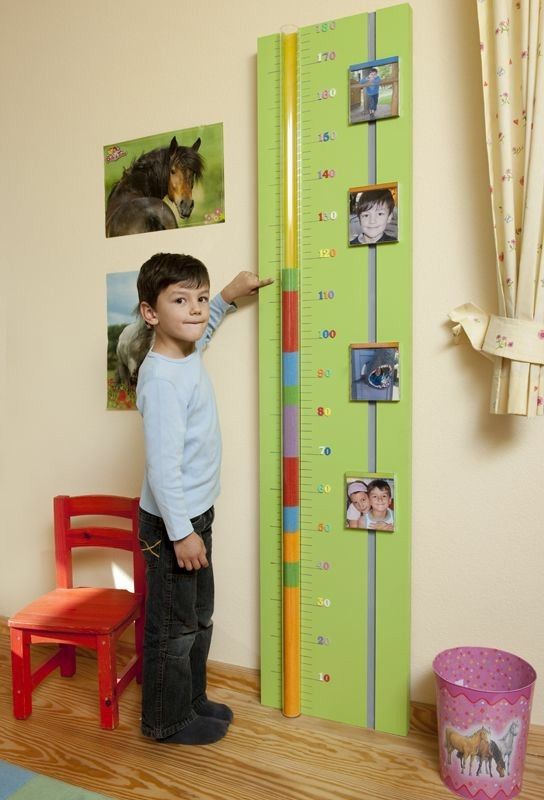
A growth chart serves as both a decoration and a treasured keepsake. Instead of marking height on a doorway, create a beautiful chart using wood, canvas, or painted boards.
Every measurement becomes a memory that you can look back on years later. Children also enjoy checking their progress and seeing how much they have grown. This simple project adds sentimental value while enhancing the room’s overall design.
12. Design a Space-Themed Ceiling
Transforming the ceiling into a starry sky can completely change the feel of a room. Glow-in-the-dark stars, planets, and constellations create a magical nighttime experience.
Children who love stars and outer space may also enjoy these starry night kids room ideas that feel dreamy.
Children often enjoy falling asleep while looking at their own little universe above them. This project encourages imagination and curiosity while making bedtime more exciting. Although it requires little effort, the final result feels truly impressive.
13. Make Fabric Wall Hangings
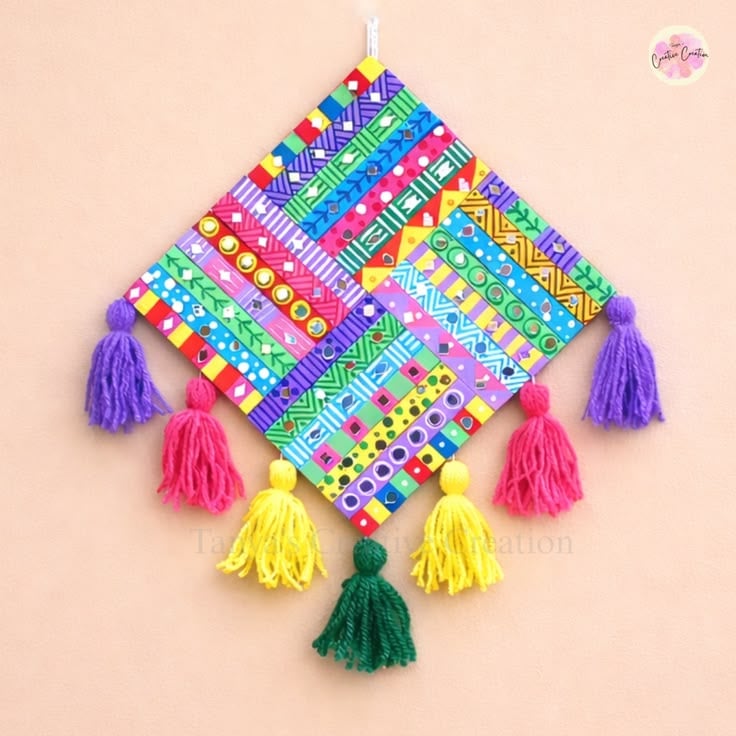
Fabric wall hangings add softness, texture, and warmth to a child’s room. Using colorful fabrics, tassels, yarn, or ribbons, you can create unique decorations that complement the room’s theme.
This cozy setup pairs perfectly with these cozy canopy bed ideas for kids bedrooms for creating an even more magical retreat.
These pieces help soften plain walls while introducing additional color and visual interest. Because fabric wall hangings come in endless styles, they work beautifully in modern, boho, or playful bedroom designs.
14. Create a Chalkboard Wall
A chalkboard wall encourages creativity every single day. Children can draw pictures, practice writing, solve puzzles, or leave fun messages whenever inspiration strikes.
The wall constantly changes, which keeps the room feeling fresh and exciting. At the same time, it provides a dedicated place for artistic expression instead of using furniture or other walls. Parents love this idea because it combines fun with functionality.
15. Build a Canopy Reading Nook

A canopy can instantly transform an ordinary corner into a magical retreat. Simply hang lightweight fabric from the ceiling and add cushions underneath.
The enclosed feeling makes children feel safe and cozy while providing a special place for reading, relaxing, or imaginative play. Even a small bedroom can accommodate a simple canopy nook that feels elegant and professionally designed.
16. Make Decorative Storage Bins
Storage plays a huge role in keeping a child’s room neat and organized. However, plain plastic bins often look boring and do little to enhance the room’s design. Instead, transform simple storage containers into decorative pieces by painting them, adding colorful labels, or covering them with fabric that matches the room’s theme.
You can use different colors for toys, books, art supplies, and stuffed animals to make organization easier for children. Not only does this help keep clutter under control, but it also teaches kids where everything belongs. When storage blends beautifully with the decor, the room automatically feels more polished and professionally designed.
17. Create a Dinosaur Wall Scene
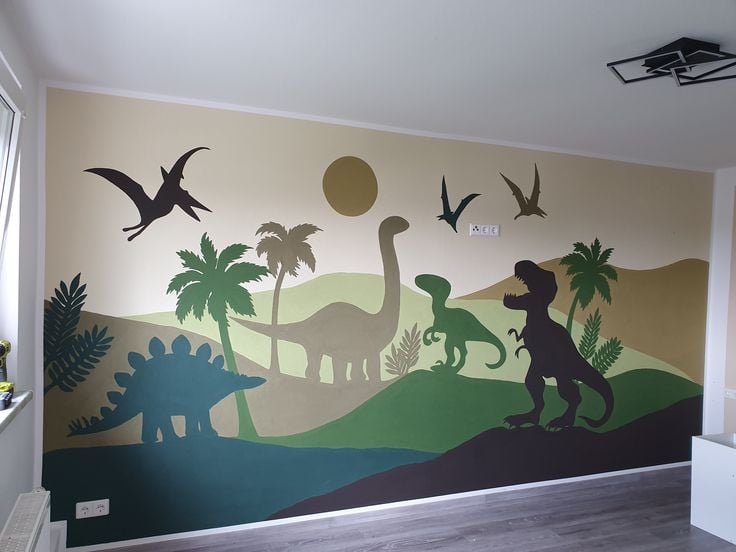
Many children go through a stage where they absolutely love dinosaurs. Instead of filling the room with random dinosaur toys, create a themed wall scene that feels exciting and cohesive. Paint simple dinosaur silhouettes, add removable wall decals, or frame dinosaur illustrations. Pair the display with green plants, earthy colors, and natural textures to create a prehistoric atmosphere.
If your child loves imaginative themes, you’ll also enjoy these cartoon-themed kids room ideas that feel so fun.
The scene can become a fun focal point that sparks imagination and storytelling. As children play in the room, they can imagine exploring ancient jungles and discovering giant dinosaurs right from their bedroom.
18. Design a Rainbow Bookshelf
A colorful bookshelf can instantly brighten a child’s room while making storage more exciting. Paint each shelf a different color of the rainbow, or arrange books by color to create a similar effect. The bright display draws attention and encourages children to explore their books more often.
This project works particularly well in playrooms, reading corners, and shared bedrooms. While the rainbow colors create a fun atmosphere, the organized appearance helps maintain a clean and professional look. It is a simple project that delivers a big visual impact without requiring a large budget.
19. Hang Pom-Pom Garlands

Pom-pom garlands bring color, texture, and personality into a room without taking up valuable floor space. You can make them using yarn in colors that match the room’s overall design. Hang them above the bed, around a reading nook, or across a window for a cheerful decorative touch.
Because pom-poms have a soft and playful appearance, they fit perfectly into children’s spaces. At the same time, they add movement and visual interest to walls that might otherwise feel empty. Despite being inexpensive to make, pom-pom garlands often look like designer decorations from a boutique store.
20. Make Personalized Door Signs
A personalized door sign gives children a sense of ownership and pride in their space. Instead of a plain bedroom door, create a custom sign featuring their name, favorite colors, hobbies, or interests. For example, a child who loves soccer might enjoy a sports-themed sign, while an animal lover may prefer one featuring favorite animals.
This simple addition instantly makes the room feel more personal and welcoming. Visitors know exactly whose room they are entering, and children enjoy having a special detail that reflects their personality. Small projects like this often make the biggest difference.
21. Create a Hot Air Balloon Display
Hot air balloons symbolize adventure, imagination, and exploration. They also make beautiful bedroom decorations. Use paper lanterns, baskets, string, and lightweight materials to create hanging hot air balloons that appear to float through the room. Hang them from the ceiling at different heights to create depth and visual interest.
This decoration works wonderfully in nurseries, toddler rooms, and travel-themed spaces. The floating effect adds a whimsical touch that feels both playful and sophisticated. Even though the materials are simple, the final result often looks surprisingly professional and unique.
22. Build a Lego Display Shelf
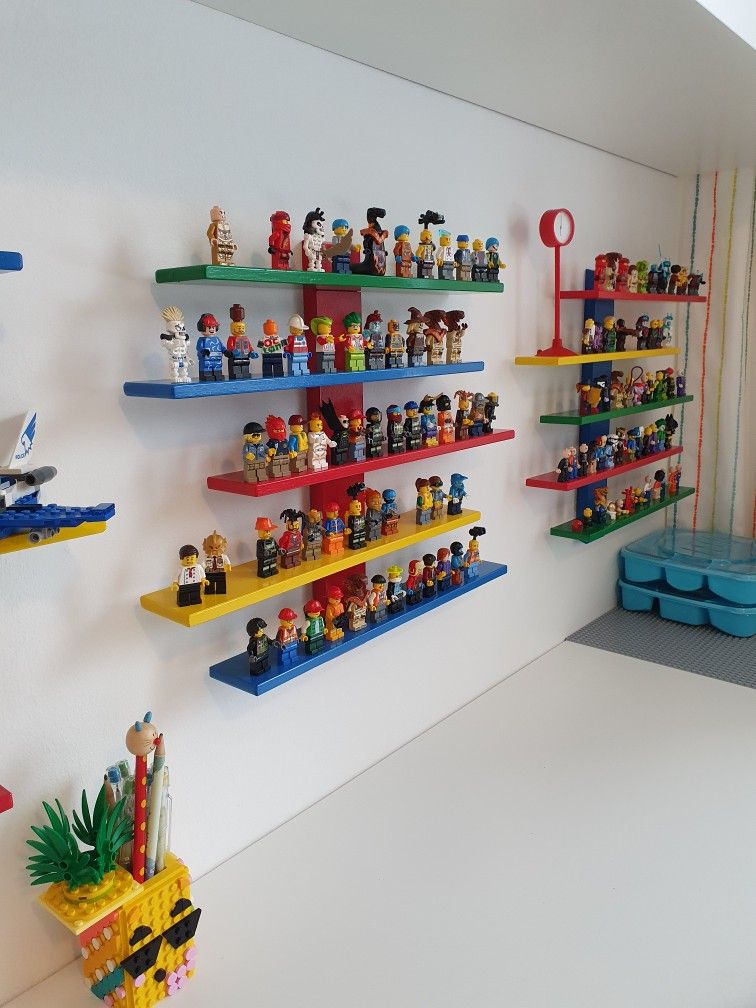
Children who spend hours building Lego creations often feel proud of their work. Unfortunately, many creations end up broken or hidden away in storage bins. A Lego display shelf solves this problem by giving favorite creations a place of honor. Install simple shelves where children can proudly display their masterpieces.
Not only does this preserve their hard work, but it also turns their creations into part of the room’s decor. The shelf encourages creativity while helping keep the room organized. Over time, the display evolves as new creations replace older ones.
23. Design a Fairy Tale Corner
A fairy tale corner can turn an ordinary bedroom into a magical escape. Create a cozy space with soft cushions, decorative crowns, fairy lights, and storybooks. Add touches like castles, stars, or enchanted forest decorations to bring the theme to life. Children can use the space for reading, imaginative play, or quiet relaxation.
The whimsical design encourages creativity while creating a beautiful focal point within the room. Best of all, the magical atmosphere helps children feel like they are stepping into their favorite storybook every day.
24. Paint Geometric Shapes
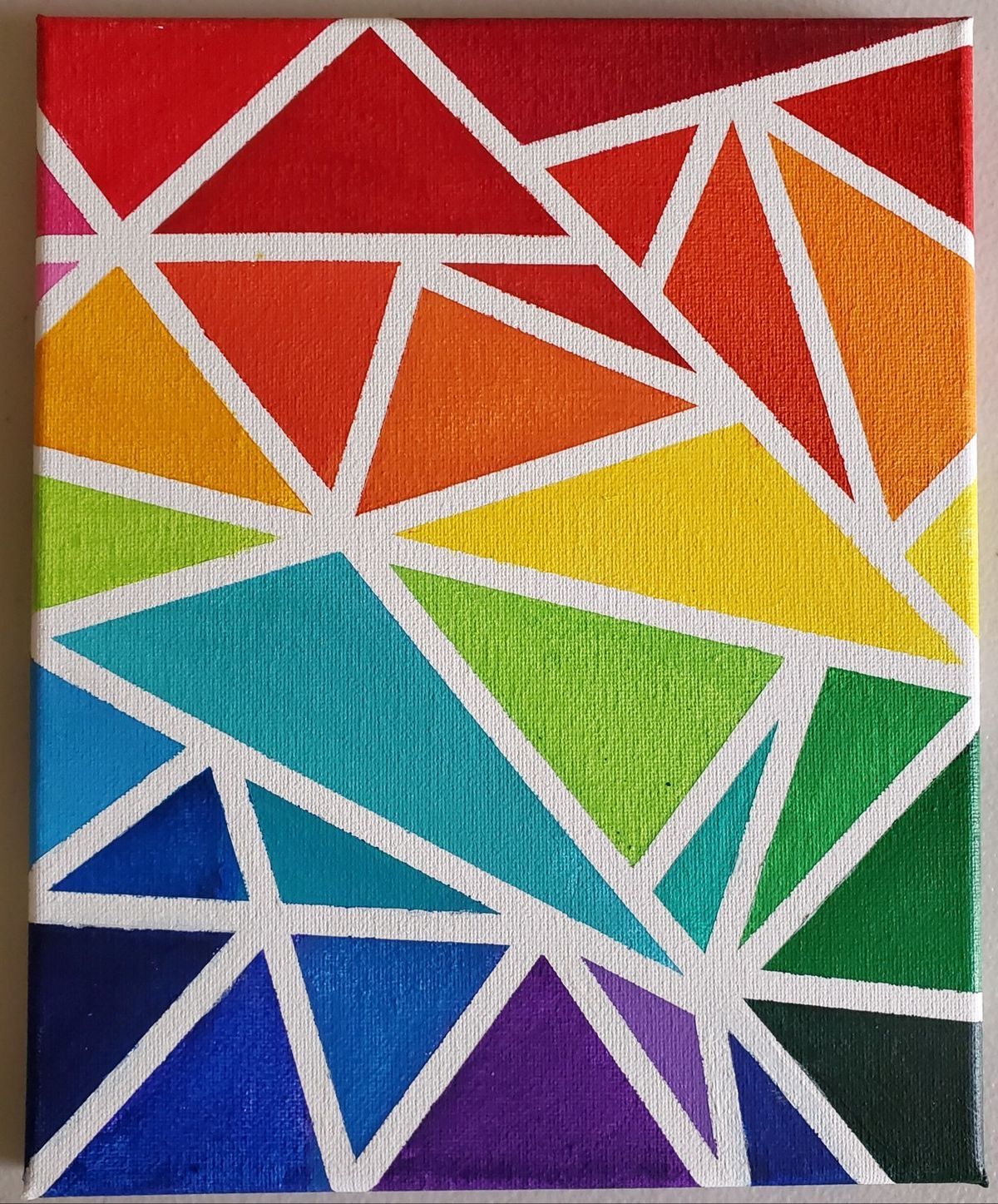
Geometric wall designs remain one of the easiest DIY kids room decor ideas for creating a modern and stylish appearance. Using painter’s tape, you can create triangles, diamonds, arches, or other simple shapes in colors that complement the room. These designs look clean and intentional while adding personality to plain walls.
Unlike character-themed decorations that children may outgrow quickly, geometric patterns often remain stylish for many years. This makes them a practical choice for parents who want a room that evolves gracefully as their child grows.
25. Make a Travel-Themed Wall
A travel-themed wall inspires curiosity and encourages children to learn about the world around them. Start with a large world map and add photos, postcards, or pictures of places your family has visited or hopes to visit someday. You can also include airplanes, globes, and adventure-themed decorations.
This display becomes both educational and decorative. As children grow older, they may enjoy adding new memories and destinations to the wall. The result is a feature that feels meaningful, personal, and visually interesting.
26. Create a Sports Display Area
Children who participate in sports often collect medals, trophies, certificates, and team photos. Instead of storing these achievements in boxes, create a dedicated display area where they can proudly showcase their accomplishments. Use shelves, shadow boxes, or decorative hooks to arrange everything neatly.
This display helps build confidence while celebrating hard work and dedication. At the same time, it adds personality to the room and creates a meaningful focal point that reflects the child’s interests and achievements.
27. Build a Craft Station
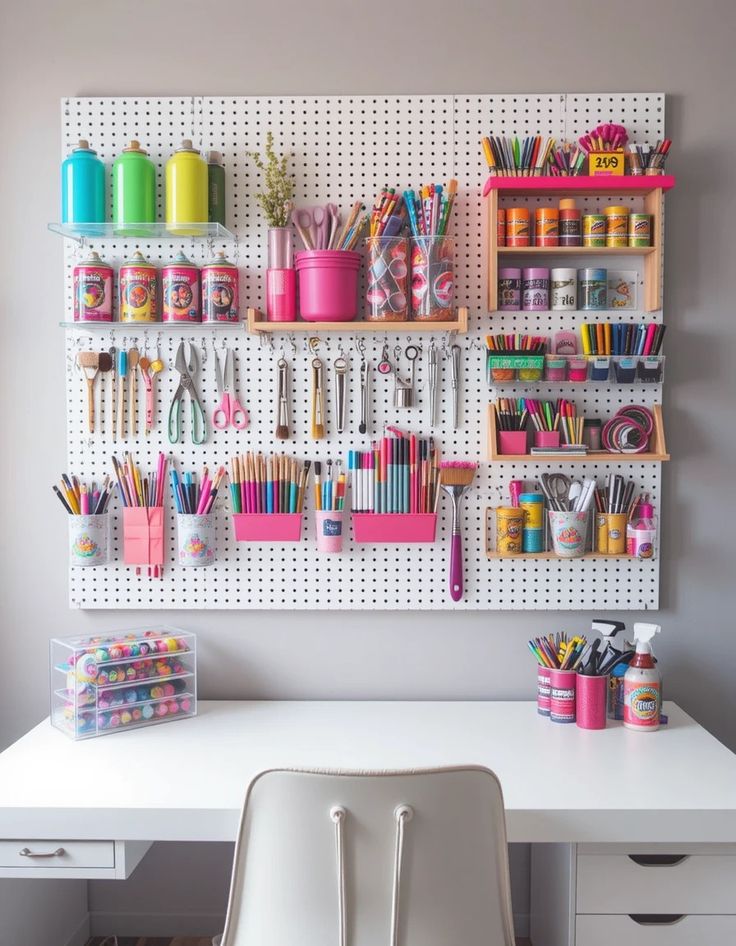
A craft station gives children a dedicated space where they can draw, paint, color, and create. Include a small table, comfortable chair, and organized storage for supplies.
Creative children often benefit from dedicated workspaces like these creative art corner ideas for kids.
Clear containers help children find materials easily while keeping the area tidy. Having a designated creative space encourages artistic expression and reduces the likelihood of art supplies spreading throughout the house. Additionally, a well-organized craft station can look surprisingly stylish while supporting creativity and learning.
28. Design a Nature Wall
Nature-inspired decor creates a peaceful and calming atmosphere that works beautifully in children’s rooms. Decorate a wall with leaf prints, woodland animals, flowers, trees, or butterflies. Soft greens, browns, and natural tones help create a relaxing environment that feels connected to the outdoors.
Nature-inspired decor works beautifully alongside these nature-inspired kids room ideas that feel peaceful.
Nature themes work particularly well because they remain timeless and versatile. Whether your child is a toddler or a teenager, natural elements continue to look beautiful and relevant.
29. Make Hanging Photo Displays
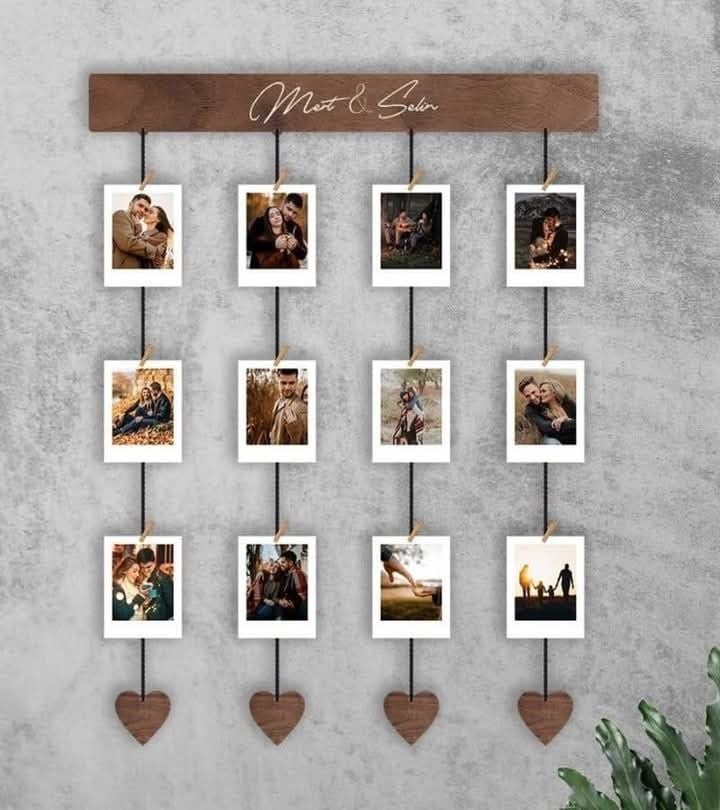
Photographs help transform a room into a space filled with memories and love. Create a hanging photo display using string, clips, and decorative frames. Include family pictures, vacation photos, school memories, and special moments that make your child smile. Because the photos can be changed easily, the display continues evolving over time.
This project adds a deeply personal touch while helping children feel connected to the people and experiences they cherish most.
30. Create a Colorful Rug Design
A custom rug can completely transform the appearance of a room. Instead of purchasing an expensive designer rug, use fabric paint or stencils to personalize a plain one.
Choose patterns and colors that complement the room’s theme. Whether you create stars, rainbows, animals, or geometric shapes, the rug becomes a one-of-a-kind decorative feature. Since rugs cover a large area, they significantly influence the room’s overall look and feel.
31. Build a Treasure Display Shelf
Children love collecting special treasures. Some collect seashells from beach trips, while others save colorful rocks, tiny toys, stickers, or little souvenirs from family adventures. Instead of letting these treasures get lost in drawers or toy boxes, create a display shelf where they can proudly show them off. A simple floating shelf or a small cubby organizer works perfectly for this project. Arrange the items neatly and encourage your child to update the display whenever they find something new.
Not only does this make the room feel more personal, but it also teaches children to value and care for their belongings. Best of all, the display tells a story about their interests, adventures, and favorite memories.
32. Design a Jungle Theme
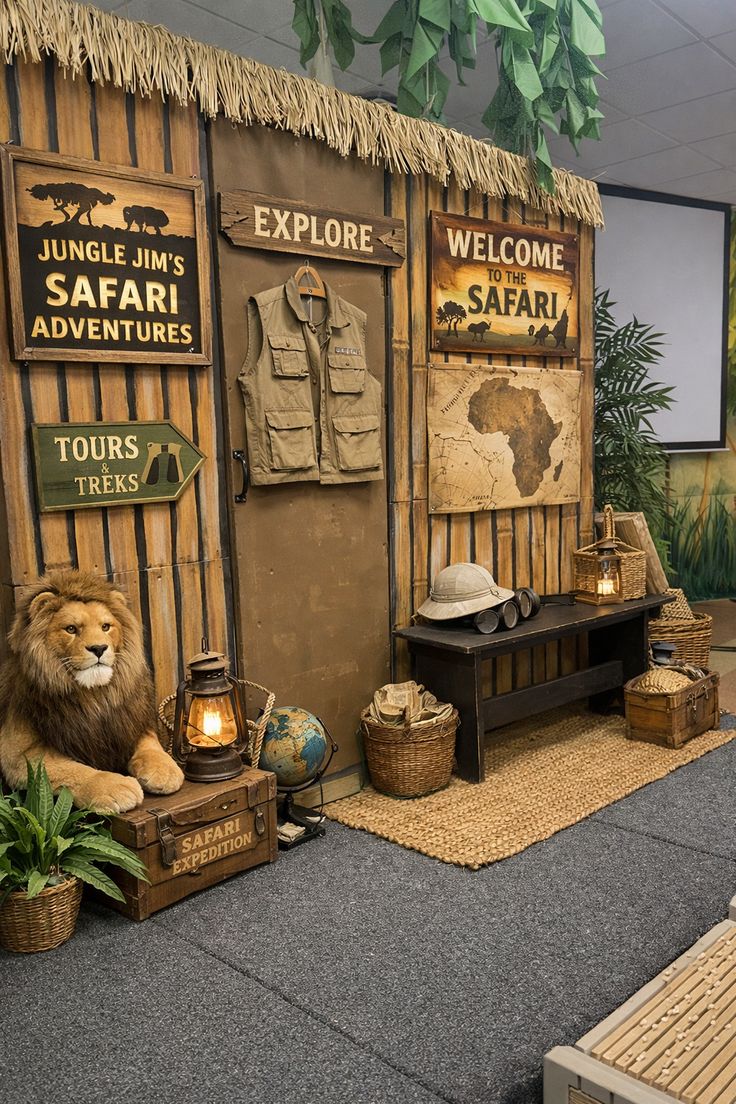
A jungle-themed room feels exciting, adventurous, and full of life. Start by incorporating shades of green throughout the room using pillows, rugs, blankets, and wall decorations. Then add animal prints, leafy garlands, and pictures of jungle animals to complete the look. You can even create a feature wall with painted vines, trees, or playful monkeys.
For even more adventurous decorating inspiration, explore these jungle-themed kids room ideas full of fun details.
Children often love pretending they are exploring a wild jungle filled with amazing animals. As a result, this theme encourages imaginative play while creating a room that feels vibrant and energetic. Although the design is playful, it can still look polished when you use a consistent color palette.
33. Make Decorative Wall Hooks
Wall hooks may seem like a small detail, but they can make a big difference in both style and organization. Instead of using plain hooks, decorate them with paint, fun shapes, or themed designs that match the room. For example, cloud-shaped hooks work beautifully in a sky-themed room, while animal-shaped hooks fit perfectly in a safari-inspired space.
Children can use the hooks for backpacks, jackets, hats, or dress-up costumes. Because everything has a designated place, the room stays neater and more organized. At the same time, the decorative hooks add charm and personality to the walls.
34. Create a Superhero Feature Wall
Many children dream about becoming superheroes. A superhero feature wall can bring those dreams to life while creating a bold statement in the room. Frame superhero-inspired artwork, comic book pages, or colorful prints that match your child’s favorite heroes. You can also paint simple city skylines or comic-style speech bubbles directly onto the wall. This feature instantly grabs attention and becomes the focal point of the room. Since superhero themes often use bright colors and exciting designs, they create an energetic atmosphere that children love. The result feels fun, creative, and surprisingly professional.
35. Build a Toy Rotation Shelf
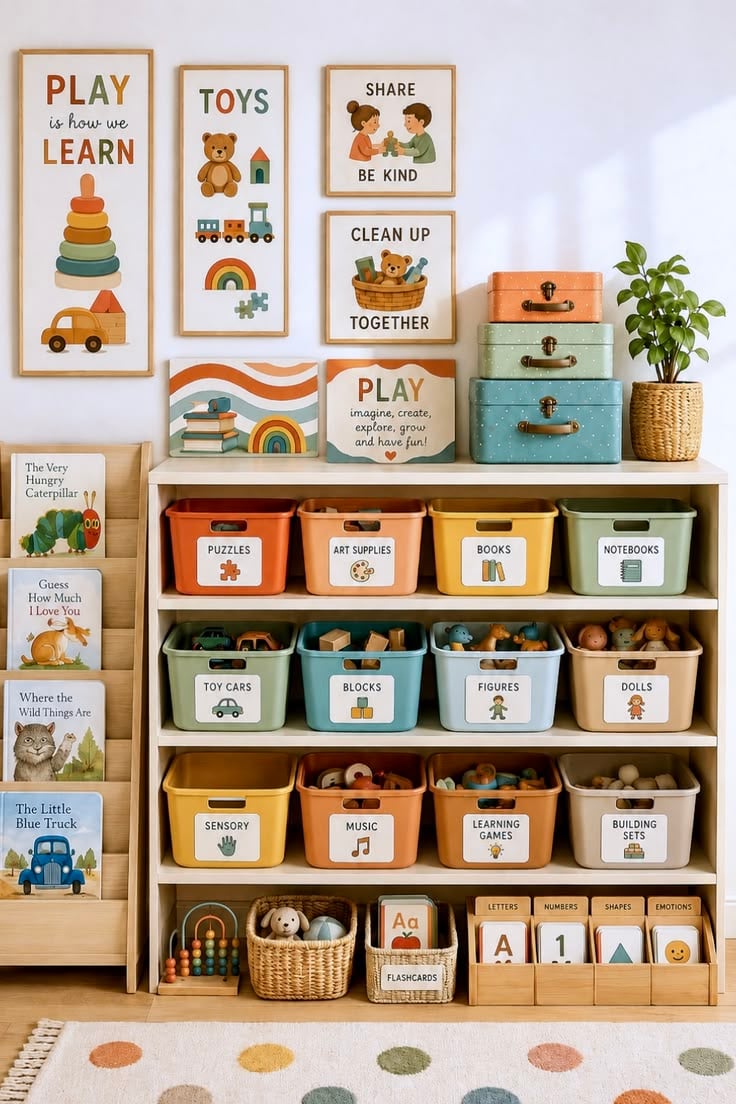
Children often have more toys than they can play with at one time. Instead of displaying everything at once, create a toy rotation shelf that showcases only a few favorites. Store the remaining toys in bins and switch them out every few weeks. This system keeps the room looking clean and organized while making old toys feel exciting again.
Simple organization systems like this work wonderfully alongside these open shelf ideas for kids rooms that look organized and cute.
Children often rediscover forgotten favorites when they reappear on the shelf. In addition, the display creates a decorative element because neatly arranged toys can look just as attractive as store-bought decorations. This simple idea combines organization with style.
36. Make a Dreamy Star Garland
A star garland creates a magical atmosphere that works beautifully in almost any child’s room. Cut stars from felt, paper, wood, or fabric and string them together to create a decorative garland. Hang it above the bed, across a bookshelf, or around a reading corner. The stars add softness and movement while helping fill empty wall space.
Gold, silver, white, or pastel colors often work especially well for this project. Although the materials are simple, the finished decoration looks elegant and thoughtful. It is an affordable way to add charm and personality to the room.
37. Create a Personalized Theme Room
One of the best DIY kids room decor ideas involves building the entire room around your child’s favorite interest. Some children love dinosaurs, while others adore princesses, outer space, animals, race cars, construction vehicles, or art. Instead of filling the room with random decorations, choose one theme and carry it throughout the space using colors, wall art, bedding, and accessories. This approach creates a cohesive design that feels intentional and well planned.
Children feel excited when their room reflects something they truly love. Most importantly, personalized spaces often create the strongest emotional connection because they celebrate each child’s unique personality and interests.
Tips for Making DIY Decor Look Professional
Even simple DIY projects can look professionally designed when you follow a few important decorating principles. First, choose a color palette before starting any project. Limiting your design to three or four coordinating colors helps everything feel connected and organized. When colors work together, the entire room automatically looks more polished.
Next, focus on balance rather than filling every available space. Many people assume they need lots of decorations, but too many items can make a room feel crowded. Instead, choose a few meaningful pieces that stand out. A well-placed wall display, cozy reading corner, or beautiful mural often creates more impact than dozens of small decorations.
Additionally, pay attention to organization. Even the most beautiful room can feel messy when toys, books, and supplies do not have designated storage areas. Decorative baskets, shelves, crates, and bins help maintain order while contributing to the room’s overall design.
Another helpful tip involves layering different textures. Soft blankets, woven baskets, fluffy rugs, wooden furniture, and fabric wall hangings create depth and warmth. Designers often use texture to make spaces feel more inviting, and you can achieve the same effect with simple DIY projects.
Finally, remember that consistency matters. Repeating colors, themes, and materials throughout the room helps create a cohesive appearance. When every element works together, the room feels thoughtfully designed instead of randomly decorated.
Final Thoughts
These DIY kids room decor ideas prove that creating a beautiful bedroom does not require a huge budget or professional design experience. With a little creativity, patience, and imagination, simple projects can completely transform a child’s space. From personalized wall art and reading corners to themed displays and clever storage solutions, each idea helps create a room that feels both functional and fun.
As you begin decorating, focus on what makes your child happiest. A room should reflect their personality, interests, and imagination. Whether they dream of exploring outer space, reading fairy tales, racing cars, or discovering dinosaurs, thoughtful DIY projects can help bring those dreams to life.
Most importantly, invite your child to participate in the decorating process whenever possible. Let them help choose colors, themes, and decorations. Not only will this make the room feel more personal, but it will also create wonderful memories you can share together. In the end, the best children’s rooms are not necessarily the most expensive ones. They are the rooms filled with creativity, love, and personal touches that make children feel happy every time they walk through the door.