When my children were little, I always dreamed of giving them a huge playroom filled with toys, books, games, and creative activities. However, real life looked a little different. We did not have an extra room waiting to become a giant play space. Instead, we had a small corner, a few shelves, and a lot of toys that somehow seemed to multiply overnight. At first, I worried that a tiny playroom would never feel fun or organized. Then I discovered that small spaces can actually work beautifully when you use them wisely.
One thing I quickly learned is that children do not need a huge room to have big adventures. In fact, many kids feel happier in cozy spaces that feel special and easy to use. The secret is finding smart ways to organize toys, create activity zones, and make every inch count. That is exactly why tiny playroom ideas can make such a huge difference for busy families.
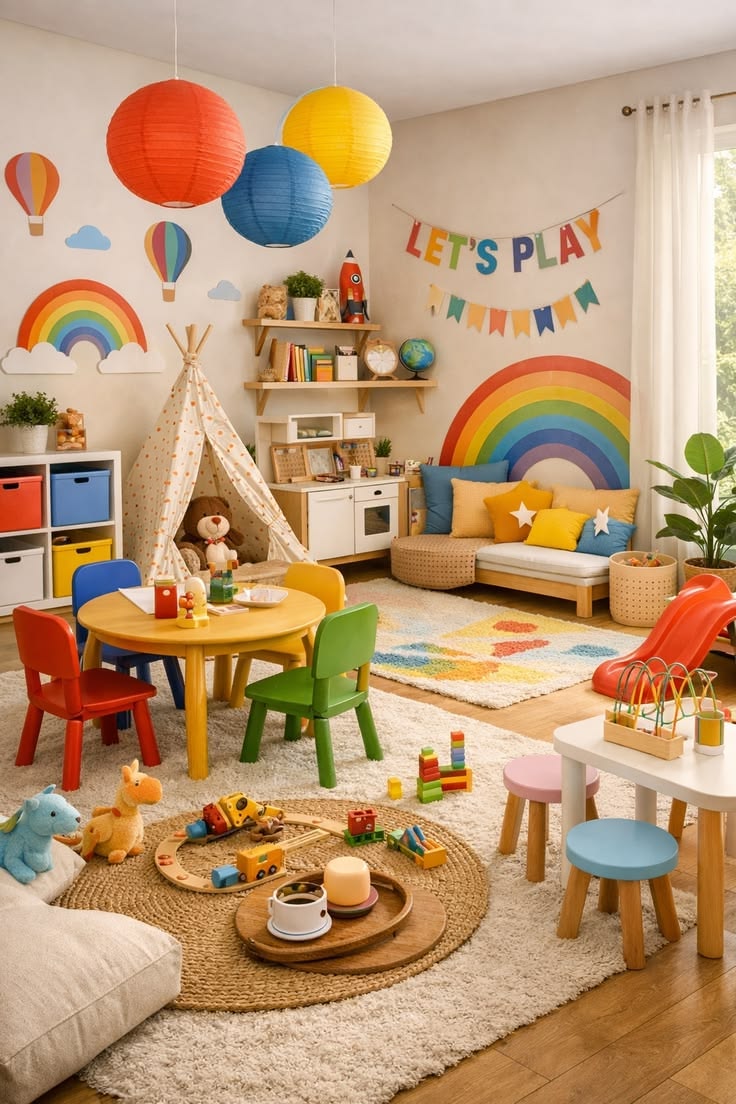
If you are looking for tiny playroom ideas that make the most of every inch, you are in the right place. Whether you have a small spare room, a bedroom corner, a section of the living room, or even a space under the stairs, these ideas can help you create a play area that feels fun, organized, and full of imagination. Best of all, many of these ideas are simple, affordable, and easy to adapt to your home.
1. Use Vertical Storage from Floor to Ceiling
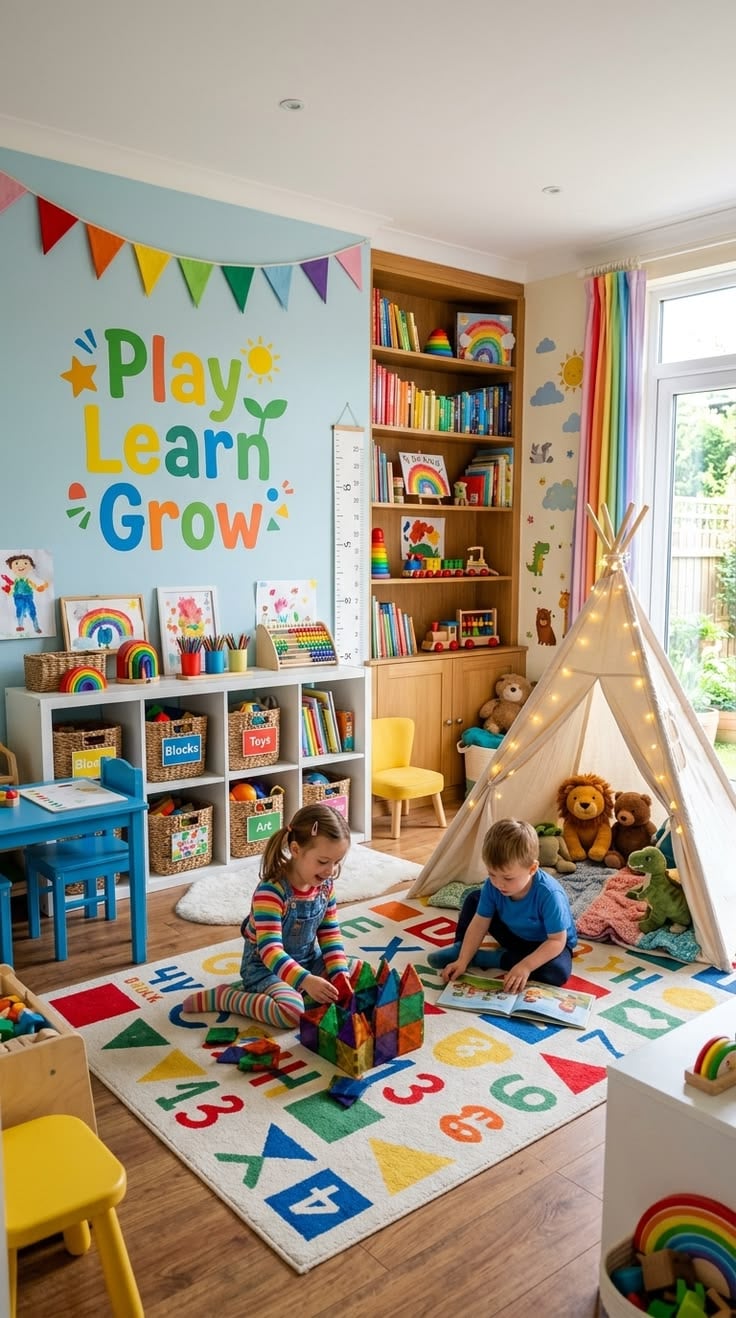
When floor space feels limited, the walls become your best friend. Using vertical storage from floor to ceiling helps you maximize every inch of a small playroom while keeping toys neatly organized, and it works perfectly with genius toy storage ideas for kids rooms you need to try for a clutter-free and highly functional space.
Many parents focus only on the available floor area, but vertical storage can completely transform a tiny playroom. Tall shelves allow you to store books, puzzles, games, and toys without taking up valuable play space.
Place frequently used toys on lower shelves where children can easily reach them. Then use higher shelves for items you want to rotate or supervise.
Additionally, vertical storage helps keep the room organized because everything has a designated place. As a result, the playroom feels larger, cleaner, and much easier to maintain.
2. Create a Small Reading Nook
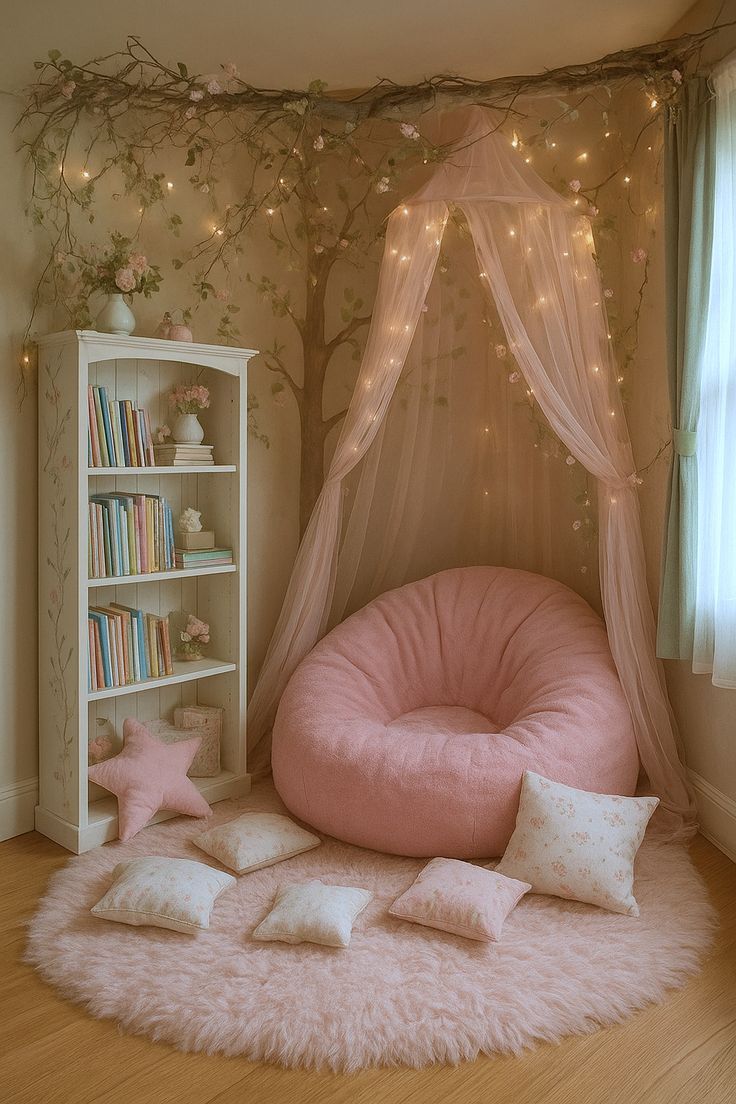
Even the tiniest playroom can include a cozy reading corner. A small reading nook creates a cozy corner where children can relax and enjoy books, and it pairs beautifully with whimsical kids bedroom ideas that spark imagination for a magical and calming play space.
Start with a soft rug, a few floor cushions, or a bean bag chair. Then add a small bookshelf nearby so children can easily grab their favorite stories.
A reading nook creates a quiet space for relaxing and learning. At the same time, it encourages children to spend more time with books.
Furthermore, reading corners do not require much space. A small corner of the room can become one of the most loved areas in the entire playroom.
3. Choose Furniture with Built-In Storage
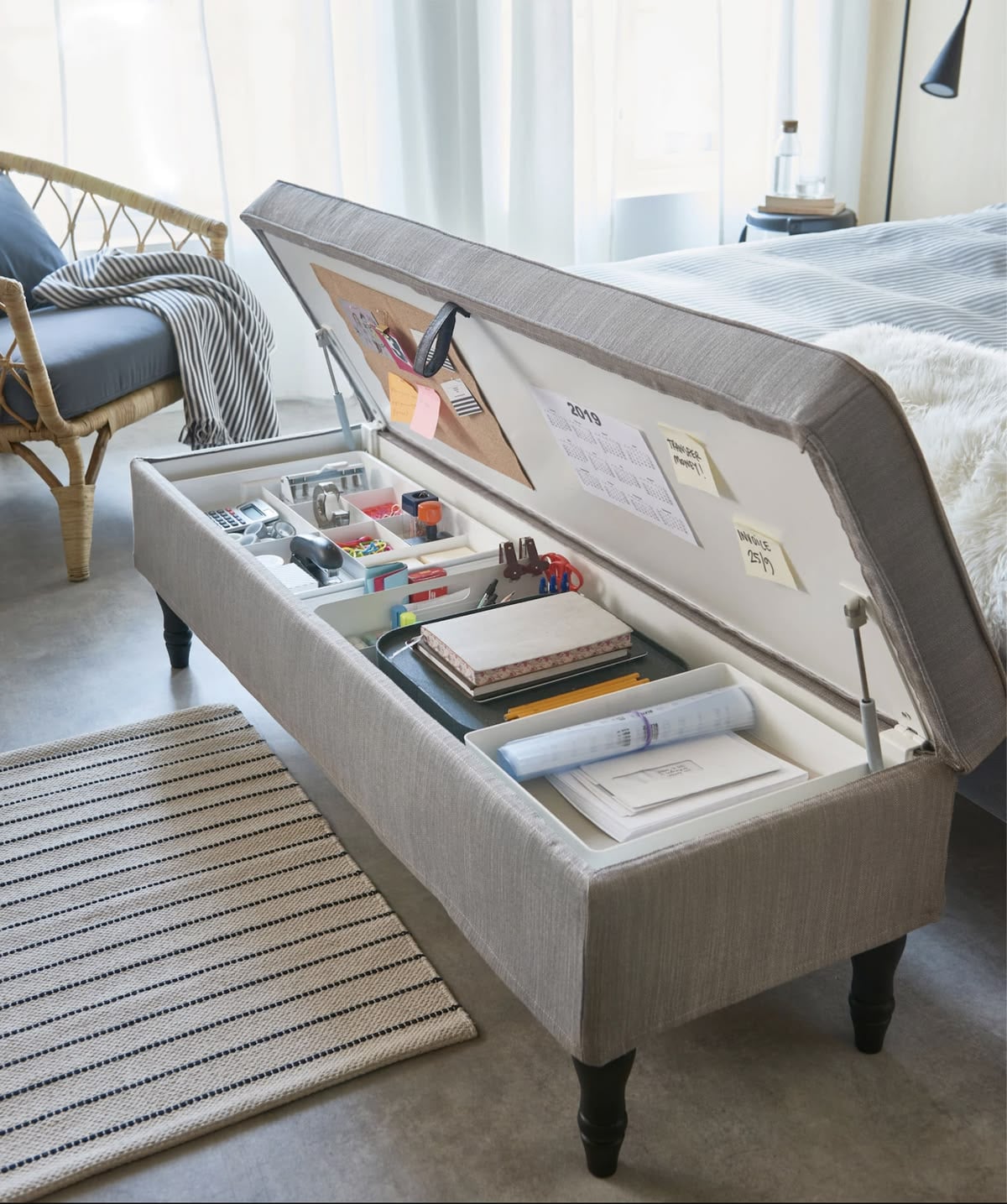
Every piece of furniture should work a little harder in a small playroom.Choosing furniture with built-in storage helps you save space while keeping the playroom functional and organized, and it works perfectly with built-in storage ideas for kids rooms that hide the clutter for a cleaner and more efficient layout.
Look for benches with storage compartments, ottomans that open up, or tables with built-in shelves. These pieces provide storage without taking up additional space.
For example, a storage bench can hold toys inside while providing a place to sit on top. This simple solution helps reduce clutter while keeping the room functional.
Because every inch matters in a tiny playroom, multifunctional furniture often becomes one of the smartest investments you can make.
4. Use Clear Storage Bins
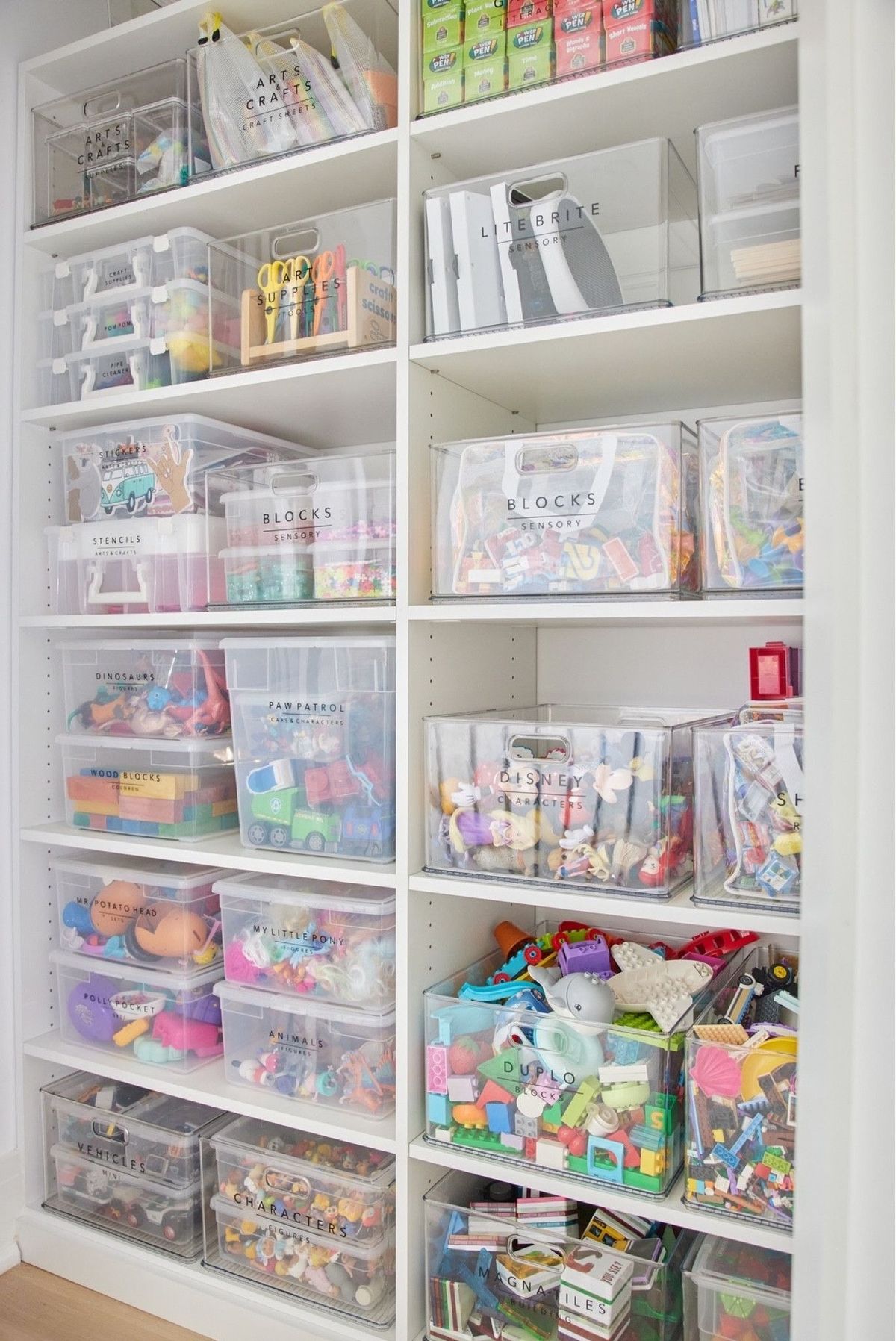
Children play better when they can actually see their toys. Using clear storage bins makes it easy for children to see and access their toys while keeping everything organized, and it pairs well with open shelf ideas for kids rooms that look organized and cute for a neat and child-friendly storage system.
Clear bins make it easy for kids to find what they want without dumping everything onto the floor. They can quickly spot building blocks, toy animals, art supplies, or puzzles.
Additionally, clear bins encourage independence because children do not need constant help locating their favorite items.
Label each bin with words or pictures to make cleanup even easier. As a result, children learn organizational skills while keeping the playroom neat.
5. Create Toy Rotation Stations
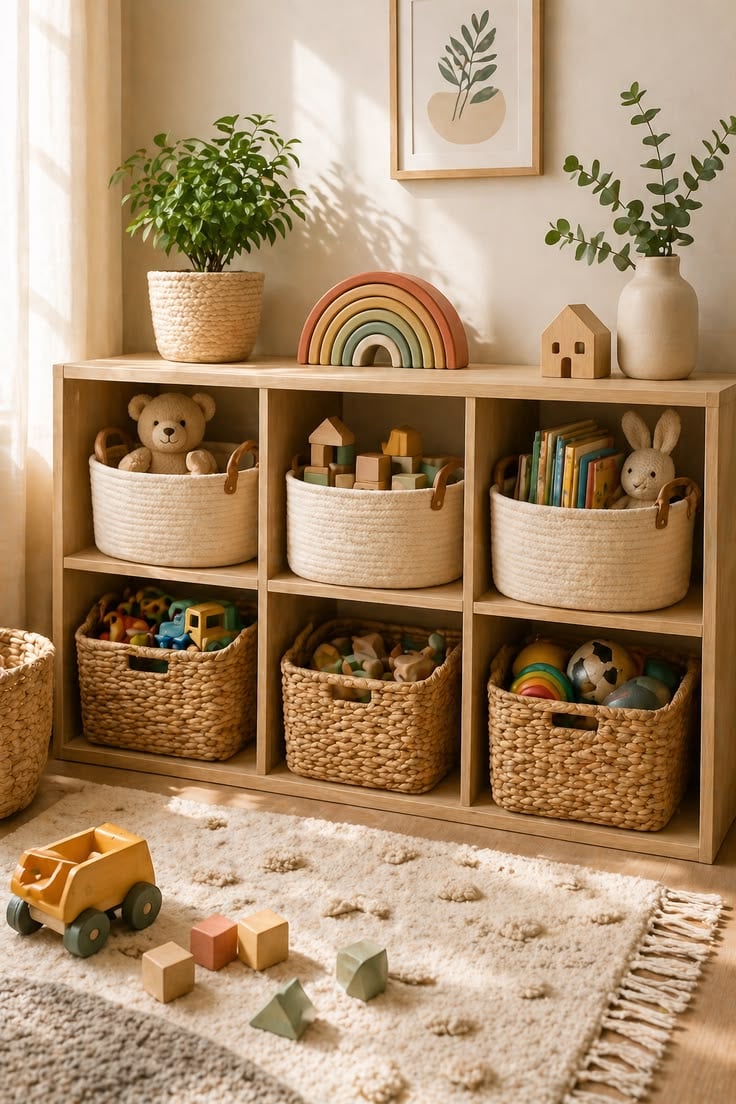
One common mistake in small playrooms is keeping every toy available all the time. Creating a toy rotation system helps keep a small playroom fresh and prevents overcrowding by rotating toys in and out over time, and it works nicely with tiny playroom ideas that make the most of every inch for a more organized and engaging play space.
Too many toys can overwhelm children and make the room feel crowded. Instead, create a toy rotation system.
Store some toys elsewhere and switch them every few weeks. Suddenly, old toys feel exciting and new again.
Additionally, fewer toys on display create a calmer environment and make cleanup much faster. This strategy helps maximize both space and play value.
6. Add Floating Shelves
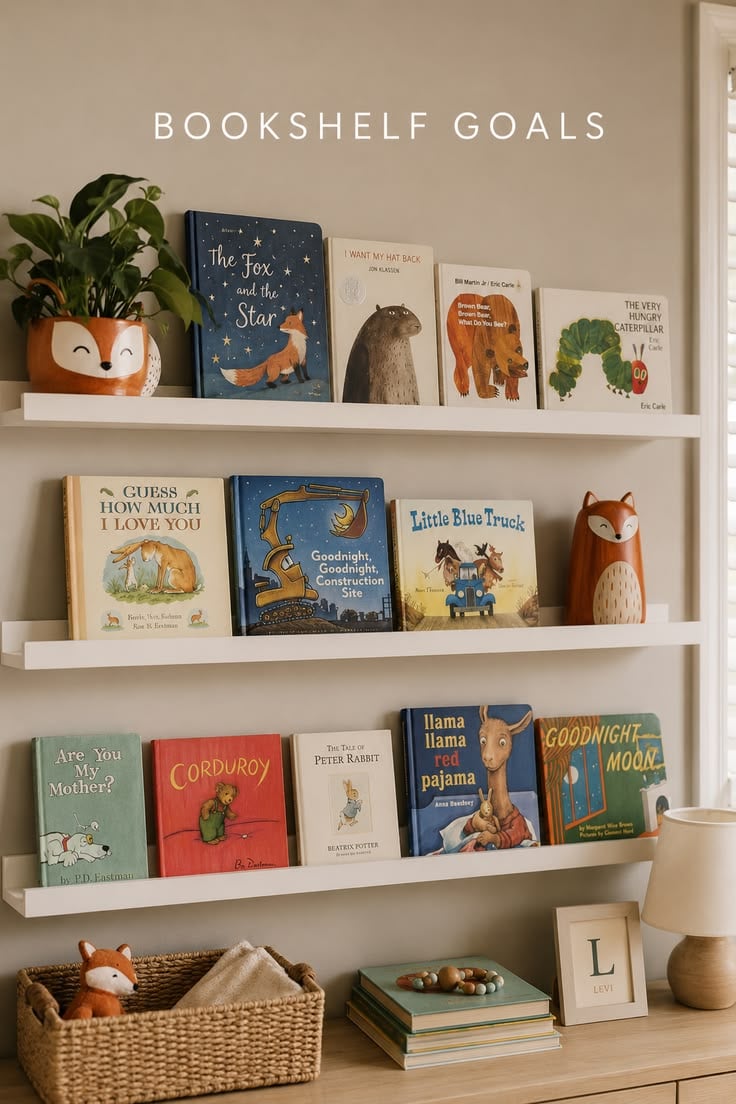
Floating shelves provide storage without taking up floor space. Adding floating shelves helps you use vertical wall space efficiently while keeping toys, books, and decor neatly displayed, and it pairs perfectly with diy kids room decor ideas that look surprisingly professional for a stylish and organized playroom setup.
Use them to display books, puzzles, craft supplies, or favorite toys. Because they mount directly to the wall, they keep the room feeling open and uncluttered.
Furthermore, floating shelves allow you to decorate vertically, which helps make a small room appear larger.
Choose sturdy shelves that can handle daily use while maintaining a clean and organized look.
7. Define Play Zones
Even in a tiny playroom, creating separate zones can make the space feel more functional. Defining clear play zones helps organize a tiny playroom into functional areas for reading, building, and creative play, and it works beautifully with smart kids desk ideas for homework and creativity for a more structured and engaging space.
You might have a reading corner, a building area, an art station, and a pretend play space. These zones do not need walls or dividers. A simple rug or storage basket can help define each area.
Children often focus better when activities have designated spaces. Additionally, zones make the room feel more organized and intentional.
As a result, the playroom feels bigger because every area serves a clear purpose.
8. Use Wall-Mounted Book Displays
Traditional bookshelves can take up valuable floor spaceUsing wall-mounted book displays helps save floor space while making books easy for children to see and reach, and it pairs perfectly with open shelf ideas for kids rooms that look organized and cute for a tidy and accessible reading setup..
Instead, consider wall-mounted book ledges that display books face forward. Children can easily see book covers and choose stories independently.
This setup encourages reading while freeing up room for other activities.
Additionally, colorful book covers add visual interest and personality to the playroom walls.
9. Create an Art Station
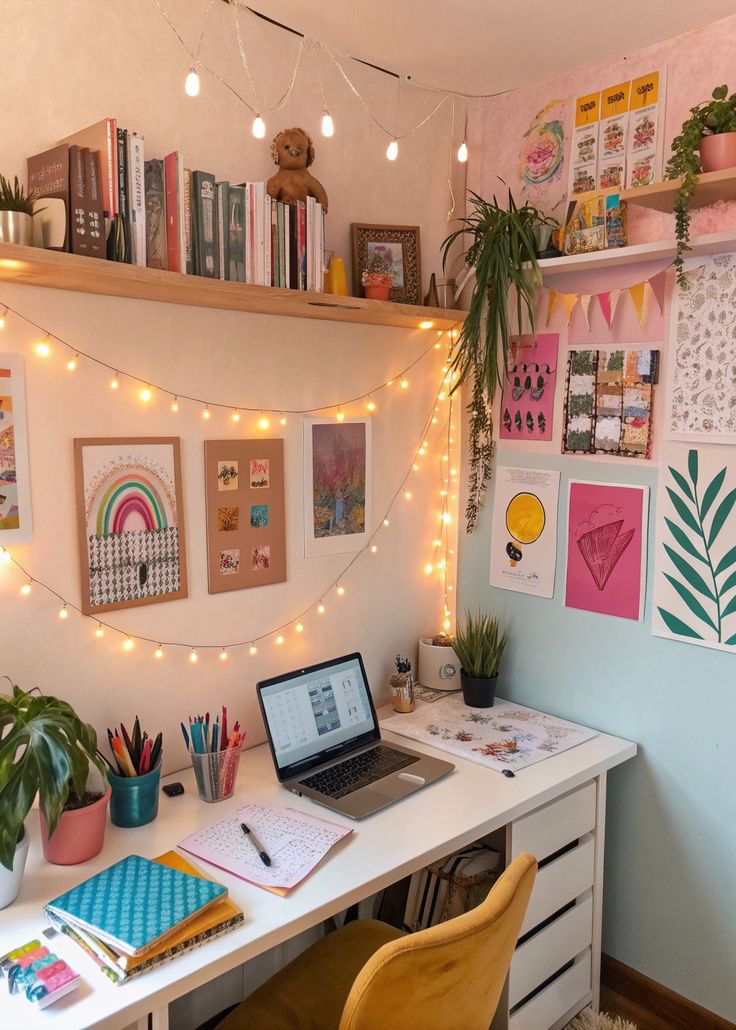
Children love creating, drawing, and making things. Creating a dedicated art station gives children a special space for drawing, crafting, and creative play, and it works beautifully with creative art corner ideas for kids you should recreate NOW for a fun and inspiring activity zone.
Even a tiny playroom can include a small art area with a child-sized table and organized storage for supplies. Keep crayons, markers, paper, and stickers within easy reach.
A dedicated art station encourages creativity while keeping messy supplies contained in one area.
Furthermore, having a specific place for crafts helps children understand where creative activities belong.
10. Use the Back of the Door
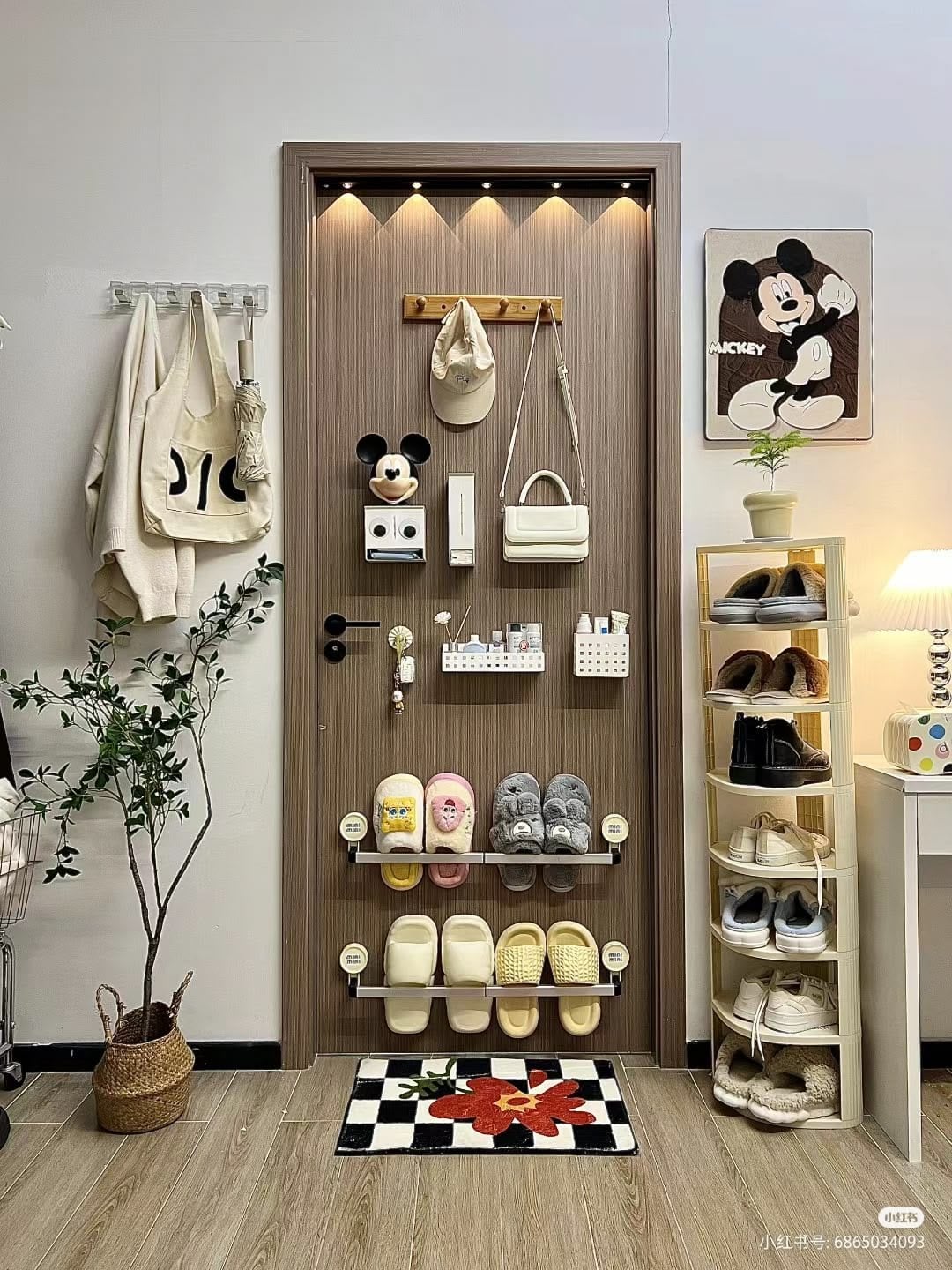
Many people forget about the space behind the door. Using the back of the door for storage is a smart way to add extra space for toys, books, and supplies without taking up the floor, and it pairs perfectly with tiny playroom ideas that make the most of every inch for a highly efficient and organized play area.
However, over-the-door organizers can hold art supplies, small toys, books, or activity materials. This simple solution adds storage without taking up any floor space.
Because small playrooms require creative thinking, every hidden storage opportunity matters.
As a result, the room stays organized while making the most of every available inch.
11. Add a Fold-Down Activity Table
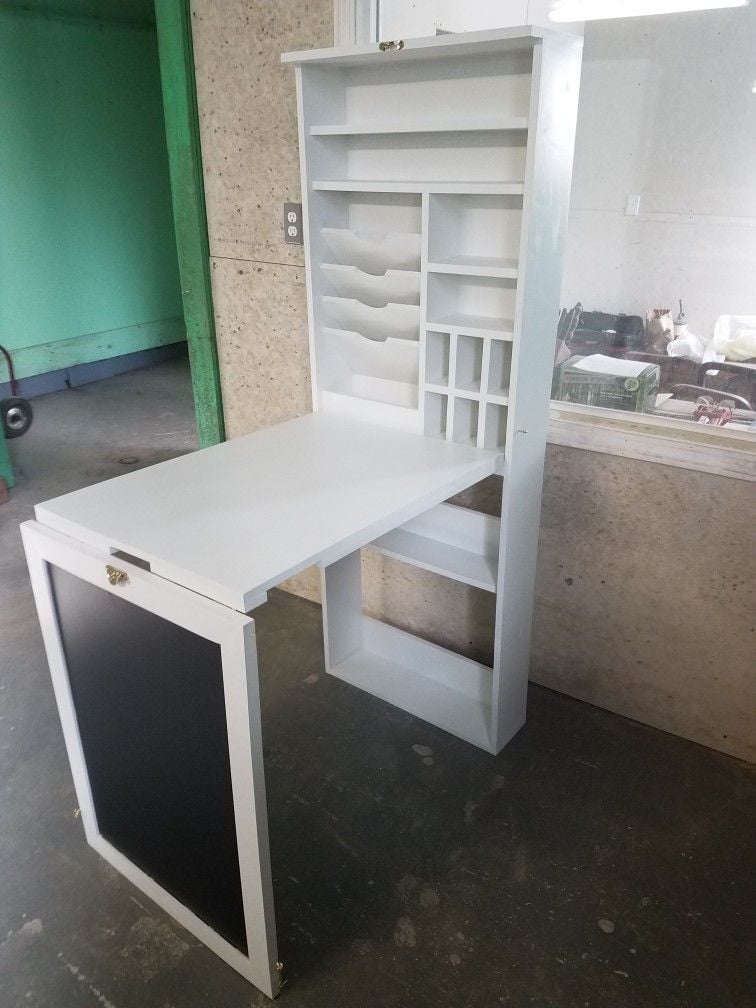
A fold-down table provides a workspace without permanently occupying floor space. A fold-down activity table is a smart space-saving solution that gives kids a place to play and then folds away when not in use, and it works perfectly with smart kids desk ideas for homework and creativity for a flexible and functional playroom setup.
Children can use it for puzzles, coloring, building blocks, and crafts. Then, when playtime ends, the table folds flat against the wall.
This clever solution works especially well in very small playrooms where flexibility matters.
Additionally, fold-down furniture helps create a room that adapts to different activities throughout the day.
12. Use Matching Storage Baskets
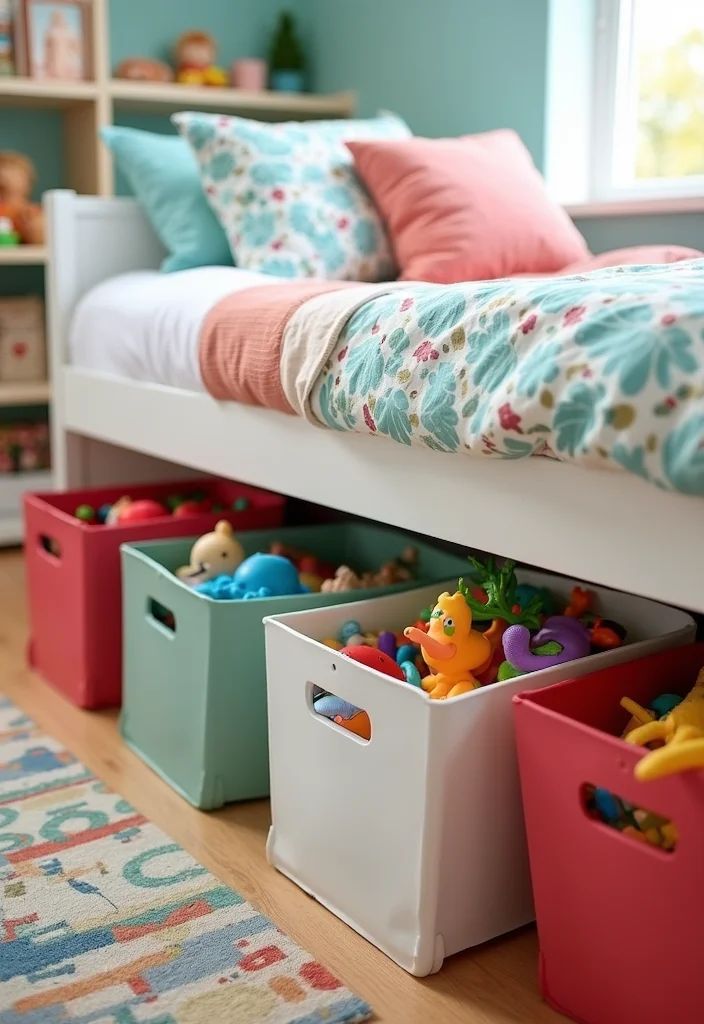
Storage baskets instantly make a playroom look more organized.
Choose baskets in similar colors or materials to create a cohesive appearance. Then use them to store toys, books, stuffed animals, and games.
Matching baskets reduce visual clutter and make the room feel calmer.
Furthermore, children can easily learn which basket belongs to which category of toys.
13. Create a Cozy Floor Play Area
Children often prefer playing on the floor anyway.
Instead of filling the room with furniture, leave open floor space and add a comfortable rug. This creates room for building, pretending, reading, and playing with toys.
Open floor areas also make the room feel larger because they reduce visual obstacles.
In many cases, less furniture actually improves how children use the space.
14. Install Pegboards for Flexible Storage
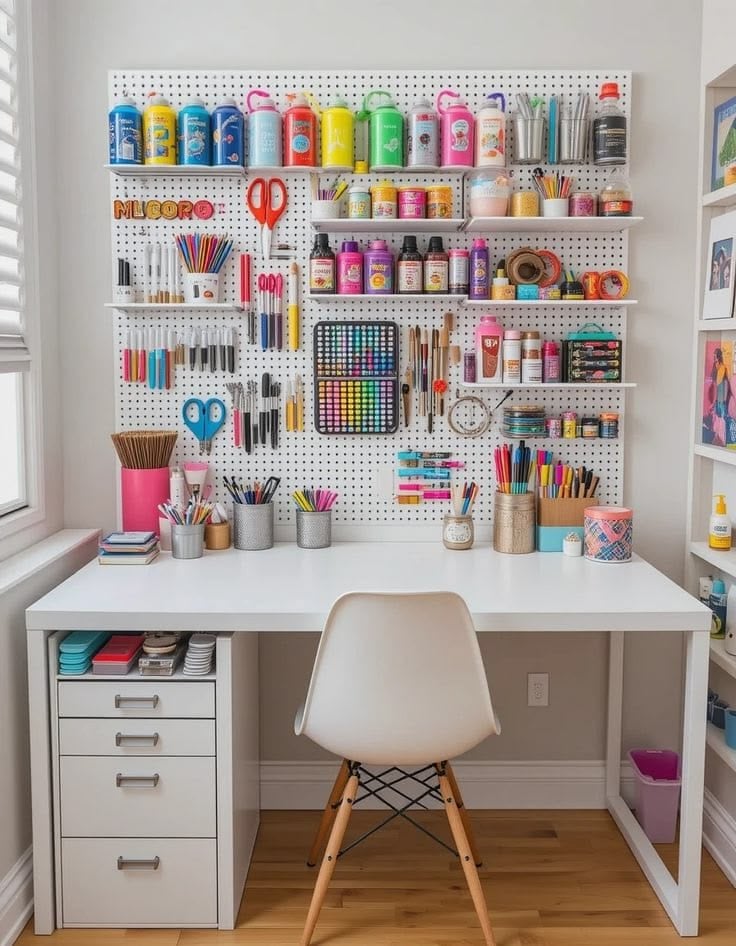
Pegboards offer one of the most versatile storage solutions available.
Use hooks, baskets, and shelves to organize art supplies, toys, headphones, or small games. Because the layout can change over time, pegboards adapt as your child’s needs evolve.
Additionally, pegboards use vertical wall space efficiently while keeping frequently used items accessible.
15. Add a Small Play Tent
Children love having cozy hideaways.
A compact play tent can create a magical space for reading, relaxing, or imaginative play. Choose a smaller design that fits comfortably within the room.
Because tents feel special and private, children often spend hours enjoying them.
Moreover, a tent can serve multiple purposes without requiring much space.
16. Use Stackable Storage
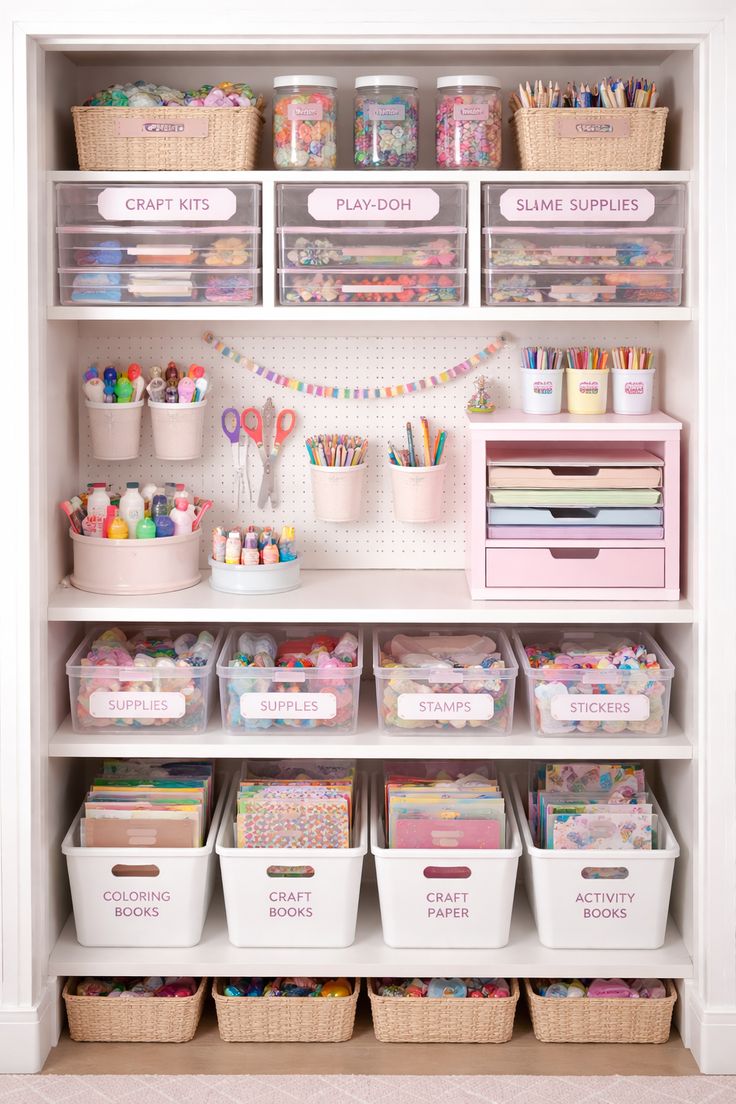
Stackable bins maximize vertical storage while maintaining flexibility.
You can add or remove containers as needed and rearrange them based on changing storage requirements.
This approach works especially well for growing collections of toys and activity supplies.
17. Keep Decor Simple
In a small playroom, too many decorations can make the space feel crowded.
Instead, focus on a few meaningful pieces such as artwork, educational posters, or colorful wall decals.
Simple decor creates personality while helping the room remain open and inviting.
18. Create a Puzzle and Game Shelf
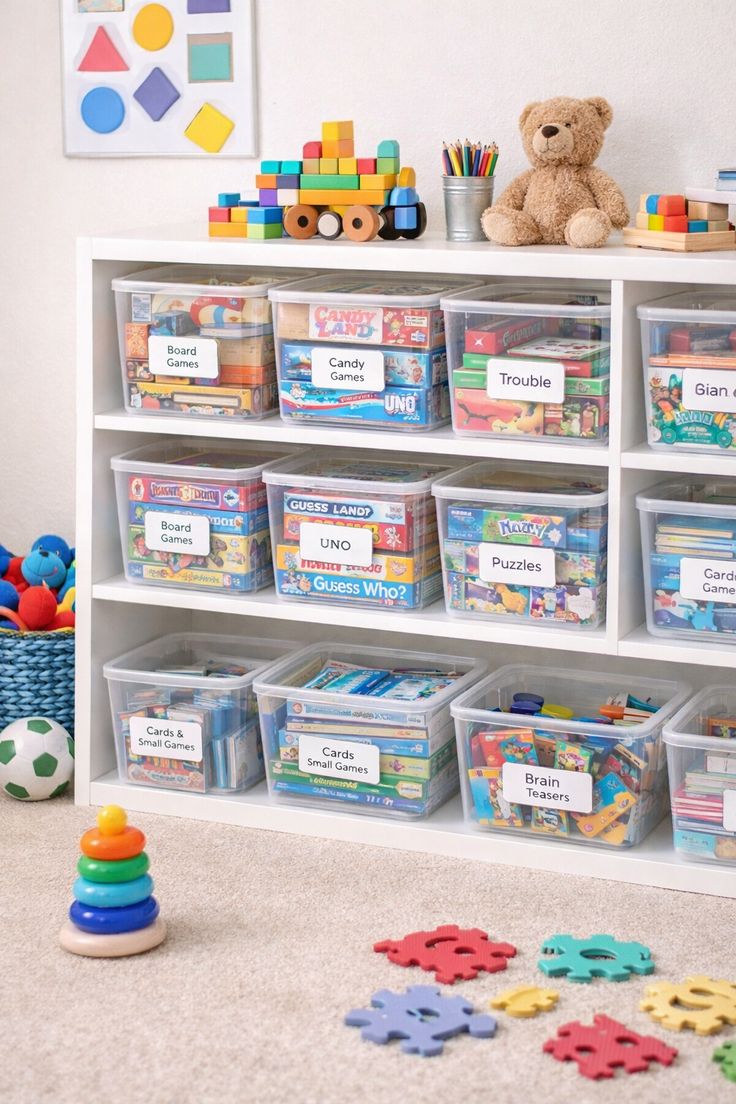
Dedicate one shelf specifically to puzzles and games.
This organization method helps children find activities quickly while preventing pieces from getting lost.
Additionally, having a dedicated game area encourages family playtime and independent problem-solving.
19. Use Under-Bench Storage
If your playroom includes seating, use the space underneath wisely.
Storage benches can hold books, toys, costumes, and seasonal items while keeping them hidden from view.
This strategy combines comfort and storage in one practical solution.
20. Leave Space for Imagination
Not every inch needs to hold furniture or toys.
Children often need empty space for building forts, pretending, dancing, and creating their own games. Open areas support creativity and flexibility.
As a result, the playroom becomes more enjoyable and versatile.
21. Focus on What Your Child Loves Most
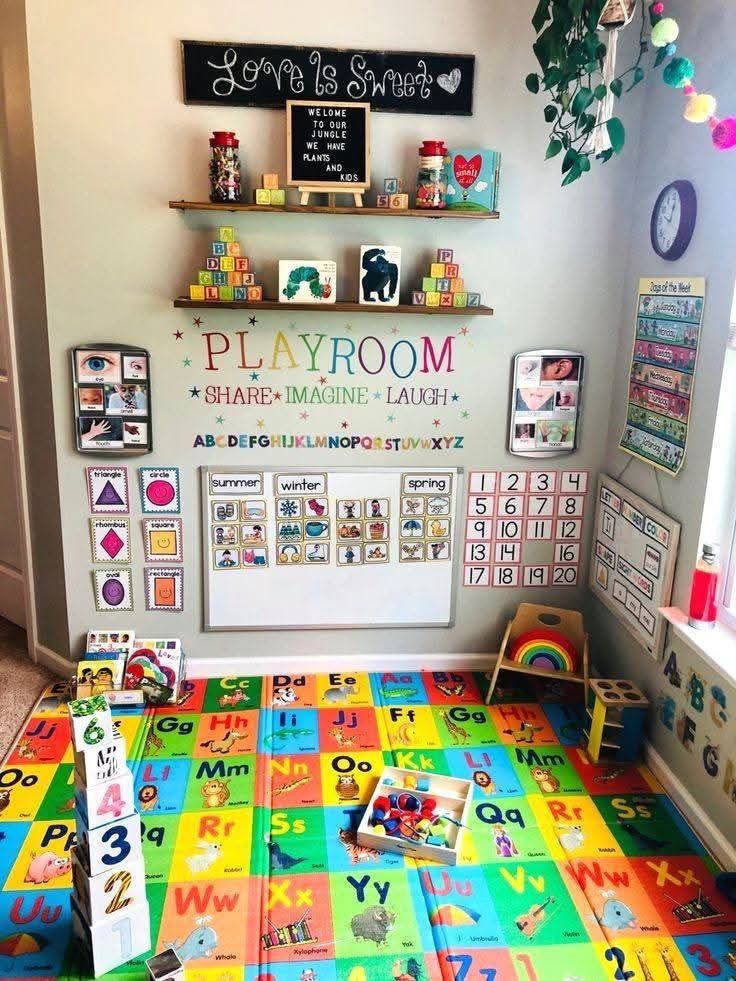
The best tiny playroom ideas always start with the child.
Pay attention to the activities your child enjoys most. If they love books, prioritize a reading corner. If they enjoy art, create a creative station. If they love building toys, leave plenty of floor space.
By focusing on your child’s interests, you create a playroom that feels meaningful rather than simply organized.
Most importantly, the room becomes a place where your child wants to spend time every day.
Final Thoughts
These tiny playroom ideas prove that you do not need a huge room to create a fun and functional play space. With smart storage, thoughtful organization, and creative use of vertical space, even the smallest playroom can feel welcoming and exciting.
The key is making every inch work while still leaving room for imagination and play. Whether you choose floating shelves, toy rotation, reading nooks, or multifunctional furniture, each idea helps maximize space without sacrificing fun.
Most importantly, these tiny playroom ideas create a space where children can learn, play, create, and make memories while staying organized and comfortable.