Kids playroom ideas can transform an ordinary room into a space filled with creativity, learning, and endless fun. Children spend many hours playing every week. Therefore, a well-designed playroom can support their imagination, development, and independence while keeping toys and activities organized.
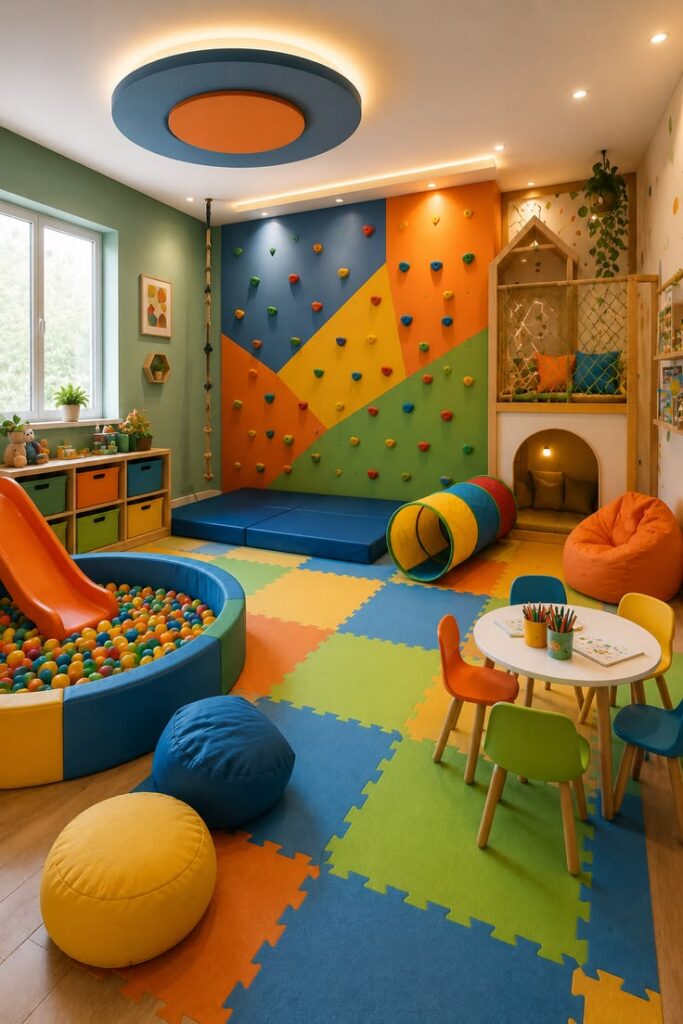
Many parents struggle with toys scattered throughout the house. Others want a dedicated space where children can safely play, create, and explore. Fortunately, the right kids playroom ideas can help solve both challenges. A thoughtful playroom design encourages active play, supports learning, and makes cleanup easier for everyone.
The best kids playroom ideas combine fun with function. They provide space for games, crafts, reading, building, and movement while remaining organized and visually appealing. Whether you have a large room or a small corner to work with, these ideas will help you create a play space your children will enjoy every day.
If you need inspiration for active spaces throughout the home, explore 21 Active Kids Room Ideas That Encourage Play and Movement.
1. Create Activity Zones
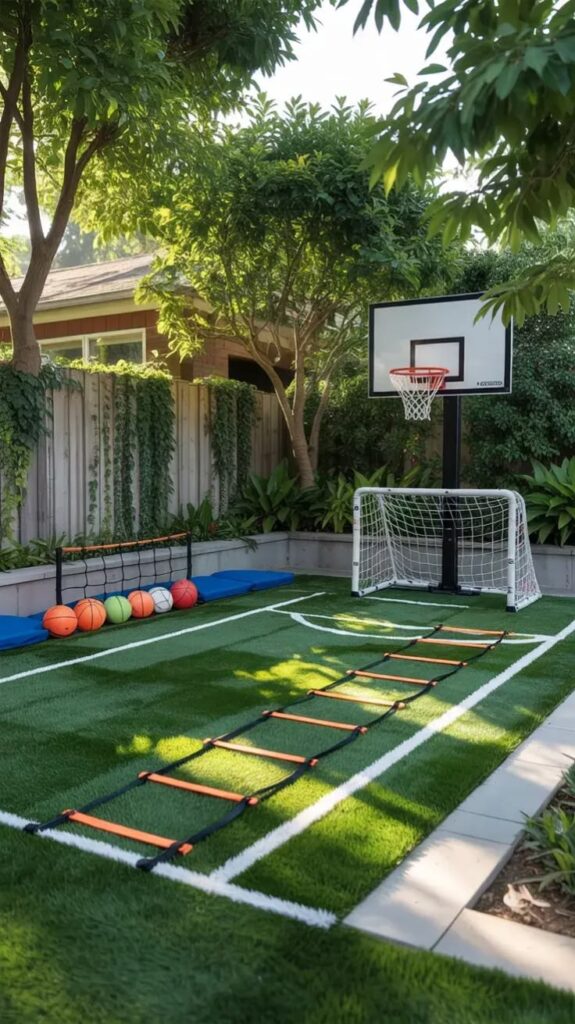
One of the most effective kids playroom ideas involves dividing the room into activity zones.
Children naturally move between different types of play.
A reading area supports quiet time.
A building station encourages creativity.
An art corner inspires self-expression.
Activity zones also help keep the room organized.
2. Add Open Toy Storage
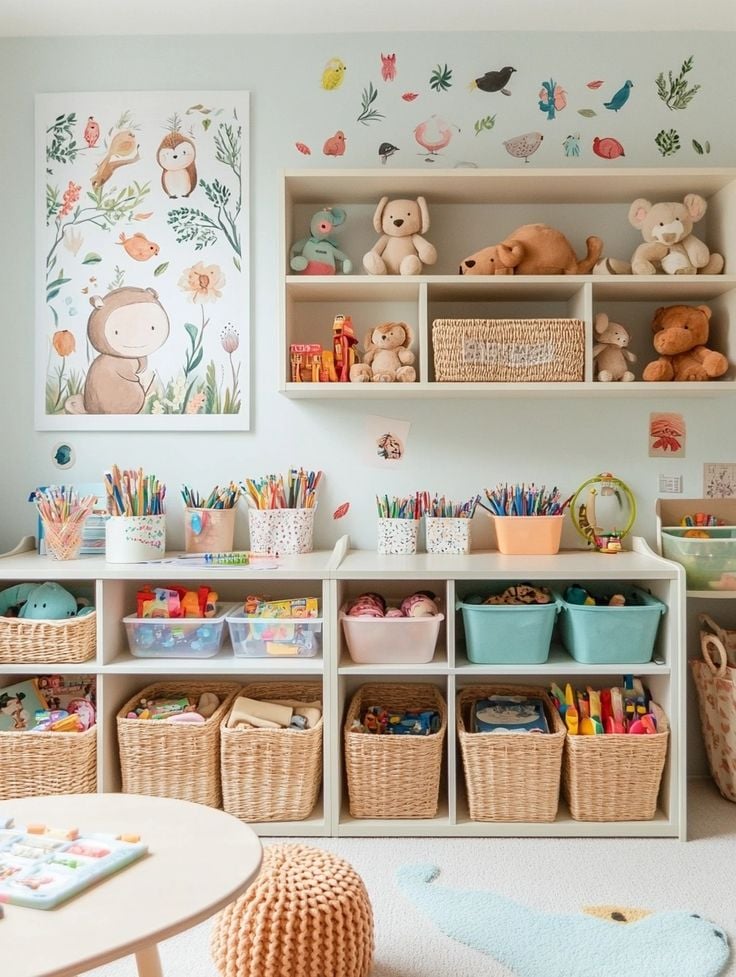
Open storage makes toys easy to access.
Children can quickly find what they need.
Likewise, cleanup becomes much simpler.
Bins, baskets, and cubbies work especially well.
Open systems encourage independence because children can manage toys themselves.
For more organization inspiration, visit 31 Kids Room Organization Ideas That Make Cleanup So Much Easier.
3. Include a Reading Nook
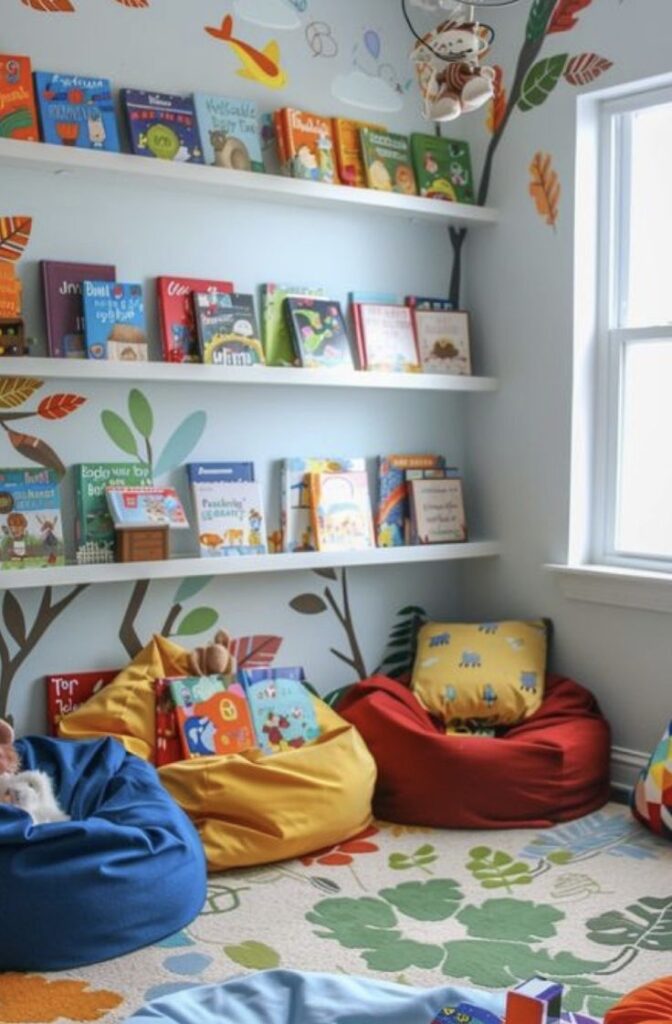
Reading nooks bring calm balance into energetic playrooms.
Place bookshelves near comfortable cushions or bean bags.
Children often spend more time reading when books remain visible.
A cozy reading area also supports relaxation after active play.
For additional inspiration, see 17 Kids Reading Nook Ideas That Make Reading More Exciting.
4. Install a Chalkboard Wall
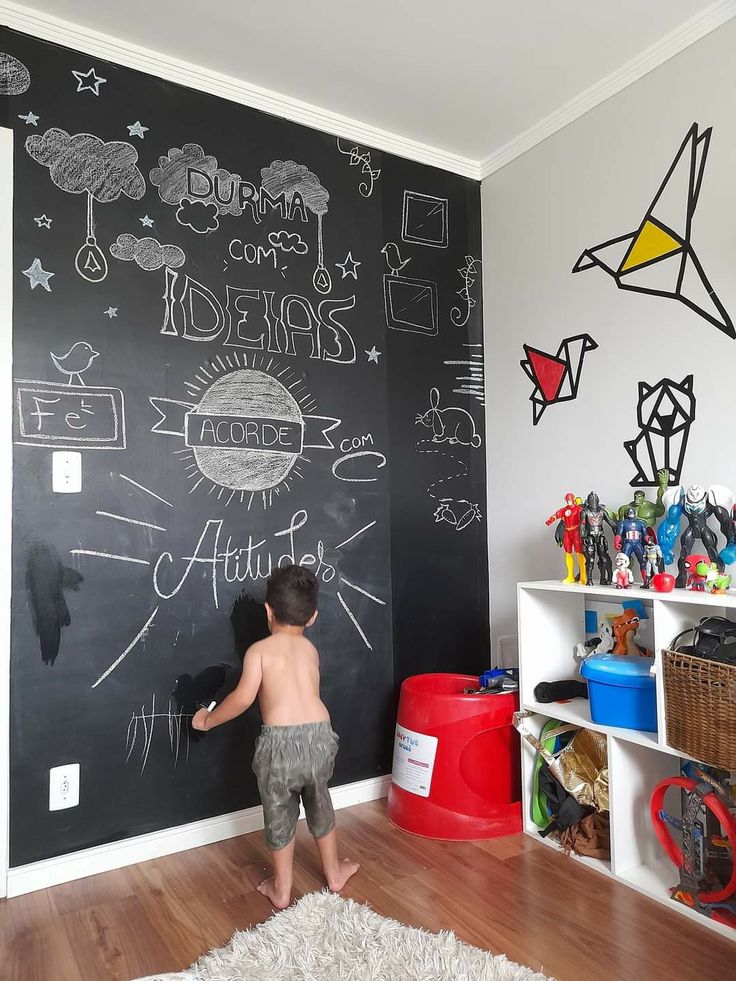
A chalkboard wall encourages creativity every day.
Children can draw, write, and practice skills freely.
The wall changes constantly as new ideas emerge.
This feature provides endless entertainment while supporting learning.
Parents also appreciate the easy cleanup.
5. Add a Craft Station

Craft stations encourage creativity and problem-solving.
Provide storage for markers, crayons, paper, and supplies.
Children enjoy having a dedicated place for projects.
A craft station also helps contain creative messes.
This setup supports artistic development and imaginative thinking.
6. Use Colorful Storage Bins
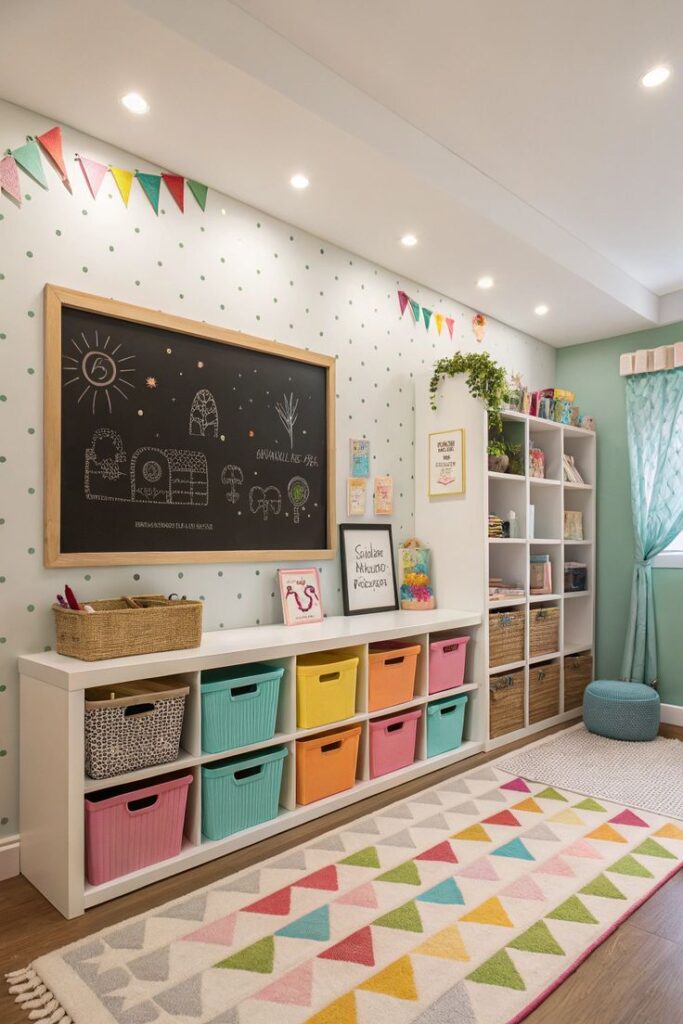
Colorful bins make organization more fun.
Children can associate specific colors with certain toys.
This method simplifies cleanup routines.
Colorful storage also adds visual energy to the room.
The playroom feels cheerful and inviting.
7. Create a Building Block Zone
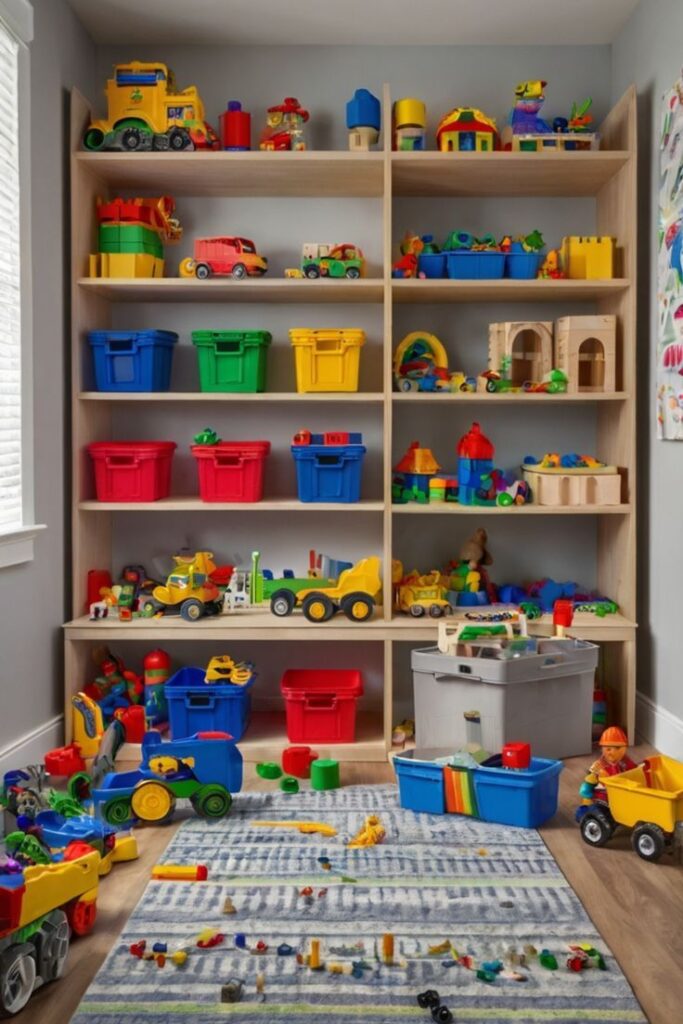
Building toys encourage creativity and critical thinking.
Dedicate a specific area for blocks and construction sets.
A low table works well for building projects.
Children can leave creations intact for longer periods.
This encourages more complex and imaginative designs.
8. Add a Play Tent

Play tents instantly make playrooms more exciting.
Children use them for pretend play, reading, and quiet time.
A tent creates a sense of adventure and discovery.
It also provides a cozy retreat within the room.
This simple addition often becomes a favorite feature.
9. Incorporate Educational Toys
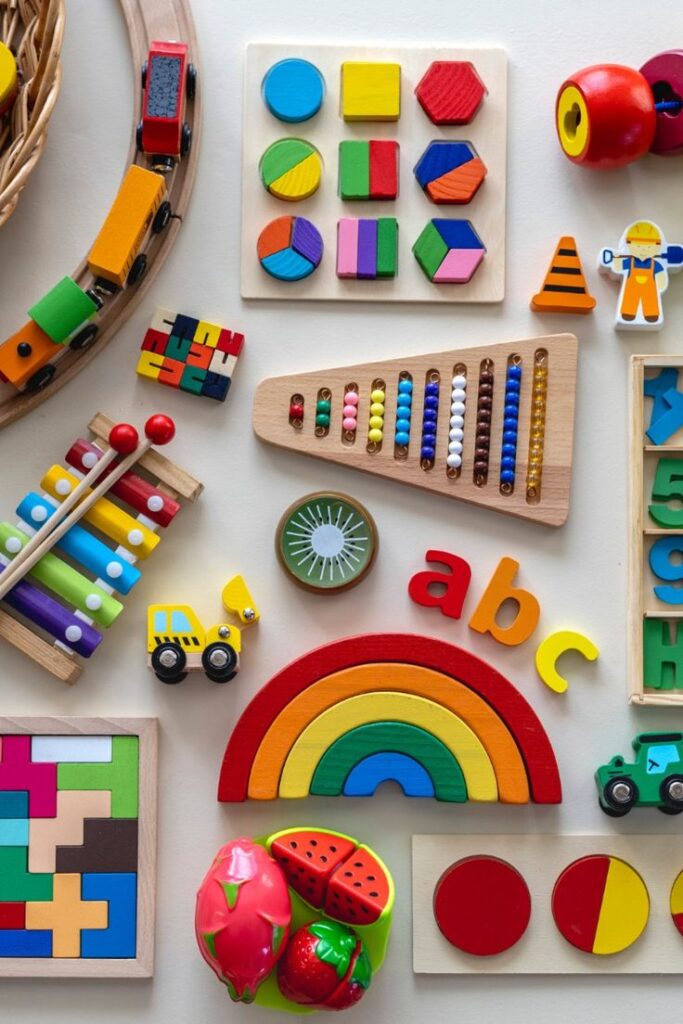
Educational toys combine learning with entertainment.
Puzzles, counting games, and alphabet activities support development.
Children learn naturally through hands-on experiences.
Educational toys keep children engaged while building important skills.
A balanced playroom includes both learning and fun.
10. Create an Art Display Wall
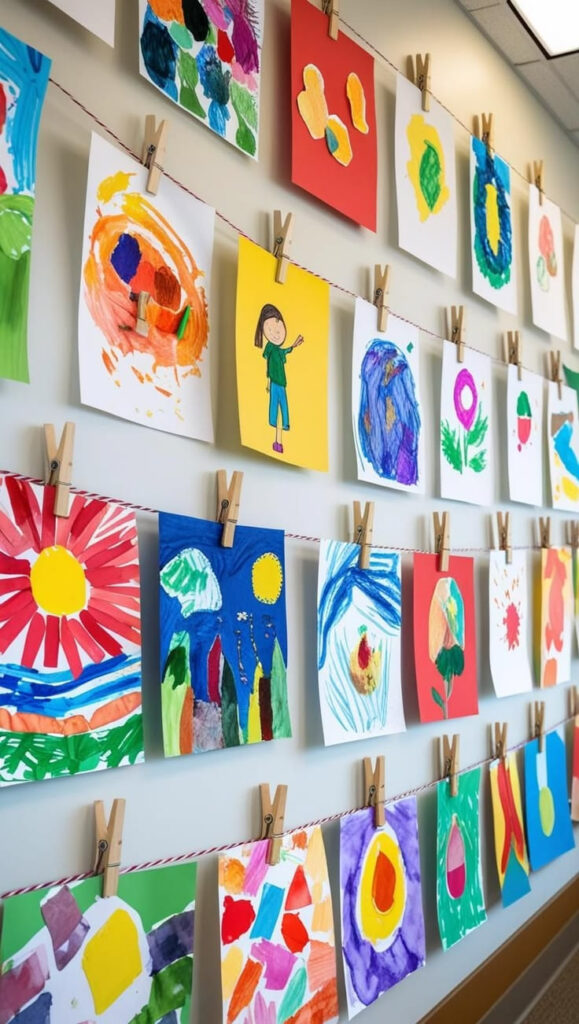
Children love seeing their artwork displayed.
An art wall celebrates creativity and boosts confidence.
Frames, clipboards, and display wires work beautifully.
Regularly updating artwork keeps the room feeling fresh.
This feature also personalizes the space.
11. Use Flexible Furniture

Flexible furniture adapts as children grow.
Lightweight tables and movable seating work especially well.
Children can rearrange spaces for different activities.
Flexible designs increase functionality.
This approach helps playrooms remain useful for years.
12. Add a Dress-Up Corner

Dress-up play encourages imagination and storytelling.
Provide costumes, hats, and accessories.
A simple clothing rack keeps items organized.
Children enjoy creating characters and adventures.
Pretend play supports social and emotional development.
13. Create a LEGO Station
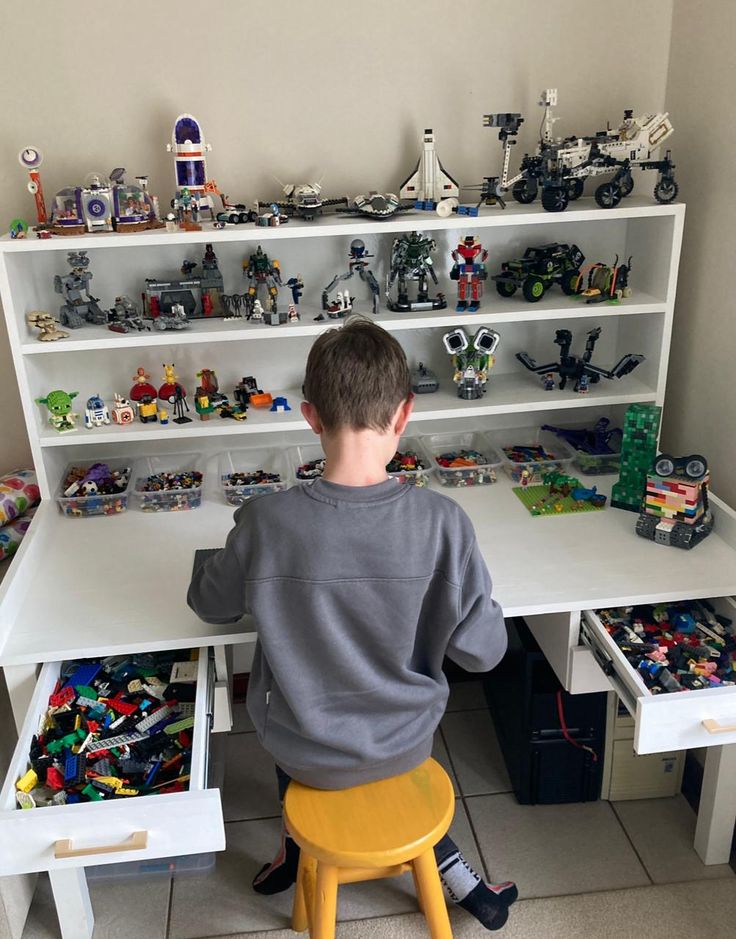
Dedicated LEGO areas help manage tiny pieces.
Use trays, bins, and sorting containers.
Children can organize pieces by color or type.
This setup encourages longer play sessions.
Organization also reduces frustration.
14. Include Floor Cushions
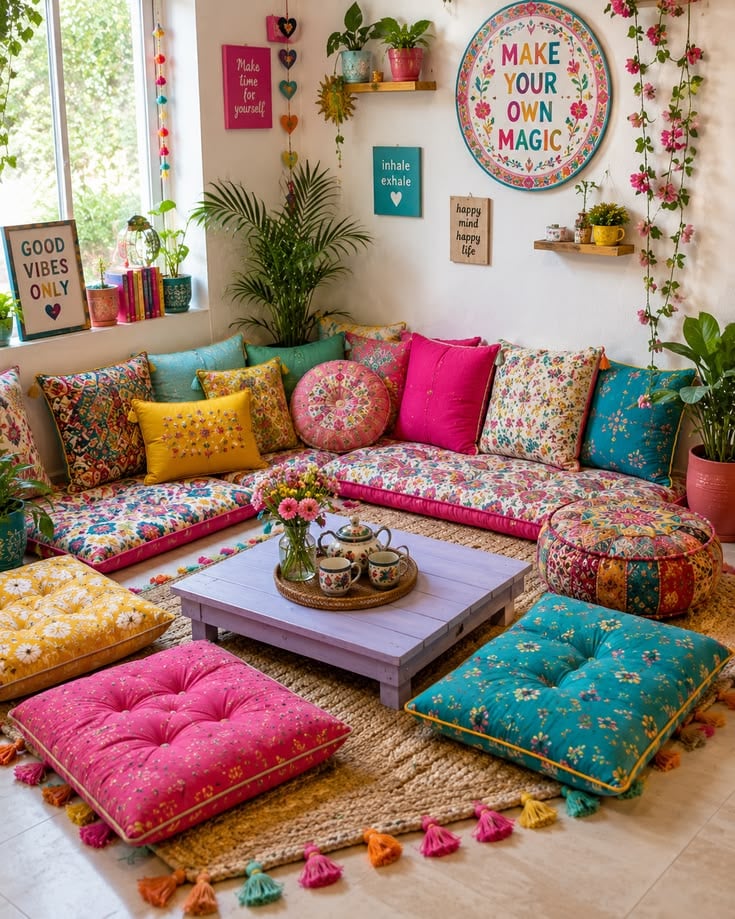
Floor cushions create comfortable seating options.
Children can read, build, or relax comfortably.
Soft seating makes the room feel welcoming.
Large cushions also encourage social interaction.
The playroom becomes more versatile and inviting.
15. Add a Climbing Area
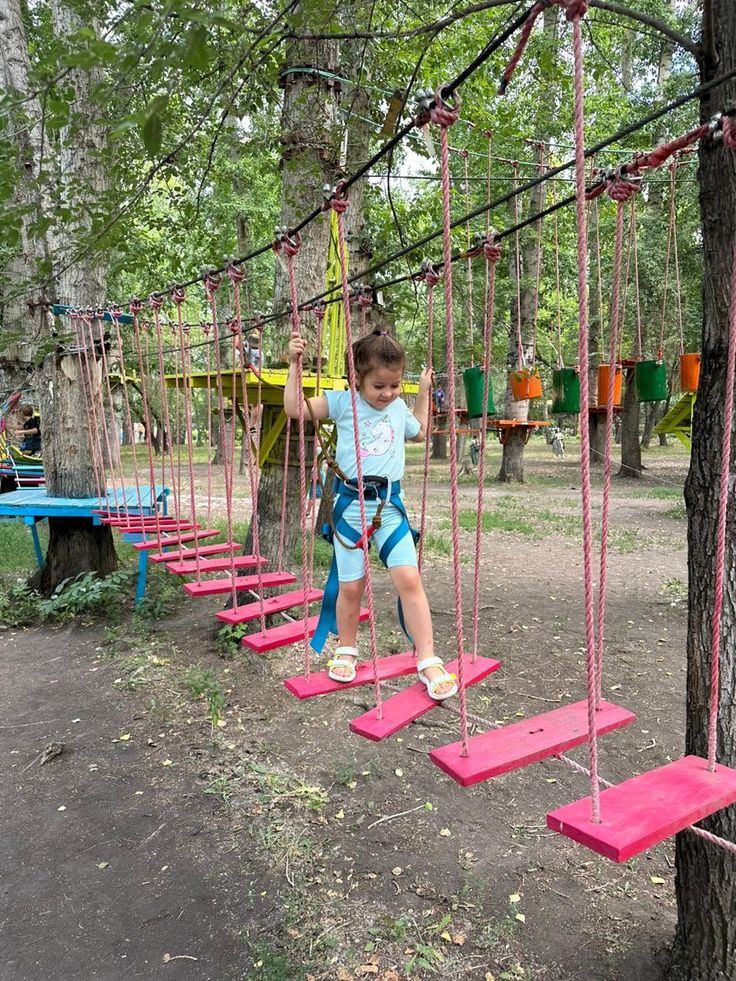
Physical activity remains important for children.
Indoor climbing features encourage movement and confidence.
Simple climbing structures can provide hours of entertainment.
Children strengthen coordination while having fun.
For more movement-focused inspiration, explore 21 Active Kids Room Ideas That Encourage Play and Movement.
16. Create a Puzzle Corner
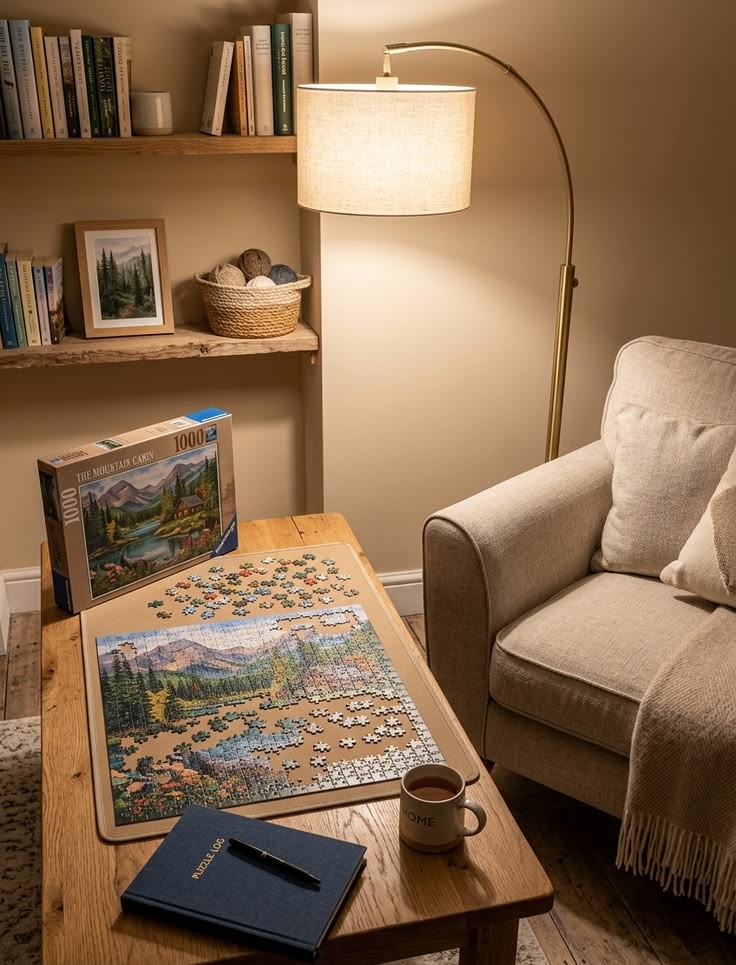
Puzzle stations support concentration and problem-solving.
Keep puzzles organized in accessible containers.
Children enjoy returning to unfinished challenges.
A dedicated puzzle area encourages focused play.
This activity benefits multiple age groups.
17. Use Wall-Mounted Bookshelves

Wall-mounted shelves save valuable floor space.
Books remain visible and accessible.
Children often choose books more frequently when covers face outward.
Vertical storage also improves organization.
This strategy works especially well in smaller playrooms.
For compact-space inspiration, visit 27 Small Kids Bedroom Ideas That Make Tiny Rooms Feel Magical.
18. Incorporate Nature Elements
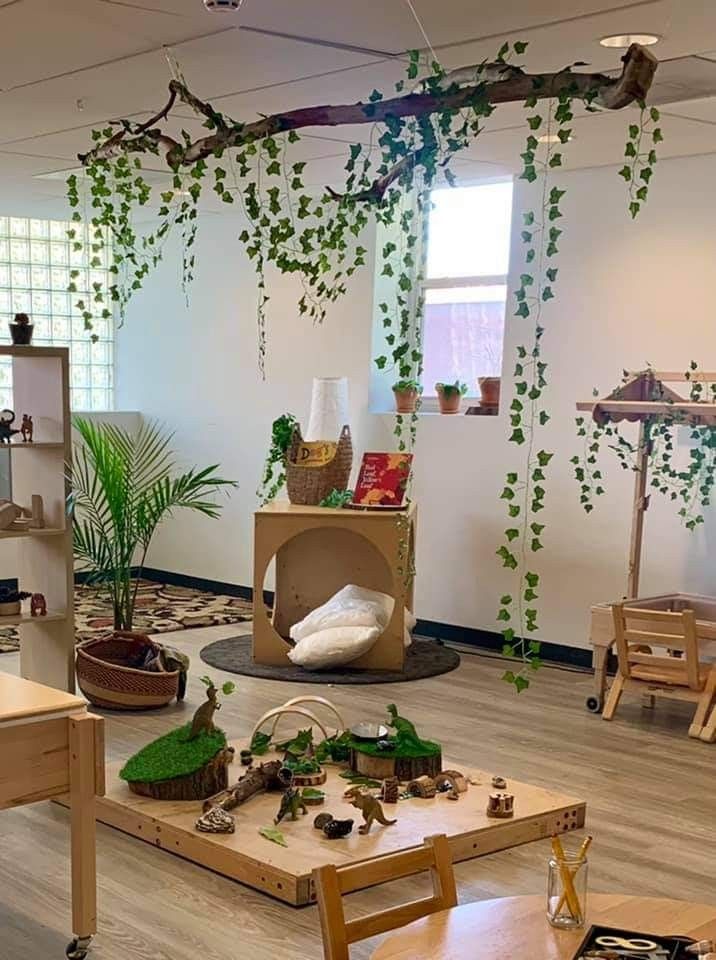
Nature-inspired playrooms feel calming and inviting.
Wood tones, plants, and natural textures create warmth.
Children connect with natural materials easily.
This design style supports both play and relaxation.
The room feels balanced and timeless.
19. Add a Magnetic Wall
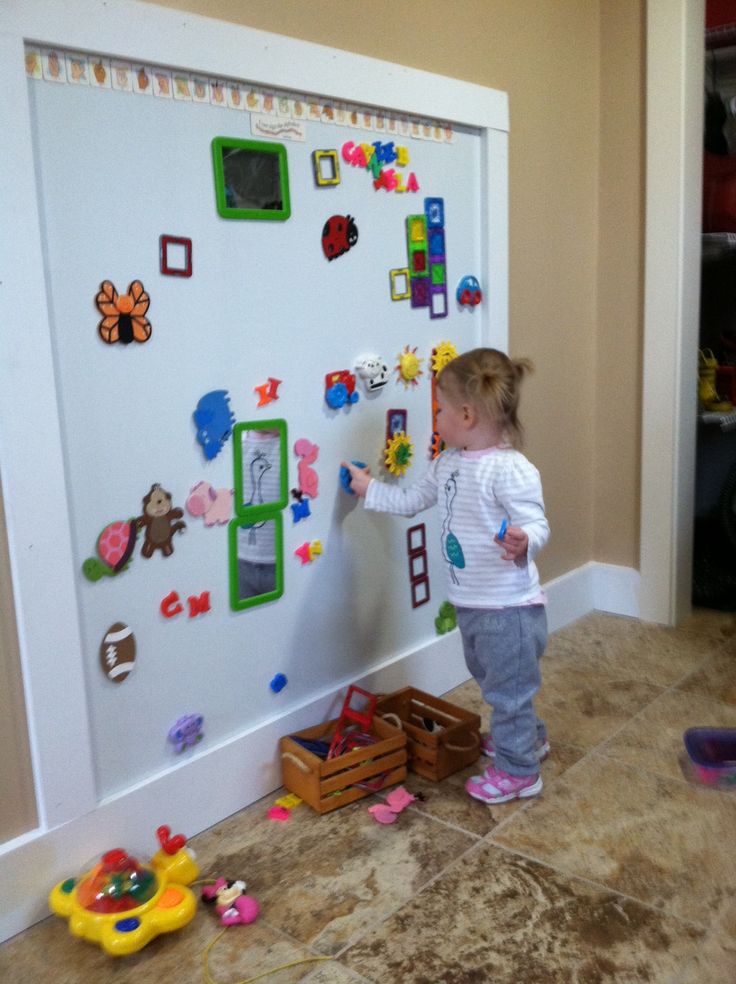
Magnetic walls provide endless opportunities for play.
Children can arrange letters, shapes, and educational magnets.
Interactive walls support learning and creativity.
The activity changes daily, keeping interest high.
Parents appreciate the educational value.
20. Create a Music Corner

Music areas encourage self-expression and creativity.
Simple instruments provide interactive entertainment.
Children enjoy experimenting with sounds and rhythms.
Music play also supports cognitive development.
A dedicated corner helps contain instruments neatly.
21. Use Low Shelving
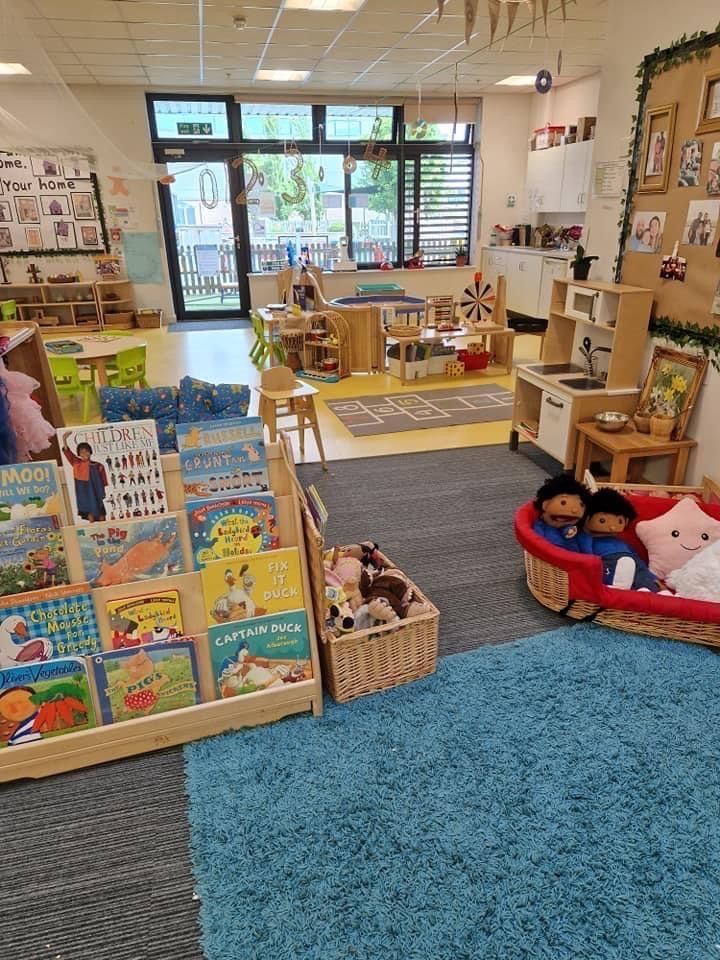
Low shelves keep toys accessible.
Children can reach items independently.
This arrangement promotes responsibility and confidence.
Low shelving also improves visibility throughout the room.
Everything feels organized and easy to find.
22. Design a STEM Activity Area
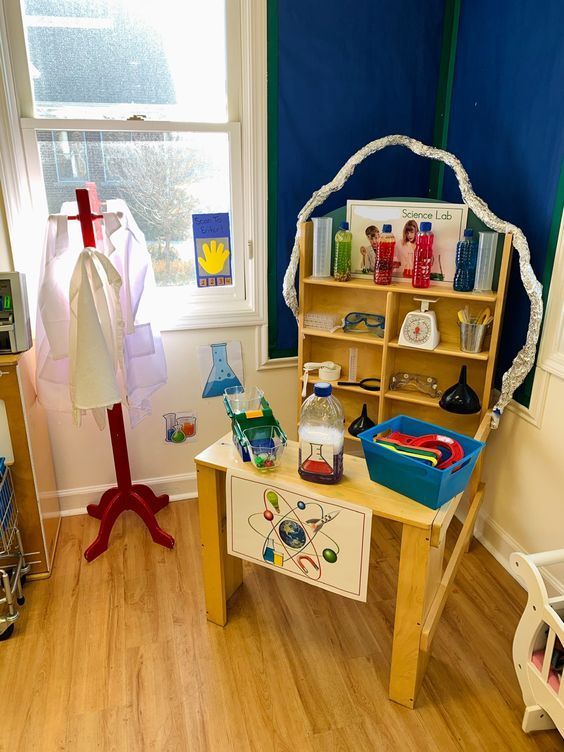
STEM activities encourage curiosity and exploration.
Science kits, building challenges, and engineering toys work well.
Children learn through hands-on experimentation.
This area supports critical thinking skills.
Learning becomes exciting and engaging.
23. Add a Mini Stage
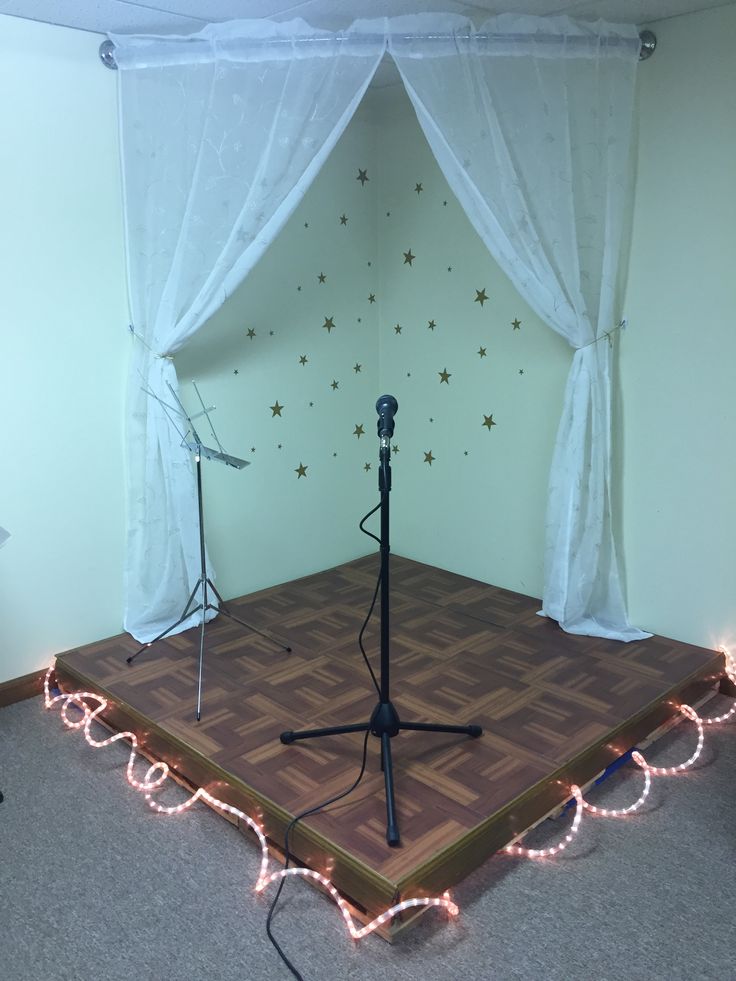
Mini stages encourage performance and creativity.
Children can sing, dance, and tell stories.
A small platform or rug defines the area.
Performance play builds confidence and communication skills.
This feature often becomes a favorite activity zone.
24. Include a Sensory Play Station

Sensory play supports development through touch and exploration.
Use age-appropriate materials and containers.
Children enjoy discovering different textures and sensations.
Sensory activities also encourage focused engagement.
This area can provide calming experiences.
25. Create a Transportation Zone
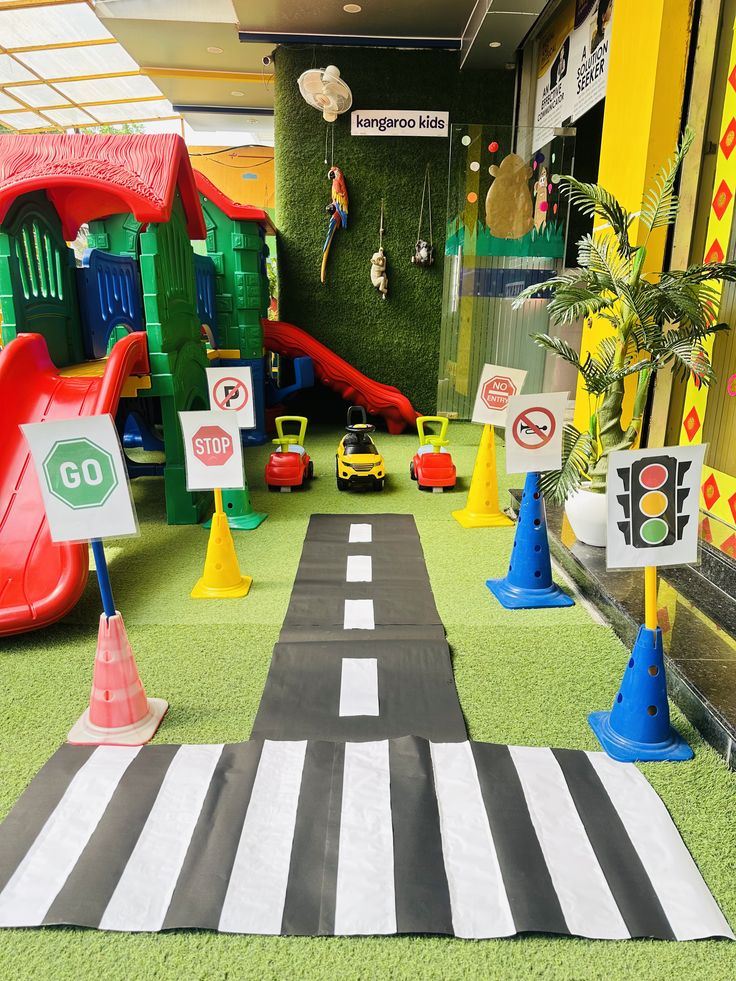
Cars, trains, and trucks remain popular playroom themes.
Dedicated transportation areas keep collections organized.
Road rugs and storage bins enhance play opportunities.
Children can create imaginative adventures daily.
This theme works for many age groups.
26. Add Interactive Wall Games
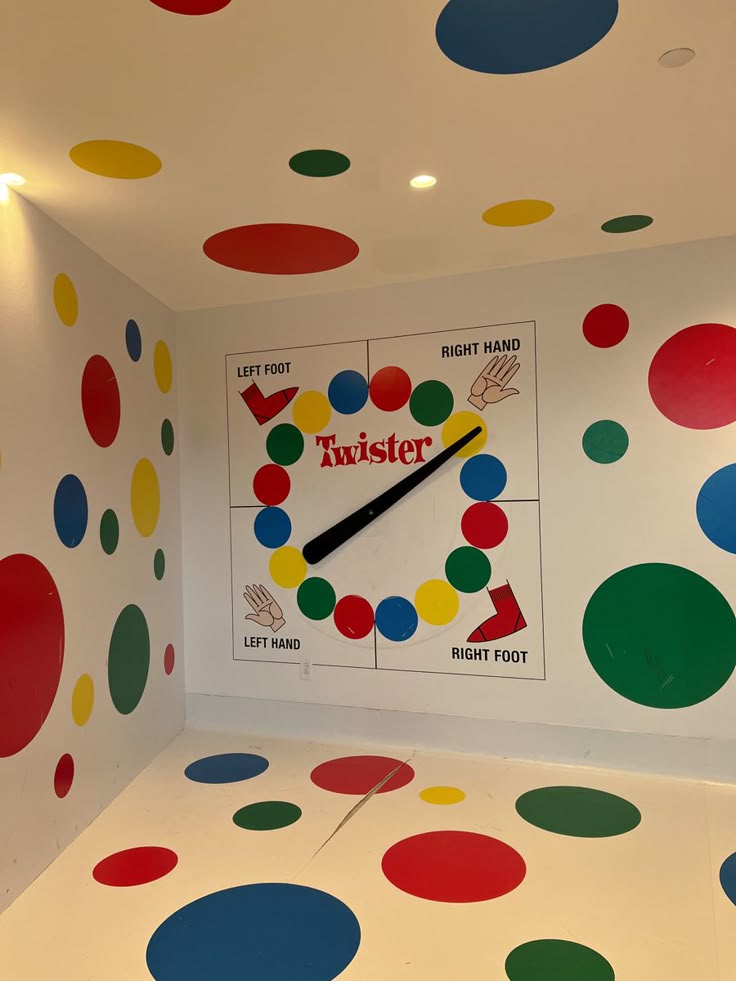
Interactive wall games maximize vertical space.
Children stay active without needing large floor areas.
Wall games also encourage problem-solving.
These activities keep playrooms engaging and dynamic.
The room feels more interactive overall.
27. Use Theme-Based Décor
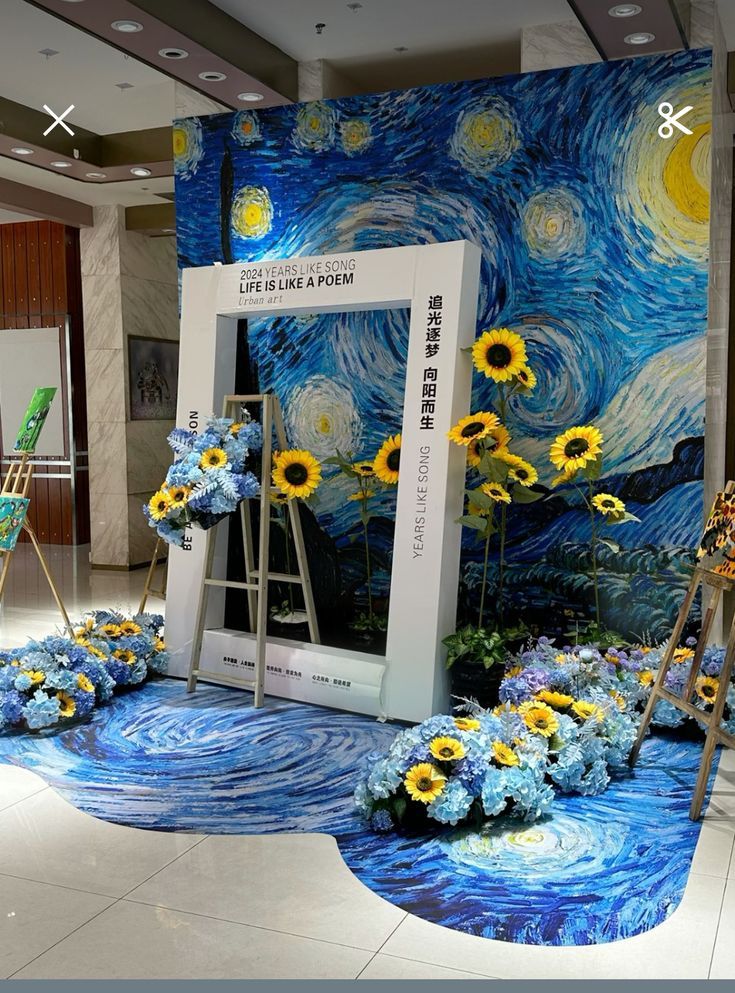
Themes help unify playroom designs.
Choose themes based on children’s interests.
Animals, space, adventure, and nature work well.
A consistent theme creates visual harmony.
Children also feel more connected to the space.
For themed inspiration, explore 17 Spiderman Bedroom Ideas Every Superfan Will Love.
28. Add a Toy Rotation System
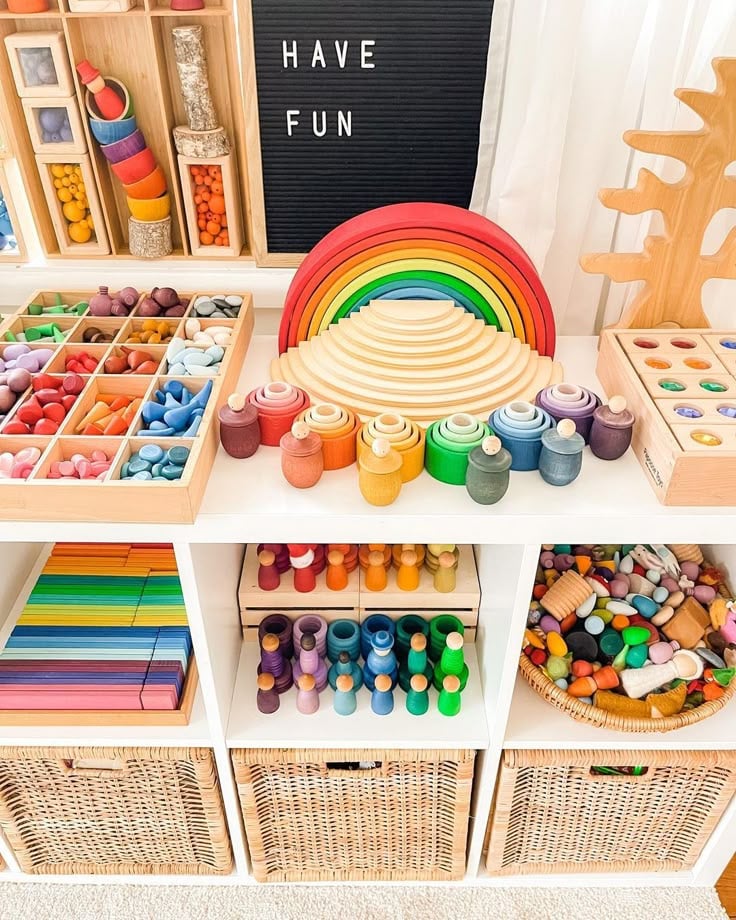
Toy rotation keeps playrooms exciting.
Store some toys out of sight temporarily.
Children rediscover items with renewed enthusiasm.
This method also reduces visual clutter.
Playrooms feel more organized and manageable.
29. Create a Shared Sibling Area
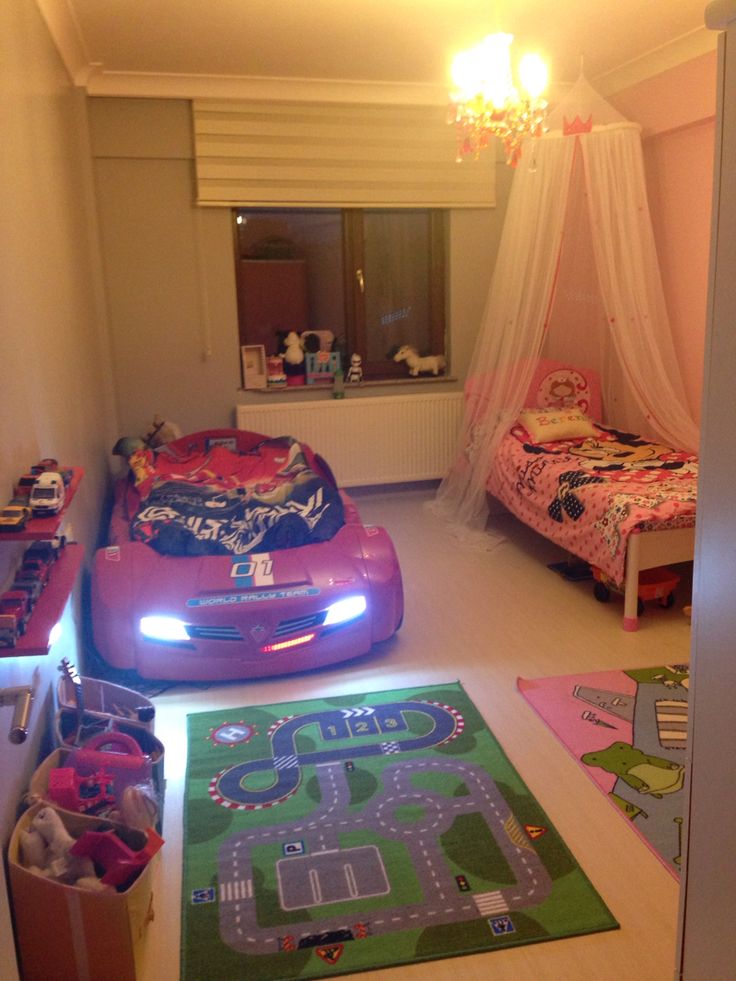
Shared activity spaces encourage cooperation.
Siblings can build, create, and play together.
A collaborative area promotes social skills.
Children learn teamwork through shared activities.
This space supports positive interactions.
For sibling-friendly room inspiration, visit 31 Kids Shared Bedroom Ideas That Look Surprisingly Stylish.
30. Include a Homework Space
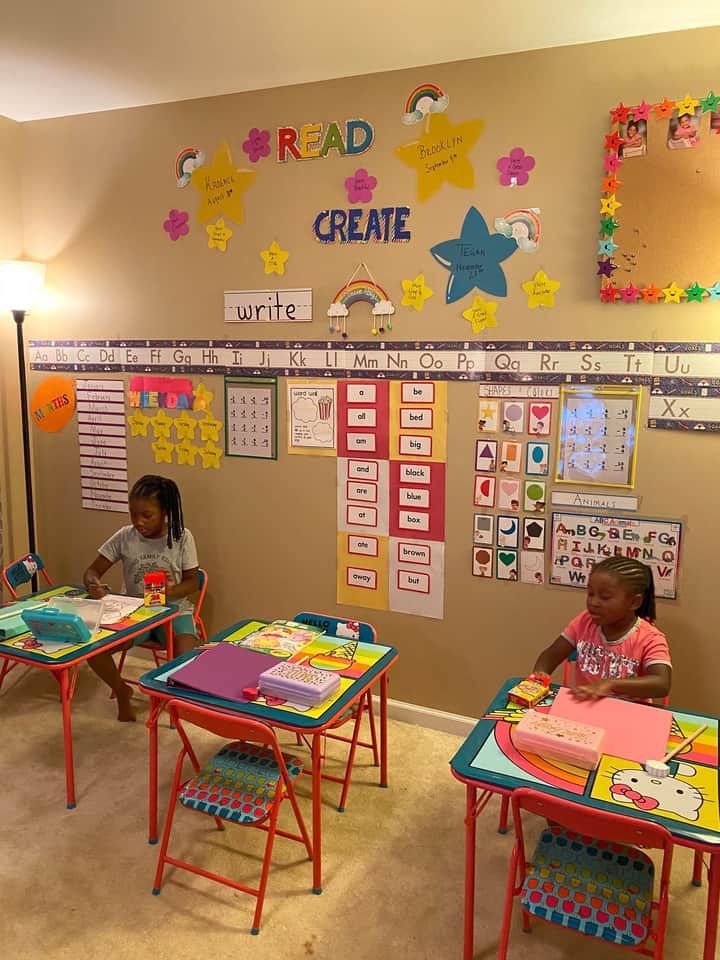
Older children benefit from quiet work areas.
A simple desk supports learning and creativity.
Homework stations also work well for crafts.
Dedicated workspaces improve focus and productivity.
The playroom becomes more versatile.
31. Add Cozy Rugs
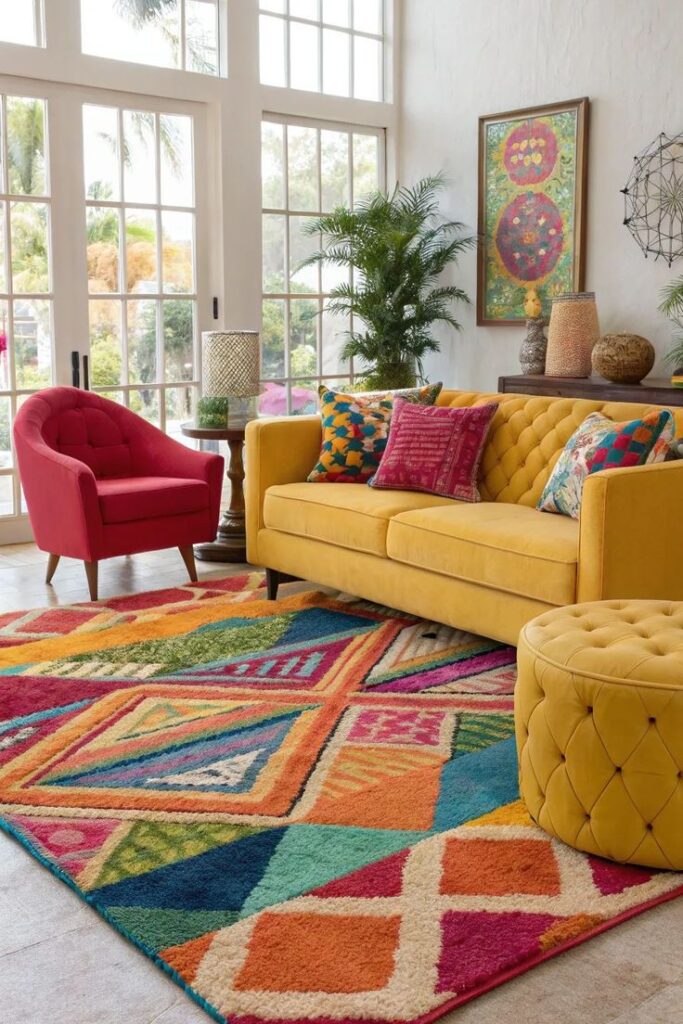
Rugs define play zones clearly.
Soft surfaces improve comfort during floor activities.
Children spend considerable time playing on the floor.
Therefore, comfortable flooring matters greatly.
Rugs also add warmth and texture.
32. Create an Imagination Station
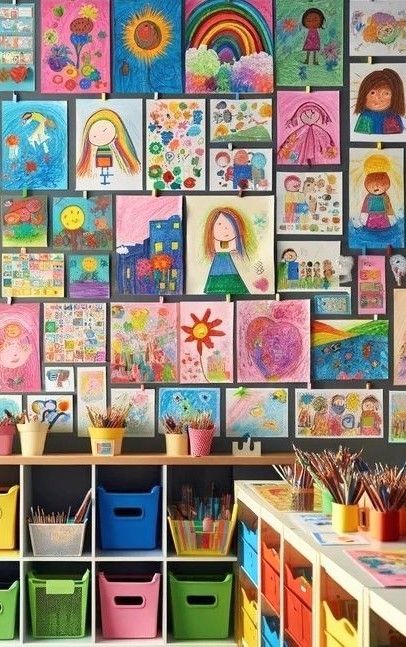
Imagination stations encourage storytelling and pretend play.
Provide props, puppets, and creative materials.
Children can invent endless adventures.
This area supports creativity and communication.
Imaginative play remains essential for development.
33. Incorporate Seasonal Décor
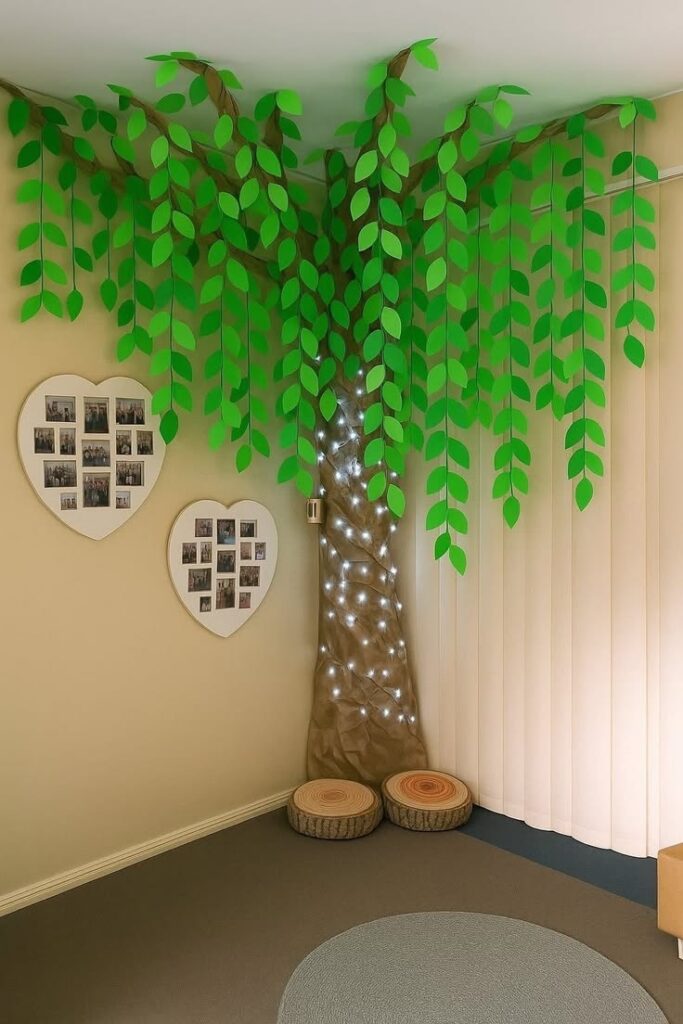
Seasonal updates keep playrooms feeling fresh.
Children enjoy changing decorations throughout the year.
Simple updates create excitement and variety.
The room evolves without major redesigns.
For seasonal inspiration, explore 25 Spring Kids Room Ideas That Feel Bright and Cheerful.
34. Add Hidden Storage
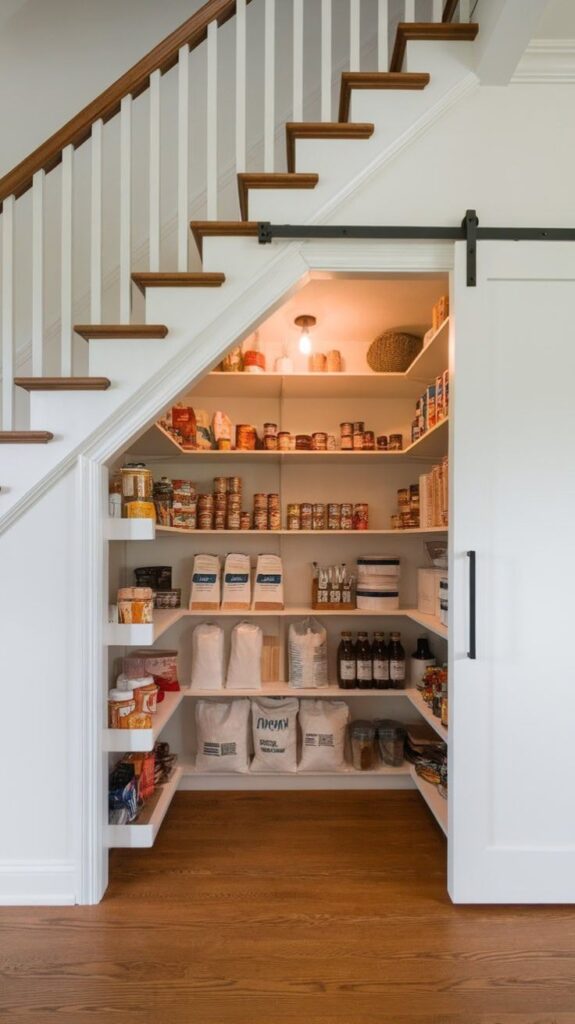
Hidden storage reduces visual clutter.
Storage benches and cabinets work especially well.
Children can quickly put toys away.
The room remains neat and functional.
Parents appreciate the cleaner appearance.
35. Prioritize Fun and Flexibility
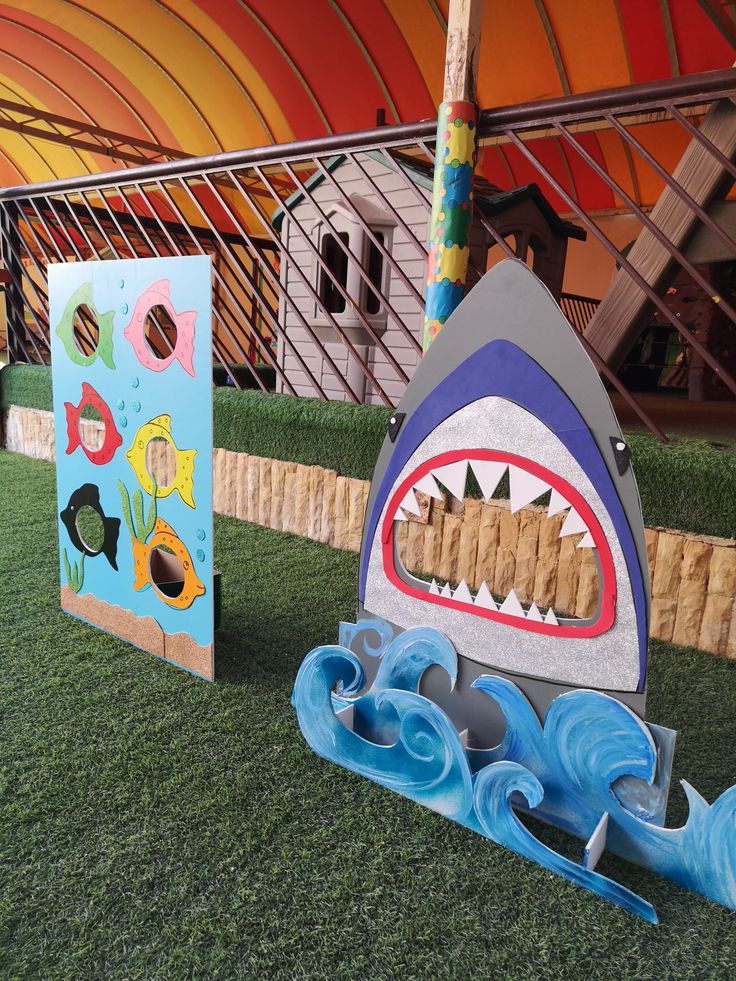
The best kids playroom ideas balance fun and practicality.
Children’s interests change frequently.
Flexible designs adapt more easily over time.
A successful playroom supports learning, movement, creativity, and relaxation.
Most importantly, it encourages children to enjoy play every day.
Final Thoughts
The best kids playroom ideas create spaces where children can learn, imagine, explore, and grow. A thoughtfully designed playroom supports creativity while helping families stay organized. Even simple changes can make a significant difference in how children use and enjoy the space.
As children grow, their interests continue evolving. Therefore, flexible kids playroom ideas provide lasting value. Activity zones, smart storage, and multi-purpose furniture help the room adapt to changing needs while remaining functional and engaging.
Whether you choose a reading nook, a craft station, a climbing area, or a creative play zone, these kids playroom ideas can transform any room into a favorite family space. For more inspiration, explore 31 Kids Room Organization Ideas That Make Cleanup So Much Easier, 17 Kids Reading Nook Ideas That Make Reading More Exciting, and 21 Active Kids Room Ideas That Encourage Play and Movement.