As a mom, I have always loved children’s bedrooms that feel calm, organized, and welcoming. However, I also know how quickly a kid’s room can become crowded with toys, books, clothes, and all the little treasures children love to collect. A few years ago, while searching for inspiration, I discovered Scandinavian kids room ideas. Right away, I fell in love with how simple yet cozy they looked. Everything felt bright, peaceful, and designed for real family life.
What I love most about Scandinavian kids room ideas is that they focus on comfort without creating clutter. Instead of filling every corner with decorations, this style uses soft colors, natural materials, and practical furniture to create a room that feels relaxing and functional. At the same time, Scandinavian spaces still leave plenty of room for imagination, creativity, and play.
If you are looking for Scandinavian kids room ideas that feel clean and cozy, you are in the right place. Whether you are decorating a nursery, a toddler room, or a bedroom for an older child, these ideas can help you create a beautiful space that feels warm, inviting, and timeless. Best of all, many of these ideas work with almost any budget and can grow with your child over the years.
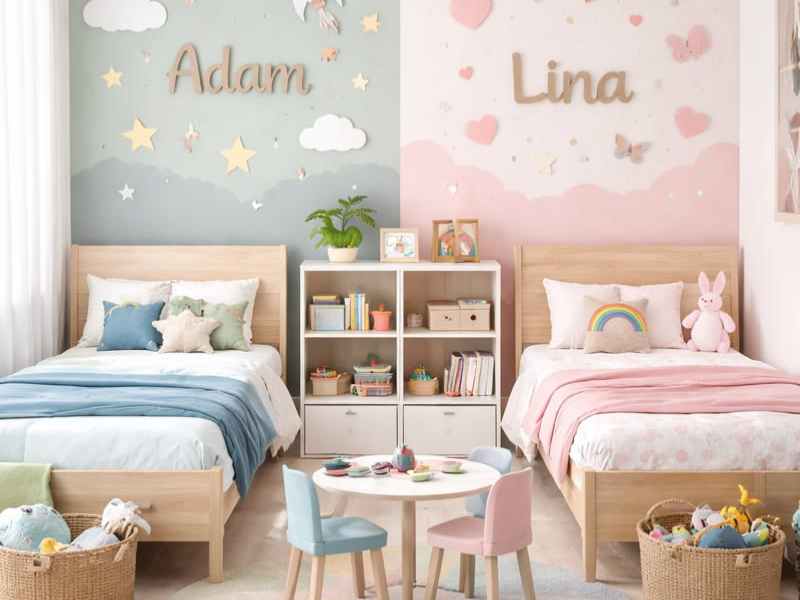
1. Start with Soft White Walls
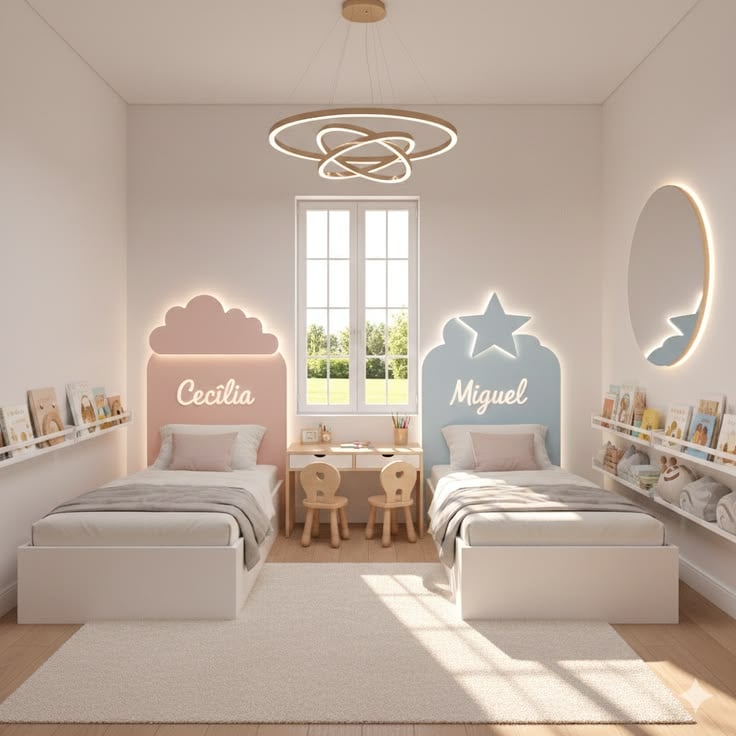
One of the most recognizable features of Scandinavian design is the use of light colors, especially white walls. While white may sound plain at first, it actually creates the perfect backdrop for a child’s room. White walls help bounce natural light around the room, making the space feel brighter and larger.
You may also like this related kids room paint inspiration for a fresh update:
Kids Room Paint Ideas That Instantly Refresh the Space
White walls help bounce natural light around the room, making the space feel brighter and larger. This becomes especially helpful in smaller bedrooms where every bit of light matters. Additionally, white walls allow colorful toys, books, and artwork to stand out without making the room feel busy.
You can also soften the look by choosing warm white paint instead of a bright, stark white. Warm whites create a cozy atmosphere that feels welcoming rather than cold.
Another advantage is flexibility. As your child’s interests change, you can easily switch decorations, bedding, and accessories without repainting the entire room. Because of that, white walls remain one of the smartest foundations for a Scandinavian-inspired bedroom.
2. Choose Natural Wood Furniture
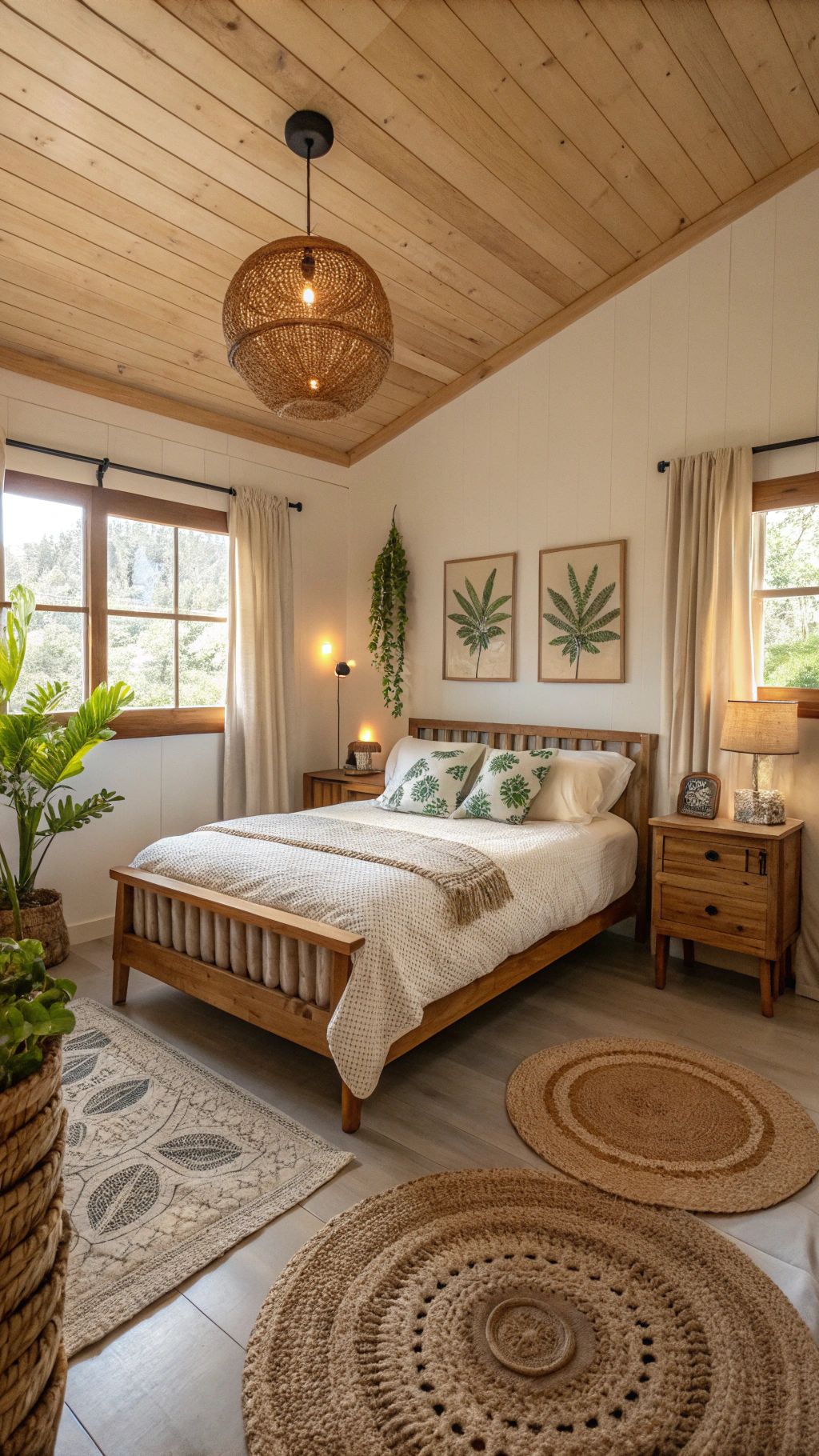
Natural wood plays a huge role in Scandinavian design. In fact, wood often brings warmth and balance to the bright and airy spaces that define this style.Natural wood furniture adds warmth and balance while keeping the room simple and cozy.
See more Scandinavian-inspired room ideas for a clean and cozy look:
Scandinavian Kids Room Ideas That Feel Clean and Cozy
When selecting furniture, look for pieces made from light wood tones such as pine, birch, or oak. A wooden bed frame, bookshelf, dresser, or toy storage unit instantly makes the room feel more inviting.
Additionally, natural wood creates a connection to nature, which is an important part of Scandinavian decorating. Children often respond well to spaces that feel calm and natural because they create a sense of comfort and security.
Instead of choosing furniture with lots of decorative details, focus on simple designs with clean lines. This helps maintain the uncluttered look that Scandinavian interiors are known for while still feeling warm and family-friendly.
3. Add Cozy Layered Textiles
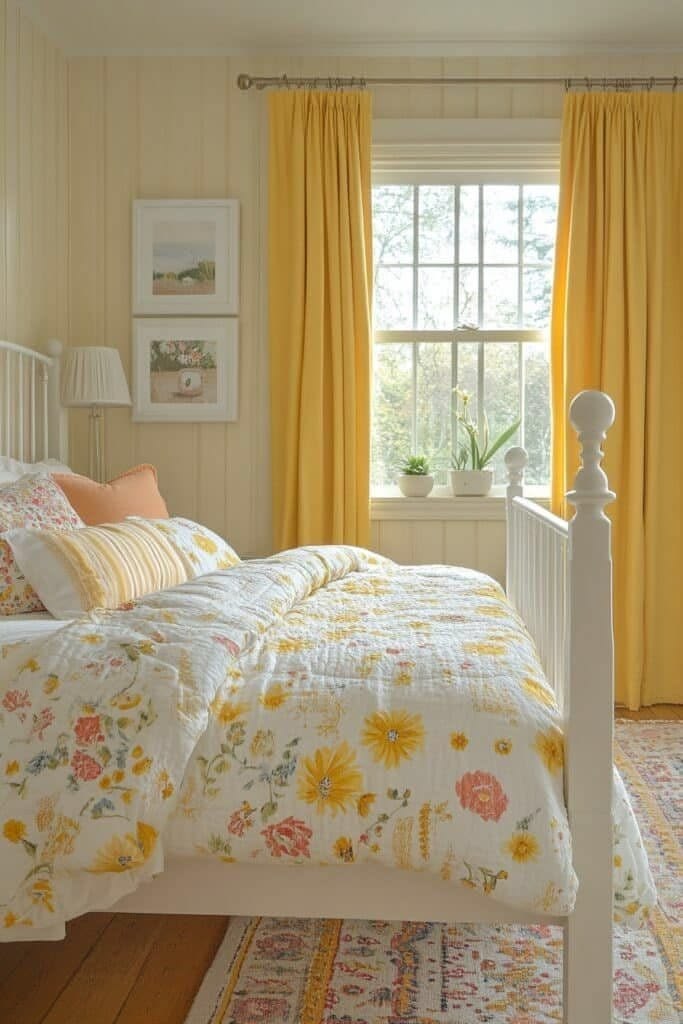
A Scandinavian kids room should never feel cold or empty. That is why soft textiles play such an important role in the design.
Start with comfortable bedding that encourages restful sleep. Then add knitted blankets, soft throws, floor cushions, and plush rugs throughout the room. These layers make the space feel warm and inviting while also creating extra comfort for reading, playing, or relaxing.
Furthermore, textures add visual interest without requiring bold colors or busy patterns. A chunky knit blanket, for example, can make a simple bed look much more stylish and cozy. Soft blankets, cushions, and layered fabrics make the room feel warm and inviting.
Explore more cozy bedroom styling inspiration here:
Cozy Canopy Bed Ideas for Kids Bedrooms
Children also love soft textures because they make a room feel comfortable and safe. As a result, adding plenty of cozy fabrics helps create a bedroom that feels both beautiful and practical.
4. Use Neutral Color Palettes
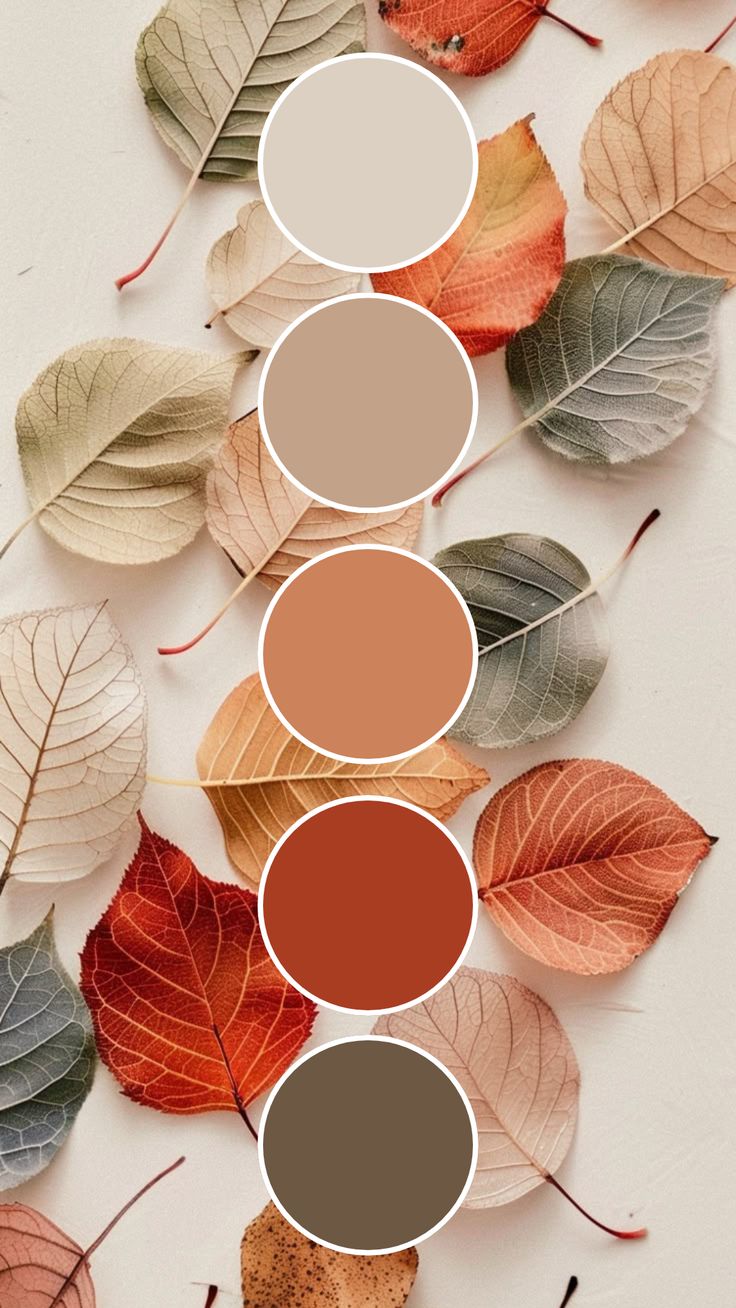
When many people think about children’s rooms, they often imagine bright primary colors everywhere. Scandinavian design takes a different approach.
Instead of using lots of bold colors, Scandinavian spaces typically feature soft neutrals such as white, beige, gray, cream, and light taupe. These colors create a peaceful environment that feels relaxing and timeless. Neutral colors like beige, white, and soft gray create a calm and timeless atmosphere.
Discover more modern and stylish nursery inspiration here:
Gender-Neutral Nursery Ideas That Look Beautifully Modern
That does not mean the room has to look boring. You can still add small pops of color through pillows, artwork, toys, and bedding. However, the neutral foundation helps prevent the room from feeling overwhelming.
Additionally, neutral colors grow beautifully with children. A room decorated in soft tones often remains stylish for many years, which makes it easier to update as your child gets older.
5. Create a Reading Nook
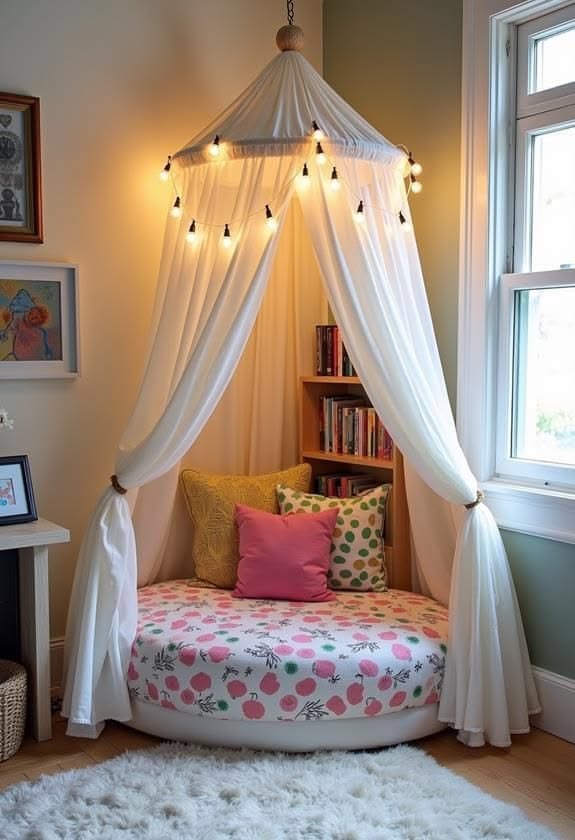
One of my favorite Scandinavian kids room ideas is creating a dedicated reading corner.
Children naturally love cozy spaces where they can sit quietly and enjoy a book. A reading nook encourages this habit while also adding charm to the bedroom.
Start with a soft rug or floor cushion. Then add a few pillows, a small bookshelf, and good lighting. If space allows, consider adding a canopy or small tent to make the area feel extra special. A cozy reading nook encourages quiet time, learning, and imagination.
Get more creative kids space ideas for learning and play:
Creative Art Corner Ideas for Kids You Should Recreate Now
Because Scandinavian design values comfort and simplicity, reading nooks fit perfectly within this style. They create a peaceful retreat where children can relax, learn, and use their imagination every day.
6. Keep Toys Organized with Simple Storage
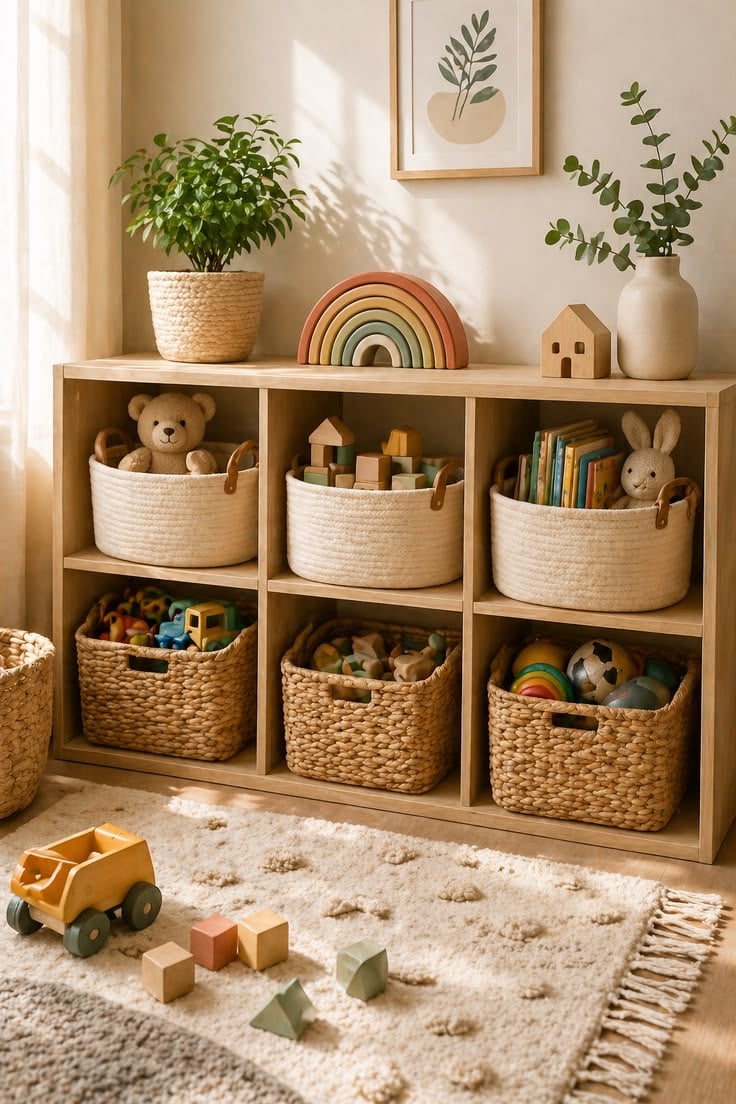
Storage is one of the secrets behind every beautiful Scandinavian kids room. Smart storage keeps toys organized and helps the room feel clean and spacious.
Explore more clever organization ideas for kids rooms:
Genius Toy Storage Ideas for Kids Rooms You Need to Try
Rather than allowing toys to pile up around the room, use practical storage solutions that help everything stay organized. Wooden bins, woven baskets, and open shelving work particularly well.
The goal is to make cleanup easy for children. When toys have a designated place, kids can quickly learn where everything belongs.
Additionally, organized storage reduces visual clutter. As a result, the room feels calmer and more relaxing for both children and parents.
7. Add Nature-Inspired Decor
Scandinavian interiors often celebrate the beauty of nature. Nature-inspired designs bring calmness, imagination, and a fresh outdoor feeling into the room.
See more jungle-inspired kids room ideas here:
Jungle-Themed Kids Room Ideas Full of Fun Details
You can bring this idea into a child’s bedroom through animal prints, tree artwork, mountain murals, or woodland-themed decorations. These elements create a connection to the outdoors while encouraging imagination and curiosity.
For example, a simple forest-themed wall print can instantly make the room feel more playful without overwhelming the design.
Nature-inspired decor also pairs beautifully with neutral colors and wooden furniture, helping the entire room feel cohesive and balanced.
8. Use Open Shelving
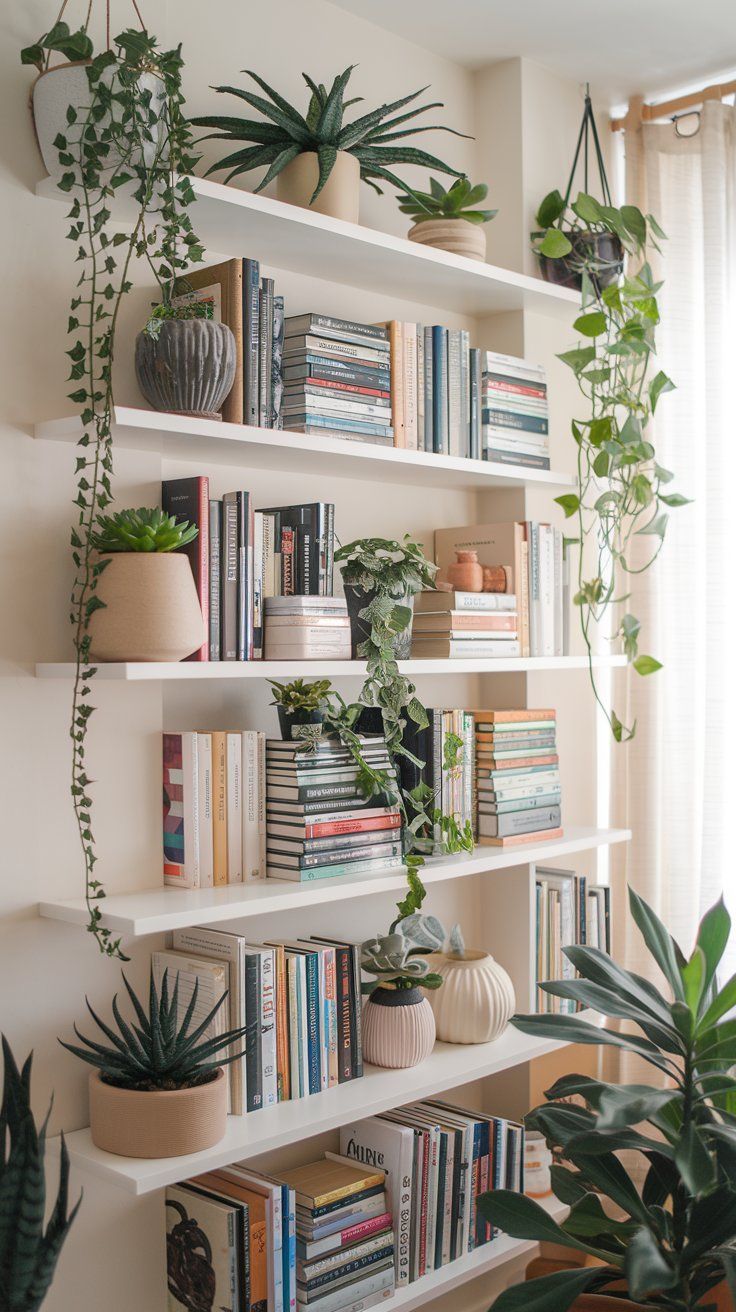
Open shelves offer both storage and decoration. Open shelves make it easy for children to access books while keeping the room organized.
Explore more stylish storage inspiration here:
Open Shelf Ideas for Kids Rooms That Look Organized and Cute
Instead of hiding everything behind cabinet doors, open shelving allows children to see their favorite books, toys, and treasures. This encourages independence because they can easily access and put away their belongings.
Additionally, shelves provide an opportunity to display meaningful items such as artwork, stuffed animals, and family photos.
To maintain the clean Scandinavian look, avoid overcrowding the shelves. Instead, leave some empty space between items so the display feels intentional and organized.
9. Add a Soft Area Rug
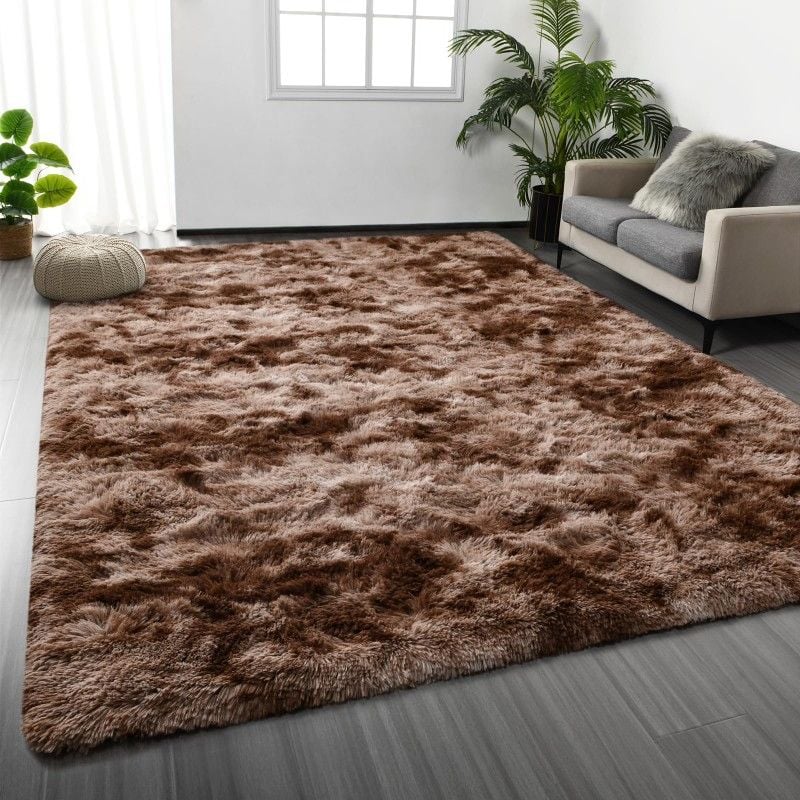
A soft rug instantly makes a child’s room feel more comfortable. A soft rug adds warmth, comfort, and defines play areas inside the room.
See more cozy floor styling ideas here:
Kids Room Rug Ideas That Add Warmth and Personality
Children spend a lot of time on the floor playing, reading, and building. Because of that, a cozy rug creates a more inviting environment for everyday activities.
Choose neutral colors, subtle patterns, or simple geometric designs that complement the overall room design.
Besides adding comfort, rugs also help define spaces within the room and create visual warmth.
10. Choose Minimalist Wall Decor
Scandinavian design embraces the idea that less can often be more.
Instead of covering every wall with decorations, choose a few meaningful pieces. Framed prints, simple illustrations, or children’s artwork can all work beautifully.
This approach keeps the room feeling open and peaceful while still adding personality.
Furthermore, minimalist wall decor allows other elements in the room to shine without competing for attention.
11. Add Wooden Toy Storage Crates
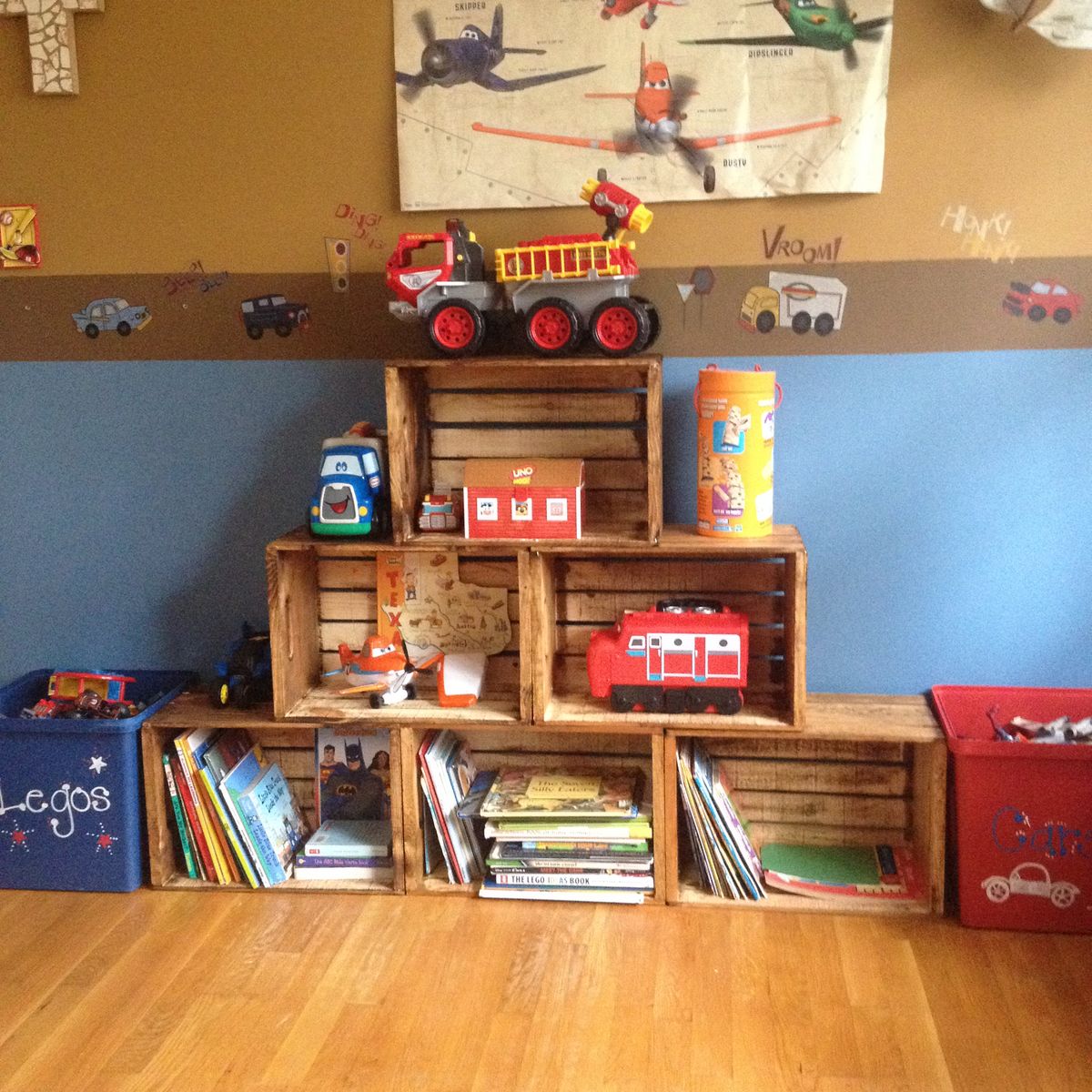
Wooden storage crates combine practicality and style.Soft lighting helps create a calm and cozy atmosphere that is perfect for bedtime routines.
Explore more cozy bedroom styling ideas here:
Cozy Canopy Bed Ideas for Kids Bedrooms
They provide plenty of room for toys while adding natural texture to the space. You can stack them, place them under shelves, or use them beside a reading corner.
Because they feel simple and rustic, wooden crates fit perfectly within Scandinavian-inspired interiors.
They also encourage children to participate in cleanup since toys remain easy to access and store.
12. Incorporate Gentle Lighting
Lighting can completely change how a room feels.
Instead of relying on harsh overhead lights, include softer options such as table lamps, wall sconces, or warm fairy lights.
Gentle lighting creates a cozy atmosphere that helps children feel calm and relaxed, especially in the evening before bedtime.
Additionally, layered lighting makes the room more flexible for different activities such as reading, playing, or winding down for sleep.
13. Use Child-Sized Furniture

Scandinavian design often focuses on functionality for every family member, including children.
Small tables, chairs, and storage units allow children to use their space independently. They can reach books, toys, and supplies without constantly asking for help.Child-sized furniture encourages independence and makes the room more functional for everyday use.
Find more modern nursery and kids room inspiration:
Cute Nursery Decor Ideas You’ll Fall in Love With
This encourages confidence while making the room more practical for everyday life.
Moreover, child-sized furniture often looks charming and helps create a space designed specifically for your little one.
14. Add Woven Baskets
Woven baskets are both beautiful and practical.
Use them to store stuffed animals, blankets, books, or toys. Their natural texture adds warmth while helping maintain a clutter-free environment.
Because baskets come in many sizes, they can work in nearly every part of the room.
As a result, they remain one of the easiest Scandinavian decorating elements to incorporate into a child’s bedroom.
15. Display Children’s Artwork
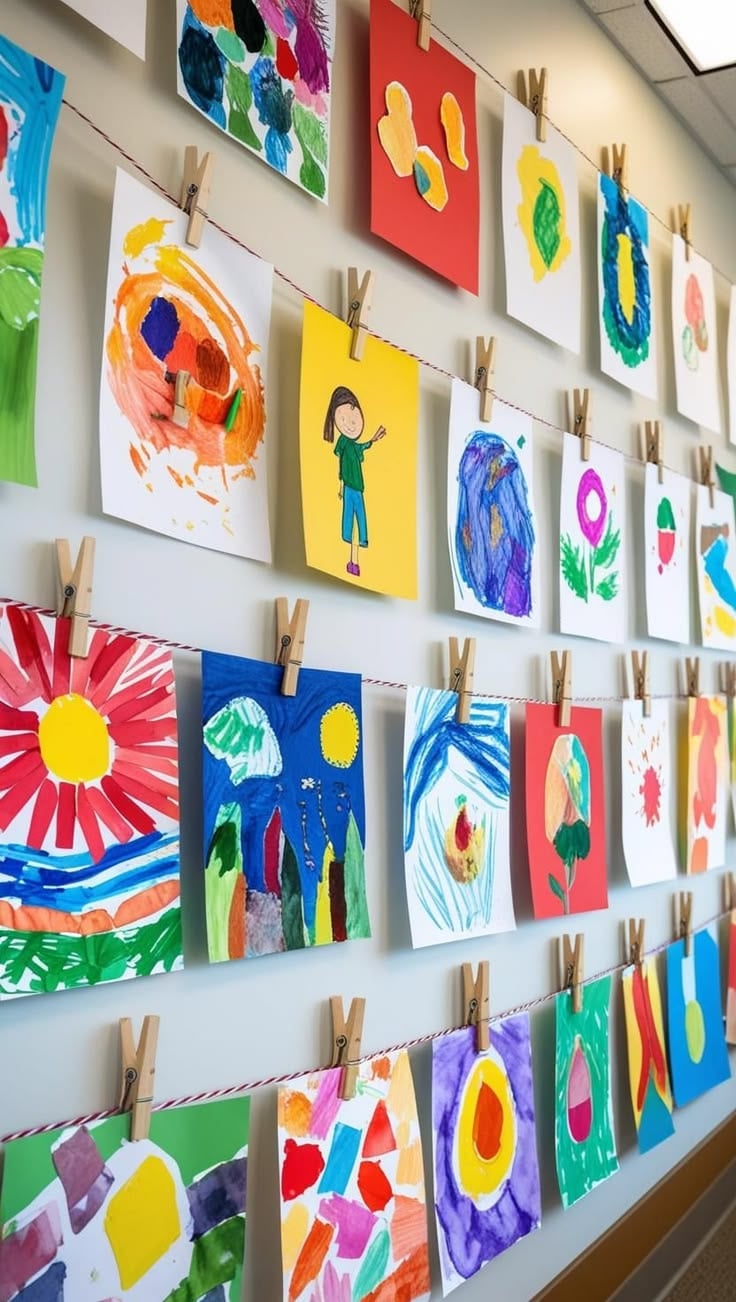
Nothing makes a room feel more personal than displaying your child’s own creations.Displaying your child’s artwork adds personality and makes the room feel unique and meaningful.
Discover more creative kids room design inspiration here:
DIY Kids Room Decor Ideas That Look Surprisingly Professional
Frame favorite drawings or hang them on simple display rails. This adds color and personality while celebrating creativity.
Additionally, displaying artwork helps children feel proud of their accomplishments and encourages them to continue creating.
Their art becomes part of the room’s design story, making the space feel unique and meaningful.
16. Create a Simple Play Corner
Every child needs a place where imagination can grow. That is why a dedicated play corner works so well in a Scandinavian kids room. Instead of letting toys spread throughout the entire bedroom, create one organized area where play happens every day.
Start with a soft rug to define the space. Then add a few baskets for toys, some floor cushions, and perhaps a small table for puzzles, coloring, and creative activities. The goal is not to fill the area with dozens of toys. Instead, focus on a few favorite items that encourage open-ended play.
One thing I love about Scandinavian design is how it values quality over quantity. A few thoughtfully chosen toys often inspire more creativity than shelves packed with clutter. As a result, the room feels calmer, and children can focus better during playtime.
Furthermore, having a designated play area helps children learn organization skills. When playtime ends, they know exactly where everything belongs.
17. Add a House-Shaped Bed
Few things make a child’s bedroom feel more magical than a house-shaped bed. At the same time, this type of bed fits surprisingly well into Scandinavian design because of its simple lines and natural materials.
A house bed creates more than just a sleeping space. During the day, it can become a castle, a reading nook, a pretend café, or a secret hideout. Children naturally use their imagination to turn it into whatever adventure they dream up.
Choose a wooden house bed in a light finish to maintain the Scandinavian aesthetic. Then keep the decorations simple with soft bedding, a few pillows, and perhaps some fairy lights.
Additionally, house beds often become the focal point of the room. Because of that, you do not need many extra decorations to make the space feel special.
18. Use Soft Earth-Tone Colors
While white and gray often dominate Scandinavian interiors, soft earth tones can make a child’s room feel even warmer and more inviting.
Colors such as sage green, dusty blue, warm beige, terracotta, and muted mustard work beautifully in children’s spaces. These shades add personality without overwhelming the room.
For example, a sage green accent wall paired with natural wood furniture creates a peaceful atmosphere that feels connected to nature. Similarly, dusty blue bedding can add gentle color while maintaining the calm Scandinavian look.
Moreover, earth tones age gracefully. Unlike trendy colors that may feel outdated after a few years, these shades remain timeless and versatile.
19. Hang Simple Wall Hooks
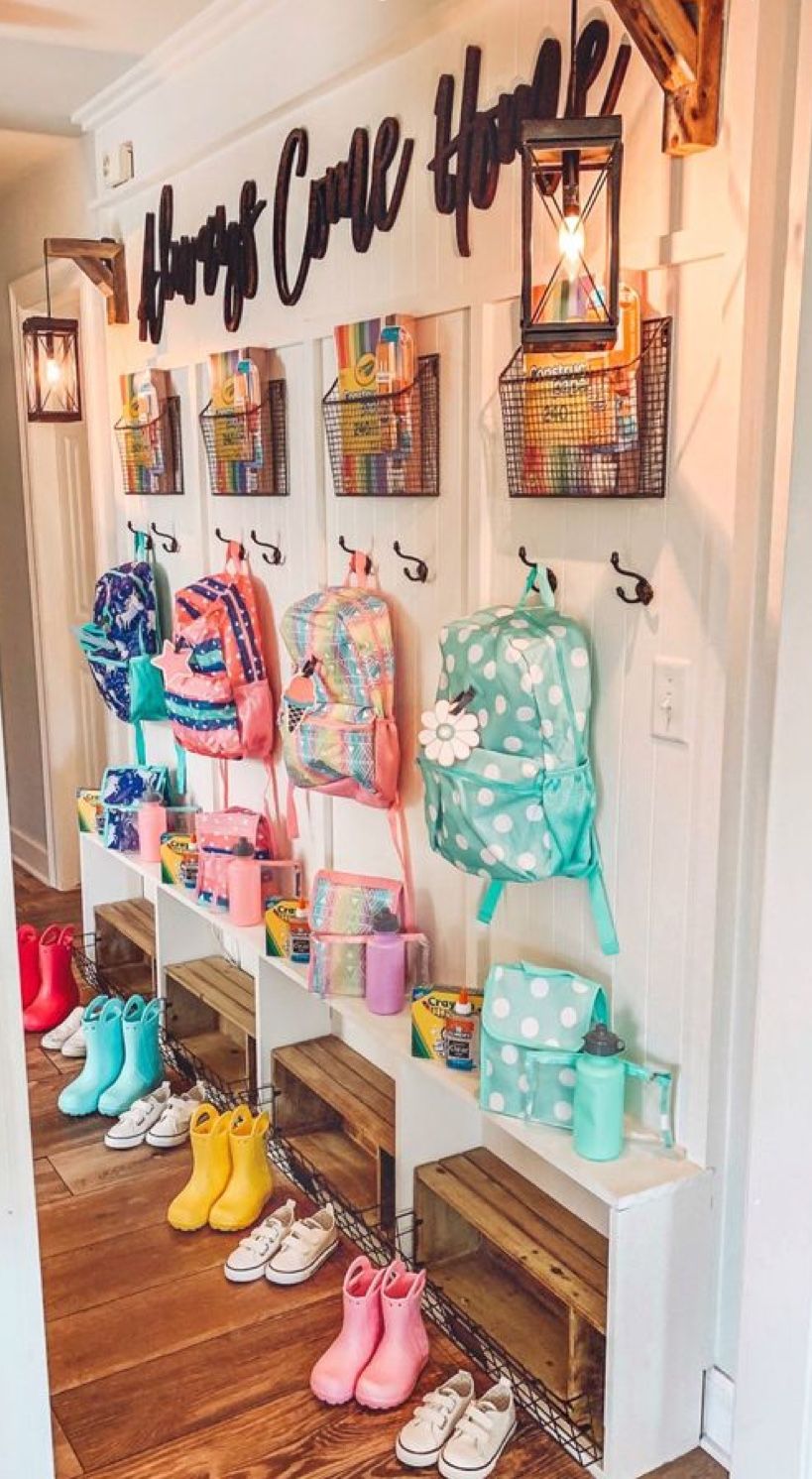
Wall hooks may seem like a small detail, but they can make a huge difference in a child’s room.
Install hooks at your child’s height so they can hang backpacks, jackets, hats, or dress-up clothes independently. This simple change encourages responsibility while helping keep the room organized.
Choose wooden hooks or hooks with simple Scandinavian-inspired designs. Animal-shaped hooks can also add a playful touch without creating visual clutter.
Additionally, wall hooks free up closet space and make daily routines easier. Children can quickly grab what they need and put things away when they return.
20. Add a Canopy Over the Bed
A canopy instantly makes a room feel cozy and magical.
In a Scandinavian bedroom, choose a simple fabric canopy in white, cream, or soft beige. Hang it above the bed to create a comfortable retreat where your child can relax and unwind.
Children often love having small spaces that feel private and special. A canopy helps create that feeling while adding softness to the room.
Furthermore, canopies work beautifully with Scandinavian design because they add texture without requiring bright colors or busy patterns. They create visual interest while maintaining the clean and airy atmosphere that defines this decorating style.
21. Include Montessori-Inspired Storage
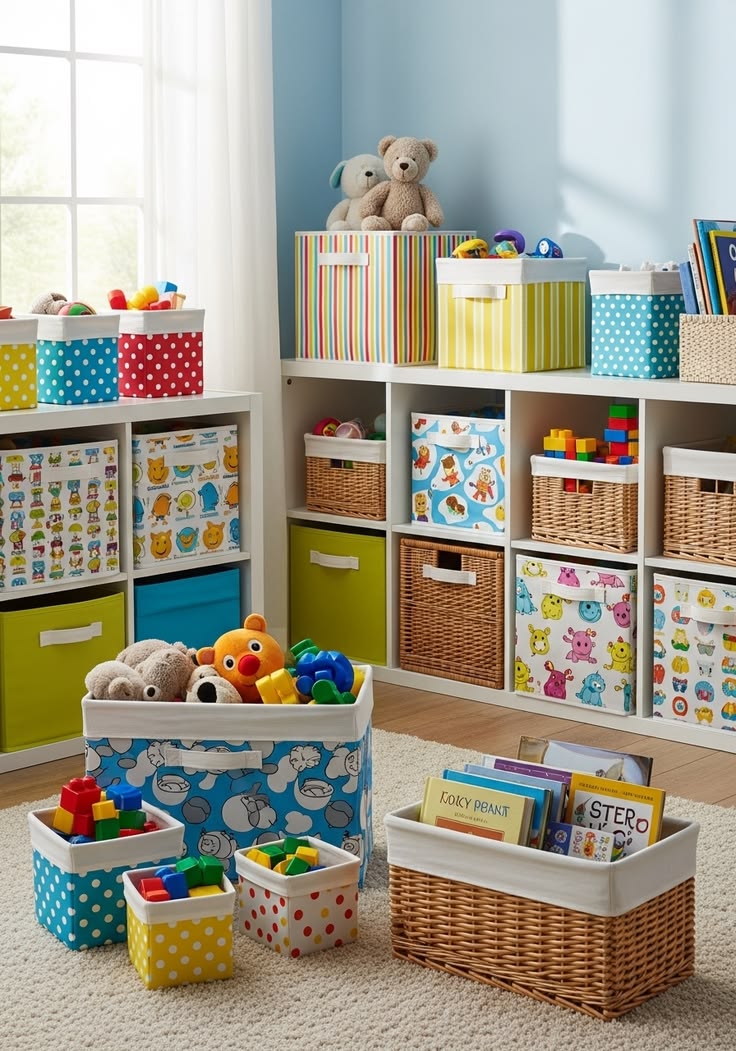
Many Scandinavian children’s rooms embrace Montessori principles because both styles value simplicity, independence, and functionality.
Use low shelves where children can easily reach books, toys, and activities. Arrange items neatly so your child can see what is available without digging through bins or boxes.
This setup encourages independence because children can choose activities on their own and return them when finished.
Additionally, organized and accessible storage helps reduce frustration. Children spend less time searching for toys and more time enjoying them.
As a result, the room feels more peaceful and practical for everyday life.
22. Decorate with Woodland Animals
Woodland animals fit perfectly within Scandinavian design because they connect children to nature while adding charm and personality.
Foxes, bears, rabbits, deer, owls, and hedgehogs all work beautifully in a Scandinavian-themed room. You can incorporate these animals through artwork, bedding, pillows, or stuffed toys.
The key is moderation. Instead of covering every surface with animal prints, choose a few meaningful pieces that complement the overall design.
Because woodland themes feel timeless, they can grow with children and remain appealing for many years.
23. Keep Furniture Simple and Functional
One of the biggest lessons Scandinavian design teaches is that every item should have a purpose.
When choosing furniture, focus on pieces that serve real needs rather than filling the room with unnecessary items. A bed, dresser, bookshelf, and small desk may be all a child truly needs.
Simple furniture helps the room feel open and organized. It also creates more floor space for playing and moving around comfortably.
Additionally, functional furniture often lasts longer because it does not rely on trendy designs that quickly go out of style.
24. Add a Growth Chart
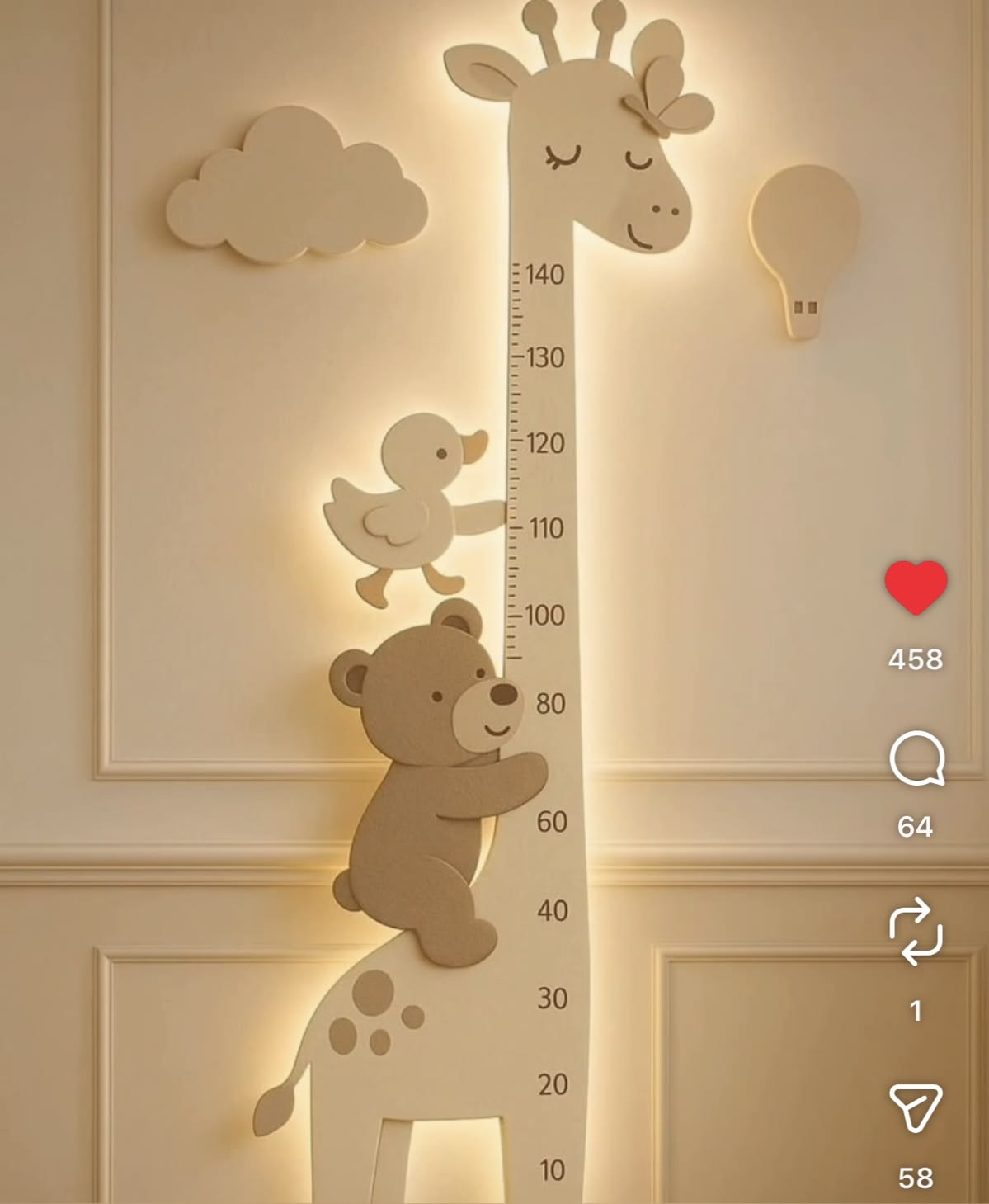
A growth chart combines decoration with memories.
Hang a wooden growth chart on the wall and mark your child’s height over the years. Children love seeing how much they have grown, and parents treasure these memories.
Choose a simple design that matches the room’s color palette. Wooden growth charts work especially well because they complement other natural materials in the room.
Over time, the chart becomes a meaningful feature that tells part of your family’s story.
25. Create a Cozy Window Seat
If your room layout allows it, a window seat can become one of the most loved spots in the bedroom.
Add cushions, pillows, and a soft blanket to create a comfortable place for reading, daydreaming, or watching the world outside.
Window seats encourage quiet moments and provide a peaceful retreat from busy daily routines.
Additionally, many window seats include built-in storage underneath, making them both beautiful and practical.
26. Display Books Face Forward

Books play an important role in Scandinavian children’s rooms.
Instead of storing books spine-out on shelves, try displaying some books face forward. This allows children to see the covers easily and encourages them to choose books independently.
Young children often respond better to visual displays because they can quickly recognize favorite stories.
Additionally, colorful book covers add interest to the room while still serving a practical purpose.
27. Add Soft Linen Curtains
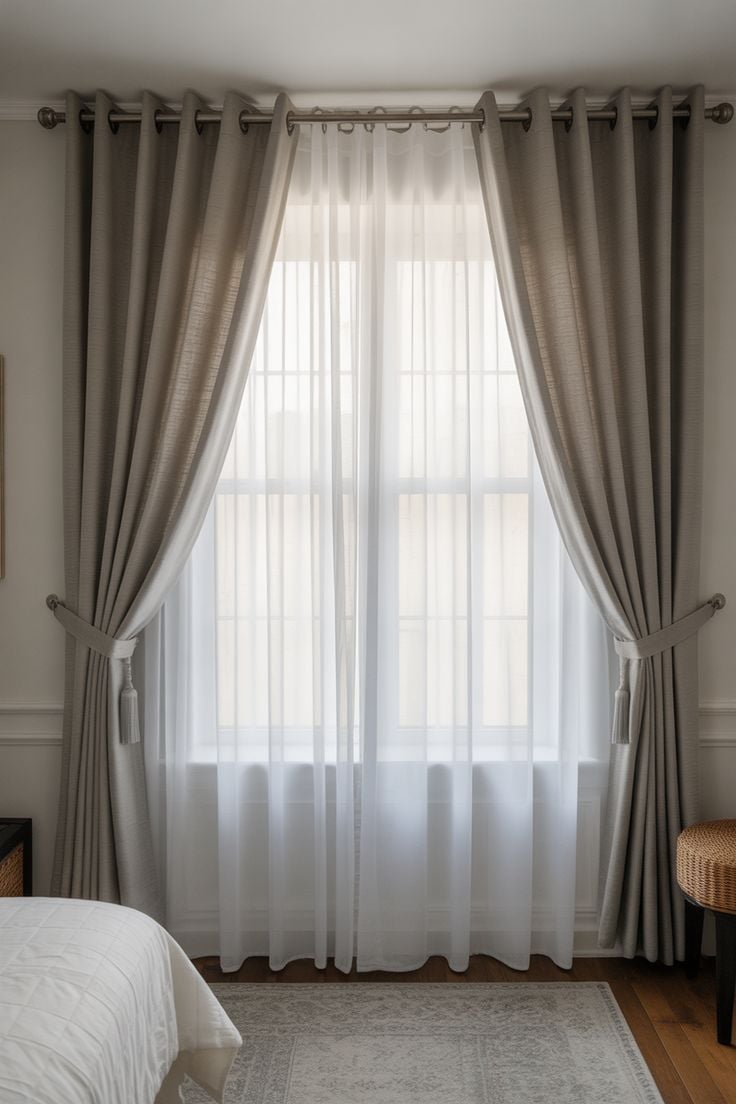
Curtains often receive little attention during decorating projects, yet they can dramatically affect how a room feels.
Soft linen curtains help filter natural light while adding warmth and texture. Choose neutral shades such as white, cream, or light gray to maintain the Scandinavian aesthetic.
These simple window treatments create an airy atmosphere and help the room feel more relaxed.
Furthermore, linen becomes softer over time, which adds even more comfort to the space.
28. Use Natural Fiber Rugs
Natural fiber rugs such as jute, cotton, or wool fit beautifully within Scandinavian interiors.
These materials add texture and warmth while connecting the room to nature. They also tend to be durable, which makes them a practical choice for active children.
Layering a soft cotton rug over a larger natural fiber rug can create an especially cozy look.
Additionally, natural materials help create the calm and grounded feeling that Scandinavian design is known for.
29. Add a Small Craft Station
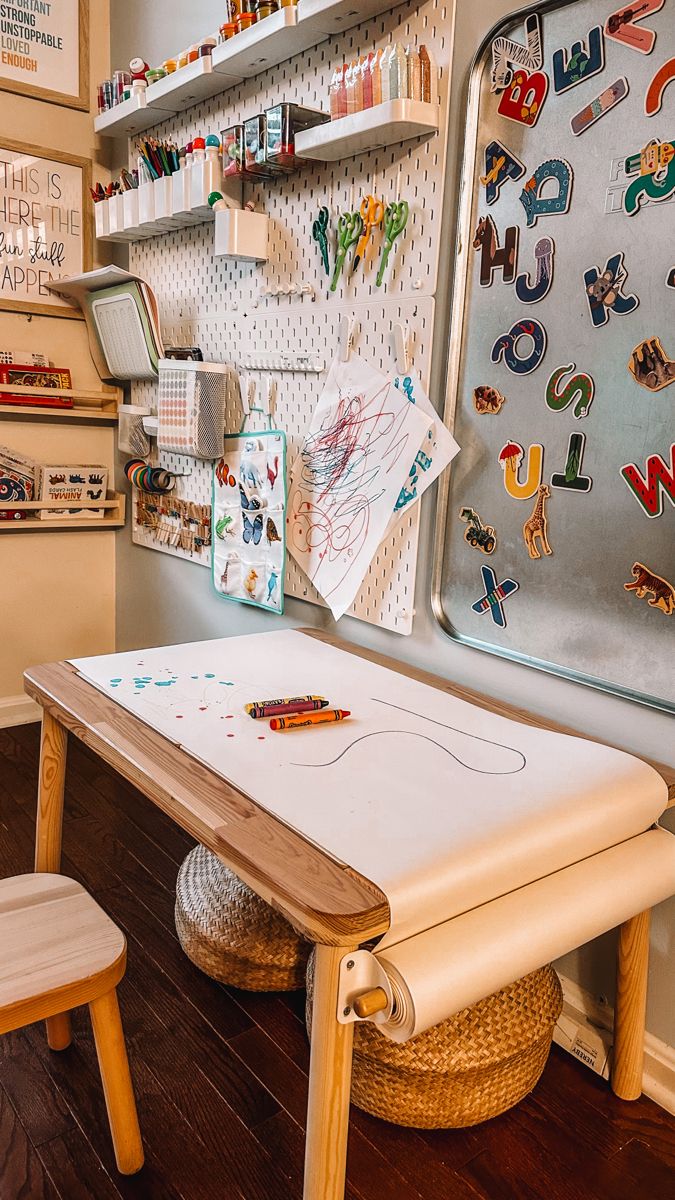
Children love creating things, so a small craft station can become a wonderful addition to the room.
Include a child-sized table, comfortable chair, and organized storage for crayons, paper, markers, and supplies. Keep everything within easy reach so your child can enjoy creative activities independently.
Because Scandinavian design values functionality, a craft station fits naturally into the room while encouraging learning and self-expression.
30. Leave Plenty of Open Space
One of the most important Scandinavian decorating principles is avoiding unnecessary clutter.
While it may feel tempting to fill every corner, children actually benefit from having open space. Empty floor areas provide room for building blocks, pretend play, dancing, and everyday movement.
Additionally, open space helps the room feel larger, brighter, and more peaceful.
When every item has a purpose, the room becomes easier to maintain and more enjoyable to use.
31. Focus on Comfort Above Everything Else
At the heart of every Scandinavian kids room is comfort.
While beautiful decor certainly matters, the room should first and foremost feel welcoming, safe, and cozy. Soft blankets, comfortable bedding, warm lighting, natural materials, and organized spaces all contribute to this feeling.
Children thrive in environments where they feel relaxed and secure. Therefore, every decorating decision should support comfort as well as style.
When comfort becomes the priority, the room naturally feels more inviting and enjoyable for everyday life.
Final Thoughts
These Scandinavian kids room ideas prove that children’s spaces can feel beautiful without becoming complicated. By combining light colors, natural materials, practical storage, and cozy textures, you can create a room that feels calm, welcoming, and full of warmth.
The best part about Scandinavian design is its simplicity. You do not need expensive furniture or elaborate decorations to achieve the look. Instead, focus on comfort, organization, and thoughtful details that support your child’s daily life.
Whether you choose a reading nook, a house-shaped bed, woodland decor, or natural wood furniture, these Scandinavian kids room ideas can help you create a space that feels clean, cozy, and timeless for years to come.