Getting kids excited about homework can feel a little tricky. However, the right homework station ideas can make a huge difference. When children have a special place to learn, they often feel happier, calmer, and more ready to focus. Instead of searching for pencils or getting distracted by toys, they can sit down and start their work with confidence. A colorful workspace becomes even more inspiring when paired with creative decorations. For more ways to make your child’s room feel unique and fun, check out these DIY kids room decor ideas that look surprisingly professional.
Think about it this way. Every child loves having a space that feels like their own. A homework station does not need to be fancy or expensive. In fact, a simple corner with a small table, good lighting, and school supplies can help kids stay organized and motivated. As a result, homework time can become much smoother for both children and parents.
If you are looking for homework station ideas that help kids concentrate and enjoy learning, you are in the right place. Below, you will find creative and practical setups that work for different ages, spaces, and budgets. Best of all, these ideas make homework feel less like a chore and more like an exciting part of the day.
1. Create a Colorful Desk Corner
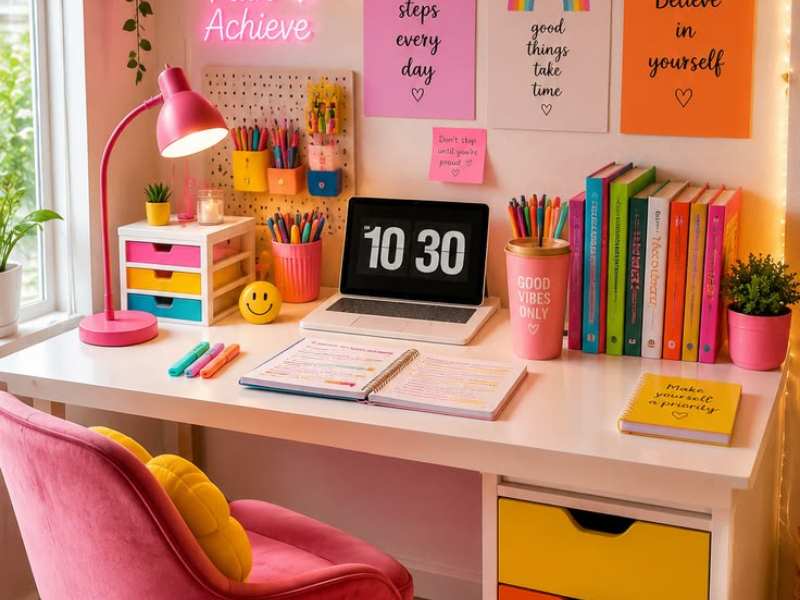
A colorful desk corner can instantly make homework feel more fun. Choose a small desk and place it in a quiet area of your home. Then add bright organizers, cheerful pencils, and a comfortable chair. Kids often enjoy spending time in spaces that look happy and welcoming. Because of this, they may feel more excited to sit down and complete their assignments. A colorful workspace becomes even more inspiring when paired with creative decorations. For more ways to make your child’s room feel unique and fun, check out these DIY kids room decor ideas that look surprisingly professional.
At the same time, try not to overcrowd the area with decorations. Too many items can become distracting. Instead, pick a few favorite colors and keep supplies neatly arranged. This way, children can easily find what they need and stay focused on their work. As a bonus, the colorful setup can make learning feel like an adventure rather than a task.
2. Use a Small Table by the Window
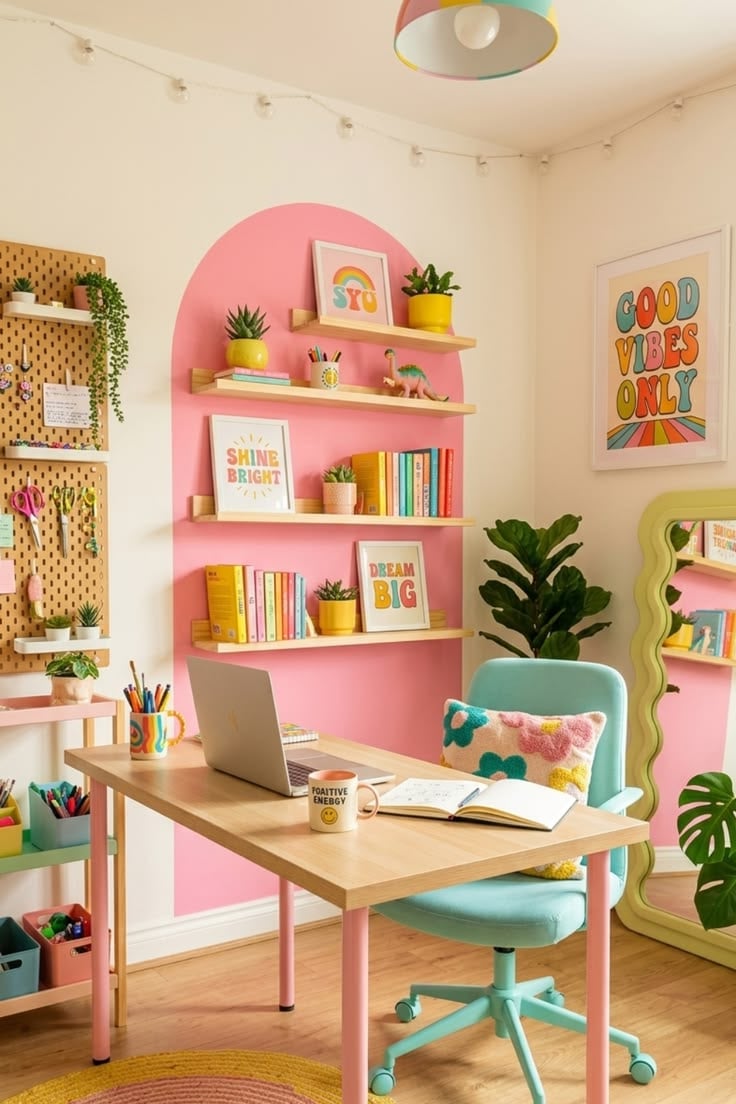
Natural light can help children feel more alert and comfortable while they work. Therefore, placing a homework station near a window can be a great idea. A small table positioned beside a bright window creates an inviting place for reading, writing, and completing assignments. Natural light works beautifully alongside calming room designs. If you love bright and airy spaces, explore these Scandinavian kids room ideas that feel clean and cozy for even more inspiration.
In addition, kids can enjoy occasional views outside without feeling trapped indoors. Watching birds or trees sway in the breeze for a moment can give their minds a quick refresh. Then they can return to their work with renewed energy. Just make sure the view does not become too distracting. A balance between focus and comfort often works best.
3. Set Up a Homework Nook
Sometimes a tiny corner can become the perfect learning space. A homework nook uses a small area of the home and turns it into a dedicated study zone. You can add a desk, chair, lamp, and storage containers. Because everything stays in one place, children can quickly settle into their homework routine. A dedicated homework nook does not require a large room. If you’re working with limited space, these tiny playroom ideas that make the most of every inch offer plenty of smart small-space solutions.
Furthermore, a homework nook helps separate learning time from playtime. When kids enter the space, they know it is time to focus. As a result, they may develop stronger study habits over time. Even if your home has limited space, a cozy nook can provide a special place where learning happens every day.
4. Add a Bulletin Board
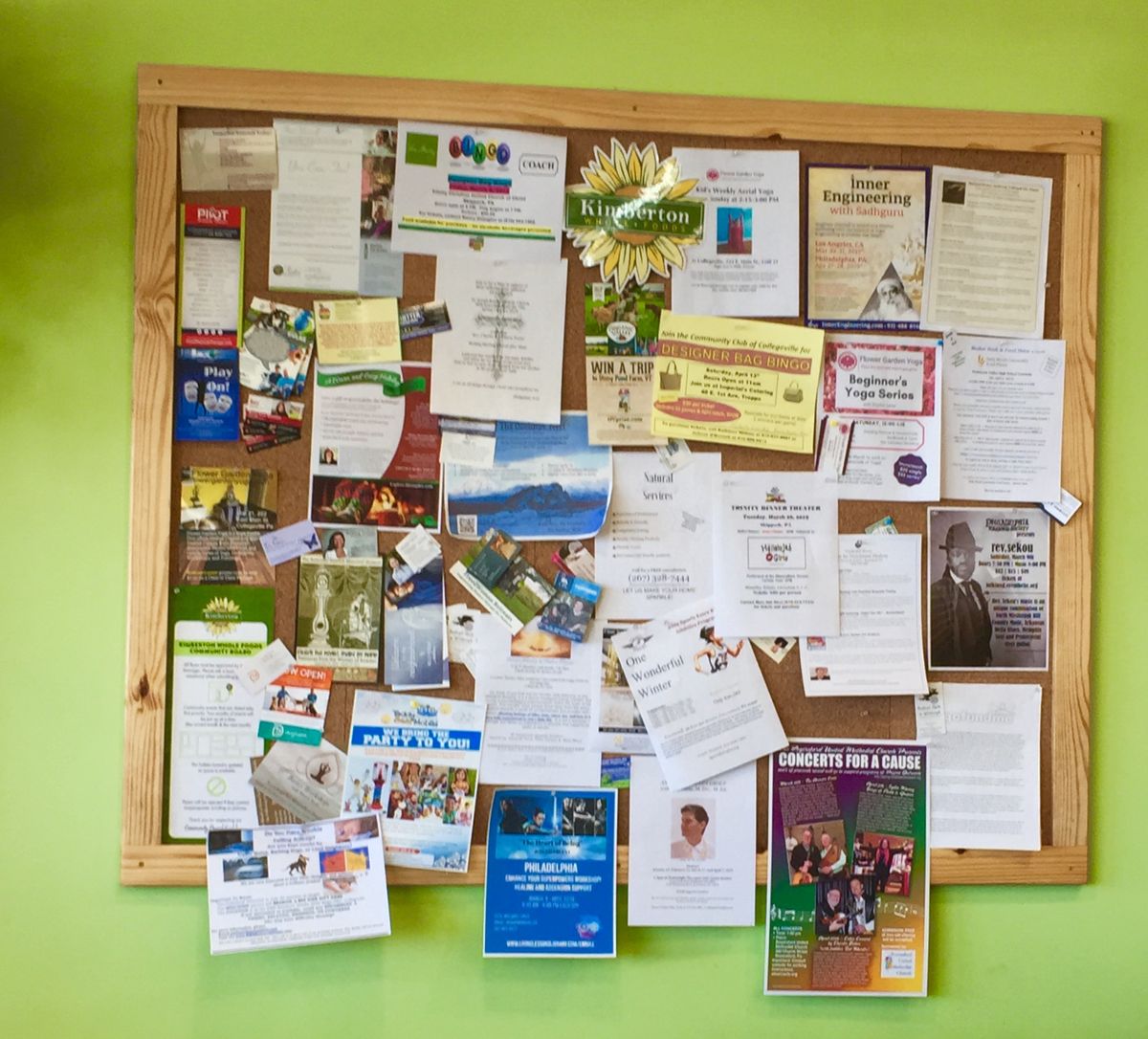
A bulletin board can keep important information visible and organized. Children can pin spelling words, schedules, reminders, and artwork on the board. This simple addition helps them remember tasks and stay on track throughout the week. A bulletin board can also become part of the room’s overall design. For more creative wall inspiration, take a look at these creative wall mural ideas for kids bedrooms.
Meanwhile, a bulletin board also gives kids a chance to personalize their homework station. They can display favorite drawings, encouraging notes, or school achievements. Because they helped create the space, they may feel more connected to it. Consequently, they often enjoy spending more time there and staying focused on their assignments.
5. Keep Supplies Within Reach
Nothing breaks concentration faster than searching for missing supplies. Therefore, keep pencils, crayons, erasers, rulers, and notebooks close by. Use containers, cups, or small drawers to organize everything neatly. When children know exactly where items belong, homework time becomes much more efficient. Keeping supplies organized is much easier when storage works efficiently. You may also enjoy these genius toy storage ideas for kids rooms that help reduce clutter throughout the space.
At the same time, organized supplies teach valuable responsibility skills. Kids learn to put things back after using them. As a result, the station stays tidy and ready for the next homework session. A well-organized workspace helps reduce frustration and encourages a smoother learning experience every day.
6. Choose a Comfortable Chair
A comfortable chair can make a big difference during homework time. If a chair feels too hard or too small, children may wiggle, fidget, and lose focus. Instead, choose a chair that supports good posture and allows kids to sit comfortably while they work. A comfortable study chair becomes even more important when creating a room that supports learning and creativity. These smart kids desk ideas for homework and creativity include several setups designed for comfort and productivity.
Moreover, comfort helps children stay engaged for longer periods. They can focus on solving math problems or reading stories instead of constantly adjusting their seat. While the chair does not need to be expensive, it should fit the child’s size and provide enough support. In the end, a comfortable seat can improve concentration and productivity.
7. Use Floating Shelves
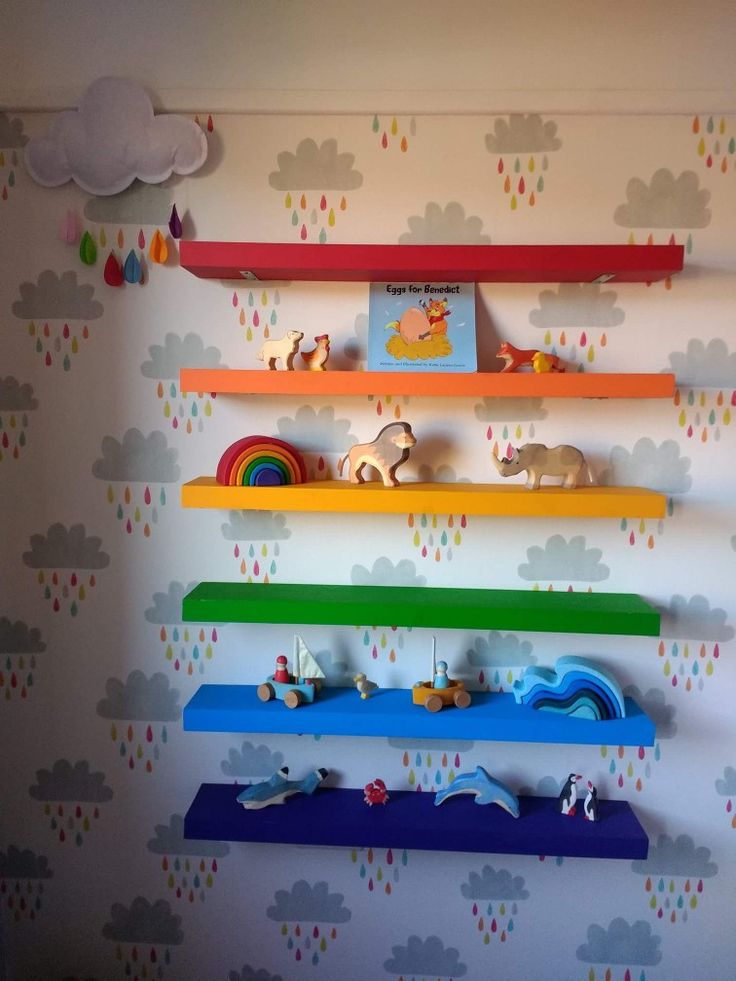
Floating shelves provide extra storage without taking up valuable floor space. You can place books, folders, and learning materials on the shelves to keep the homework station organized. As a result, the desk stays clear and ready for schoolwork. Floating shelves are a great way to maximize wall space while staying organized. For even more shelving inspiration, browse these open shelf ideas for kids rooms that look organized and cute.
Additionally, floating shelves make supplies easy to access. Children can quickly grab what they need and return it when they finish. This simple system encourages independence and helps maintain order. At the same time, shelves can display educational items that inspire curiosity and learning.
8. Create a Reading Corner Nearby
A reading corner beside the homework station can encourage children to develop strong literacy skills. Add a soft cushion, small bookshelf, and a collection of age-appropriate books. Then kids can enjoy reading before or after completing homework. A cozy reading corner can become one of the most loved spots in the room. Adding soft textures from these kids room rug ideas that add warmth and personality can make the space even more inviting.
Furthermore, having books close by makes reading feel like a natural part of everyday life. Children can easily reach for a story whenever they have free time. Because reading strengthens vocabulary and comprehension, this addition supports overall academic success while making learning enjoyable.
9. Label Everything
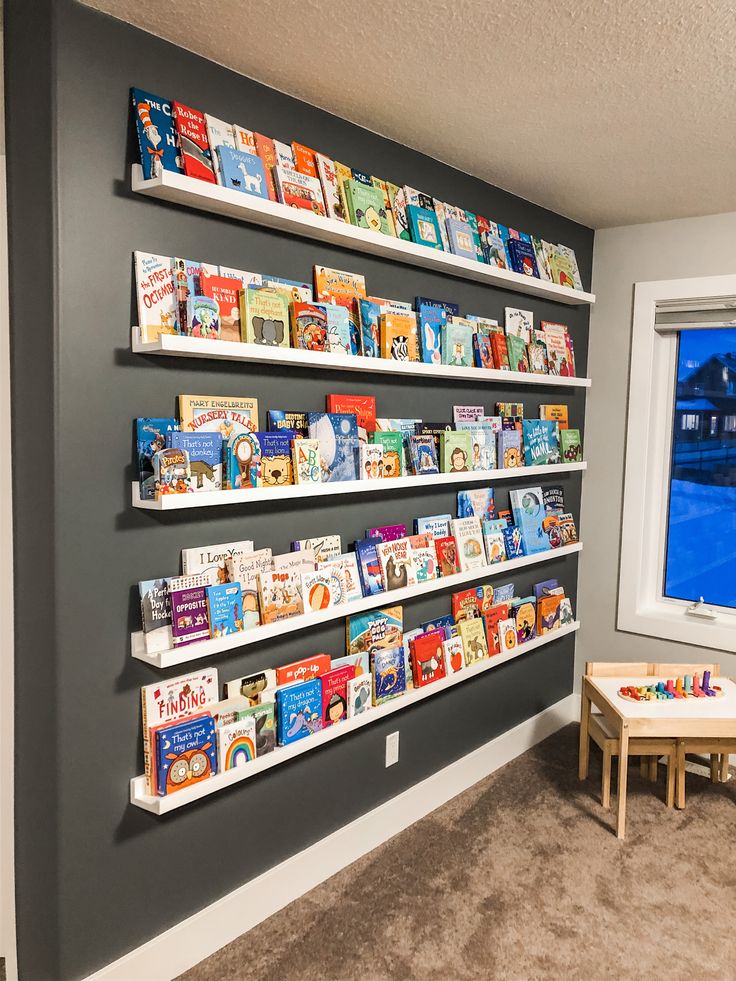
Labels help children stay organized and independent. You can label drawers, bins, folders, and containers so kids know exactly where each item belongs. This system reduces confusion and makes cleanup much easier.
In addition, labels create a sense of structure. Children spend less time searching for materials and more time focusing on assignments. As a result, homework sessions become more productive. Even young kids can benefit from simple picture labels that make organization easy to understand.
10. Add a Homework Calendar
A homework calendar can help children keep track of assignments, projects, and important dates. Place the calendar where it is easy to see and update it regularly. This habit teaches planning and time management skills.
At the same time, a calendar reduces last-minute stress. Kids can see upcoming tasks and prepare ahead of time. Consequently, they feel more confident and organized. Learning how to manage responsibilities early can benefit children throughout their school years.
11. Use Clear Storage Bins
Clear storage bins make organization simple because children can see exactly what is inside each container. Instead of opening several boxes to find a notebook or a set of markers, they can quickly spot what they need. As a result, they spend less time searching and more time focusing on homework. This small change can make a surprisingly big difference in how smoothly homework time goes each day.
Additionally, clear bins help children learn organizational habits that they can use for years. You can assign different bins for art supplies, worksheets, reading materials, and writing tools. Then everything has a proper home. When kids finish their work, they can easily return items to the correct bin. Consequently, the homework station stays neat, tidy, and ready for the next study session.
12. Create a Distraction-Free Zone
A distraction-free zone helps children focus on learning instead of everything happening around them. Choose a quiet spot away from loud televisions, busy hallways, and noisy play areas. When children work in a peaceful environment, they often complete assignments more quickly and with fewer interruptions. Therefore, they can feel more confident and less frustrated during homework time.
At the same time, removing distractions teaches kids the value of concentration. You can keep toys, gaming devices, and unnecessary gadgets away from the homework station. This does not mean the area must feel boring. Instead, it should feel calm and purposeful. As a result, children learn to direct their attention toward learning and develop stronger focus skills over time.
13. Add a Desk Lamp
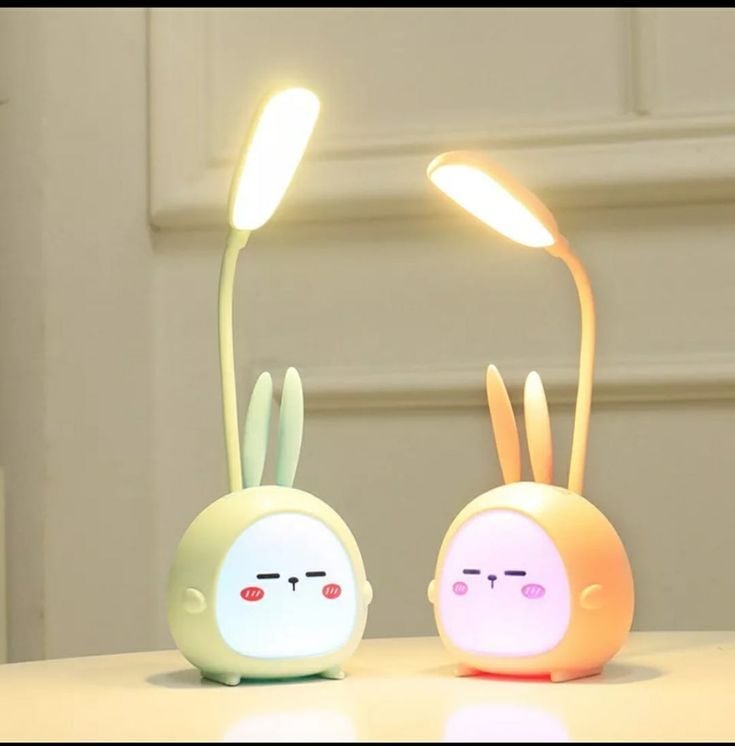
Good lighting plays an important role in helping children stay focused. A desk lamp provides bright light exactly where kids need it while reading books, solving math problems, or completing worksheets. Consequently, they can see clearly and work more comfortably. Proper lighting may also help reduce eye strain during longer study sessions.
Furthermore, a desk lamp can make the homework station feel warm and inviting. Children often enjoy having their own special light for studying. You can choose a simple lamp that matches the style of the homework area. Then the station feels complete and ready for learning. Because the space feels welcoming, kids may feel more motivated to sit down and get started.
14. Include a Whiteboard
A whiteboard can turn homework time into a more interactive experience. Children can use it to practice spelling words, solve math equations, draw diagrams, or write reminders. Since they can easily erase mistakes and try again, they often feel less pressure and more confidence while learning new skills.
Moreover, a whiteboard encourages creativity and active learning. Instead of keeping ideas only on paper, kids can think out loud through writing and drawing. Parents can also use the board to leave encouraging notes or reminders. As a result, the homework station becomes both practical and fun. This simple addition can keep children engaged and excited about learning.
15. Use a Rolling Cart
A rolling cart offers flexible storage for homework supplies. You can fill the cart with notebooks, pencils, markers, scissors, and other school essentials. Then children can move it wherever they need it. This setup works especially well in homes where kids do not have a permanent study room.
In addition, a rolling cart keeps everything organized and easy to access. Instead of spreading supplies across different rooms, children can keep everything together in one place. Consequently, they waste less time gathering materials before homework. The cart also makes cleanup simple because everything can go back into its designated spot once homework is complete.
16. Add Personal Touches
Children often feel more connected to spaces they help create. Therefore, adding personal touches can make a homework station feel special and inviting. You might display family photos, favorite artwork, motivational quotes, or a child’s own creations. These details help transform a simple desk into a space that feels uniquely theirs.
At the same time, personal touches can encourage pride and responsibility. When children love their homework area, they often take better care of it. They may feel excited to sit down and use a space that reflects their personality. As a result, homework time feels more enjoyable and less like something they have to do.
17. Create Separate Zones for Different Activities
Some children complete homework more effectively when different activities have designated spaces. For example, one area can focus on reading while another supports writing, drawing, or creative projects. This arrangement helps children understand what task belongs where and creates a sense of order within the learning environment.
Furthermore, separate zones can improve concentration. When children move to a specific area for a particular task, their brains begin to associate that space with the activity. Consequently, they may settle into their work more quickly. Even in a small room, simple divisions can help create structure and make learning feel more organized.
18. Keep a Homework Basket
A homework basket offers a simple solution for storing daily assignments and important papers. Children can place completed work, permission slips, and school notices inside the basket as soon as they bring them home. This habit helps prevent lost papers and forgotten assignments.
Additionally, a homework basket creates an easy routine. Kids know exactly where school-related materials belong, and parents know where to look when checking homework. As a result, mornings become less stressful because important documents stay organized. This small organizational tool can save time and reduce frustration throughout the school year.
19. Use a Pegboard Organizer
A pegboard organizer provides a creative way to store supplies while keeping them visible. You can hang containers, hooks, baskets, and shelves on the board to hold everything from pencils to headphones. Since supplies stay within easy reach, children can quickly access what they need without disrupting their focus. A pegboard organizer works especially well when combined with other smart storage solutions. For even more ways to keep clutter under control, explore these built-in storage ideas for kids rooms that hide the clutter.
Moreover, pegboards offer flexibility as children’s needs change. You can rearrange hooks and containers whenever necessary. Therefore, the homework station can grow alongside your child. This adaptable solution keeps the area organized while adding visual interest. At the same time, it encourages children to take responsibility for maintaining an orderly workspace.
20. Add a Timer for Focus Sessions
A timer can help children stay focused by breaking homework into manageable chunks. For example, they might work for twenty minutes and then take a short break. This approach often feels less overwhelming because kids know they only need to concentrate for a limited period before resting. When children help design their own learning space, they often feel more connected to their room overall. For more creative ways to personalize a child’s bedroom, take a look at these kids room makeover ideas that deliver a huge transformation.
Additionally, timers teach valuable time-management skills. Children learn how to stay on task and use their study time effectively. Over time, they may become better at estimating how long assignments will take. As a result, they gain confidence in their ability to complete work independently while developing healthy study habits.
21. Design a Homework Station Together
One of the best homework station ideas involves letting children help create the space themselves. When kids participate in choosing colors, decorations, and organizational tools, they feel a stronger connection to the area. Consequently, they often take greater ownership of their learning environment and feel excited to use it every day.Creating focused study sessions becomes easier when children have a dedicated workspace designed for learning. You can find additional inspiration in these smart kids desk ideas for homework and creativity that help kids stay productive and organized.
Furthermore, designing the station together creates a positive experience before homework even begins. Children can share ideas, express creativity, and make decisions about their workspace. As a result, the station reflects their personality and interests. When they feel proud of the space they helped build, they may approach homework with more enthusiasm and a better attitude.
Conclusion
Creating a dedicated learning space does not have to cost a lot of money or require a large room. In fact, many of these homework station ideas use simple items you may already have at home. The most important goal is to create a space where children feel comfortable, organized, and ready to learn. The best homework stations combine organization, comfort, and creativity in a way that works for your child. If you’re planning a complete learning-friendly bedroom setup, these smart kids desk ideas for homework and creativity can help you create a space where kids love to learn.
Whether you choose a colorful desk corner, a cozy homework nook, a rolling cart, or a personalized study station, each idea can help boost focus and make homework time more enjoyable. Most importantly, remember that every child is different. Therefore, try different homework station ideas until you find the setup that works best for your little learner. With the right space and a little creativity, homework can become a calmer, happier, and more productive part of every day.