Keeping a child’s room tidy can sometimes feel impossible. One minute everything looks neat and organized, and the next minute toys, books, crayons, and stuffed animals seem to cover every inch of the floor. I know this feeling very well because I have spent many afternoons helping clean up rooms that somehow became messy in just a few hours. That is exactly why I started looking for better storage solutions, and that is when I discovered how useful open shelf ideas for kids rooms can be.
What I love most about open shelves is how simple they are. Children can easily see their books, toys, and favorite treasures without digging through bins or drawers. At the same time, shelves help everything have a proper home. The room feels more organized, and children can learn where things belong. If you are currently planning a room refresh, you may also enjoy 29 Kids Room Makeover Ideas That Deliver a Huge Transformation, which includes many creative ways to improve both style and function.
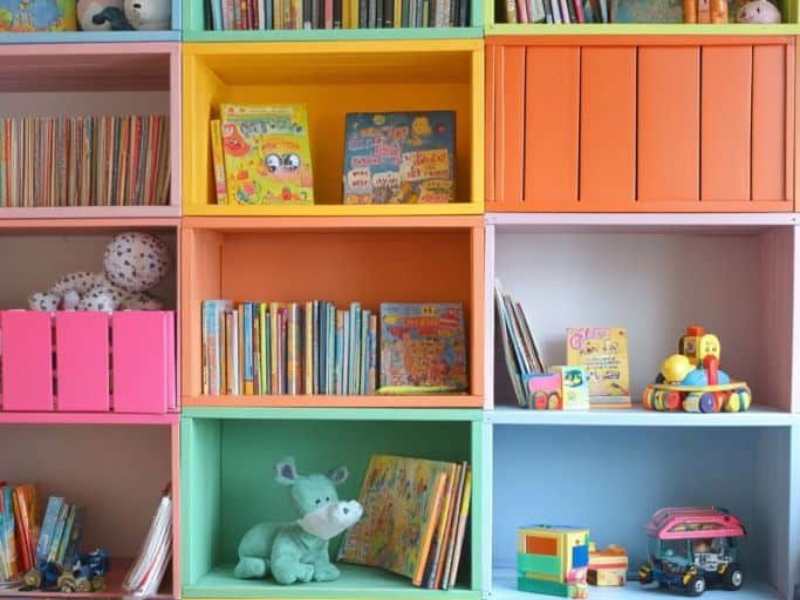
If you are searching for open shelf ideas for kids rooms that look organized and cute, you are in the right place. These ideas will help you create a space that feels tidy, welcoming, and full of personality. Whether you need more storage for toys, books, art supplies, or decorative pieces, these open shelf ideas can completely transform the way a child’s room looks and functions.
1. Create a Book Display Shelf
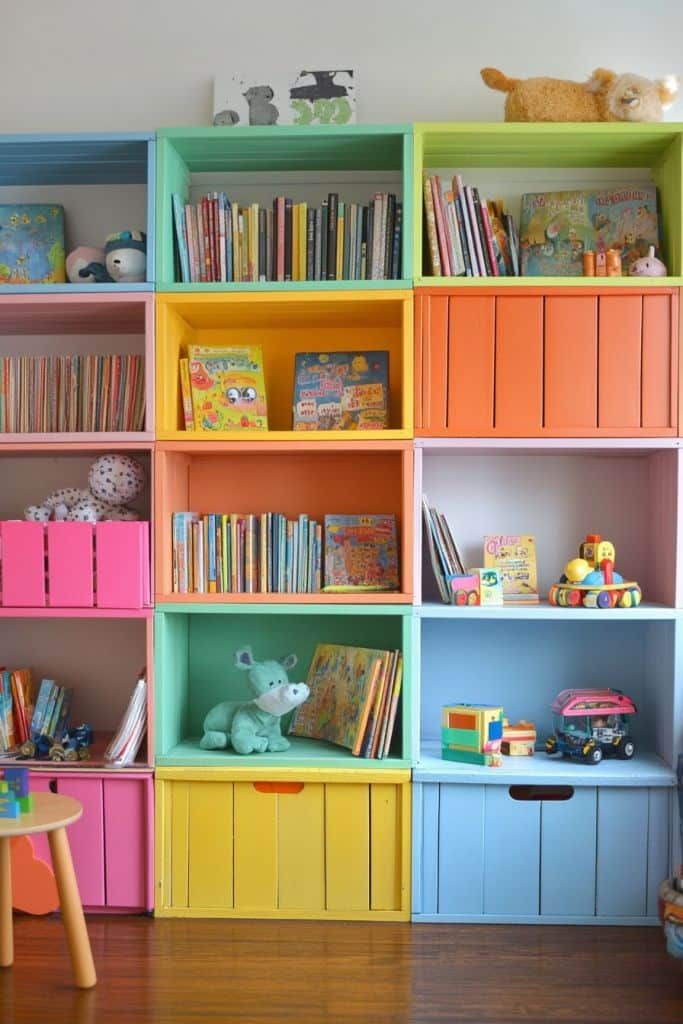
Books often become one of the biggest sources of clutter in a child’s room. Instead of stacking them on the floor or stuffing them into overflowing baskets, create a dedicated book display shelf.
Place the books with the covers facing forward rather than showing only the spines. Children naturally feel more drawn to colorful book covers, which often encourages them to read more frequently. Keep favorite books on lower shelves so little hands can easily reach them.
Additionally, rotating books every few weeks helps keep the display fresh and exciting. Children often rediscover old favorites when they see them displayed again.
The result feels organized, colorful, and perfect for encouraging a love of reading.
2. Use Open Shelves for Toy Baskets
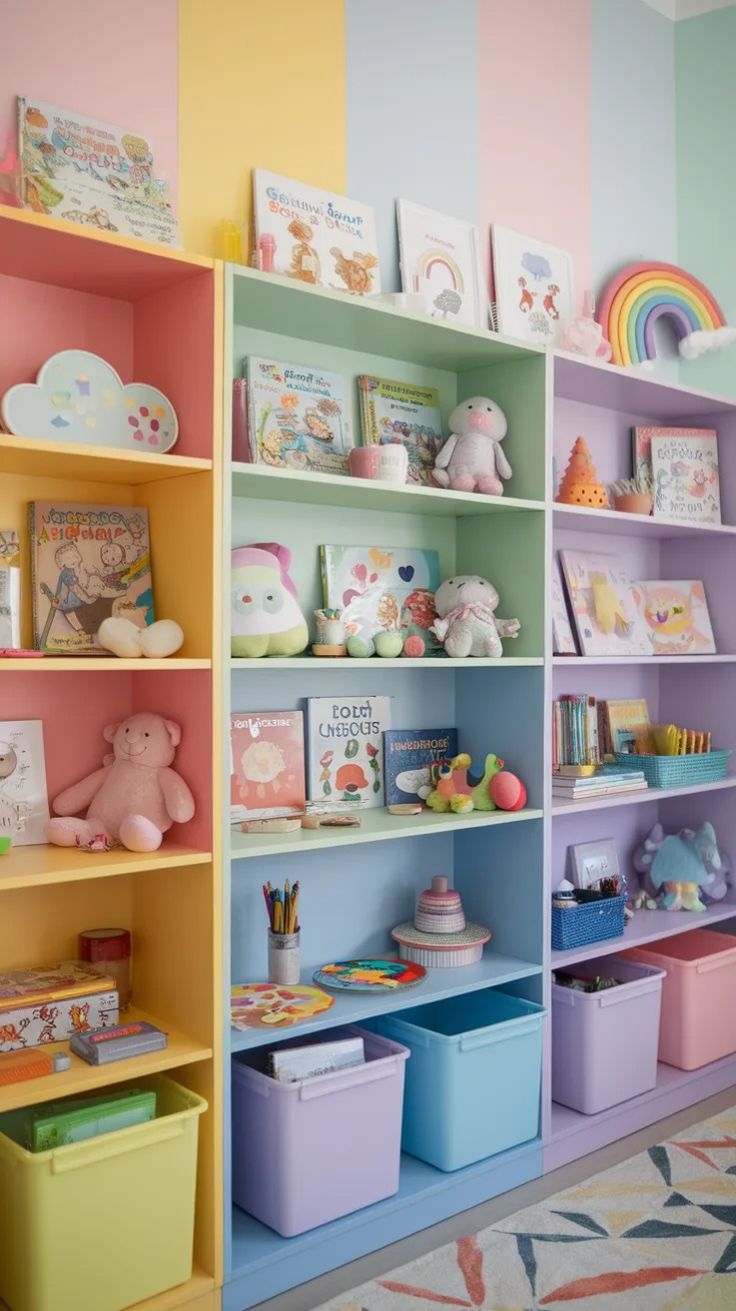
Open shelves and storage baskets make an excellent combination. The shelves provide structure while the baskets hide small toys that could otherwise create visual clutter.
Choose matching baskets and label them with words or pictures. One basket can hold building blocks, another can store toy cars, and another can keep stuffed animals organized.
Additionally, children find cleanup easier when every toy category has a designated basket.
If toy organization is a challenge, you may also enjoy 15 Genius Toy Storage Ideas for Kids Rooms You Need to Try.
This setup creates a room that feels tidy while still allowing children easy access to their favorite toys.
3. Display Favorite Stuffed Animals
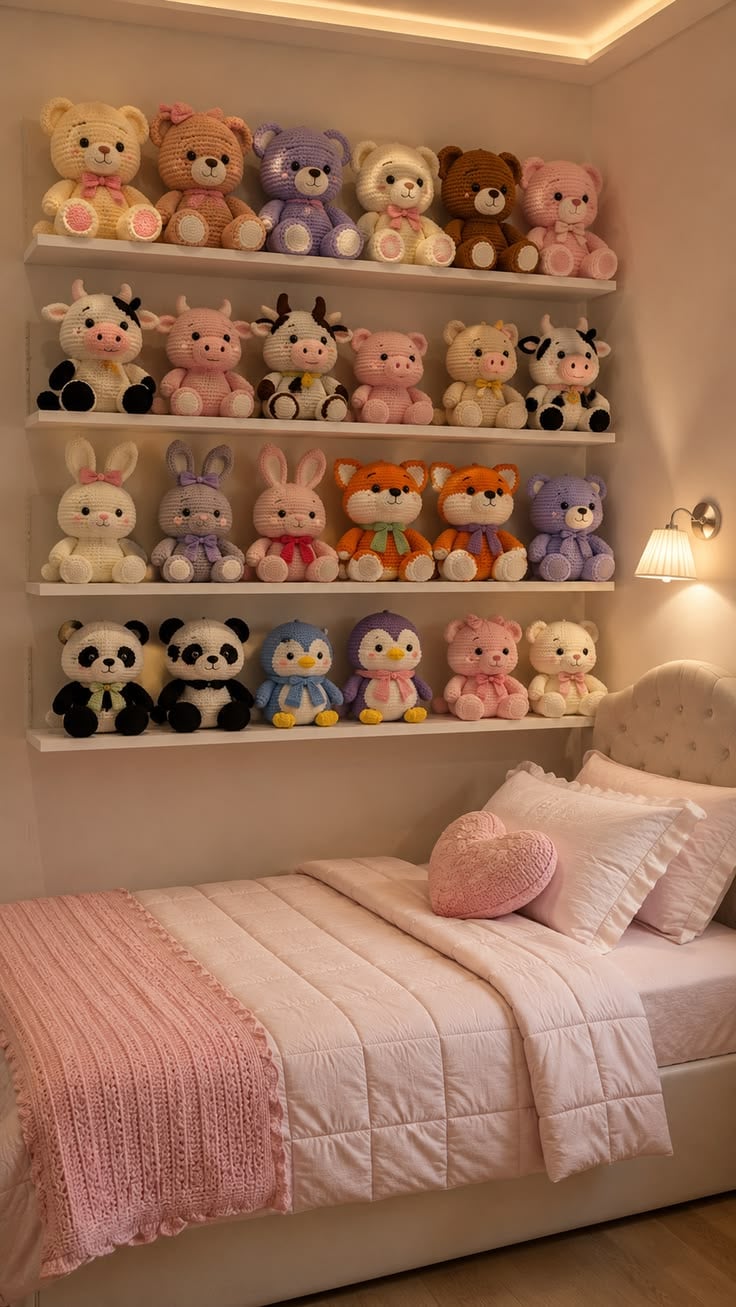
Stuffed animals often hold special memories, which makes it difficult to store them away in bins. Open shelves offer a perfect solution.
Arrange favorite stuffed animals on shelves where children can easily see and reach them. Group similar animals together to create a cute and organized display.
Additionally, displaying stuffed animals helps reduce floor clutter while turning beloved toys into part of the room decor.
The shelves feel playful, personal, and full of charm.
4. Build Floor-to-Ceiling Shelving
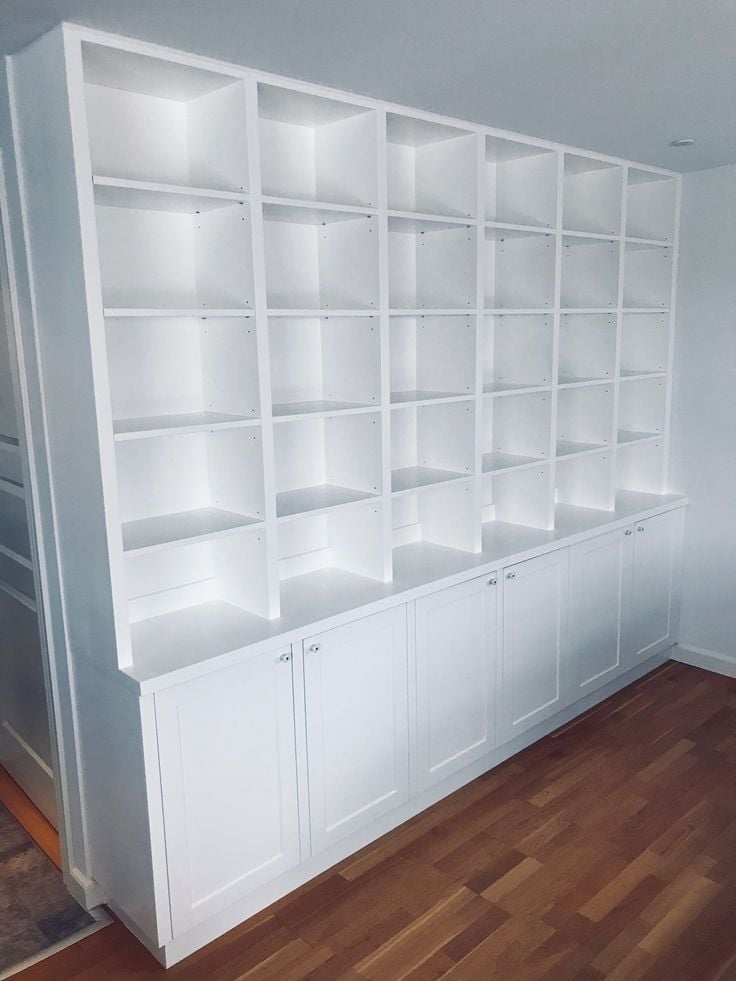
When you need serious storage, floor-to-ceiling shelving can completely transform a room.
Use the lower shelves for items children access daily and reserve higher shelves for keepsakes, seasonal decor, and items that require adult supervision.
Additionally, tall shelving maximizes vertical space, which is especially valuable in smaller bedrooms.
For even more storage inspiration, take a look at 31 Built-In Storage Ideas for Kids Rooms That Hide the Clutter.
The room gains valuable storage without sacrificing precious floor space.
5. Create a Shelf Just for Art Supplies
@Homelization | Cleaning Tips, Home Upkeeping & DIY Hacks
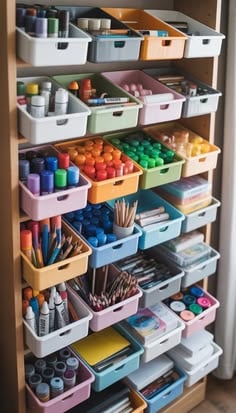
If your child loves coloring, painting, drawing, or crafting, an open shelf dedicated to art supplies can make a huge difference. Instead of searching through drawers every time they want a crayon or marker, they can easily see everything they need.
Use clear containers, small baskets, or labeled bins to organize crayons, colored pencils, markers, paintbrushes, stickers, and paper. Place the most frequently used supplies on lower shelves so children can reach them independently.
Additionally, an organized art shelf encourages creativity because children can quickly start a project whenever inspiration strikes. The easier supplies are to access, the more likely they are to use them.
The shelf becomes both practical storage and a colorful display that adds personality to the room.
6. Organize Toys by Category
One of the easiest ways to make open shelves look neat is by grouping similar items together. Instead of placing random toys everywhere, organize them by category.
For example, one shelf can hold toy cars, another can hold dolls, another can hold building blocks, and another can hold puzzles. This simple system helps children know exactly where everything belongs.
Additionally, categorized storage makes cleanup much faster. Children spend less time searching for toys and more time enjoying them.
If you want even more organizing ideas, explore 33 Creative Toy Room Ideas That Stay Organized.
The shelves instantly look cleaner, and the room feels much more organized.
7. Add Decorative Storage Boxes
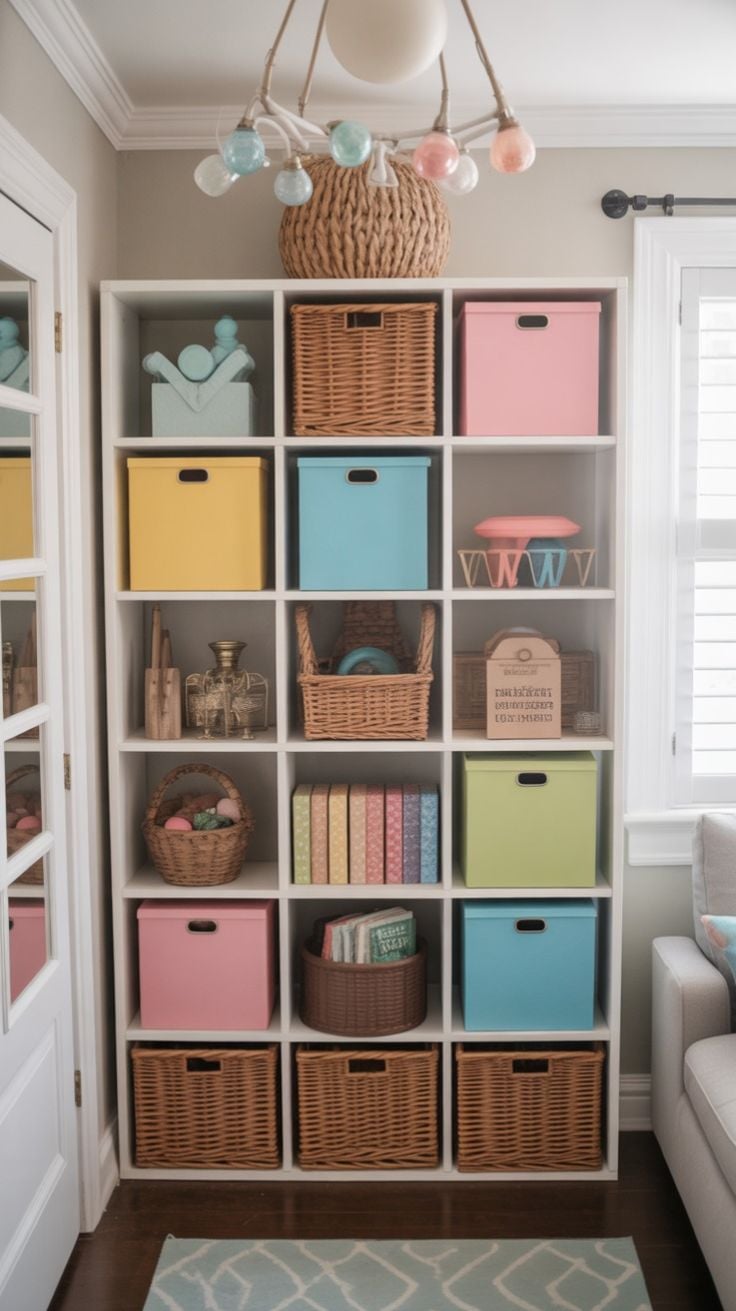
Open shelving works best when you combine visible displays with hidden storage. Decorative boxes allow you to store small items while keeping the shelves looking neat and attractive.
Choose boxes that match the room’s colors and style. You can store small toys, craft supplies, keepsakes, or seasonal items inside them.
Additionally, decorative boxes help reduce visual clutter without sacrificing accessibility. Everything stays organized while the room maintains a polished appearance.
The shelves feel stylish, balanced, and easy to maintain.
8. Create a Toy Rotation Shelf
Children often have more toys than they can realistically play with at one time. A toy rotation shelf helps solve this problem.
Display only a small selection of toys on the shelves and store the rest elsewhere. Every few weeks, rotate different toys onto the shelves. Suddenly, old toys feel new and exciting again.
Additionally, toy rotation helps reduce overwhelm. Children can focus on a smaller number of toys and often engage in more creative play.
For more inspiration, check out 21 Toy Rotation Ideas That Keep Kids Interested Longer.
This simple strategy keeps shelves organized while helping toys stay interesting.
9. Display Collectibles and Treasures
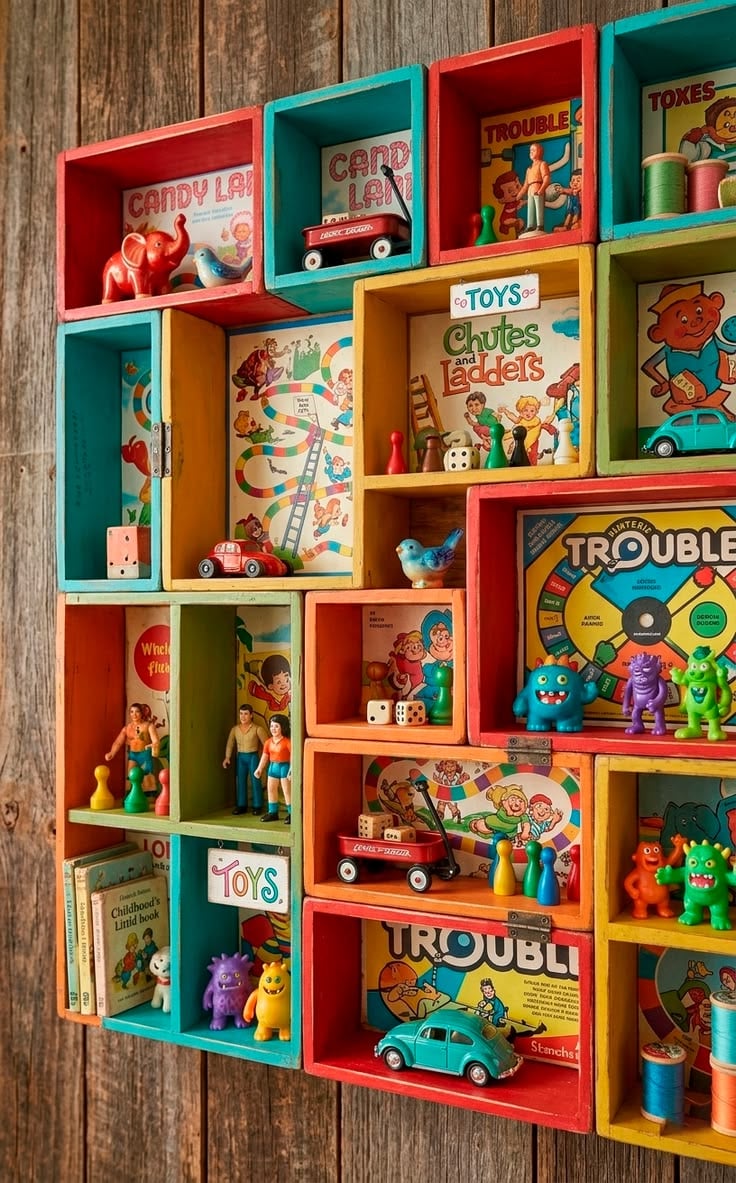
Many children love collecting small treasures such as rocks, shells, action figures, toy animals, or souvenirs. Open shelves provide a perfect place to showcase these special items.
Arrange collections neatly in small groups instead of scattering them throughout the room. You can even use trays or containers to create a more organized display.
Additionally, displaying collections helps children take pride in their interests while keeping treasured items safe and easy to find.
The shelves become a reflection of your child’s personality and hobbies.
10. Use Shelves in a Playroom
Open shelving works wonderfully in playrooms because it keeps everything visible and accessible.
Store games, books, toys, puzzles, and craft supplies on different shelves. Use labels to help children identify where items belong. Keeping everything visible encourages independence and makes cleanup easier.
Additionally, organized playrooms often feel larger because clutter stays contained.
For even more inspiration, visit 23 Modern Playroom Ideas That Keep Things Organized.
The room feels functional, welcoming, and much easier to manage.
11. Add Floating Shelves Above a Bed
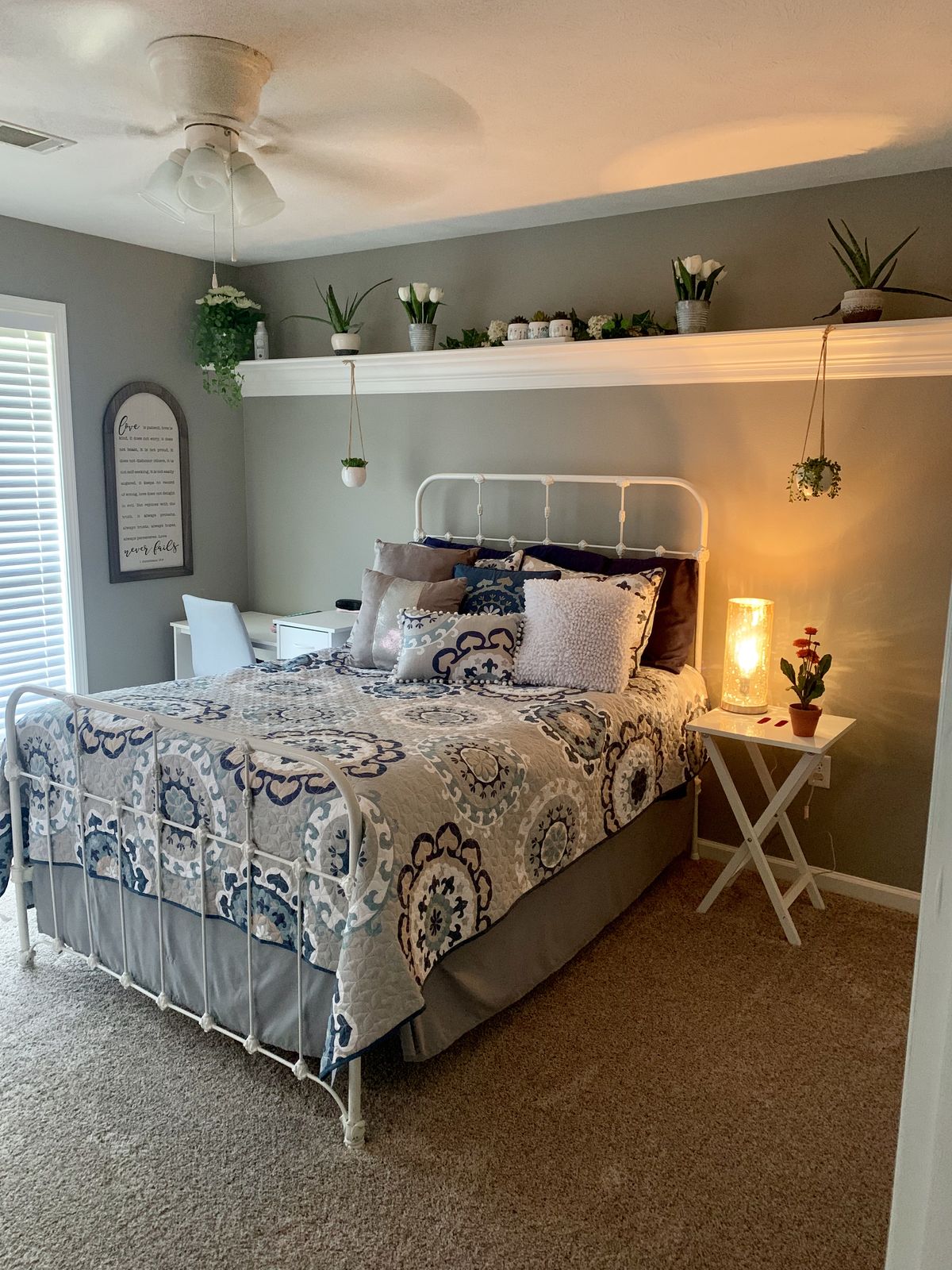
Floating shelves can provide extra storage without taking up valuable floor space. Install them above the bed to display books, framed artwork, small plants, or favorite decorative pieces.
However, make sure the shelves are installed securely and avoid placing heavy items directly above where a child sleeps.
Additionally, floating shelves help draw the eye upward, making the room feel larger and more open.
The finished look feels modern, clean, and thoughtfully designed.
12. Create a Homework Supply Shelf
School supplies can quickly become messy if they do not have a dedicated home. An open shelf near a desk creates the perfect place to organize everything children need for homework.
Store notebooks, pencils, markers, rulers, calculators, and other supplies in labeled containers. This helps children find what they need without wasting time.
Additionally, organized supplies encourage better study habits because everything remains within easy reach.
For more learning-space inspiration, explore 21 Homework Station Ideas for Kids That Boost Focus.
The homework area feels organized, productive, and ready for learning.
13. Style Shelves with Books and Decor
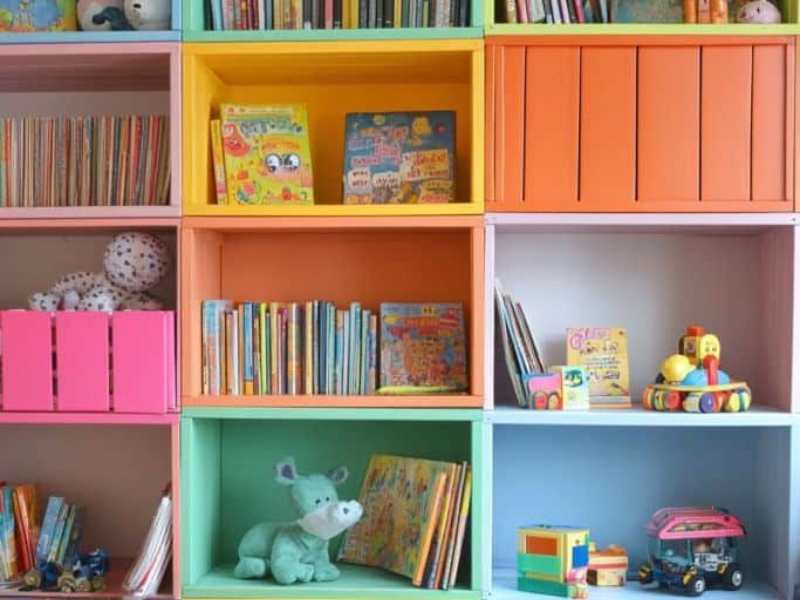
Not every shelf needs to be completely filled with storage bins. Mixing practical items with decorative pieces creates a more balanced and attractive display.
Try combining books, framed photos, small plants, stuffed animals, and decorative objects on the same shelf. Leave some open space between items so the shelves do not feel crowded.
Additionally, styling shelves this way helps the room feel more personalized and thoughtfully designed.
The finished display feels both functional and beautiful.
14. Build Shelving Around a Desk
If your child has a study area, adding shelves around the desk can maximize storage while keeping everything close by.
Store school supplies, books, and project materials on nearby shelves so children can easily access them during homework time.
Additionally, this setup creates a dedicated learning zone that encourages focus and organization.
For more workspace inspiration, take a look at 29 Smart Kids Desk Ideas for Homework and Creativity.
The area becomes practical, organized, and perfect for both homework and creative projects.
15. Use Corner Shelves to Maximize Space
Corners often become wasted space in children’s bedrooms. However, corner shelves can turn those empty areas into valuable storage and display zones.
Install floating corner shelves and use them to store books, small toys, framed photos, or decorative items. Because the shelves fit neatly into the corner, they provide storage without making the room feel crowded.
Additionally, corner shelves help you use every inch of the room wisely. This is especially helpful in smaller bedrooms where storage space is limited.
If you are looking for more ways to make the most of overlooked spaces, explore 31 Cute Bedroom Corner Ideas for Kids That Maximize Every Space.
The room feels more functional while still looking neat and stylish.
16. Create a Nursery Open Shelf Display
Open shelves are not only useful in older children’s rooms. They can also work beautifully in nurseries.
Use shelves to display baby books, soft toys, keepsakes, and decorative pieces. Place frequently used items such as diapers, wipes, and blankets on lower shelves for easy access.
Additionally, open shelves make it easier for parents to quickly grab what they need during busy days and sleepless nights.
The nursery feels organized, welcoming, and beautifully decorated.
17. Mix Open Shelves with Closed Storage
One of the smartest ways to use open shelving is by combining it with closed storage solutions.
Display attractive items such as books, toys, and decorations on the open shelves while storing clutter-prone items inside cabinets, drawers, or baskets. This balance helps the room feel organized without looking messy.
Additionally, children often find it easier to maintain a room when there is a mix of visible and hidden storage.
The result feels practical, clean, and easy to manage.
18. Create a Seasonal Display Shelf
Children often enjoy celebrating different seasons and holidays throughout the year. A dedicated seasonal shelf allows you to update the room without completely redecorating.
Display themed books, decorations, crafts, and small seasonal items that reflect the current time of year. During autumn, you might display pumpkins and fall books. During winter, you can switch to snow-themed decor and holiday stories.
Additionally, changing the shelf throughout the year keeps the room feeling fresh and exciting.
The shelf becomes a fun focal point that children look forward to updating.
19. Design a Shelf That Grows with Your Child
The best storage solutions continue working as children grow. Instead of creating shelves that only fit one stage of childhood, choose designs that can adapt over time.
Today the shelves may hold stuffed animals and picture books. A few years later they may display chapter books, trophies, school supplies, and favorite collections. As children become teenagers, the same shelves can hold decor, photos, and personal keepsakes.
Additionally, investing in flexible shelving saves money because you do not need to completely replace the storage system every few years.
The shelves continue serving a purpose through every stage of childhood and beyond.
Final Thoughts
These open shelf ideas for kids rooms prove that storage can be both practical and beautiful. Many parents think organization means hiding everything away in cabinets and closets. However, open shelving shows that everyday items can become part of the room’s decor when they are displayed thoughtfully.
One of the biggest benefits of open shelves is accessibility. Children can easily see their books, toys, art supplies, and favorite treasures. This visibility helps them become more independent because they can find what they need without constantly asking for help. It also makes cleanup easier because every item has a clear home.
Open shelves can also encourage good habits. When books are displayed neatly, children often feel more excited about reading. When art supplies stay organized, creative projects become easier to start. When toys have designated places, children learn valuable organizational skills that will help them throughout life.
Another reason to love open shelving is its flexibility. You can use shelves for storage, decoration, learning materials, keepsakes, collections, and seasonal displays. As your child grows, the shelves can change with them. What starts as a place for stuffed animals can later become a display for books, awards, hobbies, and personal treasures.