Run out of ideas at your sleepover? These things to do at a sleepover when you’re bored bring fresh challenges, creative activities and fun ways to spend time with friends.
Boredom isn’t always a bad thing. The University of Arkansas explains that having some unstructured time can give children room to think creatively and come up with their own ideas.
That can be useful during a sleepover, too. When the usual games lose their appeal and nobody can agree on what to do next, a little creativity can save the evening.
These things to do at a sleepover when you’re bored include fun challenges, handmade projects and activities that give friends something new to laugh about, without needing to spend much money.
Keep everyone involved with 21 Sleepover Games for Teens That Everyone Will Want to Play, featuring games that give the group something fun to do together.
When Nobody Can Agree on What to Do

Sometimes, the problem isn’t a lack of things to do; it’s that everyone wants to do something different.
One friend wants music, another wants a game, and someone else would rather sit and chat. Instead of spending the evening arguing over suggestions, try an activity that lets everyone contribute.
Keep the rules simple, take turns and let anyone pass when they don’t feel like joining in.
UNICEF’s guidance on group activities for adolescents also stresses giving everyone a fair chance to participate and respecting those who prefer not to take part.
Make the room feel ready for a sleepover with these 23 Sleepover Decorations Ideas for a Fun and Cozy Night.
Things to Do at a Sleepover When You’re Bored
1. Play the Mystery Playlist Challenge

What you’ll need: A phone or another music player, paper and a way to play songs.
Music can give friends something to share even when their tastes are different.
Research involving young people in Kenya, the Philippines, New Zealand and Germany found an association between listening to music with peers and stronger peer connections. That doesn’t mean every playlist will bring a group closer, but it makes sharing music a worthwhile activity to try.
Here’s how to play:
- Ask each person to choose one or two songs and send them privately to whoever is managing the playlist.
- Play a short section of each song without announcing who chose it.
- Let everyone guess the song title, artist or person who submitted it.
- Award one point for each correct answer, or skip scoring and let the group discuss the songs instead.
Make it more interesting: Give each round a theme, such as a song that reminds you of childhood, one you know every word to, or a song you would choose for a road trip.
These themes give people a reason to explain their choices and may introduce friends to music they haven’t heard before.
Don’t insist that everyone reveal a personal story behind their song. A friend may prefer to share a favourite tune without explaining why it matters to them.
Also, agree on suitable songs before starting, especially when younger children are attending.
When the group wants to stay up a little later, these 29 Late-Night Sleepover Ideas For Teens offer more ways to enjoy the evening.
2. Run a Personalised Quiz About Your Friend Group

What you’ll need: Paper, pens and a list of questions.
Ordinary trivia quizzes test what people know about general subjects. This version tests how well friends remember shared experiences, familiar habits and funny moments. It works particularly well for a group that already knows one another.
Start by asking everyone to write two or three questions. For example:
- Which snack do we usually finish first when we hang out?
- What funny phrase does our group say all the time?
- Which film or television show have we discussed the most?
- What was the first activity we did together as a group?
- Which outing or shared moment gave us the biggest laugh?
Collect the questions, remove the names of the people who wrote them, and read them aloud. Everyone writes an answer before the group reveals the correct one. If a question has several reasonable answers, let the person who wrote it explain what they had in mind.
The important part: Keep the questions about shared experiences, not someone’s appearance, family problems, crushes, grades or private conversations.
A quiz should help friends remember enjoyable moments, not reveal information someone trusted the group to keep private. If a question makes a friend uncomfortable, skip it and move on.
Planning a night for a 14-year-old girl and her friends? These 29 Sleepover Ideas for 14 Years Old Girls can help you choose activities that suit their age.
3. Create a Ranking Debate
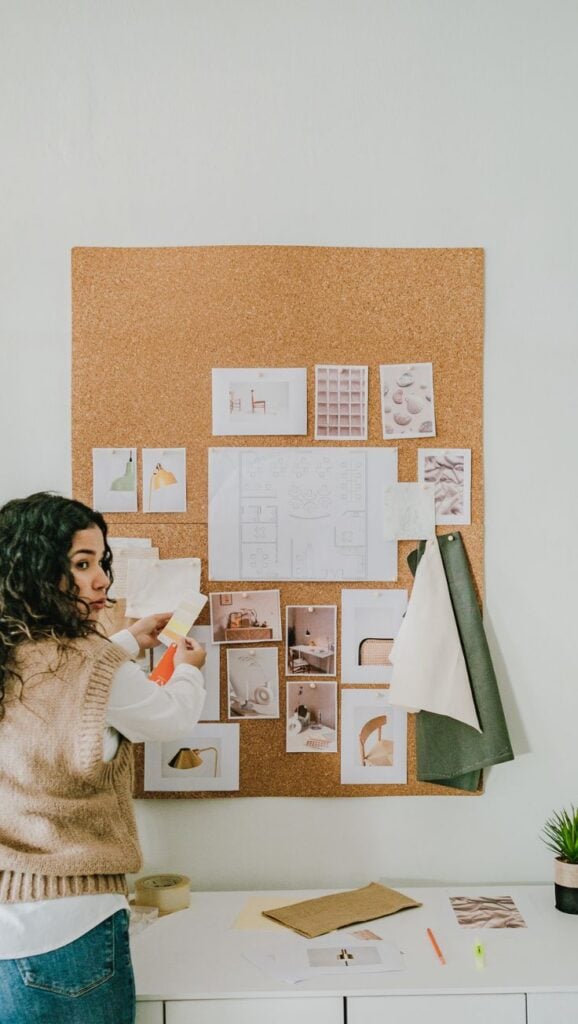
What you’ll need: Paper and pens, or simply your voices.
Pick a topic that everyone can have an opinion about, such as ice-cream flavours, fictional characters, school subjects, animated films or the best snacks for a movie night. Each person ranks their top five choices, from first to fifth, and explains their reasoning.
For example, one friend might put chocolate ice cream first because it goes well with other flavours, while another chooses vanilla because it pairs with more desserts.
Neither answer has to be objectively correct. The fun comes from hearing how people reach different conclusions.
To keep the discussion moving, use these rules:
- Give everyone a minute to make their list.
- Take turns explaining the first choice before discussing the remaining rankings.
- Let others ask questions, but don’t allow anyone to mock another person’s answer.
- Finish by creating a group ranking based on everyone’s choices, if the group wants one.
Try a harder round: Rank five fictional characters by who would be the best person to have on a camping trip, or five household items by which would be most useful during a power cut.
These questions require a little more thought than simply choosing a favourite colour.
You don’t need a winner for every debate. Sometimes the funniest part is discovering that your closest friend has a completely different opinion from yours.
Bad weather or limited space does not have to spoil the fun; these 31 Indoor Sleepover Ideas for Teens offer ways to keep the group entertained inside.
4. Try a Household Scavenger Hunt
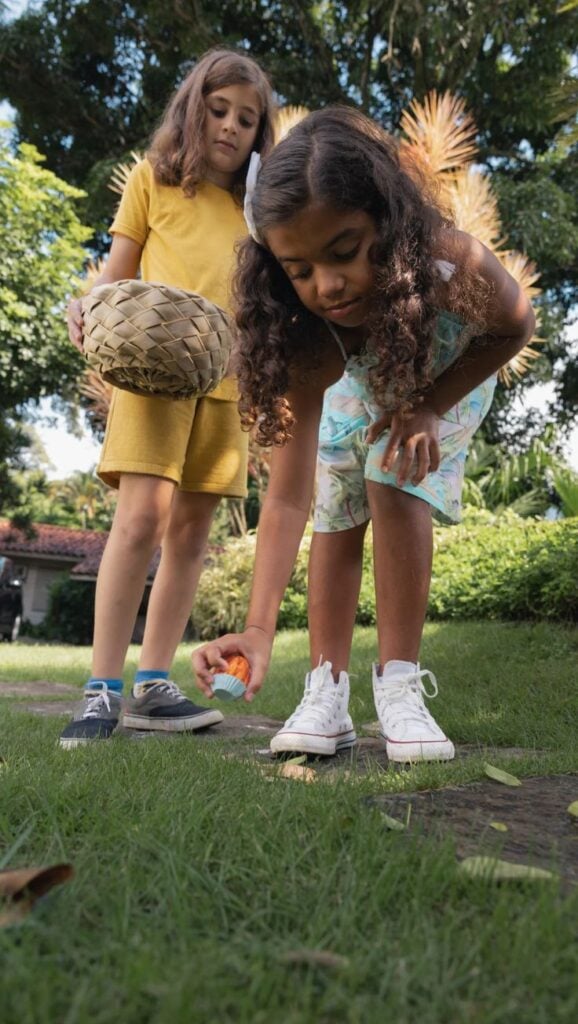
What you’ll need: A written list of clues, paper and pens. A phone camera is optional.
A scavenger hunt gives everyone a clear goal when nobody can settle on another activity. Instead of hiding purchased objects around the house, use clues that encourage people to notice things they might normally overlook.
Try a list like this:
- Find something in the room that has been in the family for years.
- Find an object with an unusual pattern.
- Find something that reminds you of childhood.
- Find an item that is useful but rarely noticed.
- Find something that matches three colours chosen by the group.
- Find an object that would make a funny subject for a photograph.
Set a time limit of 10 to 15 minutes. When everyone returns, ask each person to show their finds and explain one interesting choice. The aim isn’t only to collect objects; it’s also to hear the stories or observations behind them.
Keep the hunt safe: Agree on which rooms are allowed before starting. Nobody should enter private bedrooms, open cupboards containing medicines or cleaning products, climb furniture, or run through the house to win.
If the home has stairs or areas that are off-limits, leave them out of the game. For a quieter version, ask everyone to find objects in the room where the group is already gathered and bring nothing back, just describe or photograph each item.
This version is especially useful when the group wants to move around a little without turning the house upside down.
For a girls’ night with a creative, relaxed feel, try these 21 Creative Sleepover Ideas For Girl’s Night In.
When You Want to Make Something Together
Making something with friends gives everyone a shared goal, and the result can last beyond the night itself.
These things to do at a sleepover when you’re bored are especially useful when the group has run out of games but still wants to do something together. You can use materials already at home, divide the work between friends and let each person add their own ideas.
5. Design a Mini Magazine About Your Night

What you’ll need: Paper, pencils, coloured pens, scissors and glue if available.
Turn the evening into a small magazine that records the funniest moments, favourite snacks, music choices and activities from the night. This is more than filling pages with random drawings; it gives everyone a chance to contribute something different.
Fold several sheets of paper in half and place one inside another to make a simple booklet. Use the front page for a title, such as Our Sleepover Special. Then divide the inside pages into sections:
- The Highlights: Write short descriptions of the funniest or most memorable moments.
- Snack Reviews: Rate the snacks everyone tried and explain which ones they would choose again.
- Friend of the Night: Let each person nominate someone for a light-hearted award, such as best storyteller or funniest comment.
- Illustrated Moments: Draw a scene from the evening or add captions to pictures everyone has agreed to include.
Give each friend a page or section to manage. Someone who doesn’t enjoy writing can draw, design the cover or choose the headings. Before adding names or photographs, make sure everyone featured is comfortable with them being included.
Why try it? When you’re searching for things to do at a sleepover when you’re bored, a mini magazine offers both an activity for the present and a keepsake for later. You can even finish it the next morning by adding a short review of the night.
Teens who want a sleepover that suits their age can find inspiration in these 25 Cute Sleepover Ideas for 15 Year Olds That Are Actually Fun.
6. Make Friendship Charms or Bracelets
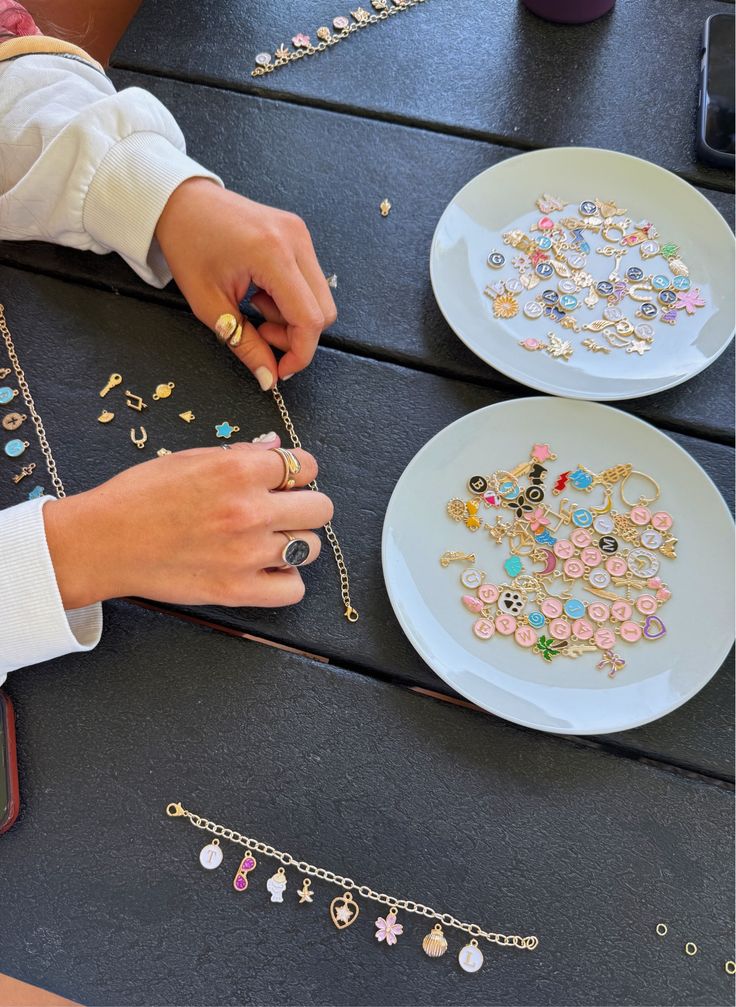
What you’ll need: Embroidery thread, age-appropriate beads, yarn or other suitable craft materials, plus scissors used with care.
Friendship bracelets don’t have to look identical to be meaningful. Each person can choose colours that represent a favourite memory, a shared interest or simply a combination they like. The aim is to enjoy making something together, not to test anyone’s crafting skills.
For a simple thread bracelet, cut three strands of embroidery thread to a comfortable working length, leaving extra at the end for tying.
Knot the strands together, secure the knot to a table with removable tape, and practise crossing the outer strands over the middle strands in a repeating pattern. Keep the tension even so the bracelet lies neatly. Tie it off when it reaches the desired length.
If braiding feels too difficult, make a simple charm from a few large, age-appropriate beads threaded onto suitable cord. Choose materials that fit the participants’ ages, and keep small beads and other choking hazards away from young children.
Make the activity personal: Before starting, ask each person to choose a colour or pattern and explain their choice if they wish. You could also make a bracelet for a friend who couldn’t attend, provided you know what they would like.
These things to do at a sleepover when you’re bored work well because everyone can make something at their own pace. No one needs to finish first, and the bracelets don’t need to match.
Keep the spending under control with these 23 Cheap Sleepover Ideas for Teens on a Budget, which offer fun options without requiring a big budget.
7. Invent a New Board Game
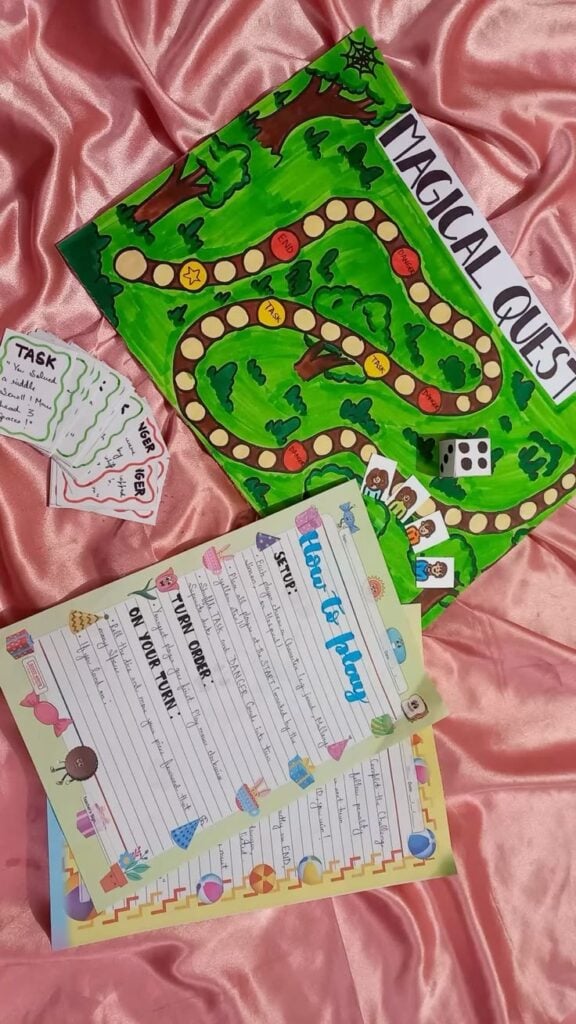
What you’ll need: Paper or cardboard, pencils, a die and small counters.
Instead of playing a board game someone else has designed, create one based on your group’s interests. It might be a race to reach the finish, a quiz about films, or a game in which players collect points by completing simple challenges.
Start by drawing a path with about 20 spaces. Mark a few spaces with instructions such as move forward two spaces, miss a turn or answer a fun question. Use coins or other suitable small objects as counters, and a die to determine how far each player moves.
Before playing, agree on three basic rules:
- How to win: Decide whether the winner reaches the finish first, collects the most points or completes a particular task.
- What players do on special spaces: Keep the instructions short enough for everyone to remember.
- How turns work: Decide who starts and what happens when a player lands on the same space as someone else.
Play a test round rather than spending the whole evening trying to design a perfect game. You may discover that some spaces are too powerful, the game ends too quickly or one rule makes it unfair. Change those parts and try again.
Here’s a useful twist: Give everyone five minutes to suggest one rule, then vote on which ideas to include.
This keeps one person from controlling the entire game and teaches the group to test ideas instead of assuming the first version will work.
Among the things to do at a sleepover when you’re bored, this one is ideal for friends who enjoy puzzles, strategy or making up their own rules. Keep the first version simple; a playable game is more fun than a complicated one that never gets finished.
Turn an overnight gathering into a birthday celebration with these 21 Sleepover Ideas for a Birthday Party.
8. Create a Stop-Motion Short Film
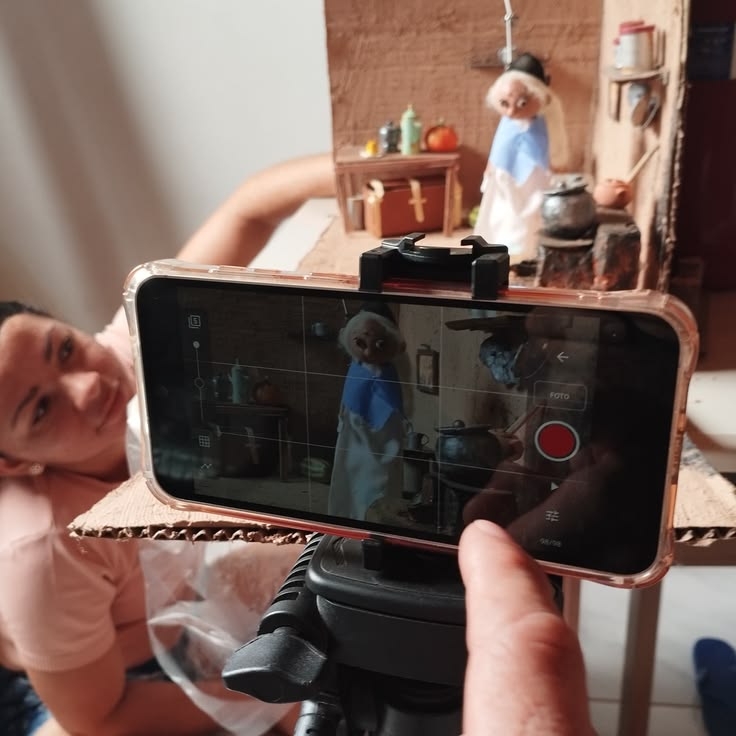
What you’ll need: A phone or tablet with a camera, toys or paper figures, and a stable surface for the device.
Stop-motion animation creates the illusion of movement by showing a series of photographs in which an object changes position slightly from one frame to the next.
When the images are played in sequence, the object appears to move. You don’t need professional equipment to try the basic technique.
Choose a simple story first. A toy might search for a missing snack, two paper characters might meet for the first time, or a pencil might appear to walk across a desk. Keep the story short so the group can finish filming before everyone loses interest.
Here’s how to make your first clip:
- Set the scene. Arrange the toys or paper figures on a table, using books or other stable objects as a background if needed.
- Keep the camera still. Prop the phone or tablet securely against a stable support. Moving the camera between photographs can make the finished film look shaky.
- Take the first photograph. Make sure the objects are positioned where the action should begin.
- Move the objects slightly. Take another photograph, then repeat the process. Smaller movements usually make the animation look smoother.
- Combine the photographs. Use a stop-motion app or suitable video-editing tool to arrange the frames and adjust playback speed. Add sound or dialogue if you have time.
Share the jobs between friends: one person can move the figures, another can take the photographs, and someone else can plan the story or dialogue. Rotate the roles if you make another scene.
A tip for a better result: Use consistent lighting and avoid touching the camera once filming begins. A short clip of a few seconds is a sensible first goal because even a brief animation can require many photographs.
This is one of the more creative things to do at a sleepover when you’re bored, especially for friends who enjoy storytelling, photography or making videos.
Before sharing the finished film online, get permission from anyone whose face, voice or personal information appears in it.
Choose a theme to tie the decorations and activities together with these 25 Cute Sleepover Party Themes for Teen Girls.
When the Group Wants a Challenge
Sometimes, the group needs more than another conversation to get everyone interested again. A friendly challenge gives you something to work towards, a reason to think creatively and a chance to laugh at the results.
These things to do at a sleepover when you’re bored use simple household materials, so you can get started without buying special equipment.
9. Build the Tallest Freestanding Paper Tower
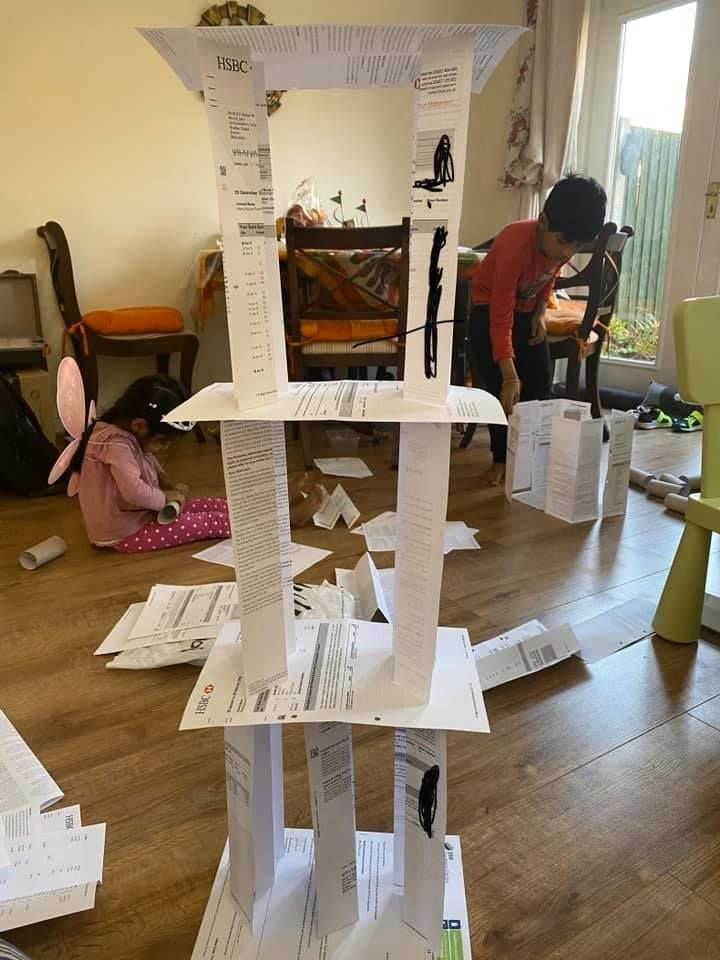
What you’ll need: Equal sheets of paper for each person or team, a timer and a ruler or measuring tape.
Can you build a tower that stands on its own using nothing but paper? This challenge sounds simple, but the difficulty is making the structure tall without letting it bend or fall over.
Give each person or team the same number of sheets and about 10 minutes to build. The tower must stand without anyone holding it, leaning it against a wall or attaching it to furniture. When time is up, step back and see which structures remain upright.
Here’s how to make the challenge more interesting:
- Try rolling sheets into tubes and arranging them as supports.
- Fold paper into ridges or triangular shapes to make parts of the structure stiffer.
- Spread the base out to help prevent the tower from tipping.
- Measure the height only after the tower has stood unsupported for a set time, such as 10 seconds.
Paper can bend easily, but changing its shape can make it more resistant to bending.
A flat sheet and a rolled or folded sheet may behave very differently under the same load. This is why the challenge is about more than building quickly.
After the first round, ask everyone which design stayed upright and why. Let each team change one feature and build again. Comparing the two attempts helps you see whether the change made a difference.
For a coordinated setup with a stylish look, browse these 20 Aesthetic Sleepover Ideas for the Ultimate Girl’s Night.
10. Try a Mystery Object Drawing Challenge
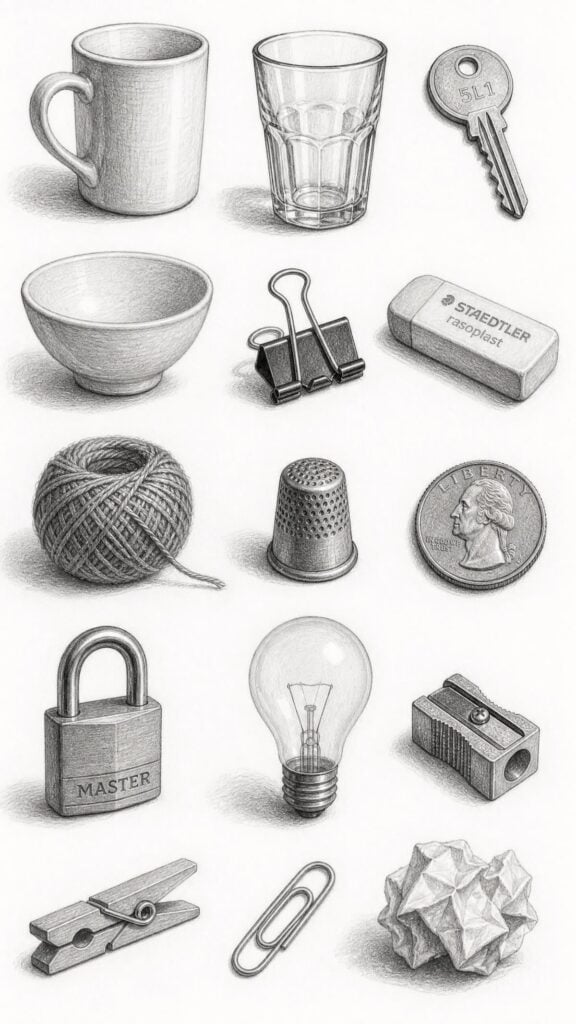
What you’ll need: An opaque bag, several familiar objects, paper and pencils.
This activity tests how well you can describe an object using touch alone. It also shows how much information you can gather from details such as shape, texture, weight and edges without seeing the item.
Choose safe, familiar objects such as a large spoon, a soft toy, a clean sponge or a plastic cup. Place one inside the bag without letting the artist see it. The player reaches in, feels the object and describes what they notice while drawing their best guess.
For example, someone might say, “It feels smooth, has a long narrow part and a rounded end.” Another player can turn those clues into a drawing before guessing what the object might be.
Use these rules to keep it fair:
- The person drawing must not look inside the bag.
- The person holding the object can describe its texture and shape but must not name it.
- Everyone else should keep their guesses to themselves until the drawing is finished.
- Reveal the object and compare the drawing with the real thing.
Award a point for a correct guess if you want to keep score, but don’t make artistic ability the deciding factor. The aim is to interpret clues, not produce a perfect picture.
Avoid sharp, hot, fragile or dirty objects, and don’t use anything that could cause an allergic reaction. If a participant doesn’t want to put a hand inside the bag, let them describe an object using clues provided by someone else.
A 13-year-old’s sleepover can include games, snacks, and plenty of time to talk. These 27 Sleepover Ideas for 13 Olds offer ideas to get started.
11. Compete in a Paper-Airplane Design Test
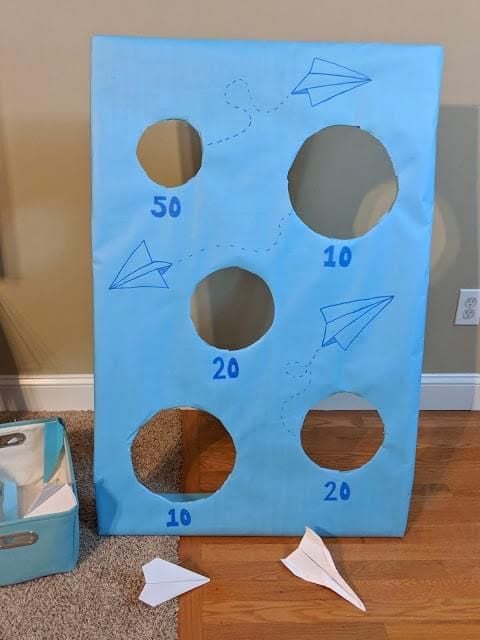
What you’ll need: Identical sheets of paper, a tape measure and a clear area where you can safely throw the planes.
Making paper airplanes is familiar to many people, but testing different designs turns it into a small experiment. Instead of throwing randomly and declaring a winner, compare how each design performs under similar conditions.
Start by making a basic paper airplane. Then try a different design with narrower wings, wider wings or a changed nose shape. Give each plane a name so you can keep track of the results.
Choose one type of test:
- Distance test: Measure how far each plane travels from the same starting line.
- Accuracy test: Set a target on the floor and see which plane lands closest to it.
- Consistency test: Throw each design three times and compare the results rather than relying on one lucky flight.
Use the same type of paper, starting position and throwing method as far as possible. If you change the wing shape and the throwing technique at the same time, you won’t know which change affected the flight. Changing one feature at a time makes the comparison more useful.
What can you learn? A plane’s shape affects how air moves around it, while its balance and the way it is thrown affect its flight.
There isn’t one design that will always travel the farthest in every situation, so testing different versions is more useful than assuming a particular fold must win.
Choose a clear area away from faces, breakable objects and people walking through the space. Throw in one direction and collect the planes before starting another round.
Hosting a girls’ sleepover at home? These 23 Fun Sleepover Ideas for Girls at Home can help fill the evening with activities everyone can enjoy.
12. Create a One-Minute Advertisement

What you’ll need: An ordinary household object and a timer.
Choose an object that doesn’t seem particularly exciting, such as a spoon, cushion, hairbrush or empty cardboard box. The challenge is to sell it as though it were an amazing new invention.
Give each person or pair one minute to prepare a short advertisement. They might invent a dramatic product name, explain a completely unnecessary feature or demonstrate a funny use for the object. For example, a cushion could be advertised as the ultimate throne for someone who takes relaxing very seriously.
A simple advert usually needs three things:
- A product name: Give the ordinary object an amusing new identity.
- A problem it solves: Invent a harmless, everyday problem the product supposedly fixes.
- A reason to buy it: Explain why this object is so wonderful, using humour rather than a long speech.
The presentation can be a short sales pitch, a pretend television advert or a demonstration. If someone feels shy about performing alone, they can work with a friend, write the script or help create the product name instead.
At the end, let the group vote on different awards, such as funniest pitch, most convincing sales talk or most unusual product idea. Allow everyone to vote without mocking anyone’s performance.
This is a useful choice when you’re looking for things to do at a sleepover when you’re bored because it encourages quick thinking and creativity without needing costumes, expensive props or a complicated setup.
Mix group challenges, creative projects, and games with these 30 Fun Sleepover Activities for Teens to Keep Everyone Entertained.
When Talking and Scrolling Have Taken Over
Phones can fill quiet moments, but sometimes everyone wants a reason to put them down without being told to stop using them.
These activities give the group a shared focus while still leaving room for conversation. They are also useful when you want something more relaxed than a timed competition.
13. Make a Shared Bucket List for Your Friendship
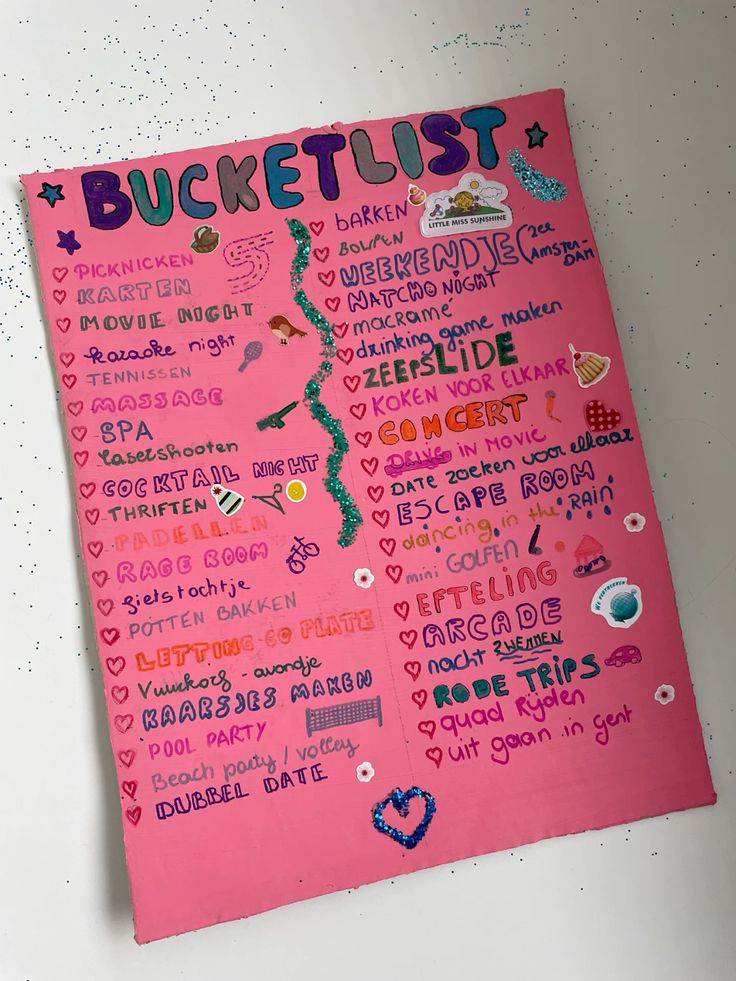
What you’ll need: Paper, pens and a willingness to share ideas.
A friendship bucket list is a collection of things you would like to do together in the future. It doesn’t need to involve expensive holidays or activities that are difficult to arrange. The most useful list includes ideas that suit your interests, budgets and schedules.
Give everyone a few minutes to write down activities they would genuinely enjoy.
Suggestions might include learning to make a new recipe, having a picnic, visiting a local attraction, trying a new craft, organising a themed movie night or taking photographs around a familiar neighbourhood.
Combine everyone’s suggestions into one list, then sort them into three groups:
- Easy to arrange: Activities you could organise at home or with materials you already have.
- Needs some planning: Ideas that require permission, transport, a booking or a small budget.
- For another time: Activities that sound exciting but aren’t practical at the moment.
Choose one realistic idea to work towards. Decide what needs to happen first, who will help organise it and whether an adult’s permission is needed.
The important part is to avoid making promises the group cannot keep. A list of affordable plans is more useful than a collection of expensive ideas that never happen.
It can also help friends with different interests find something they would all enjoy.
For a night planned around boys’ interests, these 25 Sleepover Ideas for Teen Boys They’ll Actually Enjoy offer plenty of possibilities.
14. Play the Memory Detail Test
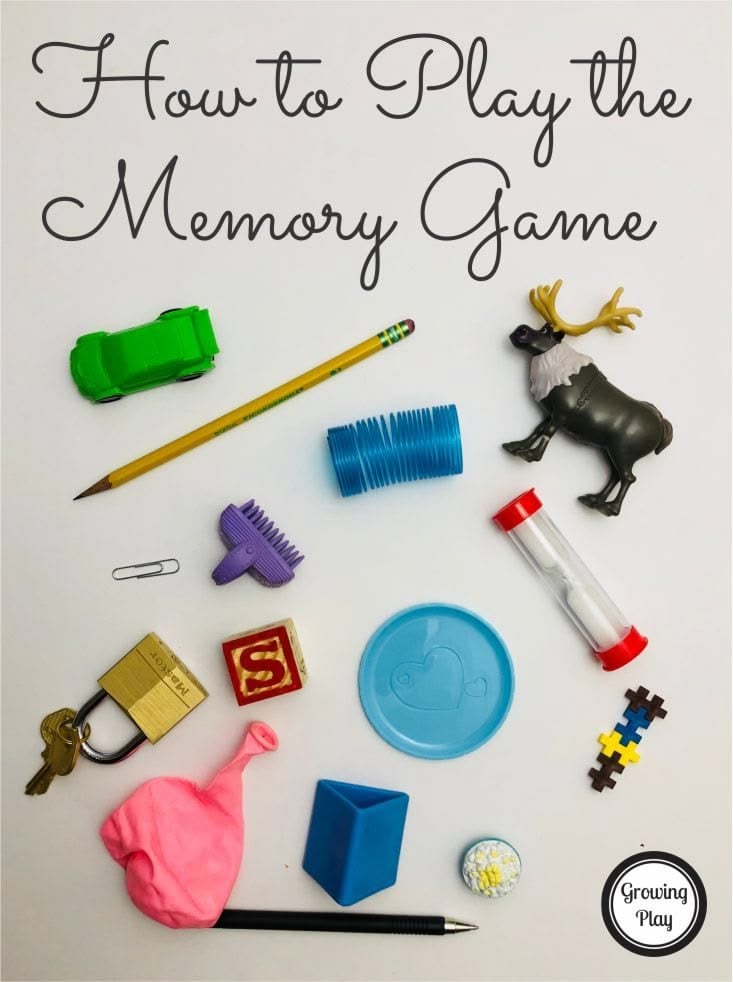
What you’ll need: Paper and pens, or a shared space where everyone can write their answers.
Pick a familiar place or an event that everyone in the group has experienced, such as a birthday party, a classroom or a previous outing. One person describes the scene without showing a photograph. The others write down as many details as they can remember.
For example, the person describing a birthday party might mention the colour of the decorations, the food on the table or a song that played. Everyone else records what they remember before comparing answers.
You may discover that one friend remembers the decorations while another remembers who arrived first. People notice different details, so it is normal for memories to vary.
Make it fair: Choose an event most participants attended, give everyone the same amount of time and avoid treating every disagreement as proof that someone has forgotten something. If a detail is uncertain, leave it unresolved rather than insisting that one person’s memory must be correct.
For a second round, swap the person describing the scene. You can also use a familiar room, describing its furniture and layout without allowing anyone to look at it.
This activity gives you something to concentrate on besides your phones and can lead to stories about moments the group hasn’t discussed in a while.
If you need more options for a girls’ gathering, take a look at these 30 Sleepover Ideas for Teen Girls That Aren’t Boring.
15. Exchange Skill Lessons
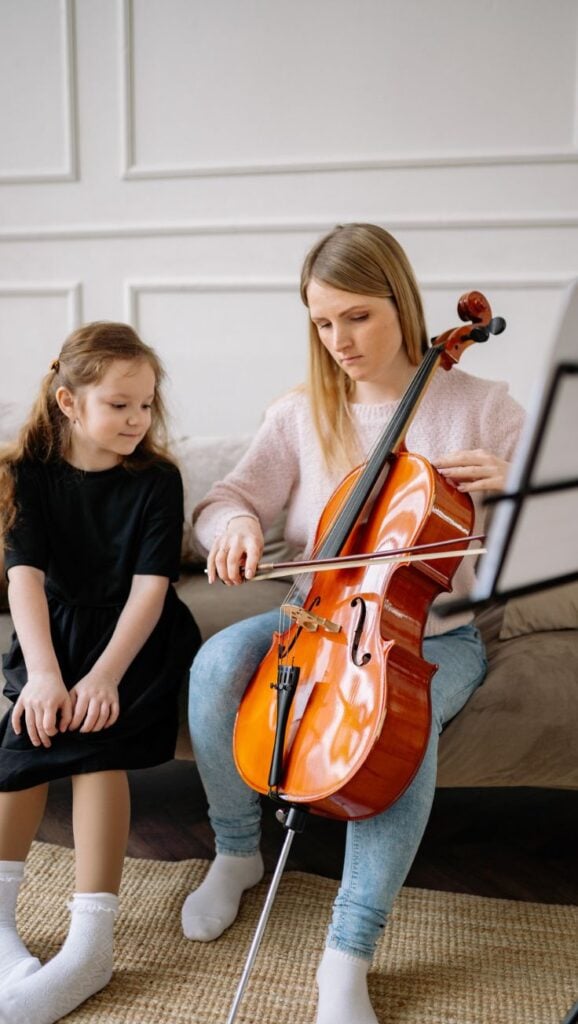
What you’ll need: Whatever simple materials are needed for the skills people choose to teach.
Everyone knows how to do something that another person may not know. It could be folding a paper shape, drawing a simple character, braiding thread, performing a basic card trick or saying a few phrases in another language.
Ask each person to choose one small skill they can teach in about five minutes. The lesson should have a clear result so that everyone can try it without needing a long explanation.
A good mini-lesson follows three steps:
- Show the finished result. Let everyone see what they are trying to learn.
- Demonstrate slowly. Break the skill into a few manageable steps rather than doing everything at once.
- Let everyone practise. Give participants time to try it, ask questions and make adjustments.
For example, someone teaching a simple origami shape can show each fold separately, pause so the group can follow along, and then help anyone who gets stuck.
Someone teaching drawing can demonstrate how to build a character from basic shapes before adding details.
Keep the lessons voluntary. A person who doesn’t want to teach can help prepare materials or learn from someone else. Nobody needs to be an expert, and the goal is sharing something useful rather than judging who learns fastest.
These things to do at a sleepover when you’re bored can be especially enjoyable when friends have different interests, because everyone gets a chance to bring something of their own to the group.
A mix of quiet activities and lively games can suit different personalities. These 31 Fun Sleepover Ideas for Teens They’ll Actually Love provide more ideas for the night.
16. Create a Collaborative Story

What you’ll need: Paper and a pen, or a phone or tablet for typing.
Start a story together, with each person adding a small part. One person writes two opening sentences, and the next person continues the story with another sentence or two. Keep going around the group until you reach an ending.
To make it more interesting, ask the group to choose three words or objects that must appear in the story.
They might be a lost key, a purple umbrella and a mysterious box. The writer must work the chosen items into the story, even if they seem unrelated at first.
For example, a story might begin with someone finding a key under a pillow. The next person decides that the key opens a box in the garden, while another introduces a character who knows what is inside. Each new contribution changes the direction of the plot.
Try a few simple rules:
- Give each person a short turn so the story keeps moving.
- Let everyone contribute, but don’t allow one person to rewrite someone else’s section without permission.
- If the story gets stuck, ask the group to suggest two possible next events and choose one.
- Write down the story as you go so you can read the complete version at the end.
The story can be funny, mysterious or adventurous, depending on what the group prefers. There is no need to make every part perfectly logical; sometimes an unexpected twist is what makes the finished story entertaining.
This activity works well when you want things to do at a sleepover when you’re bored that don’t require special equipment or a lot of movement. All you need is a starting idea and a group willing to build on one another’s contributions.
Give an overnight birthday celebration its own special feel with these 27 Sleepover Birthday Party Ideas for Teens They’ll Love.
When the Night Needs a Quieter Activity
Not every part of a sleepover has to be loud or full of games. As the night goes on, some friends may want to relax, especially when others are still chatting or playing nearby.
These things to do at a sleepover when you’re bored offer a calmer way to spend time together without making anyone feel they have to keep the energy up.
They also work well when the household is settling down and quieter activities are more appropriate.
17. Make a Personalised Bookmark

A handmade bookmark is a small craft that can be useful long after the sleepover ends.
Instead of folding down the corners of book pages or using a random scrap of paper, each person can create a marker that reflects their favourite colours, interests or reading habits. You can make one for yourself or as a gift for a friend.
What you’ll need: Cardstock, coloured pens or pencils, a ruler, scissors and paper decorations. Glue and stickers are optional.
Cut the cardstock into a narrow rectangle, roughly 5 cm wide and 15 cm long. These measurements are a useful starting point, but you can adjust the size to suit the book.
Decorate the front with a pattern, a favourite character, a small drawing or a short quote. Leave some space around the edges so the design doesn’t get lost when the bookmark sits between the pages.
Here are a few ways to make each bookmark different:
- For someone who loves reading: Add a quote from a book they enjoy, making sure the wording is accurate.
- For a friend who likes drawing: Create a small illustration or a repeating pattern.
- For a simple, neat design: Use two or three colours and add the person’s initials.
- For a gift: Write a short, kind message on the back.
If you want the bookmark to last, use reasonably thick cardstock and allow any glue to dry before placing it inside a book. Avoid bulky decorations that could press against the pages.
This is one of the easier things to do at a sleepover when you’re bored because there is no rush to finish. Everyone can work at their own pace, and the finished bookmark has a practical use rather than being another craft that gets put away and forgotten.
For a birthday celebration that does not have to include an overnight stay, these 33 Cool Birthday Party Ideas for Teens They’ll Actually Like offer alternative ways to celebrate.
18. Have a Guided Doodle Session

Doodling means making simple drawings, often without worrying about producing a perfect picture.
It can be a useful way to spend a quiet stretch of the evening because you don’t need formal drawing skills, expensive supplies or a complicated project. The aim is to enjoy putting ideas on paper, not to compare who is the best artist.
What you’ll need: Plain paper, pencils, erasers and coloured pens or pencils if available.
Choose one prompt for everyone to draw. You might ask the group to design an imaginary animal, draw a dream bedroom, invent a city of the future or illustrate a house where every room has a different purpose.
Set a timer for 10 minutes and let everyone draw their own interpretation. For a more guided session, add one detail every few minutes.
For example, anyone drawing an imaginary animal might first sketch its body, then add unusual features, and finally give it a name and a special ability.
You can also try a group doodle. One person draws a simple shape, passes the paper to the next person, and that person turns it into something new. Continue until everyone has added a detail.
Keep it comfortable: Nobody needs to copy another person’s drawing or explain what every mark means. At the end, invite everyone to show their work, but let people keep their drawings private if they prefer.
If someone says they cannot draw, encourage them to use basic shapes, patterns or stick figures. A doodle session isn’t an art examination. It’s simply a way to turn a quiet moment into something creative.
Keep guests from wondering what to do next with these 27 Birthday Party Activities for Teens That Keep Everyone Entertained.
19. Make a Comfort Playlist for Different Moods
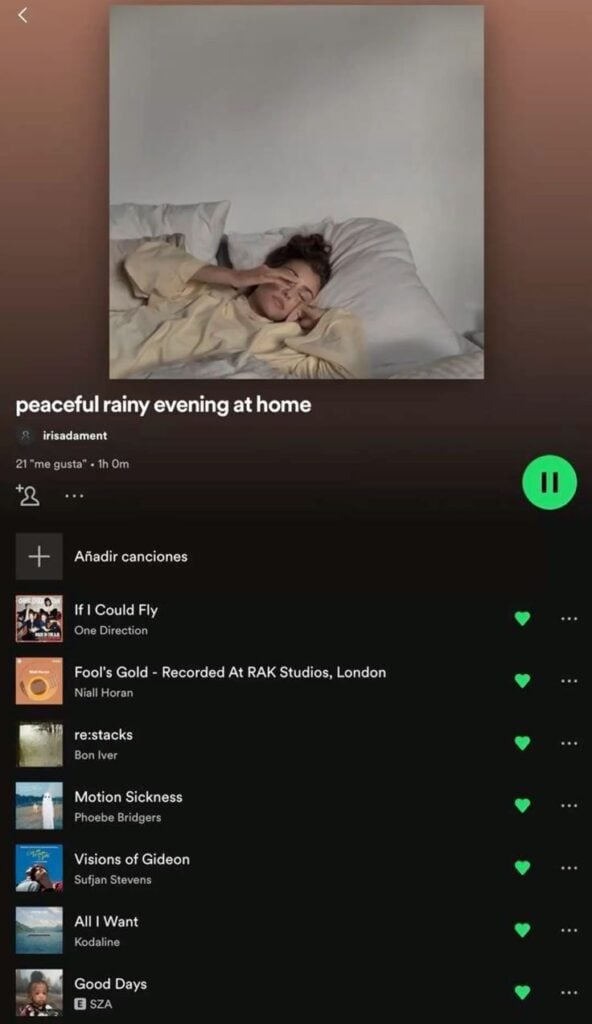
A comfort playlist is a collection of songs chosen for particular moods or moments. Rather than playing random tracks one after another, the group can build a shared playlist for relaxing, cheering up, enjoying a favourite memory or getting ready the next morning.
What you’ll need: A phone, tablet or computer with access to music, plus a way to write down song suggestions if needed.
Start by choosing three themes, such as songs that help me relax, songs that lift my mood and songs that remind me of good times. Each person can contribute one or two songs to each category, depending on the group’s size.
As you add songs, invite people to explain their choices if they feel comfortable. One person might choose a song because it reminds them of a family trip, while another might like its rhythm or lyrics.
Listening to those explanations can help friends learn something new about one another without turning the conversation into a serious discussion.
To make the playlist useful, arrange the songs in an order that suits the activity. Quieter songs may work well when everyone is winding down, while more upbeat choices can be saved for the next morning.
A few things to consider:
- Check that the lyrics and videos are appropriate for the ages of the guests.
- Keep the volume at a level that respects other people in the home.
- Use a music service or playback option that the household permits.
- Don’t pressure anyone to explain a personal connection to a song.
You don’t have to play music continuously. Creating the list and talking about the choices can be the activity itself.
This is a good option when you’re looking for things to do at a sleepover when you’re bored but don’t want another competitive game.
For more ways to combine a birthday celebration with an overnight stay, see these 27 Sleepover Birthday Party Ideas for Teens They’ll Love.
20. Write Notes for Your Future Selves
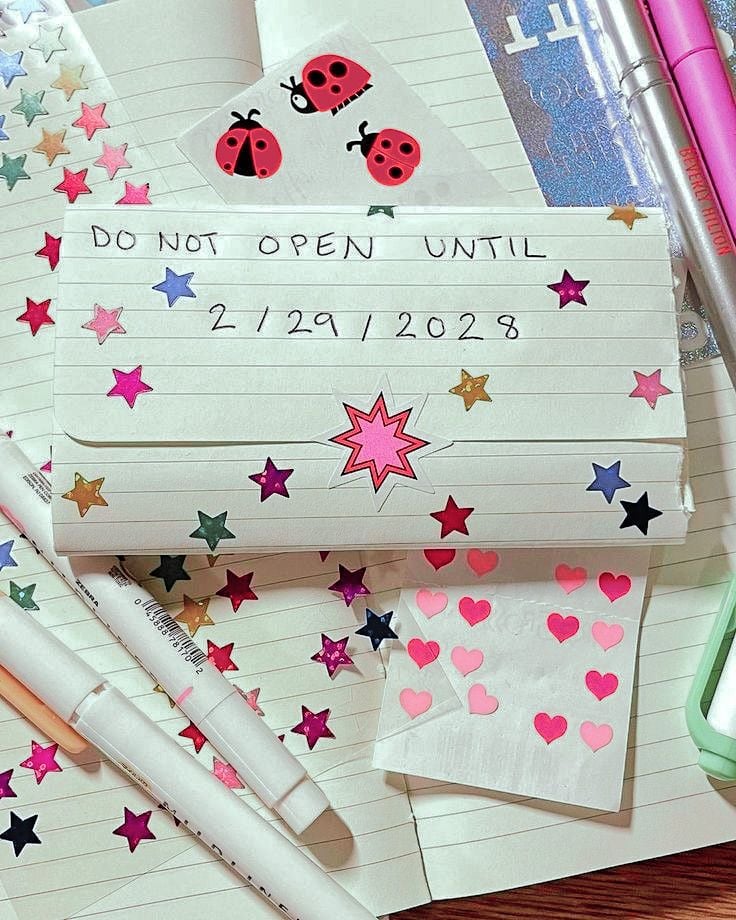
A note to your future self is a short message written now and opened at an agreed time in the future.
It might include something you hope to learn, a goal you’d like to work towards, a new experience you want to try or a reminder of what matters to you at this stage of life.
What you’ll need: Paper, pens and envelopes. A box or folder can hold the sealed notes until the chosen date.
Give everyone five to ten minutes to write a note. If it helps, use prompts such as:
- What’s one skill I’d like to learn in the next few months?
- Is there something new I’d like to try?
- What’s one thing I’m enjoying at the moment?
- What would I like to remind myself of when I read this again?
- What’s one small goal I hope to make progress on?
Keep the message realistic and personal. Someone might write about learning to cook a new meal, finishing a book, practising a drawing skill or spending more time on a hobby. There’s no need to make a major promise or set an ambitious goal.
When everyone is finished, place each note in an envelope, write the opening date on it and agree on a time to read them again. A date three or six months away can give everyone enough time to experience changes without waiting too long.
Remember: Sharing is optional. Some people may want to read their notes aloud, while others may prefer to keep their thoughts private.
Don’t ask anyone to reveal the contents of a letter or make promises about what they must achieve by the opening date.
When you meet again, you can read the notes and reflect on what has changed, what stayed the same and what you would like to work towards next. The point isn’t to judge who achieved the most; it’s to give yourselves a chance to notice your own progress.
Among these things to do at a sleepover when you’re bored, this idea is especially suited to a group that wants to end the night on a thoughtful note without needing to spend money or stay up late.
What If One Friend Doesn’t Want to Join In?
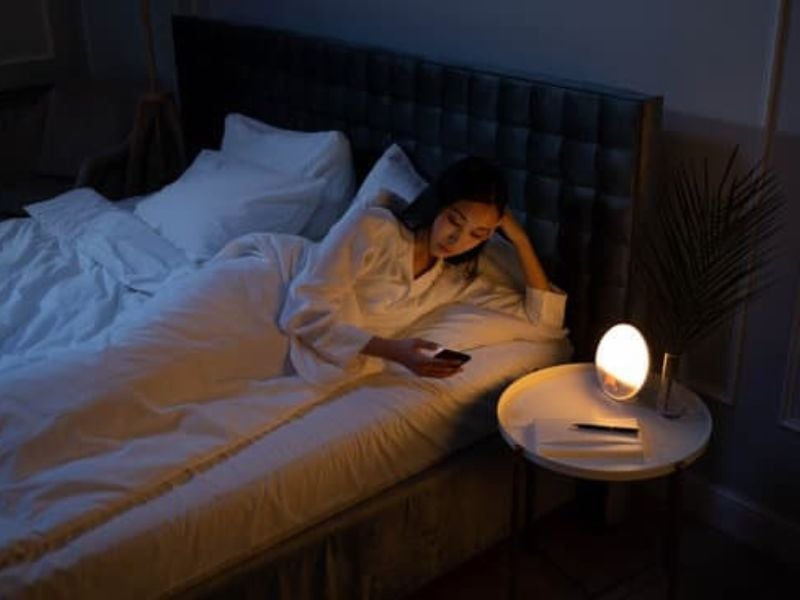
Not everyone will enjoy the same activity, even among close friends. One person might love drawing challenges while another would rather listen to music or sit quietly for a while.
Don’t assume they’re being unfriendly or trying to spoil the fun; they may simply need a different kind of activity or a short break.
Offer a few choices without making anyone feel guilty. A friend can join the game, help choose the questions or keep score, or take some time out and return when they feel ready. For a creative activity, they could help with the design or choose the music instead of doing the main task.
Avoid games that force people to reveal secrets, discuss crushes, share private experiences or perform in front of everyone when they’re uncomfortable. If someone declines, accept their answer and carry on without turning it into a group discussion.
The aim of finding things to do at a sleepover when you’re bored is to help everyone enjoy the evening, not to make every person participate in every activity.
Giving friends room to choose makes it easier for them to relax and join in when something genuinely interests them.
Conclusion
Boredom doesn’t have to end a good night with friends. Sometimes, all it takes is a new challenge, a simple craft or a conversation that leads somewhere unexpected to get everyone interested again.
Keep these things to do at a sleepover when you’re bored in mind for the next time your plans run out. Choose an activity that suits the group, use what you already have at home and let everyone take part in their own way.
Which idea would your friends enjoy most? Pick one to try at your next sleepover, and let the fun begin without spending extra money or putting pressure on anyone to join in.