Teen sleepovers can run out of steam fast. Need fresh sleepover ideas for teen boys that keep the night fun, active and interesting?
By the time boys reach their teens, a sleepover can look very different from the childhood version.
They may want to stay up talking, compete at something, disappear into a game, build or fix something, raid the kitchen, or head outside for a while.
That variety is useful, but it also makes a long list of random activities less helpful. A ten-year-old’s party game can feel childish, while an evening centred entirely around screens can leave half the group watching instead of participating.
These sleepover ideas for teen boys are chosen around that middle ground: activities with enough challenge, freedom and practical interest to suit teenagers, without assuming every boy has the same hobbies.
Some need almost no equipment; others give you a reason to use the backyard, kitchen, workshop supplies or a few well-chosen products.
Girls who want more than the usual movie-and-snacks routine can try 30 Sleepover Ideas for Teen Girls That Aren’t Boring.
1. Build a DIY LAN Gaming Tournament
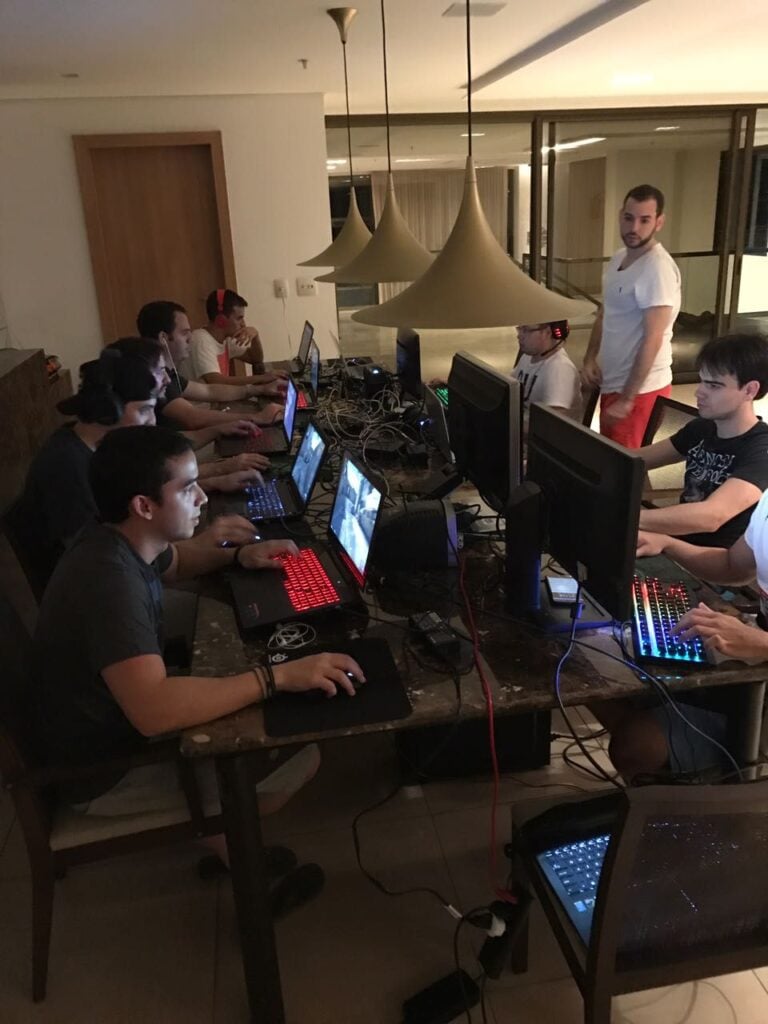
Photo credit: @ Unknown
A gaming session can lose its appeal when two people take over the controllers and everyone else ends up watching. Turn it into a small tournament instead, so there is a reason to keep rotating players and a clear finish to the activity.
Start by choosing a game that supports the number of guests you have. The setup does not have to be a traditional LAN party with several computers; consoles, PCs or a mixture of compatible systems can work, depending on the game and equipment available.
Check the game’s current multiplayer and cross-platform requirements before the sleepover rather than assuming different devices will connect.
Keep individual matches short. A five- or ten-minute round gives players a chance to compete without making everyone wait too long for another turn. For larger groups, use pairs or rotating teams and keep a simple record of wins or points on paper.
A basic scoreboard can be enough:
- Win: 3 points
- Draw: 1 point
- Loss: 0 points
Change the scoring to suit the game rather than making the system more complicated than the tournament itself. If the group is large, consider having a few preliminary rounds followed by a final between the highest-scoring players or teams.
The aim is competition without turning the sleepover into a serious championship. Let players agree on the rules before starting, including whether rematches are allowed and what happens if someone has to leave the game.
Avoid expensive prizes; bragging rights, choosing the next game or getting first pick of the snacks can be enough.
Make the Setup Work for Everyone
Different consoles and PCs may use different controllers, cables, accounts and online services, so test the equipment before guests arrive.
If the group is using more than one platform, check whether the particular game supports cross-platform play; not every multiplayer title does.
It is also worth having spare charging cables or a charging station nearby. Nothing kills a tournament faster than stopping halfway through a round because a controller battery has died.
For a larger group, don’t make every guest wait for the main screen. Set up a second compatible station if you have the equipment, or use a rotation system so the next players know exactly when they are up.
That makes the gaming session feel like one organised activity rather than several people taking turns asking, “Whose turn is it?”
Useful gear: Extra controllers can make rotation easier, while a charging dock keeps multiple controllers ready between rounds.
Headsets can also help when several games are running in the same room, but they are not necessary for a good tournament.
A controller stand or small gaming chair is more of a convenience than a requirement, so I would not present those as essential purchases.
Mix up the night with 31 Fun Sleepover Ideas for Teens They’ll Actually Love instead of repeating the same activities.
2. Turn the Backyard Into a Temporary Base Camp
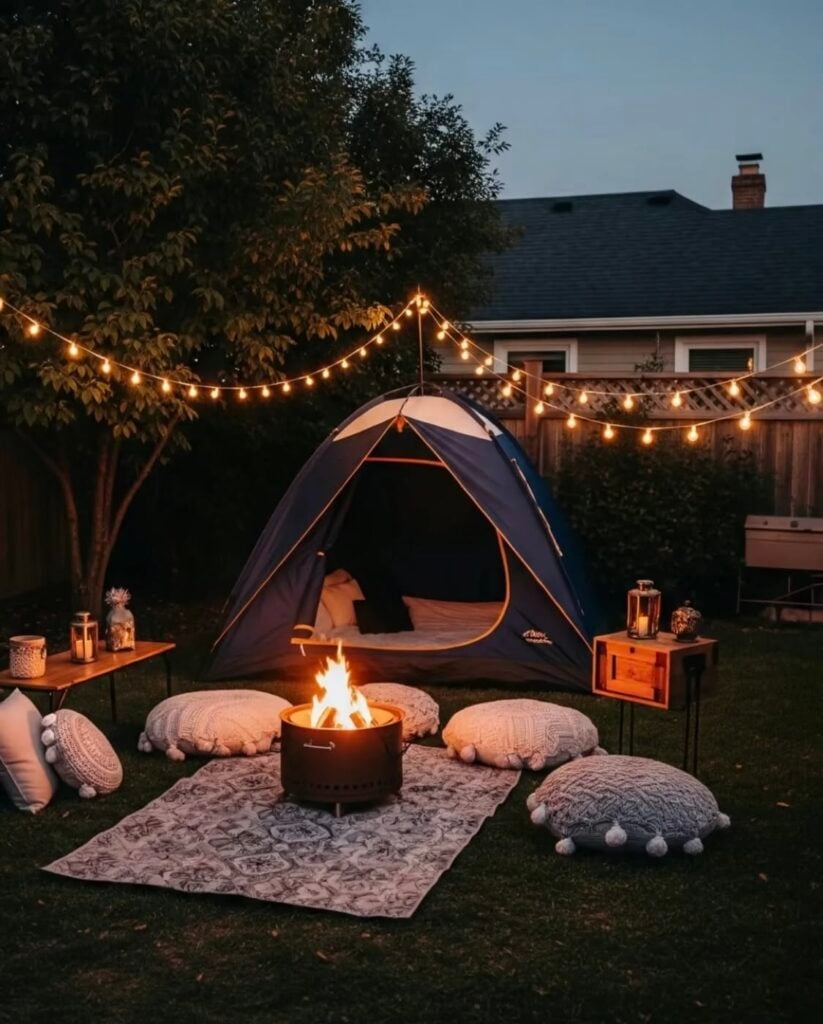
If the weather allows, give the boys the backyard and let them decide how to turn it into a place they can actually use for the evening.
Instead of simply putting out sleeping bags, give them a few practical requirements: a place to sit, somewhere to keep food and drinks, lighting, space for a game and a sensible spot for sleeping gear.
They have to work out the layout without blocking paths or putting equipment somewhere it could easily get damaged.
You can make it more interesting by giving them a limitation, such as one light source, one table and no moving the existing outdoor furniture. They then have to work with what is already available rather than expecting a perfect setup.
It gives the group something to do before the evening properly starts and introduces a little real-world planning without turning the sleepover into a formal project.
Useful supplies: rechargeable outdoor lights, picnic blankets, folding chairs and weather-resistant storage can make the setup easier to use again for future outdoor gatherings.
Birthday sleepovers need a few extras beyond a place to sleep. 27 Sleepover Birthday Party Ideas for Teens They’ll Love has ideas for the celebration.
3. Give Them a Target-Building Challenge
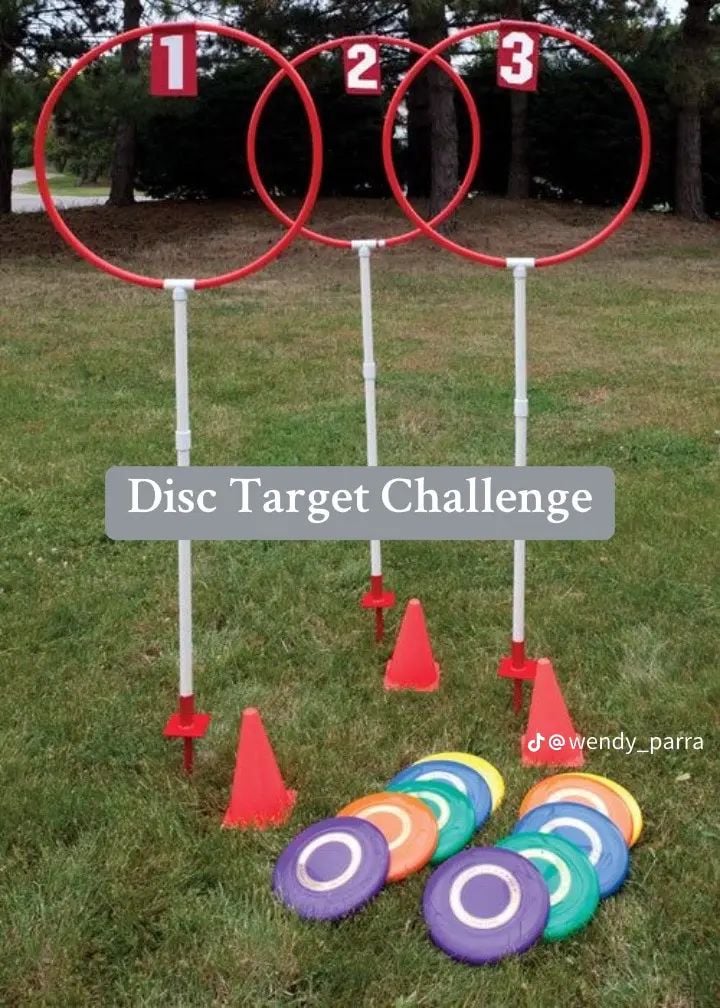
A mini catapult can work at a teen sleepover, but only if the challenge is more interesting than seeing whose launcher sends a paper ball the farthest.
Give each pair the same basic materials, craft sticks, rubber bands, cardboard and a small cup, and set one target at a fixed distance. Their job is to build a launcher that can hit it consistently.
After the first test, allow them to change one part of the design at a time. Maybe they alter the launch angle, move the pivot point or change the amount of tension. They then test it again and record whether the result improved.
That gives the boys something to figure out instead of handing them an activity that is finished after five minutes. They are comparing cause and effect: Did that change make the launcher more accurate, or did it just send the ball farther?
Keep the project deliberately small. Use paper balls or other very lightweight materials, mark a launch line and make sure nobody is standing in front of the launcher. This should be a controlled building challenge, not a projectile game.
Useful supplies: craft sticks, cardboard, rubber bands, masking tape, paper cups and lightweight foam or paper balls.
A sleepover is not the only way to celebrate. 33 Cool Birthday Party Ideas for Teens They’ll Actually Like has other options.
4. Let Everyone Build His Own Dinner
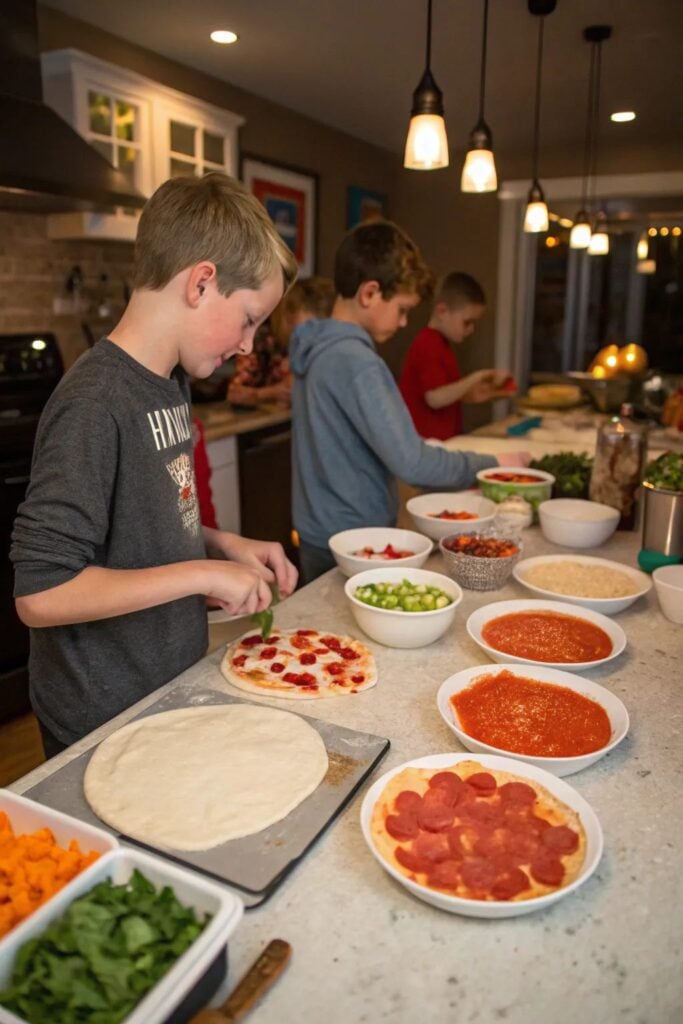
Food is often one of the easiest parts of a sleepover to get wrong. One person wants extra cheese, another dislikes a particular topping, and someone may have an allergy or dietary restriction that the host did not know about.
A build-your-own meal solves some of that without requiring the host to prepare several separate dinners.
Pick one meal with a common base and put the additions on the side. Tacos, wraps, personal pizzas, baked potatoes and sandwiches all work because guests can assemble their own portions.
The trick is not to put twenty ingredients on the table. Keep the choices manageable, perhaps one or two proteins, a few vegetables or toppings, a sauce and a couple of extras.
Before the sleepover, ask parents about food allergies and dietary restrictions. Keep ingredient packaging available so you can check labels when necessary. For a guest with a known food allergy, do not rely on a teenager to guess whether an ingredient is safe.
This also gives the boys something to do together for part of the evening. They are making decisions about their food rather than waiting around while one person orders everything.
Useful supplies: serving bowls, divided trays, reusable food containers, tongs and a simple food-label area.
Keep everyone occupied when conversation starts to slow down with 27 Birthday Party Activities for Teens That Keep Everyone Entertained.
5. Give Them an Object to Figure Out
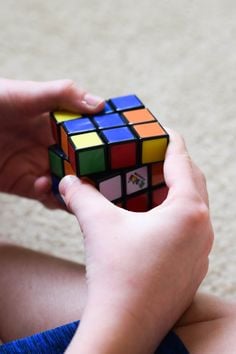
Instead of another trivia game, put an ordinary object on the table and ask a question:
“How do you think this works?”
Choose something mechanical and safe enough to examine, such as an old manual can opener, mechanical lock, bicycle gear component or broken non-electrical household item.
Before anyone searches for an explanation, have them sketch what they think is happening inside. Then let them examine the object and compare their guesses with the actual mechanism.
The important part is the wrong answer. If someone thought one gear was responsible for a movement and discovers that another component actually does it, they have something concrete to investigate.
Afterward, they can look up the names and functions of unfamiliar parts and explain the mechanism back to the group.
That makes this more than “take something apart.” It teaches a simple way of approaching unfamiliar things:
make a prediction → inspect the evidence → find out what you got wrong → revise your explanation.
Do not use mains-powered appliances, damaged batteries, pressurised containers or anything that could expose them to sharp, toxic or hazardous components. An inexpensive mechanical object is enough.
Useful supplies: a small screwdriver set, tray for loose parts, magnifying glass and one or two safe mechanical objects.
Thirteen is a fun age to move beyond a child’s birthday setup. 29 Creative Birthday Ideas for a 13 Year Old has ideas that fit.
6. Make Them Plan a Route With a Backup
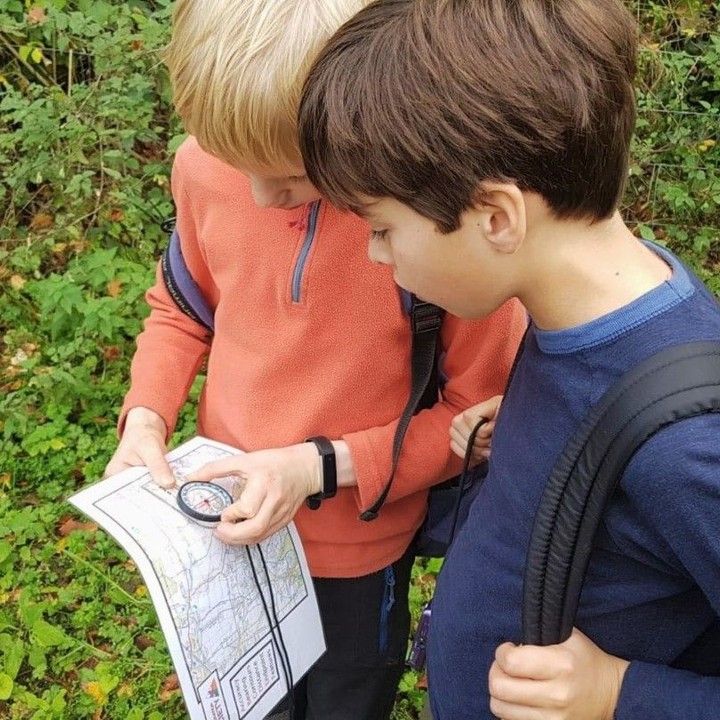
Give the boys a map and a destination, then ask them to work out how they would get there.
The interesting part is that there should be more than one possible route.
For example, one route might be shorter but involve more turns, while another takes longer but is easier to follow. Ask the group to choose one and explain why.
Then introduce a problem:
“Your first route is blocked. What is your second option?”
Now they have to look at the map again rather than simply following the first answer.
For a sleepover, this does not need to mean sending teenagers out into the neighbourhood. A backyard, school map, park map or fictional town works just as well.
With younger teens or an unfamiliar area, keep the entire challenge indoors or on the property.
The useful skill here is not proving who can use a compass fastest. It is getting teenagers to think about distance, landmarks, alternatives and what to do when the original plan changes.
A printed map and pencil are enough. A basic compass can be added if the group already knows how to use one; there is no need to buy one just to make the activity work.
Useful supplies: printed maps, pencils, clipboards and a basic compass if appropriate.
Mark a 16th birthday with something more memorable. 25 Birthday Party Ideas for 16 Years Olds That Feel Special has plenty to consider.
7. Create a Mechanical Marble Run
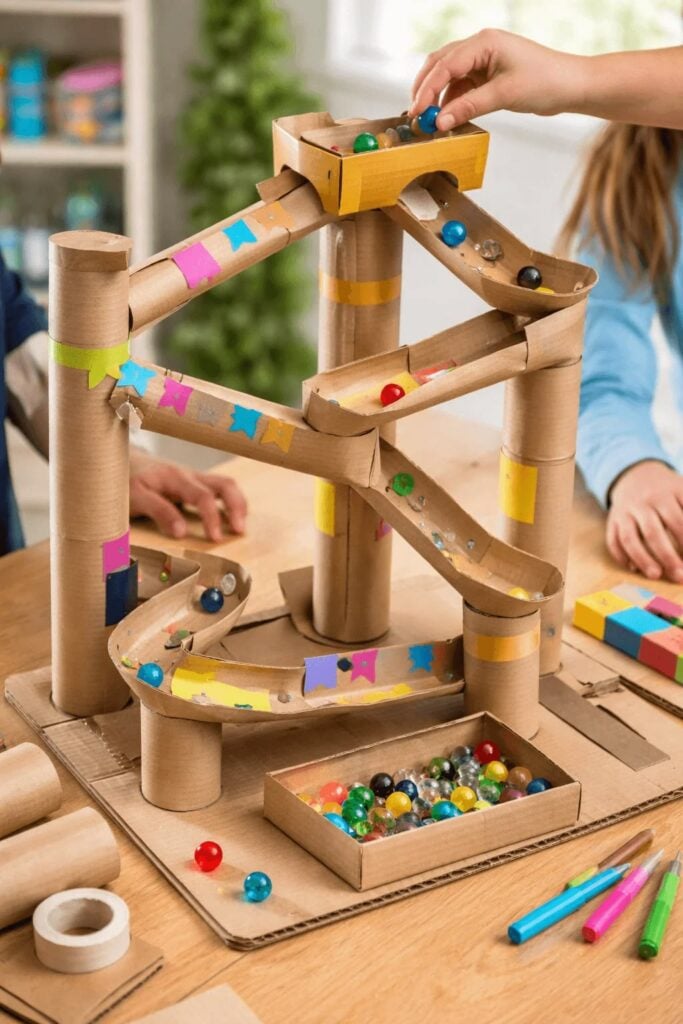
A marble run becomes more interesting when the goal is not simply to make the longest track.
Give the group a fixed amount of cardboard, tubes, cups and tape, then set a target such as keeping the marble moving for the longest possible time.
They have to decide where to use steep sections, where to slow the marble down and how to keep each connection from sending it off the track.
After the first test, ask them to identify where the marble lost the most speed and change one section.
That gives the activity a reason to continue after the first successful run. They can see how slope, friction and the shape of the track affect movement instead of simply being told about those concepts.
Use large enough materials that the setup is easy to supervise, particularly if younger children are also in the house. Keep loose marbles away from toddlers and other children who may put small objects in their mouths.
Useful supplies: cardboard tubes, paper cups, masking tape, craft cardboard and a set of marbles.
Late-night snacking is part of the fun. 23 Easy Birthday Snacks for Teen has simple options to put out.
8. Give Them a “Fix the Bad Design” Challenge
Put an everyday object in front of the group and ask a more useful question than “Can you make this cooler?”
What makes this annoying to use?
Choose something familiar, such as a school backpack, water bottle, desk, remote control, lunch container or sports bag. Give them a few minutes to identify specific problems before they start changing the design.
Perhaps the backpack is difficult to organise, the bottle tips over easily, the remote has too many similar buttons or the lunch container leaks when carried sideways.
They then sketch a revised version and explain which change solves which problem.
That distinction matters. A good design is not simply packed with extra features; it solves a particular problem without creating unnecessary ones.
This is a useful way to introduce user-centred design without turning the sleepover into a formal design class.
Useful supplies: plain paper, graph paper, pencils, rulers and coloured markers.
Give the group something to do besides scrolling with 27 Birthday Party Activities for Teens That Keep Everyone Entertained.
9. Build a Survival Kit for a Fictional Situation
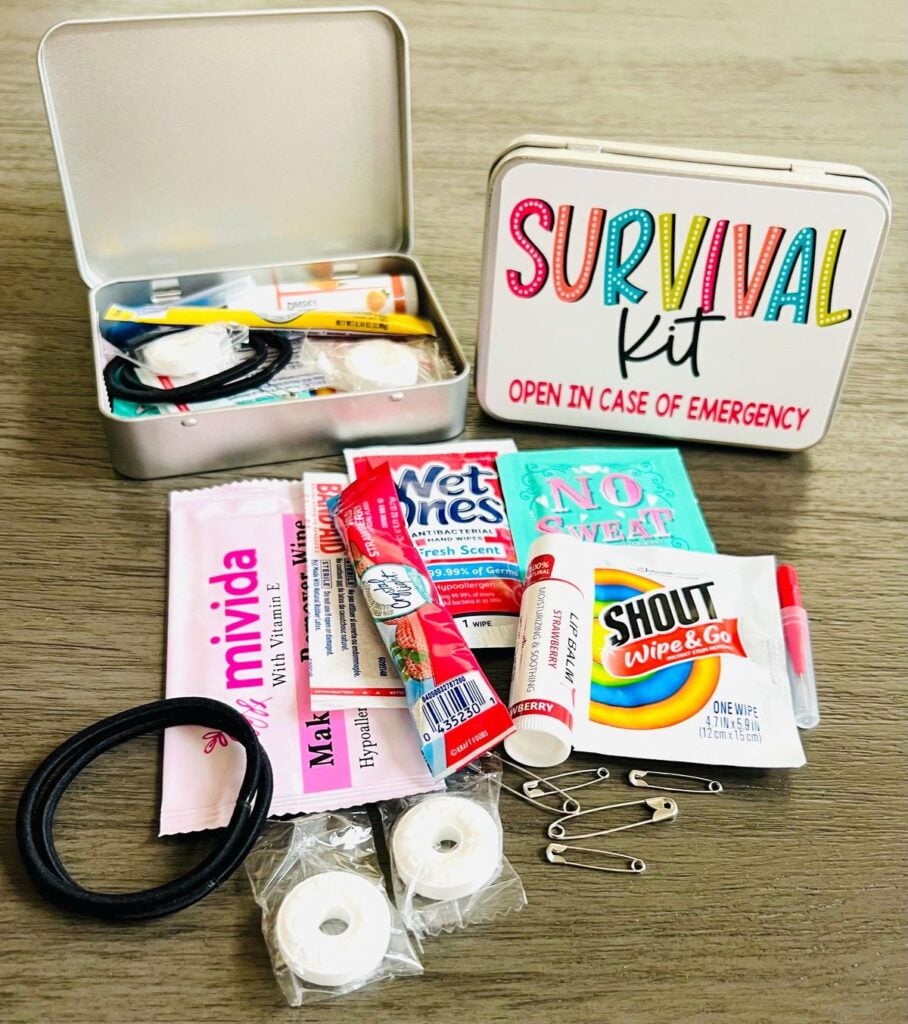
Give each team a scenario and a limited number of choices.
Try:
- A 12-hour power outage
- Unexpected rain during an outdoor trip
- Lost luggage during a journey
- A night at a campsite
- A weekend without internet
Give them a list of possible items and a maximum number they can select. Then add one complication halfway through.
For example, the power is out and their phone battery is at 10%. Or the weather changes and their original shelter is no longer suitable.
The interesting discussion comes when they have to defend their choices.
“Why did this item make your ten-item list?”
This teaches a useful distinction between preparation and overpacking. Something can be useful in general but still be the wrong choice when space, weight or availability is limited.
Keep the scenarios fictional rather than presenting the game as actual survival training. The aim is decision-making under constraints, not teaching teenagers to handle dangerous emergencies without adults.
Useful supplies: printed scenario cards, pencils, backpacks and simple item cards.
A few decorations can make the sleepover space feel completely different. 25 Cute Birthday Party Decoration Ideas for Teens has ideas to borrow.
10. Run a Can You Beat the Recipe? Challenge

Give every team the same basic ingredient and a small selection of additional ingredients.
Potatoes, tortillas, popcorn, noodles or pancakes can all work because they can be changed in several ways.
The challenge is not simply to make the tastiest-looking plate. Give them three things to consider:
flavour, cost and waste.
One team might produce something impressive but use nearly all the available ingredients. Another might make a simpler dish that costs less and leaves very little waste.
Have everyone explain the decisions behind their recipe before tasting.
That turns a cooking activity into a practical lesson about balancing what you want with what you have available.
Check allergies and dietary restrictions before choosing ingredients, and keep ingredient labels available for packaged foods.
Useful supplies: mixing bowls, measuring spoons, serving dishes and basic cooking utensils.
Keep bigger appetites covered with 25 Birthday Party Food Ideas for Teens Everyone Will Want.
11. Take the Sleepover Outside for an Astronomy Session

Photo credit: @ Unknown
When the louder activities have run their course, take the group outside and give them something specific to look for.
Rather than saying, “Look at the stars,” choose a few observable targets based on the date and location.
Depending on the season and where you live, these might include the Moon, a bright planet, a recognisable constellation or a visible meteor shower.
A reputable astronomy app or current sky chart can help identify what is actually above you that night.
This is one place where hosts should avoid copying a generic list of “stars to see.” The night sky changes with location, date, light pollution and weather, so check what is genuinely visible before the sleepover.
If binoculars are available, they can be useful for observing the Moon and some brighter celestial objects, but a telescope is not necessary for a first session.
Keep the group in a safe outdoor area and bring them back inside when the activity is over rather than turning astronomy into an excuse for wandering around outside late at night.
Useful gear: beginner binoculars, a red-light torch and a current star map or astronomy app.
A stylish sleepover setup can be part of the fun. 21 Aesthetic Birthday Party Ideas for Teen Girls has plenty of inspiration.
12. Make a Three-Minute Documentary About Something They Know

Photo credit: @ brooklynpaper
Instead of asking teenagers to make random TikTok-style videos, give them a real question to investigate.
For example:
How did this local sport become popular here?
Or:
How is this family recipe made?
Other possibilities include a hobby, school tradition, neighbourhood landmark or an object with an interesting manufacturing process.
The finished documentary only needs to be three to five minutes long.
Give them a simple structure:
Question → evidence → explanation → conclusion.
They can interview someone, film a demonstration, photograph objects or record narration. If they make claims about something they do not know, ask them to check the information rather than presenting guesses as facts.
That makes the activity about finding and communicating information, not just putting random clips together.
It also gives the group something they can finish during the sleepover and watch afterward.
Useful gear: phone tripod, simple microphone and LED light if available. None is essential.
Bring current trends into the night with 20 TikTok Inspired Birthday Party Ideas for Teens.
13. Give Them a Realistic Budget Meal Challenge

Give the group a fictional budget and a practical assignment:
Feed four people dinner and breakfast without going over the limit.
Give them access to a supermarket website, printed price list or current local grocery prices. They need to work out quantities rather than simply picking four attractive-looking foods.
Then introduce a second condition:
There should be enough left over for one additional serving.
Now they have to think about portion sizes, prices, leftovers and what makes a meal reasonably balanced.
This works particularly well as one of the more thoughtful sleepover ideas for teen boys because the challenge is connected to something they will eventually have to do for themselves: make choices with limited money.
Use prices from the country where the article’s reader lives rather than pretending that one universal grocery budget exists. Food prices vary substantially between countries and even between shops.
Useful supplies: calculator, printed shopping list, supermarket flyers or a current online grocery catalogue.
Boys can have a great celebration without booking a venue. 35 Birthday Party Ideas for Teen Boys at Home has ideas that work at home.
14. Build a Paper Bridge That Has to Carry Weight
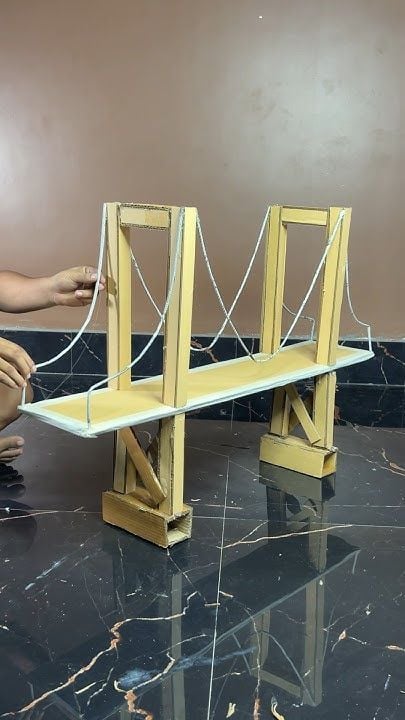
Give every team the same number of sheets of paper and the same amount of tape.
Set two supports a fixed distance apart and give them a simple objective:
Build a bridge that can carry the greatest weight without collapsing.
The first attempt is only half of the activity.
After testing the bridges, give them a short redesign period. Ask what failed: Did the middle sag? Did the supports buckle? Was the paper simply folded flat when a different shape might have distributed the load better?
Then let them test version two.
The value is in seeing that a failed first attempt provides information. They can change the structure based on what happened rather than starting over randomly.
Keep the test weight modest and use a stable setup so a collapsing bridge does not send heavy objects falling onto anyone.
Useful supplies: printer paper, masking tape, two sturdy supports and lightweight test weights.
Girls can turn a familiar home setting into a fun party space with 33 Birthday Party Ideas for Teen Girls at Home.
15. Play a Real-World Price and Value Challenge

Put several ordinary products in front of the group, or show photographs of them, and ask everyone to estimate their prices before revealing the actual figures.
Include products from different categories:
- Groceries
- School supplies
- Sports equipment
- Clothing
- Household goods
- Electronics
Then change the question.
Instead of asking only “Who guessed closest?”, ask:
“Would you still buy it at that price?”
That opens up a more useful conversation about what people are paying for. A higher price may reflect a larger size, better materials, longer warranty, stronger brand recognition or simply branding and marketing.
You can make the second round harder by showing two similar products and asking which one offers better value before revealing the prices.
Use current prices from a local retailer if you want the activity to feel realistic. Avoid treating one country’s prices as universal, because currency, taxes, import costs and local markets can change the comparison considerably.
The result is more than a guessing game: teenagers get to practise estimating, comparing and questioning whether price and value are the same thing.
Useful supplies: printed product photos, current price lists, calculator and score sheet.
Smaller sleepovers are often easier to host. 30 Small Birthday Party Ideas for Teens Who Don’t Want a Big Party has ideas for a closer group.
16. Turn the Living Room Into a One-Night Arcade
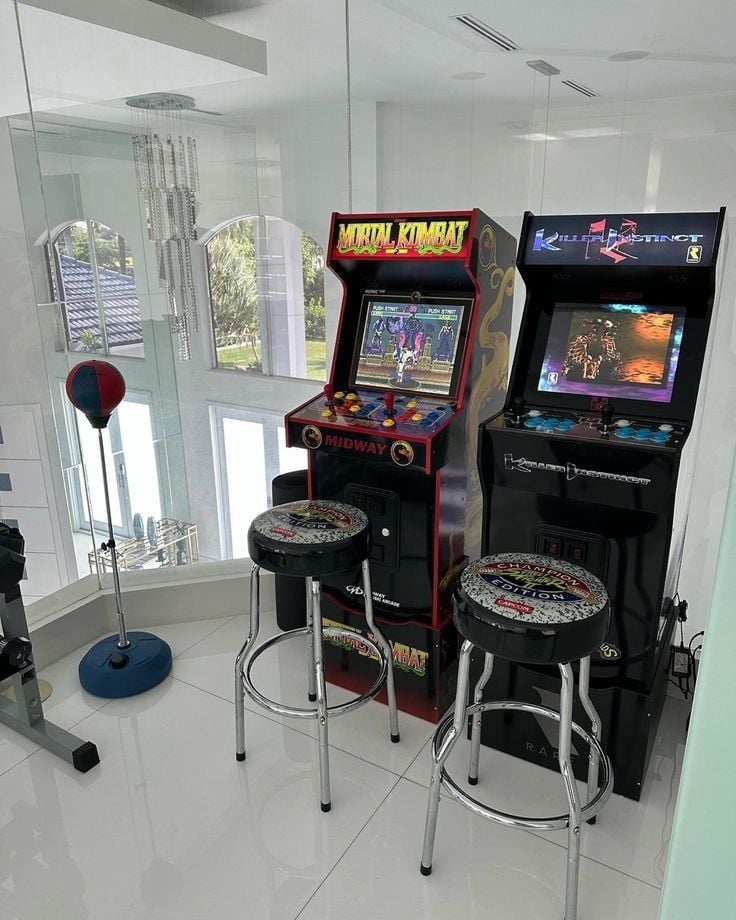
Photo credit: @ Unknown
Instead of buying an arcade game, let the group create several simple ones from cardboard, cups, paper and other materials already available.
They could make a tabletop basketball game, paper-football target, ring toss, marble maze or ball-drop game. Give each game a clear scoring system and a small number of tokens to each player.
The important part is to make the boys design for someone else to play. A game that looks good but is impossible to understand is not finished. They need to explain the rules, test them on another person and make a change if something does not work.
Once the games are ready, everyone gets a chance to play the completed arcade.
That gives this sleepover idea for teen boys two stages: creating the entertainment and then using what they created. It also means the activity can keep going after the building part is over.
Useful supplies: cardboard, paper cups, craft sticks, tape, string, small balls and tokens.
Fun does not have to come with a big price tag. 31 Cheap Birthday Party Ideas for Teens on a Budget has affordable alternatives.
17. Let Them Become Sports Commentators
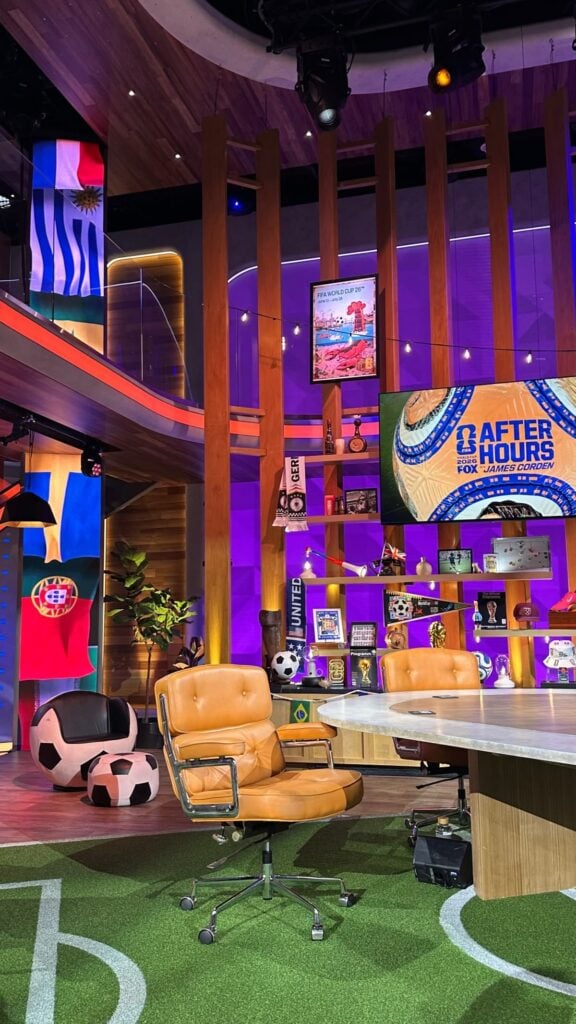
Put a sports clip on the screen and turn the sound off. It could be a football attack, basketball play, racing sequence or another sport the group knows well.
Two teens provide the commentary while everyone else watches. After a few minutes, switch commentators.
The challenge is to make the commentary informative rather than simply shouting. Ask them to explain what is happening, predict what might happen next and react when the play changes.
You can make a second round more difficult by giving one commentator a different role. One could provide play-by-play commentary while the other acts as the analyst explaining tactics or decisions.
It is an easy option to bring out when some guests do not want another physical game, and it requires very little equipment.
Useful supplies: a screen, a sports clip and optional phone microphone.
Still weighing your options? 25 Best Birthday Party Ideas for Teens covers different party styles.
18. Design a Snack Station for the Whole Group
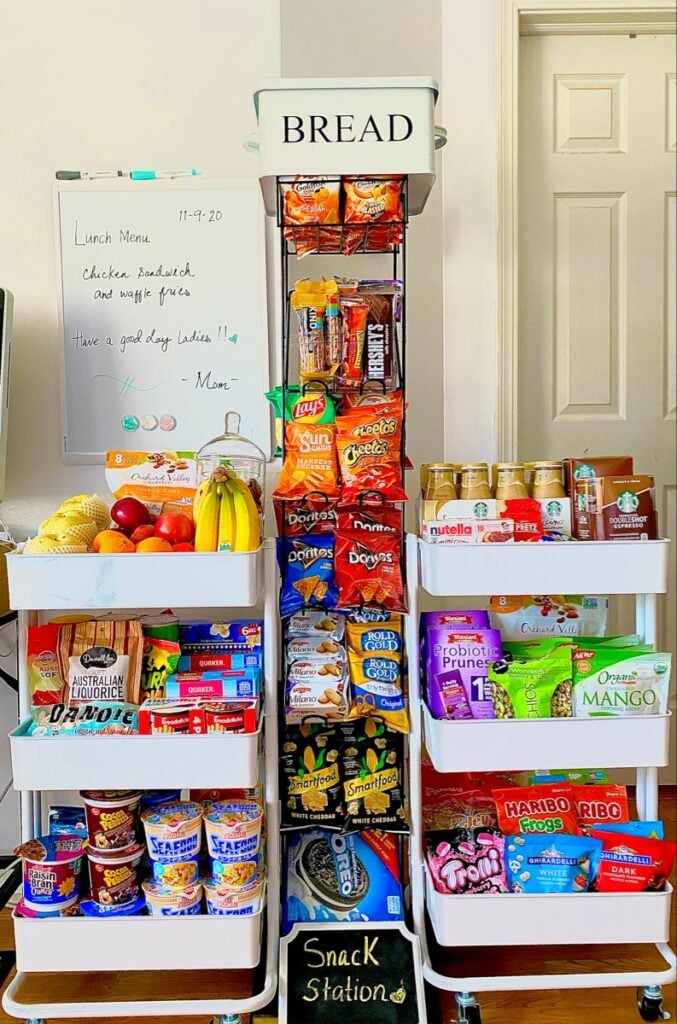
Rather than having each person make his own snack again, give teams the job of designing one snack station that everyone can use.
Give them a fixed budget or a limited selection of ingredients and ask them to think about more than taste.
Their station should answer practical questions:
- Can everyone reach the food easily?
- Are there enough portions?
- Will it create a huge mess?
- Can guests identify what each item contains?
- Is there an option for someone who cannot eat one of the ingredients?
- How much food will be left afterward?
Then let another team inspect the setup and point out one thing they would change.
This turns a party-food activity into a small lesson in hosting for other people. It also gives the host something genuinely useful: a way of getting teenagers to think about serving food before everyone starts grabbing things from the kitchen.
For allergies or dietary restrictions, check with parents beforehand and keep ingredient information available.
Useful supplies: serving trays, bowls, labels, tongs, cups and napkins.
Give everyone room to move before settling in for the night with 30 Outdoor Birthday Party Ideas for Teens for an Epic Celebration.
19. Try a Beginner Electronics Challenge
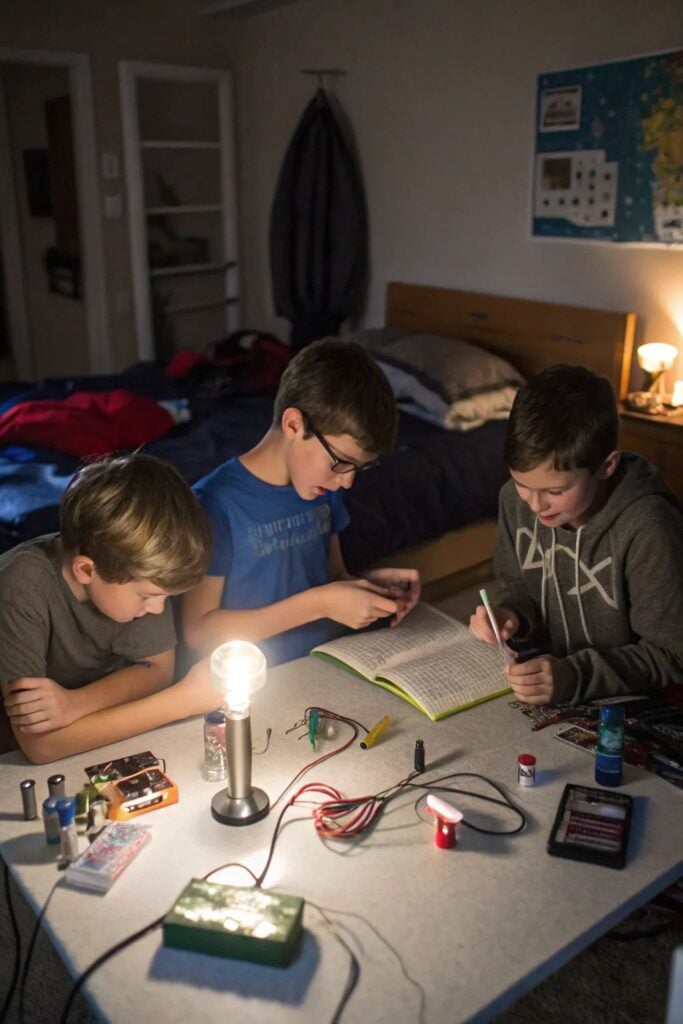
For teens who are already interested in how technology works, a beginner electronics kit can provide a more focused activity than simply handing them another device.
Choose a kit intended for beginners and follow its instructions. Depending on the kit, they may be able to make a simple circuit involving an LED, switch, buzzer or basic sensor.
Give them a small goal rather than telling them to complete every project in the box.
For example:
Can you build a circuit where the light turns on only when the switch is pressed?
Once it works, ask them to change one part and predict what will happen before testing it.
That prediction is where much of the learning happens. They are not just following coloured wires in a manual; they are beginning to connect components with a result.
Use a low-voltage educational kit designed for the age group and supervise the activity. Do not substitute household mains electricity, damaged batteries or improvised wiring for a proper learning kit.
Useful supplies: beginner electronics kit, batteries specified by the manufacturer and a clear work surface.
When the weather keeps everyone indoors, 29 Amazing Indoor Birthday Party Ideas for Teens has plenty of alternatives.
20. Make Dinner From What You Already Have
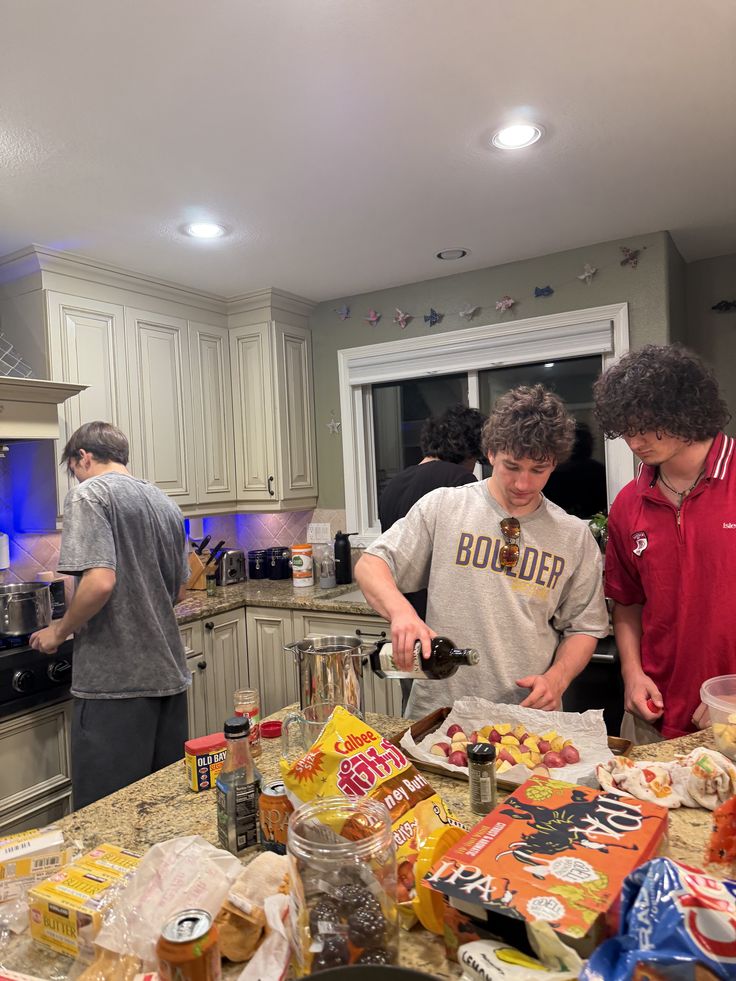
This works differently from a recipe competition because there is no shopping list and no predetermined recipe.
Give the group a limited selection from the refrigerator and pantry and ask:
“What can we make from this?”
They first have to identify what is available, then decide which ingredients can reasonably go together. If necessary, the adult can provide a few basic staples, but the challenge should not turn into a disguised grocery trip.
The useful part is teaching them to work backwards from resources. Instead of starting with “I want to make burgers, so what do I need?”, they start with “We have these ingredients. What meal can they become?”
That is a practical kitchen skill because meals do not always begin with a perfectly stocked shopping list.
Keep normal food-safety rules in place. An adult should handle knives, hot pans, ovens or other equipment when the teenagers are not experienced or when the equipment requires supervision. Check food allergies and dietary restrictions before using shared ingredients.
Useful supplies: ingredients already available, mixing bowls, measuring utensils and age-appropriate cooking equipment.
21. Make a Giant Collaborative Comic
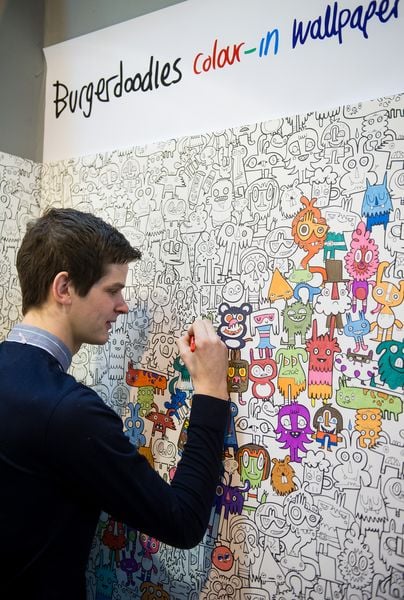
Photo credit: @ Unknown
Give everyone a sheet of large paper, or tape several sheets together to make one long comic strip.
One person starts with the opening panel, then passes it to the next person. Each teen adds another panel, continuing the story without knowing exactly what the previous person has planned. They can introduce a new character, change the setting, add a problem or take the story in a completely unexpected direction.
Once the comic is finished, have someone read the whole thing aloud while another person holds up the panels.
This works particularly well among sleepover ideas for teen boys because nobody has to be the best artist or the funniest person in the room. The entertainment comes from seeing how different ideas connect, or completely derail, the same story.
Large drawing paper, markers, pencils and washable pens are enough to get started.
A theme can tie the food, décor and activities together. 25 Fun Birthday Party Theme for Teens They’ll Actually Love has ideas to start with.
22. Run a “Sell This Object” Pitch Challenge
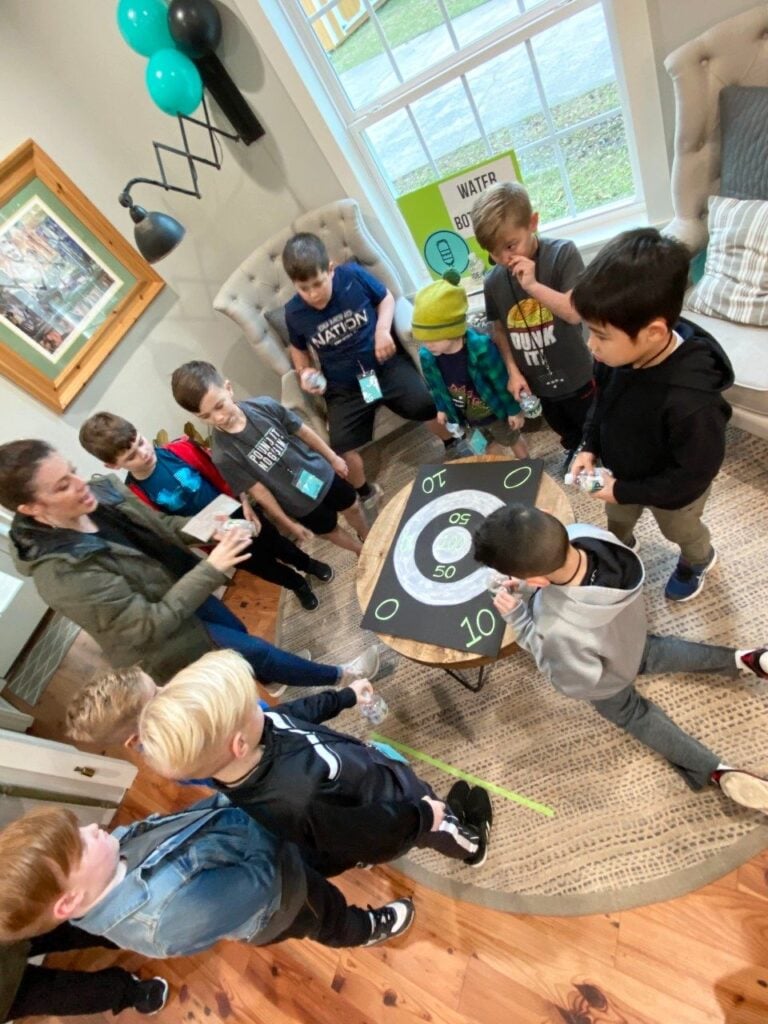
Put an ordinary object in front of each teen: a water bottle, spoon, old notebook, torch, hairbrush or anything else that does not look particularly exciting.
The challenge is to sell it in 60 seconds.
Each person has to explain:
- Who would buy it
- What problem it solves
- What makes it different from another option
- How much they would charge
- Why someone should choose it
The fun comes from trying to make an ordinary object sound worth buying, but there is a practical lesson underneath it. A good pitch needs to identify a customer, describe a benefit and give people a reason to care.
For an extra challenge, let the group ask questions after each pitch, such as, “Why would I buy yours instead?” or “What happens if I can get the same thing cheaper?”
This turns one of the more unusual teen boy sleepover ideas into a quick lesson in persuasion, marketing and thinking from another person’s point of view.
A timer, a few household objects and paper for scoring are all you need.
Another birthday-specific sleepover roundup is 27 Sleepover Birthday Party Ideas for Teens They’ll Love.
23. Build a Sleepover Fort With an Engineering Constraint
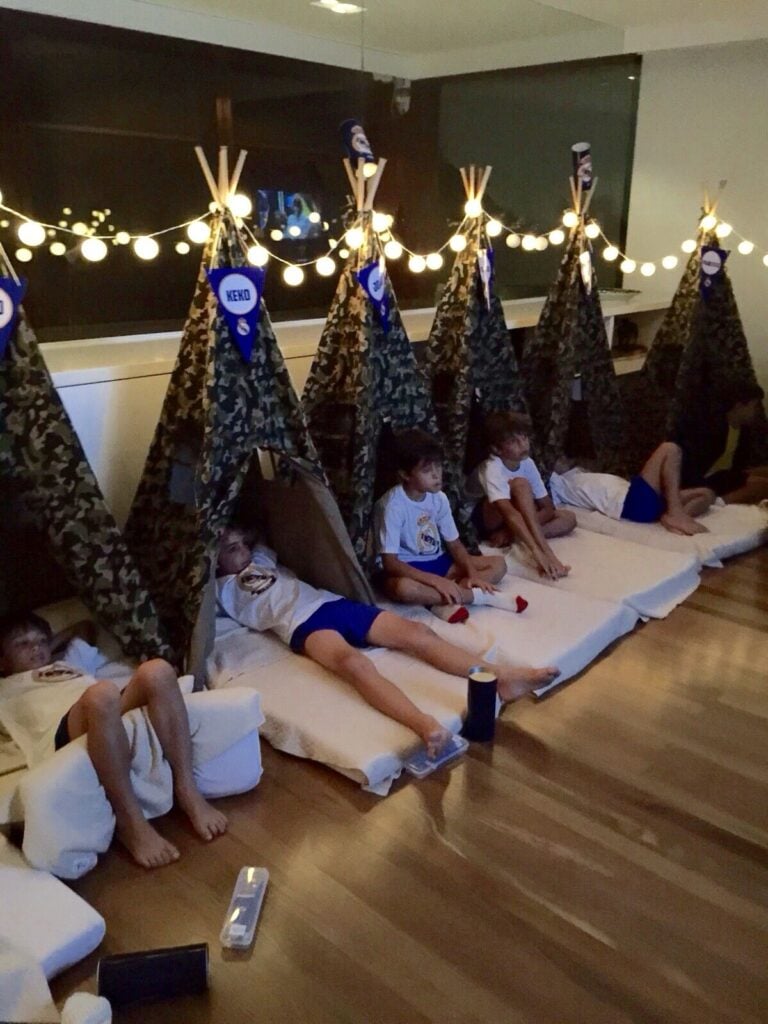
A blanket fort becomes much more interesting when the group has to solve an actual design problem.
Give them a challenge such as:
Build a temporary shelter that fits everyone, has an entrance, stays standing for 10 minutes and leaves a clear walking route through the room.
Now they have to think about where the structure can be anchored, how much space people need inside and which materials will make it stable without blocking doors or creating a trip hazard.
Let them build, test the structure and make one round of changes if something does not work.
For this kind of sleepover ideas for teen boys, the point is not creating the most impressive fort. It is getting them to think about space, stability, constraints and how a design changes when real people have to use it.
Use lightweight sheets or blankets, clips and furniture that is stable enough for the setup. Do not have teens climb on furniture or attach materials to unsafe fixtures.
24. Plan a Realistic Day Trip on a Fixed Budget
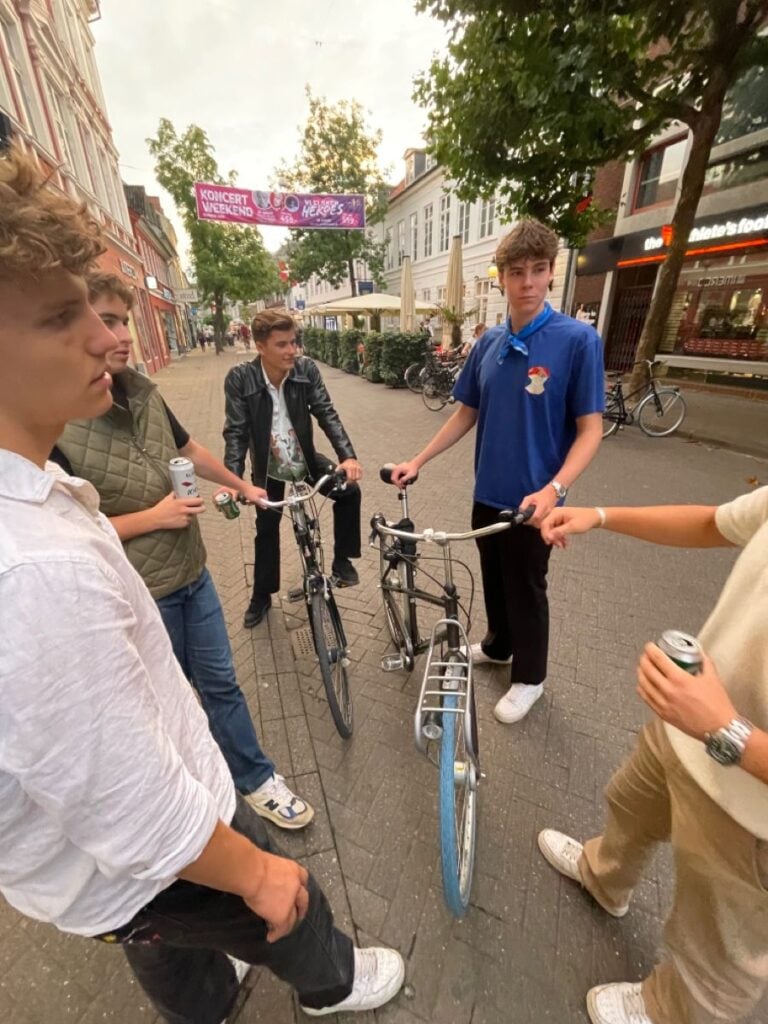
Give the group a destination and a fictional spending limit, then ask them to work out whether the trip can realistically happen.
They need to account for:
- Transport
- Entry fees
- Food and drinks
- Opening hours
- Travel time
- What they need to bring
- Weather changes
- Where to meet and regroup
- Emergency contact arrangements
The interesting part is what happens when the budget does not stretch far enough. They may have to choose between a more expensive attraction and cheaper food, find an alternative route or change the timing.
For older teenagers, this is one of the sleepover activities for teen boys that can quietly teach a skill they will use outside the sleepover: making plans around real limits rather than simply choosing everything they want.
If they use a real destination, have them check current information from the attraction, transport provider or other official source rather than relying on an old travel post.
A phone or laptop for research, a calculator and a simple itinerary sheet are enough.
Skip games that feel too childish. 25 Birthday Party Games for Teens That Aren’t Cringey has better picks.
25. Keep a Low-Energy Option for When the Night Slows Down
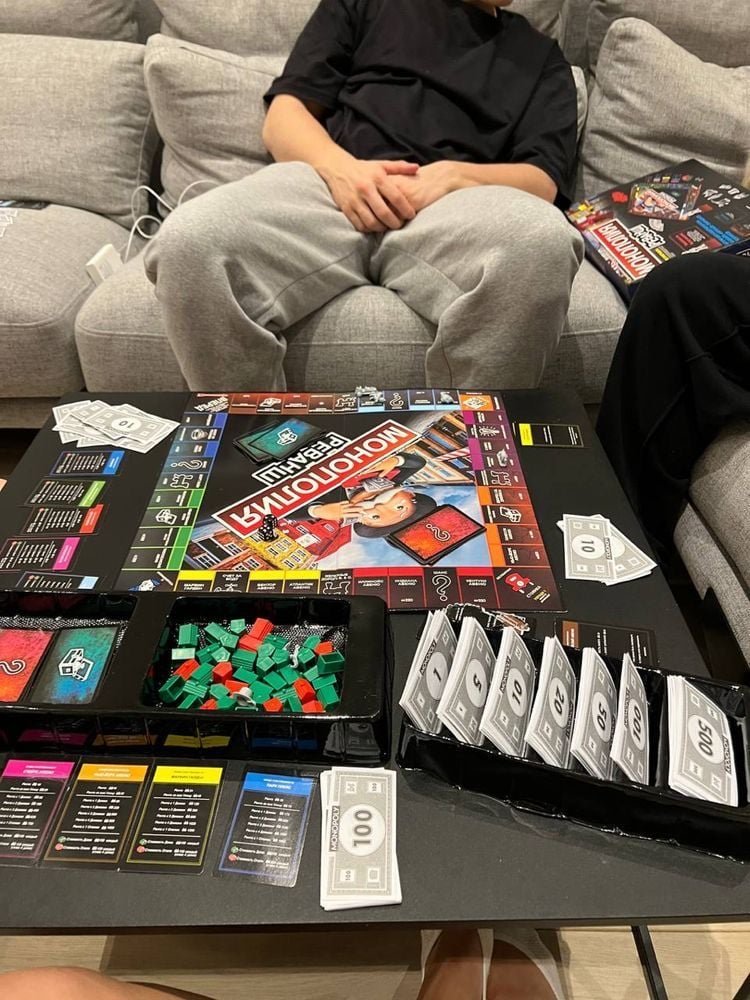
Not every part of a sleepover needs to keep the energy high.
At some point, the group may be tired of competing, talking loudly or staring at a game screen. Having a few quieter choices ready can prevent that awkward stretch where everyone keeps asking, “So, what are we doing now?”
Try options such as:
- Strategy card games
- Drawing challenges
- Puzzle books
- Conversation cards
- Collaborative storytelling
- A calm documentary
- Audiobook listening
This is also the point to remember that a sleepover does not have to become an all-nighter. Teenagers aged 13–18 are recommended to get 8–10 hours of sleep per 24 hours, and pediatric guidance recommends reducing screen exposure around bedtime.
That makes a quieter final activity a sensible part of sleepover ideas for teenage boys, rather than simply trying to keep everyone awake until morning.
Some groups would rather make, talk or compete than play traditional games. 23 Fun Things to Do at a Teen Birthday Party has alternatives.
Things to Check Before a Teen Sleepover
A few questions before the sleepover can prevent problems that are much harder to deal with at midnight. Parents should know who will be supervising and share anything that could affect the teenager’s safety or comfort.
Check the important details beforehand: allergies, medications, dietary restrictions, emergency contacts, pets, pool access, transport, who will be home, areas that are off-limits, and whether teens are allowed to leave the house during the night.
The American Academy of Pediatrics recommends discussing supervision, household rules and relevant health information with the other family before an overnight stay.
Food deserves particular attention. Do not assume that everyone can eat the same snacks just because nobody has mentioned a problem. Ask about allergies and dietary restrictions, and keep ingredient information available.
Food allergies can cause serious reactions, so knowing what is safe before the shopping starts is far easier than working it out after someone has eaten.
It is also worth deciding what will not be part of the night. Fireworks, alcohol, dangerous dares, roof climbing, unsupervised swimming, homemade explosives and weapon-related games have no place in a teen sleepover.
For electric scooters and other lithium-battery rideables, don’t leave them charging while people are sleeping or when nobody is around; battery failures can cause fires.
The aim is not to turn a sleepover into a safety briefing. It is simply to remove the situations that can turn an otherwise ordinary night into an emergency.
Teen boys with particular interests can find more fitting ideas in 21 Cool Birthday Party Ideas for Teen Boys They’ll Actually Enjoy.
Conclusion
The hardest part of a teen sleepover is rarely finding something to do. It is knowing what will still work when the group gets bored, competitive, hungry, tired or simply changes its mind.
That is why good sleepover ideas for teen boys need some range. A tournament might work at 8 p.m., while a comic, card game or conversation can make more sense later in the night. The plan can change without the sleepover falling apart.
Save this list before the next overnight gathering so you have an answer when someone inevitably asks, “What are we doing now?”
Girls who want something less predictable can browse 20 Unique Birthday Party Ideas for Teen Girls That Aren’t Boring.
FAQs
1. How many teens is a good number for a sleepover?
There is no fixed number, but a smaller group is usually easier to supervise and gives everyone a better chance to participate. The available space, sleeping arrangements and number of adults matter more than choosing an arbitrary guest limit.
2. What time should a teen sleepover start?
An early evening start gives the group enough time to eat, settle in and enjoy several activities without pushing everything into the early hours. The right time also depends on transport and when parents can comfortably drop off their teens.
3. Where should teenagers sleep during a sleepover?
Choose a space where everyone can sleep safely and where an adult can reach them if needed. Keep exits, stairs and walkways clear, and avoid blocking doors with mattresses, furniture or decorations.
4. Should parents stay home during a teen sleepover?
For younger teenagers especially, having a responsible adult at home is sensible. The amount of supervision can vary with age and maturity, but teens should know who they can go to if something goes wrong during the night.
5. What should teens bring to a sleepover?
Usually, they need sleepwear, a change of clothes, toiletries, any required medication and whatever they need for the sleeping arrangement. Checking beforehand prevents a teenager from arriving without an essential item or bringing something the host cannot accommodate.