When kids are in nature, they become more curious and creative. They notice more, ask better questions, and find better answers. They slow down when it matters and move faster when they need to.
And the best part is that nature adventures do not need to cost anything at all.
The greatest classroom in the world is right outside your front door. A garden, a park, a patch of wasteland, a woodland edge. All of it is teeming with adventure waiting to happen.
If you have been enjoying brilliant forest school sessions lately, go check out 31 Forest School Activities for Kids That Encourage Outdoor Play because those ideas and the ones on this list work absolutely beautifully together for a full outdoor adventure programme.
So let us get into these 37 nature activities that feel like pure adventure every single time.
1. Puddle Jumping Expedition
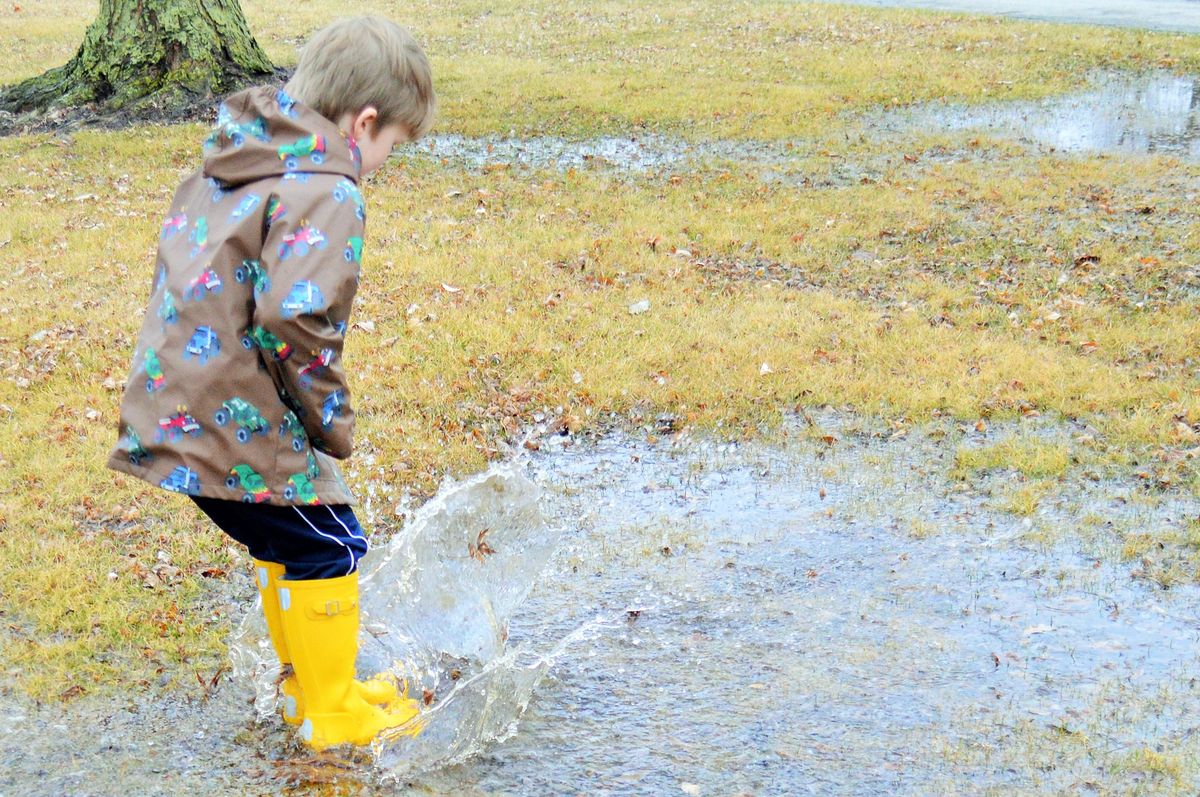
Put on wellies and waterproofs and head out specifically to find and jump in every single puddle you can find. Rate each puddle by size, depth, and splash quality.
This sounds too simple to be worth mentioning but puddle jumping is genuinely one of the greatest childhood joys.
The permission to get wet and muddy on purpose is deeply liberating for kids who spend most of their time being told to stay clean. Go out in the rain rather than waiting for it to stop.
That decision alone changes everything and kids who jump puddles in actual rain feel genuinely wild and free in the best possible way.
For more wonderful rainy day and outdoor adventure ideas that embrace rather than avoid the elements, go check out 21 Water Activities for Kids That Make Summer Extra Fun because those water based activities celebrate that same joyful relationship with getting thoroughly and happily wet.
2. Bird Watching and Identification
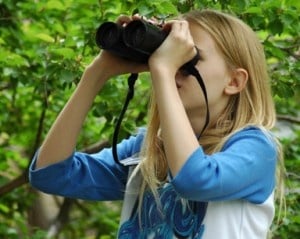
Take binoculars and a simple bird identification guide to a park, a garden, or a woodland edge. Sit quietly and count how many different bird species you can spot and identify within one hour.
Bird watching teaches patience and observation in a way that very few other activities can match.
Kids who sit still and wait quietly for birds to appear develop a quality of focused attention that is genuinely valuable. The moment of spotting and successfully identifying a new species creates real excitement and pride.
Keep a life list of every bird species ever identified and celebrate each new addition to the list enthusiastically.
3. Rock Pooling Adventure
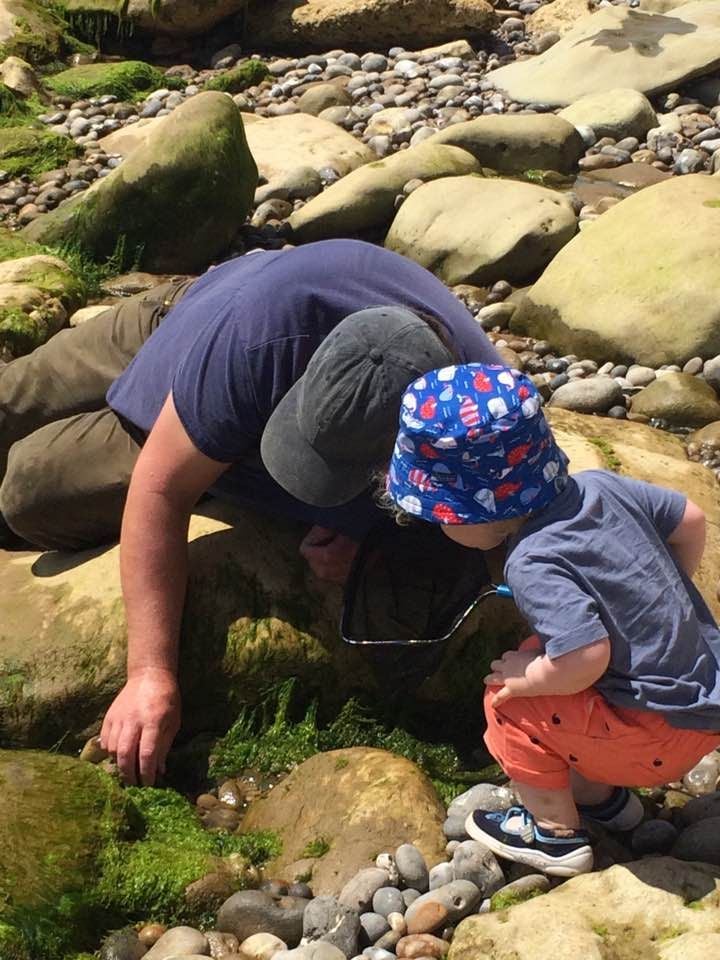
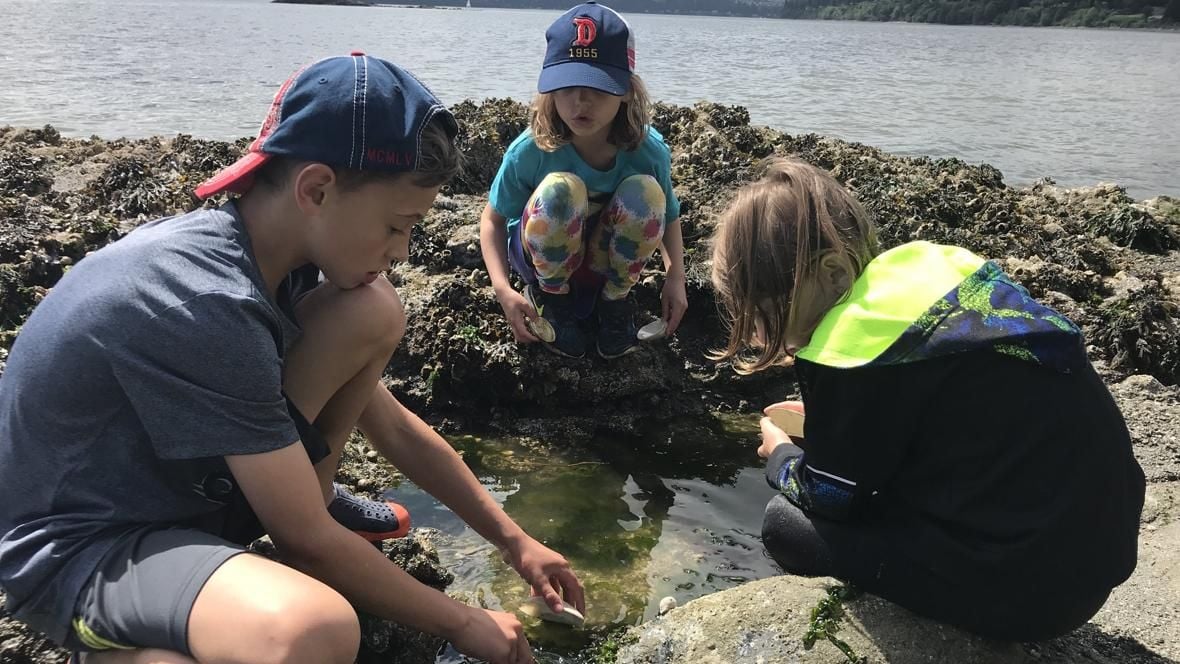
Head to a rocky coastline at low tide. Explore the rock pools carefully and observe the miniature ecosystems living within each one. Look for crabs, anemones, starfish, and small fish.
Rock pooling is honestly one of the most magical nature adventures available to kids near a coastline.
The miniature worlds contained within each rock pool are endlessly fascinating. Kids who explore rock pools develop a deep appreciation for the complexity and beauty of marine life.
Always check tide times before heading out and keep a safe distance from the sea. The combination of the coast, the discovery, and the creatures creates memories that last a lifetime.
Go explore 19 Garden Activities for Kids That Make Outdoor Time More Fun for more wonderful outdoor exploration ideas that create this same quality of discovery and wonder in more accessible everyday outdoor spaces.
4. Cloud Watching and Storytelling
Lie on your backs in an open space and watch the clouds. Name what you see in each cloud shape. Create stories about where each cloud came from and where it is going.
Cloud watching is a genuinely mindful activity that connects imaginative thinking to real meteorological observation.
Kids who watch clouds develop an awareness of weather patterns and atmospheric conditions that serves them well in understanding the natural world.
The storytelling element transforms a simple observation activity into a rich language and creative thinking experience. Some of the best stories come from the most unexpected cloud shapes.

5. Insect Hotel Building
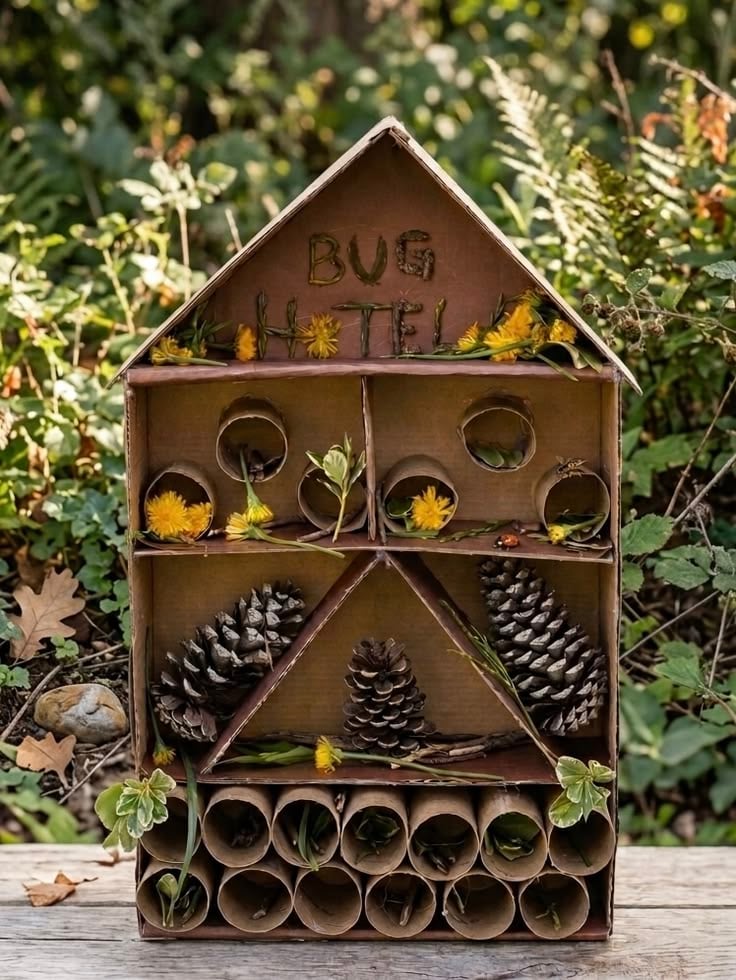
Collect hollow stems, pine cones, pieces of bark, bundled straw, and other natural materials. Pack them tightly into a wooden frame or an old pallet. Place in a sheltered sunny spot to attract beneficial insects.
Building an insect hotel creates a genuinely useful habitat for garden wildlife.
Kids who build insect hotels develop a sense of environmental responsibility and an understanding of why insects are so important to healthy ecosystems.
Check the hotel regularly over the following weeks and months for signs of occupation. Finding a bee using one of the hollow stems or a ladybug sheltering in the straw creates absolute delight.
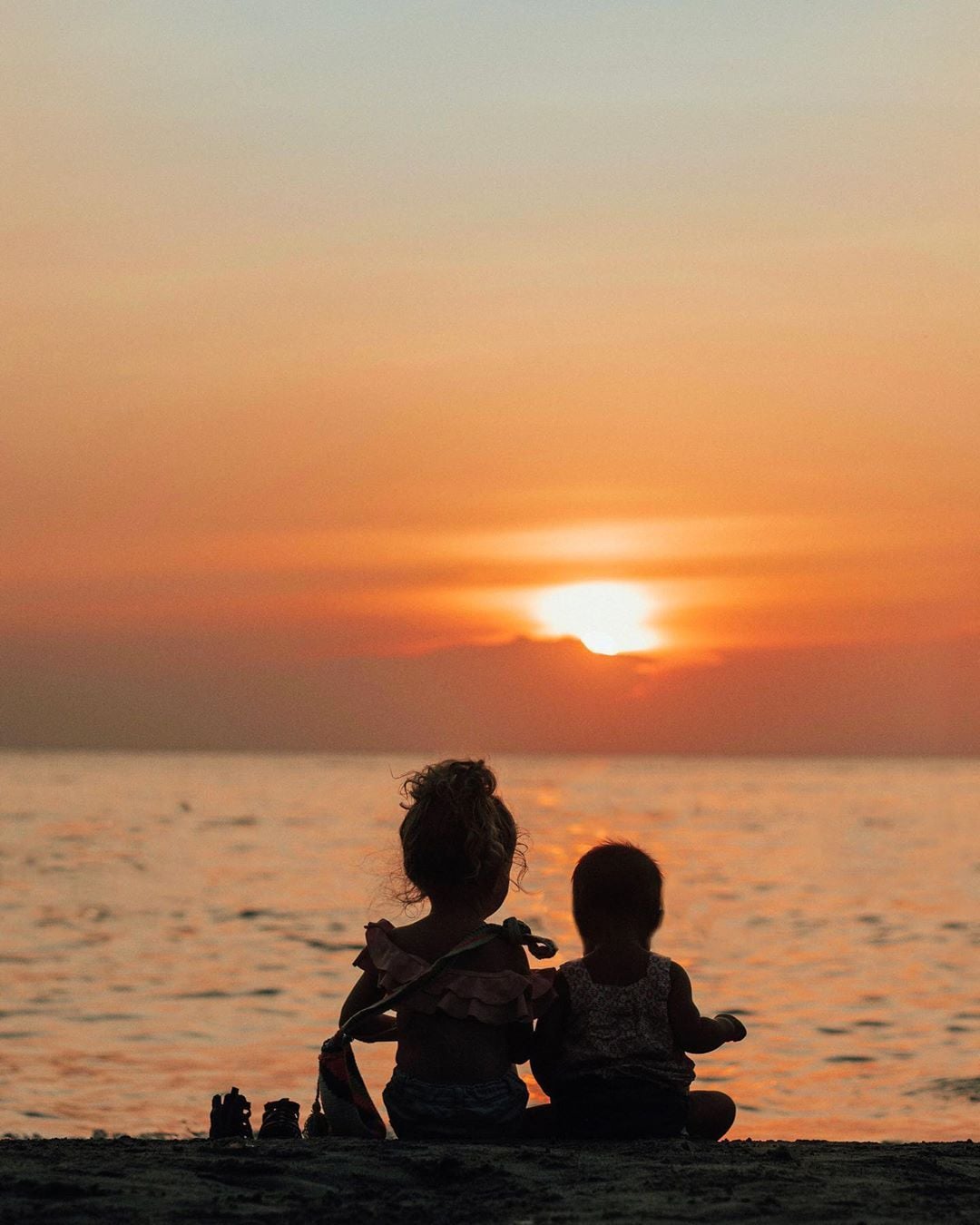
6. Sunrise or Sunset Walk
Set your alarm early enough to be outside watching the sunrise. Or plan an evening walk timed to watch the sunset from a good vantage point. Talk about what you see as the light changes.
Sunrise and sunset walks create experiences that feel genuinely special and slightly outside normal life.
Kids who experience the drama of a natural sunrise or sunset develop an awareness of the daily rhythm of the natural world that is quietly profound.
The changing colours of the sky, the sounds of the birds greeting the morning or settling for the night, and the feeling of witnessing something vast and beautiful creates real wonder.
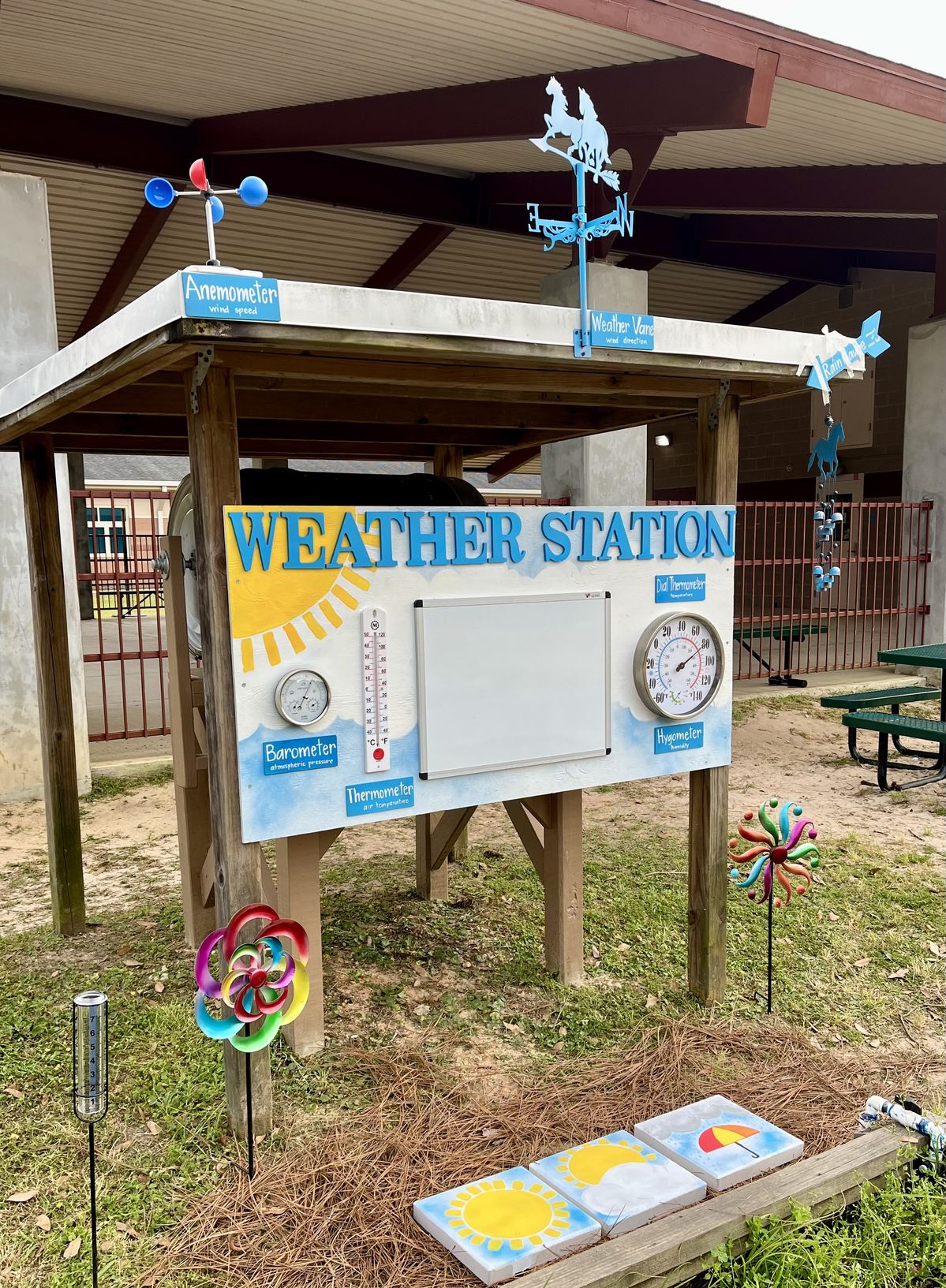
7. Weather Station Building
Build a simple weather station in the garden. A rain gauge from a plastic bottle. A wind vane from a card arrow on a pencil. A simple thermometer. Record the readings daily for a month.
Building and running a weather station teaches real science skills through ongoing observation and data recording.
Kids who check their weather station daily become genuinely invested in the patterns they discover. Noticing that rain always follows a particular wind direction, or that temperature drops dramatically on clear nights, creates real scientific thinking from real data collected by real small hands. This project grows in value the longer it runs.
Go check out 17 Homeschool Activities That Keep Learning Exciting because those ideas show how ongoing real world projects like a weather station create deeper and more lasting learning than any single lesson ever could.
8. Pond Dipping
Visit a pond with a simple dipping net and a white tray. Scoop water and observe what you collect. Identify water beetles, pond skaters, water boatmen, tadpoles, and other aquatic life.
Pond dipping reveals a completely hidden world that exists right beneath the water’s surface.
Kids who dip in a pond for the first time are always genuinely amazed by the abundance and variety of life in the water.
The white tray allows creatures to be seen clearly and identified carefully before being returned to the water. Always return everything you catch and leave the pond as you found it.
9. Nature Photography Walk
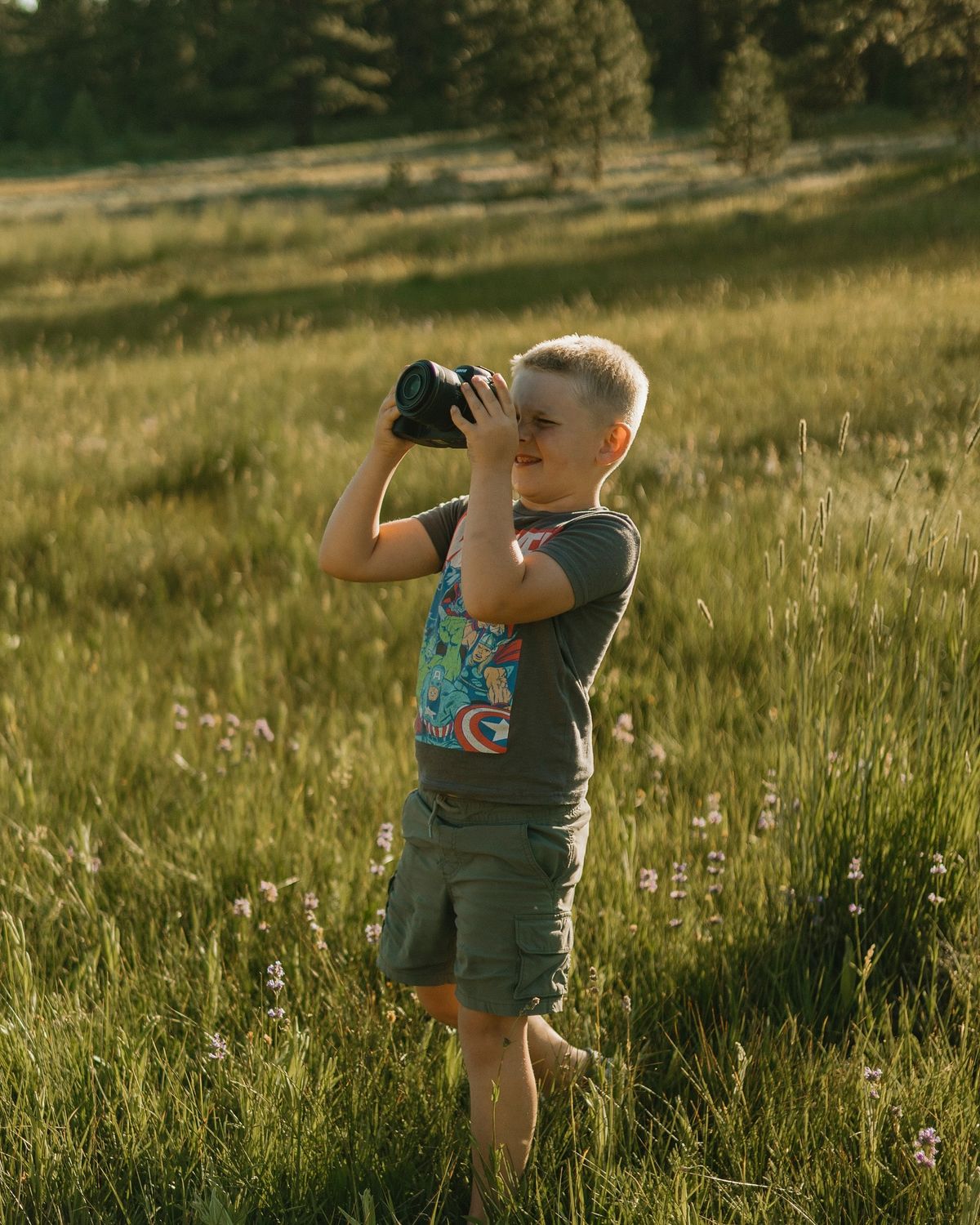
Give kids a simple camera or a phone and send them out to photograph nature with a specific brief. Find something beautiful, something surprising and something most people walk past without noticing.
Nature photography changes how kids look at the natural world completely.
When you know you are looking for a photograph, you start noticing things you would normally overlook. A dewdrop on a leaf. The pattern on a moth’s wing. The texture of tree bark.
Kids who photograph nature regularly develop a visual sensitivity and attention to detail that enriches every outdoor experience.
For more wonderful outdoor observation and creative activity ideas that develop this same quality of careful noticing, go explore 25 Planet Craft Ideas That Make Learning About Space Exciting because that same spirit of careful observation and wonder drives both earthly nature study and space exploration.
10. Beach Combing Collection
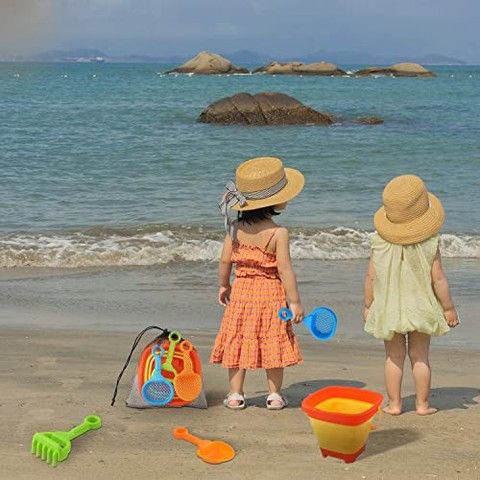
Walk slowly along a beach or shoreline, eyes down, collecting interesting objects. Sea glass, unusual pebbles, shells, driftwood, feathers, and anything else that catches the eye.
Beach combing is a wonderfully meditative activity that combines physical walking with careful observation.
Kids who beach comb develop a habit of looking carefully at the ground beneath their feet that serves them well in any natural setting.
The collection they build over a beach walk tells a story about that particular stretch of coastline and its relationship with the sea. Display collections in a shallow tray or jar as a beautiful souvenir of the adventure.
11. Night Sky Observation
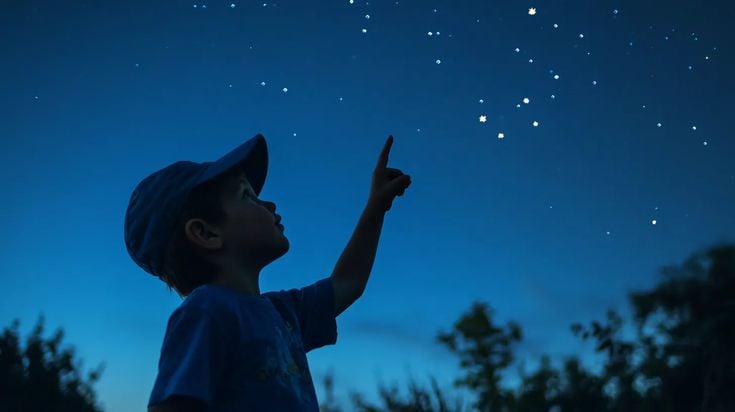
On a clear night away from light pollution, lie back and look at the sky. Count stars, find constellations, watch for satellites, and if you are lucky spot a meteor or two.
Night sky observation connects kids to the universe beyond the earth in the most direct way possible.
The simple act of lying on the ground and looking up at the real night sky creates a sense of scale and wonder that no screen or book can replicate.
Kids who regularly observe the night sky develop a genuine relationship with astronomy that can last a lifetime. Start with the most visible and familiar constellations and build knowledge gradually over multiple observations.
Go take a look at 29 Space Activities for Kids Future Astronauts Will Love because combining real night sky observation with space themed learning creates the most complete and memorable astronomy education imaginable.
12. Fossil Hunting
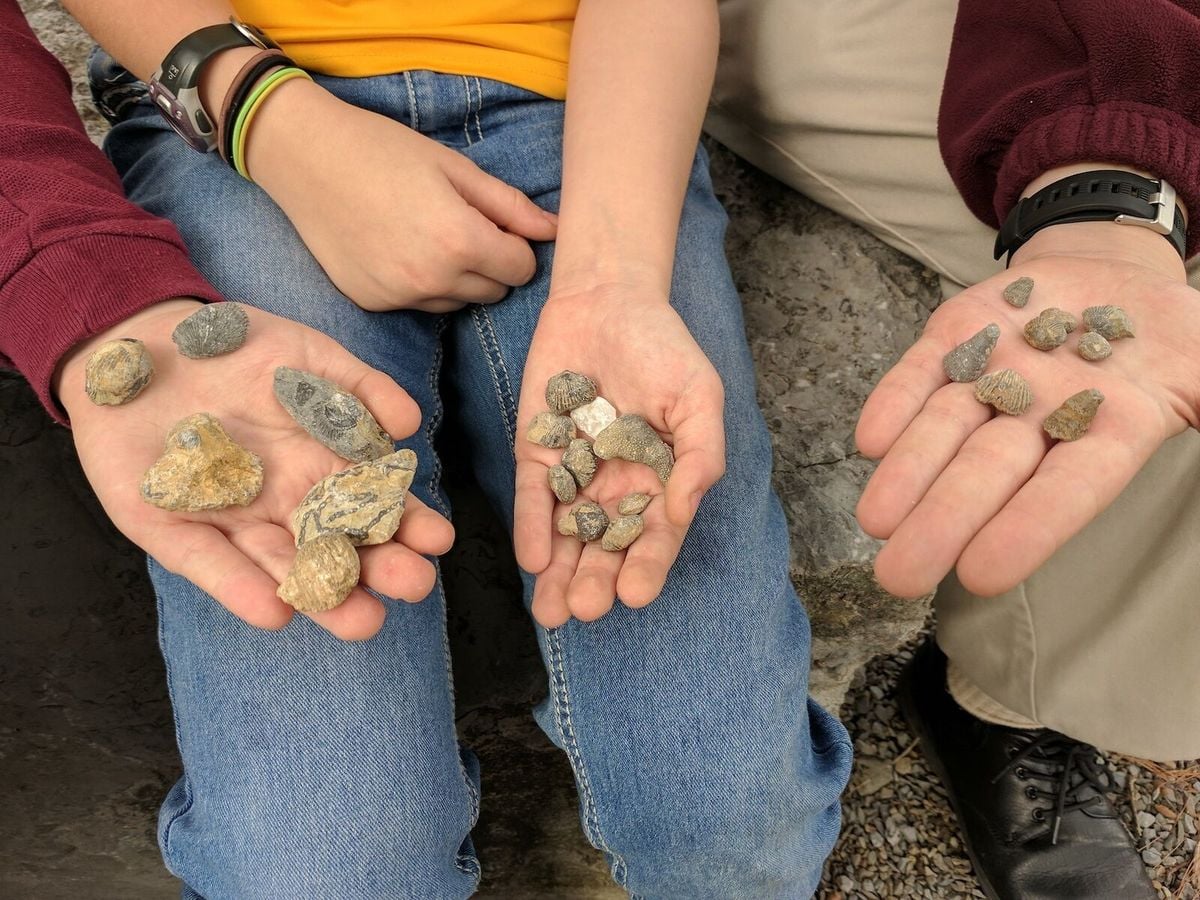
Visit a known fossil site or a rocky beach where fossils are commonly found. Search carefully through rocks and pebbles for evidence of ancient life. Ammonites, belemnites, and plant fossils are often accessible to beginners.
Fossil hunting creates a direct physical connection to deep geological time that is genuinely profound.
Kids who hold a fossil in their hands and understand that this was once a living creature hundreds of millions of years ago experience a shift in perspective that is really significant.
The searching itself, turning over rocks and examining surfaces carefully, builds patience and observation skills in a really effective way.
13. Garden Safari
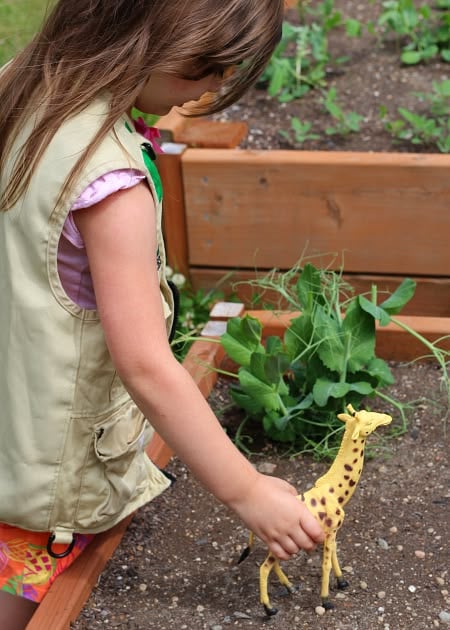
Spend an hour treating your own garden as a wildlife safari. Move slowly and quietly. Record every living thing you see. Birds, insects, spiders, worms, slugs, and any plants growing spontaneously.
Treating a familiar space like a safari destination changes how kids see it completely.
Kids who do a garden safari are always amazed by how much wildlife exists in a space they thought they knew well. The act of slowing down and really looking reveals a whole world that normally goes unnoticed.
Keep a safari record across different seasons to see how the garden wildlife changes throughout the year.
For more wonderful garden based nature discovery activities, go check out 21 Jellyfish Craft Ideas That Look Colorful and Magical because that same spirit of discovering hidden beauty in unexpected places applies just as powerfully to the garden as to the ocean.
14. Seed Dispersal Investigation
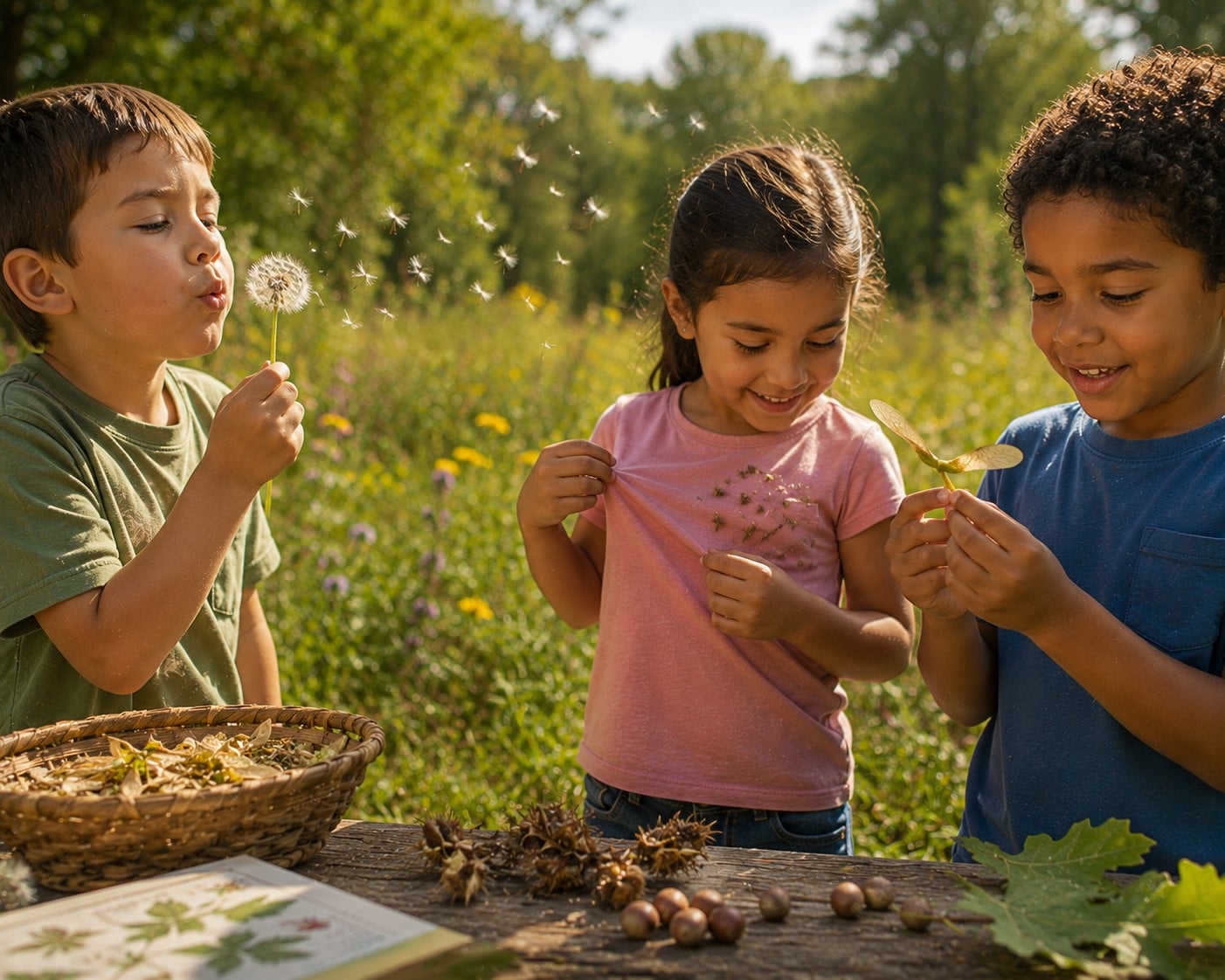
Collect different seeds and study how each one is designed to travel. Dandelion clocks that float on the wind. Sticky goosegrass seeds that cling to clothing. Heavy acorns that roll downhill. Winged sycamore seeds that spin.
Seed dispersal investigation teaches evolutionary biology through the most hands on and joyful means possible.
Kids who understand that every seed shape is an adaptation for travel start looking at all plants differently. They notice and collect seeds everywhere they go and become natural botanists without any formal instruction.
The throwing of dandelion clocks into the wind, watching the seeds float away, is one of those timeless nature moments that every child should experience.
15. River Walk and Study
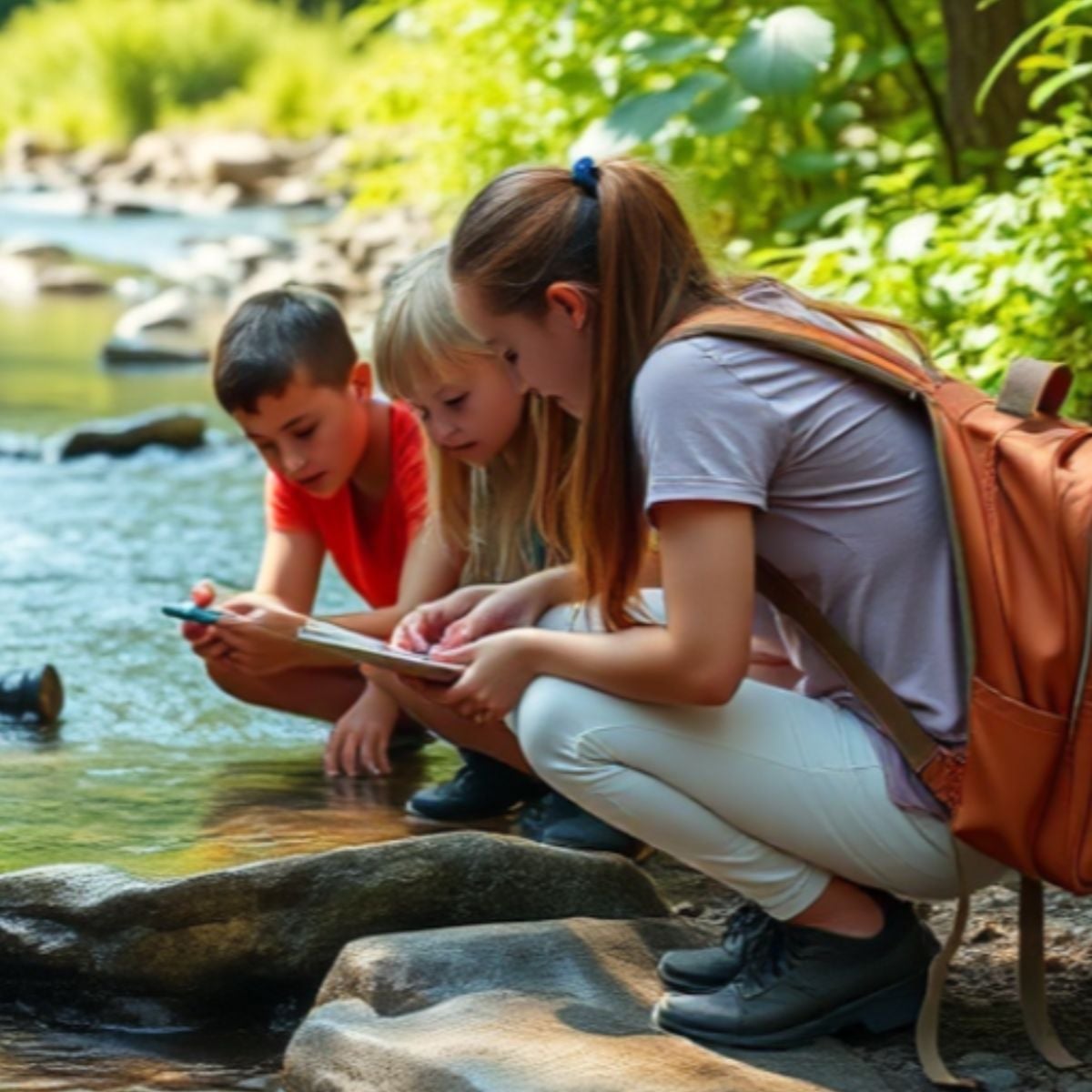
Follow a river or stream from one point to another. Observe how it changes as you walk. Notice where it speeds up, where it slows down, where it deepens and shallows. Look for wildlife along the banks.
A river walk teaches geography, ecology, and environmental science through direct observation.
Kids who walk a river from one point to another develop a real understanding of how waterways shape the landscape around them.
The changing sounds of the water as it moves through different sections keeps the whole walk feeling interesting and dynamic. Stop regularly to sketch, record, and observe specific features along the way.
Go explore 27 Shark Craft Ideas That Are Surprisingly Easy to Make for more wonderful water and ocean themed activities that celebrate aquatic environments and the amazing creatures that live within them.
16. Kite Flying
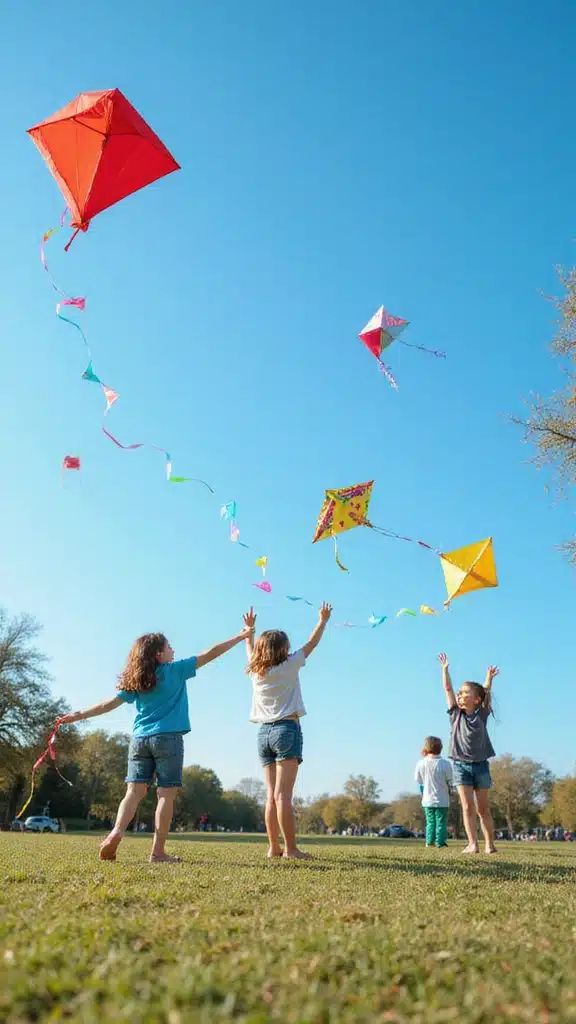
Make a simple kite from sticks, string, and a plastic bag or tissue paper. Head to an open windy space and fly it. Experiment with tail lengths and shapes to find the perfect flying balance.
Making and flying your own kite is one of those activities that combines craft, science, and outdoor adventure perfectly.
Kids who make their own kite invest in its success completely. They run harder, adjust more thoughtfully, and celebrate more enthusiastically than they ever would with a bought kite.
The science of what makes a kite fly, angle of attack, tail balance, and wind speed, becomes completely real and meaningful when the kite is your own creation.
17. Nature Scavenger Hunt
Create a detailed nature scavenger hunt list before heading outside. Find something that has fallen from a tree, something smaller than your thumbnail and something that was once alive. Find evidence of an animal.
Category based nature scavenger hunts develop observation skills and ecological thinking simultaneously.
The open ended nature of category based clues means every child finds something different which leads to brilliant sharing conversations afterwards.
The scavenger hunt format gives outdoor exploration a sense of purpose and direction that keeps kids focused and engaged for much longer than unstructured wandering.
For more wonderful scavenger hunt and exploration activity ideas that add purpose and direction to outdoor adventures, go check out 21 Daycare Activities That Keep Little Kids Happily Engaged because those ideas show how simple structure transforms good outdoor time into really focused and valuable learning experiences.
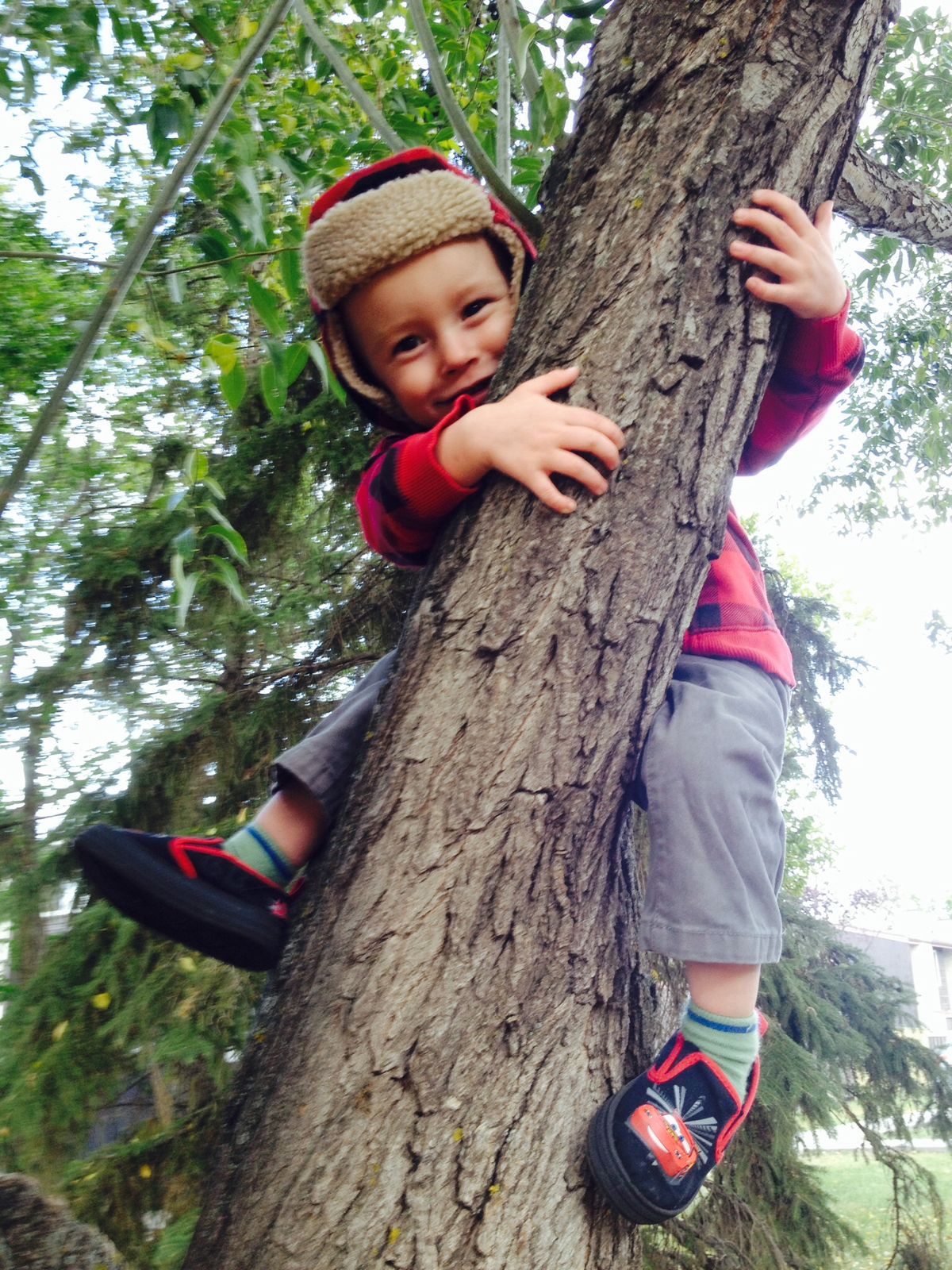
18. Tree Climbing Adventure
Find appropriate trees with low accessible branches in a safe outdoor space. Let kids climb with supervision, setting clear and sensible height boundaries. Encourage them to go only as high as feels comfortable.
Tree climbing is one of the most beneficial physical and psychological activities a child can do.
The risk assessment that happens naturally as a child climbs, testing each branch, judging distances, deciding how high to go, is exactly the kind of real world risk management that builds genuine confidence and good judgement.
Kids who climb trees regularly develop physical capability and mental resilience that transfers to every challenging situation in life.
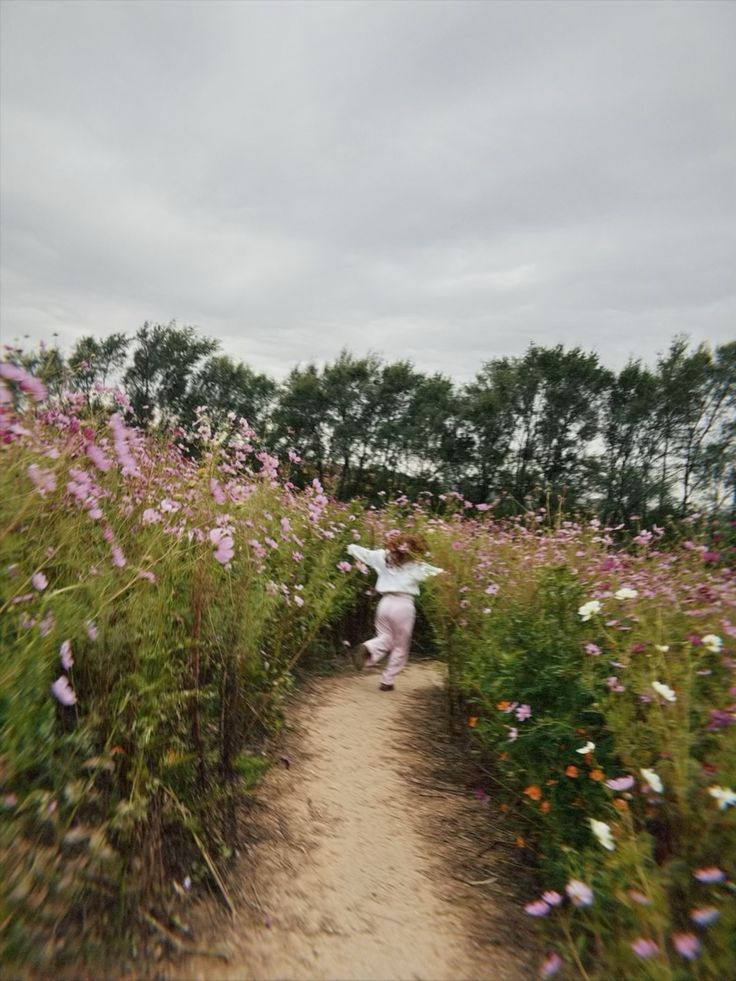
19. Wild Flower Meadow Walk
Find a wild flower meadow or a grassy verge rich in wild flowers. Walk slowly through it and identify as many flower species as possible. Observe which insects visit which flowers and why.
Wild flower meadow walks reveal a complex ecological community that most people walk through without ever truly seeing.
Kids who learn to identify wild flowers develop a relationship with the landscape that changes how they experience the countryside forever.
The connection between specific flowers and specific pollinators is a gateway to understanding ecology in a really accessible and beautiful way. Take photographs rather than picking flowers so the meadow remains beautiful for everyone.
Go take a look at 24 Ladybug Craft Ideas That Are Bright Cute and Fun because that post shows how connecting craft making to real nature observation creates the most complete and meaningful learning about the natural world.
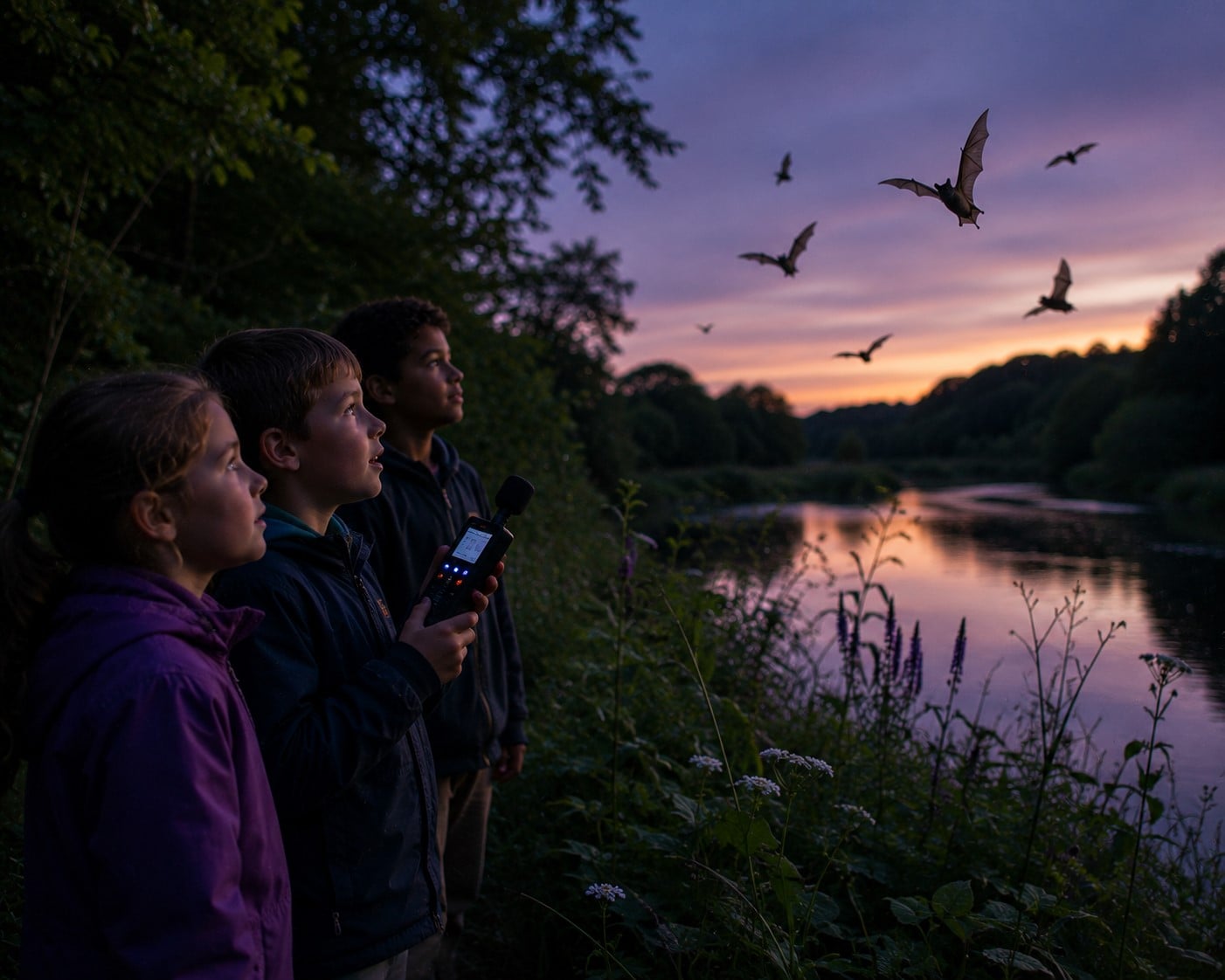
20. Bat Walk
On a summer evening just after sunset head to a woodland edge, a river, or a park with a bat detector if possible. Watch and listen for bats emerging to hunt insects in the dusk.
A bat walk creates one of the most magical wildlife experiences available to kids in most parts of the world.
The sudden appearance of bats swooping and diving in the fading light is genuinely thrilling.
Using a bat detector to hear the echolocation clicks that bats use to navigate adds a brilliant science dimension to the experience.
Kids who see bats hunting in the wild almost always become passionate bat advocates from that moment forward.
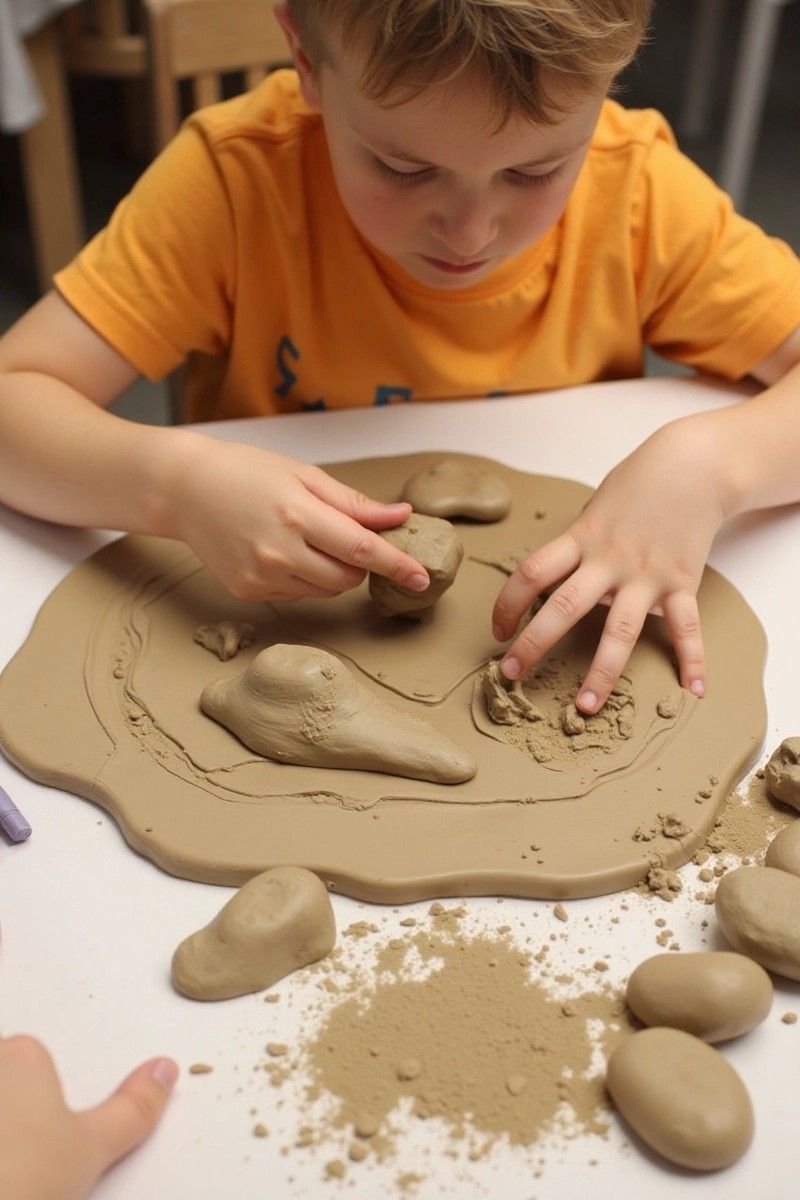
21. Mud Sculpting
Find good quality clay rich mud in a woodland or riverbank setting. Use it to sculpt animals, faces, and creatures directly in the landscape. Press natural materials into the surface for added detail and texture.
Mud sculpting in a real natural setting is completely different from using clay indoors.
The abundance of natural materials available for pressing and decorating creates sculptures that feel genuinely connected to the landscape.
Kids work with more freedom and more ambition when the material is free and unlimited. Leave the finished sculptures to weather naturally and visit them on future outings to see how they change over time.
For more wonderful outdoor sculpting and creative making ideas that use the natural world as both material and inspiration, go explore 19 Snake Craft Ideas Kids Will Think Are Super Cool because those projects show how natural materials become the most satisfying and beautiful creative tools.
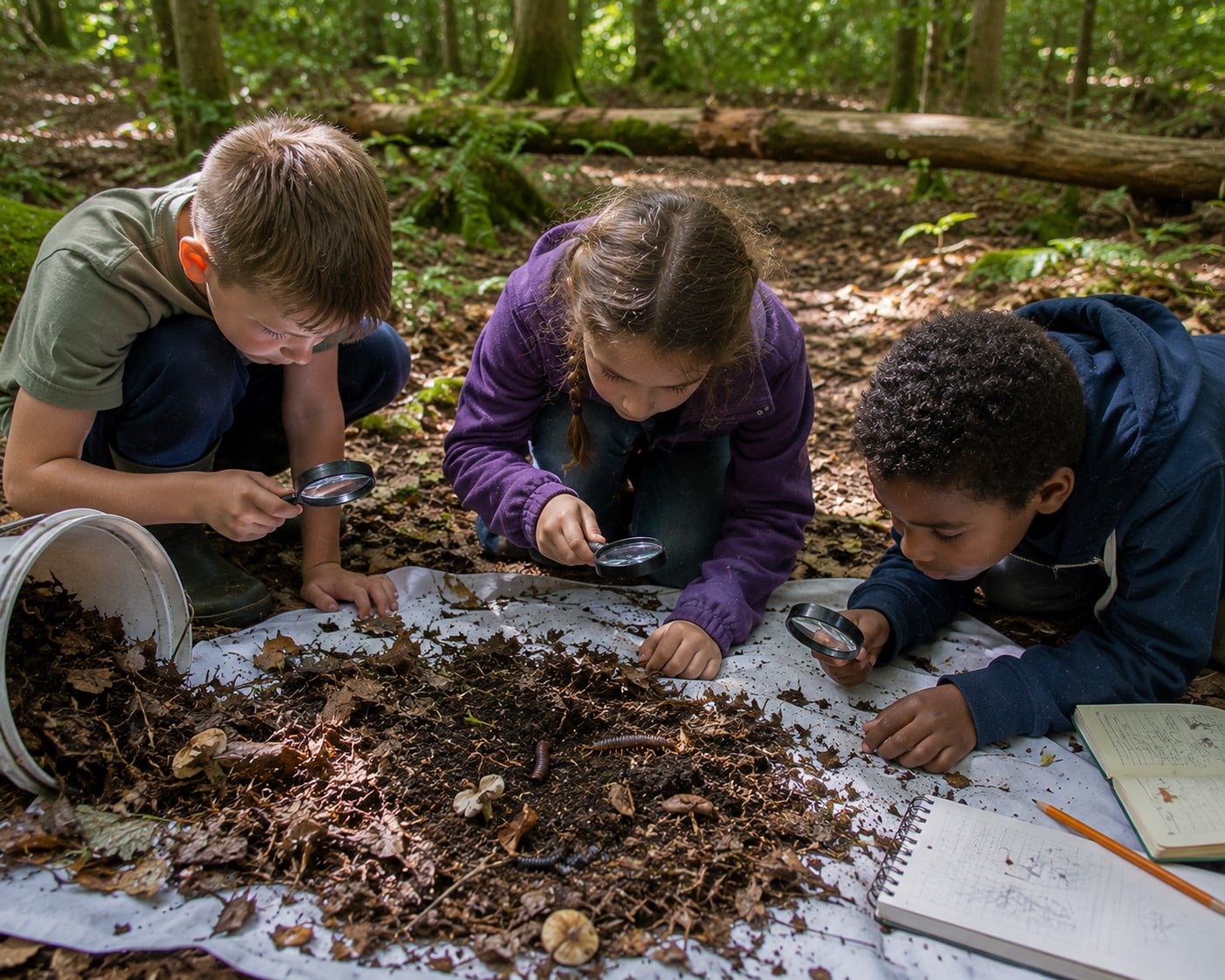
22. Leaf Litter Study
Collect a bucketful of leaf litter from a woodland floor. Spread it on a white sheet and study everything living within it carefully. Count, identify, and record every creature found.
Leaf litter study reveals one of the most biodiverse habitats on earth hiding in plain sight beneath every tree.
Kids who study leaf litter discover a world of mites, springtails, millipedes, centipedes, and fungal threads that most people never know exists.
The ecological importance of this hidden world, breaking down dead matter and returning nutrients to the soil, is a gateway to understanding how healthy ecosystems work. Return everything to the woodland when the study is finished.
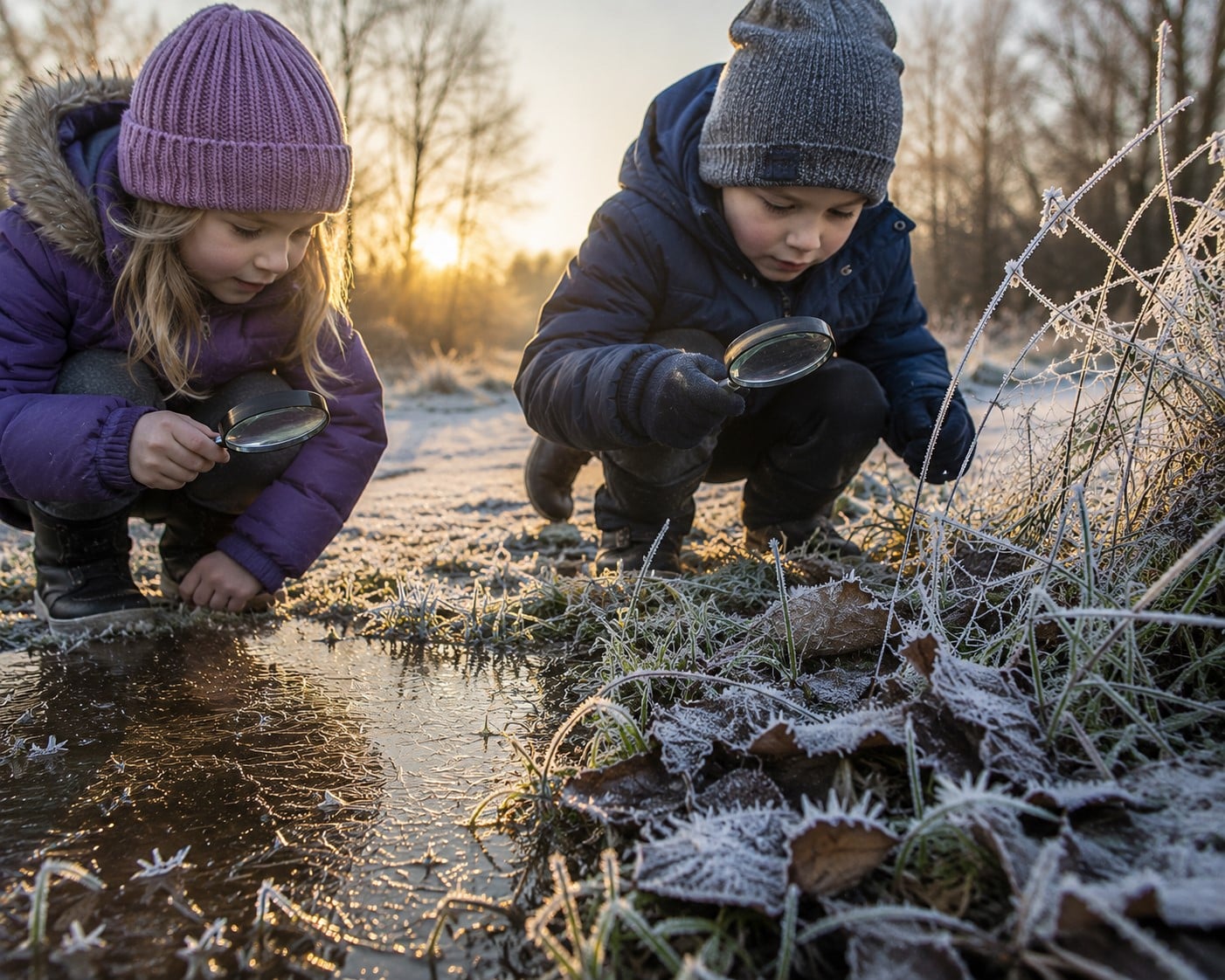
23. Ice Exploration
After a cold night head outside to find frost and ice. Examine frost crystals closely with a magnifying glass. Break thin ice on puddles. Look for frozen leaves, spiderwebs, and grass blades encased in frost.
Winter ice and frost exploration is one of the most beautiful and under appreciated nature adventures.
The intricate patterns of ice crystals on a leaf or a window reveal a mathematical complexity that genuinely astonishes kids when they really look closely.
The temporary nature of ice and frost, melting away as the sun rises, teaches something beautiful about impermanence and the constant change of the natural world.
Go check out 23 Quiet Activities for Kids for Peaceful Afternoons at Home because those ideas show how the calm careful observation skills developed in nature exploration translate beautifully to peaceful indoor activities on the days when going outside is not possible.
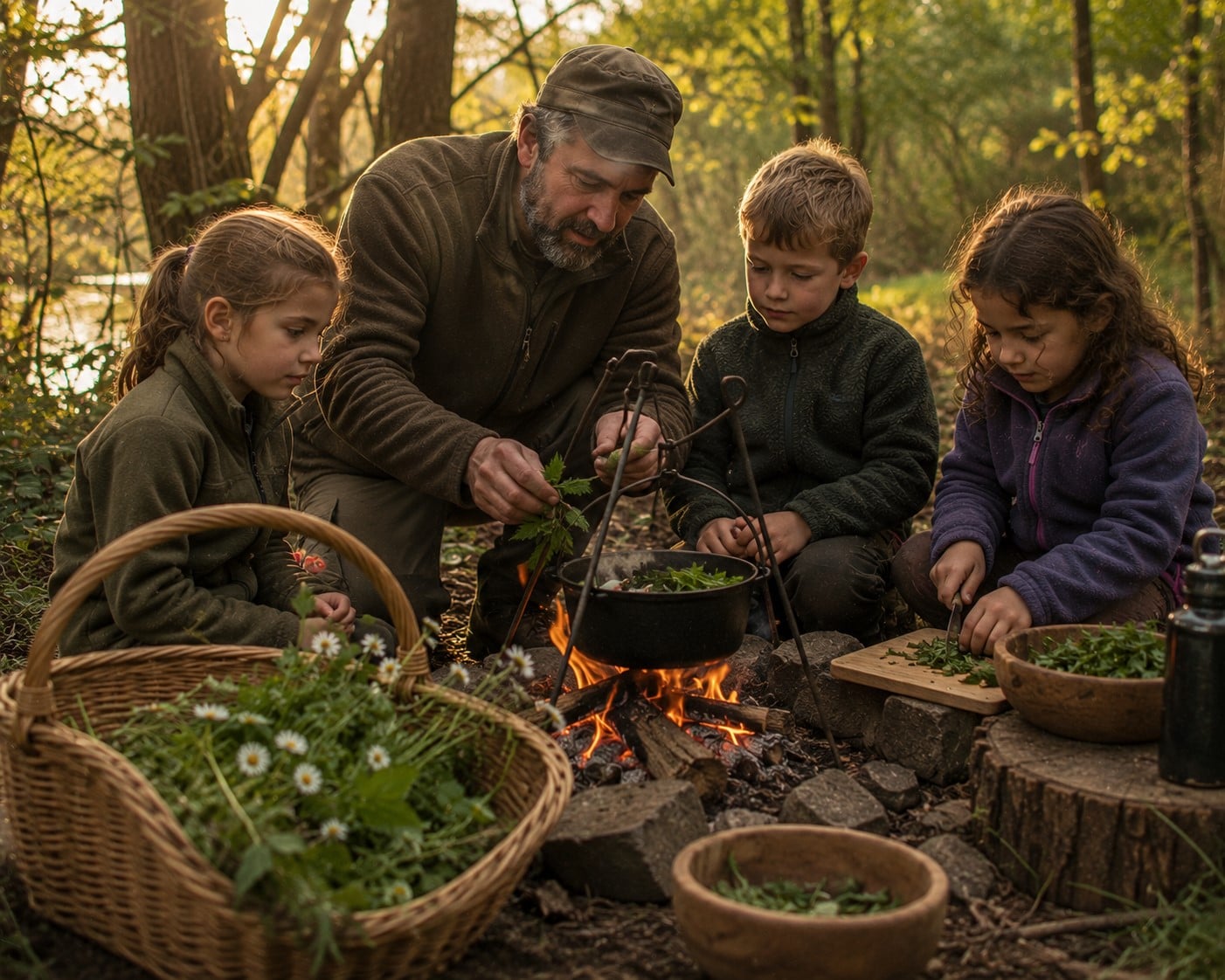
24. Foraging and Wild Cooking
Learn to identify a few safe and easily recognisable wild edible plants appropriate to your local area and season. Collect them carefully and cook them simply together over a small outdoor fire.
Wild foraging and cooking connects kids to the most fundamental human relationship with the natural world.
The realisation that food grows freely all around them changes how kids relate to the landscapes they move through.
Always use a reliable identification guide, never eat anything without being completely certain, and involve an experienced adult in all foraging activities. The meal that results from foraged ingredients always tastes extraordinary.
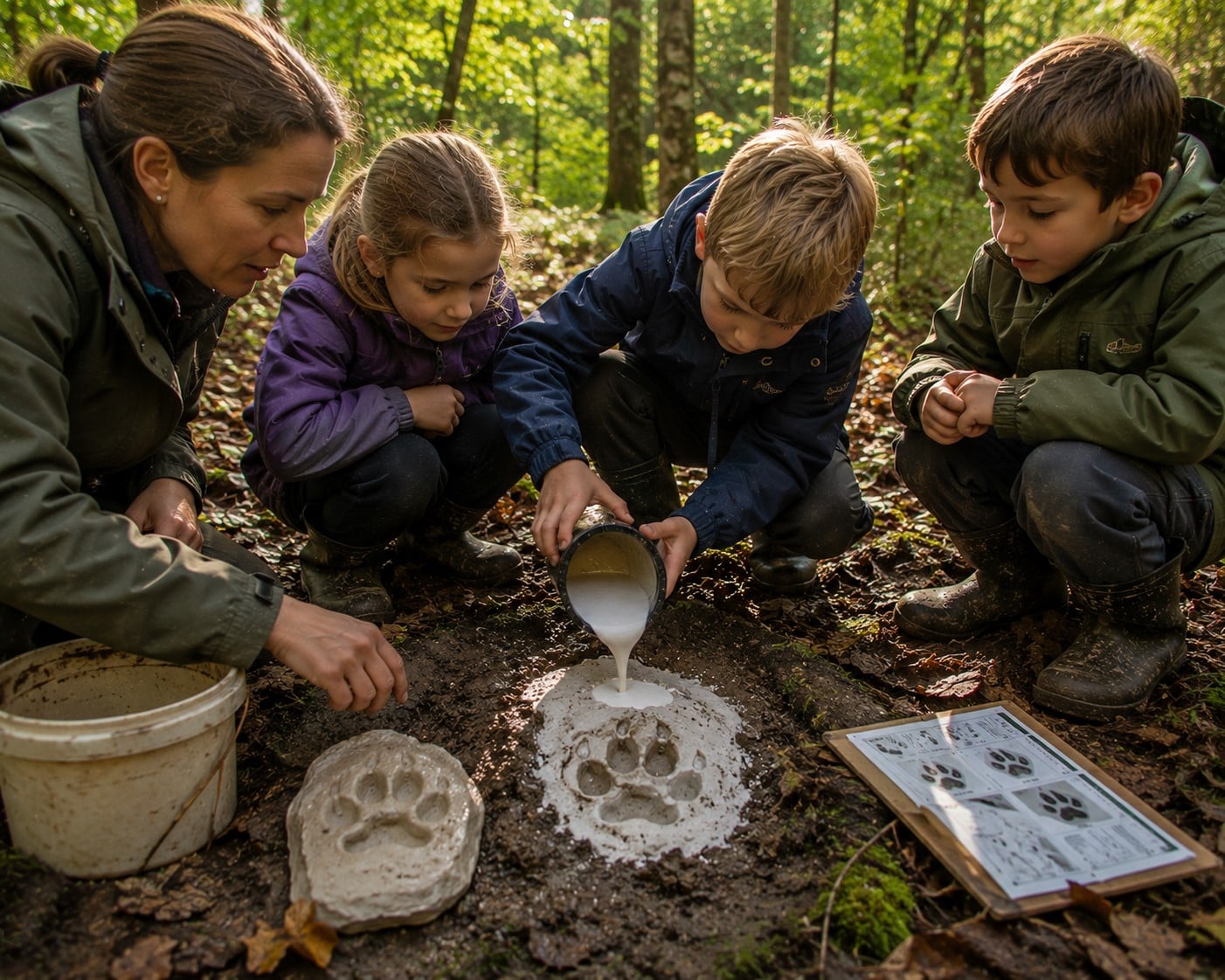
25. Animal Track Casting
Find animal tracks in soft mud or snow. Mix plaster of Paris and pour it carefully into the track. Let it set completely. Lift the cast gently and allow to dry fully before cleaning. Identify and display the finished cast.
Plaster cast animal tracks are brilliant science souvenirs that kids genuinely treasure.
The quality of detail captured in a good plaster cast is always surprising. You can see individual claw marks, pad patterns, and pressure points that reveal how the animal was moving when it made the track.
Display the finished casts on a nature shelf and use them to spark conversations about local wildlife and ecology.
26. Natural Navigation
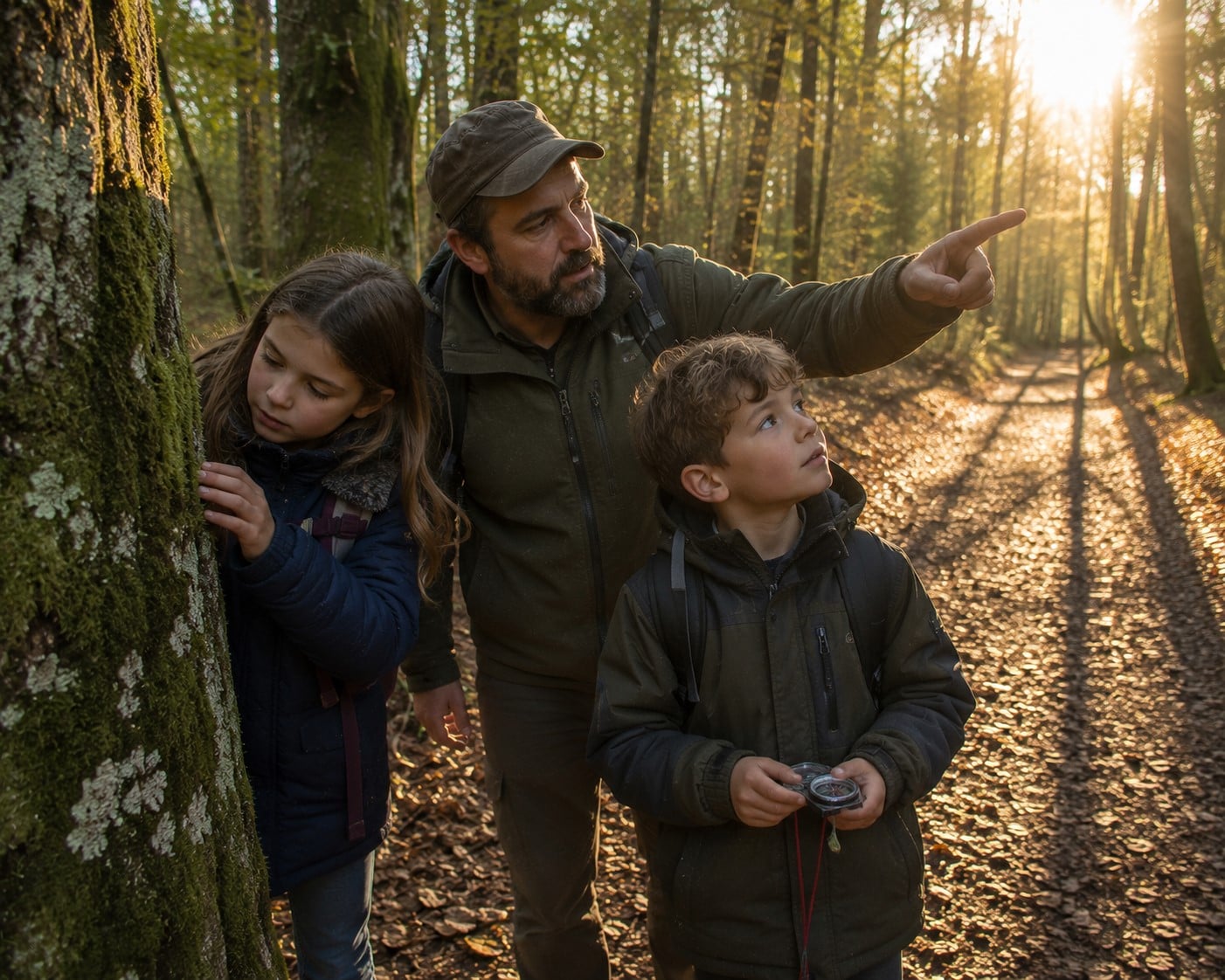
Learn to navigate using natural signs. Moss grows more on the north side of trees in the northern hemisphere. Stars wheel around Polaris in the northern sky. Shadows track the sun from east to west throughout the day.
Natural navigation skills connect kids to the knowledge that allowed humans to travel across continents before maps and GPS existed.
Kids who learn natural navigation start looking at the world completely differently. Every shadow, every tree, every star becomes a potential directional clue.
This knowledge builds confidence outdoors and a sense that the natural world is full of useful information for those who know how to read it. Practice on familiar walks before trying it in unfamiliar territory.
27. Bug Hotel Grand Opening
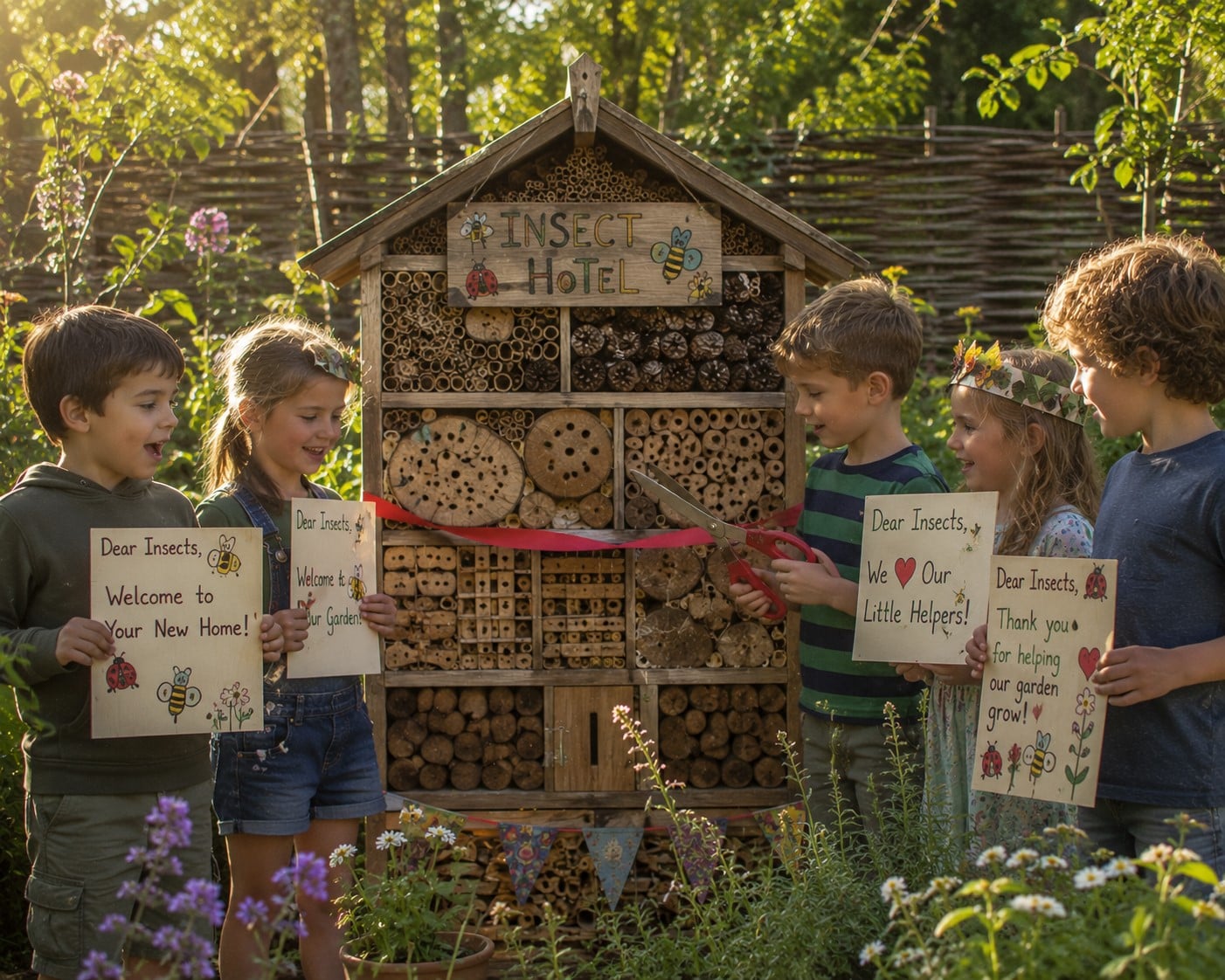
After building an insect hotel, create a ceremonial grand opening event. Write invitations for local insects. Make a ribbon to cut. Give speeches about why the hotel was built and who is welcome to stay.
The grand opening ceremony transforms a practical wildlife activity into a joyful and imaginative community event.
Kids take the ceremony incredibly seriously and the speeches about welcoming insects are always wonderfully earnest and touching. Check the hotel weekly afterwards for new residents and celebrate each new occupant with genuine delight. This ongoing monitoring keeps kids connected to the habitat they created over months and seasons.
Go explore 17 Homeschool Activities That Keep Learning Exciting because that post shows how ceremony and celebration transform learning activities from simple tasks into genuinely memorable and meaningful events.
28. Geocaching Adventure
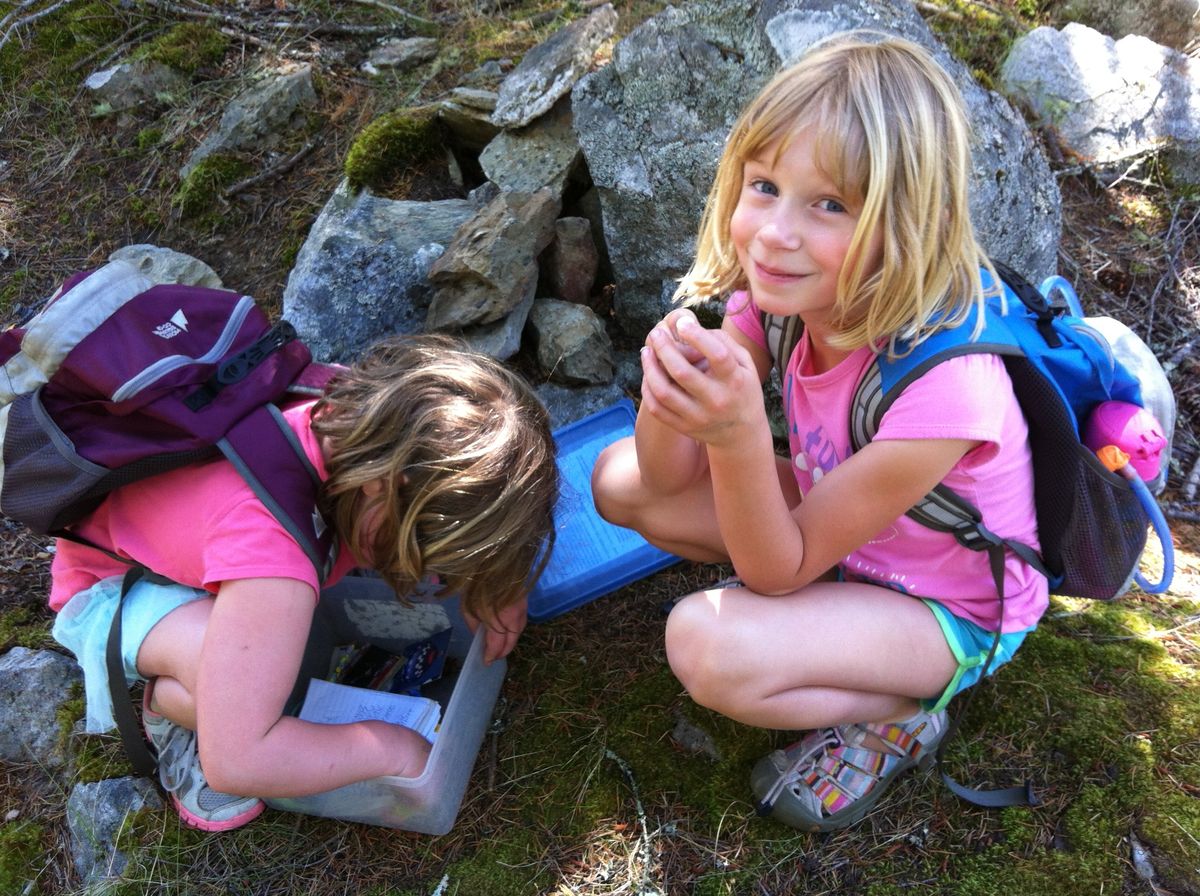
Download a geocaching app and head out to find hidden caches in your local area. Follow the GPS coordinates, find the hidden container, sign the log book, and replace the cache exactly as found.
Geocaching turns any landscape into a treasure hunt that combines technology with real world outdoor exploration.
Kids who geocache learn to read maps, follow coordinates, and navigate real landscapes in purposeful ways.
The discovery of a well hidden cache is always genuinely exciting and the log book containing signatures from previous finders from all over the world creates a wonderful sense of connection to a global community of explorers.
29. Outdoor Sketching Sessions
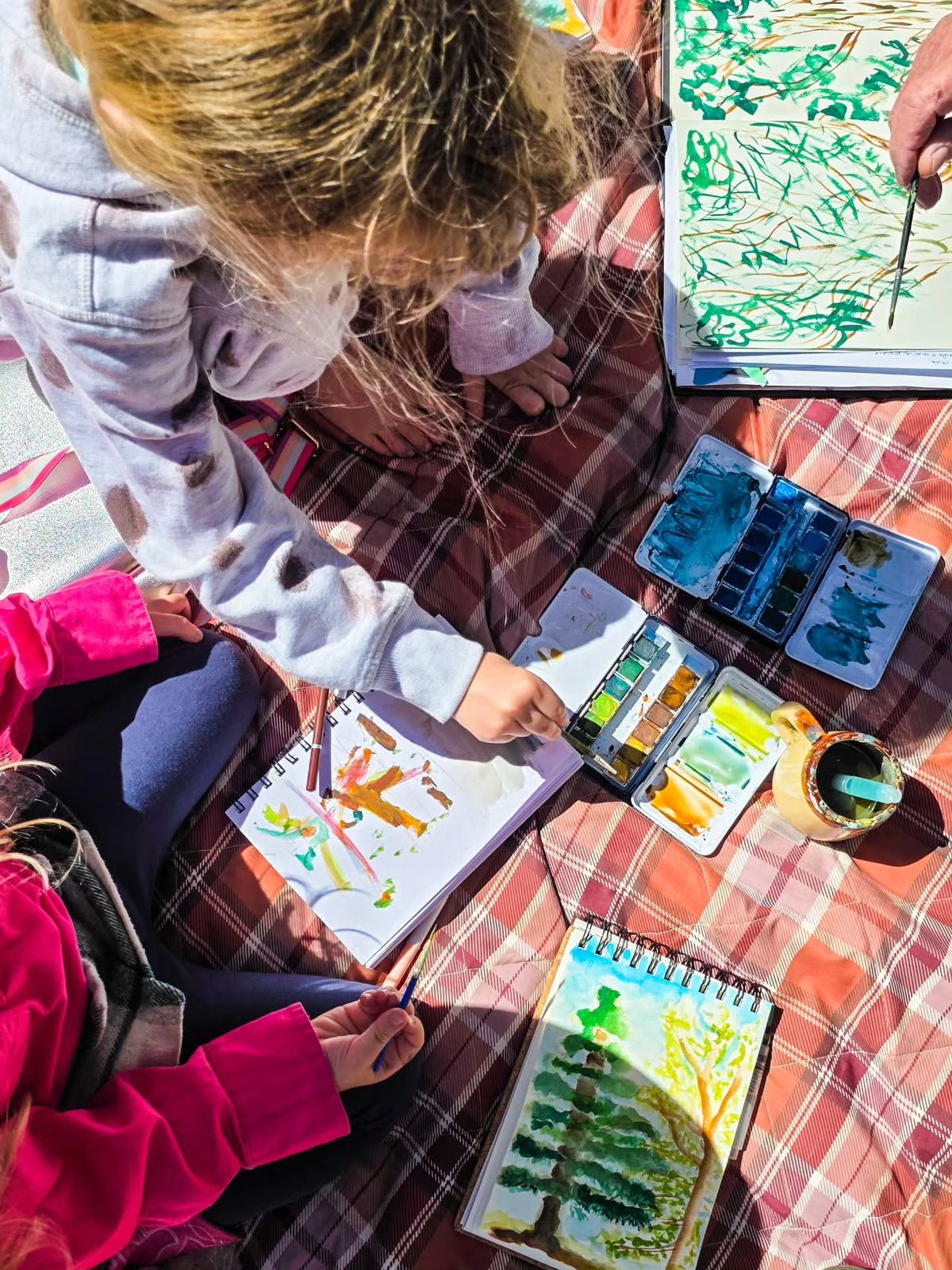
Head outside with a sketchbook and pencils. Sit in one spot and sketch everything you can see in front of you in fifteen minutes. Do not worry about accuracy. Just look and draw.
Outdoor sketching teaches observational drawing skills through the most direct and honest means possible.
Kids who sketch outdoors regularly develop an ability to really look at things in a careful and sustained way. The quality of attention that sketching demands is different from any other outdoor activity.
After several sketching sessions in the same location kids notice seasonal changes, lighting differences, and ecological details they would otherwise completely miss.
For more wonderful outdoor creative activity ideas that develop this same quality of careful sustained attention, go check out 21 Water Activities for Kids That Make Summer Extra Fun because those activities show how creative engagement with outdoor environments deepens appreciation and connection to the natural world.
30. Tide Pool Time Lapse
Visit a tidal area as the tide comes in. Find a safe spot above the high tide line and observe how the landscape changes as the sea gradually covers the rocks, pools, and sand below.
Watching a tide come in is one of those genuinely awe inspiring natural experiences.
The gradual covering of a landscape by the sea feels dramatic and powerful even when it happens slowly and predictably.
Kids who watch a tide come in develop an intuitive understanding of tidal rhythms and the relationship between the moon, the ocean, and the coastline. Choose a safe elevated viewpoint and never stand in the path of incoming water.
31. Snail and Slug Study
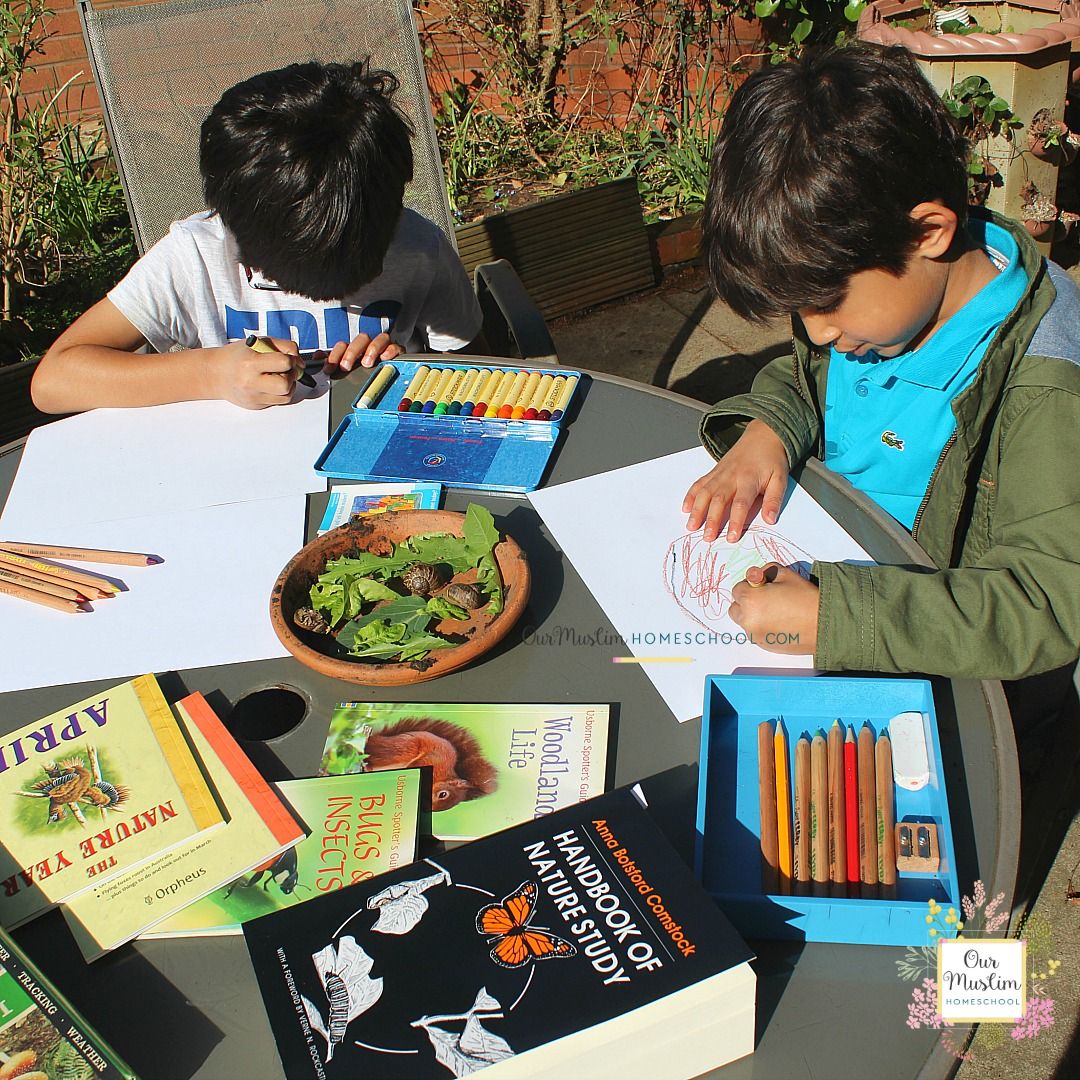
After rain, head outside with a torch at dusk to observe snails and slugs in action. Identify different species, study their movement, and observe how they interact with plants.
Snail and slug study reveals creatures that most people dismiss as garden pests as genuinely fascinating animals.
Kids who observe snails and slugs carefully discover extraordinary things. The way a snail moves on a single muscular foot.
The patterns on a slug’s skin. The beautiful spiral mathematics of a snail shell. This activity reliably converts snail avoiders into snail enthusiasts and that shift in perspective is genuinely valuable.
Go check out 21 Jellyfish Craft Ideas That Look Colorful and Magical because that post shows how learning to appreciate the beauty and fascination of creatures most people overlook creates a much richer and more rewarding relationship with the natural world.
32. Plant a Wildflower Patch
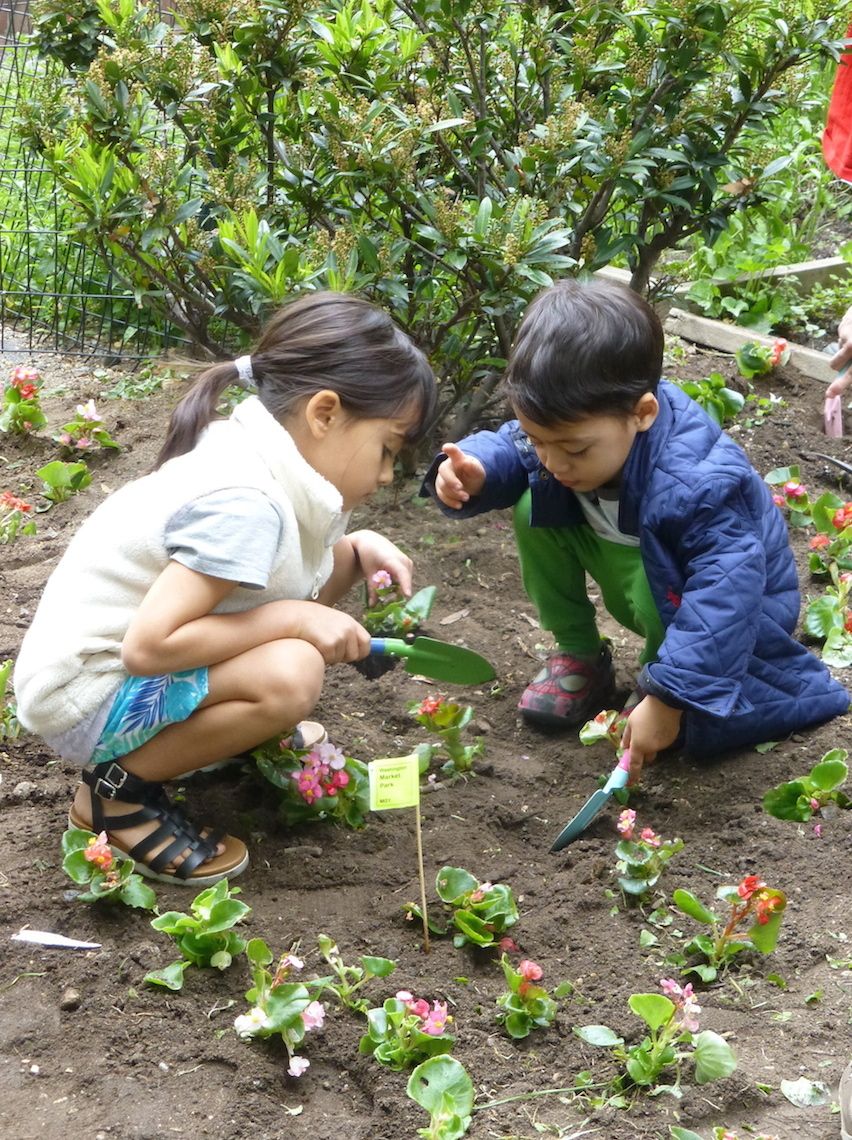
Prepare a small patch of bare ground or a container. Sow a wildflower seed mix appropriate to your climate and season. Water regularly and watch what grows. Record every species that appears over the following months.
Planting a wildflower patch is one of the most impactful nature activities kids can do because the results keep giving for years.
The slow emergence of different flowers over weeks and months teaches patience and long term observation. The insects that are attracted to the flowers once they bloom create a whole new layer of wildlife interest.
Kids who plant wildflowers develop a genuine stake in the ecological health of their local area.
33. Sound Map Making
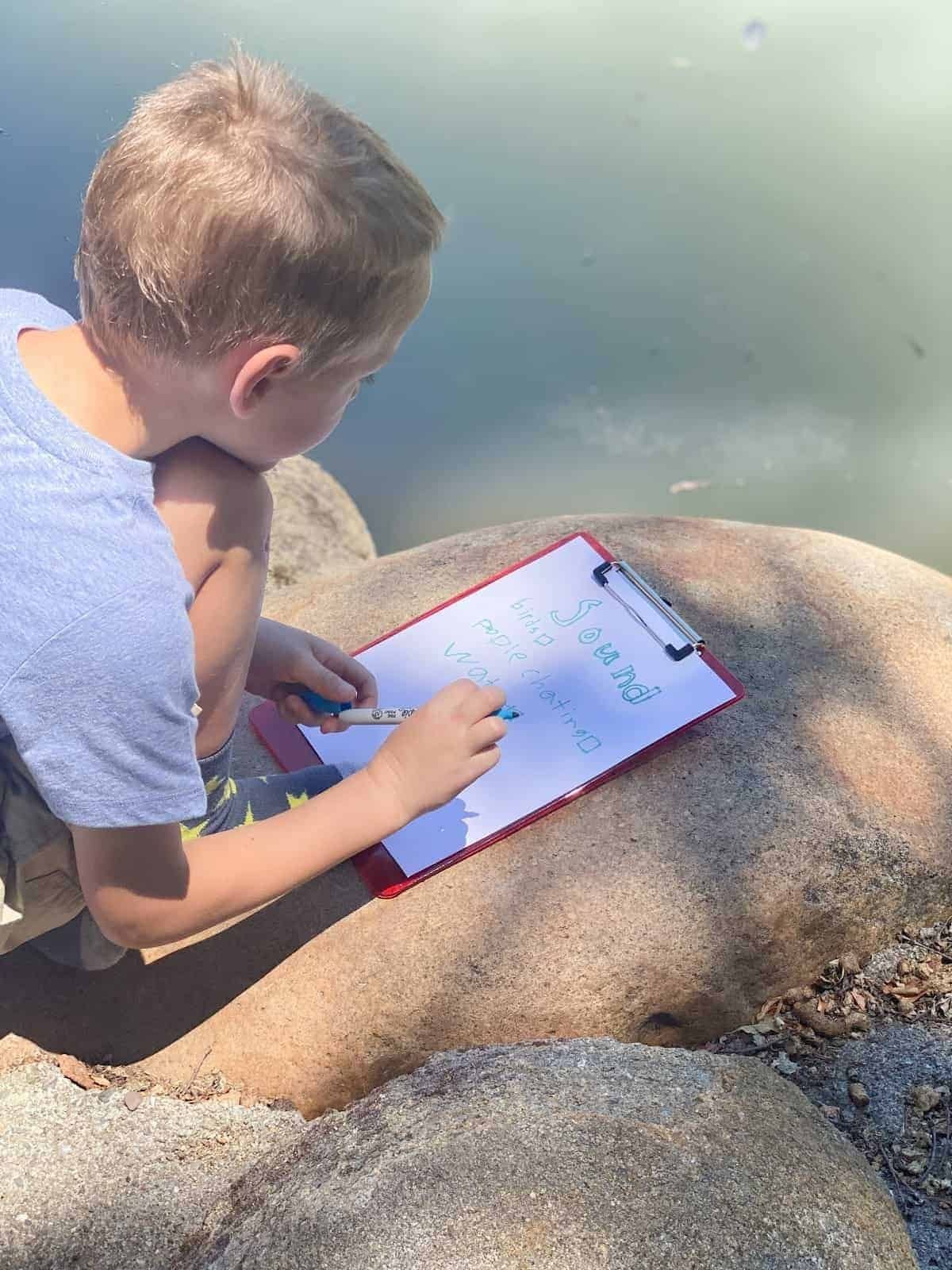
Sit in one outdoor spot and close your eyes for five minutes. Listen carefully to every sound you can hear. Open your eyes and create a map showing yourself at the centre and every sound source placed in the correct direction around you.
Sound maps are one of the most powerful mindfulness and observation activities available in a natural setting.
Kids who make sound maps discover sounds they were completely unaware of before the exercise. Wind in specific trees, Water far away and Insects in the grass beneath them.
The map reveals how much rich sensory information is always available in the natural world for those who stop and listen.
For more wonderful mindfulness and sensory awareness activity ideas that develop this same quality of deep present attention, go explore 23 Quiet Activities for Kids for Peaceful Afternoons at Home because those ideas show how the calm awareness developed in nature translates beautifully to peaceful indoor moments.
34. Stick Collection and Classification
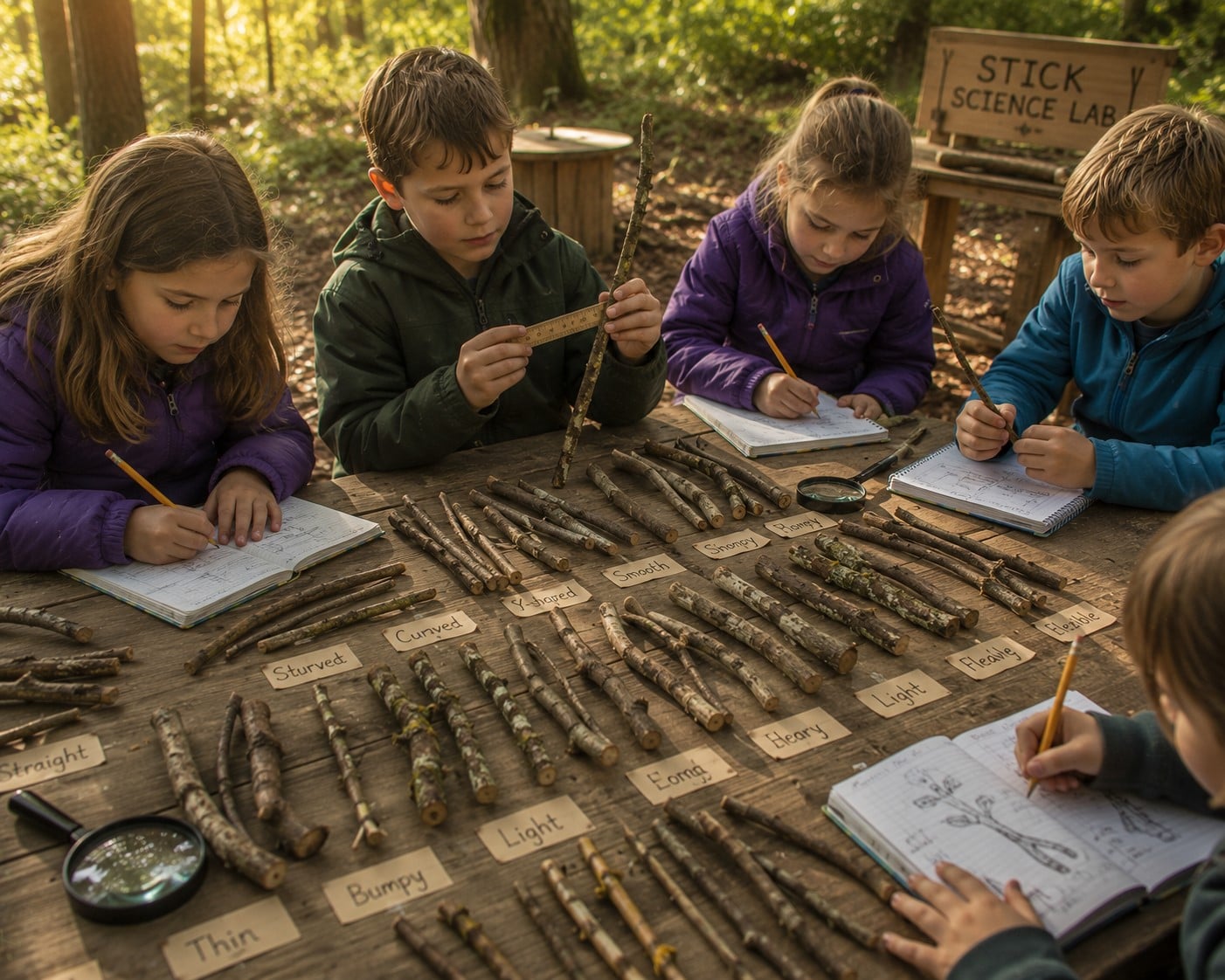
Collect twenty different sticks during a woodland walk. Back at your base, classify them by length, diameter, flexibility, wood type, presence of bark, and any other interesting characteristics.
Stick classification is genuine science work disguised as something incredibly simple and accessible.
The process of choosing criteria for classification and then consistently applying those criteria to a real collection is exactly what scientists do.
Kids who classify their stick collection develop scientific thinking skills in the most hands on and direct way. Add drawings and measurements to a classification journal for a really impressive scientific record.
35. Wildlife Camera Trap
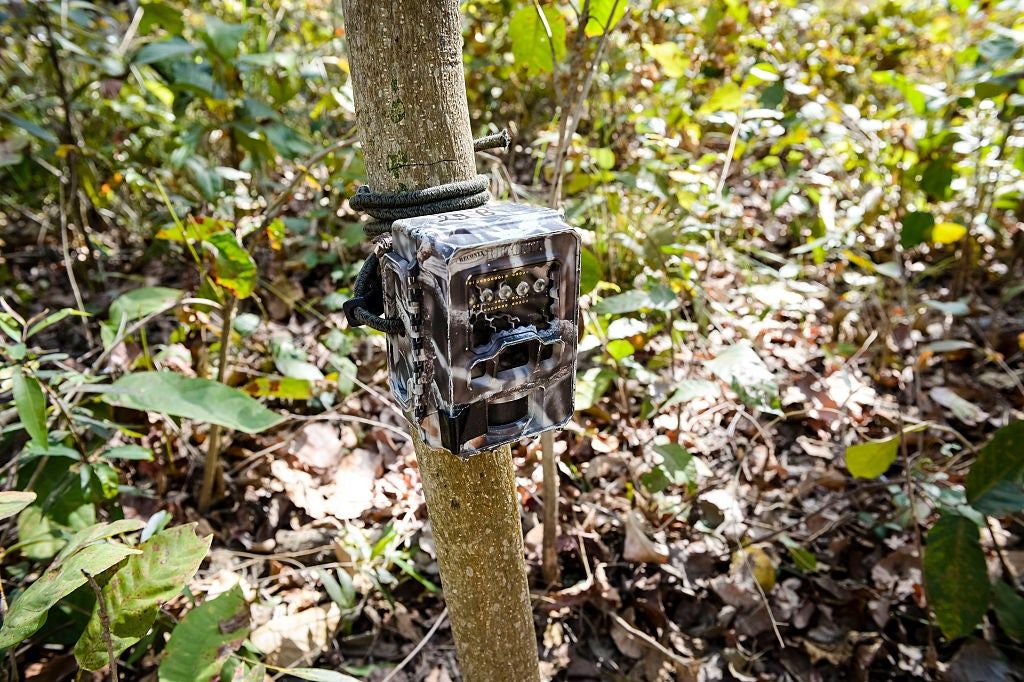
Set up a simple motion activated camera in a garden or outdoor space overnight. Review the footage the next morning to see what wildlife visited while everyone was sleeping.
A wildlife camera trap reveals the secret nighttime life of familiar outdoor spaces in the most exciting way possible.
Kids who watch back camera trap footage are always genuinely amazed by what visits their garden in the dark. Foxes, hedgehogs, badgers, birds, and cats all have their own nighttime routines that kids never normally see.
The footage always sparks brilliant conversations about what these animals were doing and where they went next.
Go take a look at 29 Space Activities for Kids Future Astronauts Will Love because that post shows how the same spirit of observation, recording, and wonder that drives wildlife watching also drives scientific exploration of the universe beyond our planet.
36. Autumn Leaf Collection
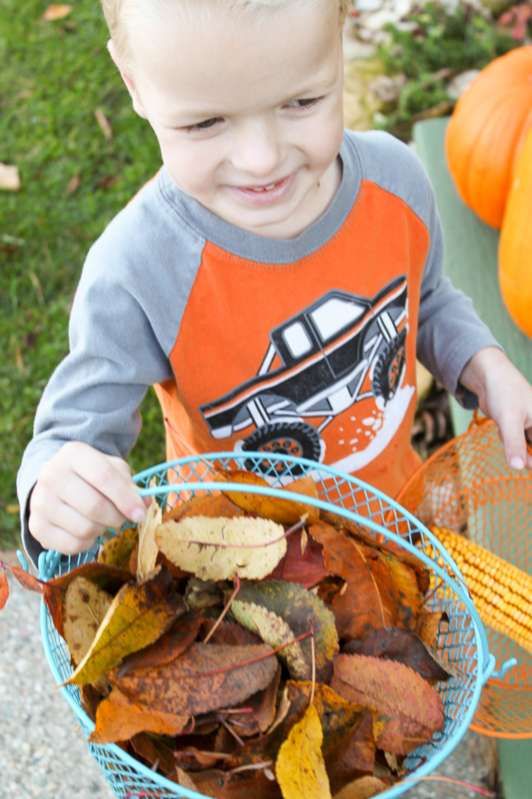
In autumn, collect leaves from as many different tree species as possible. Press them flat and identify each one. Arrange them in a nature journal or a framed display showing the full variety of autumn colours.
An autumn leaf collection is one of the most beautiful and accessible nature activities of the year.
The extraordinary variety of colour and shape in autumn leaves never loses its power to delight. Kids who collect and identify leaves develop tree recognition skills that become automatic over time.
The pressed and framed display of autumn colours is genuinely beautiful and captures the season in a way that photographs rarely quite manage.
37. Create a Nature Journal
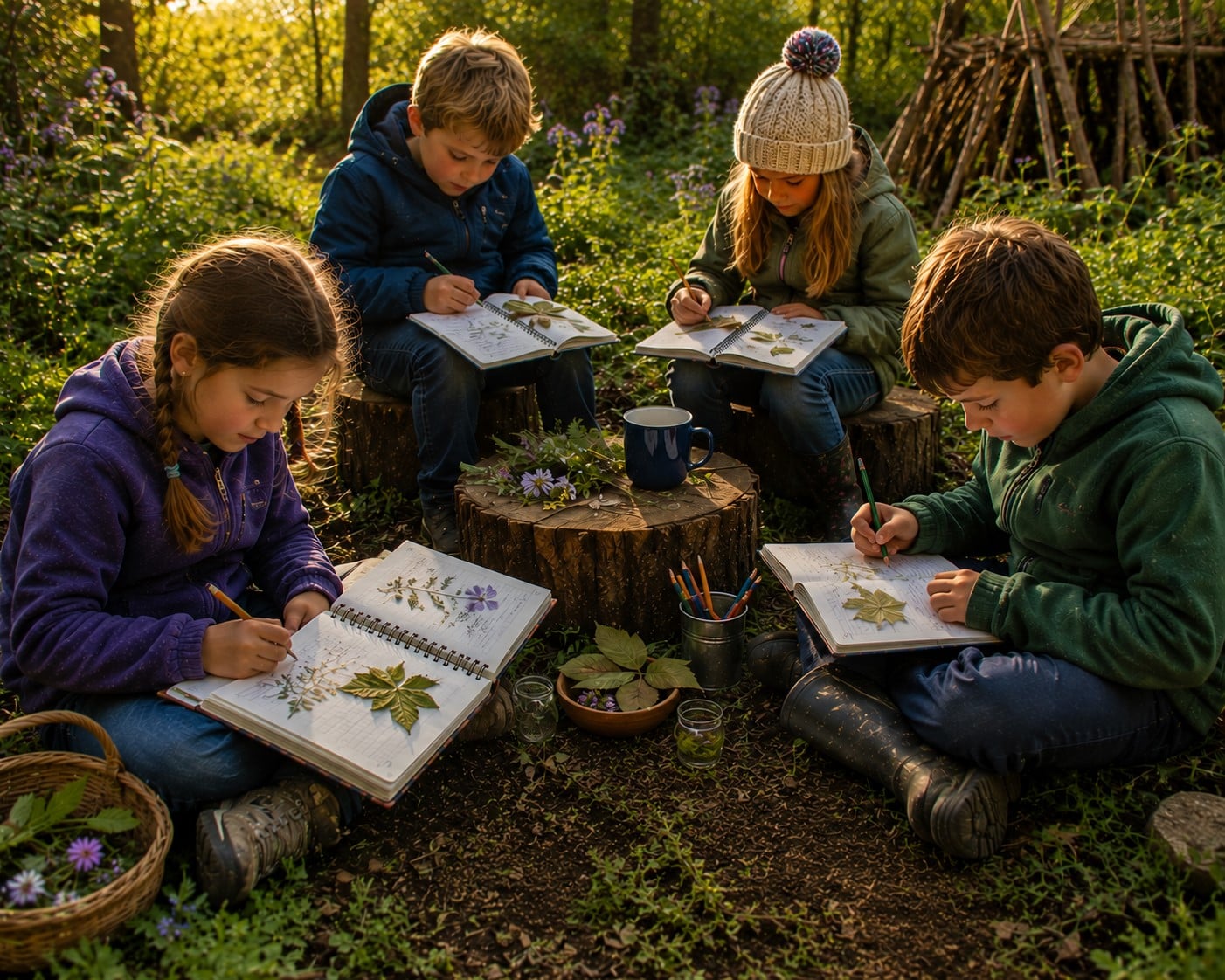
Give each child a blank sketchbook dedicated entirely to nature observations. Draw, write, stick, and paint everything noticed outdoors over an entire year. Watch the journal grow into a genuinely beautiful record of a whole year in nature.
A year long nature journal is the most powerful nature activity on this entire list.
Kids who keep nature journals develop a consistent outdoor observation practice that shapes how they see the whole natural world around them.
The journal becomes a record of seasonal changes, personal growth, and a deepening relationship with the landscape that is genuinely irreplaceable.
Looking back at a completed year long nature journal is always a moment of real pride and wonder.
Final Thoughts
Nature adventures are genuinely the best adventures. They cost almost nothing, they happen right outside your door, and they fill kids with the kind of deep satisfied joy that stays with them long after the day is over.
Every activity on this list can be adapted to your local landscape, your children’s ages, and whatever season you happen to be in right now. Nature is always interesting. It is always changing. And it is always waiting to show something extraordinary to any child who looks carefully enough.
So put on your boots, head outside, and start exploring. The adventure is right there.
And when you are ready to bring some of that outdoor inspiration back to the craft table, go check out 31 Butterfly Craft Ideas That Look Straight Out of Pinterest because those beautiful nature inspired projects are the perfect creative follow up to a full day of genuine outdoor adventure and discovery.