The garden is honestly one of the most underrated play spaces a child can have. It is right there, it is free, and it is full of more interesting things than most people ever stop to notice. A garden is not just grass and plants. It is a living breathing ecosystem full of creatures, textures, smells, and discoveries waiting to happen.
And the activities you can do in a garden go so far beyond just kicking a ball around.
With a little imagination and the right ideas, a garden becomes a science lab, an art studio, a building site, and a nature reserve all at the same time. And if you have been enjoying brilliant outdoor nature adventures lately, go check out 37 Nature Activities for Kids That Feel Like Pure Adventure because those ideas and the ones on this list combine beautifully for a full week of outdoor discovery and play.
So let us get into these 19 garden activities that make outdoor time genuinely more fun for every child.
1. Grow Your Own Sunflowers
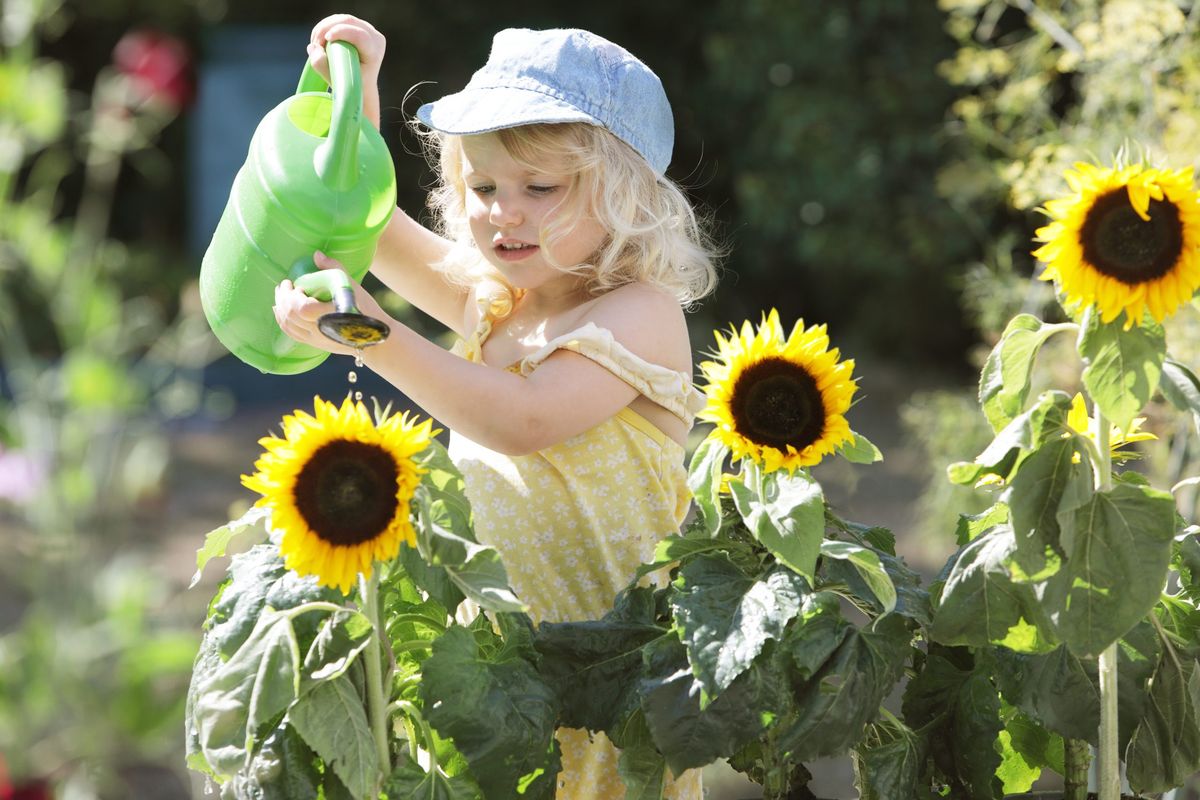
Plant sunflower seeds in pots or directly in the ground. Give each child their own sunflower to tend. Water it, watch it grow, and measure its height every week until it towers above everyone’s heads.
Sunflowers are the perfect first growing project for kids because they are fast, dramatic, and genuinely exciting.
The speed of growth once sunflowers get going is remarkable. Kids who measure their sunflower weekly can actually see the growth happening which makes the whole process feel really dynamic and exciting.
Hold a tallest sunflower competition at the end of the season and celebrate every plant that reaches flowering with genuine enthusiasm and pride.
For more wonderful growing and garden discovery activities that build this same sense of patient excitement over time, go explore 35 Rainy Day Activities for Kids That Beat Boredom Instantly because those indoor activities are perfect for the days when the garden sunflowers need a break from watering.
2. Build a Bug Hotel
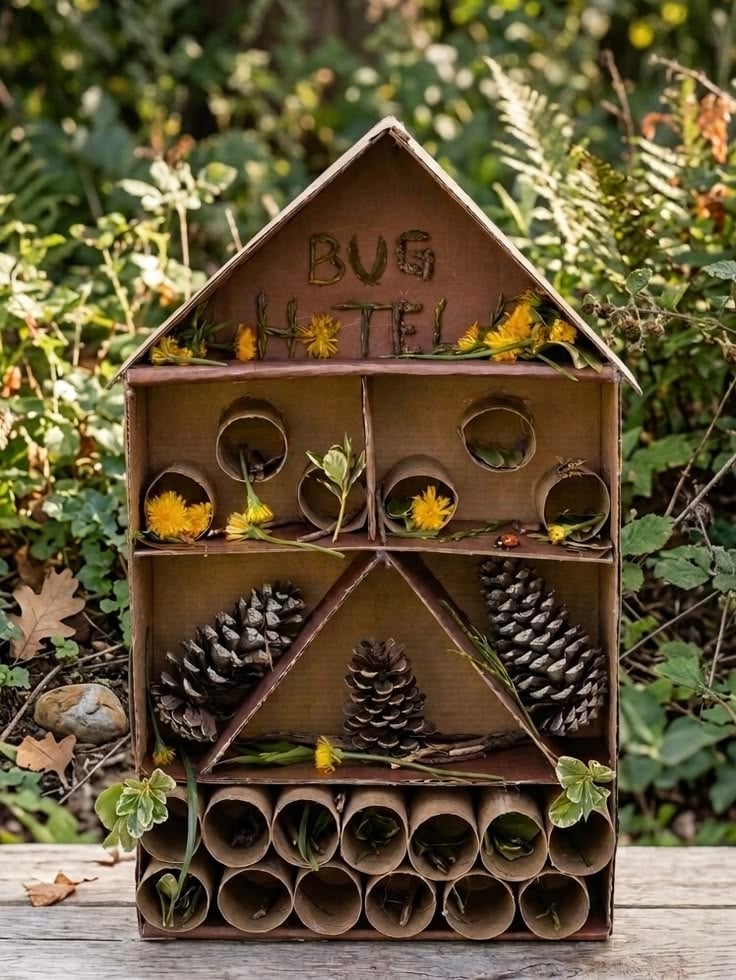
Collect hollow stems, pine cones, pieces of bark, bundled straw, and dry leaves. Pack them tightly into a wooden frame or a stack of old pallets. Position in a sheltered sunny spot in the garden.
A bug hotel gives kids a genuine conservation project that continues to deliver results for months and years.
Kids who build a bug hotel feel a real sense of ownership and responsibility for the wildlife that moves in. Check it regularly for new residents.
Finding a bee using one of the hollow stems or a spider making a web in the pine cones creates moments of genuine delight. Every new resident is a sign that the hotel is doing its job beautifully.
3. Garden Treasure Hunt
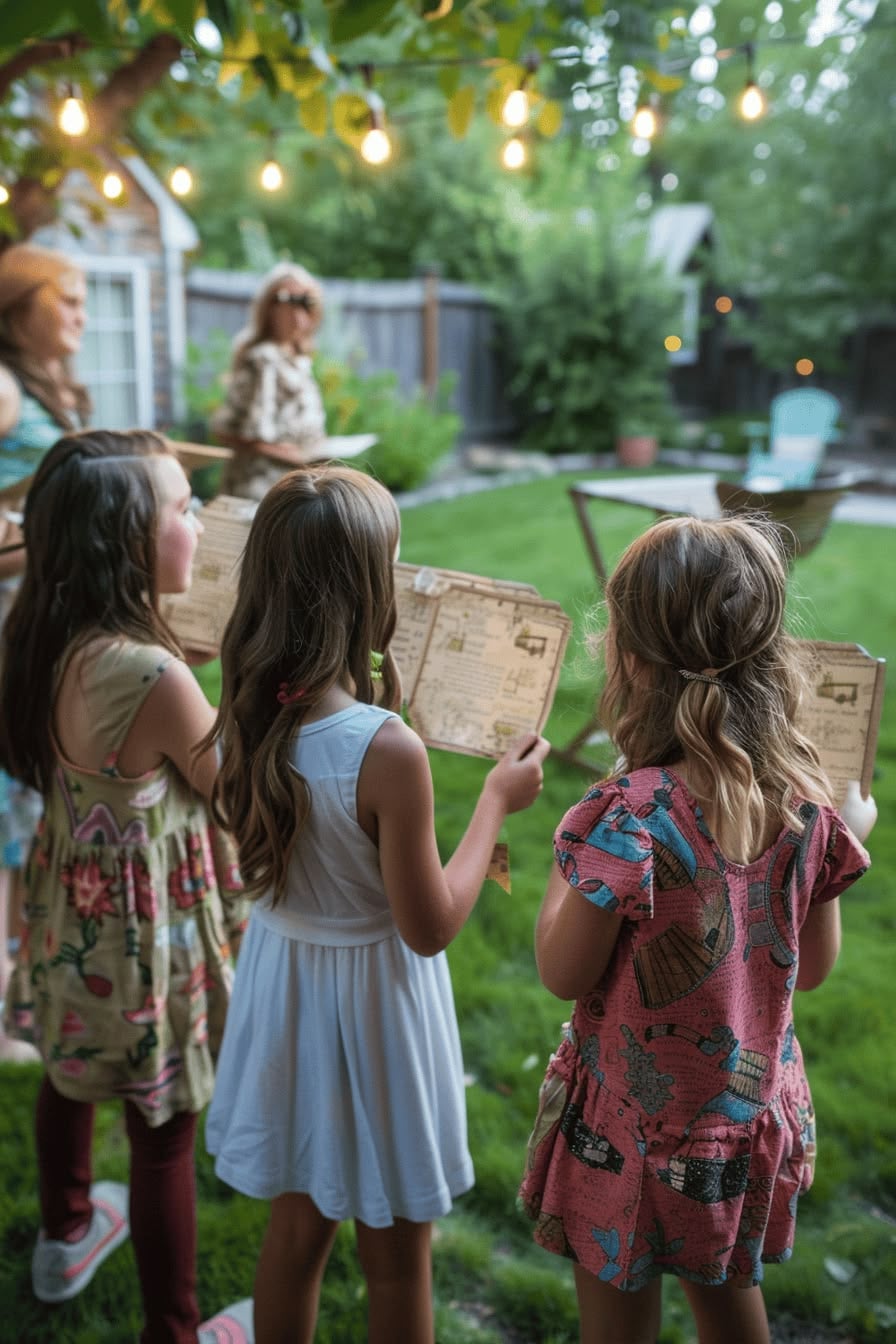
Hide small treasures around the garden before the kids come outside. Write clues that describe locations in the garden. The third clue might say look where the bees are busiest or find where the cat likes to sleep.
Garden treasure hunts use the garden itself as the key to each clue.
This encourages kids to really observe and know their garden space in a much more detailed way than just playing in it randomly. Over multiple treasure hunts kids become genuine experts in every corner of their outdoor space.
That deep familiarity with a specific place is actually really valuable for developing a sense of belonging and connection to nature.
Go take a look at 27 Learning Activities for Toddlers That Make Early Learning Fun because those ideas show how simple outdoor games like treasure hunts build real cognitive and observation skills through the most joyful and natural means.
4. Outdoor Mud Kitchen
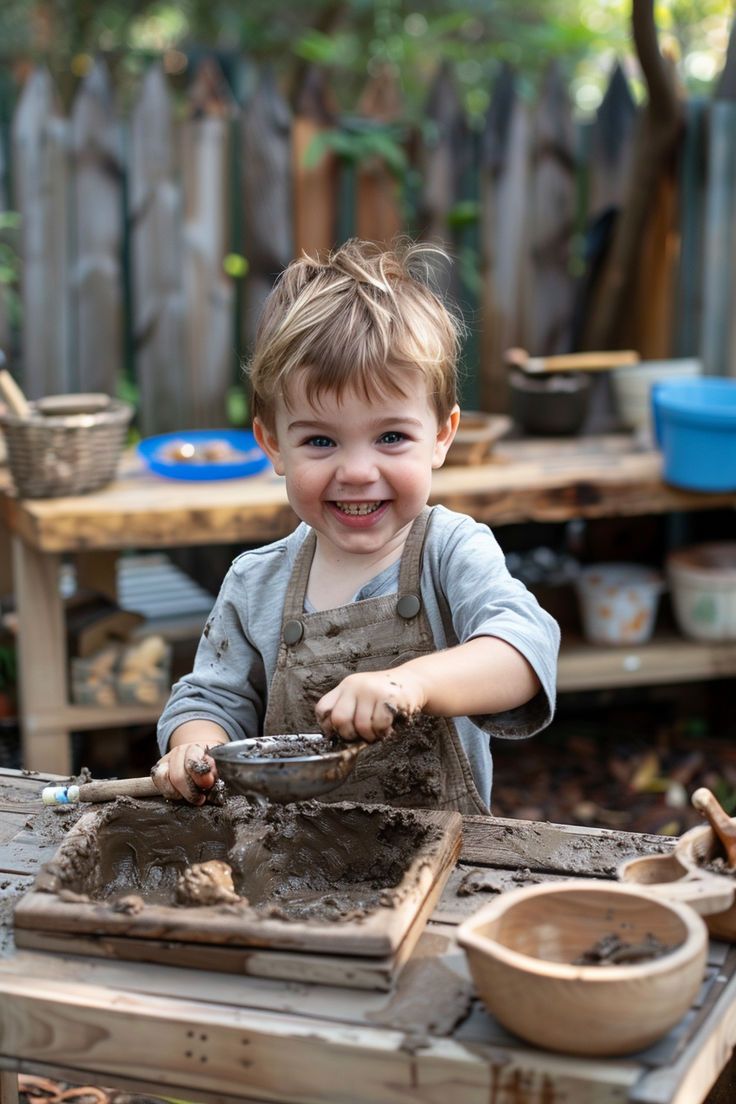
Set up a mud kitchen in a corner of the garden. Use old pots, pans, and utensils. Provide access to mud, water, and a selection of garden ingredients. Leaves, petals, seeds, and sticks all become ingredients.
A mud kitchen is honestly one of the best investments of time and space you can make in a garden for kids.
The imaginative play that a mud kitchen generates is extraordinary. Kids create menus, run restaurants, invent recipes, and serve elaborate meals to each other and to any willing adults nearby.
The sensory experience of mud, water, and natural ingredients is deeply satisfying and wonderfully messy in all the right ways.
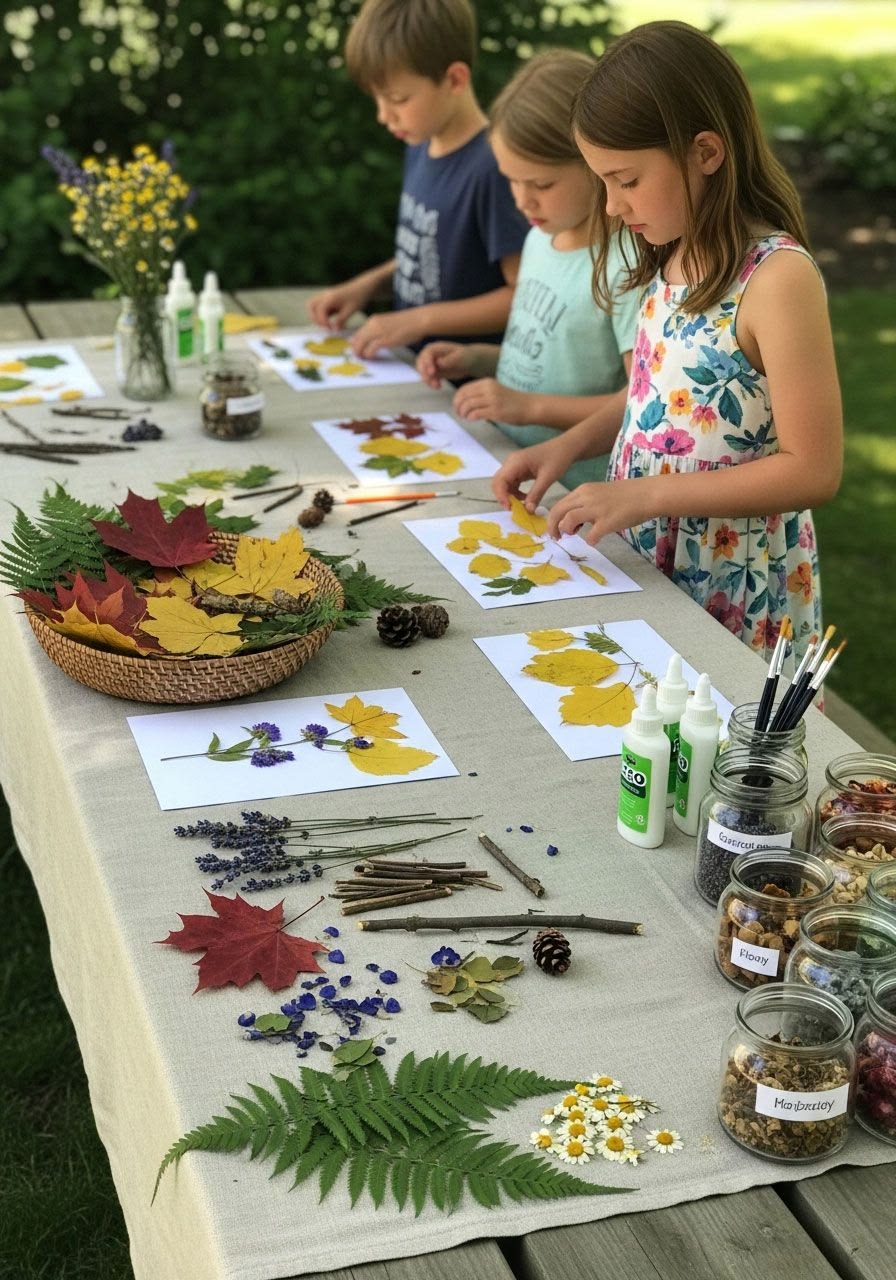
5. Garden Art With Natural Materials
Collect fallen petals, leaves, pebbles, sticks, and seed pods from around the garden. Use them to create pictures, patterns, and mandalas on a flat surface. Photograph before the wind rearranges everything.
Garden natural art is completely free, completely sustainable, and produces genuinely beautiful results.
Kids who make garden art develop an eye for colour, texture, and pattern in the natural materials around them. The temporary nature of the artwork teaches a beautiful lesson about creativity and impermanence.
Photograph each creation before it changes and compile the photos into a garden art album that grows more beautiful with every new piece added.
For more wonderful nature art and creative outdoor activity ideas, go check out 17 Hedgehog Craft Ideas That Are Adorably Creative because those projects bring that same natural material creativity indoors for days when outdoor art making is not possible.
6. Worm Farm
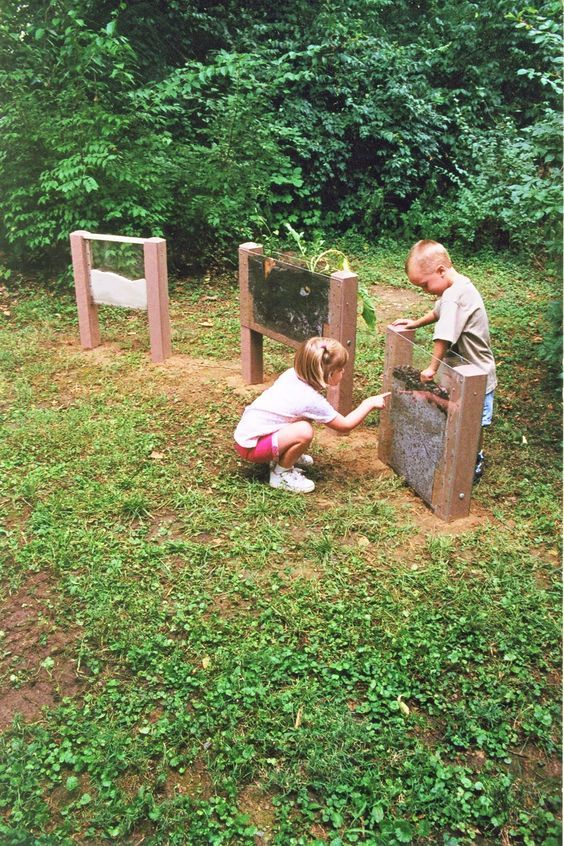
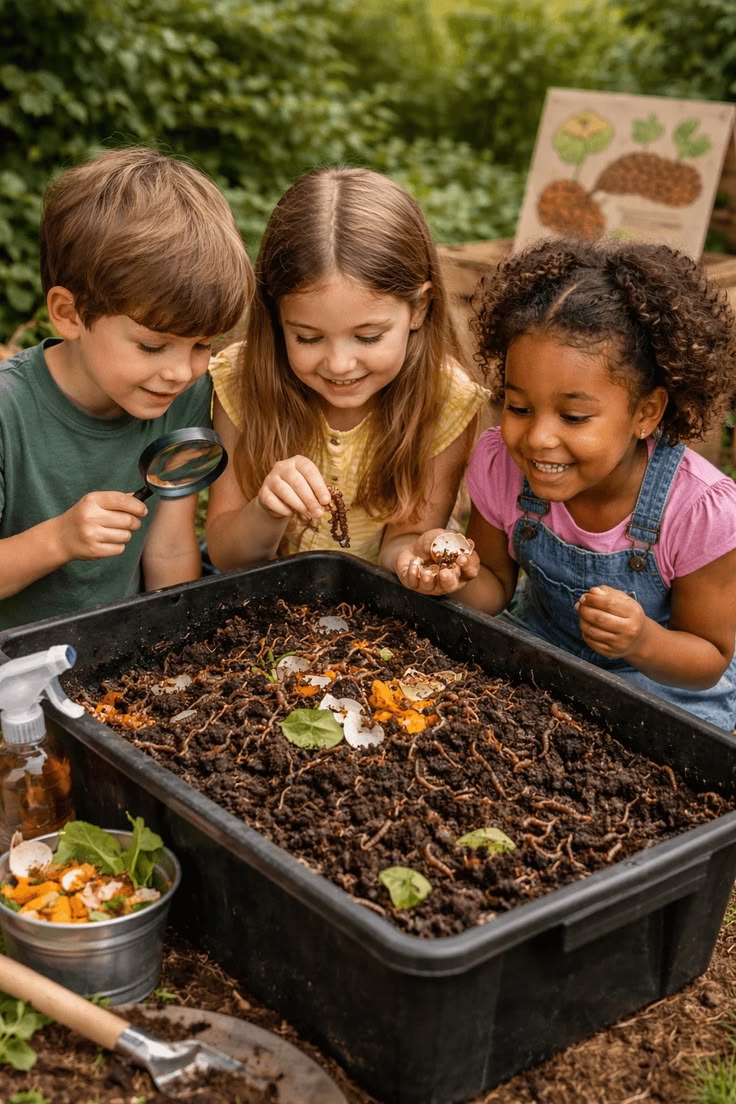
Fill a large clear container with alternating layers of soil and sand. Add kitchen scraps like vegetable peels and coffee grounds. Introduce some garden worms and cover with damp newspaper.
A worm farm teaches decomposition, ecology, and soil science in the most hands on way possible.
Kids who tend a worm farm develop a real understanding of how organic matter breaks down and returns nutrients to the soil. Observe the worms regularly and watch how they move through the layers.
The finished compost produced by the worm farm can go back into the garden, completing a beautiful nutrient cycle that kids understand because they watched it happen.
Go explore 19 Owl Craft Ideas That Are Too Cute to Ignore for more wonderful patient observation activity ideas that reward careful watching over time with genuinely fascinating and meaningful discoveries.
7. Sunprint Art in the Garden
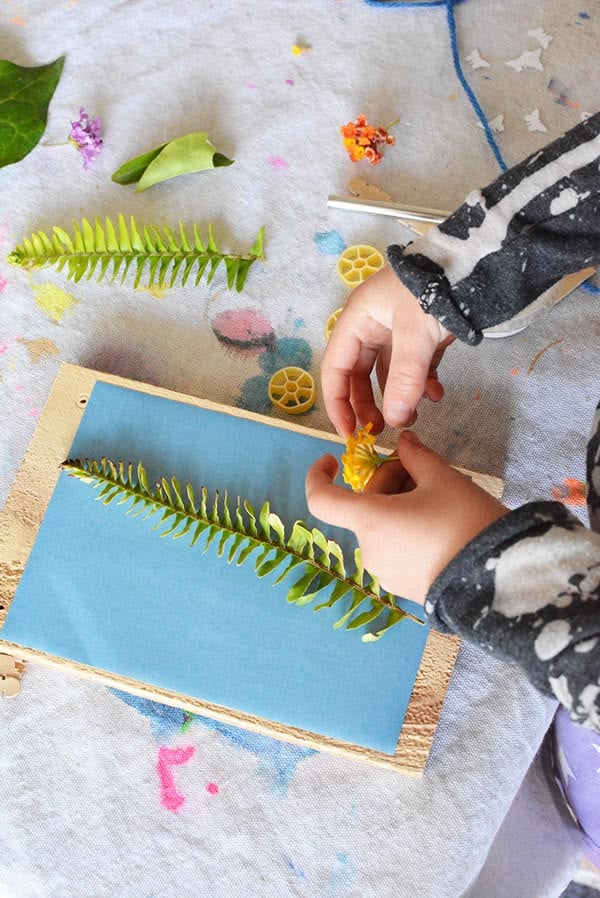
Place objects on sunprint paper in a sunny spot in the garden. Leave for several minutes. Rinse with water to reveal beautiful blue and white silhouette prints. Use garden objects like leaves, flowers, and feathers.
Sunprint art in the garden is magical because the garden itself provides the perfect tools and the sun does the work.
Kids learn that sunlight has real physical effects on materials which is a genuinely interesting science concept. The choice of objects to print with encourages careful looking at the garden’s plants and natural materials.
The finished prints look absolutely beautiful and capture specific moments in the garden in a way that feels really special and unique.
8. Garden Pond Dipping
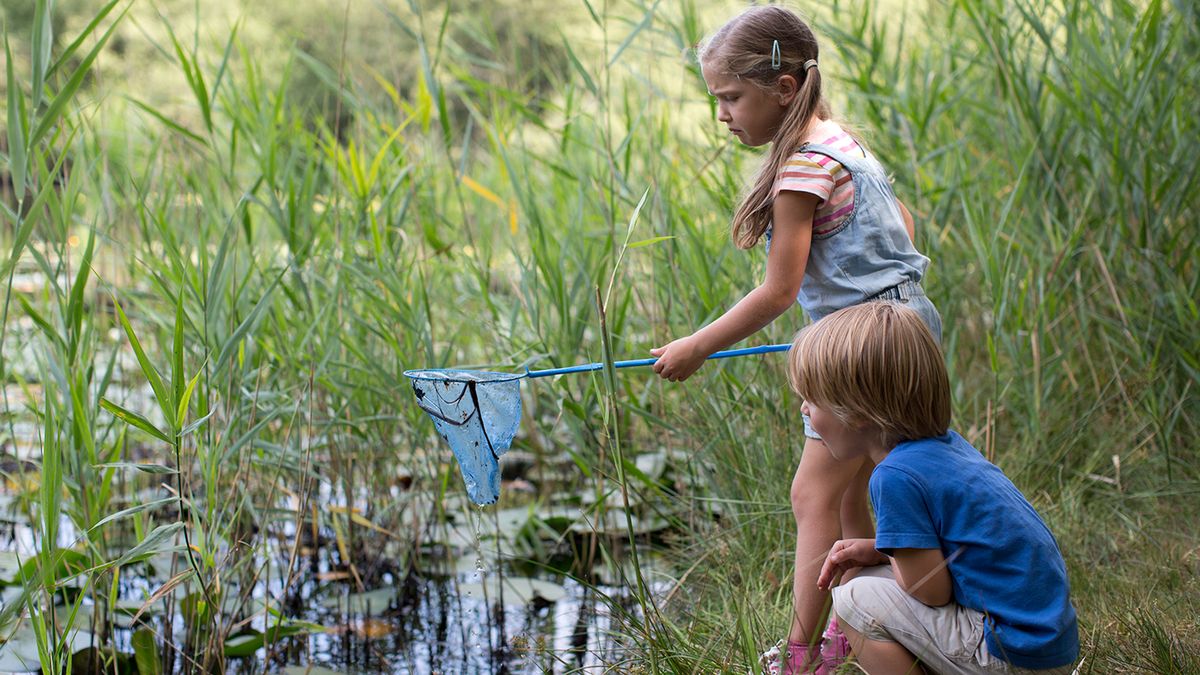
If your garden has a pond, or even a large container of water that has been left to develop naturally, dip a net in it and observe what lives there.
Even a small garden pond becomes home to an extraordinary variety of aquatic life within just a few months.
Kids who dip in a garden pond discover water boatmen, pond skaters, mosquito larvae, and possibly even frogs or newts in established ponds. The discovery of life in something as small as a container pond creates genuine wonder about how quickly and completely nature colonises any available water source.
For more wonderful water based observation and discovery activities, go check out 21 Bear Craft Ideas Kids Will Absolutely Love Making because those craft activities pair perfectly with pond dipping for a full nature themed outdoor day.
9. Grow a Salad Garden
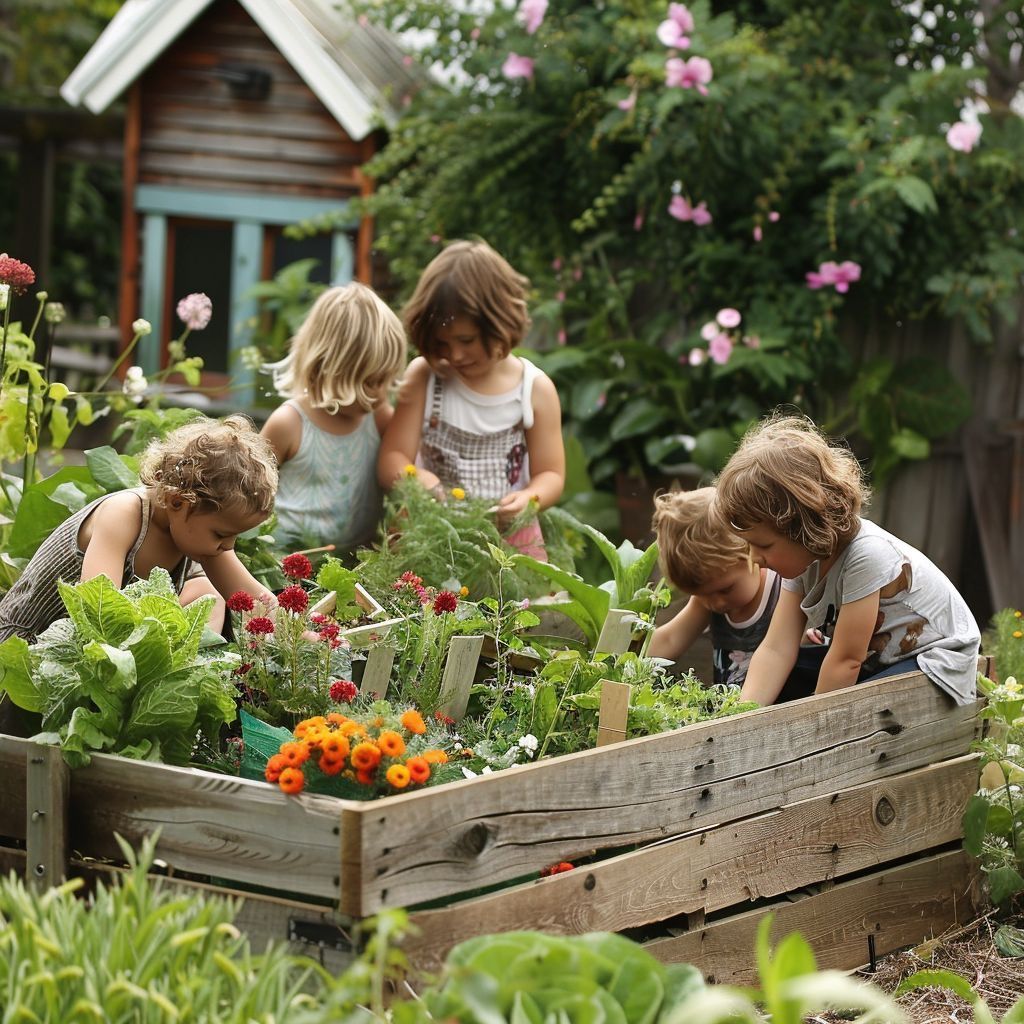
Plant fast growing salad leaves, radishes, and herbs in pots or a small raised bed. Let kids water and tend them daily. Harvest together and eat the results in a garden salad lunch.
Growing food that ends up on the table is one of the most complete and satisfying learning experiences a garden can offer.
Kids who grow their own food are almost always more willing to eat it than the same food bought from a shop. The connection between seed, care, growth, and plate creates a genuine understanding of where food comes from.
Even the most vegetable resistant child will usually try a radish they grew themselves. That willingness alone makes the whole project worth every effort.
Go take a look at 23 Monkey Craft Ideas That Bring So Much Fun to Craft Time for more wonderful hands on project ideas that build this same sense of pride in creating something real and genuinely useful through patient and careful effort.
10. Wildlife Camera Watch
Set up a motion activated wildlife camera in the garden. Review the footage every morning to see what visited overnight. Keep a log of every species captured and track which ones return regularly.
A garden wildlife camera reveals a whole secret nighttime world that most people never know exists.
Kids who check the camera footage every morning develop a genuine relationship with the wildlife that shares their garden space.
Discovering that a hedgehog visits every night, or that a fox uses the garden as a regular route, creates real excitement and a sense of shared habitat that is beautifully motivating for wildlife friendly garden decisions.

11. Butterfly and Bee Count
Sit quietly in the garden for fifteen minutes with a tally sheet. Count every butterfly and bee that visits the garden flowers. Record which flowers are most popular with which insects.
A butterfly and bee count is citizen science that kids can contribute to genuinely meaningful research programmes.
Many wildlife organisations collect data from garden insect counts conducted by ordinary families. Kids who contribute to real research feel a genuine sense of importance and connection to something bigger than their own garden.
The sitting quietly and watching carefully that the count requires is also genuinely calming and meditative.
For more wonderful wildlife observation and citizen science activity ideas, go explore 25 Lion Craft Ideas That Look Wildly Creative because those projects celebrate the beauty of the animal world in the most creative and engaging ways.
12. Rain Gauge and Weather Tracking
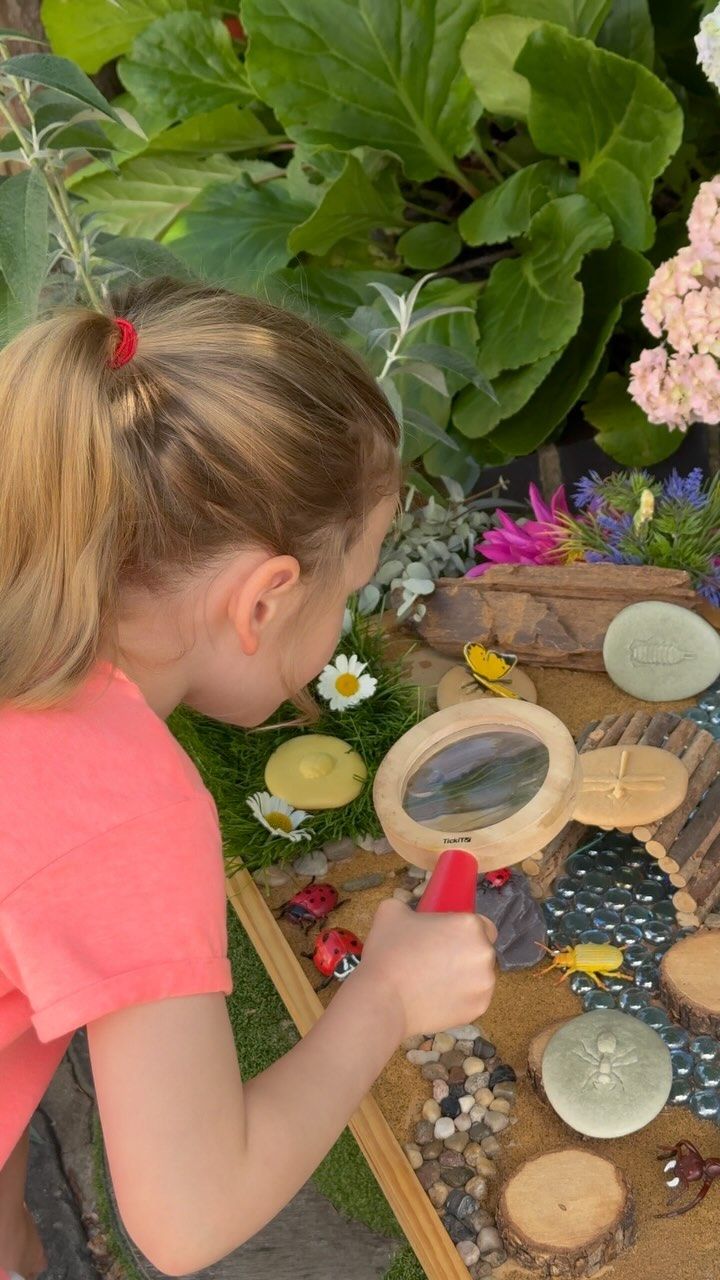
Install a simple rain gauge in the garden. Record the rainfall every day for a month. Track temperature, wind direction, and cloud cover at the same time. Look for patterns in the data collected.
Garden weather tracking turns everyday observation into genuine meteorological science.
Kids who track garden weather daily develop a real awareness of how weather patterns work and change over time. The data collected over a month tells a genuinely interesting story about local climate.
Compare data across different months and seasons for an ever more complete picture of how weather works in your specific location.
13. Garden Obstacle Course
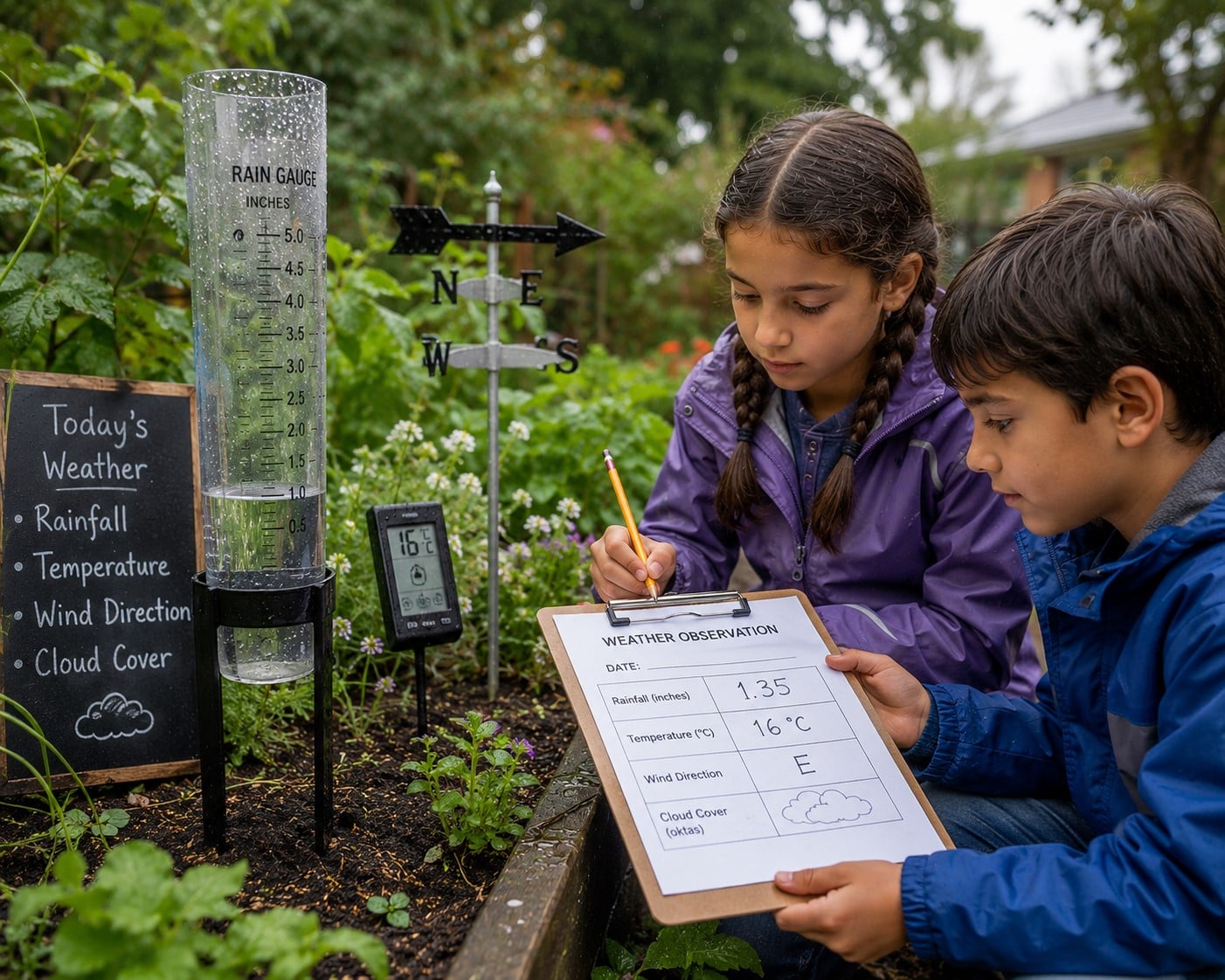
Use garden furniture, hula hoops, rope, cones, and natural features to create an obstacle course through the garden. Time each child as they race through. Change the course regularly to keep it fresh.
A garden obstacle course uses the outdoor space in the most physical and energetic way possible.
The natural terrain of a garden adds interesting elements that an indoor course never has. Slopes, uneven surfaces, and the need to navigate around real plants and garden features make a garden course feel genuinely adventurous.
Kids push themselves harder in an outdoor course because the space itself feels more exciting and less controlled.
14. Composting Project
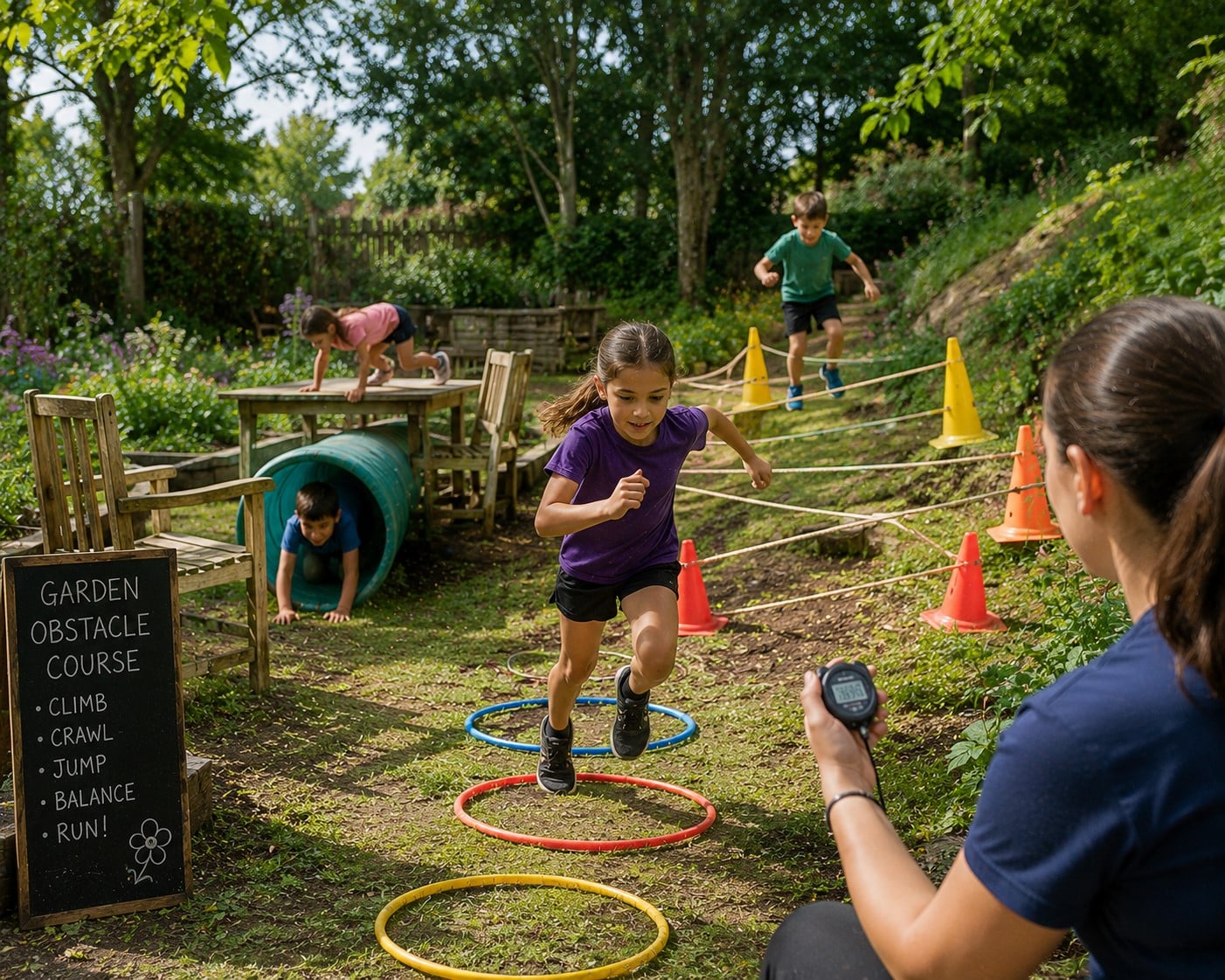
Start a compost bin in the garden. Let kids add appropriate kitchen and garden waste each day. Turn it regularly and watch organic matter slowly transform into rich dark compost over several months.
A composting project teaches ecology, decomposition, and environmental responsibility in the most direct and tangible way.
Kids who compost understand the nutrient cycle in a way that no amount of classroom teaching can replicate. The smell, the heat generated by decomposing material, and the gradual transformation of recognisable waste into dark crumbly compost is genuinely fascinating.
Using the finished compost to feed the garden closes the loop in a really satisfying and meaningful way.
15. Garden Journaling
Give each child a dedicated garden journal. Head outside daily and write or draw one observation, one discovery, or one question about the garden. Return to the journal across different seasons.
A garden journal becomes a genuinely beautiful record of a changing living space across time.
Kids who keep garden journals notice seasonal changes, wildlife appearances, and plant growth in a way that casual visitors to the garden never do.
The questions section is particularly valuable because it drives further investigation and research. A year long garden journal is one of the most impressive and personally meaningful nature records a child can create.
For more wonderful journaling and nature recording activity ideas, go explore 17 Cat Craft Ideas Every Animal Loving Kid Will Adore because those creative projects show how personal creative records of the things we love become genuinely treasured keepsakes.

16. Sensory Garden Walk
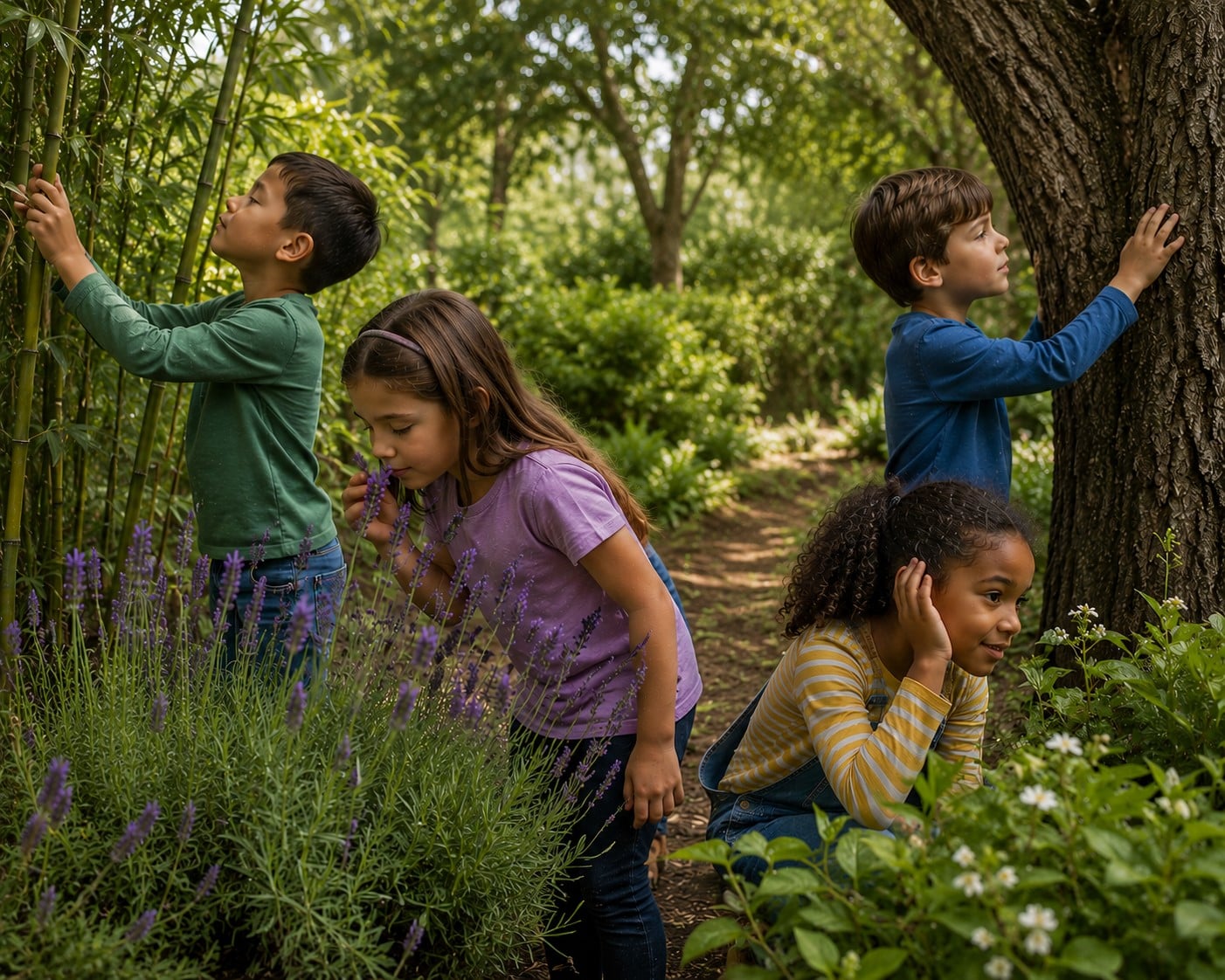
Walk slowly around the garden engaging all five senses deliberately. Touch ten different textures. Smell five different plants. Listen for three different sounds. Look for something you have never noticed before. Taste one safe edible plant.
A sensory garden walk transforms a familiar space into a completely new experience.
Kids who walk their garden with deliberate sensory attention discover things they have walked past hundreds of times without ever noticing. A rough tree bark, the smell of crushed lavender and sound of wind in bamboo.
The sharp taste of wood sorrel. These discoveries create a much richer and more personal relationship with the outdoor space.
17. Sunflower Seed Counting
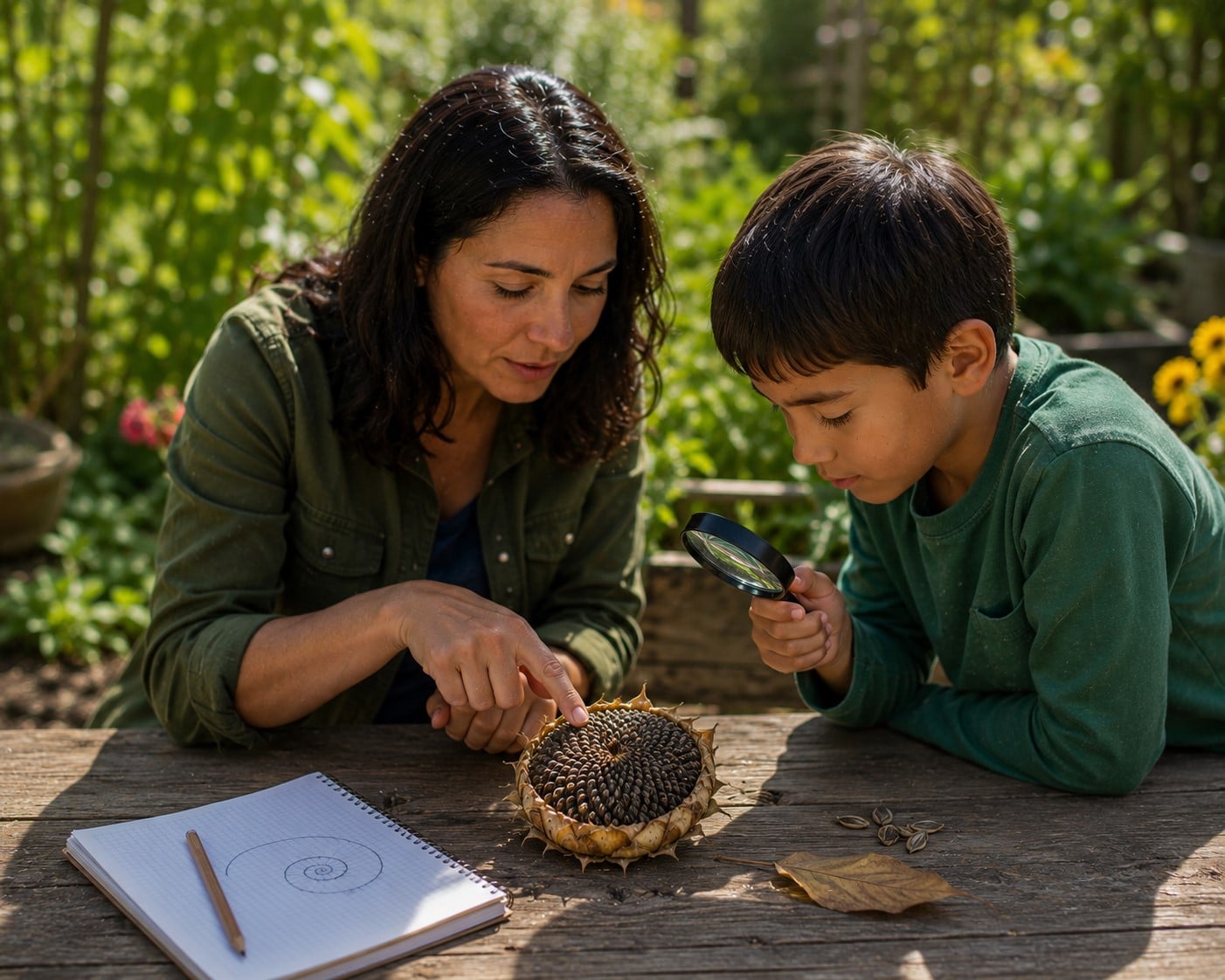
When sunflowers have finished blooming and the seed head has dried, count the seeds together. Try to find the Fibonacci spiral pattern in the seed arrangement. Count seeds in the spirals going both clockwise and anticlockwise.
Sunflower seed counting combines maths, botany, and one of nature’s most beautiful mathematical patterns.
The Fibonacci sequence appearing in a sunflower seed head is one of those genuinely mind blowing discoveries that kids never forget once they have seen it with their own eyes.
The seed counting itself is a real maths activity that generates large numbers quickly. The mathematical beauty of the natural world revealed in something as simple as a sunflower is genuinely wonderful.
Go take a look at 15 Dog Paw Print Craft Ideas That Make the Sweetest Keepsakes for more wonderful activity ideas that reveal unexpected beauty and meaning in simple natural objects and everyday materials.
18. Garden Night Walk
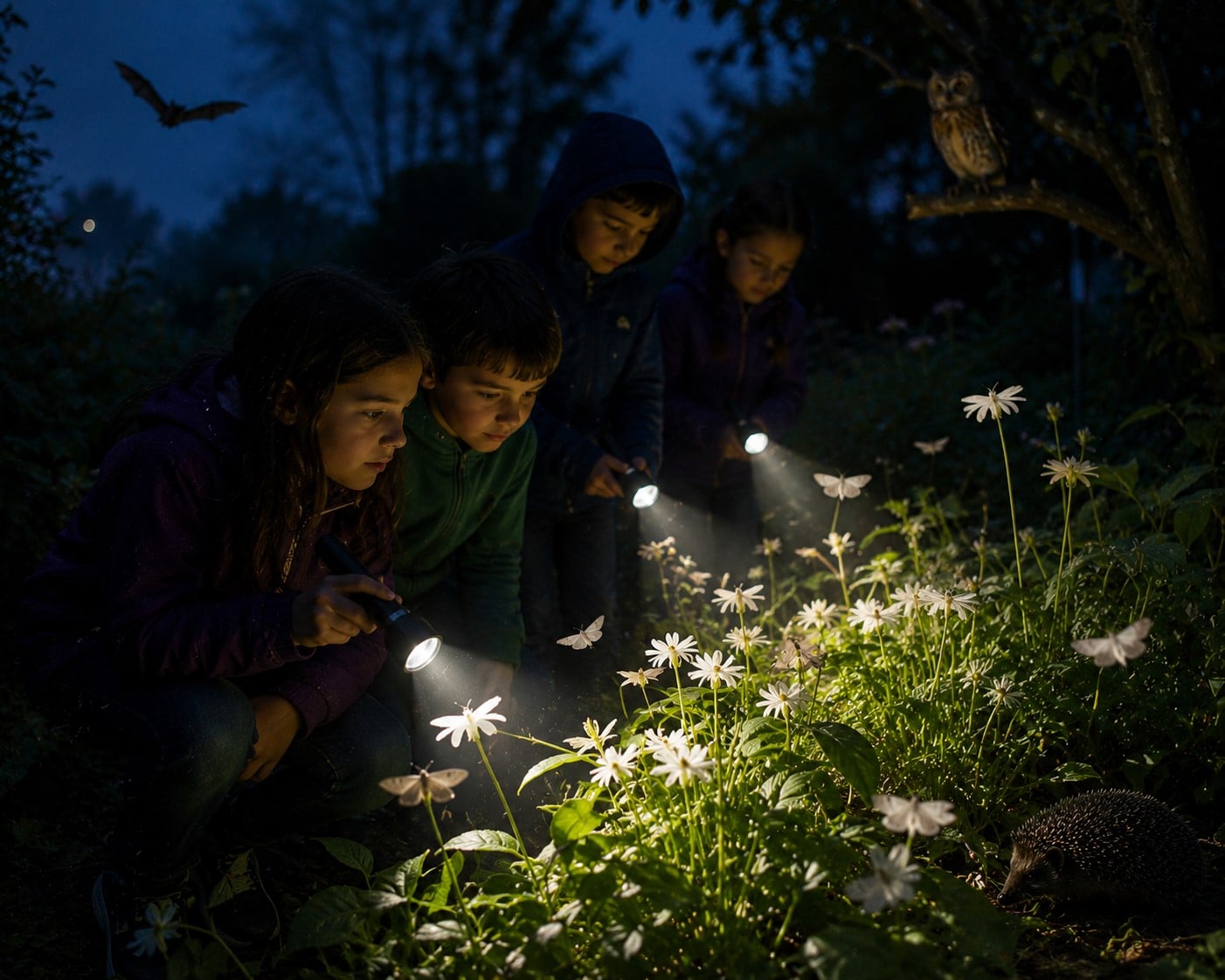
After dark, head into the garden with torches. Look for nocturnal creatures. Shine a torch near white flowers to attract moths. Listen for owls and foxes. Notice how completely different the garden feels at night.
A garden night walk transforms a completely familiar space into somewhere genuinely mysterious and exciting.
The sounds of the garden at night are completely different from daytime sounds. The creatures that emerge after dark, moths, hedgehogs, foxes, bats, and owls, are rarely seen during the day.
Kids who experience their garden at night develop a sense of it as a living community that continues its activities long after bedtime. That understanding is quietly profound.
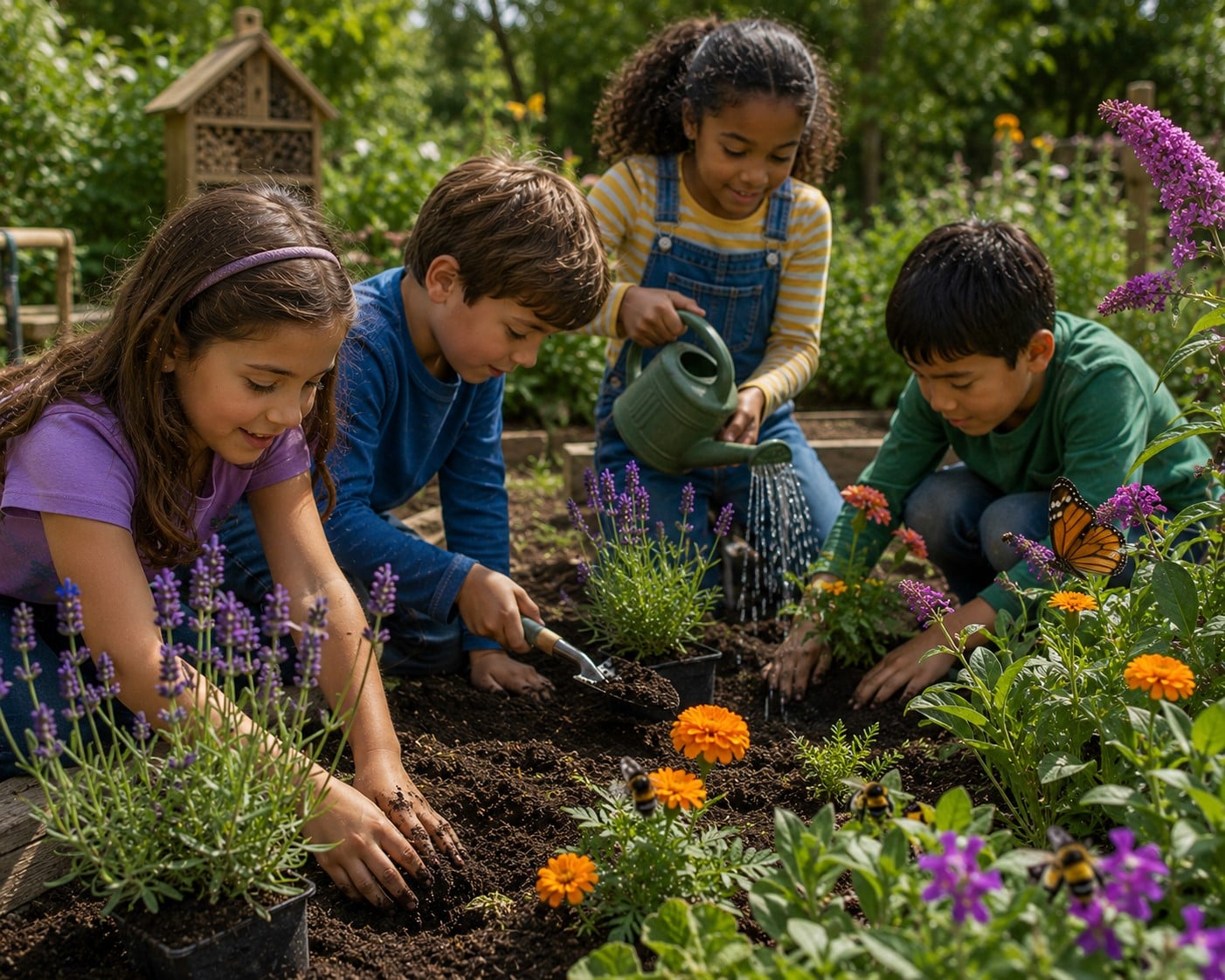
19. Planting a Bee and Butterfly Garden
Research which plants attract bees and butterflies in your climate and season. Plant a small dedicated patch or container with lavender, buddleia, marigolds, and other pollinator friendly plants. Watch what arrives over the following weeks.
Planting specifically for wildlife turns gardening into an act of genuine ecological generosity.
Kids who plant for bees and butterflies learn that their choices have real consequences for the wildlife around them. Watching the first bee visit a newly planted lavender is a moment of real pride and connection.
Over time the planted patch becomes a busy wildlife hub that rewards daily observation with a constantly changing cast of visiting insects and birds.
Final Thoughts
A garden is one of the greatest gifts you can give a child access to. Not because it is perfect or beautiful or tidy, but because it is alive and real and full of things to discover.
Every activity on this list uses the garden exactly as it is. You do not need a big garden or a perfect garden. You just need an outdoor space and the willingness to really look at what is already there.
So go outside, look closely, dig in, and let the garden do what it always does when curious children pay attention to it. Surprise them, delight them, and teach them things that no classroom ever could.
And when you are ready to bring some of that garden inspired creativity back inside, go check out 17 Sheep Craft Ideas That Are Soft Fluffy and Fun because those gentle and beautiful craft projects are the perfect creative wind down after a busy and brilliant day of outdoor garden exploration and discovery.