Homeschooling is one of the most rewarding things you can do for your child. At the same time, there are days when even a single lesson can be a challenge to complete.
The kids are distracted, you are tired, and the kitchen table does not exactly feel like an inspiring learning environment.
But here is the thing. It does not have to feel that way.
When you swap rigid lessons for creative hands on activities, everything changes. Kids lean in, ask questions, and actually remember what they learned. And if you have been having a brilliant water filled summer lately, go check out 21 Water Activities for Kids That Make Summer Extra Fun because those ideas are perfect for outdoor homeschool science days that kids absolutely love.
So let us get into these 17 homeschool activities that keep learning genuinely exciting every single day.
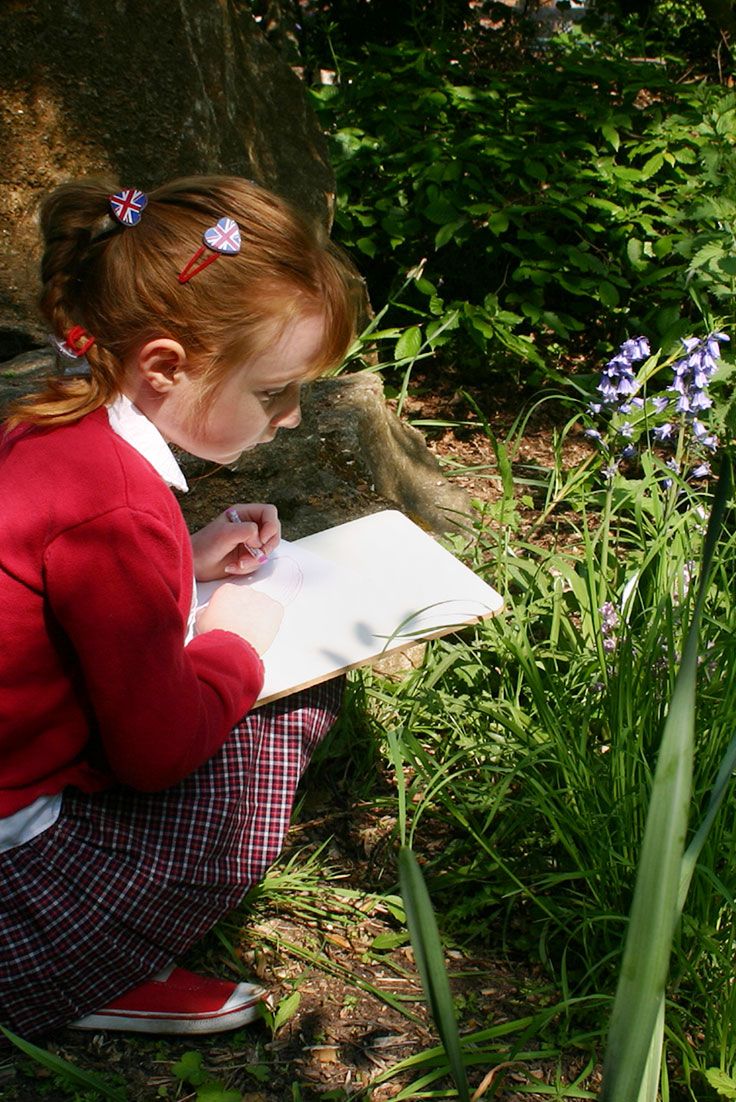
1. Nature Walk Science Journals
Head outside with a blank notebook and some pencils. Look for insects, plants, birds, and interesting natural objects along the way. Draw and label each discovery in the journal as you go.
Nature walk journals combine science, literacy, and art in one completely natural activity.
Kids who learn outside retain information so much better than kids who sit at a table reading about the same things. The act of observing something real and then recording it builds genuine scientific thinking. Keep the journals going over weeks and months so kids can see how nature changes with the seasons.
So next time the homeschool day feels stuck, just go outside. Take the journals and let nature do the teaching for a while.
For more wonderful outdoor learning ideas that get kids away from the table and into the real world, go explore 29 Farm Animal Craft Ideas That Bring the Barnyard to Life because combining farm visits with homeschool science makes for the most memorable learning days imaginable.
2. Cooking as Maths and Science
Pick a recipe and make it together. Let your child do the measuring, the mixing, and the timing. Talk about fractions as you measure half a cup. Talk about chemical reactions as you watch bread rise.
Cooking is honestly one of the most content rich homeschool activities available.
It covers maths, science, literacy, and life skills all in one session. Kids who cook regularly develop a real intuitive understanding of numbers and measurements that transfers beautifully to formal maths work.
Keep a homeschool recipe folder with recipes that match whatever topic you are currently studying.
Plus the eating at the end is always a very welcome reward for everyone involved.

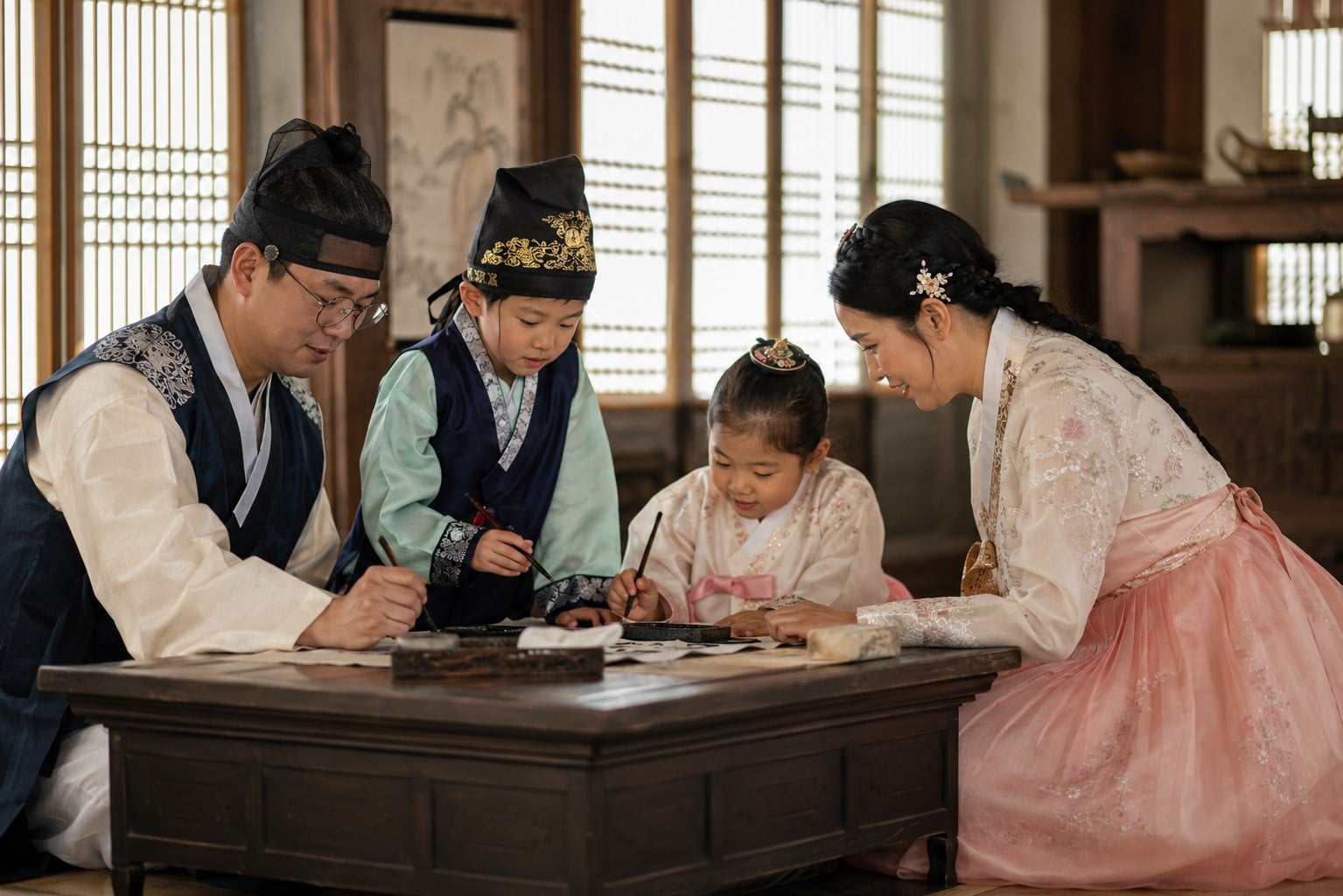
3. Living History Days
Pick a historical period you are studying and spend a whole day living it as authentically as possible. Dress up, eat food from that era, do crafts from that time, and only talk about things that existed then.
Living history days create memories that last for years.
Kids who experience history this way remember it completely differently from kids who just read about it. The immersive quality of a full themed day makes the learning stick in a deep and lasting way. Start with something simple like a Victorian day or a medieval day and build up to more complex historical periods as you get more confident.
Go check out 27 Zoo Animal Craft Ideas for Kids That Spark Creativity for more brilliant themed activity ideas that bring subjects to life in the same immersive and memorable way a living history day does.
4. Map Making and Geography Games
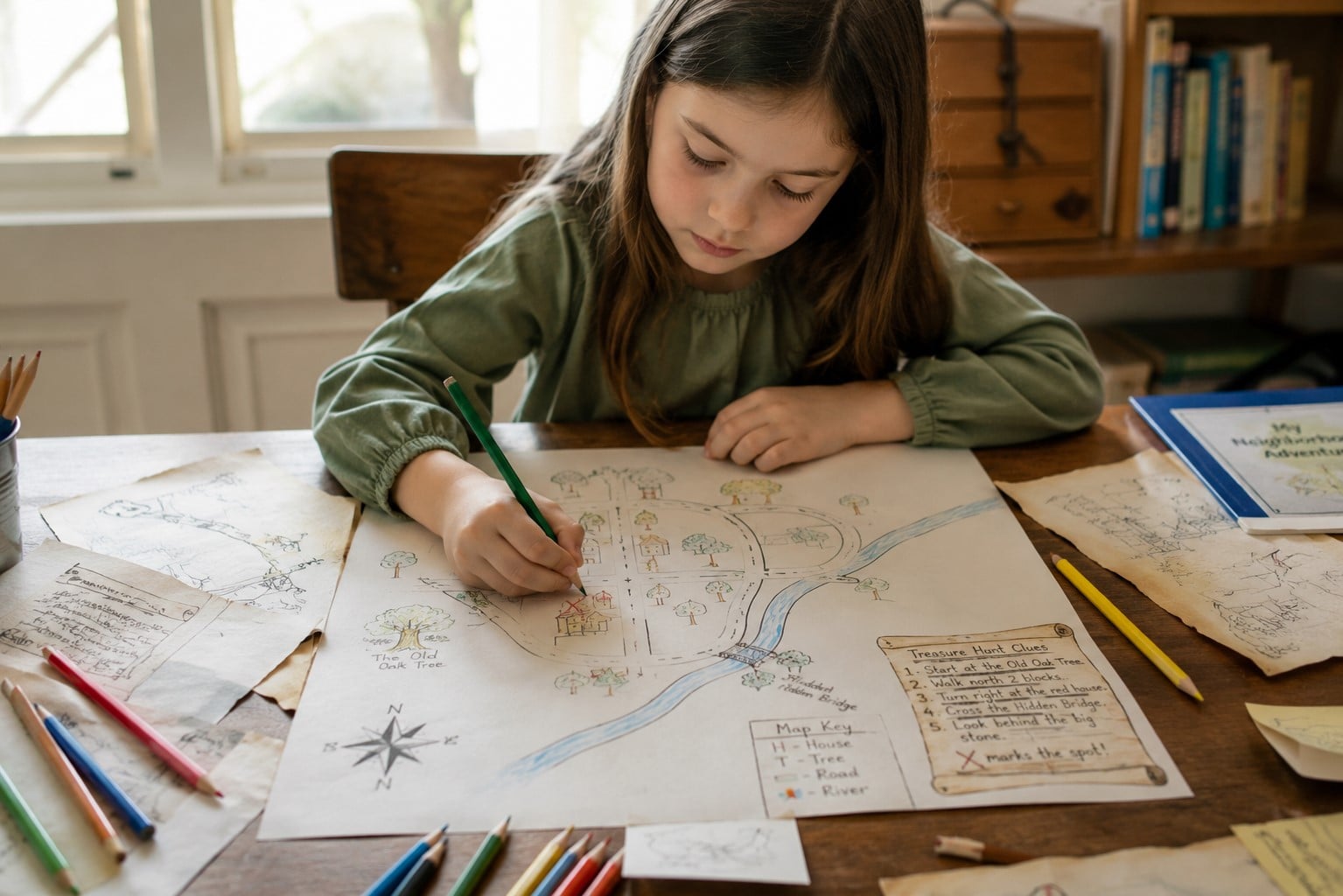
Give kids blank paper and ask them to draw a map of their bedroom, their house, their street, and then their town. Add landmarks, compass directions, and a key. Build up to world maps over time.
Map making teaches geography, spatial thinking, and attention to detail simultaneously.
Kids who draw their own maps understand scale and direction in a way that looking at printed maps never teaches. Start with the familiar and personal and expand outward gradually. Add treasure hunt elements by hiding things and creating maps to find them for extra motivation and excitement.
5. Documentary and Discussion Learning
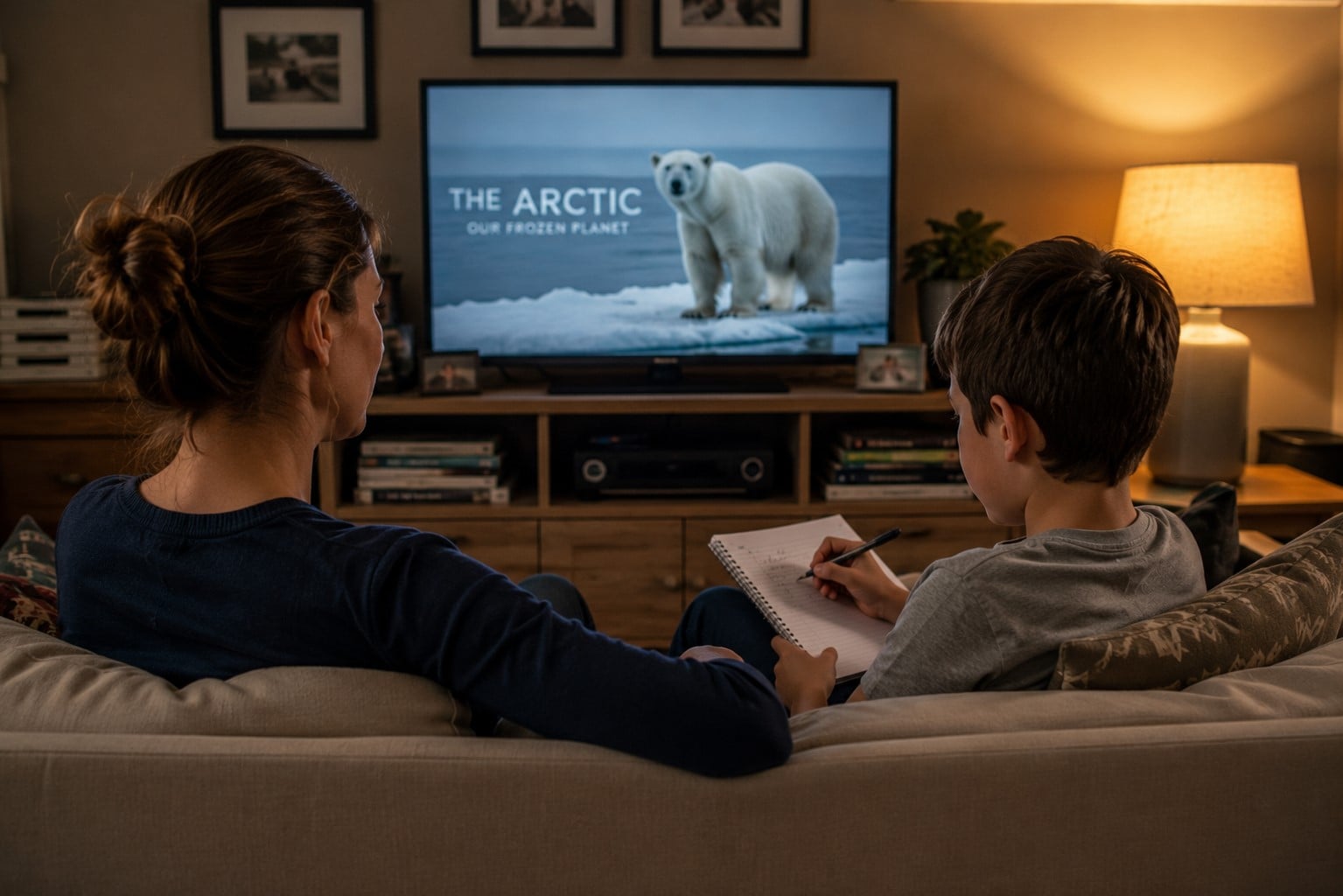
Watch a high quality documentary together on whatever topic you are studying. Pause it regularly to discuss what you are seeing. Ask questions, wonder aloud together, and follow up interesting threads with more research.
Documentaries bring subjects alive in a way that textbooks simply cannot match.
The combination of visual information, real footage, and expert explanation creates a really rich learning experience. The discussion that happens during and after a documentary is where the real deep learning takes place. Keep a learning journal where kids record three things they found most interesting from each documentary they watch.
For more brilliant ideas that make every homeschool subject feel engaging and alive, go check out 23 Fish Craft Ideas for Kids That Are Perfect for Ocean Themes because combining ocean documentaries with ocean themed craft making creates the most complete and memorable learning experience.
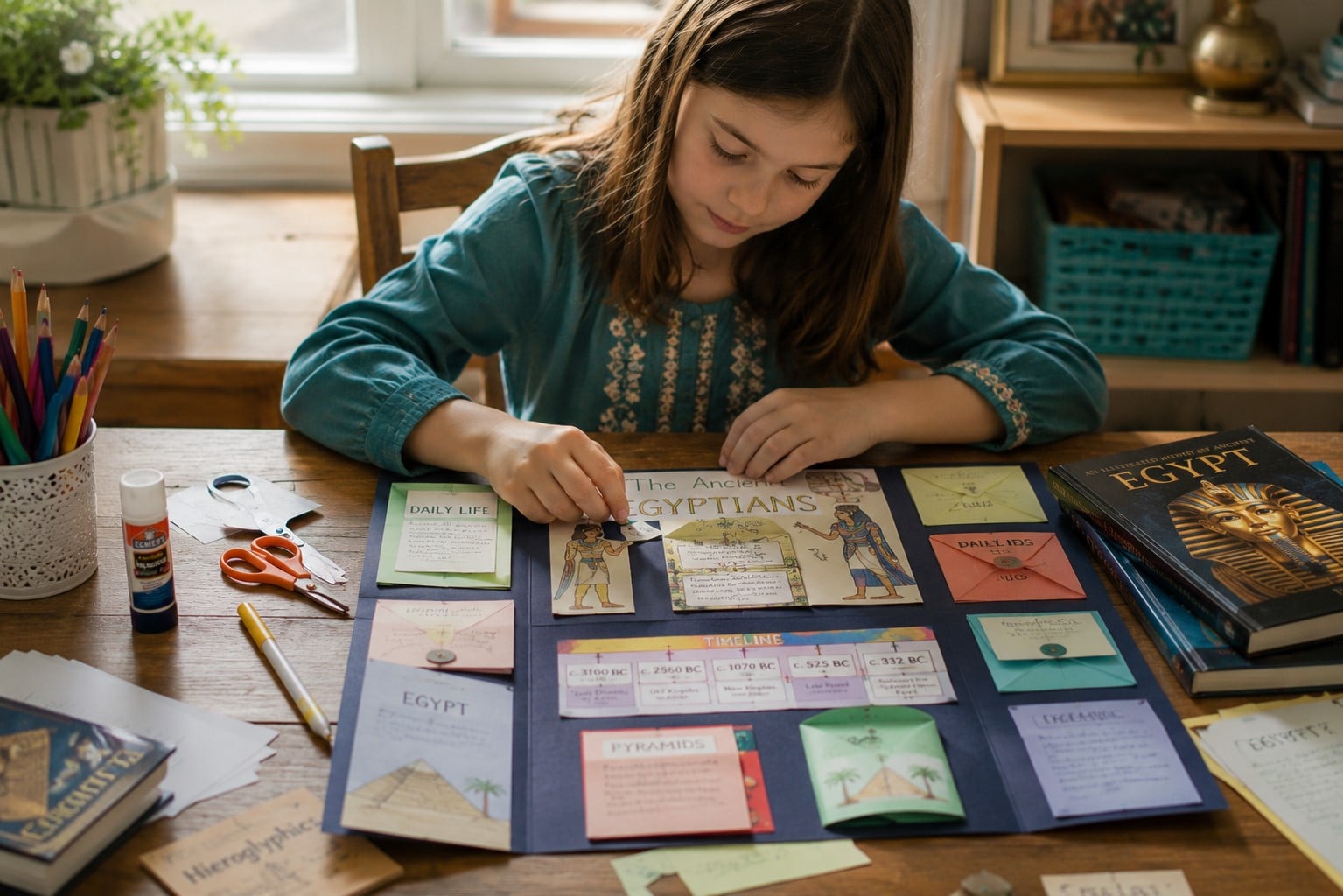
6. Lapbook Projects
Create a lapbook for any subject you are studying. A lapbook is a folded card base filled with mini booklets, flap books, timelines, and fact pages all about one topic. Kids make it themselves as they learn.
Lapbooks are brilliant because the making of them is the learning.
Kids who create their own lapbooks read, research, summarise, and present information in a way that deeply embeds the knowledge.
The finished lapbook becomes a resource they are genuinely proud of and return to again and again. Start with a topic your child is already passionate about for the most enthusiastic first attempt.
These wonderful project based learning ideas sit so naturally alongside 19 Rainbow Crafts for Kids That Brighten Any Rainy Day when you want to combine beautiful art making with serious learning content in the same creative session.
7. Maths Through Board Games
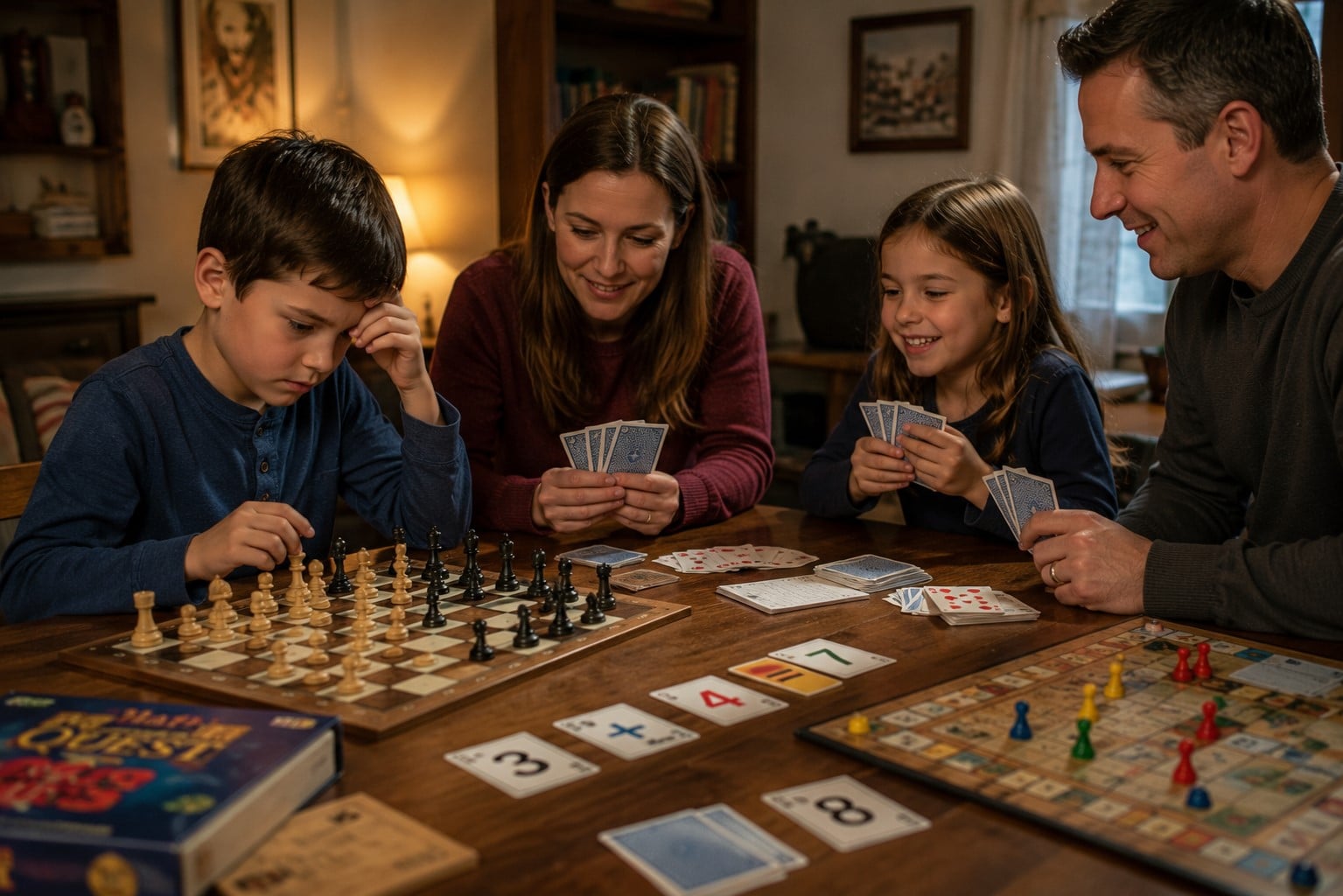
Use board games as your maths lessons. Monopoly for money and probability. Chess for strategy and logical thinking. Snakes and Ladders for number recognition. Card games for mental arithmetic.
Board games teach maths concepts in a context where kids actually want to engage.
The motivation to win creates a natural incentive to calculate accurately and think strategically. Kids who play board games regularly develop stronger number sense and logical thinking than many who do only formal maths work.
Build a collection of games that cover different areas of the maths curriculum and rotate them regularly.
Go explore 21 One Year Old Activities That Keep Tiny Hands Busy for Hours for more brilliant ideas that show how everyday play activities teach serious skills in the most natural and effective ways possible.
8. Science Experiment Days
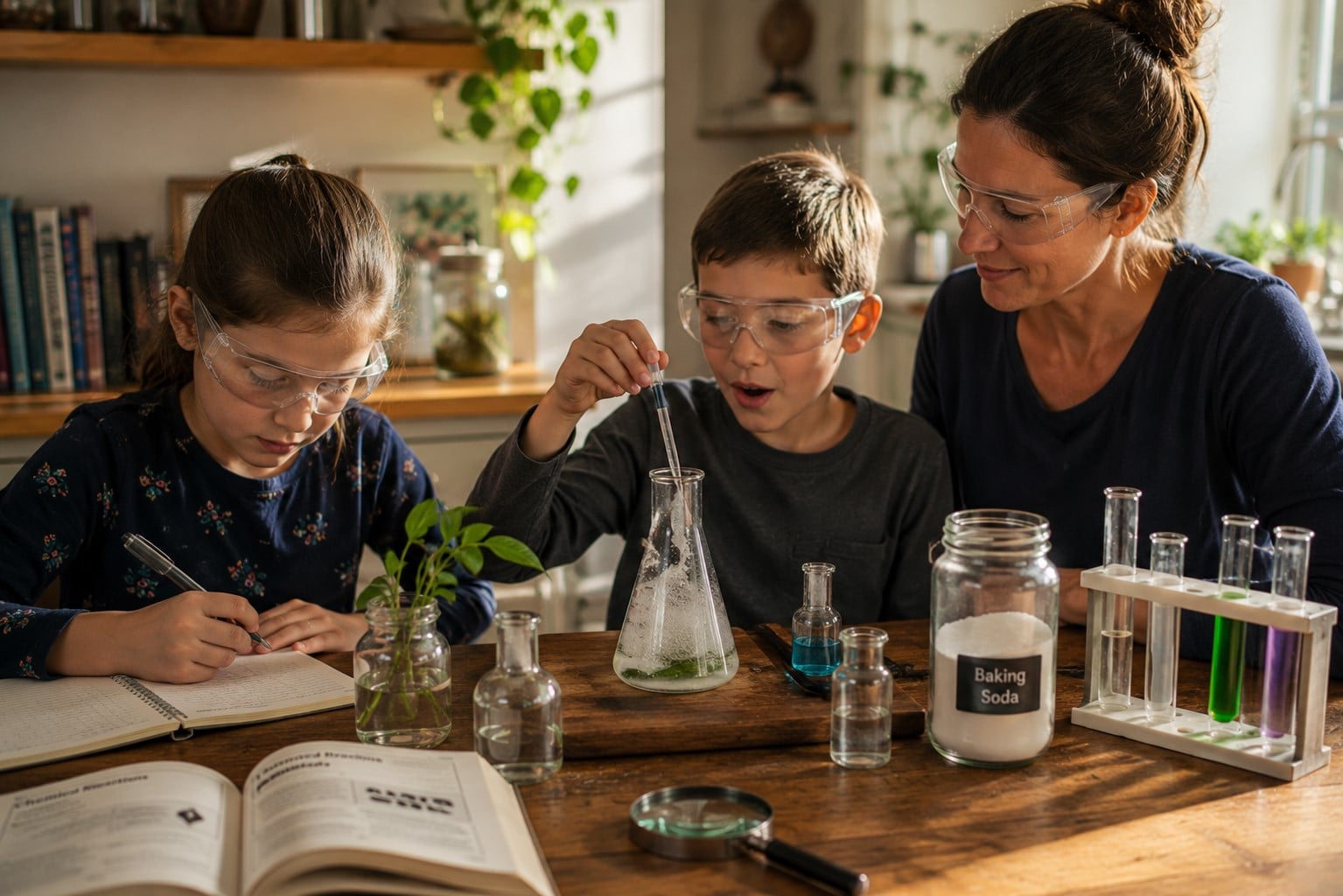
Dedicate one day a week entirely to science experiments. Plan three or four experiments around a single theme. Electricity, states of matter, plant biology, simple chemistry. Let kids predict, test, observe, and record results.
Dedicated science days create a sense of event and excitement around science learning.
Kids look forward to experiment day all week. The anticipation makes them more engaged and more focused when the day arrives.
Keep a science experiment folder and let kids choose which experiment to do next from the options you have prepared. That sense of choice and ownership makes a real difference to their enthusiasm.
9. Read Aloud Time Every Day
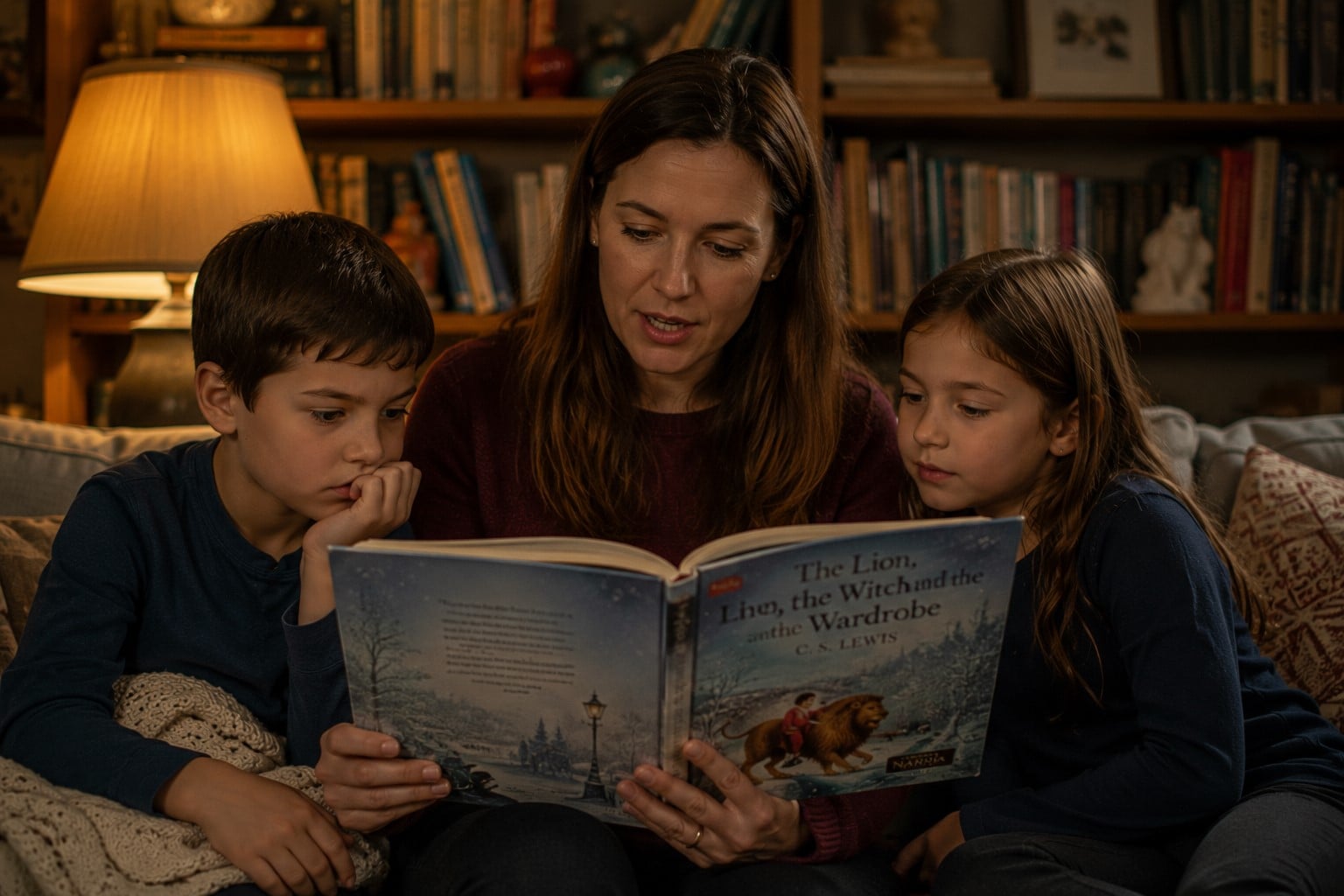
Read aloud to your kids every single day regardless of their age or reading ability. Choose books slightly above their independent reading level. Stop at exciting moments and discuss what might happen next.
Read aloud time is honestly the single most valuable homeschool activity you can do.
It builds vocabulary, comprehension, imagination, and a love of books simultaneously. Kids whose parents read aloud to them consistently develop significantly stronger literacy skills than those who do not. Make it a non negotiable part of every homeschool day and choose books that genuinely excite you both.
For more wonderful literacy and language building activity ideas, go check out 27 Movement Activities for Kids That Burn Energy Fast because combining physical movement breaks with focused read aloud sessions makes for a brilliantly balanced homeschool day.
10. Art History Through Making
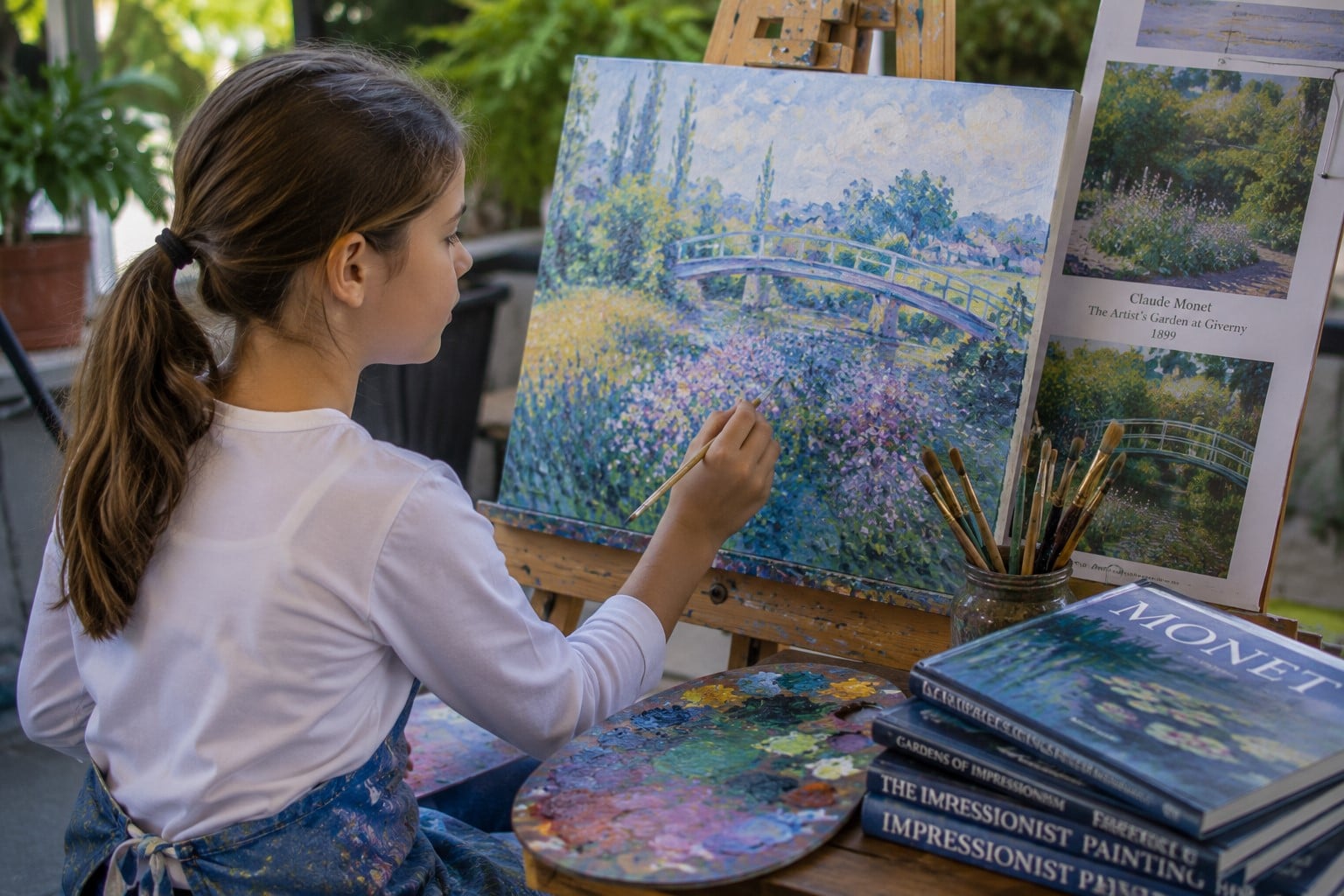
Study an artist or art movement and then recreate their style. For example, learn about Monet and paint outdoors in an Impressionist style; explore Mondrian’s work and create a geometric colour-blocked artwork; investigate Aboriginal art and produce a dot painting.
Art history through making is so much more powerful than art history through reading.
Kids who recreate artistic styles develop a real understanding of technique, intention, and historical context. The making process prompts questions and discussions that go much deeper than any textbook could.
Build a collection of artist inspired projects over the year for a genuinely impressive portfolio of work.
Go take a look at 31 Dinosaur Craft Ideas for Kids That Feel Roarsome for more brilliant themed craft and art projects that combine creative making with real content learning in the most engaging way.
11. Outdoor Maths With Nature
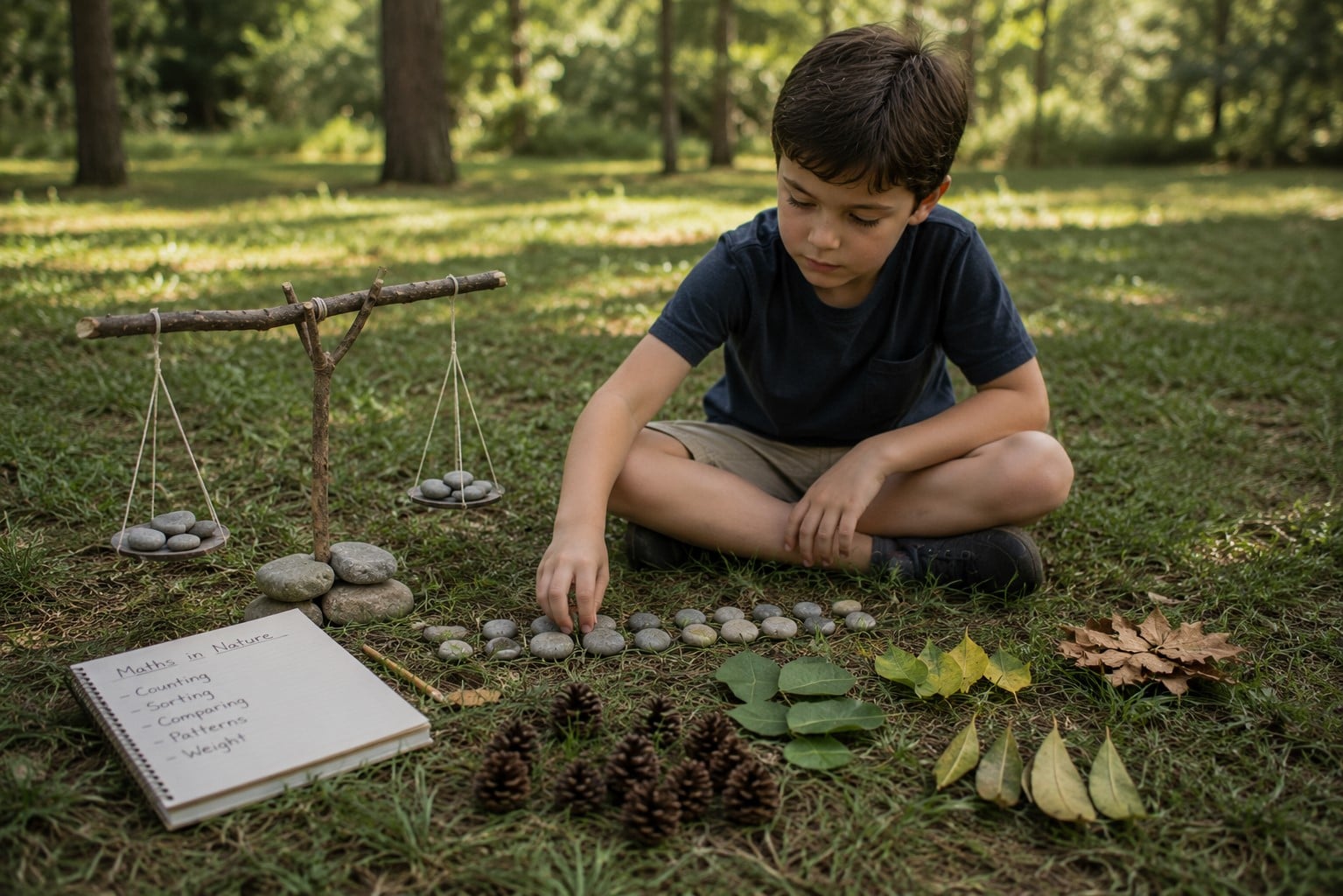
Use natural objects for all your maths activities. Count pebbles, measure sticks, sort leaves by size, create patterns with pine cones, weigh different rocks on a simple balance scale.
Outdoor maths with natural materials is grounding and calming for kids who struggle with formal maths.
The concrete physical nature of real objects makes abstract maths concepts suddenly feel real and accessible.
Kids who have struggled with number work often make significant breakthroughs when they move from paper to pebbles. Take your maths outside as often as possible and watch the difference it makes.
12. Project Based Learning Units
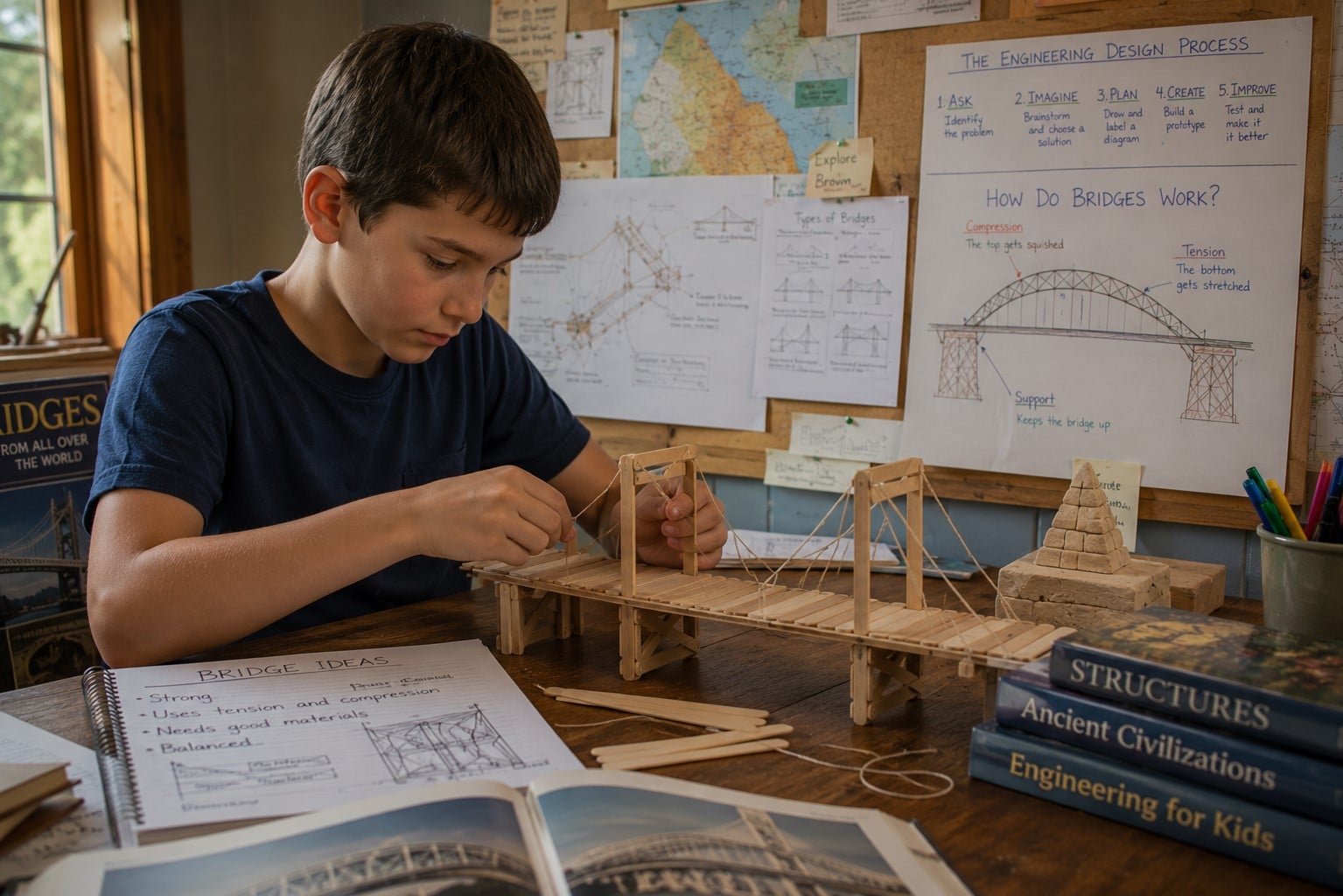
Choose a big question and spend two or three weeks exploring it from every angle. What would it take to build a bridge. How did ancient Egyptians live. What makes a community work well.
Project based learning units are the gold standard of homeschool education.
They teach kids how to ask questions, find information, synthesise ideas, and present what they have learned. Every subject gets woven into the project naturally. Maths, science, history, geography, literacy, and art all find their place within a well designed project unit. The depth of learning that happens is genuinely extraordinary.
For more brilliant project and activity ideas that take learning to a really deep and meaningful level, go explore 19 Letter P Activities for Preschool That Make Learning So Fun because that thematic approach to learning works brilliantly at every age and every stage of homeschool education.
13. Field Trip Fridays
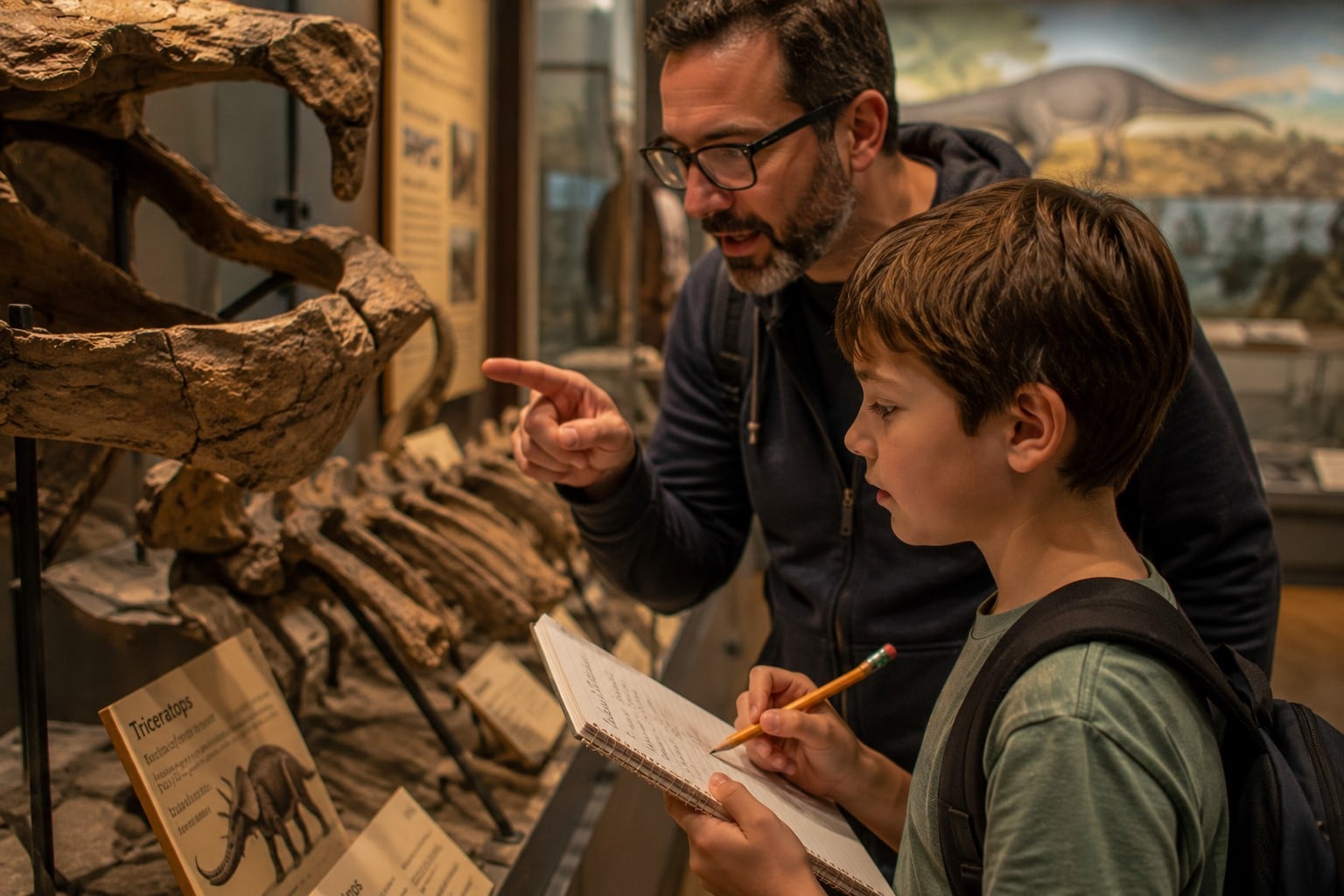
Dedicate every Friday to a field trip. Museums, farms, nature reserves, historical sites, factories, markets, and community spaces all make brilliant learning destinations.
Field trip Fridays give the whole homeschool week a sense of direction and excitement.
Kids work harder Monday through Thursday knowing that Friday brings something special. And the learning that happens on field trips is deep, contextual, and genuinely memorable in a way that classroom learning rarely matches.
Keep a field trip journal and document each visit with photos, drawings, and written reflections.
These wonderful real world learning experiences connect so beautifully with 31 Screen-Free Activities for Kids Parents Will Love when you want to make sure every learning experience is hands on, real, and completely free from screen dependency.
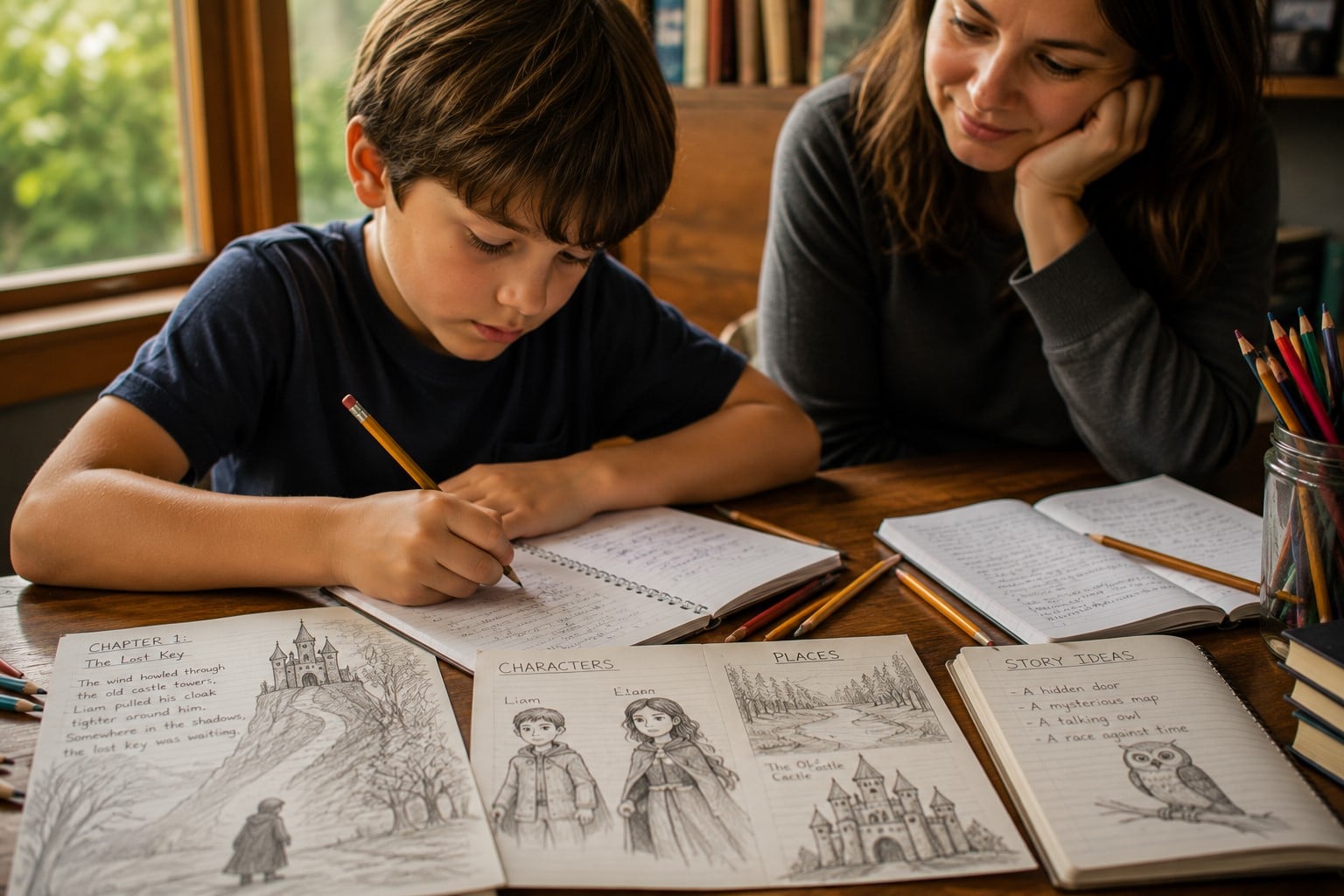
14. Storytelling and Creative Writing
Give kids a story prompt and thirty minutes to write or dictate a story. Share the stories aloud at the end. Illustrate them. Bind them into a book. Read them to younger siblings or grandparents.
Creative writing is one of the most powerful and underused homeschool tools.
Kids who write regularly develop stronger thinking skills, better vocabulary, and deeper emotional intelligence. Remove the pressure of perfect spelling and grammar in the first draft and just let the stories flow.
Editing comes later. The first draft is all about ideas, imagination, and the pure joy of telling a story.
Go check out 29 Fun Sleepover Activities Your Kids Will Never Forget for more wonderful storytelling and creative writing ideas that make narrative thinking feel like pure play rather than serious schoolwork.
15. Podcast and Audio Learning
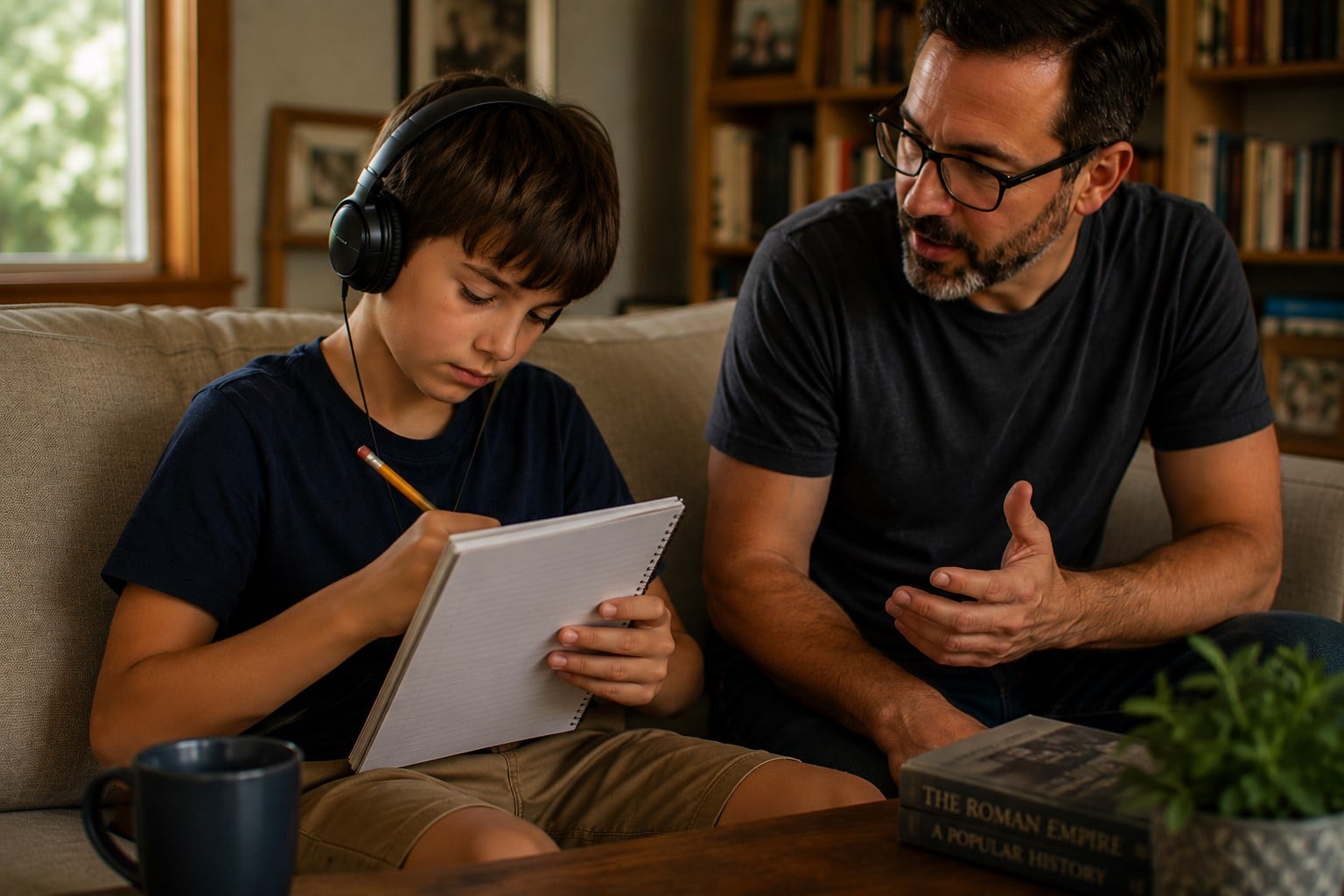
Find high quality educational podcasts on the topics you are studying. Listen during car journeys, lunch breaks, and quiet times. Discuss what you heard and follow up interesting ideas with further research.
Audio learning reaches kids who struggle with reading based content in a really powerful way.
Podcasts also model excellent vocabulary, clear thinking, and engaging communication. Kids who listen to well produced educational podcasts develop a sophisticated understanding of how ideas are presented and argued. Keep a list of favourite episodes and revisit them when a topic comes up again in your studies.
These brilliant alternative learning approaches work so well alongside 27 Learning Activities for 3 Year Olds That Feel Like Playtime because the principle of meeting children where they are and delivering content in formats they enjoy works at every single age and stage.
16. Pen Pal Programme
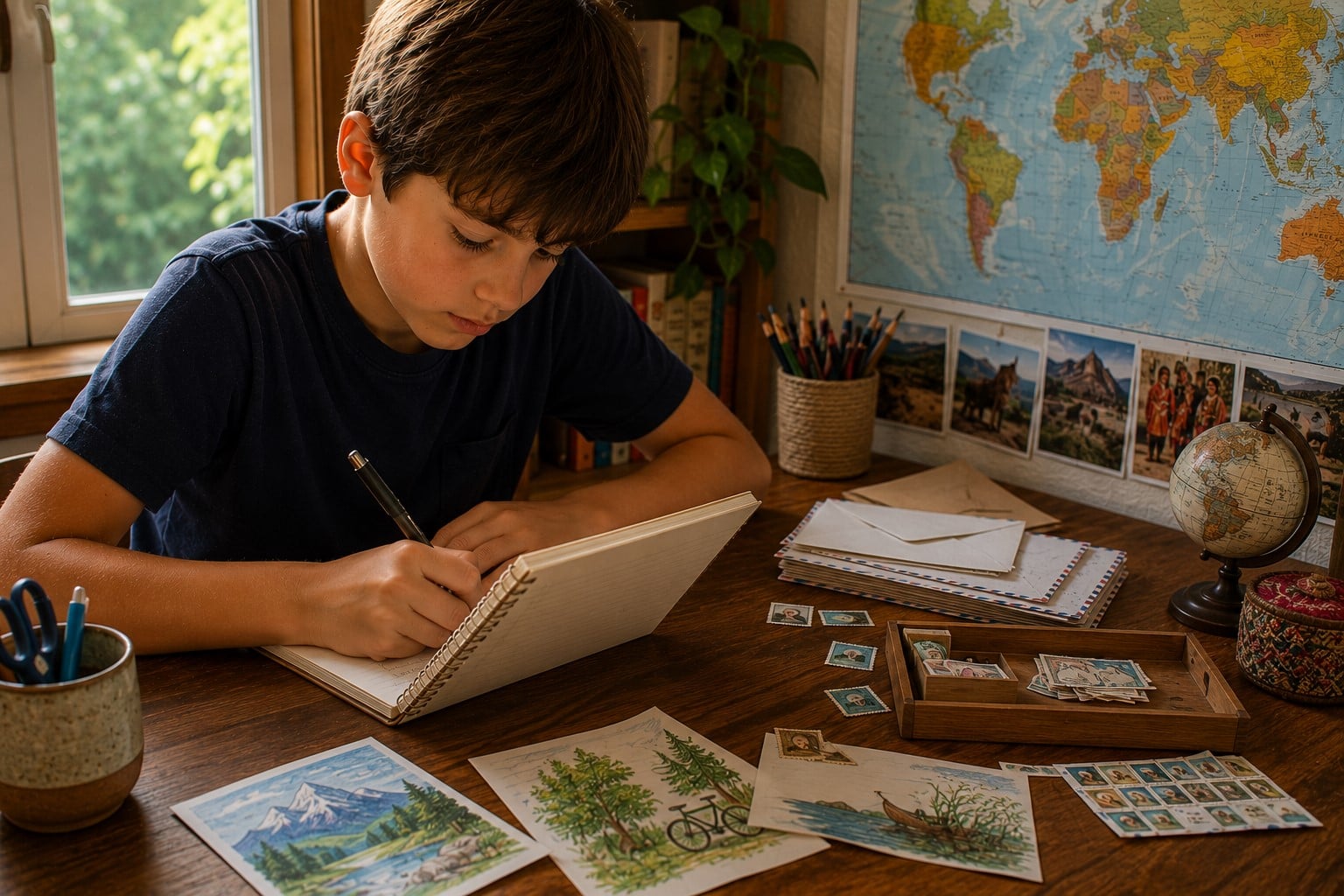
Set up a pen pal exchange with another homeschool family in a different country or region. Write real letters, include drawings, share information about your local area, and ask genuine questions.
Pen pal programmes teach geography, cultural awareness, and real world writing skills simultaneously.
The motivation to write a good letter to a real person is so much more powerful than writing for a teacher.
Kids research their pen pal’s country, learn to ask thoughtful questions, and develop genuine empathy for people whose lives are different from their own. These friendships sometimes last for years.
17. Celebration and Portfolio Days
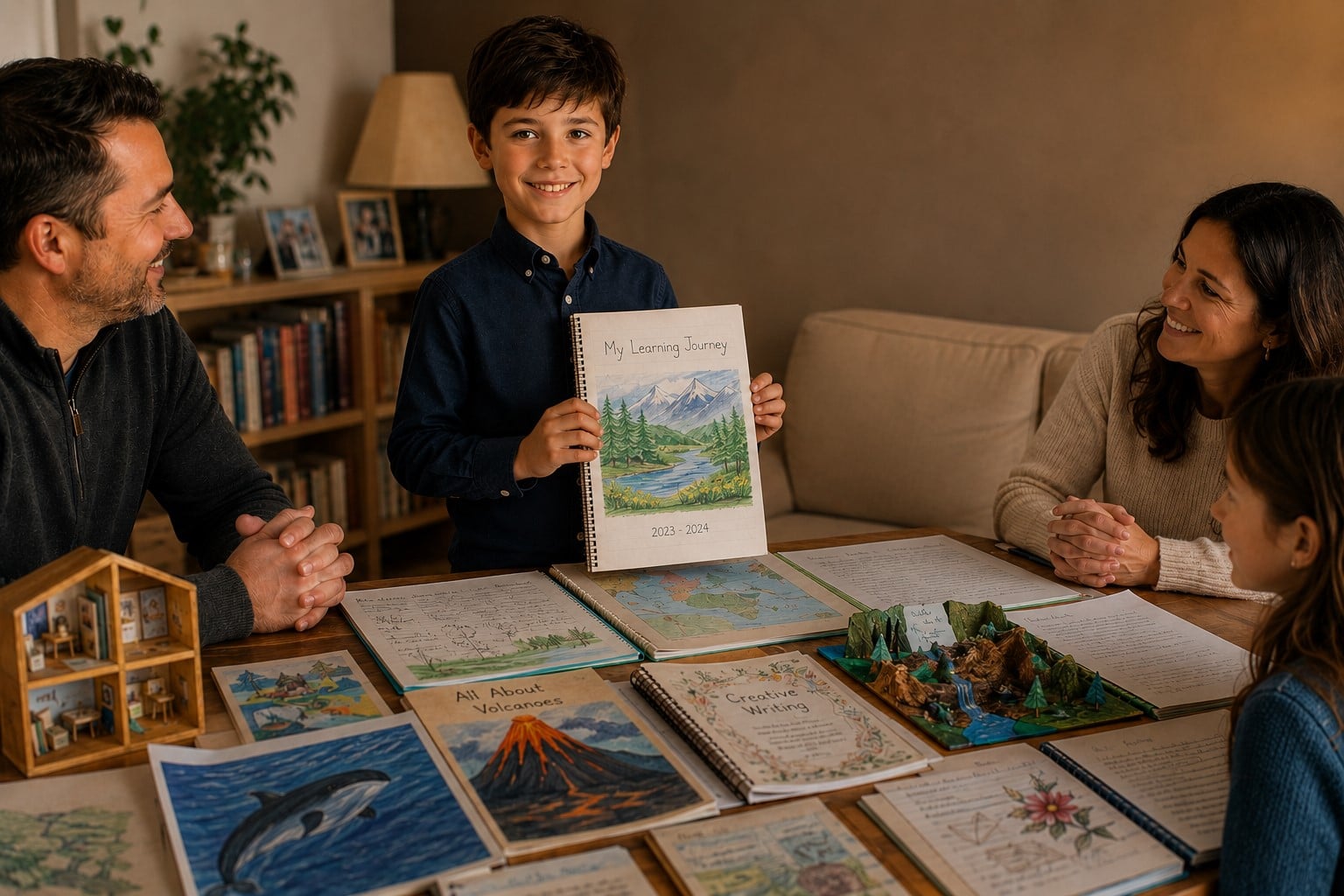
At the end of each term hold a celebration day. Pull out all the work from the term, arrange it into a portfolio, and present it to a family audience. Celebrate every achievement loudly and genuinely.
Celebration days give homeschool learning a sense of completion and accomplishment.
Kids who present their own work develop confidence, communication skills, and a healthy pride in their achievements. The portfolio itself becomes a treasured record of their learning journey.
Looking back at earlier portfolios as they grow shows kids how far they have come and that visible progress is deeply motivating.
Final Thoughts
Homeschooling does not have to look like school. In fact the best homeschool days often look nothing like school at all.
They look like cooking together in the kitchen, building things in the garden, reading aloud on the sofa, and exploring museums with genuine curiosity. They look like kids who love learning because learning has never been separated from living.
So take the pressure off, follow the curiosity, and trust the process. Your kids are learning more than you realise every single day.
And when you need even more brilliant ideas to keep the homeschool energy high and the learning genuinely exciting, go check out 35 Minute to Win It Games for Kids That Bring Instant Laughter because adding fast paced fun games into your homeschool day is honestly one of the best things you can do for motivation, focus, and pure daily joy.