Hosting a sleepover? These sleepover food ideas include easy snacks, sweet treats, filling breakfast options and refreshing drinks to share.
According to the US Dietary Guidelines, an active boy between 16 and 18 may need up to 3,200 calories a day, while adult men are estimated at 2,200 to 3,000.
These are general figures, and the real number depends on body size and how active the person is. Still, they point to something many hosts only notice when the table is already bare: growing bodies need a lot of food.
So a tray of snacks that looked like plenty can be empty sooner than expected, and that is normal.
It does not mean too little was made. It means the food works better in stages: a proper dinner, hot snacks later, something sweet, and breakfast in the morning.
Each stage brings its own small worries. What is safe to leave out on the table? What can a guest eat who avoids nuts or pork? What can be made ahead, so the host is not standing at the stove at midnight?
The 27 sleepover food ideas below follow those stages, with the safety notes placed beside the food they belong to.
Serve a mix of sweet and savoury options with these 25 Birthday Party Food Ideas for Teens Everyone Will Want.
Plan the Menu Around Your Guests
Some guests will never tell you what they can’t eat. Most would rather stay quiet and go hungry than make a fuss in front of their friends. A short message to their parents beforehand takes that worry away.
-
Send the parents one short message
A few days before the sleepover, something simple like this does the job:
Hi, we are planning the food for Saturday’s sleepover. Does [name] have any allergies, or any foods they avoid for health, faith or personal reasons?
The answers might include a nut allergy, halal or kosher food, a vegetarian diet, fasting, or trouble with lactose or gluten. It is much easier to plan around these before shopping than at the table.
-
Keep allergens away from safe food
Allergy safety comes down to one word: cross-contact. It happens when an allergen touches a safe food and their proteins mix, in amounts too small to see. A spoon used for a peanut sauce and then for plain rice is enough to do it.
A few habits that make a real difference:
- Wash hands with soap and water. Hand sanitiser and plain water do not remove an allergen.
- Give every dish its own serving spoon.
- Make a fresh portion rather than picking the allergen out. Lifting nuts off a dish does not make it safe. The guest with the allergy needs a new meal prepared for them, so cook that portion first, with clean tools.
- Put a small card beside each dish with its main ingredients, like “contains egg and sesame”. Guests can check for themselves, and nobody has to ask in front of the group.
-
Plan the night in four rounds
Dinner, a snack round, a late-night round, and breakfast. The late-night food and the breakfast can both be made before the guests arrive, which means the host gets to sit down and enjoy the night too. The ideas in this post follow these same four rounds.
-
Watch the clock on food left out
Perishable food, like meat, eggs, rice dishes and anything with dairy, should not sit at room temperature for more than two hours.
When the air is above 90°F (32°C), the limit drops to one hour. In many warm parts of the world, a room is often hotter than that, so one hour is the safer number to keep in mind.
The reason is simple. Between 40°F and 140°F (4°C to 60°C), bacteria can double in as little as 20 minutes. Food can look and smell perfectly fine and still be unsafe, so checking by smell does not help.
What works better than leaving one big dish out all night:
- Serve small bowls and refill them from the fridge or kitchen.
- Keep hot food hot, at 140°F (60°C) or above, and cold food cold, at 40°F (4°C) or below.
- Throw away anything that has sat out too long, instead of reheating it.
Adults celebrating a birthday can find more menu inspiration in 33 Adult Birthday Party Food Ideas Everyone Will Love.
SLEEPOVER FOOD IDEAS
Build-Your-Own Sleepover Dinner Ideas Everyone Can Eat
With a build-your-own dinner, each guest picks what goes on their plate, so nobody has to explain why they are skipping something. Put each filling in its own bowl with its own spoon, and keep the label cards beside them.
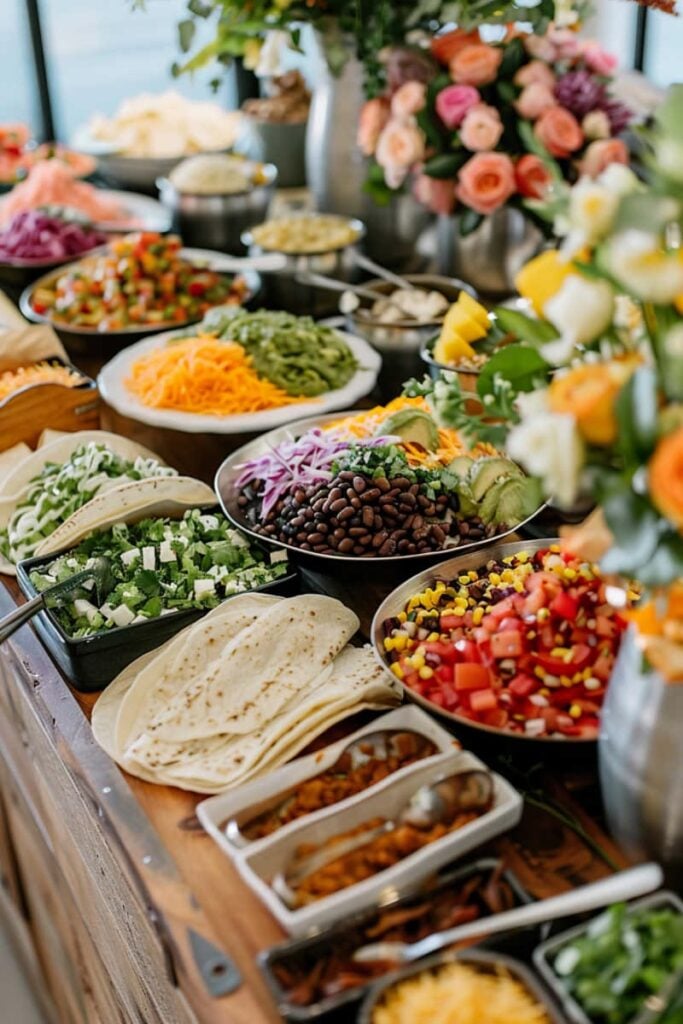
1. Taco Bar
Mexico. Nobody knows who made the first taco, and the story is still debated. Some researchers believe the dish is older than the Spanish arrival, while the word most likely comes from the silver mines of 18th-century Mexico.
There, “taco” meant the small paper-wrapped charges miners used to break rock. The famous tacos al pastor came later, when Lebanese immigrants brought their shawarma tradition and vertical rotisseries to Mexico in the early 20th century.
What you need: Small corn or flour tortillas, a meat filling (chicken or beef), a bean filling, shredded cabbage or lettuce, chopped tomato, onion, lime wedges, cheese or yogurt, and a mild and a hot salsa.
How to make it:
- Cook the meat with simple spices and keep it hot in a covered pan.
- Warm the tortillas wrapped in foil in the oven.
- Set every topping out in its own bowl.
Watch out for: Cold, stiff tortillas that crack. Wrap them in a clean cloth or foil after warming, and refill the stack in small batches.
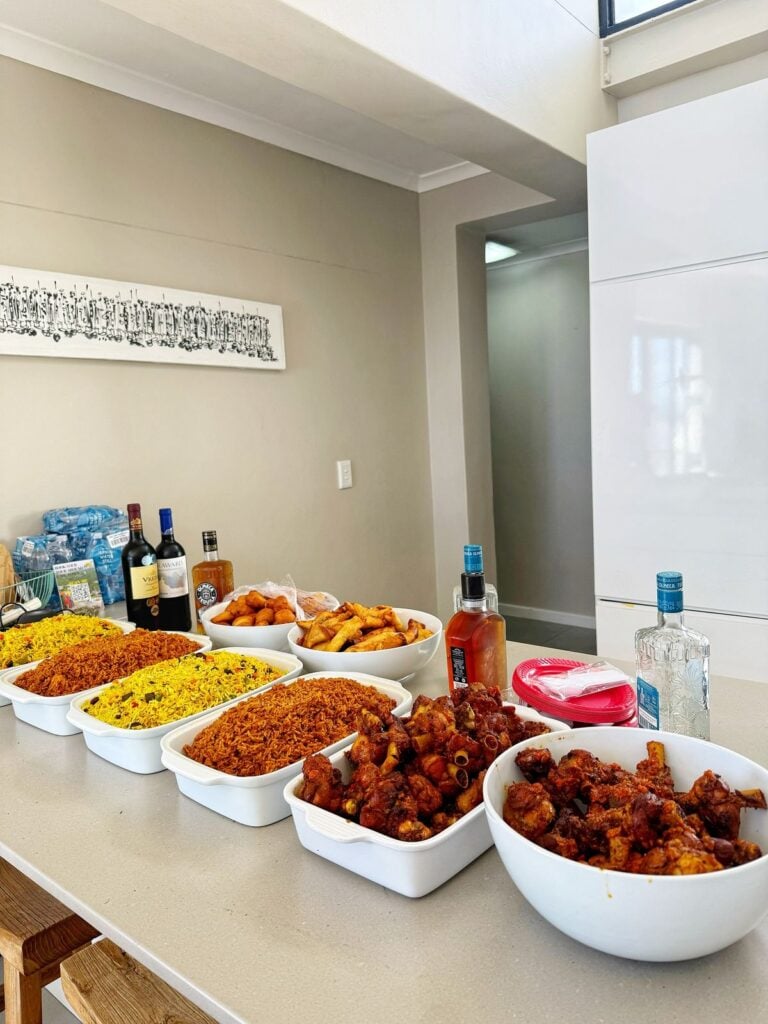
2. Jollof Rice Bar
enegal and the Gambia, among the Wolof people. Jollof was probably first cooked in the 14th century in the Wolof empire, from a dish of rice with fish and vegetables called thiéboudienne. The name jollof comes from the Jolof state.
In Senegal the dish is also known as benachin, which means “one pot” in Wolof, and Senegal’s version was added to UNESCO’s heritage list in 2021. Nigeria and Ghana each make their own version, so a “which one is best” debate with the guests costs nothing.
What you need: Long-grain parboiled rice, tomato and pepper base, onion, oil, stock and seasoning. For the bar: fried plantain, grilled chicken, fish or beans, and a simple salad.
How to make it:
- Cook the rice in a thick-bottomed pot with the tomato base.
- Keep the pot covered and the proteins in separate trays.
- Add fried plantain at the end so it stays crisp.
Watch out for: Rice left out on the table. Cooked rice should not sit for hours, especially in hot weather. Serve from a hot, covered pot, and keep the extra portion in the kitchen to refill small bowls.
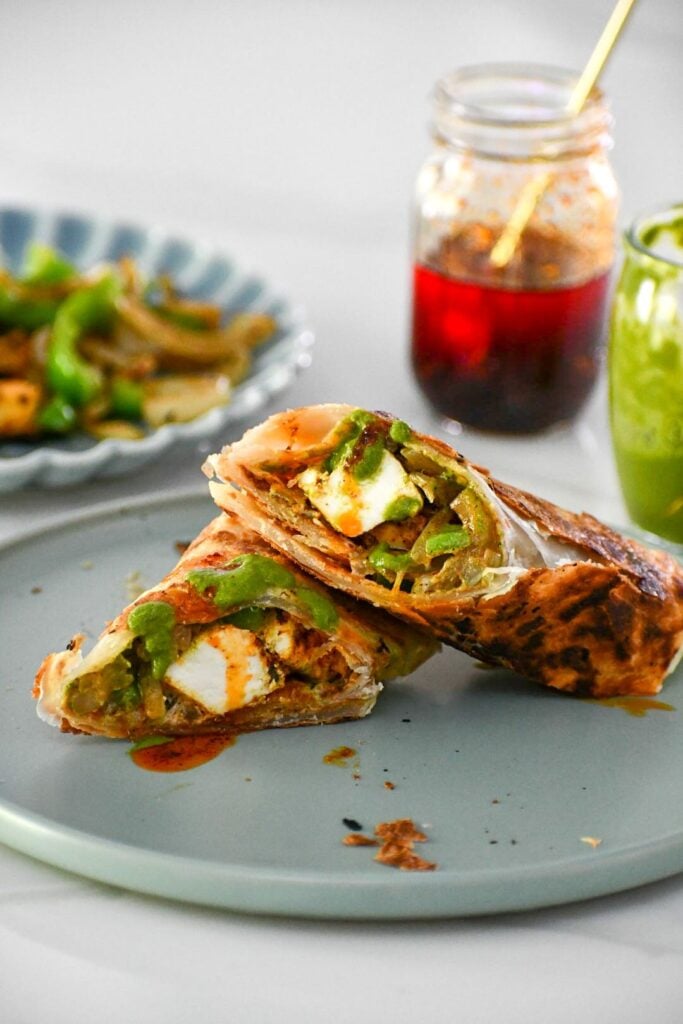
3. Kati Rolls
Kolkata, India. The kati roll is said to have started at Nizam’s restaurant in Kolkata, which opened in 1932. The stories differ on why the owner first wrapped a kebab in a paratha, but they agree on where it began.
The word kati means “stick” in Bengali, after the skewers the kebabs were cooked on.
What you need: Ready-made or homemade paratha, eggs, a filling (chicken, paneer, or spiced potato), sliced onion, green chutney, and lime juice.
How to make it:
- Heat the paratha on a hot pan until golden.
- Spread beaten egg on the pan side if making an egg roll.
- Add chutney, filling and onion, then roll it tight and wrap the bottom in foil or paper.
Watch out for: A soggy roll. Use a dry filling instead of one with sauce, and add the chutney just before rolling.
For a sleepover with activities that suit teenage boys, check out 25 Sleepover Ideas for Teen Boys They’ll Actually Enjoy.
4. Naan Mini Pizzas

The bread comes from Persia and South Asia. The word naan comes from the Persian word for bread, and its earliest mention in India is in the 1300s, from the poet Amir Khusrau.
Naan used as a pizza base is a modern idea with no known inventor. Pizza itself comes from Naples, Italy.
What you need: Plain naan, tomato sauce, mozzarella or another melting cheese, and toppings in separate bowls (vegetables, chicken, sweetcorn, olives).
How to make it:
- Heat the oven to about 220°C (425°F).
- Brush each naan with a little oil, then add sauce, cheese and toppings.
- Bake for 8 to 10 minutes, until the cheese melts and the edges brown.
Watch out for: A soggy middle. Bake the plain naan for two minutes first, and go easy on the sauce. Check the cheese label too, as some cheeses are made with animal rennet and some guests avoid them.
5. Pan-Fried Gyoza
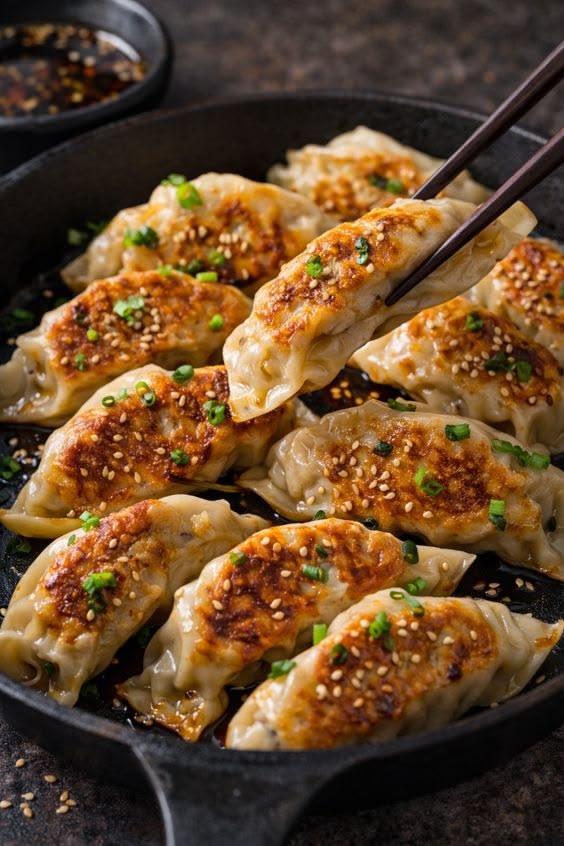
China first, then Japan. Gyoza is the Japanese version of the Chinese dumpling called jiaozi. It reached Japan in the early 1800s but was not widely eaten until after World War II.
The most common explanation is that soldiers and settlers returning from Manchuria missed the pan-fried dumplings and began making them at home.
What you need: Frozen or homemade gyoza (chicken, vegetable or pork), a nonstick pan with a lid, oil, and a little water. For dipping: soy sauce, rice vinegar and chili oil, plus a sesame-soy sauce and a sweet chilli sauce.
How to make it:
- Fry the gyoza in oil until the bottoms are golden.
- Add a splash of water and cover the pan to steam them through.
- Remove the lid to crisp the bottoms again.
Watch out for: Sticking and uneven batches. Cook a few at a time, keep the first batch warm in a low oven, and check the filling and wrappers for pork, wheat, soy and sesame before serving.
6. Loaded Baked or Sweet Potato Bar
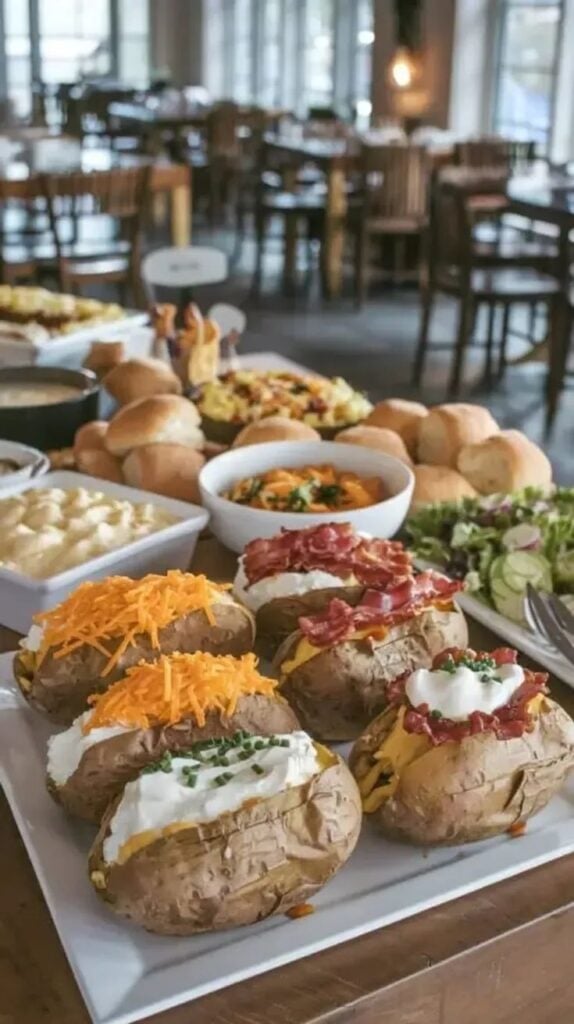
The Andes, in South America. Potatoes were first domesticated between 8000 and 5000 BC in what is now southern Peru and northwestern Bolivia, and the Spanish brought them to Europe in the 16th century.
The sweet potato is a different plant, native to the tropical parts of the Americas.
What you need: Large potatoes or sweet potatoes, butter, cheese, beans or chilli, yogurt or sour cream, spring onions, and a vegetable topping.
How to make it:
- Scrub the potatoes and prick them with a fork.
- Bake at about 200°C (400°F) for 50 to 60 minutes, until a knife slides in easily.
- Split them and let each guest add their own toppings.
Watch out for: Potatoes that go cold while guests build their plates. Wrap them in foil and hold them in a clean towel-lined box or a low oven, rather than leaving them on the counter.
For a filling meal that takes less hands-on work, try these 27 Comfort Food Recipes You Can Make in a Slow Cooker.
Hot Late-Night Sleepover Snacks That Are Ready in Minutes
Dinner is long gone by midnight, and everyone is hungry again. These six need one pan, an air fryer or a waffle maker, and not much time. Cook them in small batches and serve them straight from the pan, so nothing sits out.
7. Upgraded Instant Noodles
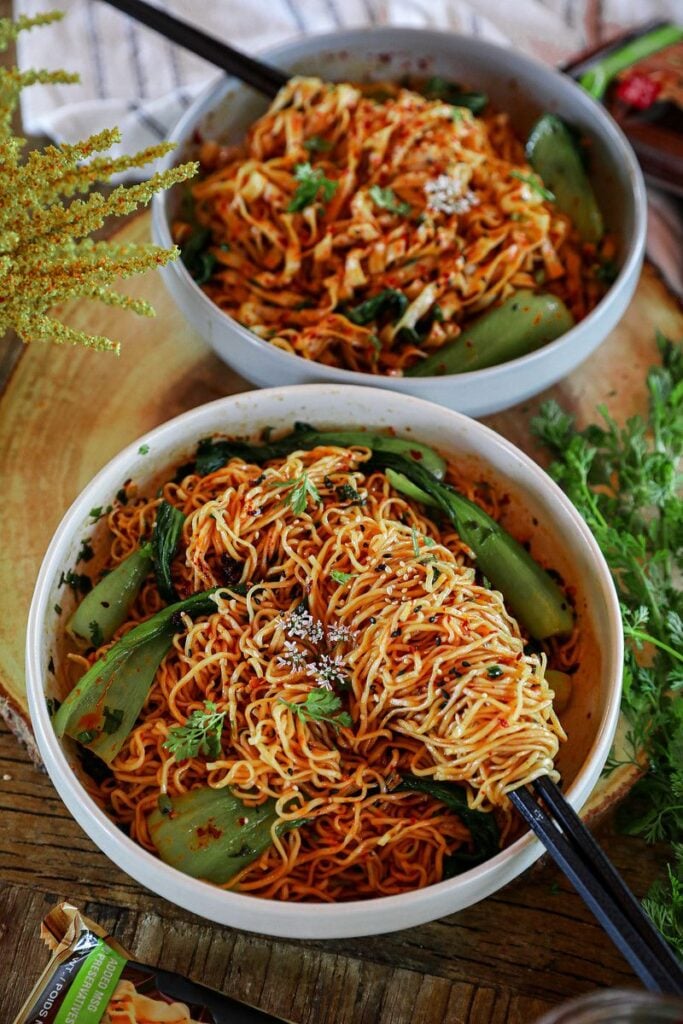
Japan first. Momofuku Ando, founder of Nissin, developed the world’s first instant noodle, “Chikin Ramen,” in the 1950s. Indomie came later.
It launched in Indonesia in 1972, reached Nigeria through imports in 1988, and opened a factory there in 1995. Its dry “Mi Goreng” version, a stir-fried noodle without soup, came out in 1982.
What you need: Instant noodles, eggs, spring onions, a slice of cheese, and a handful of frozen peas or spinach.
How to make it:
- Boil the noodles as the pack says, and add the vegetables for the last minute.
- Crack in an egg and cook it until the white is firm.
- Stir in the cheese at the end, and sprinkle on spring onion.
The salt problem: Most of the sodium is in the flavour sachet, not the noodles. One pack of chicken-flavour instant ramen has about 1,760 mg of sodium, and the WHO advises adults to stay under 2,000 mg a day. Brands differ, so read the label.
One comparison found Indomie Mi Goreng at around 800 mg a pack, while Korean ramyeon often goes above 1,700 mg.
The fix is easy: using half the sachet cuts about 500 mg or more. A little garlic, ginger or sesame oil adds flavour in its place. Check the pack for a halal mark, too.
8. Tteokbokki (Korean Rice Cakes in Spicy Sauce)
Photo credit: @ Unknown
Korea. The oldest version was not spicy at all. It was a royal court dish called gungjung tteokbokki, made with soy sauce, beef and vegetables.
The red, spicy kind is commonly credited to a street-food seller, Ma Bok-rim, around 1953 in Sindang-dong, Seoul. Korean historians point out that the red version was not widely known or standardised in the 1950s, so treat 1953 as the popular story.
What you need: Ready-made rice cakes (sold fresh or frozen at Asian grocers), gochujang, soy sauce, sugar, garlic, water or stock, and optional boiled eggs, fish cakes and spring onion.
How to make it:
- Bring the sauce ingredients and water to a boil in a wide pan.
- Add the rice cakes and simmer until the sauce thickens. This takes about 8 to 10 minutes.
- Serve at once, straight from the pan.
Watch out for: Hard rice cakes and sauce that dries up. Soak hard or frozen rice cakes in warm water first, and add a splash of water if the sauce thickens too early.
For guests who dislike heat, make the old royal-court style with soy sauce and no gochujang. Gochujang and soy sauce often contain wheat, and fish cakes contain fish, so check the labels.
9. Quesadilla Triangles
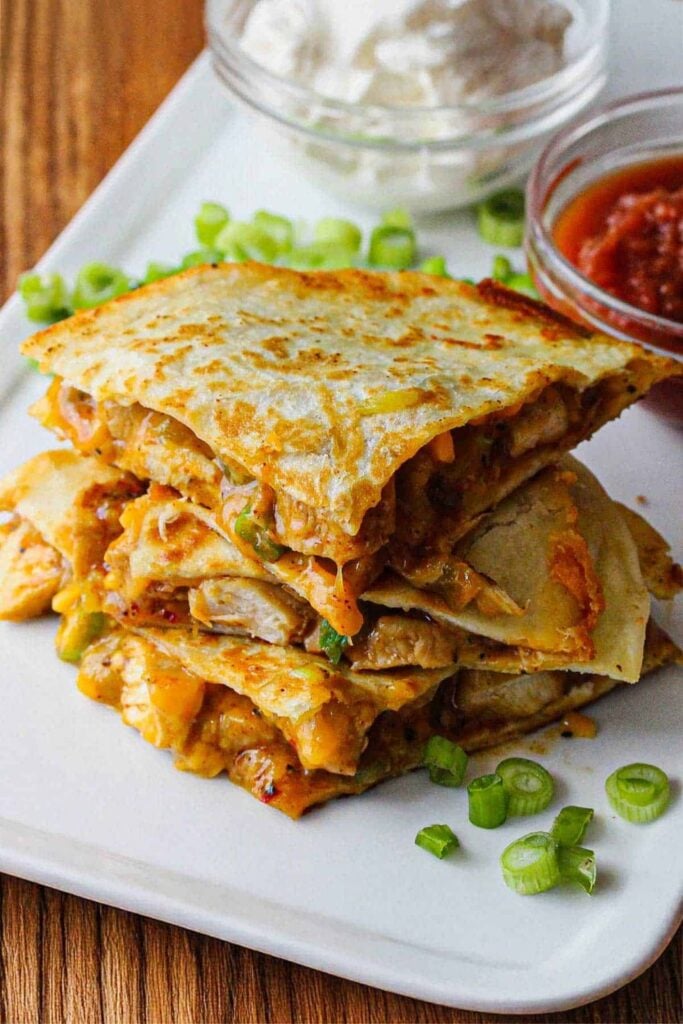
Mexico. The quesadilla has its origins in colonial Mexico, and the word comes from the Spanish for cheese. Folded tortillas with fillings are older than that.
They were eaten before the Spanish arrived, but dairy only reached Mexico in the 16th century. A small surprise for the post: in Mexico City, a quesadilla comes without cheese unless the customer asks for it.
What you need: Flour tortillas, a melting cheese (mozzarella, cheddar or Monterey Jack), and fillings such as beans, sweetcorn or cooked chicken.
How to make it:
- Put a tortilla in a dry pan over medium heat and cover half with cheese and filling.
- Fold it over and cook for two to three minutes a side, until golden.
- Cut into triangles and serve with salsa or yogurt.
Watch out for: Cheese leaking out and burning. Use grated cheese, a modest amount, and medium heat. For dairy-free guests, make a bean-and-sweetcorn version with no cheese.
10. Air-Fryer Samosas or Spring Rolls
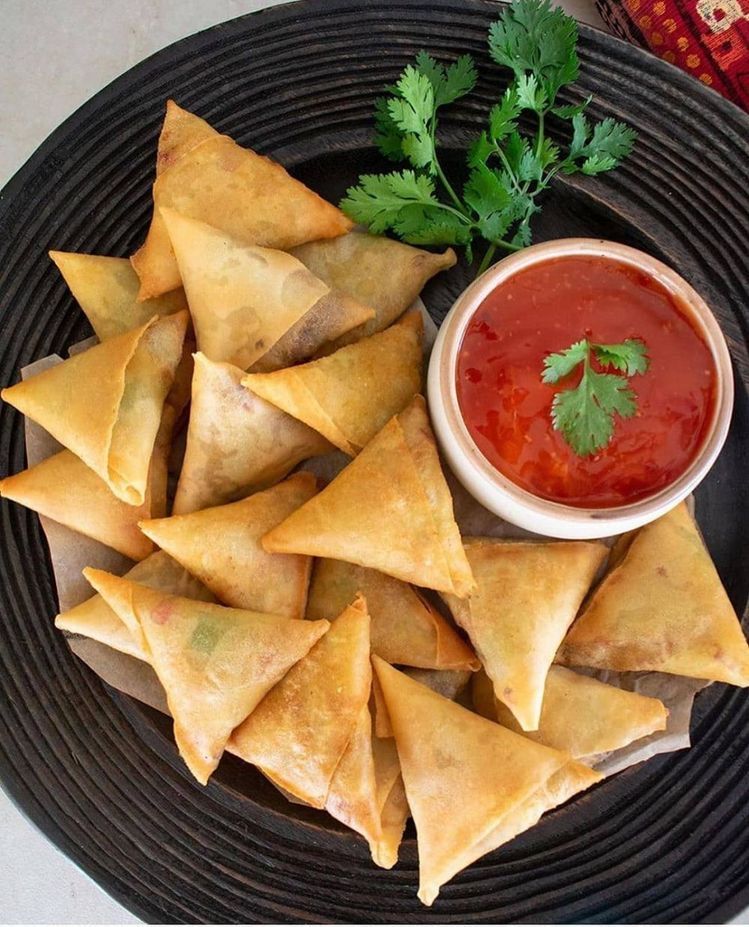
Photo credit: @Unknown
Samosas travelled a long way. They began in Central Asia and the Middle East, and recipes appear in Arabic cookbooks from the 10th to 13th centuries.
Cooks from those regions brought them to India in the 13th or 14th century, to the royal kitchens of the Delhi Sultanate.
The potato filling is newer, since the potato did not reach India until the 16th century. Spring rolls are Chinese. They were first thin pancakes wrapped around fresh spring vegetables, and the Mandarin name, chunjuan, means “spring roll.”
What you need: Frozen samosas or spring rolls, a little oil spray, and a dip such as mint yogurt or sweet chilli sauce.
How to make it:
- Cook straight from frozen, in a single layer, following the packet time. This is usually a bit over 10 minutes, so start them first.
- Turn them halfway through and cook until the centre is steaming hot.
Watch out for: Soggy results from a crowded basket. Cook in batches and keep finished ones warm in a low oven. Wrappers contain wheat, and some fillings contain meat, prawns or pork, so label the box each pack came from.
Girls looking for more than the usual movie night can try these 30 Sleepover Ideas for Teen Girls That Aren’t Boring.
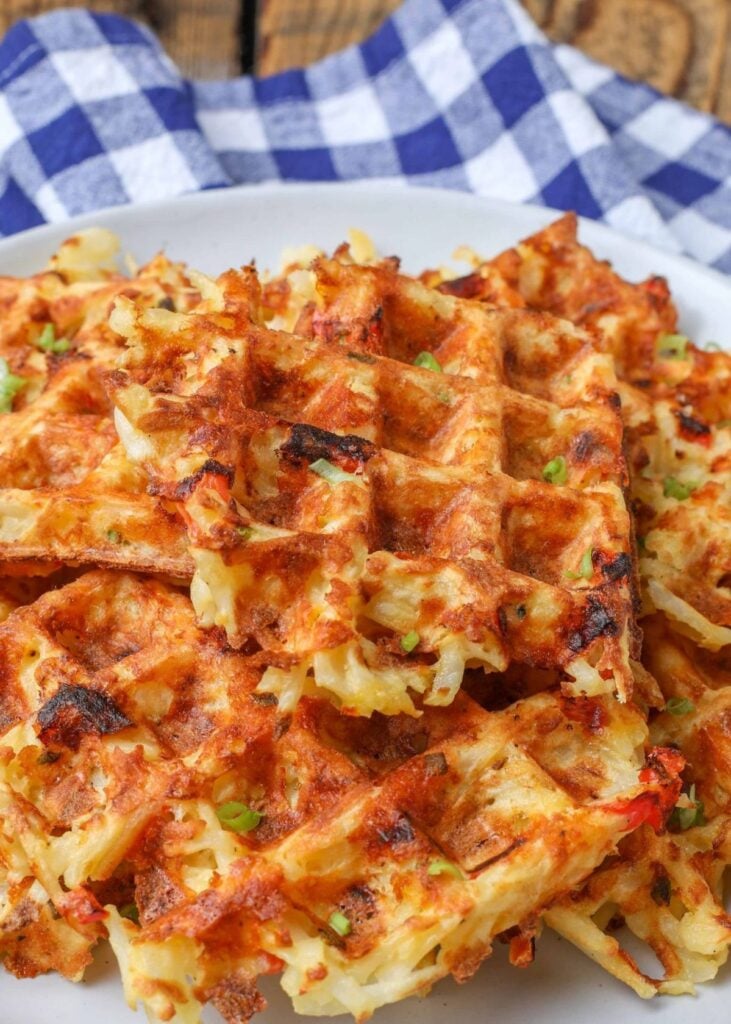
11. Waffle-Maker Hash Browns
The United States, with a hazy history. A recipe for browned hashed potatoes was printed in Minnesota in 1835.
The food writer Maria Parloa described “hashed and browned potatoes” in 1887, and they were on New York hotel breakfast menus in the 1890s. The waffle iron is a separate invention, patented by Cornelius Swartwout in 1869.
What you need: Frozen shredded hash browns, a little oil, salt, and grated cheese if wanted.
How to make it:
- Thaw the potatoes and squeeze out the water in a clean towel.
- Heat the waffle maker and grease the plates well.
- Press in the potato and cook for about 5 to 7 minutes, until golden and crisp.
Watch out for: Sticking and soggy centres. Use plenty of grease, dry the potato well, and keep the lid shut until the time is up.
12. Popcorn With Global Seasonings

The Americas. Corn was first domesticated in Mexico nearly 9,000 years ago. People on the coast of Peru were eating popcorn about 6,700 years ago. Each seasoning has its own home:
- Chaat masala: a tangy Indian spice blend.
- Yaji (suya spice): a Hausa blend from northern Nigeria, made with chilli, ginger, dried onion and ground peanut cake called kuli-kuli.
- Furikake: a Japanese topping of seaweed, dried fish, sesame and salt, first developed in the early 1900s by a pharmacist to add calcium to the diet.
- Tajín: a Mexican mix of chilli, lime and salt, created in 1985 by Horacio Fernández.
How to make it:
- Pop plain popcorn on the stove with a lid, and put it in a big bowl.
- Toss it with a little melted butter or oil, so the seasoning sticks.
- Add the seasoning a little at a time, and taste as you go.
Watch out for: Allergies. Yaji contains peanuts, and furikake contains fish and sesame. Season in separate bowls, and put a label card beside each one. A plain bowl or a Tajín bowl is the safe choice for guests with peanut or fish allergies.
Feeding a larger group is easier with these 30 Birthday Party Food Ideas That Are Crowd Pleasers.
No-Cook and Make-Ahead Sleepover Snacks for Hot Nights
Some of the best sleepover food ideas never touch a stove. These five are served cold or at room temperature, and most can be prepared before the guests arrive. That helps when the kitchen is already the warmest room in the house.
13. Fruit Chaat
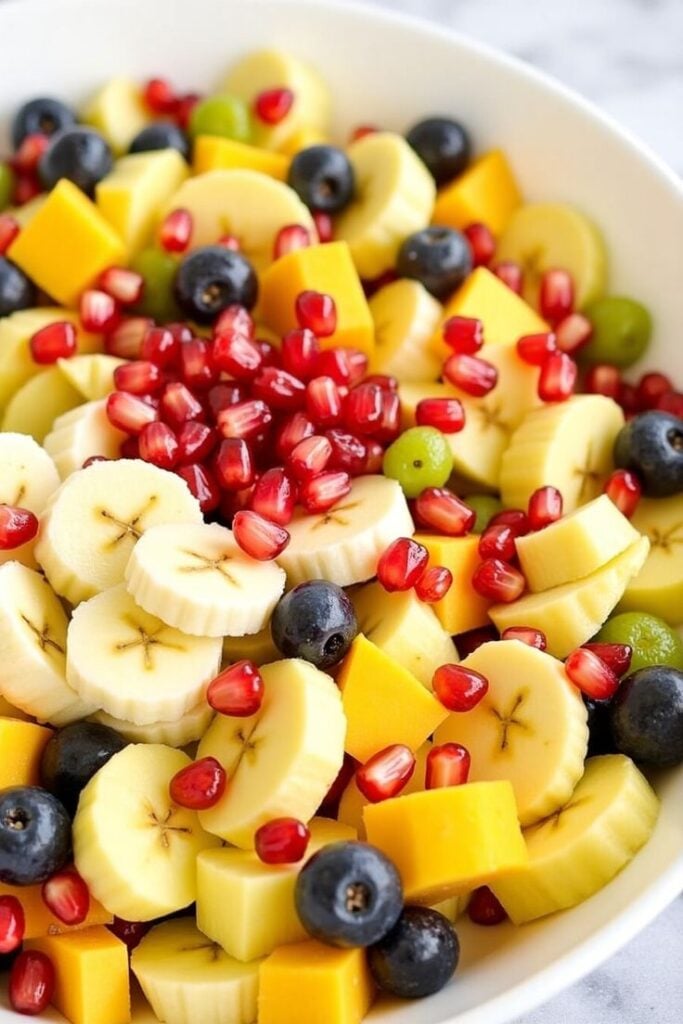
India. The word chaat comes from a Hindi word for tasting or a delicacy, and it names a whole family of snacks that began in India and are sold from street carts across South Asia.
One theory, from the food anthropologist Kurush Dalal, places the start of chaat as a food group in northern India in the late 17th century, under the Mughal emperor Shah Jahan. Fruit chaat is a fresh-fruit version of the idea, finished with the same tangy spice blend.
What you need: Ripe fruit such as mango, pineapple, watermelon, guava, apple and cucumber, a lime, and chaat masala. The blend is typically made of dried mango powder, cumin, black salt, coriander, dried ginger and chilli.
How to make it:
- Cut the fruit into bite-size pieces and keep it chilled.
- Squeeze lime over it just before serving, then dust with chaat masala and toss.
Watch out for: Two things. First, black salt has a strong sulphur smell, so the bowl may smell odd before it tastes wonderful, and it is worth warning guests. Second, cut fruit is perishable, so the one-hour limit for hot rooms applies.
Serve it in small bowls and refill from the fridge. Chaat masala often has chilli in it, so put a shaker on the side for guests who prefer less heat.
14. Rice-Paper Rolls With a Peanut or Sweet Chilli Dip
Vietnam. Unlike spring rolls that are believed to come from China, gỏi cuốn is described as a Vietnamese creation, built around rice paper called bánh tráng.
The first recipe is not documented, and the exact origin is not precisely recorded. In southern Vietnam, the standard filling is boiled shrimp, boiled pork belly, rice vermicelli, lettuce and fresh herbs.
What you need: Rice-paper wrappers, rice vermicelli, lettuce, mint, cucumber, carrot, and a protein such as cooked shrimp, chicken or tofu strips. For dipping, a peanut sauce or sweet chilli sauce.
How to make it:
- Soak each sheet briefly in warm water until just pliable, then lay it on a damp cloth.
- Layer the lettuce, noodles, herbs and filling, and roll it tight, tucking in the sides.
Watch out for: Torn or sticking rolls. Do not overfill them, and keep the finished rolls from touching, since rice paper sticks to itself. When making ahead, cover them with a damp cloth.
The common dip is a hoisin and peanut sauce, and hoisin typically contains wheat. Sweet chilli sauce is the peanut-free choice.
15. Onigiri (Japanese Rice Balls)
Japan. The oldest known onigiri is more than 2,000 years old, found at an archaeological site in Ishikawa Prefecture, and the name comes from a verb meaning “to squeeze.” Nori came later. Wrapping onigiri in seaweed only became common in the Edo period.
What you need: Short-grain or sushi rice, salt, nori sheets, and a filling such as tuna, salmon or nothing at all. Rice choice matters, because long-grain rice cannot hold the shape, and onigiri rice has no vinegar.
How to make it:
- Cook the rice and let it cool until it is just warm.
- Wet your hands with salted water, press rice around a spoonful of filling, and shape it into a triangle or ball.
- Add the nori just before eating, so it stays crisp.
Watch out for: Rice safety. UK health advice says to cool cooked rice within an hour, then keep it in the fridge for no more than a day. Keep mayonnaise fillings cold, and offer a plain or pickled-vegetable onigiri for guests who avoid fish.
16. Mezze Board
The Middle East and the eastern Mediterranean. One Turkish cookbook author traces mezze to ancient Persia, and the name to a Persian word meaning to taste and relish.
Hummus is Arabic for chickpea, and its first appearance in writing is a 13th-century cookbook. Falafel’s origin is argued over. In Egypt it is made with fava beans and called taamiyya, while chickpea versions are common elsewhere.
What you need: Pita bread, hummus, cucumber and carrot sticks, olives, and ready-made falafel.
How to make it:
- Warm the falafel in the oven and cut the pita into wedges.
- Arrange everything on one board, with the hummus in a small bowl.
Watch out for: Sesame. Hummus is made with tahini, a sesame paste, so a guest with a sesame allergy needs a tahini-free chickpea dip instead. Pita contains wheat. Keep the hummus in the fridge and refill the small bowl as it empties.
17. Roasted Chickpeas in Two Flavours
Southwest Asia. Chickpeas were probably domesticated in southeast Turkey, and domesticated ones have been found at Neolithic sites in Turkey and the Levant.
The roasted snack is old too. It is called leblebi in Turkey, and its exact history is not well known.
What you need: Canned or boiled chickpeas, oil and salt. For the savoury flavour, cumin and smoked paprika. For the sweet one, cinnamon and a little sugar.
How to make it:
- Drain the chickpeas and dry them very well on a towel.
- Toss with oil and salt, and roast at about 200°C (400°F) for 25 to 30 minutes, shaking the tray halfway.
- Add the flavourings while they are still warm.
Watch out for: Chewy, soft chickpeas, which come from damp ones. Dry them thoroughly, and let them cool fully on the tray, since they crisp as they cool. Store them in an airtight container, and serve them in small bowls.
Add a few easy bites to the menu with these 21 Easy Birthday Party Snacks for Adults.
Sweet Things That Are Safe to Eat
Sweet treats can make a sleepover feel extra special, especially when everyone gets to choose their favourite toppings or help prepare dessert. These sleepover food ideas include mug cakes, chocolate-dipped fruit and other fun options that are easy to share.
Since some sweet treats contain raw ingredients, the recipes below also cover simple food-safety steps so everyone can enjoy dessert with peace of mind.
18. Edible Cookie Dough
Cookie dough is tempting to eat straight from the bowl, especially when chocolate chips are involved. However, regular cookie dough is not safe to eat raw because uncooked flour can contain harmful germs such as E. coli, while raw eggs can carry Salmonella.
For sleepover food ideas that let everyone enjoy cookie dough safely, use heat-treated flour and leave out the raw eggs.
What you need: All-purpose flour, butter, brown sugar, vanilla extract, milk, chocolate chips and a small pinch of salt.
How to make it:
- Spread the flour on a baking tray and heat it in an oven at 175°C (350°F) until it reaches 74°C (165°F) throughout. Check with a food thermometer, stir the flour during heating, and let it cool completely. Follow a tested heat-treatment method to ensure the flour is heated evenly.
- Beat the softened butter and brown sugar together, then add the vanilla extract and a little milk.
- Mix in the cooled, heat-treated flour and salt. Fold in the chocolate chips and add a little more milk if the dough is too dry.
- Divide into small bowls so everyone has their own serving.
Watch out for: Do not taste the flour before heat-treating it, and remember that heating flour in a microwave without checking its temperature can leave cold spots.
This recipe should contain no raw eggs. Keep the dough refrigerated until serving, and check the chocolate and other ingredients for allergens. When time is short, freshly baked cookies are a simpler alternative.
19. Microwave Mug Cakes
A mug cake is a lovely option when everyone wants something sweet but nobody wants to wait for a full cake to bake.
Each person can mix their own little cake, choose a topping and watch it rise in the microwave. Among these sleepover food ideas, this one also makes dessert feel like a small activity rather than another dish to prepare.
What you need: All-purpose flour, sugar, cocoa powder, milk, vegetable oil, baking powder and chocolate chips.
How to make it:
- Mix the flour, sugar, cocoa powder and a small amount of baking powder in a microwave-safe mug.
- Add the milk and oil, then stir until there are no dry patches. Fold in a few chocolate chips if desired.
- Microwave until the cake is fully cooked in the centre. Cooking time varies with the microwave and mug size, so start with a short interval and continue in small bursts as needed.
- Allow it to cool briefly before adding sprinkles, sliced strawberries or a spoonful of yoghurt.
Watch out for: A cake that looks cooked on top may still be wet inside. Check the centre before eating, and avoid filling the mug more than halfway because the mixture rises. Use a microwave-safe mug and help younger guests handle the hot container.
20. Frozen Banana Ice Cream Sandwiches
These little sandwiches offer a cold, creamy treat without needing an ice cream maker. Bananas become softer and creamier when blended from frozen, making them a useful base for a simple homemade dessert.
They are especially enjoyable after a busy evening of games when everyone wants something sweet straight from the freezer.
What you need: Ripe bananas, plain biscuits or graham crackers, a little milk if needed, and optional chocolate chips or finely chopped nuts.
How to make it:
- Peel and slice the bananas, then freeze them in a single layer until solid.
- Blend the frozen banana slices until smooth and creamy, adding only a small splash of milk if the blender needs help.
- Spoon the mixture onto one biscuit and place another on top to make a sandwich.
- Add optional chocolate chips to the filling or roll the edges in sprinkles. Freeze the sandwiches until firm enough to hold.
Watch out for: These sandwiches soften quickly, so keep them frozen until everyone is ready for dessert. Check biscuit labels for milk, wheat and other allergens, and skip nuts if a guest has a nut allergy.
If the banana mixture becomes too soft while assembling the sandwiches, return it to the freezer for a few minutes before continuing.
21. Air-Fryer Churros with Chocolate Dipping Sauce
Churros are traditionally associated with Spain and are also popular across Latin America. These fried-dough treats are often served with sugar and cinnamon, sometimes alongside thick chocolate for dipping.
An air-fryer version offers a way to enjoy the same flavours at a sleepover without filling a pot with hot oil.
What you need: Water, butter, flour, a little sugar, salt, ground cinnamon and melted chocolate for dipping.
How to make it:
- Heat the water, butter, sugar and salt in a saucepan until the butter melts and the mixture begins to simmer.
- Remove from the heat and stir in the flour until a thick dough forms. Let it cool slightly before transferring it to a piping bag fitted with a large star-shaped nozzle.
- Pipe short strips onto a lightly greased air-fryer-safe tray or basket, leaving space between them.
- Air-fry at about 190°C (375°F) until golden and cooked through, checking your appliance’s instructions and adjusting the time as necessary.
- Brush lightly with melted butter, toss in cinnamon sugar, and serve with melted chocolate for dipping.
Watch out for: Churro dough is thick, so use a sturdy piping bag and never force it through a narrow nozzle. An adult should handle the hot saucepan and air fryer, and the churros should cool slightly before serving.
Make sure the centres are cooked rather than relying on the outside colour alone. Check the chocolate label for milk or other allergens.
For finger foods guests can enjoy while chatting, see these 35 Easy Birthday Party Appetizers for Adults.
Breakfast That Can Be Prepped the Night Before
Morning after a sleepover can be a little chaotic, especially when everyone wakes up hungry at different times. These sleepover food ideas make breakfast easier by letting you prepare most of the work the night before.
From warm pancakes to akara and bread, there is something for guests who prefer a sweet breakfast and those who want something savoury.
23. Sheet-Pan Pancakes
Sheet-pan pancakes give everyone a piece of pancake without standing over a frying pan flipping them one by one.
You can mix the batter the night before and refrigerate it, or prepare the dry ingredients ahead and mix in the wet ingredients in the morning for a fresher rise.
What you need: All-purpose flour, milk, eggs, baking powder, sugar, melted butter and optional chocolate chips or blueberries.
How to make it:
- Mix the ingredients into a smooth batter, taking care not to overmix.
- Pour into a greased, rimmed baking sheet and add your chosen toppings.
- Bake at about 200°C (400°F) until the centre is set and the top is lightly golden.
- Cut into squares and serve with syrup, fruit or yoghurt.
Watch out for: Pancake batter containing baking powder may lose some of its rising power if left overnight. For the best texture, prepare the dry ingredients ahead and combine them with the wet ingredients in the morning. Check the centre before serving.
24. Egg Muffin Cups
Egg muffin cups are small, savoury egg portions baked in a muffin tin. They are handy when guests want a filling breakfast but do not all want the same toppings. Prepare them the night before, refrigerate them promptly and reheat them in the morning.
What you need: Eggs, diced bell peppers, chopped onions, grated cheese, salt and black pepper.
How to make it:
- Beat the eggs with the seasonings, then stir in the vegetables and cheese.
- Pour into lightly greased muffin cups, filling each about two-thirds full.
- Bake at 180°C (350°F) until the eggs are completely set.
- Cool, refrigerate within two hours and reheat thoroughly before breakfast.
Watch out for: Eggs should reach 71°C (160°F) for safety. Store the cooked cups in a covered container in the fridge, and use them within three to four days. Avoid leaving them on the breakfast table for more than two hours.
25. Freezer Breakfast Burritos
Breakfast burritos are useful when guests wake up at different times or want something they can eat while chatting. Fill tortillas with scrambled eggs, cooked potatoes, beans, cheese or cooked sausage, then freeze individual portions for easy reheating.
What you need: Flour tortillas, eggs, cooked potatoes or beans, grated cheese and optional cooked sausage or vegetables.
How to make it:
- Cook the filling ingredients and let them cool briefly before assembling.
- Spoon the filling into each tortilla, fold in the sides and roll tightly.
- Wrap each burrito individually and freeze in a labelled freezer-safe bag or container.
- Reheat from frozen in the microwave, following the appliance instructions and turning as needed. Check that the centre reaches 74°C (165°F).
Watch out for: Wet fillings can make tortillas soggy, so drain beans and cook off excess moisture from vegetables.
Cool and refrigerate the filling promptly before freezing the assembled burritos. Remove foil before microwaving; foil-wrapped burritos should only be reheated in an oven if the foil and appliance instructions permit it.
26. Akara and Bread
For a West African breakfast, akara and bread bring a familiar savoury option to the table.
Akara is made from peeled beans blended into a thick batter and fried until crisp outside and soft inside. Serve it with sliced bread, and add a mild pepper sauce for guests who enjoy a little heat.
What you need: Peeled black-eyed peas or brown beans, onion, pepper, salt, vegetable oil and sliced bread.
How to make it:
- Soak the beans if needed, then remove the skins and rinse thoroughly.
- Blend with a little water, onion and pepper to make a thick batter.
- Beat the batter until slightly lighter, season with salt and carefully spoon small portions into hot oil.
- Fry until golden and cooked through, then drain on paper towels and serve with bread.
Watch out for: Hot oil needs adult supervision, and the akara should be cooked through rather than just browned outside.
Since frying takes time, prepare and refrigerate the blended batter the night before, then fry it in the morning. Do not leave the batter sitting at room temperature overnight.
27. Yoghurt and Overnight Oats Parfait Bar
A yoghurt and overnight oats bar lets guests build breakfast to suit their taste. Prepare the oats in jars the night before, then set out yoghurt, fruit and crunchy toppings in the morning.
One guest might prefer banana and cinnamon, while another might choose berries and granola.
What you need: Rolled oats, milk, plain or flavoured yoghurt, bananas, berries, honey and optional granola or chopped nuts.
How to make it:
- Combine rolled oats and milk in individual jars, using roughly equal amounts of each to start.
- Cover and refrigerate overnight until the oats soften.
- In the morning, arrange the yoghurt, sliced fruit, granola and other toppings in separate bowls.
- Let everyone layer the oats, yoghurt and toppings in their own cup or jar.
Watch out for: Keep the oats, yoghurt and cut fruit refrigerated until serving.
Put out small portions and refill them as needed, rather than leaving everything on the table for hours. Keep nuts separate and label toppings containing common allergens, including milk and nuts.
Hosting younger teens? These 27 Sleepover Ideas for 13 Olds offer activities suited to their age group.
Drinks for a Sleepover: Keep Caffeine in Mind
Drinks are an easy way to give your sleepover food ideas more variety, but it helps to check what goes into each cup, especially when teenagers are staying overnight. The American Academy of Pediatrics recommends that teens aged 12–18 limit caffeine to no more than 100 mg per day.
Most energy drinks contain around 70–240 mg per serving, meaning one can may exceed that limit. Chocolate also contains caffeine, with bittersweet chocolate providing roughly 5–35 mg per ounce.
Instead of relying on energy drinks, offer refreshing drinks that everyone can enjoy without adding caffeine.
- Mango lassi: Blend ripe mango with plain yoghurt and a little milk for a creamy, fruity drink.
- Zobo (hibiscus drink): Steep dried hibiscus petals in hot water, allow to cool, then add ginger or pineapple for extra flavour. Check that the ingredients are caffeine-free.
- Watermelon agua fresca: Blend fresh watermelon with cold water and a squeeze of lime, then strain if preferred.
- Fruit-infused sparkling water: Add slices of orange, lemon, cucumber or strawberries to sparkling water for a colourful drink without added caffeine.
One thing to remember: Check labels on bottled drinks, tea-based beverages and flavoured mixes because some contain caffeine even when they do not taste like coffee. Keep drinking water available throughout the sleepover, too.
Keep a night at home interesting with these 23 Fun Sleepover Ideas for Girls at Home.
Conclusion
Late-night cravings, chocolate-covered treats and a breakfast everyone can customise deserve a place on your sleepover menu. These sleepover food ideas give you options for every part of the night, from savoury bites to sweet treats and easy morning meals.
Choose the recipes your guests will enjoy, prepare what you can in advance and let everyone help pick the menu. Which treats will your guests be talking about long after the sleepover ends?