If you have ever stepped into your child’s bedroom and wondered how toys multiply overnight, you are not alone. Many parents dream of creating a space that feels calm, beautiful, and easy to maintain. The good news is that you do not need an empty room to achieve that goal. A minimalist kids room focuses on thoughtful design, smart storage, and purposeful décor that helps children thrive while keeping clutter under control.
One thing many parents discover is that children often play better when their environment feels organized. Instead of feeling overwhelmed by too many choices, they can focus on creativity and imagination. If you love calm spaces with dreamy details, you might enjoy celestial nursery inspiration for creating a peaceful atmosphere.
A minimalist kids room also grows beautifully with your child. Simple furniture, neutral colors, and practical storage create a flexible foundation that works for many years. Rather than constantly redecorating, you can update small details as interests change. Families looking for stylish ways to maximize space may also find inspiration in smart small-room solutions.
Whether you are decorating a nursery, updating a toddler room, or refreshing a space for an older child, these minimalist kids room ideas will help you create a room that feels organized, functional, and beautiful every single day.
Why a Minimalist Kids Room Works So Well
Many parents know the feeling of walking into a child’s room and seeing toys everywhere. Shelves overflow, floors disappear, and finding anything becomes difficult. A minimalist kids room solves many of these everyday challenges while still creating a beautiful space children enjoy.
A minimalist kids room focuses on function, simplicity, and intentional design. Every item serves a purpose. The room feels calmer because fewer distractions compete for attention.
Additionally, children often play better in organized spaces. They can find toys more easily and clean up with less frustration. As a result, daily routines become smoother.
Minimalist design also grows with children. Instead of constant redecorating, parents can update a few accessories while keeping the room’s foundation intact.
Families who appreciate child-centered organization often enjoy Montessori-inspired room setups.
1. Choose Low Furniture with Clean Lines
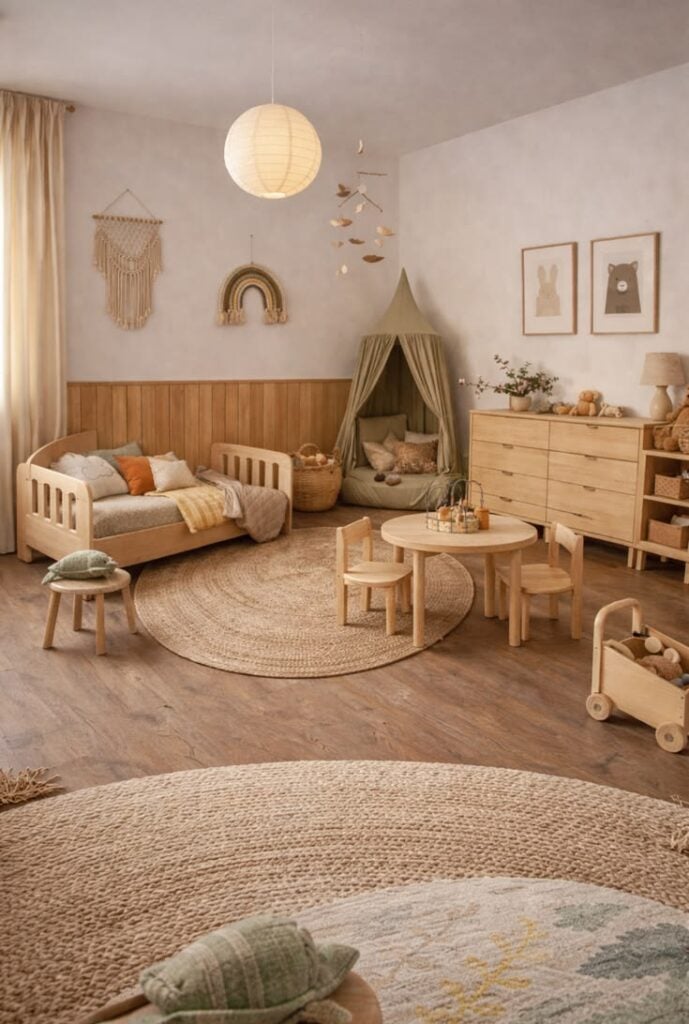
Furniture establishes the foundation of every room.
Low-profile beds, simple dressers, and streamlined shelves create an open appearance. The room immediately feels larger because bulky furniture does not dominate the space.
Additionally, low furniture encourages independence. Children can reach their belongings without constant assistance.
Simple designs also remain stylish for years. The room adapts easily as your child grows.
2. Limit Decorations to Meaningful Pieces
Minimalism does not mean removing personality.
Instead, select a few decorations that truly matter. Favorite artwork, treasured photographs, or meaningful keepsakes create warmth without clutter.
Additionally, fewer decorations allow important items to stand out more clearly.
A minimalist kids room feels thoughtful rather than empty.
Children often appreciate displays that highlight their favorite things.
Families who enjoy creative displays often incorporate ideas from art-inspired bedrooms.
3. Use Neutral Wall Colors
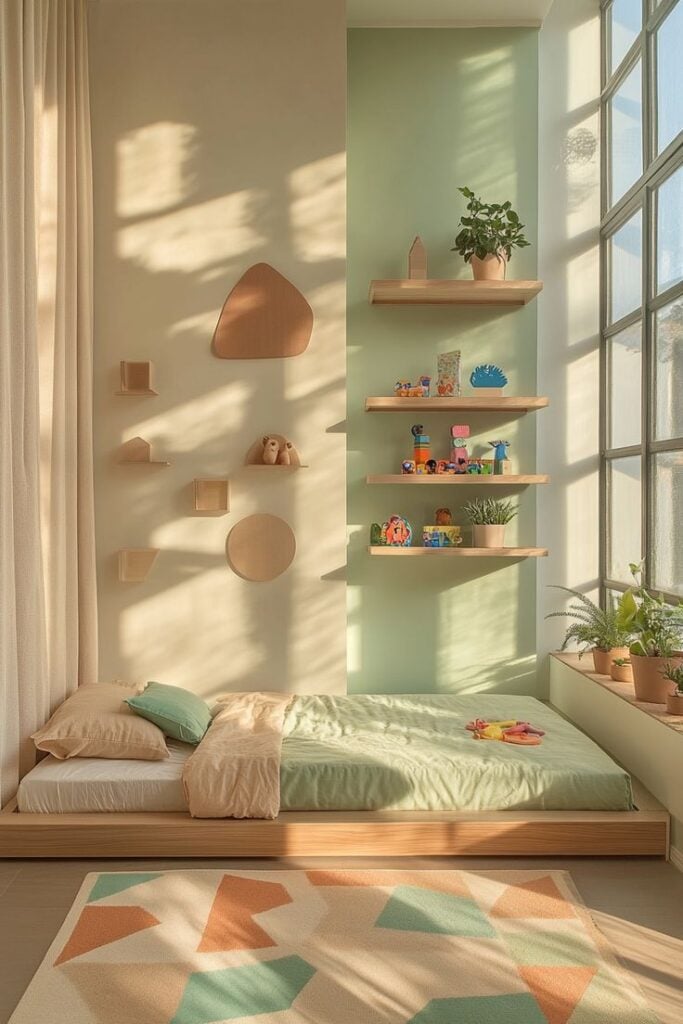
Wall color strongly affects how a room feels.
Soft white, warm beige, light gray, and pale greige create calming environments. These shades help reflect natural light throughout the room.
Additionally, neutral walls provide flexibility. You can easily update bedding, artwork, and accessories later.
A minimalist kids room benefits from a simple backdrop that supports long-term versatility.
4. Create Hidden Storage Solutions
Storage remains essential in children’s spaces.
Use under-bed drawers, storage benches, and furniture with concealed compartments. These solutions keep belongings accessible while reducing visual clutter.
Additionally, hidden storage helps maintain a cleaner appearance throughout the day.
The minimalist kids room feels organized because unnecessary items stay out of sight.
Parents often notice that cleanup becomes easier with designated storage areas.
5. Display Books Facing Forward
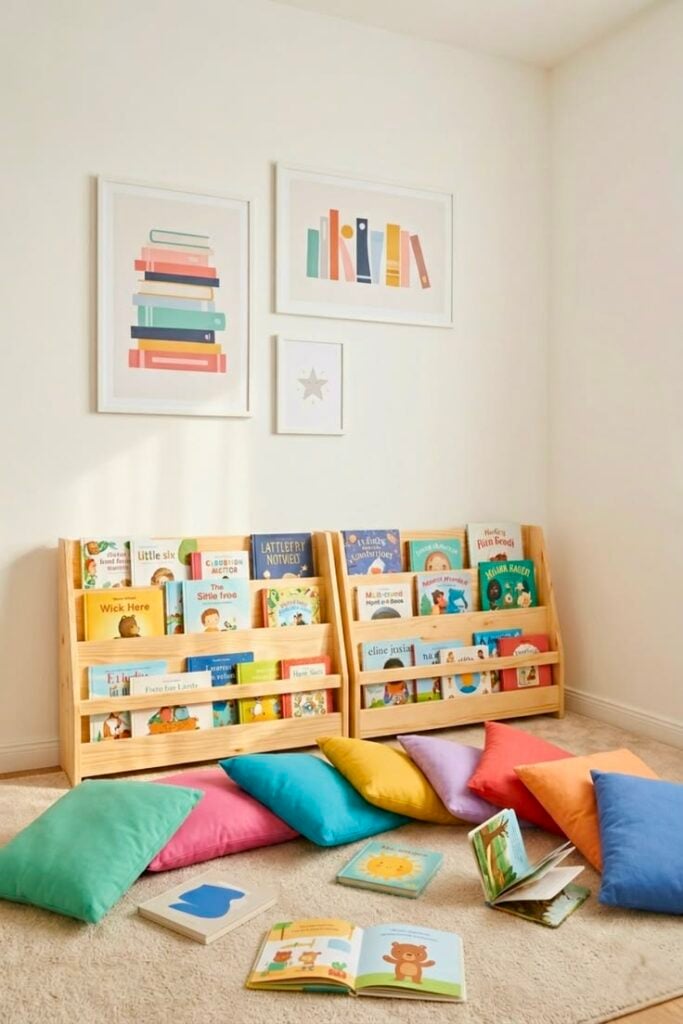
Books can become decorative features.
Place favorite titles on low shelves with covers facing outward. Children can easily see and access their books.
Additionally, forward-facing displays encourage reading because covers attract attention.
A minimalist kids room benefits from accessible storage that serves multiple purposes.
Reading spaces become more inviting when books remain visible.
Families who love imaginative stories may enjoy woodland-themed room inspiration.
6. Use Matching Storage Baskets
Visual consistency supports minimalist design.
Choose baskets in similar materials, colors, and sizes. Matching containers create order while providing practical storage.
Additionally, baskets simplify organization. Children quickly learn where specific items belong.
A kids room feels calmer when storage appears intentional rather than random.
Simple systems often create the greatest impact.
7. Keep Toys Rotated Instead of Displayed
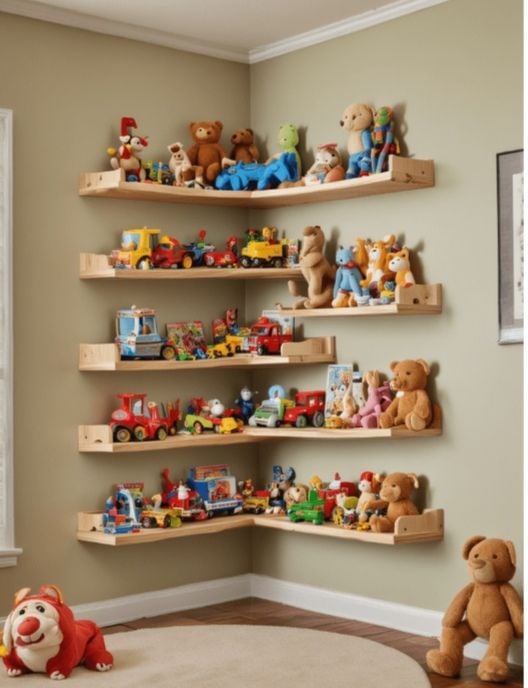
Children rarely need every toy available at once.
Store some toys away and rotate them regularly. This method reduces clutter while making old toys feel new again.
Additionally, toy rotation encourages deeper engagement during playtime.
The minimalist kids room stays organized because fewer items occupy shelves and floors.
Parents often find cleanup much easier after implementing this strategy.
Families seeking balanced play spaces sometimes explore indoor activity room ideas.
8. Incorporate Natural Materials
Natural materials add warmth to minimalist spaces.
Wood furniture, woven baskets, cotton bedding, and linen curtains create texture without overwhelming the room.
Additionally, natural materials often feel timeless and durable.
A minimalist kids room becomes more inviting when organic elements soften the design.
The combination of simplicity and warmth creates a comfortable environment for everyday living.
Children who enjoy calm spaces may also appreciate moon and star-inspired décor.
9. Choose Simple Open Shelving
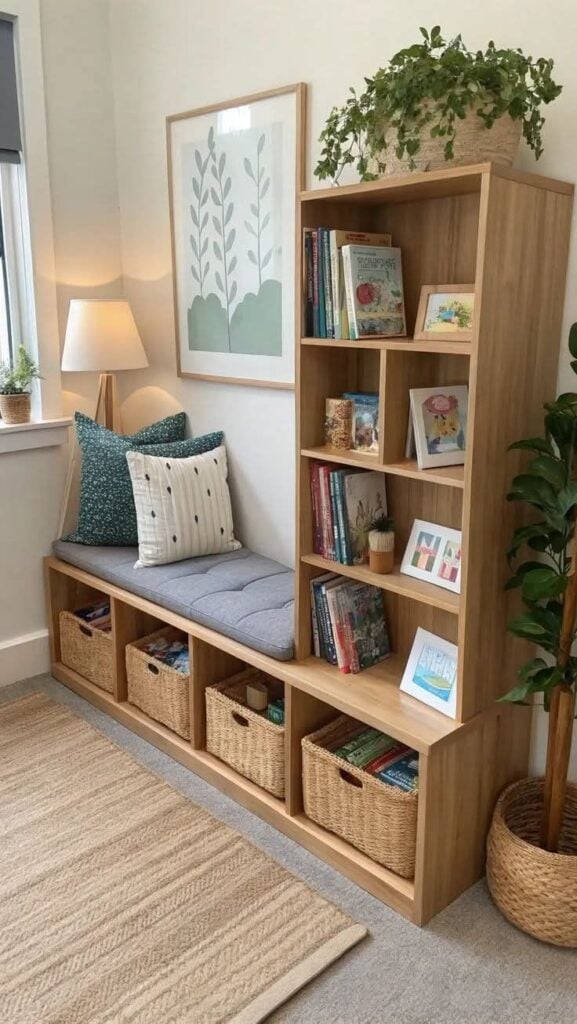
Open shelves work beautifully in a minimalist kids room when used thoughtfully.
Display only a few carefully selected items. Books, framed artwork, and favorite toys often provide enough visual interest.
Additionally, open shelving encourages children to keep belongings organized. Everything remains visible and easy to access.
The minimalist kids room feels lighter because overcrowded storage does not dominate the walls.
Parents can also update displays seasonally without redesigning the entire space.
Families who appreciate functional decorating often enjoy IKEA room organization ideas.
10. Create a Dedicated Reading Corner
Every child benefits from a quiet place to relax.
Add a comfortable chair, floor cushion, or small bean bag beside a bookshelf. This simple setup encourages reading and independent time.
Additionally, a reading corner introduces purpose without adding unnecessary furniture.
A minimalist kids room feels more intentional when each area serves a specific function.
The space becomes both practical and inviting.
11. Use One Statement Rug
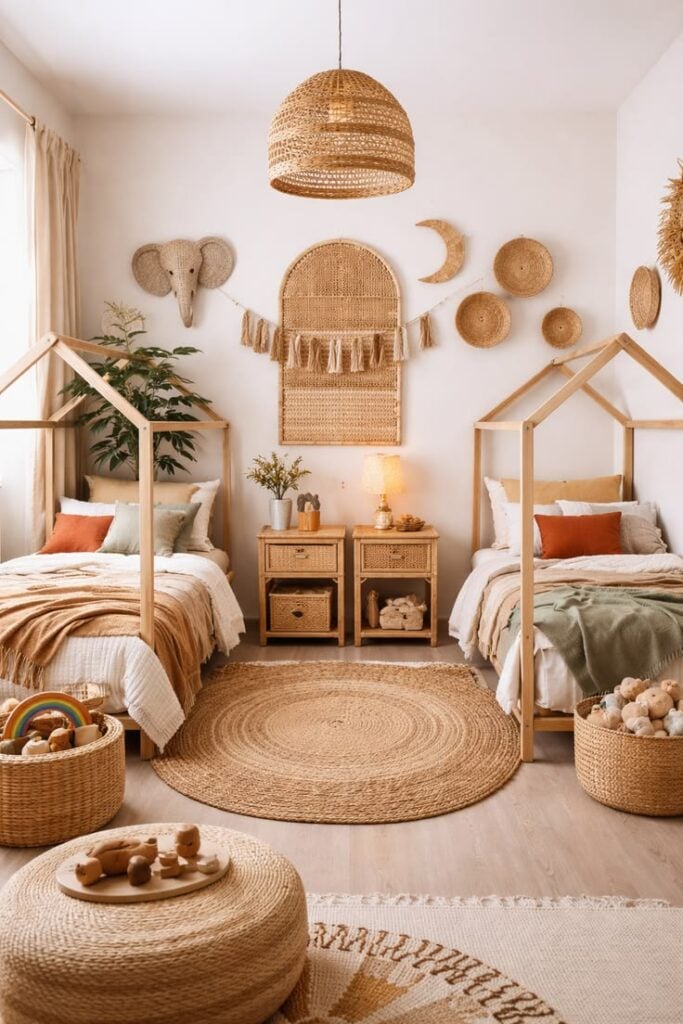
A single rug often creates more impact than several smaller pieces.
Choose a neutral or lightly patterned design that complements the room’s palette. The rug helps define the space while adding warmth.
Additionally, one large rug reduces visual distractions.
The minimalist kids room maintains a clean and cohesive appearance.
Simple design choices frequently create stronger results.
12. Keep Artwork Intentional
Wall art should enhance the room rather than overwhelm it.
Choose a few meaningful pieces instead of covering every wall. Children’s artwork, family photos, and simple prints work beautifully.
Additionally, intentional artwork creates stronger focal points.
A minimalist kids room benefits from breathing space around decorative elements.
Families who enjoy playful creativity may appreciate whimsical decorating inspiration.
13. Use Built-In Storage Where Possible
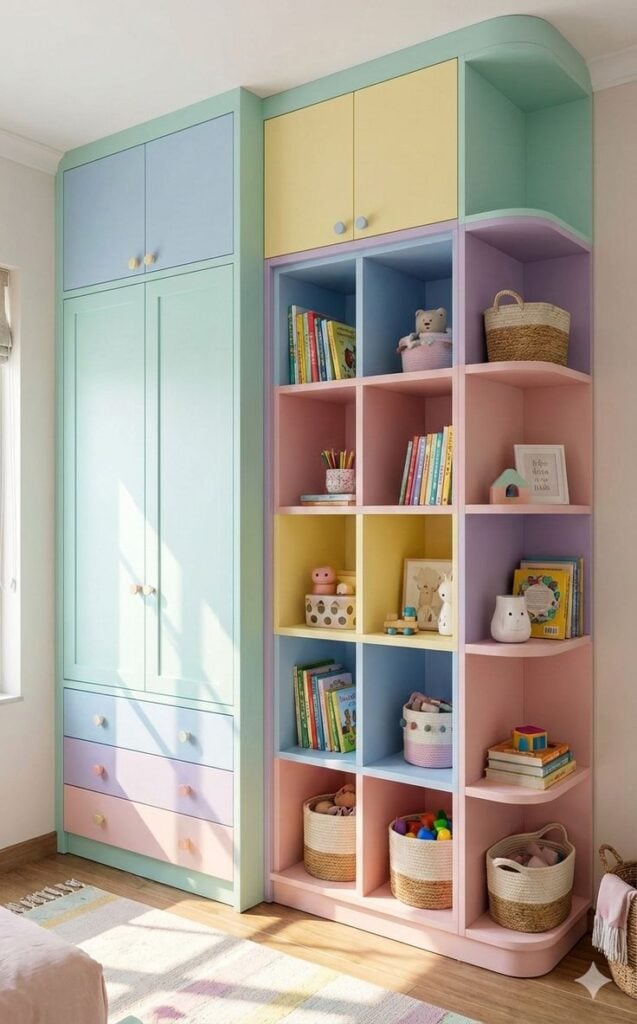
Built-in solutions maximize every inch of space.
Shelves, cubbies, and window benches provide storage while maintaining a streamlined appearance. These features reduce the need for additional furniture.
Additionally, built-ins help keep floors open and uncluttered.
The minimalist kids room feels larger because storage blends into the architecture.
Parents often appreciate the long-term functionality.
14. Stick to a Limited Color Palette
Color consistency creates visual calm.
Choose two or three main colors and repeat them throughout the room. This strategy helps everything feel connected.
Additionally, limited palettes make decorating decisions easier.
A minimalist kids room feels balanced because colors work together harmoniously.
The design remains timeless and adaptable.
Families who love soft palettes sometimes explore ocean-inspired bedroom themes.
15. Prioritize Quality Over Quantity
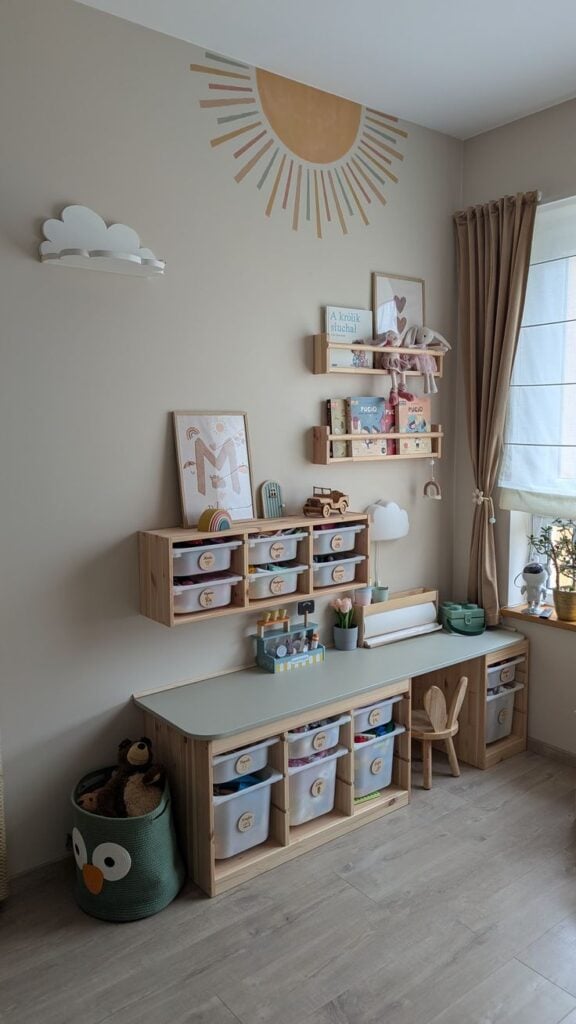
Minimalist design focuses on thoughtful choices.
Instead of filling the room with numerous items, invest in fewer pieces that serve meaningful purposes. Durable furniture often lasts much longer.
Additionally, quality pieces create a more polished appearance.
The minimalist kids room feels curated rather than crowded.
Children also learn to appreciate and care for their belongings.
16. Add Texture Instead of More Decorations
Texture creates interest without increasing clutter.
Layer knit blankets, woven baskets, linen bedding, and natural wood finishes. These details make the room feel cozy and inviting.
Additionally, texture prevents minimalist spaces from feeling cold.
A minimalist kids room benefits from subtle visual depth.
The room remains simple while still feeling comfortable and welcoming.
Families who appreciate relaxed interiors often enjoy boho room styling.
17. Create Zones for Different Activities
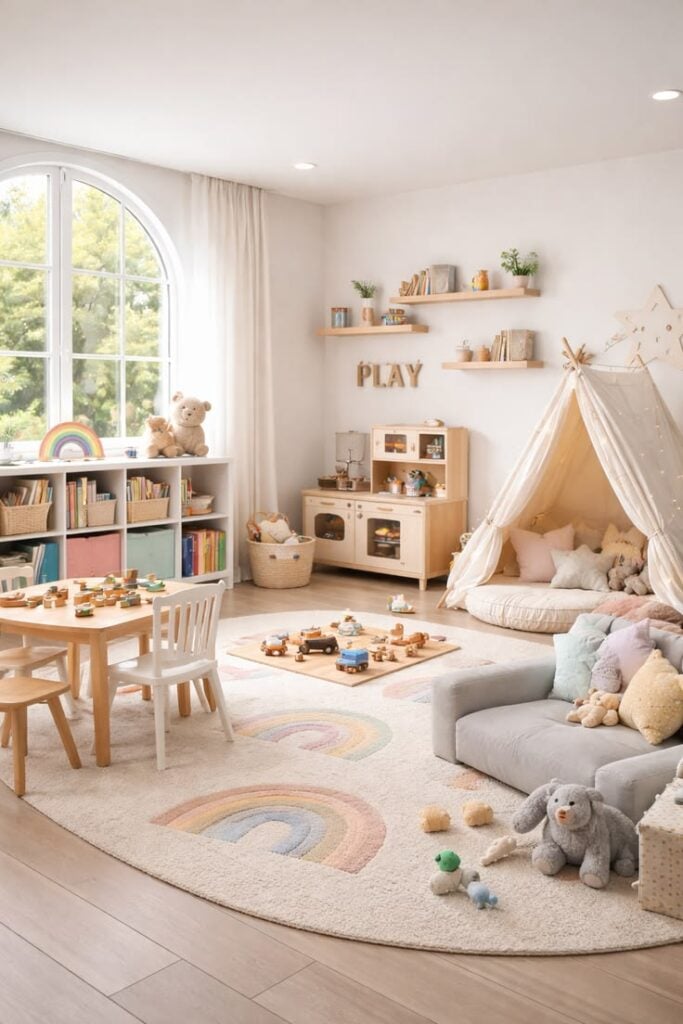
A minimalist kids room works best when every area has a purpose.
Create separate zones for sleeping, reading, learning, and playing. Children understand expectations more easily when activities have designated spaces.
Additionally, defined zones improve organization throughout the day.
The minimalist kids room feels structured without becoming restrictive.
Simple layouts often support better daily routines.
Families designing rooms for multiple children may appreciate shared bedroom solutions.
18. Keep Surfaces Mostly Clear
Clear surfaces immediately make a room feel organized.
Limit items on dressers, desks, and nightstands. Leave only the essentials or a few meaningful decorative pieces.
Additionally, uncluttered surfaces simplify cleaning.
A minimalist kids room maintains its peaceful appearance with less daily effort.
The room feels more spacious because visual distractions remain limited.
19. Choose Multi-Functional Furniture
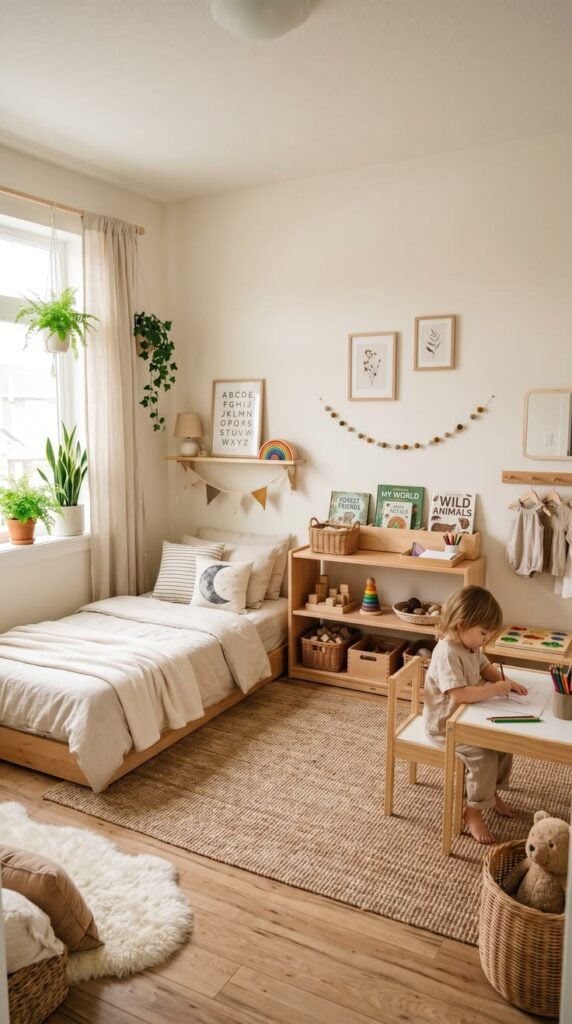
Furniture that serves multiple purposes supports minimalist living.
Storage beds, desks with shelves, and benches with hidden compartments help maximize available space. These pieces reduce the need for extra furniture.
Additionally, multifunctional designs improve efficiency.
The minimalist kids room remains organized because every item works harder.
Parents often appreciate the practicality.
20. Use Labels for Easy Organization
Labels help children maintain organization independently.
Simple words or picture labels identify where items belong. Children quickly learn how to return belongings after use.
Additionally, labeling reduces frustration during cleanup.
The minimalist kids room stays tidy because expectations remain clear.
Organization becomes part of the daily routine.
21. Introduce Plants for Natural Beauty
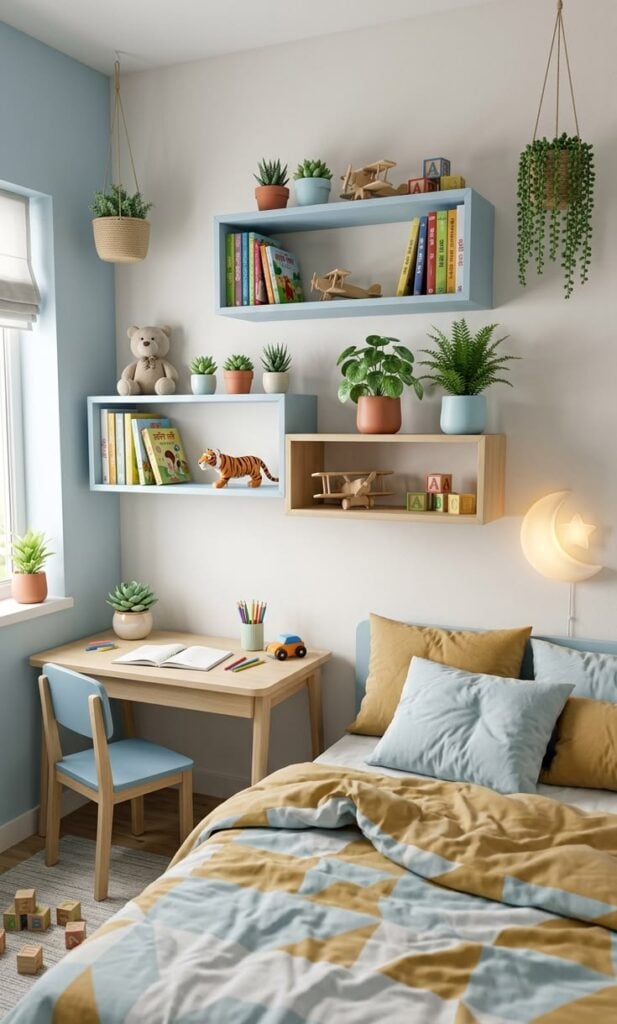
A few child-safe plants can transform a room.
Plants add life, color, and texture without creating clutter. Small potted greenery works especially well on shelves and dressers.
Additionally, plants support a calming atmosphere.
The minimalist kids room feels fresh and inviting.
Natural elements often create stronger visual impact than excessive decorations.
Families who love nature-inspired interiors may enjoy safari-themed nursery décor.
22. Store Seasonal Items Elsewhere
Not every item needs to stay in the room year-round.
Store seasonal clothing, decorations, and rarely used toys in another location. This approach keeps the space manageable.
Additionally, fewer belongings create better organization.
The minimalist kids room remains functional because only current essentials stay accessible.
Children also find it easier to locate their favorite items.
23. Use Simple Window Treatments
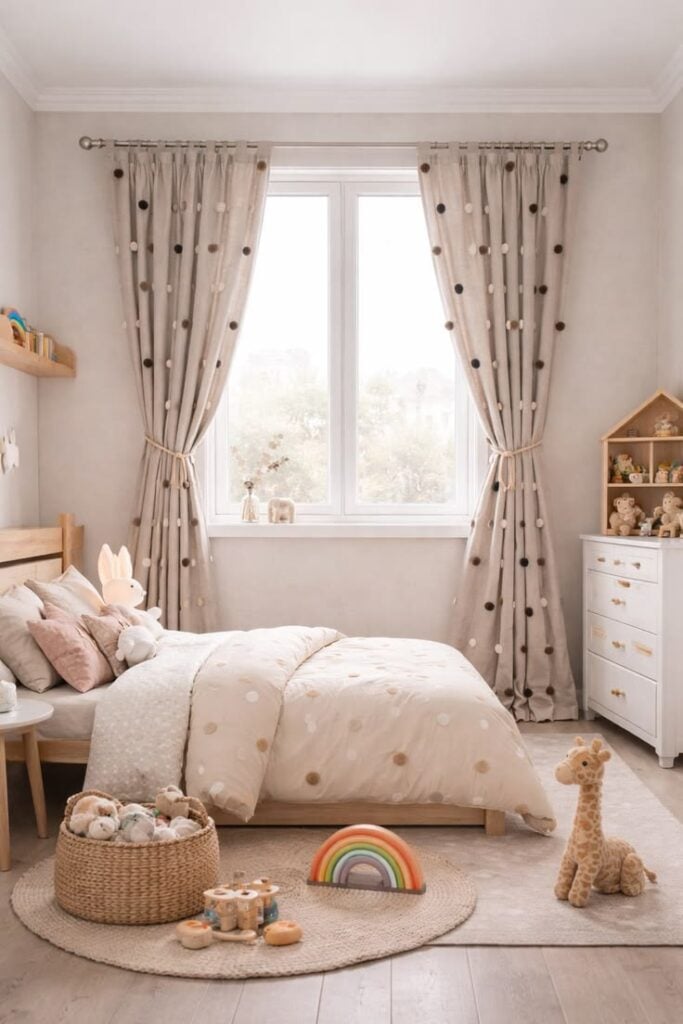
Window coverings should support the room rather than dominate it.
Choose light curtains, linen panels, or simple shades. These options provide privacy while maintaining a clean appearance.
Additionally, simple treatments allow natural light to shine.
The minimalist kids room feels brighter and more open.
Families who enjoy soft and dreamy spaces often explore princess-inspired bedroom ideas.
24. Rotate Decorative Accessories
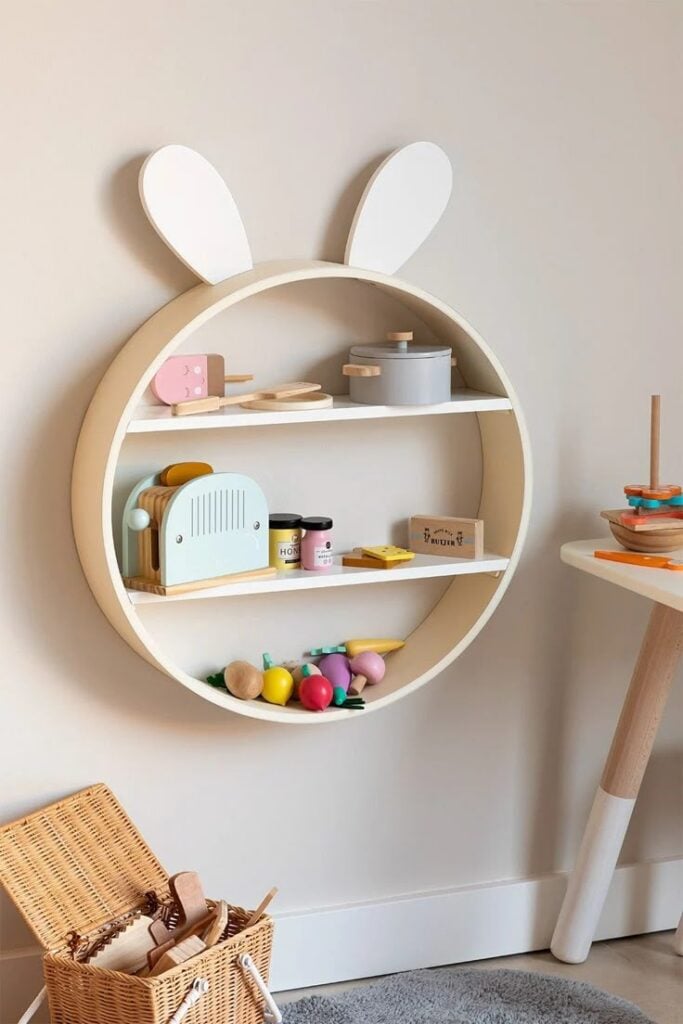
Minimalism does not require permanent simplicity.
Store extra artwork, pillows, and decorative items elsewhere. Rotate them occasionally to refresh the room.
Additionally, rotation prevents visual clutter.
The minimalist kids room feels updated without requiring constant purchases.
Children often enjoy seeing familiar items return after some time away.
Families who enjoy changing room themes may appreciate rainbow room inspiration.
25. Focus on Function First
Function remains the heart of every minimalist kids room.
Before adding anything new, consider whether it serves a meaningful purpose. This mindset prevents unnecessary accumulation.
Additionally, functional design supports everyday life more effectively.
The minimalist kids room stays beautiful because every item contributes value.
Simple choices often create the most lasting results.
Families who enjoy purposeful decorating frequently appreciate Ralph Lauren-inspired spaces.
How to Choose Colors for a Minimalist Kids Room
Color plays an important role in minimalist design.
Soft neutrals create a calming foundation. White, beige, light gray, and warm cream remain popular choices.
Additionally, muted accent colors introduce personality without overwhelming the room.
Sage green, dusty blue, terracotta, and pale blush work beautifully in a minimalist kids room.
Avoid introducing too many competing shades.
Instead, repeat colors throughout the space for consistency.
Families who love cheerful palettes often find inspiration in colorful room decorating ideas.
Budget-Friendly Minimalist Kids Room Ideas
Creating a minimalist kids room does not require a complete makeover.
Start by removing unnecessary items. Decluttering often creates the biggest transformation.
Additionally, repurpose furniture you already own.
A fresh coat of paint and improved organization can dramatically change the room’s appearance.
Storage baskets, labels, and shelf organization also provide excellent results.
Simple improvements often outperform expensive redesigns.
Parents who value practicality sometimes explore vintage bedroom decorating ideas for affordable character.
Common Mistakes to Avoid
One common mistake involves confusing minimalism with emptiness.
Children still need warmth, comfort, and personality. The goal involves thoughtful simplicity rather than removing everything.
Another mistake involves neglecting storage.
Without proper organization systems, clutter quickly returns.
Additionally, avoid purchasing decorative items simply because they match the style.
A minimalist kids room should remain intentional and functional.
Families who enjoy imaginative environments sometimes blend minimalist design with dinosaur-themed bedroom inspiration.
Benefits of a Minimalist Kids Room
A minimalist kids room offers advantages beyond appearance.
Children often experience fewer distractions during play and learning. Organized spaces encourage independence and responsibility.
Additionally, parents spend less time cleaning and organizing.
The room remains manageable because fewer items require attention.
Minimalist design also adapts easily as children grow.
The foundation stays relevant while accessories evolve over time.
Families who enjoy creative decorating may appreciate eclectic room styling.
Final Thoughts
A minimalist kids room combines beauty, organization, and functionality in a way that supports everyday family life. Clean lines create visual calm while thoughtful storage solutions reduce clutter.
Whether you choose neutral colors, multifunctional furniture, hidden storage, simple décor, or natural materials, every detail contributes to a more peaceful environment.
Most importantly, design the space around your child’s actual needs. The best minimalist kids room feels comfortable, practical, and welcoming rather than overly strict.
With thoughtful planning and intentional choices, you can create a room that stays organized, looks beautiful, and grows effortlessly alongside your child.
Families seeking imaginative themes may enjoy space-themed bedroom inspiration.