Sharing a bedroom can be one of the sweetest parts of childhood. Siblings often create memories through late-night conversations, games, stories, and everyday moments spent together. However, creating a room that feels comfortable, organized, and fair for everyone can sometimes feel challenging. That is where thoughtful shared kids bedroom ideas can make a huge difference.
I have seen families struggle to fit multiple personalities, toys, clothes, and sleeping areas into one room. Yet with the right layout and smart design choices, a shared bedroom can feel surprisingly spacious. The best rooms give each child a sense of ownership while still creating a beautiful and cohesive space that works for the entire family.
When planning a shared bedroom, creative storage and space-saving furniture often become essential. Families working with limited square footage may find inspiration from small-space room solutions that help every corner work harder without sacrificing style.
At the same time, a shared room should still feel fun and personal. Whether your children love bright colors, nature themes, or imaginative spaces, thoughtful decorating can help the room reflect both personalities. Parents looking for playful decorating inspiration may also enjoy bright colorful bedroom ideas that add energy and character to children’s spaces.
In this guide, you’ll discover shared kids bedroom ideas that maximize space, improve organization, encourage harmony, and create a room that both children will genuinely enjoy.
Why Shared Kids Bedroom Ideas Work So Well
Sharing a bedroom often creates some of childhood’s sweetest memories. Siblings spend extra time together, build stronger bonds, and learn important lessons about cooperation. However, creating a shared room that feels organized, comfortable, and personal for each child can feel challenging.
That is where thoughtful shared kids bedroom ideas become valuable.
The best shared bedrooms balance functionality with personality. They maximize every inch of available space while giving each child a sense of ownership. Additionally, smart layouts help reduce clutter and improve organization.
Most importantly, successful shared kids bedroom ideas create a room that feels welcoming to everyone.
1. Use Classic Bunk Beds
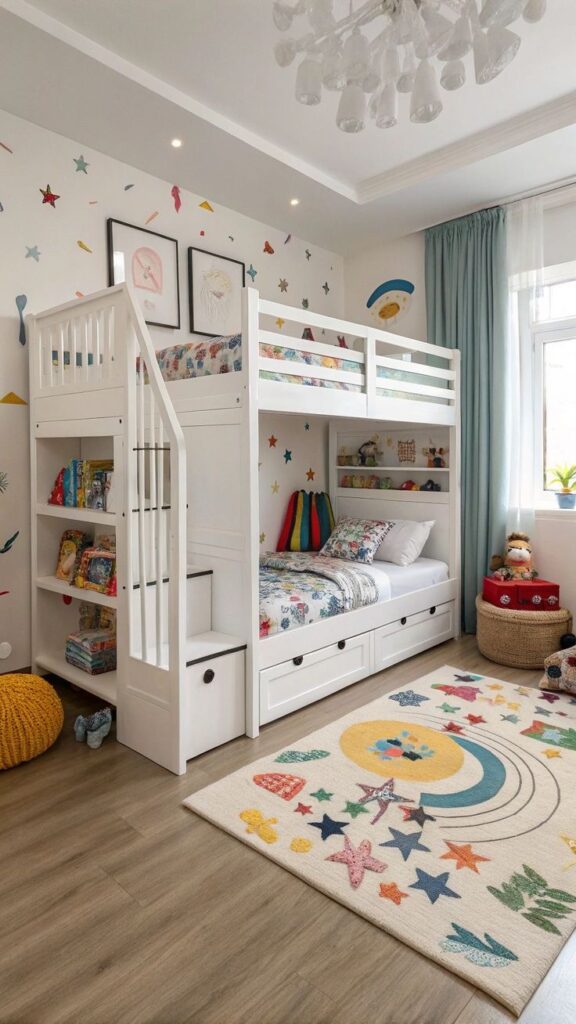
Bunk beds remain one of the most effective shared kids bedroom ideas.
They free valuable floor space while providing separate sleeping areas. Additionally, children often find bunk beds exciting and fun.
Choose sturdy designs with built-in safety features.
The room immediately feels more spacious and organized.
2. Create Matching Bed Zones
Matching layouts help establish balance.
Position beds on opposite sides of the room. Use coordinating bedding, storage, and lighting.
Additionally, symmetrical arrangements create visual harmony.
The room feels intentional and cohesive.
3. Add Under-Bed Storage
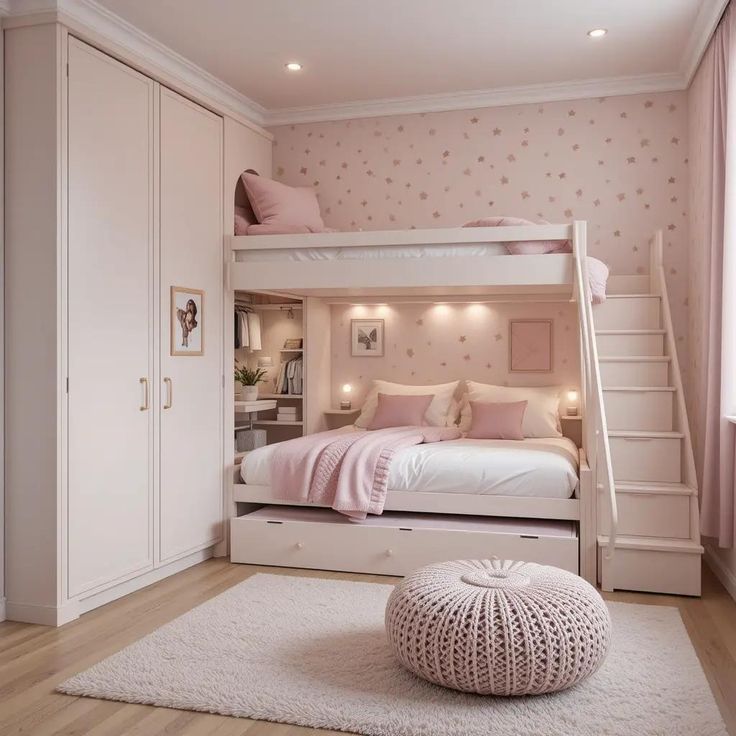
Storage often becomes the biggest challenge in shared bedrooms.
Use drawers, baskets, or rolling containers beneath beds.
Additionally, hidden storage reduces visual clutter.
The room remains functional without feeling crowded.
4. Use Vertical Storage
Walls offer valuable storage opportunities.
Install shelves, hooks, and wall organizers above desks or beds.
Additionally, vertical storage preserves floor space.
The room feels larger and more organized.
Every inch works harder.
5. Create Individual Color Schemes
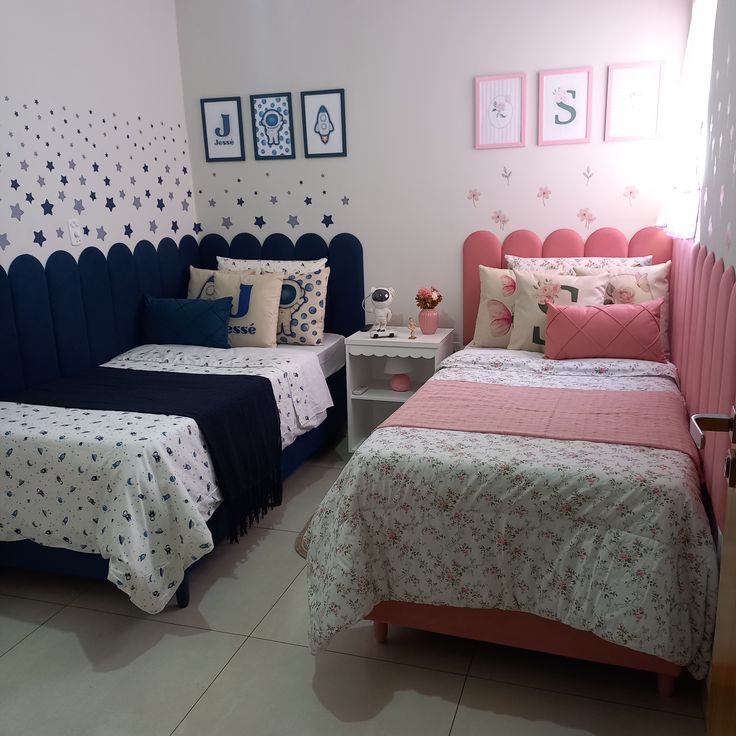
Children often have different preferences.
Allow each child to choose an accent color while maintaining an overall theme.
Additionally, color helps define personal spaces.
The room feels fair and personalized.
6. Add Personalized Name Signs
Name signs strengthen ownership.
Display each child’s name above their sleeping area or desk.
Additionally, personalized details create emotional connection.
Children often feel more invested in maintaining their spaces.
Small touches create meaningful results.
7. Install Built-In Storage

Built-ins maximize functionality.
Custom shelving, cabinets, and drawers reduce wasted space.
Additionally, built-ins create a clean appearance.
The room remains organized despite housing multiple children.
Families who enjoy efficient design may appreciate IKEA storage solutions.
8. Use Neutral Furniture
Neutral furniture provides flexibility.
White, wood, gray, and beige pieces adapt easily as interests change.
Additionally, neutral furniture supports multiple decorating styles.
The room grows with the children more effectively.
Long-term flexibility always matters.
9. Create a Shared Reading Nook
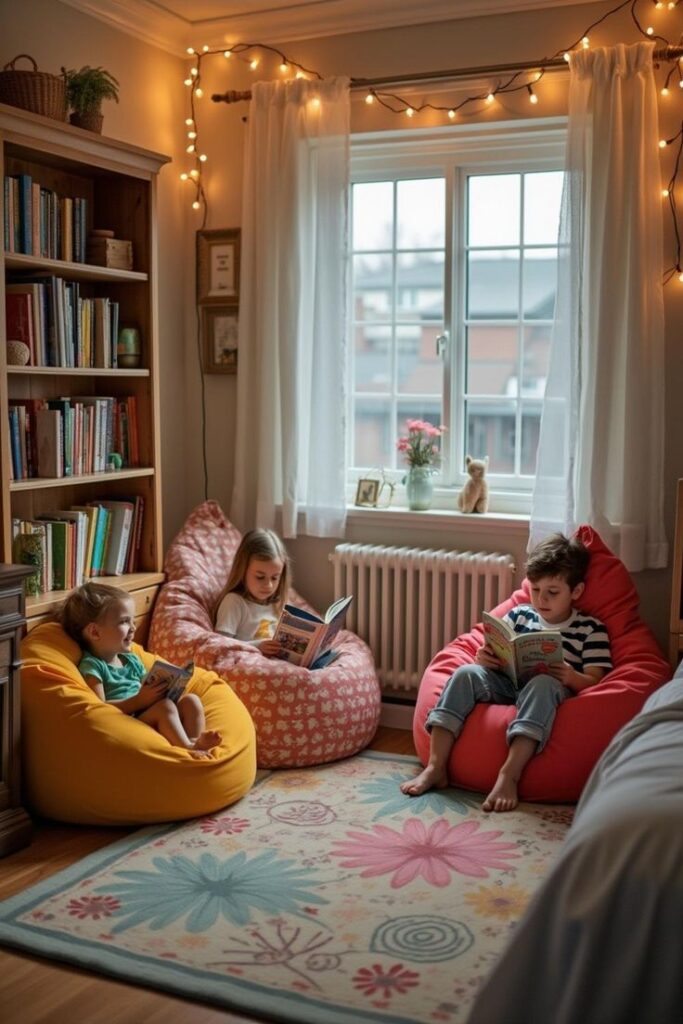
A reading corner encourages quiet activities.
Add floor cushions, bookshelves, and comfortable seating.
Additionally, reading areas provide a peaceful retreat.
Children gain a shared space for learning and relaxation.
Families who value creativity may enjoy creative art-themed rooms.
10. Incorporate Double Desks
Shared study areas support productivity.
Place desks side by side while maintaining individual workspaces.
Additionally, designated homework zones improve organization.
The room supports both learning and play.
Practical layouts create smoother daily routines.
11. Add a Statement Wall
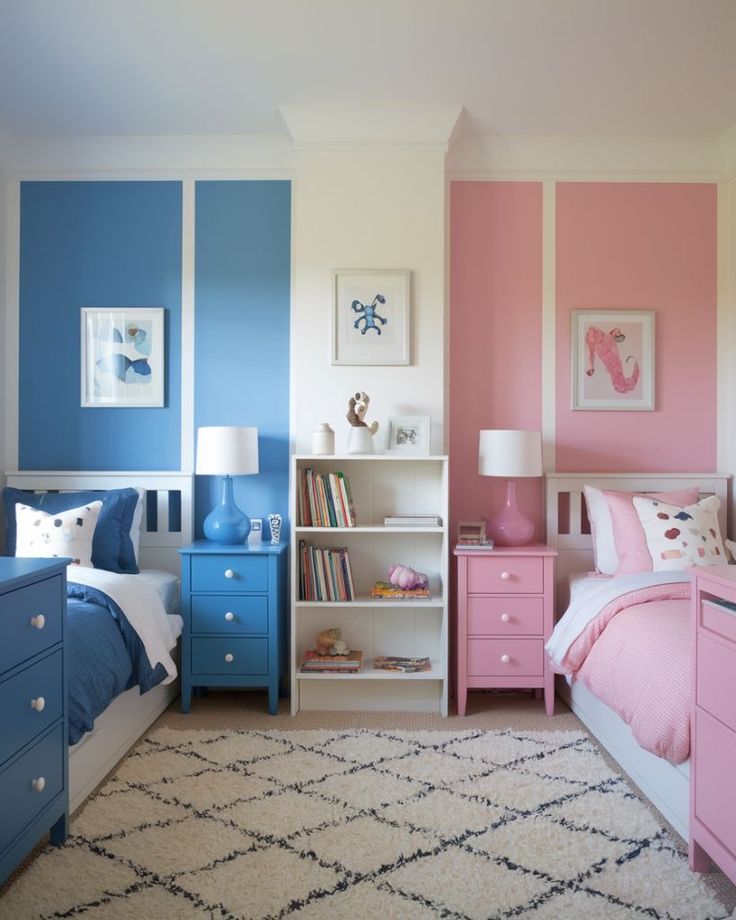
A feature wall introduces personality.
Use paint, decals, wallpaper, or artwork that appeals to both children.
Additionally, statement walls establish a focal point.
The room feels visually engaging without becoming overwhelming.
Parents seeking inspiration may enjoy statement wallpaper inspiration.
12. Use Loft Beds for Older Kids
Loft beds maximize usable space.
The area beneath the bed can house desks, storage, or play zones.
Additionally, loft beds create clear room divisions.
The layout feels more efficient.
Older children often appreciate the added privacy.
13. Create Shared Toy Storage
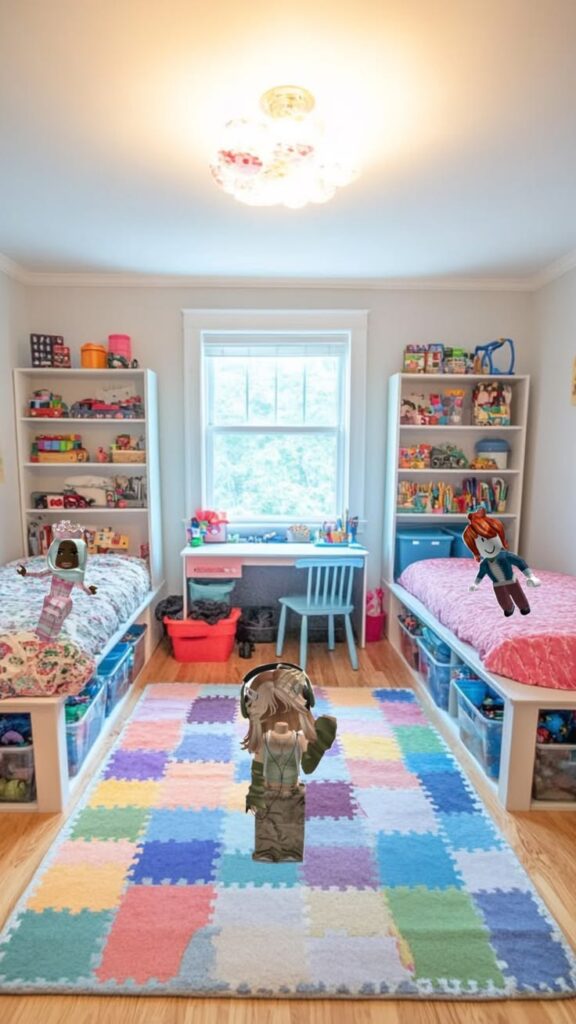
Shared toy organization simplifies cleanup.
Use large labeled bins and accessible shelving.
Additionally, centralized storage reduces clutter throughout the room.
Children learn responsibility more easily.
Organization becomes part of everyday routines.
14. Divide Spaces with Rugs
Rugs help define individual zones.
Each child gains a clearly designated area.
Additionally, rugs introduce texture and warmth.
The room feels balanced and comfortable.
Simple visual boundaries improve functionality.
15. Incorporate Nature Themes

Nature-inspired designs often appeal to multiple age groups.
Trees, mountains, animals, and outdoor adventures create timeless appeal.
Additionally, natural themes feel calming.
Families who enjoy outdoor-inspired decorating may appreciate forest-inspired bedroom themes.
16. Add Storage Benches
Storage benches provide dual functionality.
Children gain seating and hidden storage simultaneously.
Additionally, benches help reduce visible clutter.
The room feels more organized.
Multi-purpose furniture always adds value.
17. Create a Shared Art Display
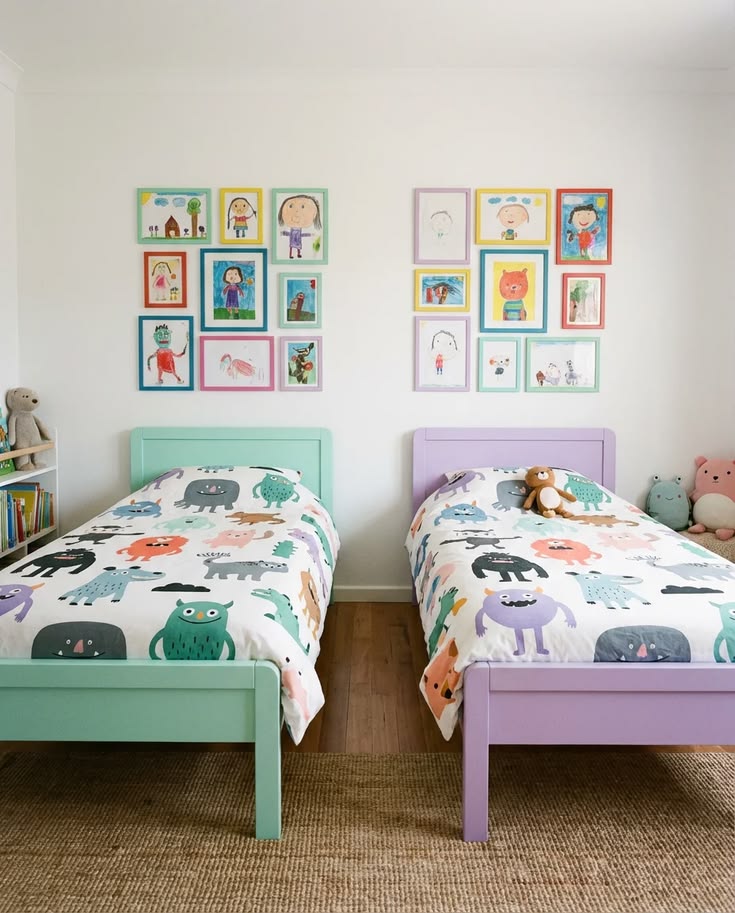
Display artwork created by both children.
Frame favorite drawings and rotate them regularly.
Additionally, art displays build confidence.
The room reflects both personalities.
Families who love creative environments may enjoy bright colorful bedroom ideas.
18. Use Coordinated Bedding
Bedding helps unify the room.
Choose coordinating patterns rather than identical designs.
Additionally, coordinated bedding creates cohesion while respecting individuality.
The room feels thoughtfully designed.
Balance remains important.
19. Add Wall Hooks
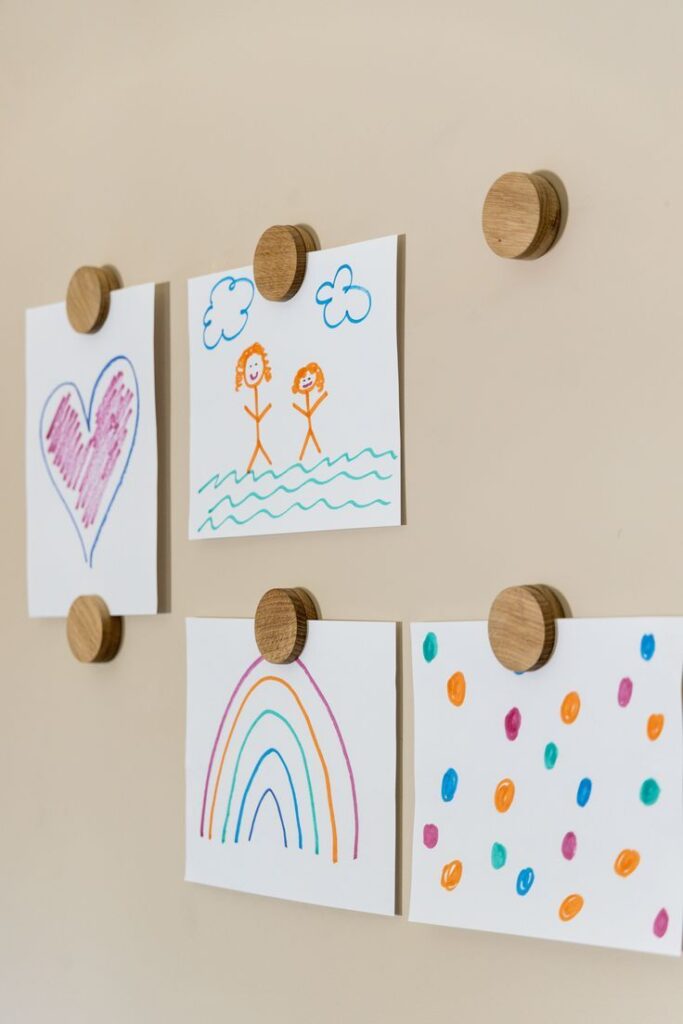
Hooks improve organization dramatically.
Use them for backpacks, jackets, hats, and accessories.
Additionally, hooks keep frequently used items accessible.
The room remains tidy.
Small solutions often create major improvements.
20. Create Theme Variations
Children do not always share interests.
Fortunately, themes can coexist beautifully.
One child may love rockets while another prefers animals.
Additionally, subtle variations prevent conflicts.
Families with adventurous children may enjoy space-themed bedroom inspiration.
21. Use Open Shelving
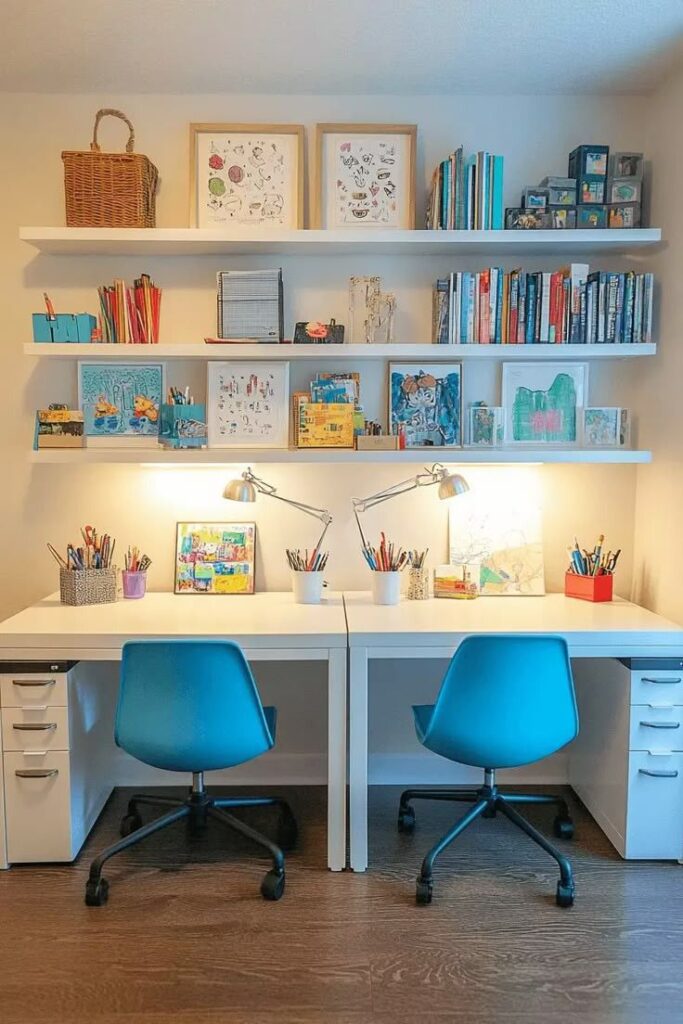
Open shelves provide display opportunities.
Books, toys, trophies, and keepsakes remain visible.
Additionally, shelves encourage organization.
The room feels personalized and functional.
Children enjoy showcasing favorite items.
22. Add Soft Lighting
Lighting affects comfort significantly.
Use bedside lamps, wall sconces, or soft overhead fixtures.
Additionally, individual lighting improves bedtime routines.
Each child gains control over their space.
The room feels warm and inviting.
Families seeking calming inspiration may enjoy moon and star nursery inspiration.
23. Create Matching Bed Zones

Matching bed zones provide structure.
Children enjoy having clearly defined sleeping areas.
Additionally, balanced layouts create visual order.
The room feels more spacious.
Thoughtful symmetry often improves design.
24. Use Sliding Doors on Storage
Sliding doors save valuable space.
Traditional doors require clearance that shared bedrooms often lack.
Additionally, sliding designs create a cleaner appearance.
Storage becomes easier to access.
The room functions more efficiently.
25. Incorporate Play Areas
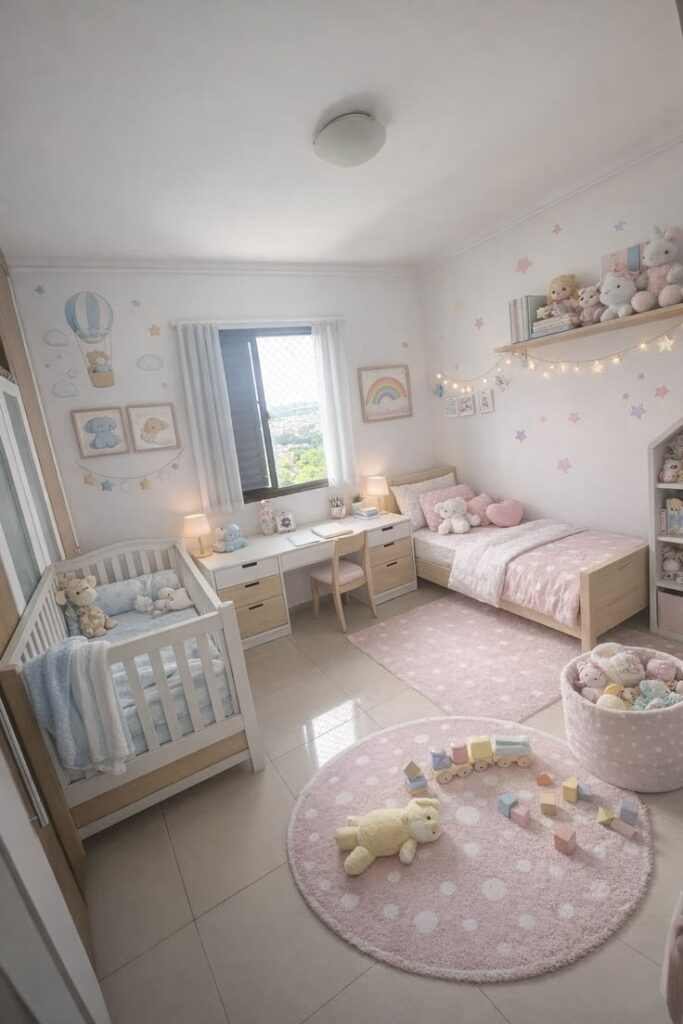
Children still need room for fun.
Dedicate a corner to games, toys, or creative activities.
Additionally, play zones encourage interaction.
Shared experiences help strengthen sibling relationships.
Families who prioritize active play may appreciate active indoor play spaces.
26. Mix Different Styles Carefully
Different personalities require flexibility.
Blend favorite colors, themes, and accessories thoughtfully.
Additionally, neutral foundations help unify varied interests.
The room feels balanced despite individual preferences.
Successful shared kids bedroom ideas embrace compromise.
27. Create Adventure-Inspired Spaces

Adventure themes often appeal to multiple children.
Maps, mountains, forests, and exploration details create excitement.
Additionally, adventure themes encourage imagination.
The room feels fun without becoming overwhelming.
Families seeking playful inspiration may enjoy dinosaur adventure rooms.
28. Add Curtains Around Beds
Curtains create privacy.
Children gain personal retreats within the shared space.
Additionally, curtains soften the room visually.
The design feels cozy and functional.
Even small bedrooms benefit from privacy solutions.
29. Use Floating Shelves
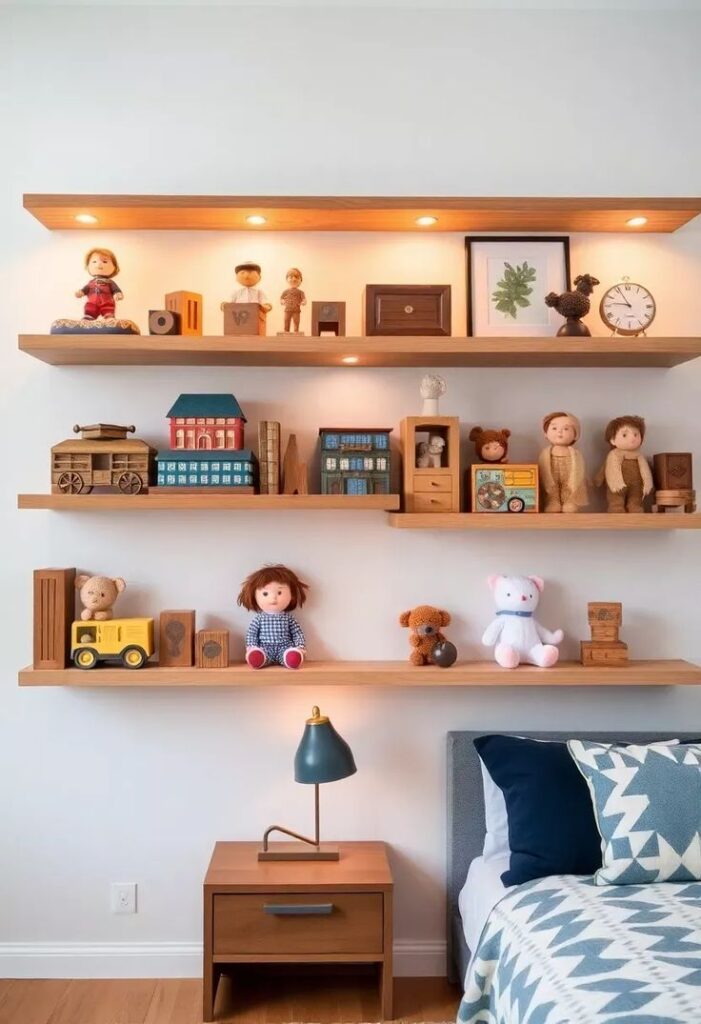
Floating shelves maximize wall space.
Display books, collectibles, and decorative items.
Additionally, floating shelves reduce floor clutter.
The room feels larger.
Efficient storage improves everyday life.
30. Incorporate Learning Areas
Dedicated study zones encourage focus.
Include desks, task lighting, and school supplies.
Additionally, learning spaces support academic success.
The room serves multiple purposes effectively.
Families interested in child-centered design may appreciate Montessori-inspired room layouts.
31. Blend Classic and Modern Décor
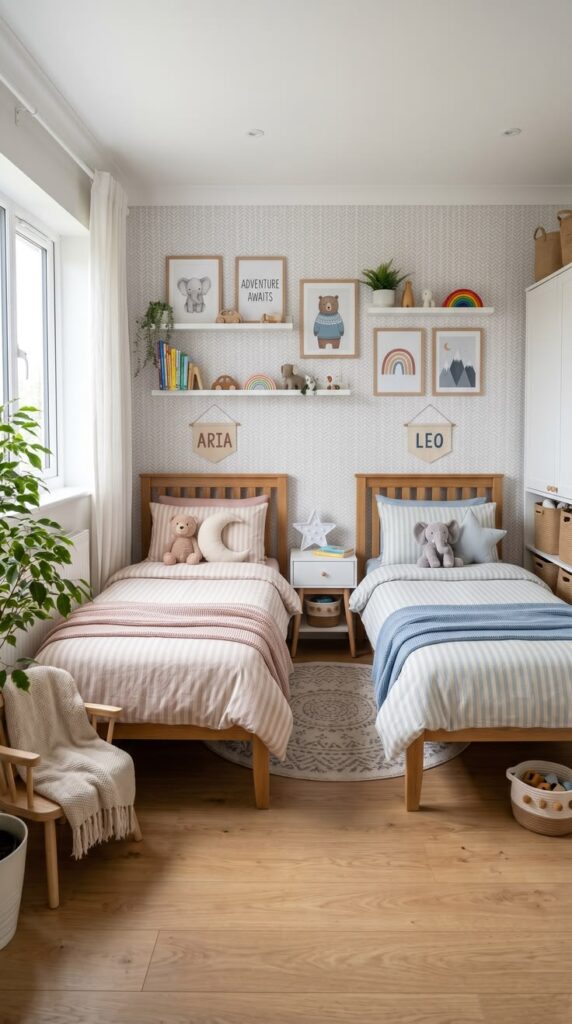
Combining styles creates timeless appeal.
Classic furniture pairs beautifully with modern accessories.
Additionally, mixed styles adapt more easily over time.
The room remains attractive as tastes evolve.
Parents who enjoy sophisticated design may appreciate luxury children’s room ideas.
32. Add Personality Through Artwork
Artwork allows self-expression.
Each child can select favorite pieces.
Additionally, artwork introduces color and interest.
The room reflects individual personalities.
Families who enjoy creative decorating may appreciate eclectic room styling.
33. Create Calm Sleeping Zones

Bedtime areas should encourage relaxation.
Use soft colors, comfortable bedding, and minimal distractions.
Additionally, calm sleeping spaces improve rest.
Children benefit from peaceful environments.
Families who love soothing designs may enjoy ocean-inspired kids spaces.
34. Make Room for Future Changes
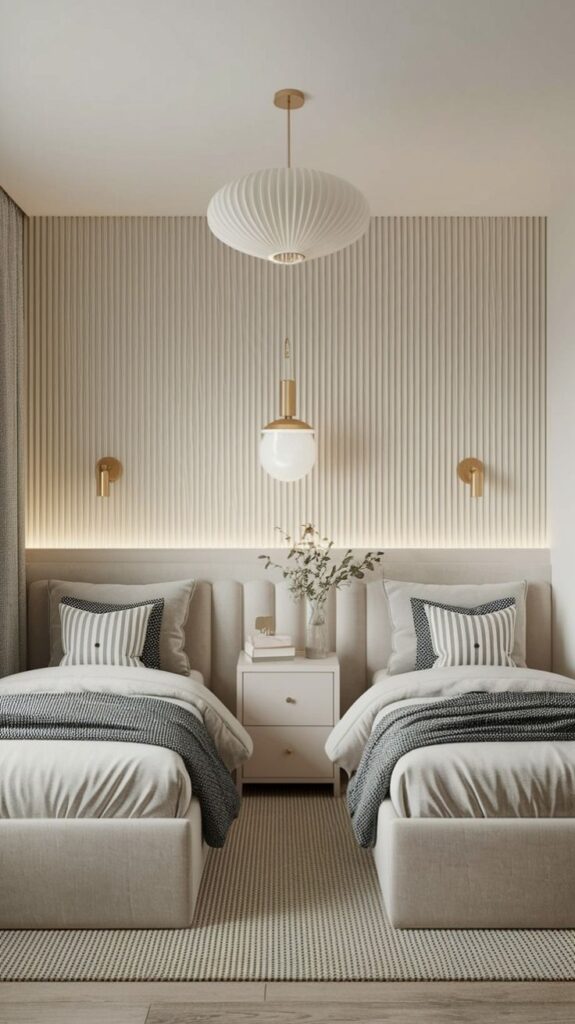
Children’s interests evolve quickly.
Choose adaptable furniture and flexible layouts.
Additionally, future-proofing reduces the need for constant redesigns.
The room remains functional longer.
Thoughtful planning saves time and effort.
Parents who appreciate timeless design may enjoy vintage bedroom inspiration.
35. Let Both Children Participate
The best shared kids bedroom ideas involve collaboration.
Ask both children about preferences, colors, and themes.
Additionally, participation encourages responsibility.
Children often care more about spaces they helped create.
The room becomes meaningful for everyone involved.
Common Mistakes to Avoid
One common mistake involves overcrowding the room.
Too much furniture limits movement and reduces comfort.
Instead, prioritize essential pieces.
Another mistake involves ignoring individuality.
Children need opportunities for self-expression.
Additionally, avoid inadequate storage.
Shared rooms require more organization than single-child bedrooms.
Balance remains essential.
Final Thoughts
Shared kids bedroom ideas can transform even the smallest room into a functional, beautiful, and organized space. With thoughtful layouts, smart storage, and personalized details, siblings can comfortably share a room while maintaining their own identities.
Whether you choose bunk beds, loft beds, reading corners, study zones, or creative storage solutions, every design decision contributes to the room’s success.
Most importantly, the best shared kids bedroom ideas help children feel comfortable, valued, and connected. With careful planning and creative thinking, a shared bedroom can become one of the most loved spaces in your home.