Small Kids Bedroom Ideas can completely transform a tiny space into a room that feels fun, organized, and full of personality. Many parents worry that a small bedroom limits creativity or functionality. However, a smaller room often encourages smarter design choices that make every inch count.
The best Small Kids Bedroom Ideas balance storage, comfort, and style without making the room feel crowded. With the right layout, colors, furniture, and decorative touches, even the smallest bedroom can feel spacious and inviting. More importantly, children need a room that supports sleep, play, learning, and creativity all in one place.
Whether you are decorating a nursery, toddler room, or big kid space, these Small Kids Bedroom Ideas will help you create a room that feels magical instead of cramped. From clever storage solutions to creative design tricks, these ideas prove that small spaces can have a big impact.
Why Small Kids Bedrooms Matter
Small Kids Bedroom Ideas help families maximize limited space while creating a comfortable environment for children.
A thoughtfully designed room encourages organization and reduces clutter. As a result, children can enjoy more usable floor space for play and daily activities.
Additionally, a well-planned bedroom helps children feel secure and comfortable. Even a tiny room can feel cozy, functional, and stylish with the right design choices.
1. Choose a Light Color Palette
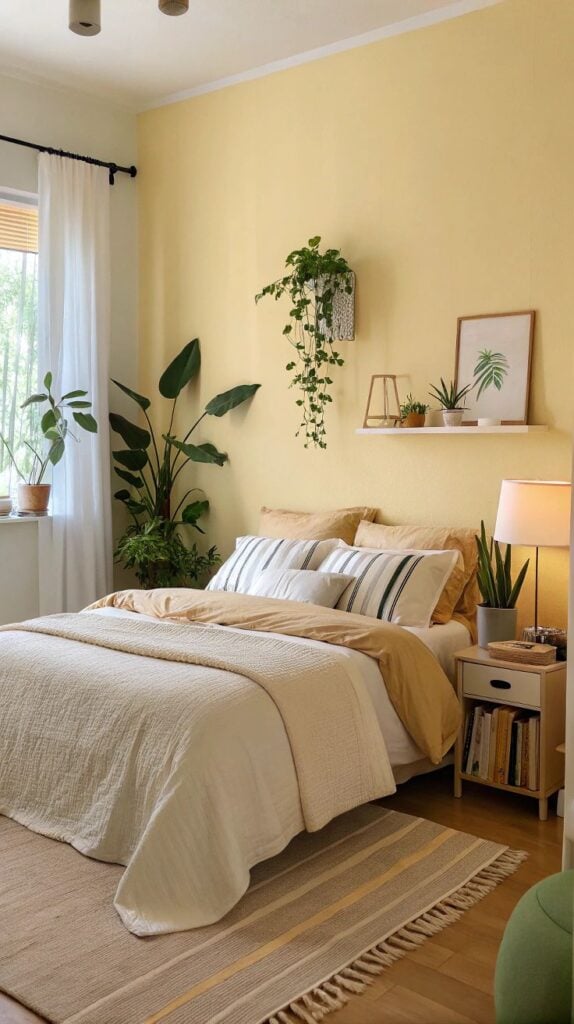
Light colors help small rooms feel larger and brighter.
Soft white, cream, pale gray, light blue, and gentle beige reflect natural light beautifully. These shades create an open feeling without overwhelming the room.
For a cheerful touch, add colorful accents through pillows, artwork, and accessories.
2. Use a Loft Bed
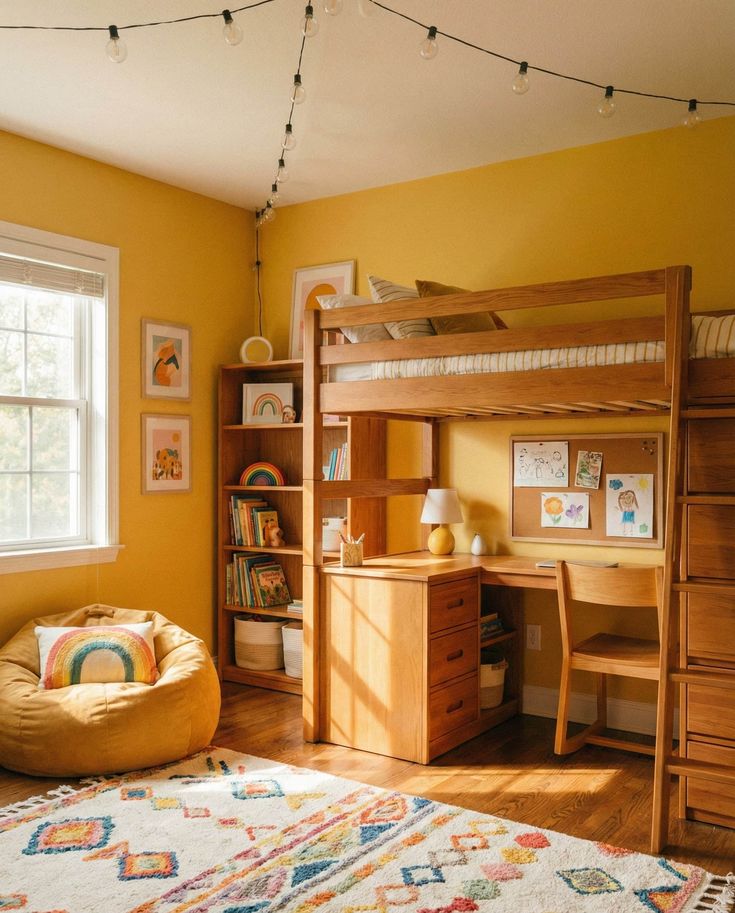
A loft bed creates valuable space underneath the sleeping area.
You can place a reading corner, desk, toy storage, or play area below. This design helps maximize every square foot in the room.
Families looking for elevated sleeping solutions may also enjoy 21 Bunk Bed Ideas That Save Space Beautifully.
3. Install Floating Shelves
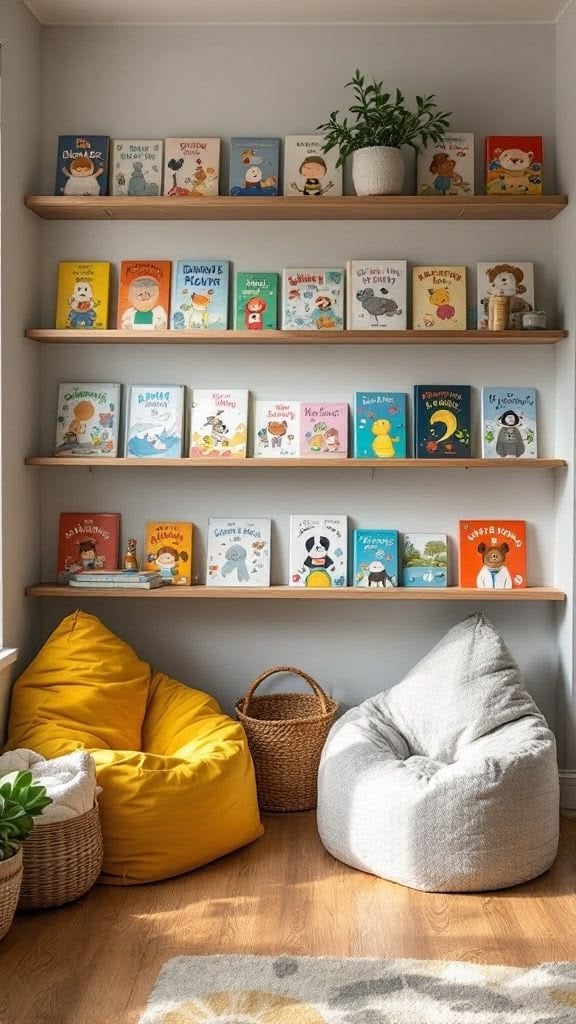
Floating shelves provide storage without taking up floor space.
They work well for books, toys, collectibles, and decorative items. Additionally, shelves help keep surfaces clear and organized.
4. Create a Reading Nook
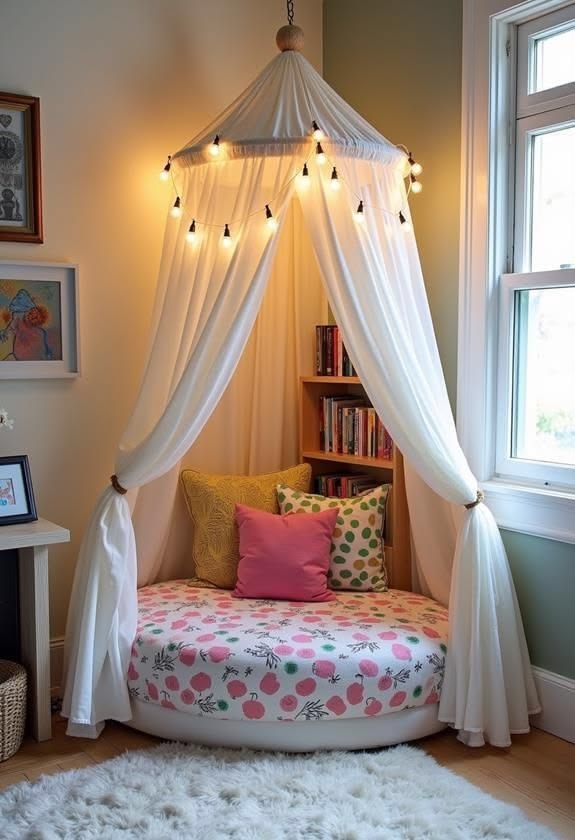
Even a small bedroom can include a cozy reading corner.
Add a floor cushion, soft blanket, and small bookshelf. Children often spend more time reading when books remain easy to access.
For inspiration, explore 17 Kids Reading Nook Ideas That Make Reading More Exciting.
5. Use Under-Bed Storage
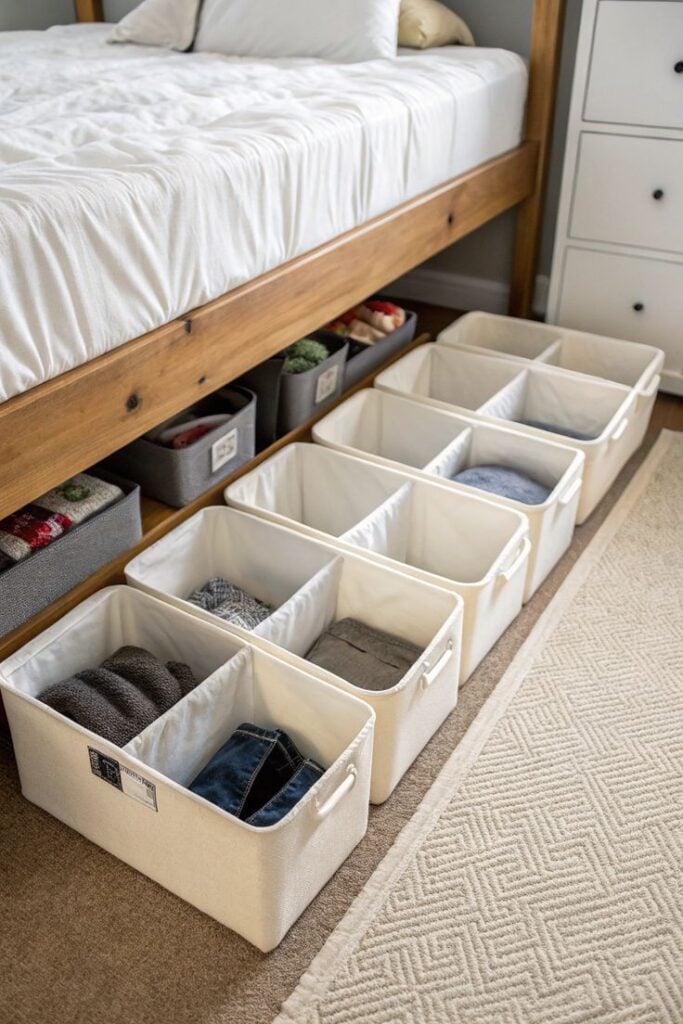
The space under a bed offers valuable storage opportunities.
Store seasonal clothing, toys, extra bedding, and books in rolling bins or drawers. This simple solution helps reduce clutter throughout the room.
6. Add Wall-Mounted Storage
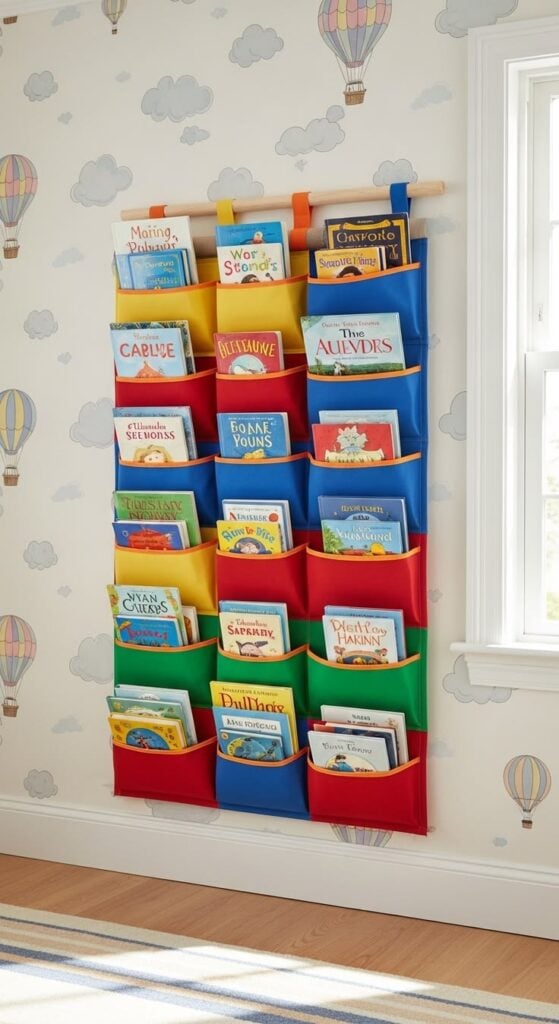
Wall-mounted baskets, hooks, and organizers free up valuable floor space.
Children can easily access their belongings while keeping the room tidy. This approach works especially well in compact bedrooms.
For additional organization inspiration, visit 31 Kids Room Organization Ideas That Make Cleanup So Much Easier.
7. Choose Multi-Functional Furniture
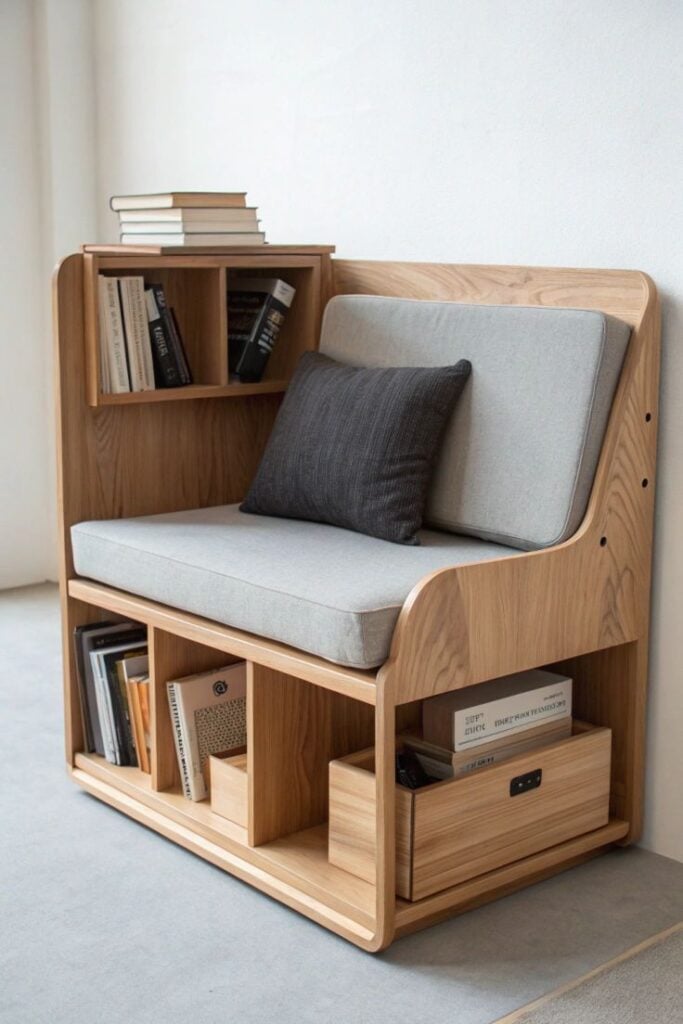
Furniture that serves multiple purposes works perfectly in small rooms.
Storage benches, beds with drawers, and desks with shelves help maximize functionality without adding extra furniture.
This strategy keeps the room practical while maintaining an open feel.
8. Decorate with Vertical Elements
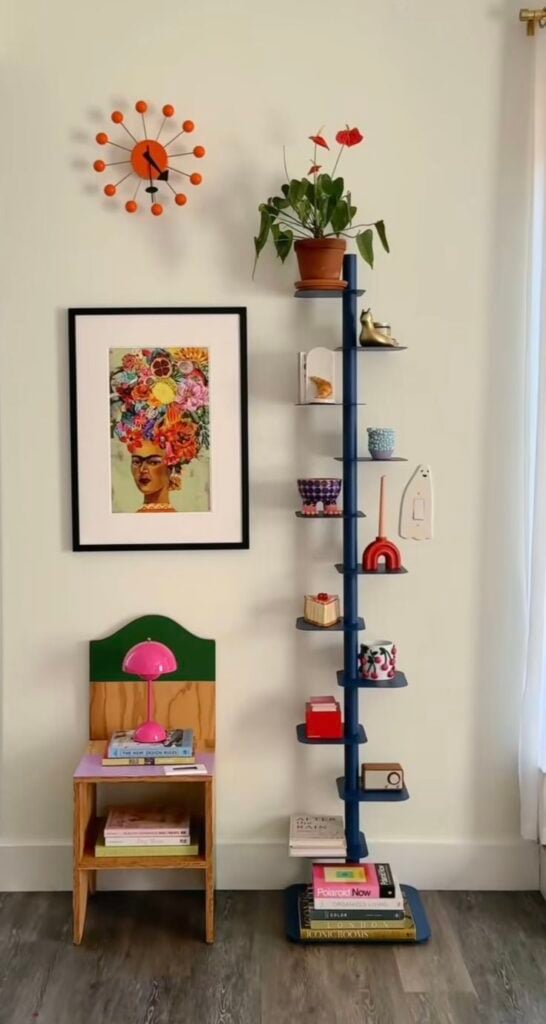
Draw the eye upward to create the illusion of height.
Tall bookshelves, vertical wall art, and hanging decorations help a room feel larger than it actually is.
This simple design trick works especially well in compact spaces.
9. Create a Fun Theme
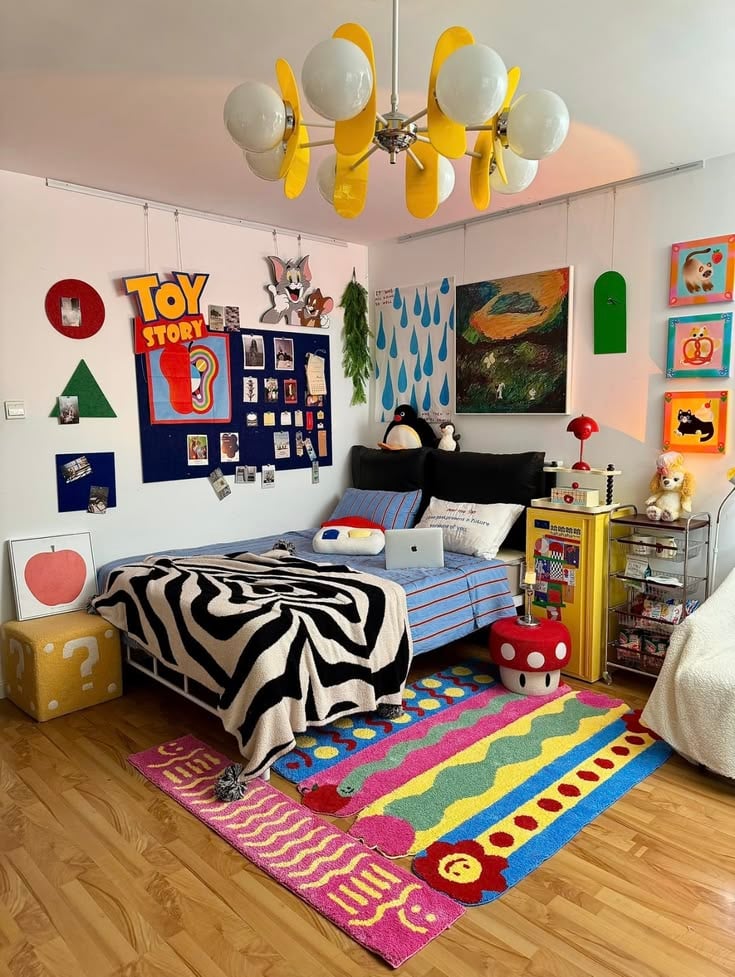
A theme helps make a small bedroom feel special and memorable.
Children often feel more connected to rooms that reflect their interests and personalities.
Space lovers may enjoy ideas from 25 Space Crafts for Kids That Feel Out of This World.
10. Use Mirrors to Create the Illusion of Space
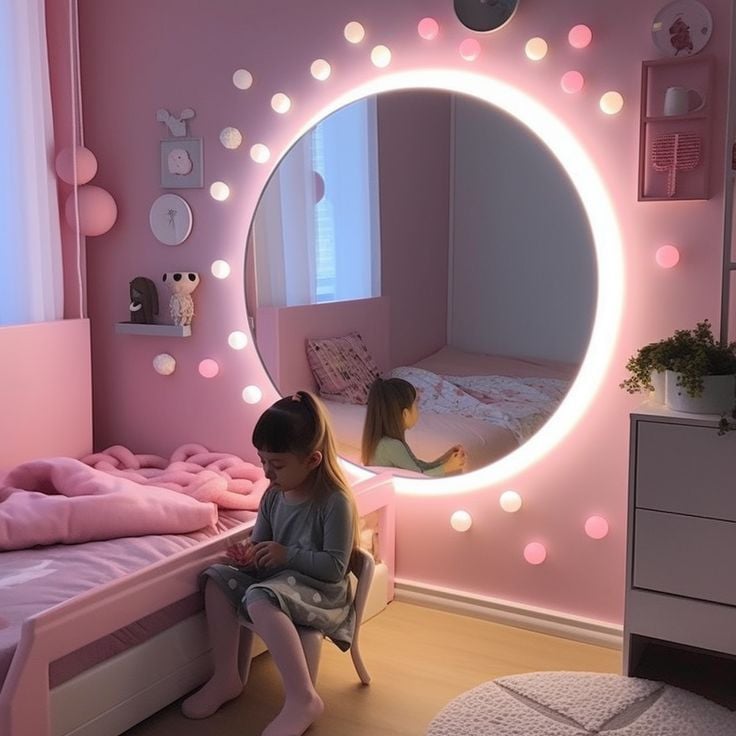
Mirrors can make a small bedroom feel noticeably larger.
A well-placed mirror reflects light and creates the impression of additional depth. Even one medium-sized mirror can brighten the room and make it feel more open.
Choose child-safe mirrors with secure mounting for safety and durability.
11. Keep the Floor as Open as Possible
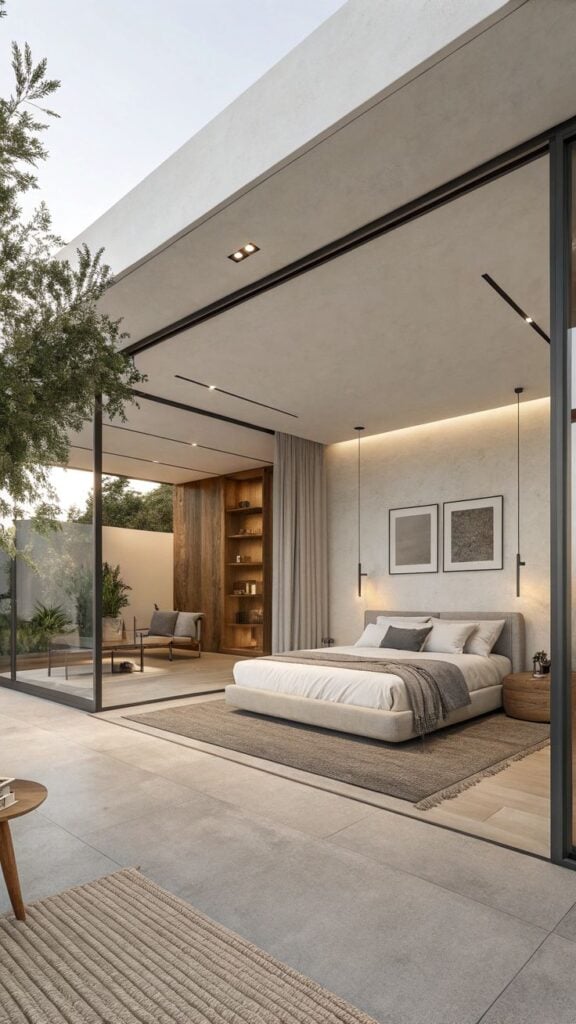
Open floor space helps a room feel larger and less crowded.
Instead of filling every corner with furniture, leave room for movement and play. Children benefit from having an area where they can build, read, or enjoy creative activities.
A simple layout often makes a room feel calmer and more functional.
12. Add a Pegboard Organization Wall
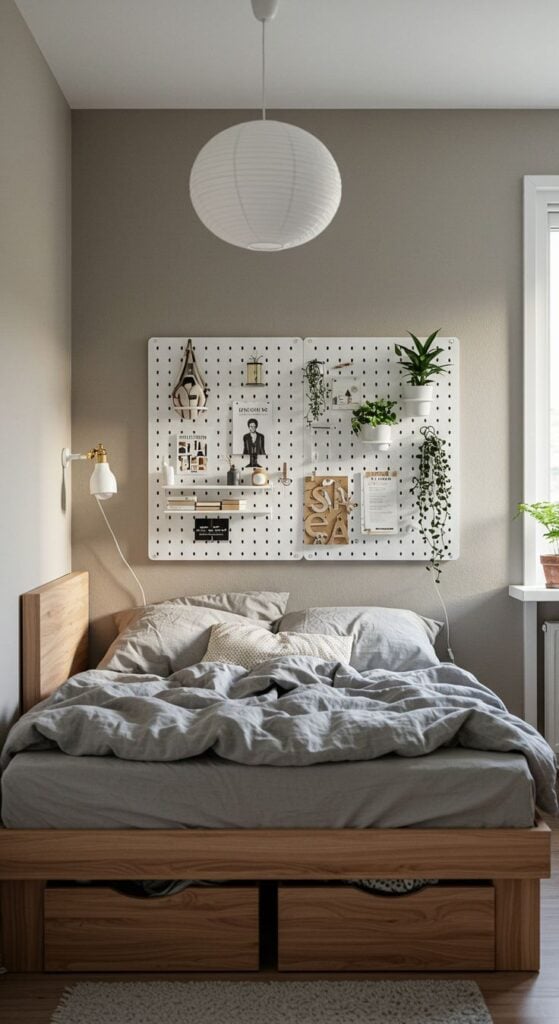
Pegboards offer flexible storage that can grow with your child.
Use hooks, baskets, and shelves to organize art supplies, books, headphones, or small toys. Children can easily reach what they need while keeping the room organized.
This solution works especially well for school-age children with growing collections and hobbies.
13. Choose Furniture with Slim Profiles
Bulky furniture can quickly overwhelm a small room.
Instead, select beds, desks, and storage pieces with clean lines and compact designs. Slim furniture creates a lighter visual appearance and helps maximize available space.
As a result, the room feels more spacious without sacrificing functionality.
14. Create a Small Art Display Area
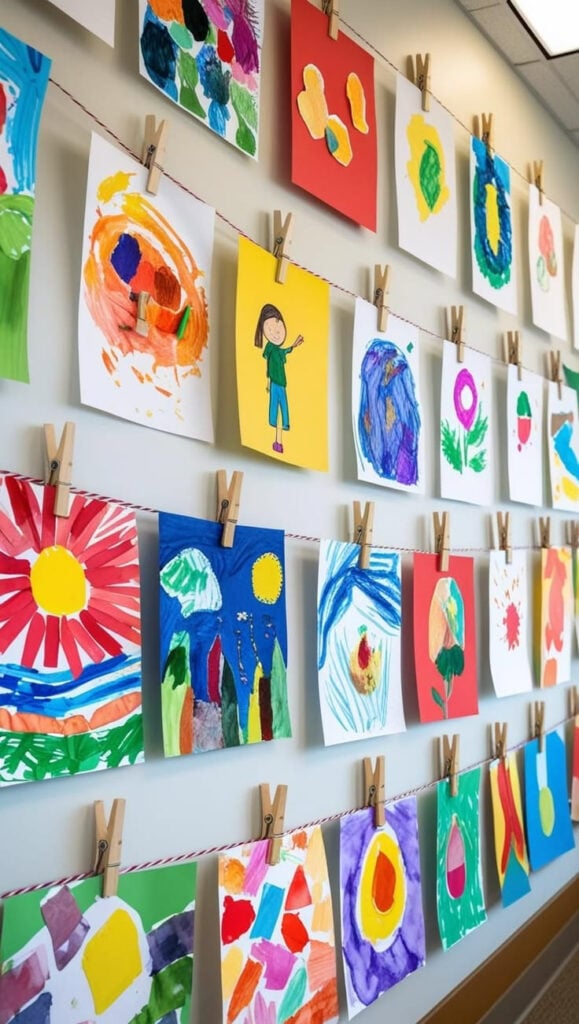
Children love seeing their creations on display.
Dedicate one wall or bulletin board to artwork, drawings, and craft projects. This approach adds personality while celebrating creativity.
For artistic inspiration, explore 37 Art Projects for Kids That Are Pinterest-Worthy and 21 Drawing Ideas for Kids That Inspire Endless Creativity.
15. Use Baskets for Quick Cleanup
Baskets make organizing simple and child-friendly.
Place baskets throughout the room for stuffed animals, toys, books, and games. Children can quickly tidy their belongings without complicated storage systems.
Simple solutions often work best in smaller spaces.
16. Add a Canopy for a Magical Touch
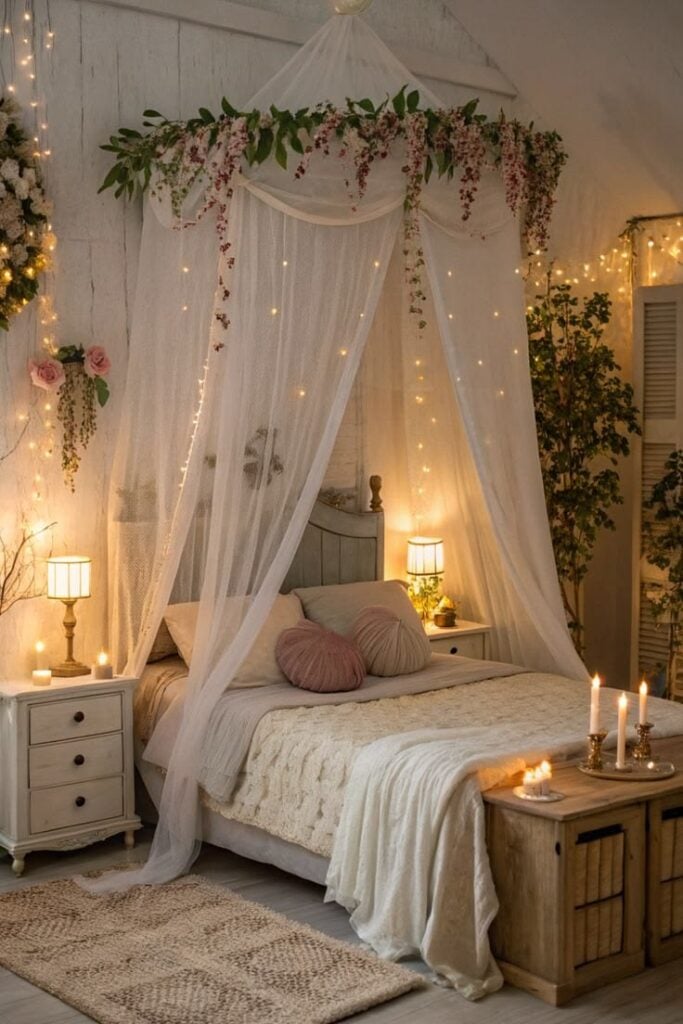
A lightweight canopy can instantly make a small bedroom feel special.
Hang one above the bed or reading corner to create a cozy retreat. Children often enjoy having a space that feels uniquely their own.
This design element adds charm without requiring additional floor space.
For dreamy inspiration, check out 29 Baby Girl Room Ideas That Feel Sweet and Dreamy.
17. Use a Corner Desk
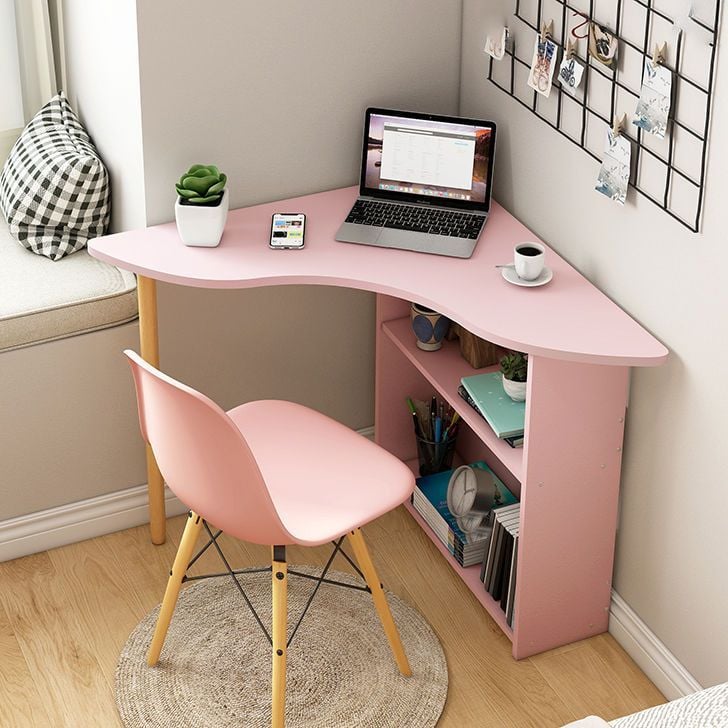
Corners often go unused in small bedrooms.
A compact corner desk creates a dedicated homework and activity space without taking over the room. Children gain a place to draw, read, and complete projects while preserving valuable floor area.
For creative activities, visit 33 Creative Kids Activities That Are Going Viral on Pinterest.
18. Incorporate Hidden Storage
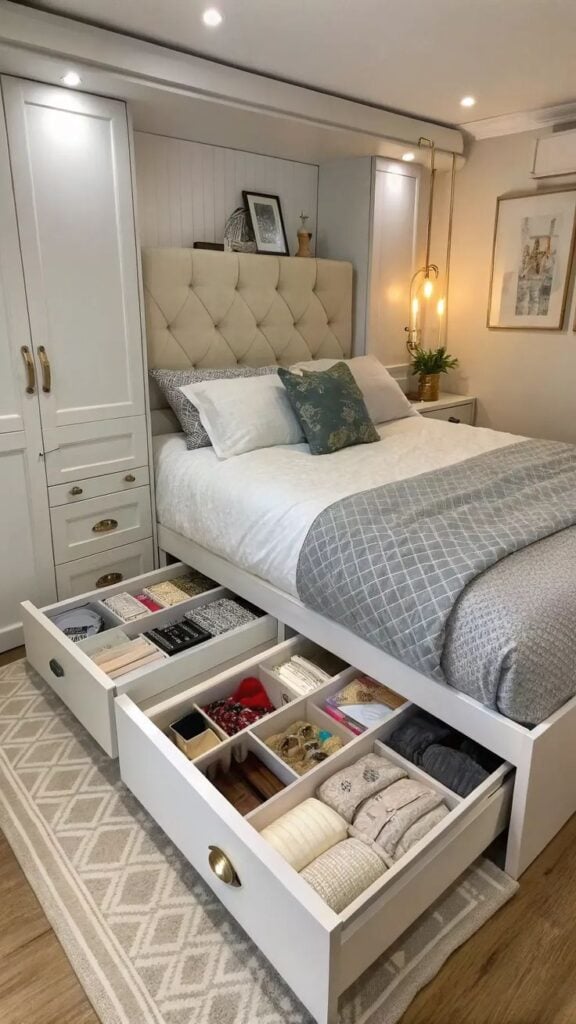
Hidden storage helps maintain a clean and uncluttered appearance.
Use ottomans with storage compartments, benches with lift-up seats, and furniture with concealed drawers. These solutions keep items accessible while reducing visual clutter.
The less clutter a room contains, the larger and more relaxing it feels.
Children with shared spaces may also benefit from ideas in 31 Kids Shared Bedroom Ideas That Look Surprisingly Stylish.
19. Create a Mini Activity Zone
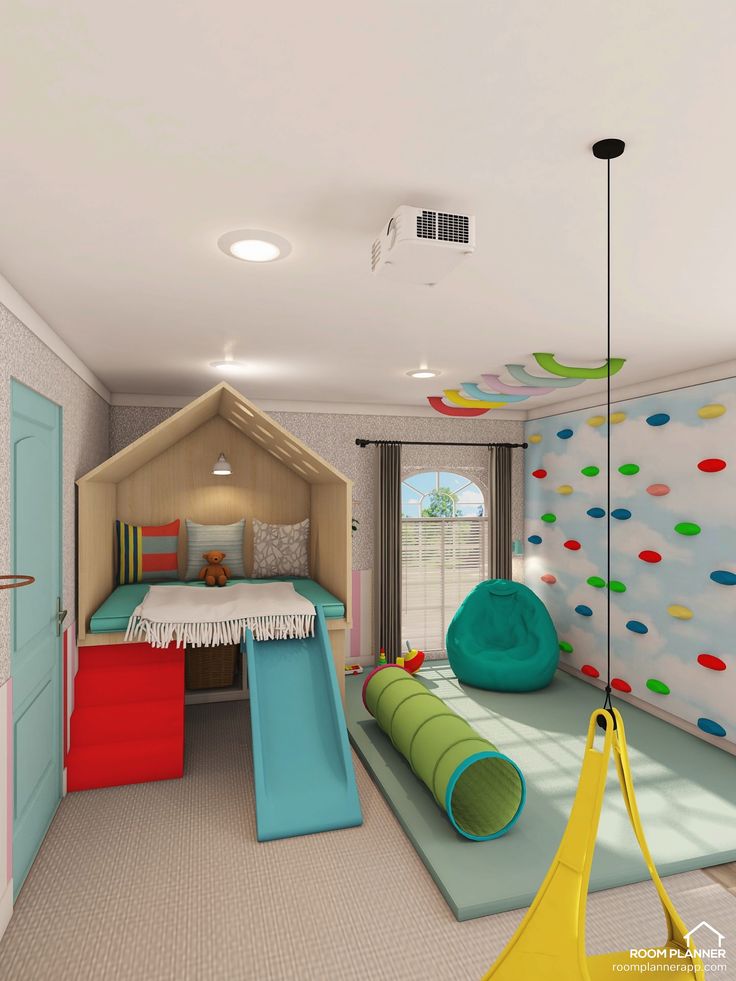
Even a tiny bedroom can include a dedicated activity space.
Use a small rug, floor cushions, and a storage basket to define the area. Children can use this space for puzzles, crafts, reading, or quiet play.
For activity inspiration, explore 31 Fun Kids Activities to Try When You Hear “I’m Bored” Again.
20. Use Wall Decals Instead of Bulky Decor
Wall decals add personality without taking up valuable space.
Choose themes that match your child’s interests, such as animals, stars, flowers, or superheroes. Decals create visual impact while keeping the room open and uncluttered.
They also allow easy updates as children grow and their preferences change.
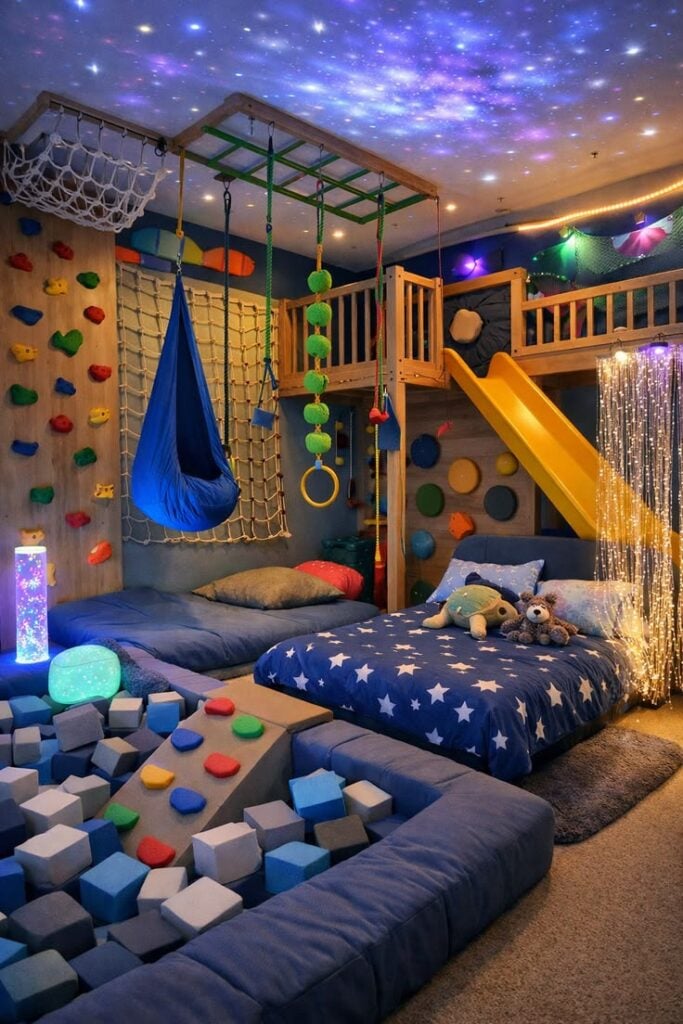
21. Add a Small Indoor Climbing or Play Feature
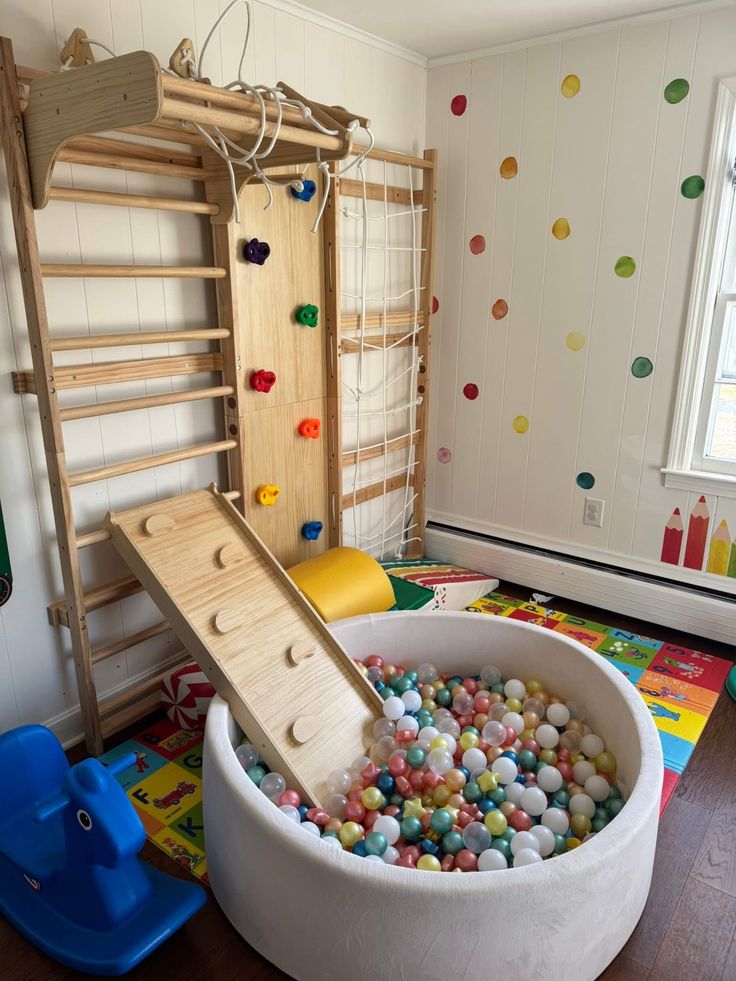
If space allows, include a simple play element.
A climbing wall section, swing, or gym rings can encourage movement without requiring a large playroom. Children enjoy having active opportunities right inside their bedrooms.
For more active inspiration, visit 21 Active Kids Room Ideas That Encourage Play and Movement and 23 Gross Motor Activities for Kids That Get Them Moving Fast.
22. Use Colorful Storage Cubes
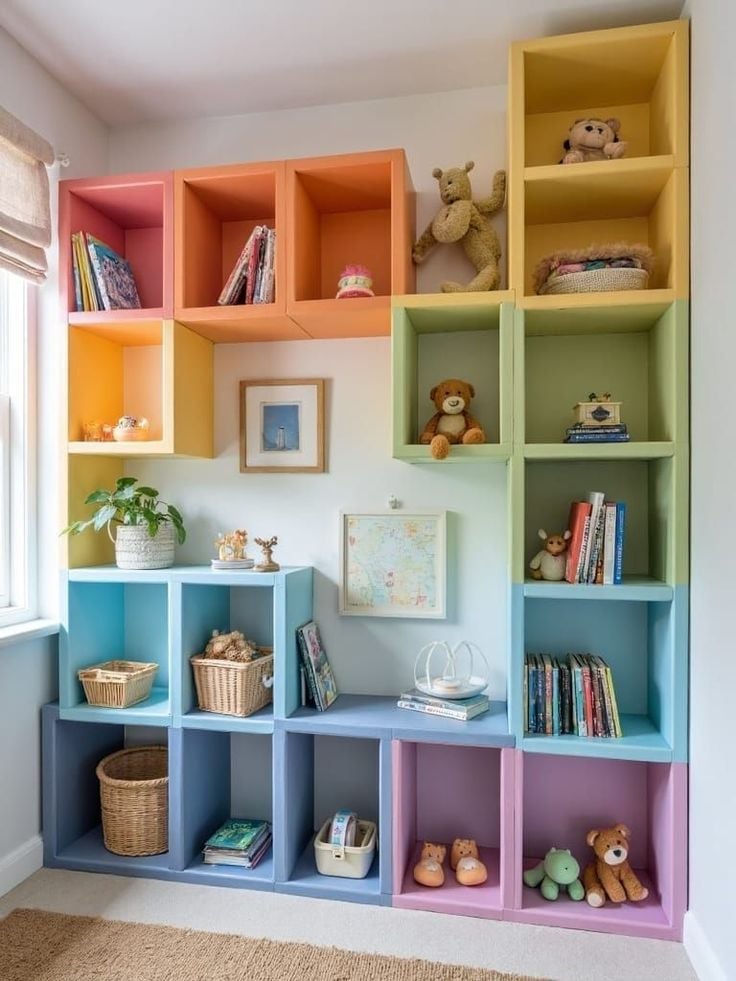
Storage cubes provide organization and visual appeal.
Different colors help children sort toys, books, and supplies more easily. The cubes also create a playful atmosphere while reducing clutter.
This solution works especially well in compact rooms where every storage option matters.
23. Design a Nature-Inspired Bedroom
Nature themes create a calming environment.
Add leaf artwork, nature prints, wooden accents, and earthy colors. These elements help the room feel peaceful while encouraging a connection with the outdoors.
For related inspiration, check out 21 Nature Crafts for Kids You’ll Want to Make This Weekend.
24. Add Personalized Name Decor
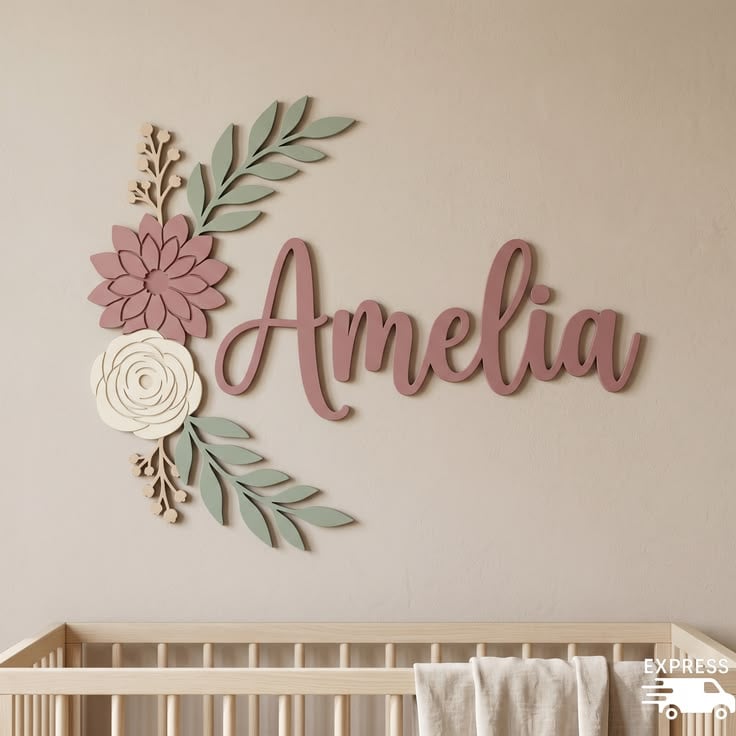
Personalized decor helps children feel connected to their space.
Display their name through wall art, wooden letters, or decorative signs. This simple touch makes the room feel special and unique.
Children often take greater pride in rooms that reflect their personalities.
25. Create a Space-Saving Toy Rotation System
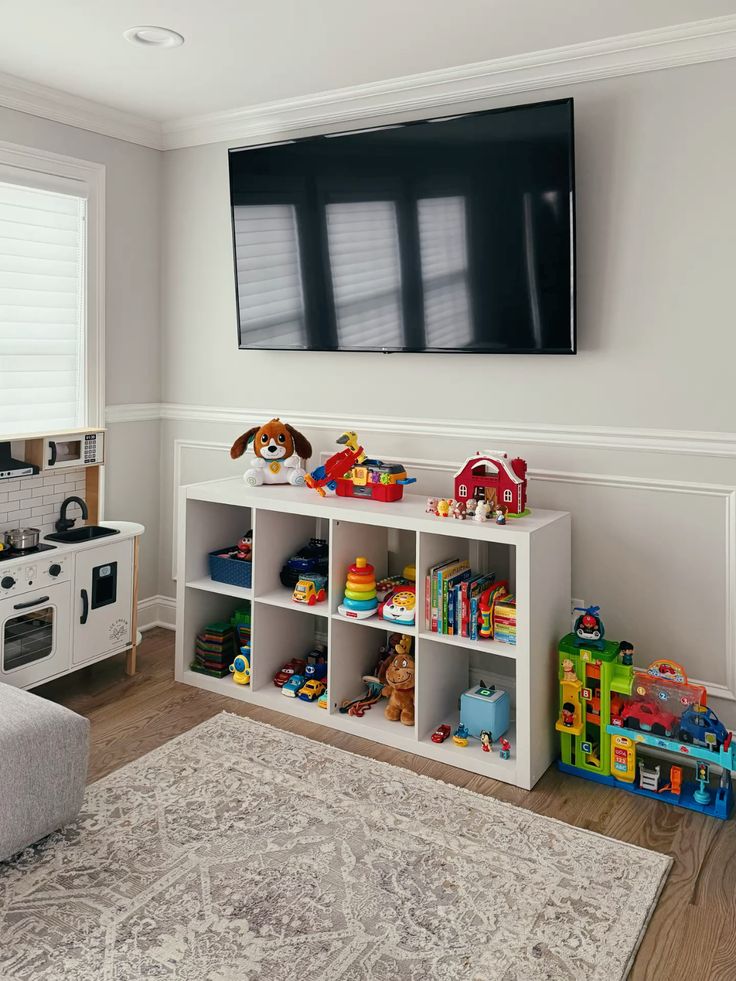
Too many toys can overwhelm a small room.
Store some toys elsewhere and rotate them regularly. Children stay excited about their toys while the bedroom remains organized and manageable.
This approach reduces clutter without requiring children to give up favorite items.
26. Use Curtains to Define Spaces
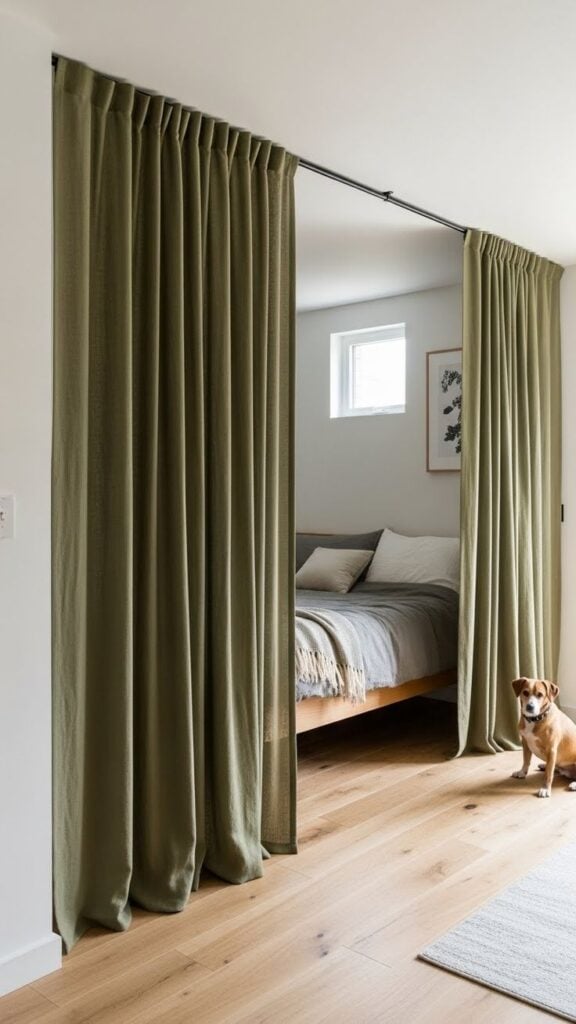
Curtains can separate different functions within a small bedroom.
Use them to create a reading nook, sleeping area, or study corner. This strategy helps the room feel organized and purposeful.
Children often enjoy having distinct spaces for different activities.
27. Keep the Design Simple and Intentional
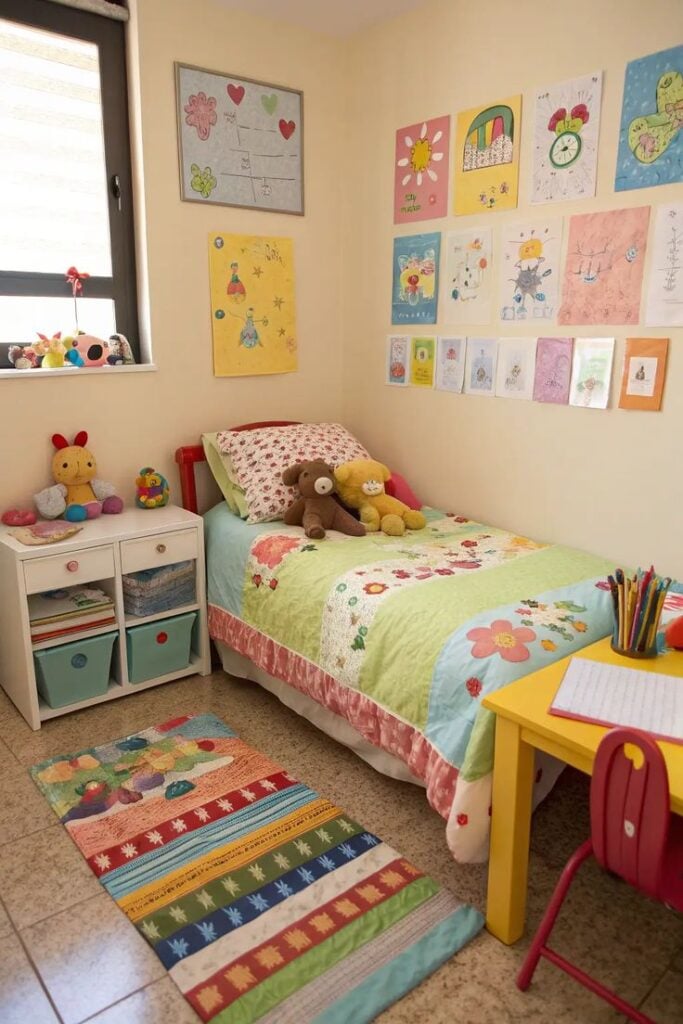
One of the best Small Kids Bedroom Ideas is avoiding unnecessary clutter.
Choose a few meaningful decorations and focus on functionality. A simple design often feels larger, calmer, and easier to maintain.
Children benefit from bedrooms that support relaxation, creativity, and everyday activities without feeling crowded.
For more age-specific inspiration, explore 21 Toddler Boy Bedroom Ideas That Are Cute and Practical.
In conclusion, these small kids bedroom ideas prove that limited square footage does not limit creativity or style. With thoughtful planning and smart design choices, even the smallest bedroom can feel comfortable, organized, and full of personality. The key is making every inch work harder while creating a space that reflects your child’s interests and needs.
The best Small Kids Bedroom Ideas balance function and fun. Children need space to sleep, learn, play, and relax, even when the room is small. Features such as vertical storage, multi-functional furniture, hidden organization, and creative decor help maximize every corner without making the room feel crowded.
Try a few of these Small Kids Bedroom Ideas and watch how quickly a tiny room transforms into a magical retreat. Small spaces often inspire the most creative solutions, and with the right approach, your child’s bedroom can become one of the most loved spaces in your home.