Toddlers are honestly the most enthusiastic learners on the planet. Everything is new, everything is interesting, and everything is worth investigating with all five senses at once. The challenge is not getting them to learn. The challenge is channelling all that wonderful curiosity into activities that actually teach something while still feeling like pure play.
Because here is the secret that every early childhood educator knows.
For toddlers, play is learning. There is no difference between the two at this age and there should not be. The moment learning stops feeling like play for a toddler is the moment engagement disappears completely. And if you have been having brilliant rainy day adventures lately, go check out 35 Rainy Day Activities for Kids That Beat Boredom Instantly because those ideas include wonderful indoor activities that work perfectly for toddler learning sessions on days when going outside is not an option.
So let us get into these 27 learning activities for toddlers that make early learning genuinely and completely fun.
1. Colour Sorting With Everyday Objects
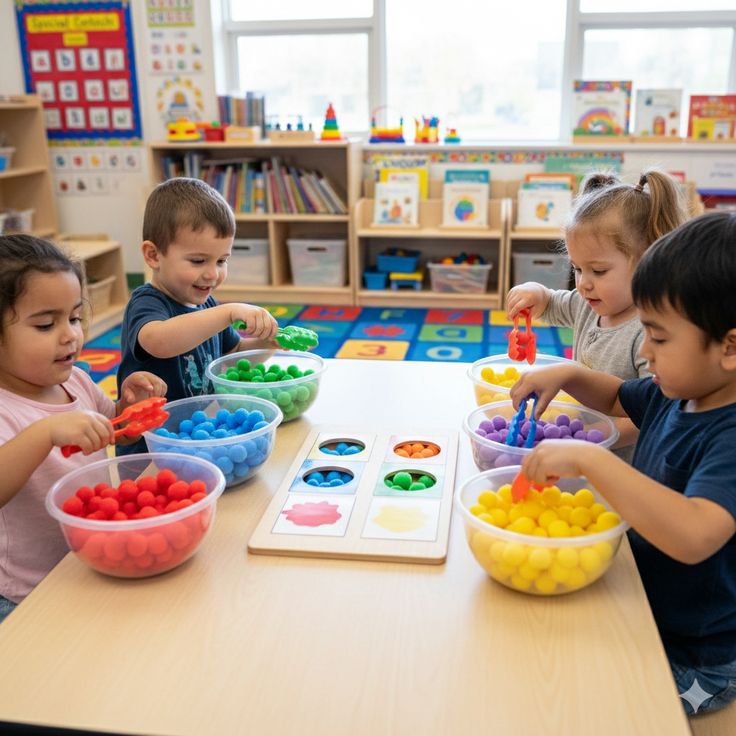
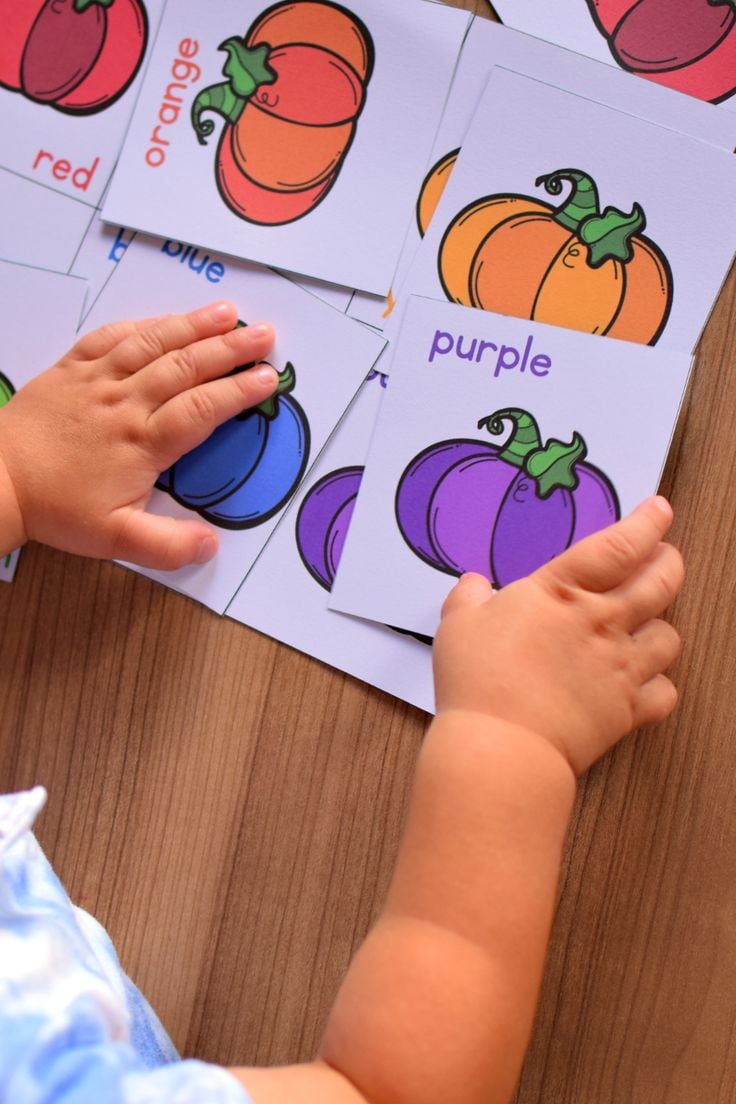
Gather coloured items from around the house. Red socks, yellow blocks, blue cups, green toy animals. Set out coloured bowls or pieces of paper and let your toddler sort everything into matching colour groups.
Colour sorting is one of the most effective early learning activities for toddlers because it is completely hands on.
The physical movement of picking up each object, deciding where it belongs, and placing it in the right group builds cognitive colour recognition in the most direct and natural way. Start with just two or three colours and gradually add more as confidence grows. Celebrate every correct sort enthusiastically because toddlers thrive on genuine positive feedback.
For more wonderful colour and sensory learning activity ideas that work beautifully for toddler aged children, go explore 17 Hedgehog Craft Ideas That Are Adorably Creative because those craft projects use colour and texture in ways that are perfectly accessible and engaging for little toddler hands and minds.
2. Sensory Rice Bin
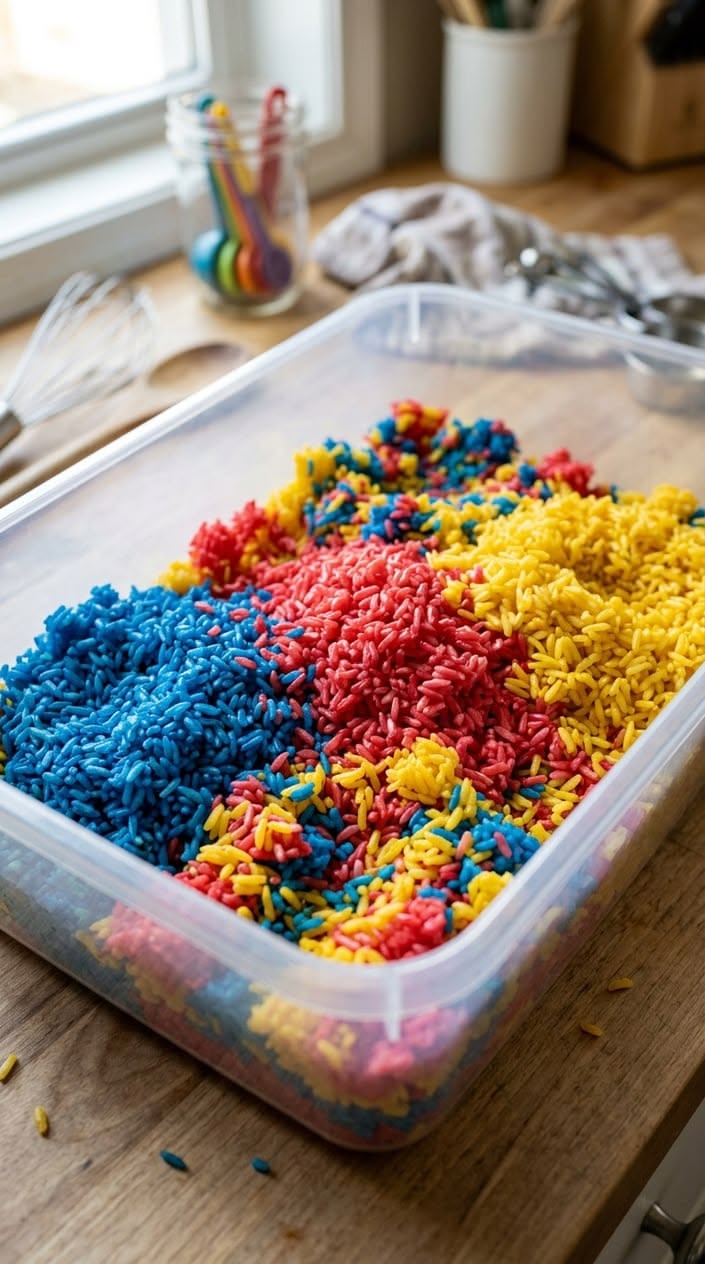
Fill a large bin with coloured rice made by mixing dry rice with a little food colouring and vinegar. Add small hidden objects, spoons, cups, and funnels. Let your toddler explore completely freely.
Sensory bins are the backbone of toddler learning for genuinely good developmental reasons.
The exploration of different textures builds sensory processing skills that underpin all future learning. The scooping and pouring develops hand eye coordination and early mathematical thinking about volume and quantity.
The hidden object finding builds vocabulary as each discovered item gets named and talked about. This one simple setup does extraordinary amounts of developmental work.
3. Simple Puzzle Play
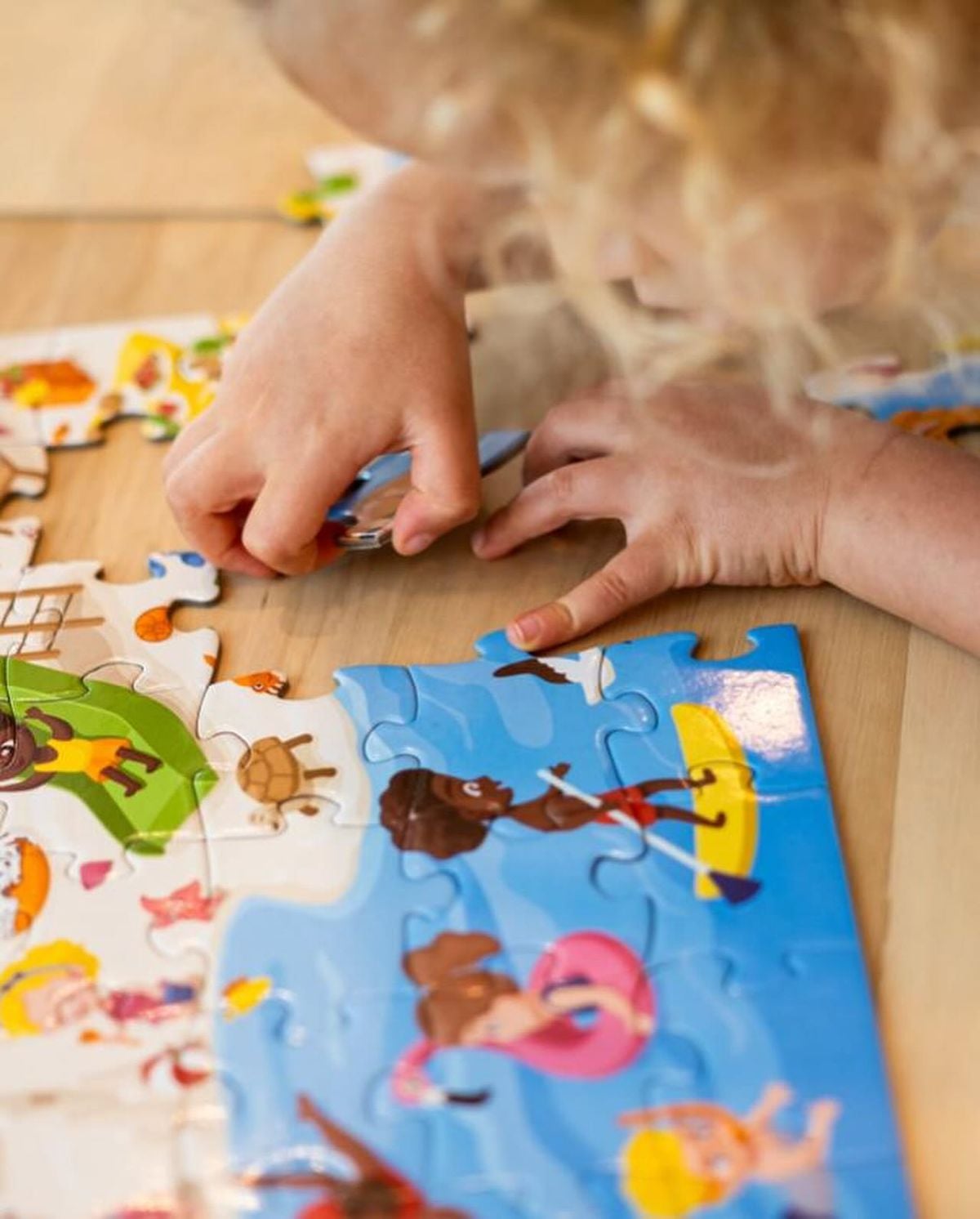
Choose wooden puzzles with large chunky pieces. Sit together and work on them side by side. Name each piece as it goes in. Talk about shape, colour, and what is shown on each piece.
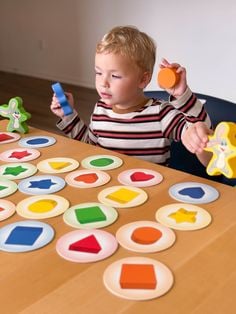
Puzzles are genuinely one of the most powerful early learning tools for toddlers.
The spatial thinking required to match piece shapes to puzzle holes develops mathematical reasoning in a really direct way. The satisfaction of completing a puzzle builds persistence and confidence in the most natural way.
Keep sessions short and follow your toddler’s lead completely. If they want to do the same puzzle ten times in a row let them. That repetition is genuinely important learning work.
Go check out 19 Owl Craft Ideas That Are Too Cute to Ignore for more wonderful focused and patient activity ideas that develop toddler concentration and fine motor skills through beautiful and engaging making experiences.
4. Water Pouring and Transferring
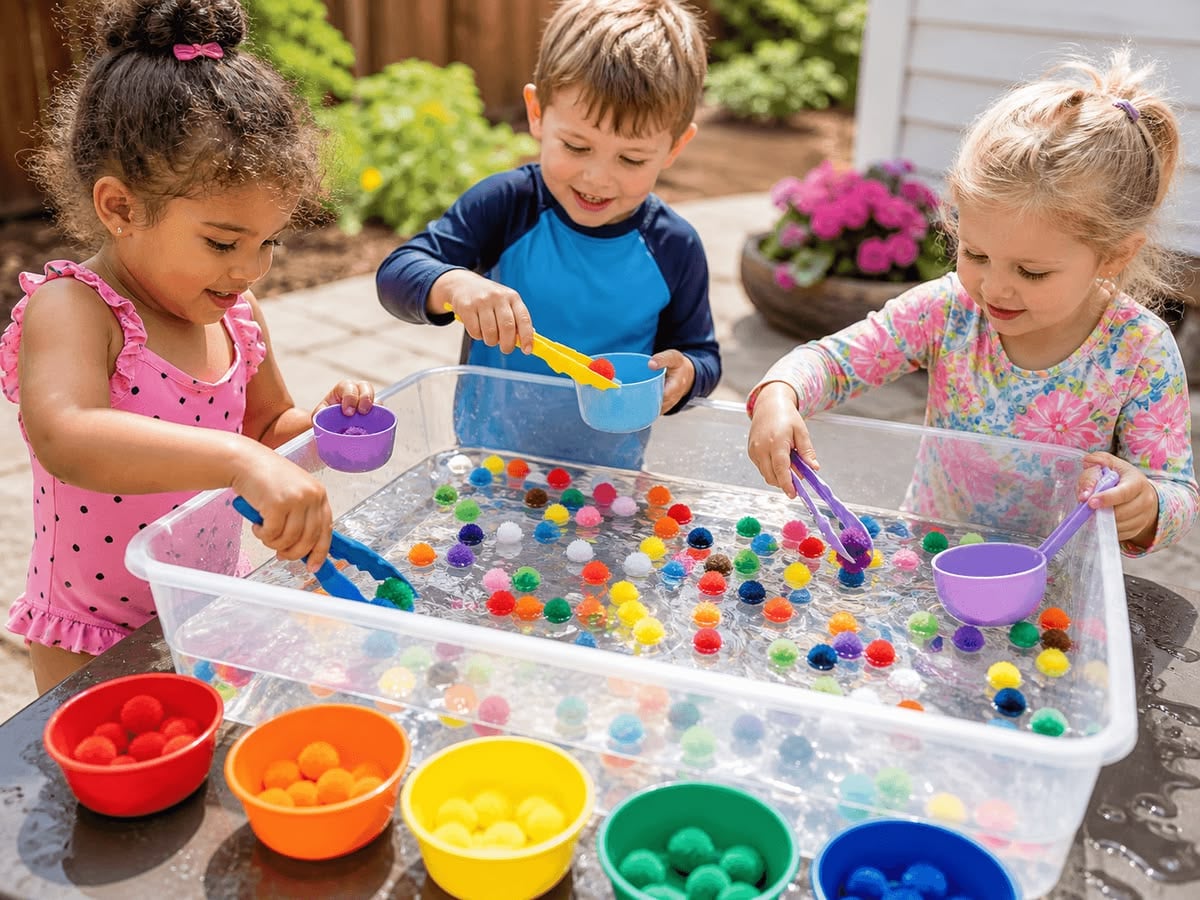
Set up a water play station with jugs and cups of different sizes. Add food colouring to the water for extra visual interest. Let your toddler pour freely between containers and explore what happens.
Water pouring is one of those simple activities that teaches so much that it is almost unfair how easy it is to set up.
Early mathematical concepts like full and empty, more and less, big and small, are all explored naturally through the pouring and transferring process. The sensory experience of water at different temperatures adds extra richness.
Set this up outside in summer or on a waterproof mat inside and embrace the inevitable splashing as part of the learning.
5. Name Recognition Activities
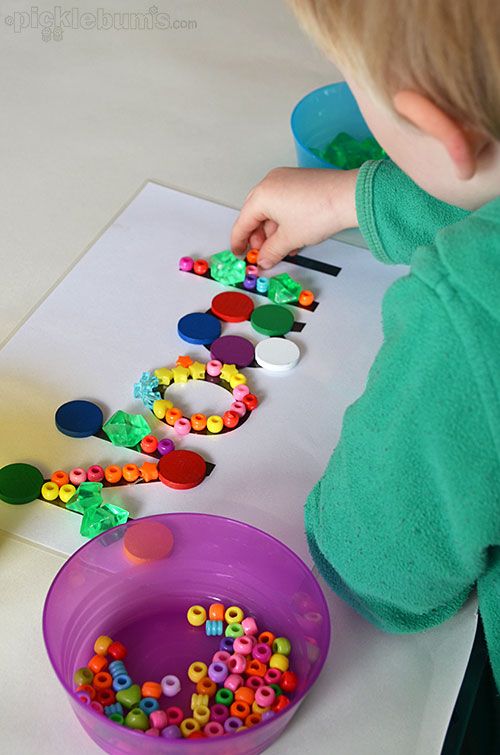
Write your toddler’s name in large letters on a piece of card. Give them dot stickers or small objects to place on each letter as you name it together. Make it a celebration every time they recognise their own name.
A toddler’s own name is the single most motivating literacy tool available at this age.
They are deeply invested in their name because it belongs to them uniquely. Seeing it, recognising it, and being able to identify it in different places is one of the most significant early literacy achievements.
Put their name on their bedroom door, their cup, their artwork, and their coat hook. That constant casual exposure builds recognition in the most natural and effective way.
For more wonderful name and letter learning activity ideas that work beautifully for toddlers, go take a look at 21 Bear Craft Ideas Kids Will Absolutely Love Making because those craft projects incorporate letter and name recognition into the making process in really clever and engaging ways.
6. Shape Posting Game
Cut different shaped holes in the lid of a plastic container. Find objects around the house that fit through each hole. Let your toddler work out which object goes through which hole through trial and error.
Shape posting games build spatial reasoning and problem solving in the most hands on way possible.
The trial and error process is actually the most valuable part of this activity. Toddlers who try a circle through a square hole and discover it does not fit are doing genuine problem solving.
That discovery learning creates understanding that is far deeper and more lasting than any amount of being told the right answer. Celebrate the attempts as much as the successes.
7. Playdough Letter and Number Work
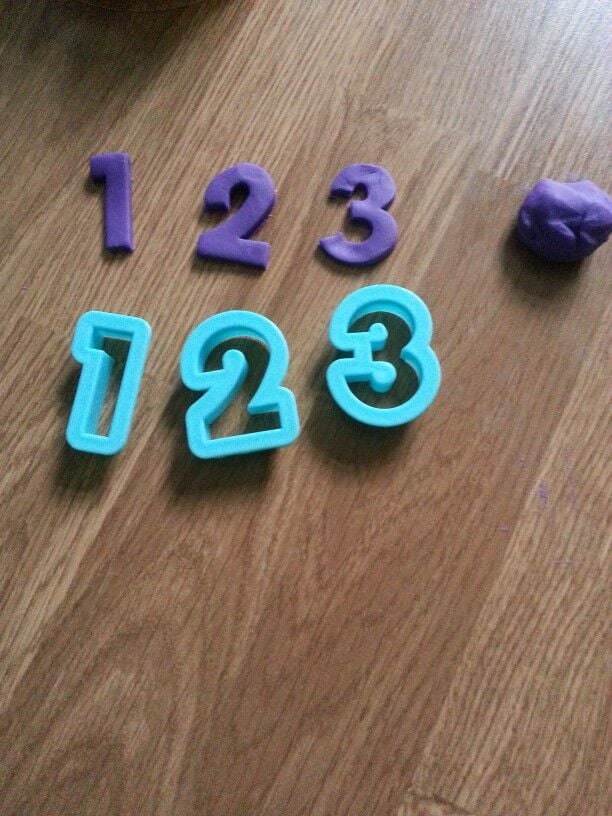
Roll playdough into long sausages and form them into letter and number shapes on a flat surface. Count playdough balls. Press number shaped stamps into the dough. Work on the numbers and letters in your toddler’s name first.
Playdough makes abstract symbols like letters and numbers suddenly feel physical and real.
Toddlers who form letters with their hands in playdough are building the motor memory for those shapes in a way that watching someone else write them never achieves.
The tactile engagement makes the learning stick more deeply. Keep sessions playful and short and never push beyond what your toddler is genuinely interested in on any given day.
Go explore 23 Monkey Craft Ideas That Bring So Much Fun to Craft Time for more wonderful hands on creative activities that build these same important early literacy and numeracy skills through the most joyful and playful means imaginable.
8. Stacking and Nesting Play
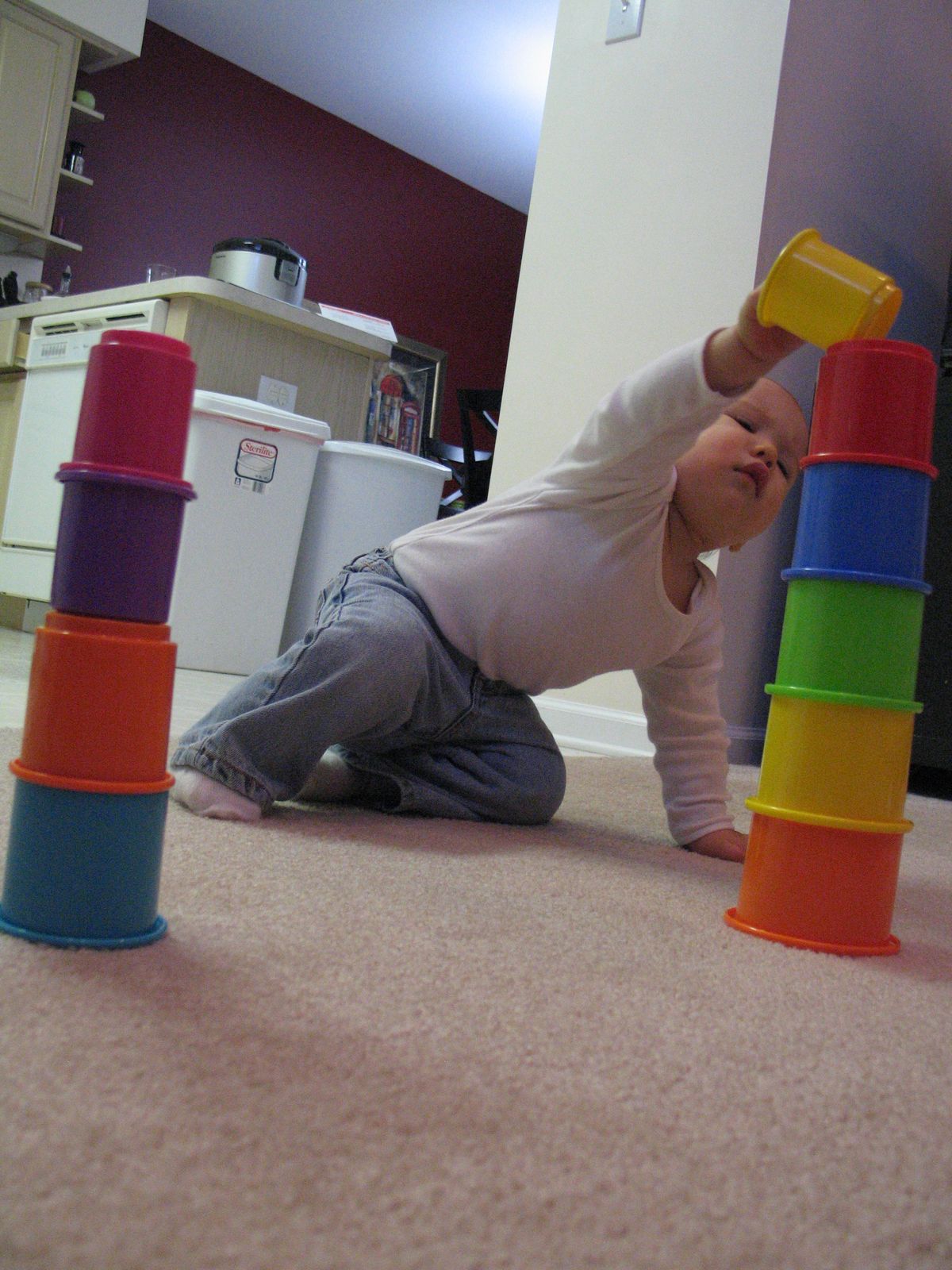
Provide stacking cups, nesting bowls, or a simple set of graduated rings. Let your toddler explore the relationships between different sizes through free play and gentle guided exploration.
Stacking and nesting play teaches size sequencing and spatial relationships in the most concrete and physical way.
Toddlers figure out through repeated trial and error that the big cup must go on the bottom or the tower falls. That discovery is a genuine mathematical insight about stability and sequence that forms the foundation for much later learning.
Keep stacking materials in an accessible place so toddlers can return to them independently throughout the day.
9. Animal Sound Matching
Gather a collection of small plastic animals. Make the sound of each animal and let your toddler match it to the right figure. Then reverse it and let your toddler make the sound while you guess the animal.
Animal sound matching builds vocabulary, categorisation, and listening skills simultaneously.
The game format makes the learning genuinely fun and toddlers love the opportunity to make loud animal noises with full adult approval. Extend the activity by talking about where each animal lives, what it eats, and how big it is. This natural conversation builds vocabulary and general knowledge in the most relaxed and enjoyable way.
For more wonderful animal themed learning and craft ideas that work beautifully for toddler aged children, go check out 25 Lion Craft Ideas That Look Wildly Creative because those projects celebrate the animal world in ways that are perfectly accessible and exciting for young curious toddlers.
10. Threading Large Beads
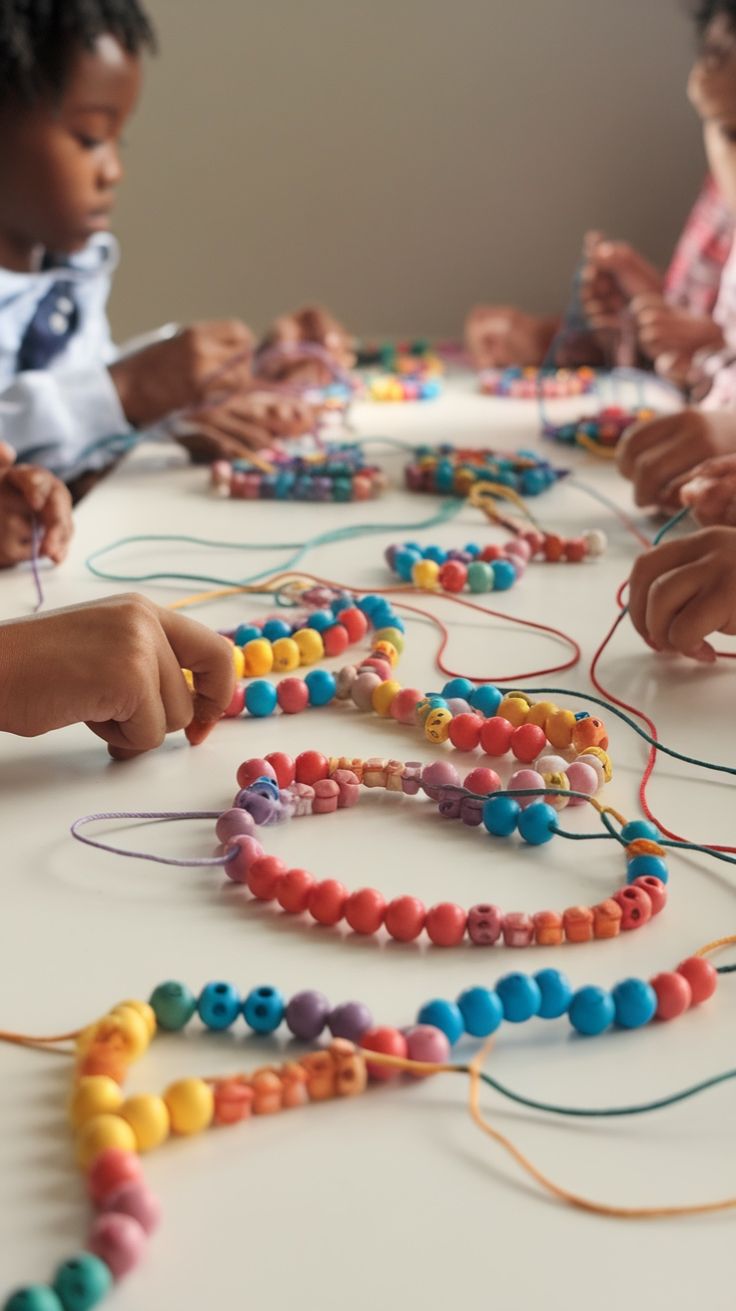
Provide large wooden beads and a thick lace or a pipe cleaner for threading. Start with just a few beads and build up to creating patterns and sequences as skills develop.
Threading is one of the most important fine motor activities for toddlers.
The pinching, positioning, and guiding of each bead onto the lace builds the hand strength and coordination that is essential for later writing. Start with the largest beads available and a very stiff lace so the threading is achievable from the first attempt.
The sense of achievement when a bead goes on successfully is genuinely motivating for toddlers who want to keep going.
11. Simple Matching Games
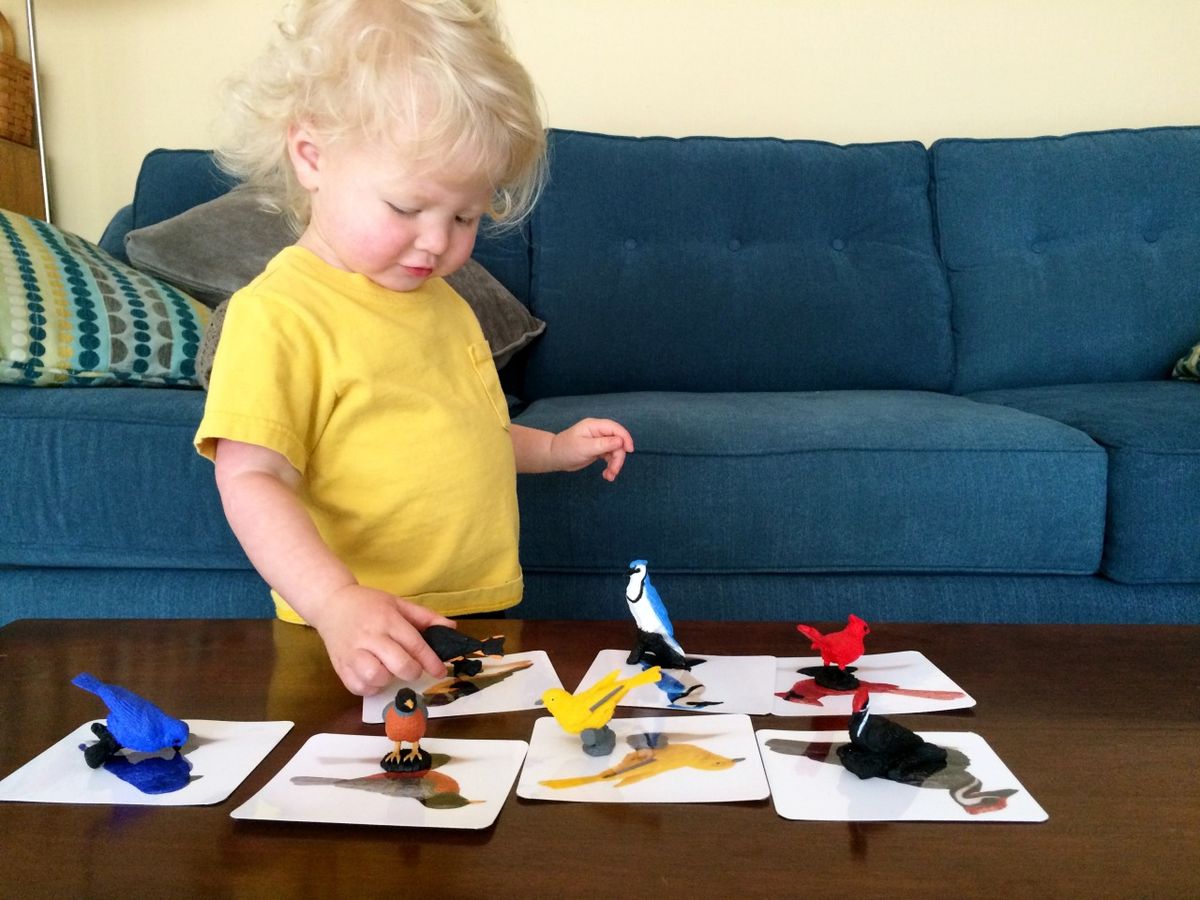
Make simple matching cards using stickers or drawings. A fruit on one card matched to an identical fruit on another. Animals, shapes, colours, and household objects all work brilliantly for toddler matching.
Matching games build memory, visual discrimination, and categorisation in the most playful way.
Start with just three pairs so the task is genuinely achievable. Gradually increase the number of pairs as your toddler’s skills develop. Turn the cards face down for a memory version once the basic matching is completely mastered.
The triumph of a successful match always produces the most wonderful expressions of pride and delight in toddlers.
Go take a look at 17 Bird Craft Ideas That Feel Bright and Cheerful for more wonderful visual matching and colour recognition activities that use beautiful bird imagery to make early learning genuinely captivating for toddler aged children.
12. Nature Walk Collection
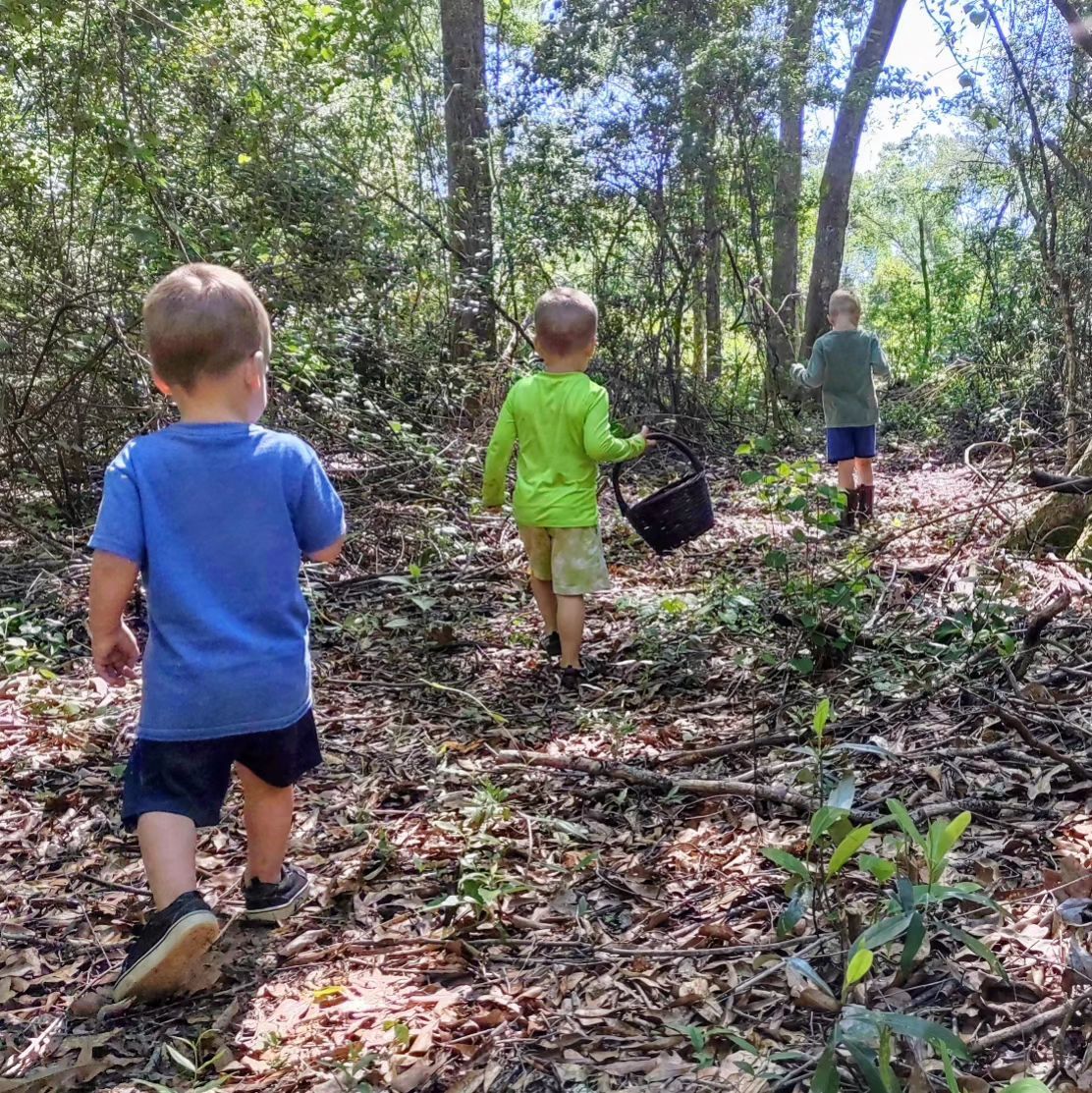
Head outside with a small fabric bag. Collect natural objects as you walk. Leaves, pebbles, sticks, seed pods, and feathers. Name each object as it goes into the bag and talk about where it came from.
A nature walk collection is brilliant for vocabulary building in the most natural and contextual way possible.
Toddlers who learn words in real contexts, standing next to the actual tree the leaf fell from, retain vocabulary much more effectively than toddlers who learn the same words from a flashcard.
The physical collection of objects also gives them something to explore and talk about when you get home. Spread the collection on a tray for a nature sorting and examining activity that extends the learning beautifully.
13. Simple Science With Kitchen Ingredients
Mix baking soda and vinegar together in a bowl. Add food colouring to water and watch it mix. Freeze water and watch it become ice. Melt butter in a warm pan and watch it change state.
Simple kitchen science is perfectly pitched for toddler curiosity because the results are immediate, dramatic, and completely fascinating.
Toddlers are natural scientists who are already observing and testing everything around them constantly. Giving that natural tendency a deliberate and directed outlet creates moments of genuine wonder.
Keep the science simple, safe, and focused on one clear observable change at a time for maximum impact and genuine understanding.
For more wonderful science and discovery activity ideas that match toddler curiosity perfectly, go explore 17 Cat Craft Ideas Every Animal Loving Kid Will Adore because those projects include brilliant observation and discovery activities that channel toddler curiosity in the most productive and joyful directions.

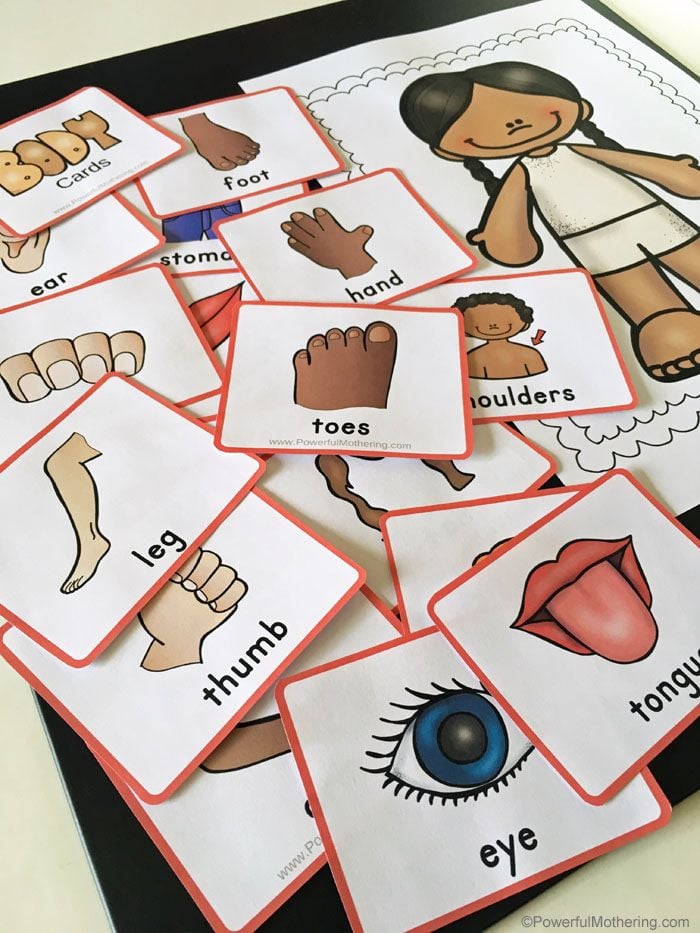
14. Body Part Identification Games
Point to a body part and name it. Then ask your toddler to point to theirs. Play Simon Says with body parts. Sing songs that involve touching named body parts like Head Shoulders Knees and Toes.
Body part identification games build vocabulary and body awareness simultaneously in the most playful and physical way.
Toddlers find these games genuinely hilarious especially when you make deliberate mistakes and point to the wrong body part.
The correction of an adult who makes a mistake is deeply satisfying and motivating for toddlers because it reverses the usual power dynamic in a way they find completely wonderful.
Lean into the mistakes for maximum engagement and laughter.
15. Counting With Real Objects
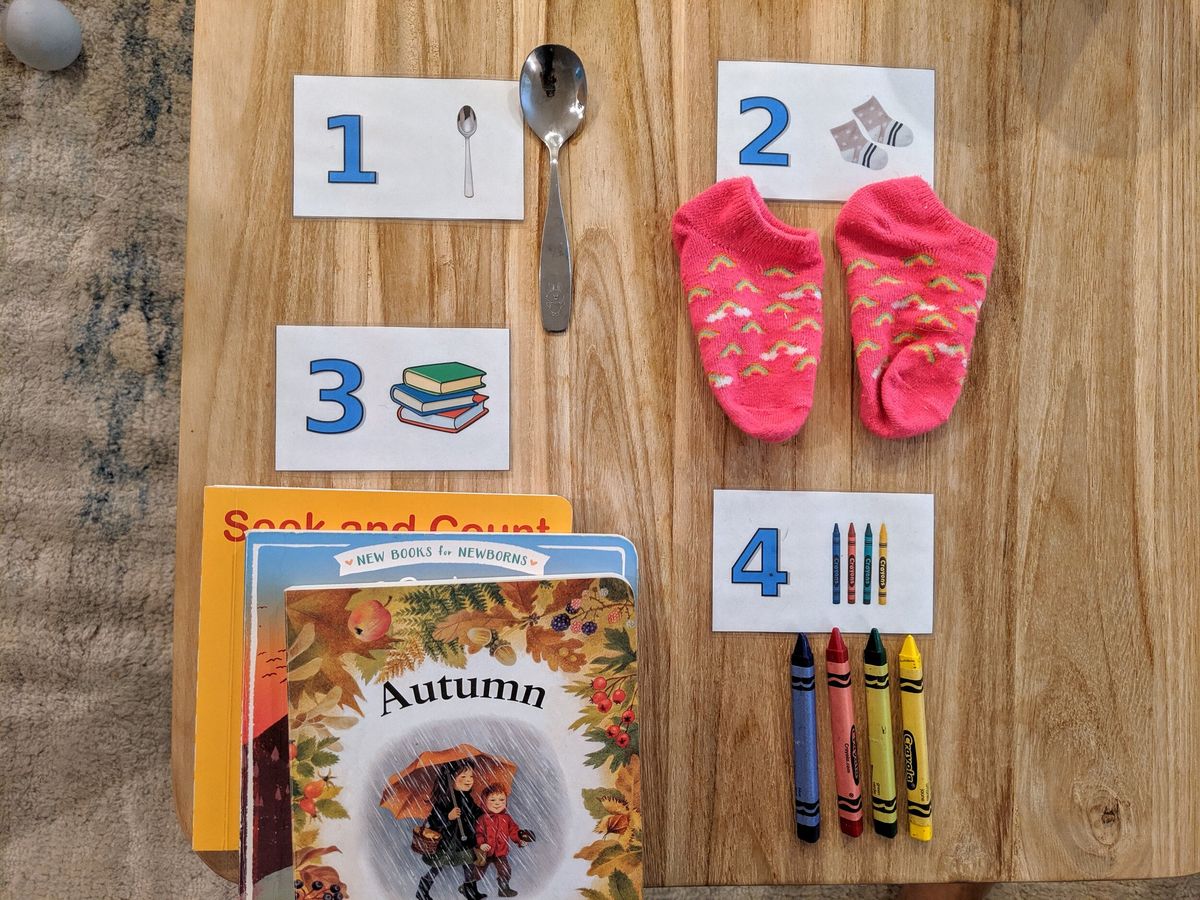
Count everything. Steps on the stairs, Grapes at snack time, Buttons on a coat, Toys in the bath. Make counting a constant running commentary on everyday life rather than a formal activity.
The most powerful numeracy teaching for toddlers happens in the constant casual counting woven through everyday moments.
Toddlers who grow up in households where numbers are talked about constantly develop stronger early numeracy than those who only encounter counting in formal contexts.
Keep the counting genuine and connected to real quantities. Point to each object as you count it so the number always connects to a real thing being touched and moved.
Go check out 40 Dog Paw Print Craft Ideas That Make the Sweetest Keepsakes for more wonderful everyday activity ideas that build early numeracy and literacy skills through the most personal and meaningful moments in a toddler’s daily life.
16. Texture Exploration Board
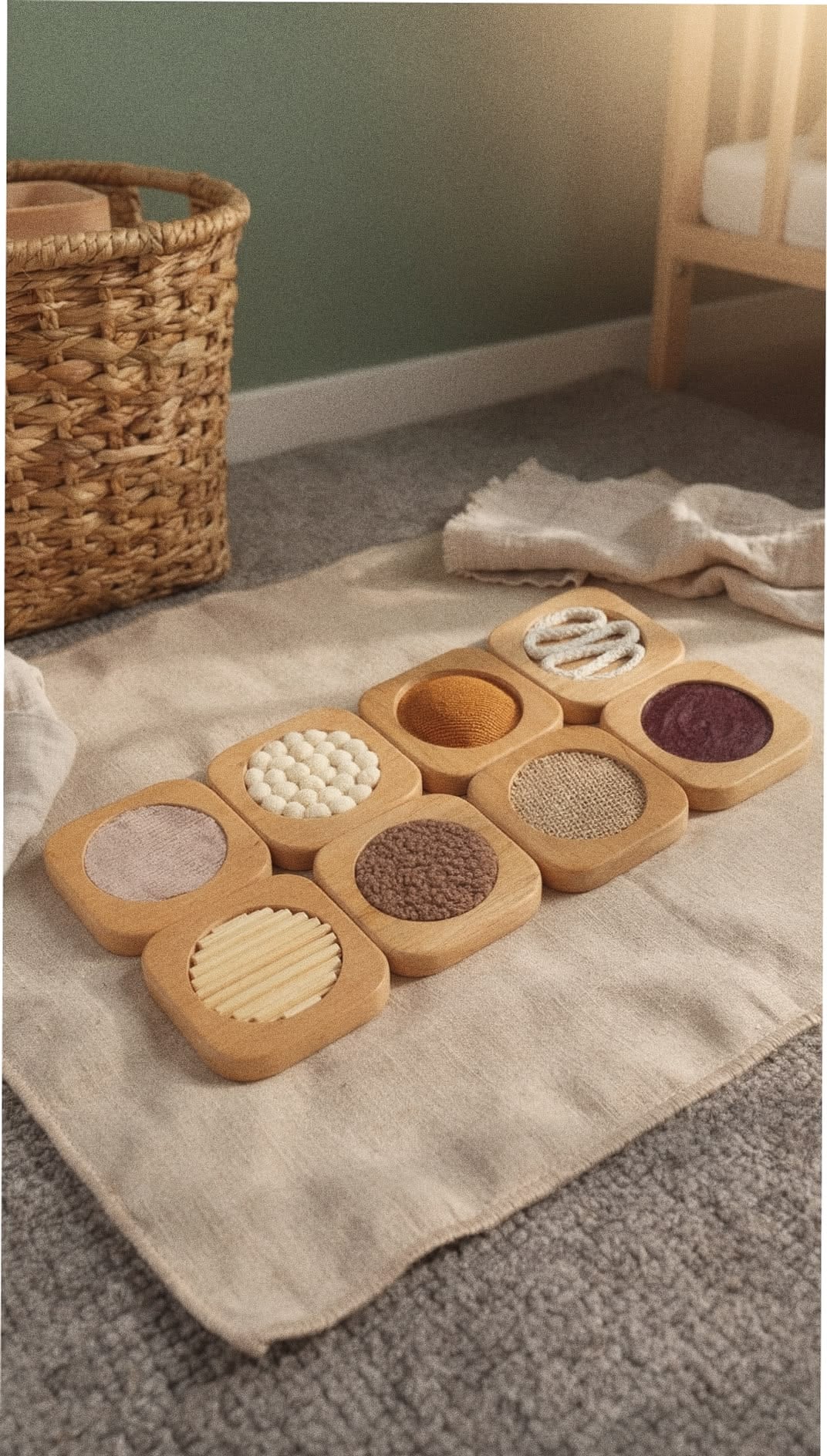
Glue different textured materials onto a piece of board. Sandpaper, velvet, bubble wrap, foil, cotton wool, and corrugated card all create interesting tactile experiences. Let your toddler explore freely.
Texture exploration builds sensory processing skills that underpin all future learning and development.
Toddlers who regularly explore different textures develop better sensory discrimination and a richer vocabulary for describing the physical world around them. Name each texture as your toddler touches it.
Rough, smooth, bumpy, soft, crinkly, scratchy. That language enrichment happens naturally through the exploring without any formal instruction needed.
17. Simple Obstacle Course
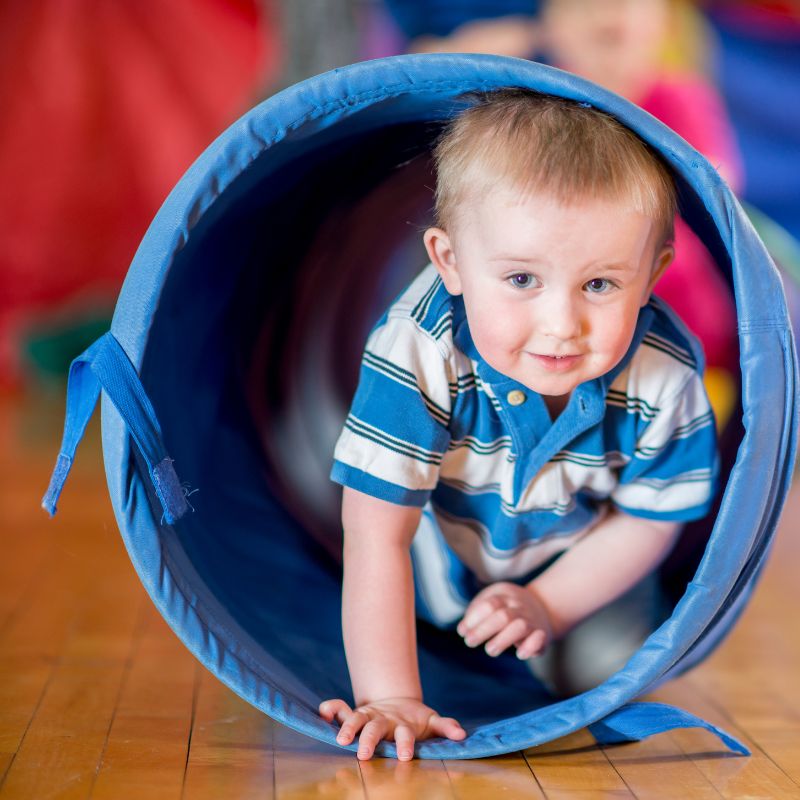
Set up a very simple toddler sized obstacle course. Crawl through a tunnel, step over a foam block, walk along a tape line, and climb onto and off a low platform.
A simple obstacle course builds gross motor skills, spatial awareness, and confidence in physical abilities.
Toddlers who navigate obstacle courses develop the body awareness and physical capability that supports all their other development. Keep obstacles very low, very safe, and very achievable.
The goal is not challenge but success, a toddler who completes a course confidently and independently feels genuinely capable and that feeling is enormously valuable for their overall development and wellbeing.
For more wonderful physical movement and confidence building activity ideas, go explore 23 Dog Craft Ideas That Stand Out on Any Craft Table because those projects celebrate the joy of physical making in ways that complement active movement play beautifully.
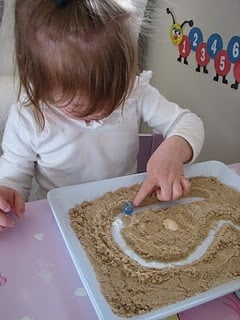
18. Sand Tray Writing and Drawing
Fill a shallow tray with sand or salt. Let your toddler draw in it with a finger, a stick, or a wooden stylus. Shake to erase and start again. Add small objects to bury and find.
Sand tray exploration is one of the most versatile and developmentally valuable toddler activities available.
The sensory experience of sand under little fingers is deeply satisfying. The mark making builds hand control that prepares little muscles for later writing.
The erasing and restarting removes any pressure about making mistakes. And the hiding and finding of objects builds memory and spatial awareness in the most playful way imaginable.
19. Mirror Play
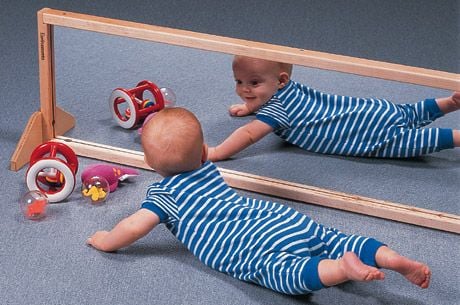
Sit your toddler in front of a large safe mirror. Play peekaboo. Make faces together. Point to and name features in the reflection. Talk about what you both see.
Mirror play builds self awareness, vocabulary, and social skills in a completely natural and captivating way.
Toddlers are fascinated by their own reflection and will engage with a mirror for surprisingly long periods of time. The naming of features, emotions, and actions in the mirror creates rich vocabulary building opportunities.
The peekaboo element introduces concepts of object permanence and predictability that are genuinely important for cognitive development at this age.
Go take a look at 21 Horse Craft Ideas Kids Can’t Wait to Try for more wonderful activity ideas that use reflection, repetition, and joyful engagement to build toddler skills and confidence through the most natural and playful means.
20. Music and Rhythm Exploration
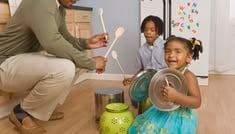
Give your toddler simple percussion instruments or homemade shakers. Play different types of music and encourage movement and sound making in response. Fast music, slow music, loud music, and quiet music all create different responses.
Music exploration builds auditory discrimination, rhythm awareness, and emotional expression in the most joyful way.
Toddlers who regularly explore music develop stronger language skills, better auditory processing, and a richer emotional vocabulary. The physical response to music, bouncing, swaying, and clapping, integrates sensory and motor systems in ways that support all areas of development.
Make music a part of every single day in some form and watch the benefits accumulate beautifully over time.
21. Simple Art Exploration
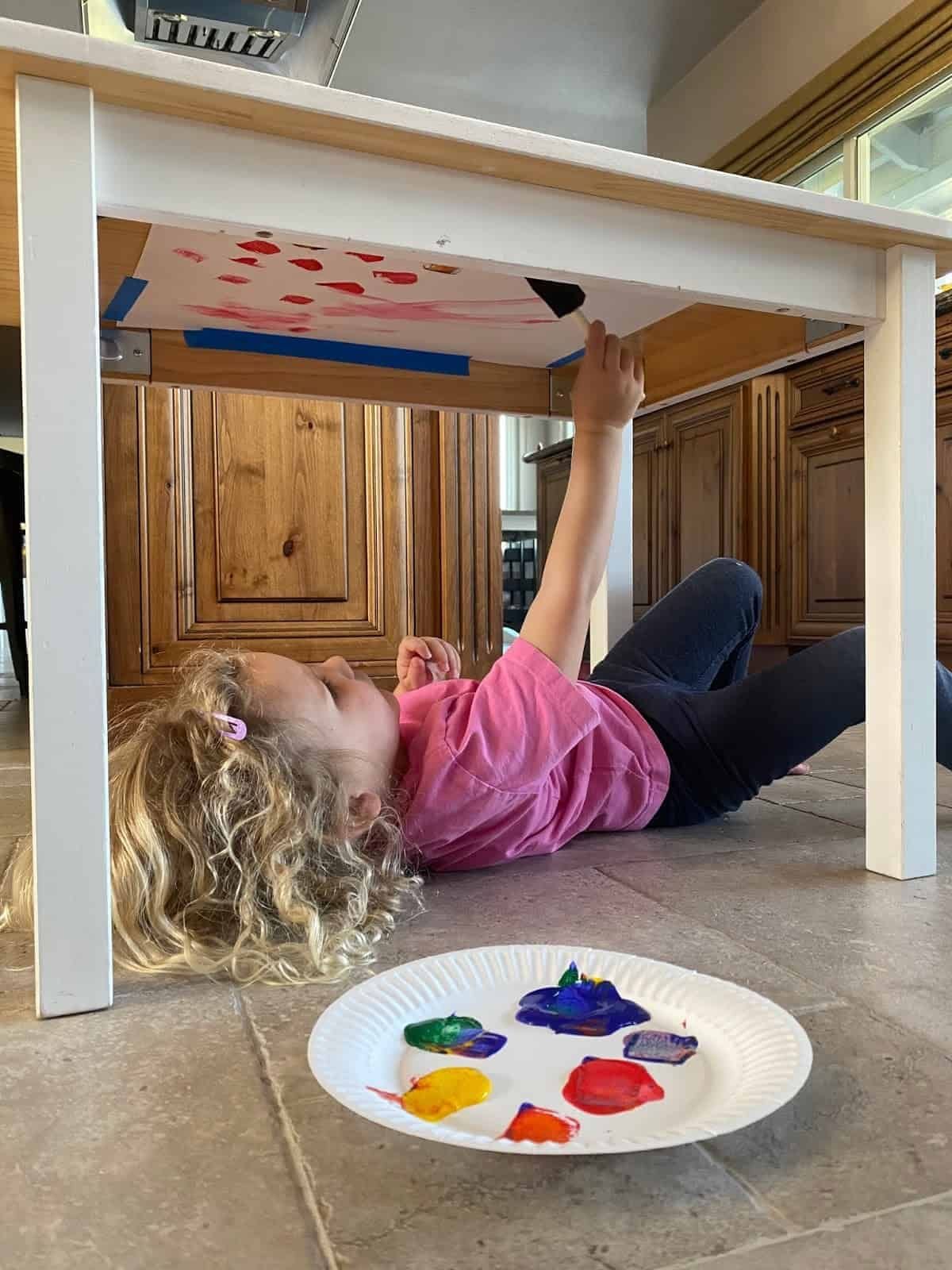
Put out one art material at a time for focused exploration. Chunky crayons one day, finger paint the next, chalk outside the day after that. Let your toddler explore each medium freely without any specific brief.
Introducing art materials one at a time allows toddlers to really explore each one deeply before moving on.
The sensory experience of different art materials teaches toddlers about physical properties like texture, fluidity, and resistance in the most hands on way. There is no goal, no finished product, and no right or wrong way to use any of the materials.
This freedom is exactly what toddlers need to develop genuine creative confidence and a love of making.
For more wonderful open ended art exploration ideas that give toddlers this same quality of free and joyful creative experience, go check out 19 Turtle Craft Ideas That Look Cute and Colorful because those projects show how beautiful results always emerge naturally when toddlers are given quality materials and genuine creative freedom.
22. Dramatic Play Encouragement
Set up simple dramatic play scenarios and let your toddler lead completely. A kitchen with play food. A doctor’s bag with a toy stethoscope. A baby doll with a nappy and a bottle. A garage with toy cars.
Dramatic play is one of the most important things a toddler can do for their overall development.
Language, social skills, emotional regulation, creative thinking, and empathy all develop naturally through imaginative play scenarios. Your role is to set up the invitation and then follow your toddler’s lead completely.
Join in when invited, play the role they assign you, and resist the urge to direct or improve on their play. Trust the process completely.
Go explore 29 Farm Animal Craft Ideas That Bring the Barnyard to Life for more wonderful dramatic and imaginative play ideas that use farm animal themes to create the richest and most engaging toddler play scenarios imaginable.
23. Bubble Play and Popping
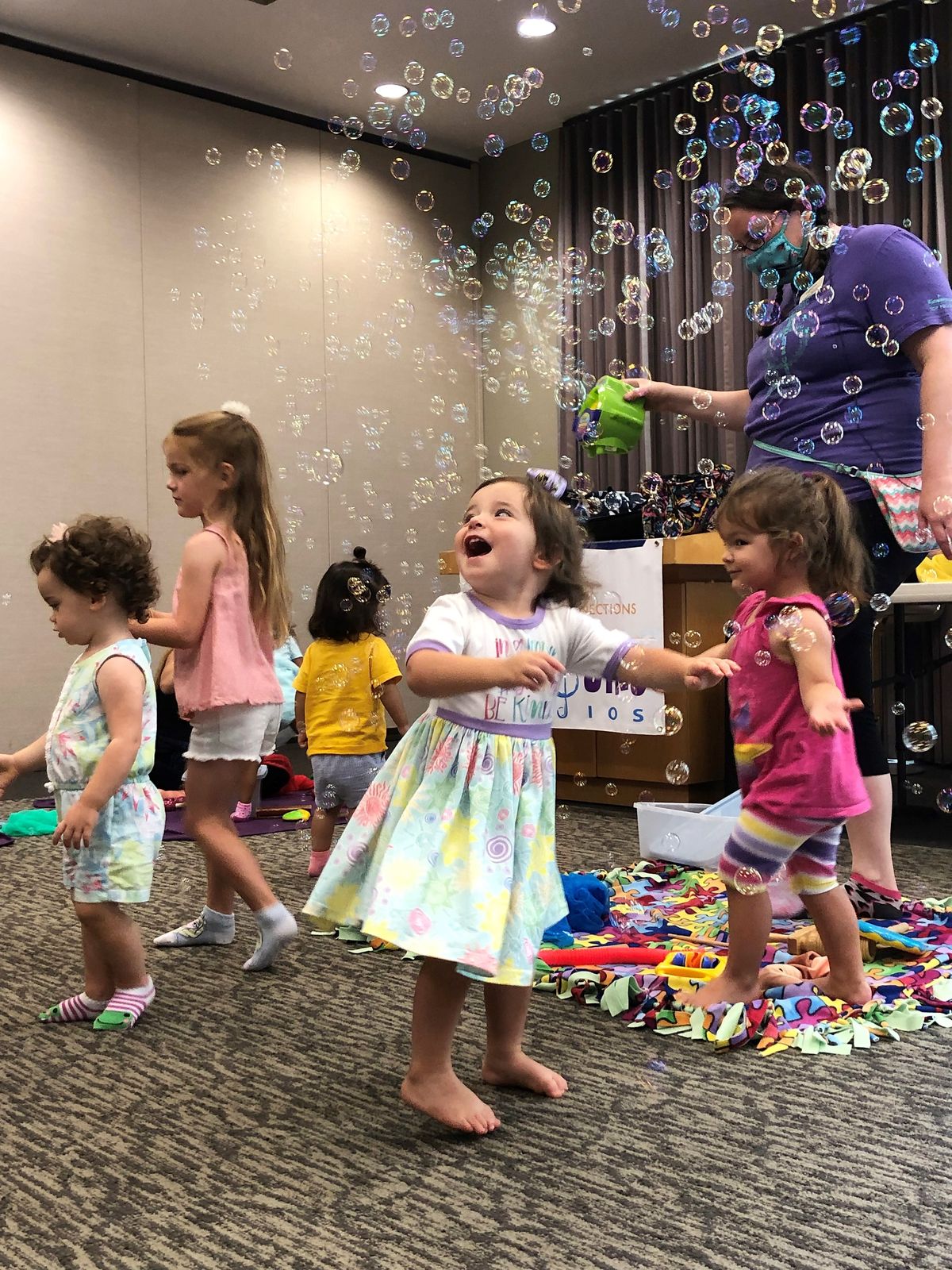
Take a bottle of bubbles outside or into a bath. Blow bubbles and let your toddler chase and pop them. Count bubbles together. Talk about big and small, high and low, near and far.
Bubble play packs an extraordinary amount of learning into the most joyful and simple activity imaginable.
Spatial language like high, low, near, and far is learned naturally through chasing and popping bubbles in different positions. Size comparison between big and small bubbles introduces early mathematical thinking.
The physical chasing and popping builds gross motor skills and hand eye coordination. And the sheer joy of it all creates an emotional connection to learning that is genuinely powerful.
24. Sorting By Size
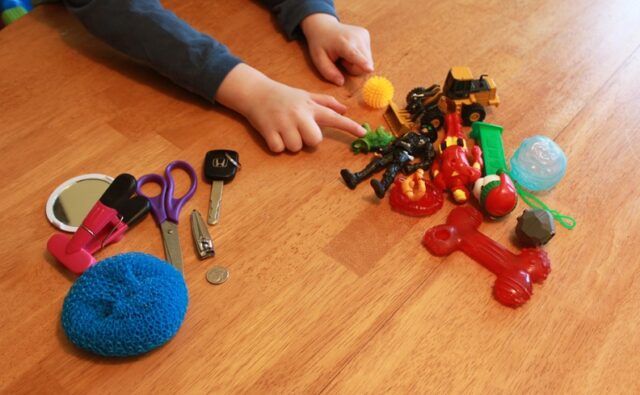
Gather collections of similar objects in different sizes. Big and small stones. Large and small buttons. Different sized containers. Let your toddler sort them from biggest to smallest and back again.
Size sorting builds early mathematical understanding of ordering and sequence in the most concrete way.
Toddlers who physically handle and compare objects of different sizes develop an intuitive understanding of relative magnitude that abstract number work alone never quite achieves. Use the correct language consistently.
Bigger, smaller, largest, smallest, in between. That vocabulary builds naturally through repeated use in real contexts over time.
For more wonderful early maths and sorting activity ideas, go check out 17 Sheep Craft Ideas That Are Soft Fluffy and Fun because those craft projects incorporate sorting, counting, and size comparison activities in the most charming and toddler friendly ways imaginable.
25. Reading Aloud Every Single Day
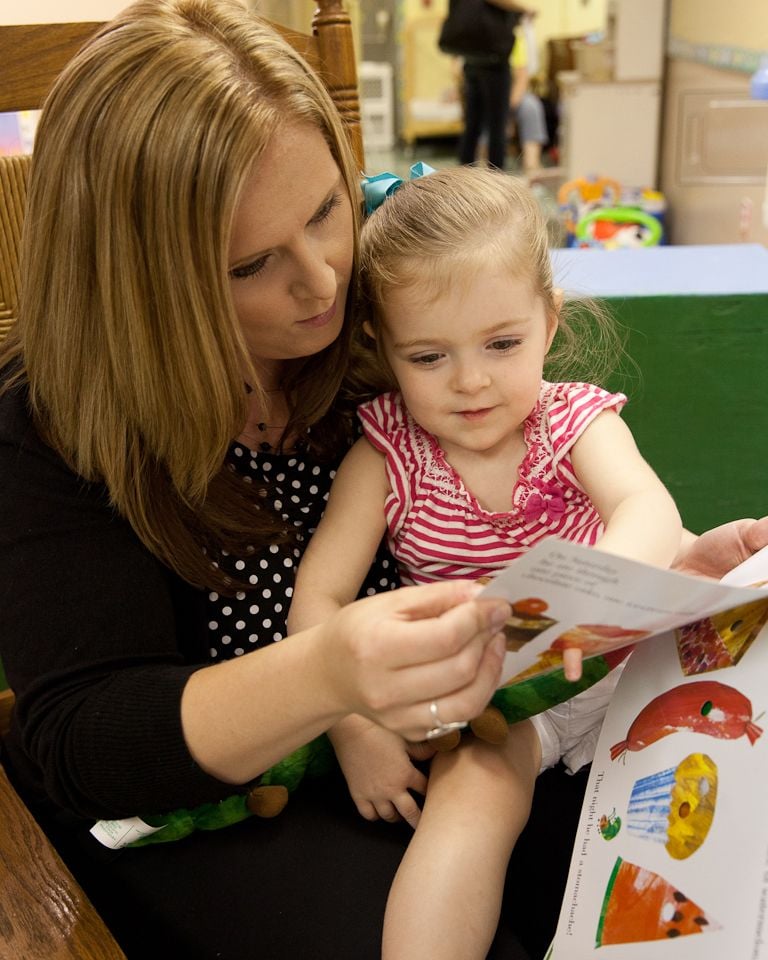
Read picture books to your toddler every day without exception. Make it a ritual. Before nap, before bed, in the morning with a drink. Let them choose the books. Read the same ones repeatedly as many times as they want.
Daily reading aloud is honestly the single most powerful early learning activity available to any toddler.
The vocabulary exposure, the narrative understanding, the comprehension skills, and the love of stories that develop through daily reading aloud create a foundation for all future literacy learning that nothing else quite matches.
Toddlers who are read to daily enter their school years with significantly stronger language skills. That advantage compounds positively throughout their entire educational journey.
26. Cause and Effect Exploration
Give your toddler objects and materials that produce clear cause and effect relationships. A light switch. A pop up toy. A jack in the box. A ball rolled down a ramp. Let them repeat the action as many times as they want.
Cause and effect understanding is one of the most fundamental cognitive achievements of toddlerhood.
Toddlers who discover that their actions cause predictable results develop a sense of agency and competence that is genuinely important for their overall development.
The repetition that looks tedious to adults is actually how toddlers consolidate this crucial understanding. Let them turn the light switch on and off twenty times in a row. Every single time is doing important developmental work.
For more wonderful cause and effect and exploratory learning activity ideas, go check out 21 Chicken Craft Ideas That Kids Will Giggle Over because those delightful projects create brilliant moments of cause and effect discovery that toddlers find genuinely fascinating and endlessly rewarding.
27. Celebration of Learning Moments
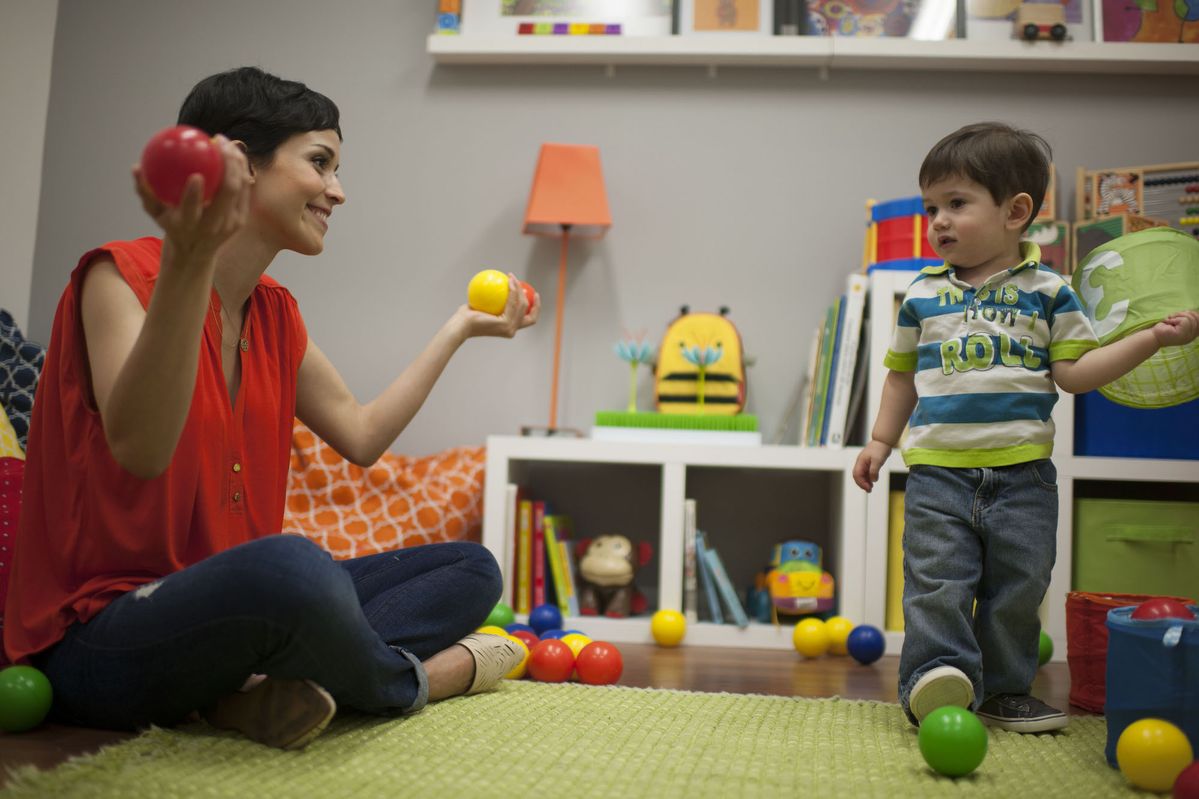
Notice and celebrate every learning moment throughout the day. Not with over the top praise but with genuine warm acknowledgement. You figured that out, remembered that and you worked really hard on that.
The way we respond to toddler learning achievements shapes how they feel about learning itself for years to come.
Toddlers who receive genuine warm acknowledgement of their efforts develop a growth mindset that values trying and persisting over simply being right.
The celebration does not need to be elaborate. A smile, a warm comment, and a moment of genuine shared pride is completely enough. These small moments of celebration add up to a child who loves learning and believes they are capable of it.
Final Thoughts
Toddler learning happens everywhere, all the time, in every moment of every day.
It happens in the kitchen, the garden, the bath, the car, and the supermarket just as much as it happens at a craft table or during a deliberately planned activity. Your job is not to create perfect learning moments. Your job is to be present, curious, and enthusiastic alongside a child who is already doing the most extraordinary learning work of their entire life.
So enjoy it. Lean into the mess, the repetition, and the seemingly endless curiosity. It goes faster than you think.