STEM Activities for Kids make learning exciting by turning everyday moments into hands-on adventures. Many children learn best when they can build, test, explore, and discover things for themselves. Instead of memorizing facts from a book, they get the chance to see science, technology, engineering, and math come to life through fun activities and creative challenges.
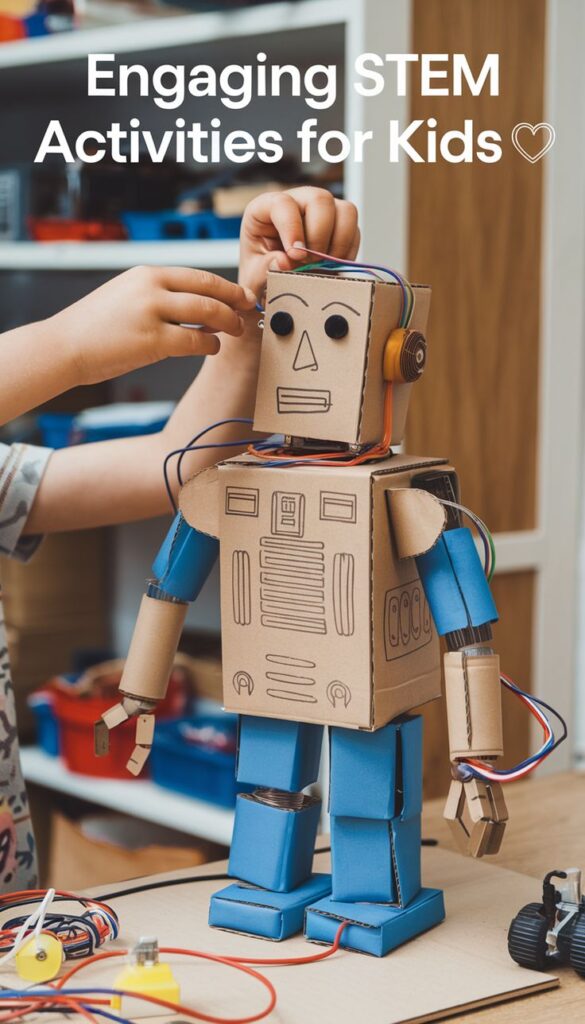
The best STEM Activities for Kids encourage curiosity and problem-solving while keeping children fully engaged. Whether they are building structures, conducting simple experiments, or designing creative projects, kids develop valuable skills without feeling like they are doing schoolwork. As a result, learning becomes something they look forward to rather than something they have to do.
These STEM Activities for Kids work well at home, in classrooms, during weekends, or on rainy afternoons. Better yet, many of them use simple materials you already have around the house. If your children enjoy hands-on learning, these activities can help them explore new ideas while having fun at the same time.
Why STEM Activities Matter
STEM Activities for Kids help children develop critical thinking skills through hands-on learning experiences. Instead of simply receiving information, children actively explore concepts and discover solutions on their own.
Many STEM Activities for Kids encourage creativity, experimentation, and persistence. Children learn that mistakes are part of the learning process and that trying different solutions often leads to success.
Additionally, STEM activities help prepare children for future opportunities. Skills such as problem-solving, communication, collaboration, and innovation remain valuable in almost every field and career.
1. Build a Paper Airplane Laboratory
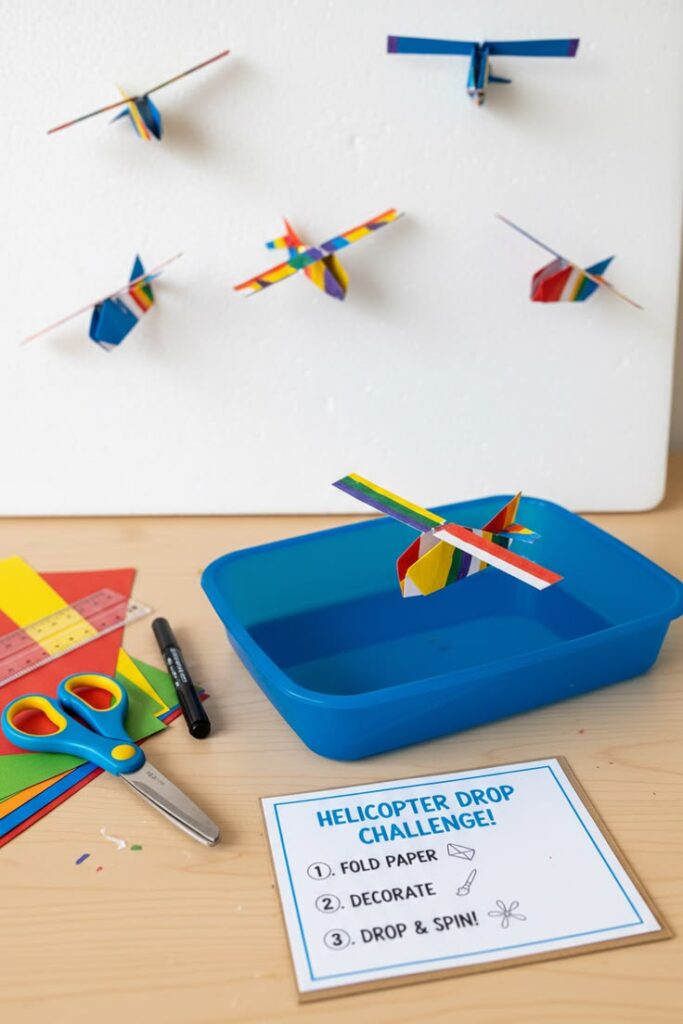
Paper airplanes offer a simple introduction to engineering and physics.
Encourage children to create several airplane designs and test each one. They can compare flight distance, speed, and accuracy. As they make adjustments, they begin to understand how design changes affect performance.
For more creative building ideas, check out 31 Cardboard Craft Ideas That Turn Trash into Treasure.
2. Create a Baking Soda Volcano

A baking soda volcano remains one of the most popular STEM Activities for Kids.
Children can combine baking soda and vinegar to create an exciting eruption. While the reaction looks magical, it also introduces basic chemistry concepts in a memorable way.
Kids enjoy the visual results while learning about chemical reactions and cause-and-effect relationships.
3. Build a Bridge Challenge
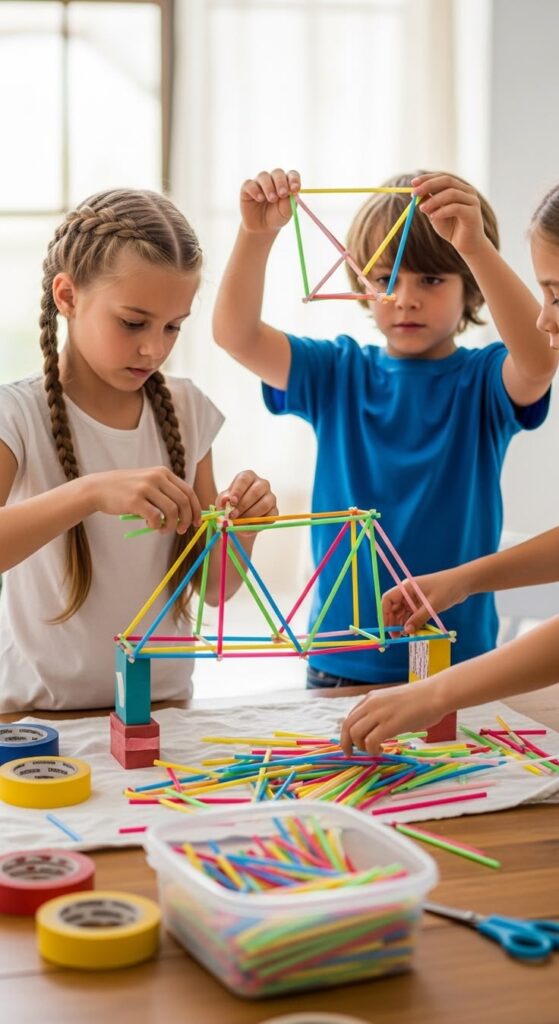
Challenge children to build a bridge using craft sticks, paper, or recycled materials.
Once finished, test how much weight the bridge can hold. This activity introduces engineering concepts while encouraging problem-solving and creativity.
Children quickly learn that strong designs require planning and careful construction.
4. Sink or Float Experiment
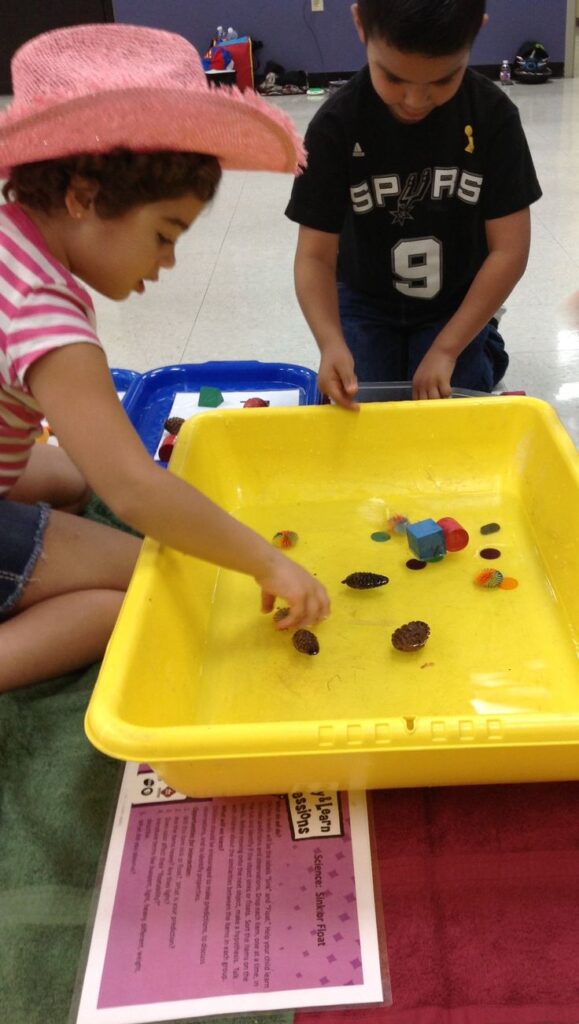
Fill a container with water and gather different household objects.
Ask children to predict whether each item will sink or float before testing it. This activity encourages observation and scientific thinking.
Children learn to make predictions and compare results with their expectations.
5. Design a Balloon Rocket
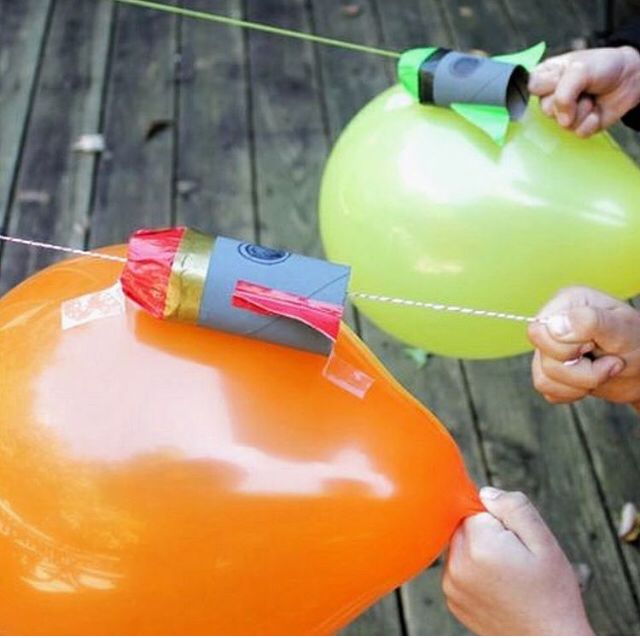
Attach a balloon to a string and release the air.
Children can observe how the escaping air pushes the balloon forward. This activity demonstrates basic principles of force and motion.
The experiment feels like play while introducing important science concepts.
6. Nature Observation Journal
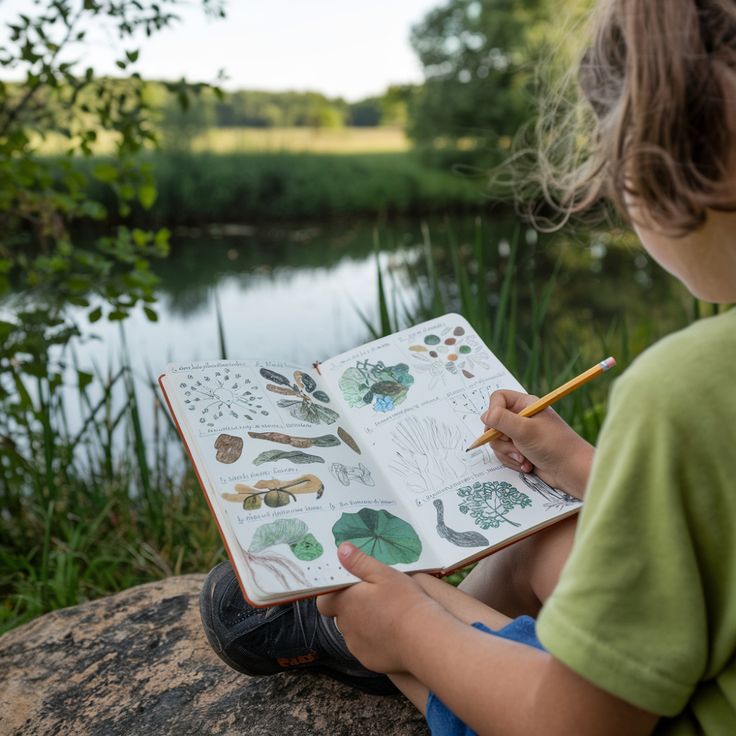
Take children outside and encourage them to observe plants, insects, and weather patterns.
They can draw pictures, record observations, and ask questions about what they see. This activity develops scientific observation skills and curiosity.
For related ideas, explore 21 Nature Crafts for Kids You’ll Want to Make This Weekend.
7. Tower Building Competition

Provide blocks, cups, or recycled materials.
Challenge children to build the tallest tower possible. They must think carefully about balance, structure, and stability.
This activity introduces engineering concepts through hands-on experimentation.
8. Create a Magnetic Discovery Station

Gather magnets and various household objects.
Children can test which materials magnets attract and which they do not. The activity encourages investigation and scientific reasoning.
Kids enjoy making discoveries while learning about magnetism.
9. Water Transfer Challenge
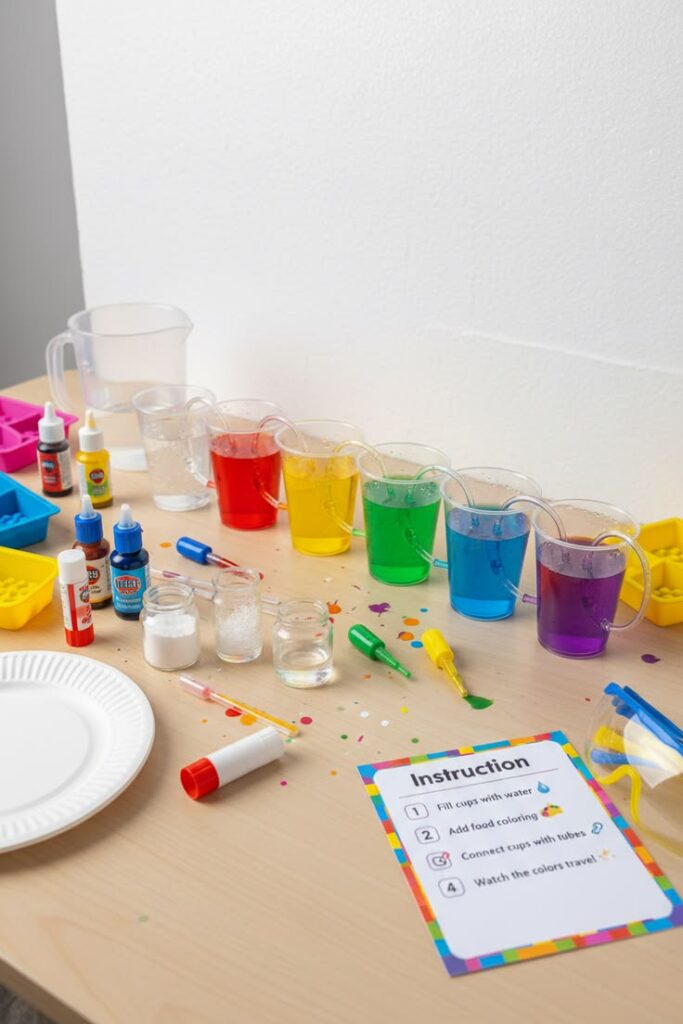
Provide cups, spoons, droppers, and containers.
Challenge children to transfer water from one container to another using different tools. This activity combines STEM learning with practical problem-solving.
For younger learners, visit 27 Fine Motor Activities for Preschoolers That Build Important Skills.
10. Build a Straw Structure
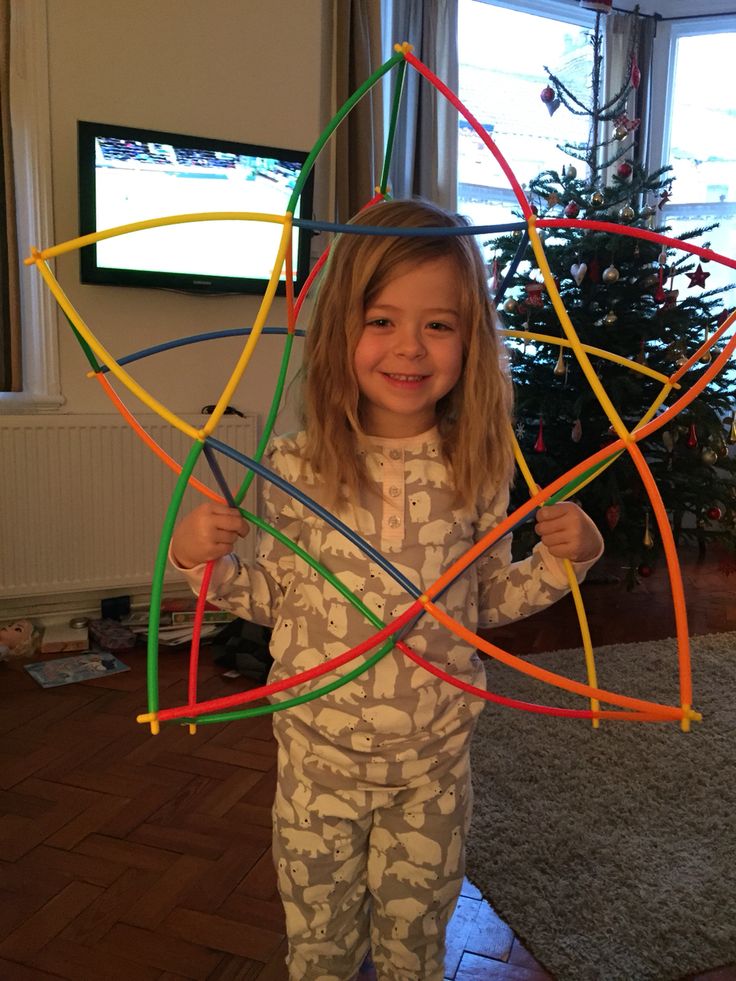
Give children straws and tape.
Challenge them to build a structure that can stand on its own. They may create towers, bridges, or geometric shapes.
This activity encourages creativity while introducing engineering and design principles.
11. Create a Rain Gauge

A homemade rain gauge helps children learn about weather and measurement.
Use a clear container and mark measurement lines along the side. Place it outside and record rainfall over several days.
Children practice collecting data and comparing results. They also begin to understand weather patterns and scientific observation.
12. Egg Drop Challenge
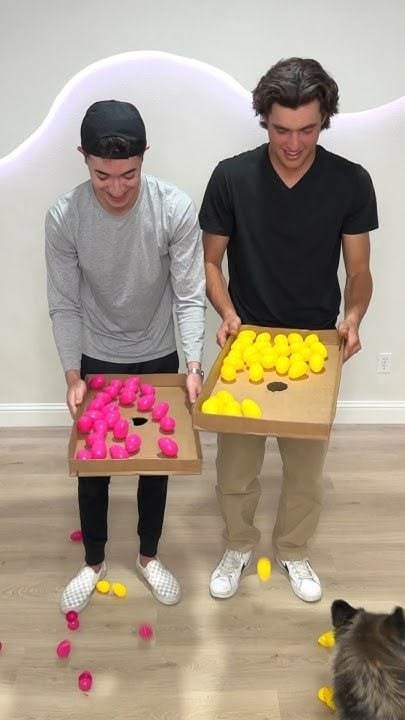
The egg drop challenge combines creativity and engineering.
Give children simple materials such as paper, tape, cotton, and cardboard. Their goal is to protect an egg from breaking during a drop.
This activity encourages planning, testing, and redesigning. Children learn that engineers often improve ideas through repeated trials.
13. Build a Marble Run
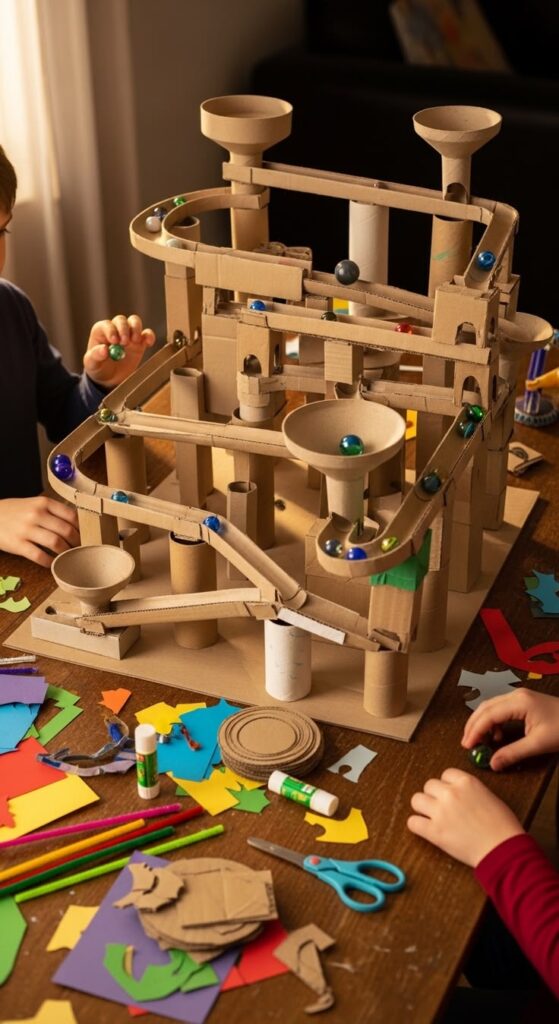
Create a marble run using cardboard tubes, paper rolls, or recycled materials.
Children design pathways and test how the marble moves through the structure. They quickly discover how gravity and angles affect motion.
For additional building inspiration, explore 23 Toilet Paper Roll Crafts for Kids That Look Surprisingly Amazing.
14. Grow Seeds in a Jar
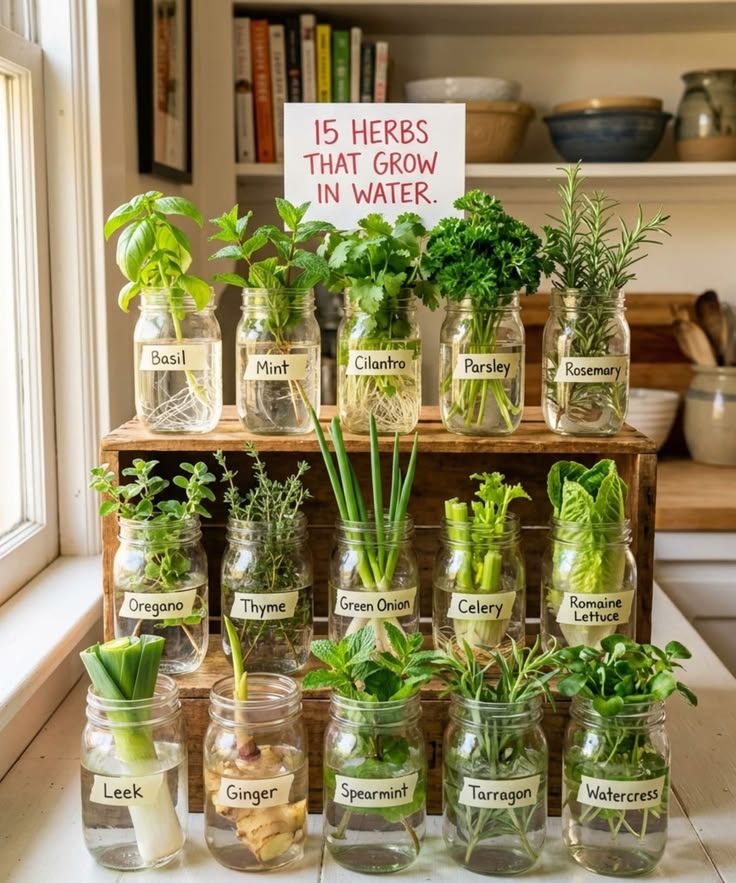
Growing plants introduces children to biology.
Place seeds in a clear container and observe changes each day. Encourage children to record growth in a journal.
This activity teaches patience while helping kids understand plant life cycles.
15. Create a Coding Maze

Draw a simple maze on paper.
Children write step-by-step instructions to move a character through the maze. This activity introduces coding concepts without using a computer.
Kids learn sequencing, logic, and problem-solving through play.
16. Design a Paper Boat

Challenge children to design a paper boat that floats.
After building their boats, test them in water. Then see how many small objects each boat can carry.
This activity encourages engineering thinking and experimentation.
17. Build a Catapult
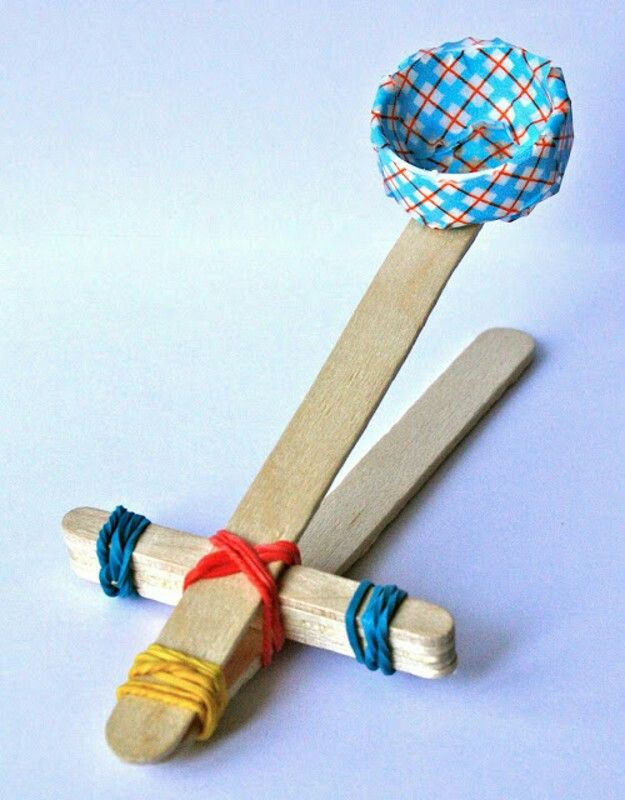
Use craft sticks, rubber bands, and a spoon to create a simple catapult.
Children can launch lightweight objects and test different designs. They learn about force, motion, and energy while having fun.
The activity also encourages creative problem-solving.
18. Shadow Tracking Investigation
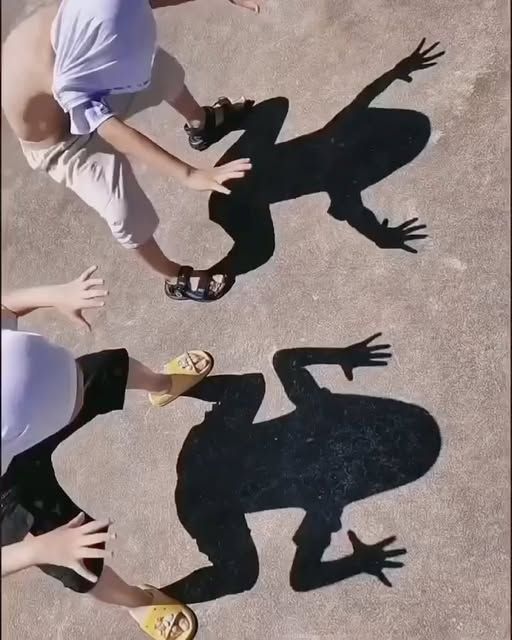
Choose a sunny day and observe a shadow at different times.
Mark the shadow’s position throughout the day. Then compare how it changes.
Children learn about sunlight, Earth’s movement, and observation skills.
19. Ice Melting Experiment
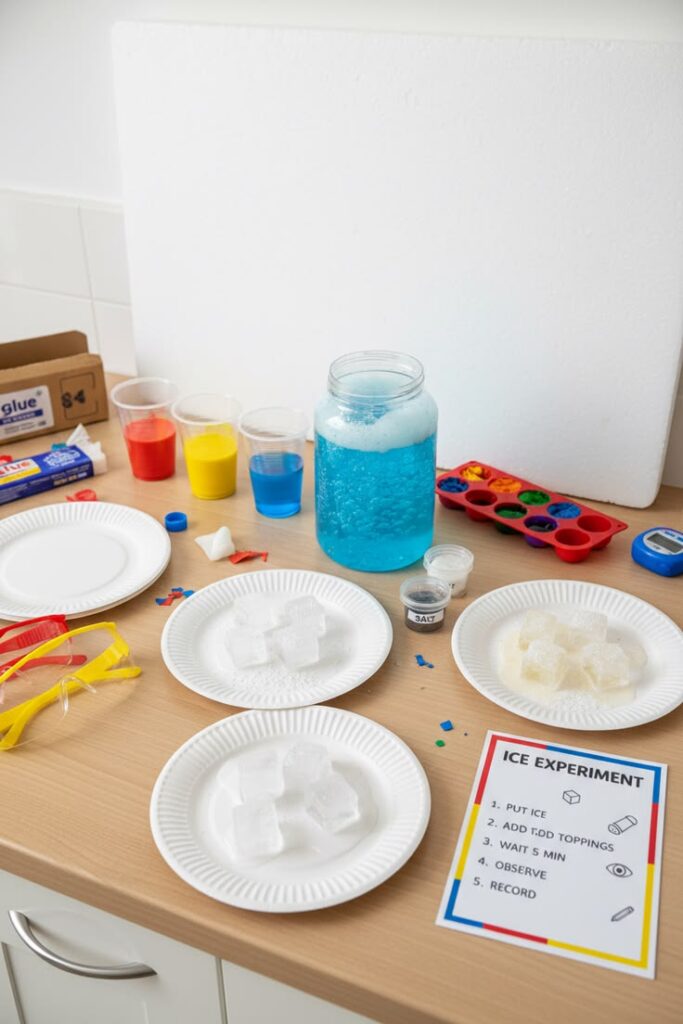
Place ice cubes in different locations or materials.
Ask children to predict which ice cube will melt first. Then compare results.
This activity introduces scientific testing and encourages critical thinking.
For more hands-on learning ideas, check out 25 Educational Activities for Kids That Are Actually Fun.
20. Create a Weather Station
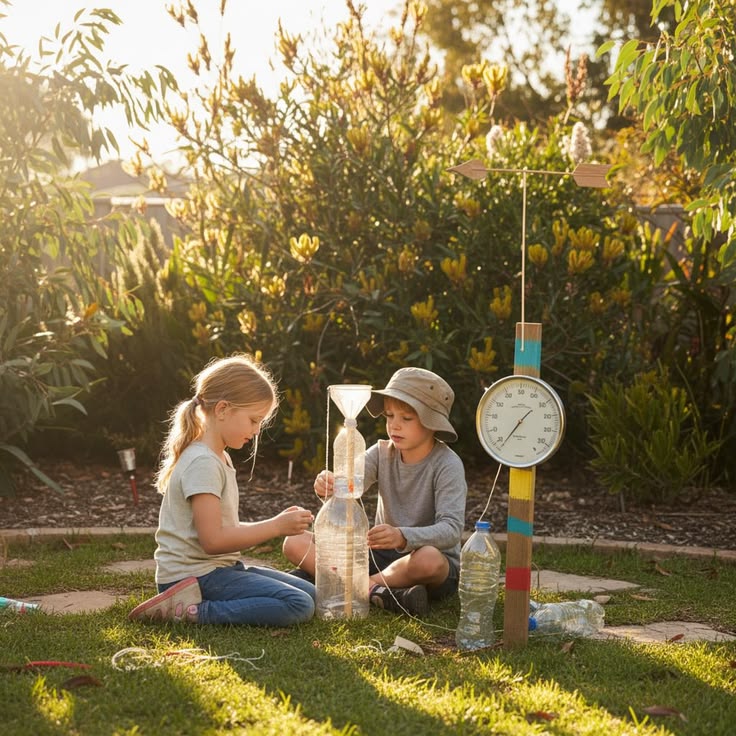
Turn part of your yard into a simple weather station.
Record temperature, cloud conditions, rainfall, and wind observations. Encourage children to track changes over time.
This activity combines science, math, and observation in one project.
21. Build a Cardboard City
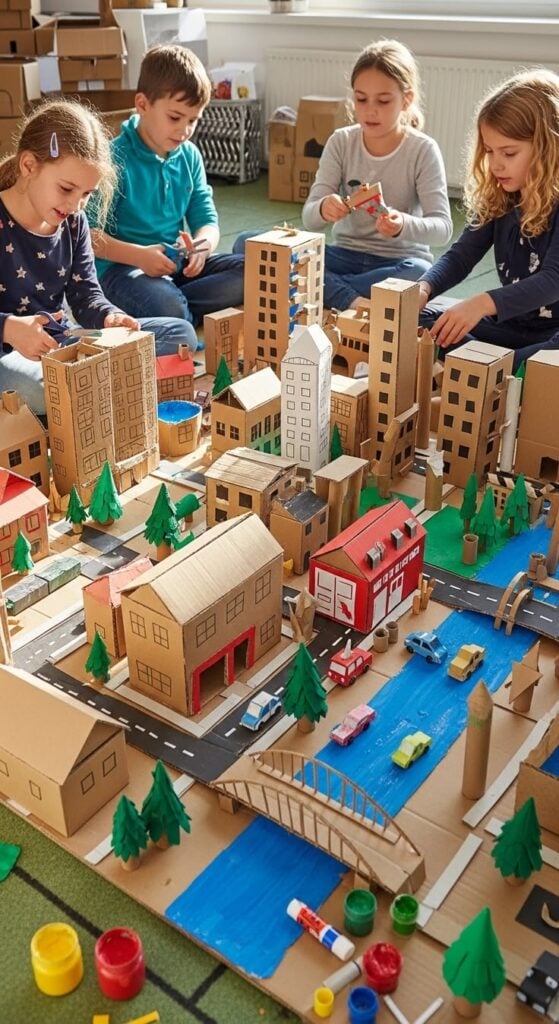
Challenge children to design a city using cardboard boxes and recycled materials.
They can create roads, bridges, buildings, and parks. This activity encourages engineering, planning, and creativity.
For inspiration, visit 31 Cardboard Craft Ideas That Turn Trash into Treasure.
22. Make a Lava Lamp Experiment
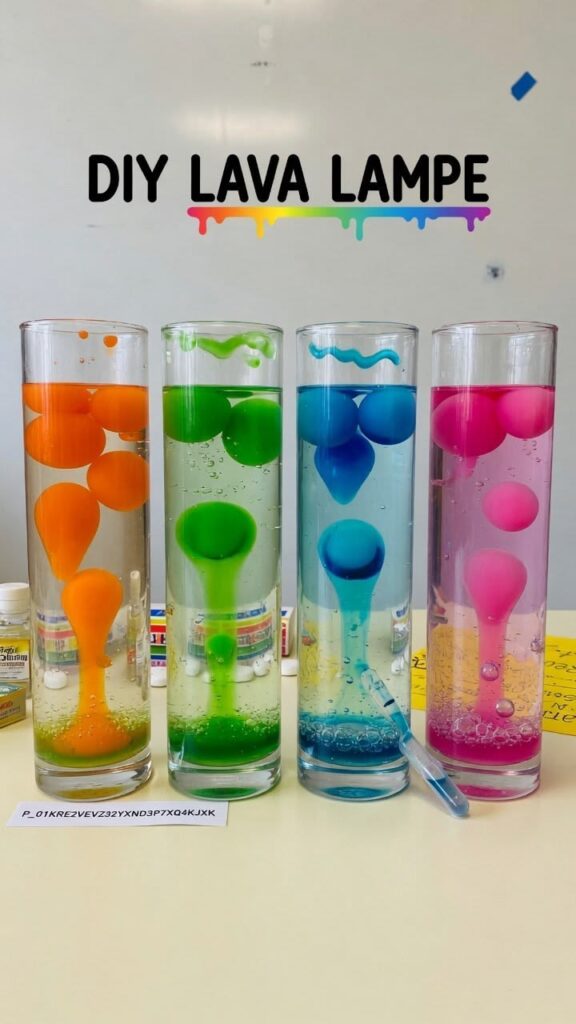
Fill a clear bottle with water and oil.
Add food coloring and a fizzing tablet. Children can observe the colorful reaction inside the bottle.
This experiment introduces density and chemical reactions in a fun way.
23. Design a Parachute

Use lightweight materials such as paper, string, and fabric.
Challenge children to create a parachute that falls slowly. Then test different designs and compare results.
This activity teaches engineering concepts while encouraging experimentation.
24. Build a Simple Pulley

Create a basic pulley system using string and household objects.
Children can lift small items and explore how pulleys make work easier.
This activity introduces simple machines and problem-solving skills.
25. Create a Pattern Hunt
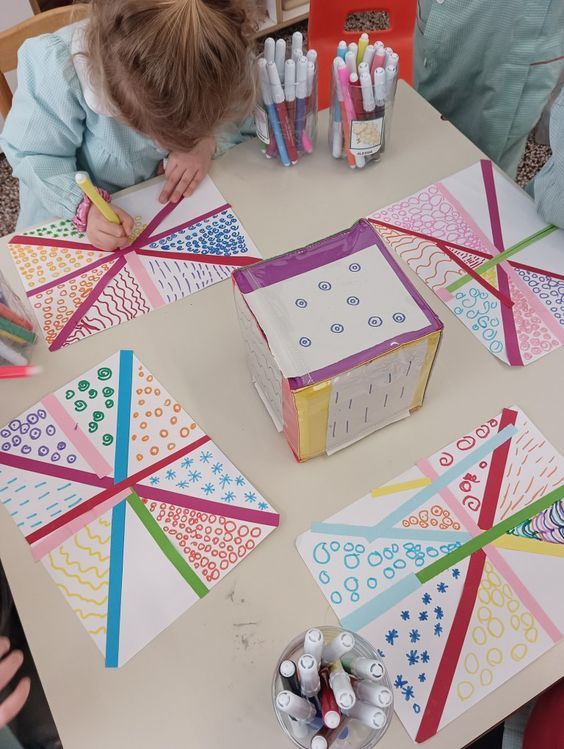
Ask children to search for patterns around the home or outdoors.
They can find patterns in leaves, tiles, clothing, or architecture.
This activity strengthens observation skills while introducing mathematical thinking.
26. Construct a Paper Roller Coaster

Provide paper strips, tape, and a marble.
Children design tracks and test how the marble travels through them. They quickly learn how slopes and curves affect motion.
This project combines creativity with engineering principles.
27. Build a Space Lander
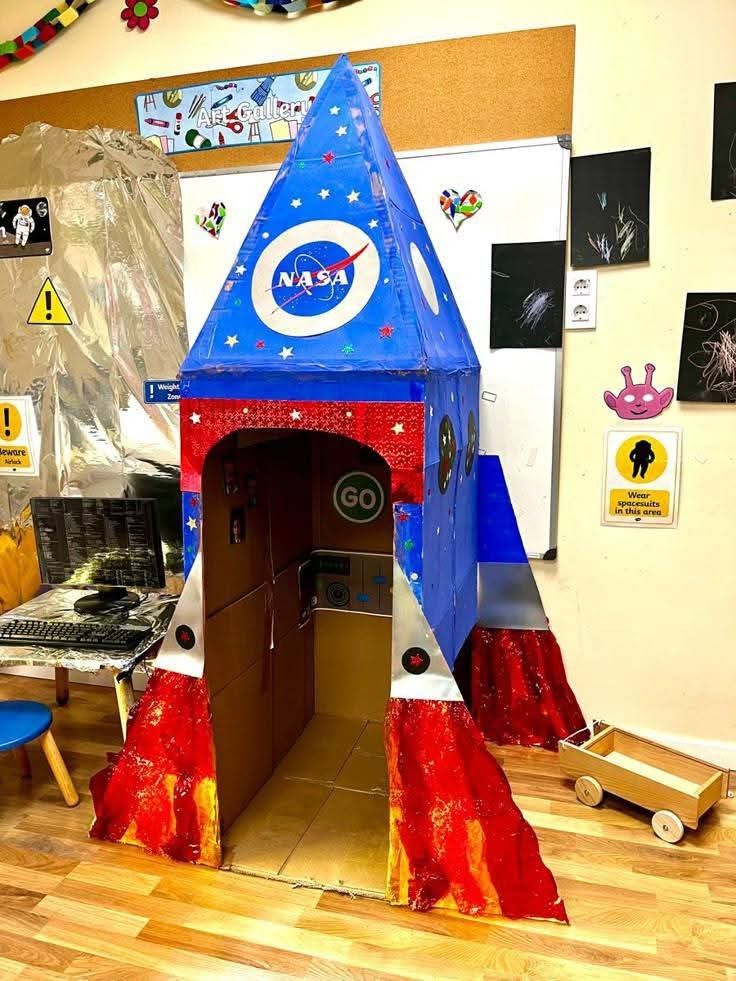
Challenge children to design a structure that protects a small object during a fall.
Pretend the object represents a spacecraft landing on another planet.
Children who enjoy space themes may also love 25 Space Crafts for Kids That Feel Out of This World.
28. Create a Water Filtration Experiment
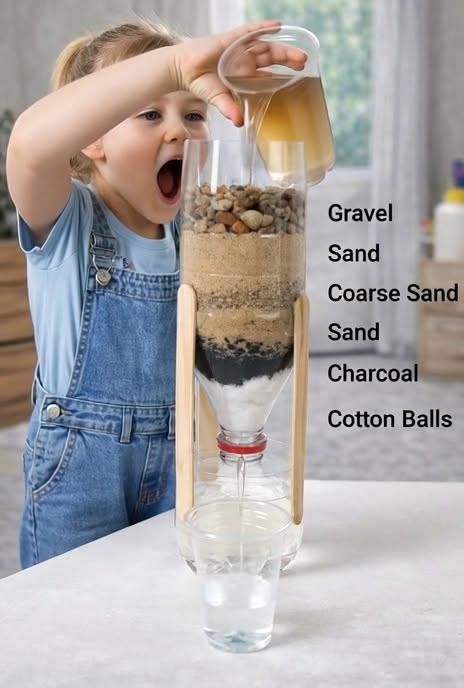
Use sand, gravel, cotton, and containers to create a simple filtration system.
Children can observe how different materials affect the cleaning process.
This activity introduces environmental science and engineering concepts.
29. STEM Activity Challenge Day
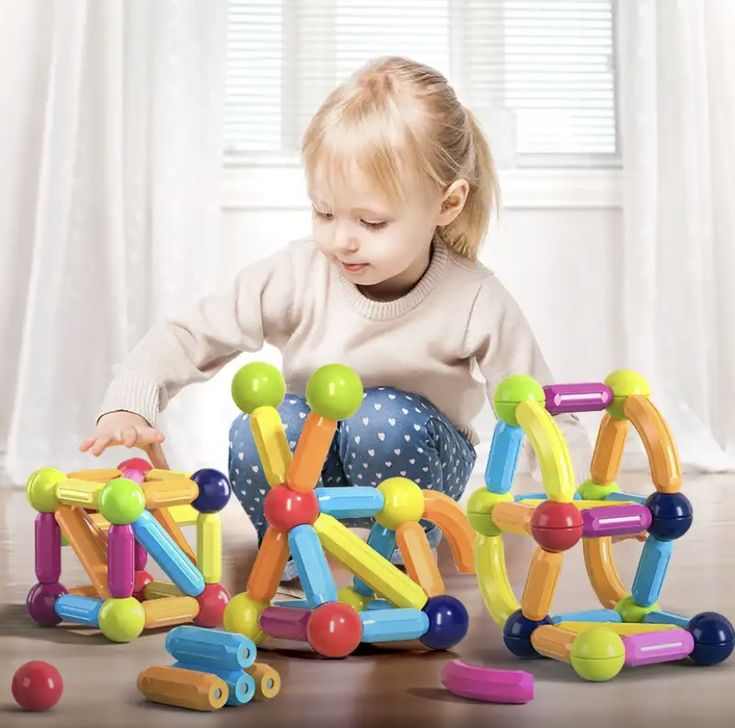
Combine several STEM Activities for Kids into one exciting day.
Start with an experiment, add a building challenge, and finish with an outdoor investigation. Children stay engaged because every activity feels different.
This approach encourages curiosity while making learning feel like an adventure.
These STEM Activities for Kids prove that learning does not have to feel like a lesson. When children can build, test, explore, and create, they become excited about discovering how the world works. Simple experiments and hands-on projects often spark curiosity far more effectively than traditional worksheets or lectures.
The best STEM Activities for Kids encourage creativity, critical thinking, problem-solving, and perseverance. Children learn valuable science, technology, engineering, and math concepts while having fun. At the same time, they develop confidence, independence, and a love for learning that can last for years.
Try a few of these STEM Activities for Kids and watch how quickly learning becomes an adventure. Before long, your children may start asking questions, creating experiments, and inventing their own projects. Those moments of curiosity often become the foundation for lifelong learning and discovery.