Kids learn best when they move, touch, and explore. That is why Fine Motor Activities for Preschoolers matter so much in early development. These simple activities help little hands grow stronger and more controlled.
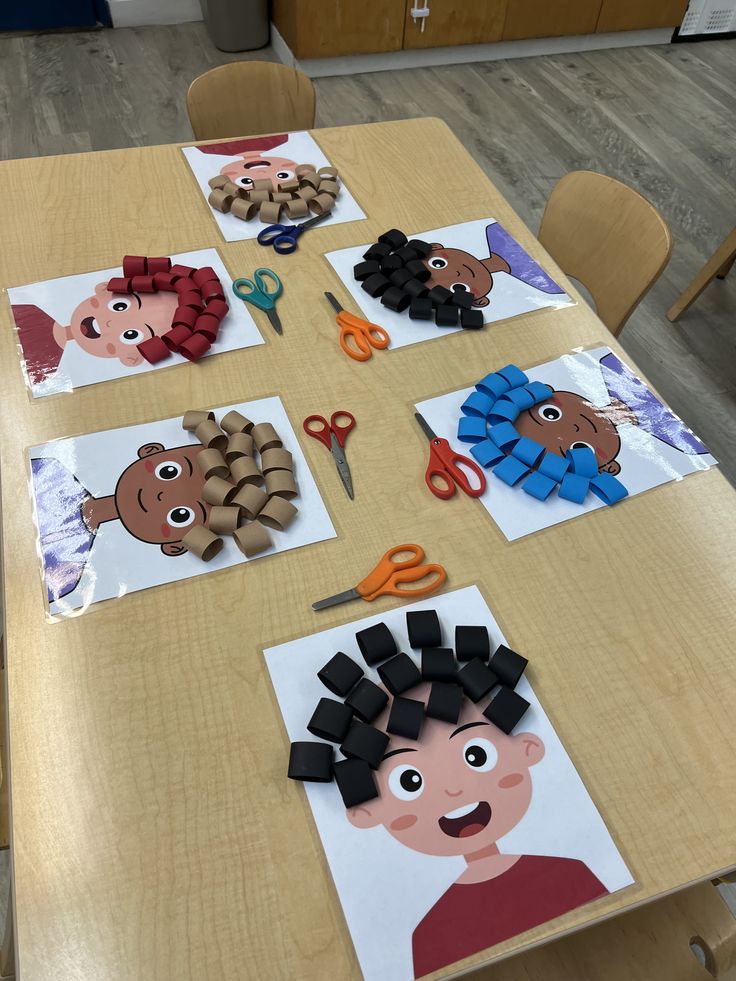
Fine Motor Activities for Preschoolers support everyday skills like writing, buttoning clothes, and holding small objects. Children build these abilities through play, not pressure. Each small movement strengthens coordination and confidence.
Parents also enjoy these activities because they use simple materials found at home. No complicated setup slows down learning or fun.
If your child enjoys hands-on creativity, explore 27 Paper Plate Crafts for Kids That Are Budget-Friendly and Fun for more easy craft ideas.
These activities also keep kids focused for longer periods. They learn patience while finishing small tasks step by step.
For even more creative movement-based ideas, check out 17 Pipe Cleaner Crafts for Kids That Are Fun to Twist Together.
Why Fine Motor Activities for Preschoolers Matter
Fine motor skills shape early childhood development in powerful and lasting ways. They help children use their hands with control, accuracy, and purpose in everyday tasks that build independence over time.
Fine Motor Activities for Preschoolers strengthen finger muscles through simple, hands-on play that feels fun, engaging, and natural for young children, even when they do not realize they are learning.
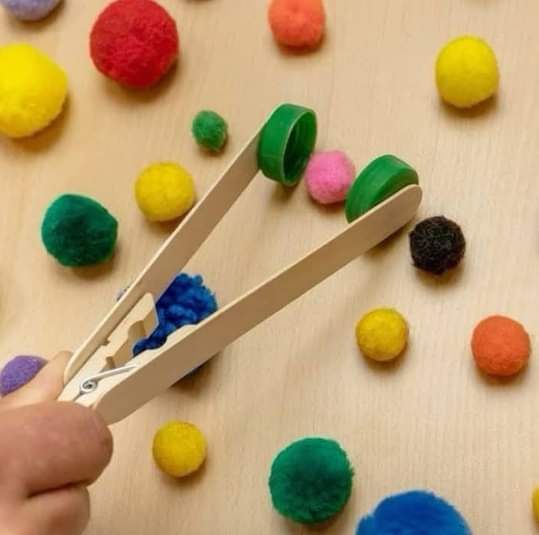
Kids learn how to grip, pinch, squeeze, twist, and hold objects properly, which builds the foundation for more advanced coordination skills later in school and daily life.
These early movements may look small, but they play a major role in brain development, motor planning, and physical control during key growth stages. They also support stronger bilateral coordination, where both hands work together to complete one task smoothly and efficiently.
These skills later support writing, drawing, cutting, coloring, and overall school readiness, making classroom tasks easier, faster, and less stressful for children. In addition, children build confidence when they complete small tasks on their own without constant help from adults or repeated instructions.
They feel proud when they cut paper, draw shapes, build objects, or finish simple creative projects from start to finish with minimal support. Each success encourages them to try more complex activities, which strengthens both skill development and self-belief over time.
As a result, children develop patience, focus, and persistence, which helps them handle challenges more calmly and independently. They also improve attention span because they must stay engaged long enough to complete each step carefully. Over time, these repeated small wins build a strong learning foundation that supports academic growth and everyday life skills.
27 Fine Motor Activities for Preschoolers That Build Important Skills
1. Bead Threading Activity
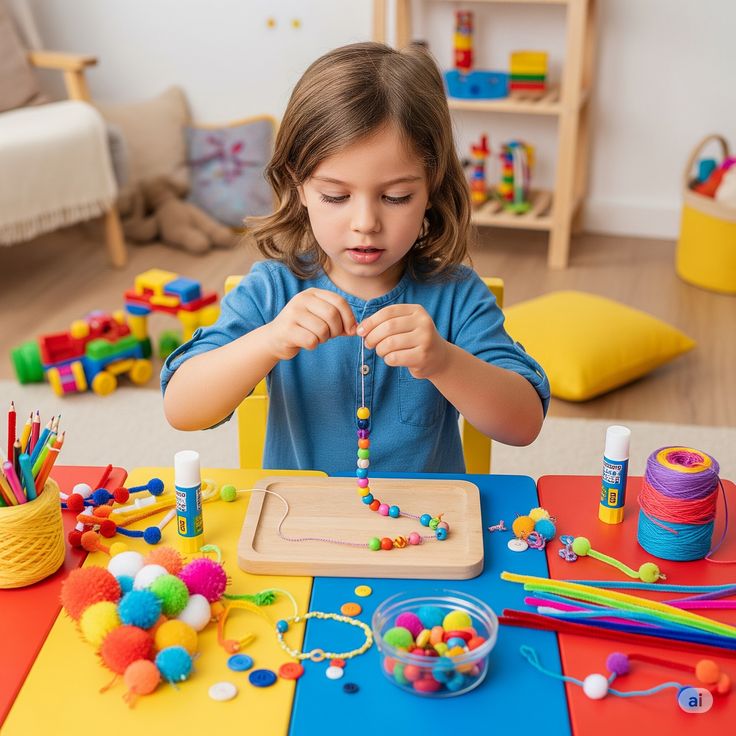
Bead threading is a classic fine motor activity that helps preschoolers strengthen hand muscles, improve coordination, and develop concentration while having fun. Children love choosing colorful beads and creating simple patterns as they work. Activities like this fit perfectly into creative play spaces, and you can find more inspiration in these Kids Playroom Ideas That Keep Kids Busy for Hours.
How It Works
Provide large wooden or plastic beads and a thick string or shoelace. Encourage your child to thread the beads onto the string one at a time. Younger preschoolers can focus on basic threading skills, while older children can create color patterns, sort beads by size, or count each bead as they go.
Why It Helps
- Strengthens hand and finger muscles.
- Improves hand-eye coordination.
- Builds concentration and attention to detail.
- Encourages patience and persistence.
- Supports the fine motor skills needed for writing, drawing, and other classroom activities.
2. Playdough Shape Building
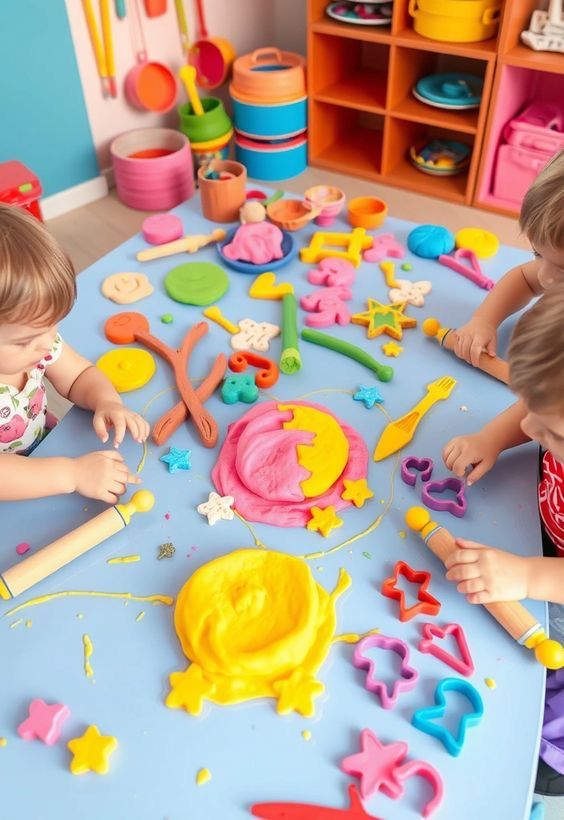
Playdough offers endless opportunities for creative learning and sensory exploration. Many parents love this activity because children stay engaged while strengthening their hands naturally. It can also be a great addition to play spaces designed for hands-on learning, such as these Active Kids Room Ideas That Encourage Play and Movement.
How It Works
Kids roll, pinch, squeeze, flatten, and shape the dough into different objects, animals, letters, or simple creations.
Why It Helps
These movements strengthen finger muscles, improve hand control, and develop the fine motor skills needed for writing, drawing, and other everyday tasks.
3. Clothespin Pinching Game
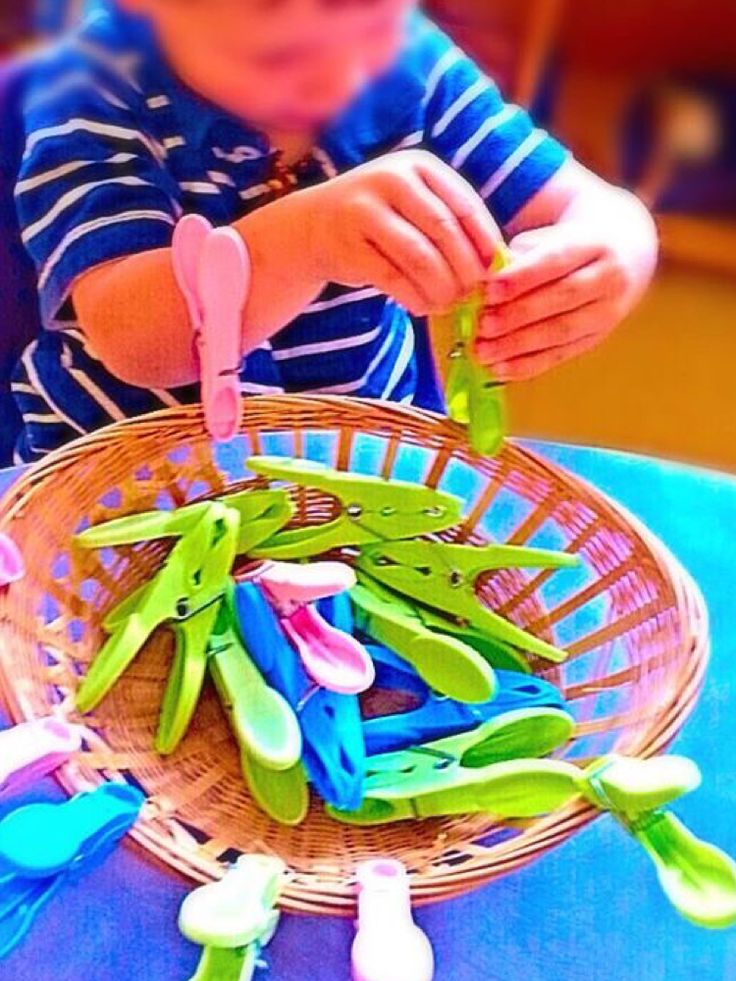
This simple activity delivers impressive developmental benefits. Children often view it as a game, but it strengthens important hand muscles.
How It Works
Kids use clothespins to pick up objects.
Why It Helps
This strengthens finger grip power.
For more hand-strength ideas, explore 17 Pipe Cleaner Crafts for Kids That Are Fun to Twist Together.
4. Sticker Placement Activity
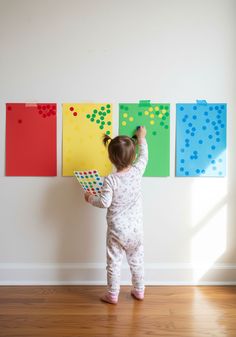
Children naturally enjoy colorful stickers, making this an easy activity to set up at home, in classrooms, or during quiet time. Sticker play also encourages creativity as kids decorate pictures, create scenes, or complete themed activity pages. For even more engaging ways to keep children busy while learning, explore these Kids Playroom Ideas That Keep Kids Busy for Hours.
How It Works
Give your child a sheet of stickers and a piece of paper, coloring page, or themed worksheet. Encourage them to carefully peel each sticker from the backing and place it in a specific spot or create their own design. You can also turn it into a learning activity by asking children to sort stickers by color, shape, or size.
Why It Helps
- Improves finger strength and dexterity.
- Develops finger precision and control.
- Strengthens hand-eye coordination.
- Encourages focus and attention to detail.
- Builds the fine motor skills needed for writing, drawing, and other school activities.
5. Cutting Practice with Paper Strips
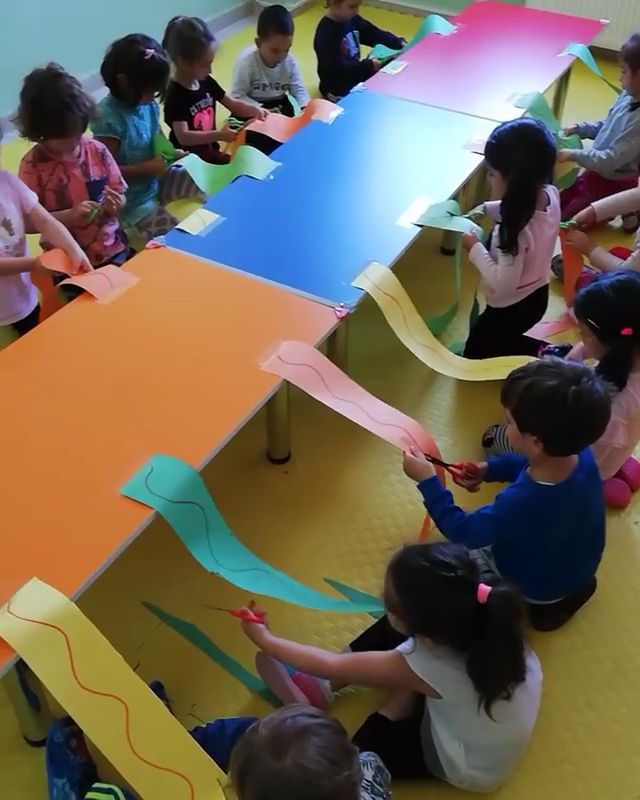
Scissors help build coordination.
How It Works
Kids cut straight paper lines.
Why It Helps
This builds hand strength and focus.
6. Pom-Pom Sorting Game
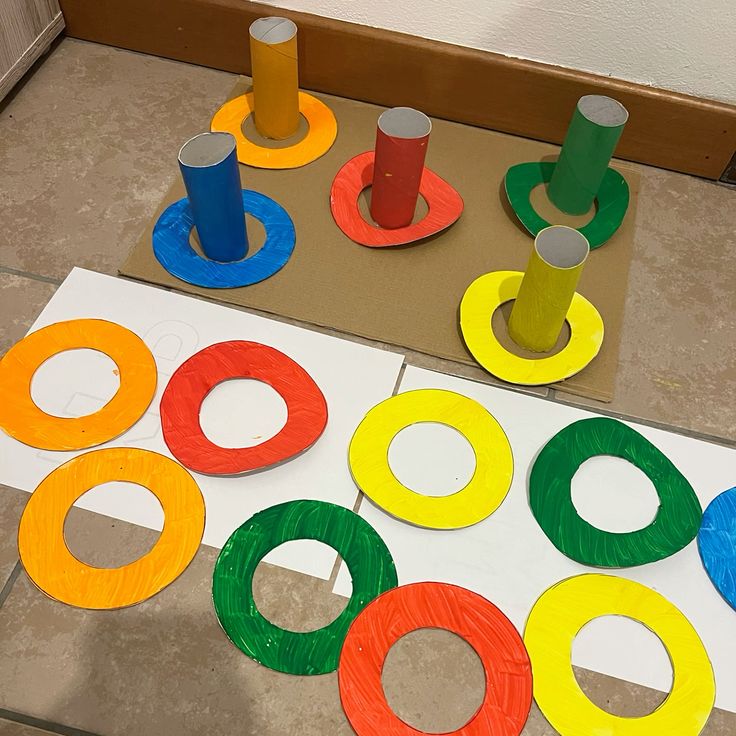
Colors make learning exciting.
How It Works
Kids sort pom-poms into cups.
Why It Helps
This improves grip and decision-making skills.
7. Button Sorting Activity
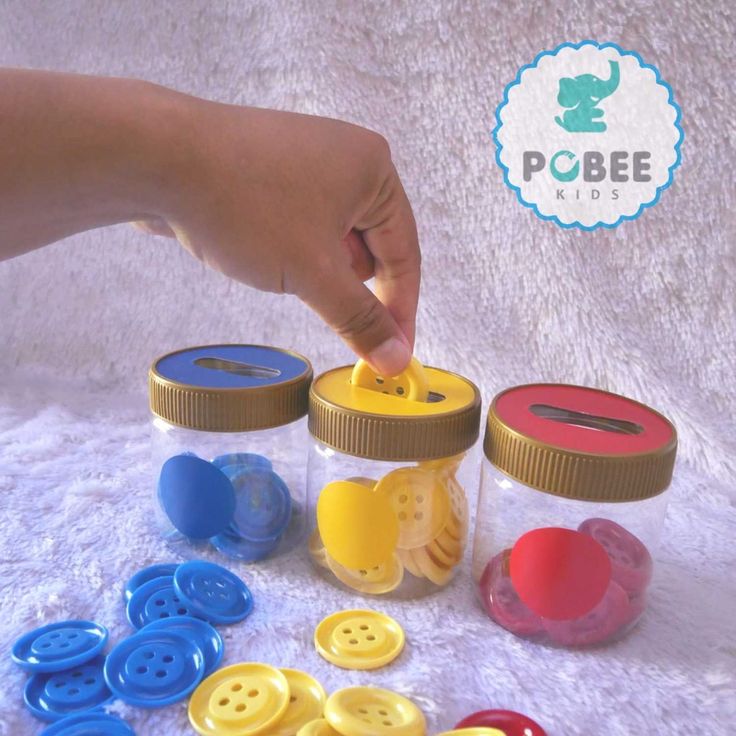
Buttons create hands-on learning.
How It Works
Kids sort buttons by size or color.
Why It Helps
This improves attention to detail.
8. Pipe Cleaner Shape Making
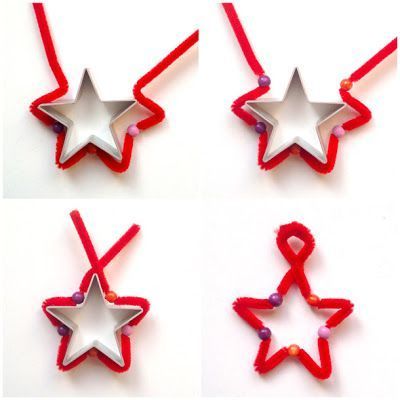
Shapes bring creativity alive.
How It Works
Kids bend pipe cleaners into shapes.
Why It Helps
They improve finger flexibility.
9. Lacing Cards Activity
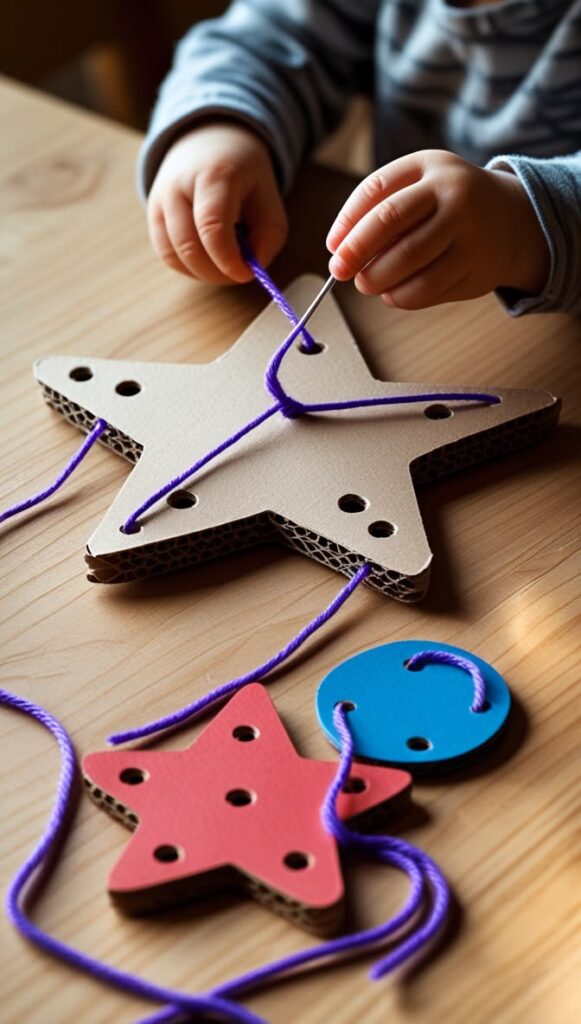
Threading builds strong coordination.
How It Works
Kids lace string through punched holes.
Why It Helps
This supports early writing control.
10. Finger Painting Fun
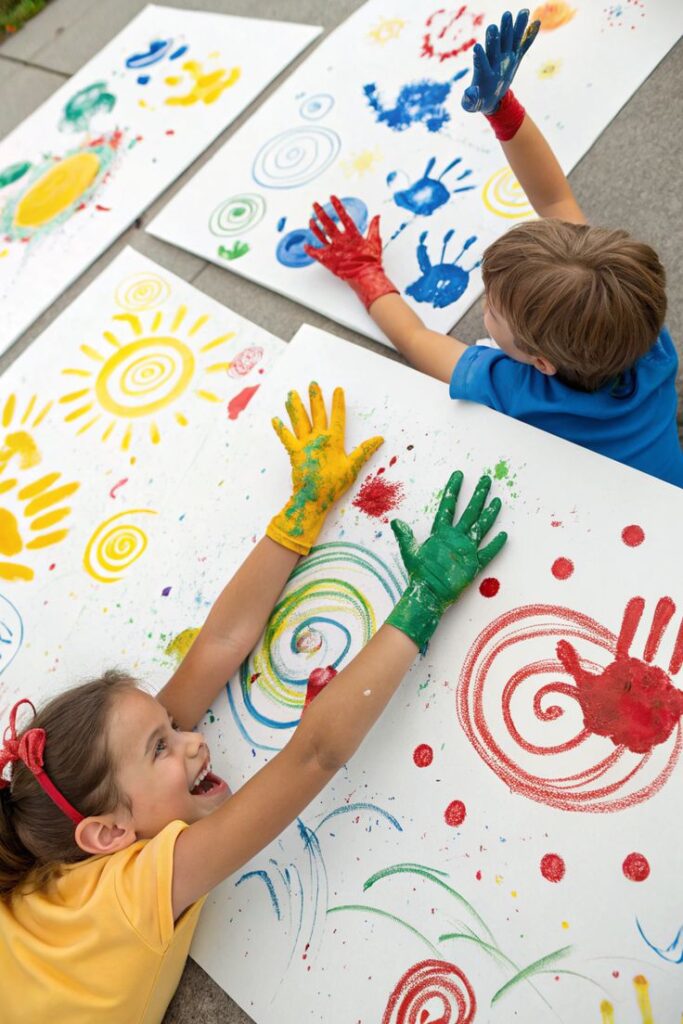
Painting builds sensory awareness.
How It Works
Kids paint using fingers on paper.
Why It Helps
They improve touch and creativity.
11. LEGO Building Play
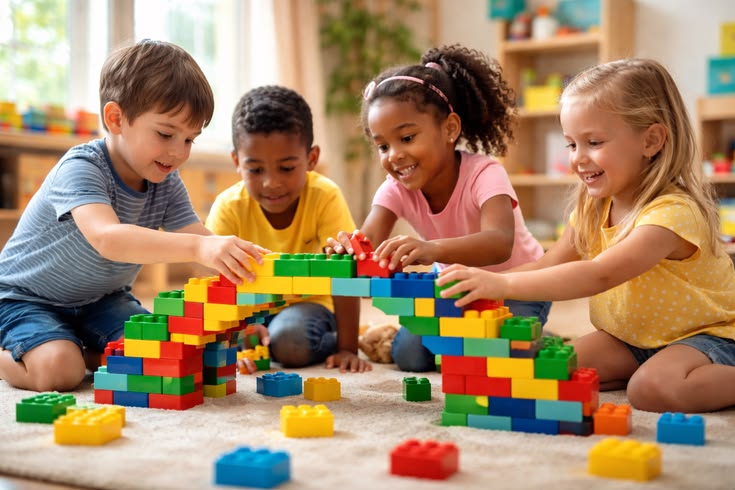
Blocks support structured thinking.
How It Works
Kids stack and connect LEGO pieces.
Why It Helps
This improves precision and planning.
For more building ideas, explore 31 Cardboard Craft Ideas for Kids That Turn Trash into Treasure.
12. Cotton Swab Painting
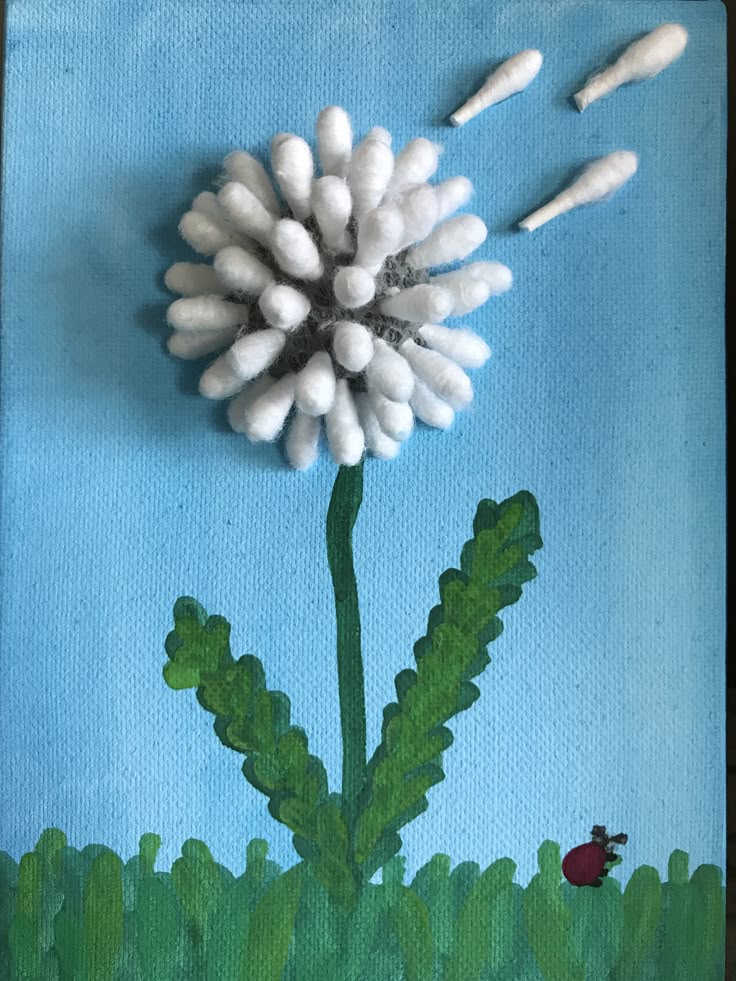
Small tools improve control.
How It Works
Kids use cotton swabs as paint brushes.
Why It Helps
They build steady hand movement.
13. Sorting Household Objects
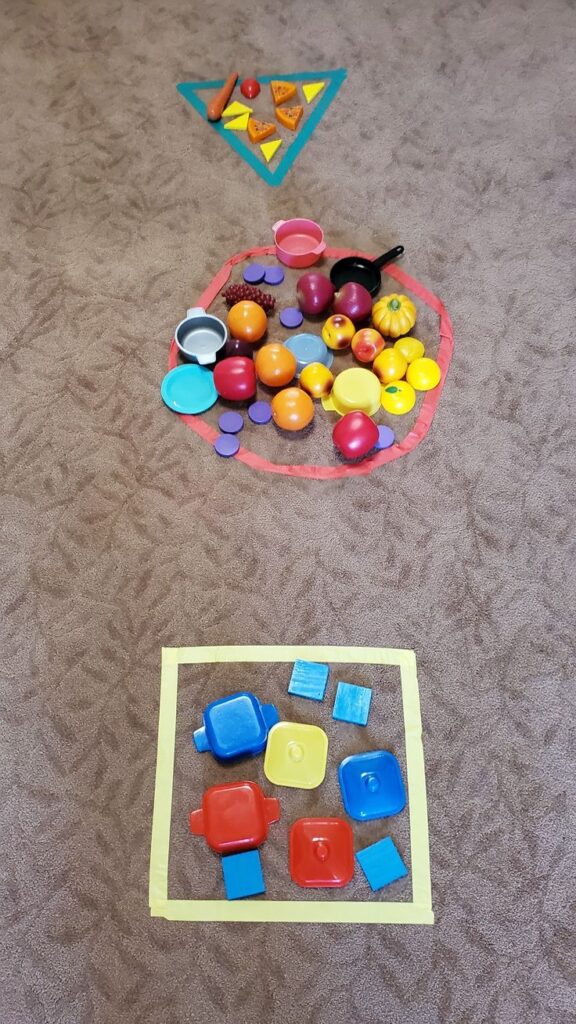
Everyday items become learning tools.
How It Works
Kids sort coins, buttons, or caps.
Why It Helps
This strengthens observation skills
14. Paper Crumpling Art
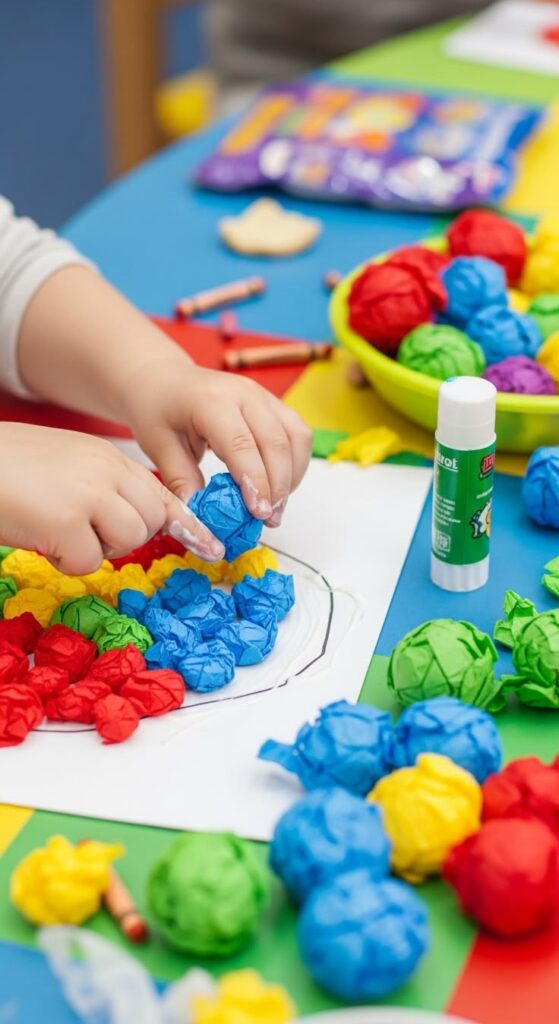
Simple actions build strength.
How It Works
Kids crumple paper into small balls.
Why It Helps
This improves finger muscle control.
15. Puzzle Assembly Game
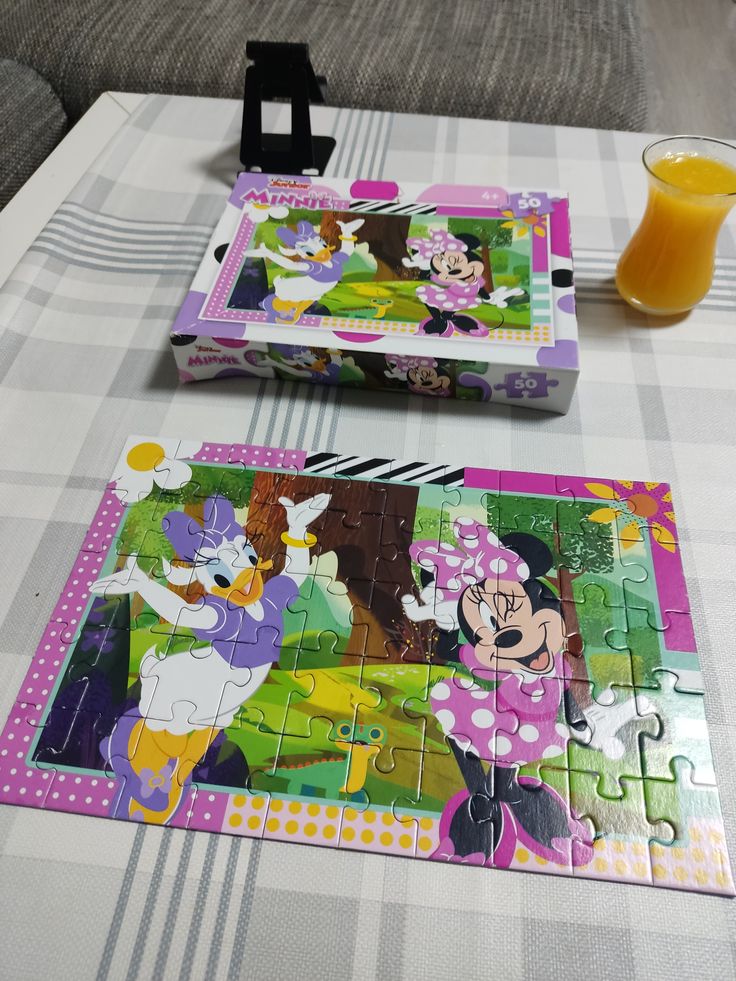
Puzzles build problem-solving.
How It Works
Kids match puzzle pieces together.
Why It Helps
This improves patience and focus.
16. Pasta Necklace Craft
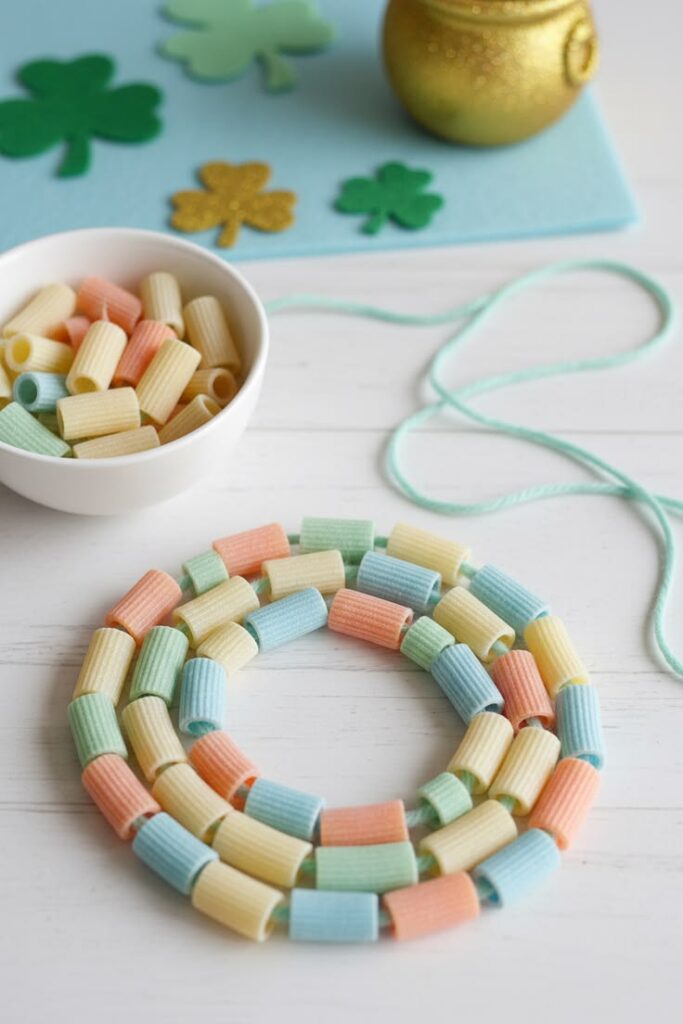
Kids thread dry pasta onto strings.
They can paint pasta for extra fun.
This builds grip strength and coordination.
17. Bead Sorting Cups
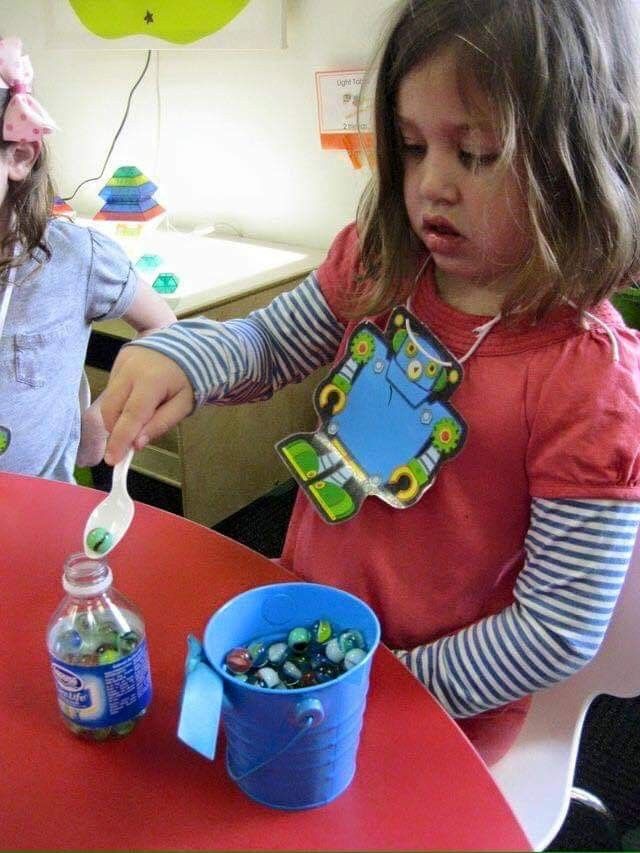
Kids sort beads into labeled cups.
They use tweezers or fingers.
This improves precision and control.
18. Sensory Rice Scoop Play
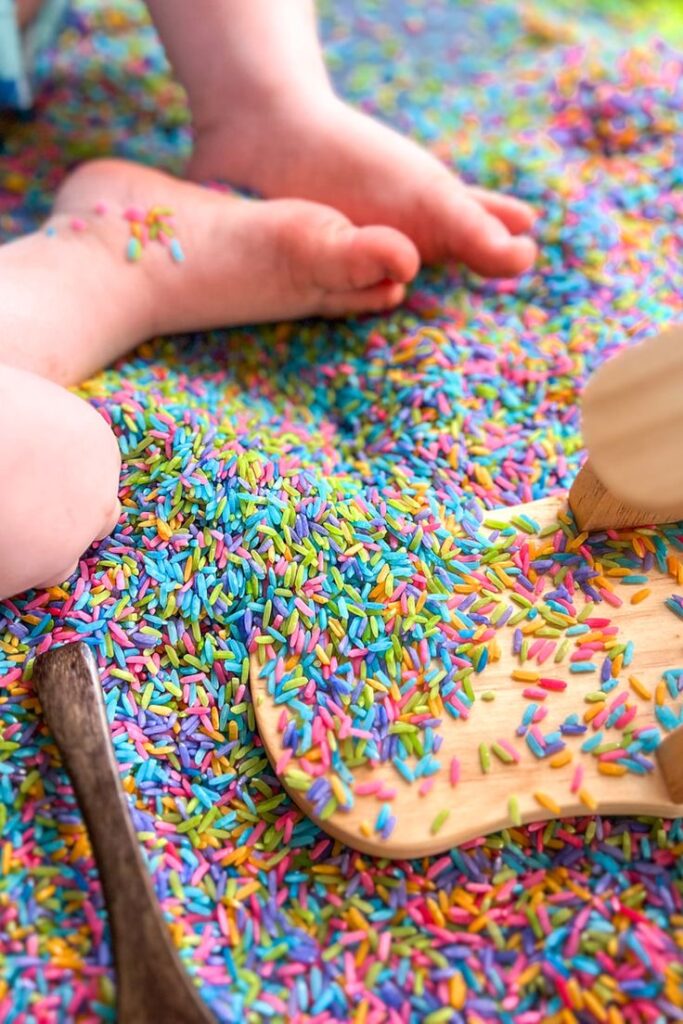
Kids scoop rice with small spoons.
They transfer it between bowls.
This strengthens hand stability.
19. Hole Punch Art Cards
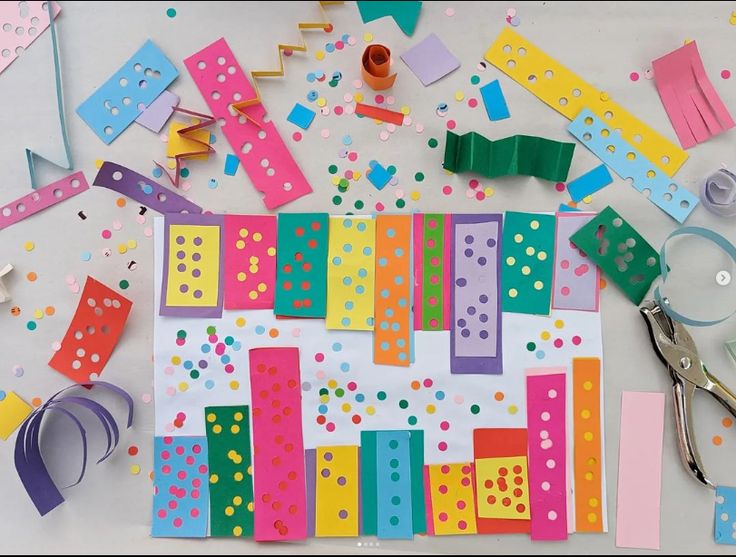
Kids punch holes in paper shapes.
They follow simple patterns.
This builds finger strength.
20. Pipe Cleaner Bead Bracelets
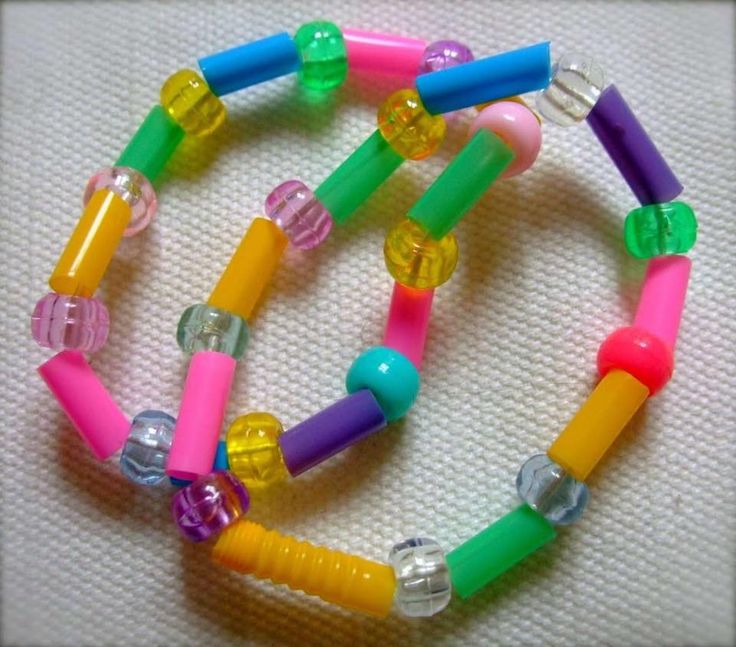
Kids bend and twist pipe cleaners.
They slide beads onto each one.
This improves dexterity and focus.
21. Sponge Cutting Practice
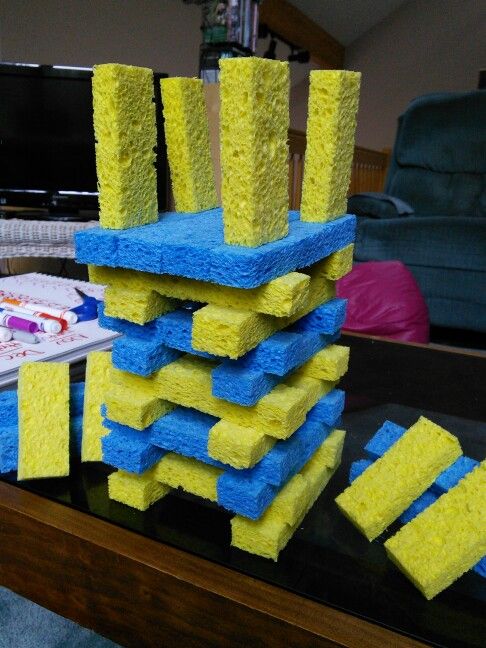
Kids cut soft sponges safely.
They follow straight or curved lines.
This builds scissor control.
22. Straw Cutting Activity
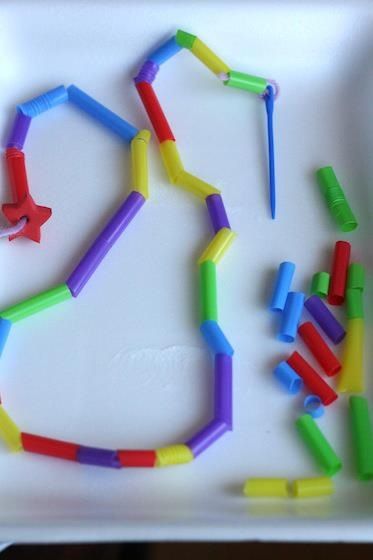
Kids cut colorful straws into pieces.
They sort pieces by color.
This improves coordination and control.
23. Paper Tearing Collage
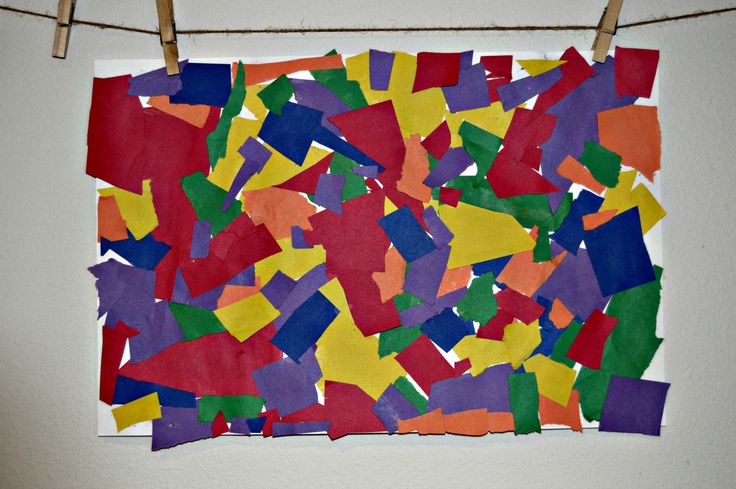
Kids tear paper into small pieces.
They glue pieces into shapes.
This strengthens finger muscles.
24. Coin Drop Challenge
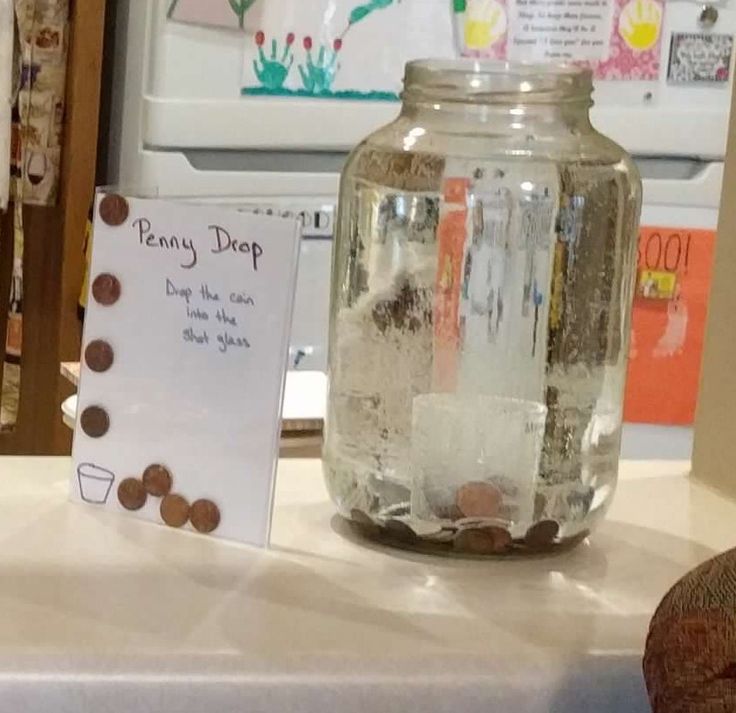
Kids drop coins into narrow slots.
They try different angles.
This improves precision skills.
25. Rubber Band Stretch Board
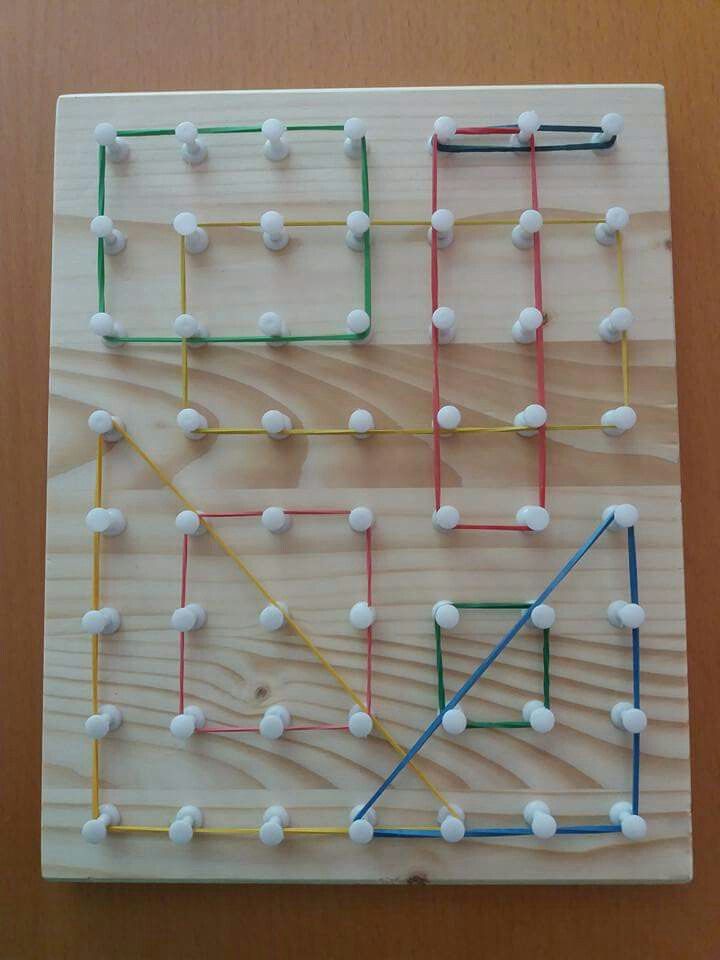
Kids stretch rubber bands on boards.
They form shapes and patterns.
This builds finger strength.
26. Mini Pegboard Patterns
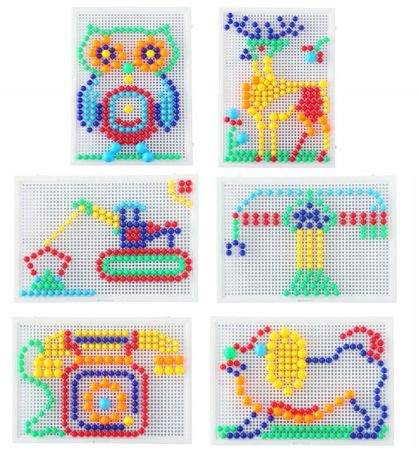
Kids place pegs into holes.
They copy simple designs.
This improves focus and accuracy.
27. String Wrapping Activity
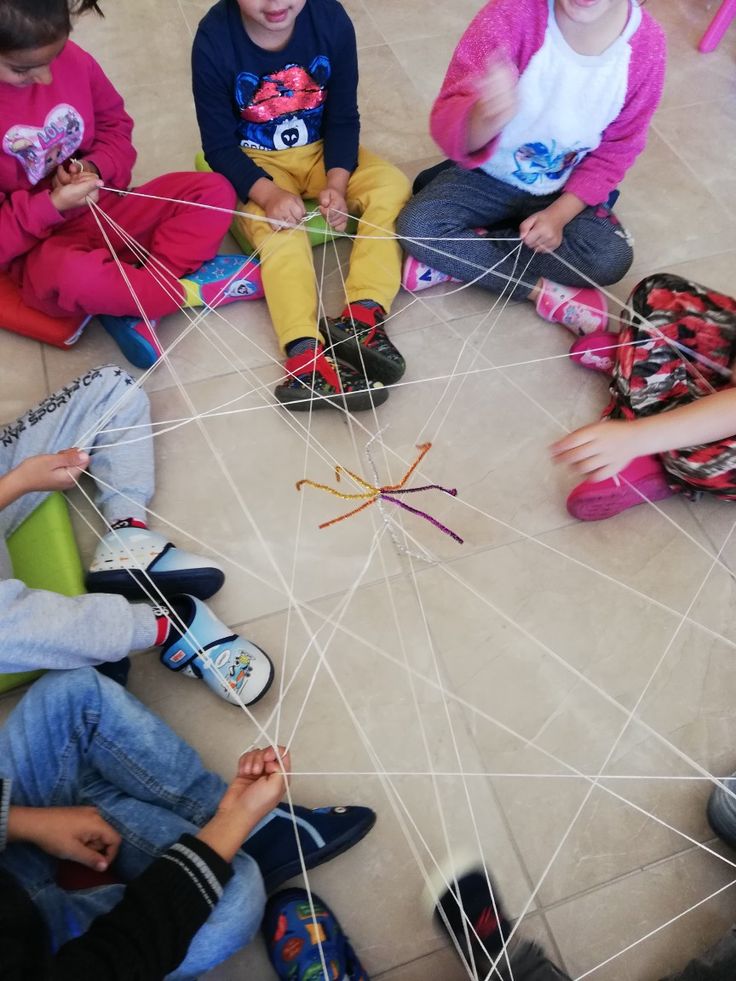
Kids wrap yarn around objects.
They create simple wrapped designs.
This builds endurance and control.
Benefits of Fine Motor Activities for Preschoolers
Fine Motor Activities for Preschoolers support many areas of early learning and child development in meaningful and lasting ways.
Kids improve writing readiness as they learn to control pencils, crayons, scissors, and small tools with better precision and steady hand movement.
They also develop stronger control over hand and finger movements, which helps them complete everyday self-care tasks like buttoning clothes and holding utensils.
These activities strengthen focus and patience because children must slow down, observe carefully, and complete small step-by-step actions without rushing.
Children also build independence through regular practice, which helps them feel confident doing tasks on their own without constant adult support.
They improve hand-eye coordination, which supports both academic learning and playful activities like drawing, building, and crafting.
Kids also gain problem-solving skills as they figure out how to complete each activity, adjust their movements, and try again when something does not work.
In addition, fine motor practice supports early brain development by strengthening connections linked to memory, attention, and coordination.
These activities also encourage creativity because children explore different ways to use materials and tools.
For more learning support, explore 29 STEM Activities for Kids That Make Learning Feel Like Play and discover more hands-on educational ideas that blend fun with learning.
Frequently Asked Questions
What are Fine Motor Activities for Preschoolers?
Fine Motor Activities for Preschoolers are simple hands-on tasks that help children develop control over small hand and finger movements. These activities include cutting, threading, pinching, drawing, and building with small objects.
Why are fine motor skills important for preschoolers?
Fine motor skills help children complete everyday tasks like writing, dressing, and eating independently. They also support school readiness and improve coordination, focus, and confidence.
At what age should children start fine motor activities?
Children can start simple Fine Motor Activities for Preschoolers as early as toddler age. Activities should match their ability level and gradually increase in difficulty as they grow.
How often should preschoolers do fine motor activities?
Preschoolers benefit from short daily practice sessions. Even 10–20 minutes of consistent activity can improve hand strength, coordination, and focus over time.
What materials can I use for fine motor activities at home?
You can use everyday items like paper, crayons, beads, clothespins, playdough, buttons, straws, and cardboard. These simple materials make learning fun and affordable.
Can fine motor activities help with writing skills?
Yes, Fine Motor Activities for Preschoolers directly support early writing skills. They strengthen finger muscles and improve pencil control, which helps children write more clearly and confidently later on.
Final Thoughts
Fine Motor Activities for Preschoolers give children a strong foundation for school success, daily independence, and lifelong learning skills.
Kids build hand strength, coordination, control, and precision through simple, playful, and engaging activities that feel natural, enjoyable, and stress-free.
They also develop confidence as they complete tasks on their own, solve small challenges, and see real progress over time, which motivates them to keep learning and improving.
Parents benefit from easy, low-cost activities that fit into daily routines without stress, pressure, or complicated preparation.
Most importantly, children learn while having fun, which helps them develop a positive attitude toward learning from an early age.
Consistent practice makes a powerful difference in early development, even with just a few minutes each day, and the results grow steadily over time.
Keep encouraging small daily activities, because big skills always grow from small hands, simple actions, and meaningful moments of play that build lifelong confidence and ability.