When I first started decorating my children’s bedrooms, I thought I needed new furniture, fancy decorations, and lots of expensive accessories to make the room feel different. However, I quickly discovered that one simple change could completely transform a space. That change was paint. A fresh coat of paint can make a room feel brighter, bigger, cozier, or more playful almost instantly. That is why I love exploring different kids room paint ideas.
As parents, we often watch our children’s interests change as they grow. One year they love animals, and the next year they become obsessed with space or dinosaurs. Fortunately, paint gives us an easy way to refresh a room without replacing everything inside it. With the right color, even an old bedroom can feel brand new again.
If you are looking for kids room paint ideas that instantly refresh the space, you are in the right place. Whether you want something bold and exciting or calm and cozy, these ideas can help you create a room your child will love. Best of all, many of these paint ideas work with furniture and decorations you already own, making them both practical and affordable.
1. Paint the Room a Soft color
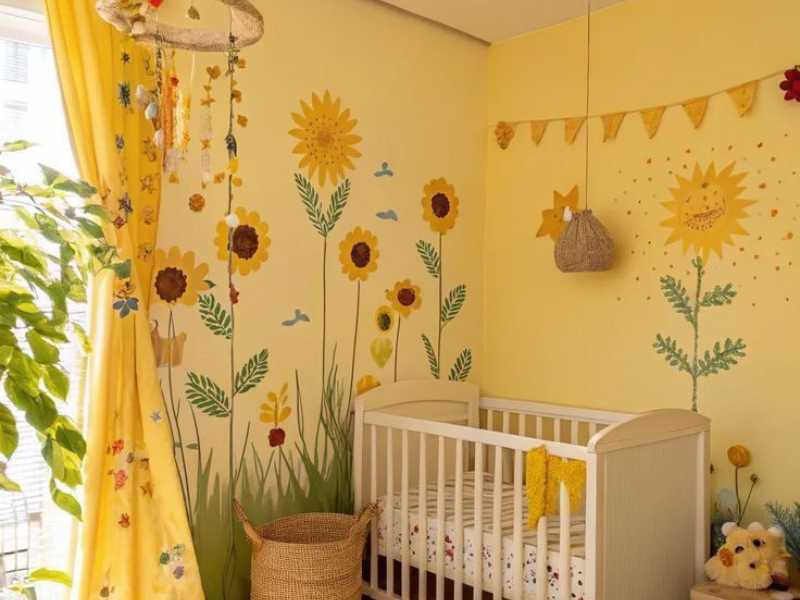
A soft sky blue color can instantly make a bedroom feel peaceful and cheerful. A soft sky blue color can instantly make a bedroom feel peaceful and cheerful, and it pairs beautifully with kids room rug ideas that add warmth and personality to create a soft and cozy atmosphere.
Many children love looking at the sky, watching clouds float by, and imagining adventures high above the ground. Bringing that feeling into the bedroom creates a calm environment that still feels fun and playful.
Additionally, sky blue works beautifully with many different decorating themes. It pairs well with airplanes, clouds, rainbows, stars, animals, and even ocean-inspired decor.
Another reason parents love this color is its versatility. It works equally well for toddlers, young children, and older kids. As your child grows, you can easily update the room’s decorations while keeping the same wall color.
The result is a room that feels fresh, bright, and welcoming every single day.
2. Choose a Warm Cream Color
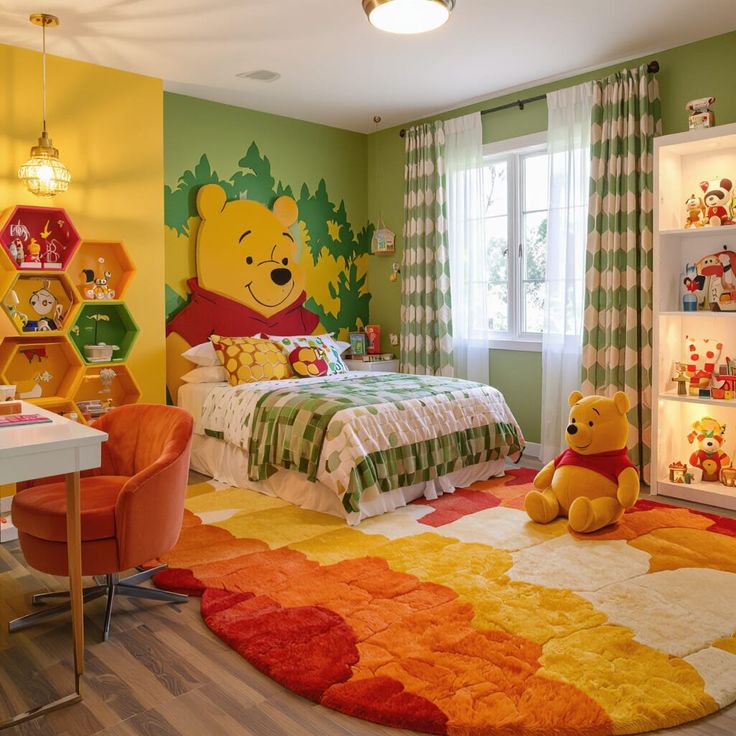
Cream walls create a cozy atmosphere that never feels outdated. Cream walls create a cozy atmosphere that never feels outdated, and they work beautifully with Scandinavian kids room ideas that feel clean and cozy for a timeless and calming bedroom design.
Unlike bright white walls, warm cream shades feel softer and more inviting. They help reflect natural light while adding a touch of warmth to the room.
Additionally, cream provides an excellent backdrop for colorful toys, books, artwork, and bedding. Everything stands out beautifully against the neutral background.
Parents often appreciate cream because it grows with children. Whether your child loves dinosaurs, princesses, sports, or outer space, cream walls can support almost any decorating style.
As a result, the room feels timeless, comfortable, and easy to update over the years.
3. Create a Sage Green Retreat
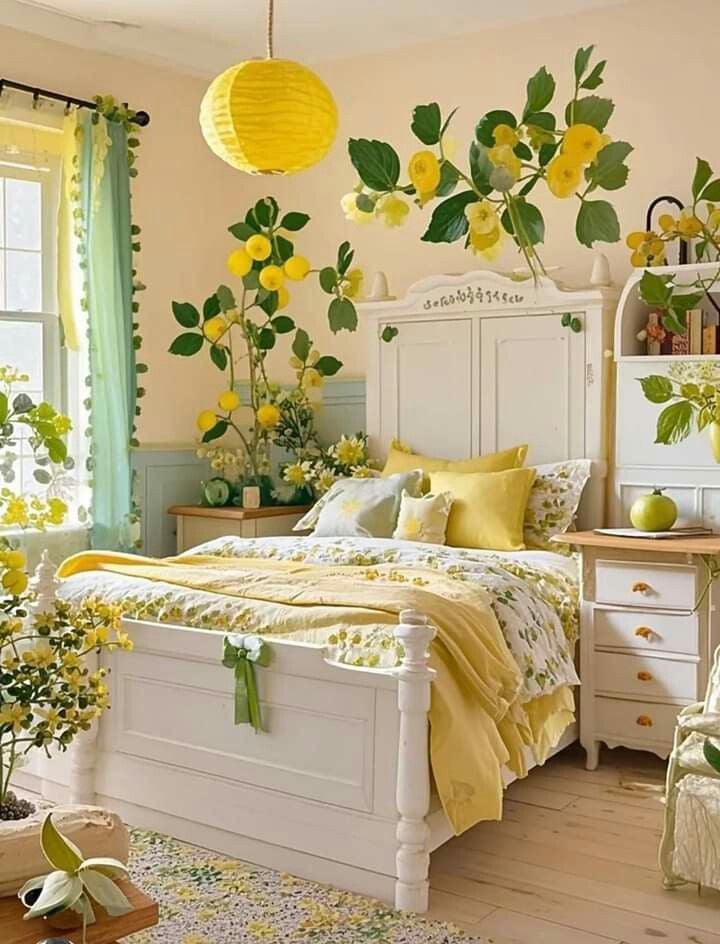
Sage green has become one of the most popular paint colors for children’s rooms, and it is easy to see why. Sage green has become one of the most popular paint colors for children’s rooms because it feels calm, natural, and refreshing, and it pairs beautifully with nature-inspired kids room ideas that feel peaceful for a soothing and balanced bedroom space.
This gentle shade brings a little bit of nature indoors. It feels calm and relaxing while still adding color to the room.
Children often spend busy days learning, playing, and exploring. Because of that, a peaceful bedroom can provide a wonderful place to rest and recharge.
Additionally, sage green pairs beautifully with natural wood furniture, woven baskets, plants, and nature-themed decor.
The overall effect feels fresh, cozy, and connected to the outdoors.
4. Paint a Sunshine Yellow Accent Wall
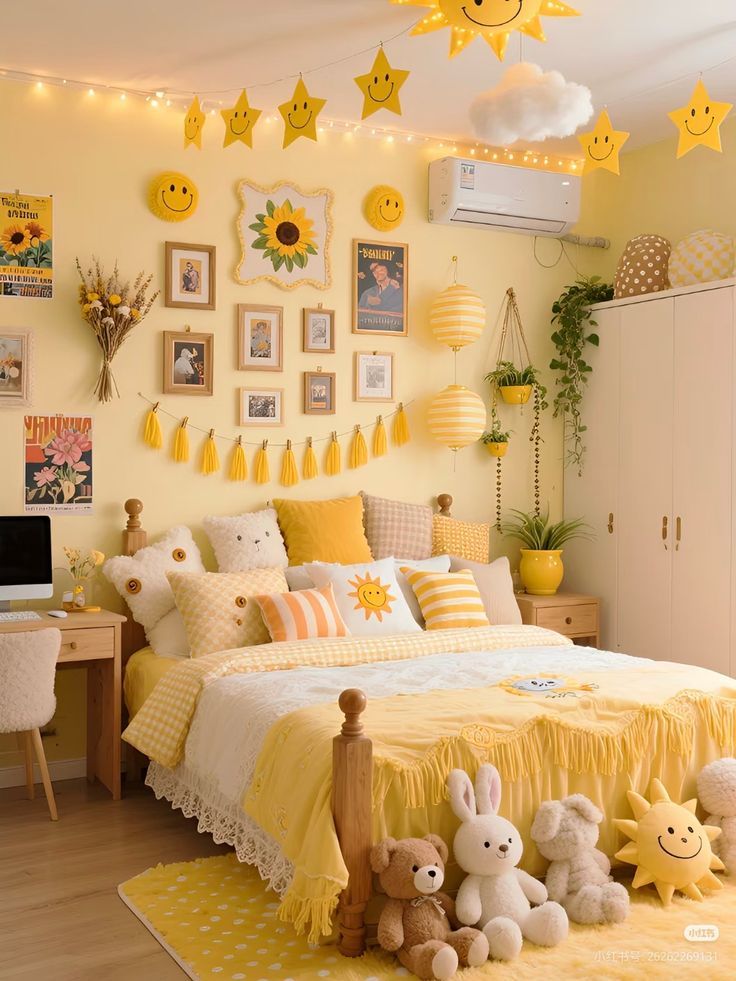
Sometimes a room needs a little extra energy. A sunshine yellow accent wall can instantly brighten the entire space and create a cheerful atmosphere, and it works perfectly with whimsical kids bedroom ideas that spark imagination for a fun and energetic room design.
A sunshine yellow accent wall can instantly brighten the entire space and create a cheerful atmosphere. Instead of painting every wall yellow, consider choosing one wall as the focal point.
This approach adds color without overwhelming the room.
Yellow naturally reminds children of sunshine, happiness, and warmth. It can make even darker bedrooms feel brighter and more inviting.
Furthermore, yellow pairs beautifully with white furniture, gray accents, and colorful accessories.
5. Try a Soft Blush Pink
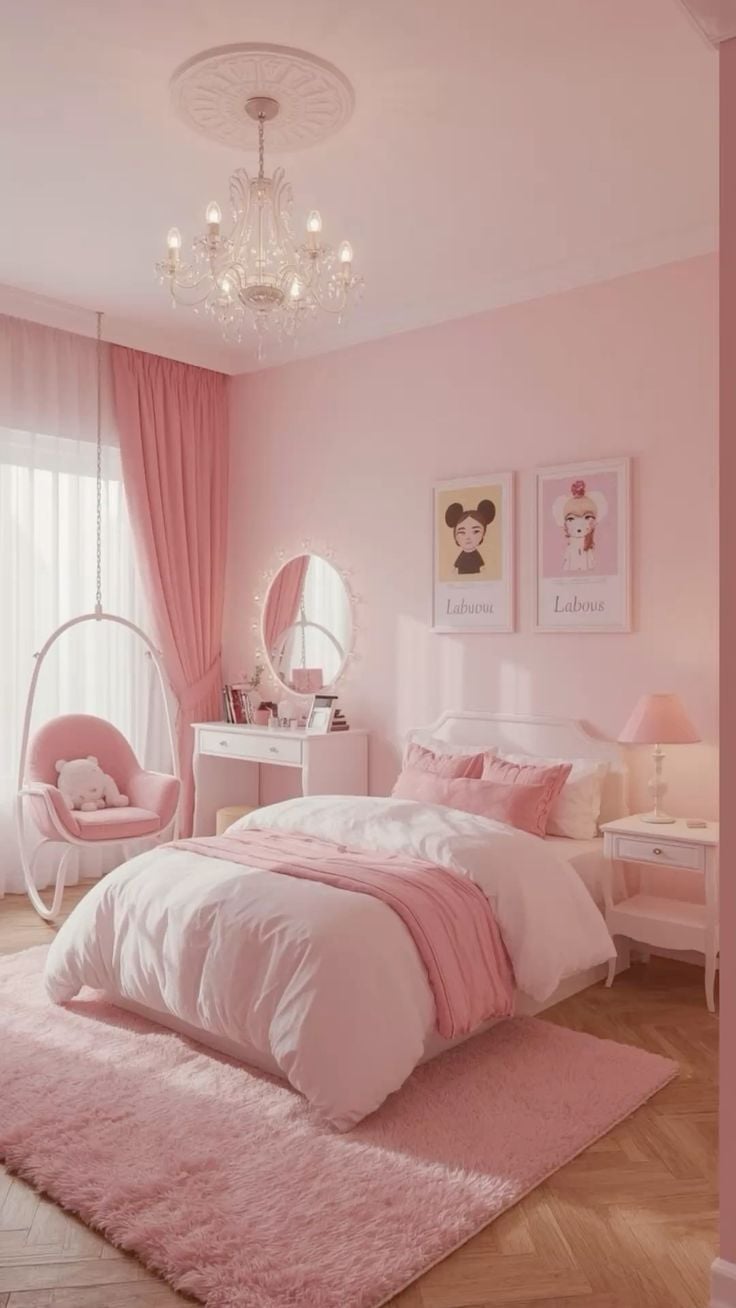
Blush pink offers a sophisticated alternative to brighter pink shades. Blush pink offers a soft and elegant feel that creates a warm and welcoming bedroom, and it pairs beautifully with cute nursery decor ideas you’ll fall in love with for a gentle and timeless kids room style.
This soft color feels warm, gentle, and welcoming without appearing overly bold. It creates a cozy environment that many children love.
Additionally, blush pink works surprisingly well with many other colors, including white, cream, gray, gold, and natural wood tones.
Because the color feels subtle, it often grows with children more successfully than brighter pinks.
As a result, the room feels charming and timeless rather than trendy.
6. Create a Two-Tone Wall Design
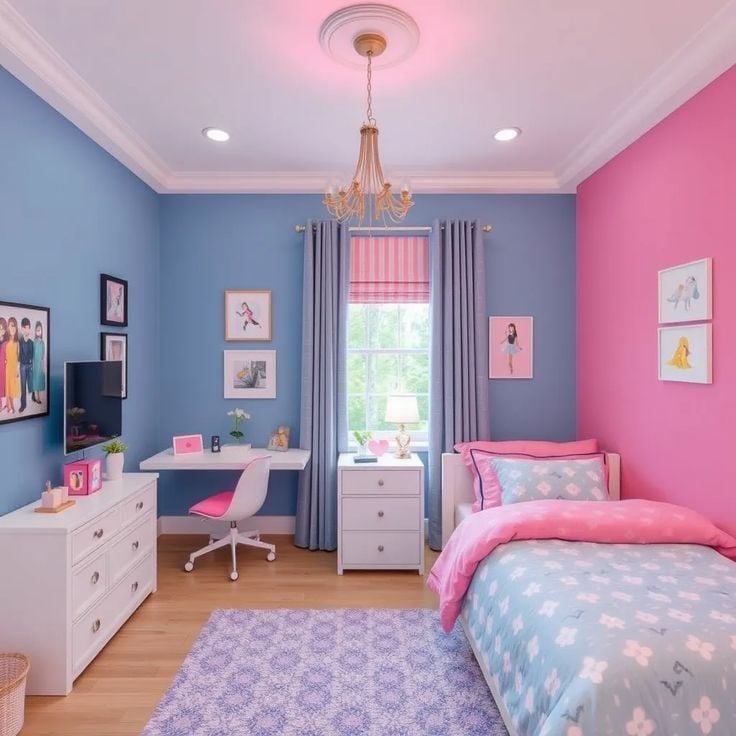
Two-tone walls can add visual interest without requiring complicated decorating techniques.
For example, you might paint the lower half of the wall sage green and the upper half cream. Alternatively, you could combine soft blue and white or blush pink and ivory.
This approach creates depth and character while helping define the room’s style. Two-tone walls can add visual interest and style without overwhelming the room, and they work beautifully with kids room makeover ideas that deliver a huge transformation for a fresh and modern bedroom design.
Additionally, two-tone walls often make a room feel more custom and thoughtfully designed.
The contrast adds personality while maintaining a clean and organized appearance.
7. Use Soft Lavender for a Dreamy Look
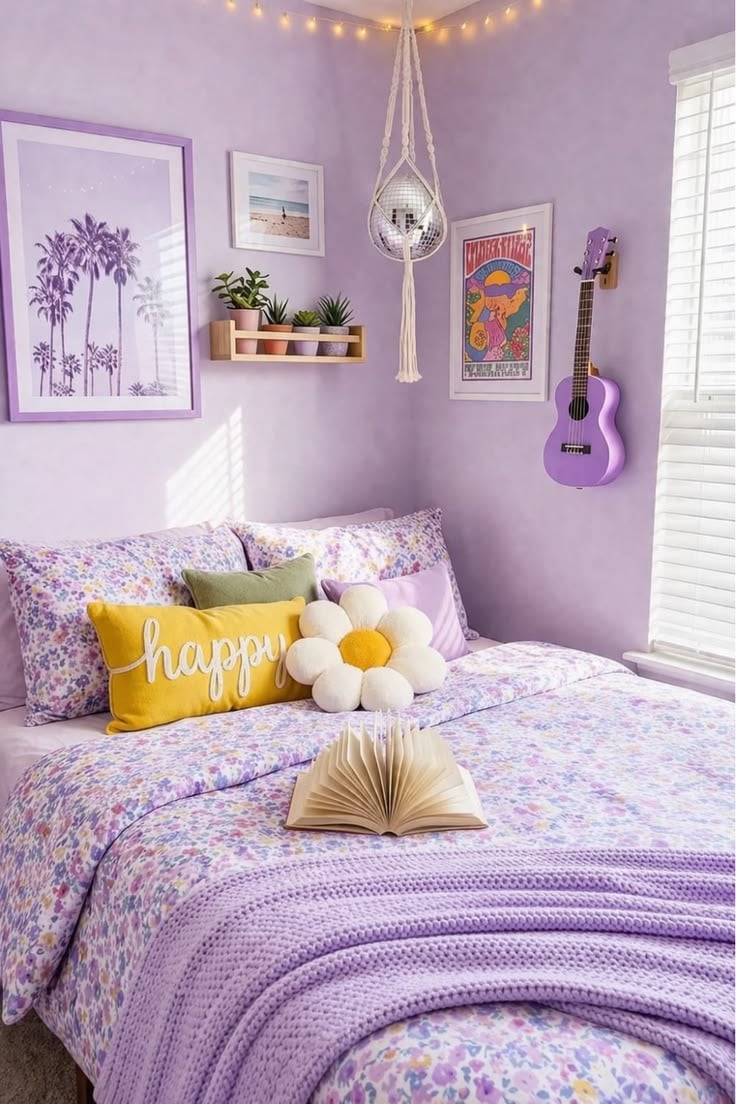
Lavender creates a magical and peaceful atmosphere. Lavender creates a soft and dreamy atmosphere that feels calm and magical for children, and it pairs beautifully with starry night kids room ideas that feel dreamy for a relaxing and imaginative bedroom space.
The gentle purple tone feels calming while still adding color and personality to the room. Many children enjoy lavender because it feels whimsical without being overwhelming.
Additionally, lavender pairs beautifully with white furniture, floral patterns, and soft textiles.
The color works particularly well in bedrooms designed around imagination, creativity, and relaxation.
As a result, the room feels dreamy, cozy, and welcoming.
8. Paint a Rainbow Arch Mural
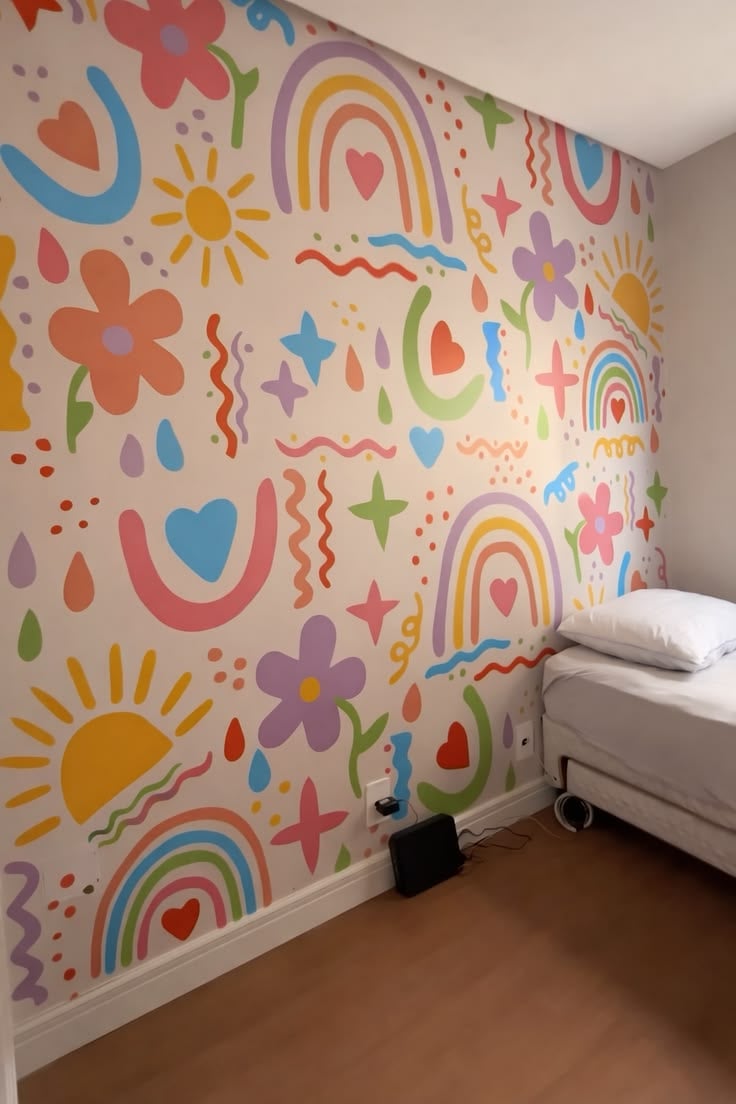
Paint can create much more than a solid wall color. A rainbow arch mural instantly adds fun and creativity to a child’s bedroom, and it works beautifully with creative wall mural ideas for kids bedrooms for a bold and playful room design.
A rainbow arch mural instantly adds fun and creativity to a child’s bedroom. You can use soft pastel shades or brighter colors depending on the overall look you want to achieve.
Additionally, rainbow murals provide a focal point without requiring expensive wall art.
Children often love seeing cheerful colors greet them every morning.
The mural also creates a playful backdrop for beds, reading corners, and play spaces.
9. Choose a Soft Gray Background
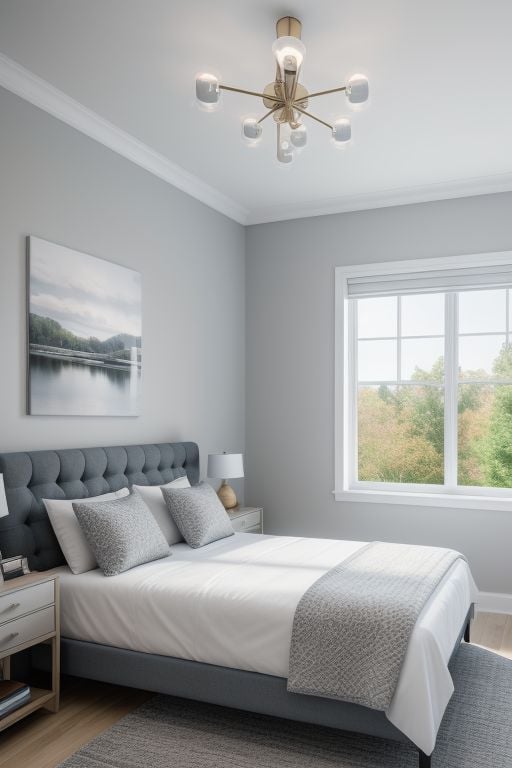
Gray may not seem like an obvious choice for a child’s room, but soft gray can work beautifully. Soft gray creates a calm and balanced background that allows colors and decor to stand out beautifully, and it pairs perfectly with DIY kids room decor ideas that look surprisingly professional for a stylish and modern space.
Unlike darker grays, lighter shades create a calm and sophisticated atmosphere while still feeling bright.
Gray also acts as a neutral backdrop that allows colorful toys, artwork, and accessories to shine.
Additionally, it works with almost every decorating style imaginable.
Because of that flexibility, gray often remains useful as children grow and their interests evolve.
10. Paint Mountain Shapes on the Wall
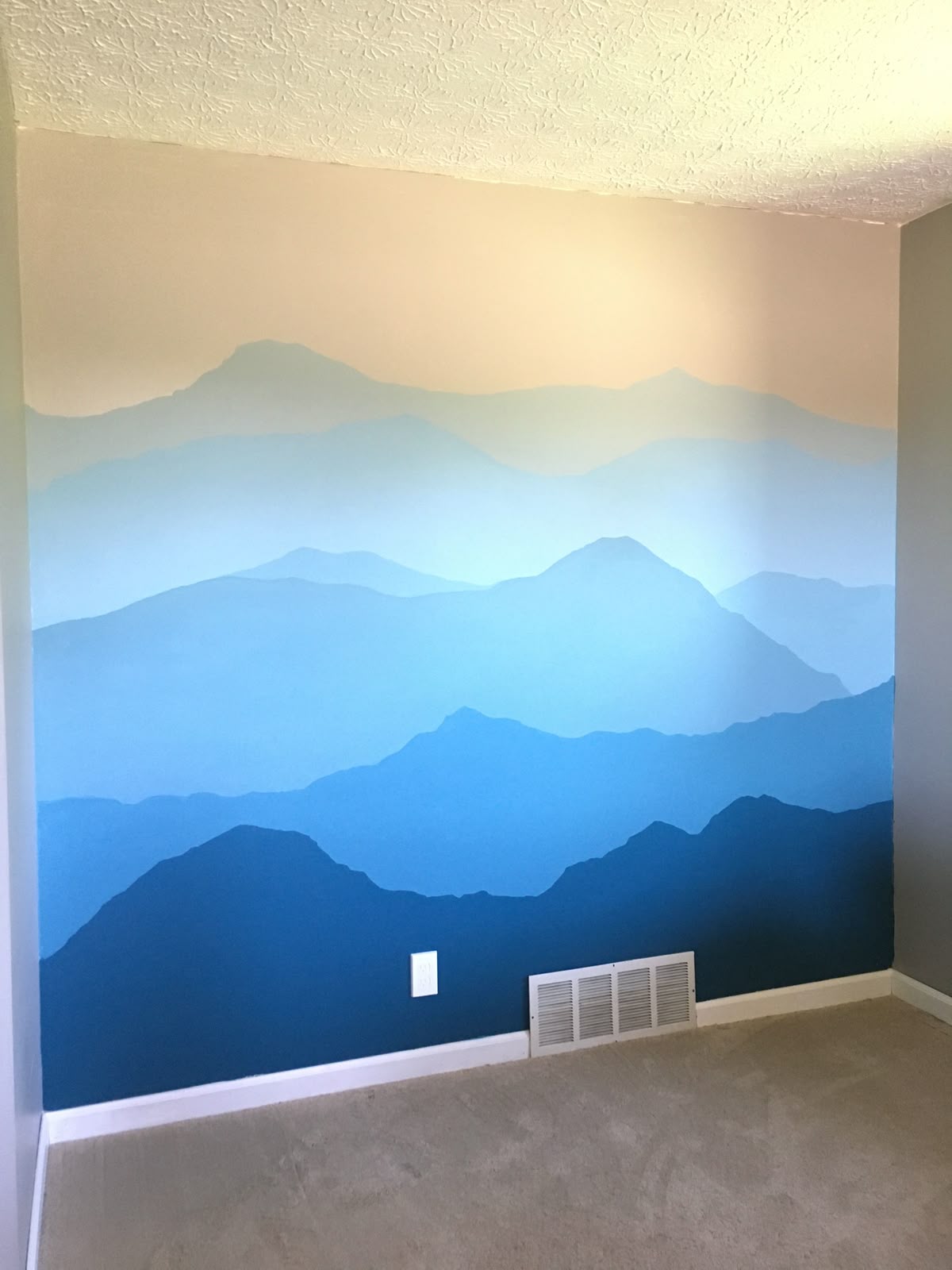
Mountain murals continue to be popular because they feel both playful and timeless. Mountain shapes painted on the wall create a playful and adventurous feel that children love, and they pair beautifully with loft bed ideas for kids rooms that save tons of space for a creative and space-saving bedroom design.
Using paint, you can create simple mountain silhouettes across one wall. Soft greens, blues, grays, and earth tones work particularly well.
Children enjoy the adventurous feeling mountains create, while parents appreciate the clean and modern appearance.
Additionally, mountain murals pair beautifully with nature-inspired decor and cozy textiles.
The result feels creative without becoming overly busy.
11. Try a Gentle Peach Color
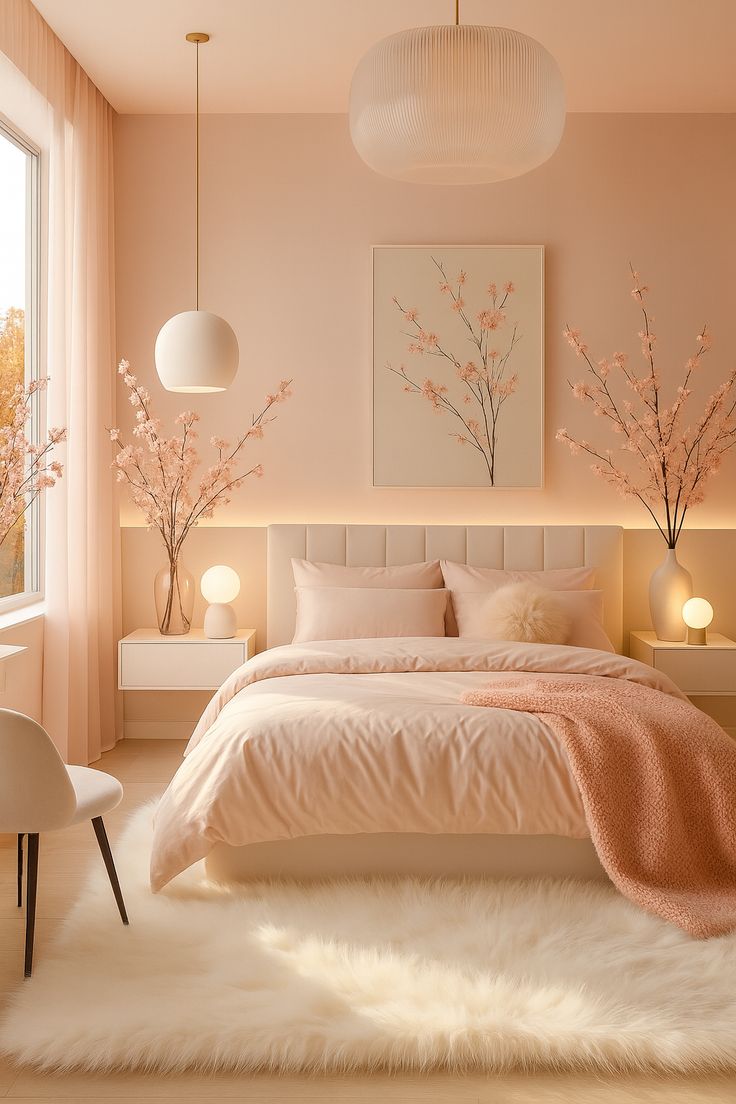
Peach combines the warmth of orange with the softness of pink. Peach combines warmth and softness to create a cheerful and inviting bedroom atmosphere, and it pairs beautifully with kids room paint ideas that instantly refresh the space for a bright and friendly room design.
This cheerful color creates an inviting atmosphere while still feeling calm enough for a bedroom.
Additionally, peach reflects natural light beautifully and helps create a welcoming environment.
The color works wonderfully alongside cream, white, and natural wood finishes.
Because of that, peach can make a room feel bright and friendly throughout the year.
12. Paint the Ceiling a Fun Color
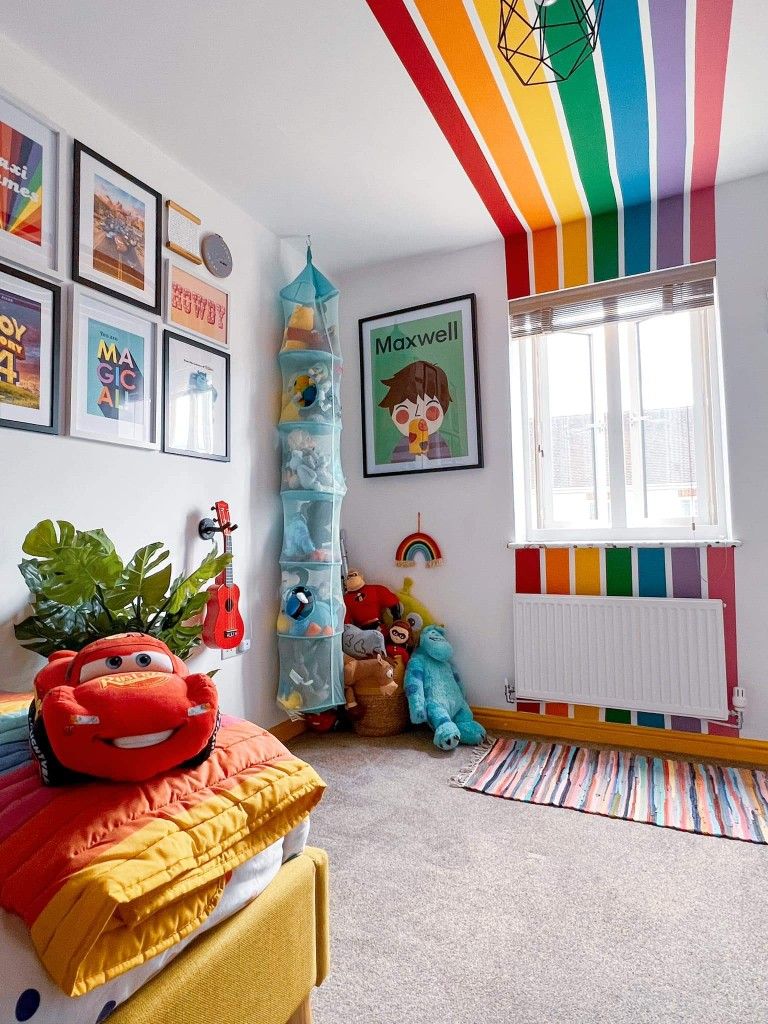
Many people focus entirely on the walls and forget about the ceiling.
However, painting the ceiling can create a surprising transformation.
A soft blue ceiling can resemble the sky. A pale lavender ceiling can feel dreamy. Even a gentle sage green can add unexpected personality.
Children often love looking up and discovering a fun color overhead.
Furthermore, painted ceilings help create a custom look that feels unique and memorable.
13. Create a Half-Painted Wall
A half-painted wall can make a room feel stylish and playful at the same time.
Instead of painting the entire wall one color, paint the bottom half in a fun shade and leave the top half white or cream. This simple design adds character without making the room feel too busy.
For example, you could use sage green, dusty blue, blush pink, or soft yellow on the lower section of the wall. Then pair it with a lighter shade above.
Additionally, this paint idea can make a room feel more organized because it naturally creates visual sections within the space.
Children often enjoy the playful look, while parents appreciate how easy it is to update later if tastes change.
14. Paint a Colorful Reading Corner
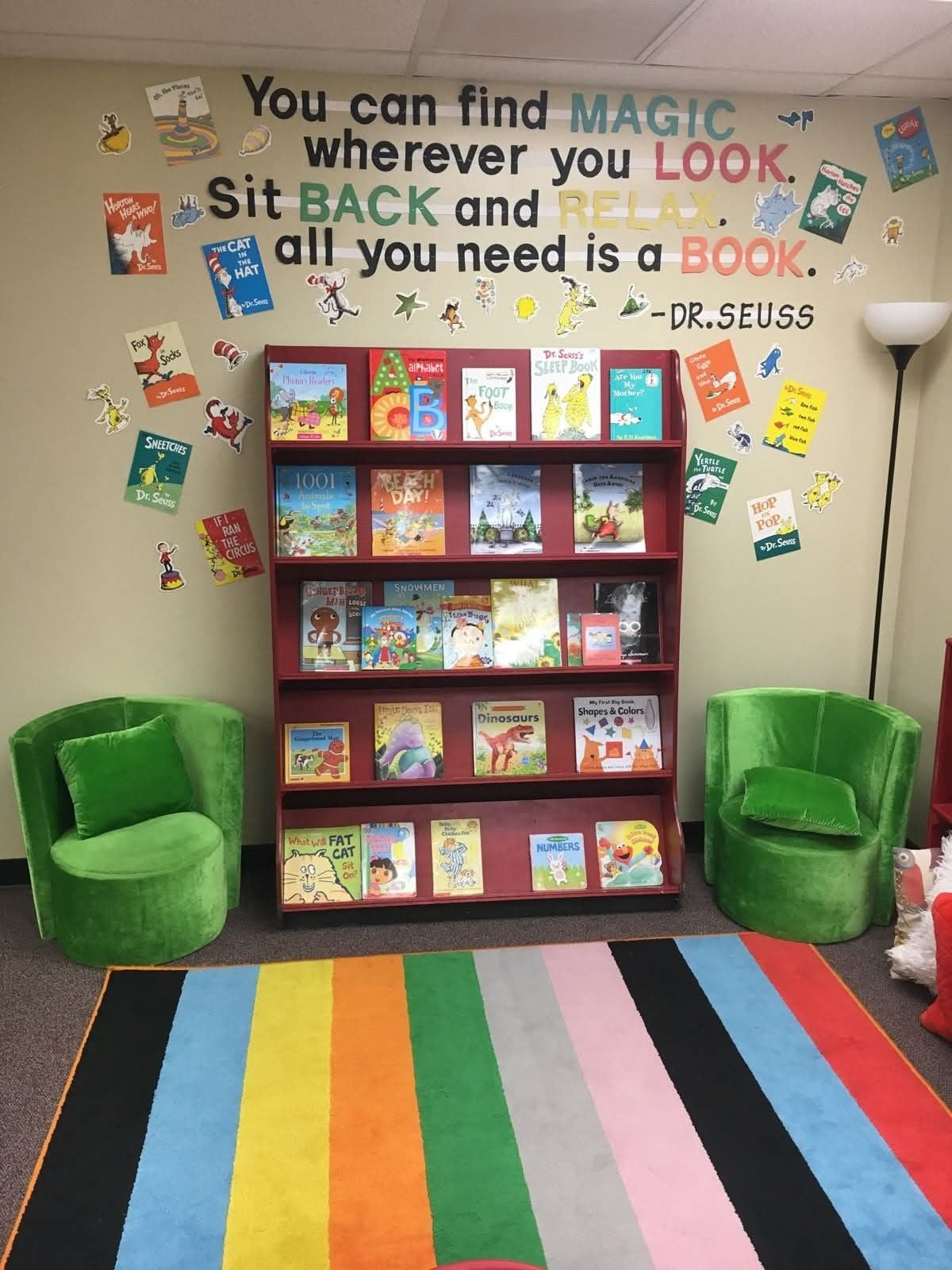
Every child deserves a special place to sit with their favorite books.
Instead of painting the entire room, consider painting just the reading corner. Choose a cheerful color that helps define the space and makes it feel unique.
A soft green corner can feel peaceful. A warm yellow corner can feel bright and happy. A pale blue corner can create a calm place for reading and relaxing.
Additionally, a painted reading nook encourages children to spend more time with books because the area feels special and inviting.
The color helps create a little world within the bedroom where imagination can grow.
15. Use Soft Mint Green
Mint green brings freshness and energy into a room without feeling overwhelming.
This gentle shade reminds many people of springtime, gardens, and nature. As a result, it creates a cheerful atmosphere that still feels calm enough for sleeping.
Additionally, mint green works beautifully with white furniture, wooden accents, woven baskets, and colorful decorations.
Because the color feels light and airy, it can also help smaller bedrooms feel more open.
Parents often choose mint green because it remains timeless and adaptable as children grow.
16. Paint Simple Cloud Shapes
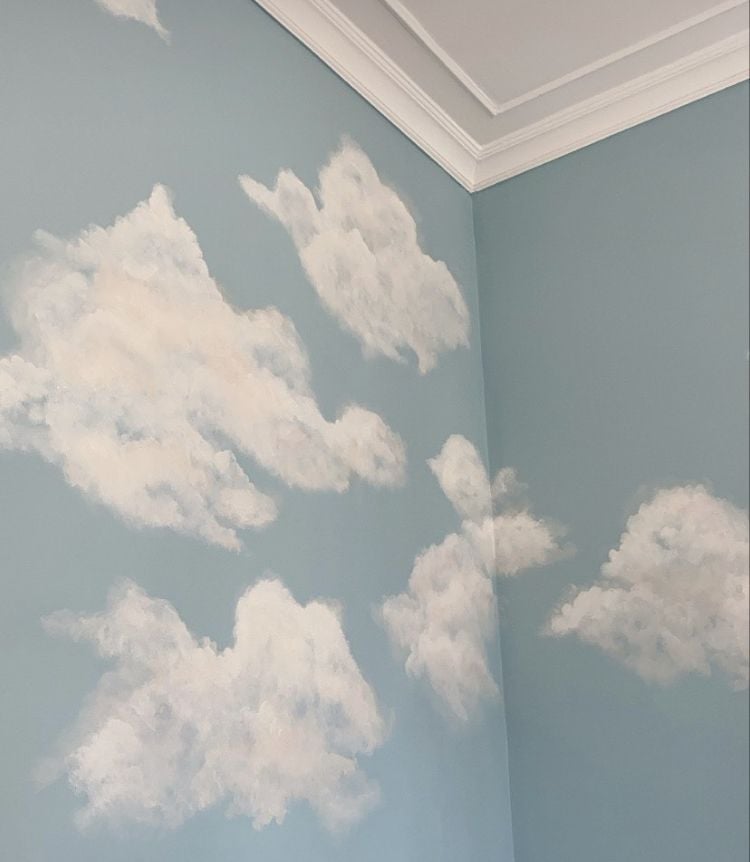
Cloud murals can instantly transform an ordinary bedroom into a dreamy space.
Start with a soft blue wall and add fluffy white clouds throughout the room. Alternatively, create white clouds on a cream background for a more subtle look.
Children love cloud murals because they encourage imagination. One cloud might look like an animal, while another could resemble a magical castle floating through the sky.
Additionally, cloud designs work with many decorating themes, including airplanes, hot air balloons, rainbows, and stars.
The finished room feels peaceful, creative, and full of wonder.
17. Try a Soft Beige Color
Beige may seem simple, but it can completely refresh a child’s bedroom.
Unlike darker colors, beige helps the room feel bright and warm. It creates a cozy foundation that works beautifully with colorful toys, books, and artwork.
Additionally, beige grows easily with children. You can update decorations as your child gets older without repainting the entire room.
Natural wood furniture, woven textures, and soft fabrics pair especially well with beige walls.
As a result, the room feels welcoming, comfortable, and timeless.
18. Paint a Starry Night Feature Wall
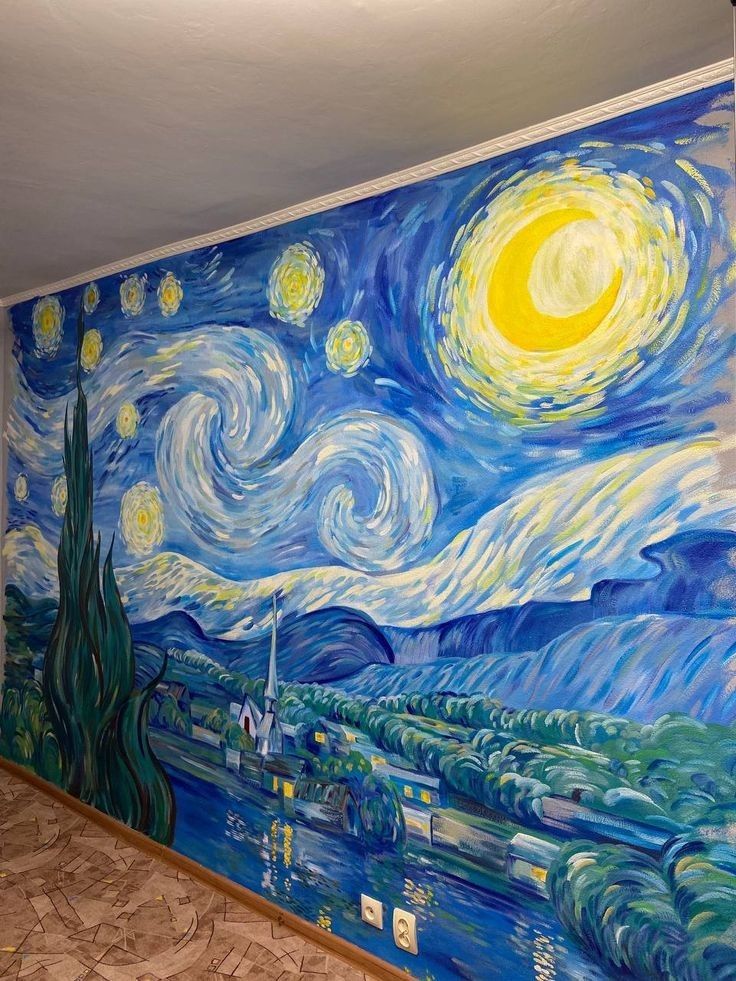
Many children love looking at stars and imagining adventures in space.
A starry night wall can bring that excitement into the bedroom. Use a deep blue background and add painted stars, moons, and tiny constellations.
You do not need to cover every wall. One feature wall can create plenty of impact while keeping the room balanced.
Additionally, a starry design works well for children of different ages. Younger children enjoy the magical feeling, while older kids often appreciate the adventurous and imaginative theme.
The result is a room that feels cozy during the day and magical at night.
19. Let Your Child Choose Their Favorite Color
Sometimes the best paint idea is the simplest one.
Children love feeling involved in decisions about their own space. Allowing them to help choose a paint color can make the room feel even more special.
You can offer a few options that work with your decorating plans and let them make the final choice. This helps them feel included while still ensuring the room looks beautiful.
Additionally, children often take more pride in a room they helped create.
Whether they choose blue, green, pink, yellow, purple, or another favorite shade, the room becomes a reflection of their personality and interests.
Most importantly, they will feel happy and comfortable in a space that truly feels like their own.
How to Choose the Right Paint Color for a Kids Room
Think About the Room’s Natural Light
Natural light affects how paint colors appear throughout the day.
A room with lots of sunlight can handle slightly darker colors because the light keeps the space bright. On the other hand, darker rooms often benefit from lighter shades that help reflect available light.
Before choosing a paint color, test samples on the wall and observe them during different times of the day.
Consider Your Child’s Personality
Every child is different.
Some children enjoy energetic spaces filled with bright colors and playful details. Others prefer calm environments where they can relax and unwind.
A child’s personality can help guide your paint choices. The goal is to create a room where they feel comfortable and happy.
Choose Colors That Can Grow with Your Child
Children’s interests change quickly.
Because of that, many parents choose colors that can adapt over time. Soft blues, sage greens, creams, grays, and beige tones often remain useful through multiple stages of childhood.
Then you can update bedding, artwork, and decorations whenever interests change.
Do Not Forget About Texture and Decor
Paint creates the foundation, but the room’s personality comes from many different elements working together.
Books, toys, artwork, rugs, curtains, and furniture all contribute to the overall look.
Even simple paint colors can feel exciting when paired with thoughtful decorations and cozy textures.
Final Thoughts
These kids room paint ideas prove that a simple can of paint can completely transform a bedroom. Whether you choose a soft sky blue, calming sage green, cheerful yellow, dreamy lavender, or a creative mural, the right color can instantly refresh the space.
The best kids room paint ideas balance beauty, comfort, and personality. They create rooms where children can sleep, play, learn, and imagine new adventures every day.
Most importantly, paint gives you an affordable and creative way to design a space your child will love coming home to for years to come.