If you are reading this, and wondering how on earth you will take away your toddler’s most priced collection without World War III breaking out in your living room, I’ve got your back. Here is how to wean a toddler off pacifiers without meltdowns.
Pacifier!! The lifesaver and miracle worker, one that can quiet a crying baby in an instant, soothe a sleepy toddler to dreamland, and bring a wave of calm during a public tantrum.
A true blessing when you really need a moment of quiet, or when you’re trying to understand the chaos that comes with a newborn.
And as your child grows, the attachment to that gadget grows. You begin to notice the constant presence of the pacifier, during playtime, when they’re talking and certainly for every single nap and night sleep.
Yes, it is perfectly normal for toddlers to form an inseparable bond with their pacifiers. For them, it’s not just a piece of plastic; it’s a source of comfort, security, and a familiar way to soothe themselves.
So just waking up and snatching it away or making it disappear can be traumatic and scary for a toddler. It’s like suddenly taking away something that helps an adult feel calm, without giving them any warning or another way to cope.
This can lead to emotional meltdowns, lack of sleep and they can even feel betrayed. It can even damage the relationship you have with your toddler.
That’s why this post is here, we’re going to walk through gradual ways to help your toddler move on from their pacifier while keeping their emotional world intact.
So who’s with me, let’s do this!
Why do Pacifiers matter and why they’re so hard to give up
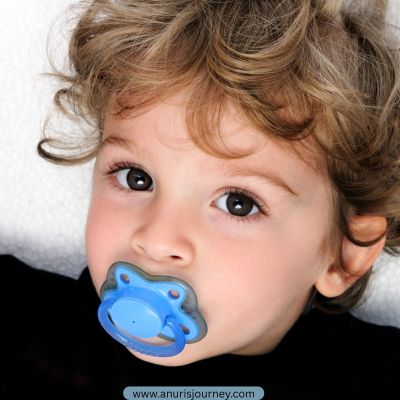
A pacifier is a tool for self soothing, their emotional blanket, their go-to when they are overwhelmed, scared, or tired.
According to Research, when a baby sucks, it releases endorphins, that can instantly reduce stress and bring a sense of peace.
As your toddler starts figuring out things, be it walking, talking, emotions, social rules, the pacifier is the one thing that’s always the same, always available, always comforting.
Many toddlers use the sucking motion to self-soothe into sleep. Without it, they genuinely don’t know how to calm their body down for rest.
So when you take away that pacifier, you’re not just taking away a plastic toy; you’re taking away their primary method for calming themselves down and dealing with stress.
Finally, remember that letting go of the pacifier is a huge change for your toddler, more like a developmental milestone, just like potty training, moving from a crib to a bed, or starting daycare.
And they need time and patience to get used to the fact that this change is happening.
How to wean a Toddler off Pacifiers without meltdowns
1. Timing is important
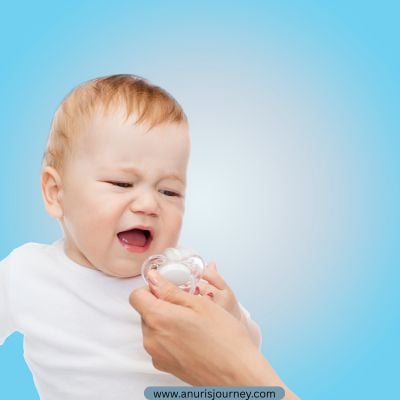
Timing is very important so pick your moment wisely.
Don’t even think about pacifier weaning if:
- You have a new baby coming in the next 3 months
- You’re moving or travelling
- Your child is sick or just getting over being sick.
- If they are currently battling a cold or teething.
- You’re starting daycare or preschool
- There’s been a major family change (divorce, death, job loss)
Trust me on this one. I tried to wean my daughter right before we moved houses, and it was a disaster. A stressed toddler needs their comfort items more than ever.
In times of stress, it is their comfort and coping mechanism. If you take it away when they’re already emotionally vulnerable or dealing with a big adjustment, it almost guarantees meltdowns and makes the process much harder for everyone.
2. Talk about it and plant the seed first
Just start by talking about it. Don’t take it away suddenly. Tell them it is a sign of them becoming a “big kid.” Don’t make it a threat or a punishment.
You can also go to the library or buy books specifically about pacifier weaning. Read them together often.
For example, you can have a morning conversation like, “Soon, your paci will only be for sleepy time. You’re getting so big!”
My friend Sarah started by reading books about giving up pacifiers. Her 18 month old daughter loved “Bye-Bye Binky” and would point to the pictures while still happily sucking on her own pacifier. No pressure, just awareness.
This gives them time to understand the idea and see it as a normal part of growing up, instead of feeling like something was suddenly taken away from them.
3. Take it gradually, week by week and day by day
In the long run, the gradual approach is always gentler and more effective. You can slowly reduce their dependence on the pacifier’s comfort and replace it with other forms of soothing.
Reduce the times your child has the pacifier. Limit it strictly to naps and nighttime. The goal here is to make the pacifier exclusive to sleep times.
Keep the pacifier in the crib, or on their bed. During waking hours, if they ask for it, you gently remind them, “Paci is for sleepy time only. You’re a big kid, we use it for naps and nighttime.”
When they ask for it, distract, distract, distract! Offer a hug, engage them in an exciting activity, sing a song, or offer a different comfort item like a special teddy bear or blanket.
Once your toddler is now using the pacifier at bedtime only, you can then start helping them sleep without it.
This might mean slowly cutting down how long they use it during sleep or swapping it out for other calming bedtime routines.
4. Tackle the Hardest Part: Sleep Time
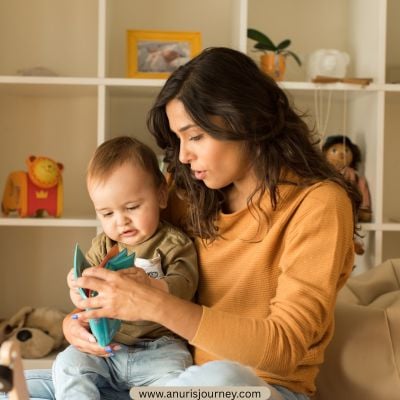
This is always the hardest. Many toddlers genuinely need the pacifier to fall asleep. So how do you handle it?
Step 1: Strengthen the Bedtime Routine
Before you remove the pacifier, make sure everything else about bedtime is solid and comforting.
Make the wind down longer. Start the bedtime routine 15-30 minutes earlier. Add extra books, songs, or quiet play.
Ensure physical comfort. Use more snuggling, back rubs, or gentle massages. Your touch can be incredibly soothing.
Get them comfort objects or introduce a special stuffed animal or blanket if they don’t have one already.
Be consistent with your routine. Same time, same order, same activities every night.
Step 2: Gradual Removal
Option 1 – The Hole Method: Make tiny holes in the pacifier with a pin. Every few days, make the holes bigger. The pacifier will become less satisfying to suck on, and many kids lose interest naturally.
Option 2 – The Timer Method: “You can have your pacifier for 5 minutes while I read stories, then it goes on the nightstand.” Gradually reduce the time.
Option 3 – The Switch Method: Replace the pacifier with something else after they fall asleep. Many kids won’t notice if you swap it for a small stuffed animal.
Step 3: Introduce New Bedtime habits
Teach your toddler other ways to self-soothe such as:
- Hugs and Cuddles: When they reach for the pacifier, offer a big, warm hug. Squeeze them gently and rock them side to side. Your physical presence and warmth reminds them that they are loved and safe, even without the pacifier.
- Special Lovey or Comfort Object: This could be a soft blanket, a favourite stuffed animal, or a small pillow. This is called a “transitional object.” Don’t force it. Let them explore it and attach to it naturally. Keep it with them, especially during moments they used to rely on the pacifier.
- Humming or singing: Teach them a simple song they can sing to themselves. Gentle, soothing music or familiar lullabies can help signal winding down time.
- Gentle Rocking or Swaying: This helps them to regulate their nervous system and induce a state of relaxation.
- Give them a warm bath: Make the bath part of the night routine. Keep it warm, not too hot.
- Use calm words and phrases: You can use sentences like “You’re okay, Mama’s here,” “It’s sleepy time now,” “Time to rest your eyes.” Repeat these gently.
- Deep Breaths (for older toddlers): A simple breathing exercise can literally calm their nervous system. Practice three big breaths together. In through your nose, out through your mouth.
Some toddlers have a very strong need for oral stimulation (especially if teething). If this is the case, you might need to offer a short-term, safer alternative. Such as:
- Chew Toys or Teethers
- Sipping Water
Other Creative Approaches That Really Work
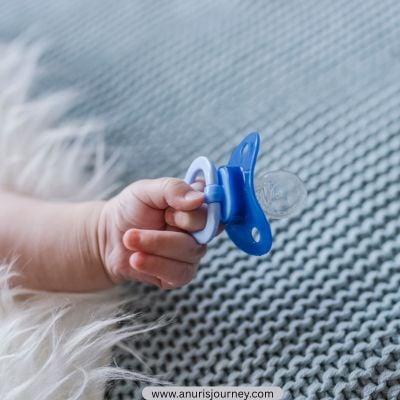
1. The Pacifier Fairy
This works well for kids 2.5 and older who understand fantasy play.
So this is how it works, the Pacifier Fairy comes to collect pacifiers from big kids and gives them to babies who need them. In exchange, she leaves a special gift.
Make it special by letting your child put their pacifiers in a special box or bag. Leave it out at bedtime, and “the fairy” replaces it with a small gift.
My neighbour’s daughter was obsessed with this idea. She spent days talking about what gift the fairy might bring and was genuinely excited to help the babies.
2. The Gradual Cutting Method
Week 1: Cut off just the tip of the pacifier
Week 2: Cut a little more
Week 3: Cut until there’s almost nothing left
Most kids lose interest as the pacifier becomes less satisfying. This worked great for my friend’s son who was very attached to the physical sensation of sucking.
3. The “Broken” Pacifier
If your child’s pacifier breaks naturally, don’t rush to replace it. Use it as an opportunity.
How long does it take for toddlers to adjust to no pacifier?
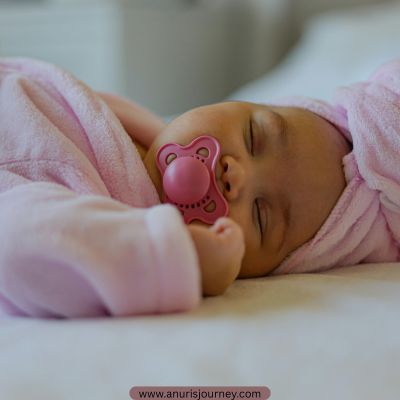
Generally, it takes anywhere from a few days to a few weeks for a baby to go through pacifier weaning.
What might surprise you is how flexible toddlers really are. With patience and the right strategy, they usually adapt to changes much faster than we think they will.
However, there’s no single, universally agreed upon timeline because every child is truly different. What takes one child a few days might take another a few weeks, and that’s perfectly normal.
Let’s break it down:
Days 1-3: The Hardest Part, that is when you will see the most resistant and emotional responses. They may even get cranky, clingy and find it hard to sleep. They might try to suck their thumb, fingers, or even blankets and toys more often.
This is when you use those self sooth strategies we discussed above.
Days 4-7: The Adjustment period, after those first challenging days, you’ll likely notice things getting much easier. The drama of the missing pacifier starts to fade, and your child begins to embrace their new routine.
Beyond the First Week (2-4 Weeks, sometimes longer): By this point, most toddlers have fully adjusted and developed alternative comfort strategies.
Sometimes kids who’ve been pacifier-free for days or weeks suddenly start asking for it again. This is normal, especially during:
- Illness
- New stressors
- Developmental leaps
- Changes in routine
Please stay consistent and don’t give the pacifier back, but do offer extra comfort and understanding.
You, as a parent might even get emotional and feel sad too.
Can I tell you a secret? When my daughter gave up her pacifier, I cried. Not because I was happy she was growing up, but because I was sad. That little pacifier represented her babyhood, and watching her give it up felt like losing a piece of our early days together.
It’s okay to feel emotional about this transition. You’re not just helping your child grow up, you’re growing up as a parent too. You’re learning to guide them through difficult changes while honouring their feelings and your own.
Remember that every child is different. Trust yourself. You know your child better than anyone.
You’ve got this.
You may also like:
The Secret to getting a toddler to brush their teeth (without tears)
How to help your Baby through a Sleep Regression (without creating bad habits)
How to get your baby on a schedule even if you have no routine yet