Does it feel like your kids’ clothes have taken over your entire house? Here is how to organize kids’ clothes (and stop the endless laundry pile).
I woke up one Saturday morning and went to my daughter’s room to get some clean clothes for her to put on and I walked into an intimidating pile of clean and dirty laundry that’s taken over a corner of her bedroom.
One heap was just waiting to be folded and put away and the other was waiting to be washed.
Her favorite cloth I needed to get was nowhere to be found, struck somewhere under that pile of cloth. That’s when I realised something had to change.
The system I had or rather, the complete lack of system wasn’t working.
Yes, kids change clothes at an alarming rate, sometimes up to three times or more in a single day. They also outgrow clothes at warp speed, suddenly those perfectly good pants don’t fit again.
All these can lead to a messed up closet, and a never-ending laundry pile that seems to mock you from the corner of the room.
Sound familiar? If you’re nodding your head while looking at your own laundry mountain, you’re definitely not alone.
What if I told you there’s a system that works and you could open your kids’ drawers and closets and actually see what’s inside; That laundry day didn’t end with a mountain, but with everything neatly put away.
In this post, I’m going to give you practical, actionable tips to not just declutter, but truly organize and maintain your kids’ wardrobes. Let’s get started!
Why Kids’ Clothes Are So Hard to Manage
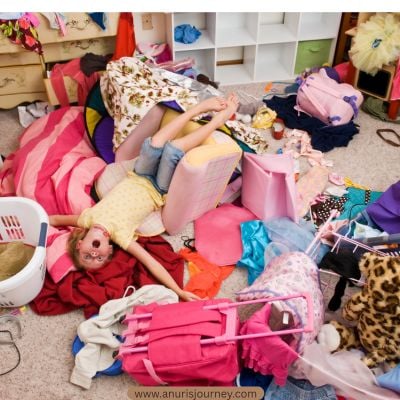
1. They grow very fast
My friend Sarah told me she bought her son three new pairs of jeans in April. By July, they were all too short. “It’s like he grows overnight,” she said. “I swear those pants fit him yesterday!”
You’re constantly buying, outgrowing, and needing to manage clothes in multiple sizes, clothes that are too small, clothes that fit now, and clothes that might fit in a few months.
2. They’re Harder on Clothes Than Adults
Adults might wear a shirt for 8 hours and hang it back up if it’s still clean. Kids wear a shirt for 8 minutes and somehow it has dirt, food, and stains on it.
They crawl, roll, play in mud, eat, and express themselves with every splash and stain causing their clothes to get worn out, ripped, or stained at an alarming rate.
3. Multiple sizes, seasons, and activities to juggle
Kids’ wardrobes come with a lot more specific categories. You don’t just need clothes for today’s size; you need clothes for the rainy, dry, and cold season.
There are everyday play clothes, school uniforms, dress-up clothes, pajamas, swimwear, sports uniforms, special occasion outfits, and then all those categories broken down by season and constantly changing sizes.
4. The Hand-Me-Down struggle
If you have multiple kids or generous relatives, you will understand the hand-me-down struggle. Suddenly you have bags of clothes in sizes you don’t need right now, mixed with clothes that fit, then clothes your kid has outgrown but you haven’t had time to sort.
My sister dropped off four garbage bags of her daughter’s outgrown clothes last month. And these often come in various sizes, seasons, and styles, sometimes not quite fitting your child’s current needs or your family’s preferred aesthetic. You feel guilty getting rid of them, so they pile up.
Smart storage solutions
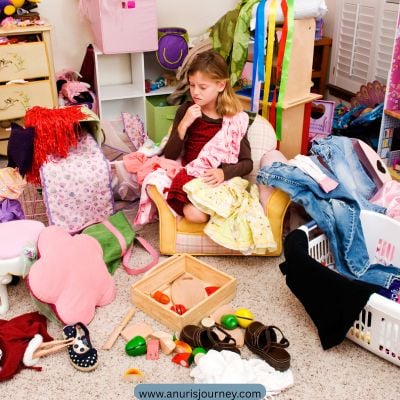
1. Access your space
First, take a good look at your storage. Count your drawers, measure your closet hanging space, check the depth of your shelves, and scout out any other potential spots you might have.
Getting a clear picture of your available space is crucial because it will guide how you arrange your clothes and what you should (or shouldn’t) buy in the future.
2. Fold their clothes
There are so many techniques used for folding cloths, vertically, rolling etc. Seriously, it’s like magic. You’ll be surprised how much more you can fit.
No more digging through a pile to find that one specific shirt at the bottom. It’s all visible at a glance.
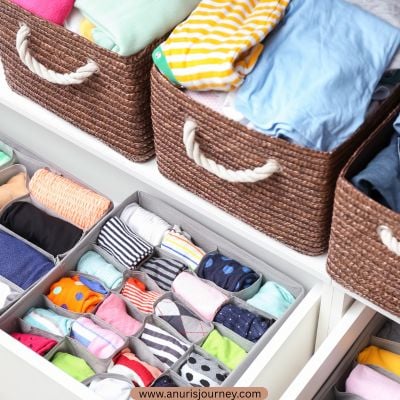
3. Make use of Drawer Dividers, Bins, and Baskets
Once your clothes are perfectly folded or rolled, you need something to keep them from turning back into a messy heap. This is where dividers, bins, and baskets come in.
- Drawer Dividers: These are great for keeping your vertically folded clothes in neat rows. One section for PJ’s, another for t-shirts, another for shorts. It prevents them from flopping over and becoming a mess.
- Small Bins/Baskets: Perfect for containing those rolled items like socks and underwear. You can get ones that fit snugly into your drawers. They’re also great for belts, ties, or small accessories.
- Larger Baskets: For shelves, these are fantastic for containing bulkier items like sweaters, extra blankets, or even seasonal clothes you don’t wear often.
Keep each category separate, it makes finding things so much faster.
4. Plan your Outfits
I pick out clothes and uniforms for the week on Sunday evening. That way, I have one less thing to think about when I am half-asleep.
This helps to save time and reduce the time required for making decisions on what to wear.
How to organize kids’ clothes (and stop the endless laundry pile)
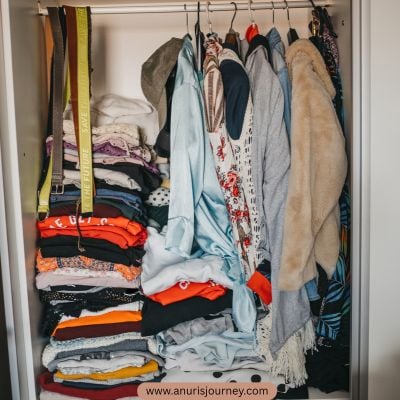
1. The Three Pile System (keep, donate, trash)
This part can be overwhelming, but it’s also the most important step.
Pick one kid and one weekend when you have some spare time. Take every single piece of clothing out of their room. Every drawer, every closet, every basket of clean laundry that’s been sitting there for weeks. Put it all on their bed or on the floor.
Go through everything and make three piles.
Keep: The ones that fits well, in good condition, your child actually wears it.
Donate: Too small but still in good shape, or fits but your child refuses to wear it.
Trash: Stained, torn, or worn out beyond repair.
Here’s what I learned during this process: Kids have very strong opinions about their clothes, and fighting them on it isn’t worth it. If your child refused to wear those cute sweaters grandma bought her, put them in the donate pile. Life’s too short to battle over clothes every morning.
2. Involve your kids in the process
You might think involving kids in this process will take forever, but it’s actually important. They know what they like, what’s comfortable, and what they’ll actually wear.
You can make it a game to avoid making it feel like a chore. Give them choices, but limited ones. Don’t just snatch things away. For instance, you could hold up two shirts and ask, “Which one do you love to wear more?” This gives them a sense of control.
3. The “one size up” rule
This is a slippery slope. Be honest with yourself. Kids grow fast.
If you must keep something for future growth, limit it to one or two key items in the next size up, stored separately, not in their active closet.
4. Rotate Laundry days
The biggest game-changer for our family wasn’t how we organized the clothes, it was how we handled the laundry process.
Because what’s the point of having organized drawers if there’s always a mountain of clean clothes waiting to be put away?
We started using the One Load Per Person Rule.
Instead of doing huge loads of everyone’s clothes mixed together, I started doing smaller, individual loads. Monday is Nora’s clothes, Wednesday is my husband’s, Thursday is mine, and Friday is towels and sheets.
This way each person is responsible for their own load and I won’t deal with a massive pile of mixed-up clothes making sorting easier.
When Nora’s clothes come out of the dryer, I sort them and put them away immediately.
For older kids, teach them how to do their own laundry. From 9 years they are old enough to do laundry themselves. Not because you want to add to their chores, but because it is good for them to understand the whole process and take ownership of their clothes.
You can start simple like my neighbour Sarah did with her daughter:
- Week 1: She sorted her dirty clothes into the hamper
- Week 2: She helped me load the washing machine
- Week 3: She moved clothes from washer to dryer (with help)
- Week 4: She folded her own clothes (imperfectly, but independently)
Let everyone have their own laundry basket. Instead of one big basket for everyone’s clean clothes, each person has their own small basket.
When I fold laundry, each person’s clothes go in their individual basket. They’re responsible for putting their basket away before bedtime. No more giant piles of everyone’s clothes mixed together. No more “I can’t find my favorite shirt” when it’s buried in a pile.
5. Seasonal Rotation Strategies for Small Closets/Space
You only keep the clothes that are appropriate for the current season in the main closet or dresser. Everything else gets stored away until it’s needed again.
How to do it:
- Declutter first: Before you store anything, go through all the out-of-season clothes. Are they still in good condition? Do they fit? If not, donate or discard them.
- Wash and Store: Wash everything that’s going into storage. Store items in airtight containers, vacuum-seal bags (amazing for bulky items), or breathable garment bags to protect them from dust and pests.
- Label Clearly: Label your storage containers.
- Designate a Spot: Find a consistent spot for these off-season items. It could be under the bed, in a garage, attic, or even a high shelf in a less used closet.
How Much Is Enough?
One of the biggest mistakes I made was thinking my kids needed as many clothes as adults do. They don’t.
Having too many clothes for kids actually makes everything harder. You’re constantly battling too many choices and too much to manage, all while they’re rapidly outgrowing items and needing new ones.
Here’s what I learned works for school-age kids:
Daily Wear:
- 7-10 tops (enough for a week plus a few extras)
- 7-10 bottoms (pants, skirts, etc.)
- 10-14 pairs of underwear (because they change them randomly)
- 10-14 pairs of socks (because socks disappear into the sock dimension)
- 2-3 sweatshirts or cardigans
- 5-8 dresses (if they wear them)
Special Occasion:
- 5-8 fancy outfits
- 8-10 play/messy clothes sets
Seasonal:
- 2 winter coats
- 2 rain jacket
- Weather-appropriate accessories
That’s it. When I first made this list, I thought it seemed like too little. But you know what? It’s perfect. Everything fits in their dresser, they can find what they need, and laundry is manageable.
Here’s what I want you to remember: the goal isn’t to have the most perfectly organized kids’ clothes in the neighbourhood. The goal is to make your daily life easier and less stressful.
You’ll know you’ve won the battle when your kids can get dressed independently, and you can effortlessly find clean, weather-appropriate clothes for everyone, no treasure hunt required.
It doesn’t mean everything is always perfectly folded or that your kids’ rooms look like magazine photos.
Just start wherever you are, with whatever time you have, and be patient with yourself as you figure out what works for your family. You’ve got this, one load of laundry at a time.
You may also see:
The Best Mom Hacks for getting more done in less time
How to create a simple mom morning routine (even if you’re not a morning person)
How to wean a toddler off pacifiers without meltdowns
How to get your baby on a schedule even if you have no routine yet
The Secret to getting a toddler to brush their teeth (without tears)